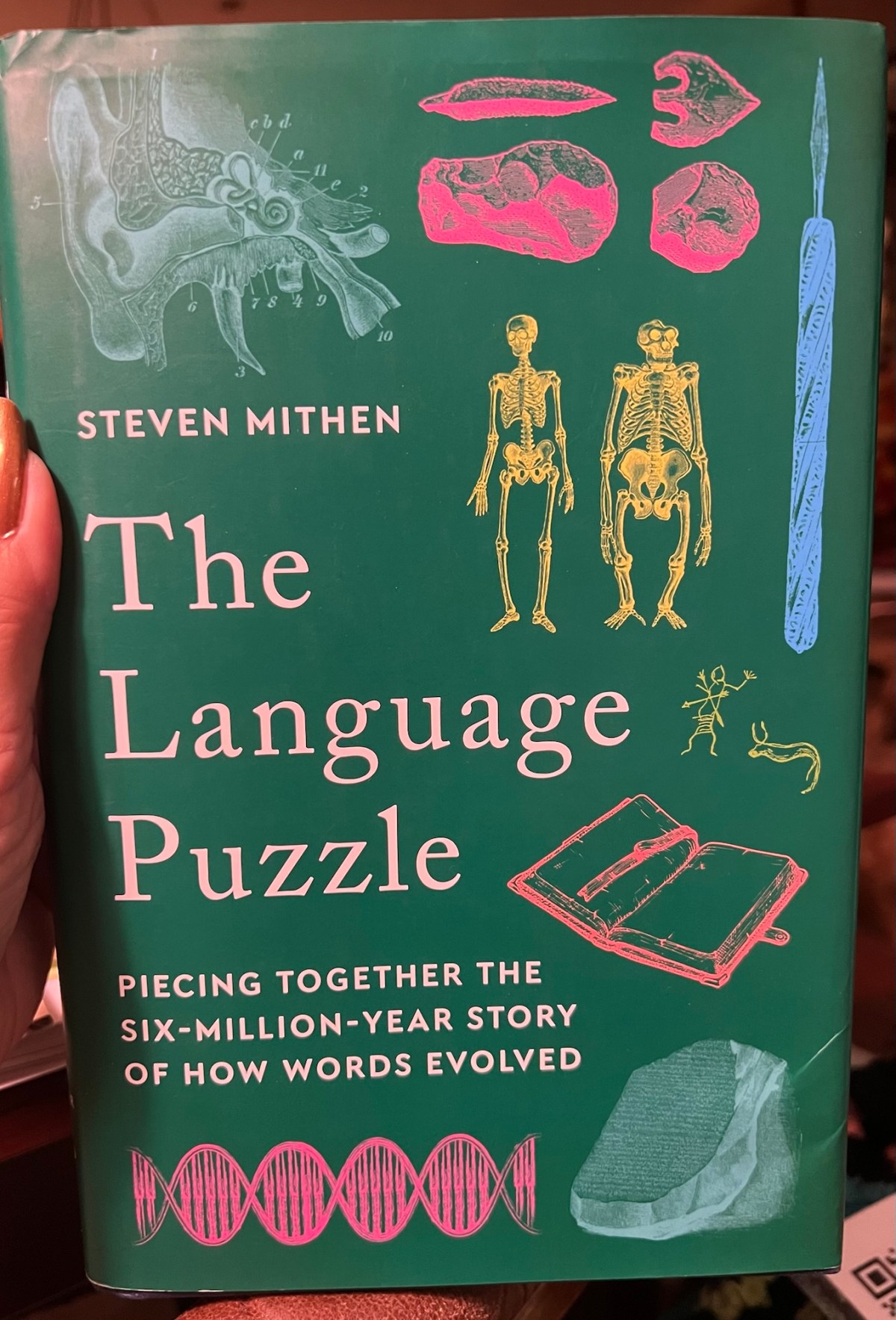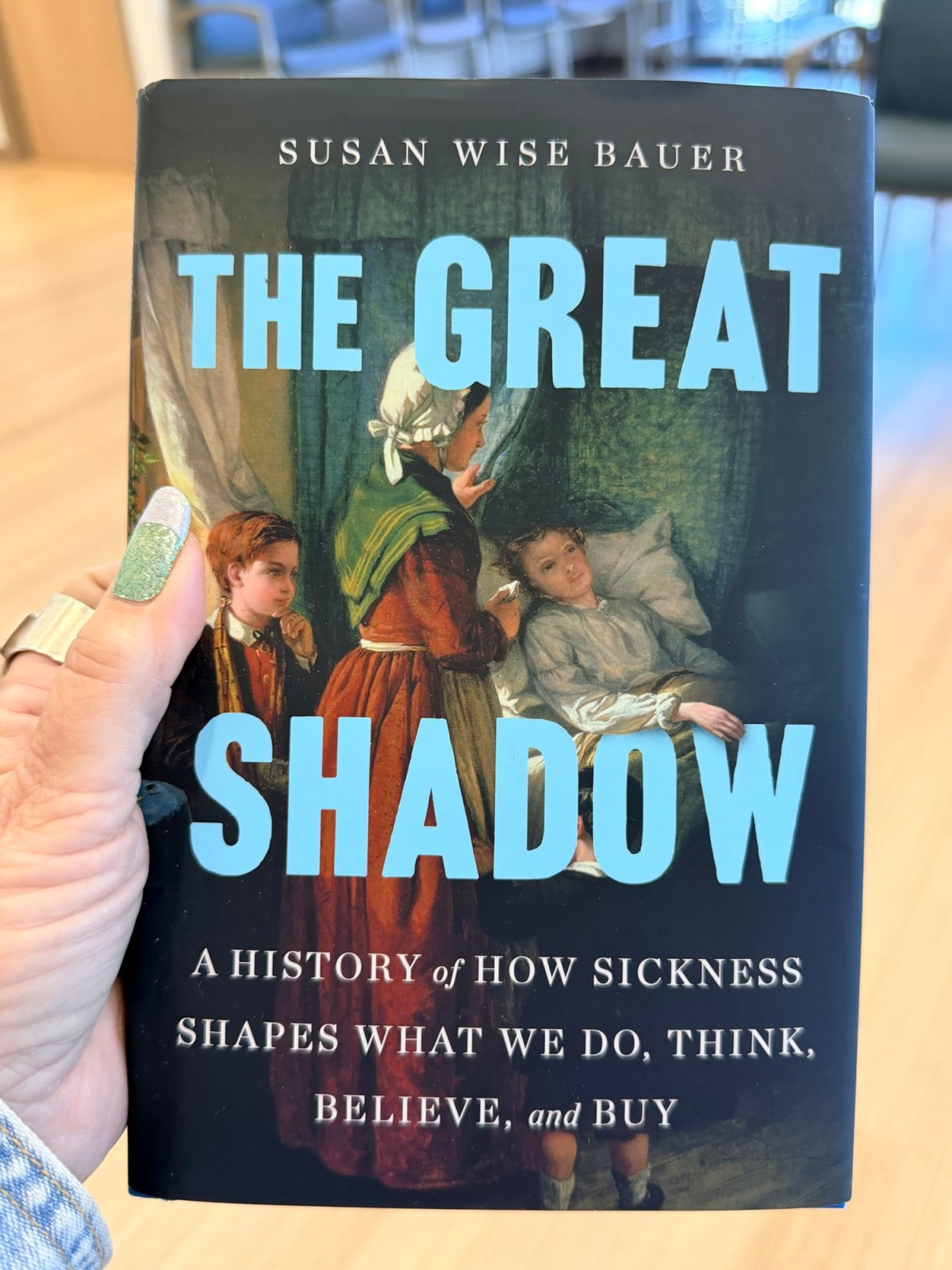
Book Report: The Language Puzzle

To say the least, as a former linguist, I was excited to find this book by a genuine researcher that claimed to explain the origins of language. And by gosh, Steven Mithen undertook a boat-load of multidisciplinary research on the history of humanity, culture, anatomy, and climate (among other things) to put together the various factors that could shape the development of language. It’s impressive. Lots of footnotes.

I enjoyed learning about all aspects of the puzzle, particularly the parts where he summarizes the history of linguistics and how the various parts of language fit together. Even if I didn’t already have a pretty firm grasp of the parts of speech, sound systems, semantics, and pragmatics, I think I could have grasped enough of it from Mithen’s clear explanation. Just the first few chapters are worth the price of the book.

One thing that bugs me, especially when he gets to the sections on human development, is that it takes a lot of conjecture to move from the time when the human line diverged from the chimpanzee evolutionary path. There are many missing pieces in the fossil record, and much of our anatomy doesn’t survive to the present day.
And all the parts about how words sounded are fun to think about, and he does find evidence to back up many of the concepts, such as different head shapes and vocal tracts. I just found some of the story Mithen comes up with, about fire shaping storytelling and such to be plausible but not verifiable.
I’m not saying this wasn’t a good book, because I enjoyed it very much and learned a great deal about human history. I’m simply pointing out that I still don’t think we have a clear picture of how human language developed. I wonder if we ever can figure out details of something there’s no record of, like spoken or signed language.

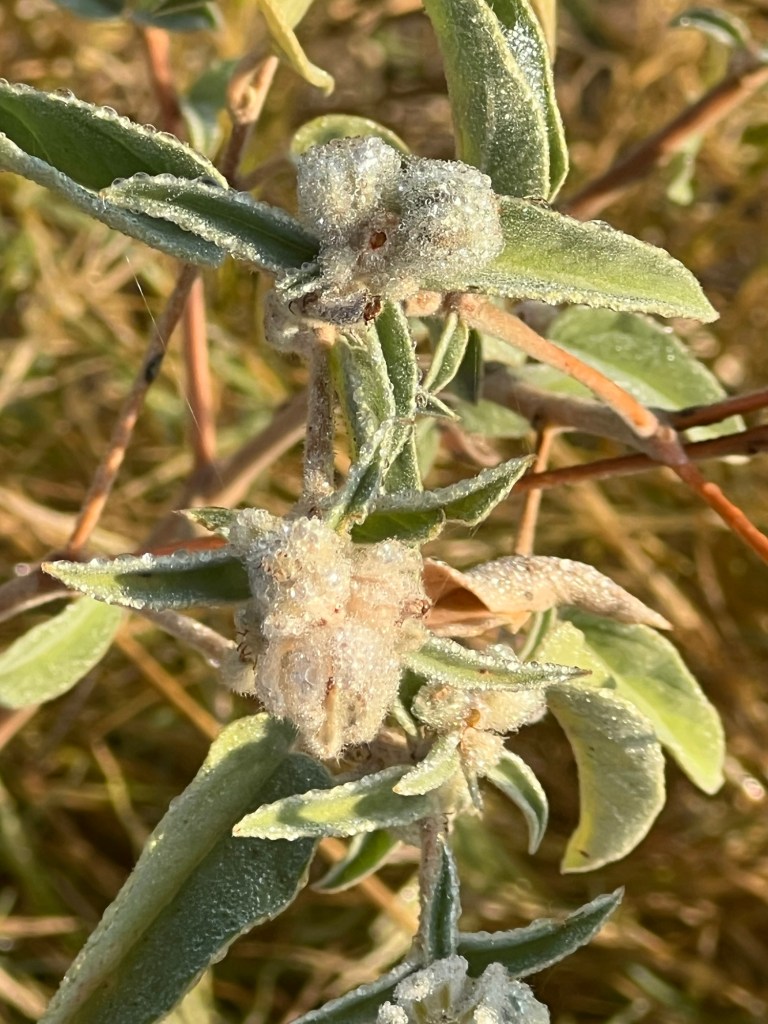
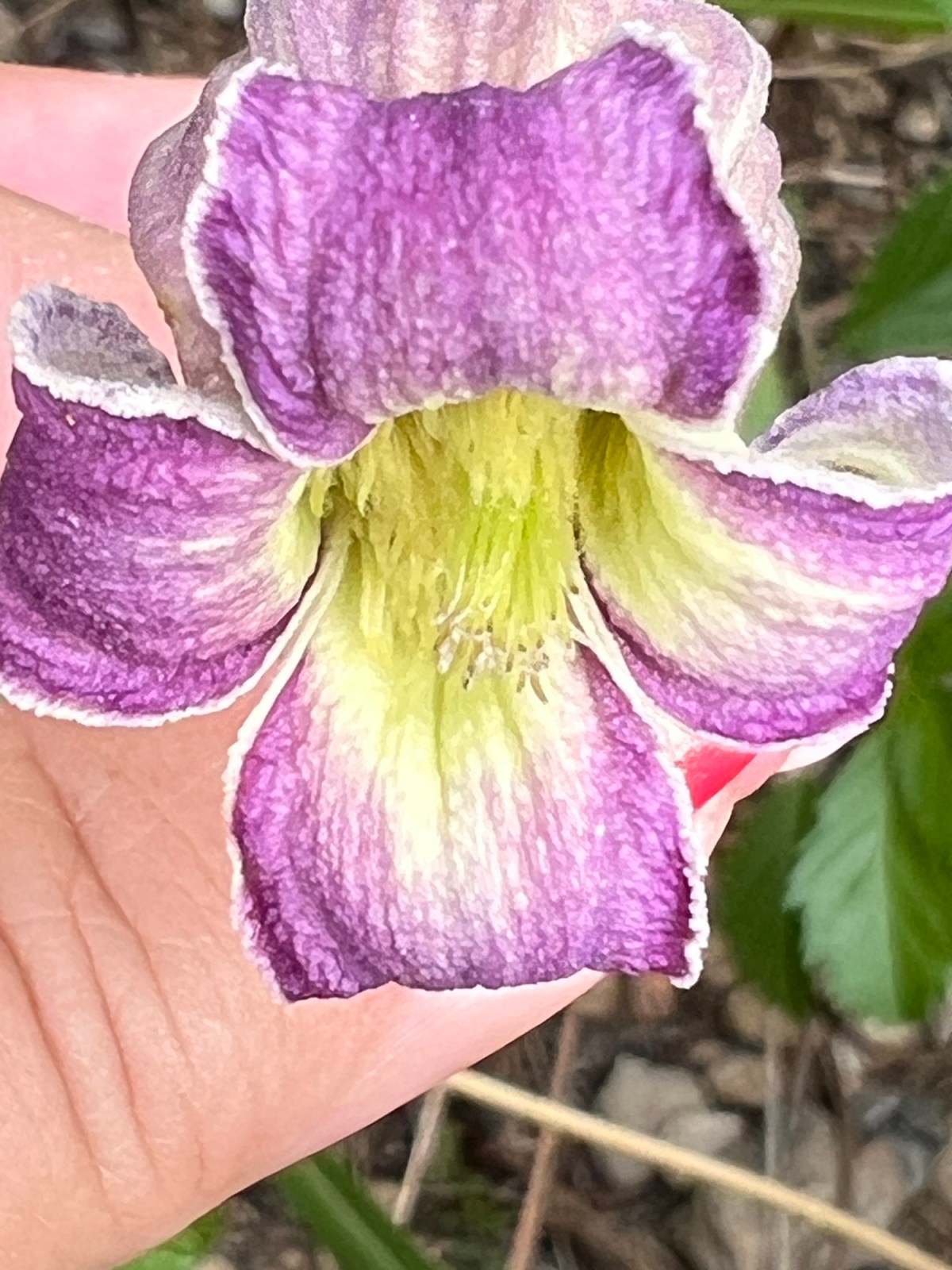
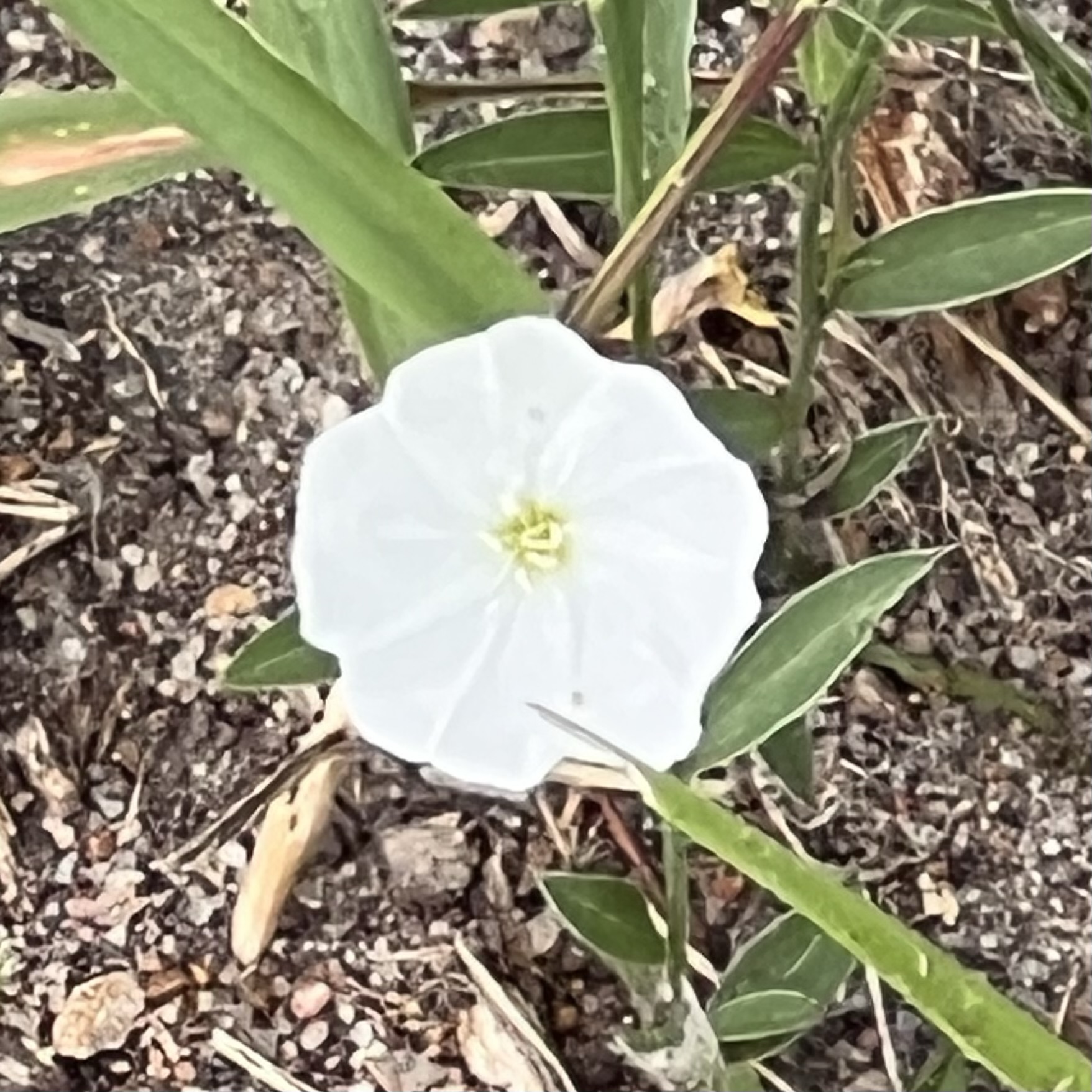
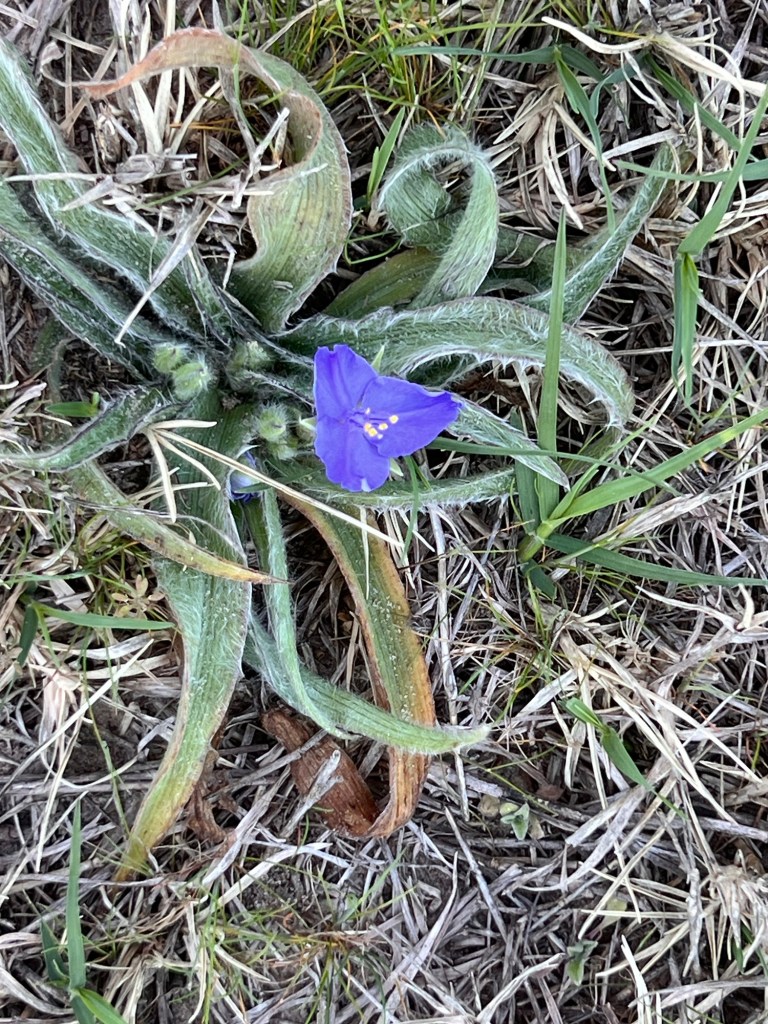
Unspoken beauty of dew on dove weed.

Maybe Mithen will next turn to written language. It has more examples to investigate.

Mission Accomplished

Ha ha, mission is an appropriate word choice, since we did visit an area full of missions today.


Mission Nuestra Señora del Espíritu Santo de Zúñiga, Park Service photo.

After a highly disappointing hotel breakfast, we drove a half hour from Victoria to Goliad, Texas. It’s where lots of Texas history occurred. Just go over here and read about it, unless you are a product of Texas schools, in which case I assume you already know.

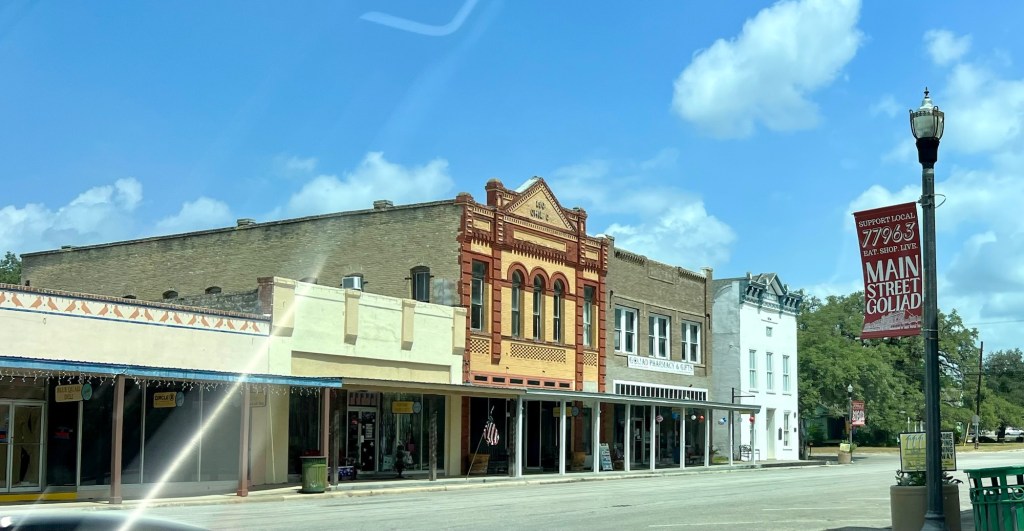
The old downtown of Goliad

Since we were pressed for time, we looked at the beautiful old buildings briefly and then went on a short hike along the San Antonio River, which appeared to be a very old trail.

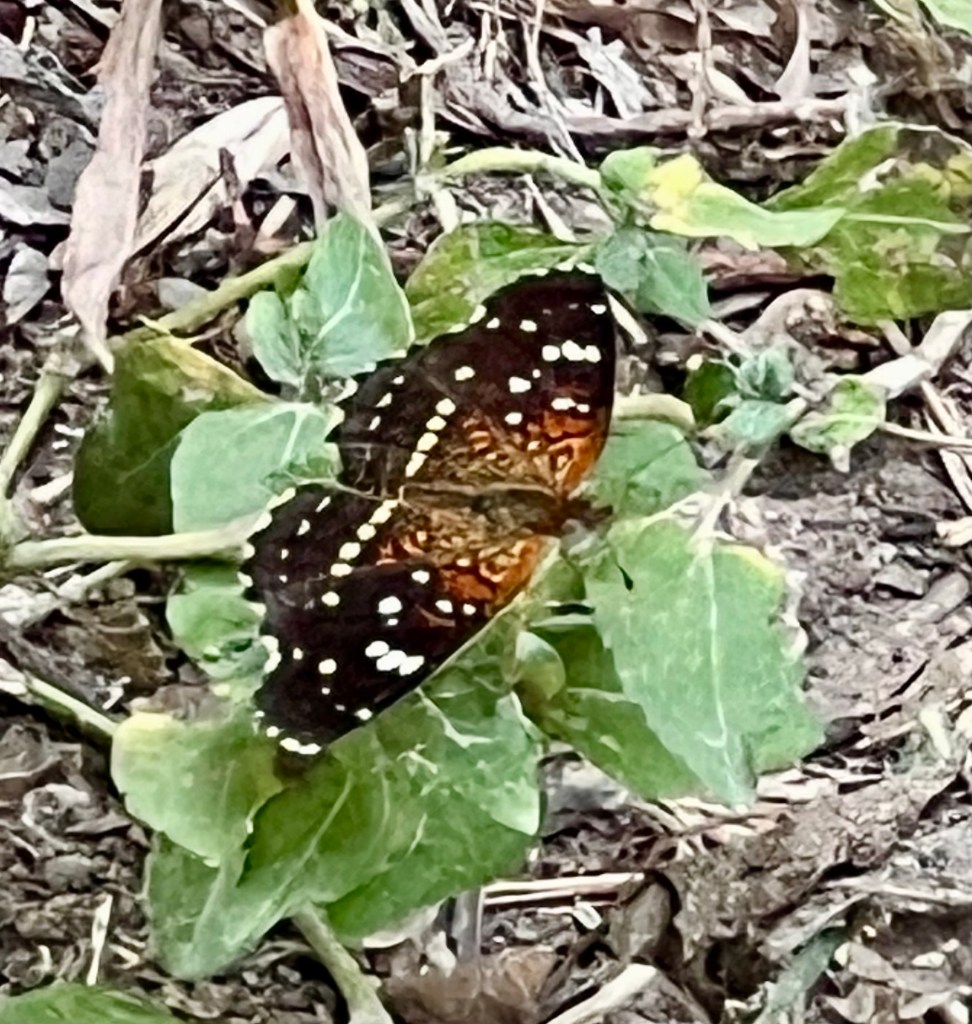
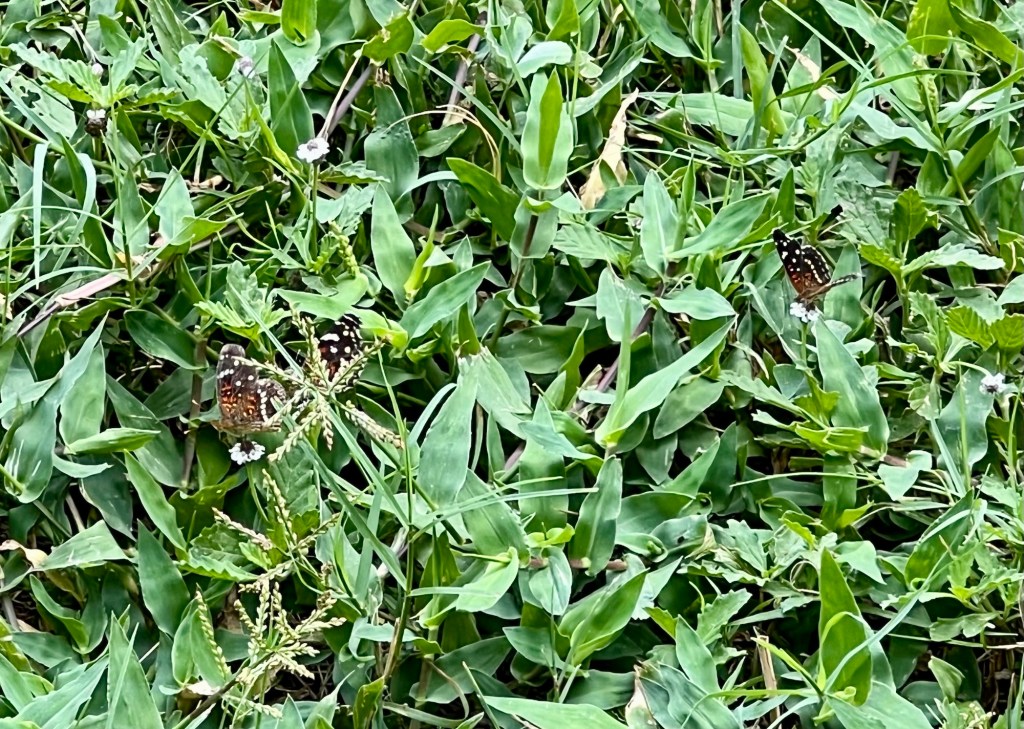
It was a great joy to investigate this new ecosystem. I found a new-to-me butterfly, the Texas Crescent. It’s so beautiful.

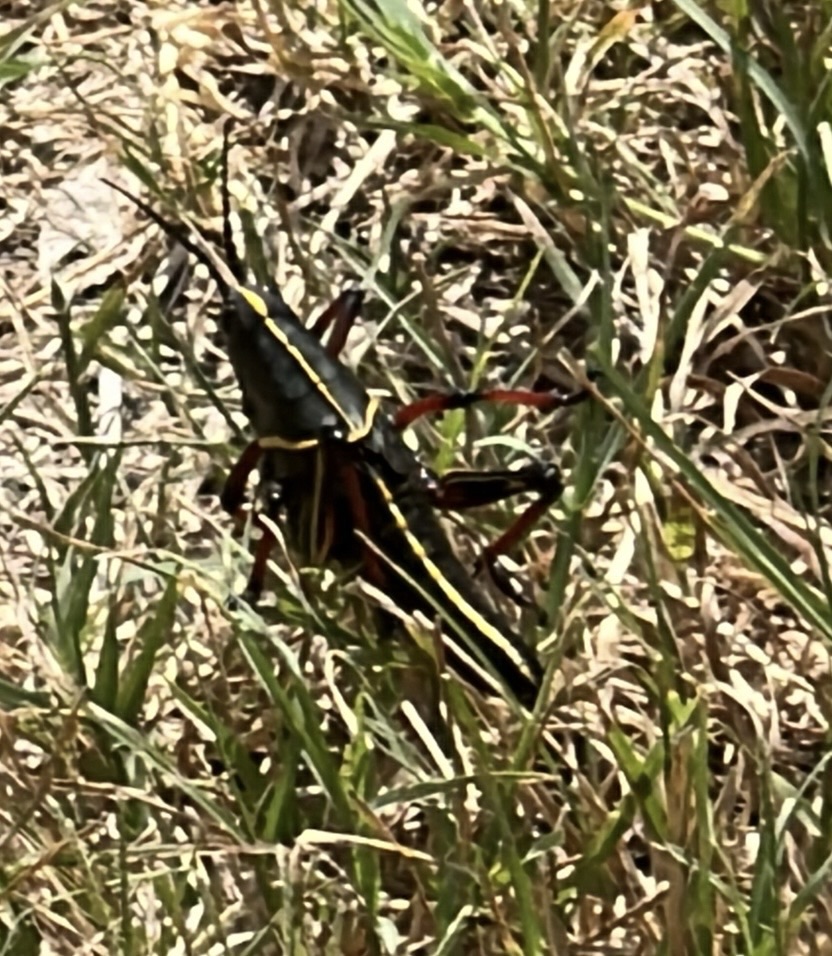
Even more beautiful (to me) was the new grasshopper I found, which is apparently the most distinctive grasshopper in the southern US.

The Eastern Lubber (Romalea microptera)

It’s so pretty. And big! They get to be up to four inches long! I was impressed and very grateful to Lee for spotting the first one.

Very cool.

We enjoyed the river, woods, trees, and birds. I even identified a Northern Parula before seeing the ID on Merlin. I’m learning!

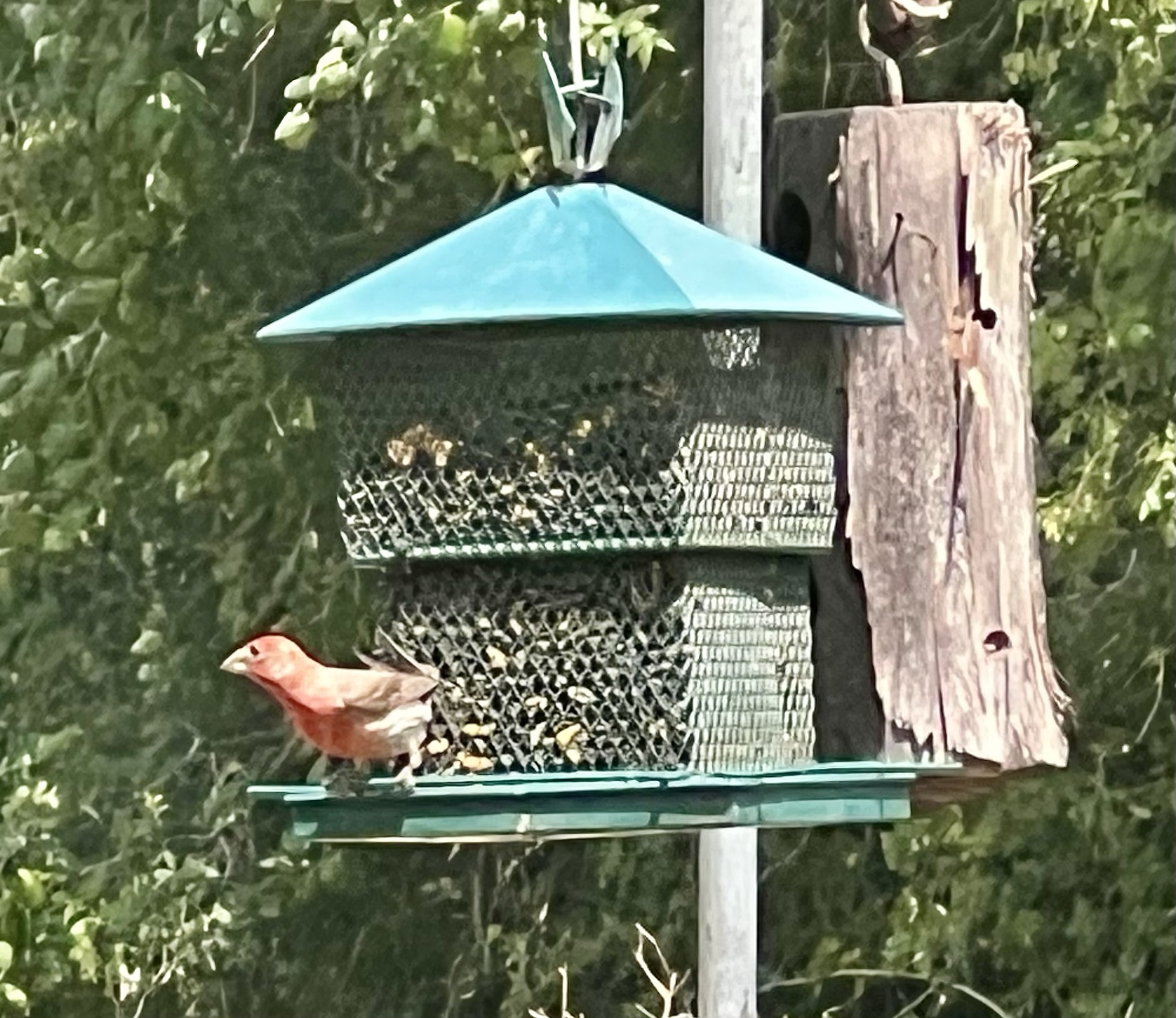
There was a bird blind, but we were too late for the morning feed and only saw a male and female House Finch. The male was very colorful, though, and since I usually only hear them at home, I took it as a birding win.

We were ready to head home, but enjoyed going a different route, which ended up being a tour of different roads Lee used to take to visit his parents in the Cuero hospital. That’s where they’d go unless they had heart attacks, in which case they’d go to Victoria, where I’d already had the hospital memory lane tour. Yes, my previous visits to Victoria had been hospital or funeral visits. A wedding was our first happy reason to visit. [edit: second happy reason—we also went down to Yorktown for Chris and Kathleen’s wedding!]

All is well at home. I didn’t even lose any plants! The dogs, chickens, and horses were fine, too. Kudos to our pet sitter!

I should return to non-travel content tomorrow.

A Visit to the Local Ghost Town

It’s been a long time since I wrote about the Walker’s Creek community, which is nominally where we live (or Silver City, another town that’s gone). On today’s weekend walk, I decided to investigate what’s left of the community.

Definitely a scenic walk, including the yellow Gaillardia.

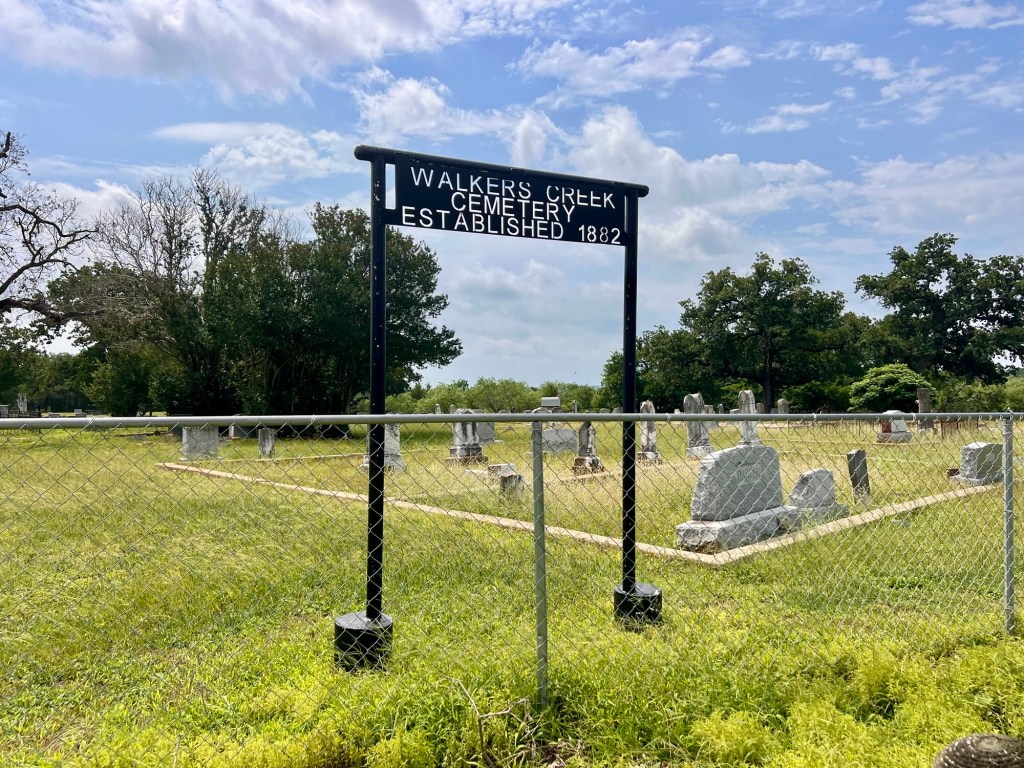
Last week I went to the cemetery, so I’ll just show you the entrance. There are older cemeteries in the area, but here’s where all those Hightower and Laywell ancestors are. I mostly enjoy the ancient oaks and birds.

As I’ve mentioned, the cemetery is still in use.

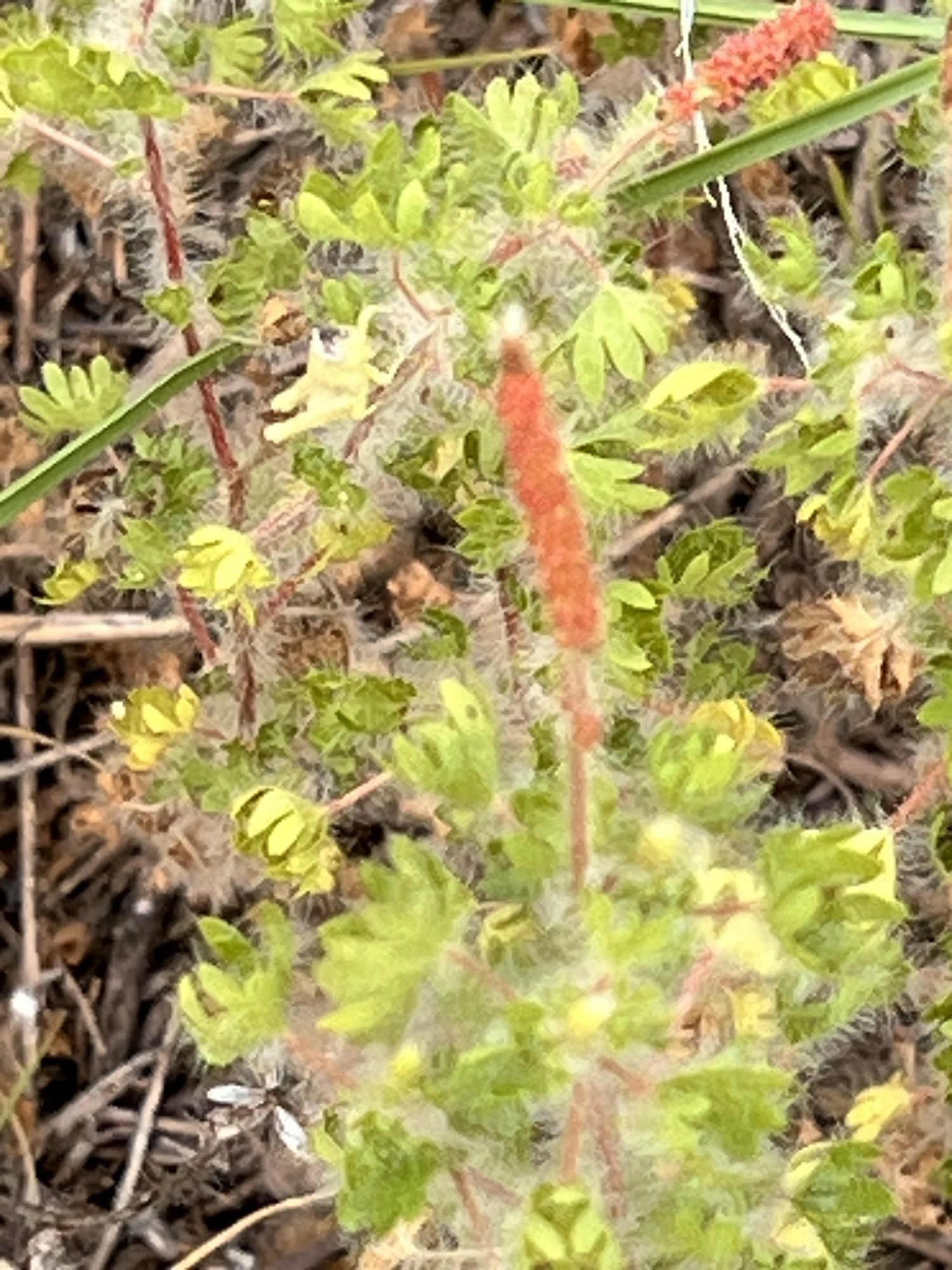
I climbed up the hill to get to the historical area, stopping to enjoy some gorgeous Pitcher’s Leatherflowers. I declare them to be my favorite wildflowers (sorry milkvine).

I found many birds, including lots of raptors. There was even a Bald Eagle, which usually don’t stray so far from the Alcoa lake. I was happy a Swainson’s Hawk flew over, too.

This is my only bird photo. It’s exciting though, because it’s a Painted Bunting NOT hiding in a tree. How do I know that? It was vigorously singing the Painted Bunting song.

I decided to see if there were any fascinating plants at the site of the old Walker’s Creek Church. I think that was also the school site?

All that’s left.

I saw the remains of many of the oaks originally planted by early English-speaking settlers. The trees have not handled recent drought years, plus they’re old.

Ghost trees of the ghost town.

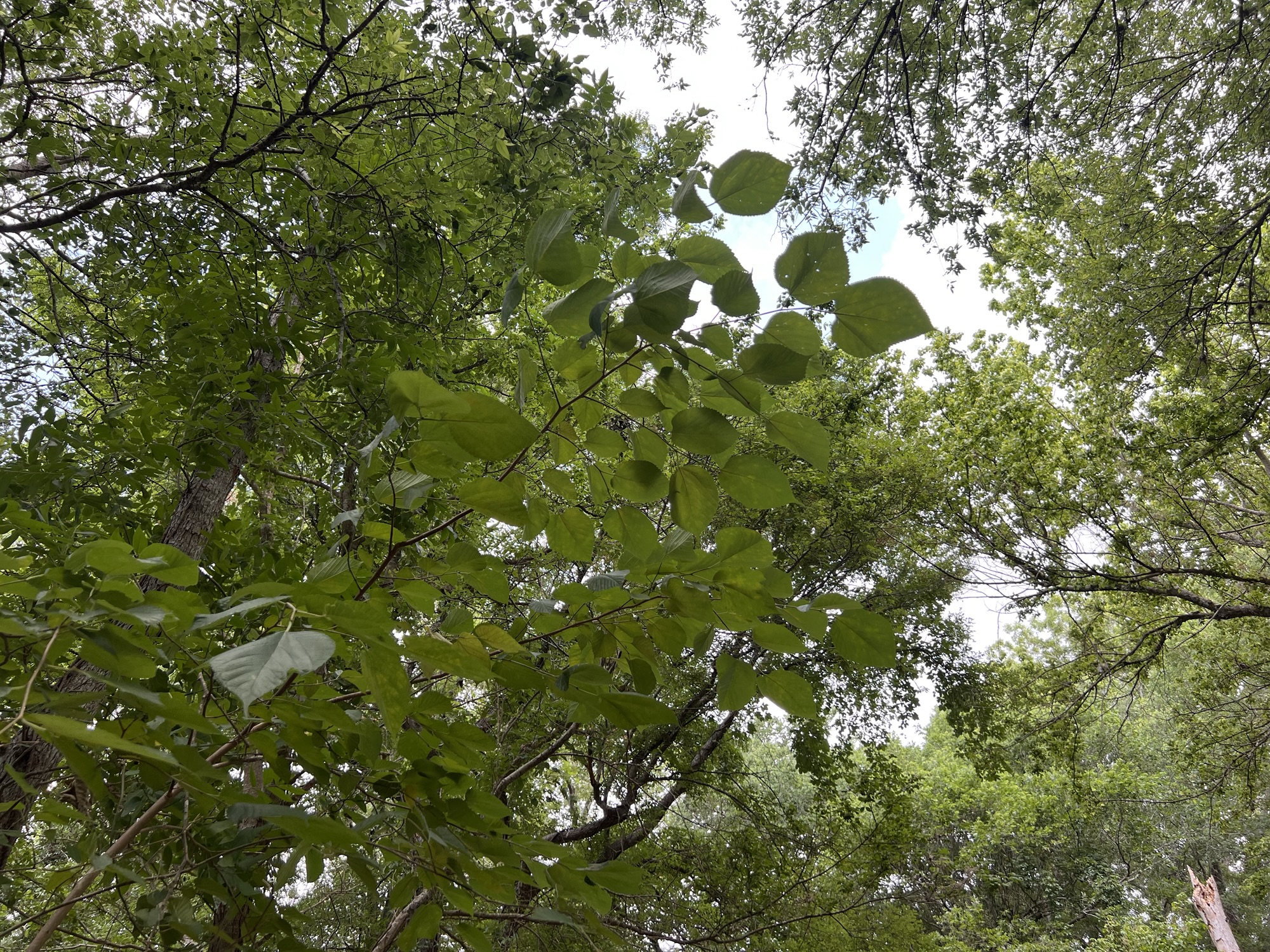
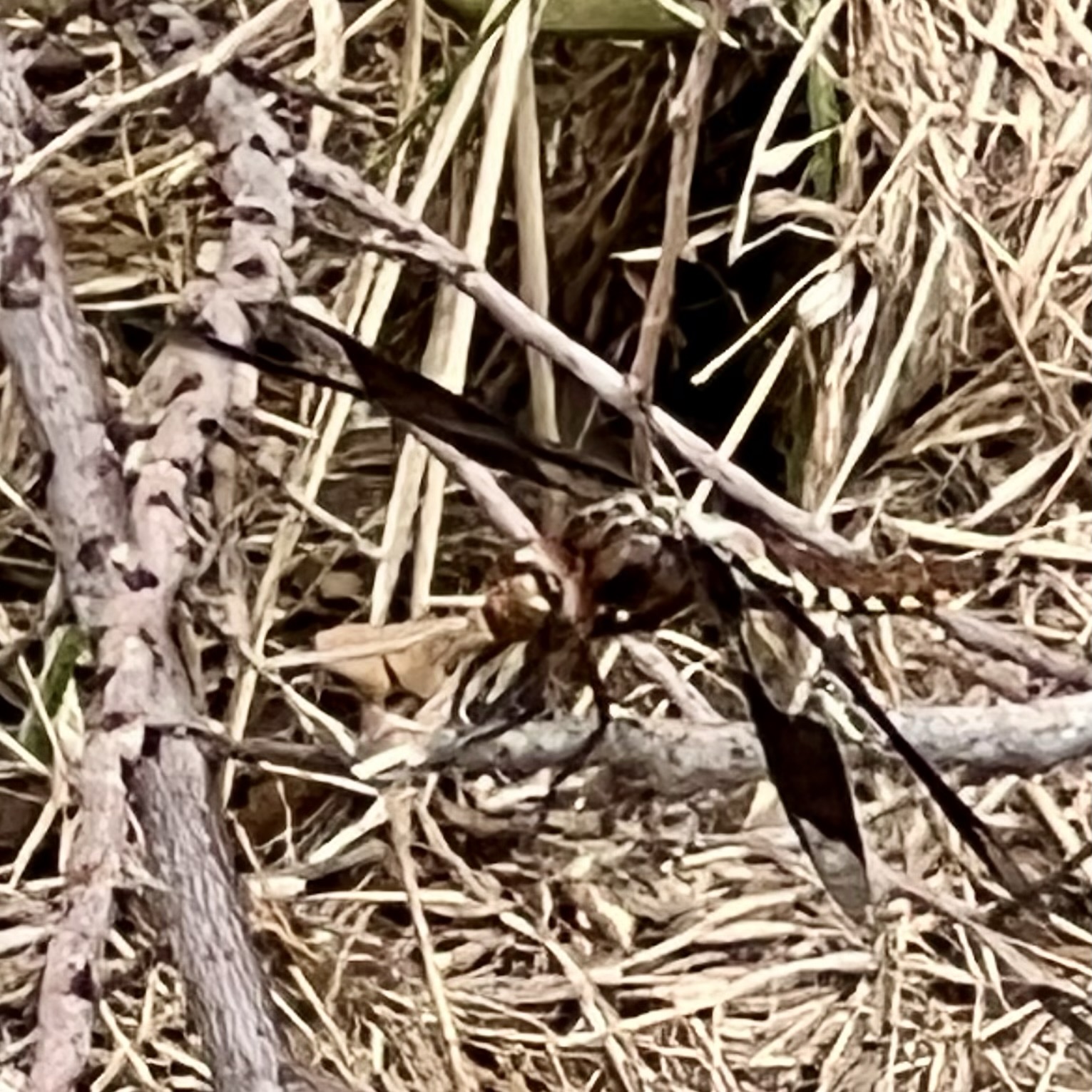
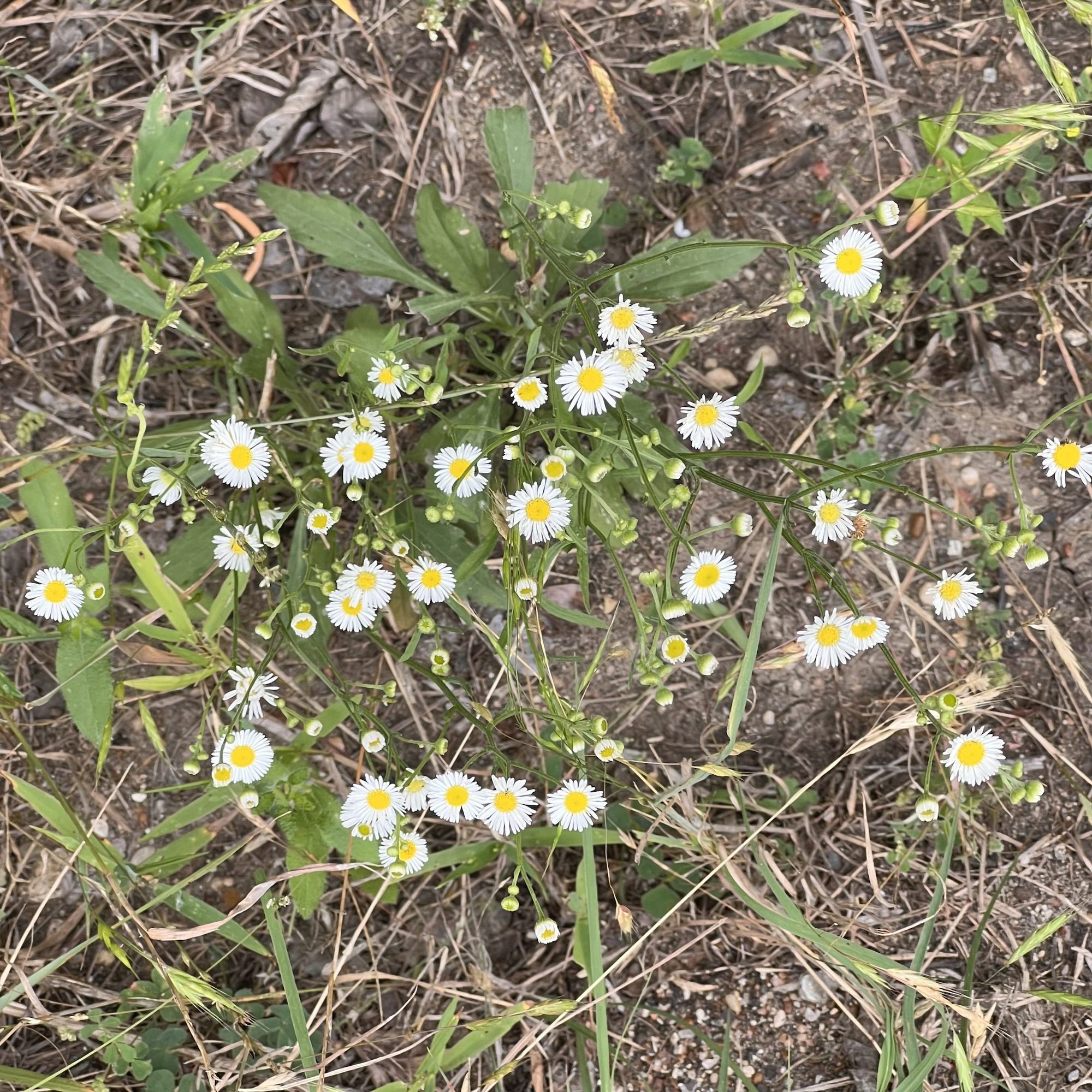
I found a dragonfly, some wildflowers, and the usual trees for around here, cedar elms and hackberry trees. The most unique feature was all the Inca Doves that seem to only live on the top of this hill. They don’t come past the creek to my house. Here’s a sample of what I saw. I’ll spare you yet another dead armadillo.

That wasn’t too exciting, but I enjoyed thinking about the people who settled on this hill so long ago. I’m glad we still have some friendly folks in the community, even short-timers like us and “the dog lady” (Vicki, who raises amazing Shetland sheep dogs).

Alfred says he’d be a sheep dog if we’d get him some sheep. Until then, he’ll just chew his “cigar.”

I’ll have more excitement for you in the morning.

This is the purple box. Everyone notices it. Says it’s an insect trap. Ok.

King Arthur and Queen Goldie

What historical event fascinates you the most?

Two topics tonight! First, I have one of those physical reactions to places associated with Arthurian legends. One of the places I got the “vibes” from like on the Sacred Springs was Avebury, in England, especially Silbury Hill. I guess it’s not surprising, since it’s one of those places with “ley lines” (which you can believe or not).

AI representation I asked for.

I’ve read enough about King Arthur and those times to know that we have little idea what the people then were up to, if they were real. But it’s attached to my ancestry, so I find it interesting. Really, the ancient Celts seem like a bunch of angry people who liked to fight, and English history after 1066 didn’t make English folks seem more sympathetic, at least the ruling class. But I’m thinking whatever my ancestry is, there were a bunch of pagan misfits, like me today.

Hail and farewell, Suna, says AI Arthur

Anyway, the blog prompters asked, and this was my answer. It may not even be historical.


As for Queen Goldie, last night she triumphantly mounted the stairs and came up to sleep with me.

It’s hard to sleep wedged up against her with Carlton at my feet, but I appreciated the opportunity.

That was a surprise. Being a dog, she hadn’t thought about what goes up having to come down, so her descent was a bit scary. But she was all right. We ordered some stair tread carpet to keep her from slipping if she tries again.

Looking a bit dazed after her descent.

Dr. Amy said she wanted to see Goldie again today after reading about her adventures. We got her in the car, and Lee took her to the mobile clinic. Goldie got more IV fluids and an antibiotic shot. She still has an infection going on, though Amy said she is obviously much improved.

Giving blood is exhausting.

One thing’s for sure, Goldie is eating again, which we take as a very good sign. I’m hoping she keeps up the improvement. She has a whole family team looking after her!

And Samhain blessings to all you folks who keep up the old traditions.

Book Report: Holy Sh*t

I’m way behind on book reports, and I want to catch up before I flee Texas for a couple of weeks again. So let me share this delightful volume that Lee got at the bookstore/coffee shop in Rockdale (one of the few reasons I would volunteer to go there).

Great cover!

Holy Shit: A Brief History of Swearing (2013) is worth looking for in your local used book store. Melissa Mohr has a fine way of blending academically rigorous prose with sneaky bits of humor. For little linguist Suna, this was a delightful and engaging combination.

I’m sure my friends are glad I finished reading it, because I was compelled to regale my family and friends (and complete strangers who were willing to listen) with tidbits about the origins of curses and swear words. I feel quite educated in how the English language developed its words not fit for polite company.

I was extra glad that Mohr started out with how the Romans used swearing in Latin. I learned some good Latin and laughed a lot at their creative bathroom scrawls. Actually, they scrawled on all the exterior walls, too. I also learned more about their sexual practices than I did before. I’m not putting that stuff in the blog, though.

The main point of Mohr’s research was that what US and British society found to be the most offensive type of words has changed over time. early on you could babble on and on about shitting and fucking, but you’d better watch your tongue when uttering oaths or insulting God. The worst was to swear by God’s body, like God’s blood! They felt that you truly hurt God when you did that.

As time passed, oaths and swearing became less of a touchy subject. Nowadays we swear to God or whatever, and most sects don’t get up in arms. It’s the bodily functions that are taboo. Now we pass gas, have a bowel movement, urinate, and copulate. That’s all thanks to our Victorian ancestors.

The history of what was allowed under what circumstances is fascinating, though. You have to get used to reading all those “naughty” words, of course. It’s worth it. I haven’t laughed and learned at the same time to this extent in a long time.

I’m happy to lend it out once Lee reads it.

I Hope We Can Learn from History

What major historical events do you remember?

I’m not ancient, but I was born in scary times. I remember the nightmares I had after the “duck and cover” drills that would not have saved my elementary school friends from an atomic bomb.

I remember the President getting assassinated and watching his funeral on black-and-white television. I liked the white horses.

I remember Walter Cronkite solemnly reciting war casualties and my parents’ friends crying over their young sons forced to be in that war.

You wonder why I’m a pacifist?

I remember some years of hope, when I thought people were getting less racist, women were getting the same rights as men, and my gay friends were able to come out of the closet.

I was on a plane when the 9/11 horrors happened.

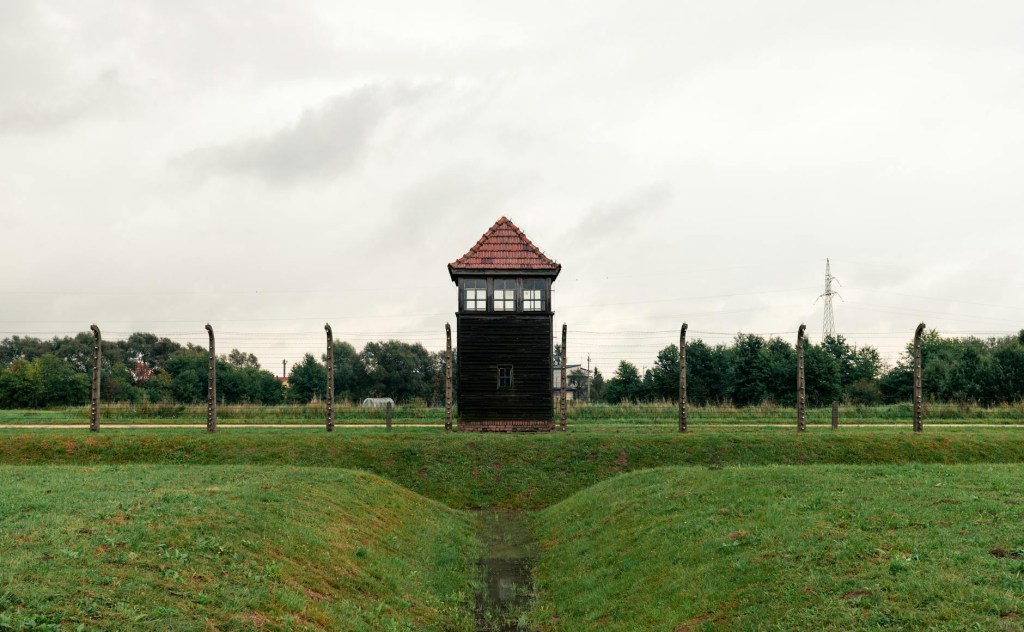
I noticed when Vladimir Putin was elected and quickly became dictator. It reminded of a time before my birth when a candidate in Germany stirred up the disaffected and angry populace to win his race, then immediately put his opponents in concentration camps. Then came the immigrants, the gays, the non-Christians.

I hope I won’t remember a time when history repeats itself. Again. More scary times.

We’ll see. Two weeks from now a choice will be made. Pray for peace and that cool heads prevail.

Book Report: In the Shadow of Liberty

Rating: 4 out of 5.

My friend Phyllis loaned me this book after a conversation we had about how history’s narrative differs depending on who’s version is being told. In the Shadow of Liberty, by Kenneth C. Davis (2016), is one of many books that have come out in the past few years that provide perspectives on events in North America from people who aren’t white, male, Christian, or wealthy. As one of those non-priviledged people, I appreciate these insights! (Of course I have plenty of priviledge, just not as much as I would have were I male or a declared Christian).

The book is not about me, though, it’s about people who were witnesses to a lot of the early history of the USA, though they were only 3/4 of a person legally and also enslaved to a wealthy landowner who happened to also be a President of the USA. Because of their proximity to people who wrote a lot and got written about a lot, they managed to get at least glimpses into their lives recorded for people in the future to learn from. As Davis points out there were thousands of people who toiled in the fields anonymously who never got to share their side of life in the 1700s-1800s.

Davis makes it clear that the history of slavery and slave-ownership isn’t as black and white as we make it out to be. Slave owners were known to change their minds over time or treated some enslaved people way differently than others. Some were cruel and some were more humane (a relative term, of course. I found it interesting to see how each group viewed the other and how differently their lives played out.

I’m not going to detail each chapter of the book, which has lots of interesting photographs, timelines, and illustrations to help us understand the times when the protagonists lived. What I do want to point out is how well Davis conveys the whole context of the Presidents and their families, as well as the families of enslaved people around them. It becomes very clear, for example, that George Washington both admired and trusted Bille Lee, who accompanied him on most of his battles and campaigns, yet he always referred to him as “his mulatto man, Billy.” I guess that’s just how people talked back then, but it made me sad.

You’ll find lots of information you may not have heard about before when you read this book, which isn’t very long and is more of a popular book than a scholarly investigation. Some of the people focused on are now pretty famous, but some have faded into the shadows (of liberty).

Reading this book now in 2024 will remind you of how important it is to not backslide on the freedoms we have fought long and hard for in the US. There are still people who would be happy to go back to a time where people could own each other (and it still occurs in the shadows, just a little differently). We all deserve to live our lives safely, with our families, and with meaningful paid work. No “but not these people…” should be allowed.

Favorite Flower, Least Favorite Word

If you could permanently ban a word from general usage, which one would it be? Why?

I’m gonna make random readers learn about my encounter with a new favorite flower and some historical land before telling you what word I’d ban. I want to share happy things.

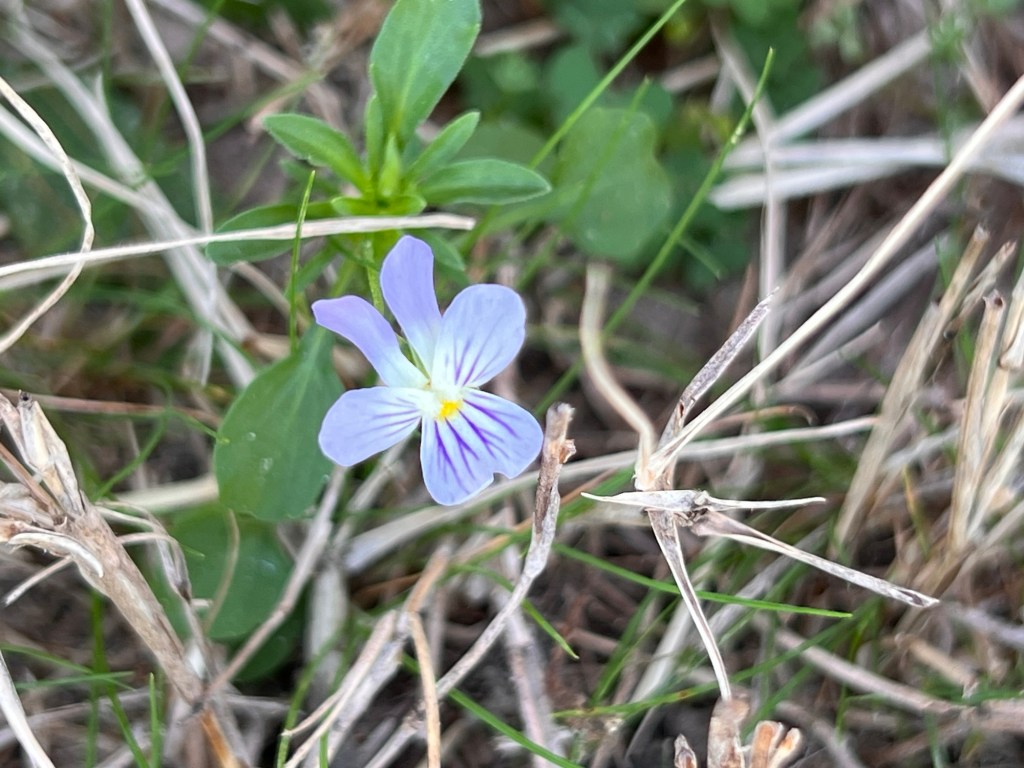
What are these little darlings?

Anyone who’s known me a long time probably knows my favorite flower in the pansy. I love their colors and their happy faces. I had no clue that there are wild pansies in the US, since I only knew them from flats in the garden store. But there are!

Hello! I’m the American field pansy – Viola rafinesquei

There’s no info on it in iNaturalist, which surprised me. But it apparently grows all through the eastern US. Have you ever seen it?

We were hiding

I was quite entranced by these tiny mini-pansies, which I encountered in Southeastern Milam County today on a hike with friends and their sons along the old El Camino Real de Los Tejas trail, leading to the panoramic views at the top of a hill, where Native American settlements at the Ranchería Grande were located. It’s gorgeous, with 360° views of the area. (Fellow Master Naturalists own the property and with the help of volunteers will make it accessible to the public.)

Lots of view.

I found another new plant, called smallflower fumewort (Corydalis micrantha). They were all over the field, too. It has a charming, yellow flower shaped like tubes. I never saw anything like it before!

We had three young boys with us who were very new to the concept of observing and preserving nature. One young man was very proud to have cut apart the snail shell I gave him. Another one really enjoyed hitting things with sticks to see the sounds they made. They took great glee at destroying any animal tracks they found, but we convinced them to leave the cool leaf cutter ants to their business. I think ant lions sounded scary so their holes were safe, too.

Spider wort didn’t scare anyone. I was pleased my friend found one blooming!

I hope the younger hikers learned some things, though, and it was fun listening to them and hearing how they think. I’ll have a lot more boys next week, as we take Cub Scouts along the trail. Here are some things the boys found interesting.

We adults had fun, probably more than the kids. I was happy to have a chance to hang out with my friend, her spouse, and my fellow Master Naturalist. Next week I’m on my own with no backup naturalist.

This photo shows a huge leaf cutter ant colony. Dozens of connected nests.

So, what word would I like to make go away? I find the word “libtard” especially offensive and disrespectful. It insults people with more progressive ideas by using “-tard” which is something people try not to use to refer to those who have mental disabilities. I guess the word helps me remember to do my best to avoid name calling and pejorative labels when talking about the new far, far right factions in the US.

Hurling insults is a time-honored tradition in politics, I know. That doesn’t make it any less distasteful.

Fame and Gratitude

If you could meet a historical figure, who would it be and why?

Yow. This is hard! I came up with the Buddha, because I’d like to have learned from him. I’d also have enjoyed talking to Eleanor Roosevelt. I’d love her perspective on the choices she made in life and to experience her intelligence in person.

Unretouched sunset

Really, though, regular people can be just as interesting as famous people. It would be interesting to talk to some of my ancestors in the Middle Ages in England, just to see what life was really like for women then.

Did they listen to birds or were they too busy trying to survive?

Okay, so it was US Thanksgiving, two years since my sister walked out and never spoke to me again. I have so many weird memories of this holiday, but I still love it. I miss cooking with someone.

You can see birds better now that leaves are off.

Today most of our usual dinner companions were dealing with pressing matters elsewhere, so it was just me, Lee, Anita, and my son. But it was pleasant, fairly relaxed (other than not being able to find a blender or even a potato masher to puree corn).

Table set with random things.

I messed up my own cranberry sauce recipe by adding lime oil (bad idea), but everything else was tasty, even the turkey I just stuck in the oven and cooked. Desserts were great, too. Anita made a lovely cranberry bread with fresh pecans from her neighborhood trees.

Food.

The best part of the evening was just sitting around and talking after dinner and a little concertina concert from my son, who found the instrument under some stairs in a building he’s renovating. Anyway, we all just went from humor to serious conversation, and I think we all had a good time. I’m very grateful for the chance to have relaxed conversations with people I love.

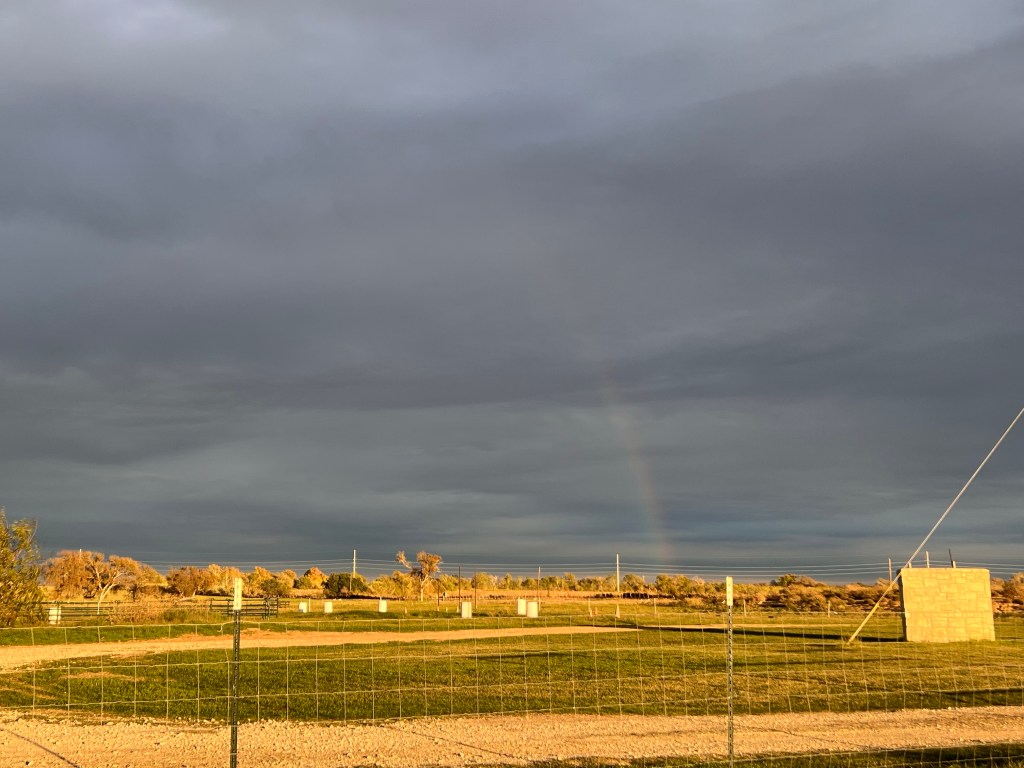
Rainbow after we ate.

So all is well, even though our minds were on family and friends who are struggling.

Daily Bird

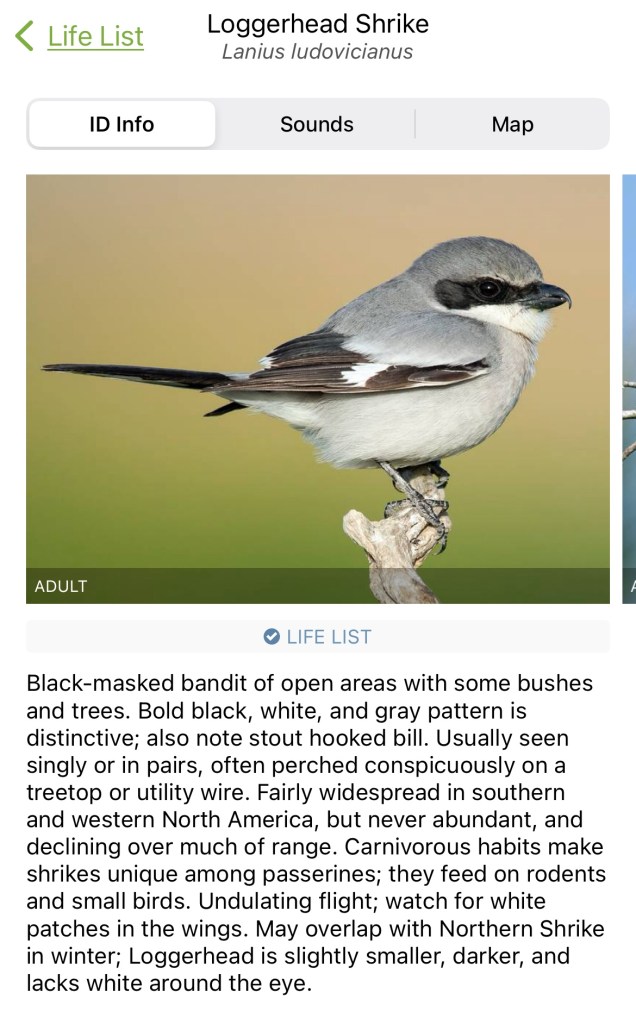
I’ll say today’s bird is the loggerhead shrike. I enjoy them bellowing from the electric wires and leaving insects stuck on the fences. They’re such fierce little guys. I enjoyed watching this one today.

Shrieking shrike

I’m glad we have such interesting birds here!

Book Report: Mother Tongue

I’ve let this book marinate in my mind for a few days before writing about it. That’s because Mother Tongue: The Surprising History of Women’s Words, by Jenni Nuttall (2023), left me conflicted.

It’s a good book to review on Samhain/Halloween, since it has an entire chapter on witches, and there’s a good deal of discussion of how all kinds of words became derogatory terms for old women, the kind you see depicted in Halloween decorations. And who can complain about a book about etymology? Not me, that’s for sure.

Nuttall is an expert on Old and Middle English, so it’s fun to read her easy translations of old phrases (and to try to figure them out before she translates). I’m inclined to be sympathetic to fellow linguists, of course, and to fellow feminists as well, but dang, this woman comes across as grumpy. She also comes across as defensive about her life choices. I don’t think parenting is her favorite stage of life and she certainly doesn’t have much good to say about breastfeeding and hanging out with your baby. I think she’d have liked one of those wet nurses she talks about in the mothering chapter.

The other small complaint I have is probably just me. Since I spent a lot of my early adulthood reading (and writing) about how women use language in more recent times, I was hoping for a lot more detail, more examples, and more juicy stories about the language of and about women in early English. She doesn’t seem to have many other choices than Chaucer. It does occur to me that there may not be many written sources for her to draw from, so I’ll grant that.

I have a lot of books on women’s language and sexuality. Some of them are here. Others are still in a box.

One of the fun things about Women’s Words is that it’s written in British English, so I got to learn some new modern slang. That was a real bonus. But since she’s English, I wish she could have added some words about women from former British colonies like India and the Caribbean.

Honestly, though, I wouldn’t discourage anyone who has an interest in the English language through history and cares about all English speakers, not just the ones who fancy themselves to be in charge. You’ll find out some interesting derivations, like the fact that the history of “girl” is shrouded in mystery. You’ll learn about words for childbirth, marital states, and the work women do. Go ahead and check it out. Don’t listen to grumpy Suna.

PS: if you write a book about women and language, don’t name it Mother Tongue. There are lots of books called that, so you’ll need a good subtitle.

Good night, moon. Hello, ancestral spirits.