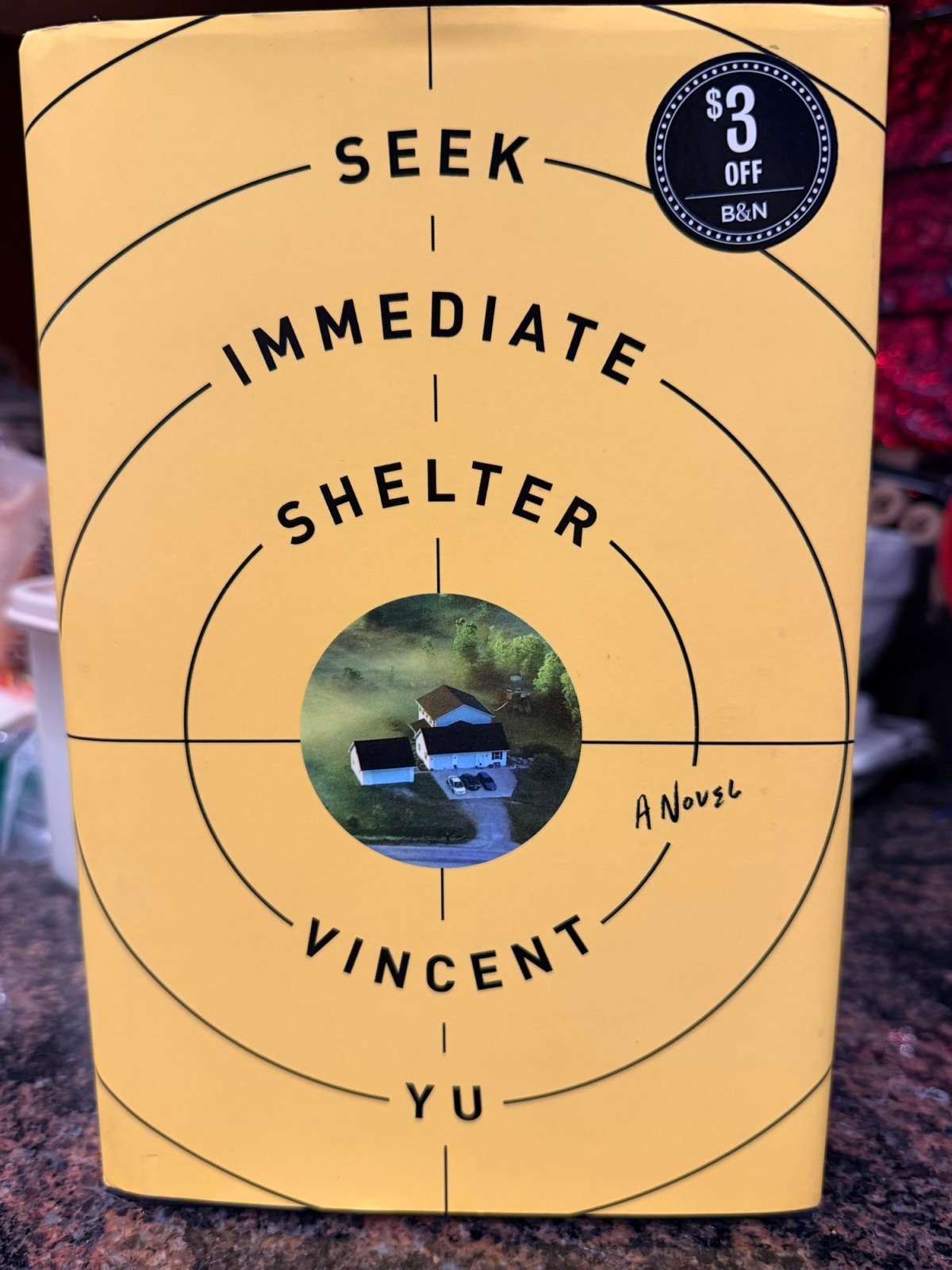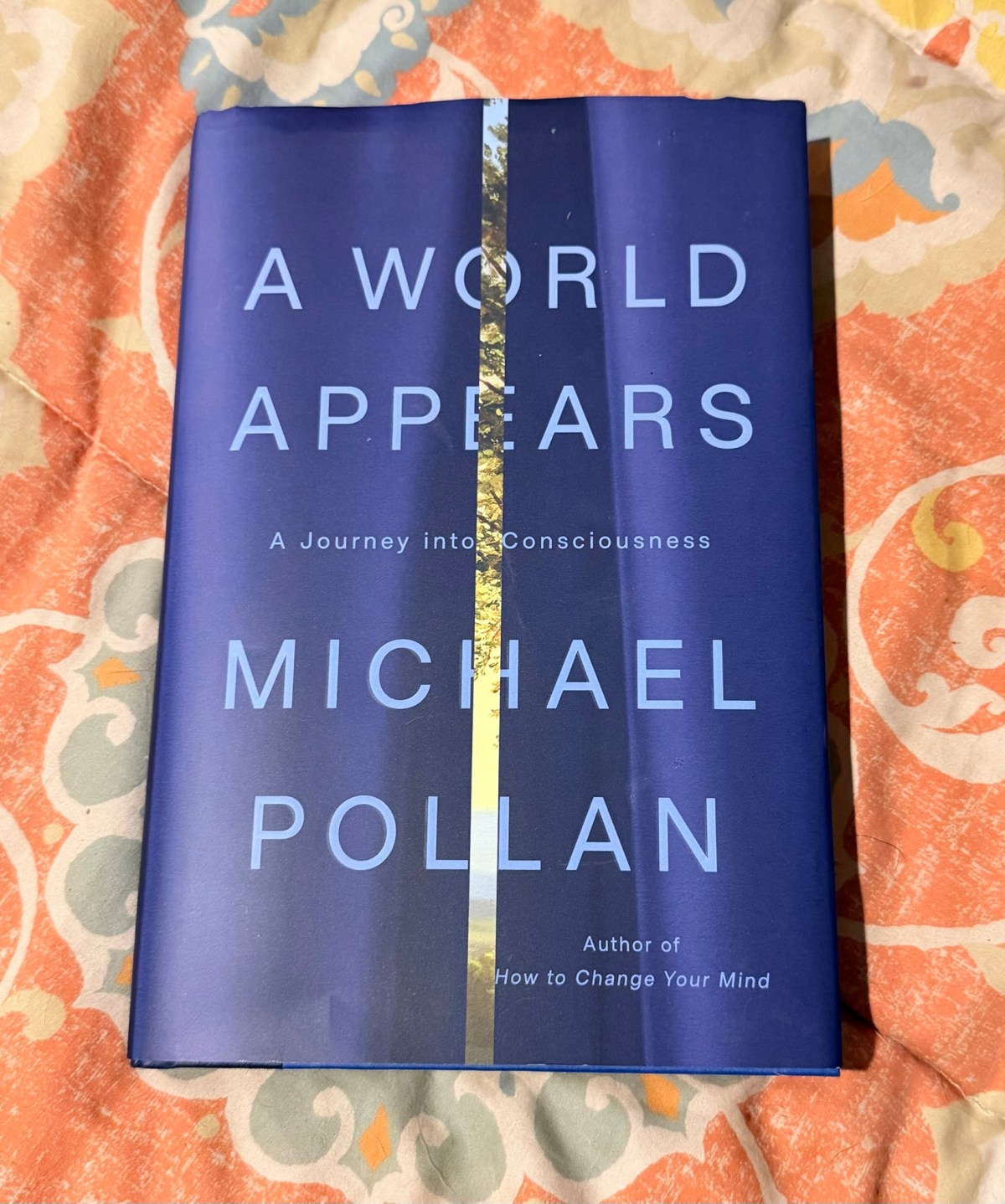
I bought The Hare, by Chloe Dalton, at the Book People store in the Austin airport this morning. I then proceeded to read the entire book on the plane to Portland, Oregon. That’s pretty impressive, since I was also helping the woman on my row with her sweet little nonverbal 4-year-old boy. Wow that woman is a great mother.
I did love this little book, which is a loving memoir of the years Dalton spent raising an orphan baby hare, called a leveret (did you know that?).
I learned so much about hares (which are not rabbits) and how they live! And of course, I loved Dalton’s descriptions of the English countryside where she lives.
Dalton, who is a political consultant, is a wonderful writer. She has a very apt way of describing the behaviors of her hare friend that sounds authentic yet fantastic at the same time. I hope she writes more books—I truly enjoyed her prose.
Magnificent amber-eyed athletes!
Her attitude toward the wild animal in her care impressed me greatly, and even when she gets into her sincere entreaties to take care of the native animals of England and provide them with the environment they need to thrive.
I loved The Hare enough to read it again later. These wonderful animals are fascinating, and Dalton’s gentle observations of them endear you to hares without pressure or stridency. You end up fond of both the author and her subjects.
If you could be a character from a book or film, who would you be? Why?
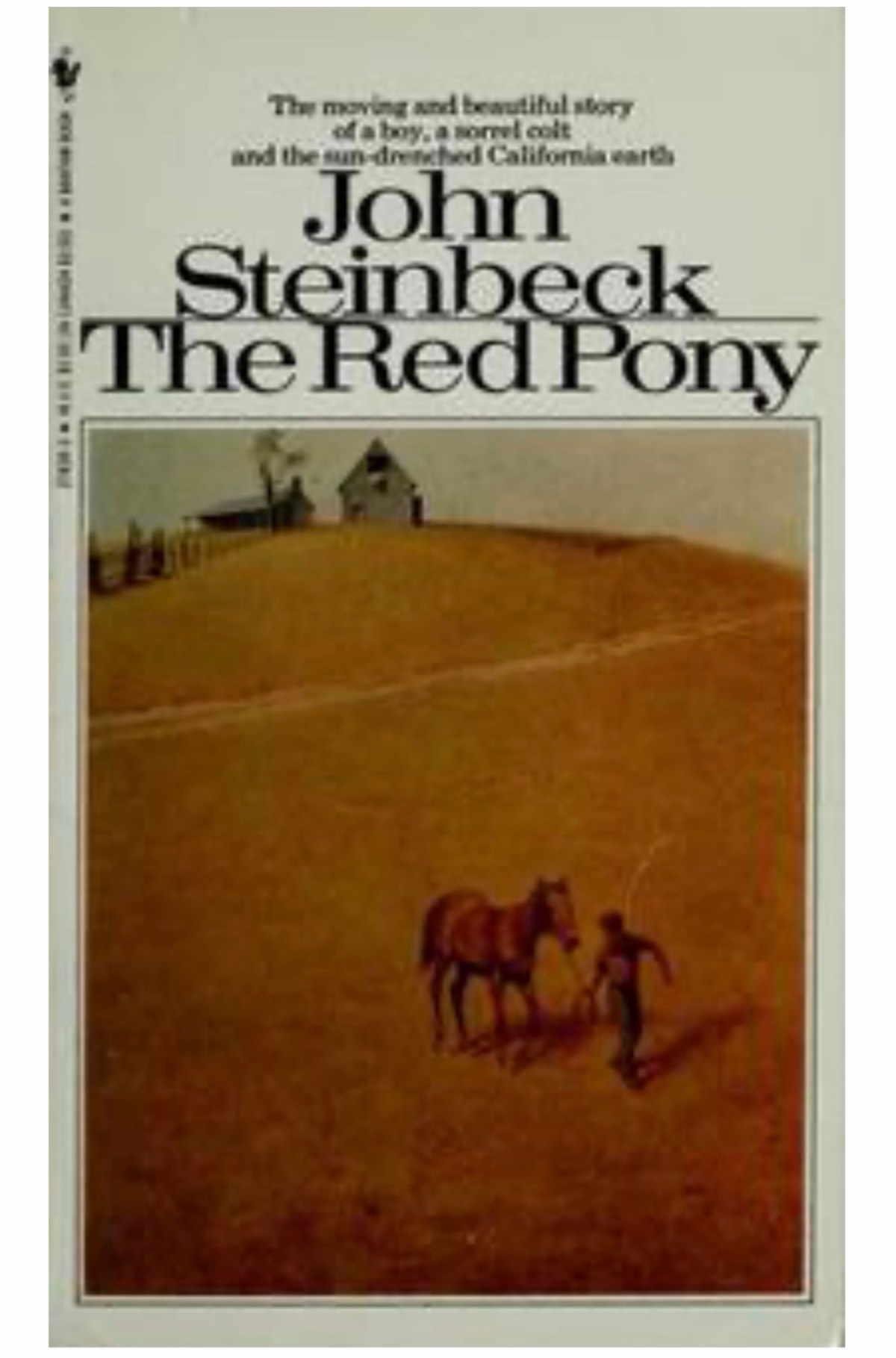
Great question. I knew my answer pretty quickly. If I could be a character in a book or movie, I’d be Kya from Where the Crawdads Sing, by Delia Owens. It’s my second favorite book, as I said in my book report.
A crawdad
Sure, Kya has lots of challenges. But she gets to spend lots and lots of time by herself looking at plants and classifying them. And she gets to be a famous author but not have to deal too much with the annoying parts of being famous. Mostly I just love the life she leads, the peace she finds in nature, and her acceptance of who she is, even though she’s not “standard.”
Yep, I could live in her world happily. Since it’s not possible, I’ll just have to re-read the book soon. I liked the movie fine, but I can slowly savor Owens’s words if I’m reading. She writes like I think. That’s a magical feeling.
Um, I read this book. The good news is that The Let Them Theory, by Mel Robbins (who is very famous, just ask her), has an excellent thesis and provides sound advice for anyone struggling with self esteem, dealing with negativity, or looking for success.
The bad news is that her method would be adequately explained in a nice pamphlet or blog entry. I’m not sure it requires a whole book. That said, I grant that one of the most important techniques of self help books is repetition. To get a concept to sink into our stubborn human consciousness, we have to be exposed to it repeatedly. So I get it. I just could do without the formulaic repetition.
Each chapter is so similar that by the end, I could probably write one. Sorry to be so harsh. I think Let Them, followed by Let Me is a powerful tool for leading a happy productive life. I’ve used this technique myself, very often, over the past five or so years as I’ve crawled out of the shadows of some bullies, narcissists, and cruel people. It’s invaluable!
When someone says things behind your back, let them. When they lie to you or betray you, let them. Don’t beg and plead, just let them. Then you get to choose your reaction, because the only person you can control is yourself. I’ve said similar things in this blog before, though not as carefully crafted as Robbins puts it.
It’s probably worth putting yourself through the book just to hammer the technique into your head so that it becomes second nature. Most of us can use at least a refresher.
One concern I have, though, is that she spends a lot of time telling people to be laser focused on their goals and eliminate what distracts from them. She talks about spending years focused on one goal. If this works for you, if being wealthy or whatever is that important to you, go for it. But to me, I’ve found using the Let Them Theory has allowed me to stop focusing only on the future or wallowing in past mistakes and to enjoy what is right in front of me.
The journey of life brings contentment and peace. That’s more important than sacrificing joy—ideally one could work toward a goal AND enjoy the process.
My conclusion is that as a person, Mel Robbins doesn’t resonate with me, but I appreciate her good intentions and that she’s used her success to share this very helpful way of handling what life doles out. You might enjoy her book more than I did, so I encourage you to read it or listen to one of her talks.
Look Mel up on the social media app of your choice. She’s there. She’s a media enterprise!
Look, it’s a hummingbird in a weird pose.
Take care, friends and readers! Reach out and say something nice to a fellow human being just to be friendly. And let them respond however they respond.
It seems that I’m fascinated by the animals that surround me. I wonder I snapped this book, The Age of Deer: Trouble and Kinship with Our Wild Neighbors, by Erika Howsare (2024), the minute I saw it in the bookstore.
I’ve always enjoyed sharing space with deer, from childhood. There were deer in Florida when I was young, only fewer than there are today. Illinois had them roaming to cornfield borders, too. They’re everywhere in North America. And in Texas, whoa, the suburbs I lived in were full of them, too full in some places.
State parks often get over-browsed.
I learned a lot more about deer when I took my Master Naturalist classes and did more reading on North American and world history. I realized deer have been around humans pretty much throughout our histories. Deer have nourished us (and other animals) all this time, yet still survived. And they’ve inspired humans with their beauty and courage, as well.
Deer on our property.
Howsare began the book not really knowing why she wrote it and ended up feeling a complicated kinship with the white-tails. Truth be told, complex is one of the best words to describe the human/deer relationship. We both love them and kill them. We create habitat for them just so they can look better when they lose their lives to us. They can kill us, too, by making a poor choice of when to cross the road. Complicated.
People love antlers
Like the beavers, deer were extirpated in many parts of North America when their skins became popular for clothing in Europe. When it was just Native Americans using their hides, horns, and sinews, there were enough to go around. But those dang Europeans never realized when they were taking too much until it was too late.
Zoo deer
I also learned a lot about the US hunting culture, much more than I knew before, even though I’m surrounded by hunters and benefit from meat they share. I didn’t realize that the trophy antler hunters of farmed deer are looked down on by the wild deer hunters who hunt for sport and food , nor that the culture of crowd hunting is another separate group who hunt to eat.
Lake deer
By the time you finish this book (if you can…it’s not for the squeamish in some parts), you’ll have a much greater understanding of issues surrounding dear, the resilience of the species, and how interdependent we are. If you didn’t already admire deer, you will. You’ll also gain respect for many people who care about them.
I’ve been picking some fascinating books lately. The Great Shadow: A History of How Sickness Shapes What We Do, Think, and Buy, by Susan Wise Bauer, is most assuredly fascinating. I wish it was about twice as long, because I feel like she rushed through the past 30 years.
The book traces how humans view illness throughout recorded history. It turns out that those Ancient Greek philosophers had some notions that even today we can’t get rid of, like being in a place with bad air can make you sick (many people still think you can catch a cold by going out in bad weather).
The idea that every illness is particular to the sick person and must be cured by the doctor figuring out a specific cure for them lasted for centuries. It was a big deal when someone figured out that outside agents cause disease and that large numbers of people can have the same illness with the same cure.
I enjoyed learning how people found cures for illnesses before they knew about germs, bacteria, or viruses. Spoiler: it involved guesswork.
What surprised me was how many epidemics there have been that killed huge numbers of people. The plague was really bad, y’all (and there are three kinds!). These incurable diseases kept the population under control all by themselves! And international trade made diseases spread wider and faster. I’m relieved at least some of us lived.
Once we discovered bacteria and antibiotics it got interesting, because so many products were developed to keep our homes and businesses clean. Did you know Listerine was invented by a guy named Lister? You’ll learn the origins of many everyday objects like toilet paper, Kleenex, and sanitary napkins (Kotex).
Yep, if you can stomach the graphic descriptions of symptoms, you’ll be enthralled by The Great Shadow. My copy has already been passed along to my favorite medical editor, Anita, who’s recovering nicely.
We got more plants for the porch today, so I’ll really enjoy reading my next book out there!
One of the books I got at the Texas Master Naturalist Annual Meeting last October was this little gem: Plants with Purpose: 25 Ecosystem Multitaskers, by Monika Maeckle. The purpose of the book is to introduce people who want to do gardening with native species to some easy to grow plants that they will enjoy in their gardens for many many years. One of the things I liked best about the book was that it is beautifully illustrated with line drawings of each plant. She discusses with some of the pollinators and other visitors who also enjoy the plants.
I don’t think there’s much in this book that you can’t find in other resources about native plants but the way she writes is enjoyable and you just can’t stop enjoying the photographs, the drawings, the quality of the paper and the graphic design, all of which I find important when I’m enjoying a book. It even has built-in bookmarks.
Goldenrod
My favorite section I think was on the Cucamelon fruit, which is apparently what grows on my chicken shed every year and makes those cute little fruits that the chickens then eat. I didn’t realize they were quite as edible as they are, but I did realize that they’re really pretty and make a nice ground cover so she’s right about that. This plant is also known as mouse melon, Mexican sour gherkin and Sanita in Spanish, which means little watermelon. they’re one of our oldest fruits, related to gourds. Weird melons are a kind of plant I have all over the place at this ranch.
Looks like the chicken run!
She also talks about Turks cap and sunflowers and many other fun plants that we have growing all over the place here. Maeckle also rightly cautions that you probably want to use the native varieties and not some of the hybridized commercially available ones if you want to really attract pollinators and you want the plants to keep living and reseeding.
This would be a lovely book to give someone who has just built a house in one of those neighborhoods where they completely eliminate every trace of every plant that was ever on the ground before the housing development was put in. The recipient can make the land happy again and native plants can live like little plants need to live, right? That’s what I had to do when I moved around rock after all.
Cucamelon illustration by Hilary Rochow
The book might be hard to find because I don’t know if it’s in Amazon or not, but you can certainly order it from the Texas A&M University Press, which for all of the flaws of Texas A&M is truly a nice publisher of nature books.
I’ll write more later, but I just wanted to get this book review done before I forgot it again. Thanks everybody.
Poor timing. The backyard bird count is still going on but I’m not seeing many of the usual birds. I’m afraid I know why. The first Barn Swallow showed up today. I’m afraid that means all the winter sparrows skedaddled with yesterday’s blustery front. There are still White-crowned and White-throated, but there’s a distinct lack of Fox, Vesper, Grasshopper, Chipping, Savannah, Harris’s, Swamp, or others. I’ll wait and see how tomorrow goes.
Sorry, Suna. Gotta escape before it gets hot!
And yes, I realize their departure for the Great White North heralds the arrival of buntings and such. Still. Sniff.
Flowers made me feel good. Thanks, Kathleen.
Otherwise it was a fun day in which I indulged in watching educational television, enjoyed looking at my pretty Valentine flowers, and crafted my heart out. I finished another red Danish hat, to replace the one I made that’s going to Canada for a friend, as soon as the Post Office opens again, which I made slightly larger than the pattern called for in DK yarn. Too long sentence, too bad.
Looking red.
I was working on it in the car and realized why the yarn color is called Firecracker Heather. There are tiny bits of blue, green, and yellow fiber in the yarn, like firecrackers! That gave me a chuckle.
I couldn’t get the fibers to show up
I’m done with that yarn, but I have other red, if needed.
Lee surprised me by asking to take me out to dinner and surprised me more by taking me to the bookstore on the way! I’d planned to go to a candidate forum, but spousal requests take precedence. I really had a nice time, though I was tired for no reason I can think of.
Enjoying my jasmine tea.
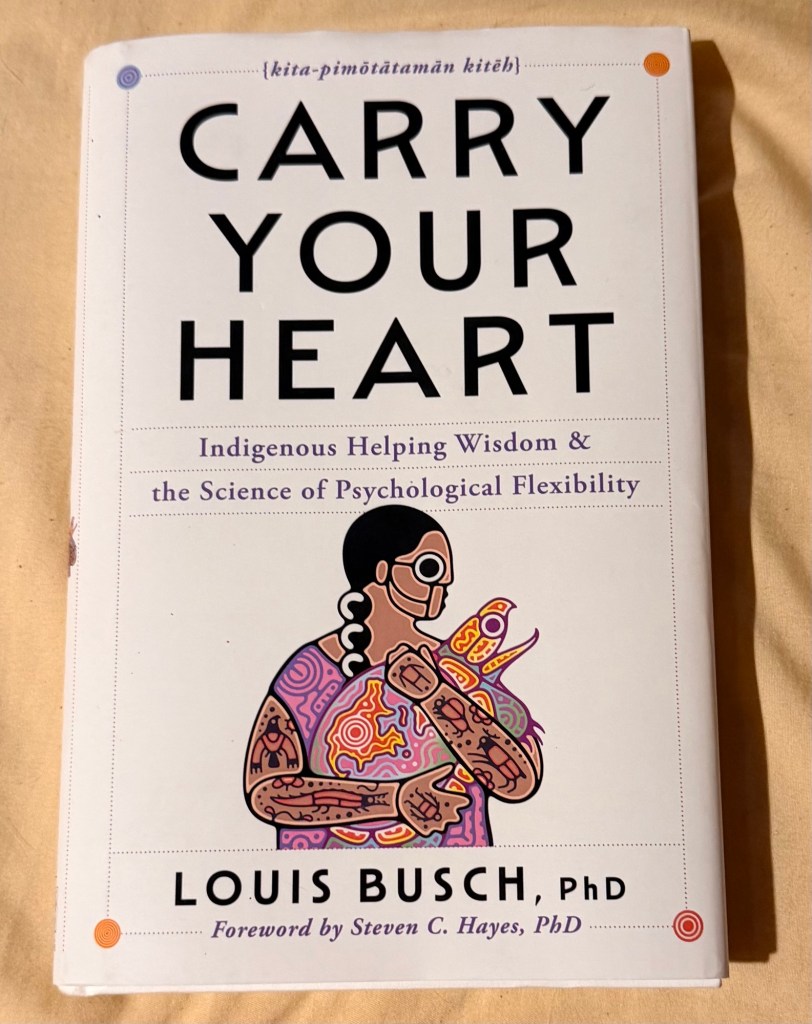
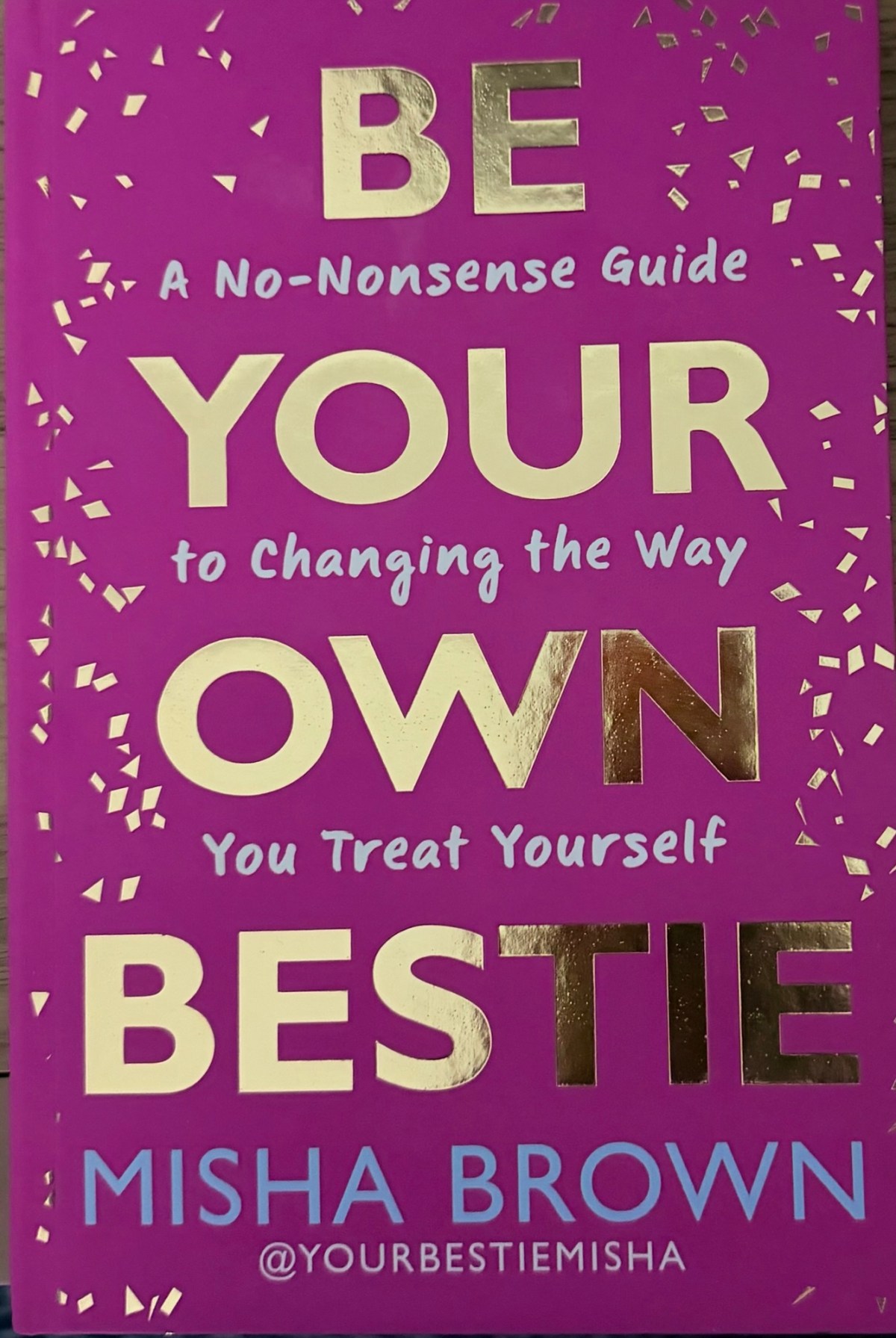
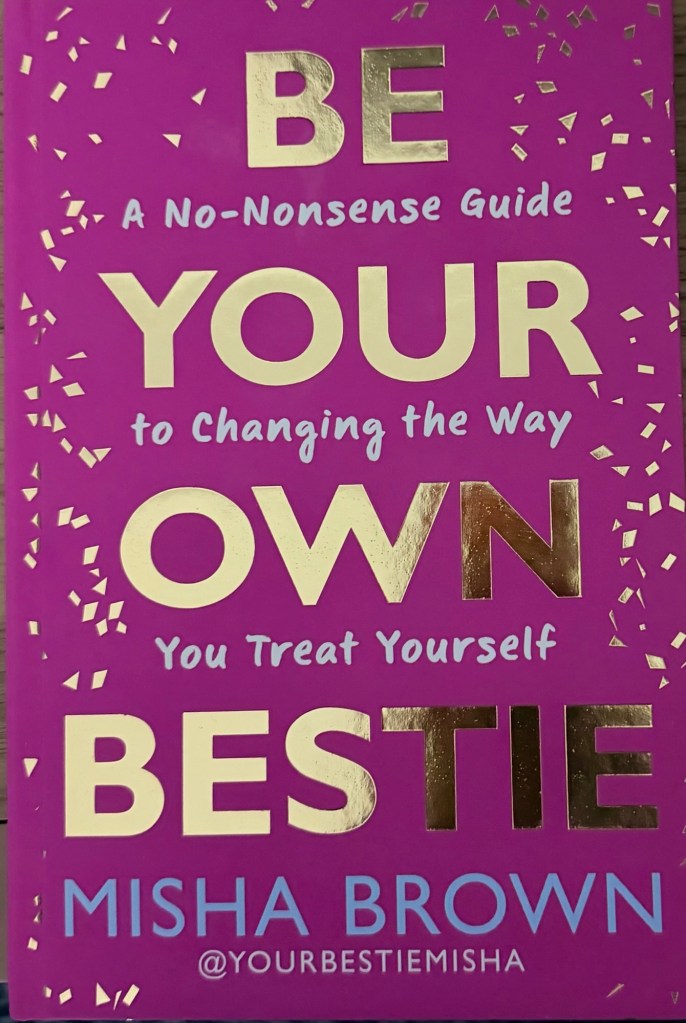
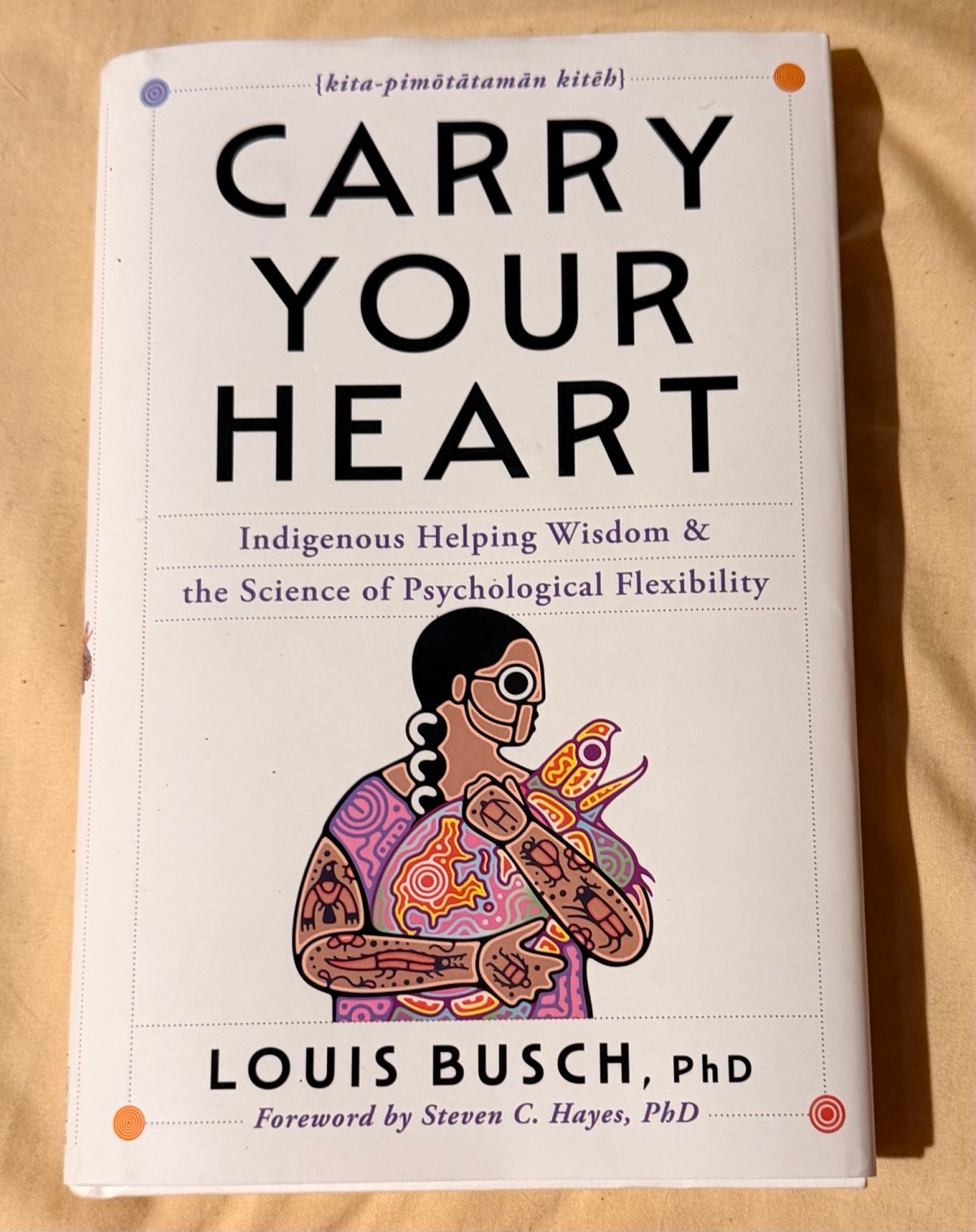
I look forward to the books I got, even the self-help book. It seems like I could use some reminding that I can’t control anyone but me.
Not into fiction for a while, I guess.
The deer book is about…deer! I already know how they were primary food sources for humans for thousands of years, but I Look forward to learning details about our two species’ relationships.
As you can see from the cover, the other one’s about the cheerful topic of diseases. I’ll have to let Anita read it next, since she reads about diseases in her work.
On the topic of books, it’s time to finish my current one. Then I can share all about it.
I got this book when I was looking for something different and not all bloody and violent. It said it was in the Barnes & Noble book club, so I figured it wouldn’t be awful. And it’s true! The Life Cycle of the Common Octopus, by Canadian author Emma Knight, is far from awful. It’s just what I needed.
It certainly has a cheerful book jacket.
It’s Knight’s first novel, but she’s obviously an experienced writer. I loved the fact that the writing was so good that it allowed me to focus on the characters, very nice young people going to university in Scotland. (One odd gaffe was that she asked for a bathroom and was laughed at in Scotland, but I know they say “washroom” in Canada.)
The main character is a young woman named Pen, who has a lot of family mysteries to work through, which introduce you to the other interesting characters, young and old, mostly a bit posh.
There’s a lot of discovering one’s sexuality in the book, but as I recall from the olden days that’s what you do at that time. All the people screw up, mean well, and learn. It’s quite entertaining to witness it all developing and to mentally cheer everyone on.
I liked that this book takes part in the not-too-distant past, so current events don’t creep in. Escaping to a familiar time, with familiar problems, and featuring satisfying solutions was great for me. I could use another light but satisfying novel like this.
Today’s color of crocheted squares was a pretty blue.
Warning: it takes a long time until the title makes sense, so just go with it.
Look! A prompt I haven’t already answered! And on a day I’m too tired of thinking to write anything coherent. So, sure, I’ll tell you what books I’d like to read!
Sunset was pretty 360° around this evening
I want to read books about horses, birds, dogs, wildlife, native plants, and weird nature facts. I want to read about science, language, and (factual) history. I want to read about ways to make the world a better place and the people who do so.
Looking east past our outbuildings
I want to read about fiber arts, fiber artists, and the history of everyday things. I want to read about architecture, interior design, and clothing design to learn more about creating beautiful spaces and cozy surroundings.
And pattern instructions. I like reading them. More on my hat tomorrow.
I want to read about how to keep my mind and body healthy and how to nurture relationships with others.
The pale one says “you matter.”
I want to read stories about ordinary people facing life’s challenges in ways that inspire me and make me laugh.
I’ll never run out of things to read. Being able to read and write is one privilege I cling to with deep gratitude. It’s hard to separate “me” from all the words (and images) around me. And I treasure the unique words and images of others. I’d rather read a messy and ungrammatical article than something made bland and perfect by machines.
You have to go past ice to get out of here.
Wishing safety and warmth to all of us still dealing with cold, ice, and snow.
New topic! At the annual meeting of Texas Master Naturalists, I always look forward to the booth for Texas A&M Press. They always have beautiful nature books that I can choose among. Entwined: Dispatches from the Intersection of Species, by Bridget A. Lyons, was one of my choices this past year.
The book is a collection of essays about Lyons’s close interactions with nature all over the world. She shares stories of a career working in wildernesses on land and sea, all over the world. She really has gotten around and is a great athlete, so she has been places most of us will never get to go. I feel like I can surf after reading her descriptions of her favorite pastime.
The essays are very intriguing. Lyons writes very well and shares her personal insights into whales, octopuses, trees, owls, and polar birds. Her overarching theme is that we are all connected and that our human actions have effects we may not imagine.
Yep, some of her writing is sobering, but other parts are gloriously uplifting and put you in the middle of landscapes and settings that are complex and fragile. And whoa, do you learn a lot.
Oh, Lyons is not only a writer and editor, she’s also an accomplished artist. Part of the delight of Entwined is encountering the linoleum block print illustrations she created to accompany the stories.
What a cool octopus!
I read this book slowly, so I could savor, take in the knowledge, and internalize the lessons Lyons shares. I’d recommend any thoughtful and open-minded nature lover to find this book and read it. There are some ideas that we might find a little “out there” but they have me food for thought.
Fireweed
Now, go out and see what the nature around you has to tell you!
Today I learned the spring behind “my” pond is still flowing, albeit lightly. Amazed me.