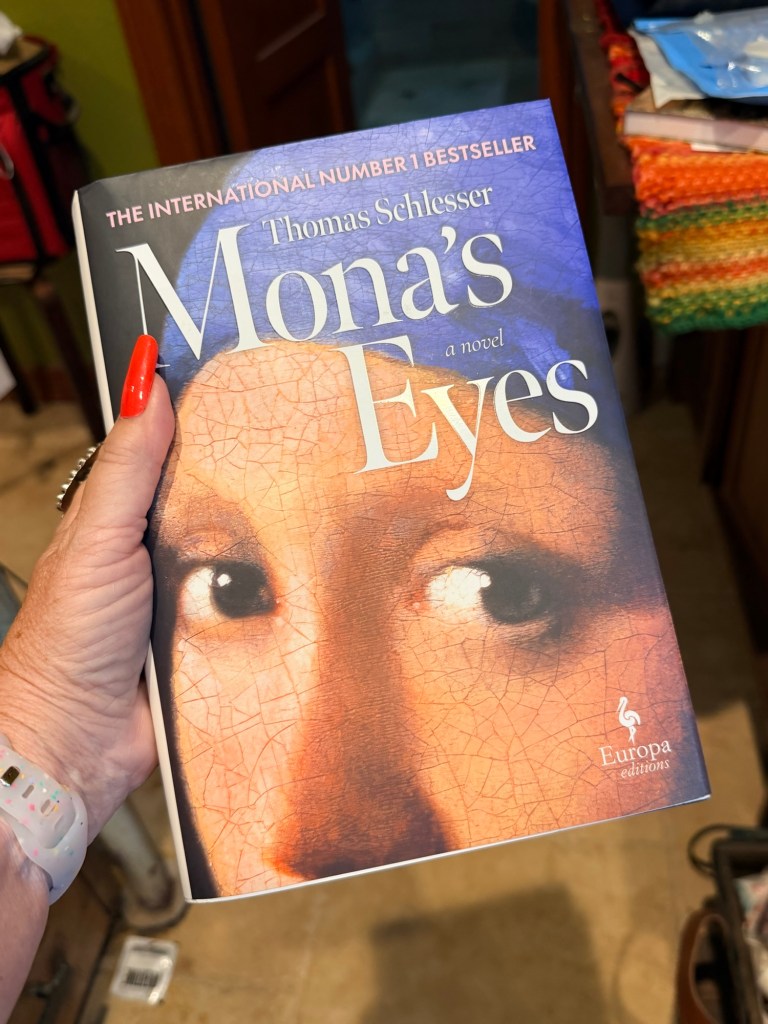
I finished this novel/art history textbook before I left for South Carolina, but needed to find time to write it up. Mona’sEyes is a masterpiece that will live on for many generations. Or so I think. It’s by Thomas Schlesser and was originally published in French. The translator did a superb job capturing Frenchness into English.
The plot sounds really strange when you describe it. The grandfather of a young girl who might be going blind takes her to museums in Paris to view a piece of art per week. She learns and grows. The end.
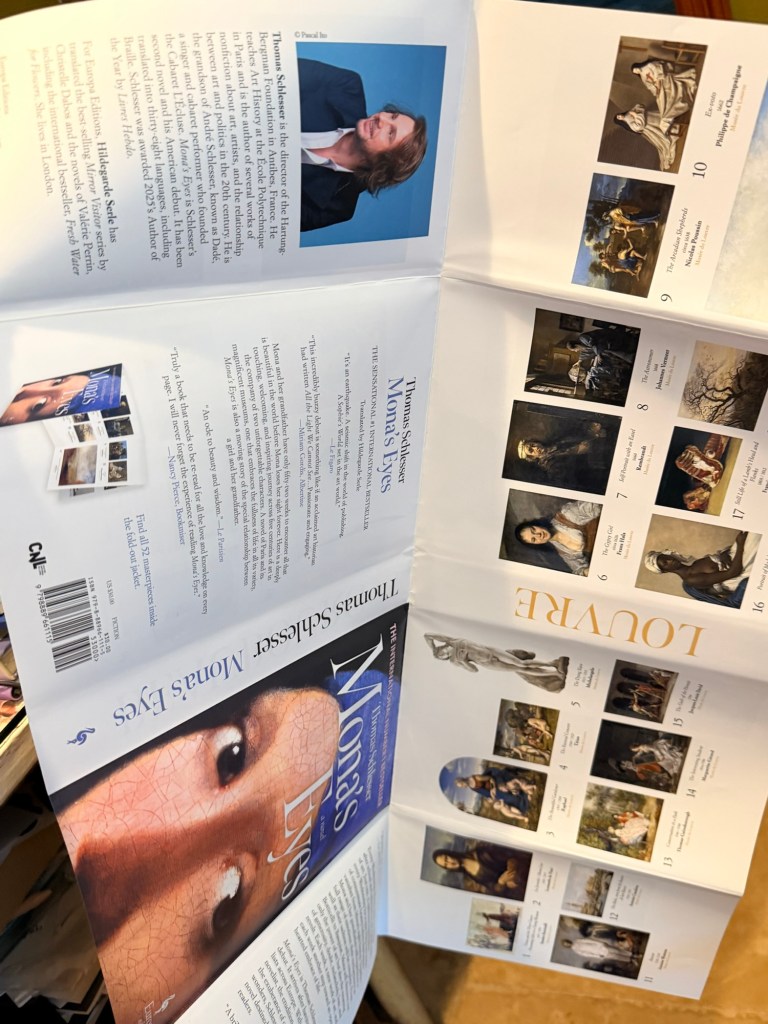
Unfolded cover
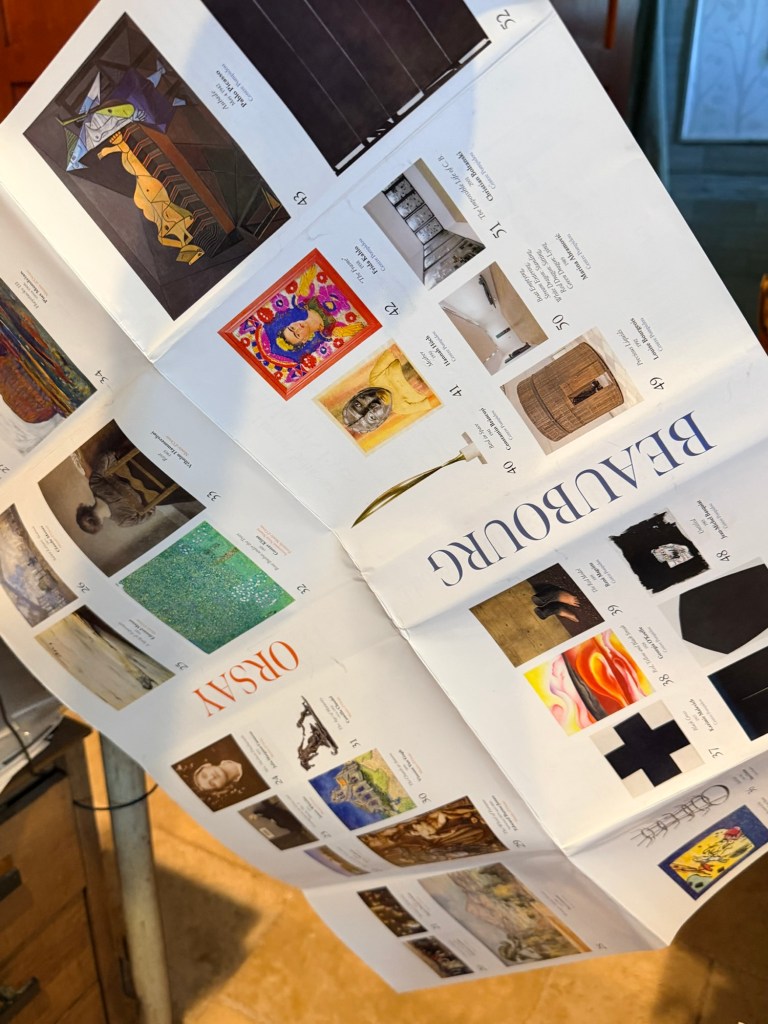
There’s more to it than that. It’s more fun to discover it for yourself. The bonus is that you get a free Art Appreciation 101 class along with your novel. It’s great. The book jacket is secretly a key to all the art discussed, so you have a reference point. I rearranged the cover many times for handy viewing.
Other side of the book jacket
Mona is a bit strange and eerily smart for her age. She also has super vision, other than that impending blindness. And the grandfather is a warm and emotionally complicated guy, too. All the characters are nicely developed and it’s fun to watch the plot unfold while simultaneously learning to analyze art from ancient times to this century.
The only caveat I have about Mona’s Eyes is that it assumes some degree of cultural literacy and a bit of understanding of French history. I had to look up a couple of references, though Schlesser does a pretty good job of working in historical context and art terminology as the action unfolds. I found the educational part really fun.
If you have some time and a place where you can focus, you’ll treasure this book like I did.
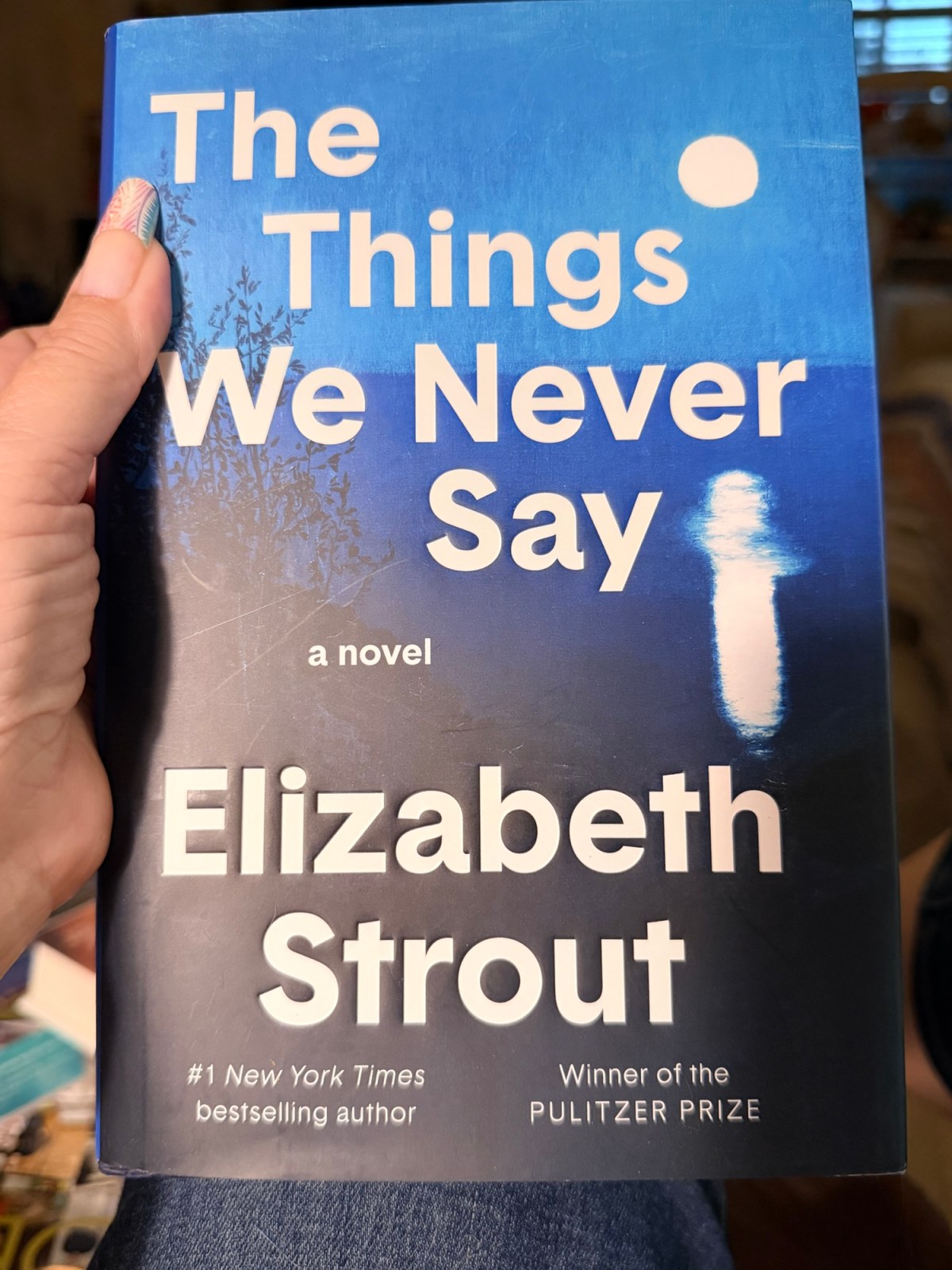
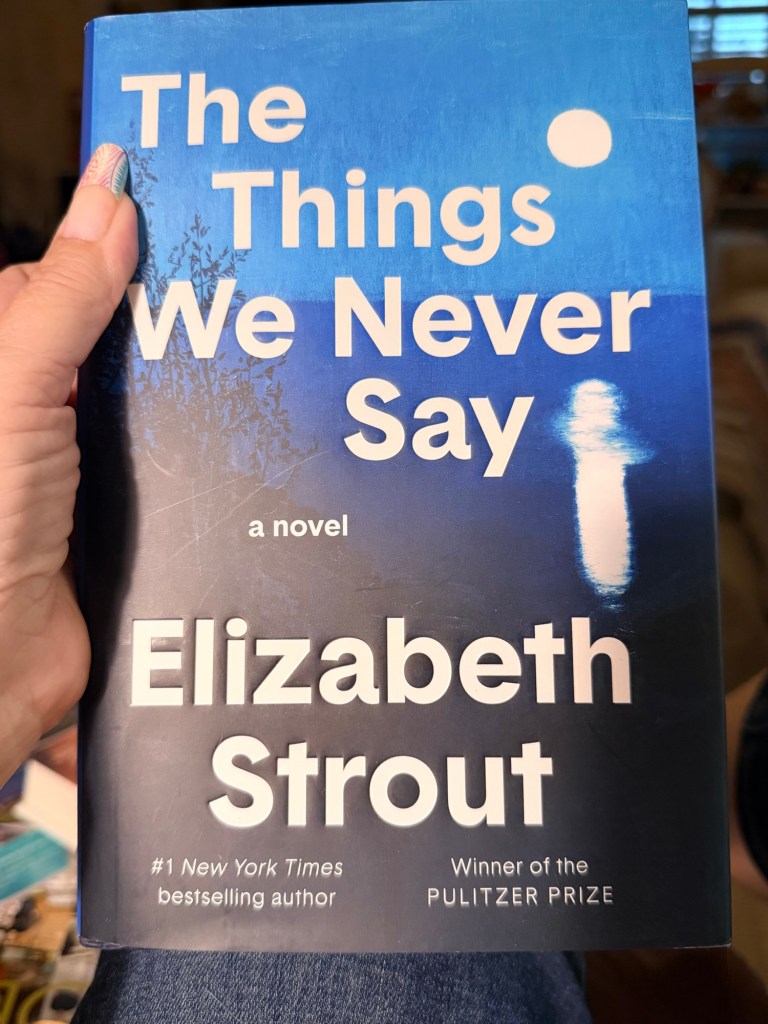
Oh, Elizabeth Strout, sometimes I wish you weren’t so gifted at spare prose, because I want to read your words every day. I do always read her books slowly, though, because she packs so much into every sentence. I’ve written about nearly every novel Strout has written, but I have no doubt that The Things We Never Say (2026) is my favorite.
I finished reading it yesterday and had to sit in silence and think about the depth of emotion I experienced while reading it. The degree with which I empathized with the protagonist, Artie Dam, a high school teacher in a town near where her other books are set in the northeastern US, is very deep. The simple events he experiences and his reactions are both his alone and universal—I literally feel his pain.
The book is set is contemporary times, and the characters deal with the most recent presidential election much like everyone I know did, down to realizing some very good people you can trust with your life can support the “other” candidate. Most universal, though, is how Artie deals with finding out about a secret his wife has kept from him for over 30 years.
Artie is around my age, and he goes through some stages of coping with age and growing understanding that how we once saw the world is no longer true. And it’s as hard on him as it’s been on me. Wow. This book exquisitely sums up how I think many of us feel at this time in history.
I took some notes about what struck me most about The Things We Never Say:
We all keep secrets, including some we aren’t consciously aware of
Sometimes, after decades of caring so much about others, you just get tired and can’t anymore
I’m not the only one who fears not living long enough to outlive the current US President’s destructive impulses
Many long marriages work because people just get used to each other and go through the motions, not even caring about what’s going on in the other’s minds and not trying to share their innermost thoughts
You have no idea about other people’s real thoughts, feelings, desires, past actions—no one ever will
At some point, after trying to be a good person, to learn, to grow, to be kind, you’re just done. You’re ready to go
This all sounds depressing, but in many ways it’s comforting to realize the things you go through are not isolated. We’re all in the same boat (literally, Artie sails), and even if we don’t know everything about each other, there are connections.
As the book jacket says, “ Strout’s simple declarative sentences contain continents.”
What’s a book, movie, or TV show that you wish you could experience again for the first time?
I have two answers to this question, both of which have to do with my moral compass.
First, I’d love to experience the original Star Trek again, at the same age I was then (around 12) but with the ability to have my elder self able to point out the moments when things happen that went CLICK and turned me into a bleeding heart liberal. As cheesy as TOS (especially Kirk) was it opened my little working-class Southern girl heart to ideas I might not have encountered until much later. I’m afraid I would have been a lot more racist and intolerant without watching Star Trek at a pivotal adolescent moment.
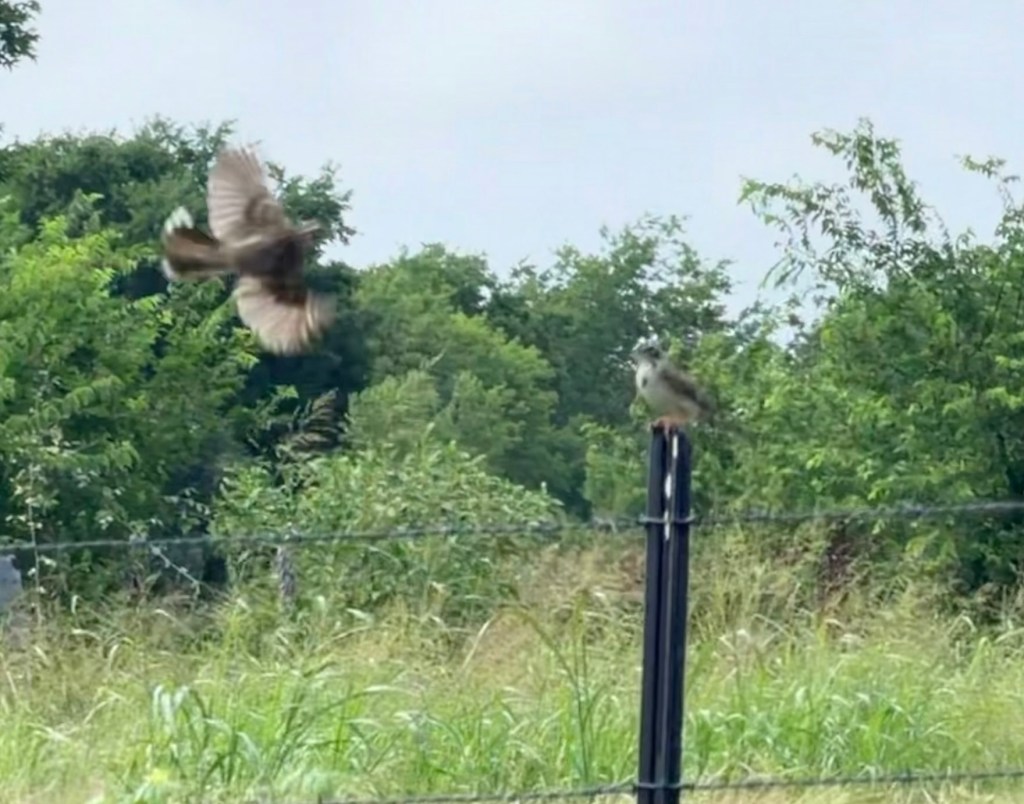
Just a fun Lark Sparrow shot.
Second, I would like to have not read The Handmaid’s Tale when I was in grad school but instead last year, when it seemed to be coming true. Or maybe not. I’m pretty sure I’d panic and feel sure it would come true next year. No. I actually wish more women in the US would read it now, especially those trad wives who think what they’re doing is so cute. The women in The Handmaid’s Tale lead lives that could happen soon the way women’s rights are deteriorating and could deteriorate more in the Texas Republican Party platform this year gets enacted — they want to outlaw IVF now. Sheesh.
Believe it or not I have another book review for tomorrow. An important book for me. I thought about it all day, which is why I just answered the prompt again today.
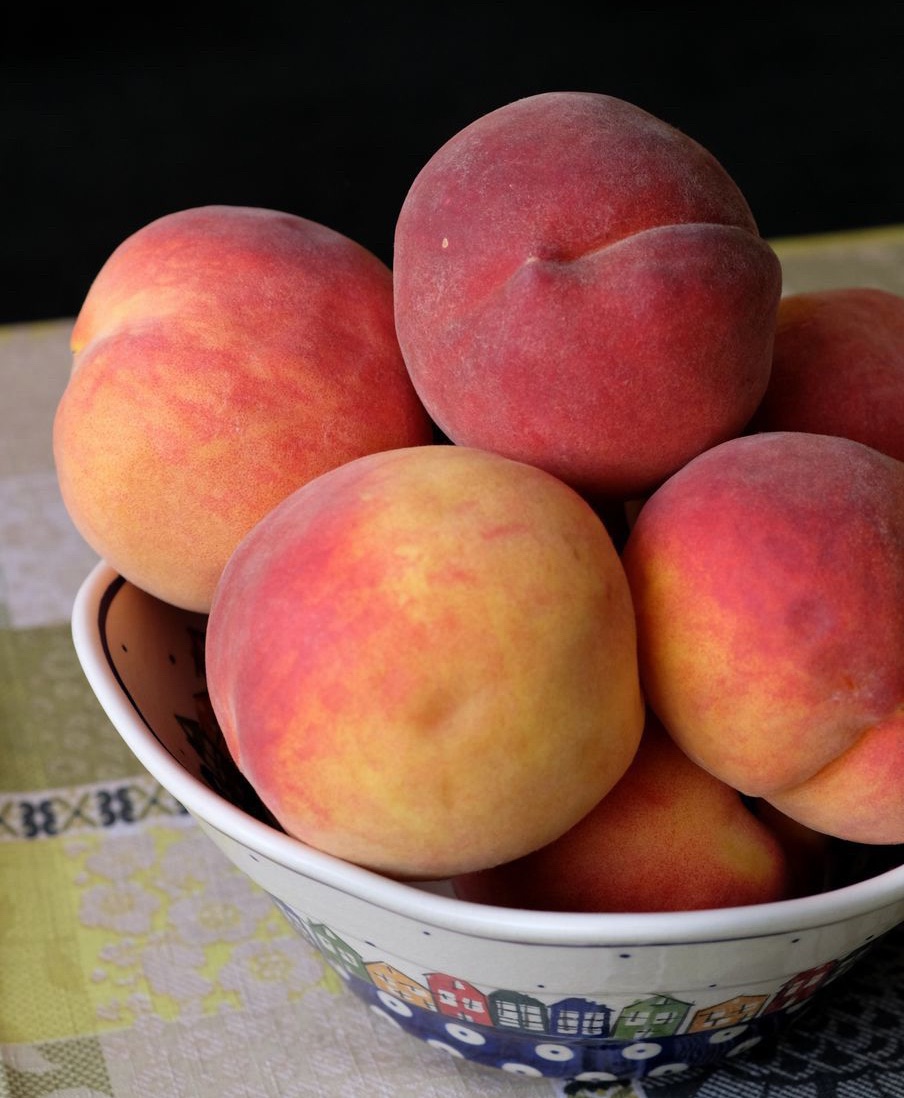
The highlight of the day was that I craved peaches and I ate three very ripe ones from Costco. Not worthy of its own blog, but so good. A ripe peach brought me joy!
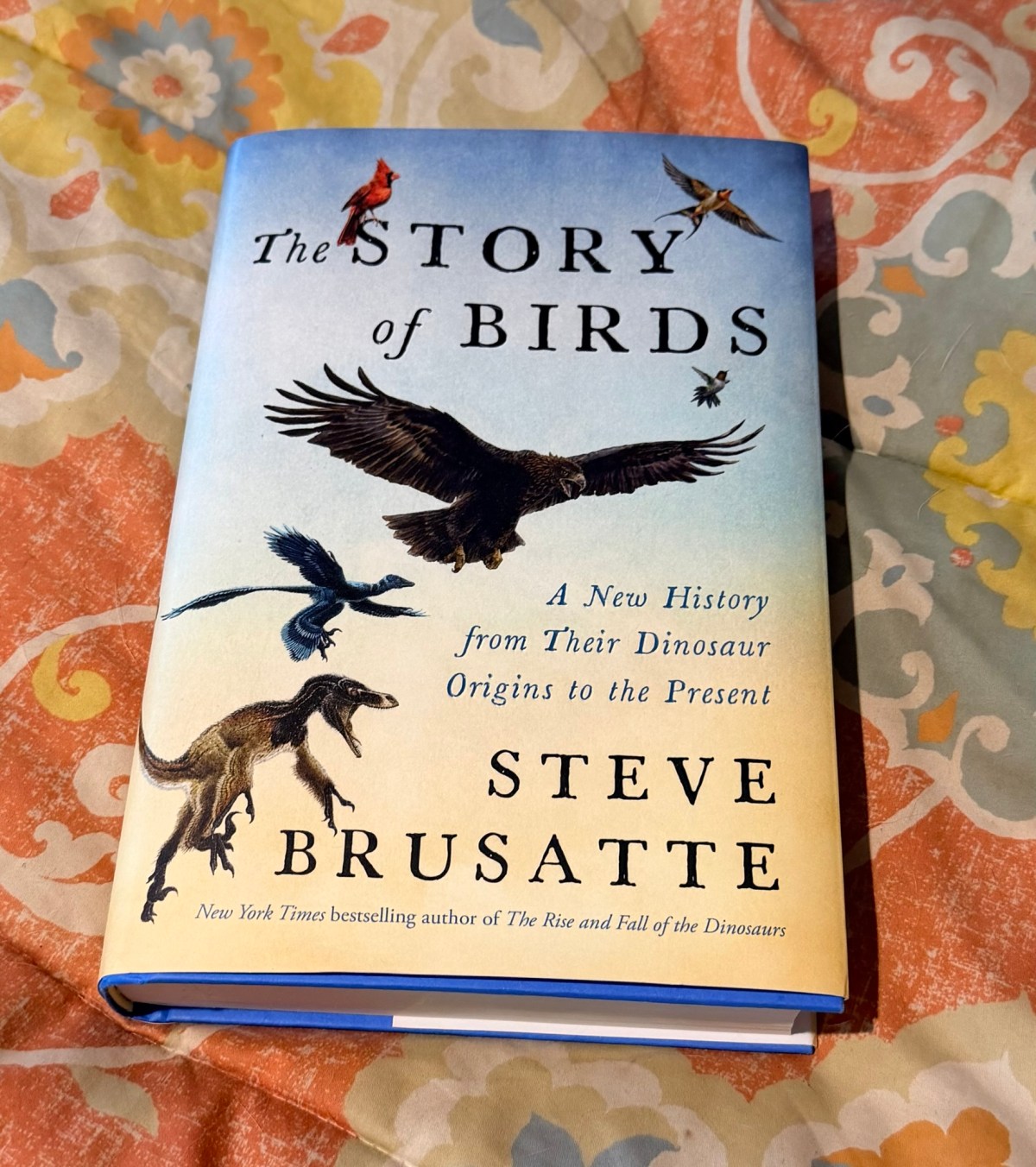
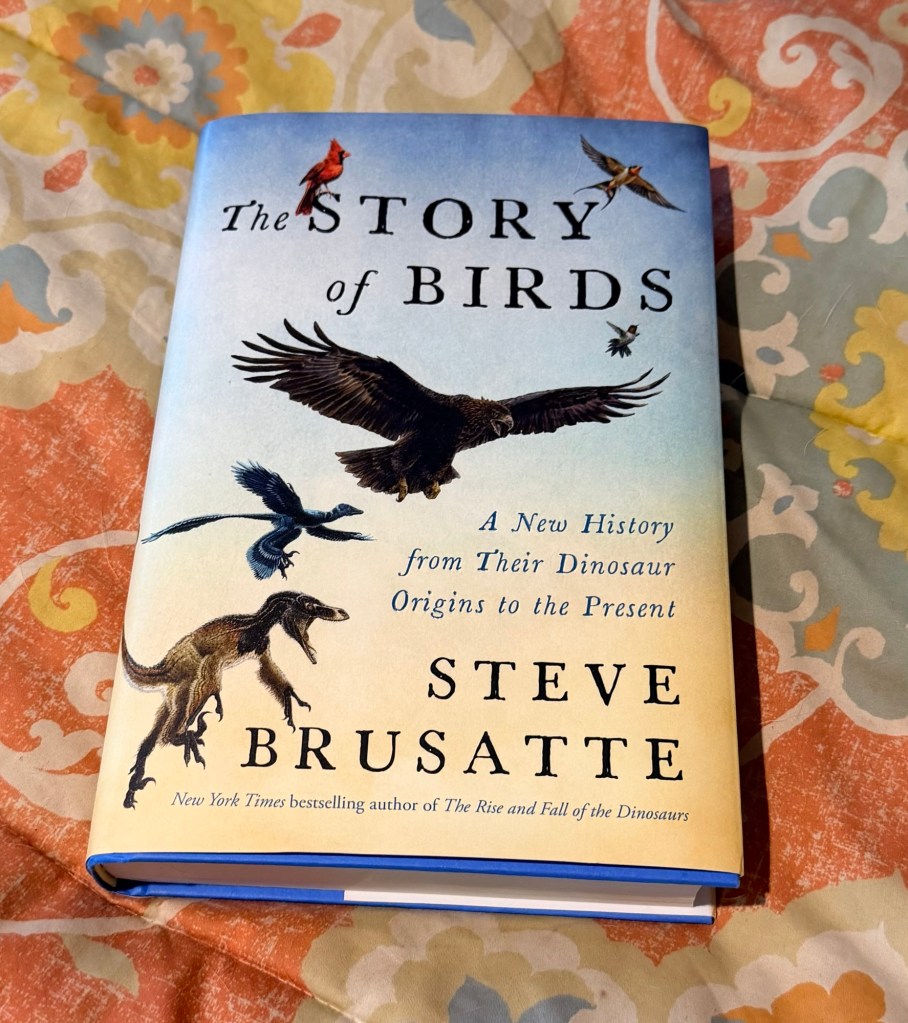
Don’t write this book off as yet another Suna bird book. Oh, no. This book is for birders, dinosaur lovers, biologists, and those who love Latin. I spent much of my time sounding out the names of dinosaurs, but the author of The History of Birds, Steve Brusatte, got me so invested in all the ancient and modern animals he introduced that I actually kept them straight!
Spoiler alert: birds are dinosaurs. That’s the main thesis of this one. But the fun part is learning how a bunch of dedicated scientists and amateurs figured that out.
Brusatte is a good story teller and a great interpreter of paleontology for us regular people. Each fossil discovery is a little mystery that unfolds through stories. Plus, I learned a lot about the history of Earth. I was fascinated at how the formation of continents influenced how birds evolved.
Another part of the bird history that was fun was how the prehistoric world comes alive with Brusatte’s vivid descriptions of the environment, plants, animals, and weather patterns. It’s like a fun trip through history.
How birds learned to fly, how feathers developed, and how birdsong works are all covered. You’ll feel real smart when you finish reading, and you’ll be so entertained by the birds and dinosaurs and the scientists who love them—the interdisciplinary community that has contributed to what we now know about birds seems tight knit and so cooperative. It encourages me!
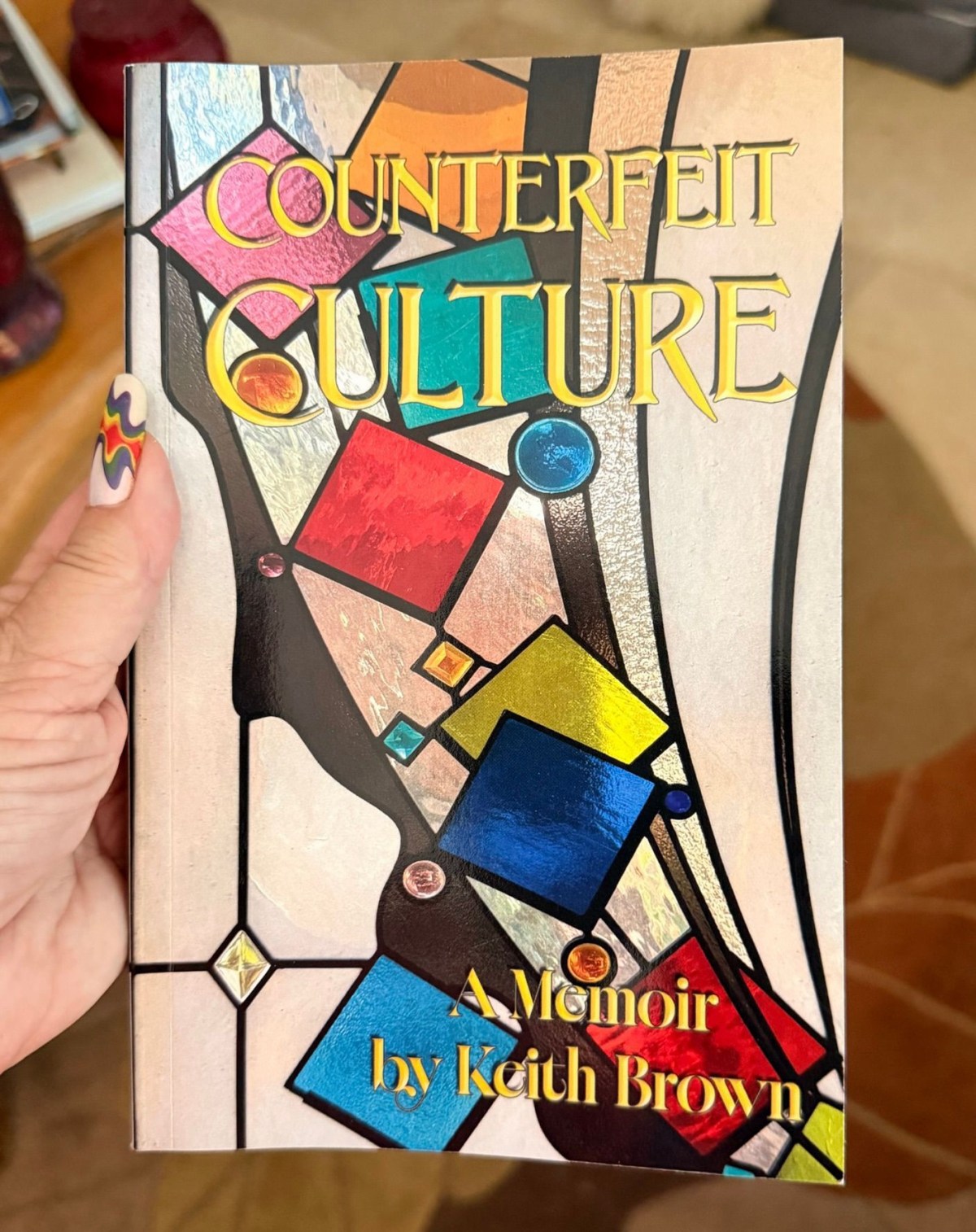
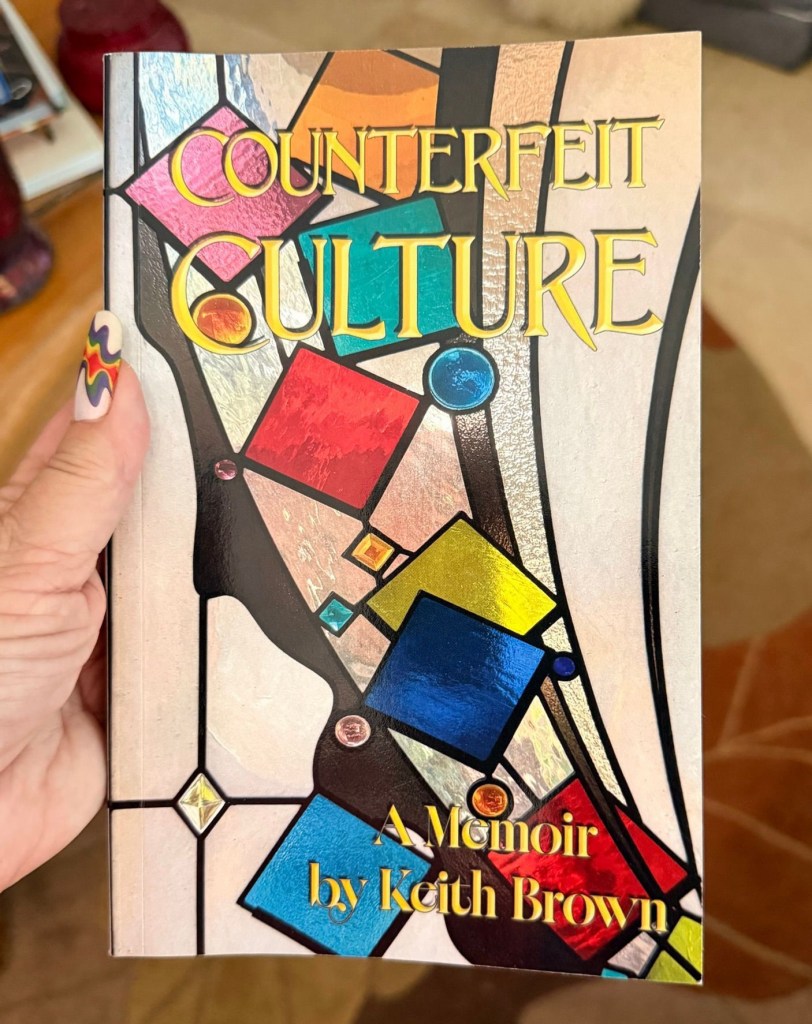
My friend Kathy in Waco lent me this book, CounterfeitCulture, by Keith Brown (3025). when I told her we’d checked out the Homestead Heritage place near there. Her church book club had read it, and it’s definitely a book with a Christian perspective and loaded with Bible quotes.
Keith Brown and her husband, Curtis, are the reason that facility is in Waco, because they provided the money to buy the land where all the Homestead Heritage stores and workshops are located. They were members of the “community” for thirty years before finally leaving.
If you’re interested in how sincere, intelligent people can get sucked into a cult with the best of intentions, you’ll find Brown’s book enlightening. Her personality and early life resemble mine, so I’m glad the only “cult” I nearly got sucked into was La Leche League in its worst years.
It’s pretty impressive that Brown has been able to forgive herself for her mistakes, apologize to her 9 (yikes!) children, and keep her marriage. The fact that she was able to keep her religious convictions also impresses me. She was able to see the loving God and forgiving Jesus that could give her strength. She points out that most people who leave Homestead Heritage reject religion. I can understand that.
Life in the group is exactly how you’d think a cult life would be. There are many good aspects, but there’s always a powerful leader and minions that use fear and intimidation to keep members in line. The rules kept changing, so you could do something that was right last week but elicit a reprimand this week. Worse, it sounded to me like how Communist China used to be, where people tattled on each other constantly, even family members.
Poor Keith Brown had to completely erase her outgoing personality and ways of thinking. I’ve only had to do that a little bit and for not too long and it gave me anxiety attacks. I am impressed she made it through to escape.
And by the way, the group buys most of the food it sells from standard sources, even the wheat. Sniff. I liked the gristmill. Almost all the members live in mobile homes bought by the group, too.
The book confirmed my fears that no utopian community stays that way long. And it opened my eyes to their finances, which involved a lot of borrowing during the years the Browns were there. I don’t know if it’s different now.
And still, if people are happy with the good aspects of Homestead Heritage and enjoy living there, I’m glad for them. They probably think I’ve been indoctrinated by crazy liberal ideas. I just wish power hungry despots didn’t end up requiring loyalty oaths and total obedience, there or here on the outside.
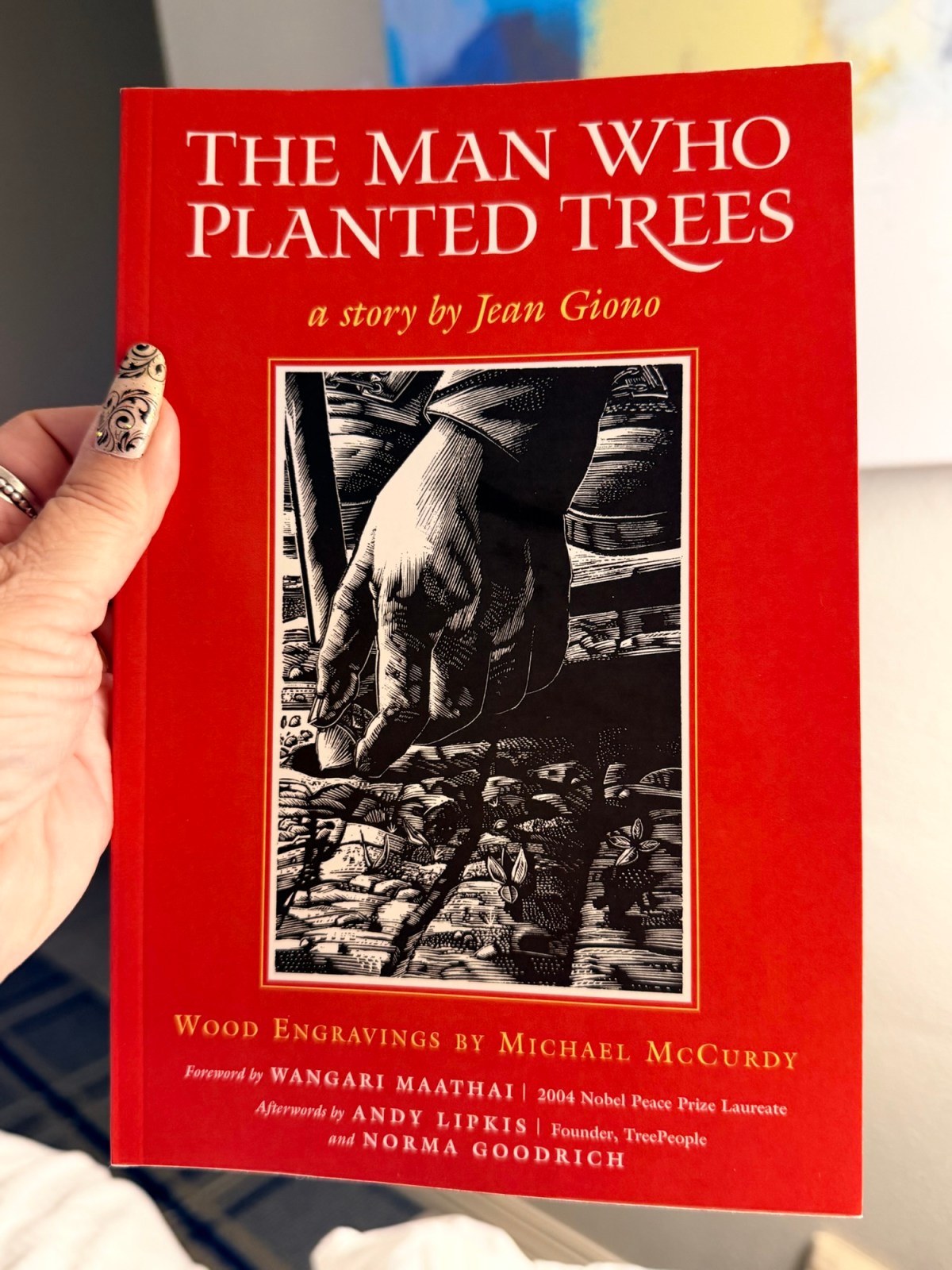
I received The Man Who Planted Trees (1954), by Jean Giono, from my friend Anita, who has a way of finding whimsical gifts that are exactly what I need at the time. What a great talent. She’s gifted at gifts!
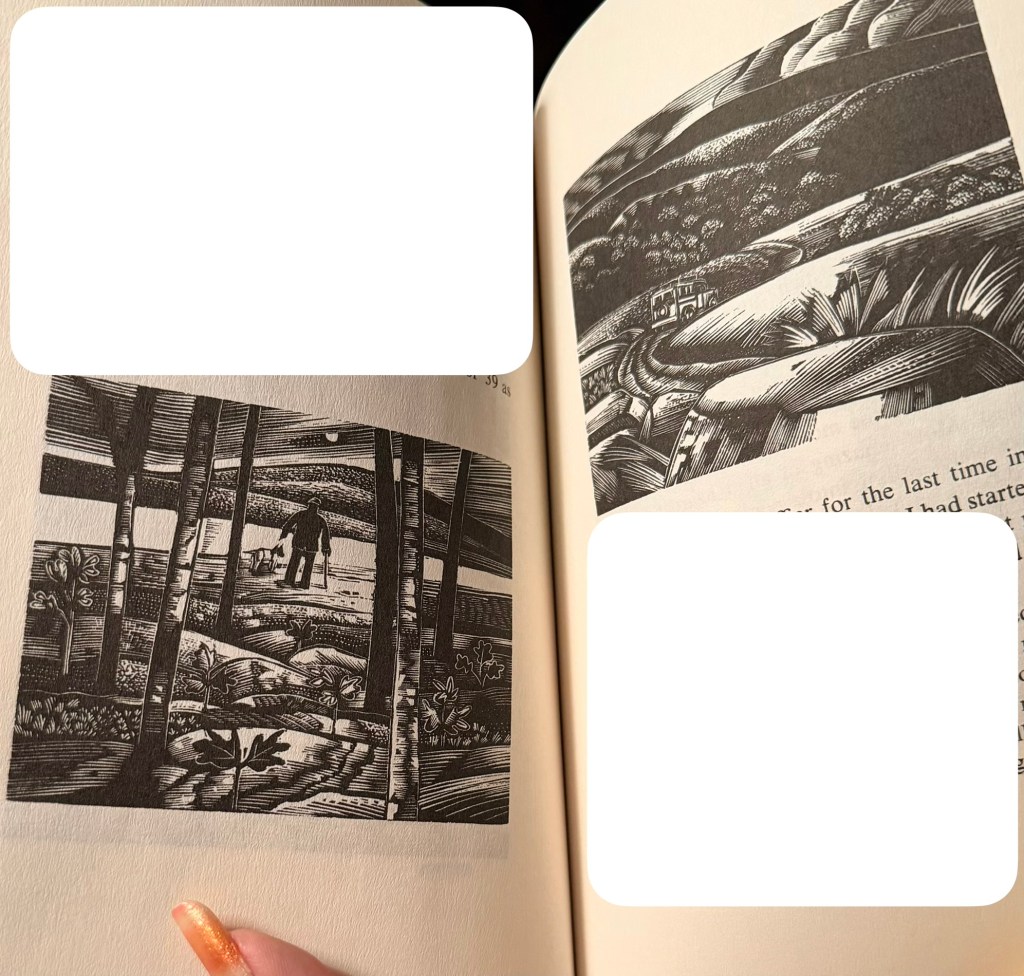
The author, Jean Giorno, was a great 20th Century French writer known for his skill at creating a mood, evoking a dreamlike spell as you read his work. This short story (more of a fable) was originally an article in Vogue magazine, but was subsequently published in book form accompanied by engravings by Michael McCurdy that help add to the fairy-tale qualities of the story. It’s been in print all these years, just waiting for people to be inspired to change the work for the better after reading it.
I don’t want to spoil the story, but look at the engravings!
The plot is simply a tale narrated by a wanderer who comes across an amazing man and visits him across many years during some hard times for France. Trees are indeed involved. But you need to read the mythical telling for yourself! Then read the introduction and afterwords (yes, there are two afterwords—longer than the story, but providing great context) to see how Jean Giorno’s tale inspired others, over the years since the book came out, to make the world a better place. Trees are powerful!
Dream on, readers! I’m going to recover from some unexpected news and be back at it tomorrow!
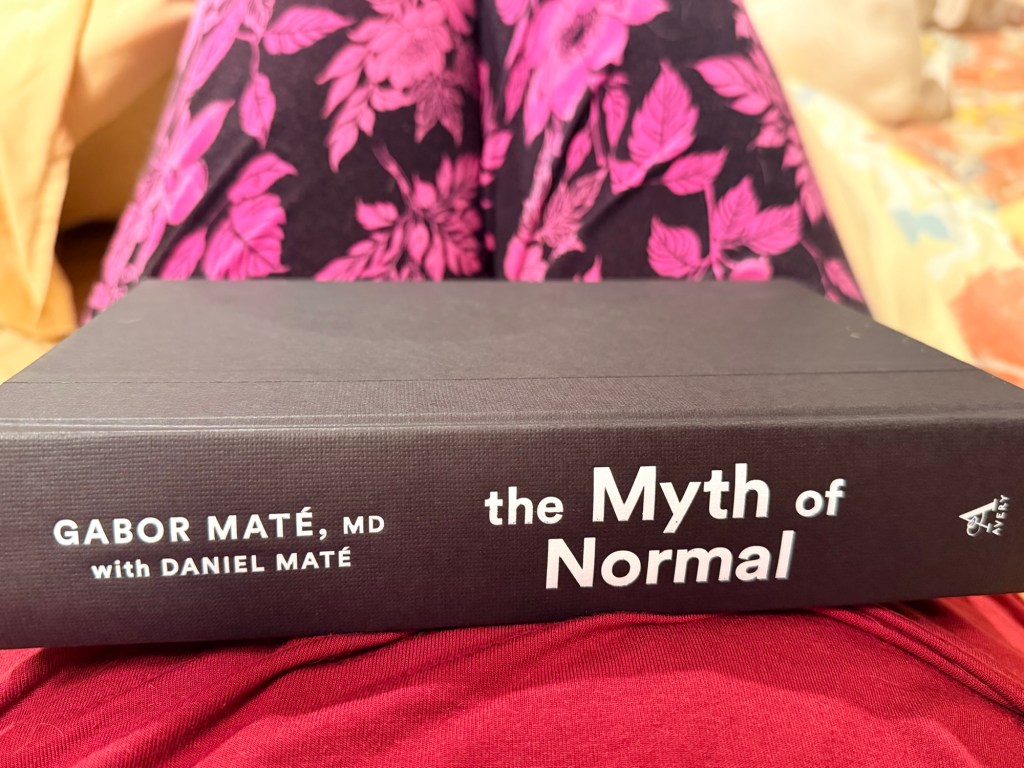
I am so glad I found The Myth of Normal: Trauma, Illness and Healing in a Toxic Culture, by Gabor Maté and his son, Daniel (2022). I’m also glad I didn’t read it until now, because I needed to finish going through some enlightening experiences that would be useful as I slogged through 500 pages of fascinating information and insights.
I seem to have misplaced the dust jacket.
If you’re not a big fan of “the way things are” in medical care, mental health care, and the idea of the self, you’ll find a lot of information confirming your intuition and backing up your gut feelings. Maté does a great job of explaining the mind/body connection in more concrete terms than I usually read in Buddhist or pagan literature. Maybe it’s because I come from the dominant US culture, I can follow his more rational arguments better than completely spiritual commentary.
Just a bird
All I can say is that the points made about how psychic trauma affects our physical bodies and shapes our personalities all rang true to me. I got a lot of clarity about my own “stuff” as well as why others act the way they do.
The encouraging thesis in this book is that once you figure out what the source of your psychological pain is, you can address it, learn from it, and make future decisions without its input.
Tell me more!
The result? I have tools at my disposal that I can use to continue my journey towards authenticity and autonomy. You do have to be willing to experience difficult memories or re-live unpleasant events from the past. That’s the hardest part. To me, it seems worthwhile. I want to be healthy!
Morning bun-buns
If you’re open to new ideas that aren’t totally crackpot, just different, I’d recommend this book. And if you or someone you care about is dealing with any type of addiction, this or Gabor Maté’s earlier books are great, non-judgmental resources. His views of addiction are insightful and helped me understand why some of us are more prone to it than others. It helped me make sense of my own family.
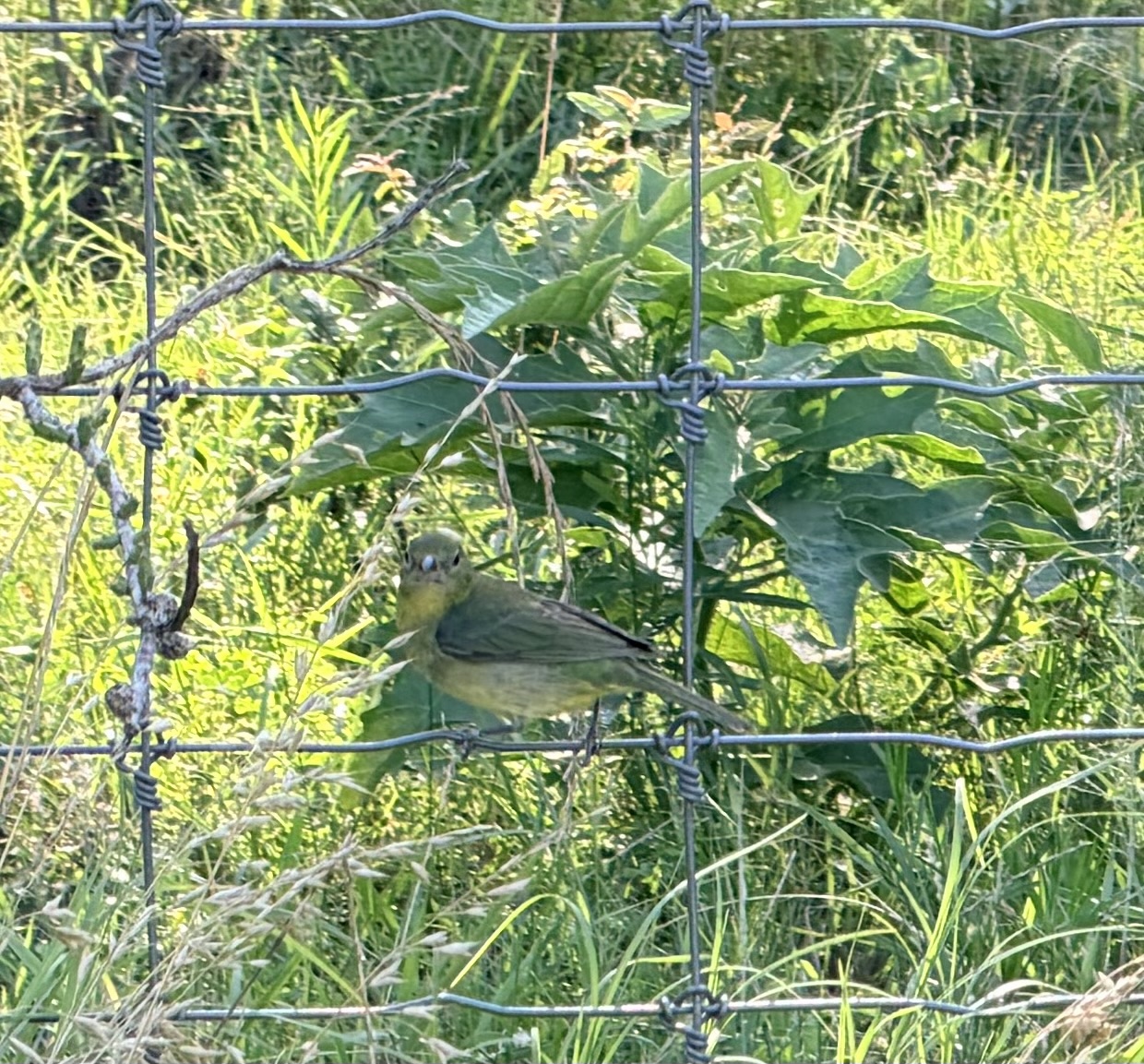
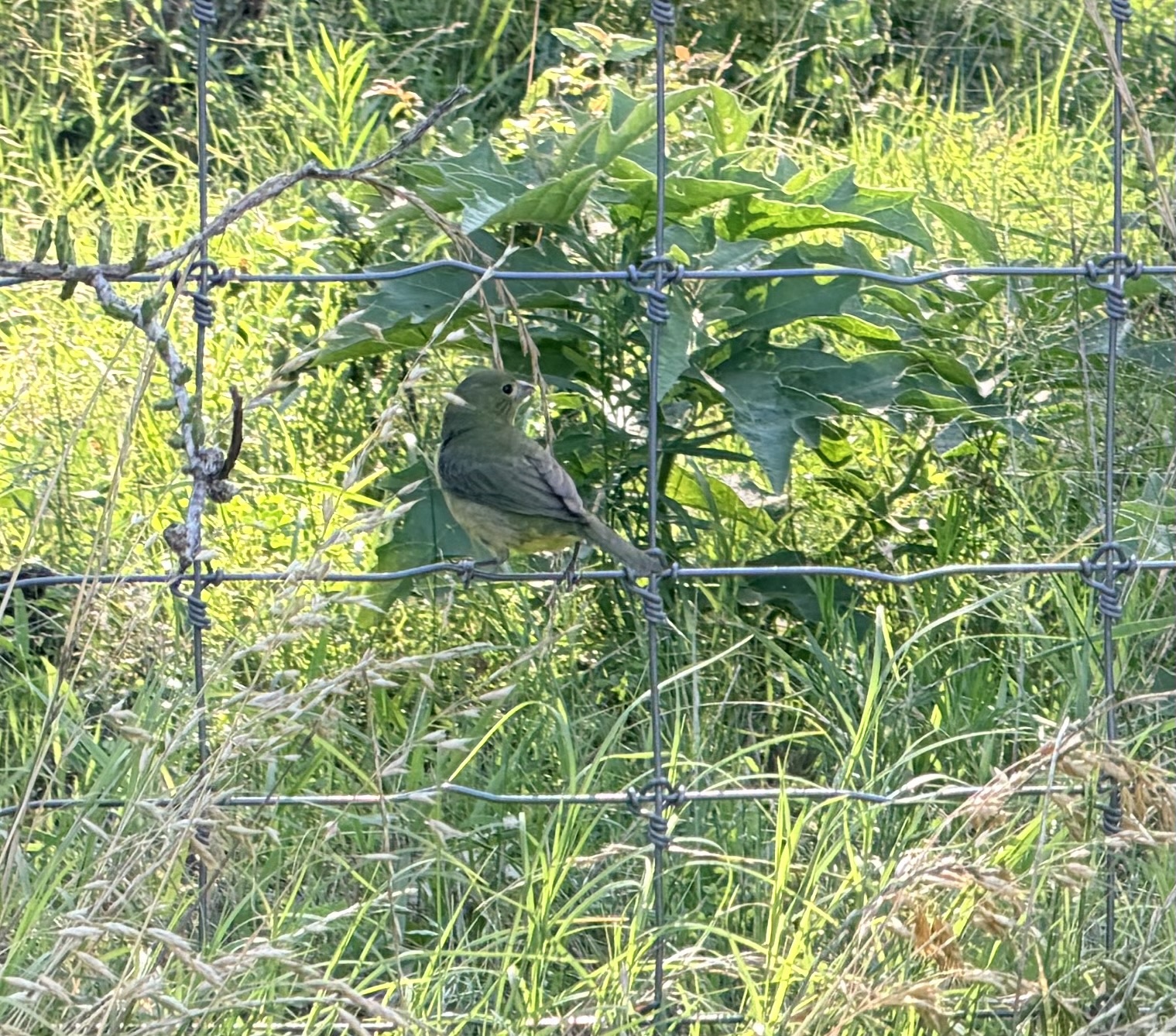
Thanks for the kind words about Benny the dog. I’ll leave you with a beautiful female Painted Bunting who let me watch her work on her nest at twilight.
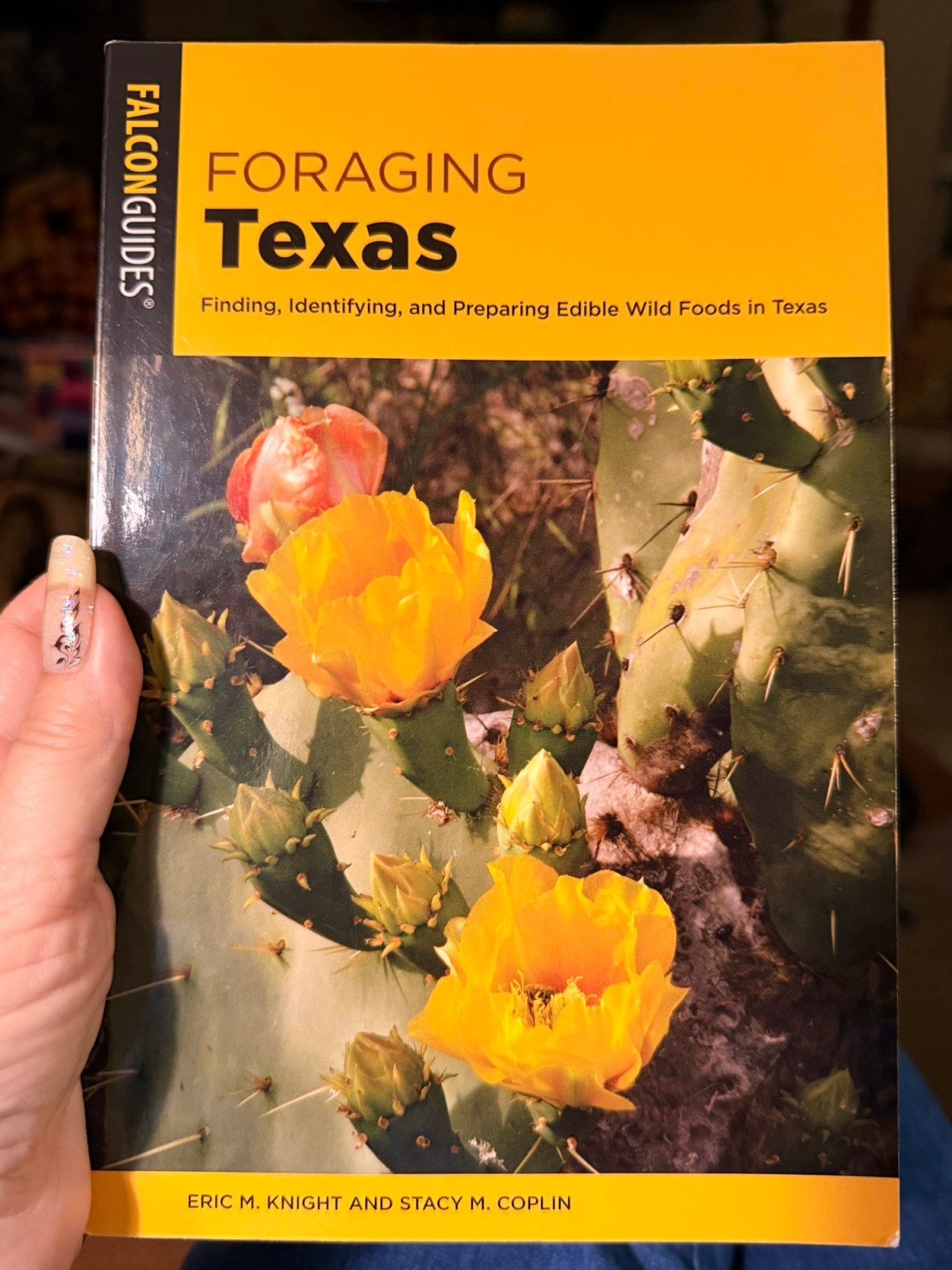
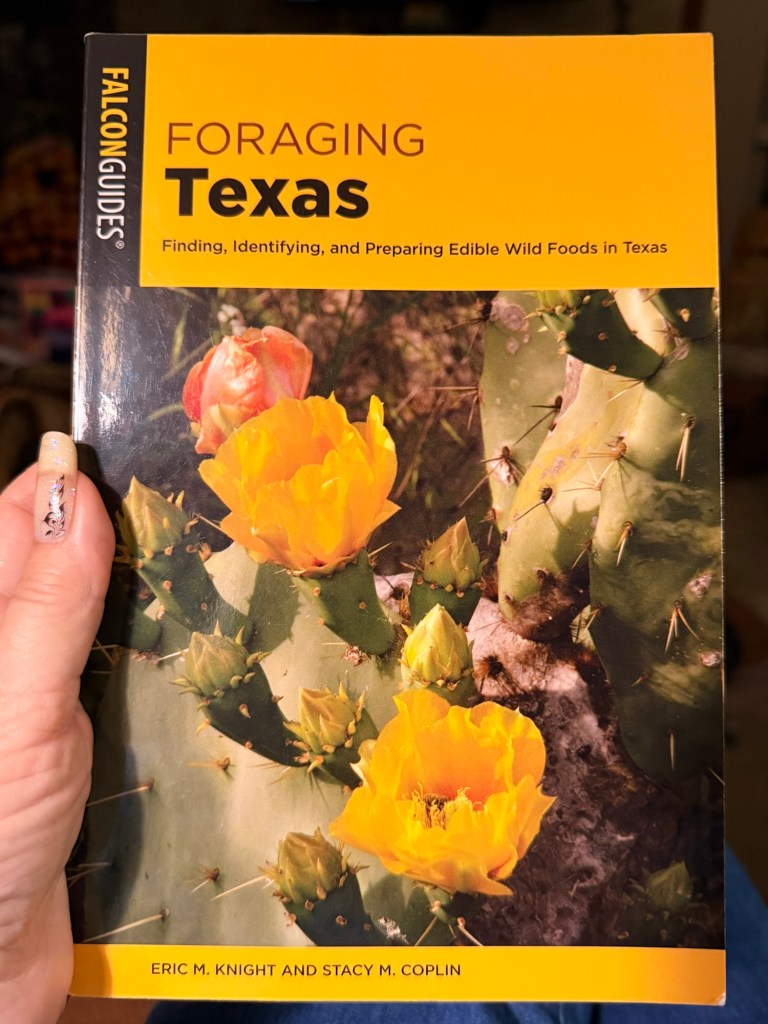
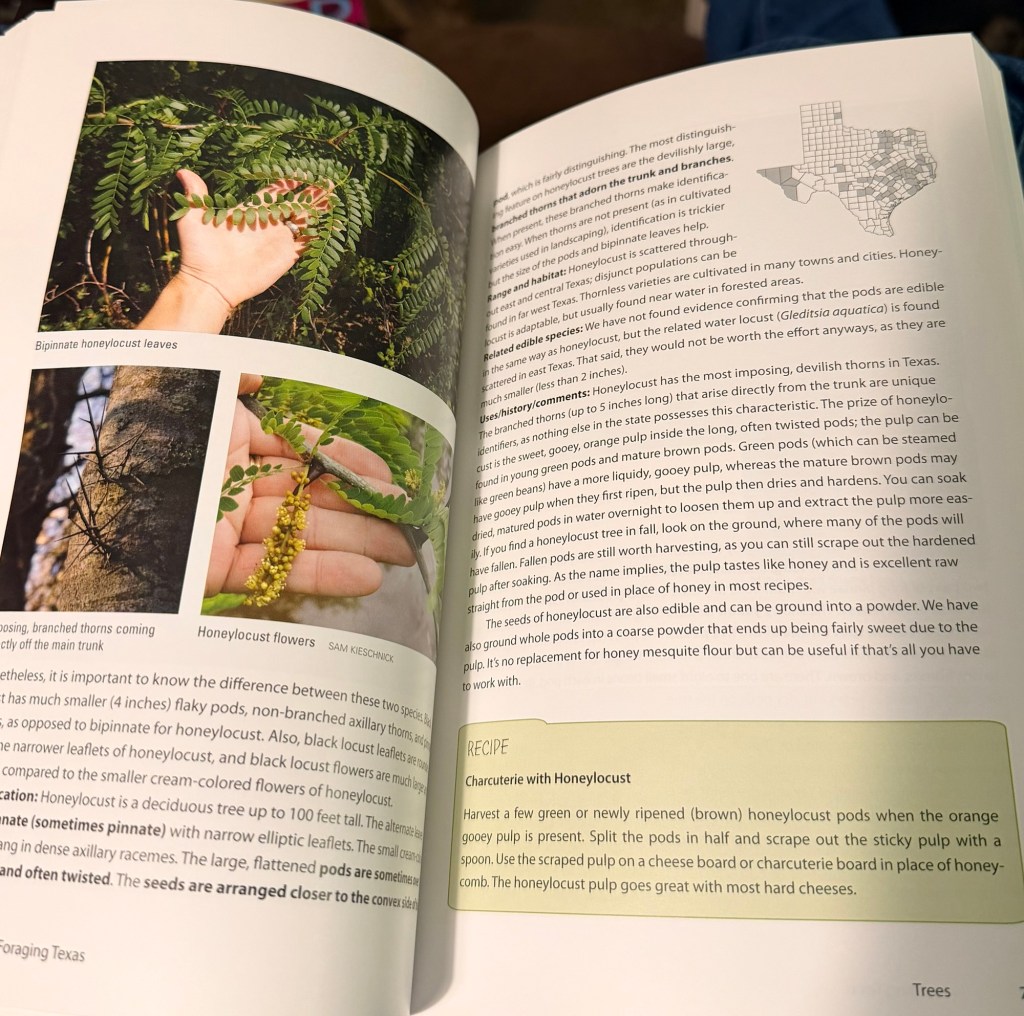
I got this book at the Ladybird Johnson Wildflower Center. I’m sure glad I did, because I thoroughly it and learned how many things right outside the house are delicious. Foraging Texas: Finding, Identifying, and Preparing Edible Wild Foods, in Texas (2021), by Eric M. Knight and Stacy M. Coplin, is the most fun and sensible foraging guide I ever read.
The authors, who apparently know my friend Linda Jo, strike a great balance e between caution and curiosity as they teach about edible plants. First, they insist you read the chapter on toxic plants, some of which I could go take you to right now (very healthy poison ivy vines). I do now know my water hemlock and friends, and simply won’t eat anything growing in the water, at all. Even the yummy ones might have pollutants in them. Sigh.
Sample page
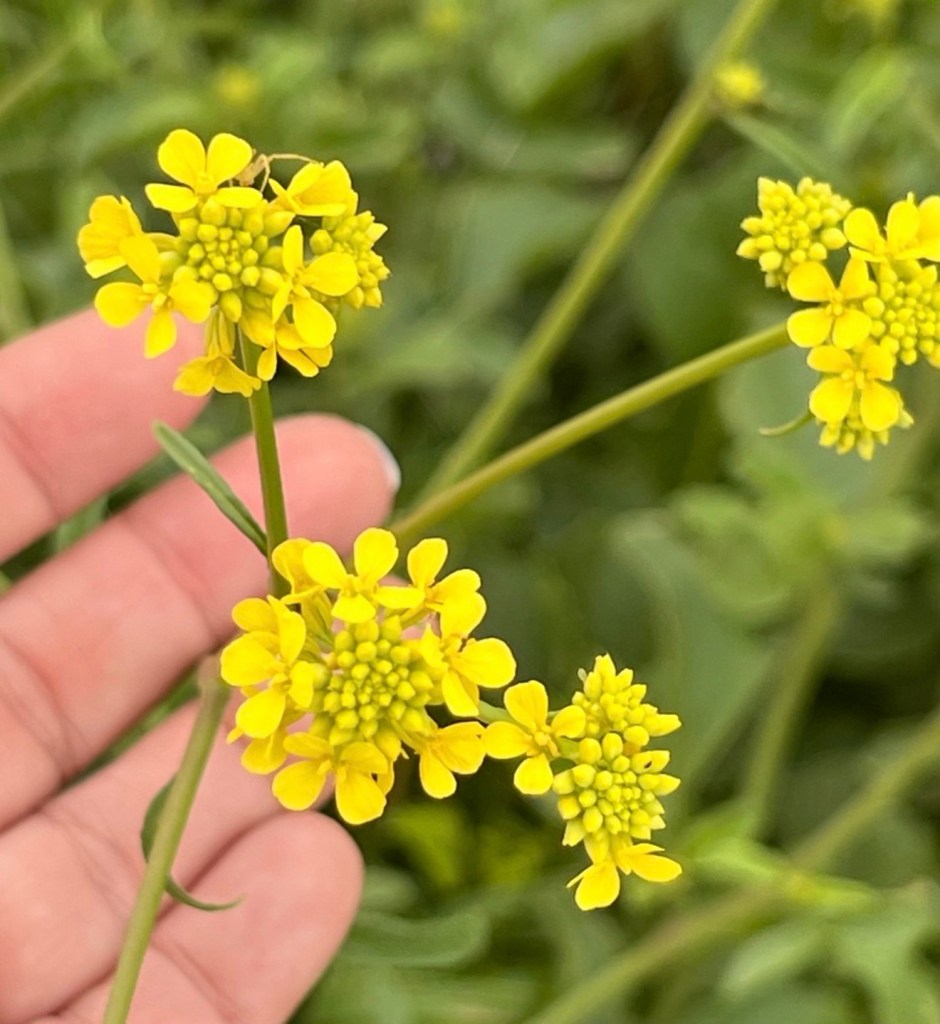
The authors focus on plants that are plentiful (many, if not most, non-native) so as not to encourage folks to contribute to a species going extinct. You’re heartily encouraged to eat annoying plants like bastard cabbage (they tell you to pull it up after you harvest the flowers, which proves to me that they have met Linda Jo). That woman hates bastard cabbage.
Bastard cabbage submitted by me to iNaturalist.
For each plant there’s a map of where to find it, a thorough botanical description (there’s an index of terms), comparison with any toxic lookalikes, how to harvest, and a recipe. Some recipes are like, just eat it. Other plants seem so hard to harvest that I wonder if it’s worth it. So many stickers and prickles to remove in your prickly pear fruit (tuna) or heart-leaf nettles. I’d say I’ll pass, but those fruit are so tasty.
Prickly pear with developing fruit at top. 2024.
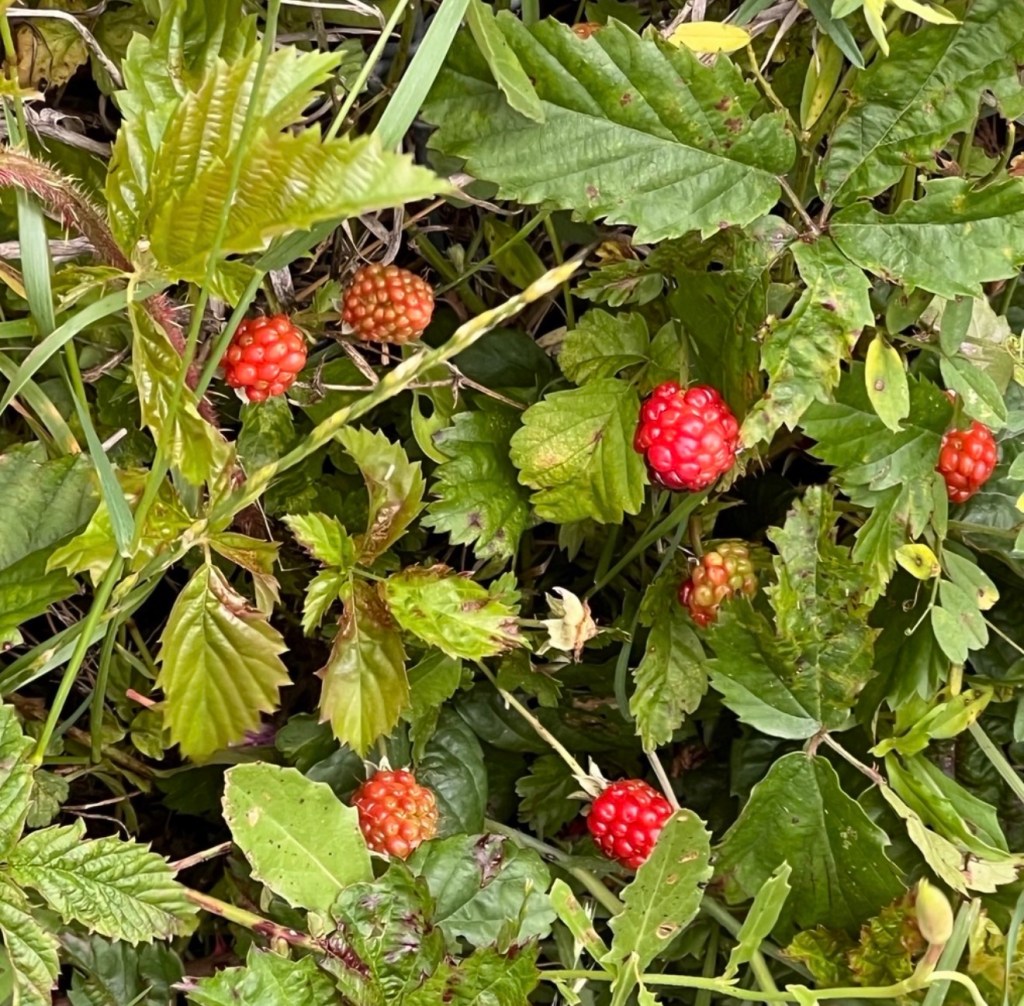
Very few other plants are described as tasting delicious (dewberries are!). Most are okay.
Unripe dewberries, 2024.
I think the fun is mostly finding edible plants around you and knowing what’s a good hiking snack.
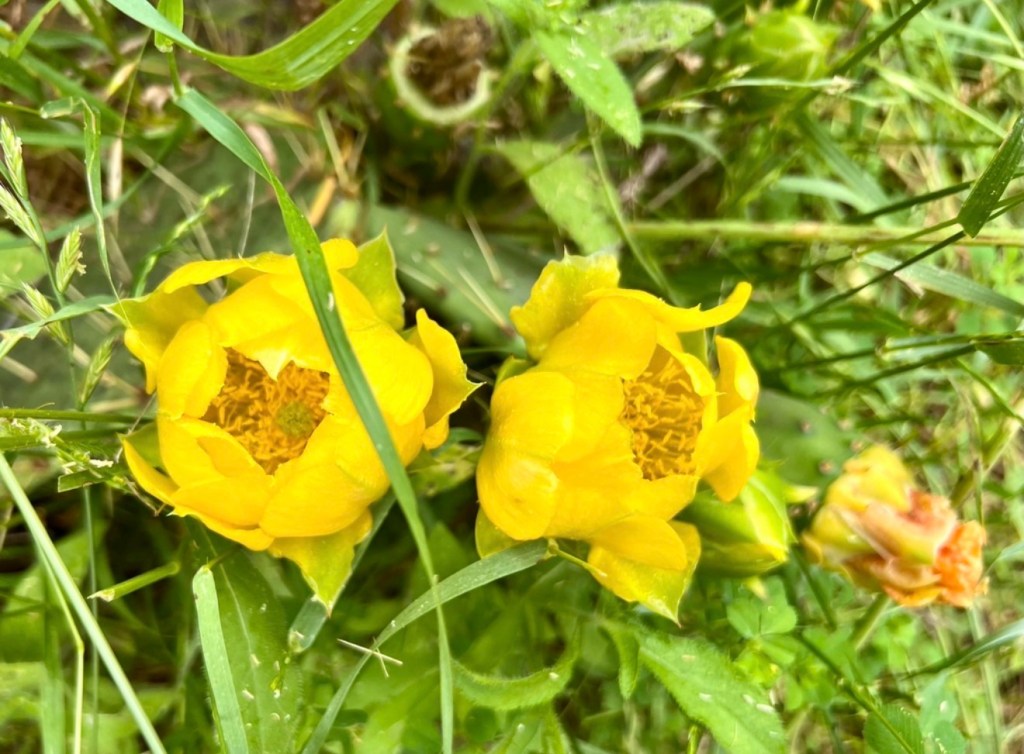
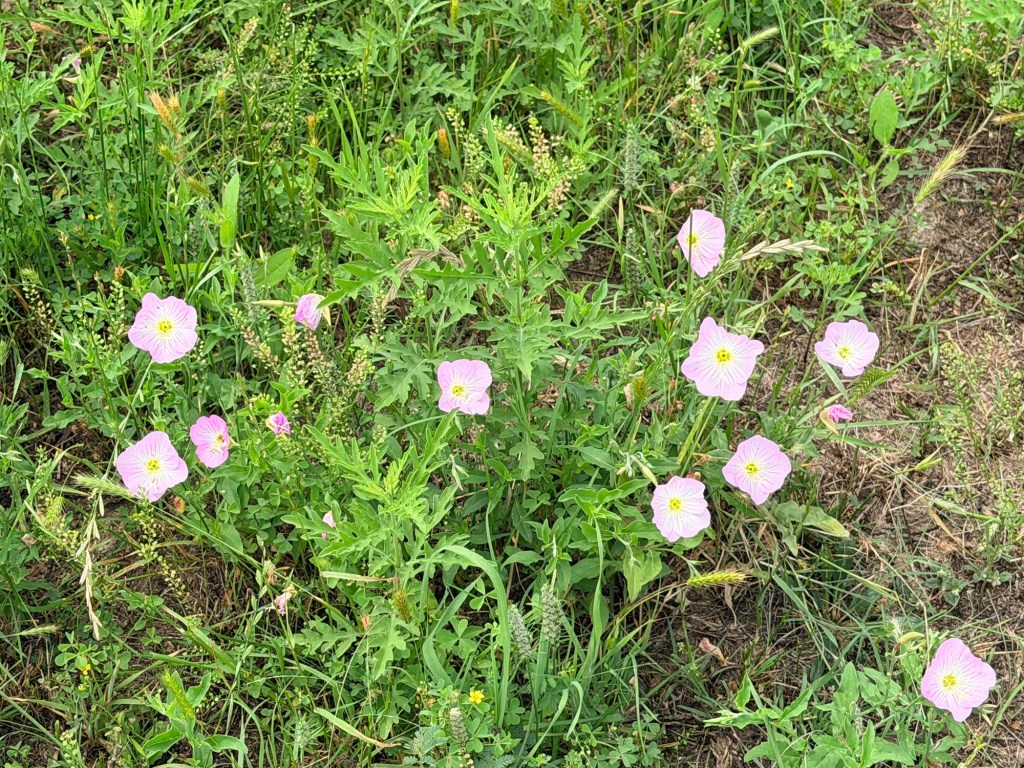
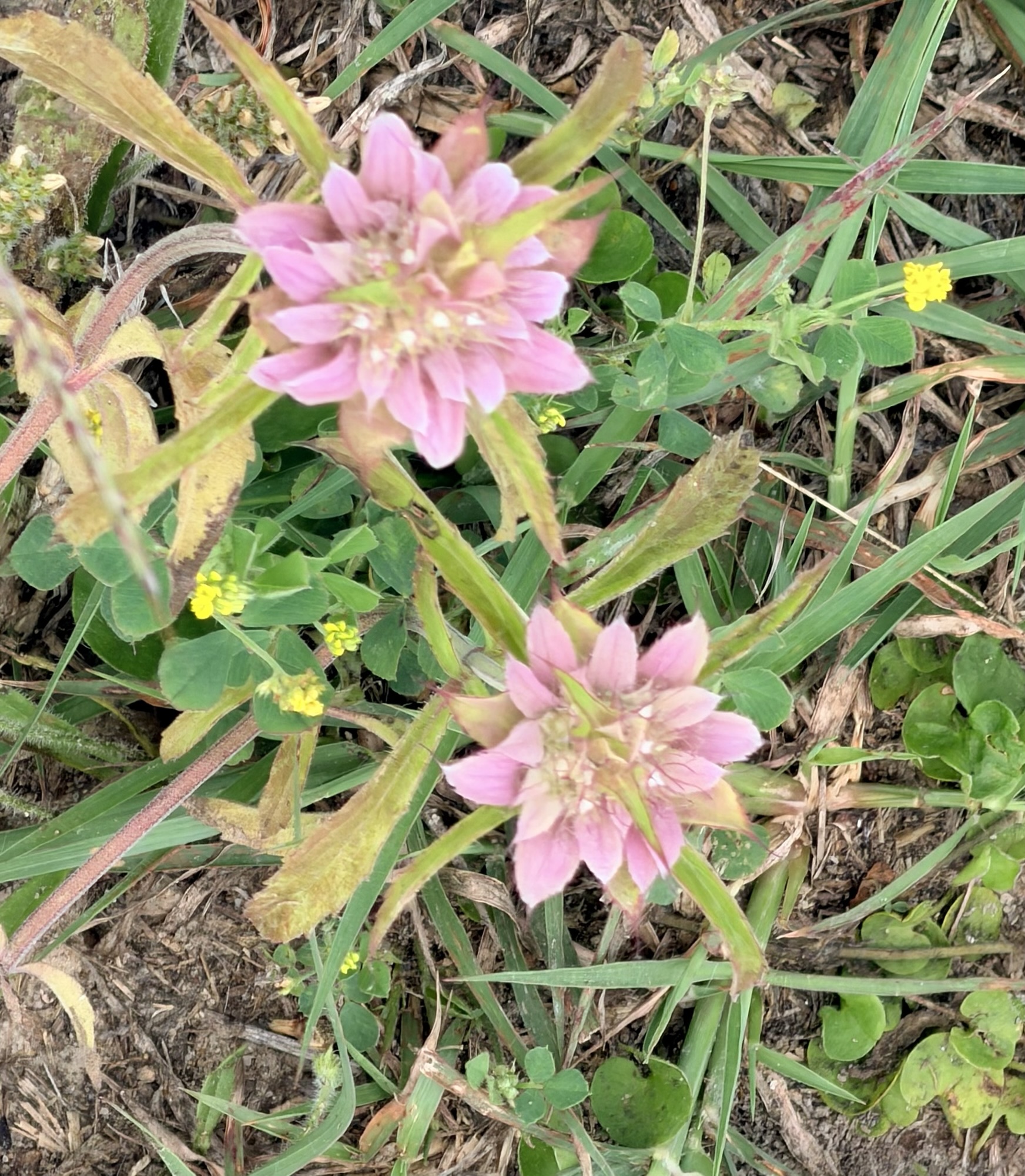
Found these today. You can eat flowers and roots, pink evening primrose.
Today I ate plantain seeds, because there are many in the pasture right now. I’m not going to go gather a bunch to share with the family. I could sneak chickweed in a salad, though. It’s tasty.
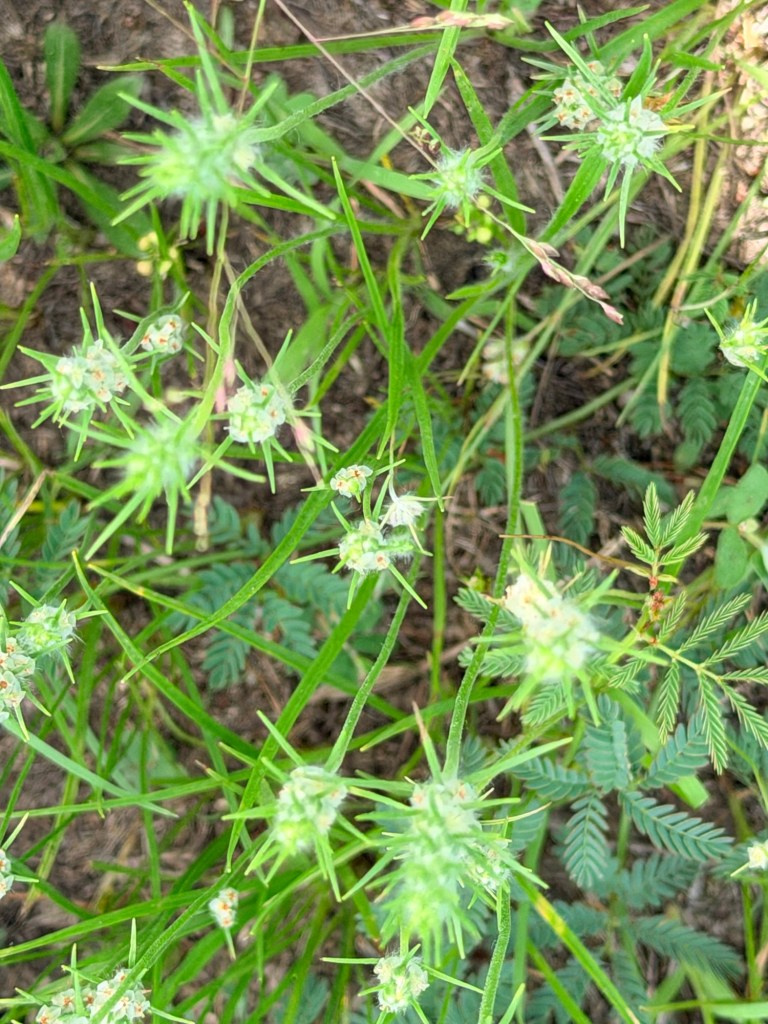
Bracted plantain. Much prettier than the kind I ate.
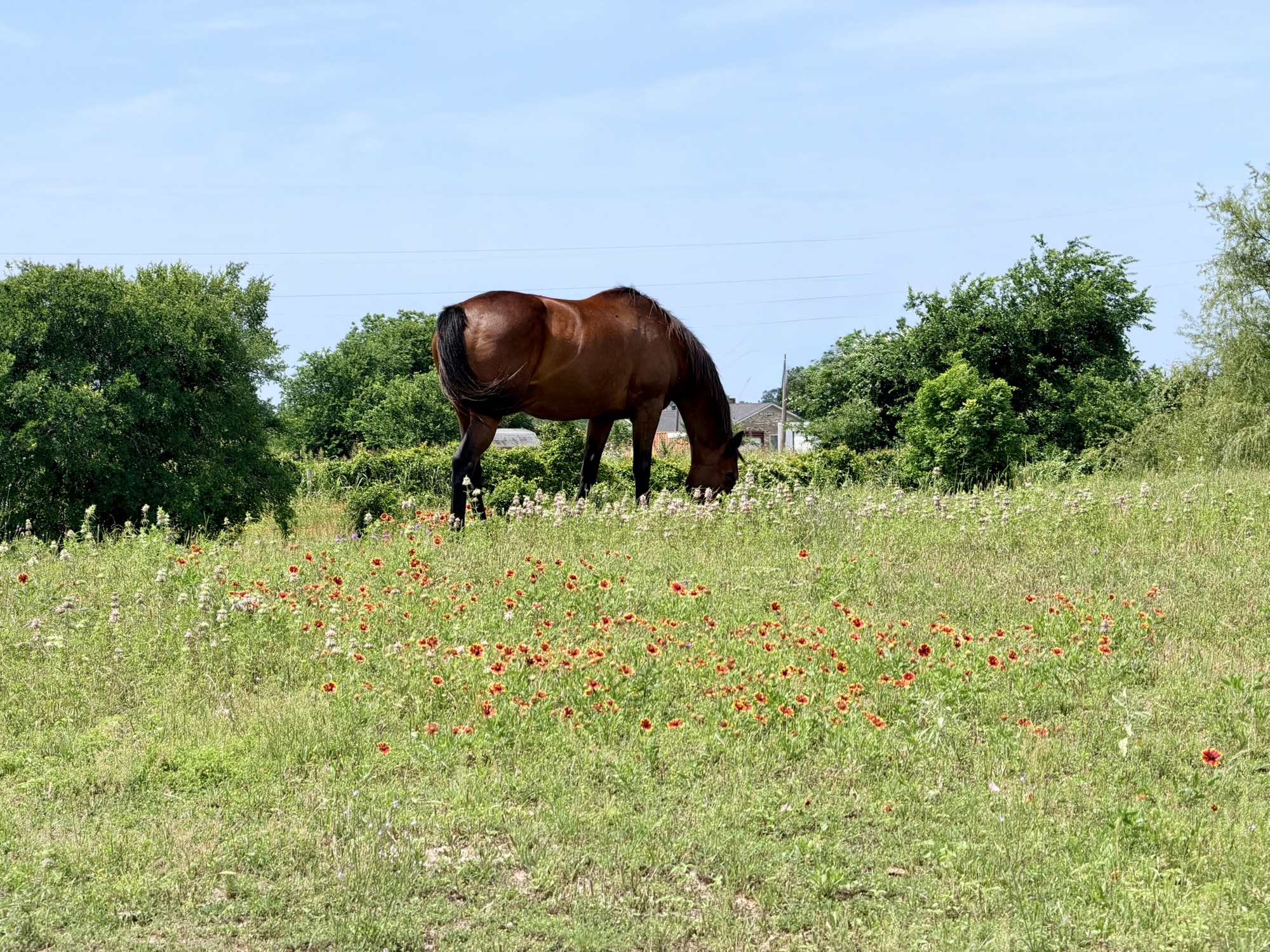
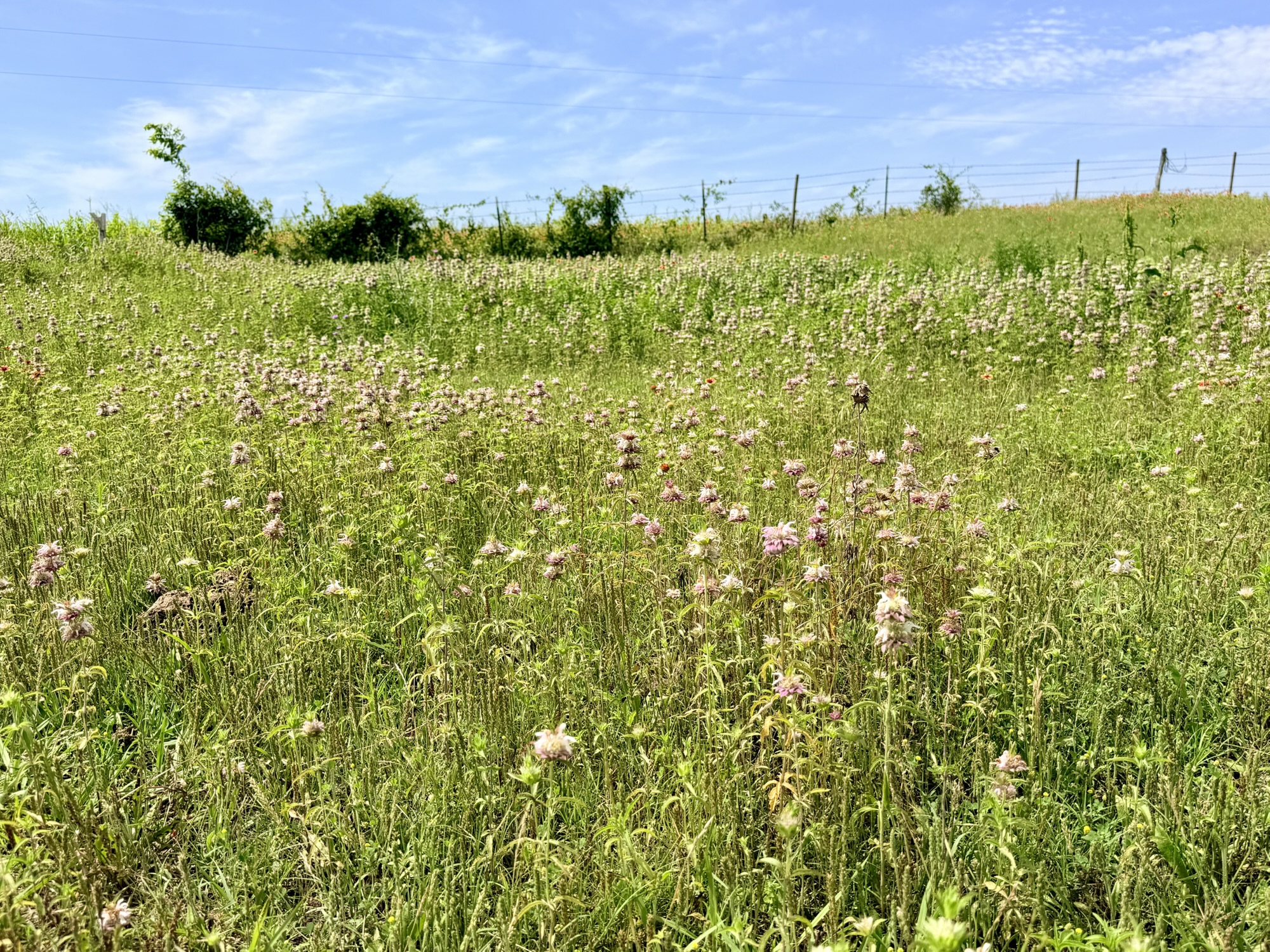
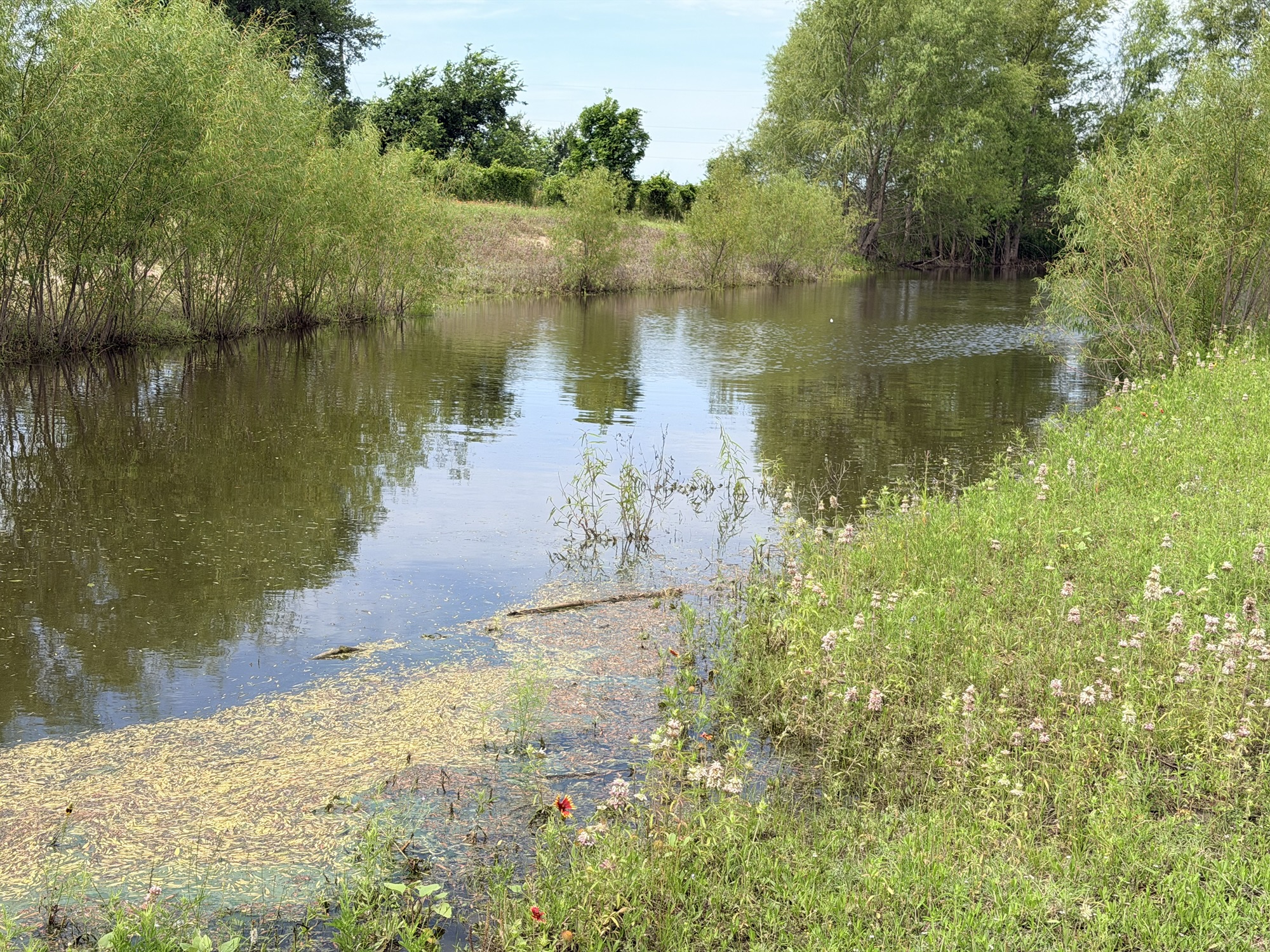
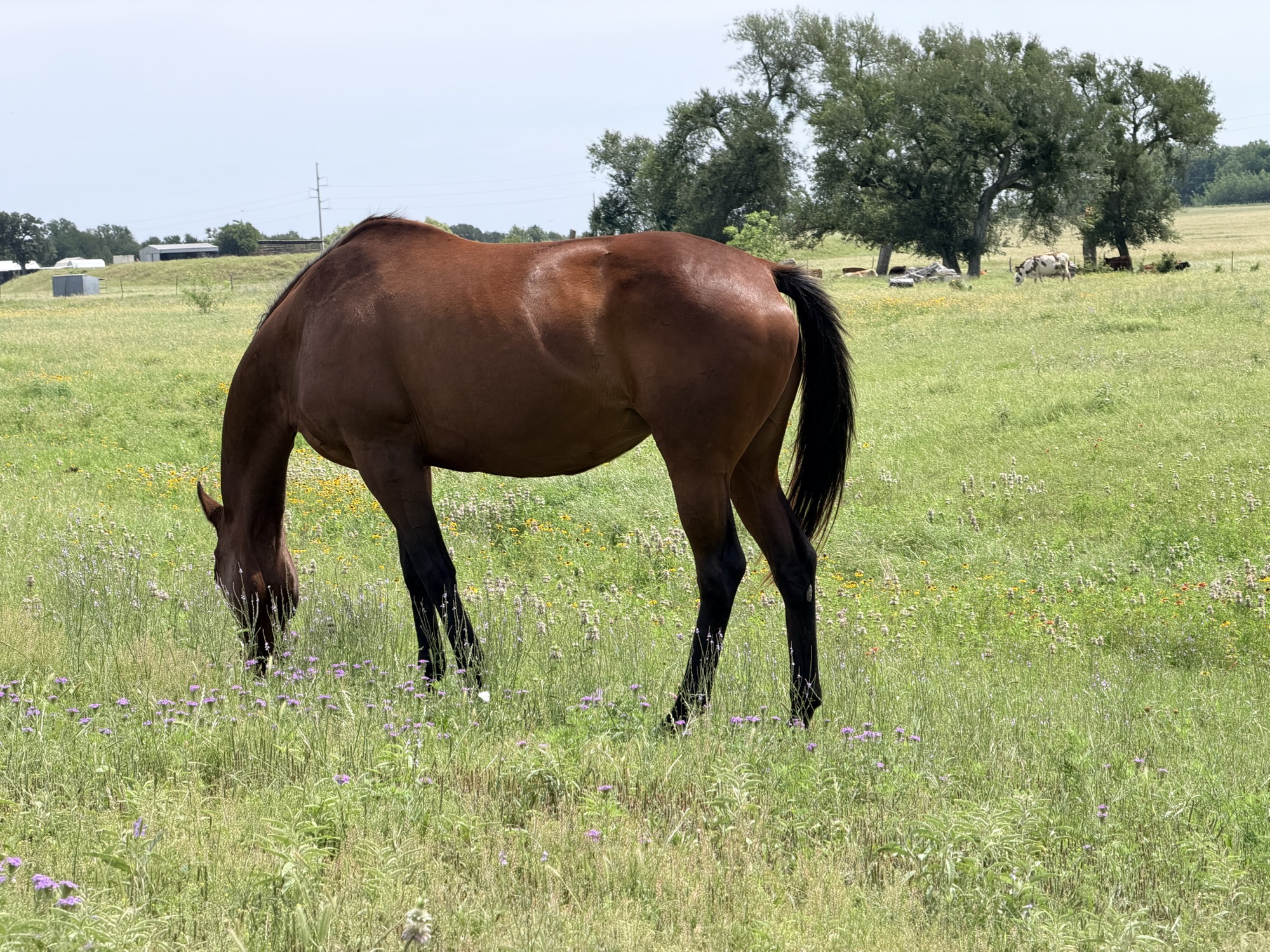
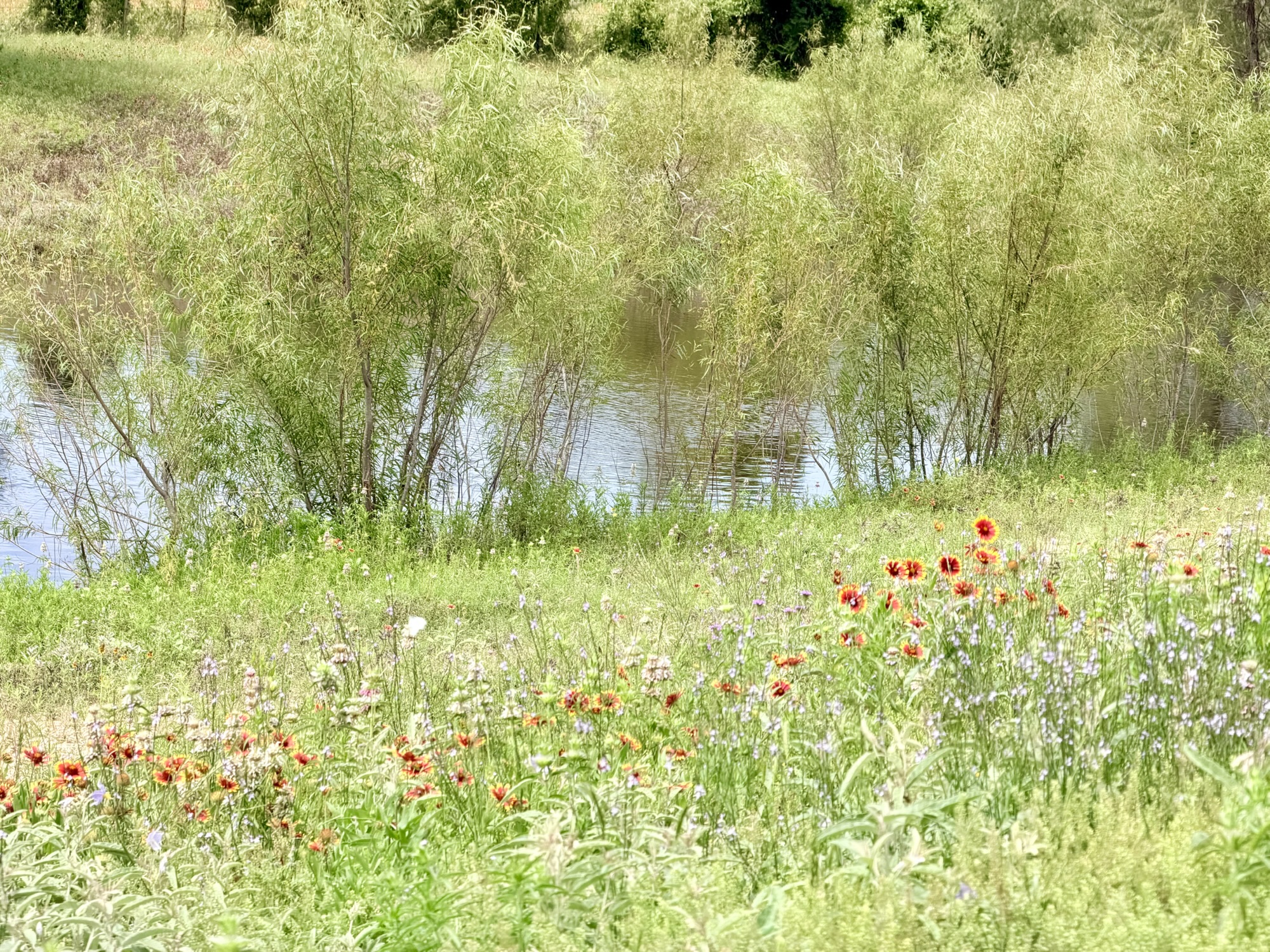
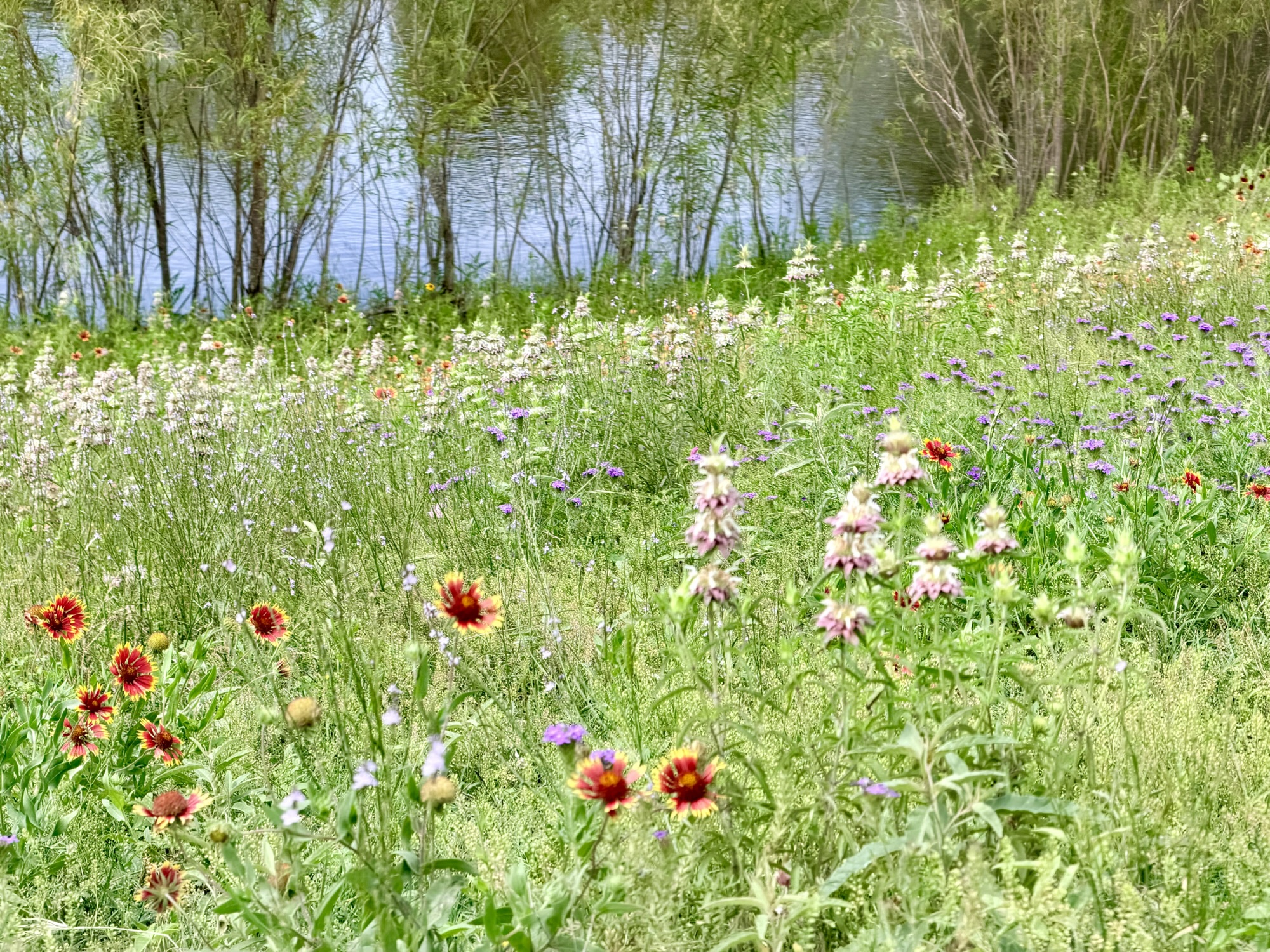
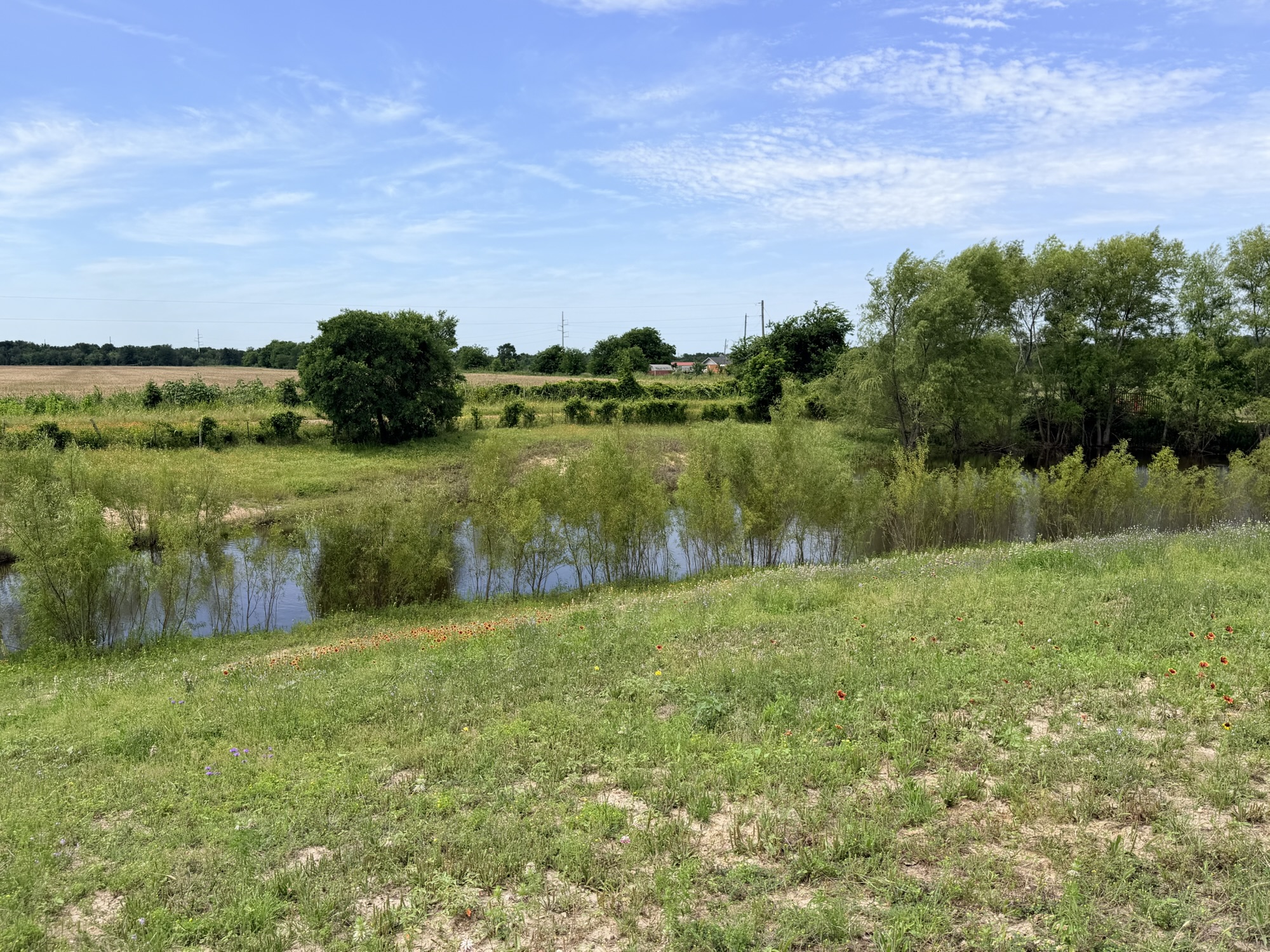
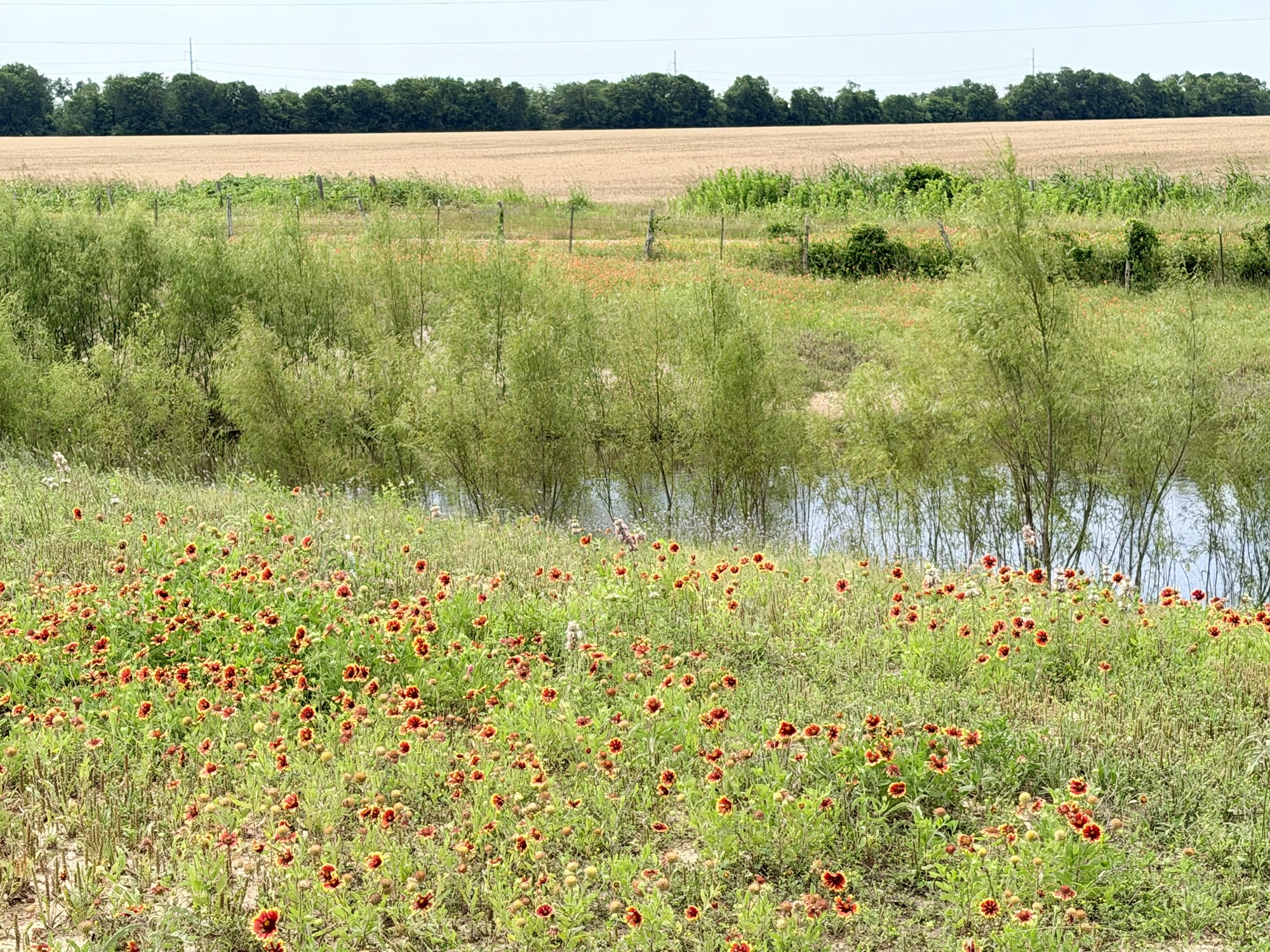
I will probably keep this reference book in the RV for reference when traveling. There are more comprehensive foraging books out there, but I like that this one covers the area where I live and is enjoyable to read. Now enjoy some pasture flowers.
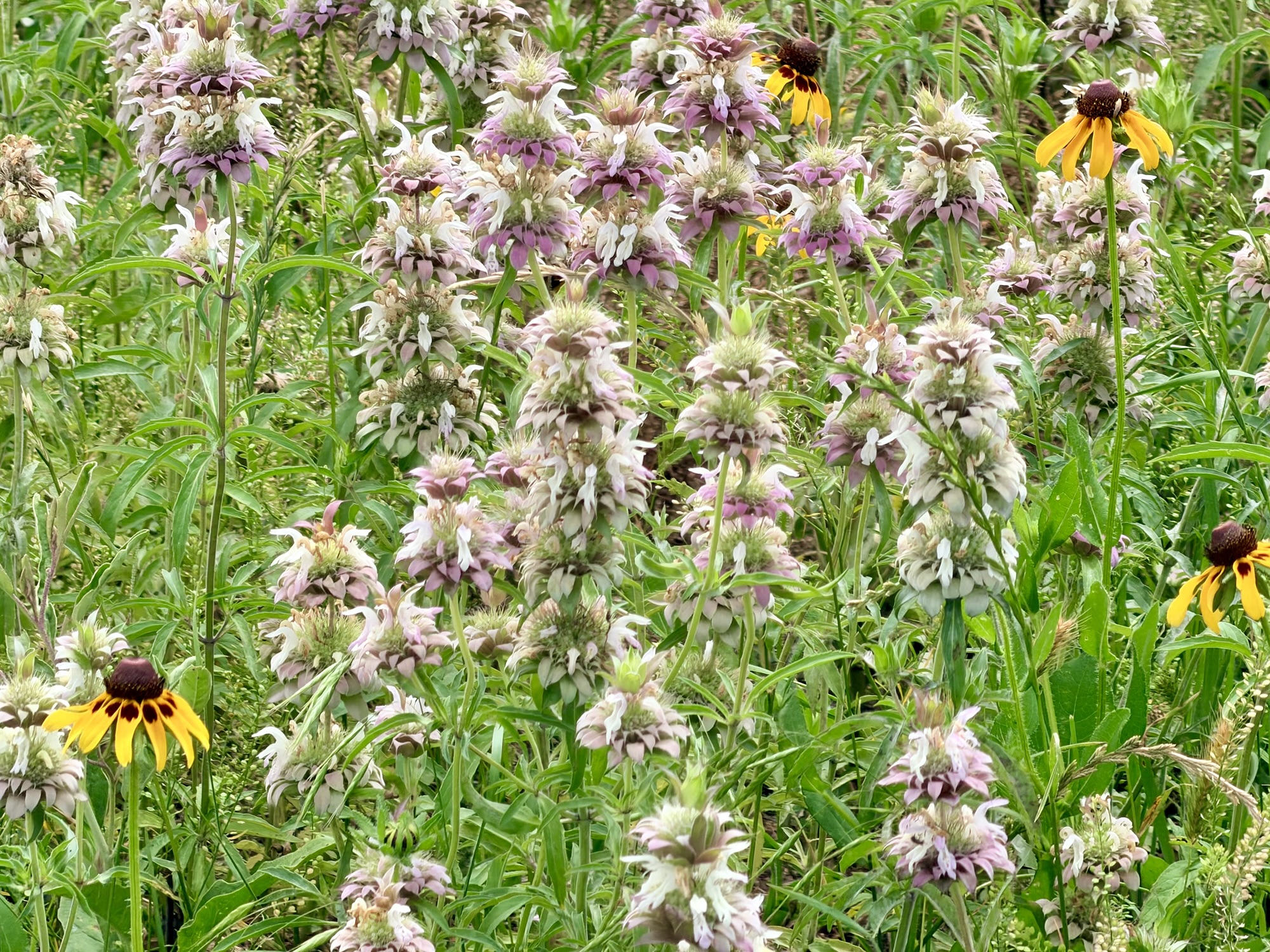
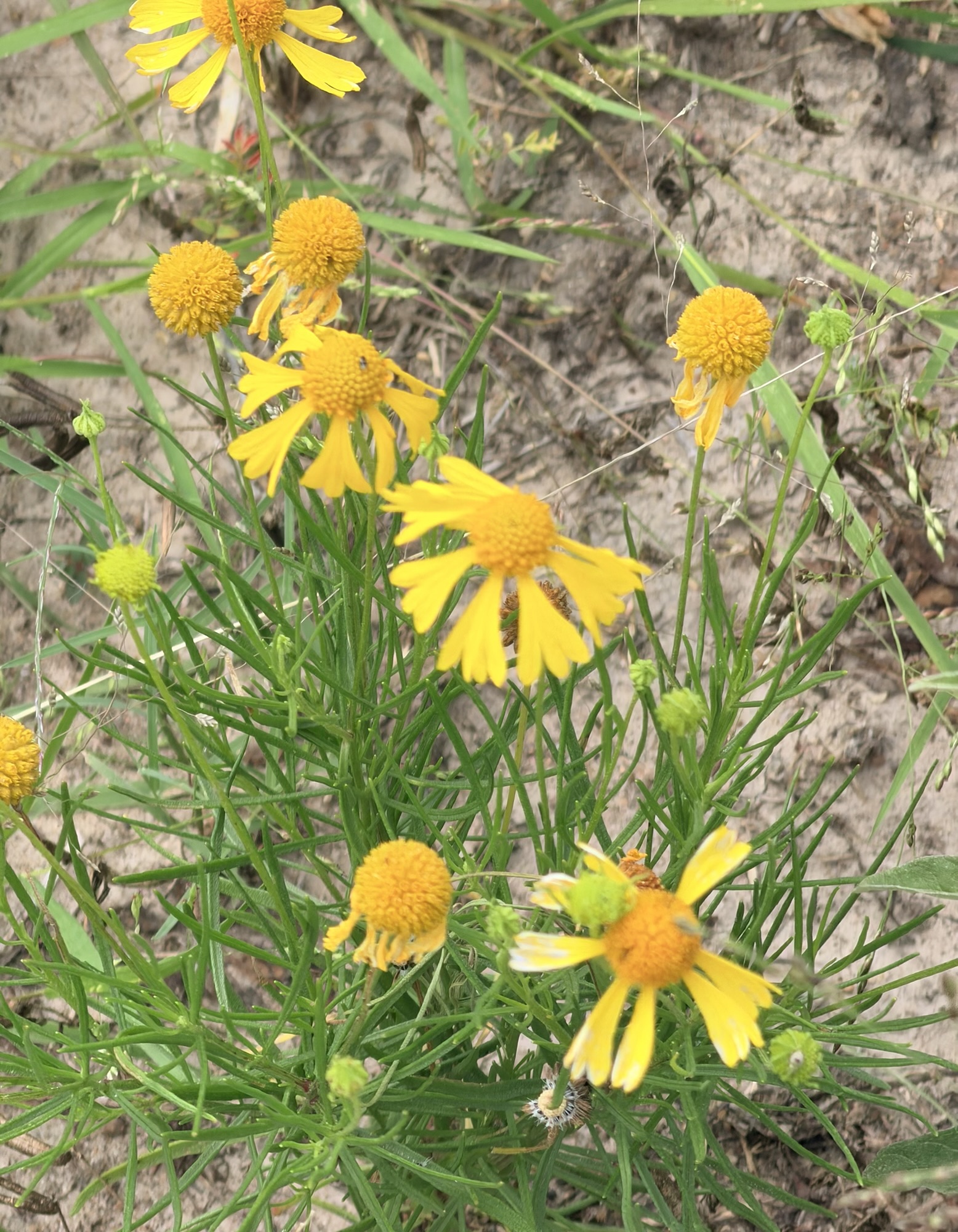
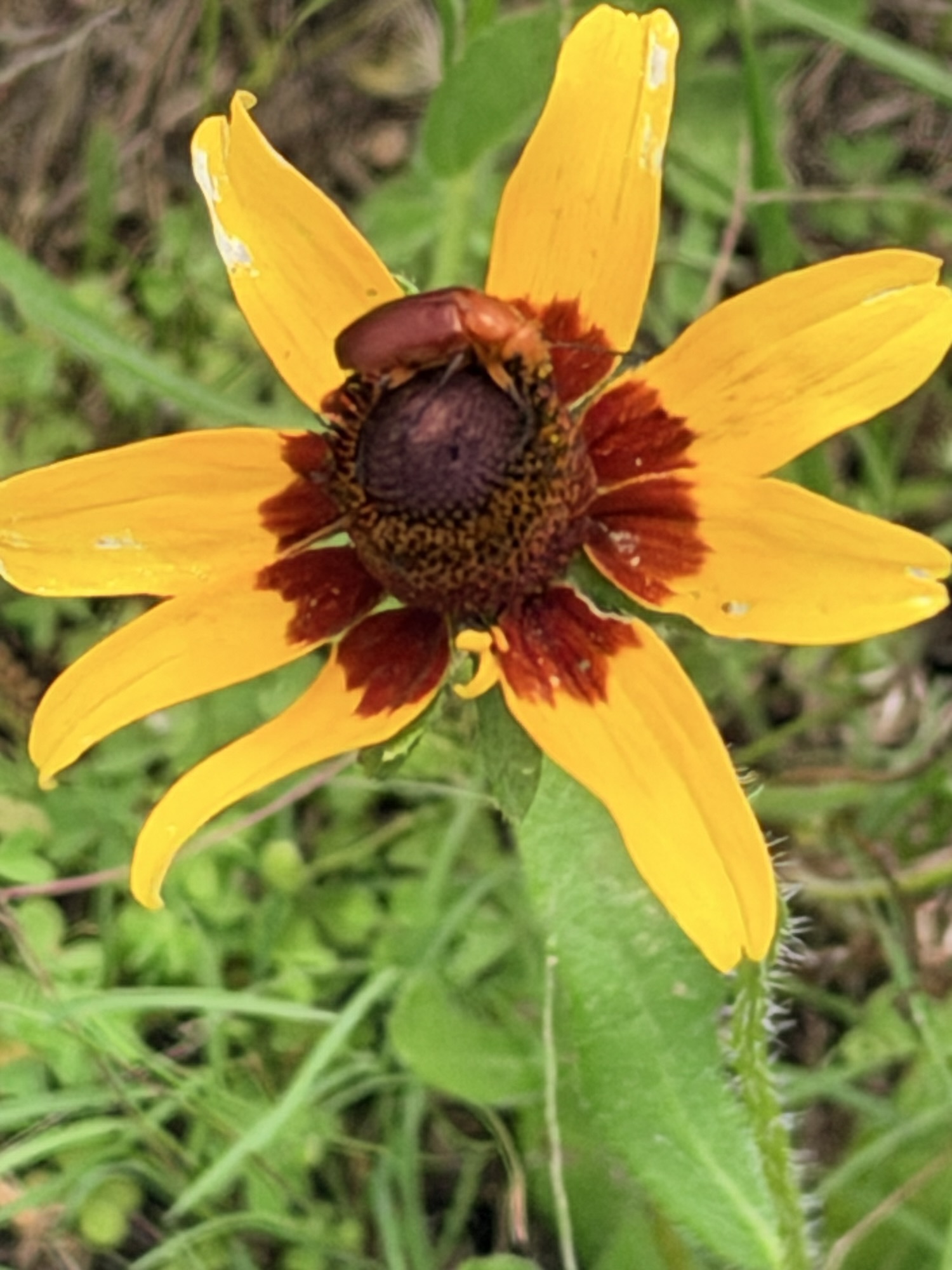
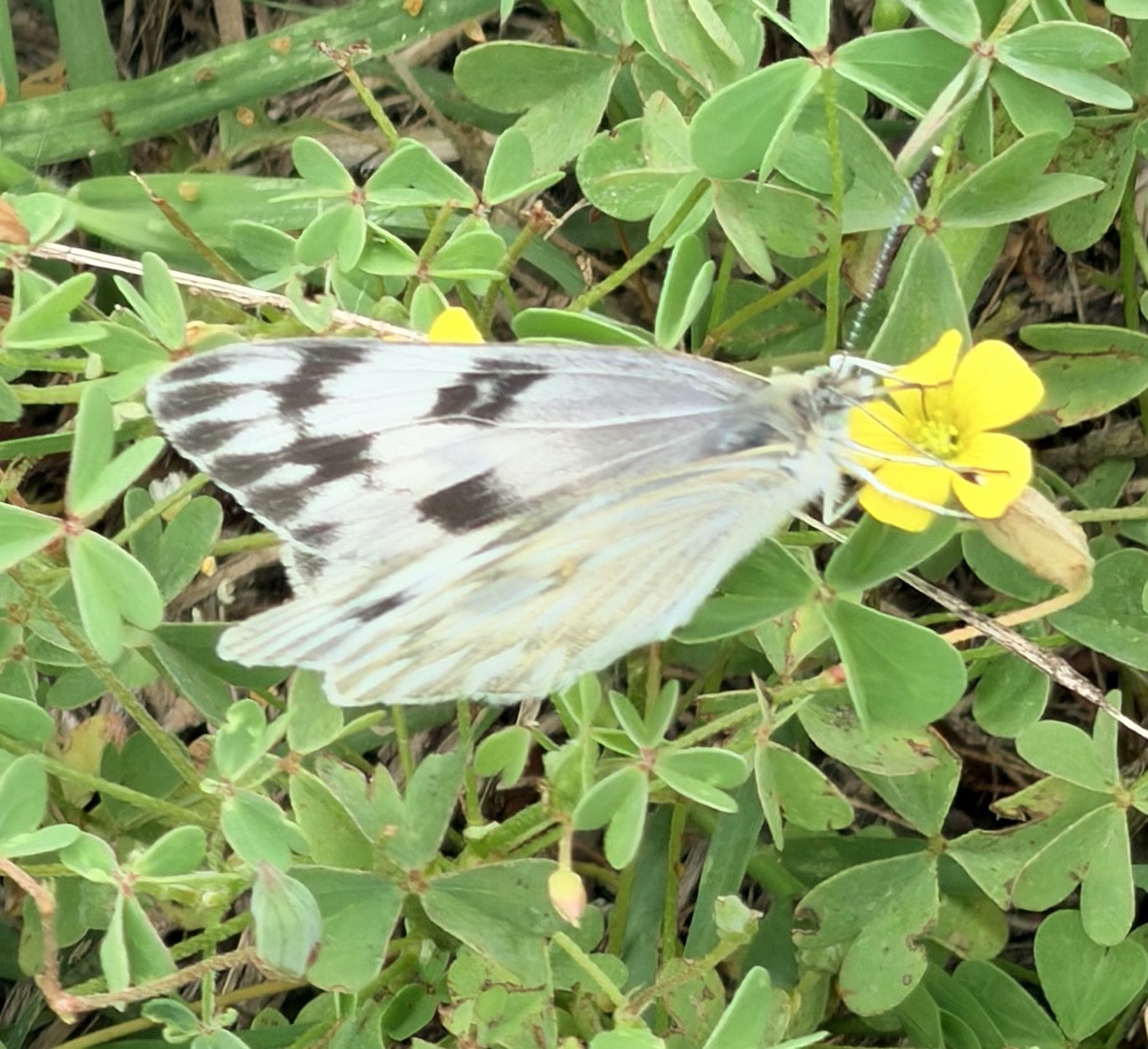
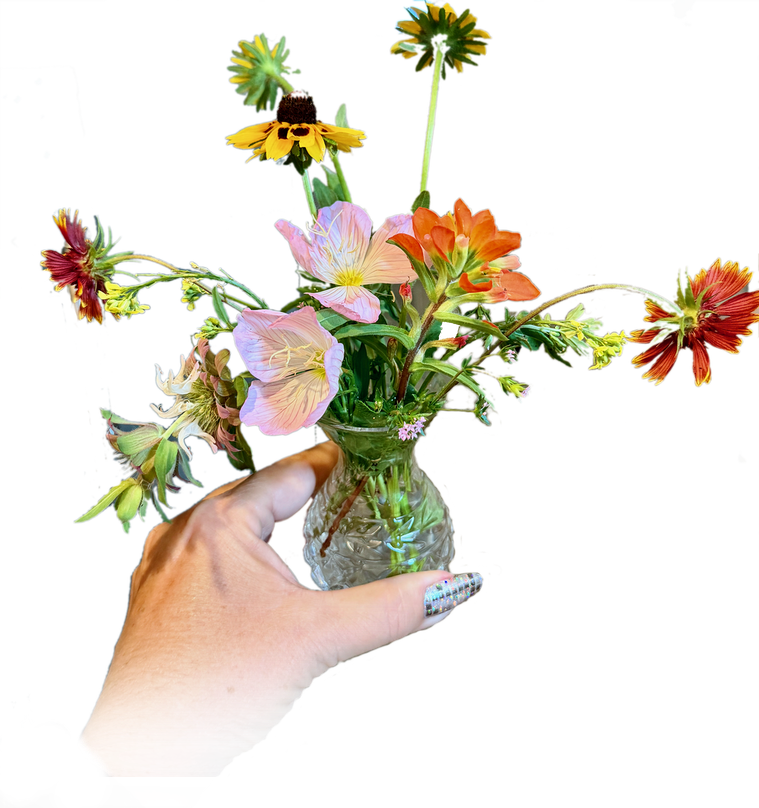
Pink lemon beebalm Full pond! Bitter weedBlister beetle
Being ill last weekend meant all I could do was sit around and watch television. I hurt too much to read or do crafts. Thanks to all that watching, I can pass on my recommendations to you. That’s the benefit.
(Note that no animals harmed any people or other animals today. Both Kathleen and Harvey are taking it easy and trying to heal.)
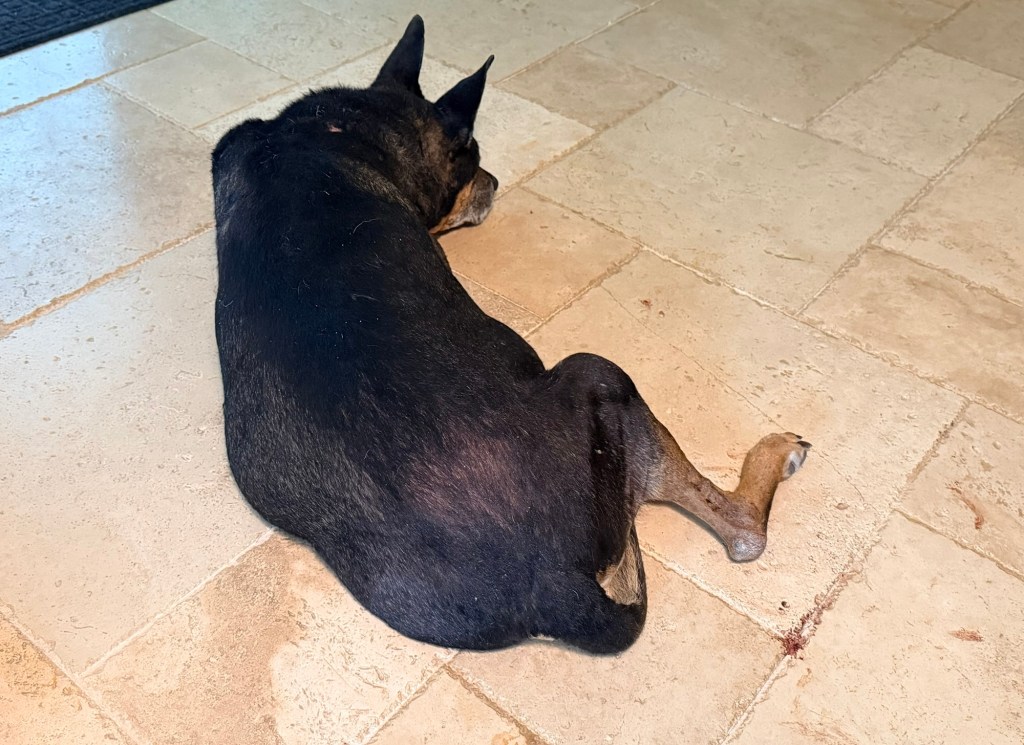
Harvey, poor old guy. He’s a mess. But remarkably cheerful. At least this angle shows no injuries.
So, what has Suna been watching?
The Crown. Lee and I had low expectations for this, especially since he is not a royalist at all. I did have to explain who people were to him (my English roots make me slightly interested in the monarchy). I now understand all those awards that went to the actors. Most of them did an eerily accurate representation of the people they were playing. There were three main casts, representing the family of QE2 at different ages. The only ones who weren’t super accurate (to me) were the final Charles and Harry. All the Dianas were so realistic, as were the queens.
A queen. Not THE Queen.
My favorite parts of the series (other than scenes of England, interiors of palaces, fancy horses, and old English cars) were interactions with the characters. You ended up seeing how each of them ended up with their quirks. I didn’t feel like they made anyone out to be more saintly or awful than anyone else. I was even able to drum up a little sympathy for Margaret Thatcher and Queen Camilla. They were all pretty sad people except maybe Prince William and Kate.
The series is a great introduction to 20th century history in the form of a soap opera/travelogue. The only parts I didn’t like were when dead people started showing up and chatting with the living. My conclusion is I’m glad I’m not a member of that family. I also concluded that after watching Victoria. Combine those two shows and you have 200 years of English history class.
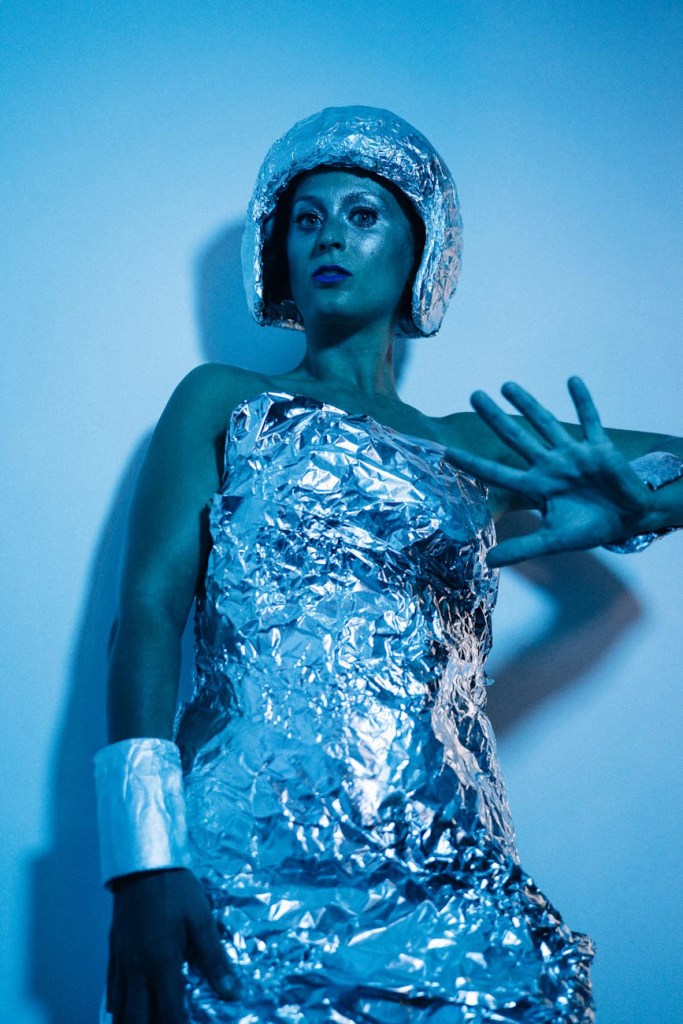
Now put on your tinfoil hat! (From Pexels)
Resident Alien. You know how much I have needed to laugh lately. This show is guaranteed to make you laugh, if you have a certain sense of humor. Everyone on this show is a fine actor and all the characters are built out to be realistic, believable people, even though they are very funny. This show is hilarious. We have to stop the television to laugh sometimes. The alien is played by Alan Tudyk, who is always good at playing weird guys, but he doesn’t dominate. It’s an ensemble. The science fiction aspect of the show gives it some drama (more as the shot goes on), but I’m just in it for the laughs.
The two children in the show are both great. But the little girl is a force of nature. She wore her tinfoil under her hijab, which made me laugh so hard. It’s a relief to have a Muslim character who’s so genuine.
Sportsball.
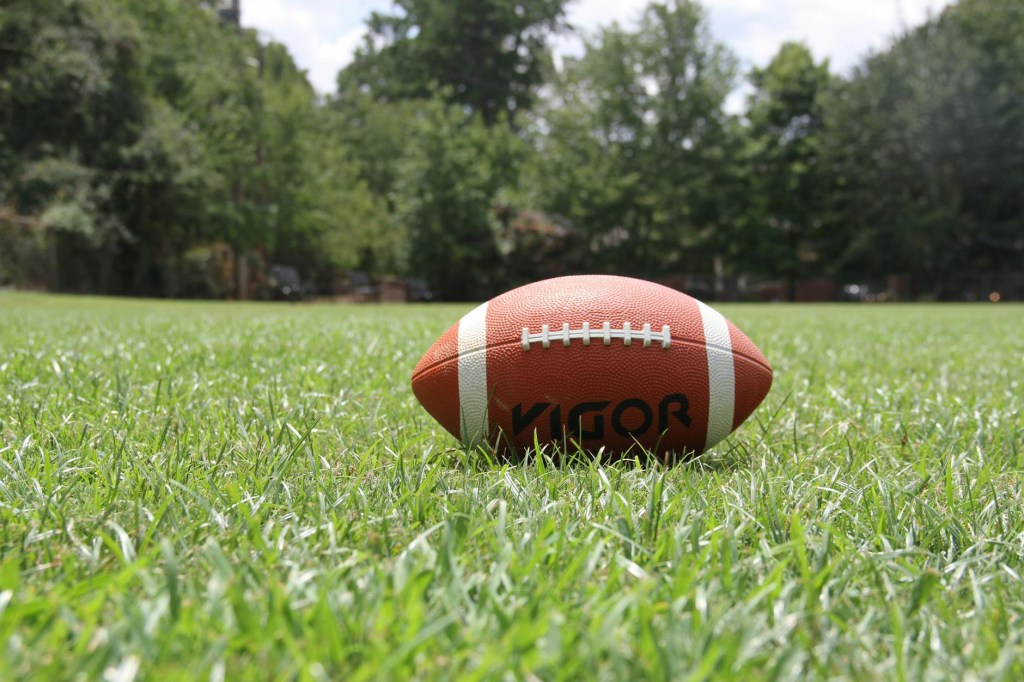
The Fall and Rose of Reggie Dinkins. This is the kind of show Lee hates, where much of the comedy derives from someone being incredibly obtuse and kind of awful, but succeeds anyway. However, it was developed by Tina Fey and has actors I find funny (and Harry Potter!). I also laugh a lot at this one, even though it’s silly and totally unrealistic. I mean, Tracy Morgan as an ex football player is ridiculous right from the start. I do like the “family dynamic” where Reggie’s ex-wife and fiancée end up getting along, and both characters are more than stereotypes. For a network comedy, it’s not bad. Just don’t expect Shakespeare.
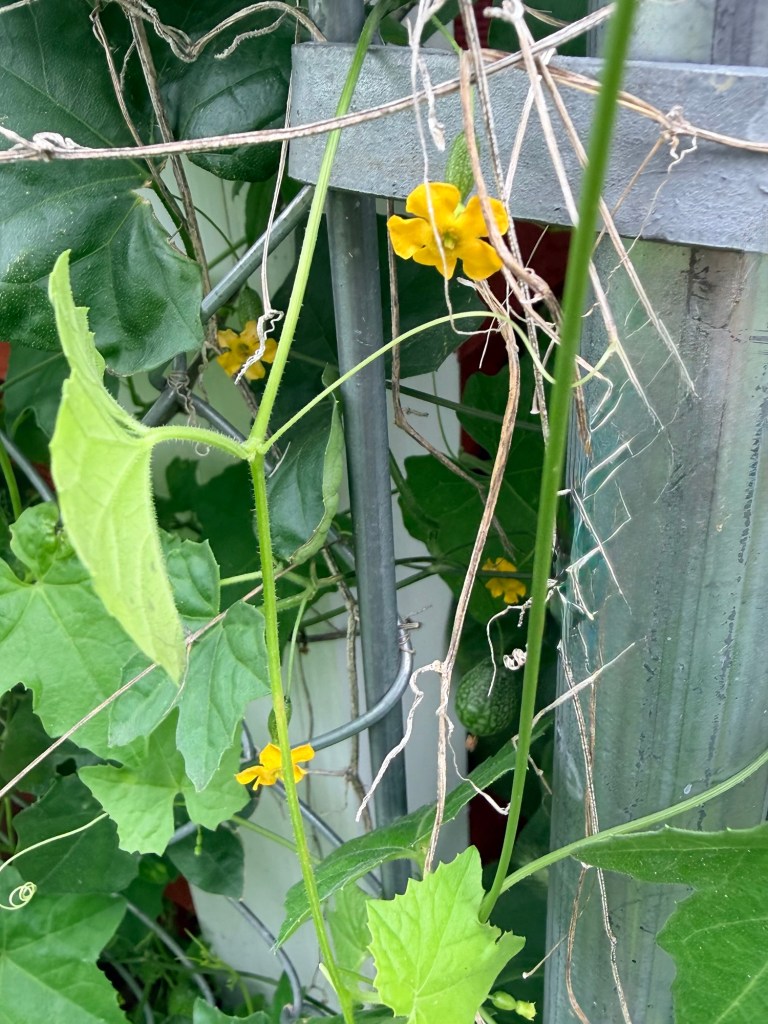
Image break: creeping cucumber growing on the chicken pens, the only photo I took today other than Harvey .
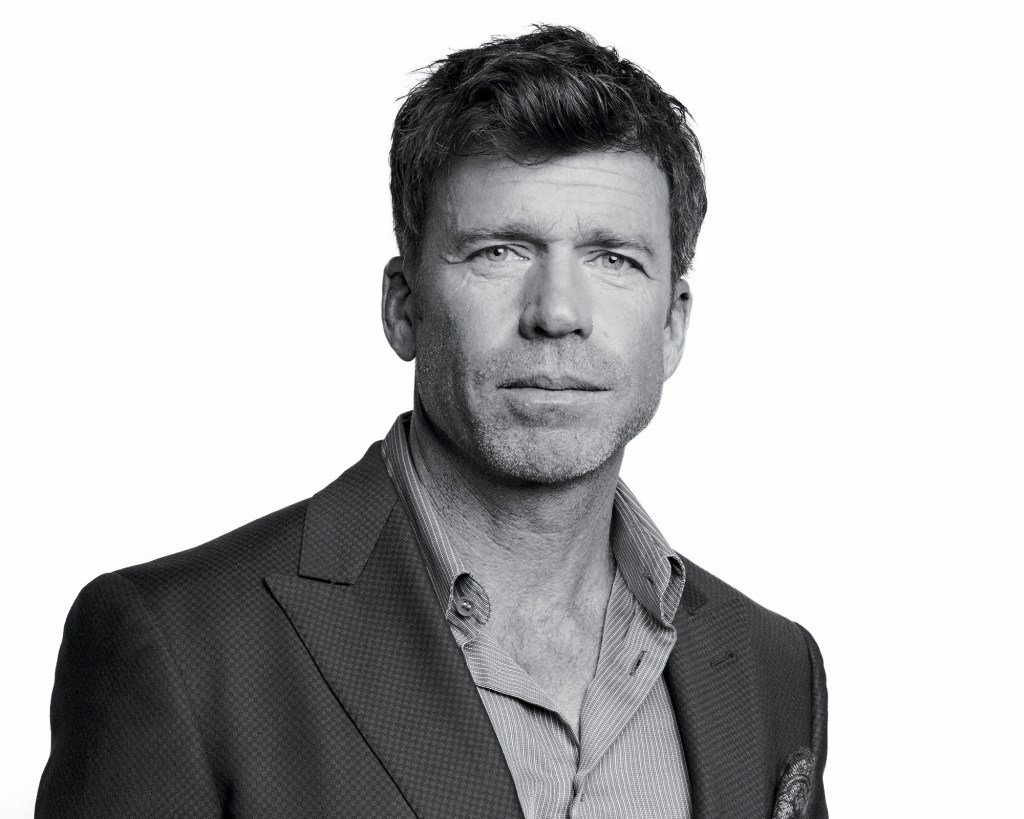
The Madison. Back to drama. Don’t laugh, but this is my first Taylor Sheridan show. I’m not good at jumping on bandwagons, so I skipped all the Yellowstone stuff. If I want to see cowboys, I just go to the Mexican restaurant at lunchtime. However, I started watching this with Kathleen and kept going whenever Lee was upstairs binding books or analyzing his vital statistics for his journal (his journal is very thorough).
I literally just found out what he Taylor Sheridan looks like. That’s a rugged and manly fellow. Photo by Michael Buckner.
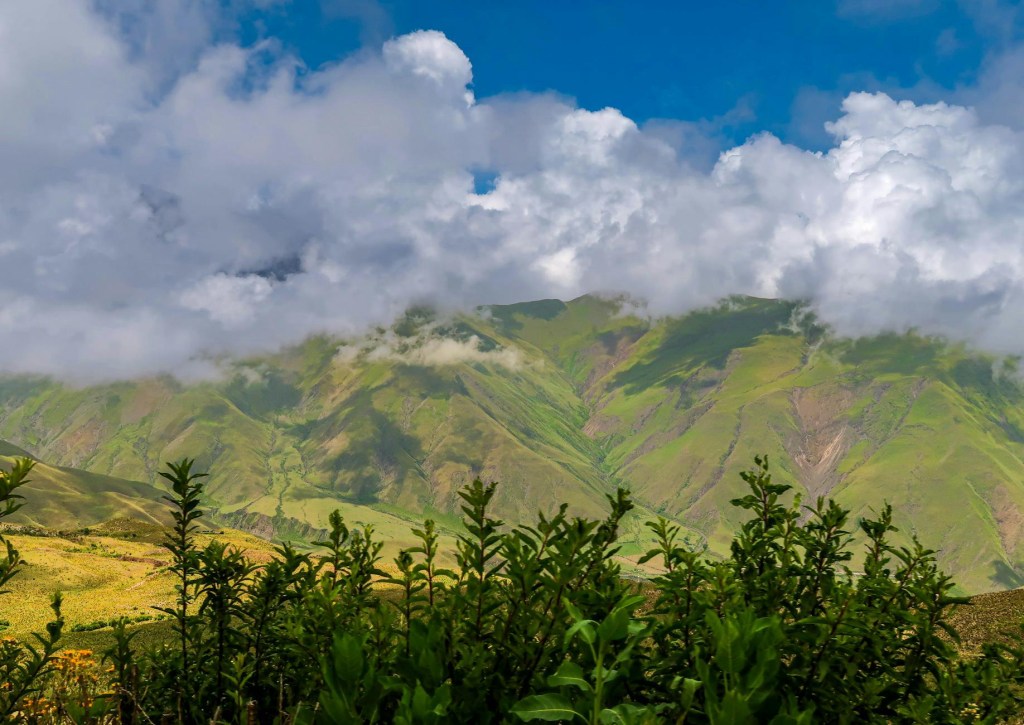
I got all distracted there for a second. So manly. As for the show, it’s an entire collection of episodes about how sad and messed up a bunch of New York rich folk are after the rich family patriarch dies while returning from a visit to his rugged and manly ranch in Wyoming, Montana, or somewhere like that. Nonetheless, the scenery and soundtrack are fantastic. If they just took the whiny people out and left the scenery and rugged manly soon-to-be-dead men fishing, I’d still have watched it.
Similar scenery, from Pexelsm
Seriously, though, you do see a lot of personal growth, introspection, and learning in the Madison, especially in Michelle Pfeiffer as Madison. She’s a good poetic sniffler. And I was happy that good old rugged and manly Kurt Russell doesn’t disappear after dying in the first episode.
I managed to enjoy the show, which did have some humor, too. And it’s only a few episodes, so not a huge commitment like the Crown. I even hope it returns.
Maybe I’ll do more reviews. But I won’t have so many series to talk about now that I’m feeling almost well.
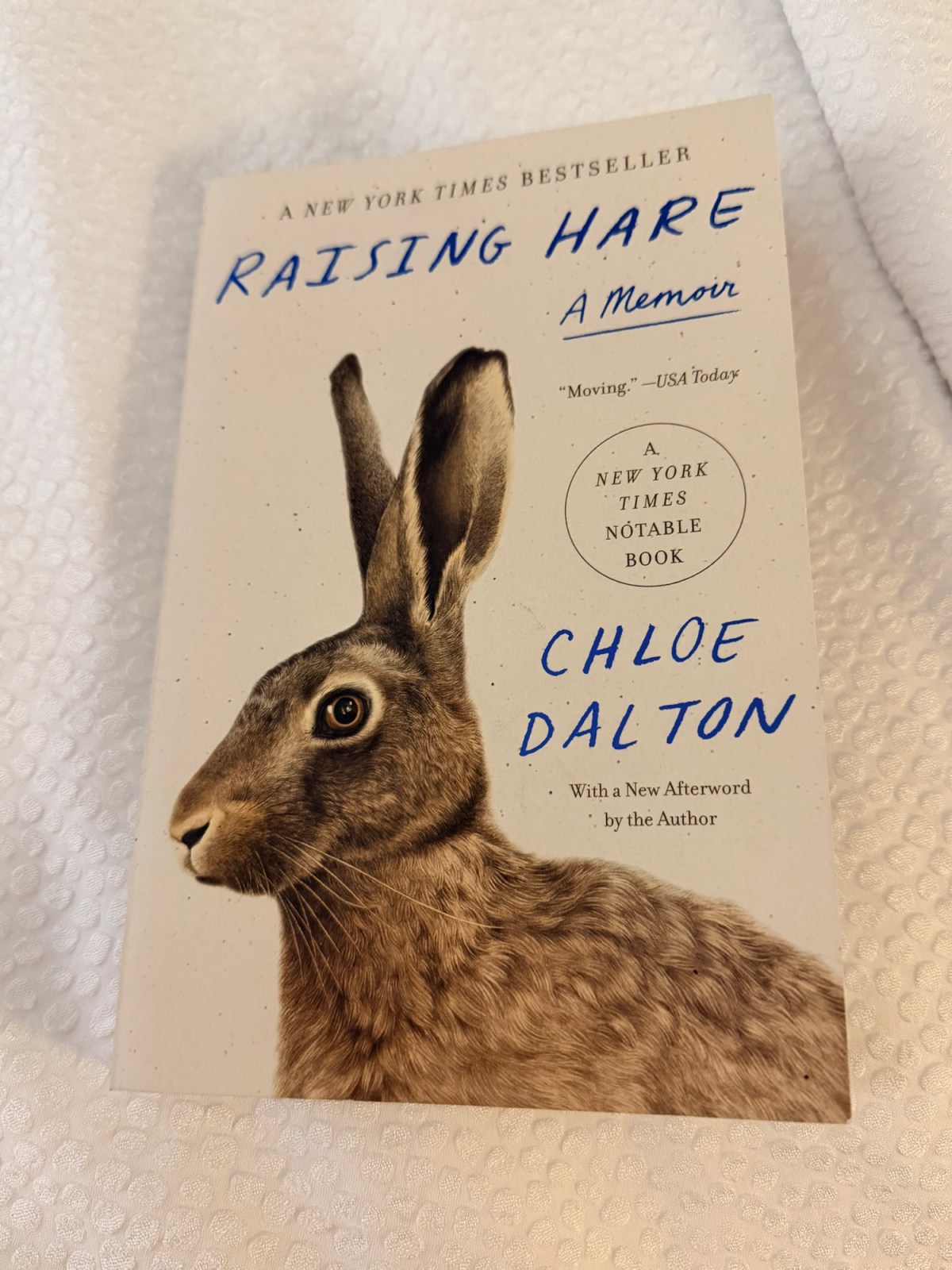
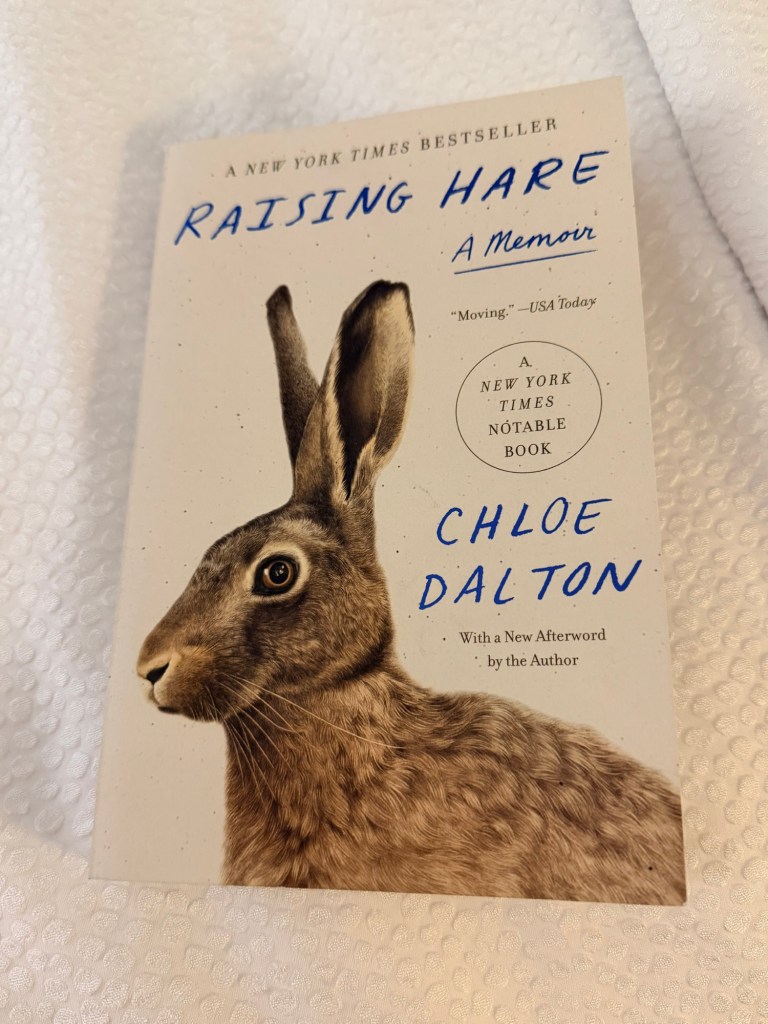
I bought The Hare, by Chloe Dalton, at the Book People store in the Austin airport this morning. I then proceeded to read the entire book on the plane to Portland, Oregon. That’s pretty impressive, since I was also helping the woman on my row with her sweet little nonverbal 4-year-old boy. Wow that woman is a great mother.
I did love this little book, which is a loving memoir of the years Dalton spent raising an orphan baby hare, called a leveret (did you know that?).
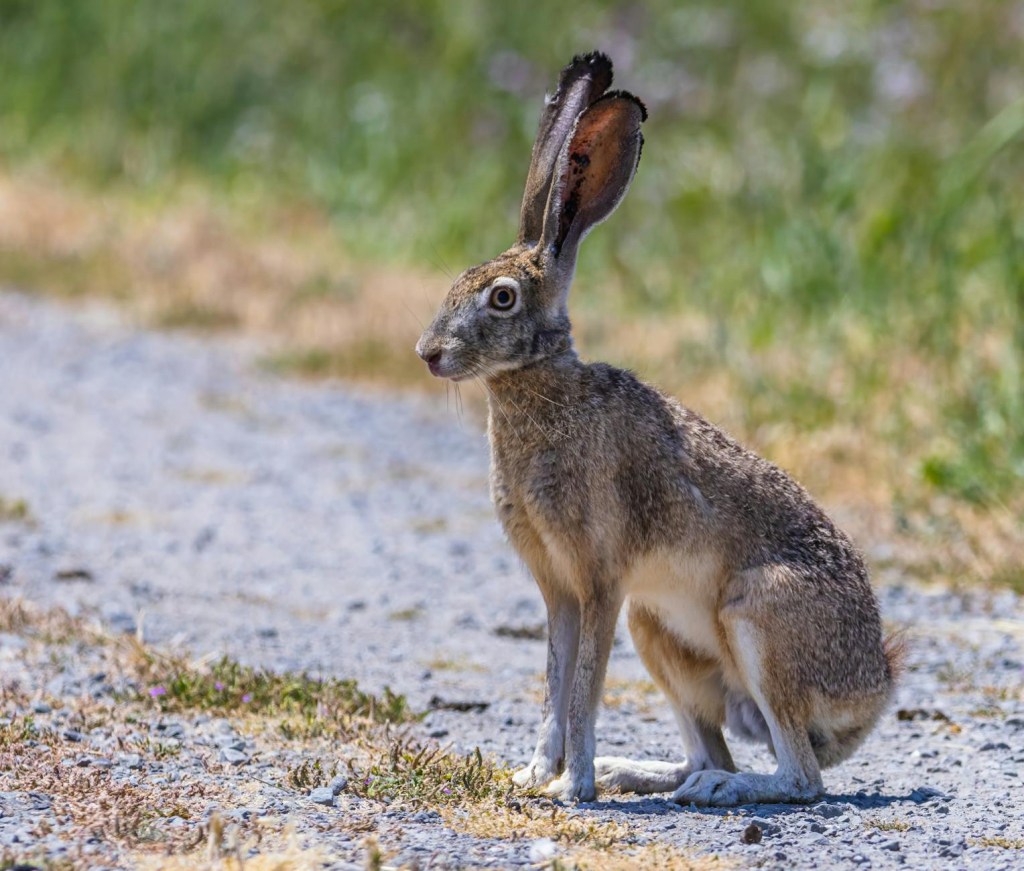
I learned so much about hares (which are not rabbits) and how they live! And of course, I loved Dalton’s descriptions of the English countryside where she lives.
Dalton, who is a political consultant, is a wonderful writer. She has a very apt way of describing the behaviors of her hare friend that sounds authentic yet fantastic at the same time. I hope she writes more books—I truly enjoyed her prose.
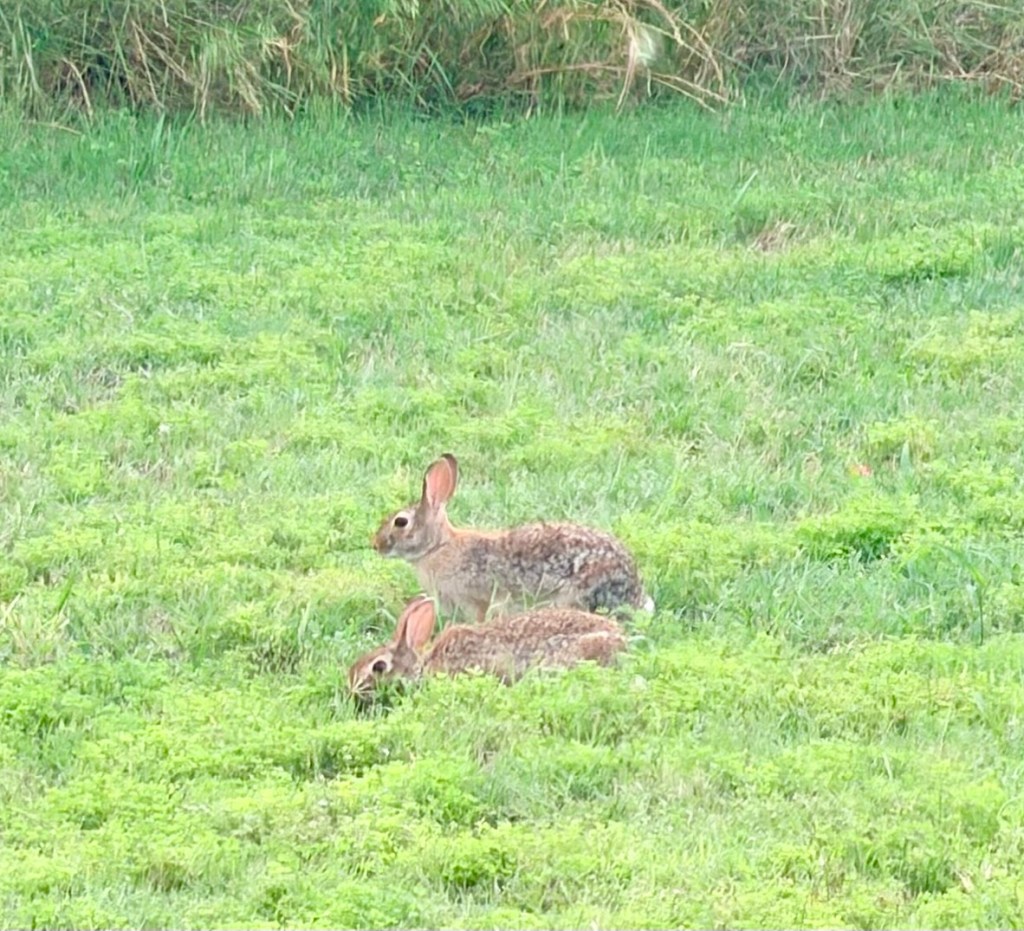
Magnificent amber-eyed athletes!
Her attitude toward the wild animal in her care impressed me greatly, and even when she gets into her sincere entreaties to take care of the native animals of England and provide them with the environment they need to thrive.
I loved The Hare enough to read it again later. These wonderful animals are fascinating, and Dalton’s gentle observations of them endear you to hares without pressure or stridency. You end up fond of both the author and her subjects.