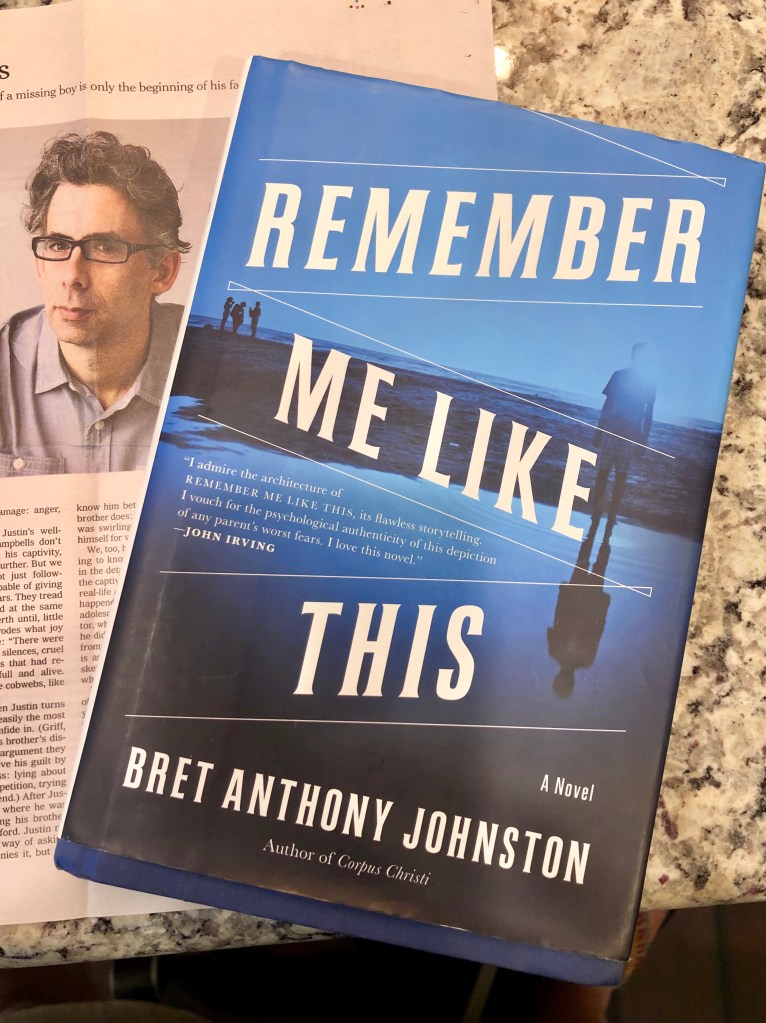
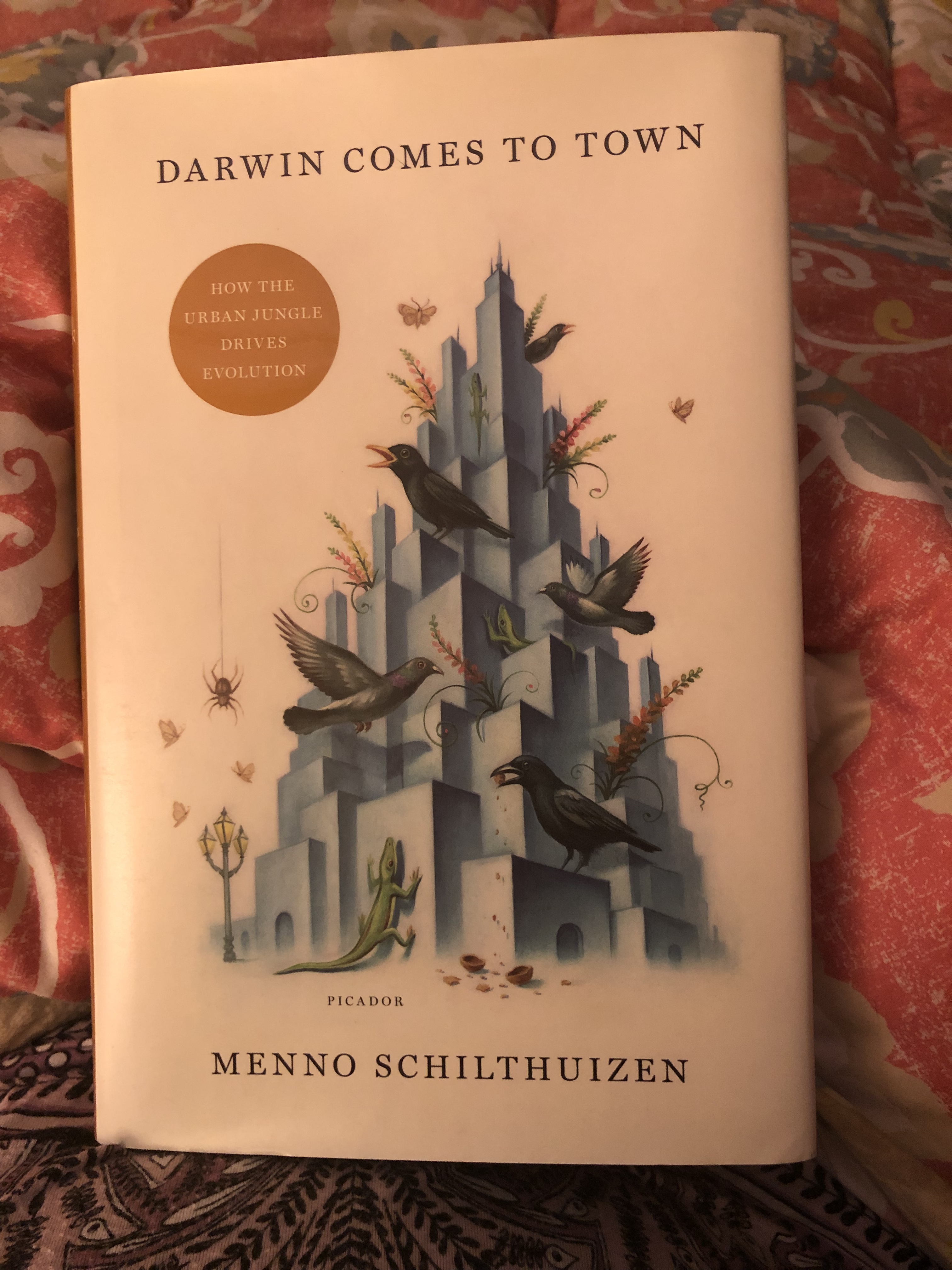
I’ve just plowed through the latest North Cat Villas book club selection in record time. If there’s one thing I can say about this book, it’s that you have a hard time putting down Educated: a Memoir, by Tara Westover.
Anita and I were just discussing the cover, and we decided it’s a winner. I feel a bit silly that I didn’t realize the pencil is a picture of a girl on a mountain (the mountain is my favorite character in the book, too!). I enjoyed a story about what meetings about book covers were like when she worked in publishing. That pencil should be yellow! People expect a yellow pencil! No one will understand that woman (or see it)! Etc. We are glad the cover artist got their design through.
Note: I am going to share some details about the events in the book, so skip if you don’t want spoilers. But I honestly don’t think knowing any of this would detract from enjoying Educated.
Back to my old habits of reading nonfiction about nature, I just finished this book: The Inner Life of Animals: Love, Grief, and Compassion―Surprising Observations of a Hidden World, by Peter Wohlleben. The author is a caretaker for a forest in Germany, which gives him lots of time to observe the habits of the animals and plants he encounters there. He’s also the author of The HIdden Life of Trees, which has amazing information about how trees feel, communicate, and more. There’s a third volume in the series coming out soon, too.
The author and his goats
You’ll either love Wohlleben’s approach to observing the feelings, morals, and behaviors of animals or be a little uncomfortable with it. He uses a lot of scientific evidence to back up his claims (the footnotes are a book unto themselves), but there’s plenty of gut feelings and assertions that an animal felt this way or that way, because it just looked like it to him.
Here’s one of those quirky facts about me that I’m not sure where it came from: I strongly resist jumping on the bandwagon of the latest “popular item,” whether it’s music, types of cars, clothing fads (no one has ever seen my bare midriff in public) decorating styles (“a nice, bright white”), and most assuredly, books.
Oh no, everyone’s reading it. It has to be smarmy.
So, when I was first encouraged to read Where the Crawdads Sing, by Delia Owens, I resisted. I kept thinking it would be one of those motivational books like The Secret or Chicken Soup for the Soul or that book about the shed…oh, The Shack. I figured, if everyone was reading it, snobby intellectual elitest Suna had probably read all the original source material.
That’s a bit harsh. I admit to not being fond of most books with mass appeal. But, the person who recommended Where the Crawdads Sing to me is also an intellectual elitist, and it’s a novel, so how could I have already read the source material? Oh, I know, it’s probably all formulaic and full of poor attempts at regional accents, with too many big words where small ones will do. Yeah. And it’s in Reese Witherspoon’s book club. Ew…
Not much going on here, because I was busy researching the history of our Cameron properties for a blog post yesterday. I’m learning a lot about the church and the houses around it. I’ll share links to other posts on this topic, in case folks are interested. Here’s my favorite aerial shot of the neighborhood in 1960:
The area of old Cameron around our office building, which used to be the First Christian Church.
I was fascinated by the last chapter, where they talked about about sourdough starters and how the microbes and such on the hands of the bakers make breads taste different. I was wondering about this, since the sourdough my friend Barron’s wife makes always tastes really good to me, but some other people’s is just to “sour” for me. Now I know why!
My other favorite part of the book was where the author, Rob Dunn, tells us not to mess with the spiders in our houses, because they are our friends and eat all sorts of things that we would LIKE for them to eat. Another tidbit was that most of the things people think of as “spider bites” are really staph infections. I was surprised, but there was plenty of research backing it up, according to the HUGE notes section.
So, there’s a book review for you. It looks like my next non-book club book will be the one Barron recommended that’s about the mind-gut connection. More microbes for me! Whee!
Ever since I joined the neighborhood book club, I’ve been reading more books that other people might consider reading. (Usually, I read really dry nonfiction that mostly only I would care about.) But, today I will share the past couple of weeks’ worth of reading. It’s better than ranting about Facebook and the internet, but will get fewer hits, I wager.
Book Club Book
This month, we chose my favorite genre, the memoir, as our book. Becoming, by Michelle Obama, had everything in it I like in a memoir, including figuring out how she ended up where she is, stories about interesting mentors, and from what I can tell, honesty. I always like it when I find things in common with others, and there were a few times when good ole Miche said something like it was coming out of my own mouth. It’s worth reading, especially if you’re familiar with Chicago and can enjoy a trip down memory lane.
You might not be surprised to learn that I mostly read nonfiction (when not reading my many magazine subscriptions). I do this, because I really love to learn new things, especially how the natural world works and what makes living organisms tick.
For example, two of my past favorite books were an excellent history of the pencil and a book called Salt, which showed the importance of salt to commerce and history.
I also really like memoirs and biographies, so I’m really happy that my book club chose Becoming, by Michelle Obama as our next assigned reading. My quick recommendations for this genre from recent years include the memoirs/biographies of Keith Richards, Warren Zevon, Bruce Springsteen, and Sally Field (see, not all of them are musicians).
What am I reading now?
At the moment, I’m in the middle of the book you see here, Underground. It’s Will Hunt’s first book, but what a fun one! He goes all over the world looking at caves, mines, catacombs, and tunnels. Each chapter is very different, but always fascinating.
I learned a lot about what’s underneath Paris, and right now am learning a lot more about the significance of red ochre to civilizations around the world, while Hunt visits an ancient site in Australia and learns of how holy it is to the people of the region.
If you’re not a sufferer of second-hand claustrophobia, I recommend it!
I just received my copy of Never Home Alone, in which Rob Dunn makes it abundantly clear that you can’t clean a house well enough to eliminate all your uninvited “neighbors.” I can’t wait to learn all about spiders, crickets, dust mites, and their teeny-tiny cohorts!
This book really drives home the point that you can’t escape “nature” by staying indoors! It appears quite plausible that there can be “indoor master naturalists” who just focus inside the house. Hmm, with my never-ending battle against the moths in my kitchen cabinets and the yearly cricket invasions, I may already be one of those.
Oakleaf hydrangea. I love the contrast between last year’s purple leaves and the newly emerging ones that are so pale green that they are almost white.
Feel free to add your own favorites in the comments! As a reward, here are a couple of photos of some beautiful new spring growth.
Work redbud. If only you could hear the birds and smell the sweet olive!
PS: Baby hawks should be on the way! Mating was observed. They have no shame. Of course. They’re birds.