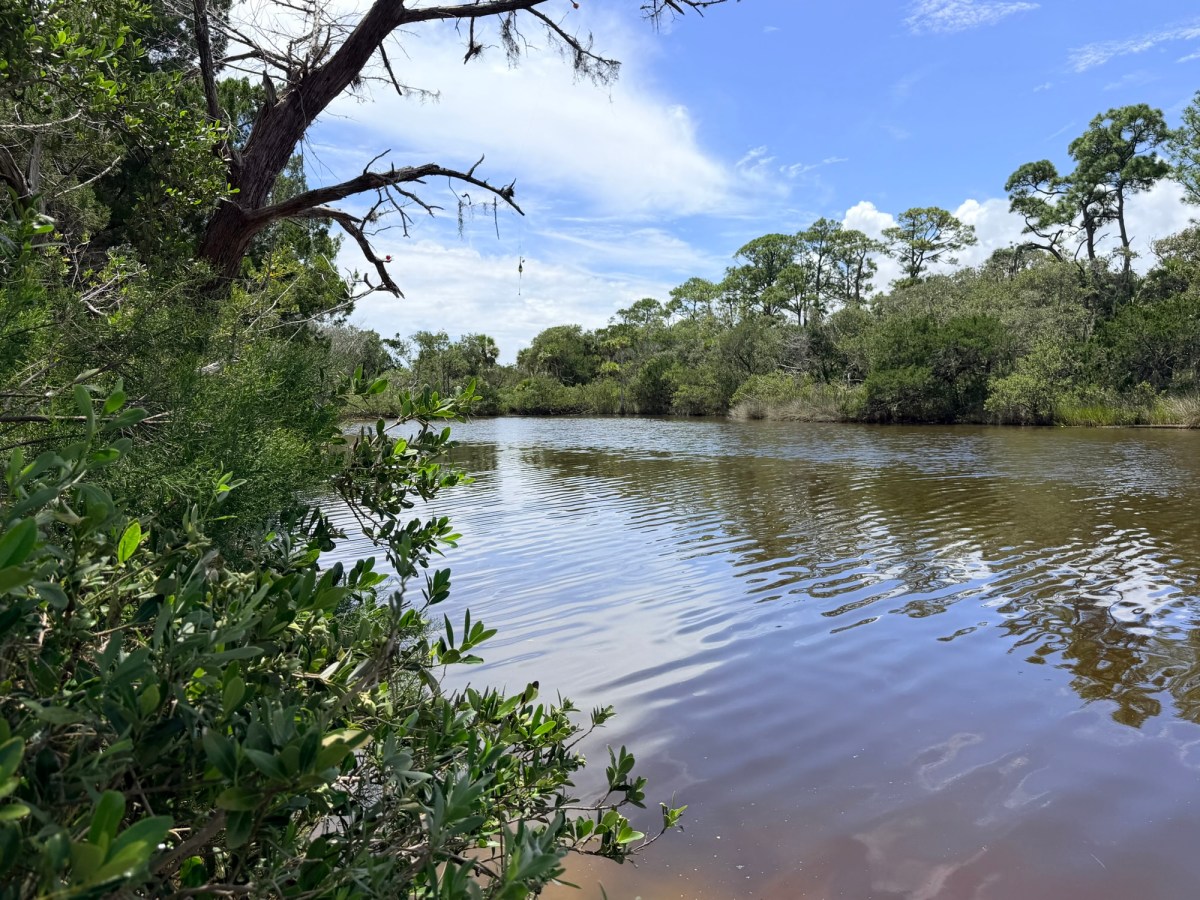
Twelve thousand steps later

Today was my only Saturday in Ormond Beach. So by gosh, I was going to make the most of it! While I’m still not back to the strength and stamina I had when I was working with horses and camping so much, I still managed 4.5 miles of walking at three different parks. I got my nature walking in!
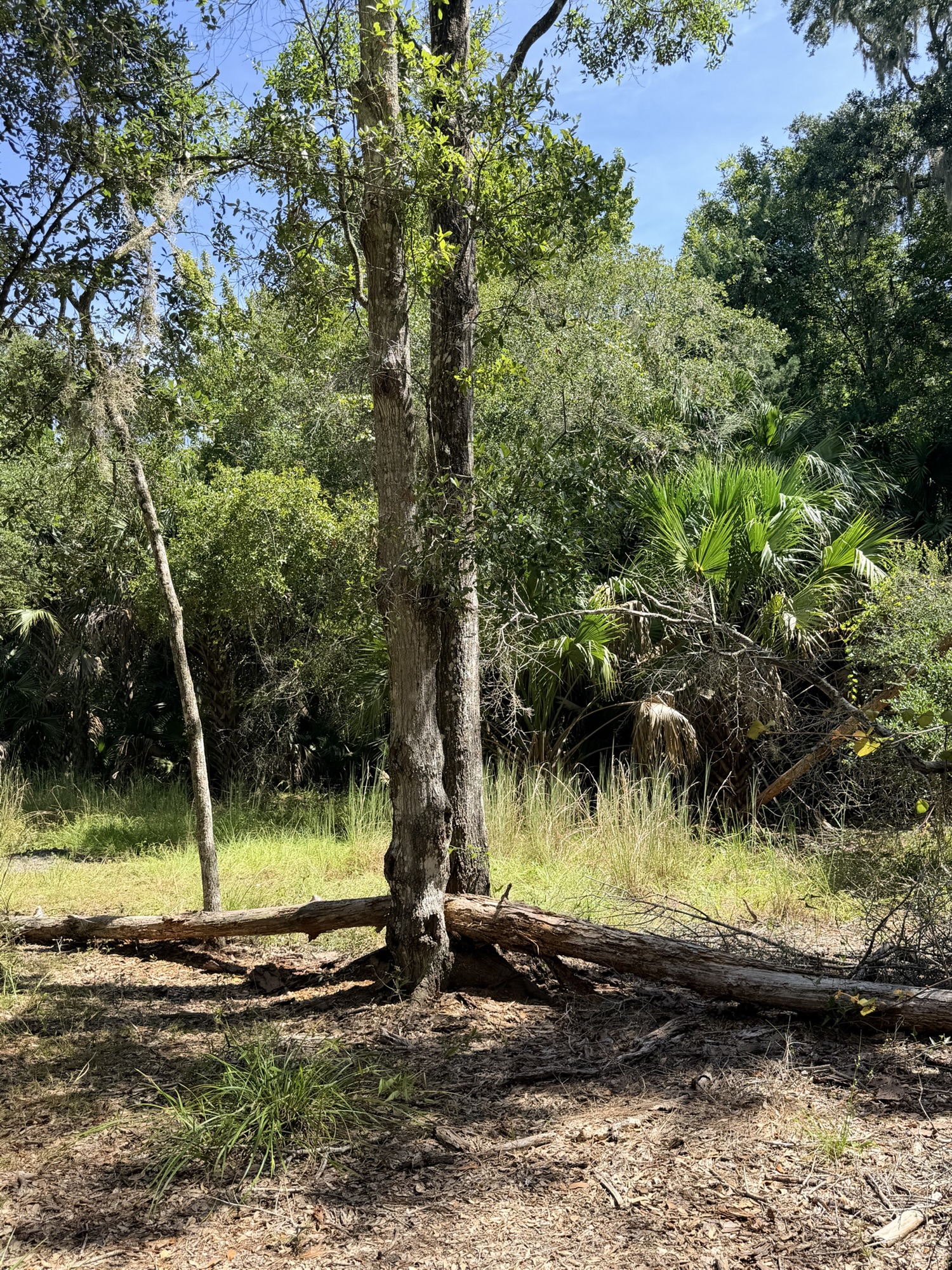
It was worth it!

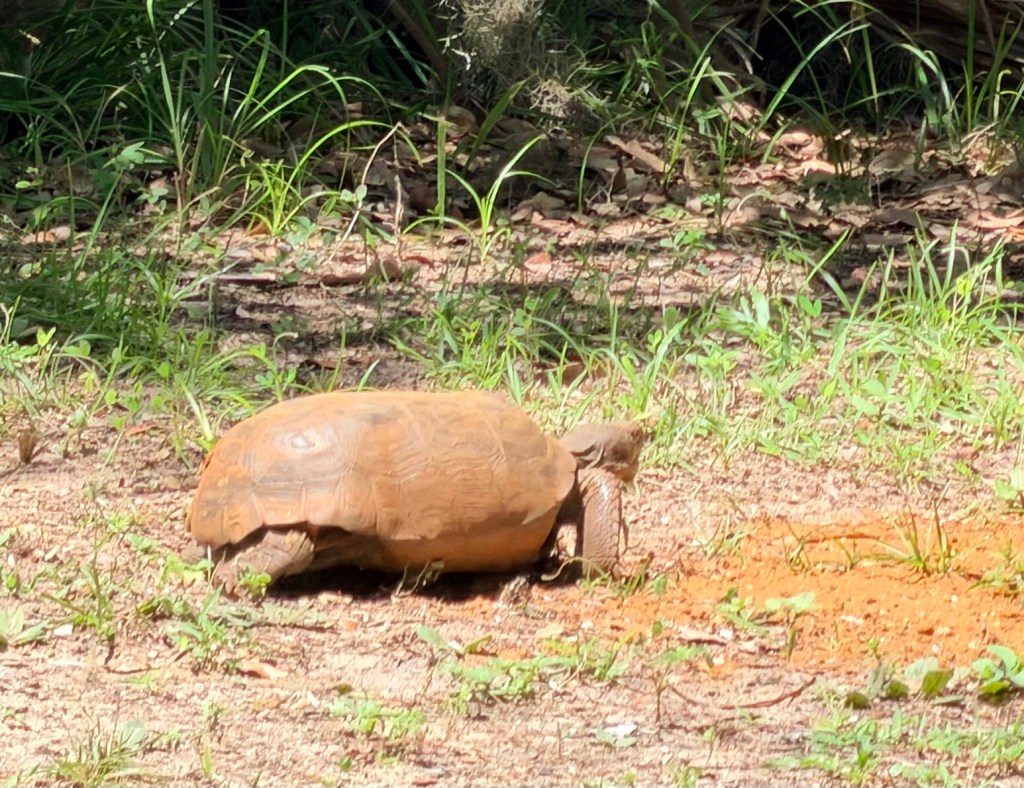
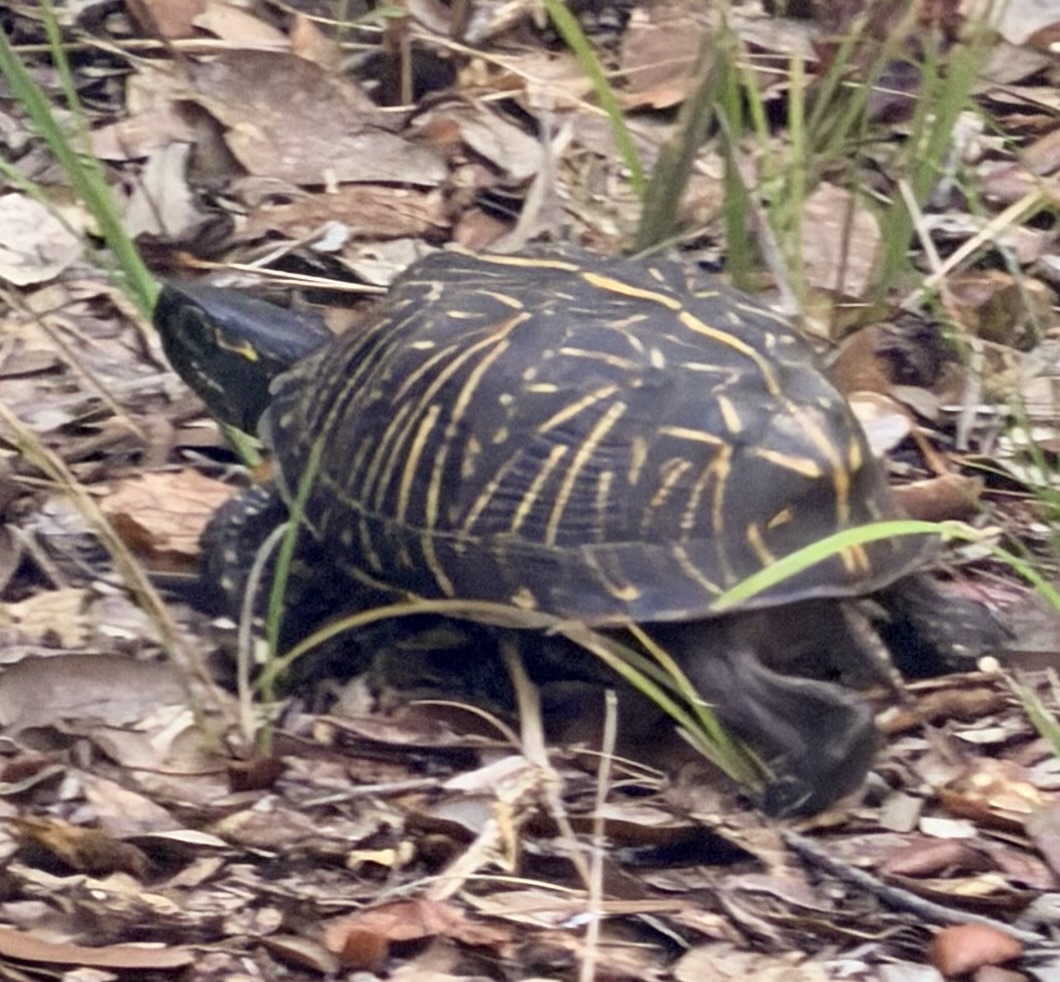
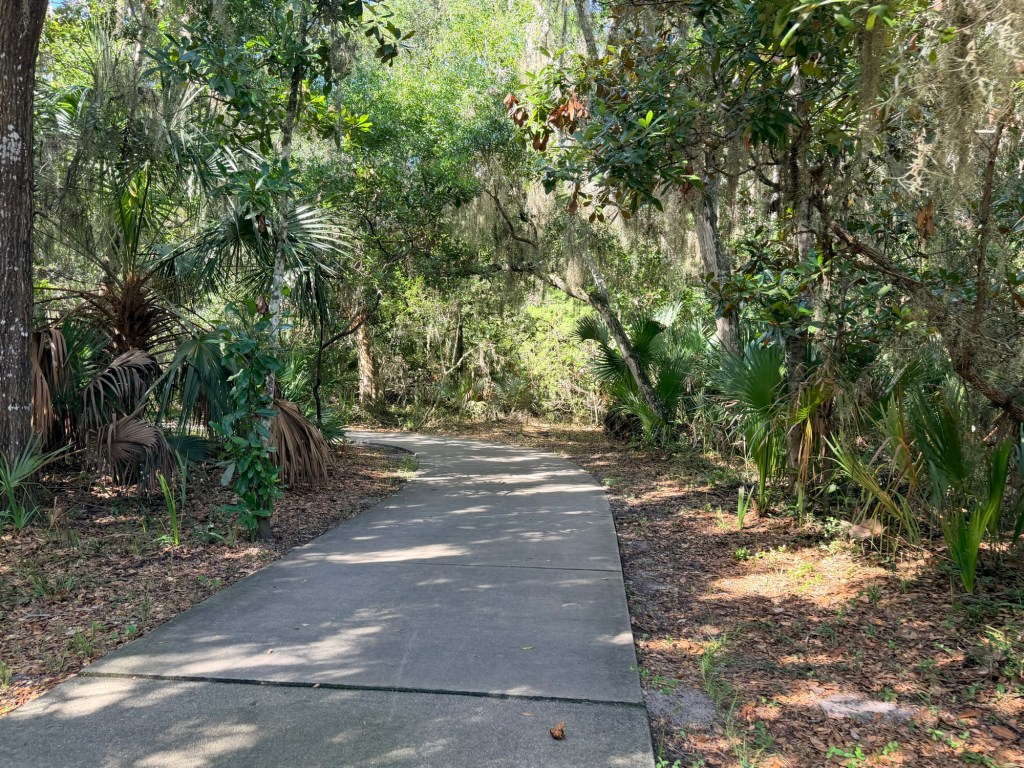
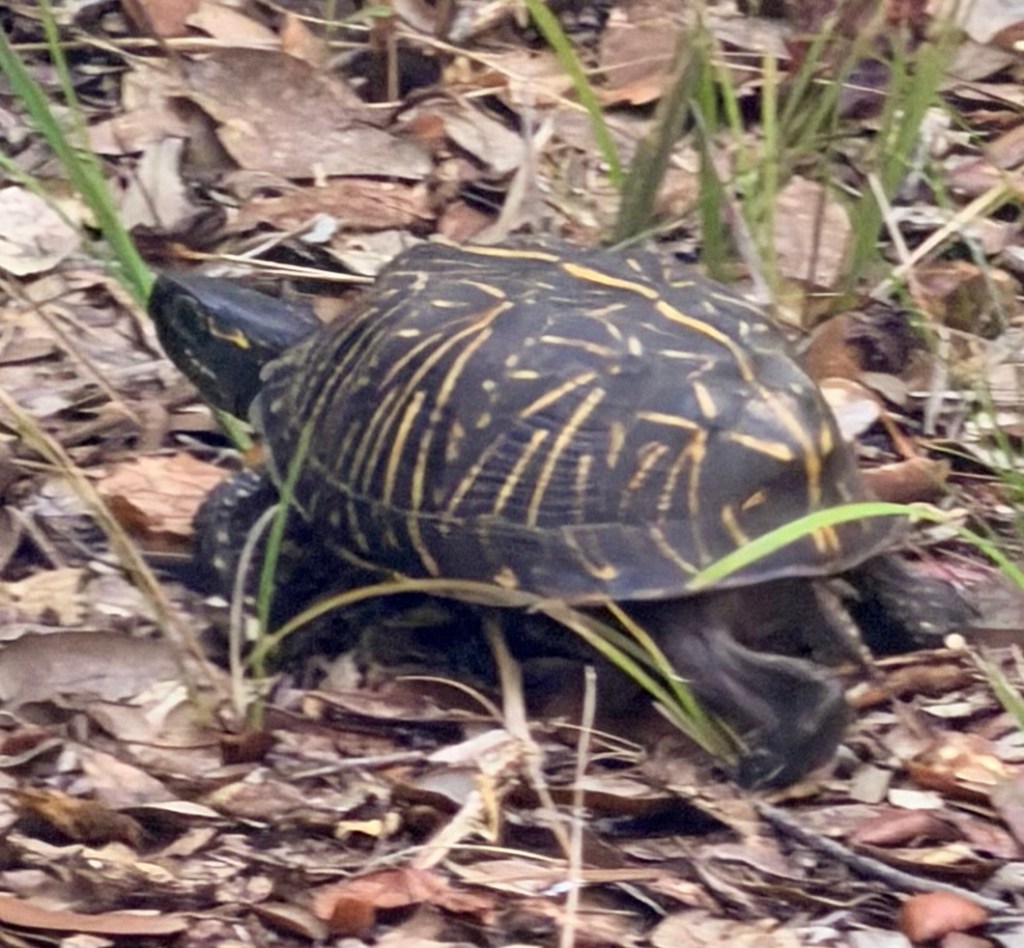
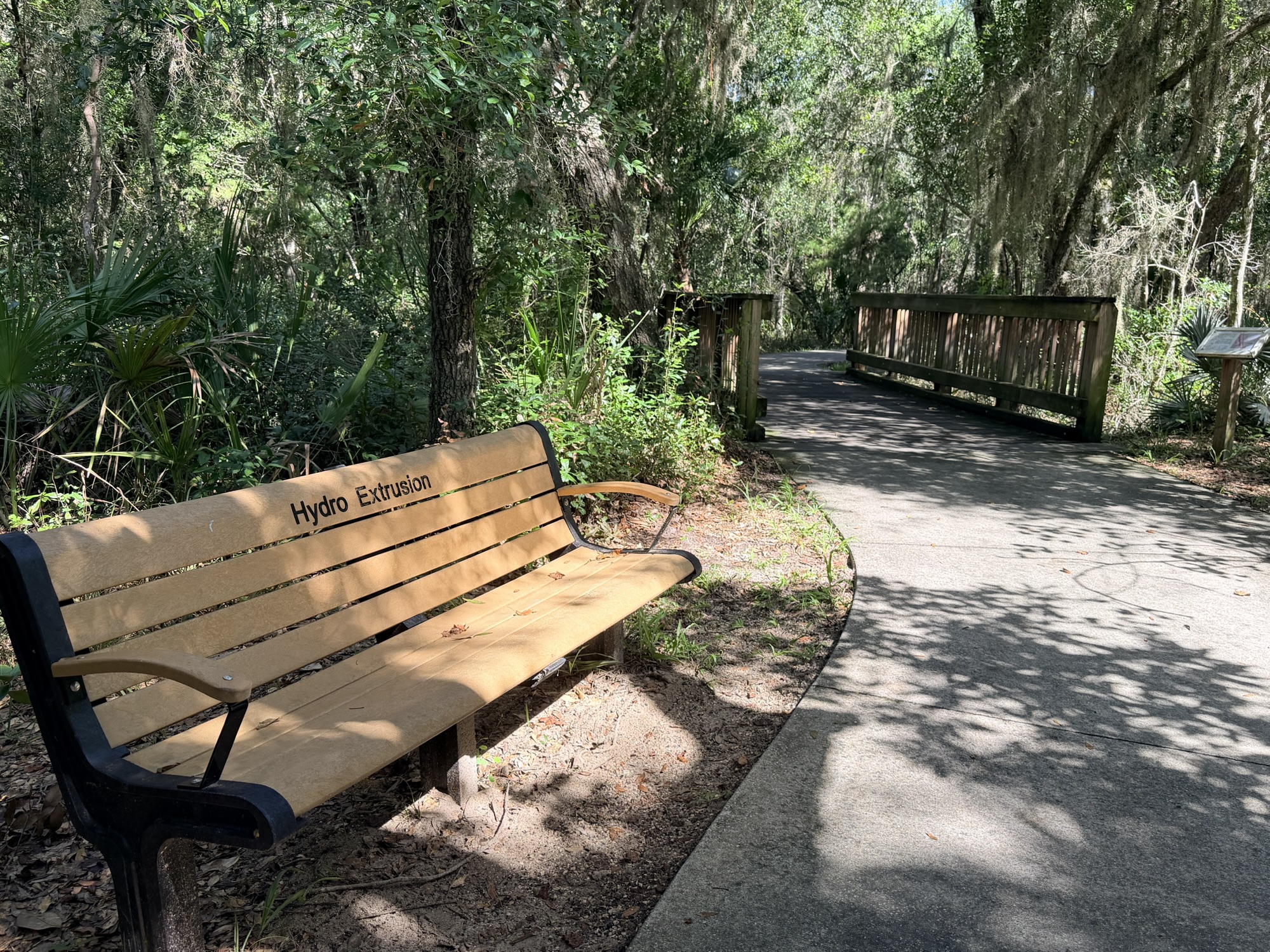
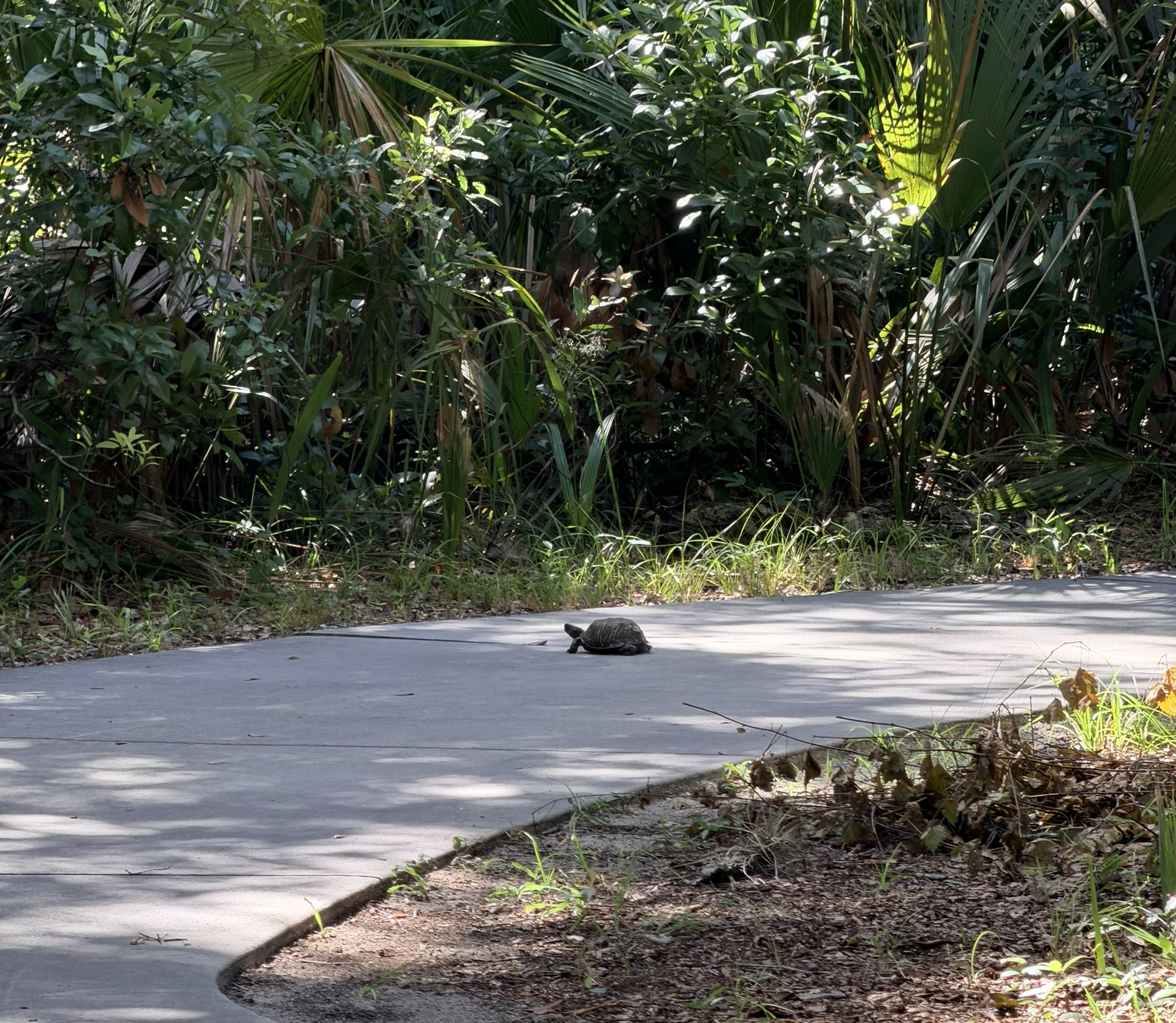
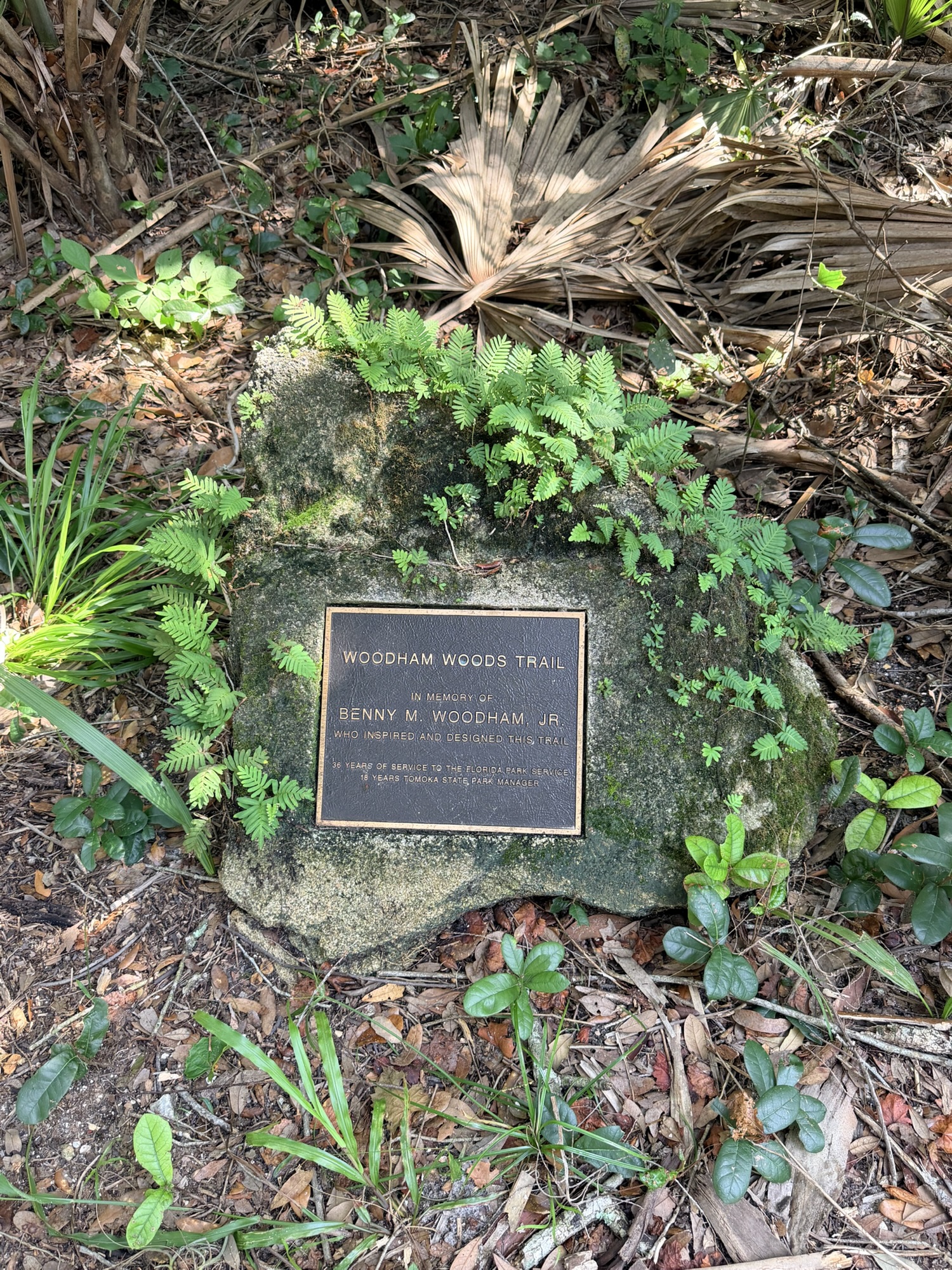
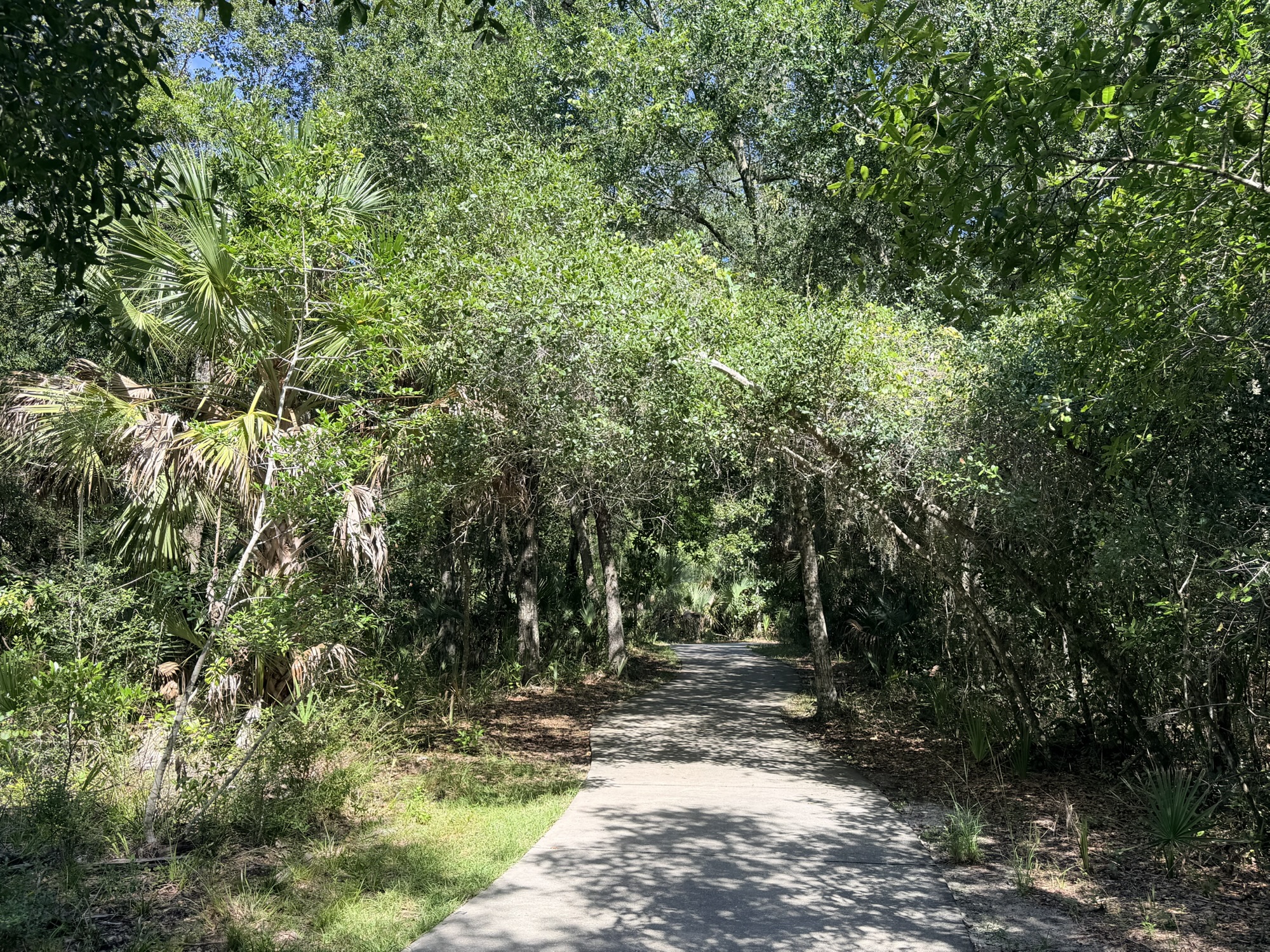
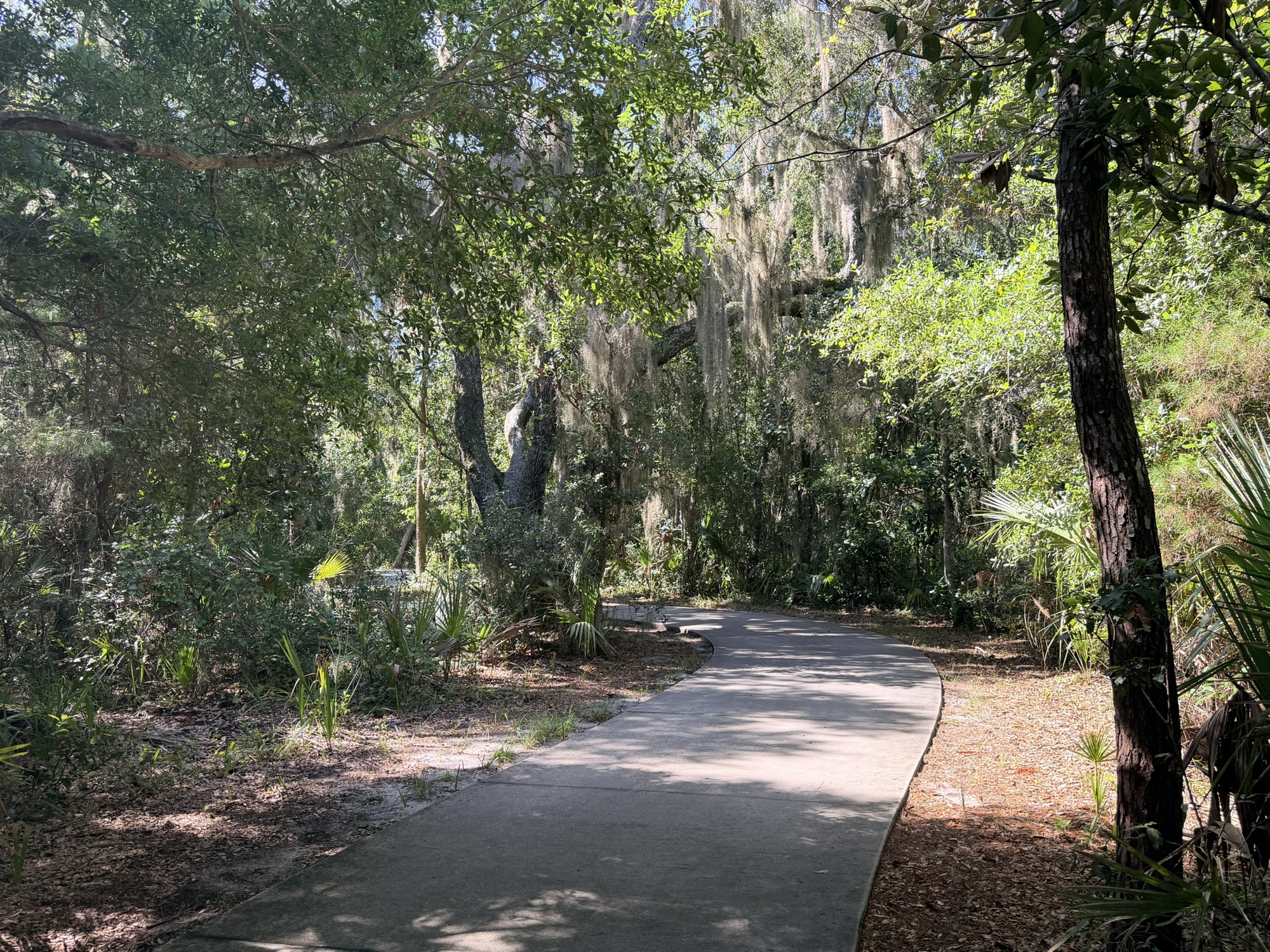
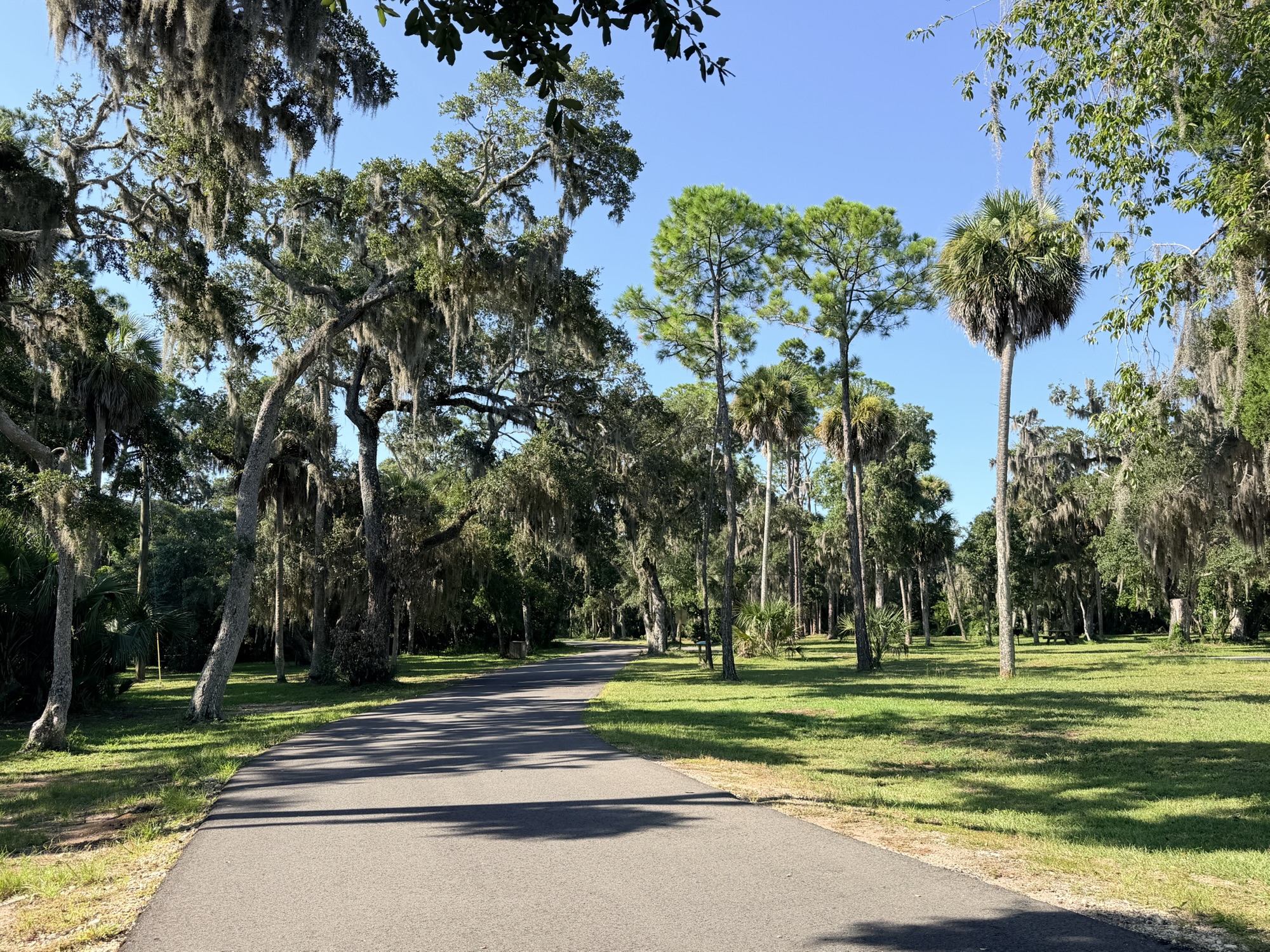
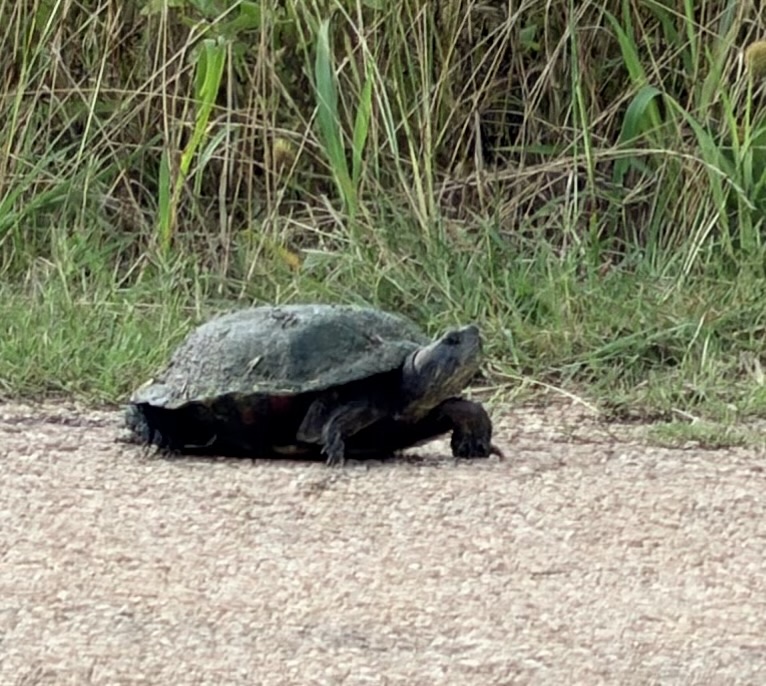
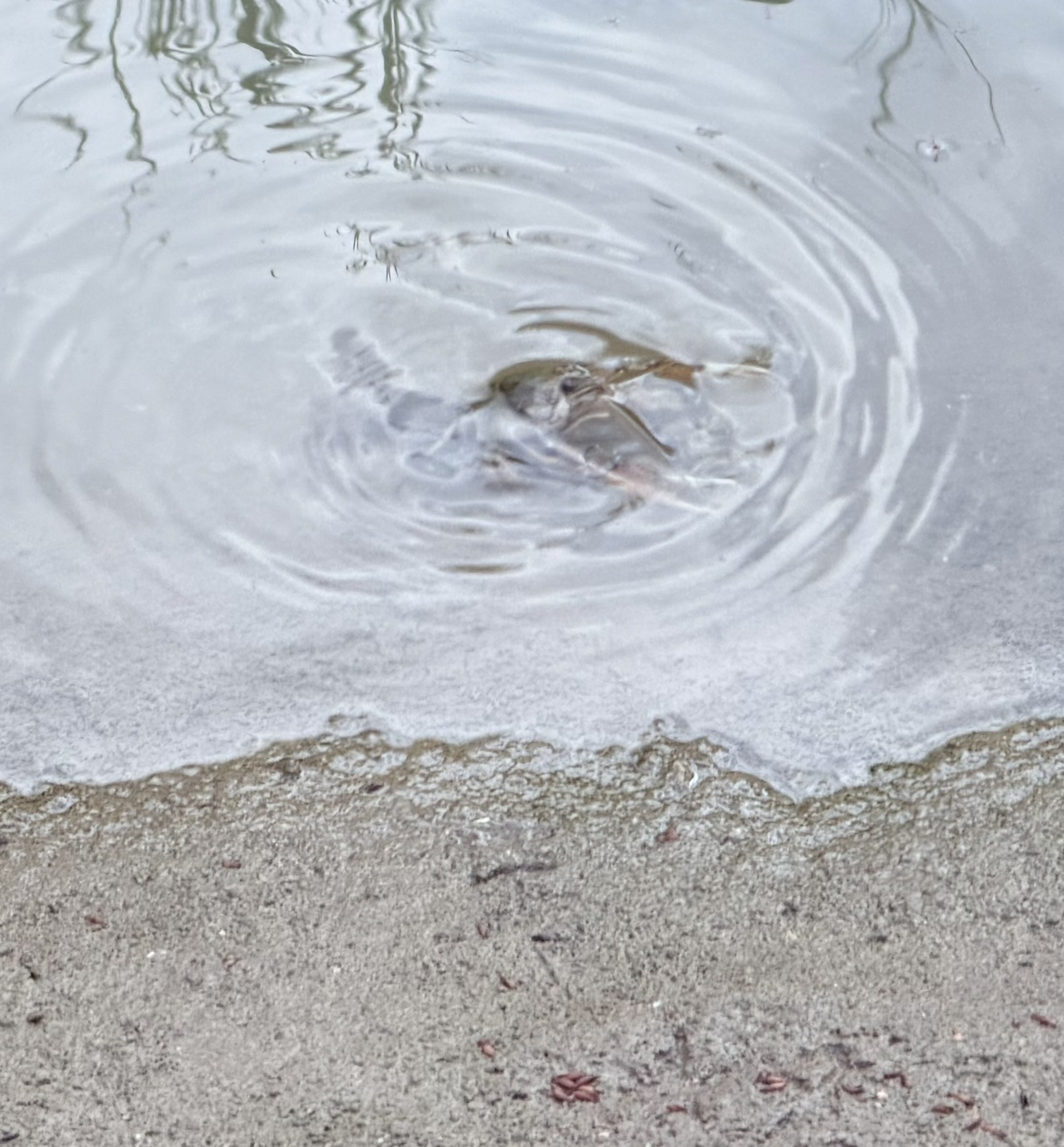
I started off back at Tomoka State Park, where I walked the mile-long paved path on the other side of the road from the main park. It’s very smooth, and can be enjoyed by people with many disabilities in addition to walkers and cyclists. I’d have enjoyed it much more if there were fewer motorcycles on the road (it must have been a special touring day). There was a never-ending parade of buzzy small planes, too. But it was shady, and I saw a beautiful box turtle. Not many birds.

Box turtle!

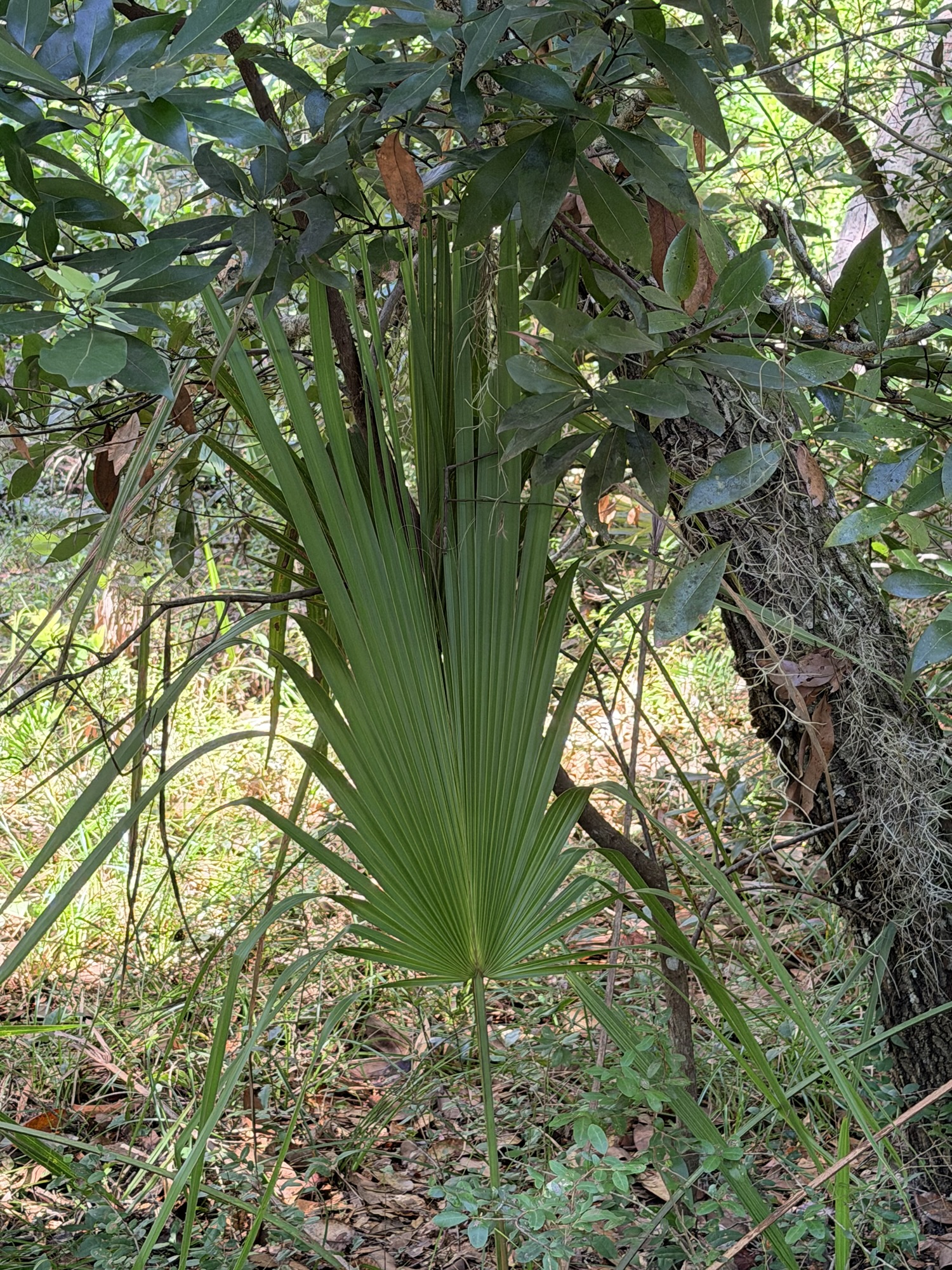
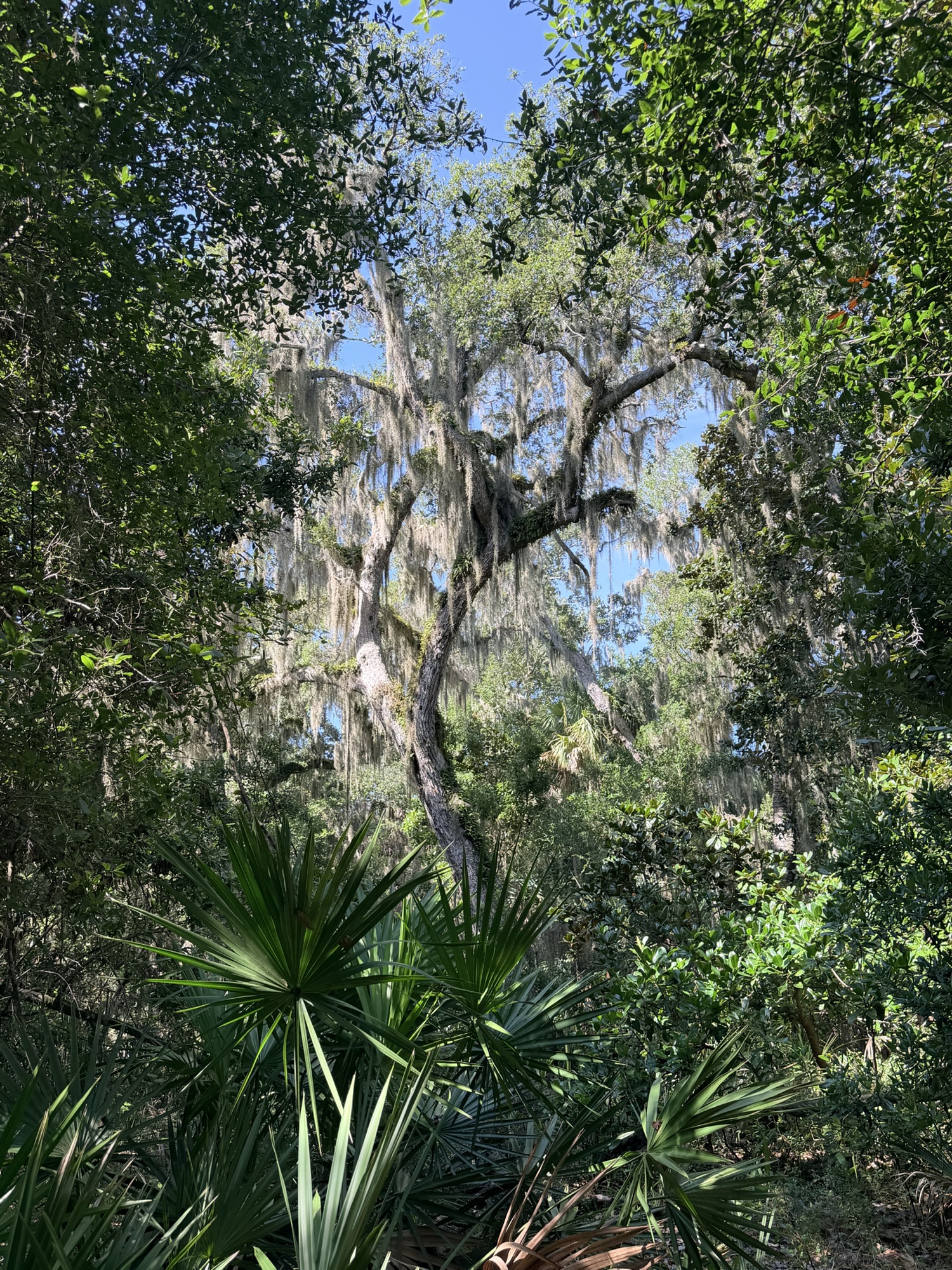
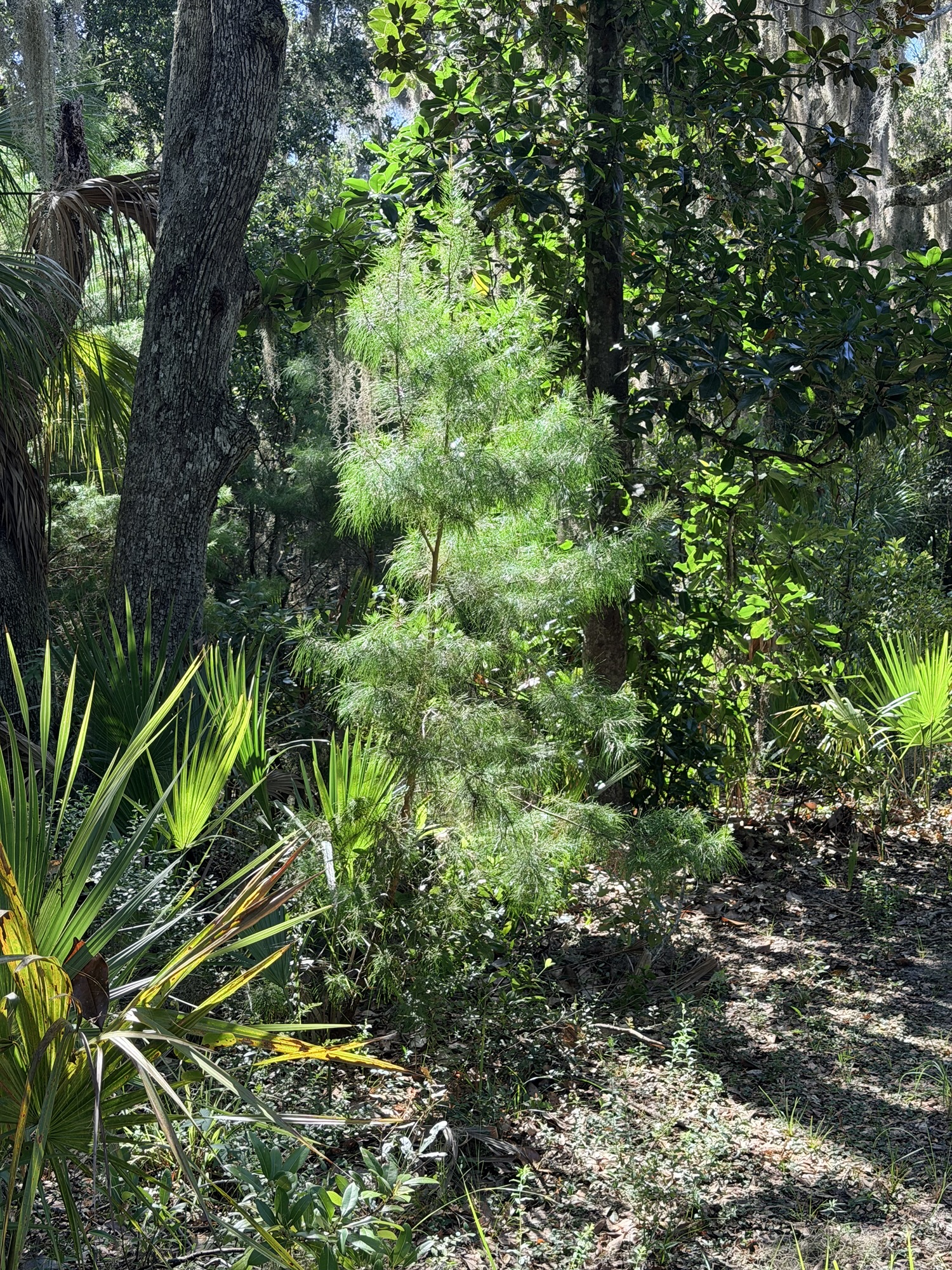
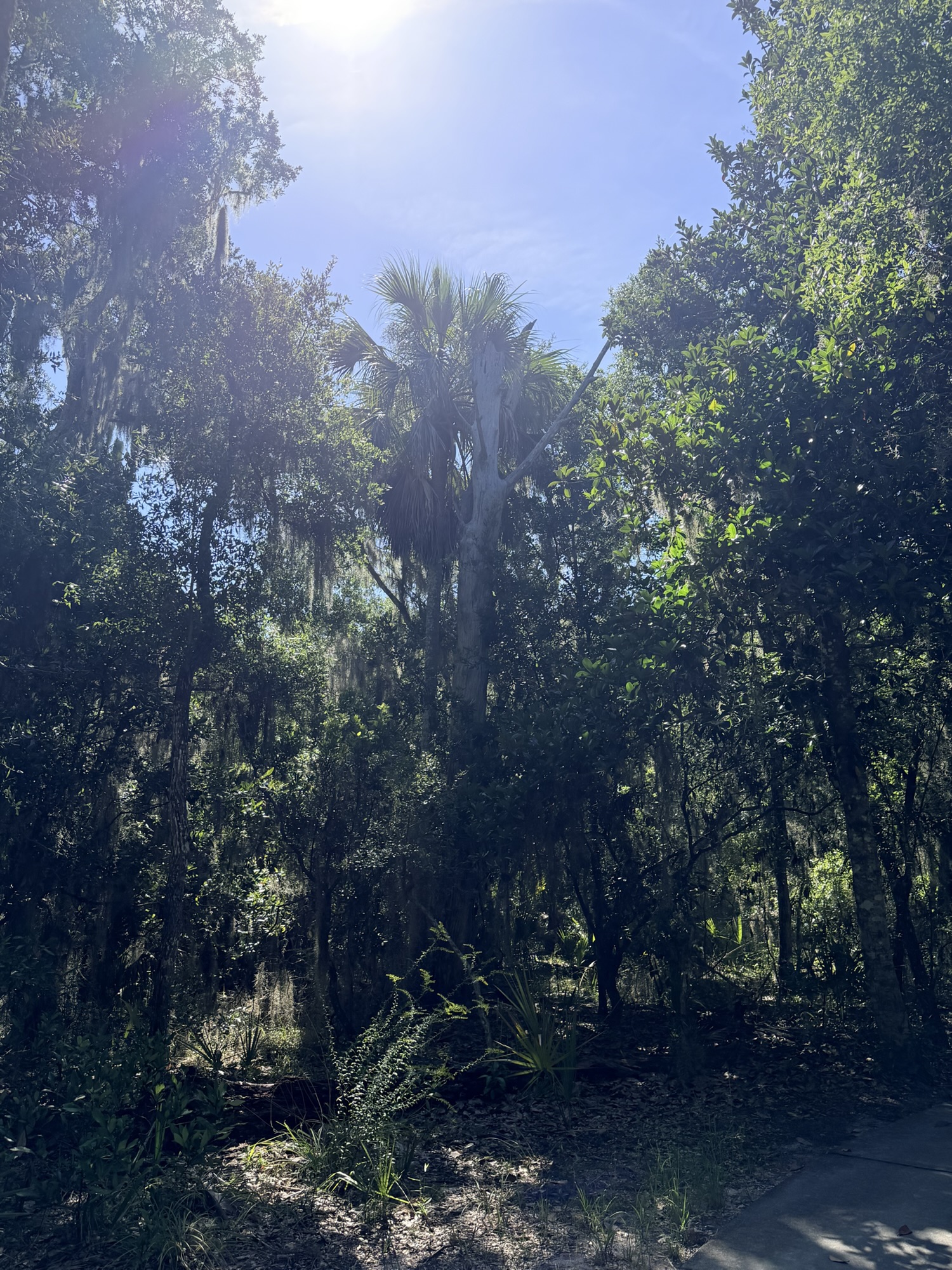
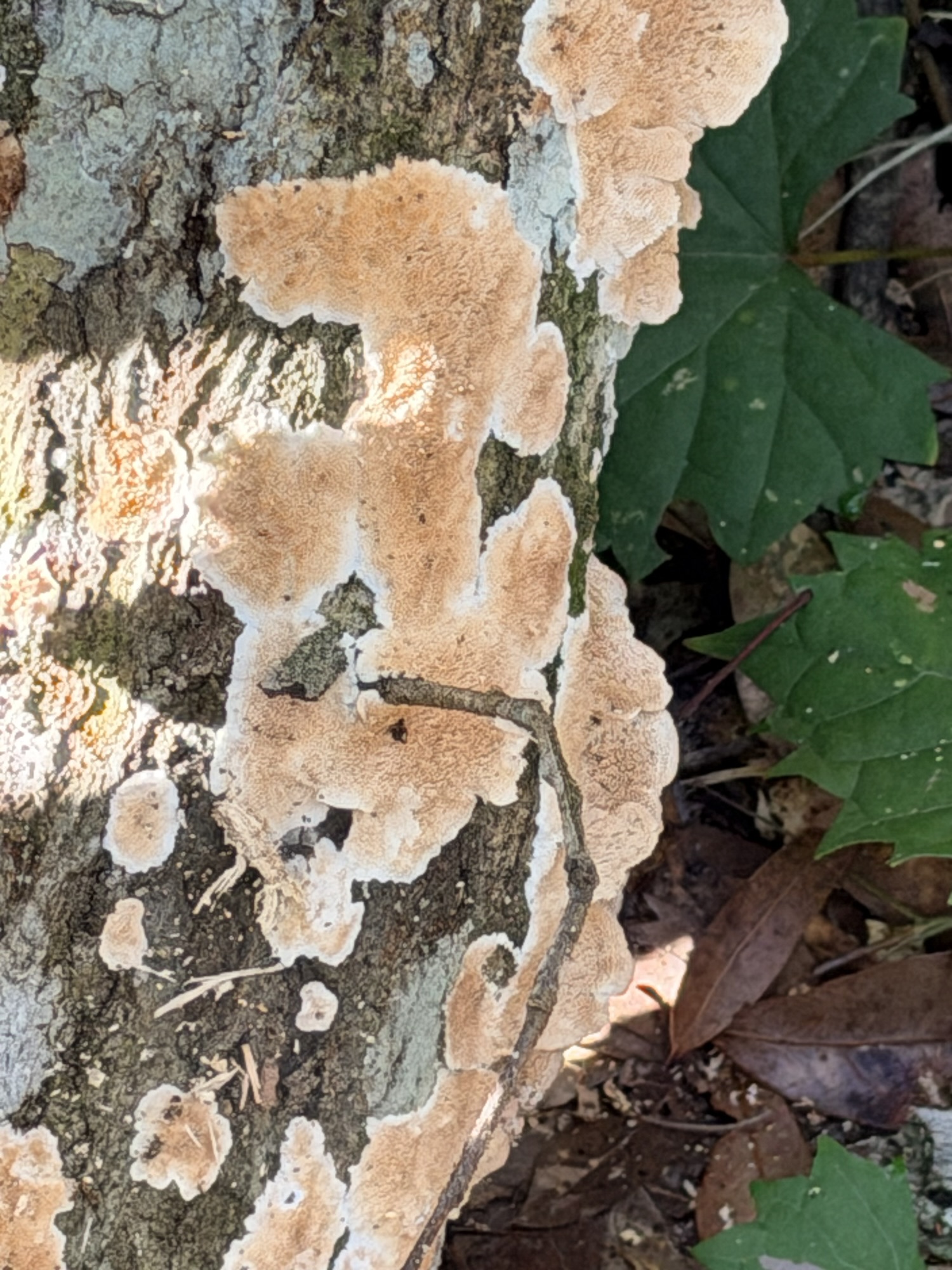
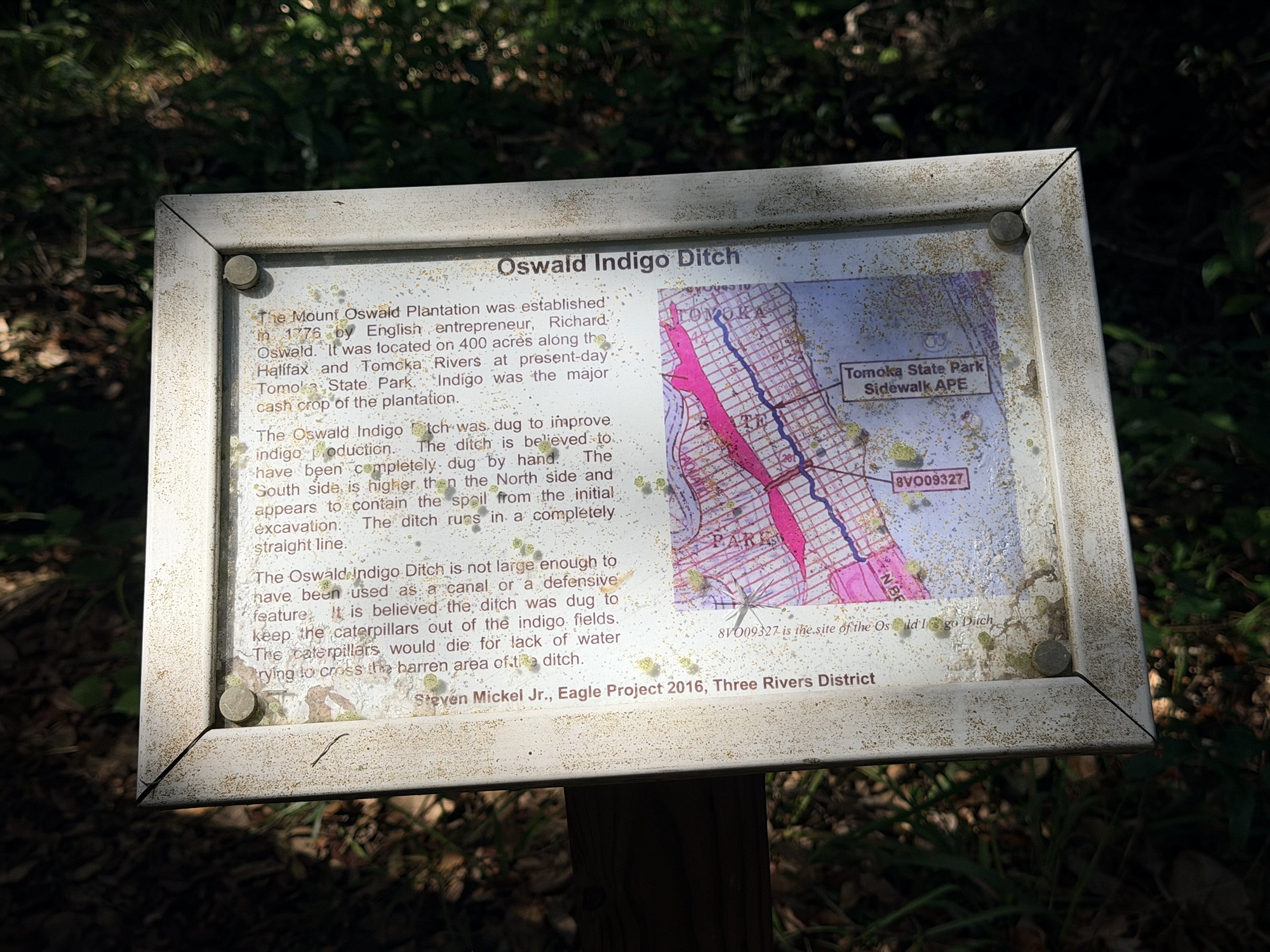
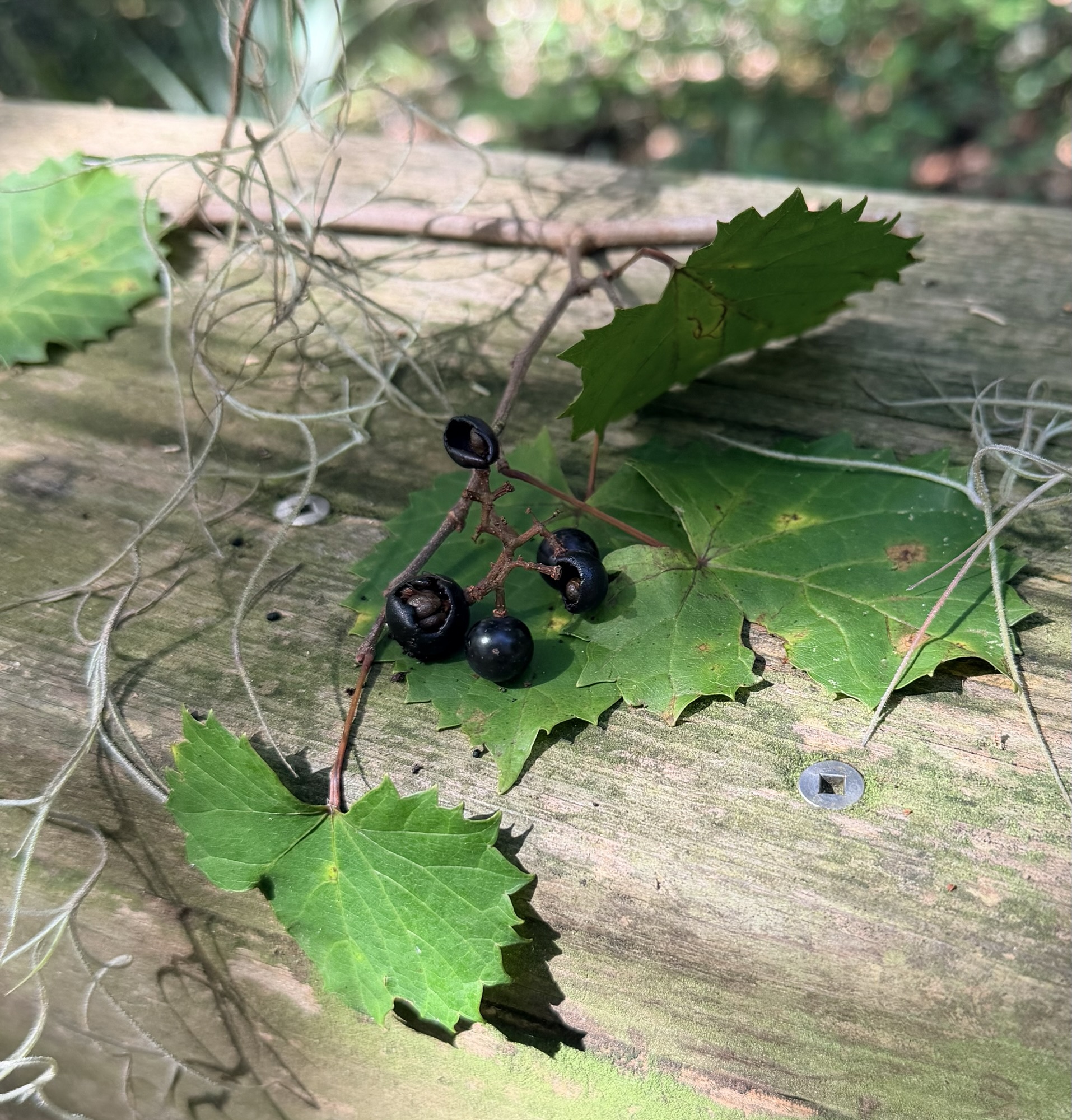
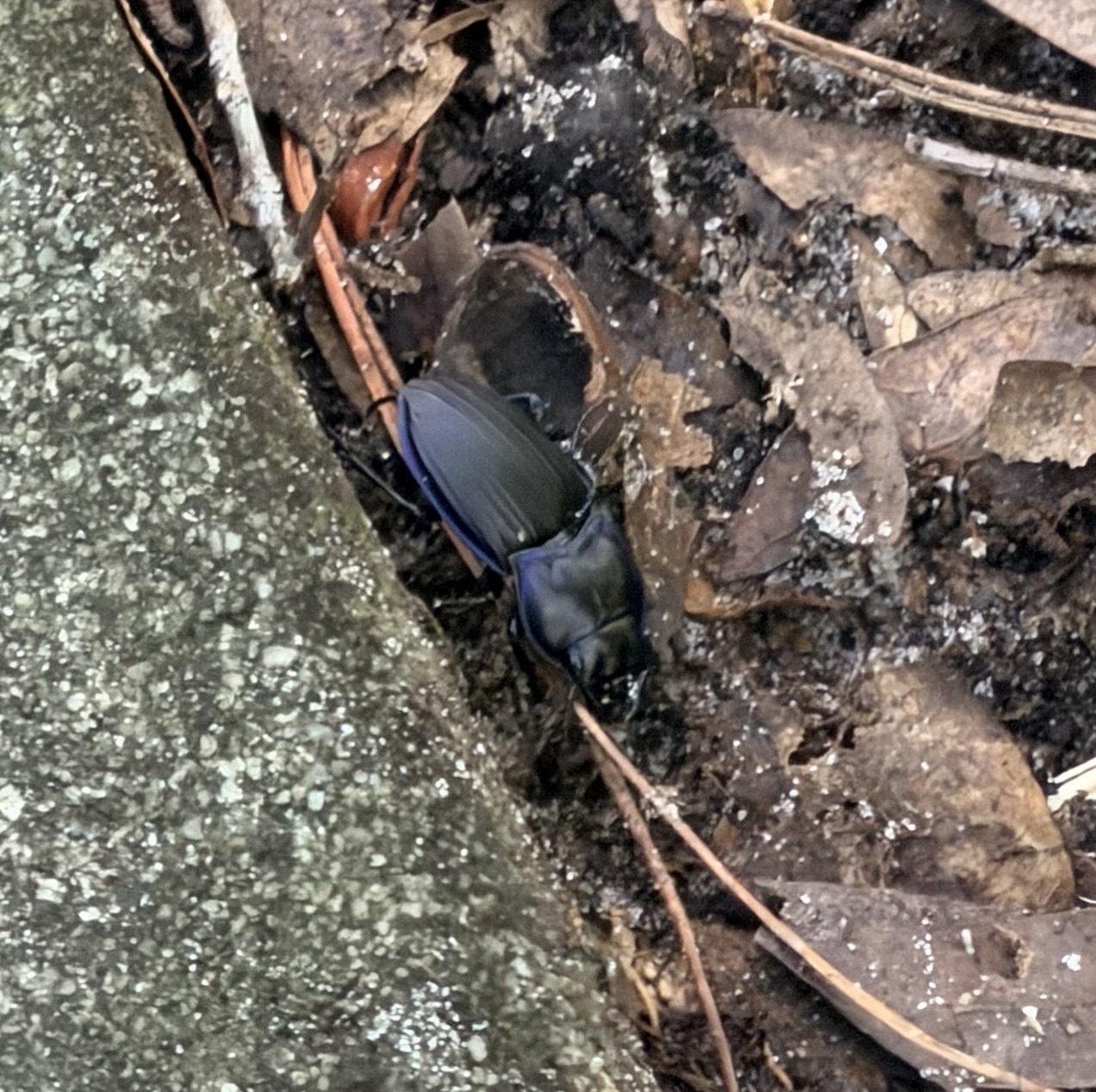
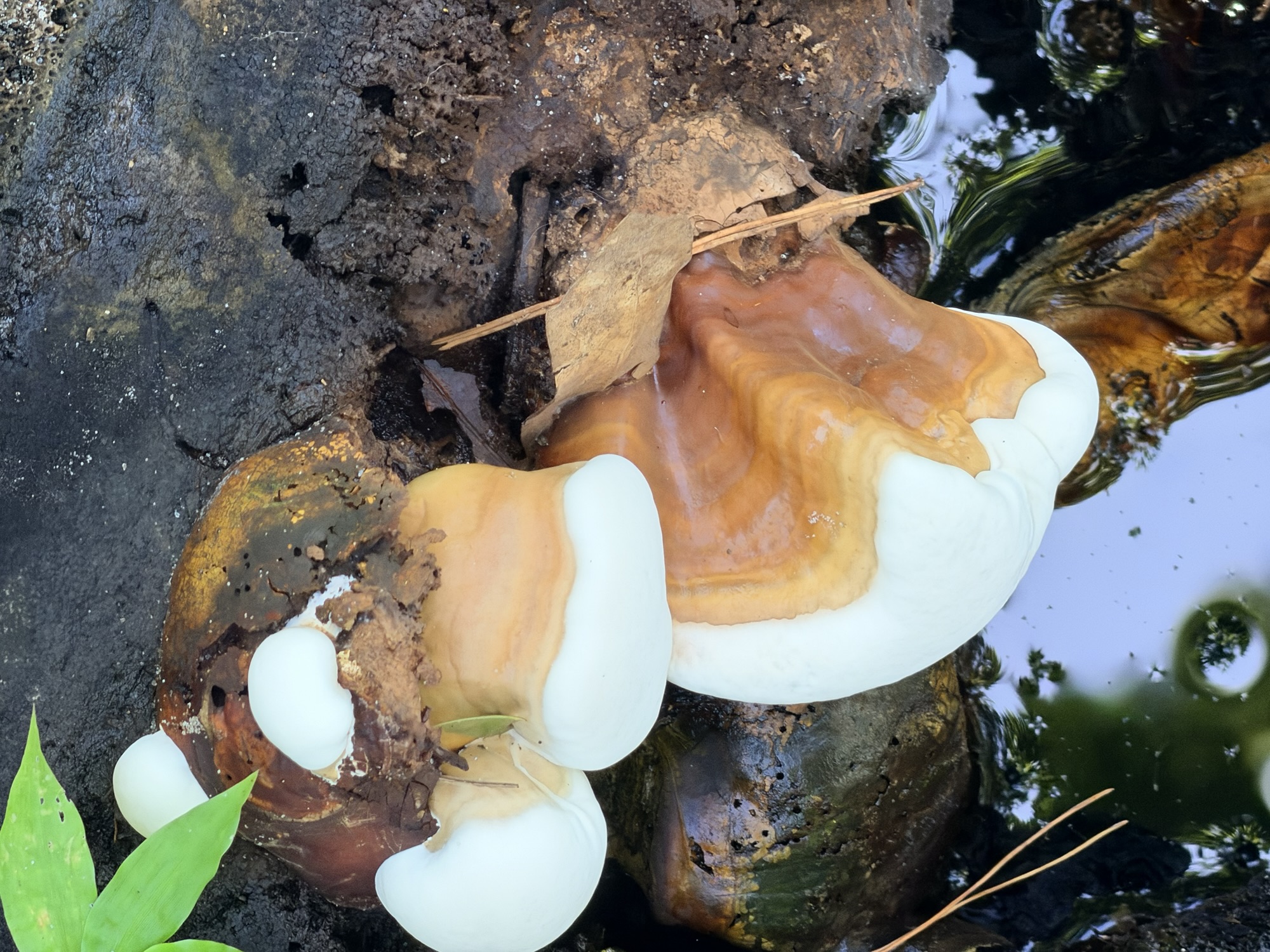
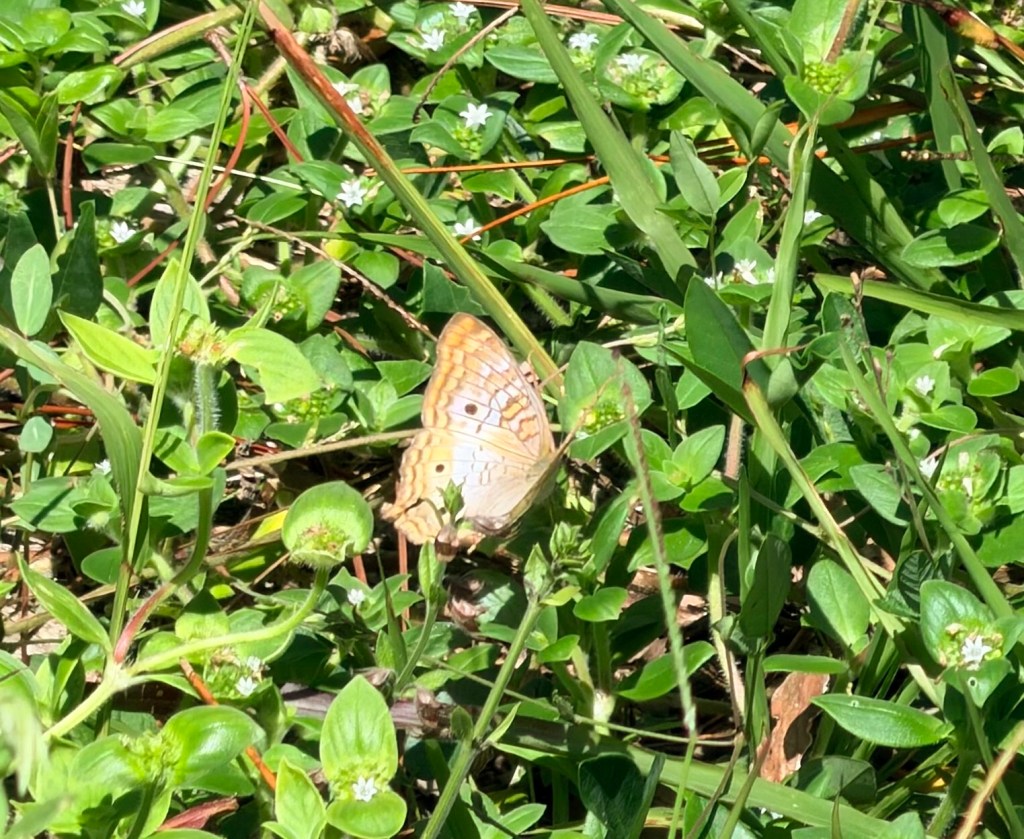
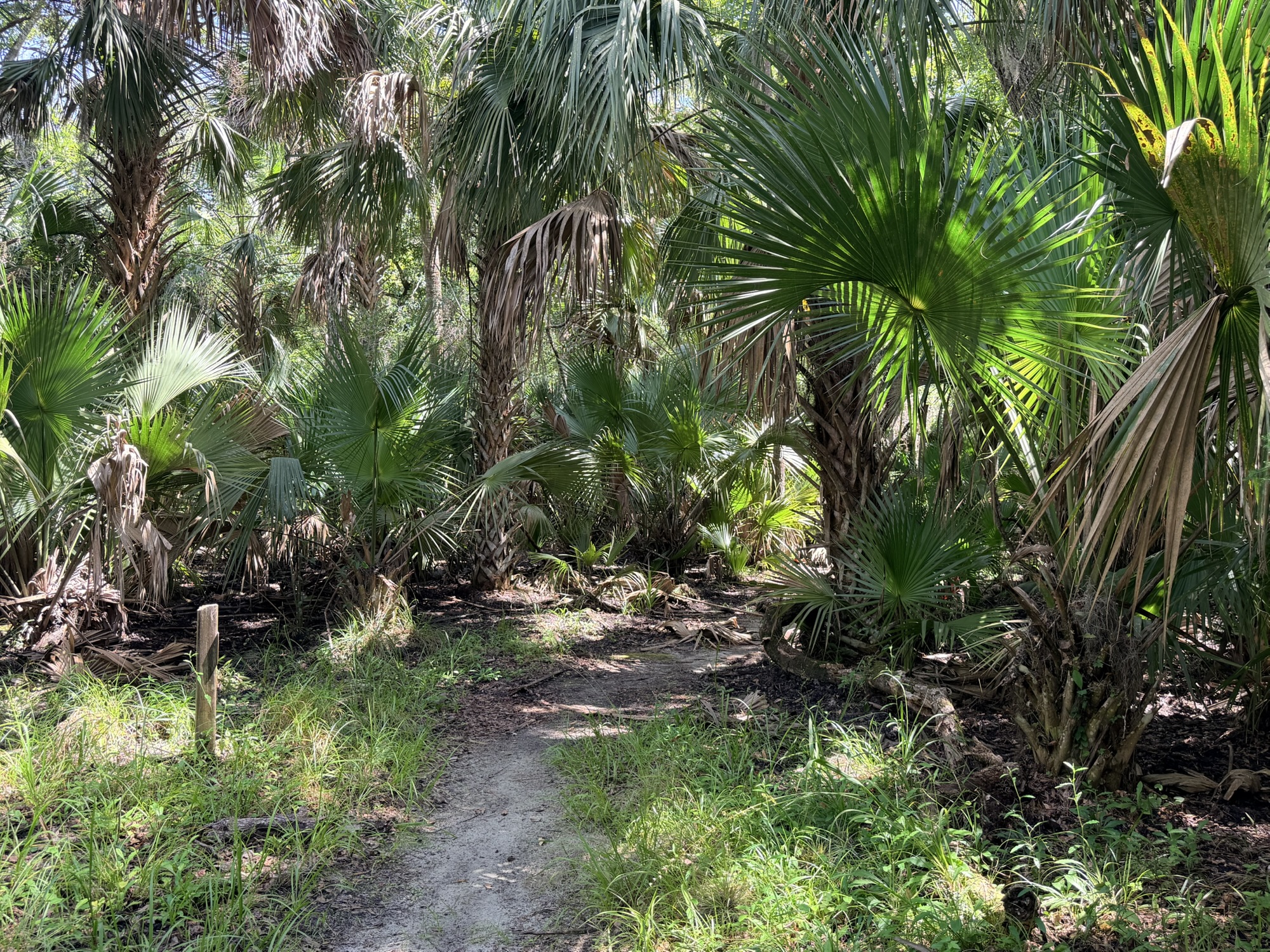
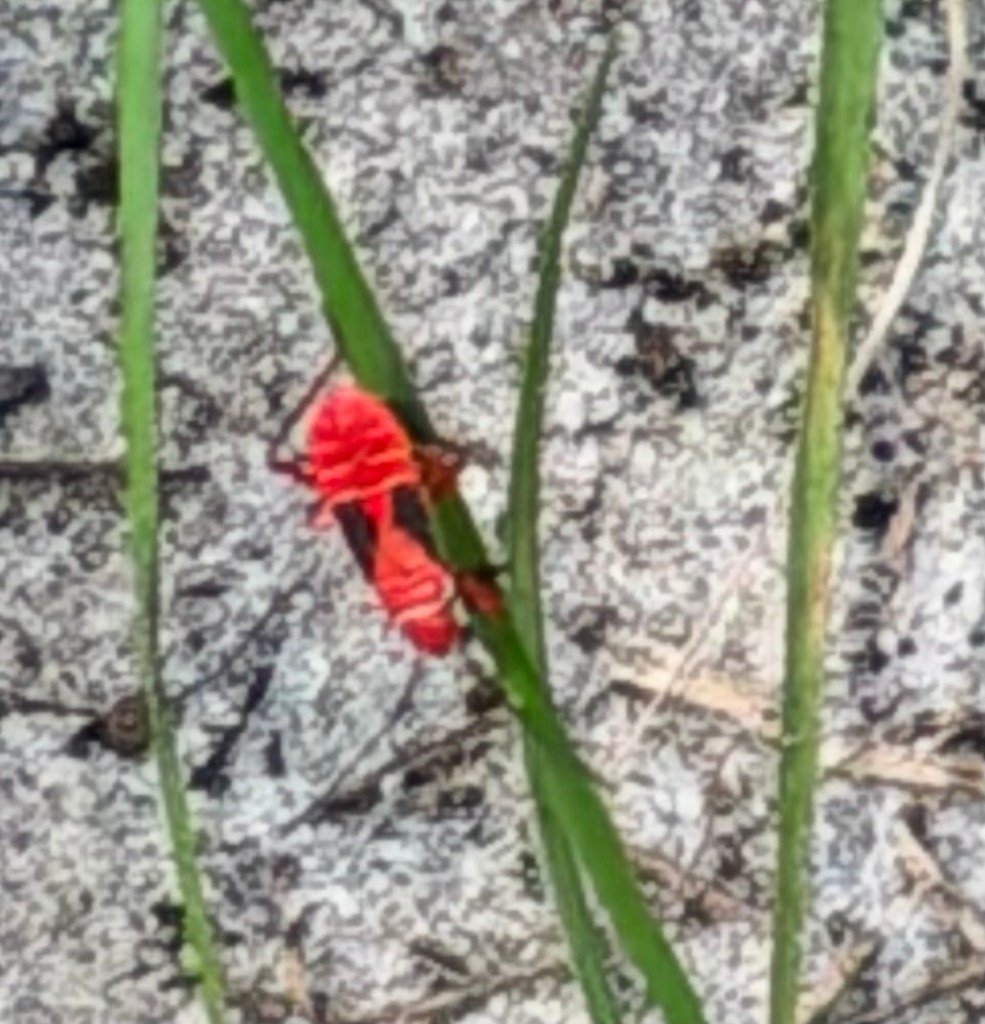
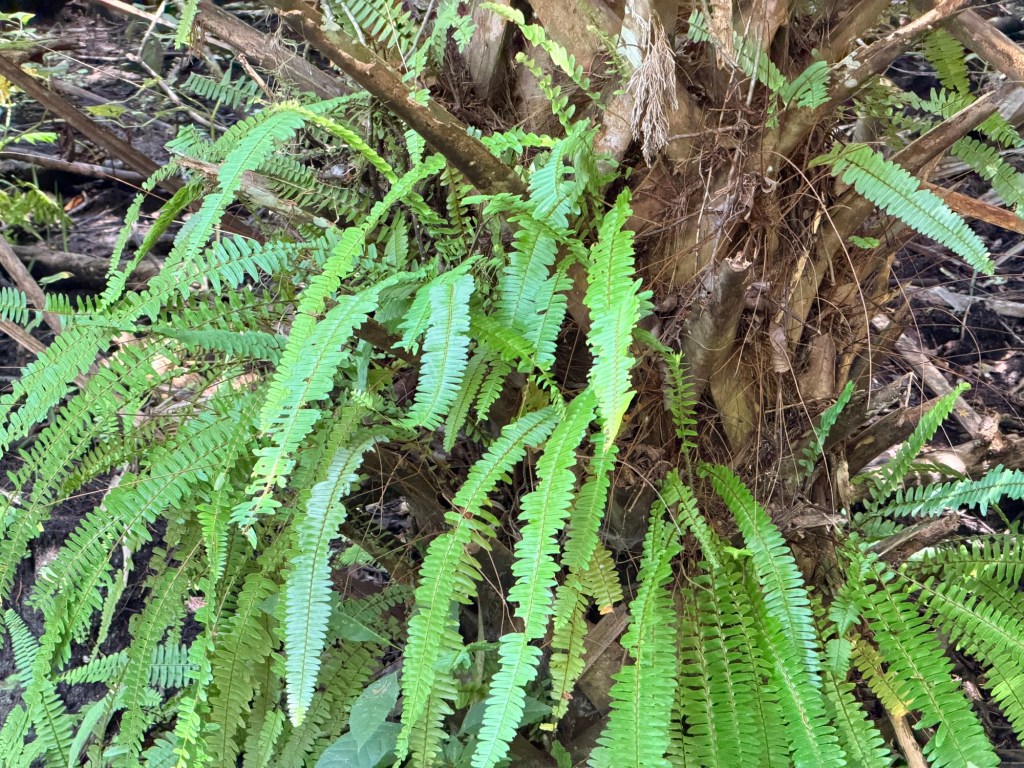
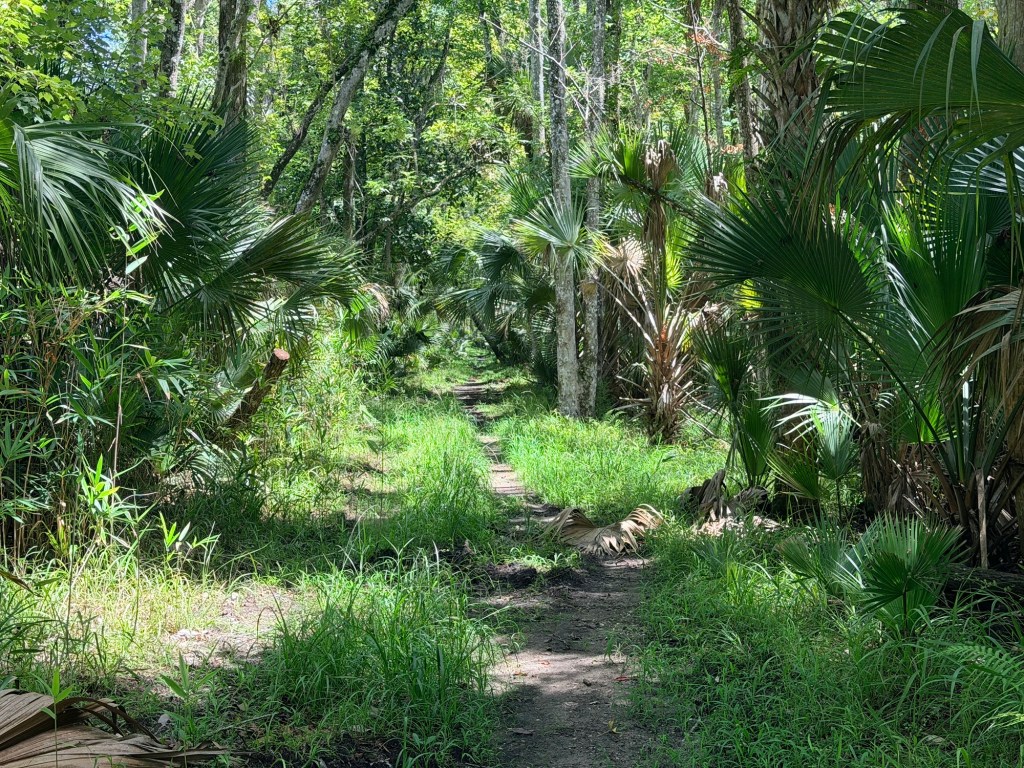
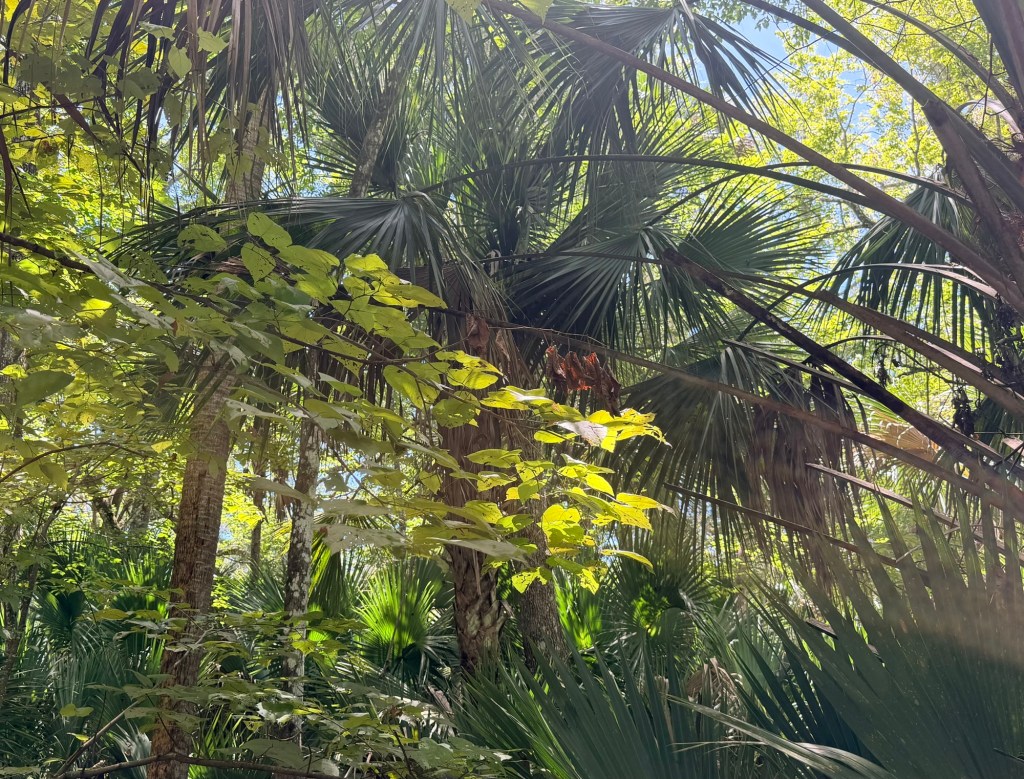
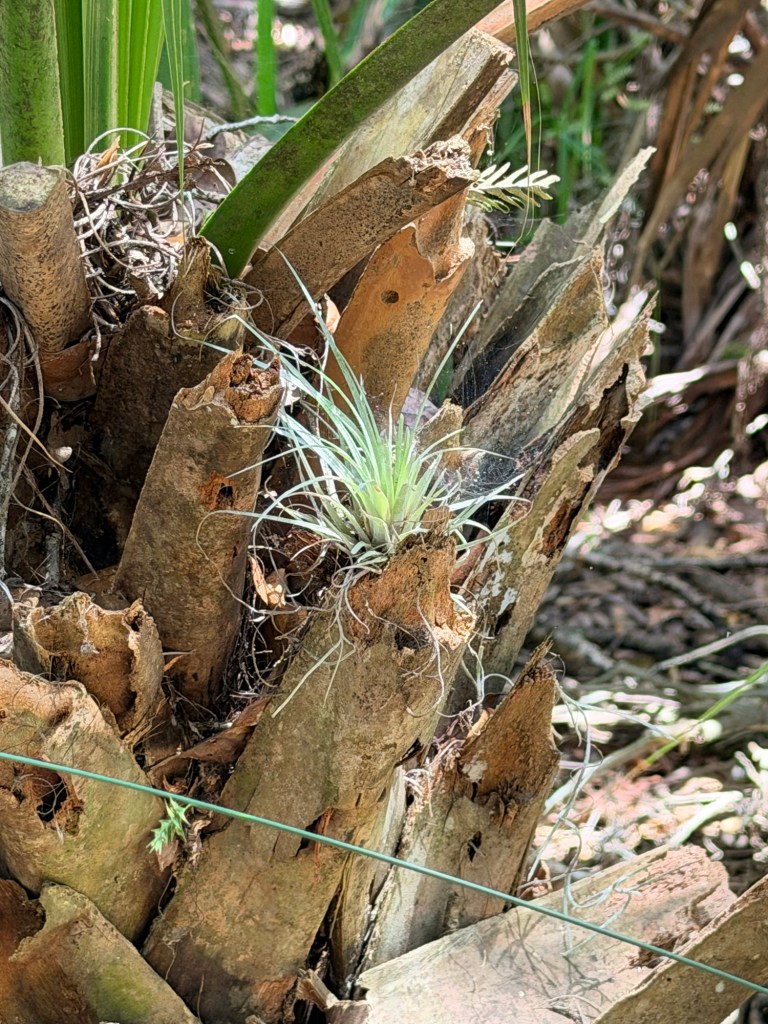
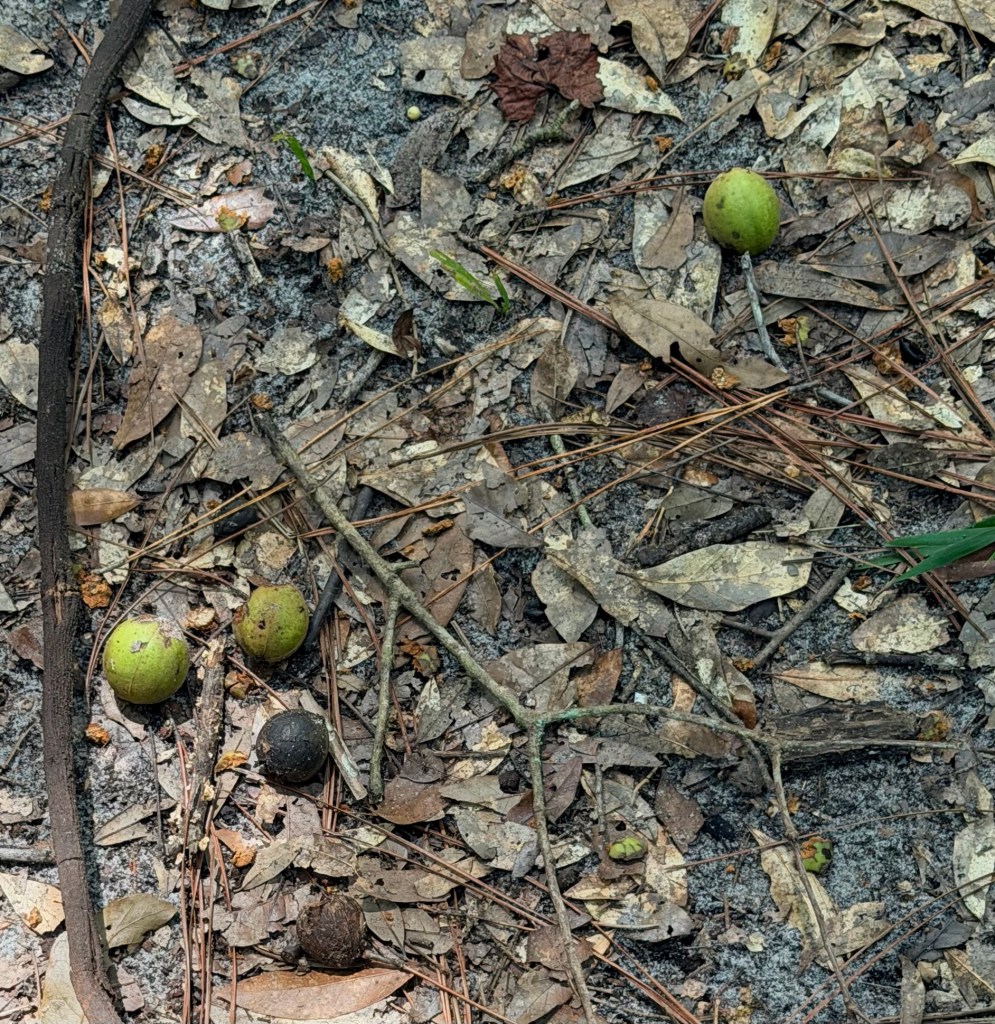
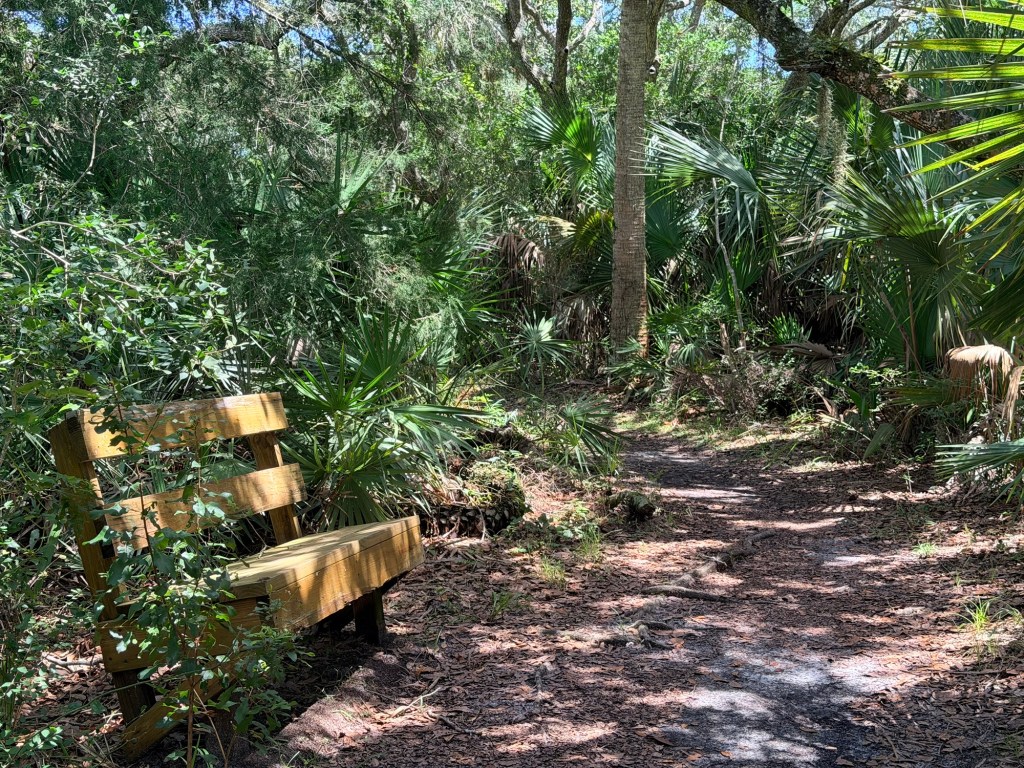
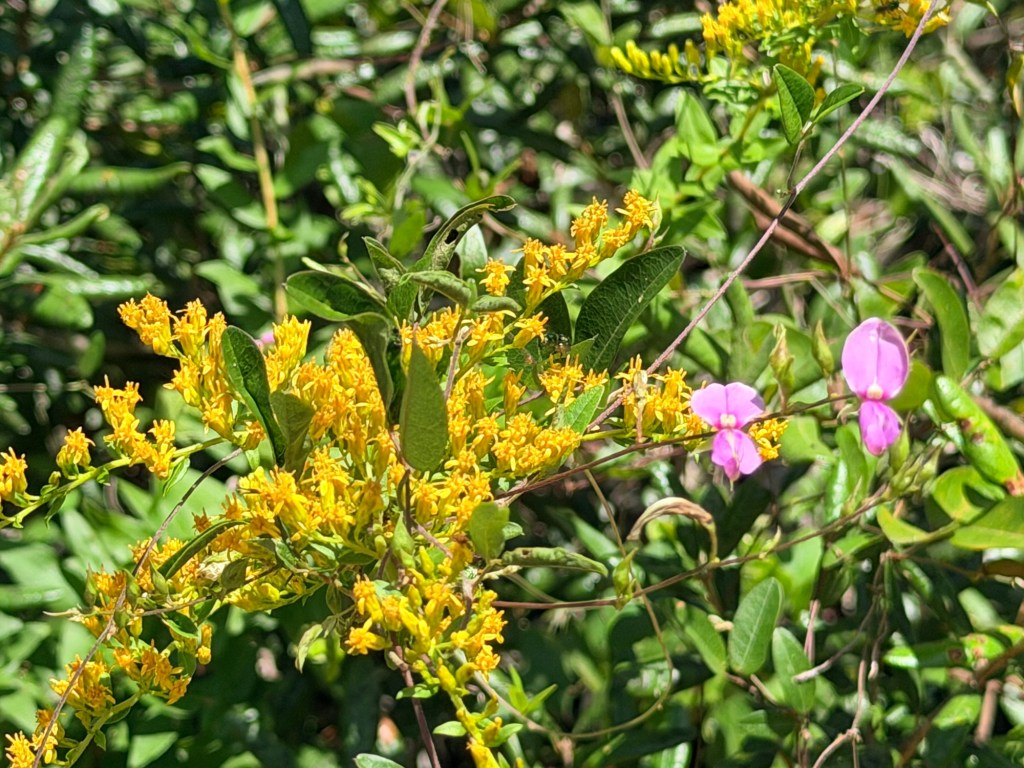
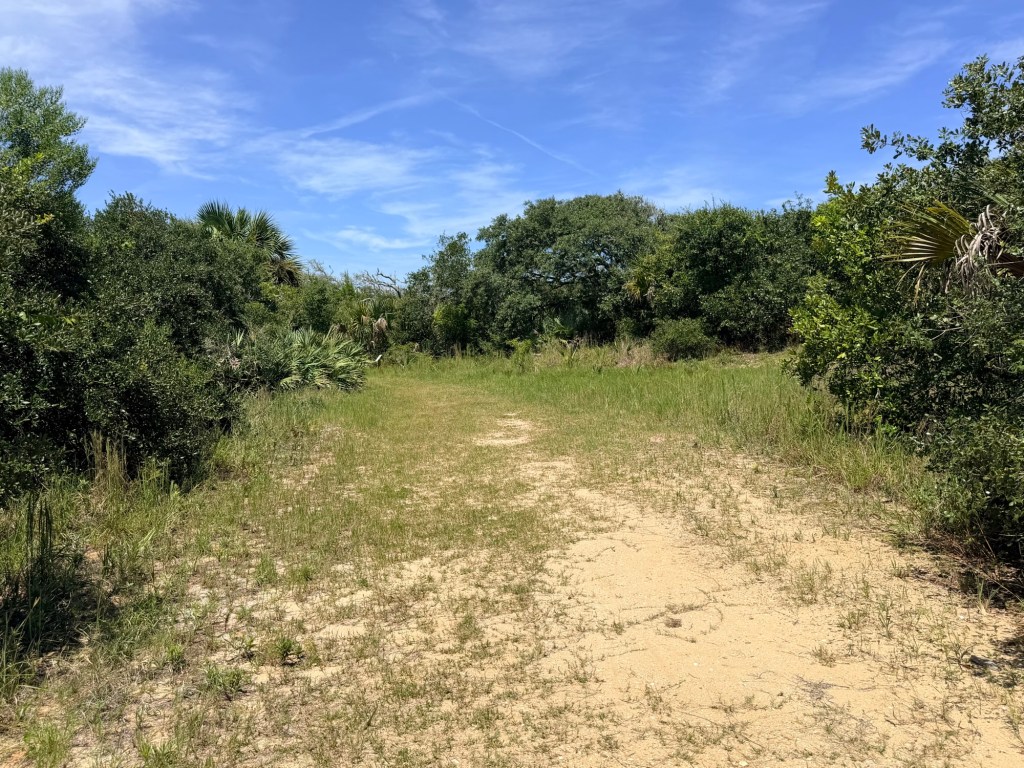
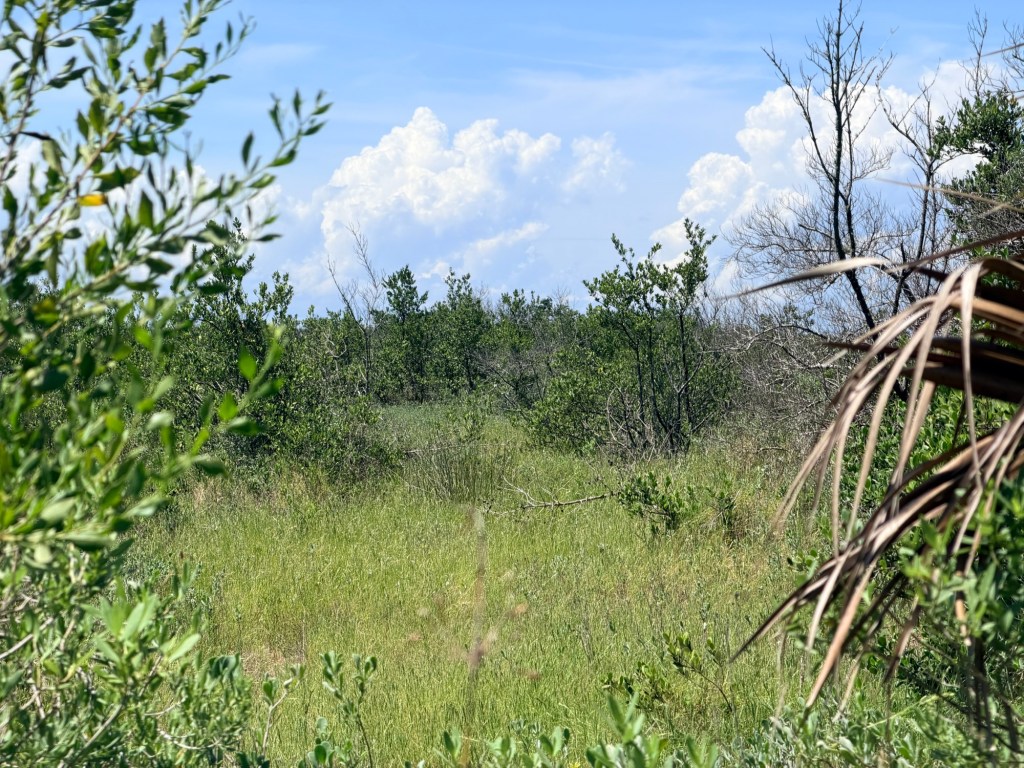
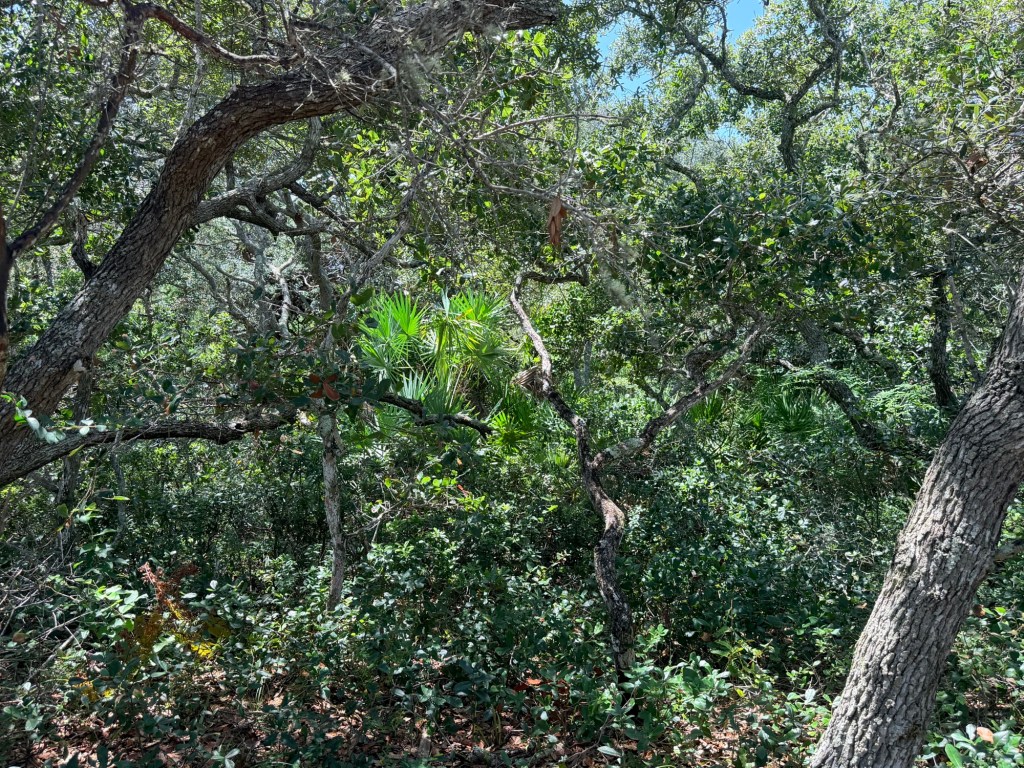
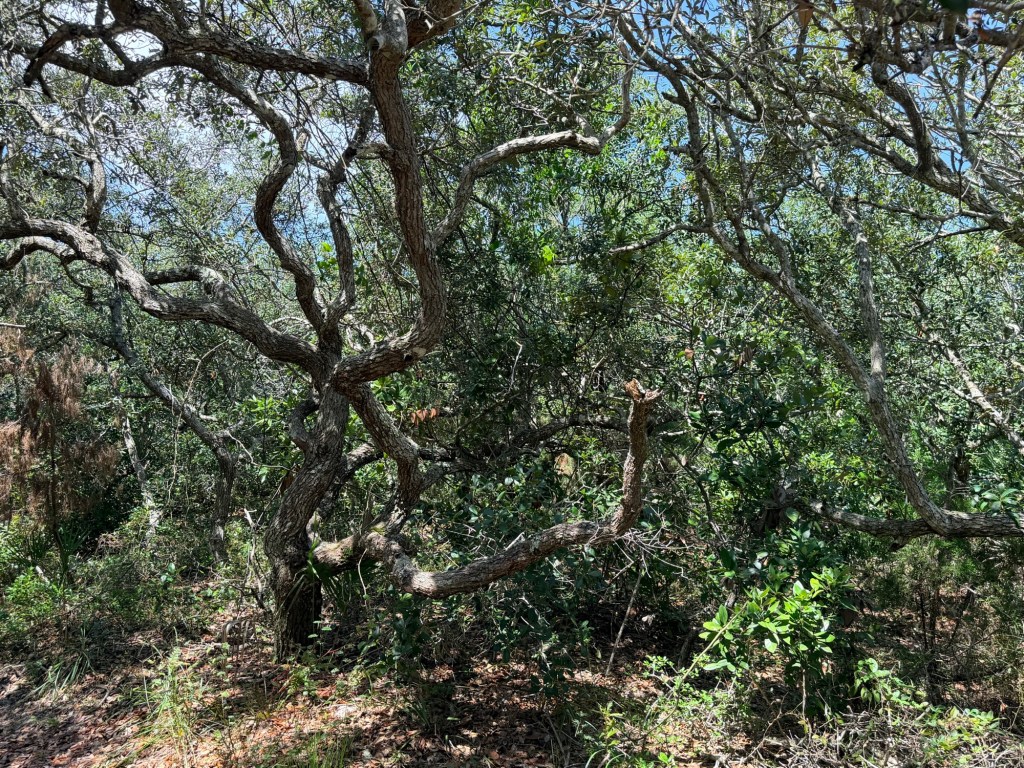
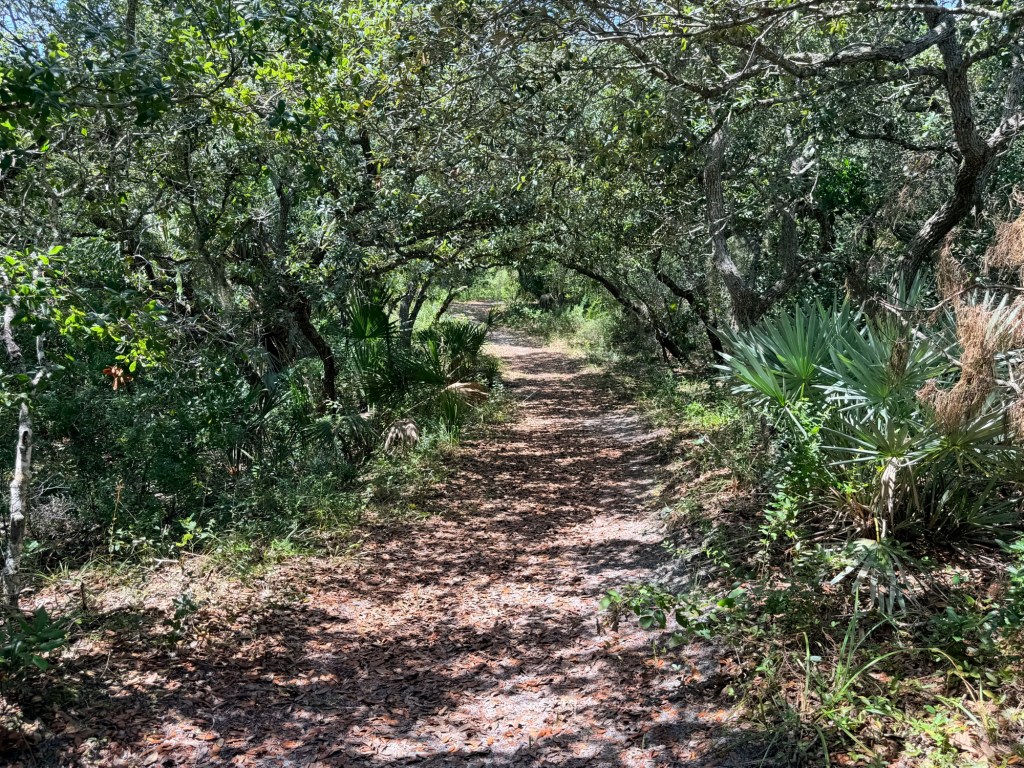
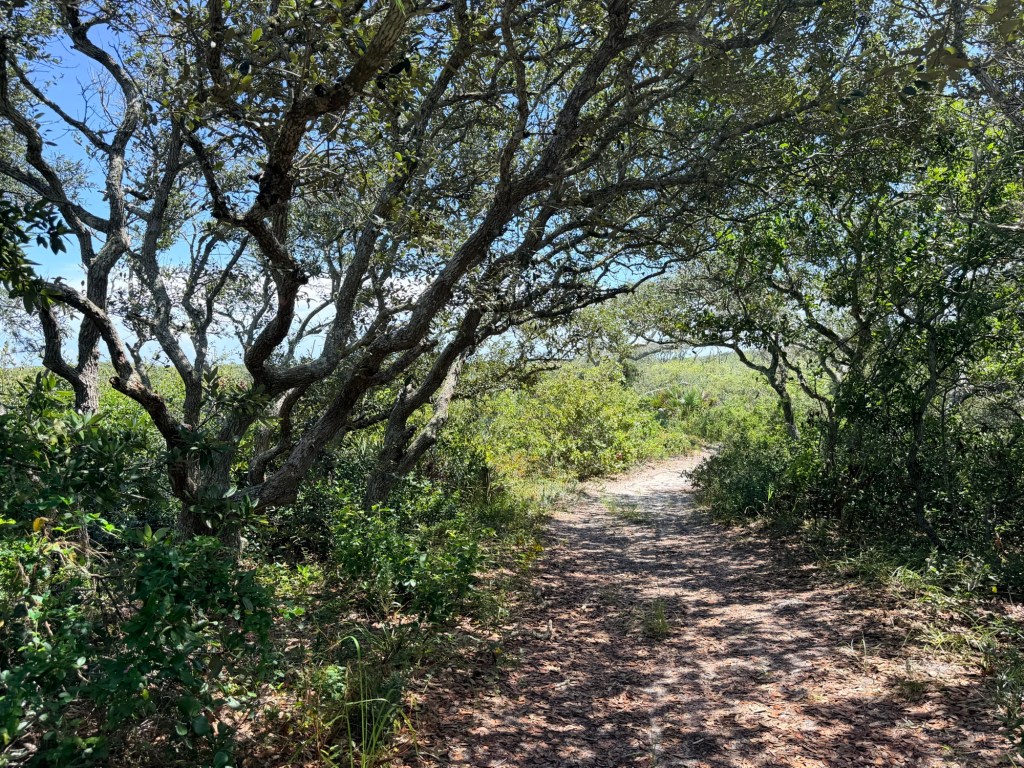
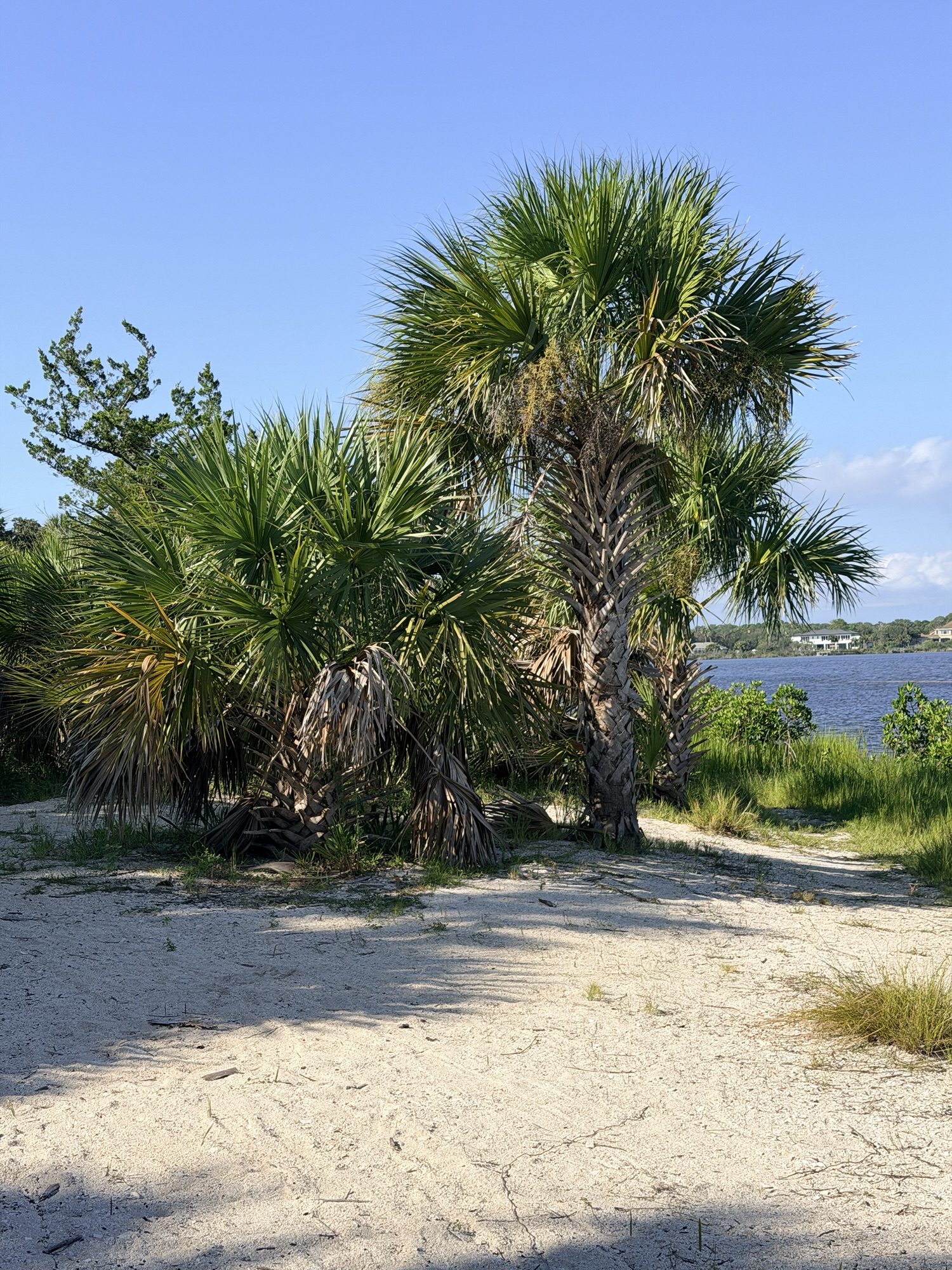
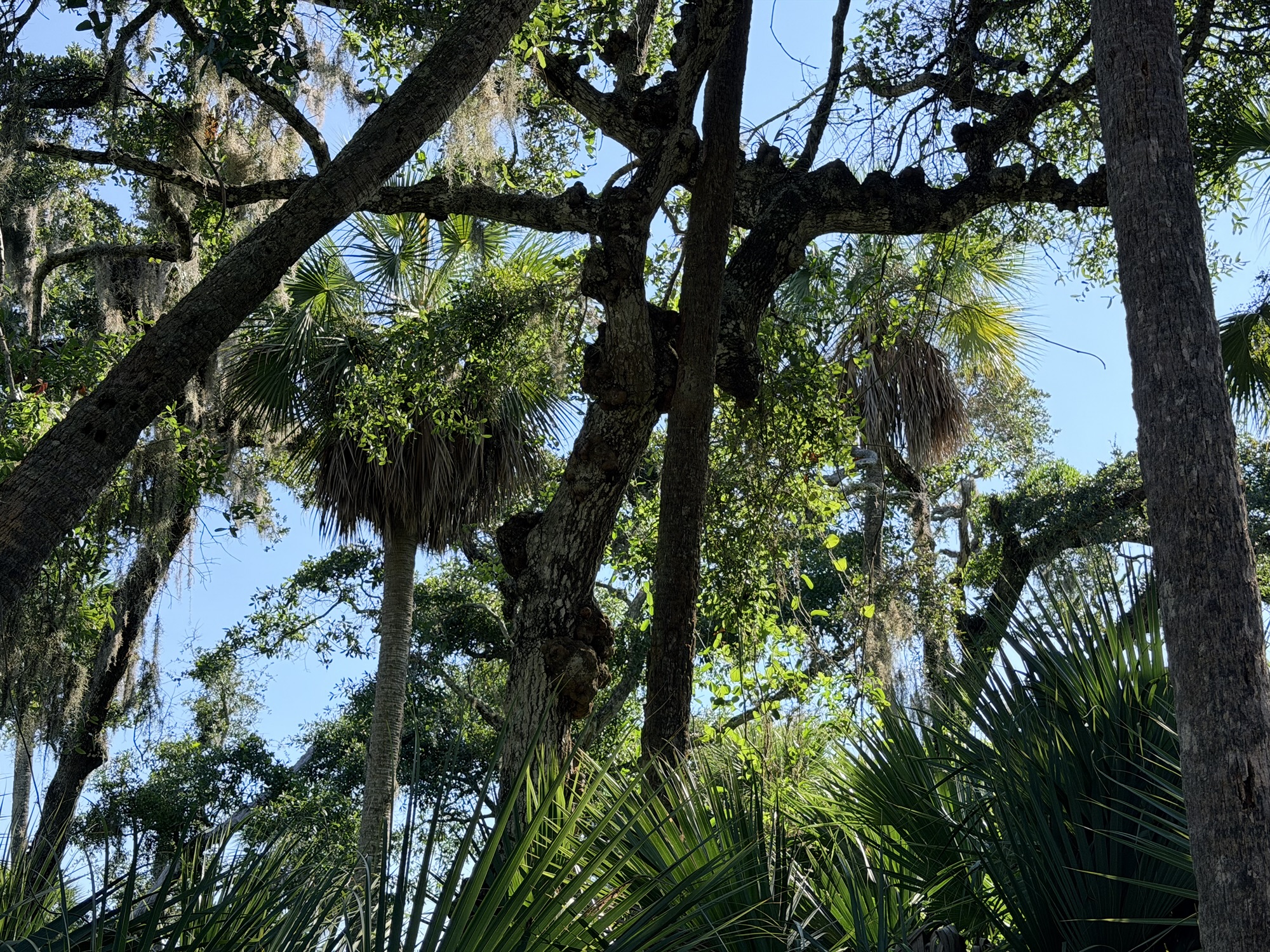
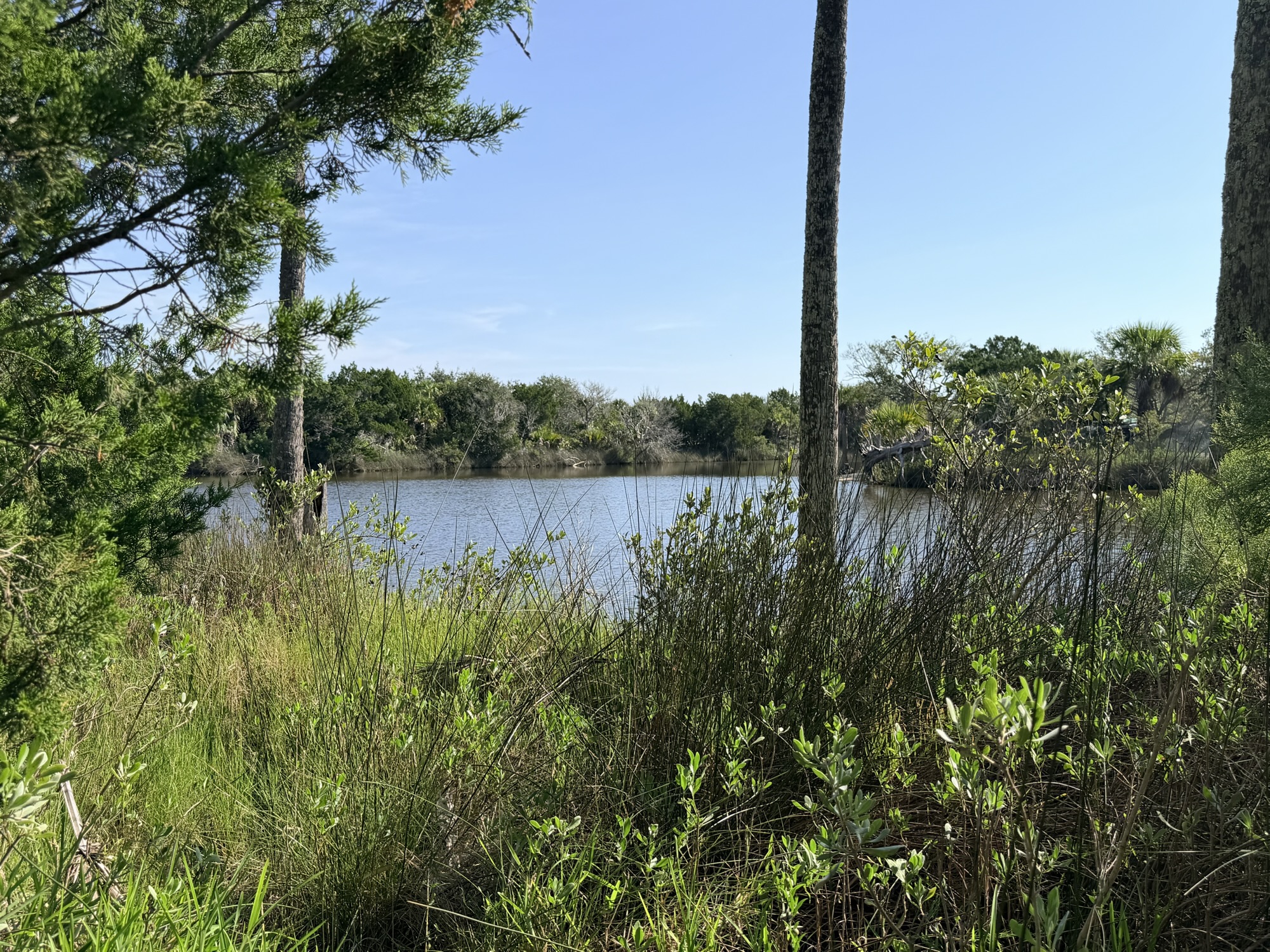
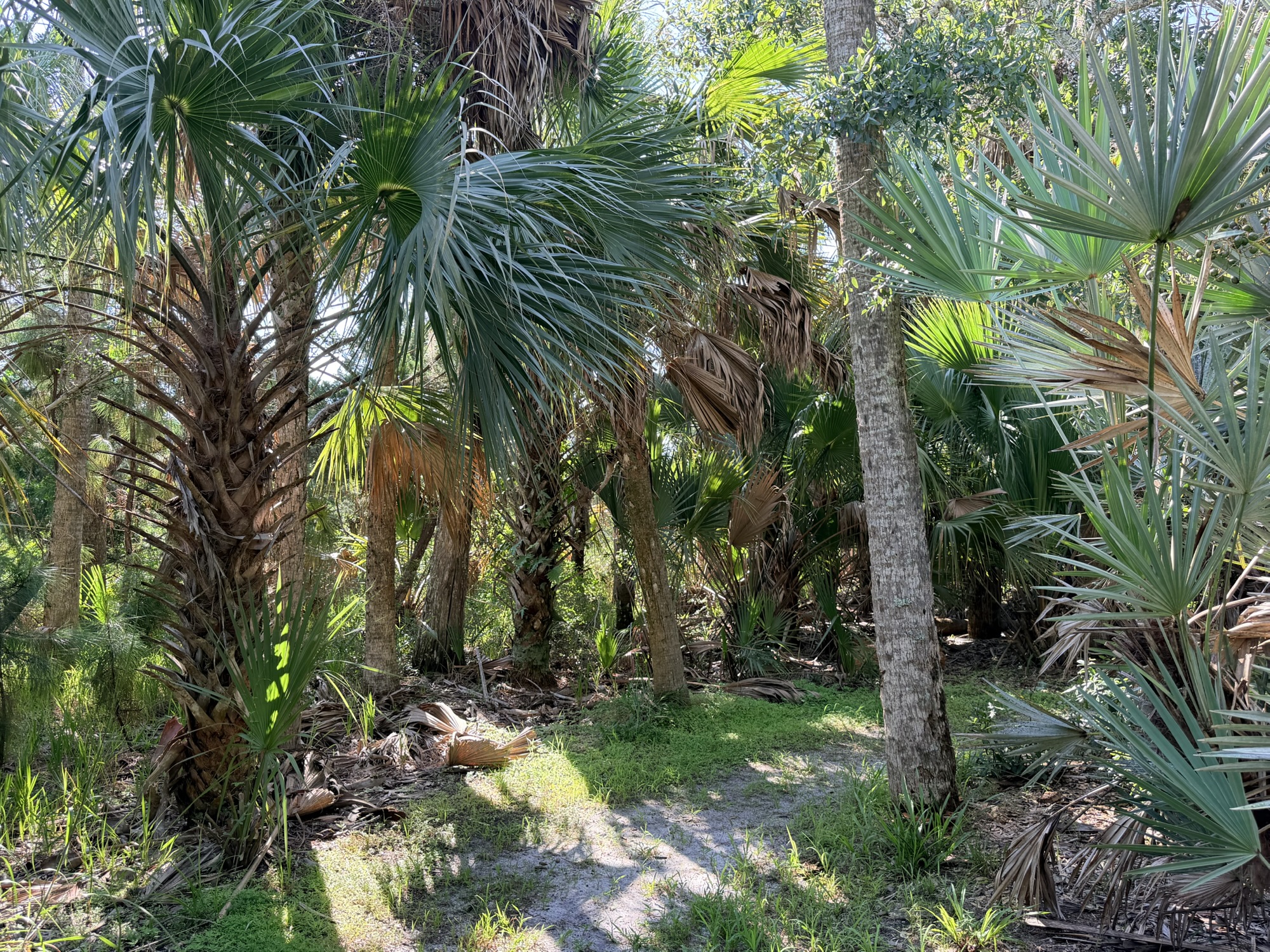
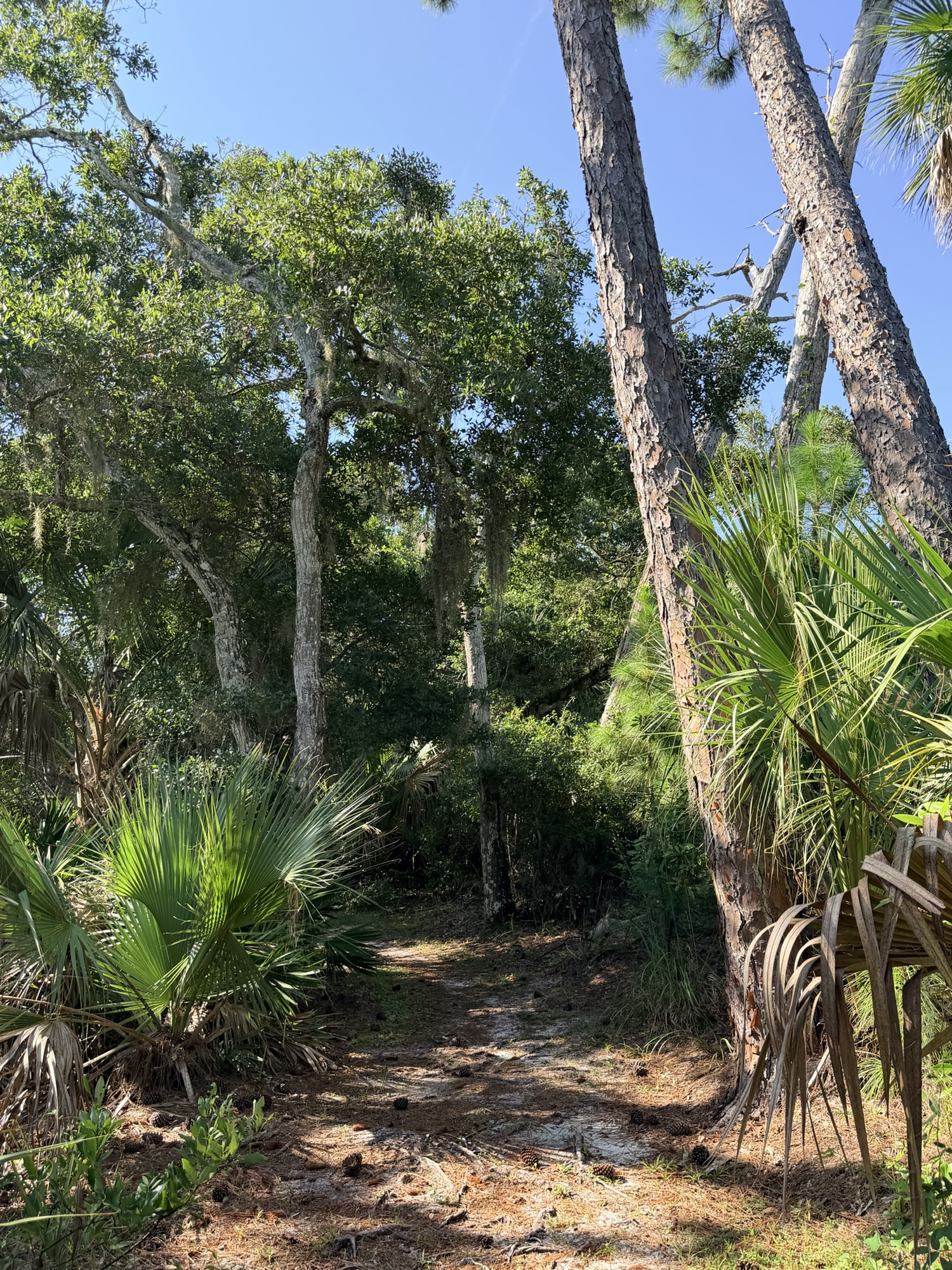
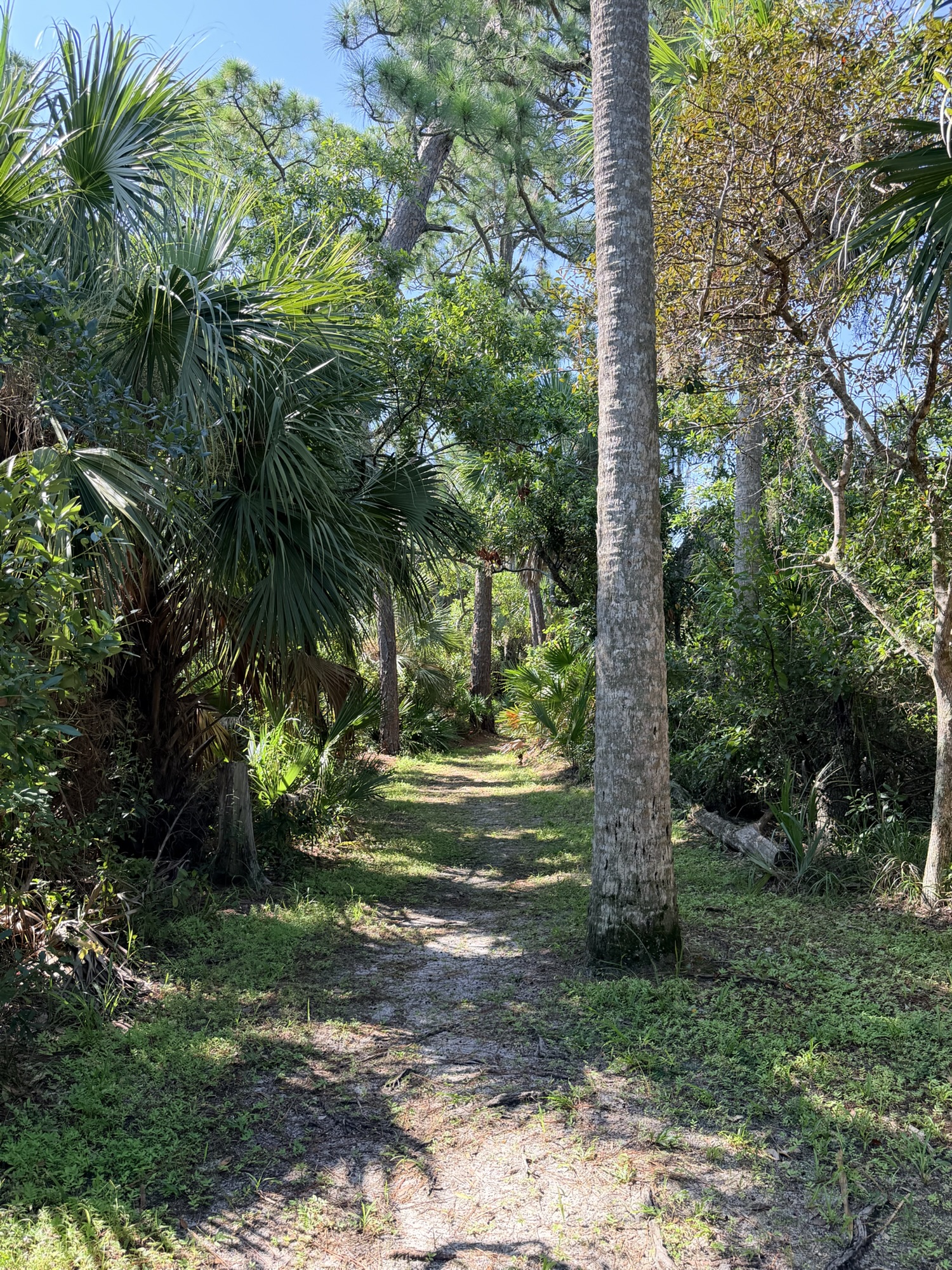
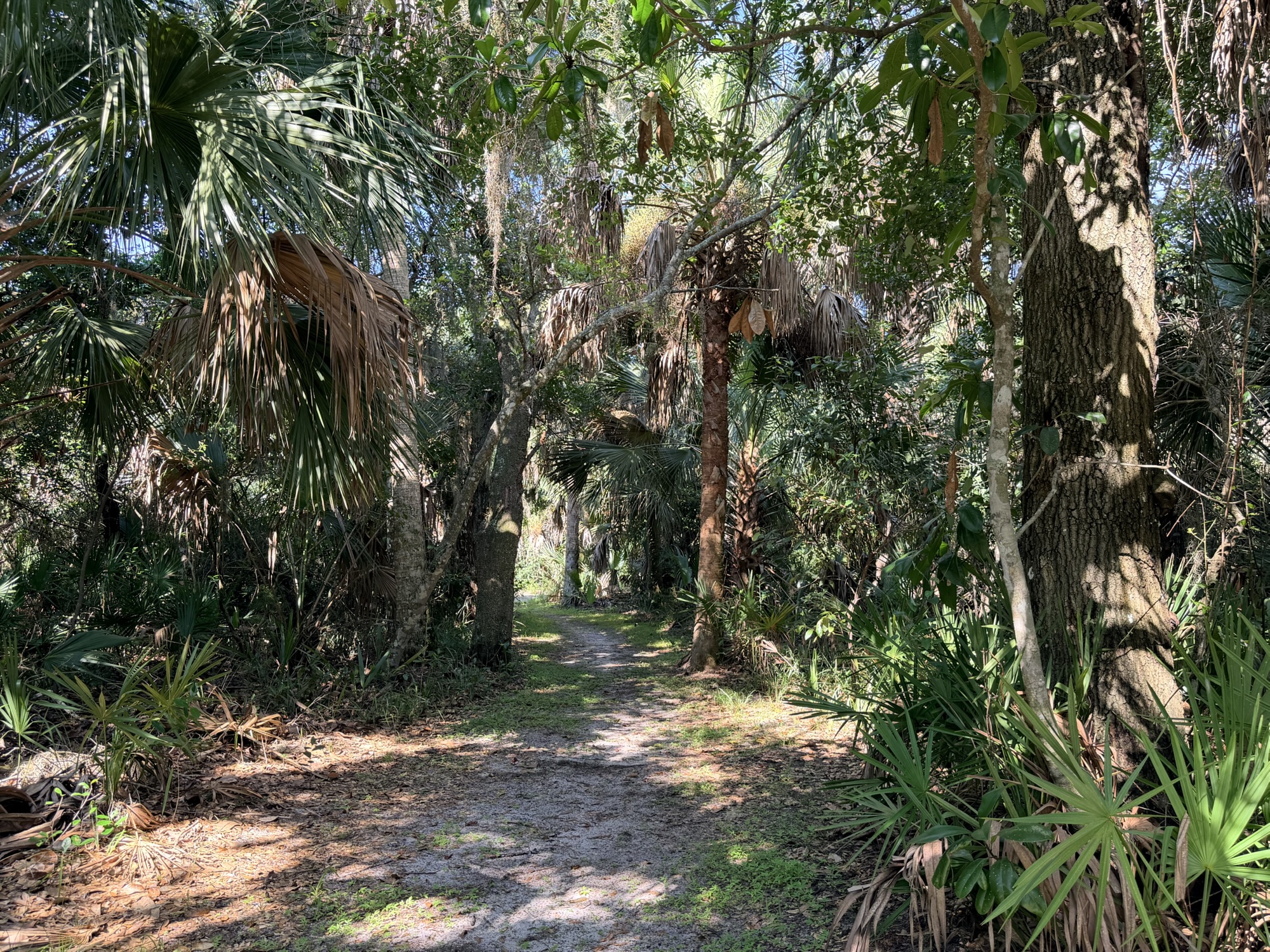
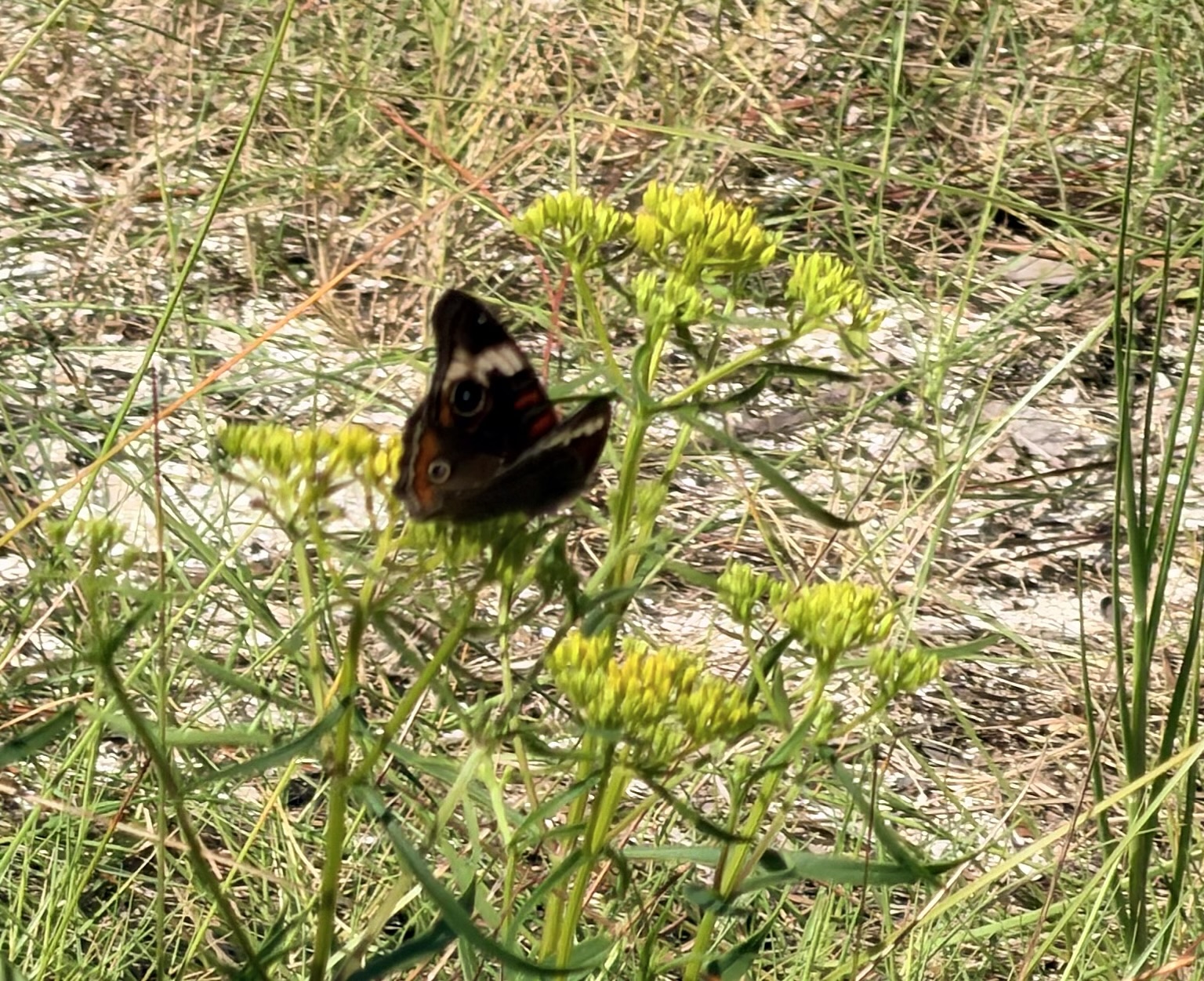
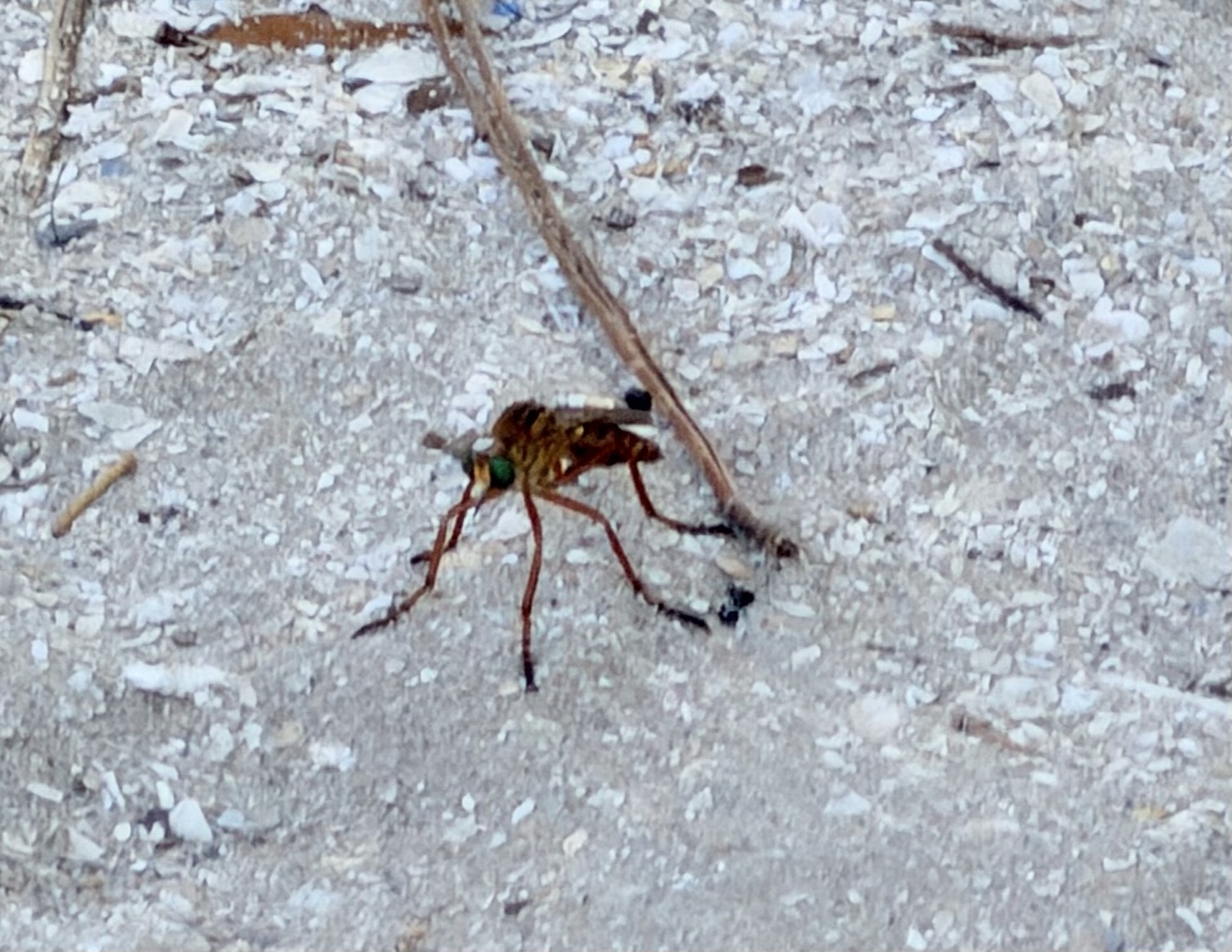
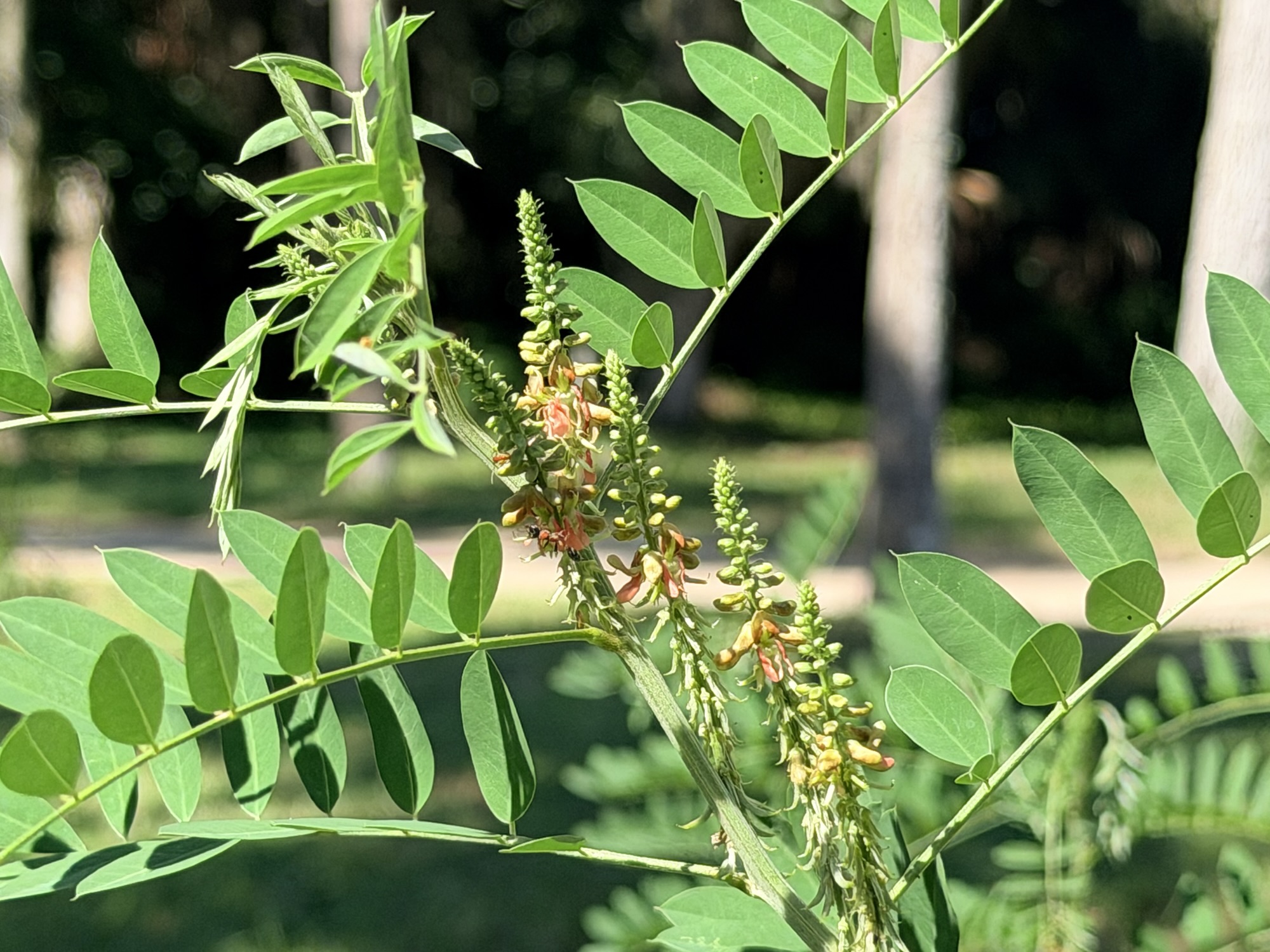
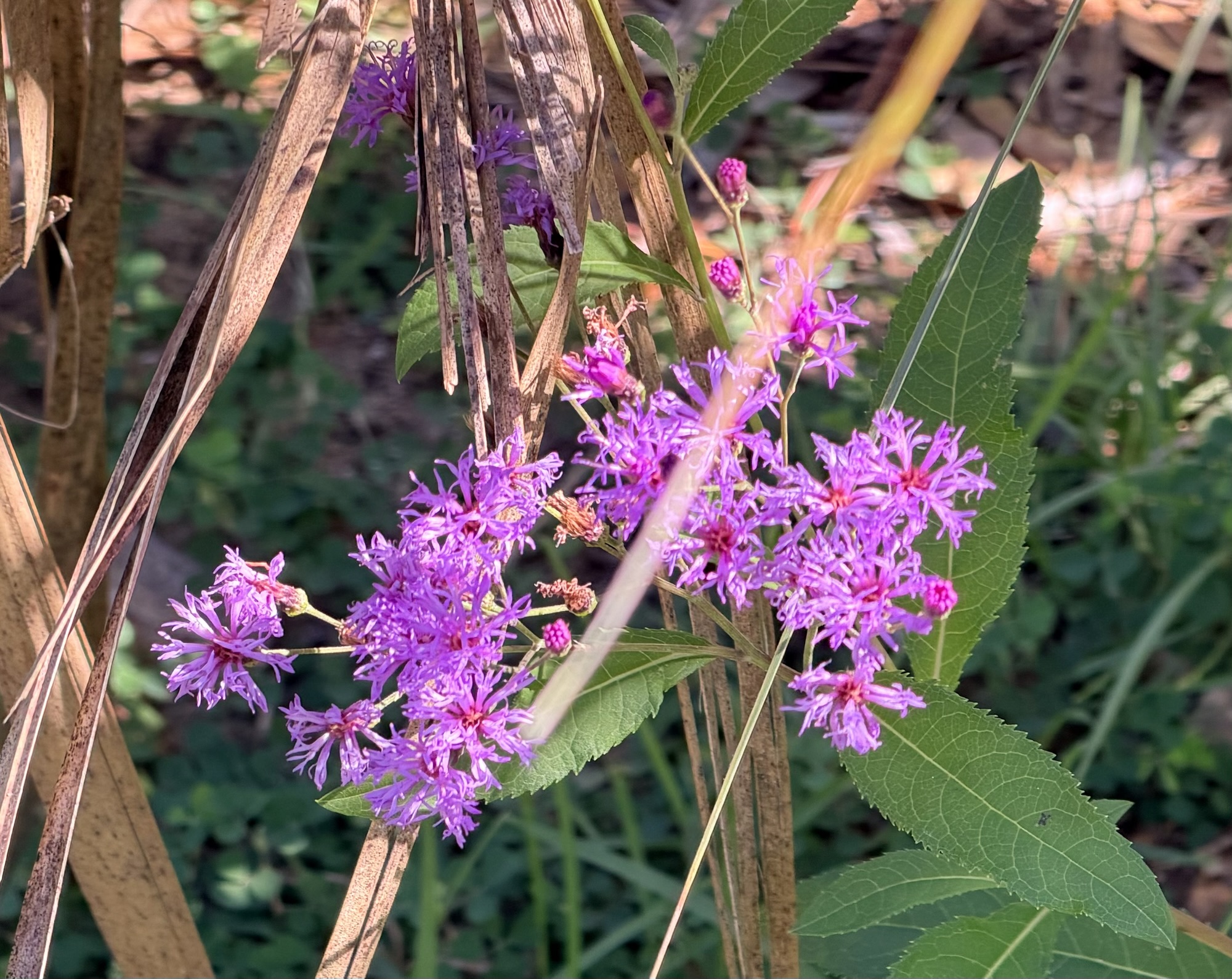
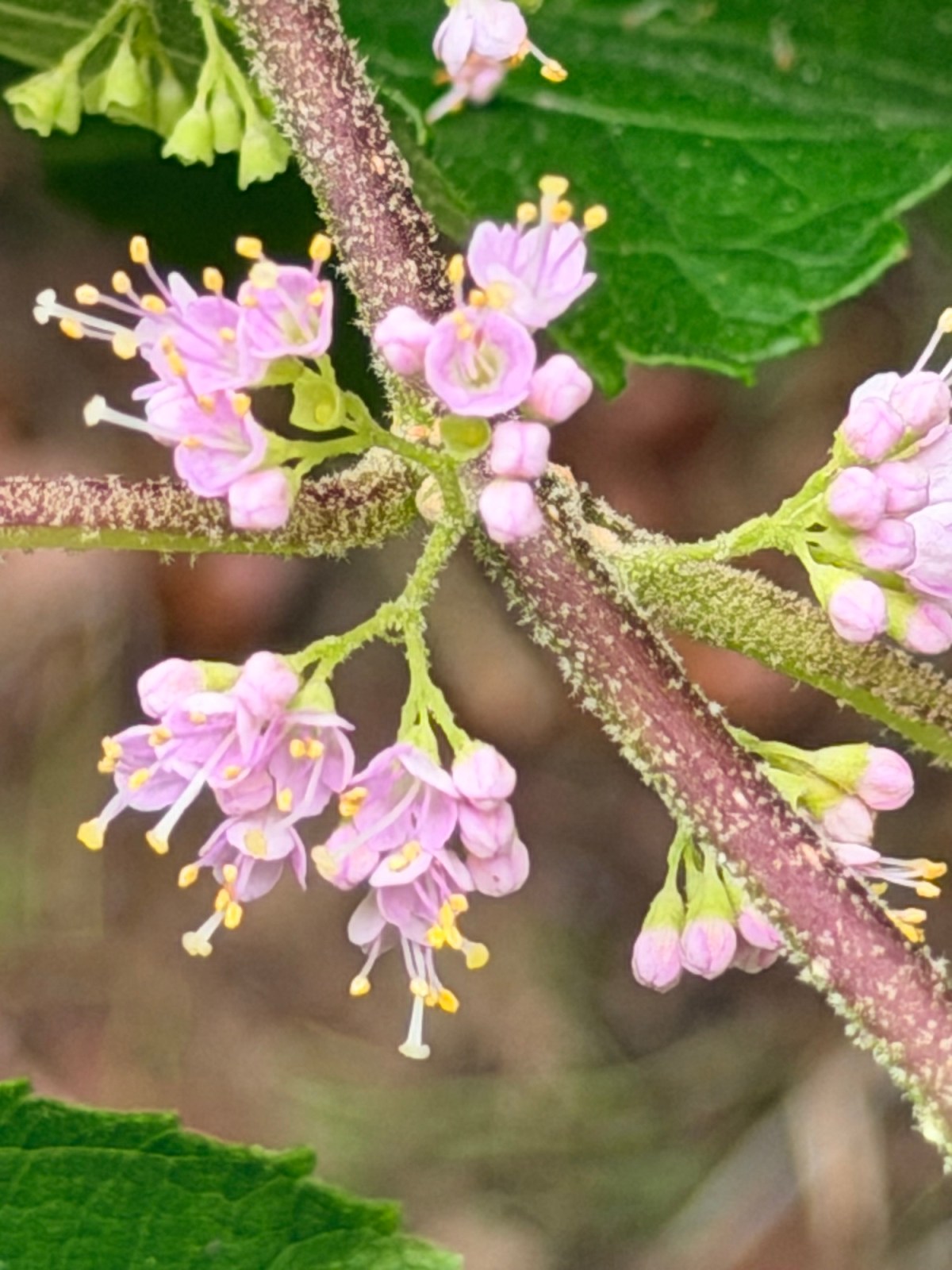
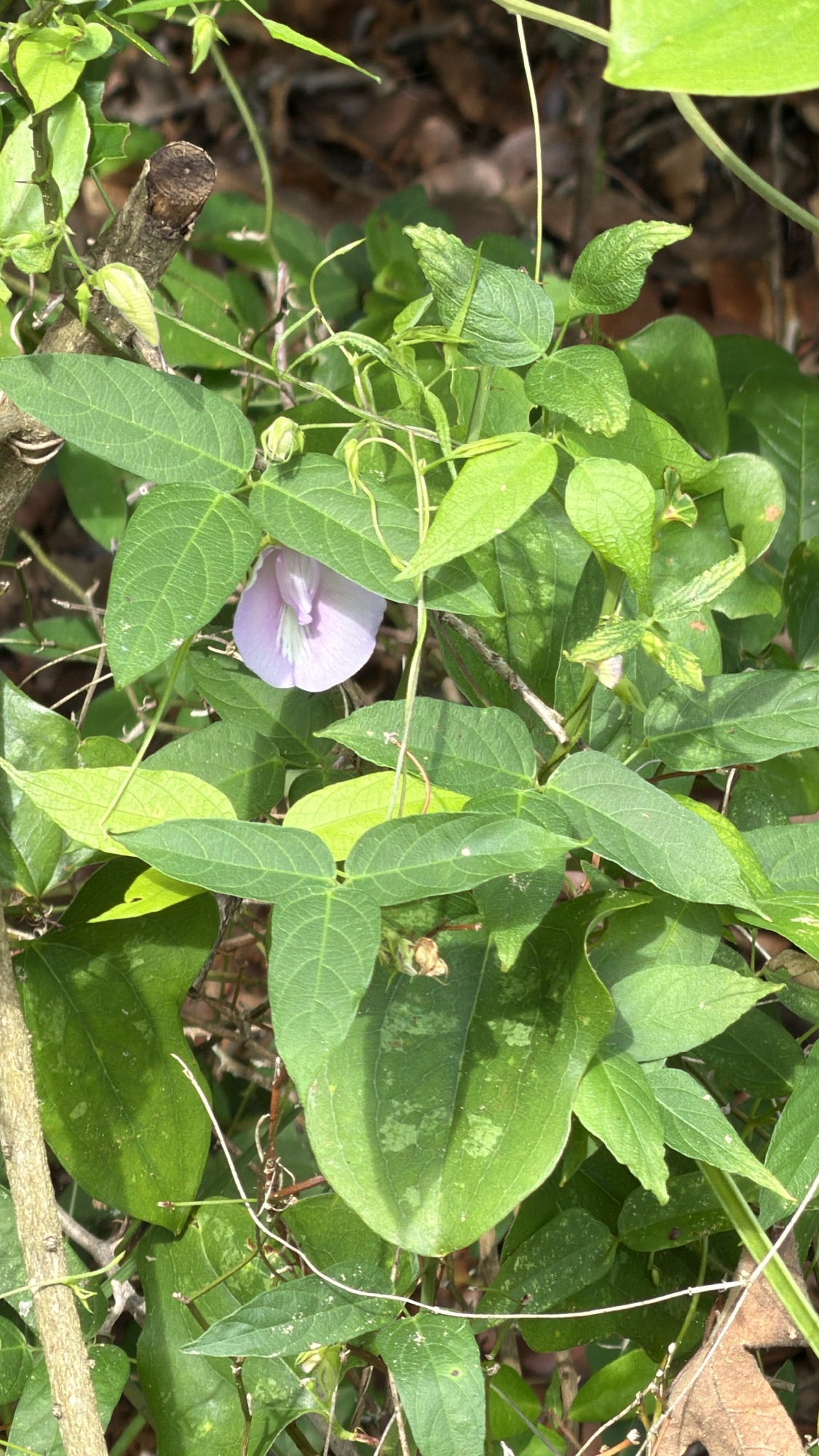
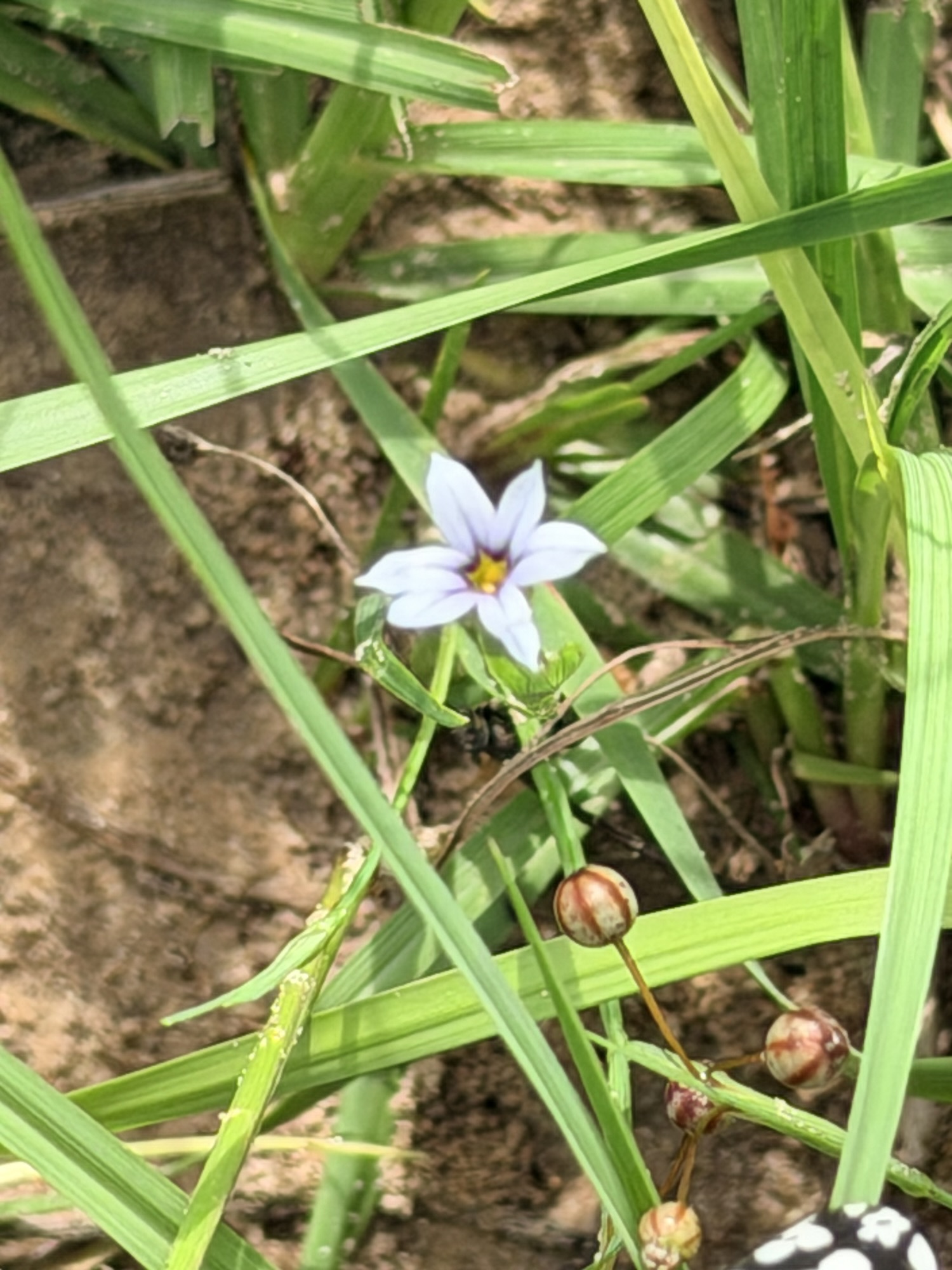
The woods is very uniform, with the same mix of plants throughout. I wonder how long it’s been recovering from being an indigo plantation? Here are some sights.

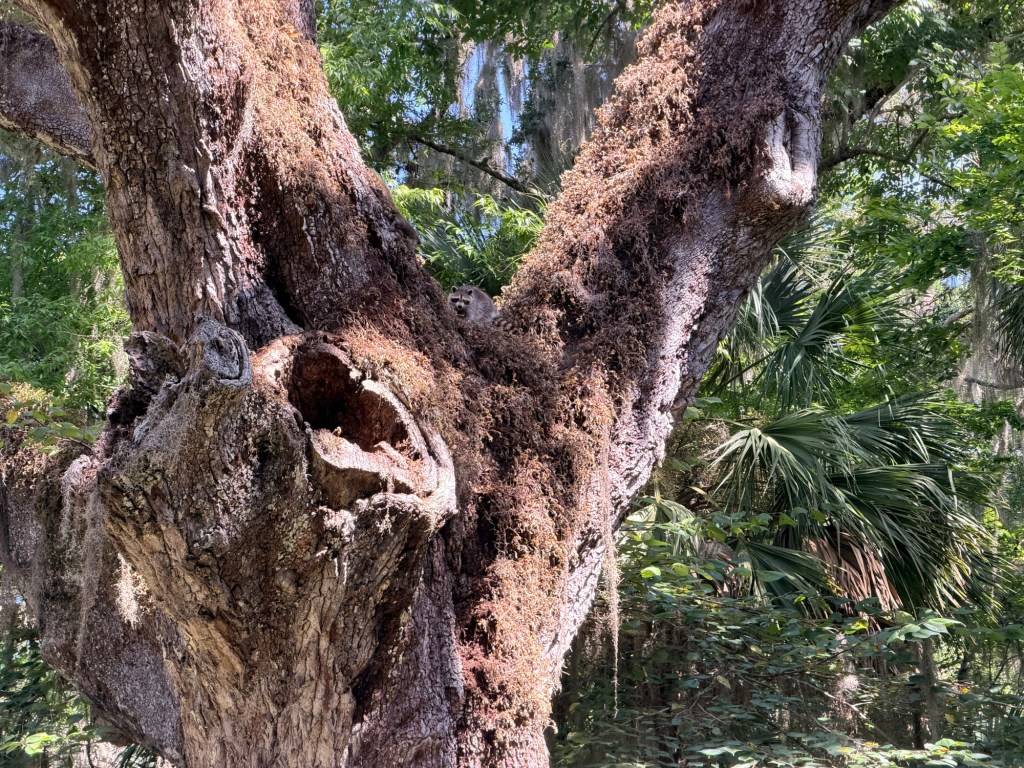
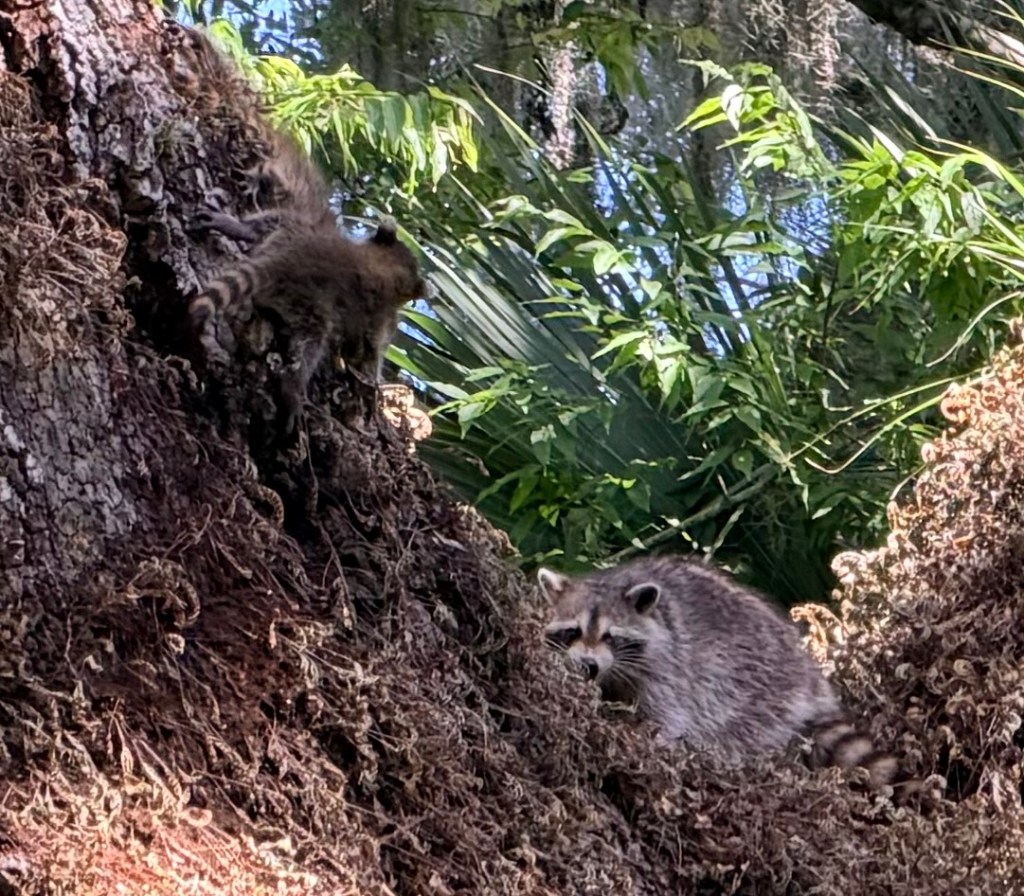
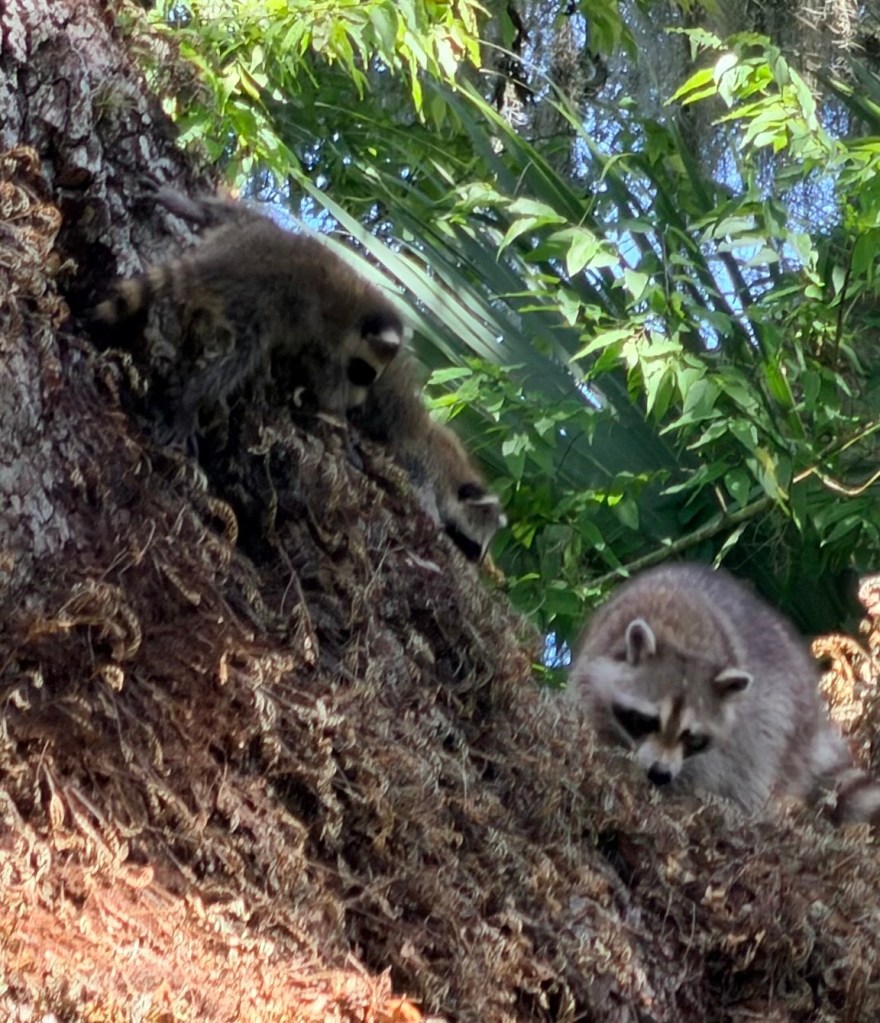
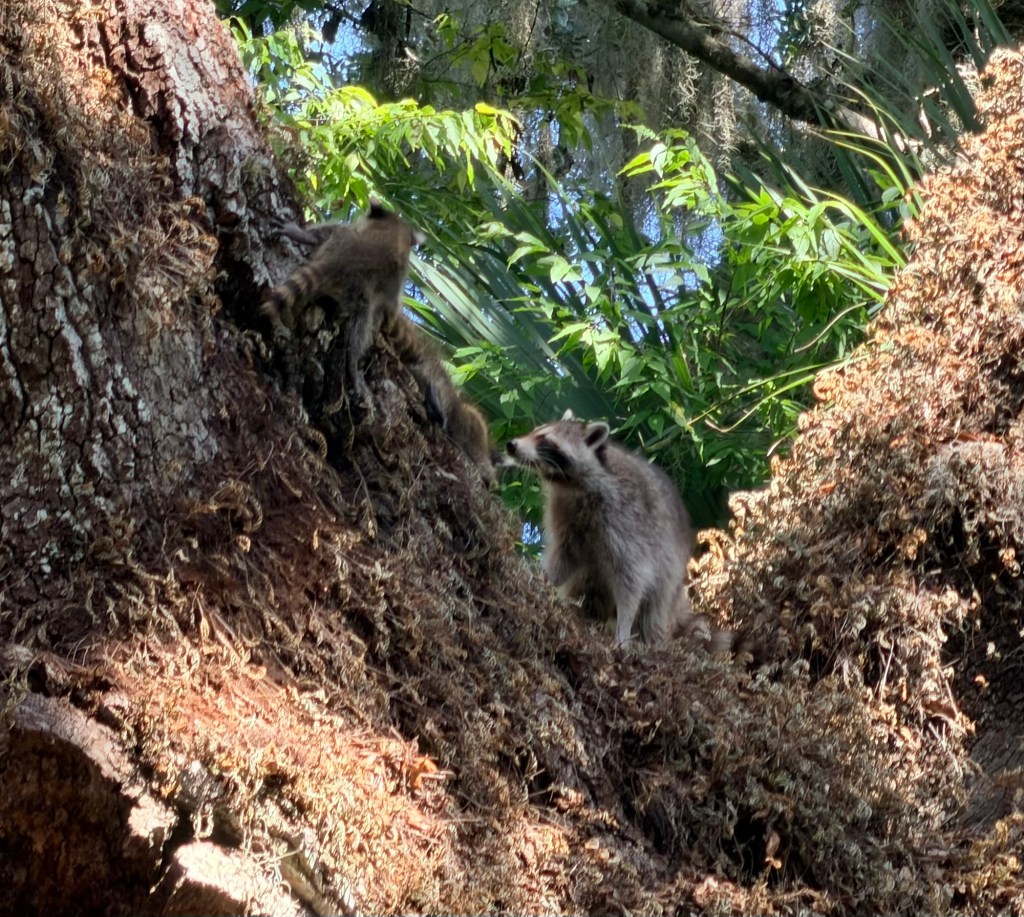
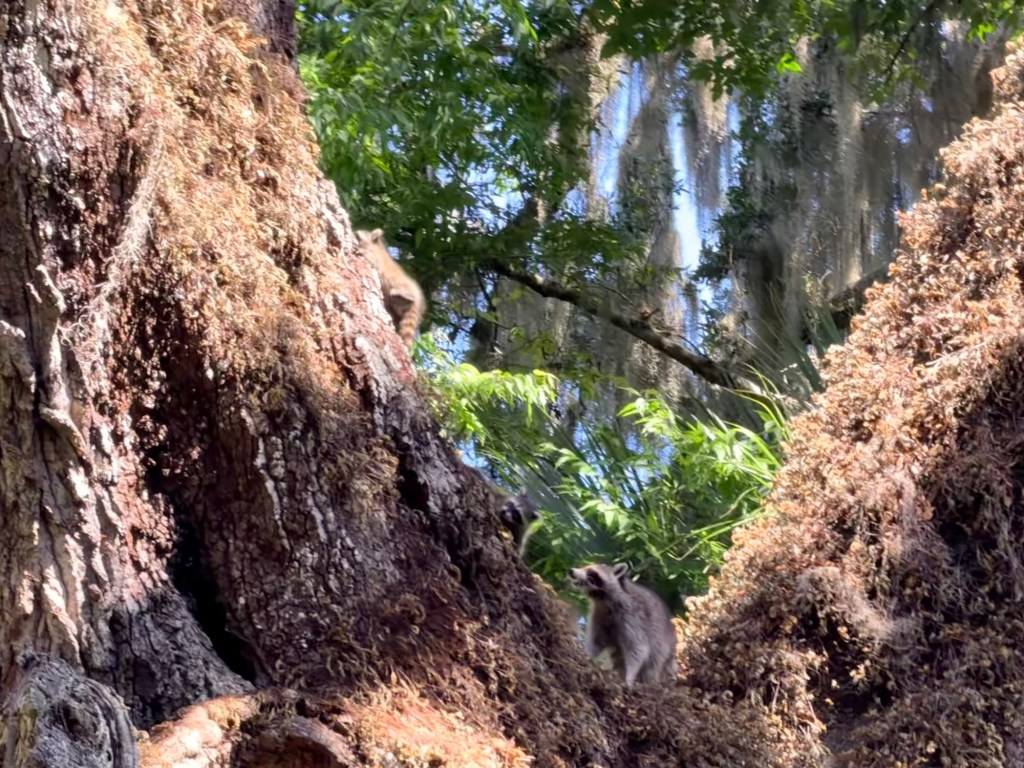
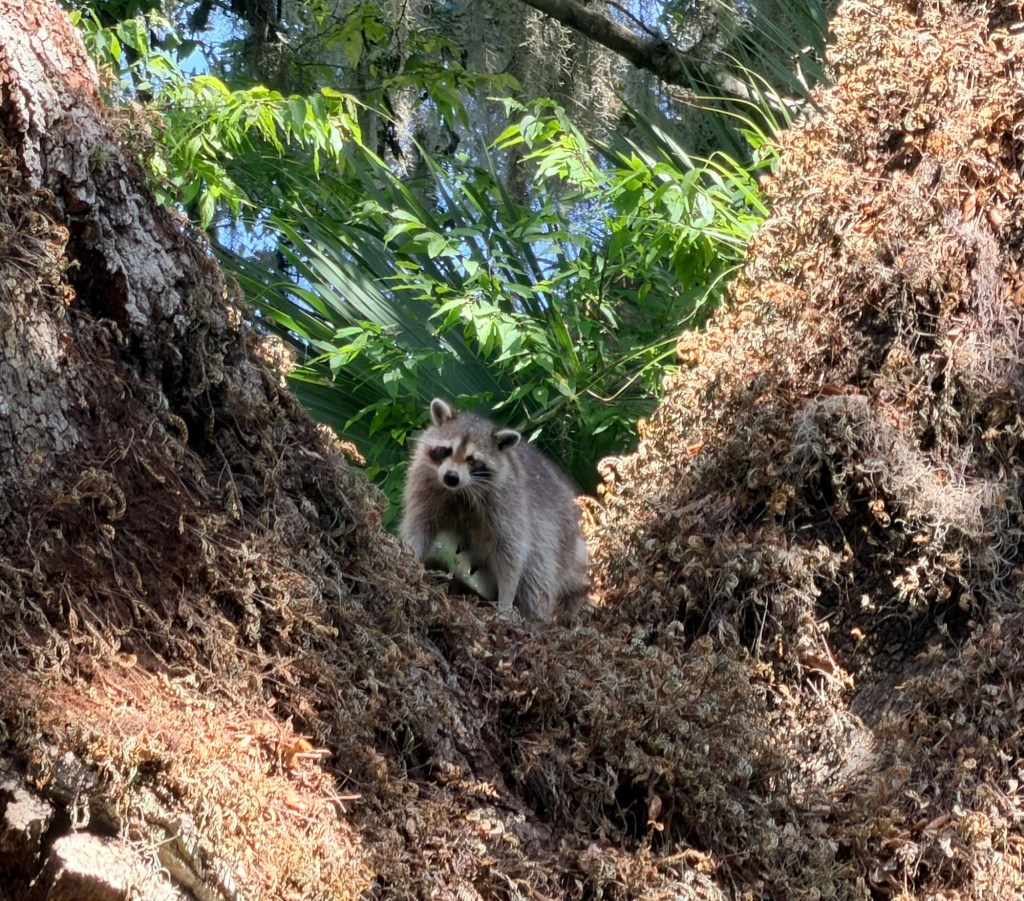
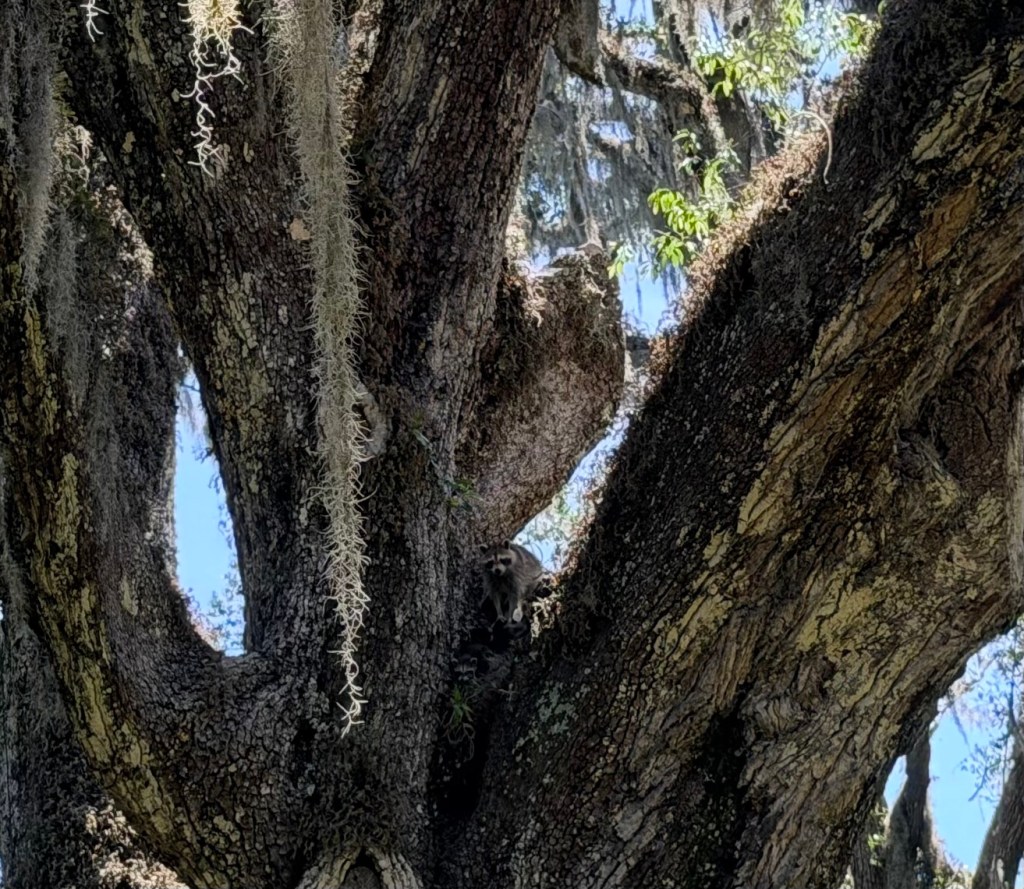
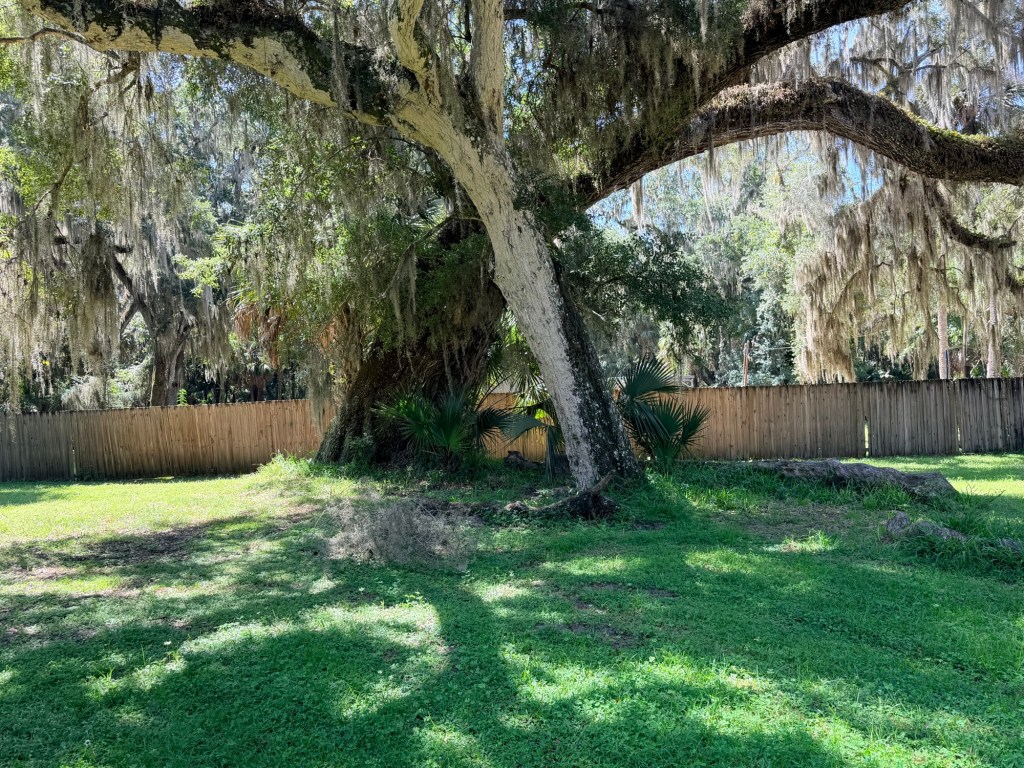
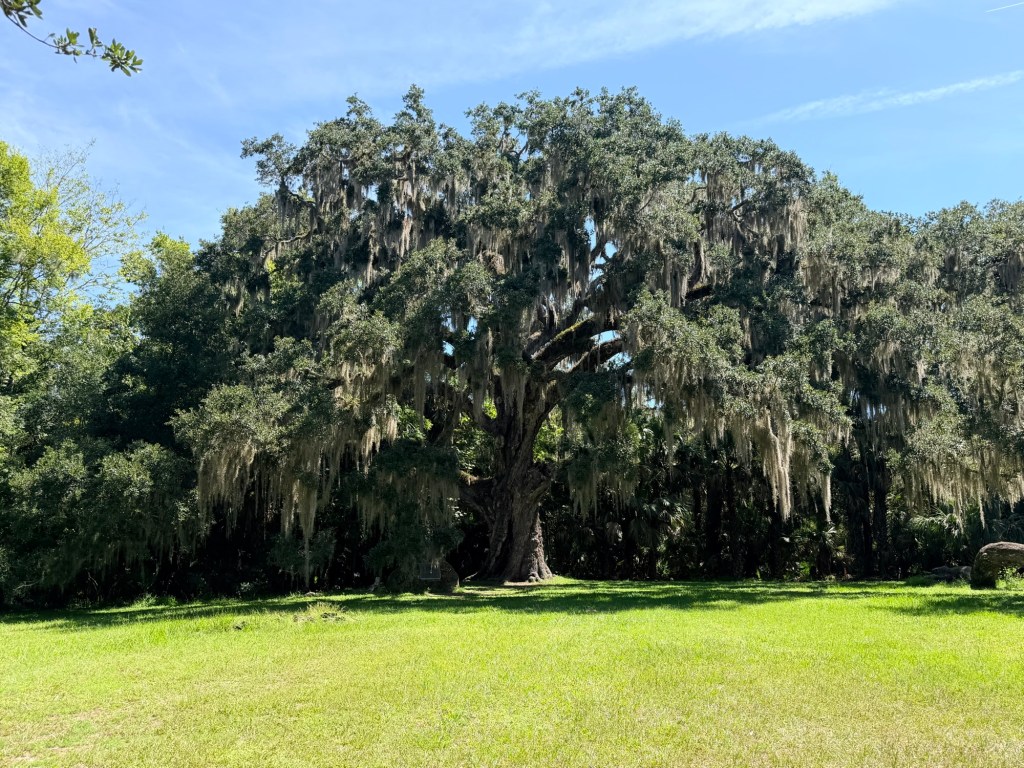
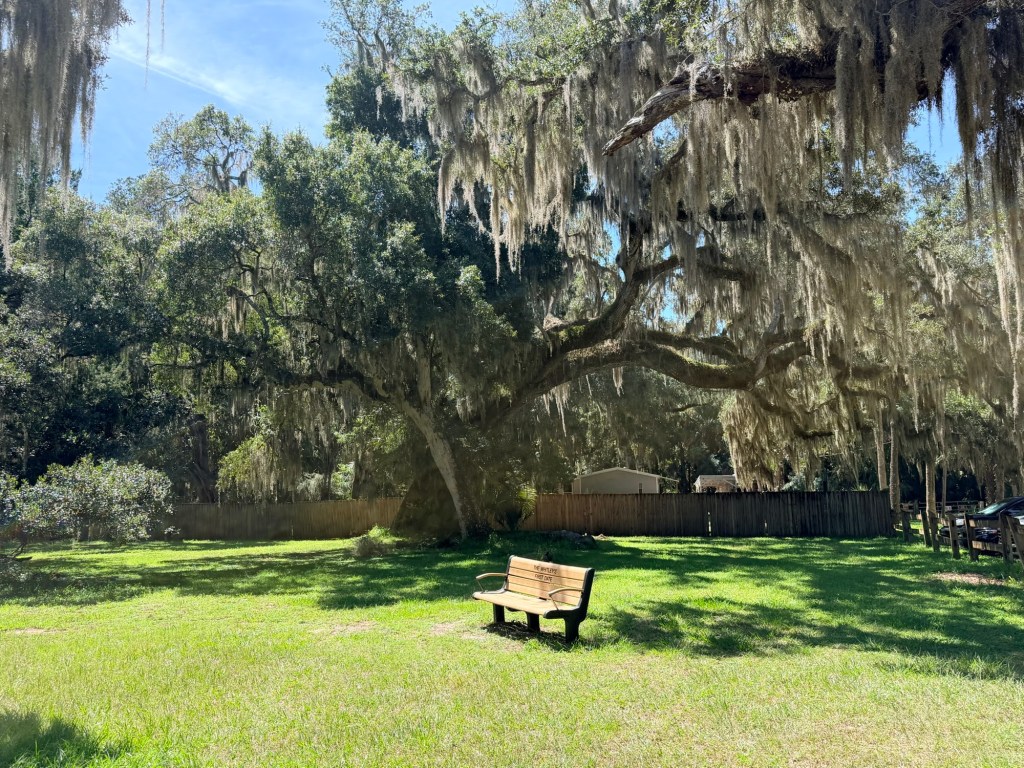
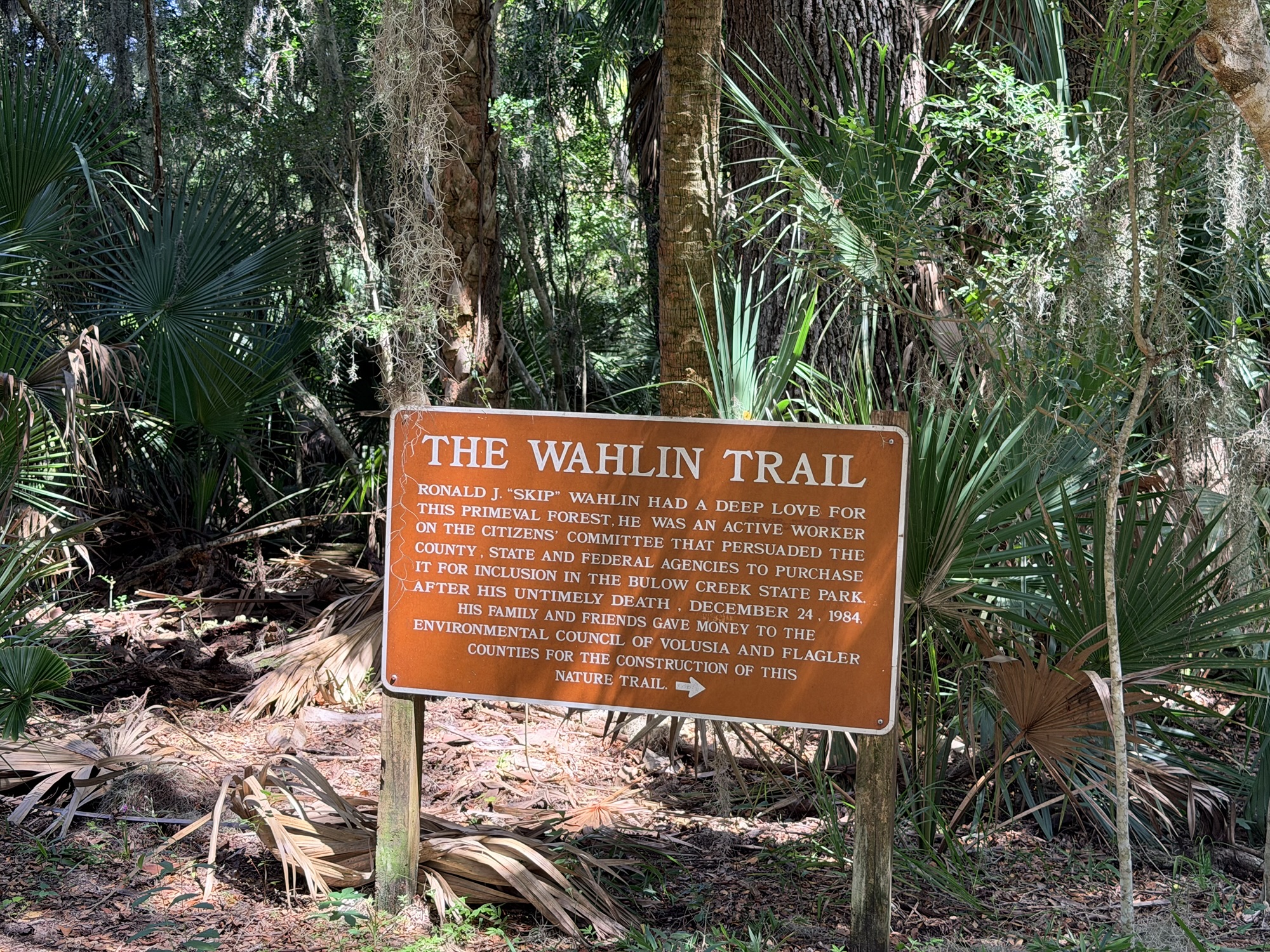
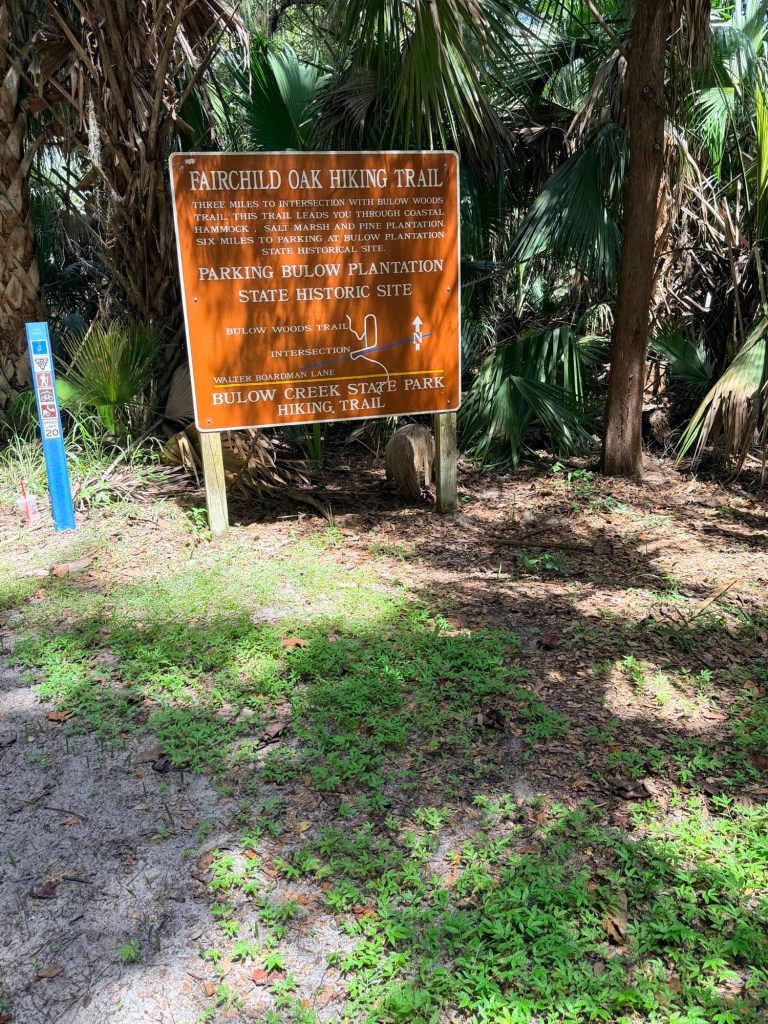
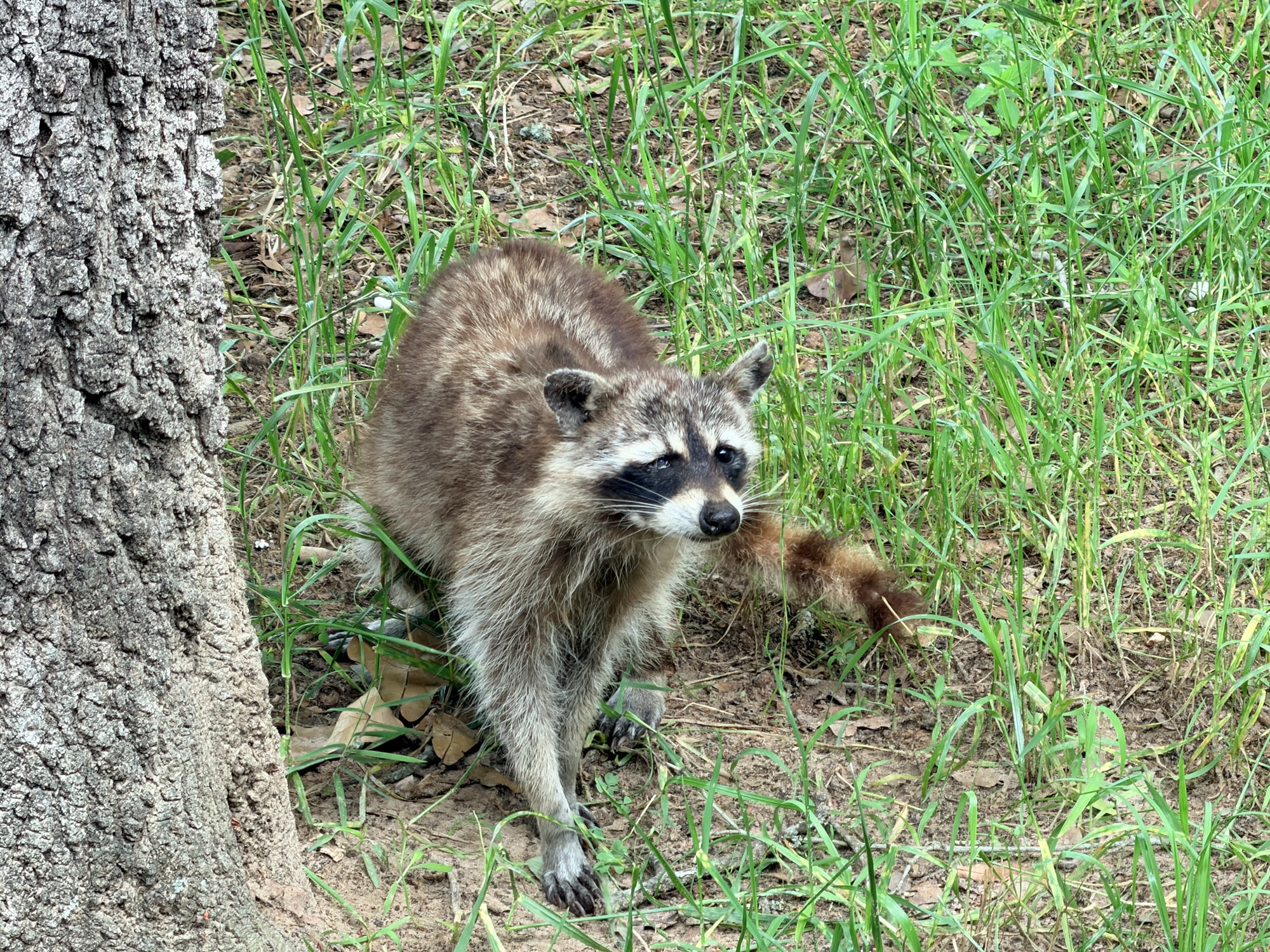
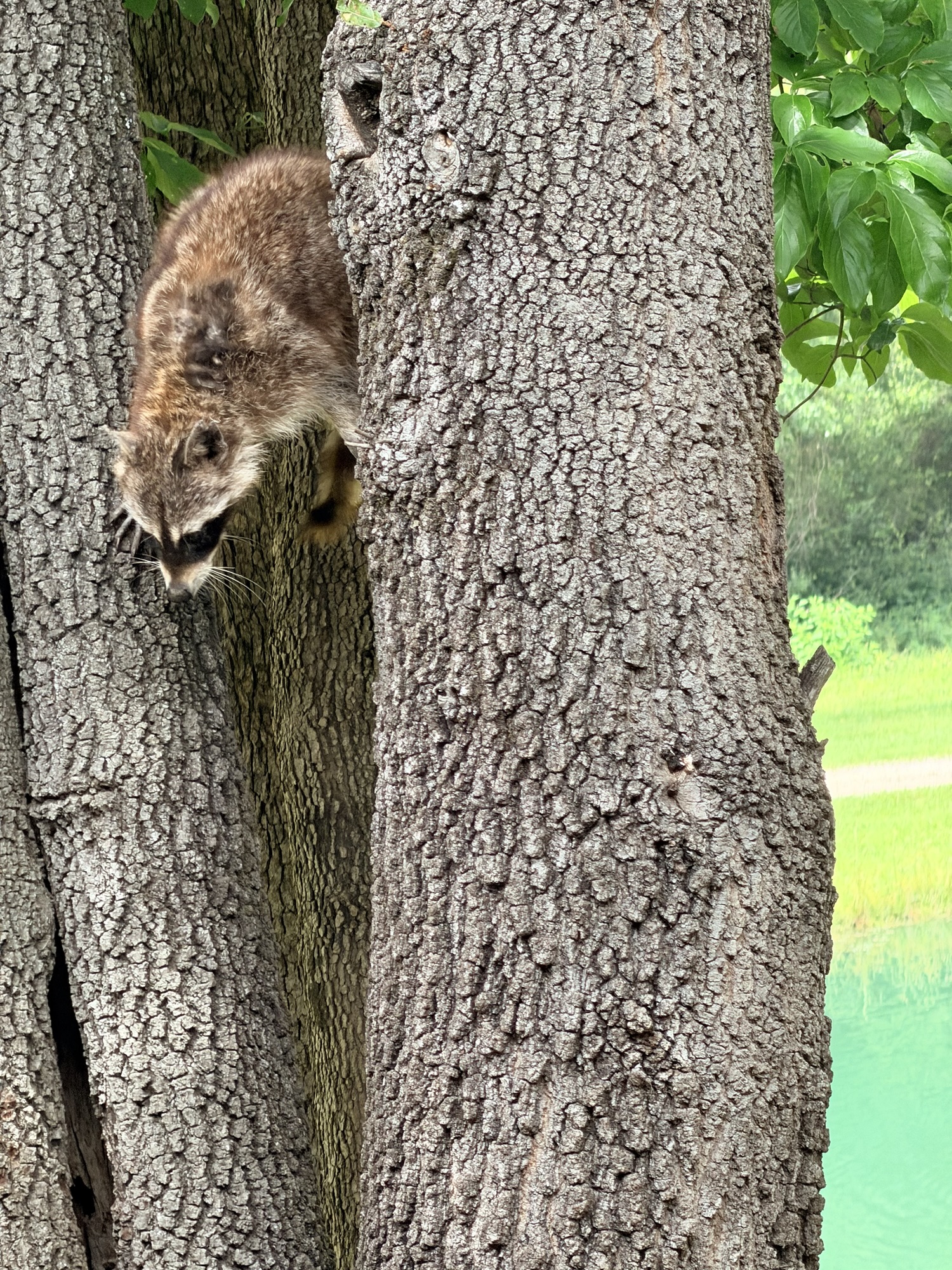
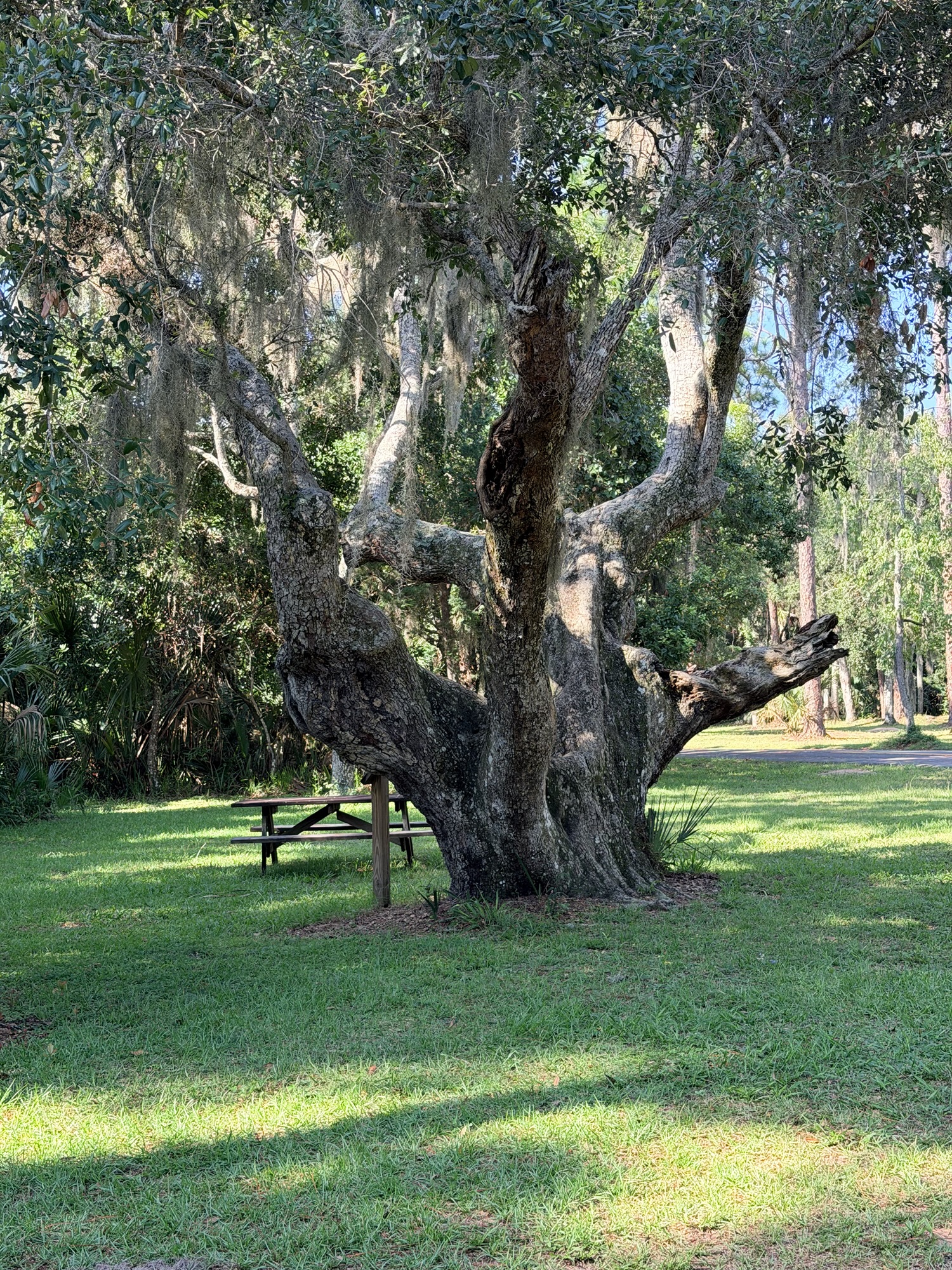
I left there and proceeded a few beautiful miles down the road to a truly special place, Bulow Creek State Park. Lots to see here! First I enjoyed the area around some huge, old live oaks, including the Fairchild Oak. All the trees are beautiful. My big surprise was spotting a raccoon family in the big old tree. Mom was trying to keep up with four very busy young ones. I enjoyed them a while, then showed them to a couple of other visitors.

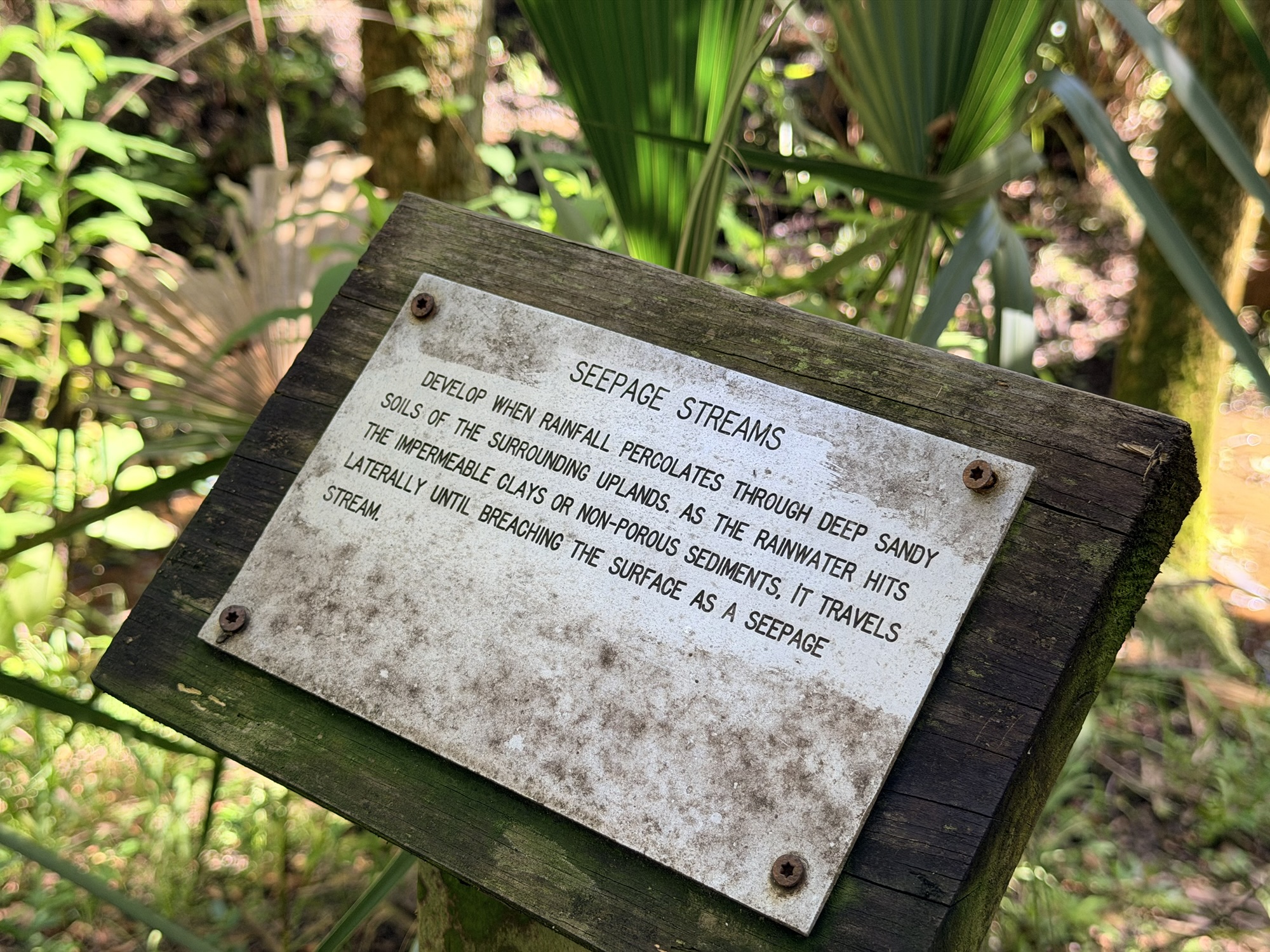
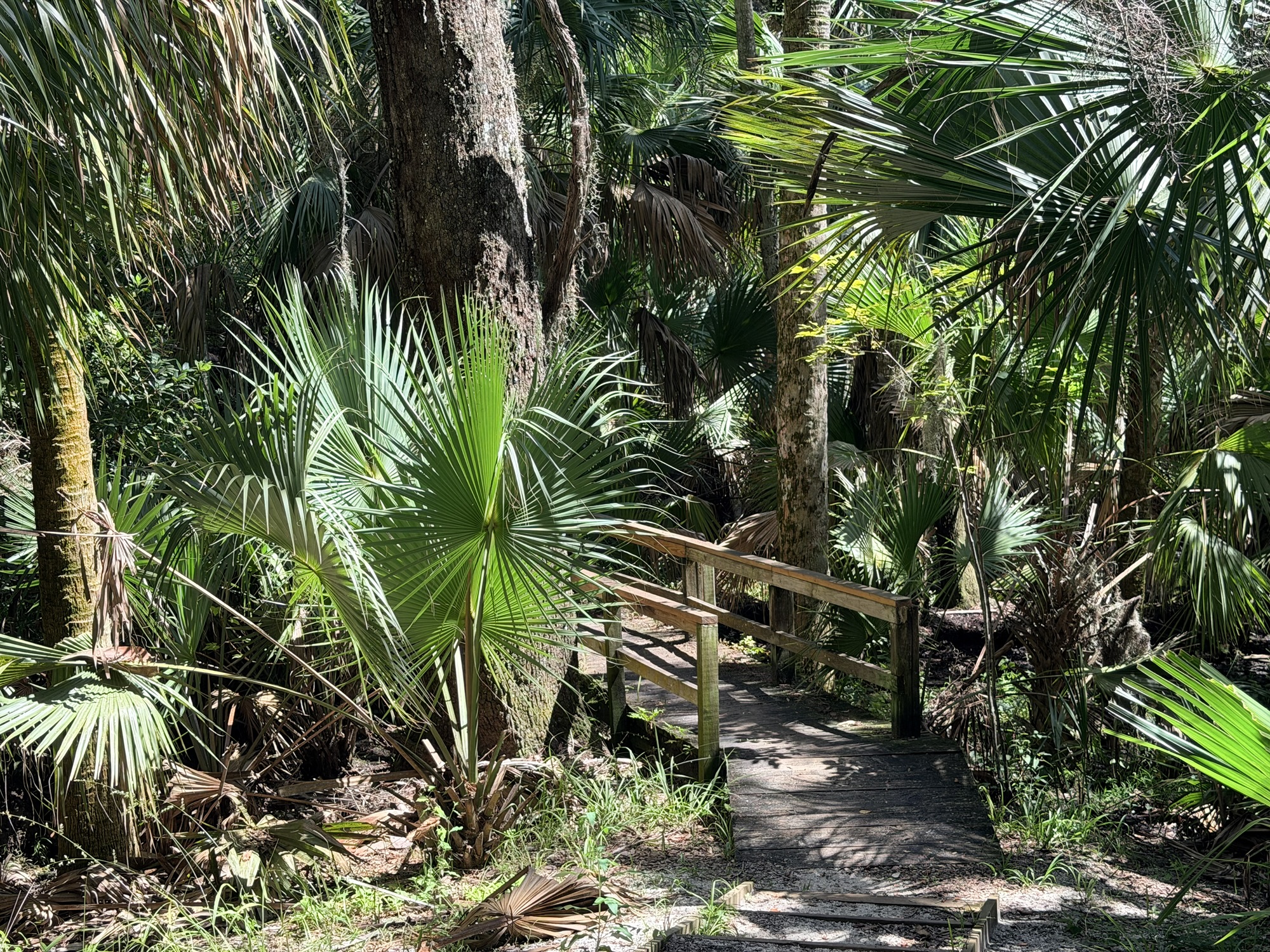
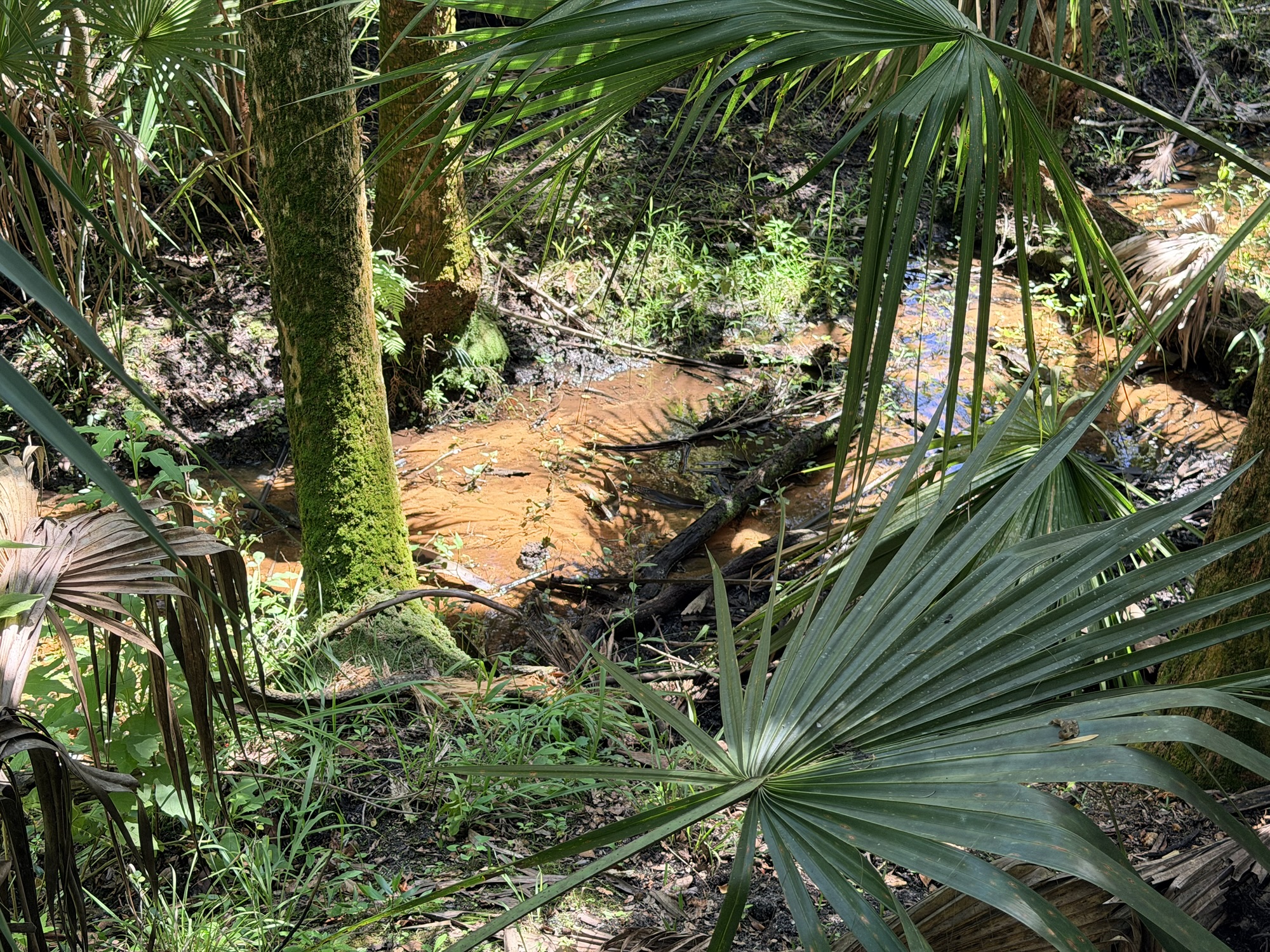
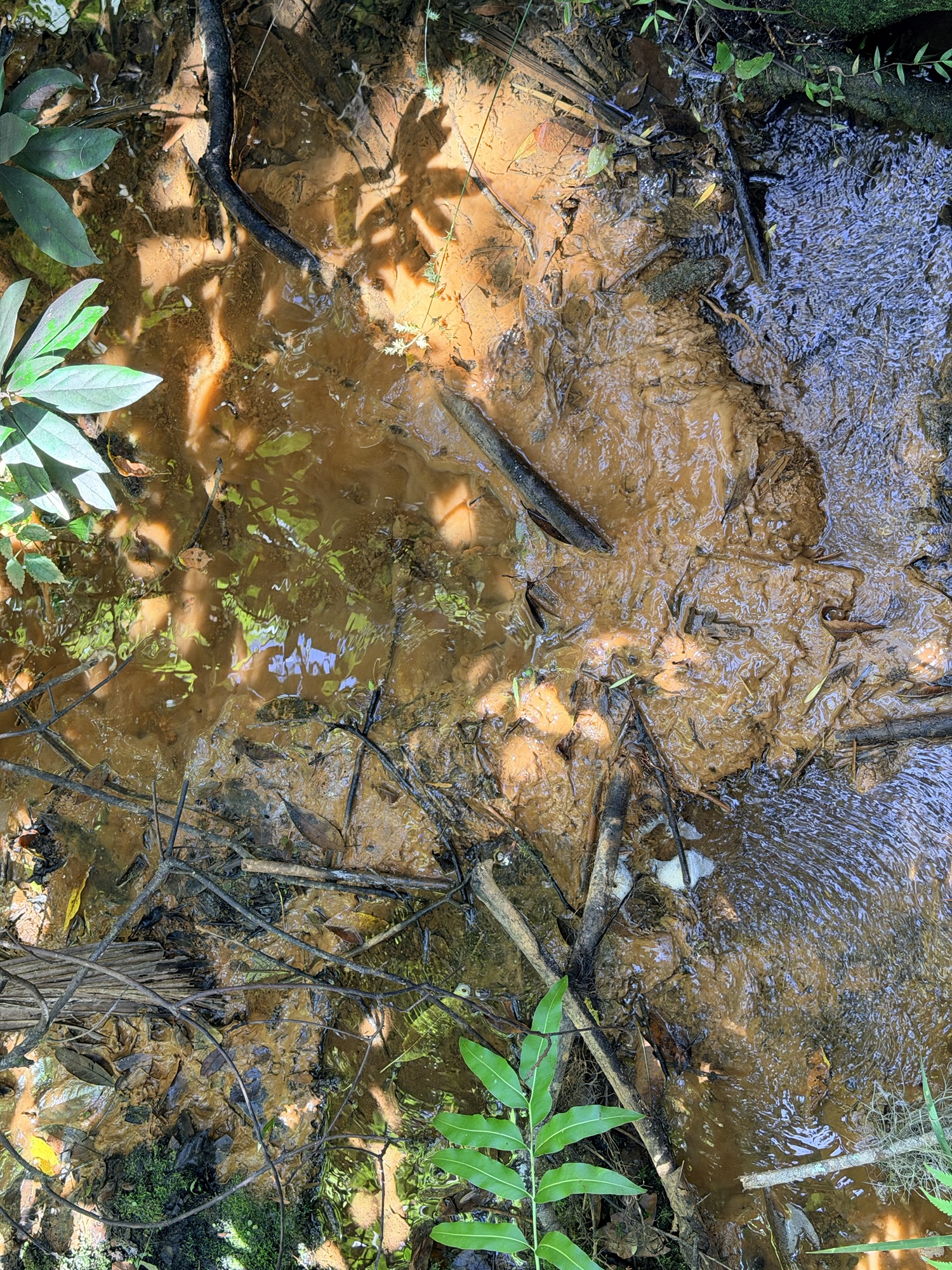
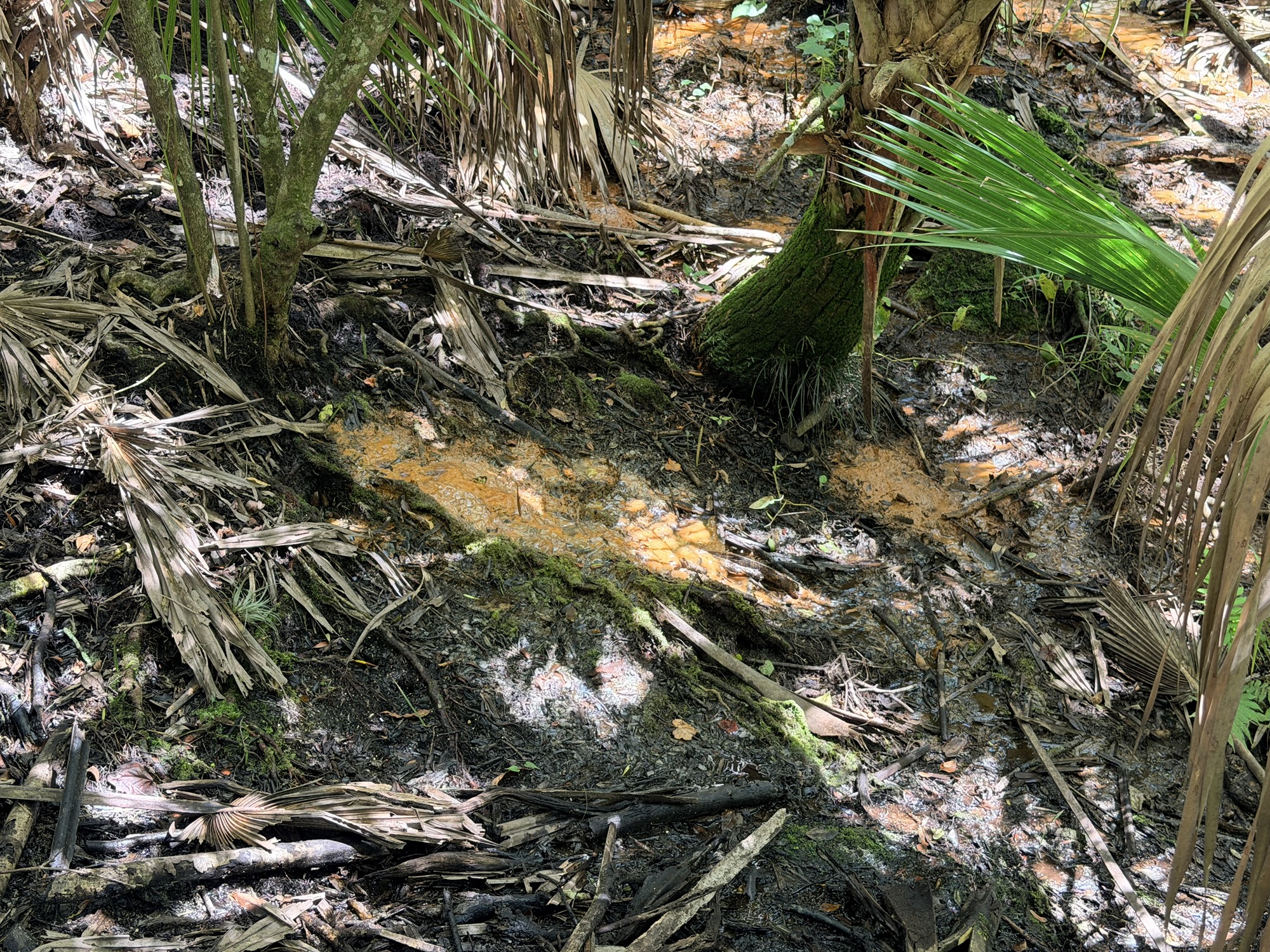
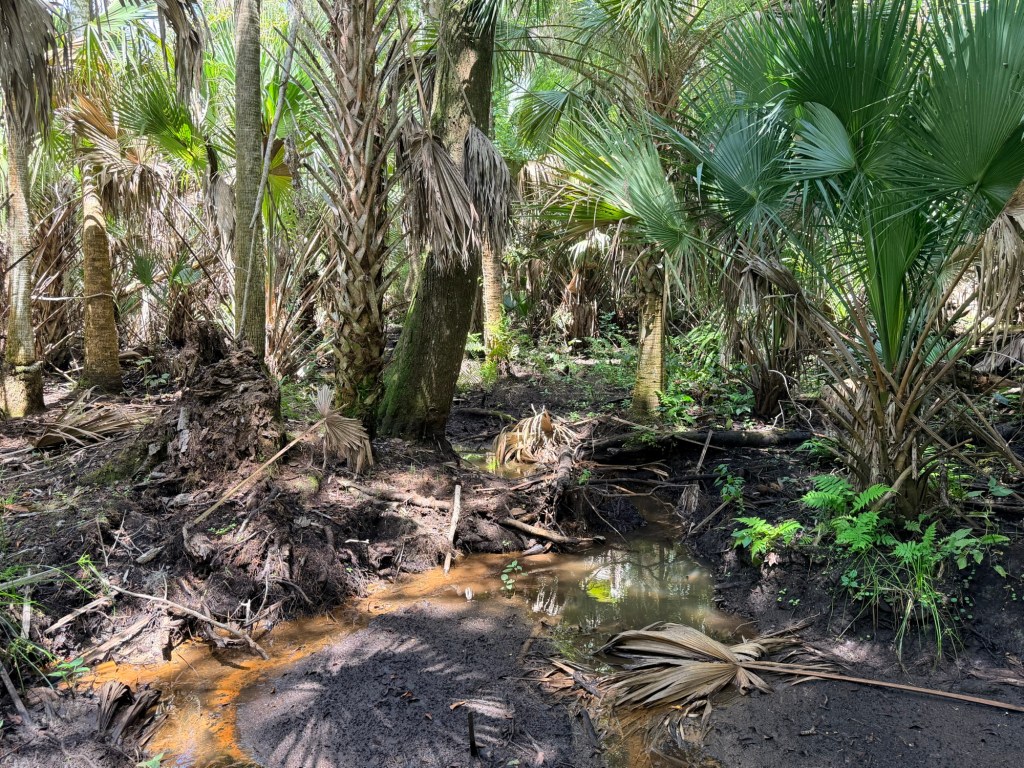
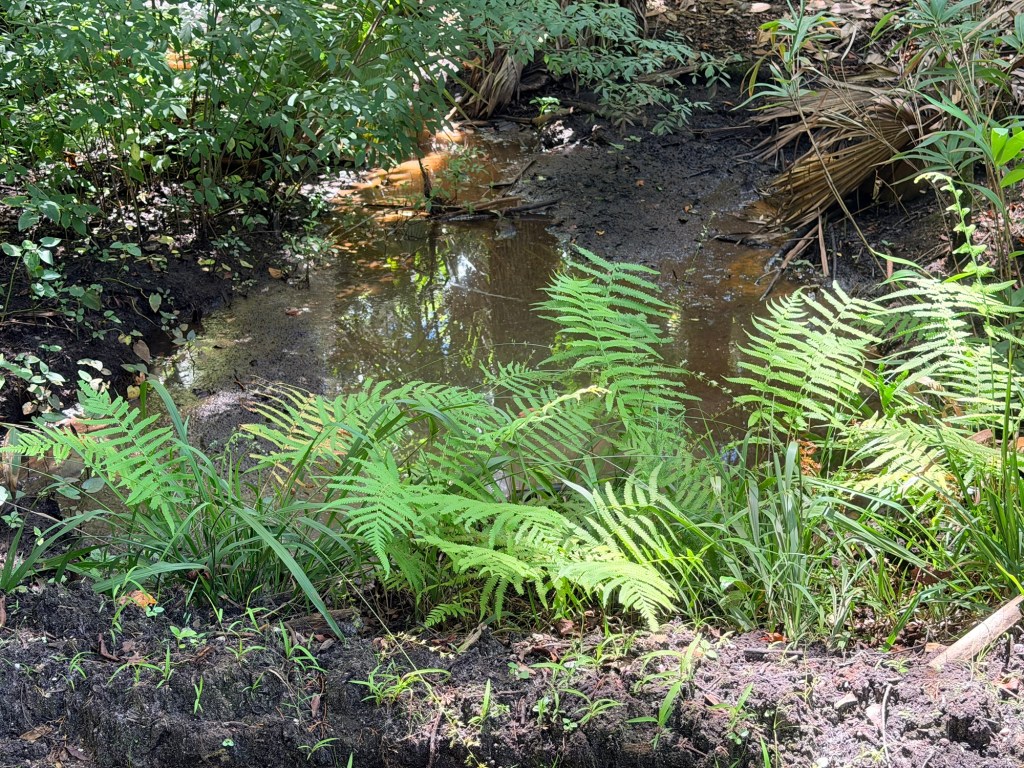
Next I took the shorter trail that goes through a wet area. It has a collection of fascinating seeps that flow across the clay substrate to form the larger creek. Since it’s rained recently, they were flowing nicely. They are very similar to the seeps on our property, and now I understand them more. It made my day (that and the raccoons).

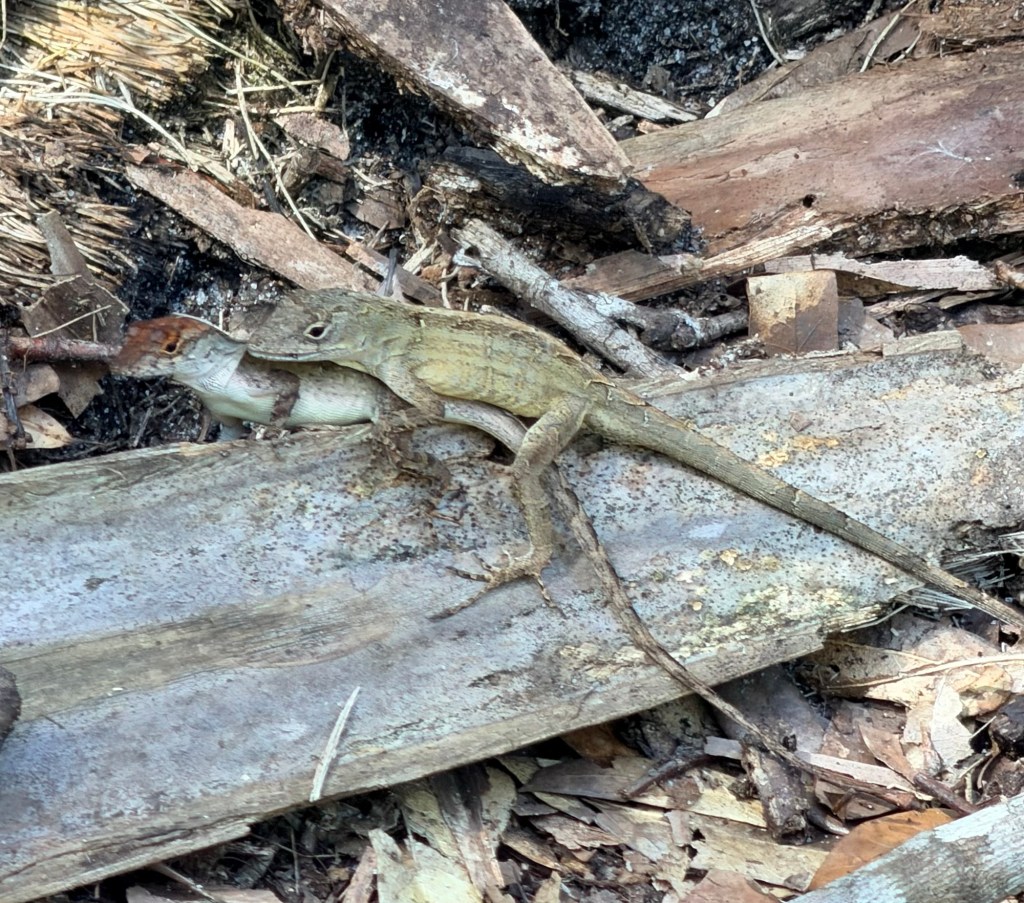
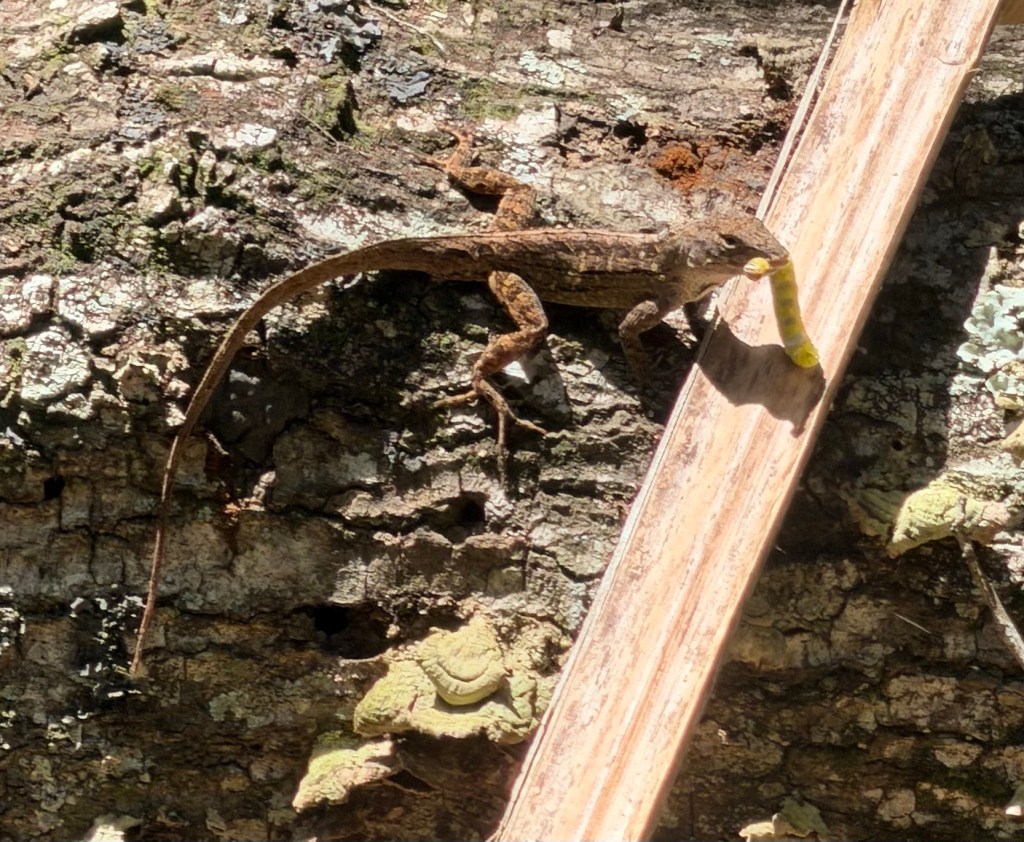
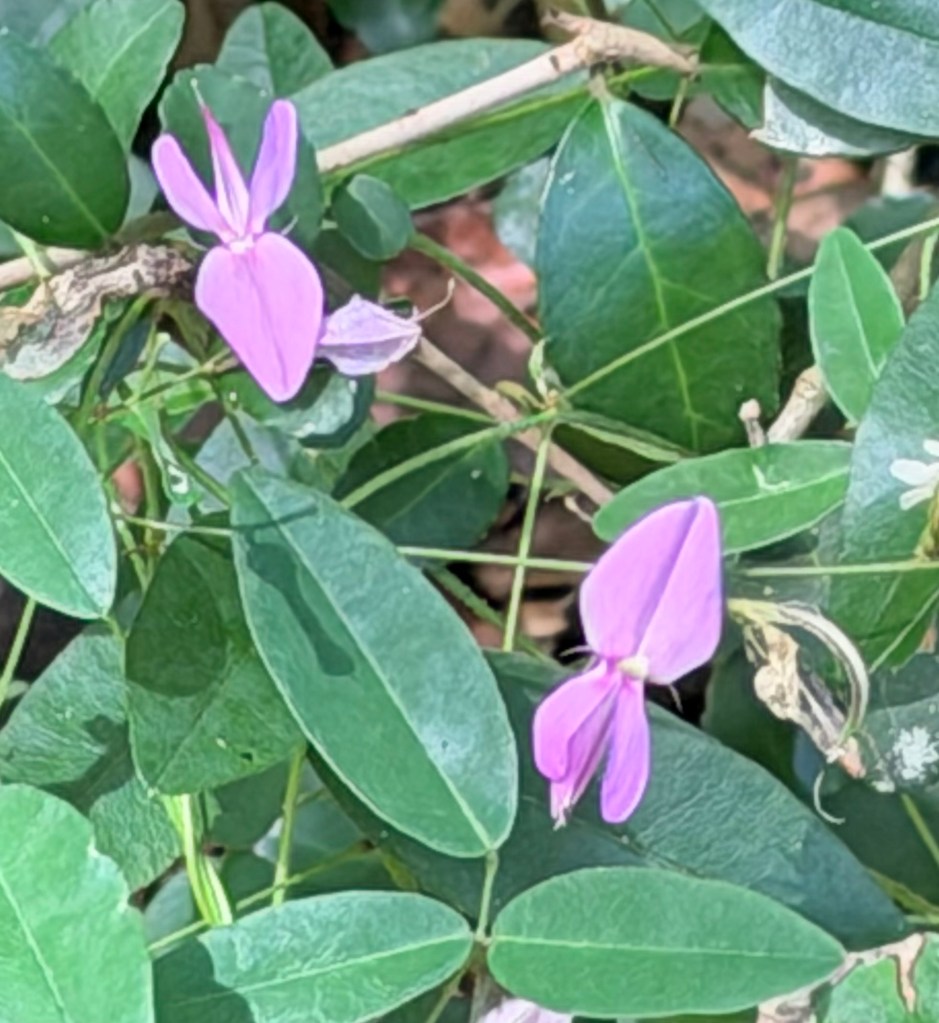
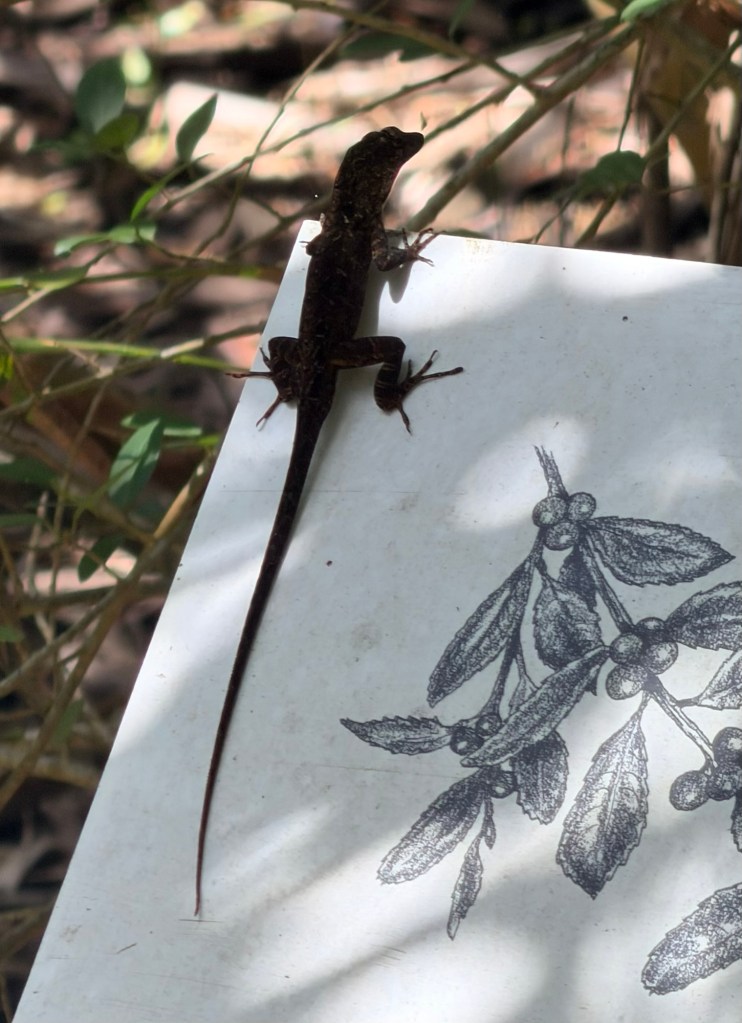
I endeavored to go on as much as possible of the next trail, which is a six-mile loop. I did not go that far. I did make it to where the trail turns and follows Bulow Creek before turning back. This was a lovely trail that even had some birds! I saw a Pileated Woodpecker fly by. There was also ample evidence of wild hogs. And since there was NO evidence of bears, I concluded that the large black animal that snorted at me was a hog. Yow. But the ferns, flowers, and trees were great. I also enjoyed many brown anole activities.

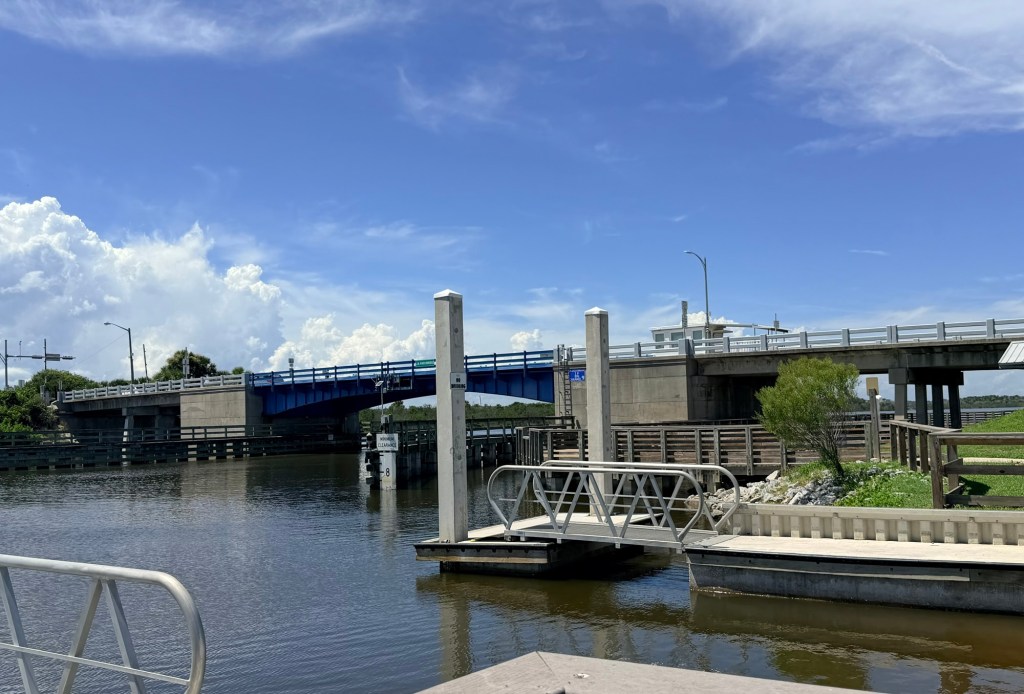
I had one more stop on my route, which made a nice circle. I wish I could have taken photos as I drove, because the drive between Bulow and North Peninsula State Park is through some of the prettiest wild east coast scenery I’ve ever seen. Woods making tunnels over the road lead to stunning swamps and to wide-open marshlands. I may take Lee there just to see it again. I also enjoyed going over a small drawbridge.

I didn’t get to see it go up.

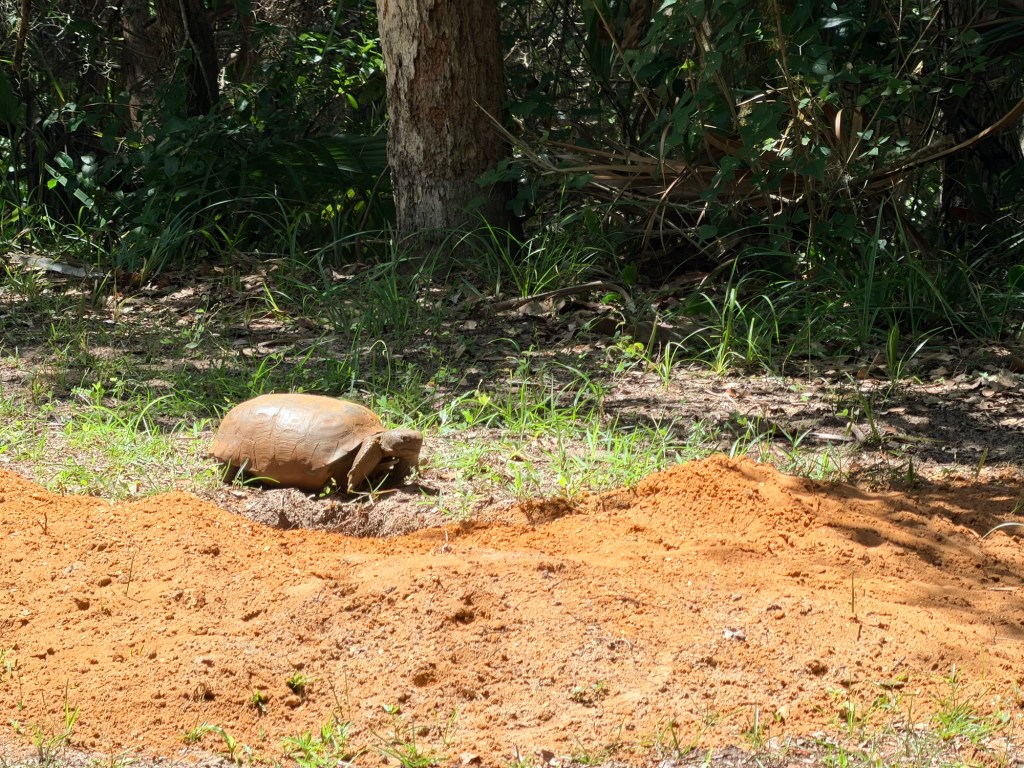
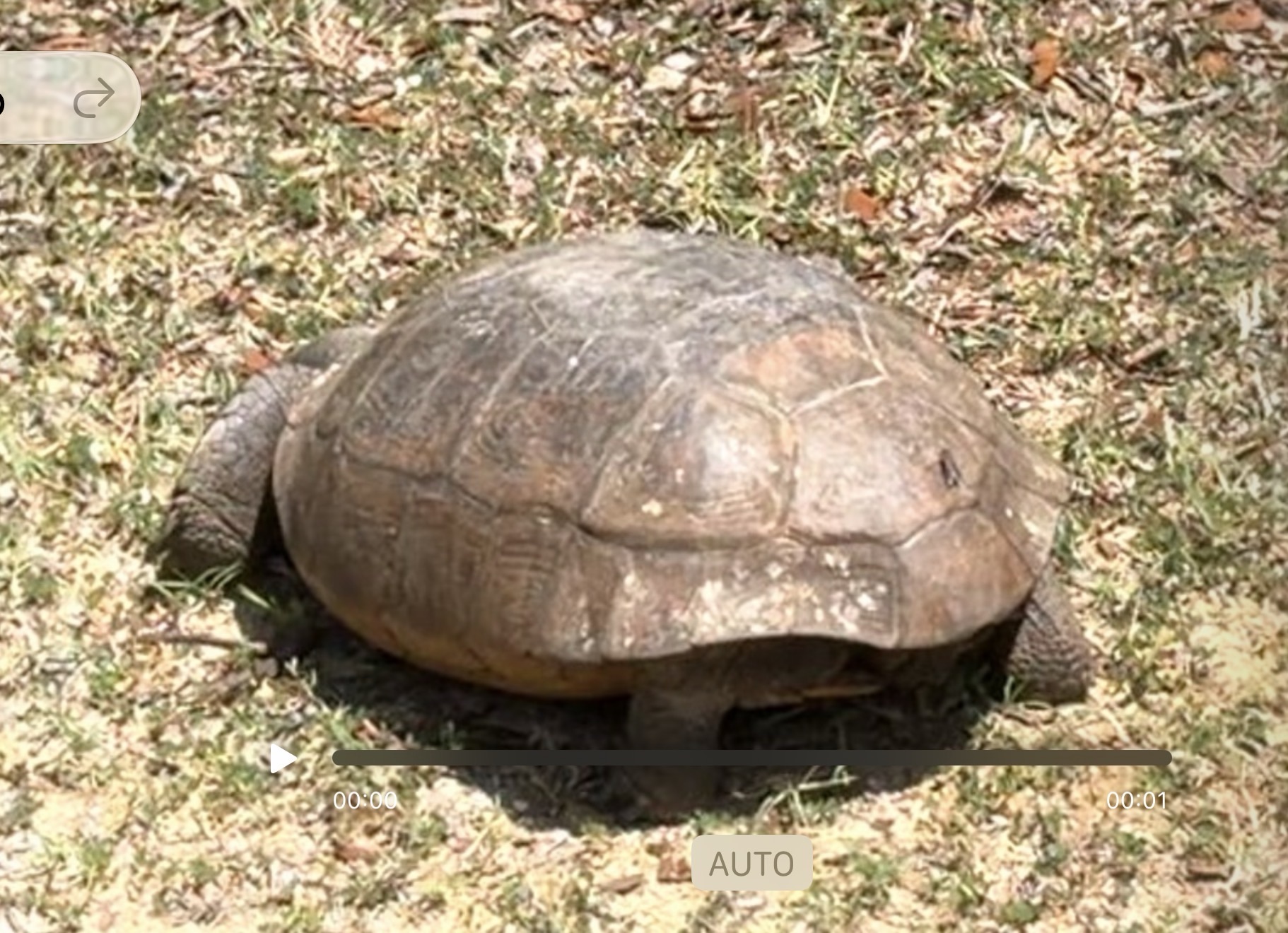
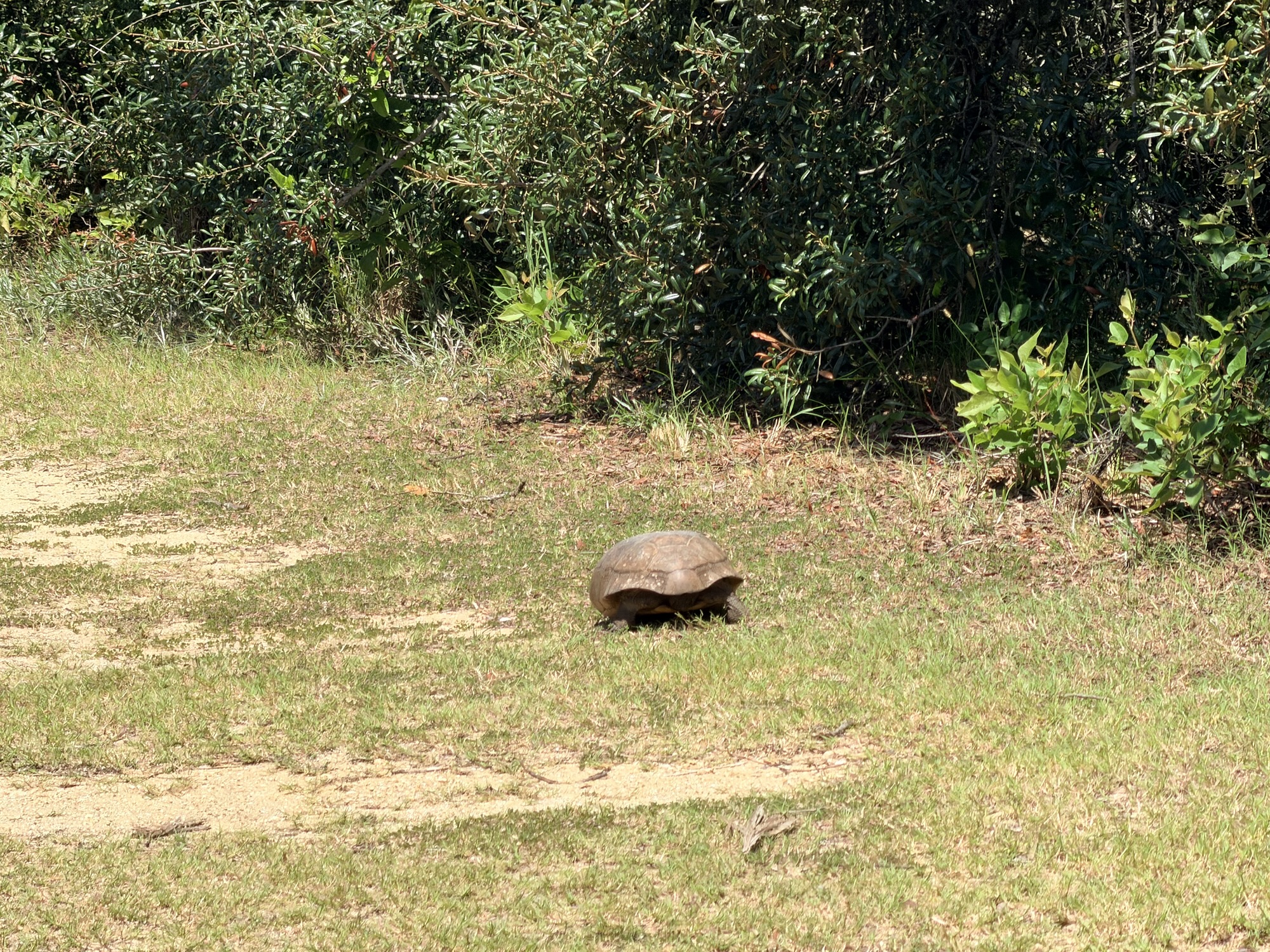
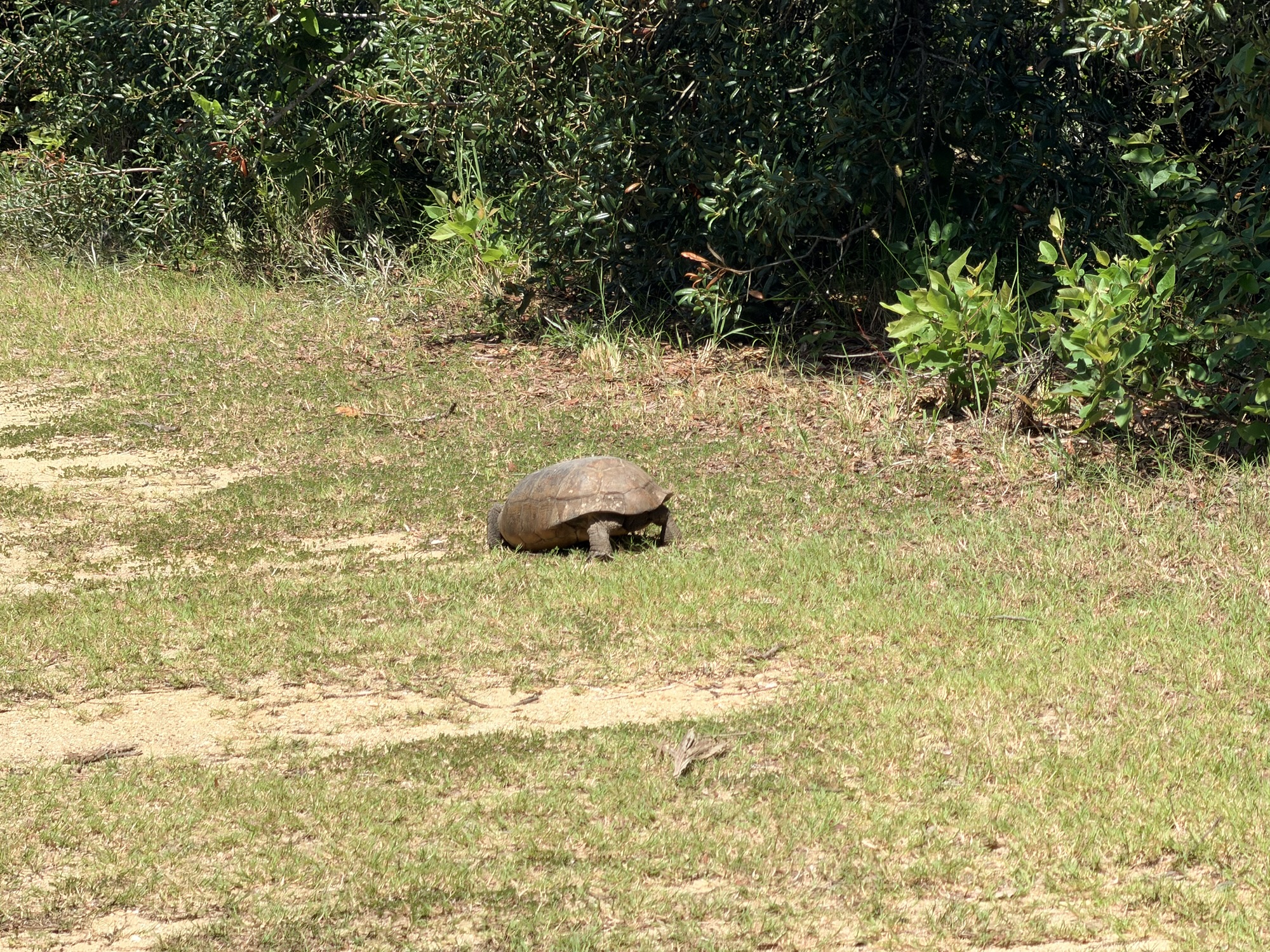
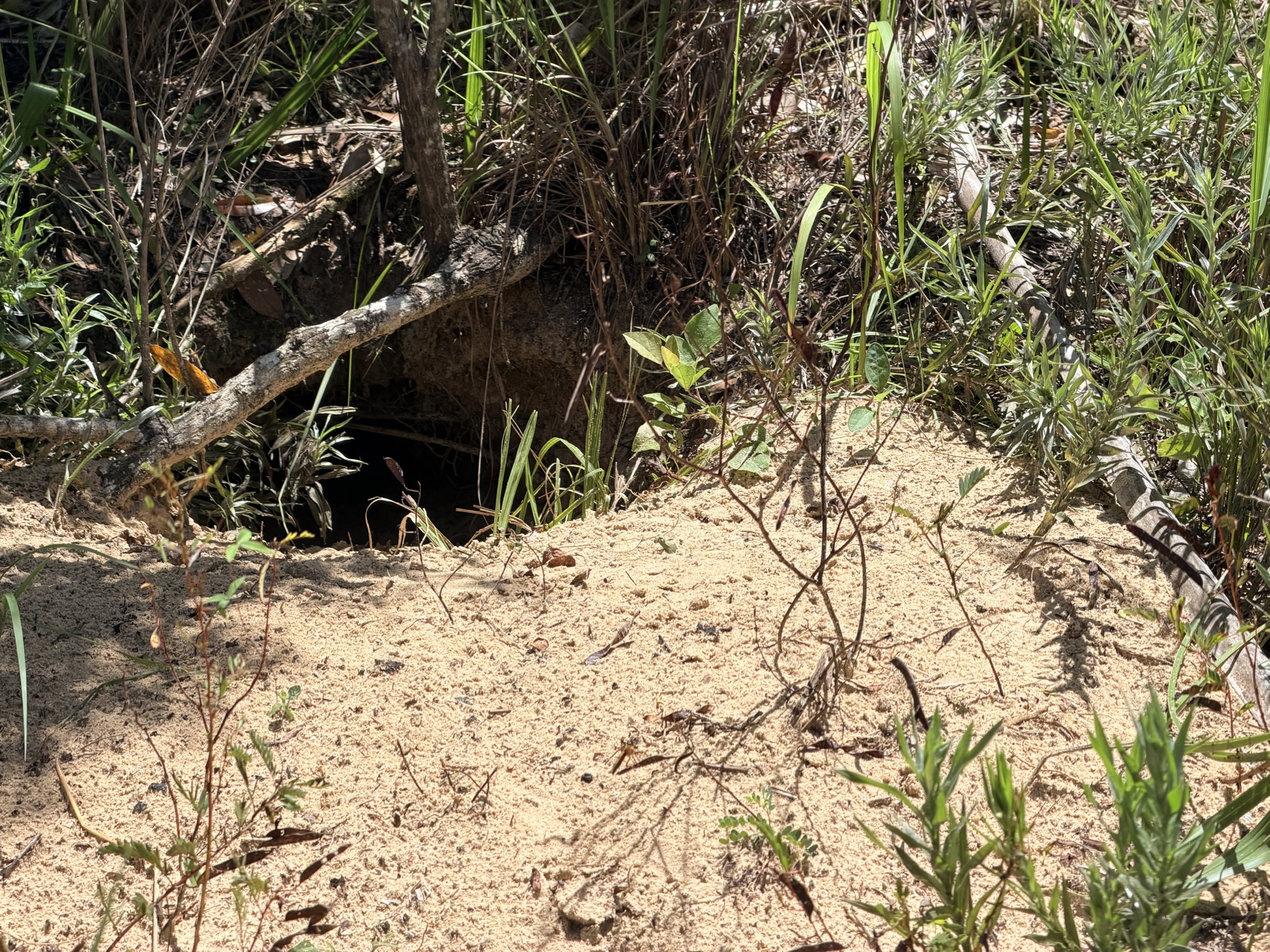
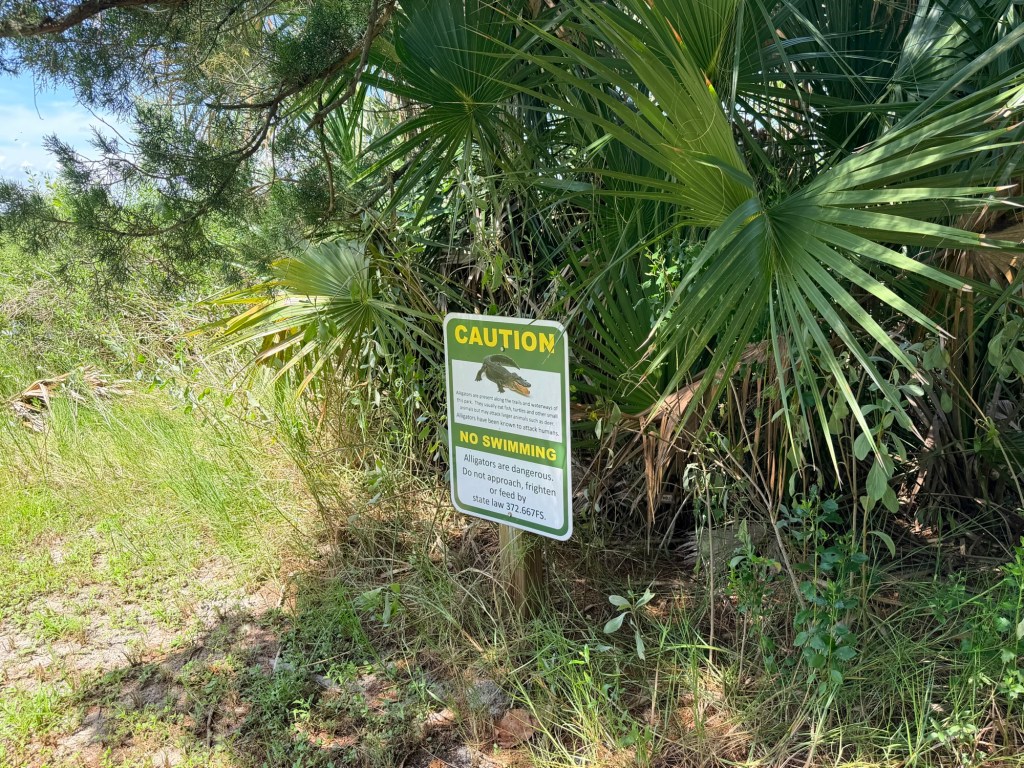
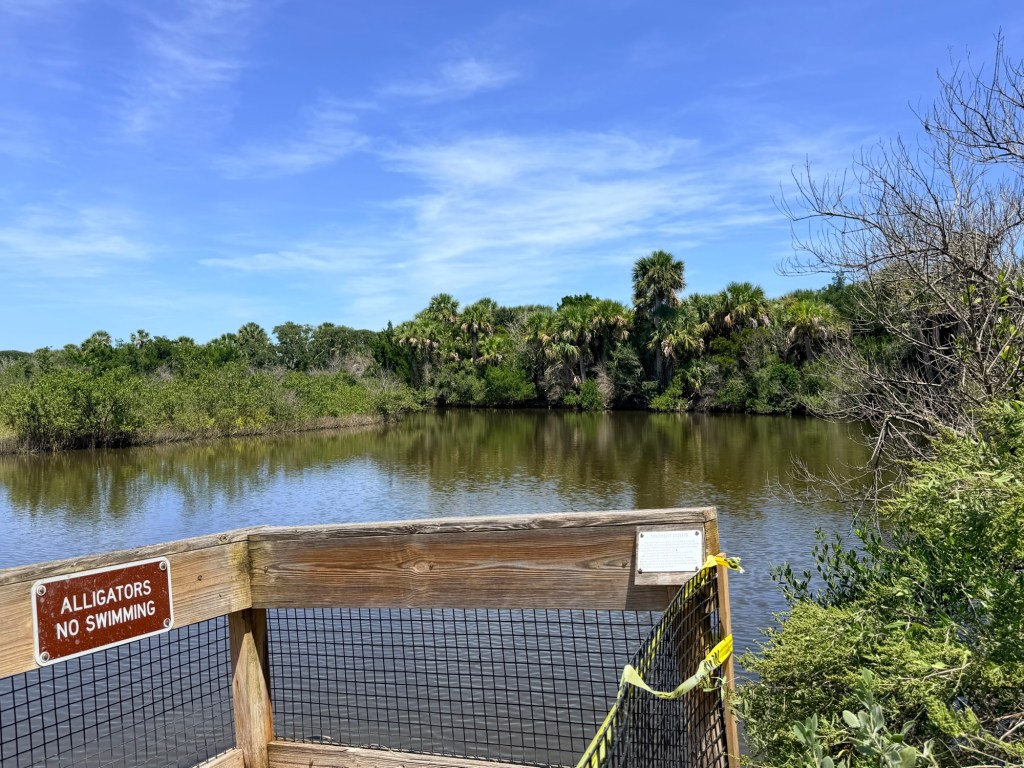
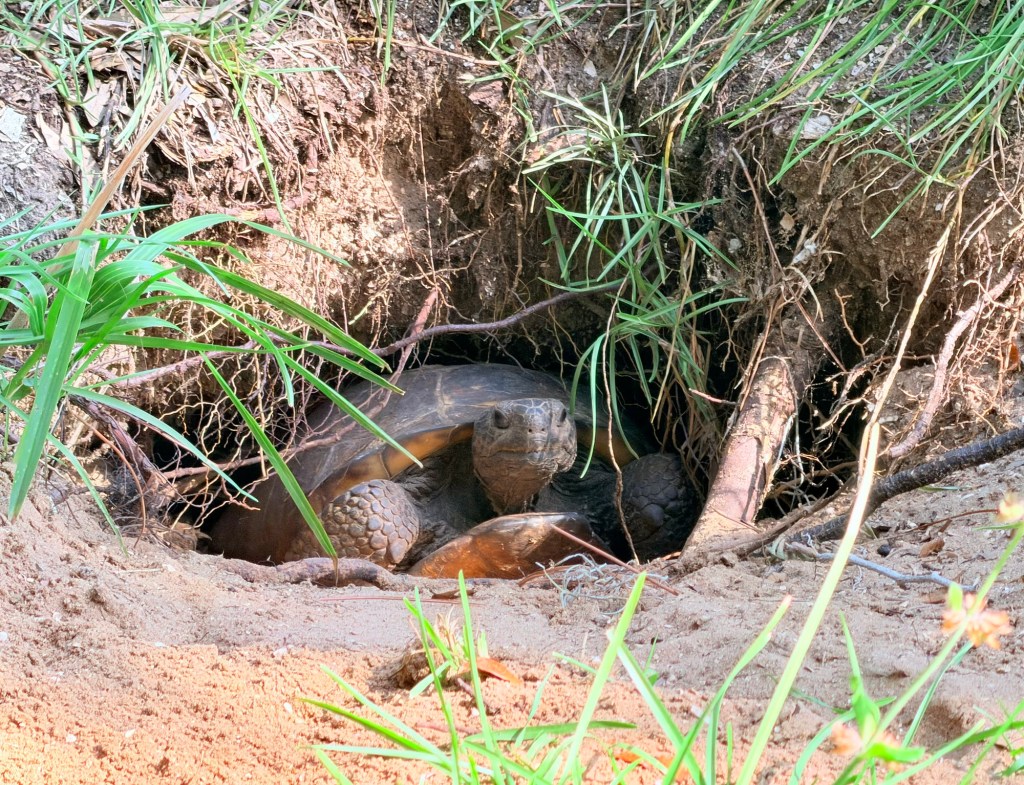
At this park I went on a trail that’s supposed to be a birding trail. I didn’t see any, nor any alligators. I did see a very large gopher tortoise. It made a noise at me for interrupting snack time. I also found what had to be its hole (huge) nearby.

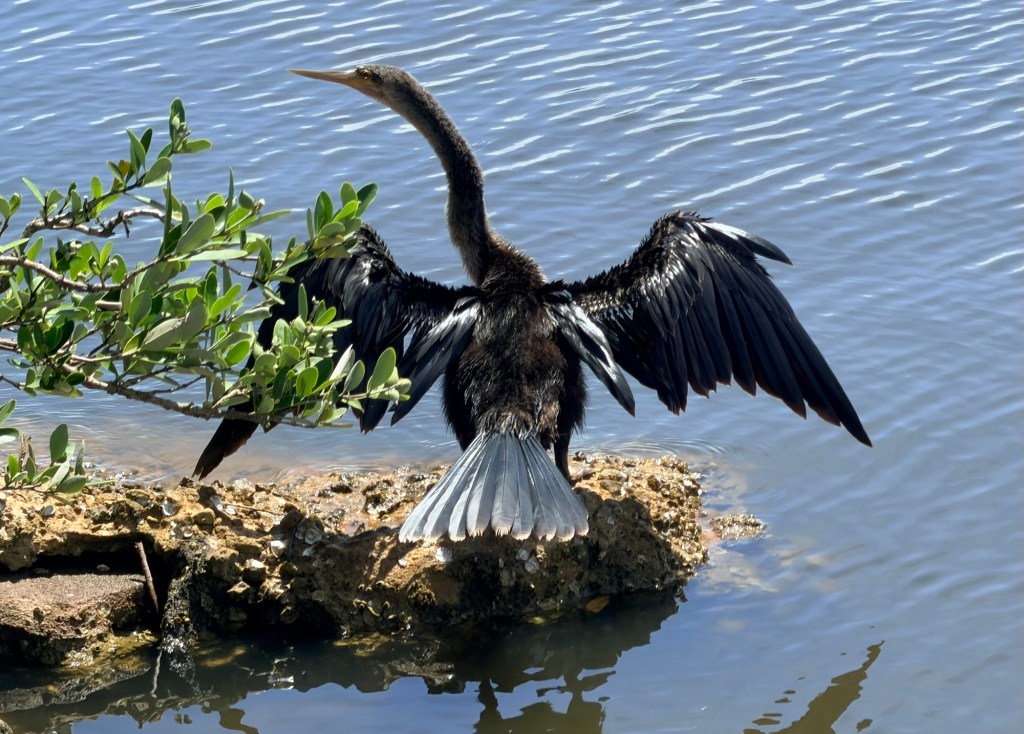
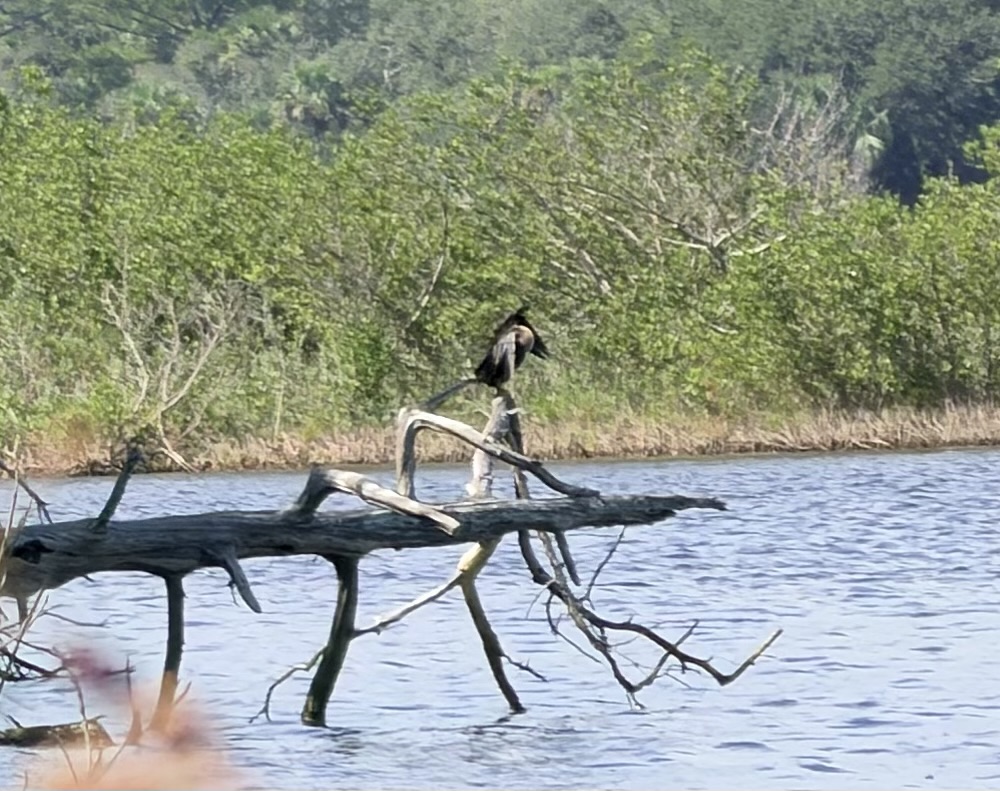
If it wasn’t so hot, I’d have enjoyed more of this trail, which crossed hammocks and scrub. But I got too red and knew I needed to get a drink and rest. That led me to a shiny Anhinga. A bird!

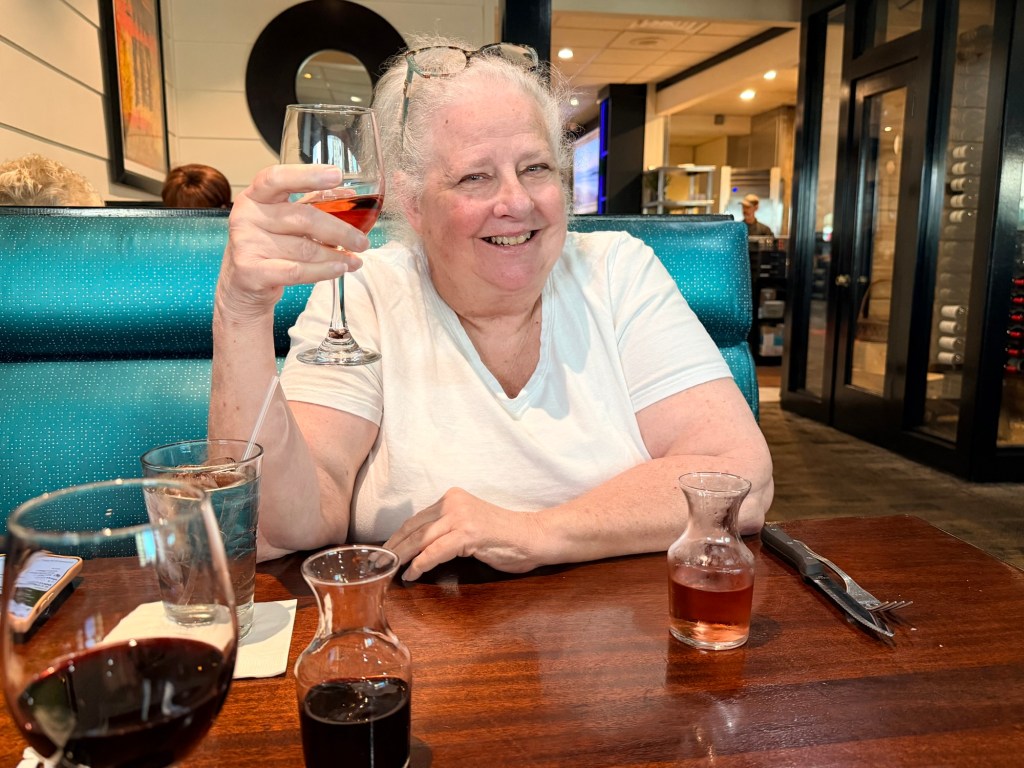
I came back to the condo and enjoyed putting my observations in iNaturalist and rehydrated. After cleaning up, I got Vicki and we had a fancy steak dinner at the fancy restaurant I ate at last week. Other than very happy and loud revelers next to us, we had fun.

Ready to enjoy her pink wine.

Lee is halfway here, after dealing with bad traffic and wonky GPS. Tomorrow I won’t be alone in the condo!

Hope you enjoyed the photos. I sure enjoyed my day. All positive.

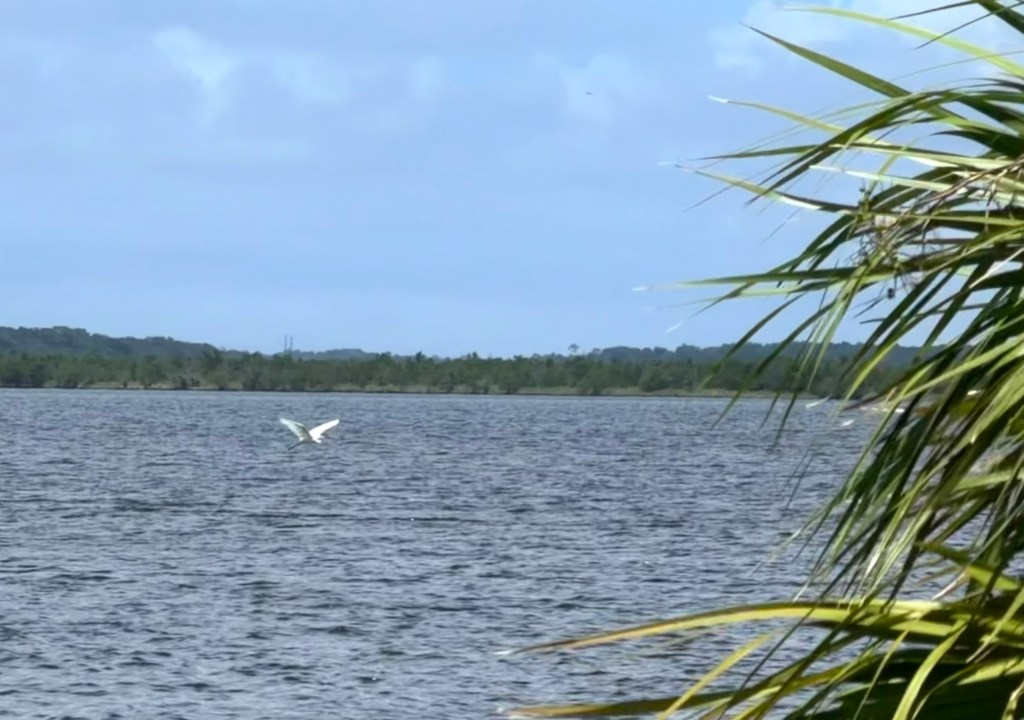
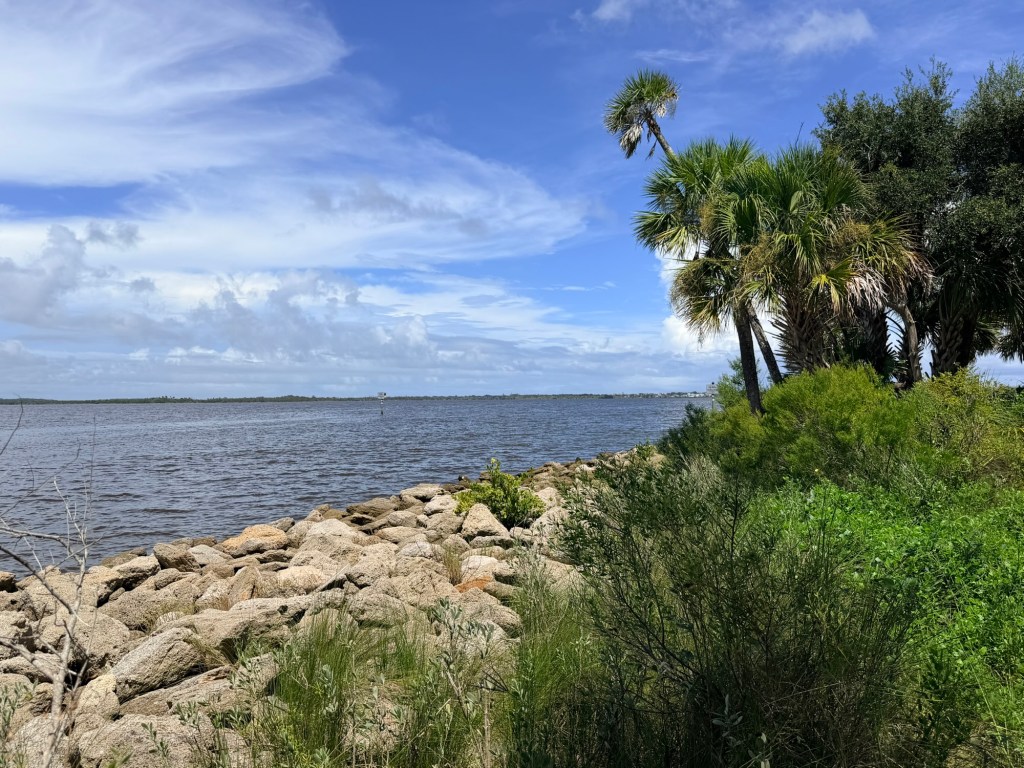
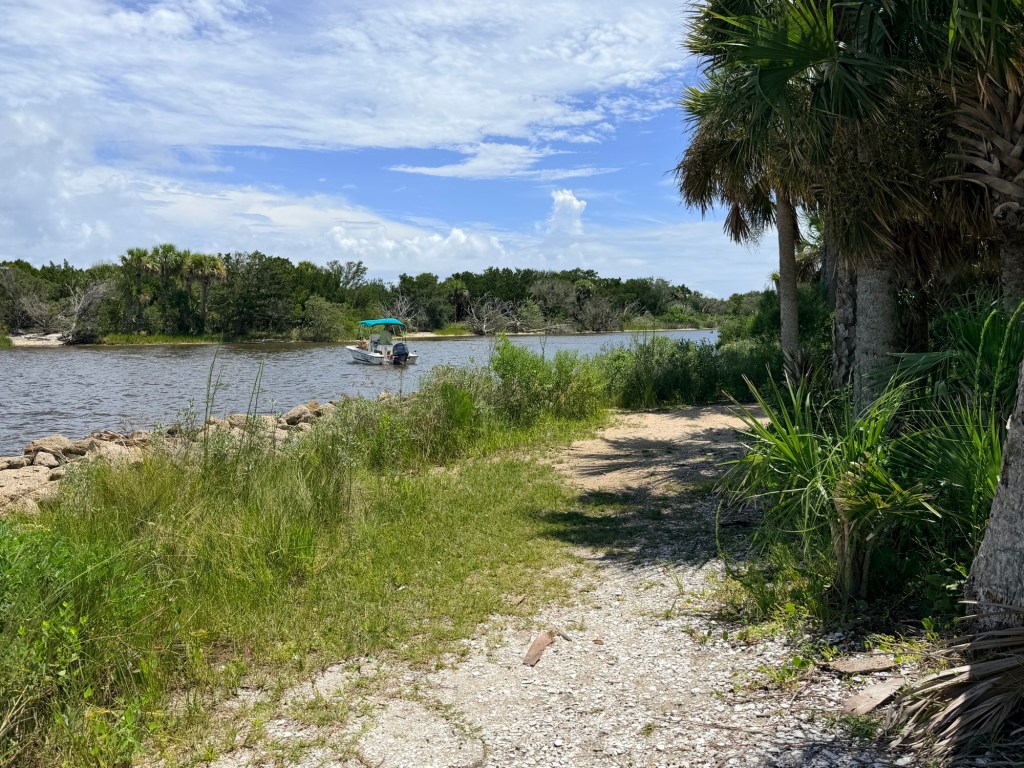
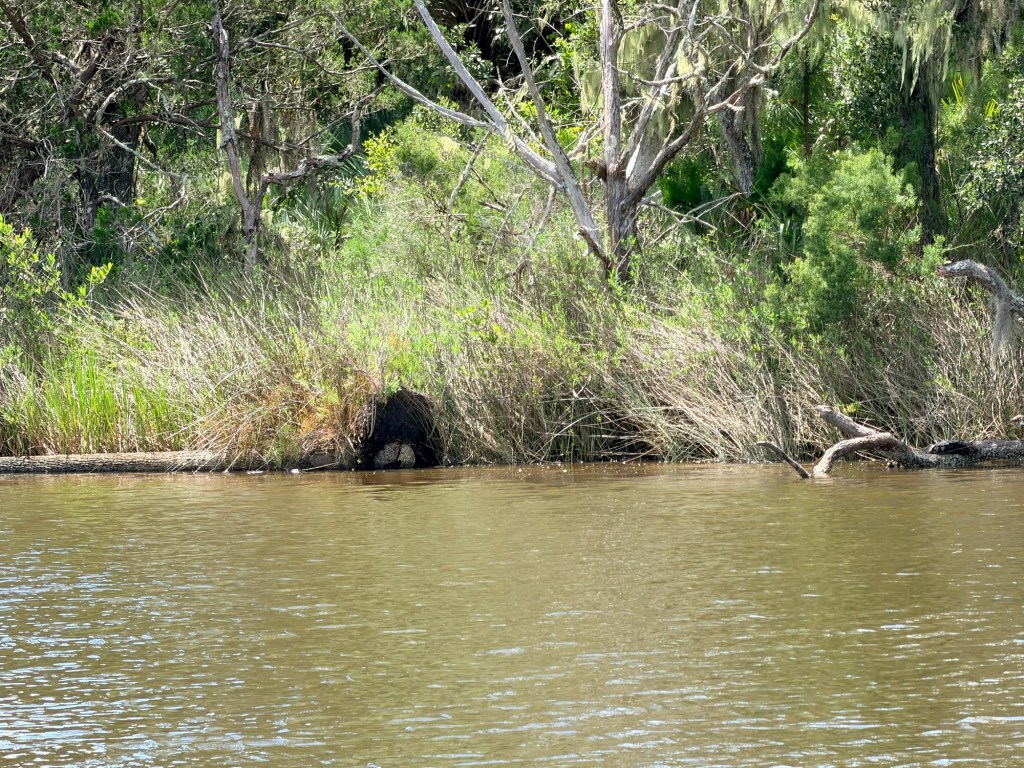
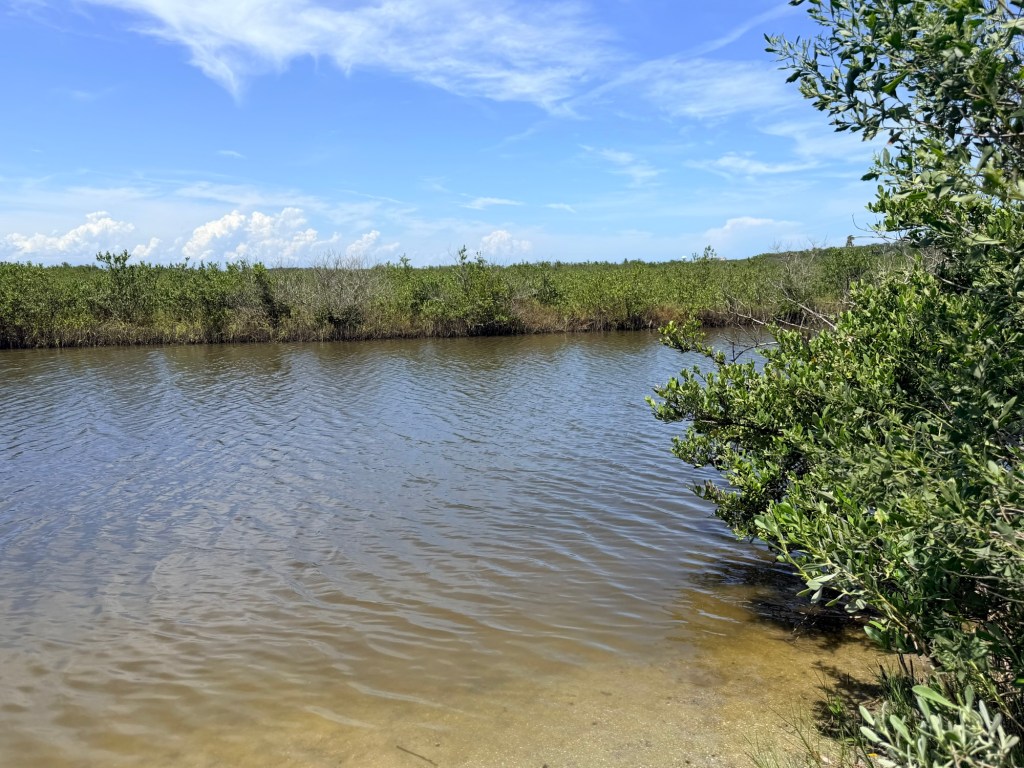
There’s a lot of water here

Since it’s Monday, I had to work. But since it’s Eastern Time, I didn’t have to work until late morning. So I took the opportunity to head over to Tomoka State Park, which is quite close to where I’m staying in Ormond Beach, Florida.

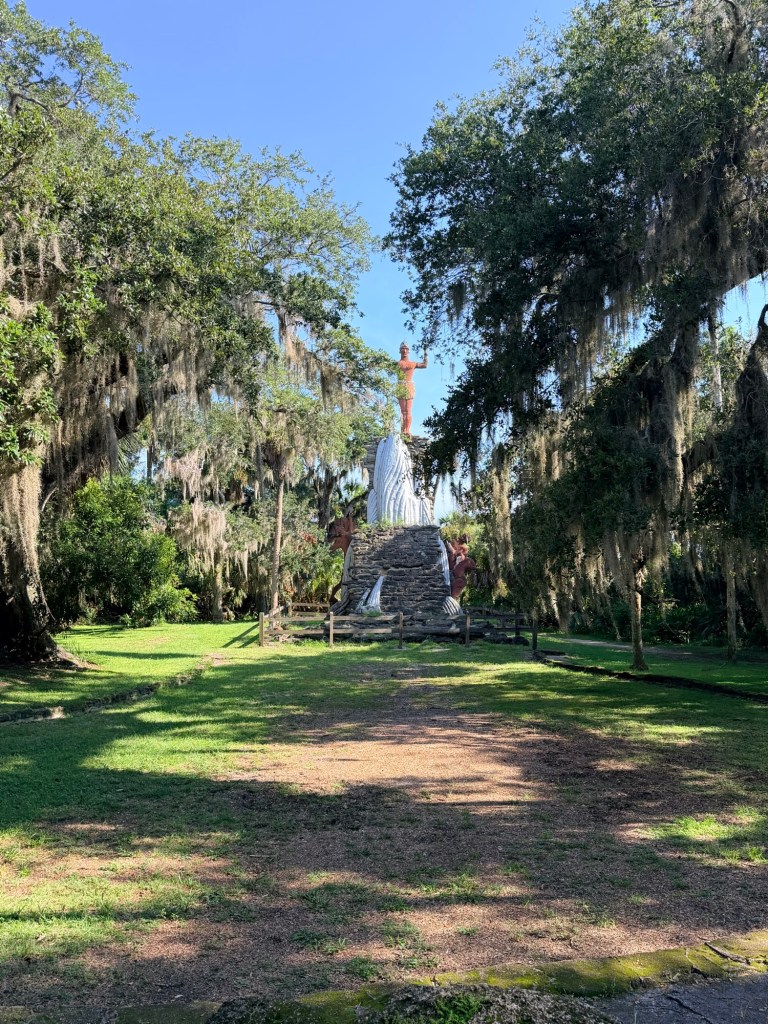
Statue of Chief Tomokie

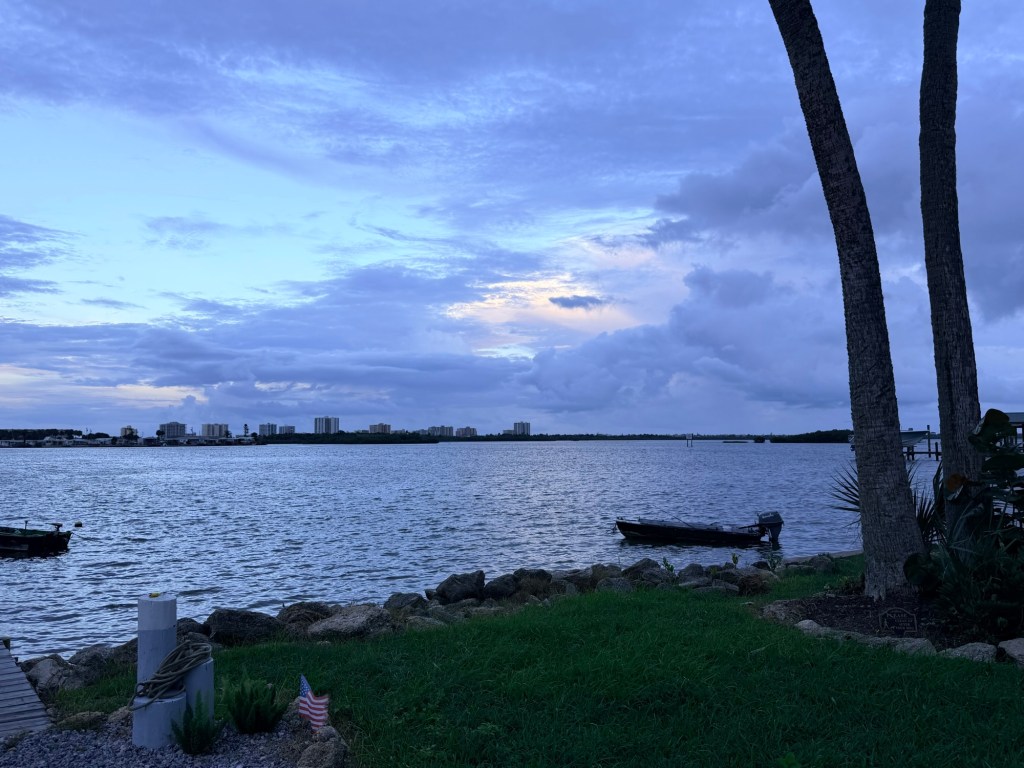
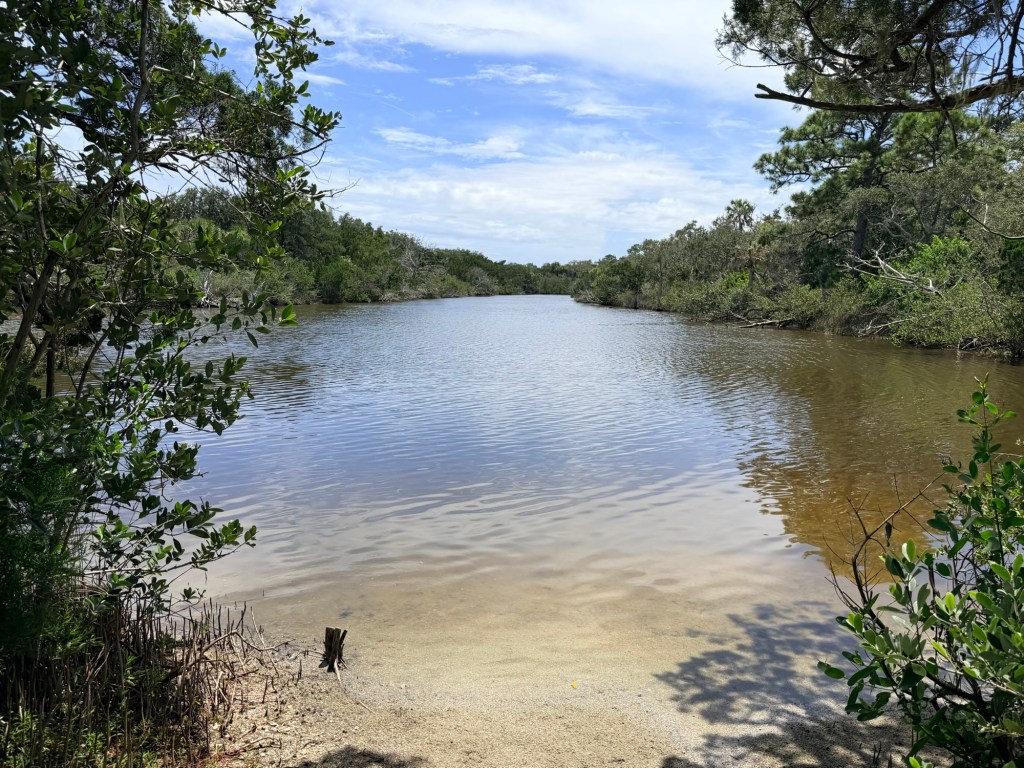
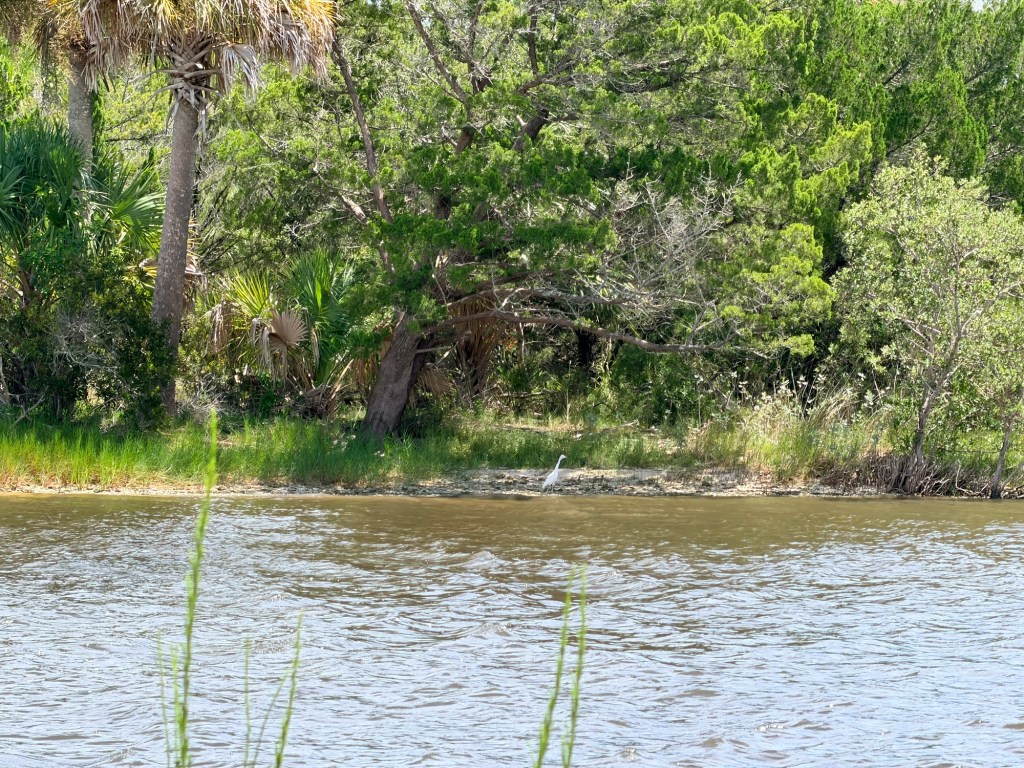
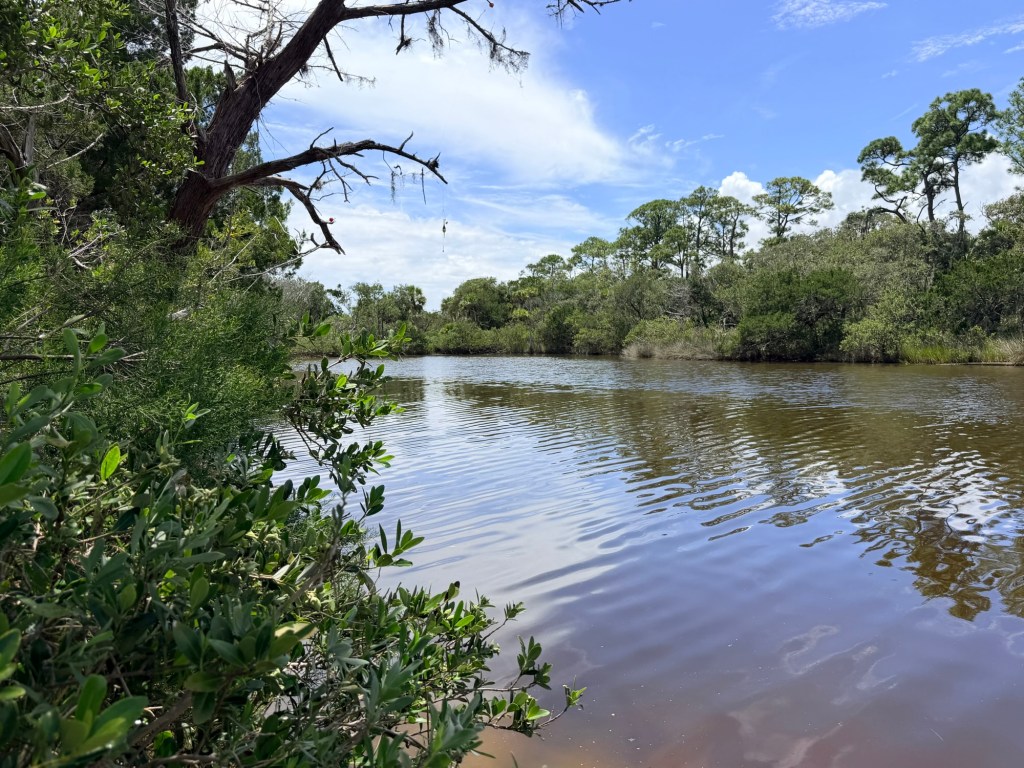
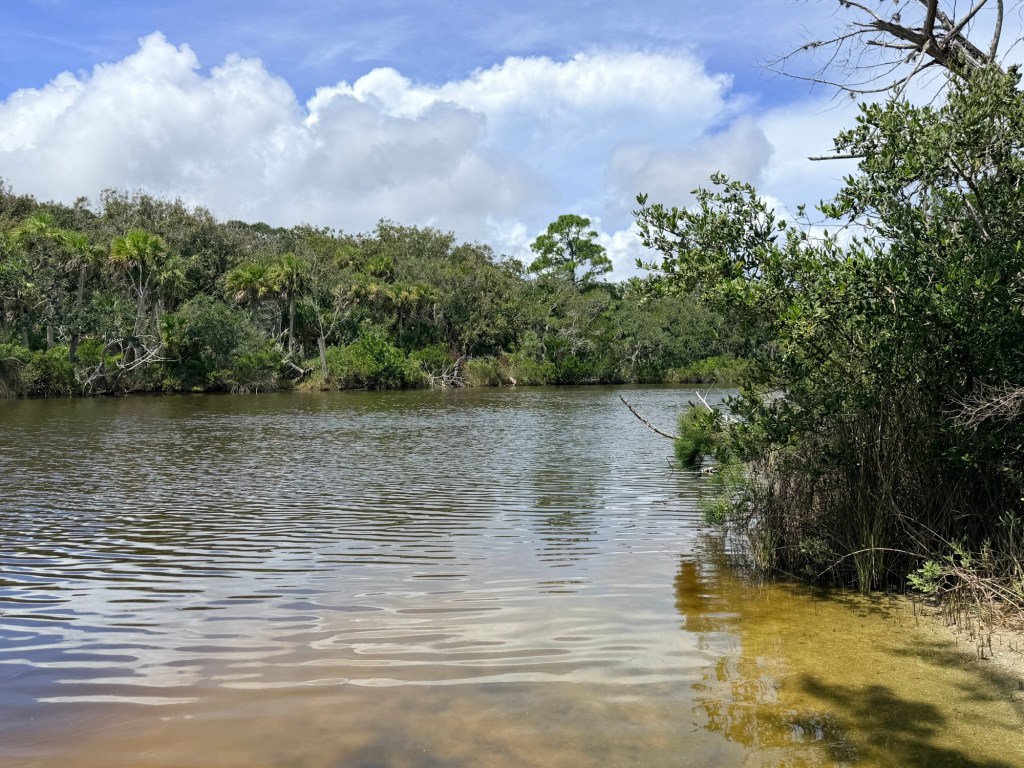
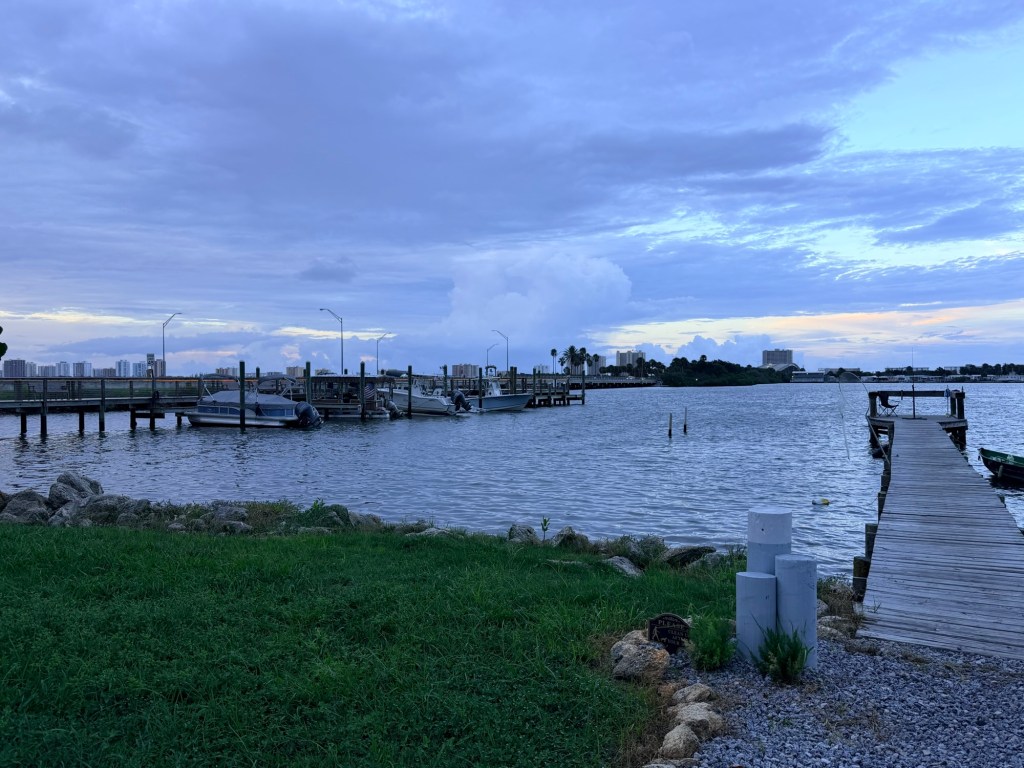
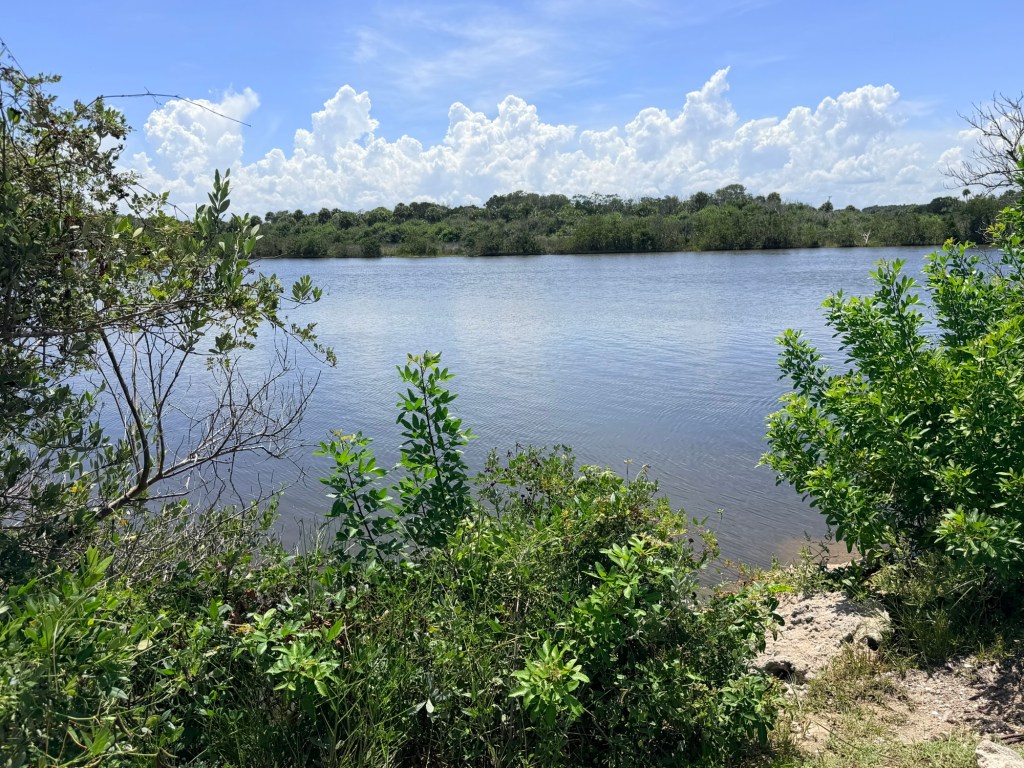
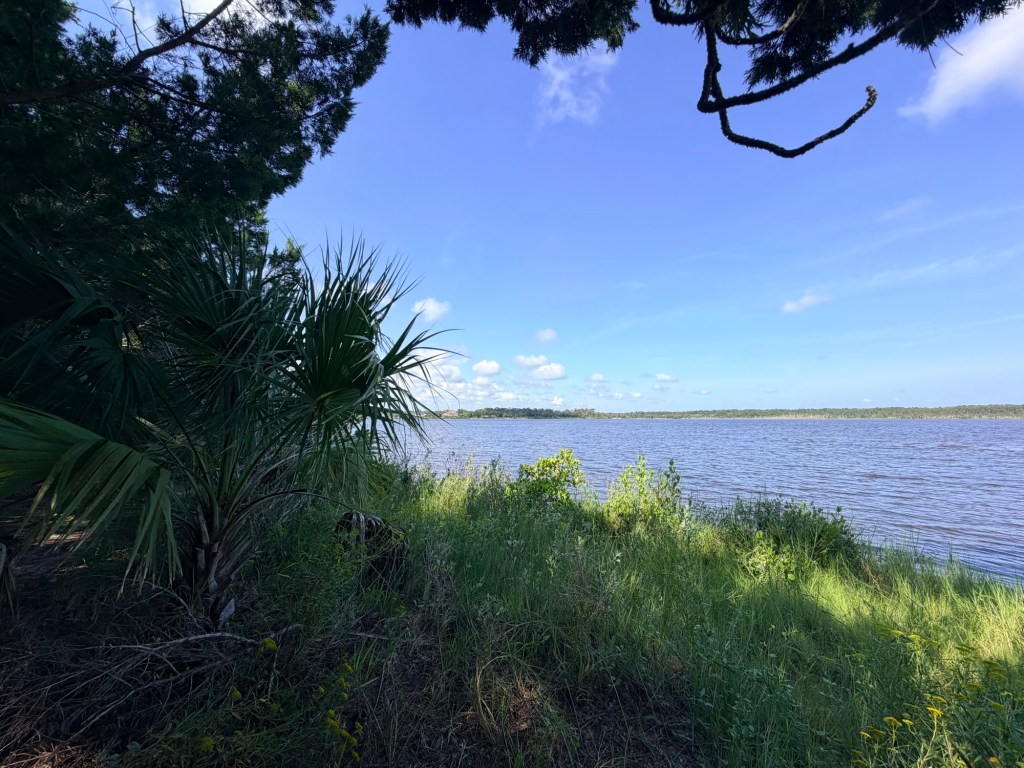
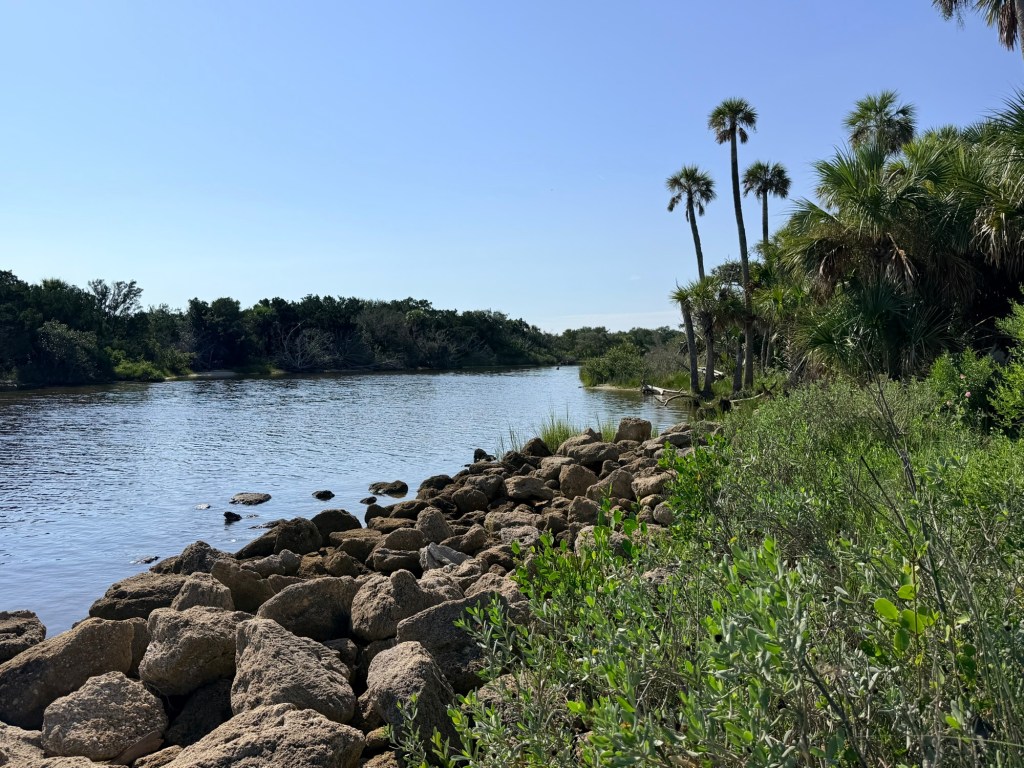
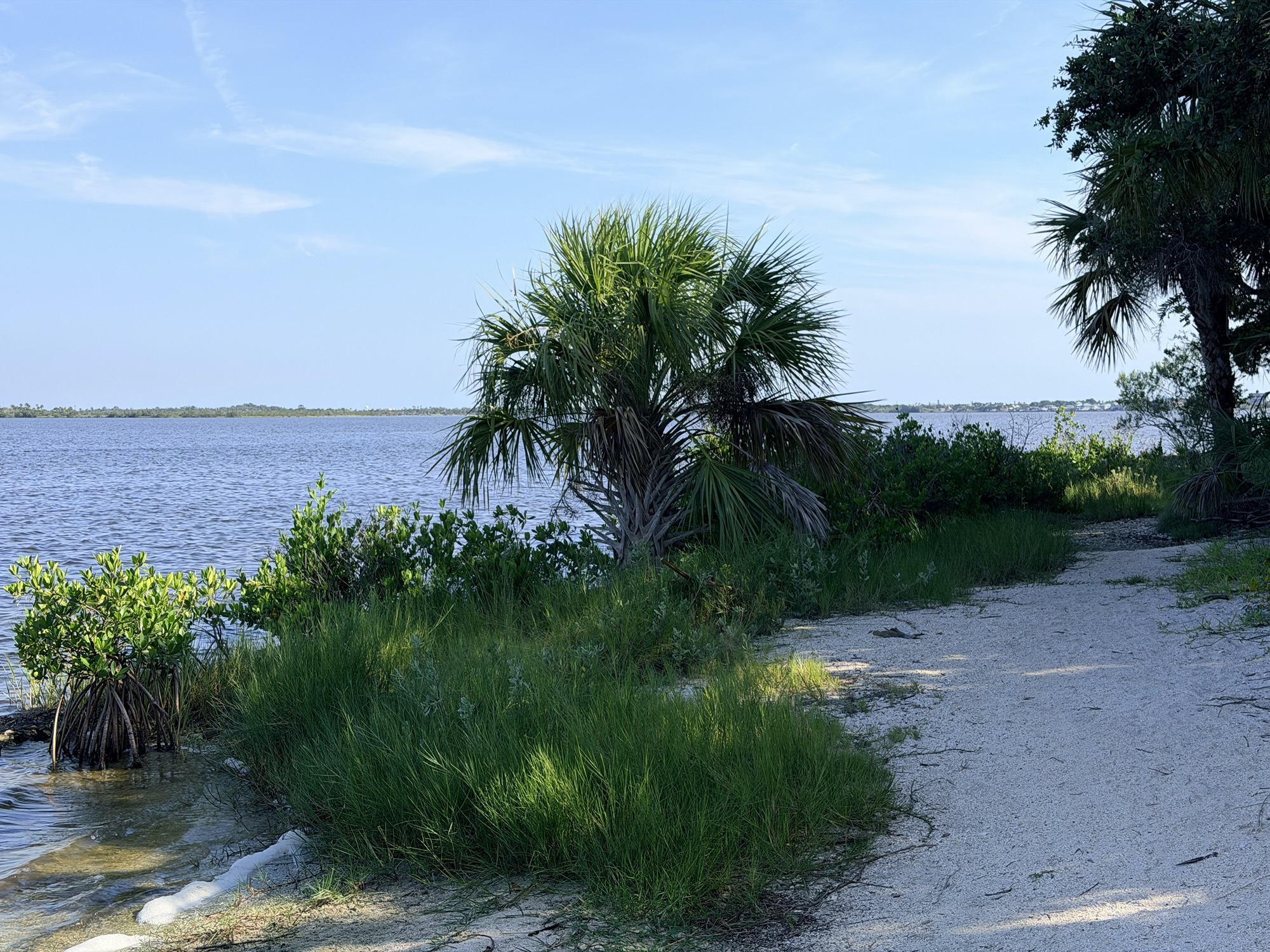
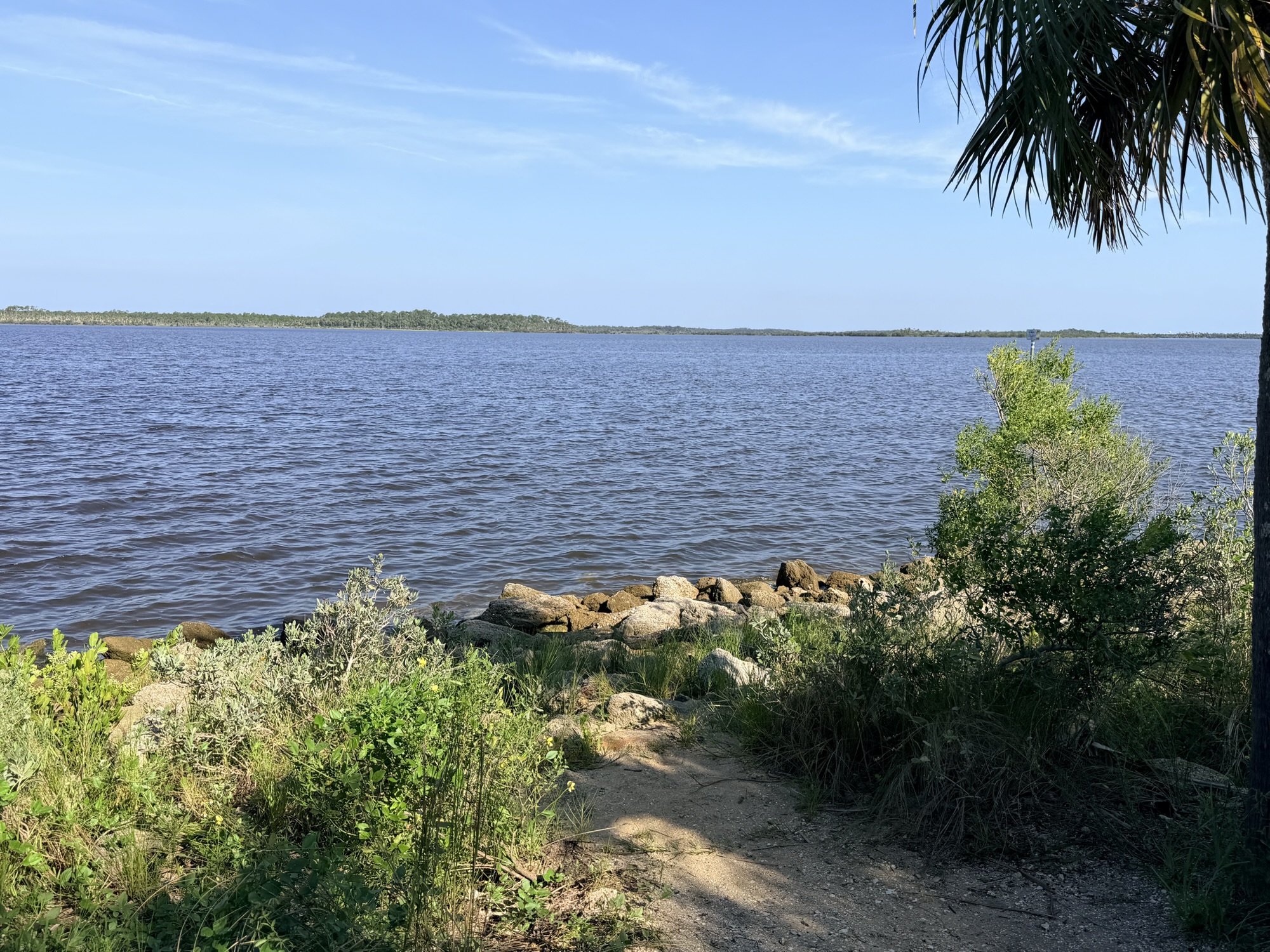
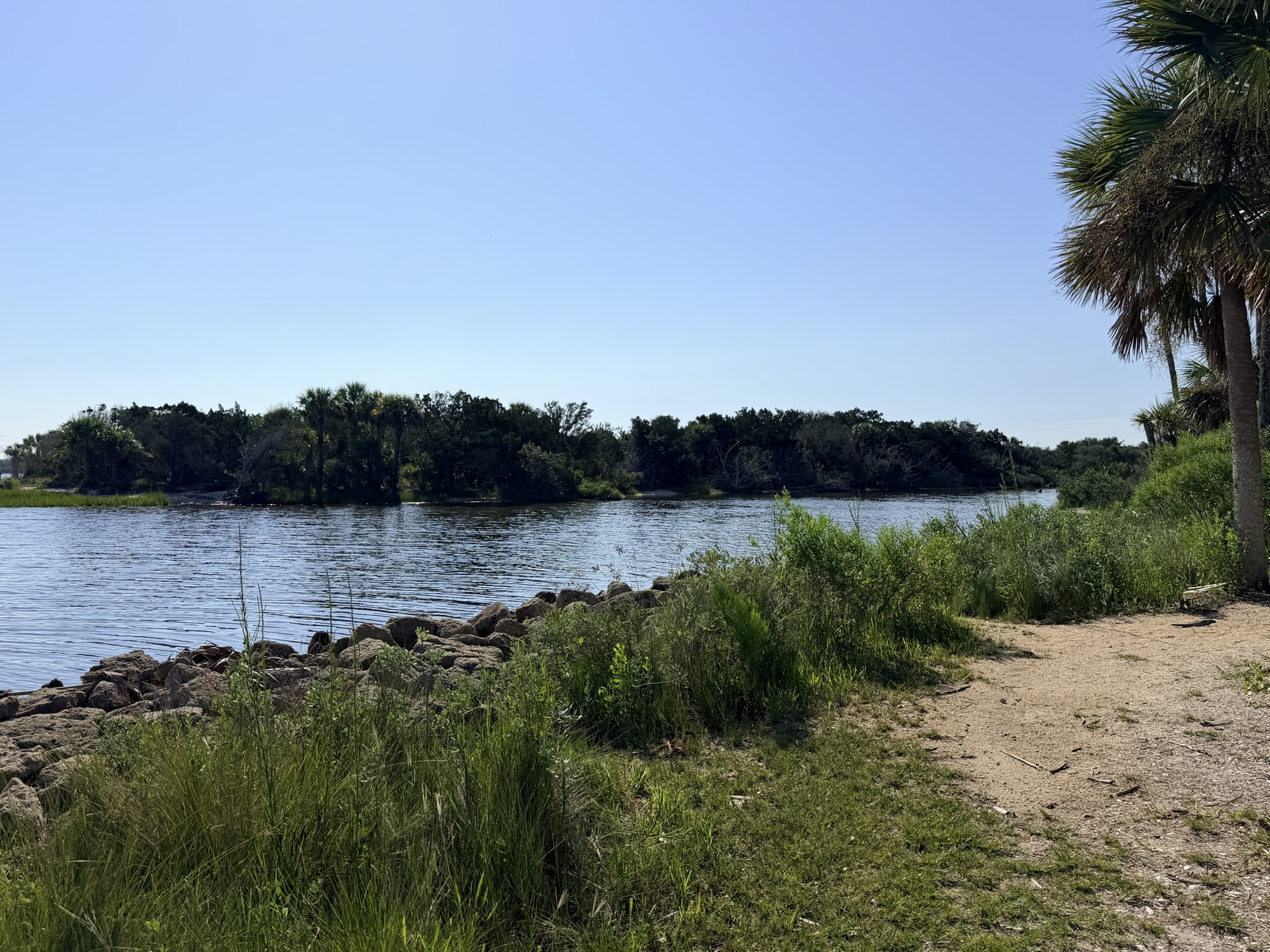
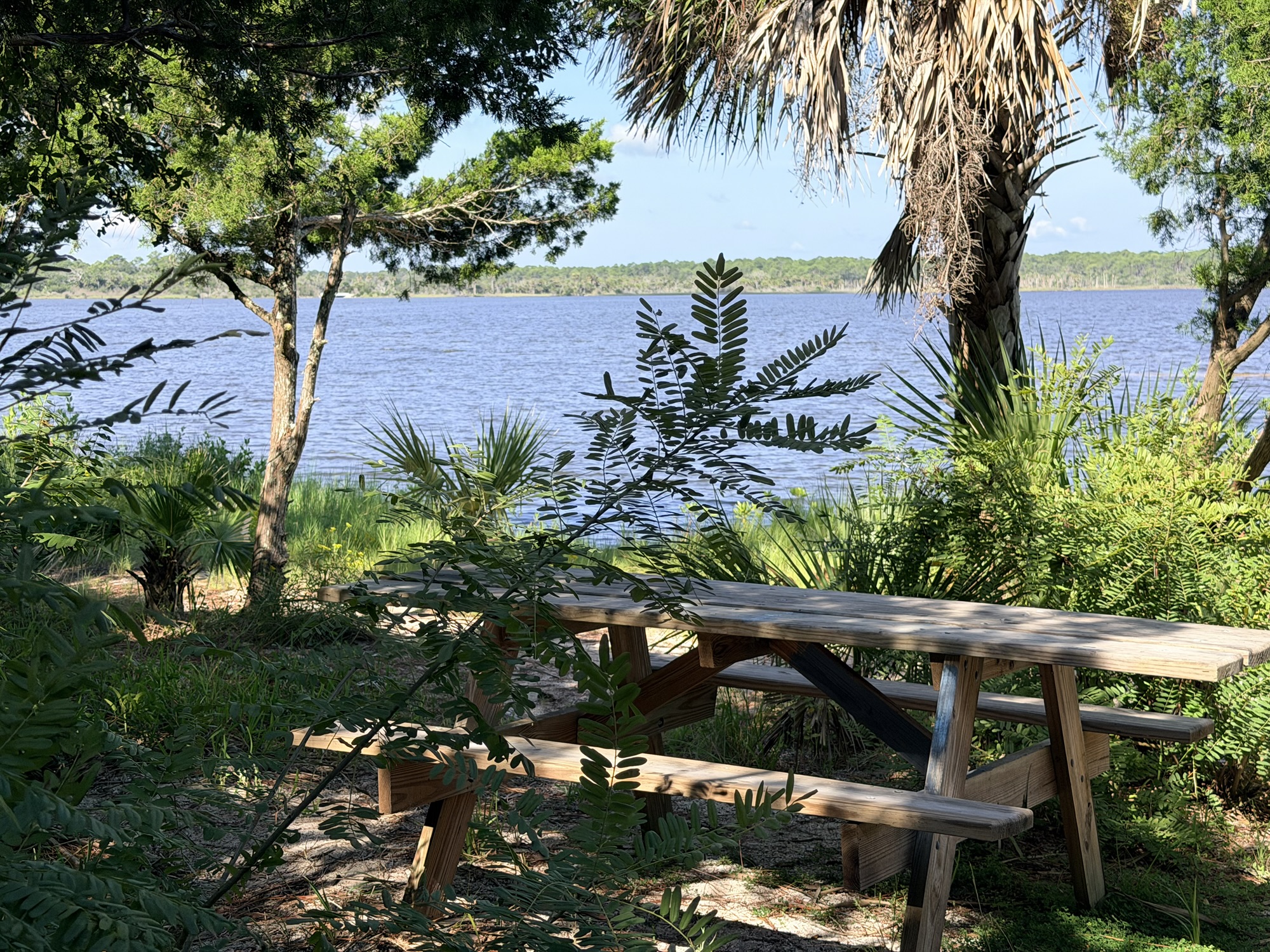
The park is surrounded by two rivers, the Halifax, which is also part of the Intracoastal Waterway, and the Tomoka, which joins the Halifax here. As you can imagine, there are beautiful views, many without any signs of humanity. My kind of place.

There are lots of kayak trails and camping areas. The nature trail and the trail around the point were what I focused on today, though I have plans to return and either go on a boat tour or hike another path.

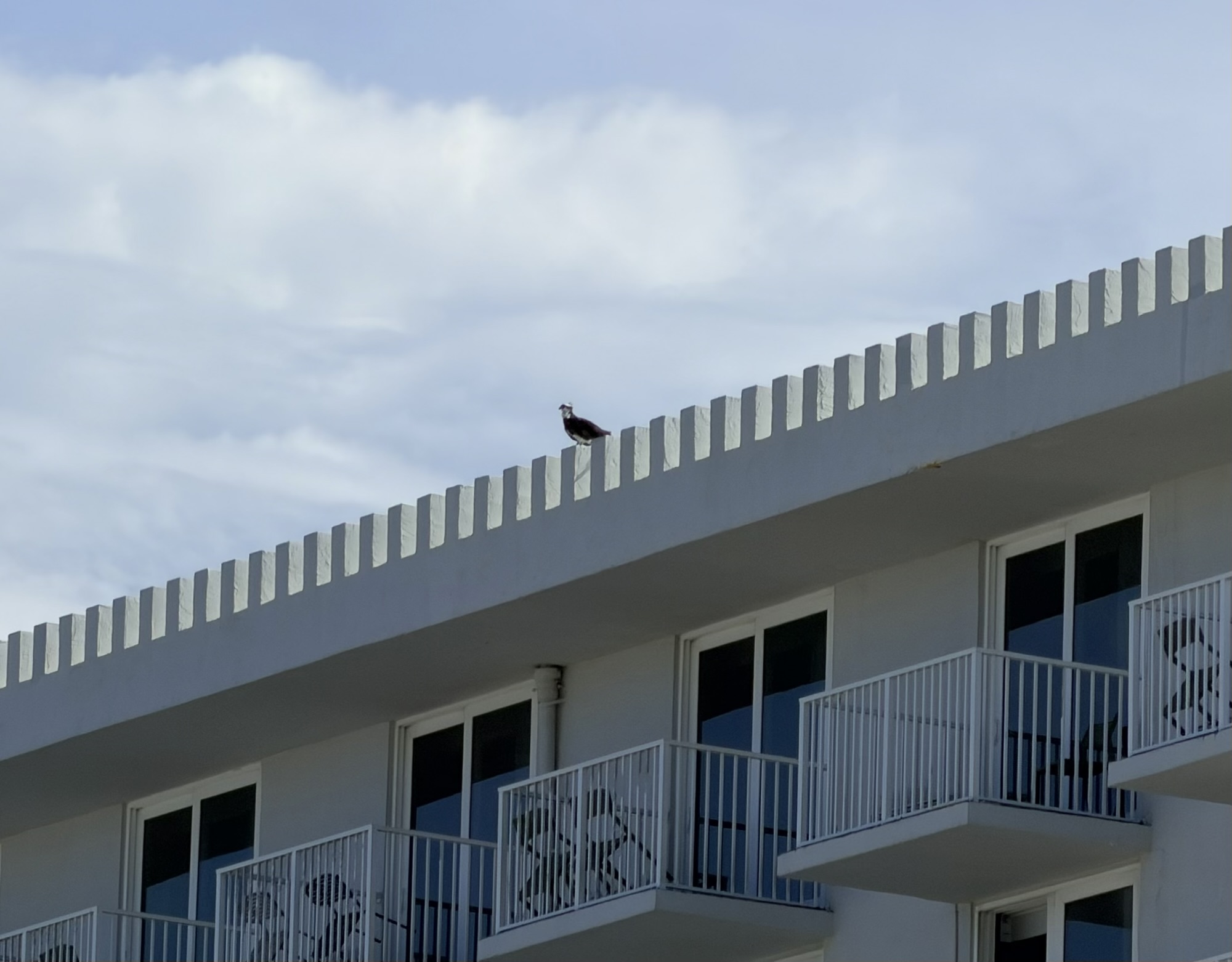
Oddly, I didn’t hear many birds, just a very persistent Osprey and a Belted Kingfisher were loud. Blue Jays, Cardinals, and Carolina Wrens rounded out the songbirds, and I spotted an Anhinga, some Ruddy Turnstones, and a Great Blue Heron. Nothing too exotic.

Anhinga drying off

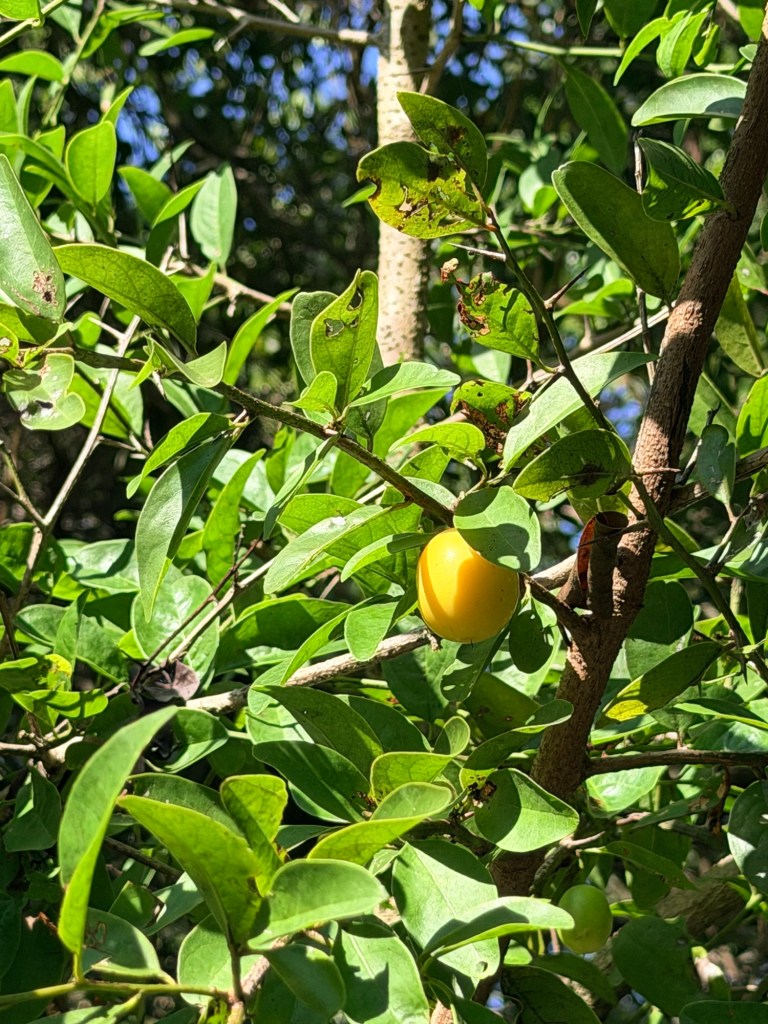
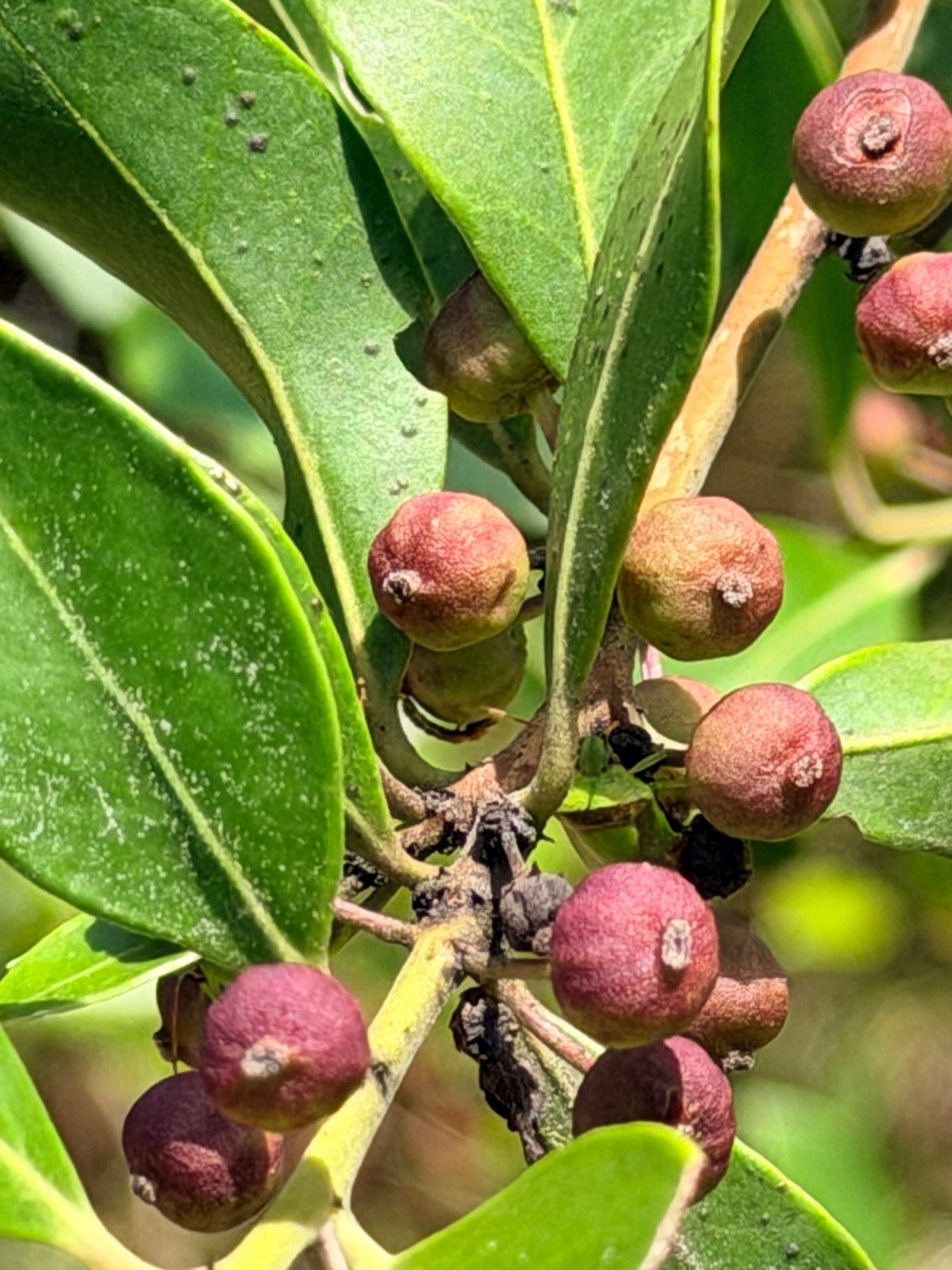
There were plenty of very interesting plants to distract me from the lack of birds, however. The scenery was lush and verdant, with some new plants, like a hog plum (Ximenia americana), also known as a sea lemon. Apparently they’re common on the Florida coast, but I don’t remember them.

Hog plum

Take the tour of the nature trail with me! It’s fun.

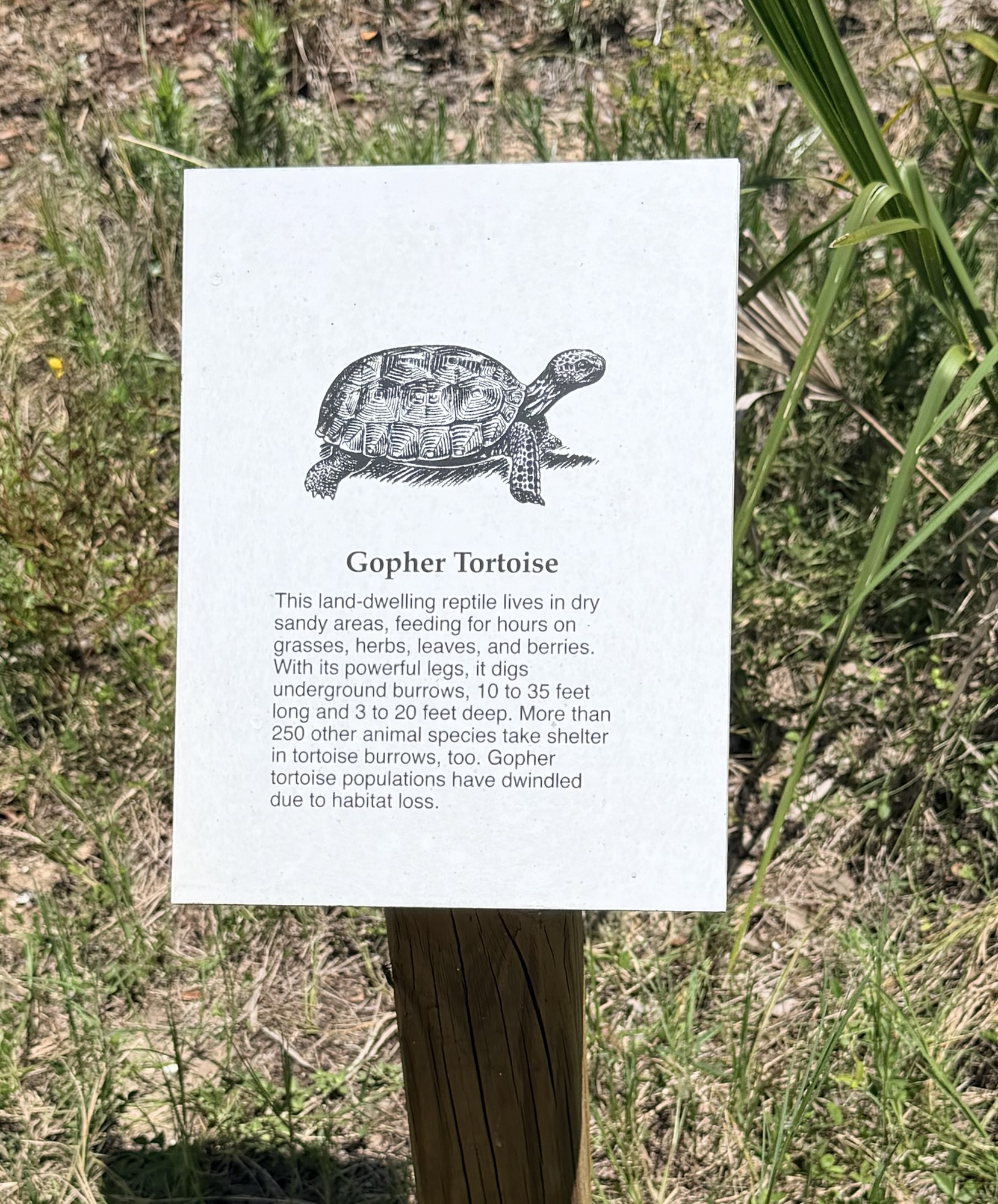
There was lots of turtle and tortoise evidence here. I saw a nest that had recently hatched and found a beautiful gopher in its hole. I sure enjoyed gopher tortoises as a child!

Hello!

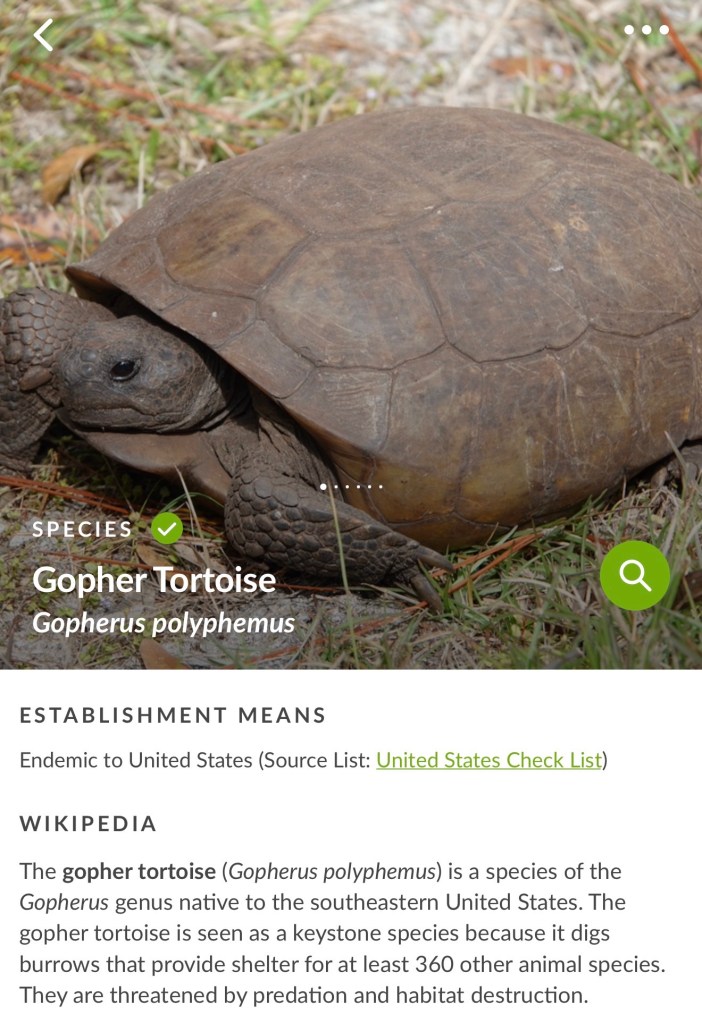
Here’s more on the Gopherus polyphemus.

The best!

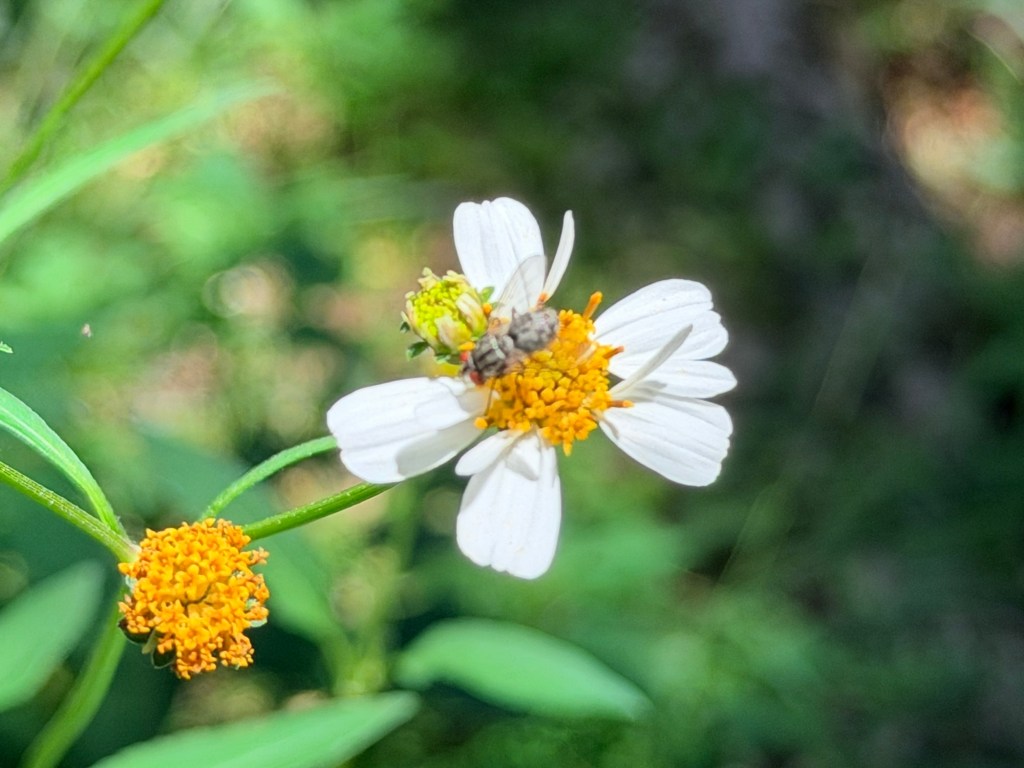
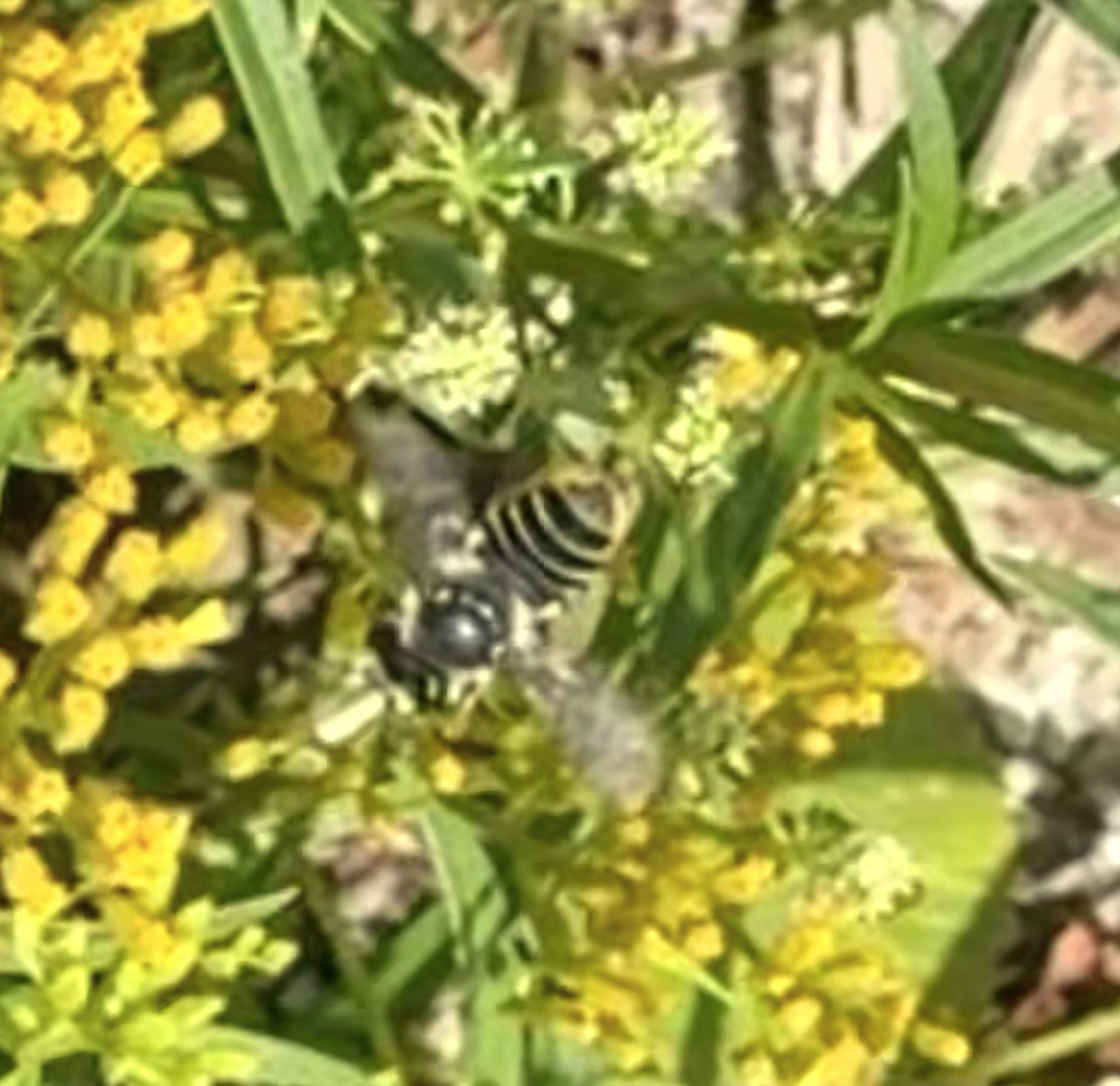
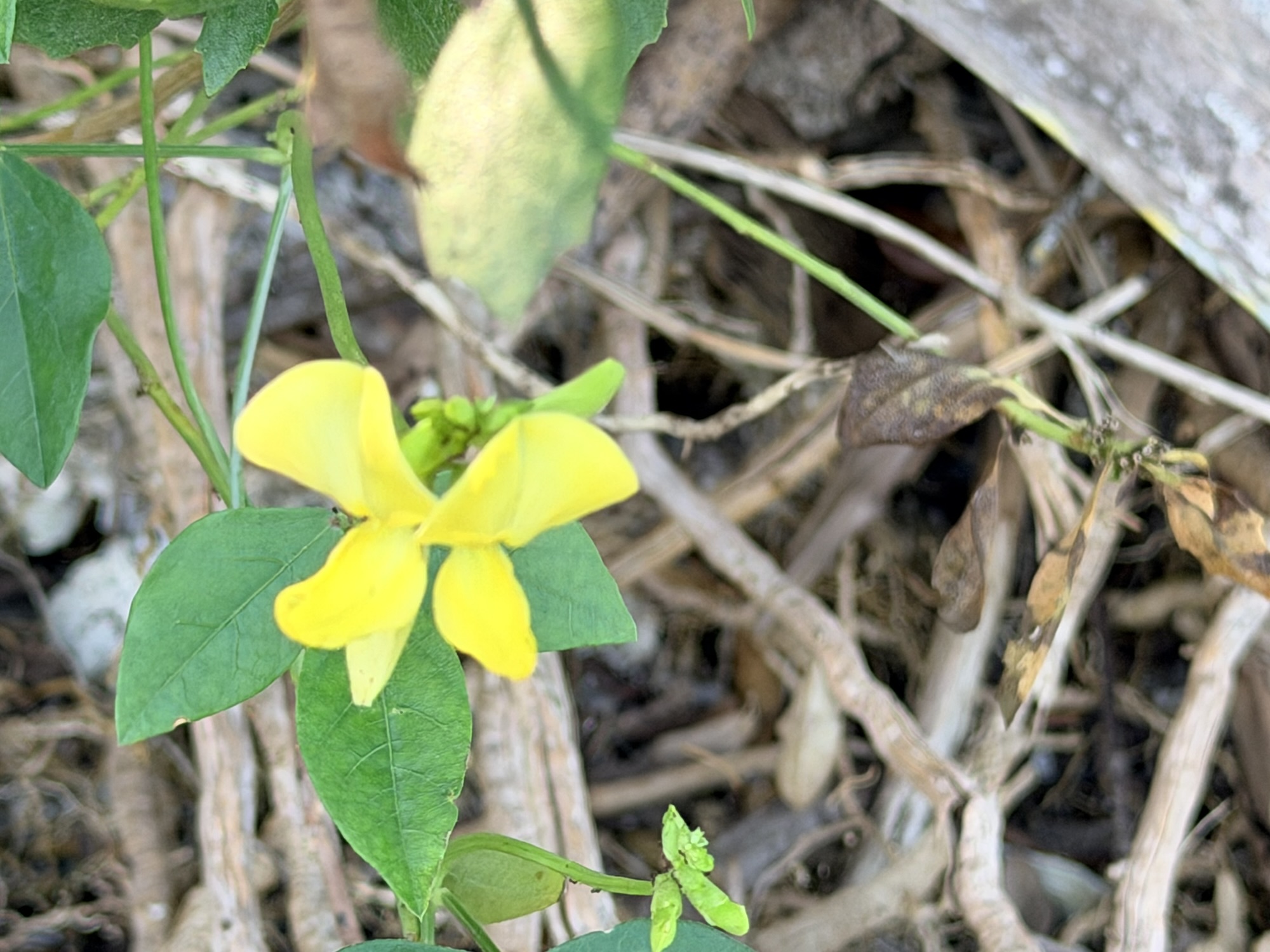
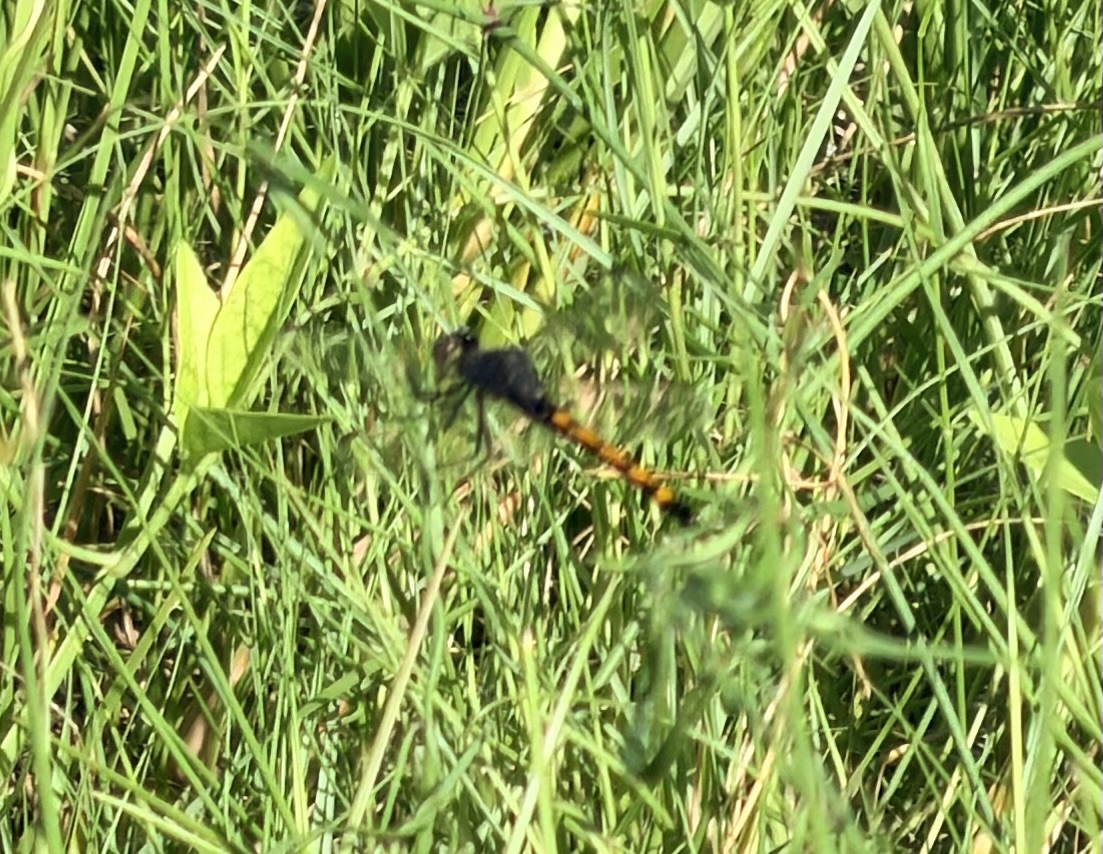
Okay, I’ll just share a few more interesting plants and insects I saw.

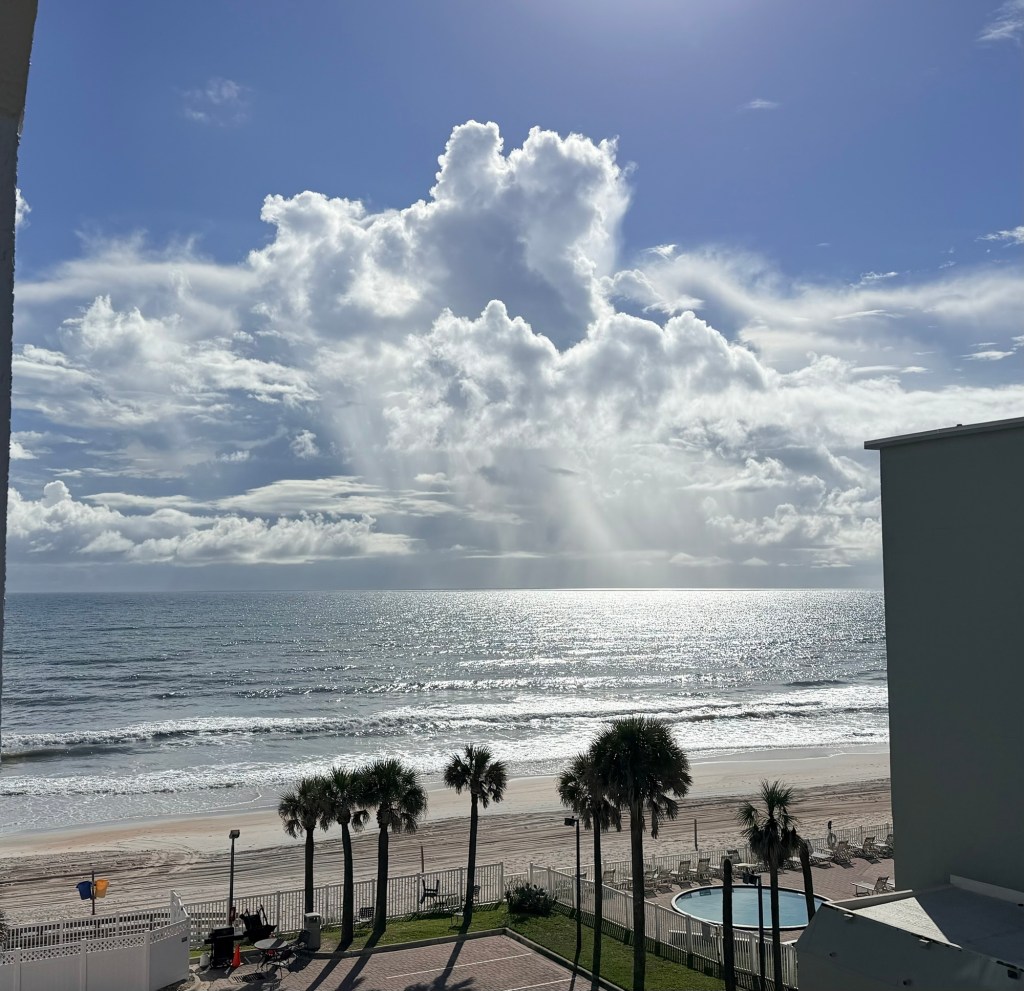
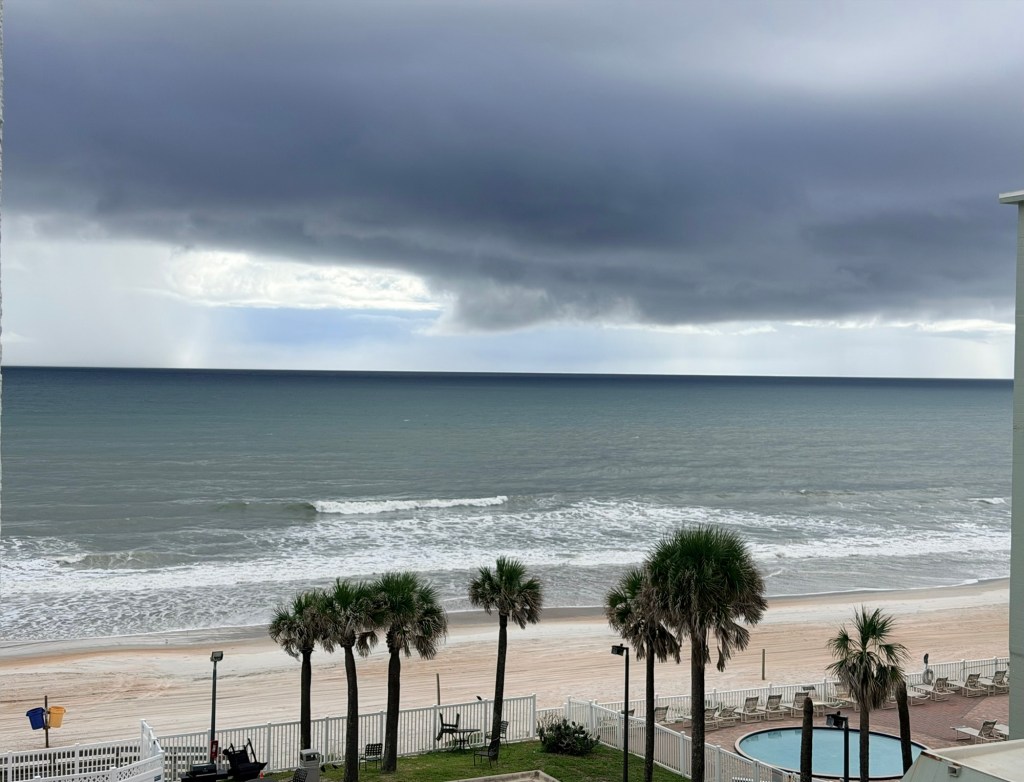
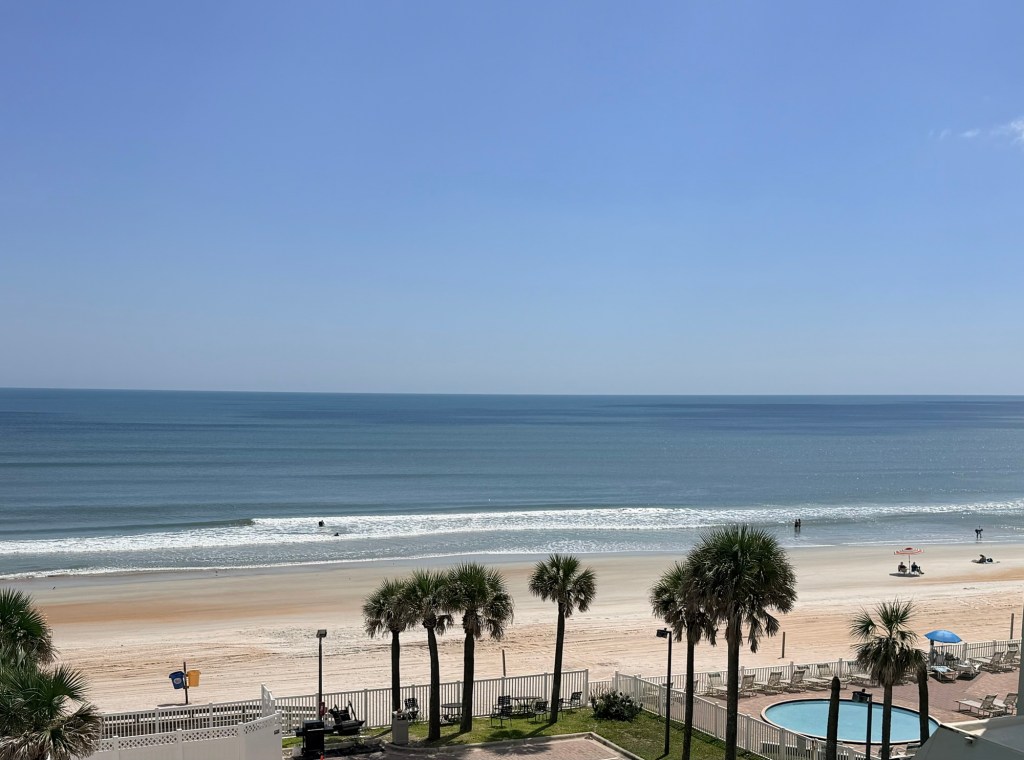
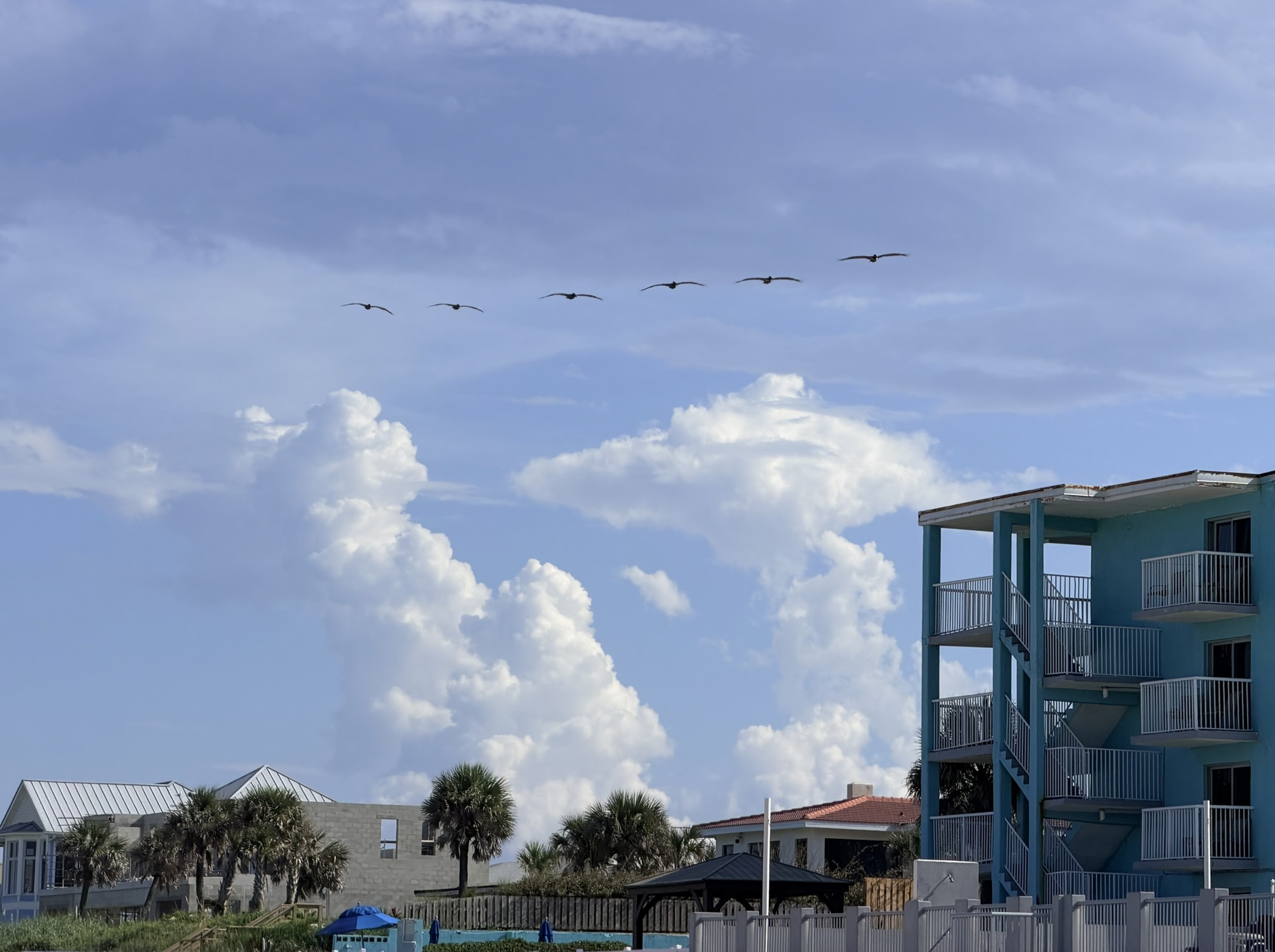
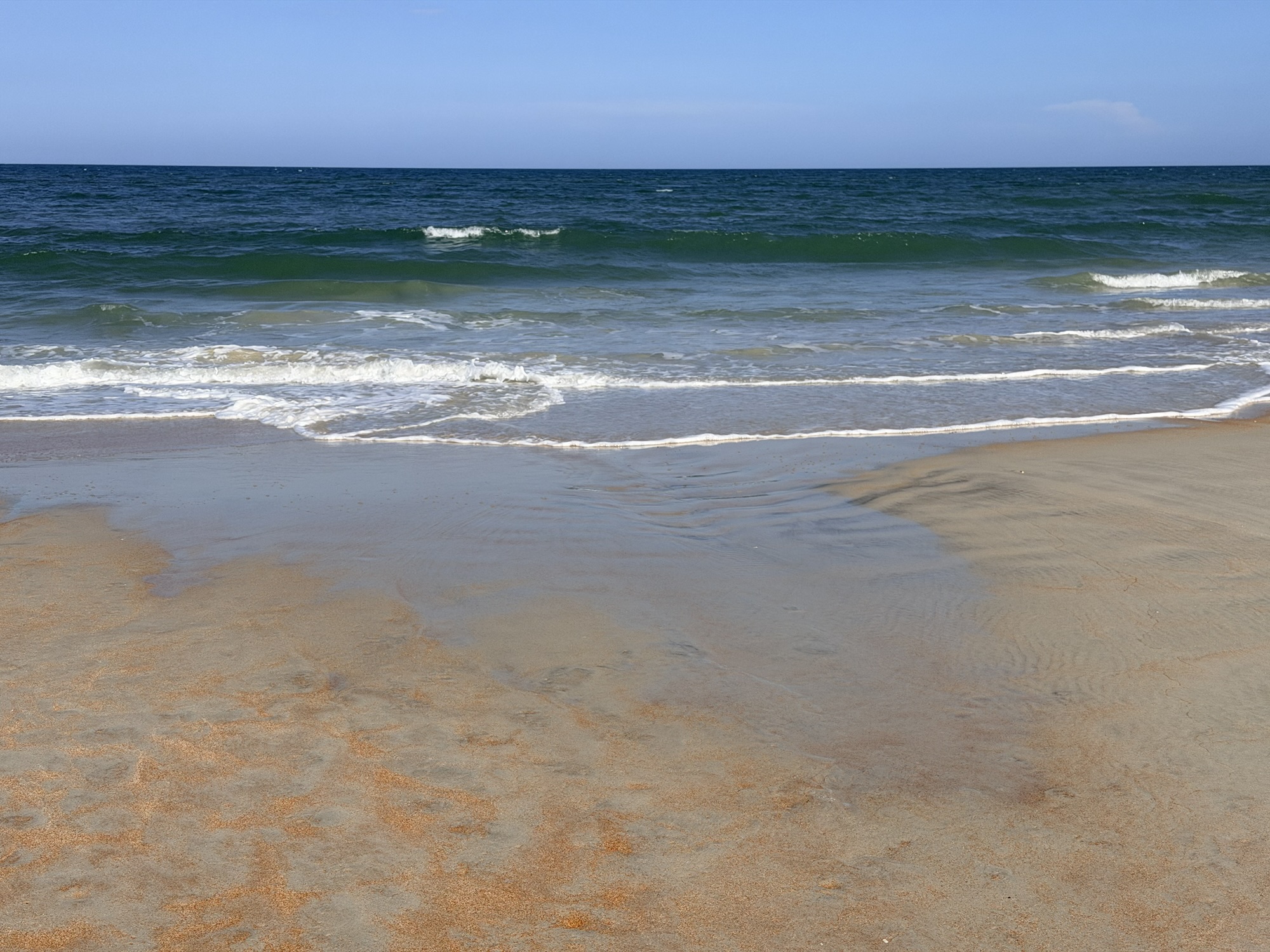
After exhausting my eyeballs from all this, I headed back to work and tried not to let the pelicans distract me as the majestically sailed by. The ocean was very blue.

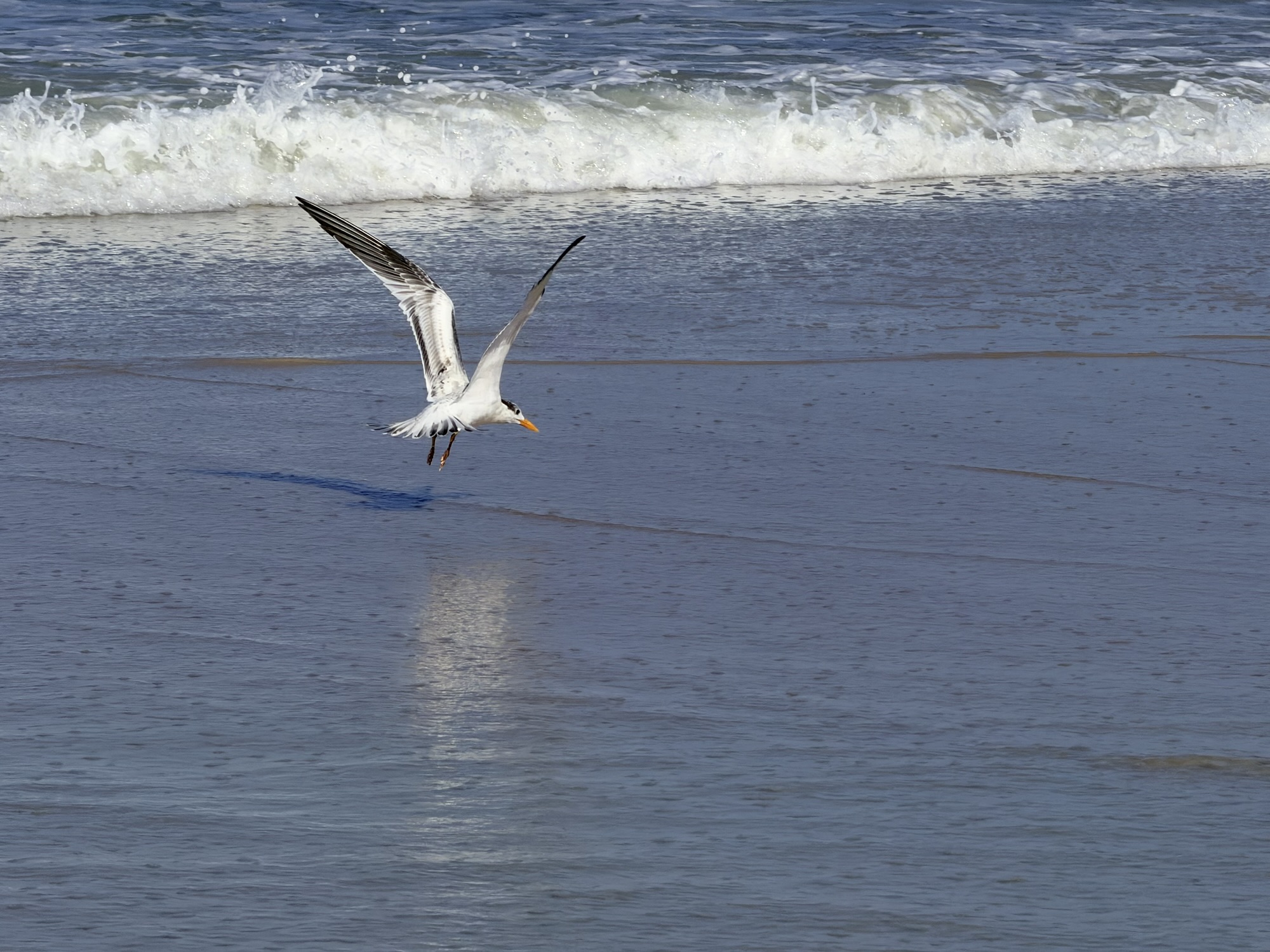
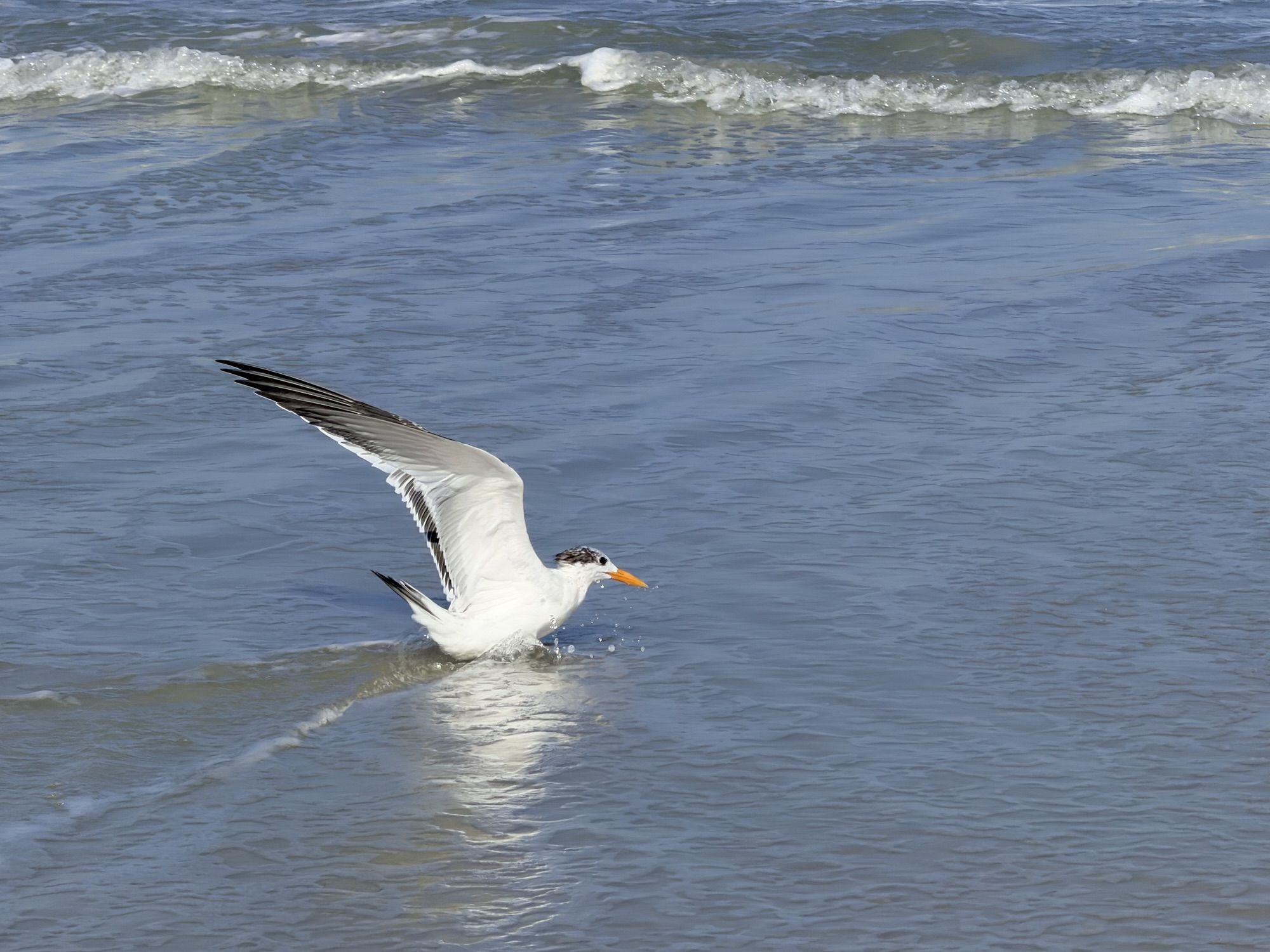
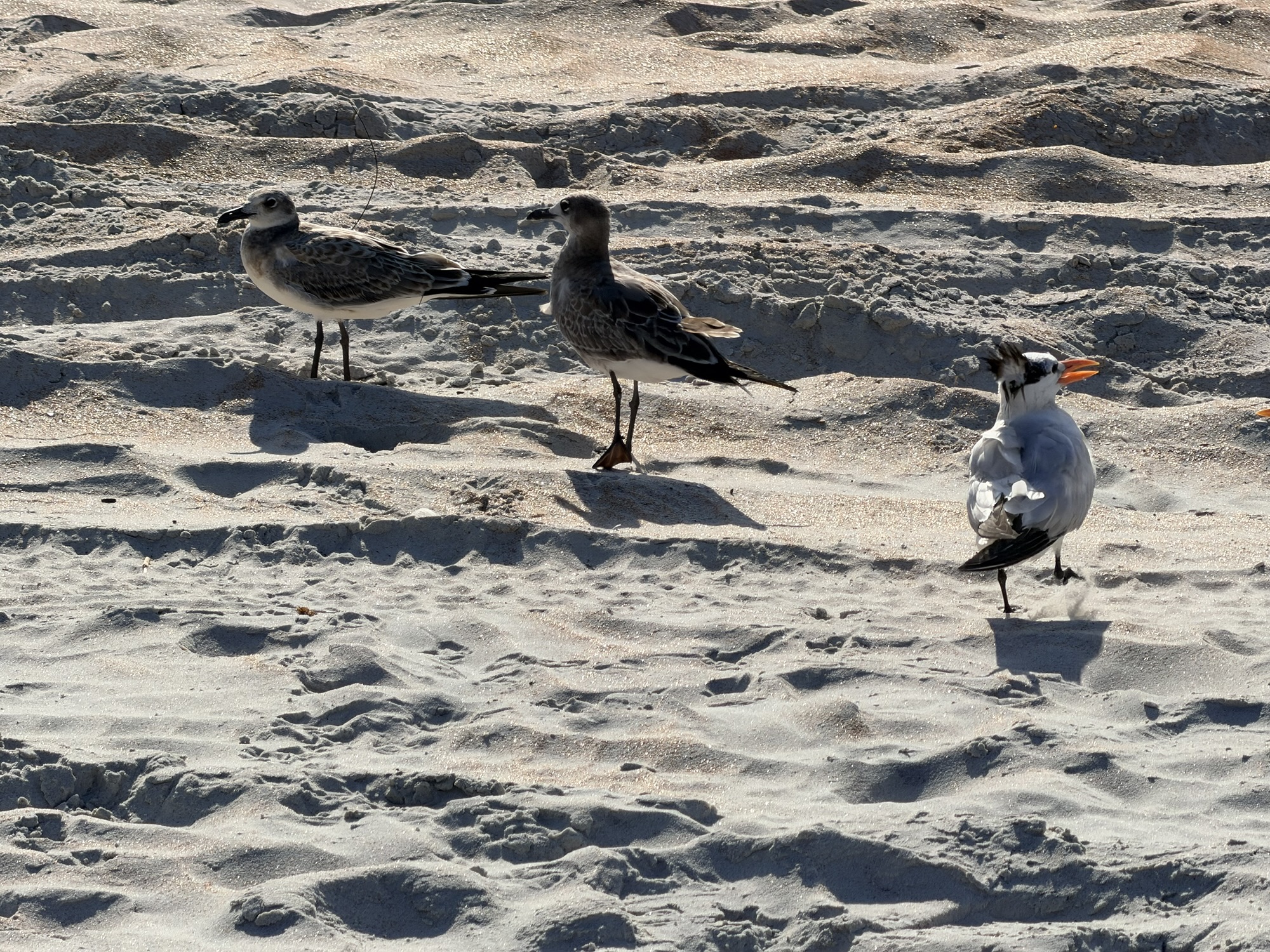
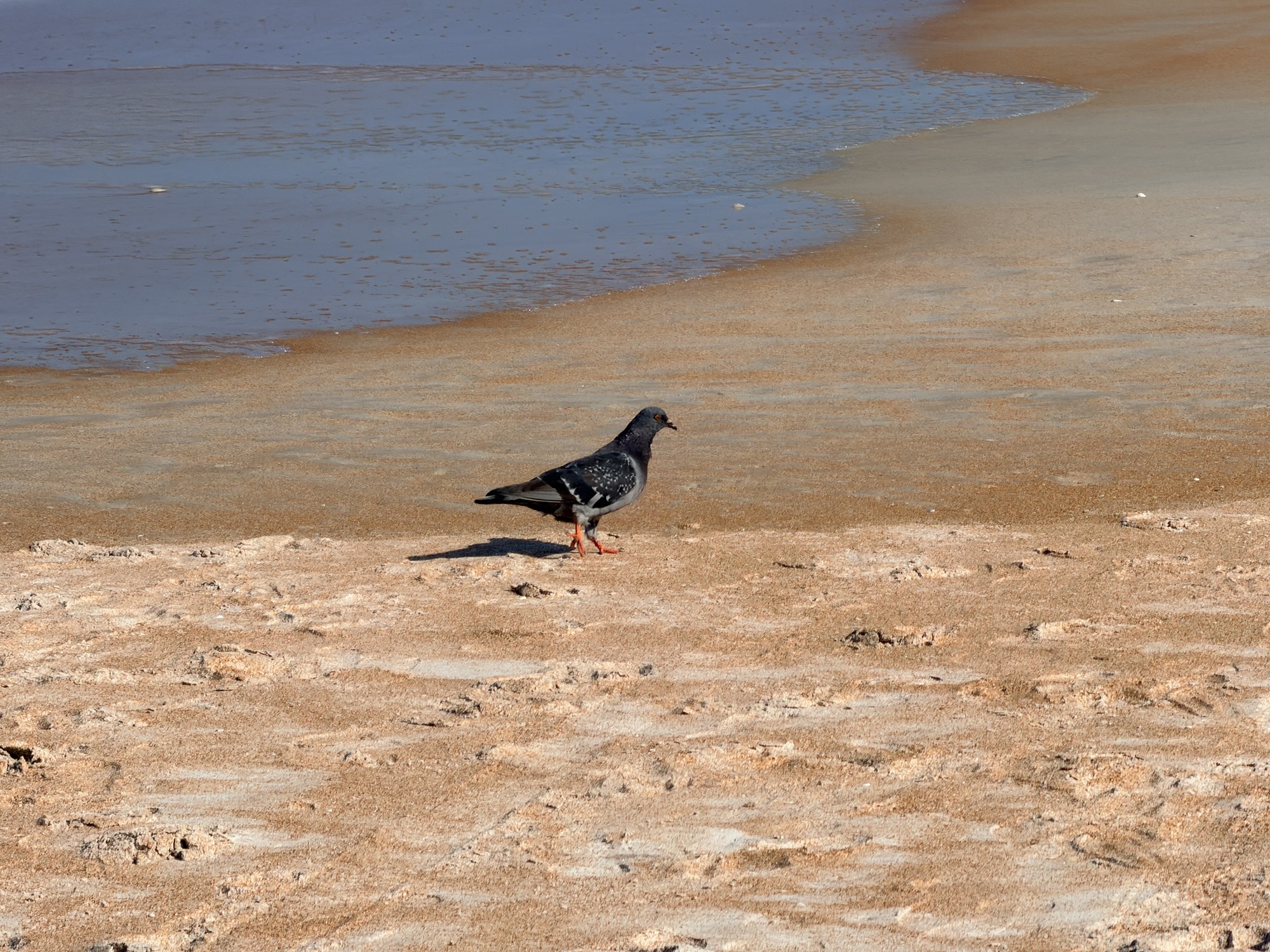
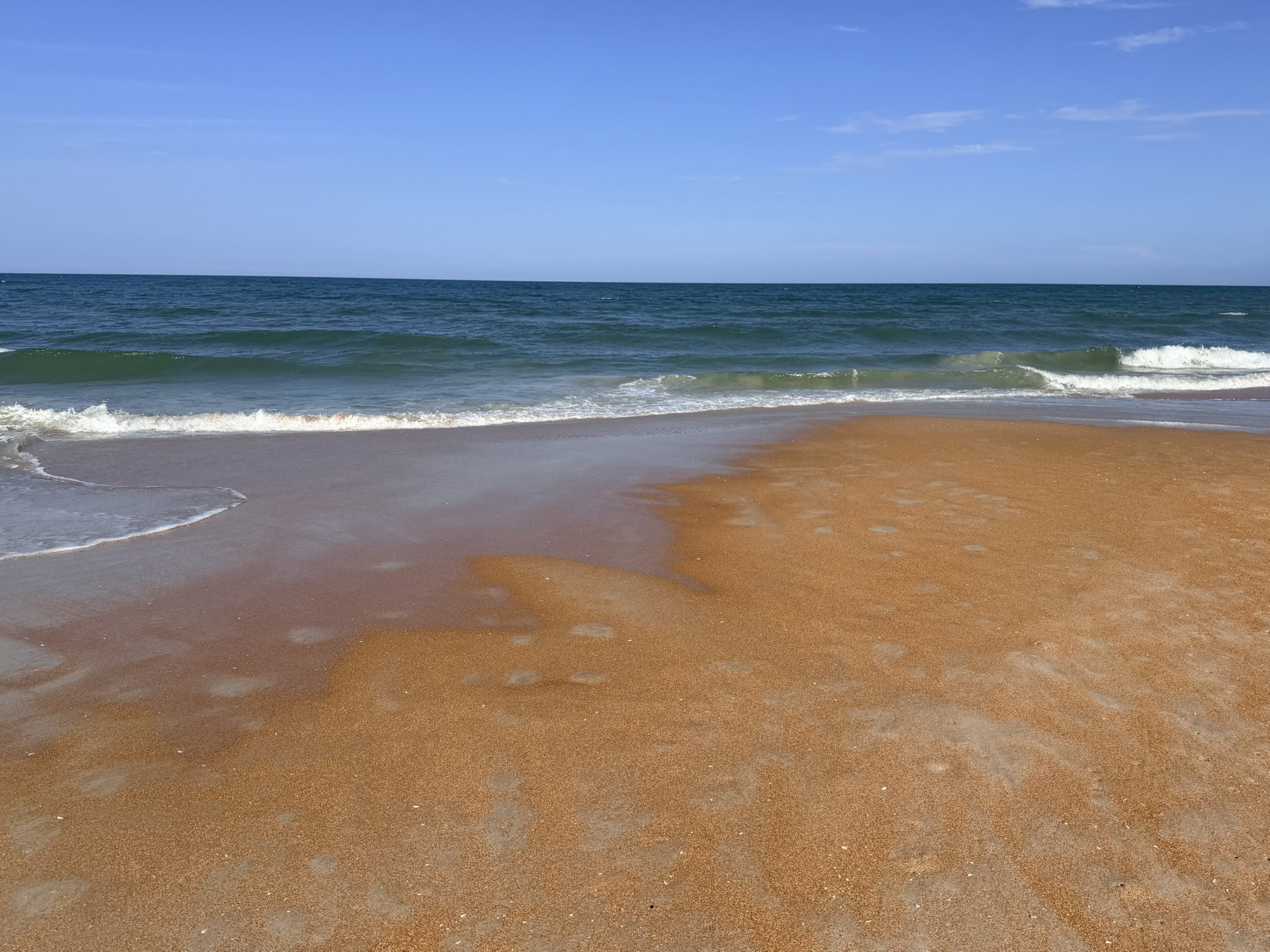
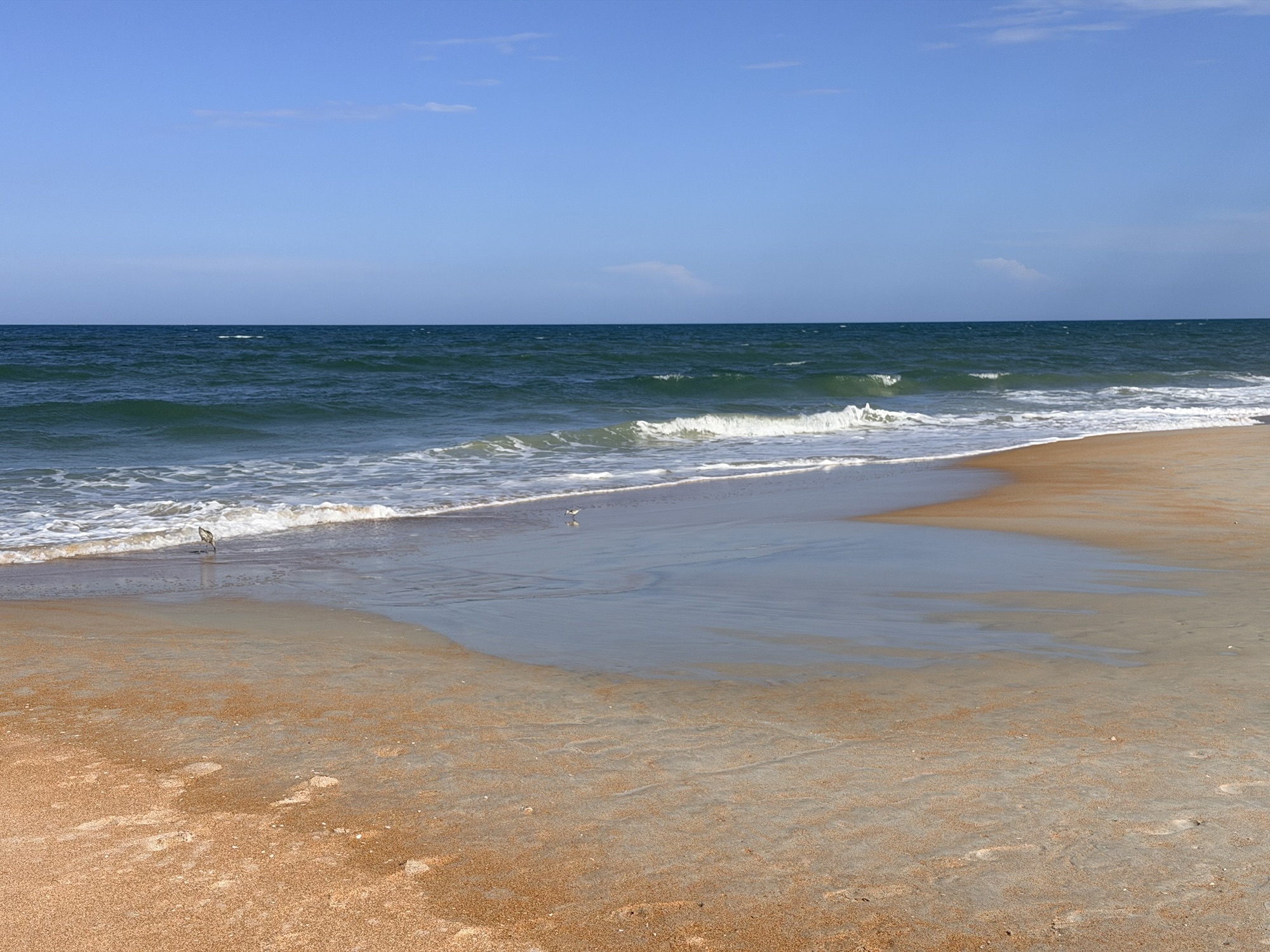
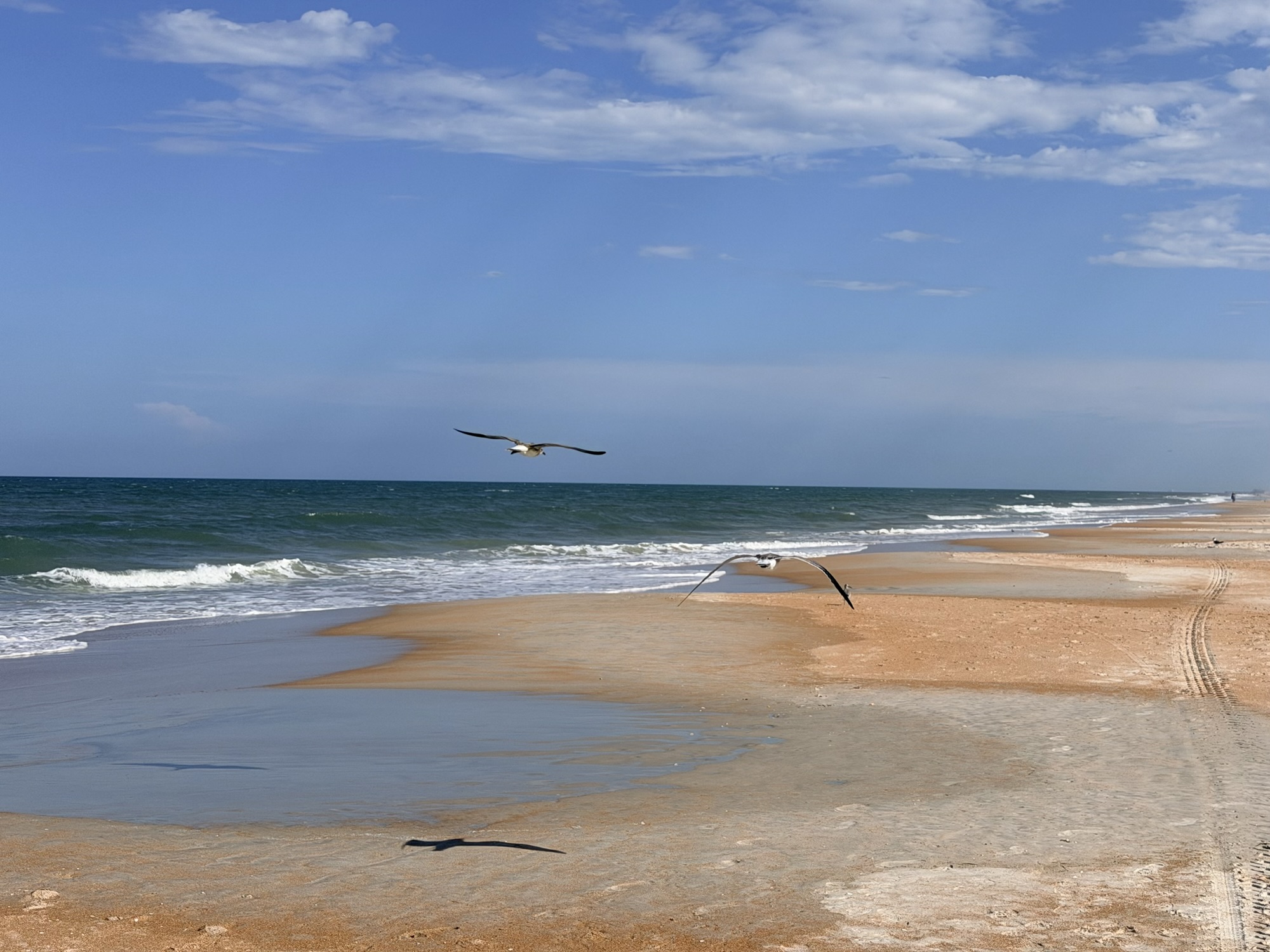
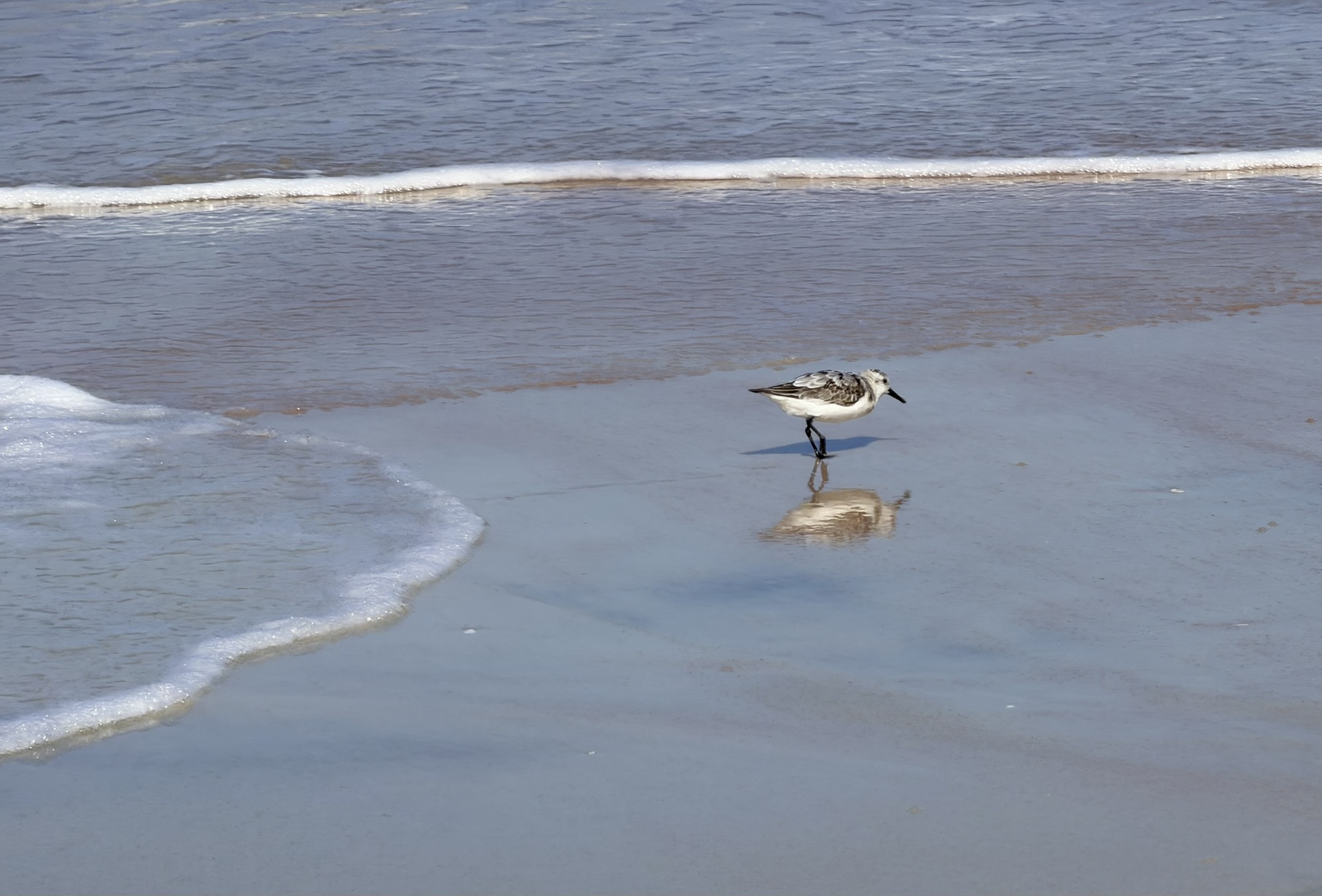
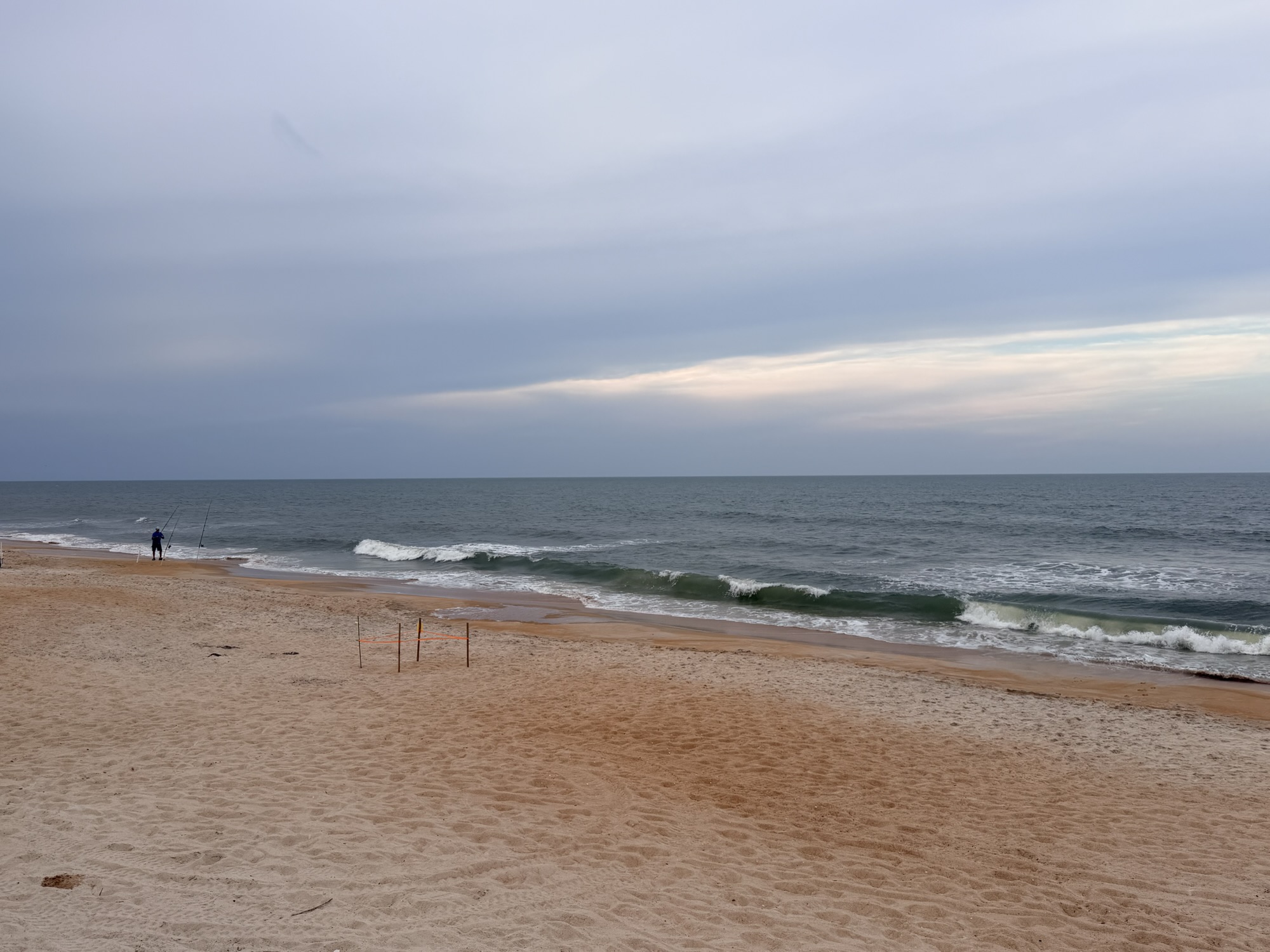
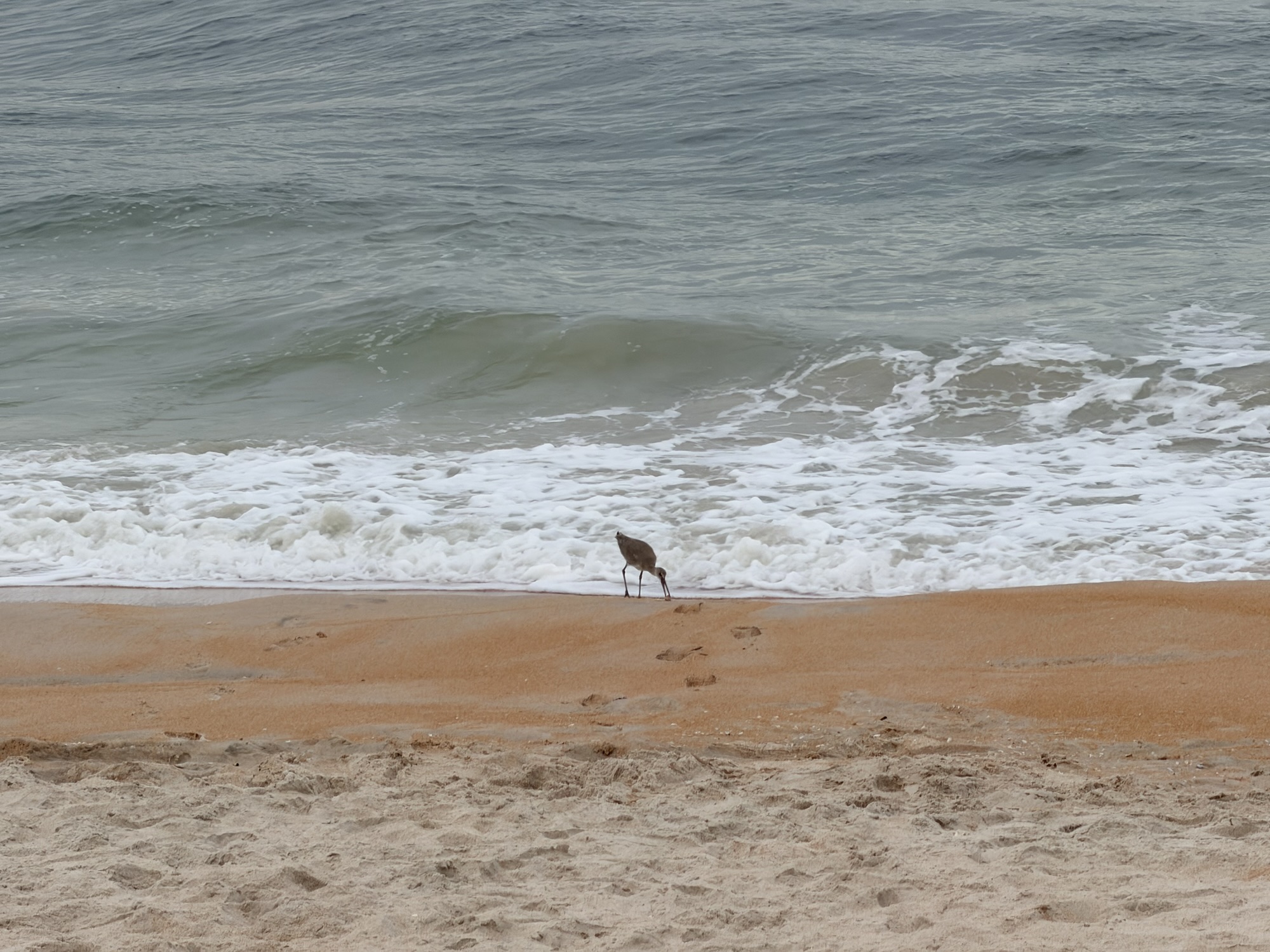
After working I took a short walk on the beach to enjoy the sea birds and the shifting sands. This is a great place to come in summer after school starts. It’s warm but quiet. There are so many beautiful colors to enjoy.

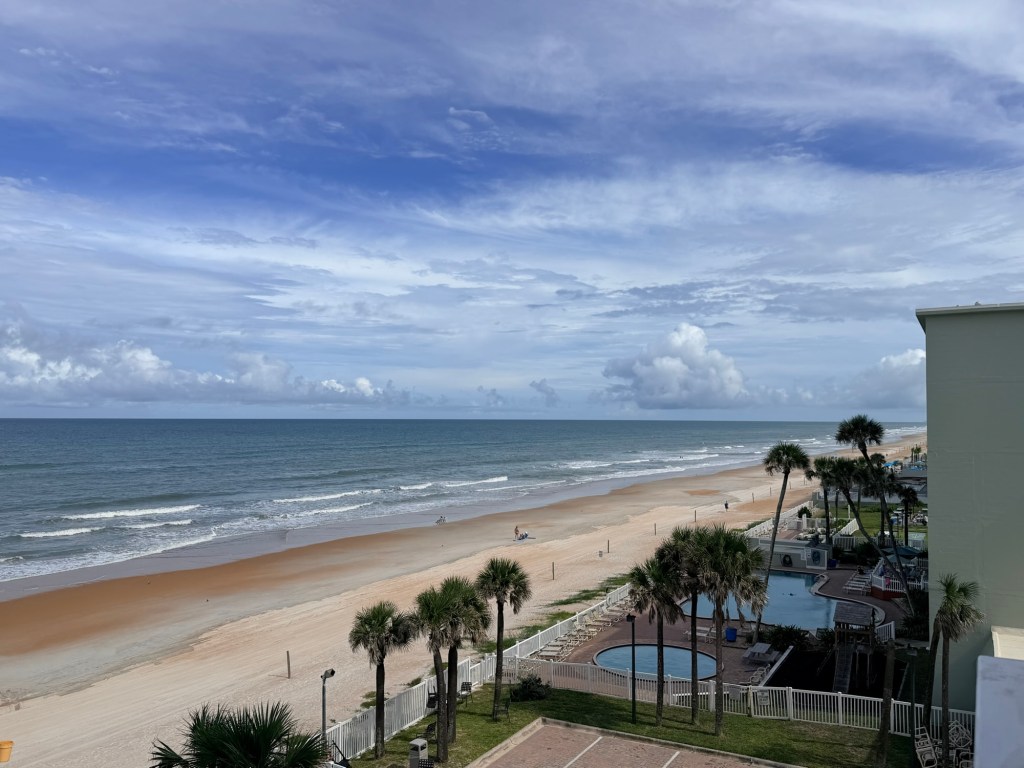
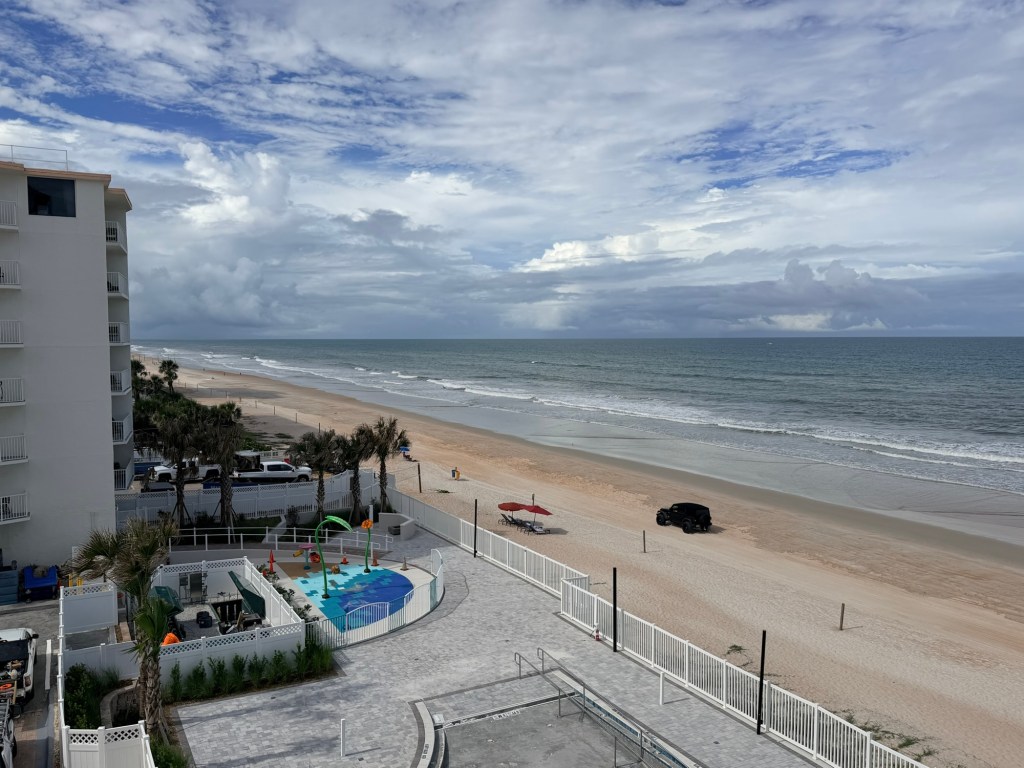
And finally, I got to hang out with Vicki, whose headache was over, thankfully. We ate at a fun place in a non-touristy area with a great ocean view. After an amazing grilled cheese sandwich and much conversation about taboo topics like politics and religion (where we disagree less now than at other points in our lives), we went to a quiet beach park and watched pelicans dive as the sun set. A fine day with much water!

Sleepy time!

Bays, bears, and bubbly

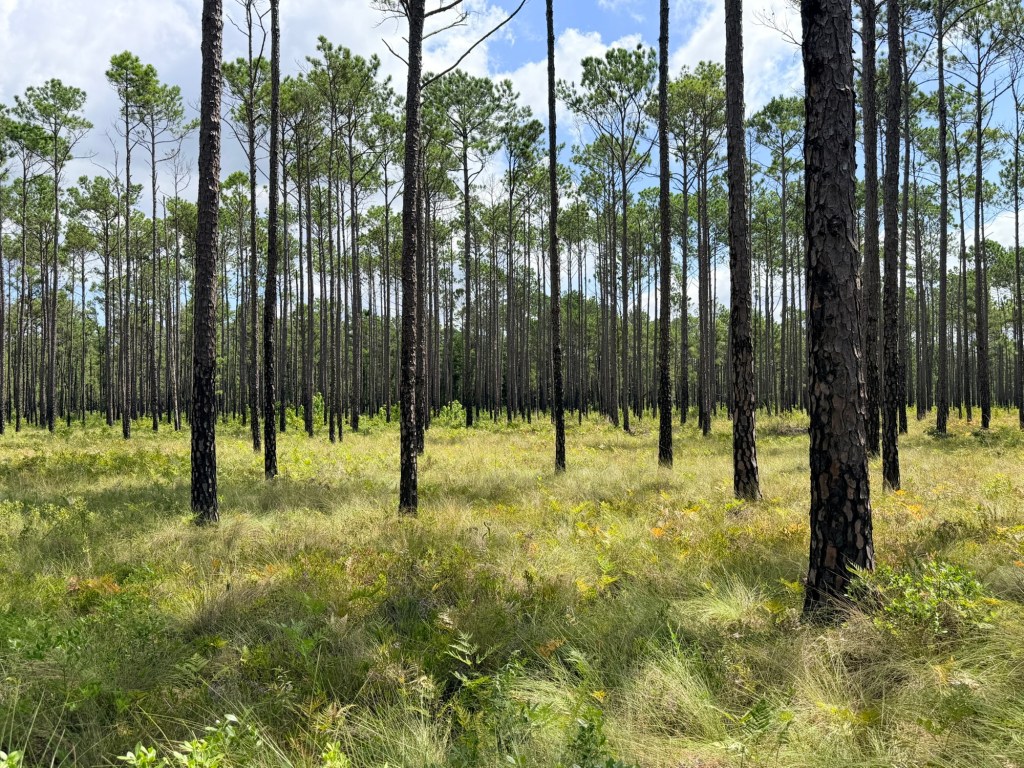
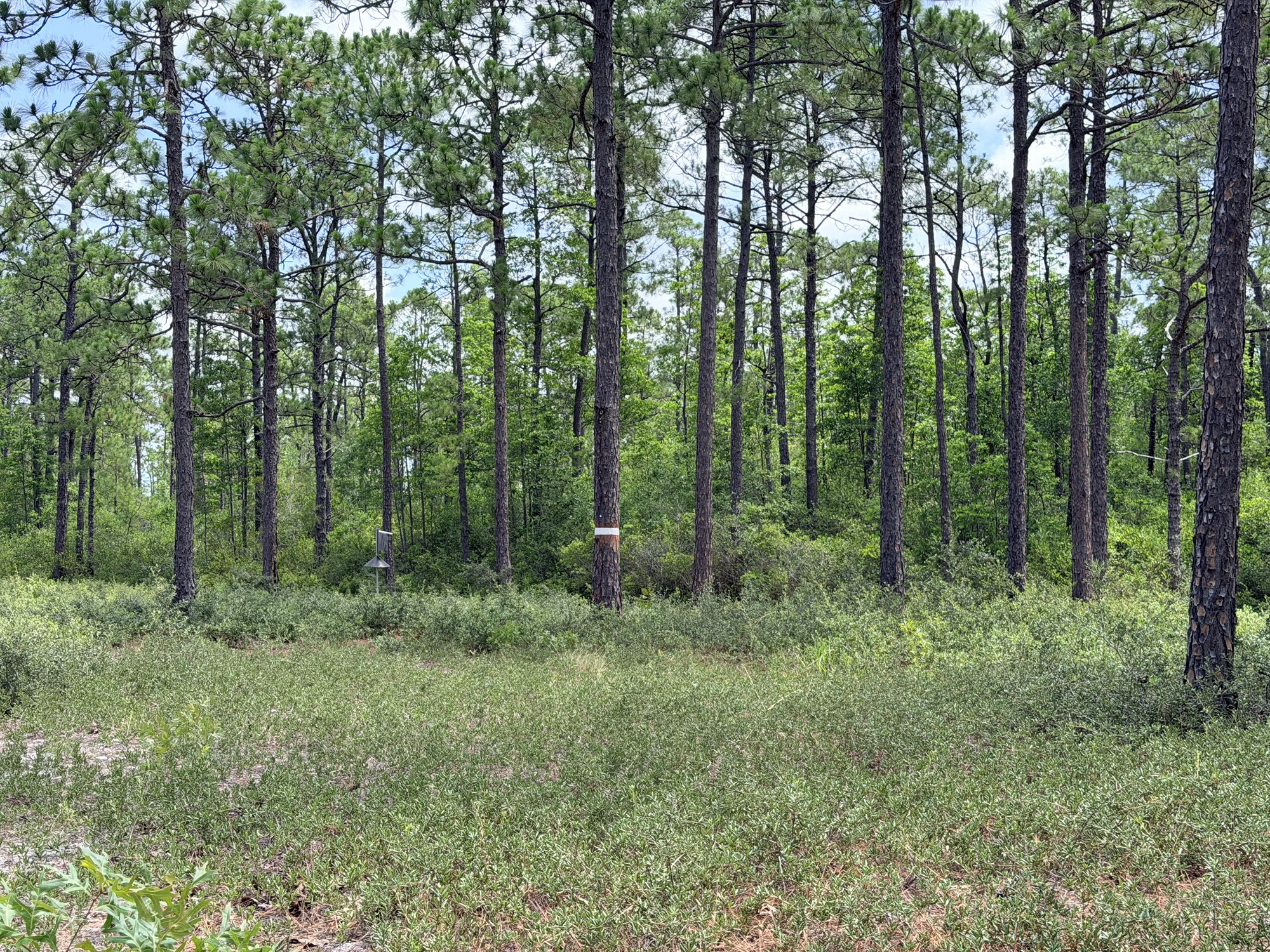
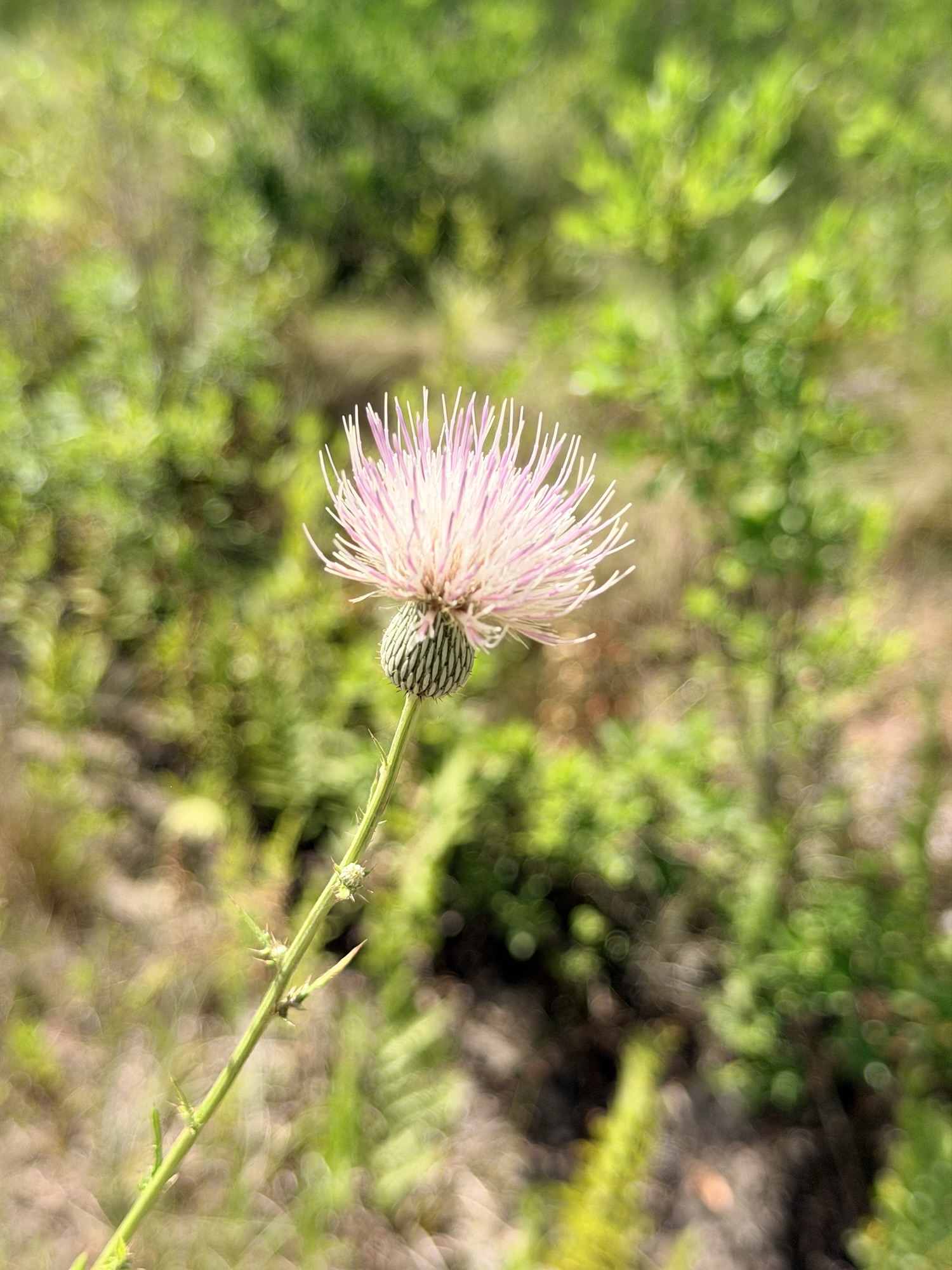
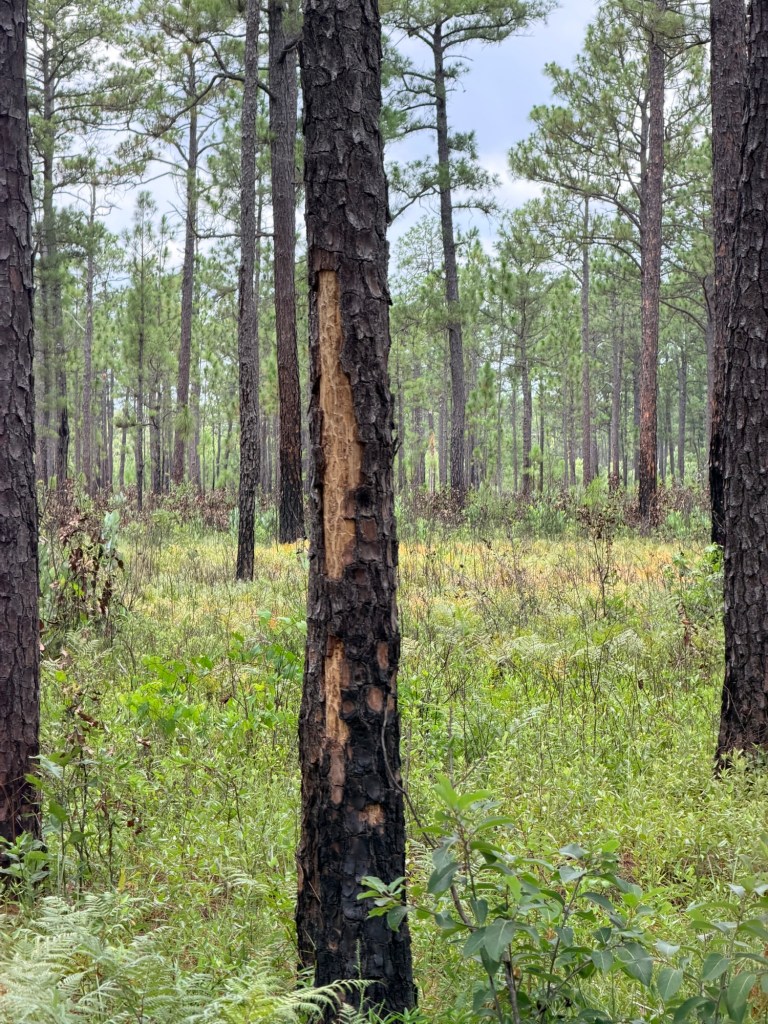
Today’s adventure in Myrtle Beach was to find the Lewis Ocean Bay Heritage Preserve. This is the huge protected area we learned about yesterday from the birder/salesman. It’s a beautiful pine forest maintained by prescribed burns. It’s home to a population of carnivorous plants (that we didn’t see, sadly) and many other interesting species that grow among the Carolina bays—shallow ovals that collect rainwater then dry up. They are dry now.

Nicely thinned underbrush.

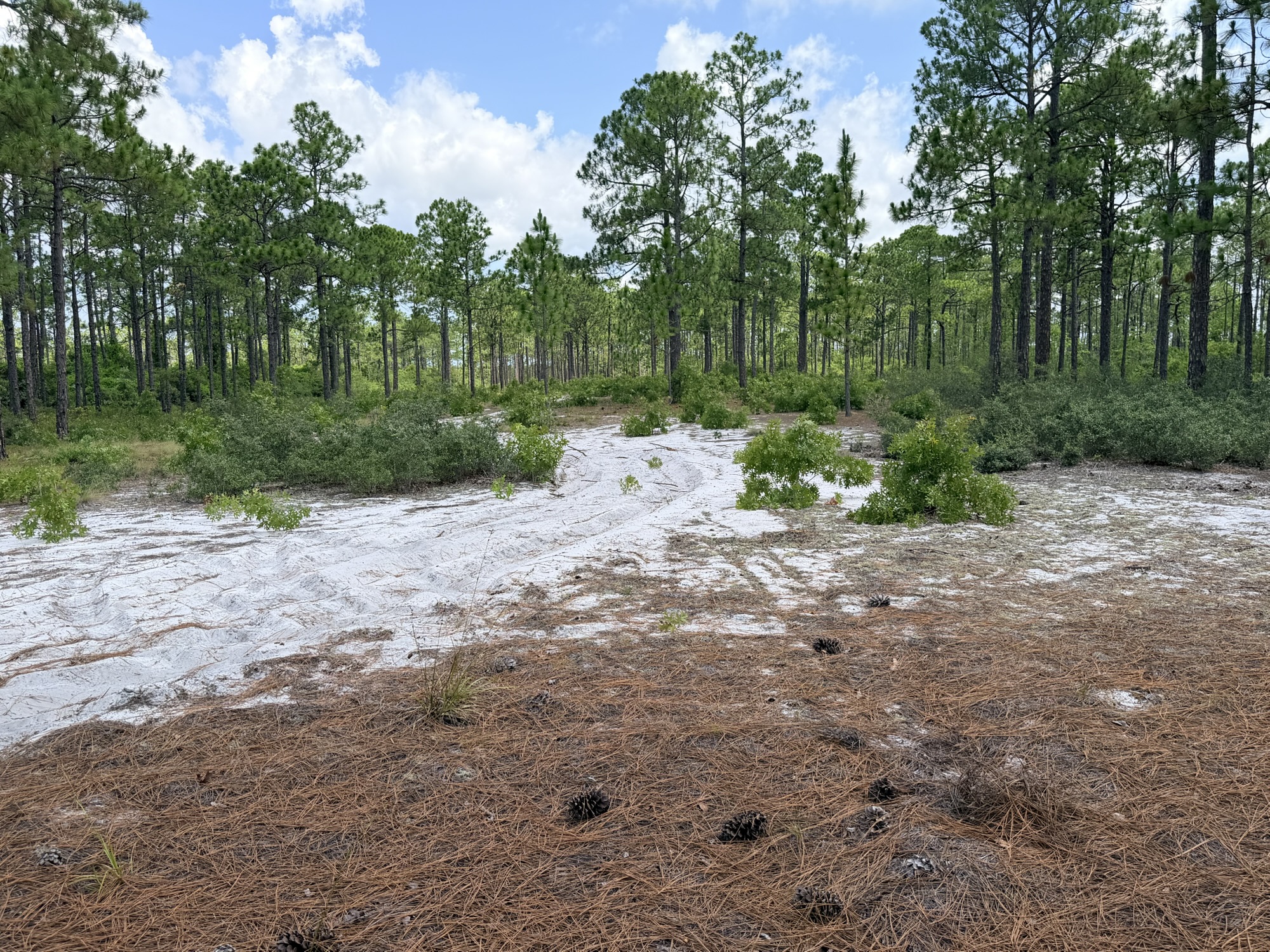
The bays are formed in incredibly white sand and look pretty weird out there in the forest.

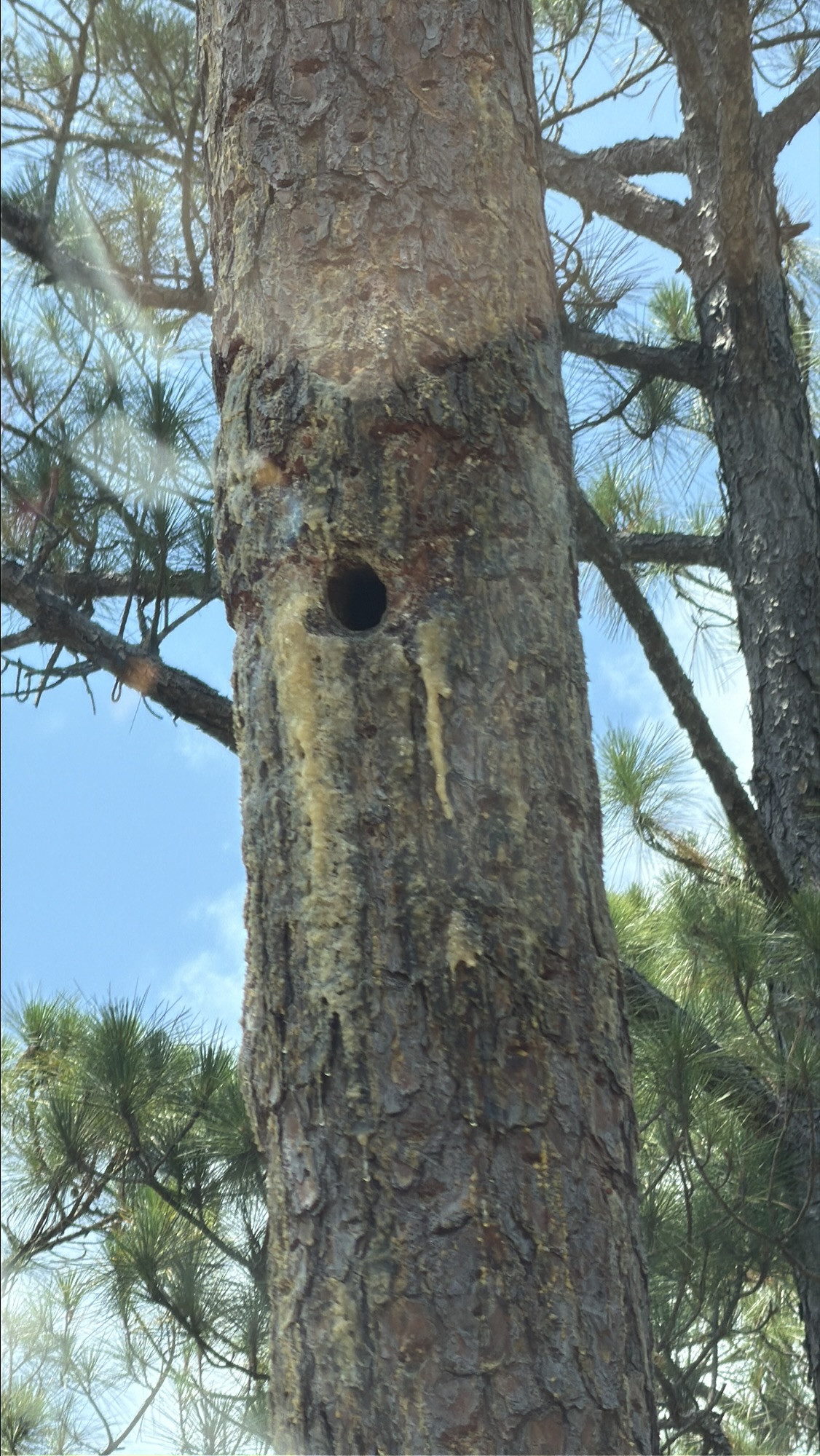
Anita and I drove all over, looking for trees with Red-cockaded Woodpecker nests. We found nests, but no birds.

Luckily there were other birds, like Eastern Towhees, Indigo Buntings (even saw one!), Red-headed Woodpeckers, Brown Thrashers, and a beautiful Swallow-tailed Kite.

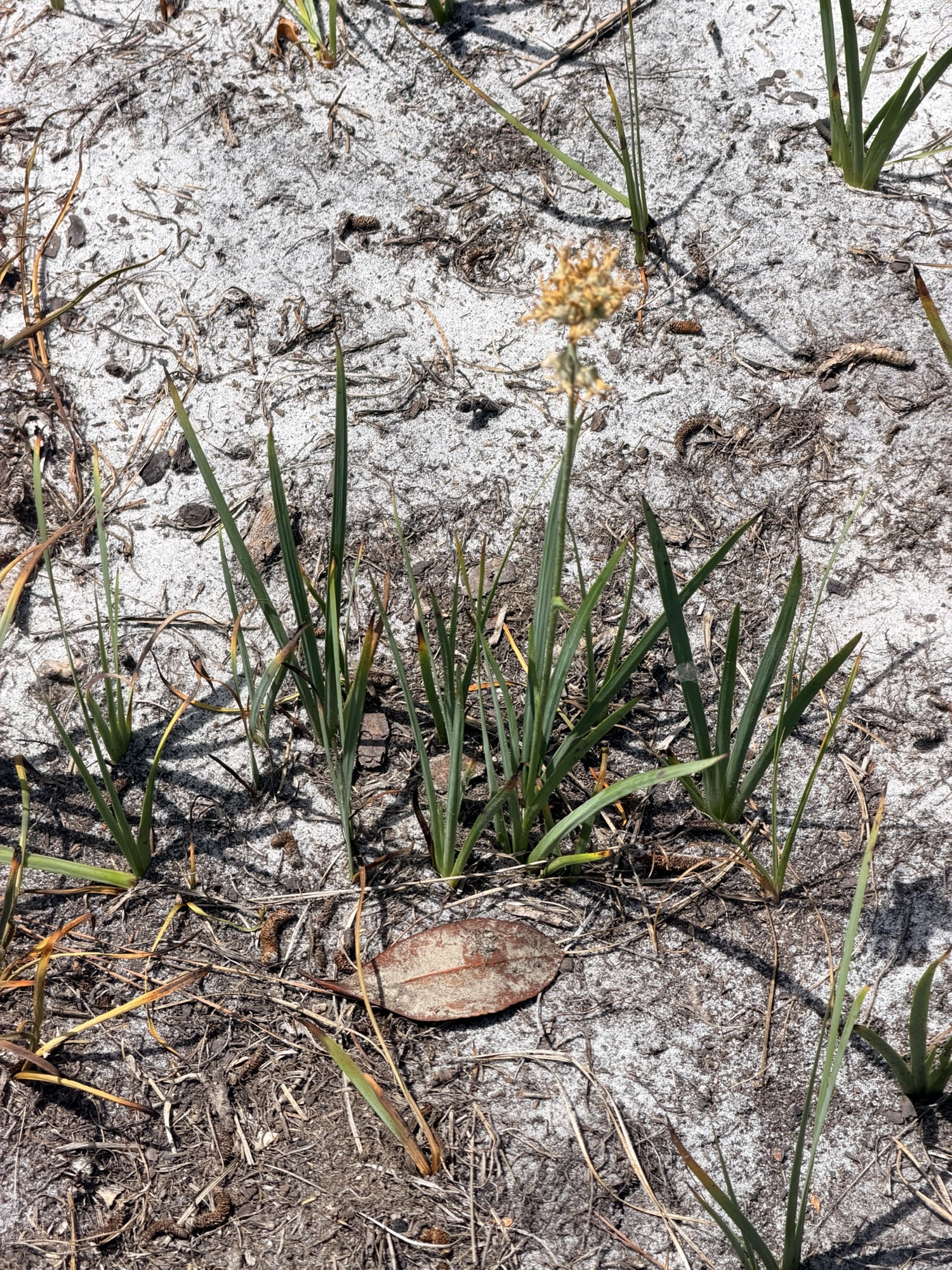
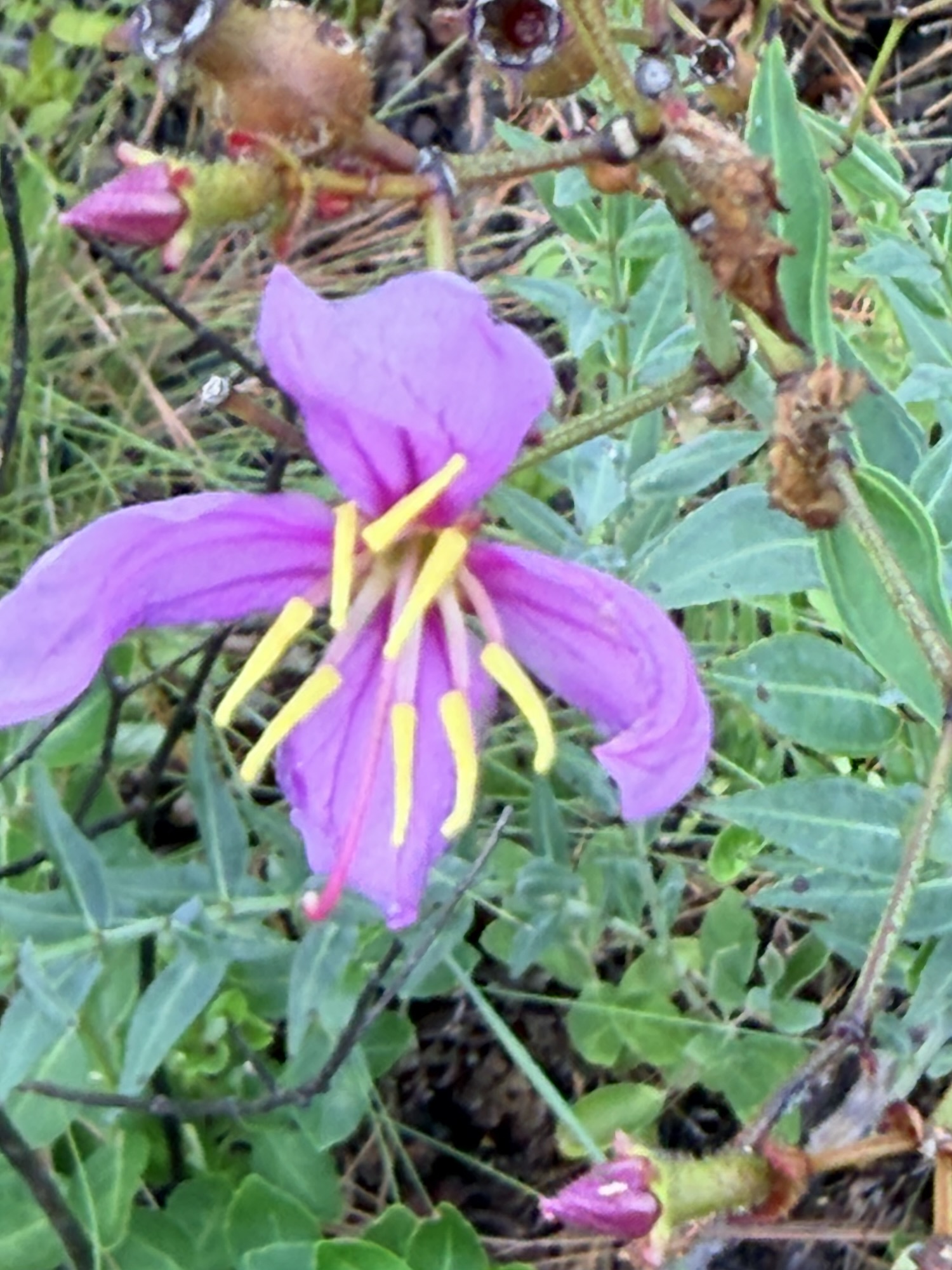
I found many interesting new plants, too. There were a few still blooming in the heat.

The most exciting sight was a young bear who trotted across the road a ways down the road from us. That was my first wild black bear sighting. This preserve has a thriving population. Amazing that it’s so near civilization it so remote.

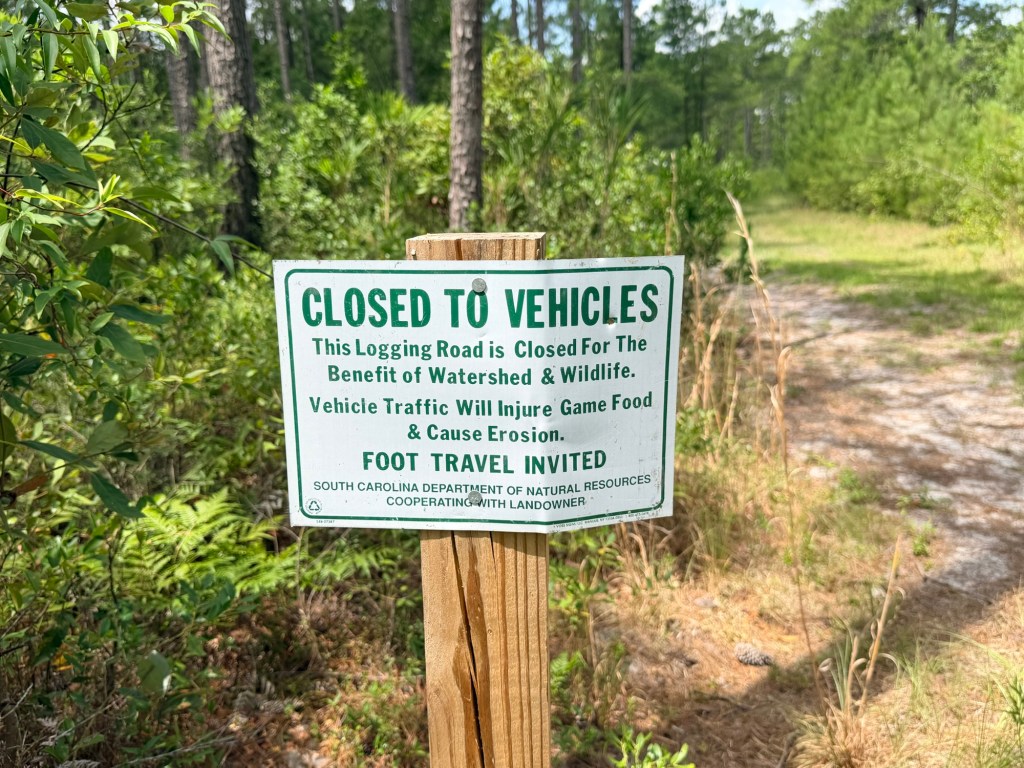
I’d love to come back at a time of year with more moderate temperatures, because there are many miles of trails to explore.

Inviting foot travel!

We headed out and found a Publix supermarket, which was kind of like visiting a tourist attraction. We got fun food to eat the rest of the week. Most importantly, we got beverages.

After afternoon rest, we picked up my book about the Cherokee wars of 1776 written by Kevin the bartender/professor. I like his views of history from different viewpoints. Then I had to take Anita to the Sea Captain’s House for a taste of old Myrtle Beach. It’s a ritual!

It’s an actual sea captain house.

The views were beautiful, the wine bubbly (Anita’s), and the food just lovely. We knew we needed to eat hummingbird cake for dessert!

Ire from our table in the patio area.

The visit so far has been pleasant. The traffic and crowds aren’t bad at all. Hooray for NOT coming during Bike Week!

People can be rejuvenating

If you’ve read my writing before, you’ve probably realized I’ve gotten more like the hermit in our ranch name as time goes on. I get pretty drained in crowds nowadays, even Master Naturalist meetings. (Yet I am going to a convention soon, which I may regret.)

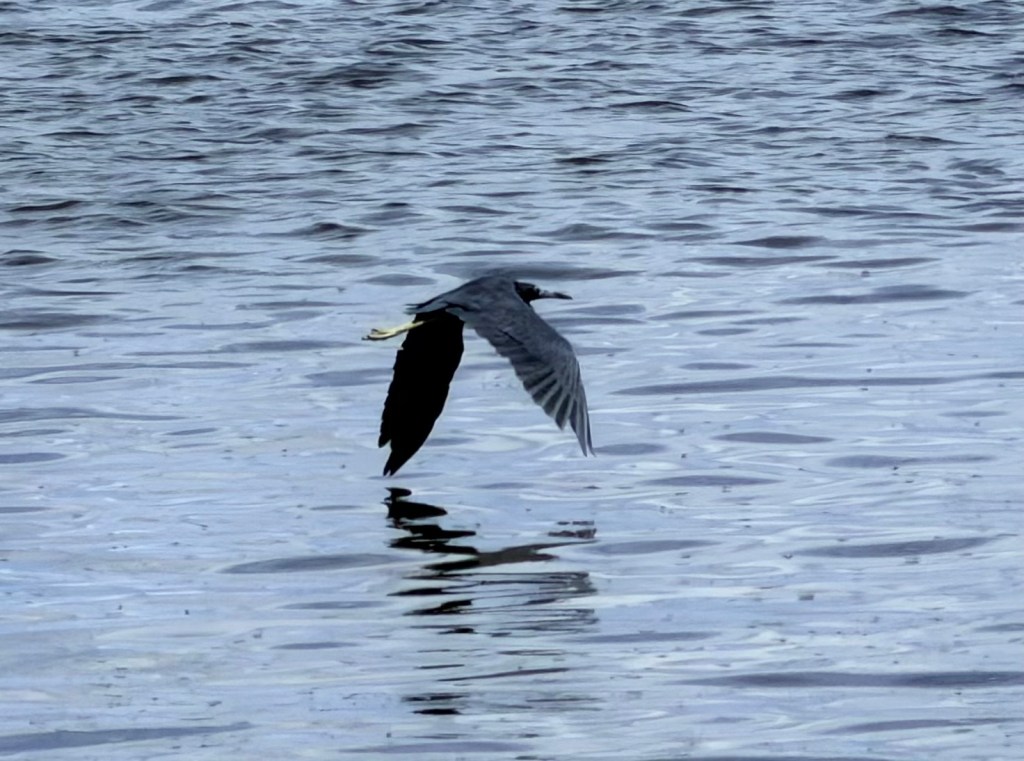
I can always fly away like this guy.

However, one-on-one interactions lift my spirits so much! Today I had many opportunities for good conversation. I’m thankful to all!

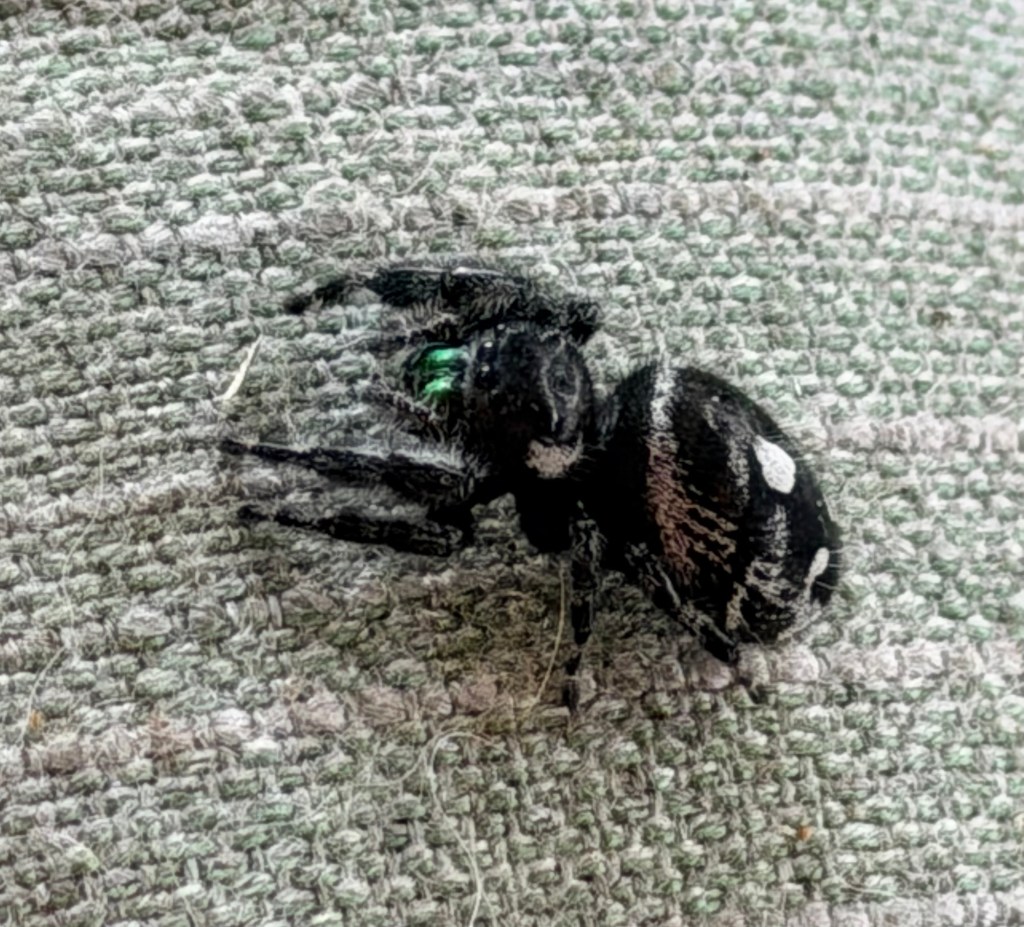
I’m even grateful for this large bold jumping spider who entertained us this morning.

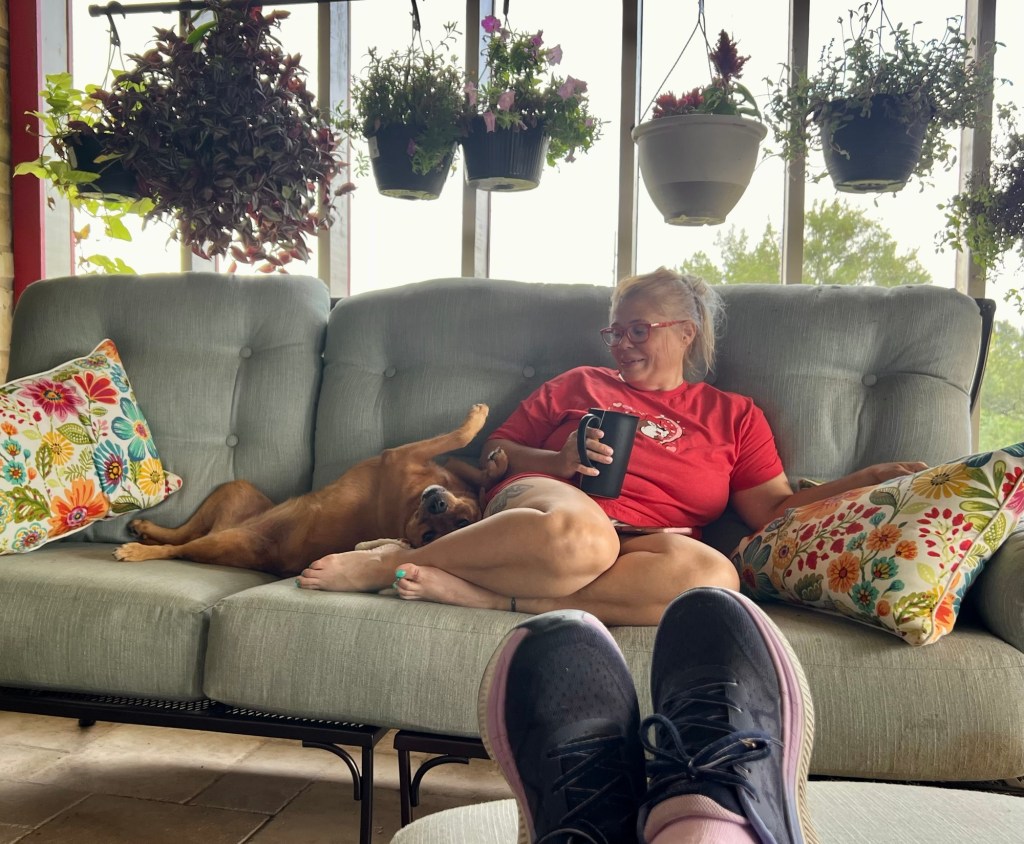
This morning I spent a good while talking about some complicated stuff with Kathleen over our morning coffee, but soon the topics veered off into what an odd little family dynamic we have over here at the compound. For example, we keep repaying each other similar amounts of money, so it’s just floating around in circles. Much laughter ensued. Penney also found it funny.

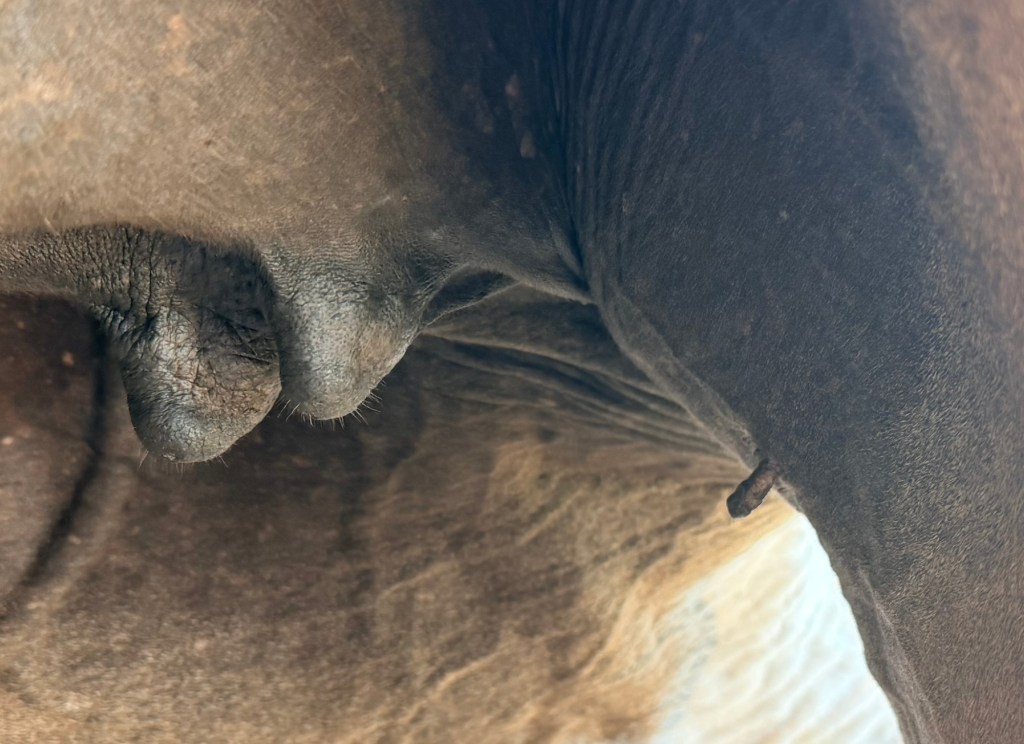
Next, Terry the farrier came to trim the horses and Fiona. We had good conversation with him, too. I enjoy learning his stories of his interesting life and his own odd happenings, like someone just giving him a Jeep. He also found a weird thing growing on Spice, near her tests. Our guess is that it’s a skin tag or little melanoma. I need to find someone knowledgeable to look at it.

It’s on the right.

After a nice, quiet afternoon of work, Terri from Master Naturalists came over to get a blog software refresher so she can help on the Master Naturalist blog. We are supposed to have a backup for all our roles. We fed the horses, looked at all the ponds and outbuildings, and yes, practiced blogging. I tried to explain our family arrangements here, and once again realized how weird it sounds when you say it out loud. I enjoyed her stories of living on a sailboat with young children, too.

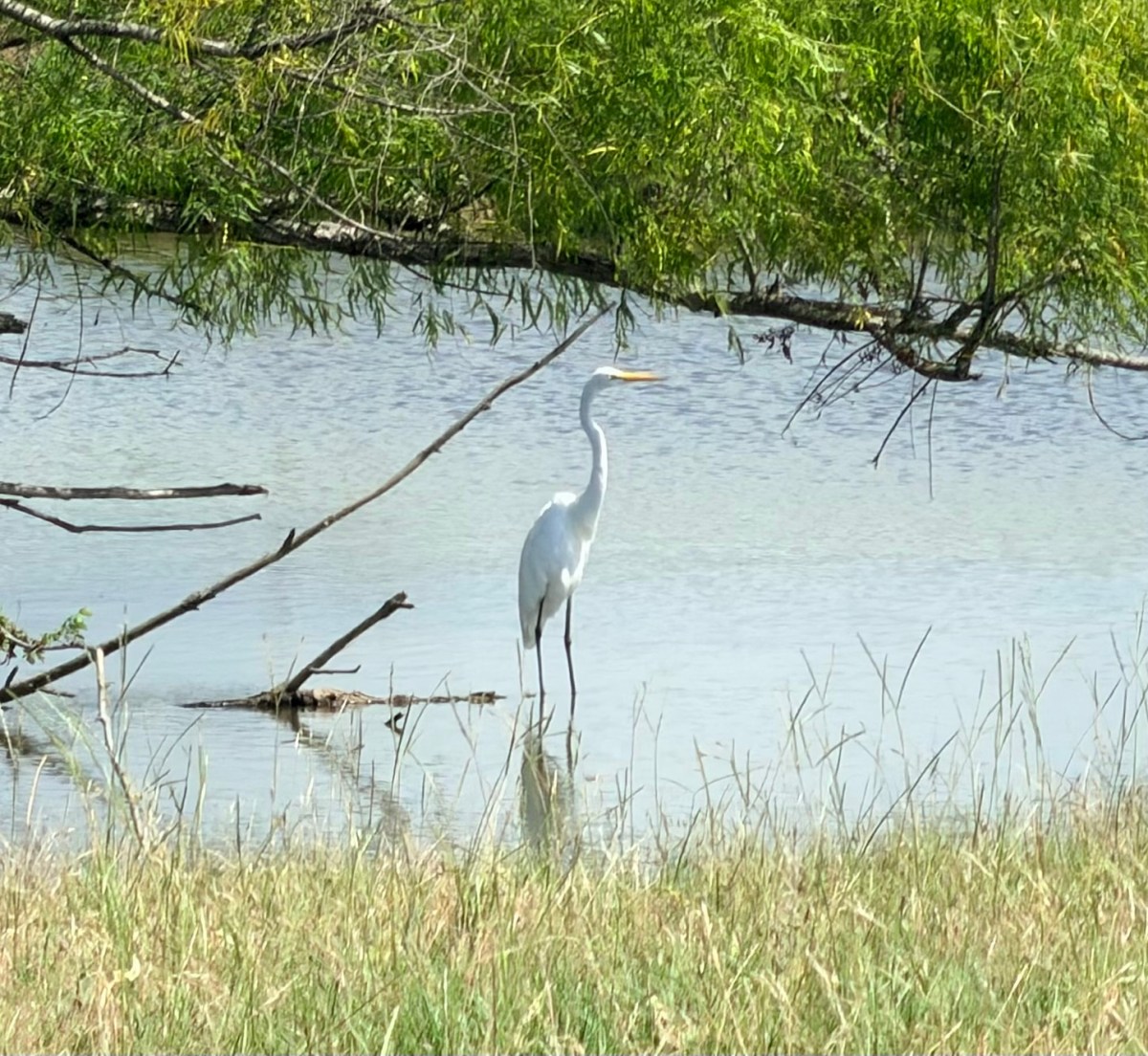
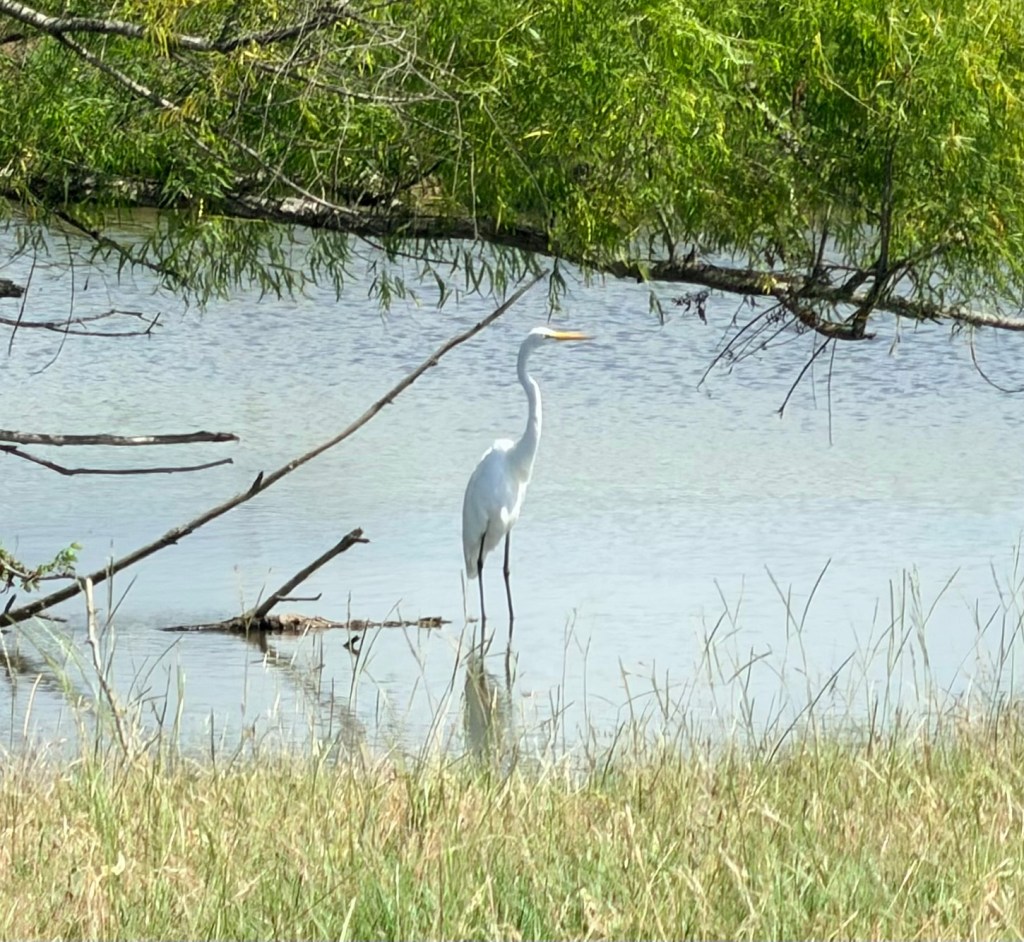
I know I share a lot of egrets. But they are so beautiful.

It was a very pleasant time with no deadlines or big agenda. The whole day was like that. Very little negativity and much supportive interaction. I wish you similar days!

Analyzing my bird sightings

Yesterday I worked on adding up how many bird species I observed here at the Hermits’ Rest last month. I was happy to have seen 126 different species as the migration season drew to a close. I was wondering if there was a seasonal pattern, because I intuited that the spring and autumn migration seasons would bring in more species.

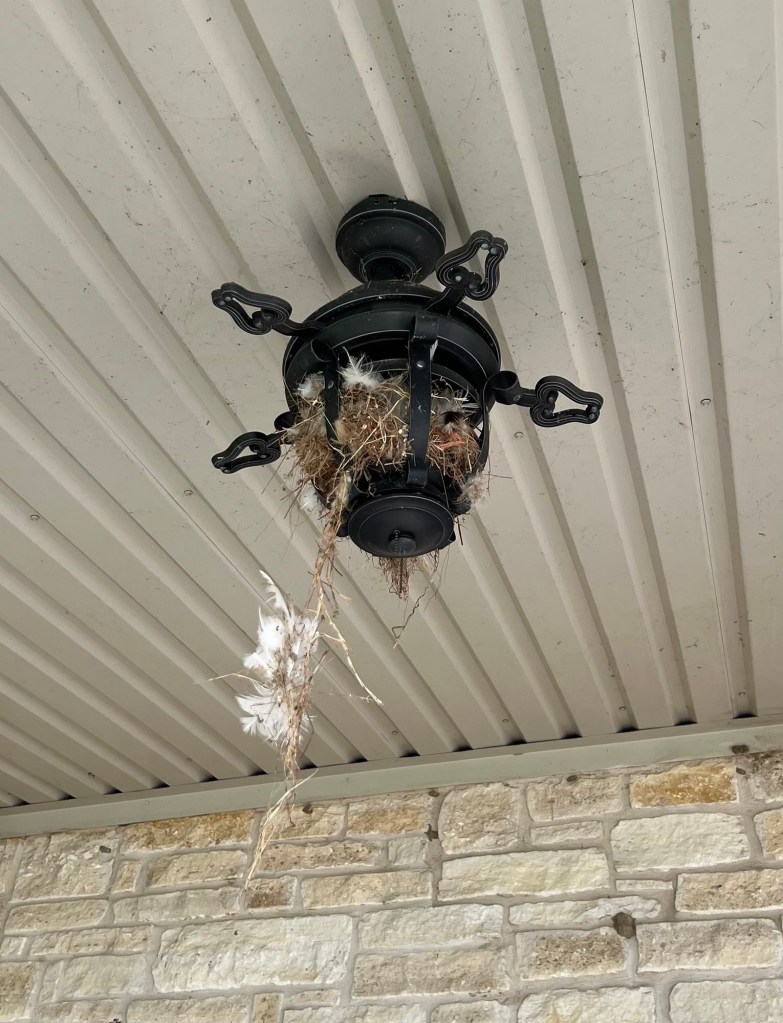
Speaking of birds, I’m not sure if this sparrow nest addendum was on purpose.

I don’t remember exactly what I did, but somehow Excel asked me if I wanted an analysis of the data. Well, yes, I did, because data analysis using spreadsheets is not one of my skill sets. I had all kinds of questions that I’d like answered, like what were the most common species, which species have been here every month, etc.

Like, am I a bird?

Suddenly, BOOM. a new tab opened on the spreadsheet. It had all the answers. Something had analyzed my spreadsheet. Oh no, I found a use for AI! Damn! I couldn’t not look at the results. I really wanted to know.
Right on top, there was a summary of my ranch bird data:

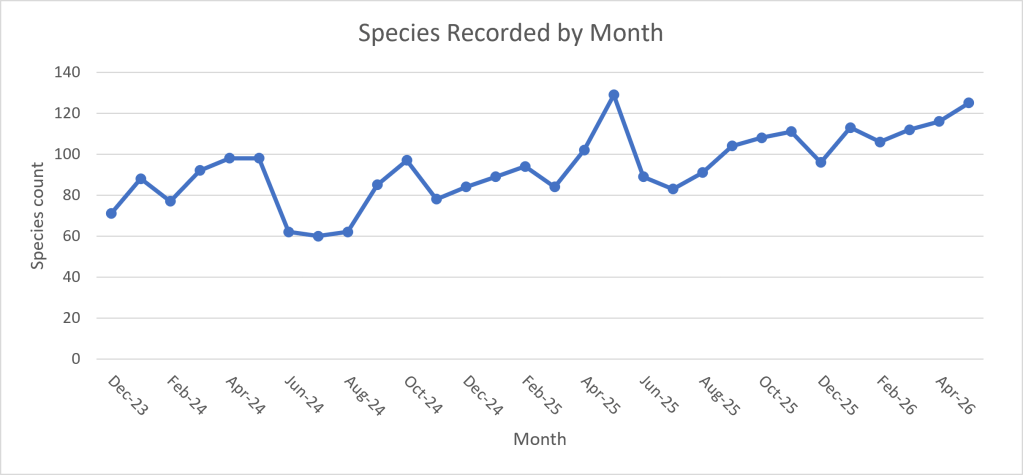
The sheet is a month-by-species presence matrix: an X means a bird was recorded in that month. Coverage spans Dec-23 through May-26, with 2,804 total monthly presence marks. May-25 is the richest month (129 species); Jul-24 is the quietest (60 species). 18 species appear in every month, suggesting reliable year-round residents. 30 species appear in only one month, highlighting possible migrants, one-off observations, or rare sightings.

That’s all the stuff I wanted to know! To top it all off, there were tables and charts! Look at this.
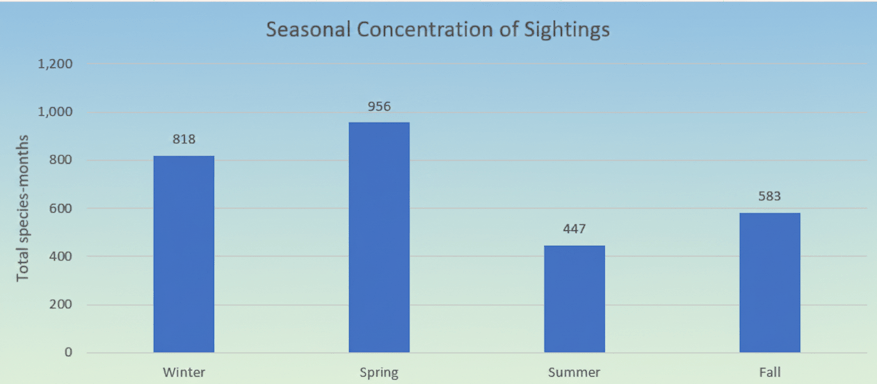
I was wrong about the seasons. Winter, with all those sparrows, has the second most sightings, after what I expected…that spring gets the most.

This one is probably my favorite. I wonder, though, how we got so many species last June, when the previous June, July, and August were so low (and this June is starting off pretty slow). What I really think is that I need another couple of years of data to see these patterns better. Here’s another graph:

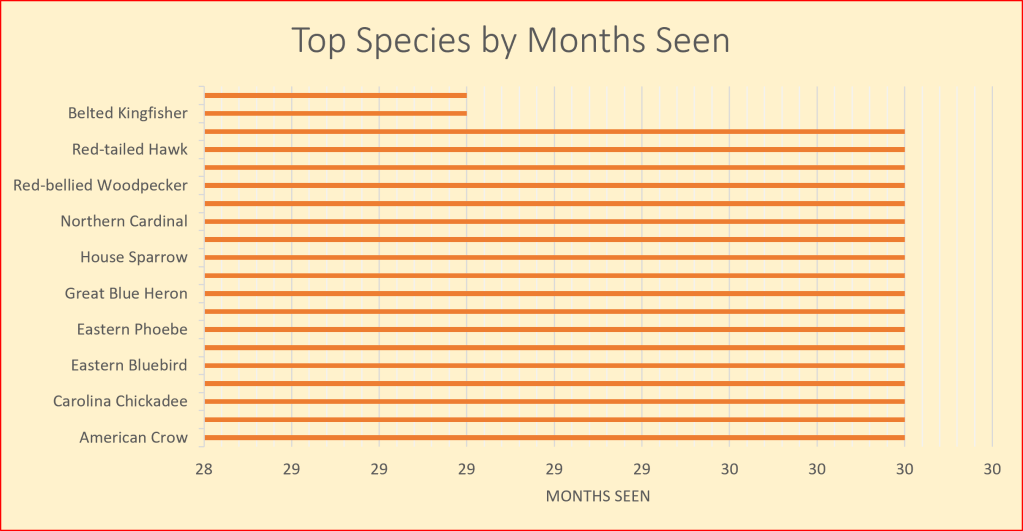
These are the 18 birds we see every month, with two that occur almost every month. I am not at all surprised at the species I see here. I wasn’t sure that Eastern Bluebirds were here every month. I don’t see them every day, but I guess they are here. Okay, one final fascinating thing.

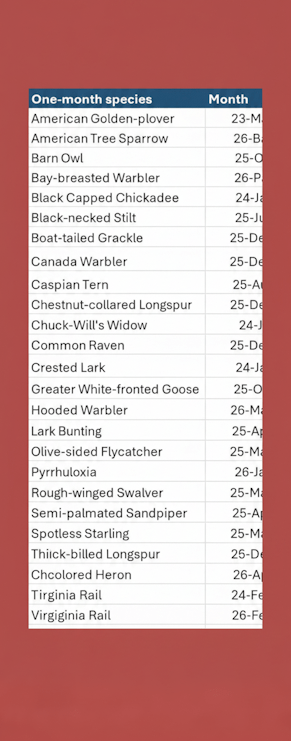
These are supposedly the birds we’ve only seen once. That’s pretty interesting, but look! There are weird spellings on the birds, which I assure you are spelled correctly on the original spreadsheet. I probably shouldn’t have asked for a red border. I wonder what a Swalver is? And I think those last two are both Virginia Rails. But it appears only once on my list. I went too far.

What are my conclusions? In summary, AI is helpful upon occasion, but AI always does weird stuff to the data. Here’s the actual data of birds that were only seen once.

  • American Golden-plover
  • American Tree Sparrow
  • Barn Owl
  • Bay-breasted Warbler
  • Black Capped Chickadee
  • Black Tern
  • Black-and-white Warbler
  • Black-necked Stilt
  • Boat-tailed Grackle
  • Canada Warbler
  • Caspian Tern
  • Chestnut-collared Longspur
  • Chuck-Will’s Widow
  • Common Raven
  • Crested Lark
  • Greater White-fronted Goose
  • Hooded Warbler
  • Indian Peafowl
  • Lark Bunting
  • Olive-sided Flycatcher
  • Pyrrhuloxia
  • Rough-winged Swallow
  • Semi-palmated Plover
  • Semi-palmated Sandpiper
  • Spotless Starling
  • Thick-billed Longspur
  • Tricolored Heron
  • Virginia Rail
  • Western Wood Pewee
  • Yellow-green Vireo

Dang, I’m ambivalent. But now I know stuff about my bird data. I am pleased about that.

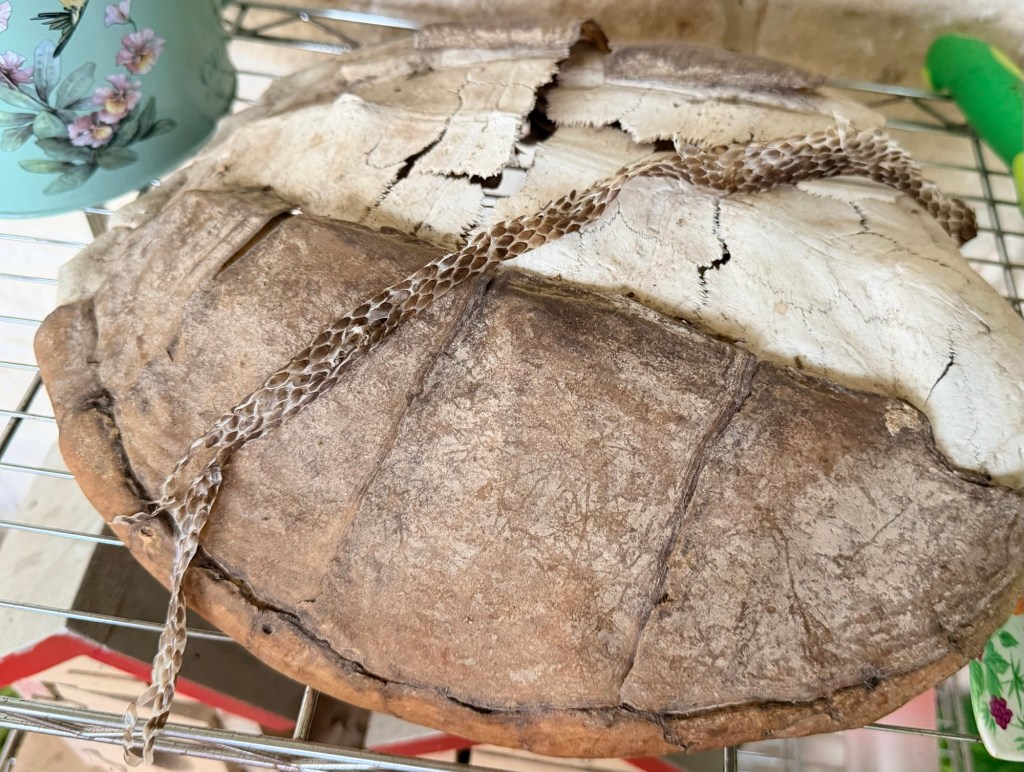
I was not quite so pleased when I sleepily ventured onto the screened porch to guzzle some coffee before my 8 am standup (once again it went 30 minutes over). I went to set my coffee down and spotted a snakeskin on the arm of my chair. You know I’ve lived here a while, because all I did was ask Lee if he put it there. Nope. I set the skin on my big turtle shell where it looks quite decorative.

It wasn’t a big one.

I guess the rat snake left the way it came in when it realized there were no birds or rodents to snack on. Ah, it’s always something!

The great outdoors? It’s great!

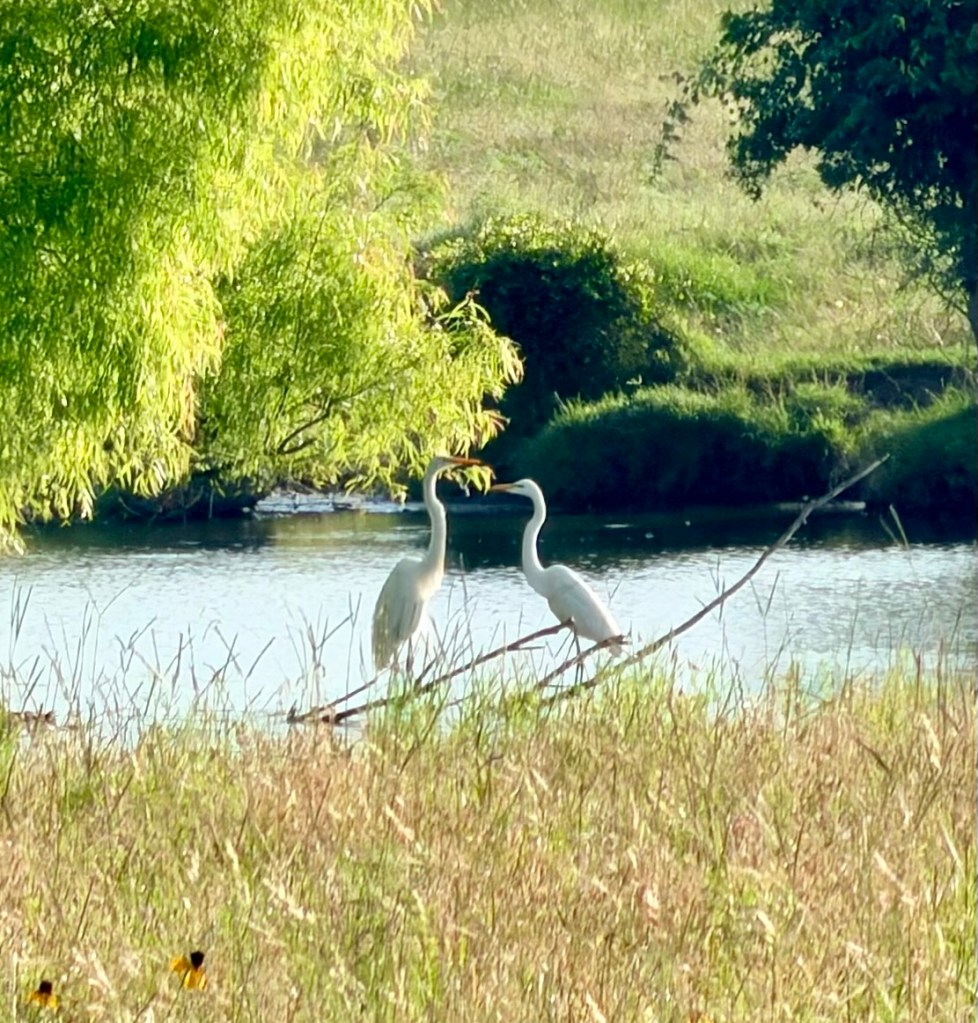
Today I took every possible chance I had to go outside and take a break. I was rewarded with some fun and educational sights. First thing this morning, I went out to check the rain gauge. To my delight, I spotted a pair of Great Egrets under the willow tree in the pond.

Love birds

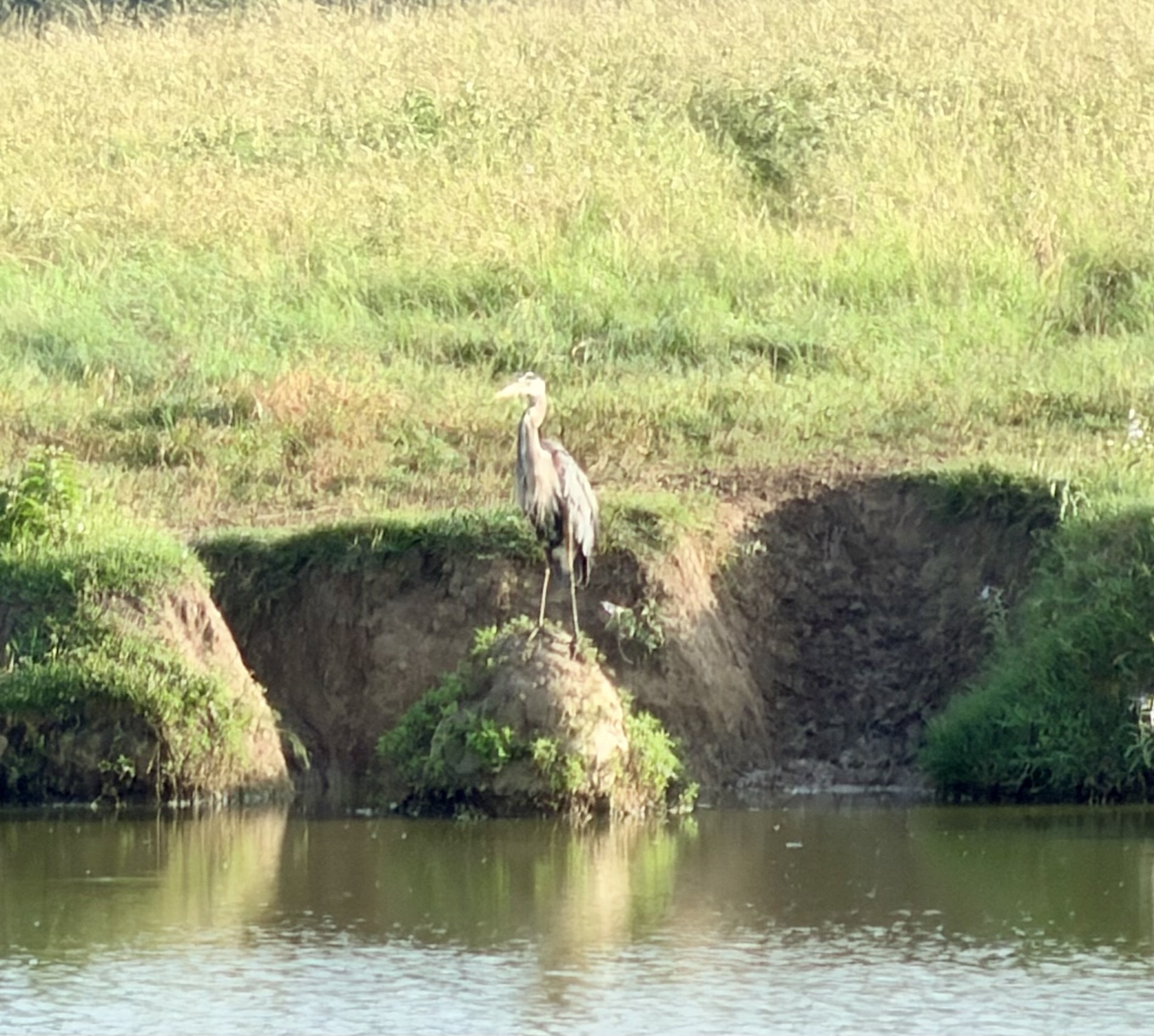
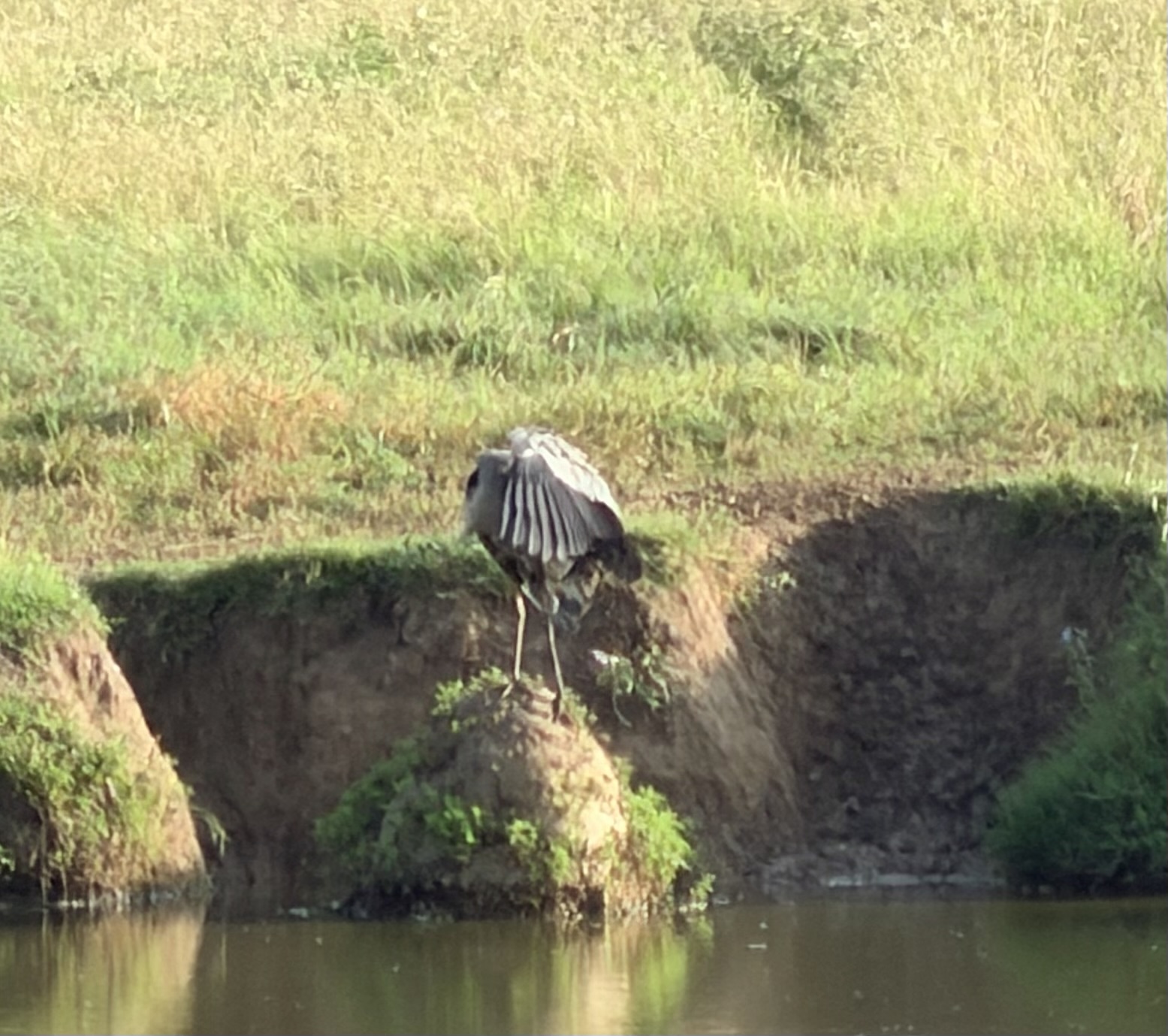
I enjoyed them for a few minutes. Then I got my binoculars out of the birding hut to see them better. I quickly realized there was also our Great Blue Heron on the shore, sitting on his favorite grass tussock.

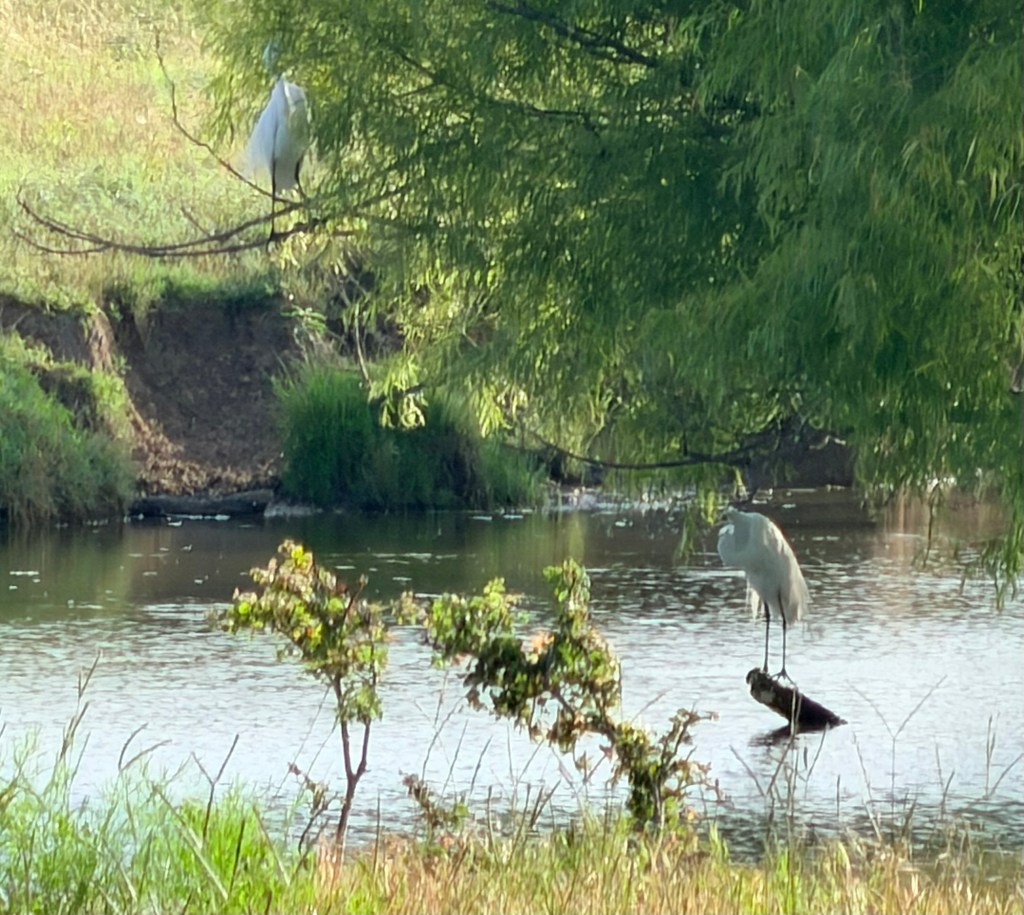
I looked back over at the willow tree and found a third and fourth Great Egret! I wonder if they’re related?

More egrets!

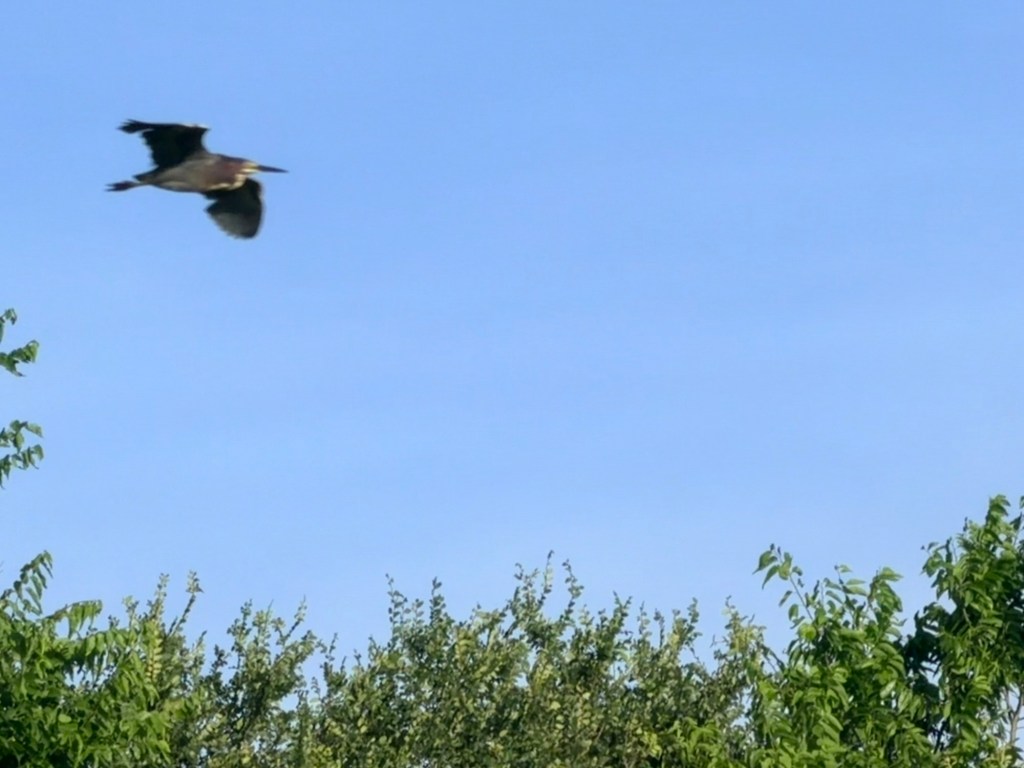
Just as I thought I was finished I heard a familiar squawk. Yes! A third egret! One of our nesting pair of Green Egrets came over to check out the action.

Coming in for a landing.

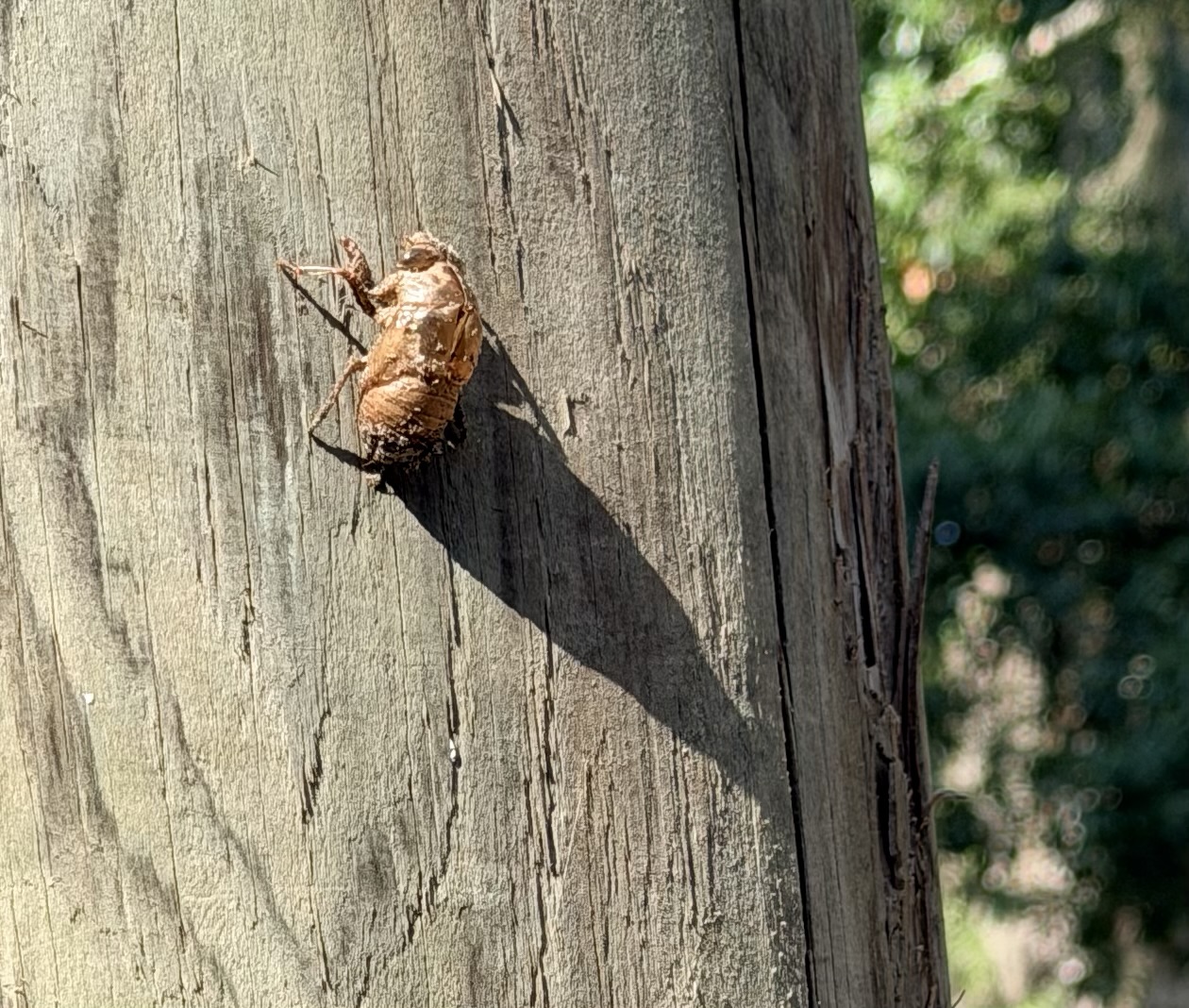
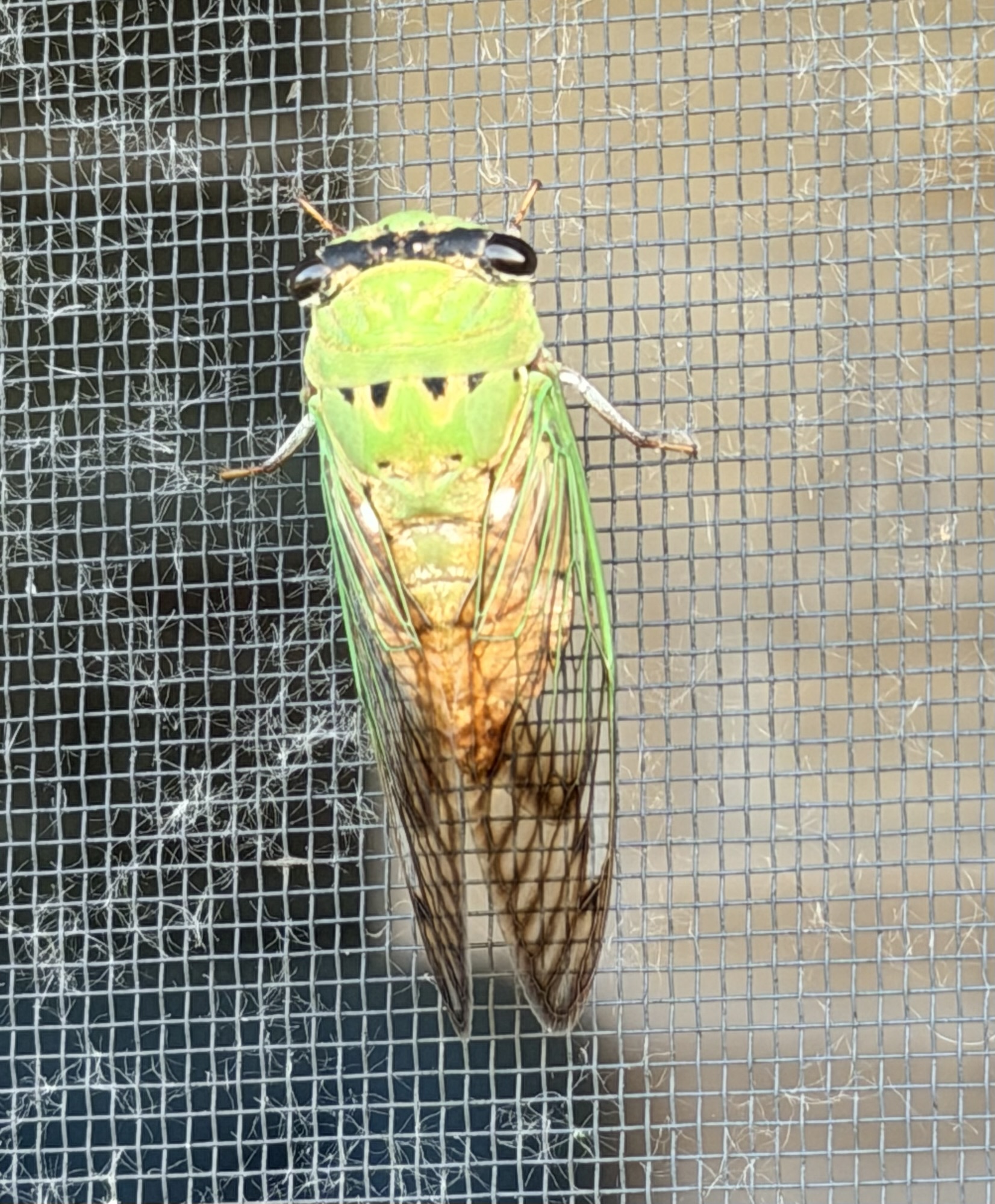
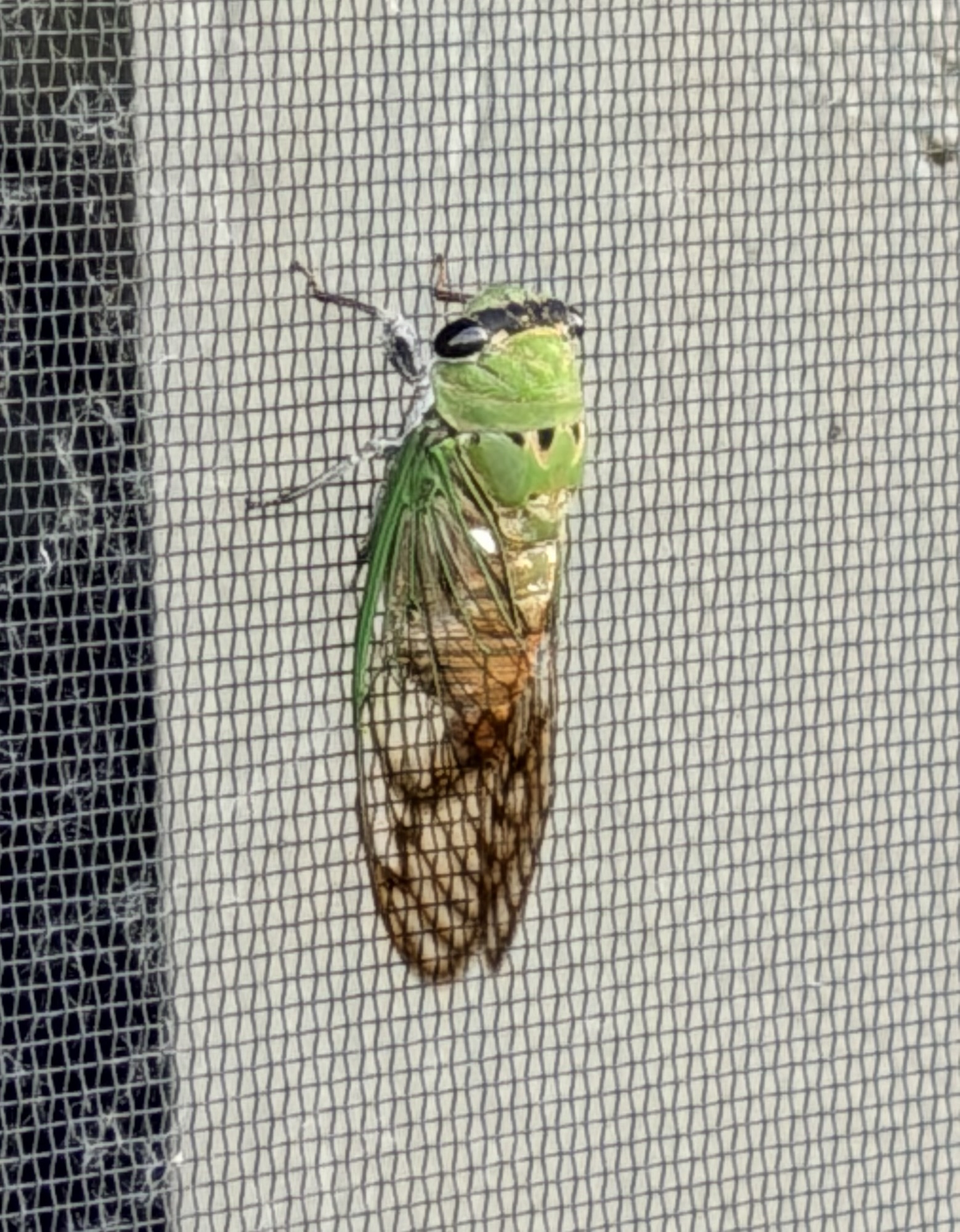
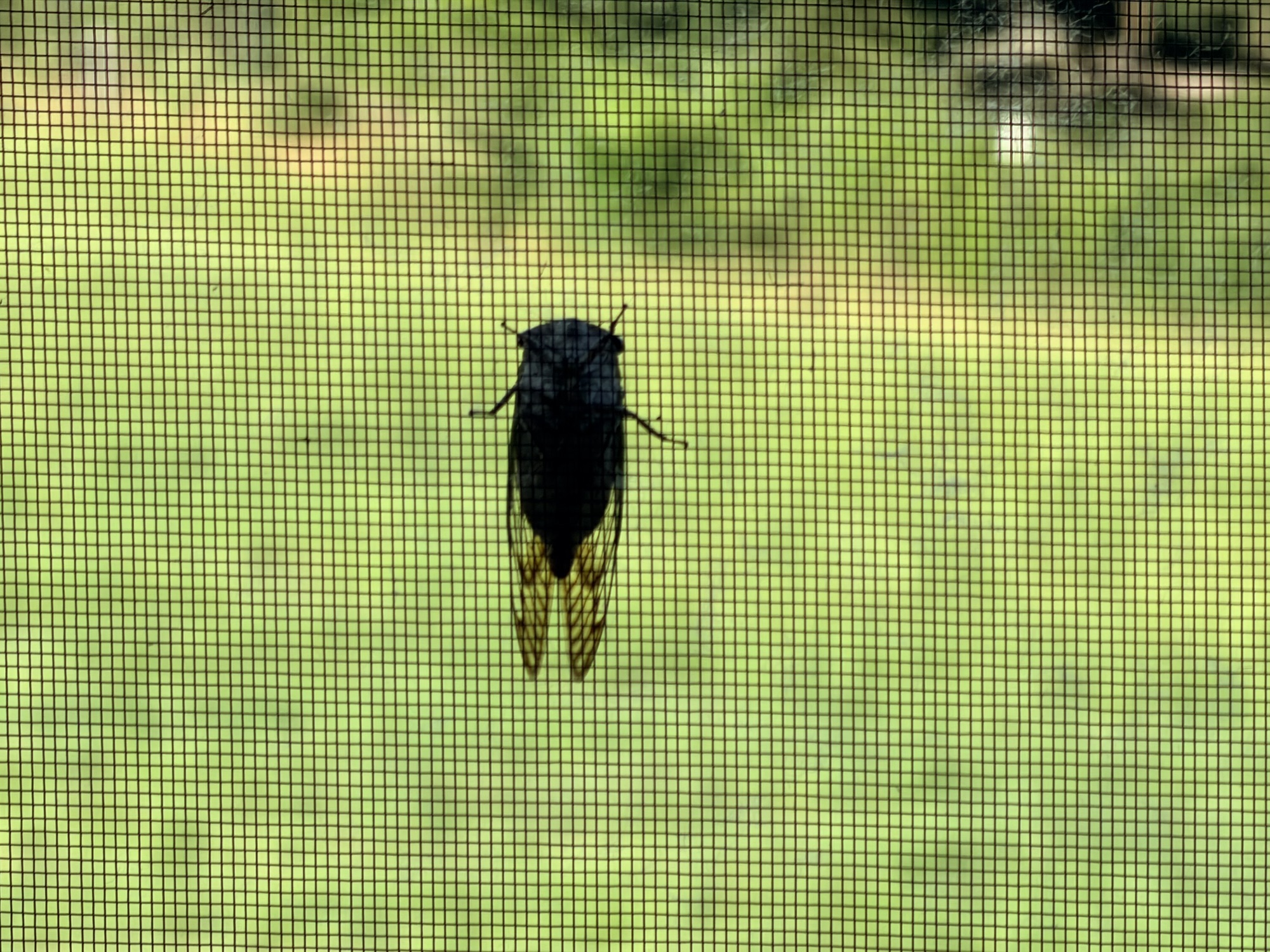
That was enough for me, but when I came back to the porch, Lee spotted our loudest summer resident, a Superb Dog-day Cicada (Neotibicen superbus). These buddies sure make my bird listening difficult.

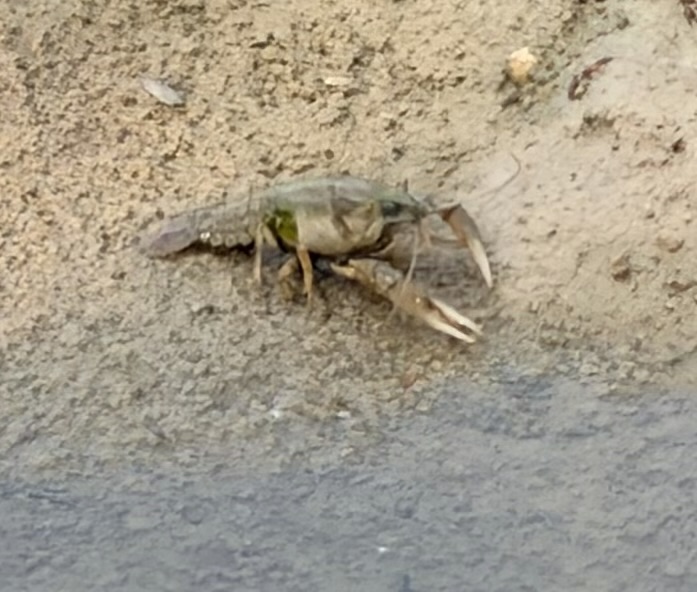
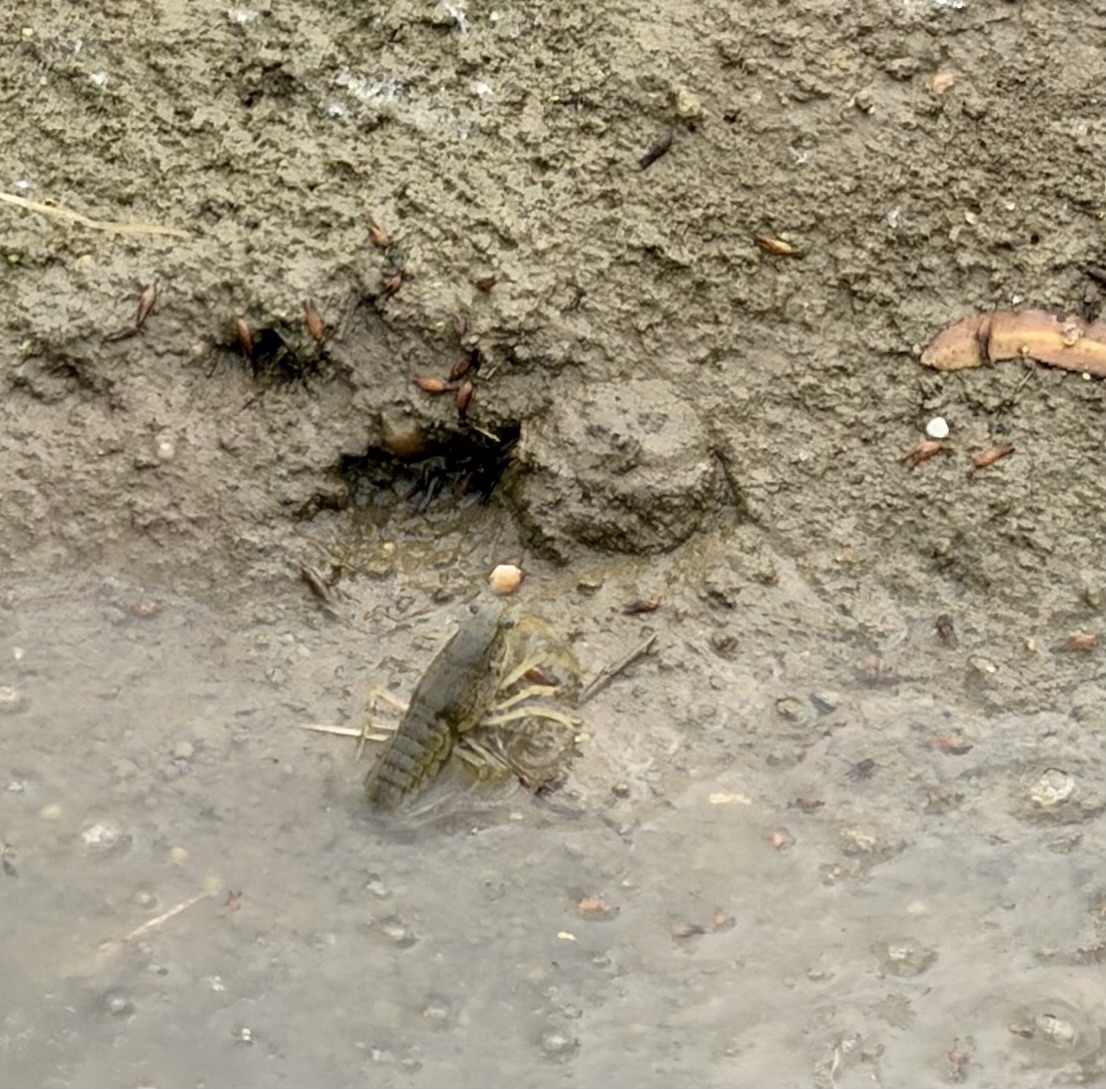
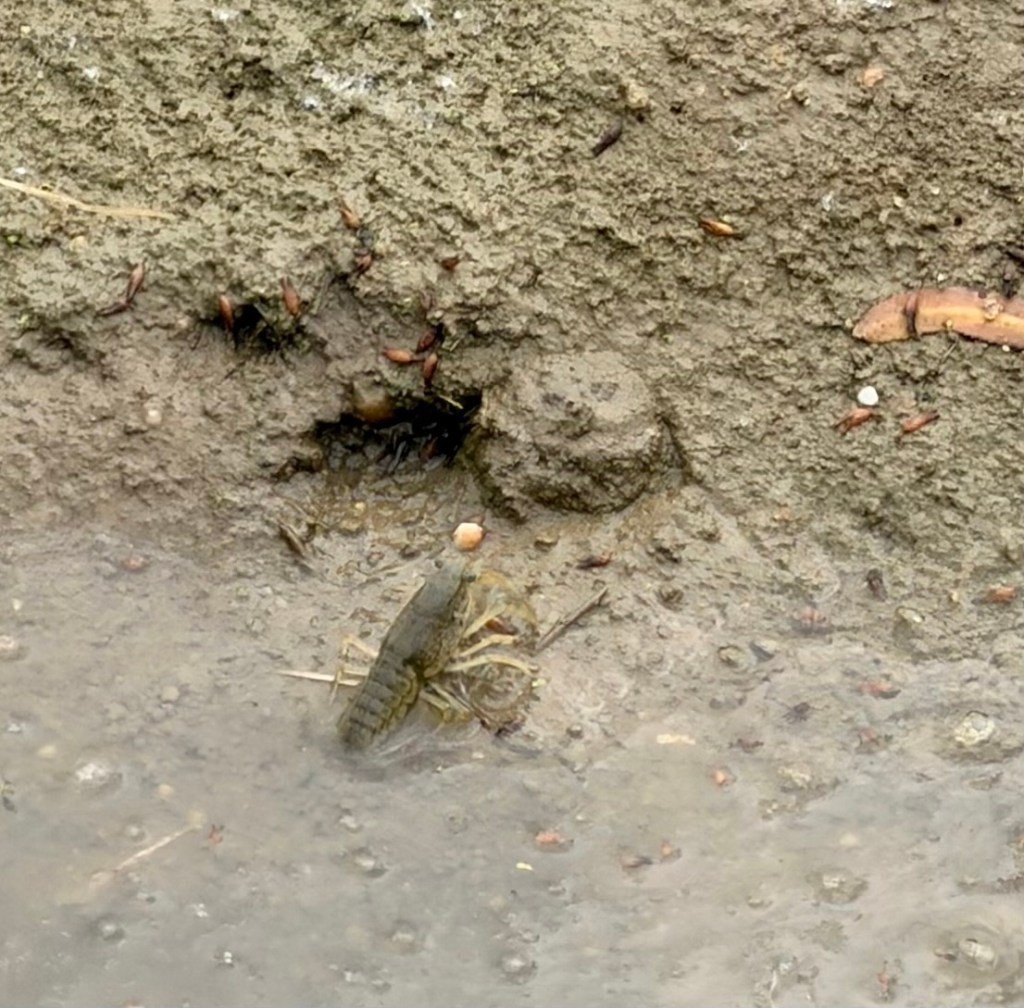
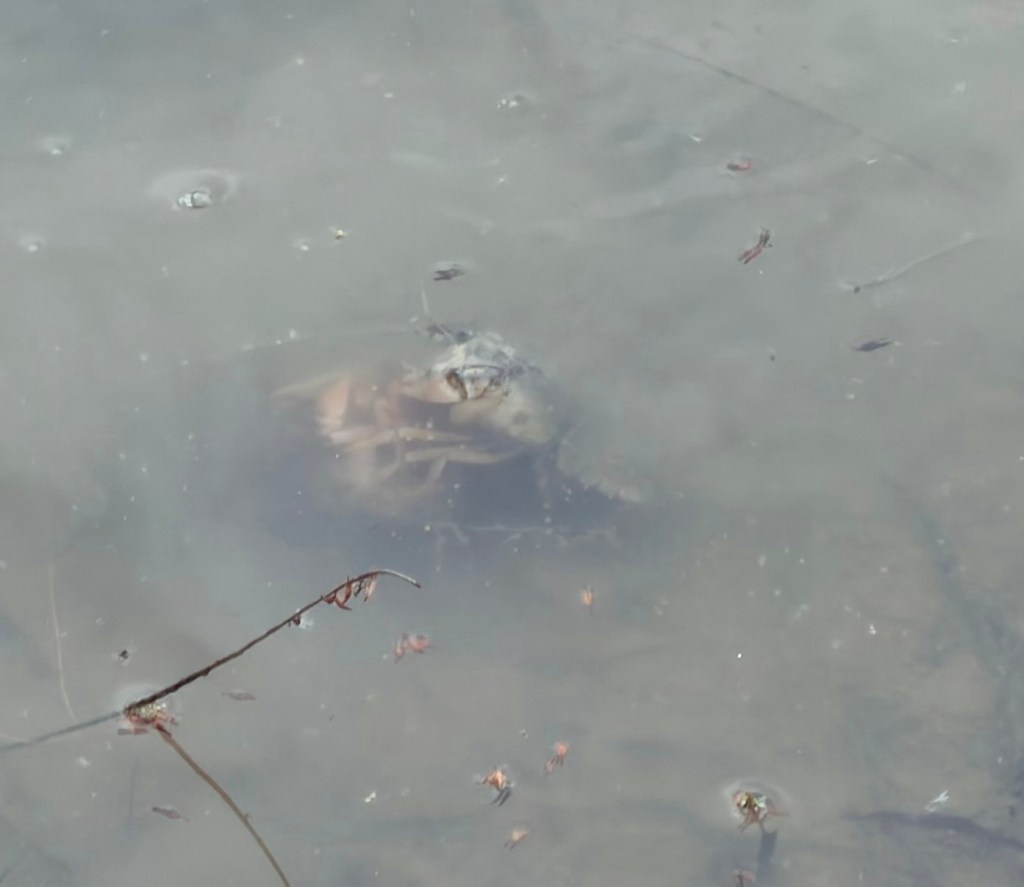
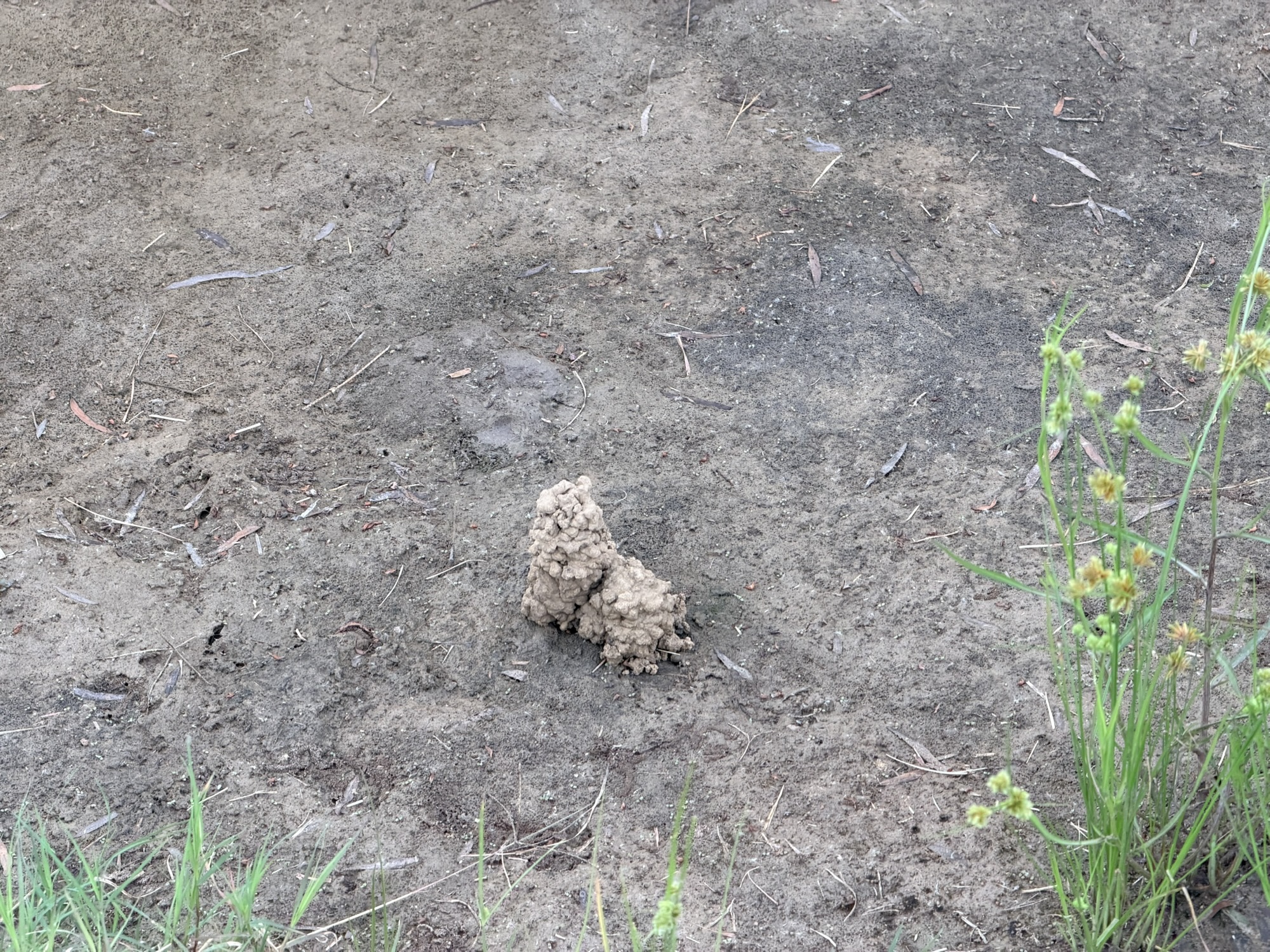
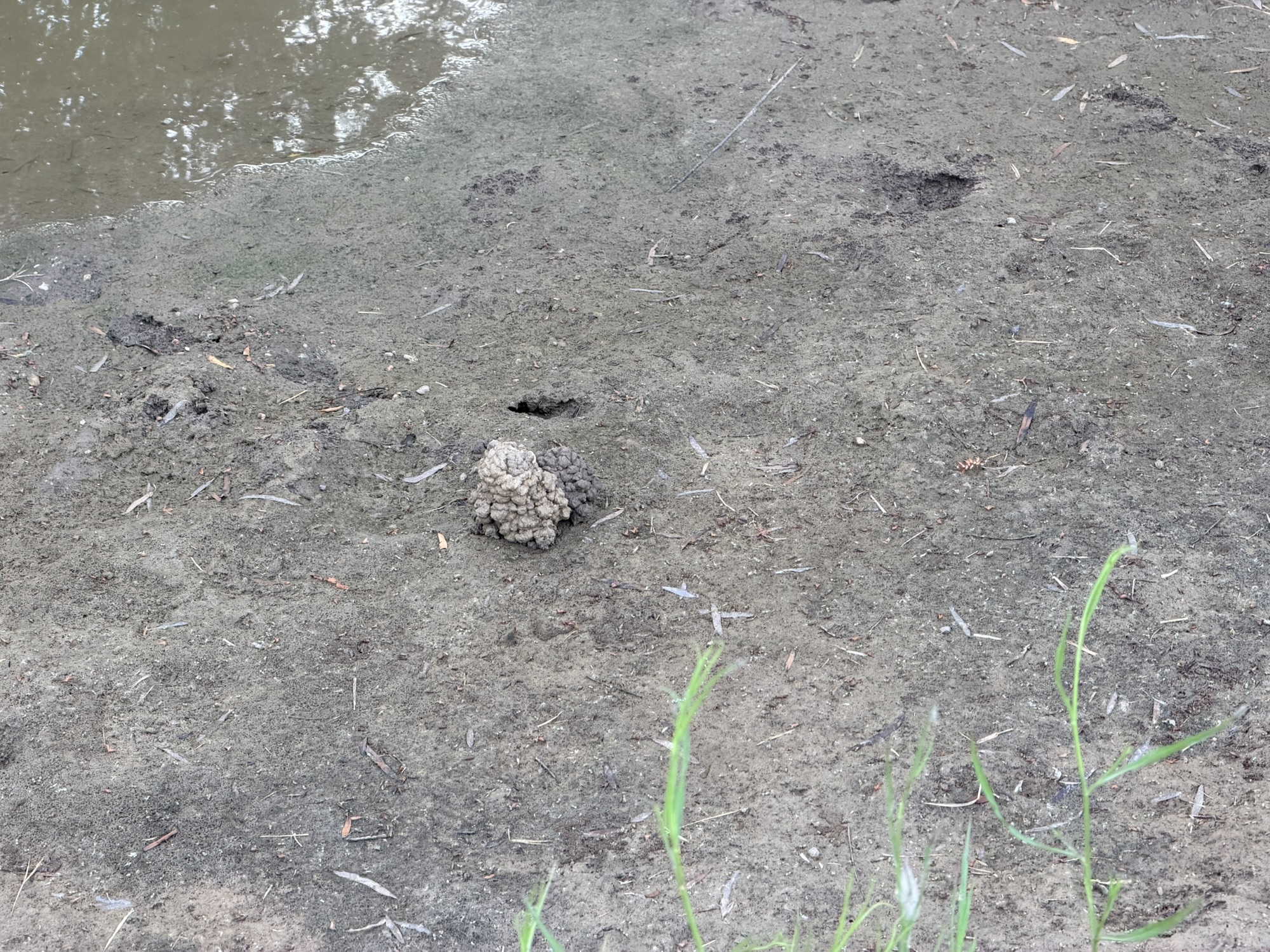
When I went out to check the mail, I stopped to look at our little mud pond by the driveway. I spotted a very busy crawfish moving mud around to build its home. I was fascinated.

I’ve always loved these guys, which we called crawdads in Florida. They’re mud bugs in many parts of Louisiana. They eat mud and filter nutrients out of it. Fascinating crustaceans!

After work, feeding animals, and eating a yummy dinner (ironically, featuring crawfish—Kathleen did not know I’d been looking at them), we went for a walk. Kathleen made it to the dumpster with a bag of trash, but I got all fascinated by the crawfish again.

Busy builder.

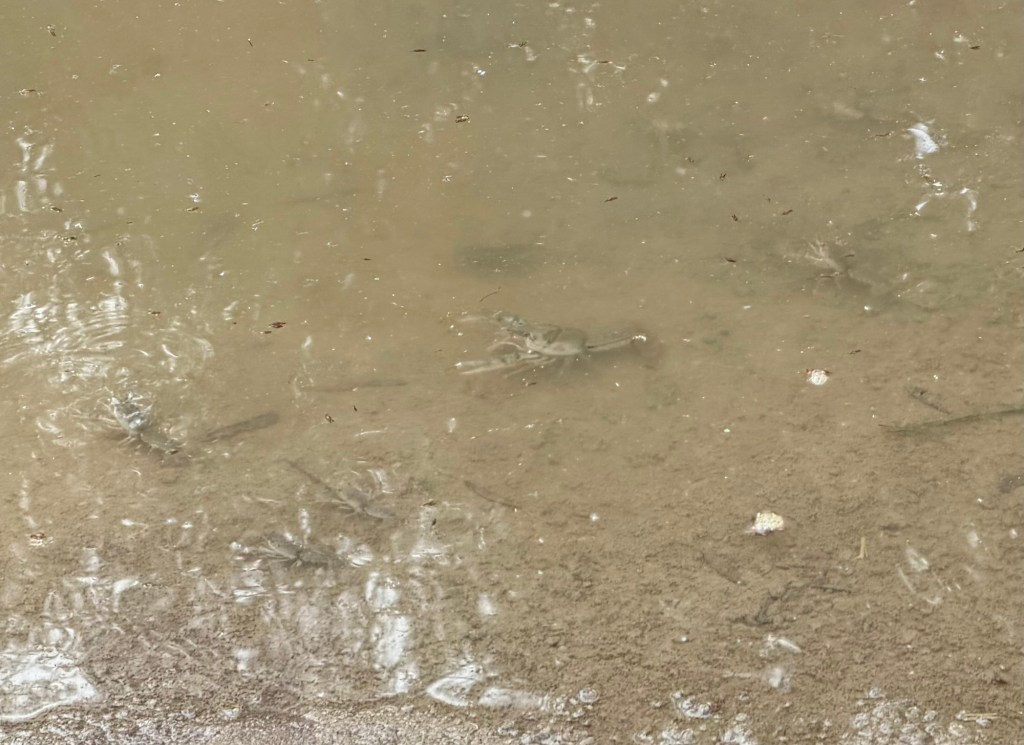
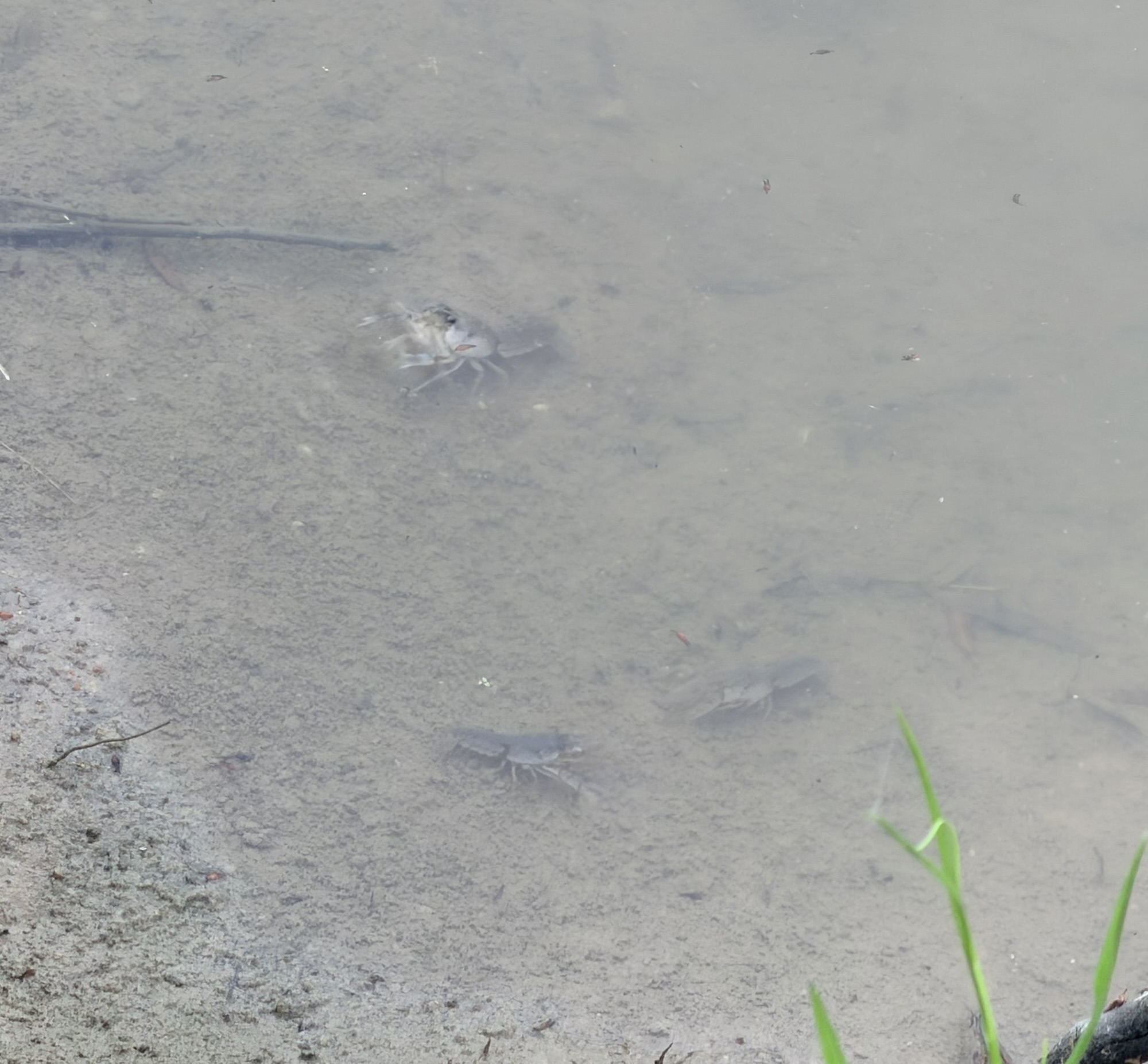
We realized there are dozens of crawfish in the little muddy pond, big ones and small ones, all busily doing whatever they do.

Lots of little ones.

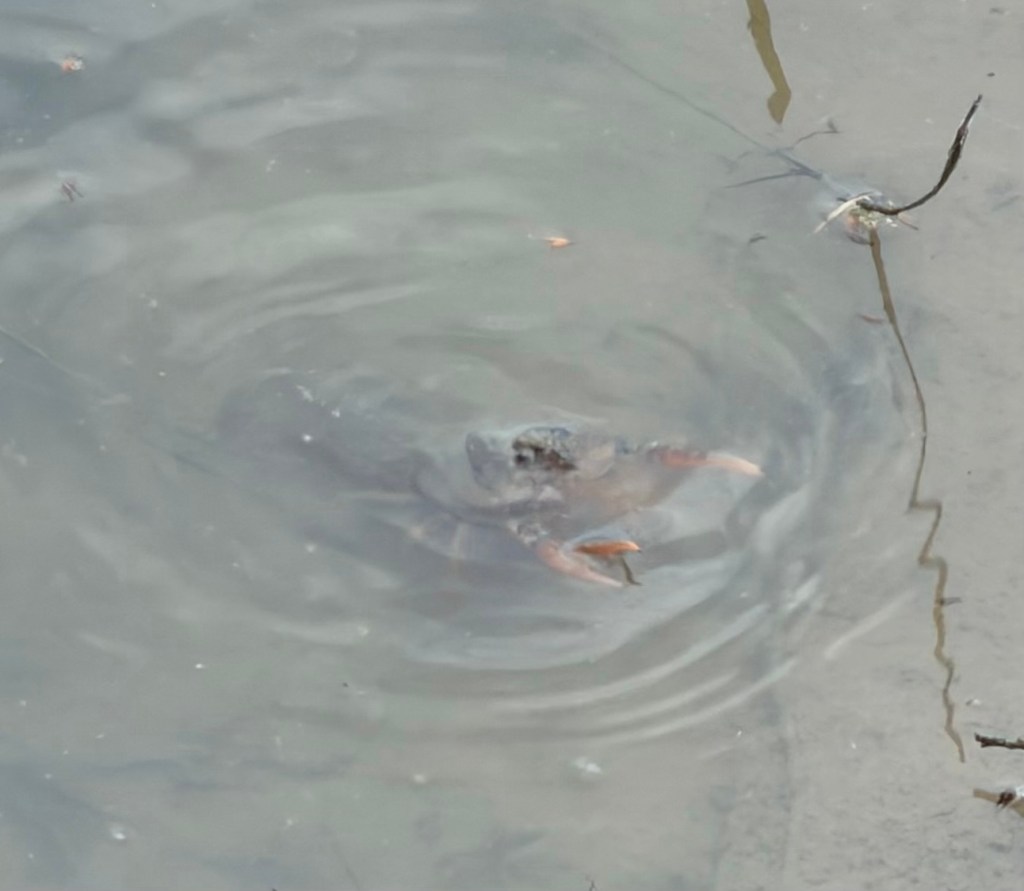
There was a small puddle being guarded by a larger one, who busily herded small intruders. Those claws stuck out above the water menacingly! We just stood there and laughed delightedly. We needed that.

Stay away!

Then we witnessed crawfish mating, which came as a surprise. It starts with the female fighting the male, then they settle down to laying eggs and fertilizing. The female will carry the eggs until they hatch out as tiny versions of the adults.

Doing it.

Kathleen wondered why we didn’t see any shed exoskeletons in the water. I also was curious, so I looked it up. Turns out they eat them! they recycle the nutrients and skeletal material. Uh, they also eat their poop. I think I’ll do a longer article on crawfish for the Master Naturalist blog. I’ll be sure to share the link.

That was plenty of nature fun for one day. We are definitely easy to entertain, but that’s part of our charm, our husbands would say!

Geez. I care about my phone.

What personal belongings do you hold most dear?

Why do I hold my phone dear? It is my memory. It contains all my photos, all my communication with friends, access to my memories in the blog…and yes, I can get to all those things from my laptop. Yuck. I think I hold some bits and bytes or whatever cloud storage is made of. That’s really depressing. What else do I hold dear? Things made by my loved ones. My mom and stepmom’s art. Dad’s woodcraft stuff. Gifts they gave me. Things that tie me to them.

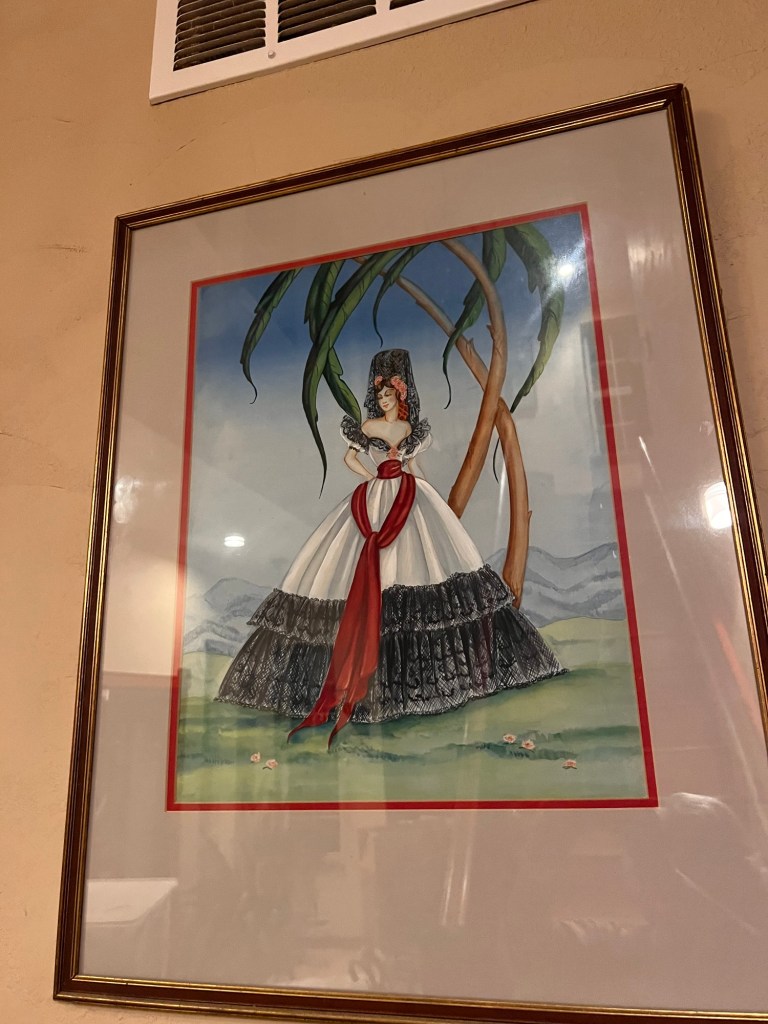
Mom painting

New thought: I’ve started letting myself write in incomplete sentences! They’ll soon be taking away my Grammar Police badge. My take is that the incomplete sentences are not as unpleasant as those two blogs I dictated and then was too woozy to properly review. Poor Sue had to endure proofreading that. I don’t pay her well enough for that! (I do not pay Sue; she’s just nice.)

You’re under arrest for omitting verbs!

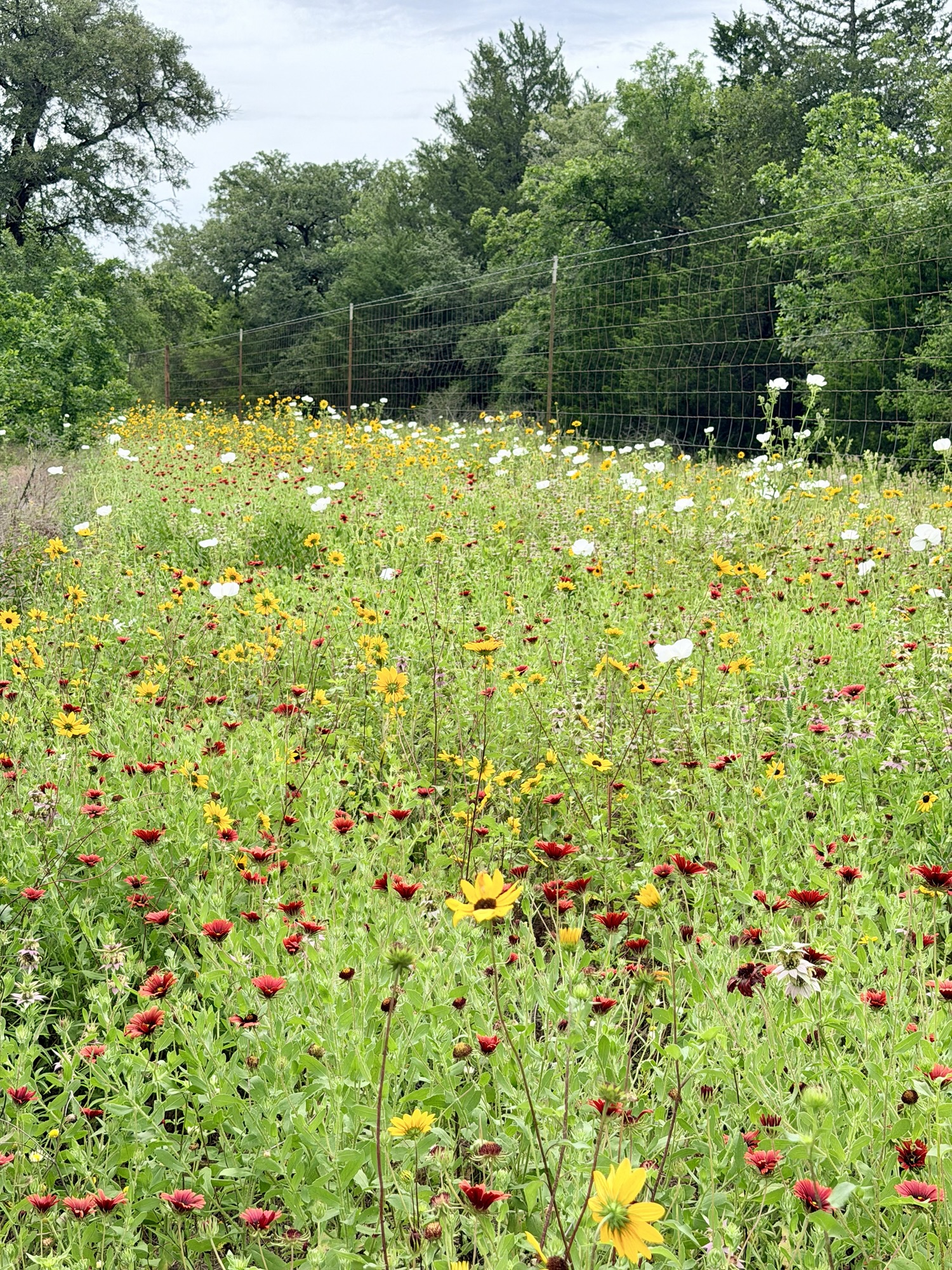
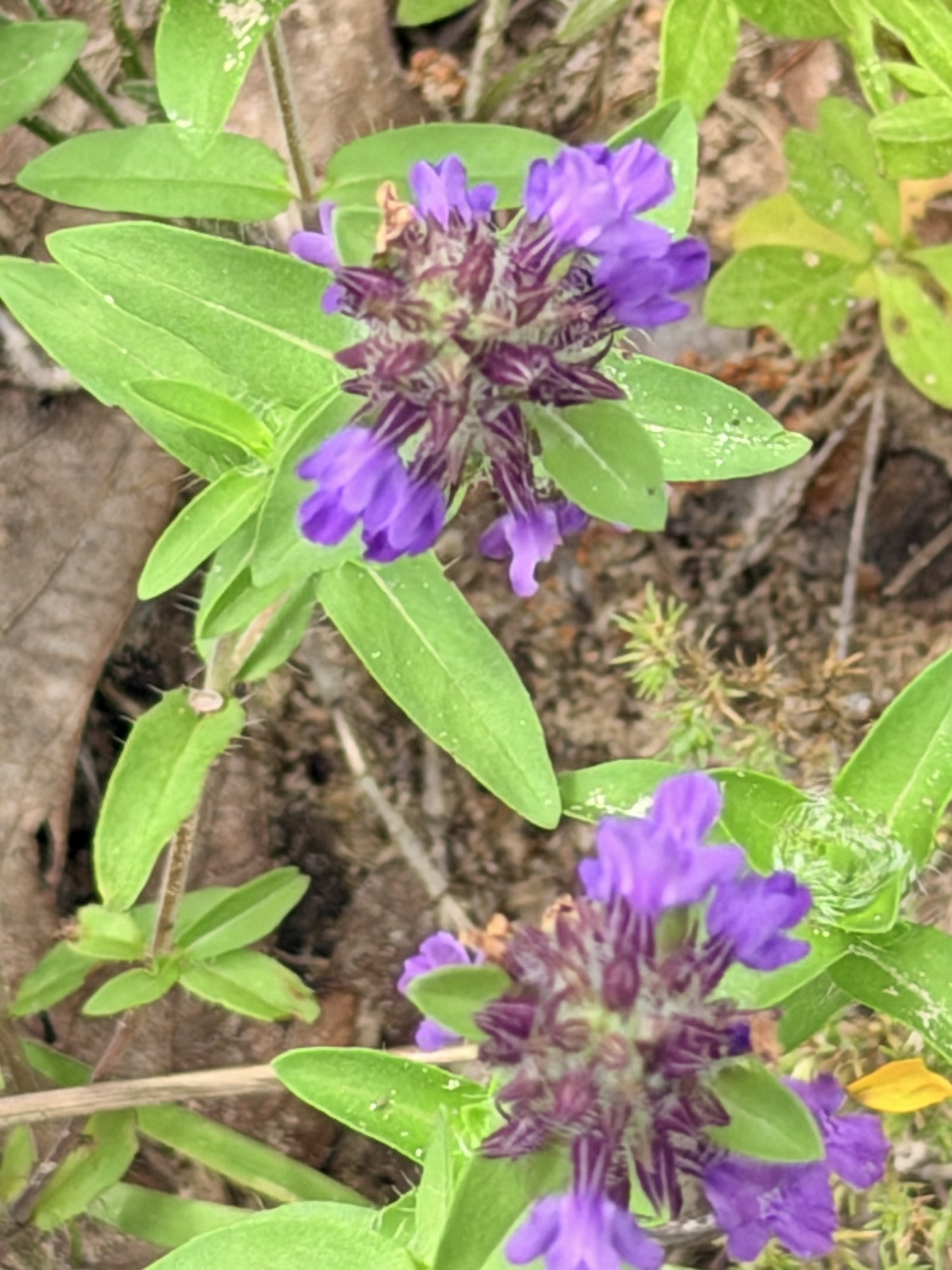
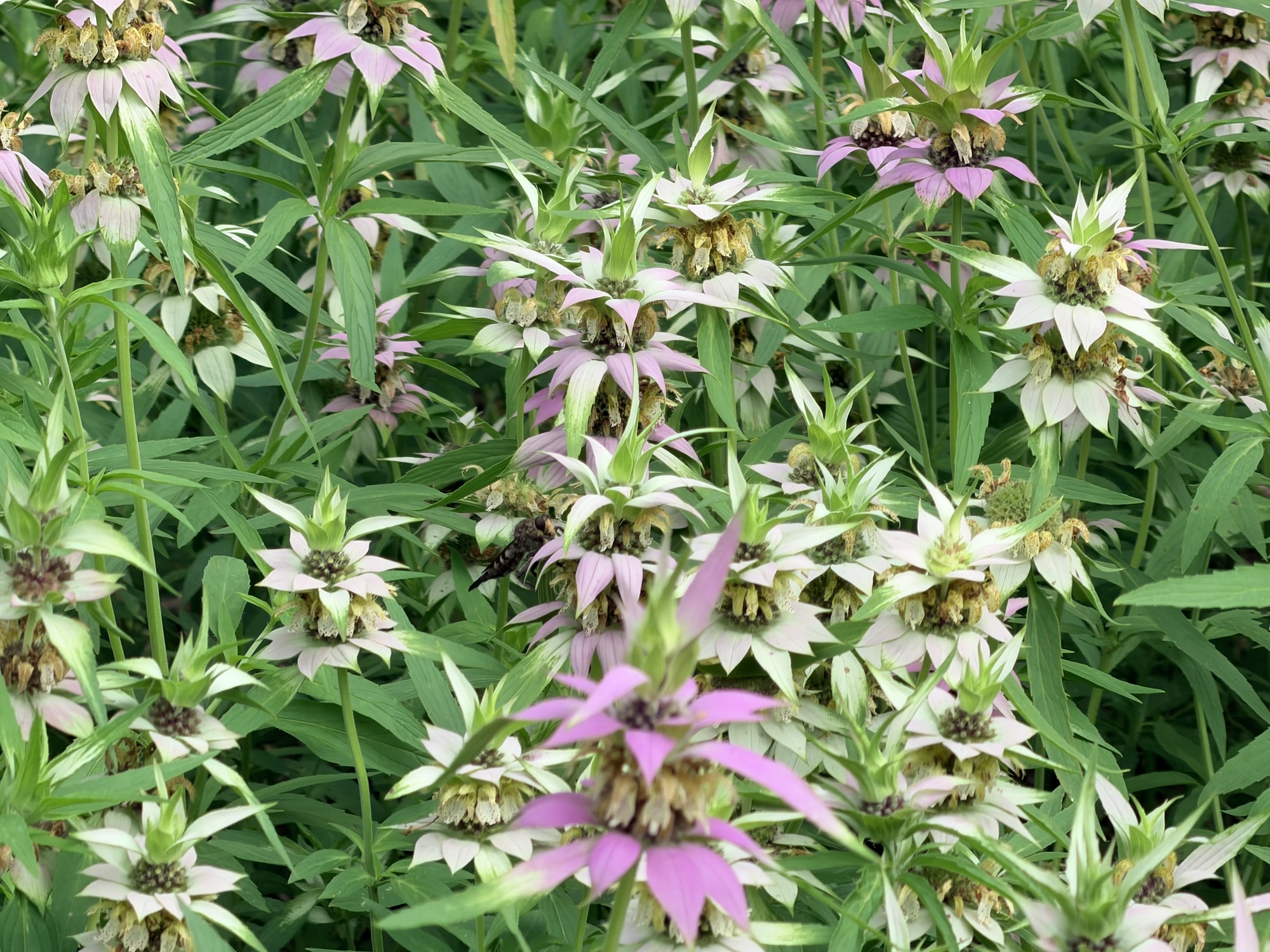
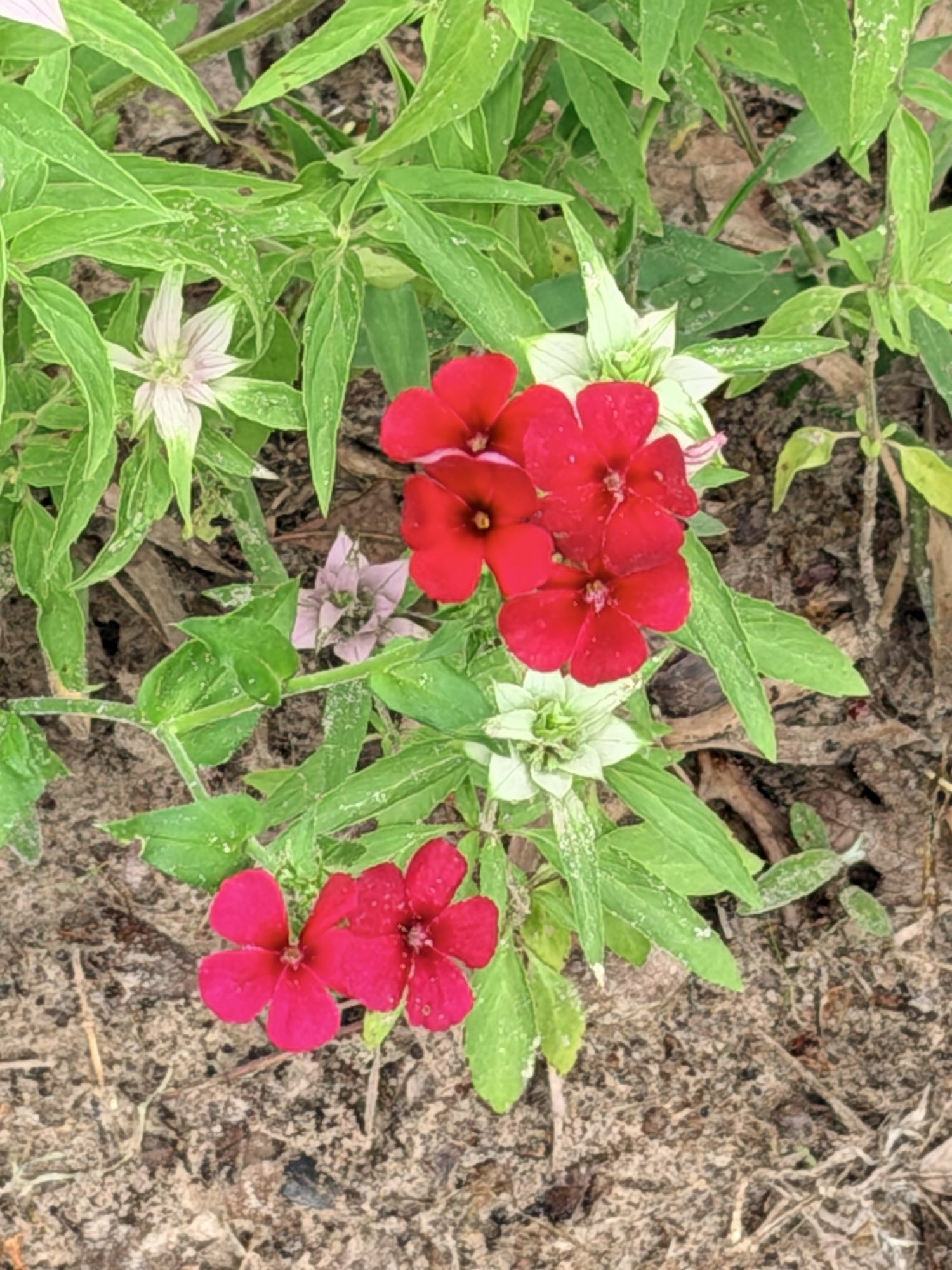
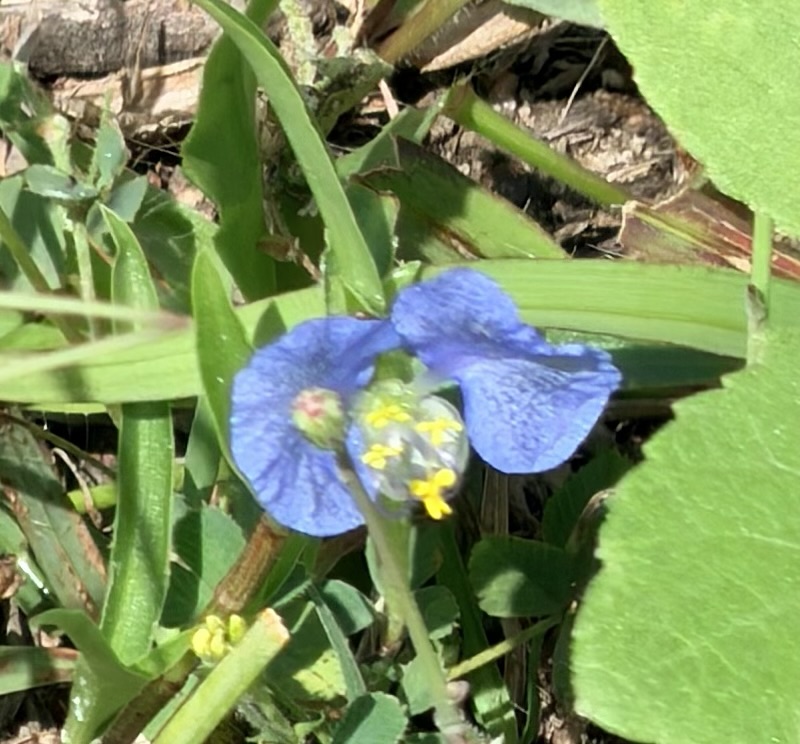
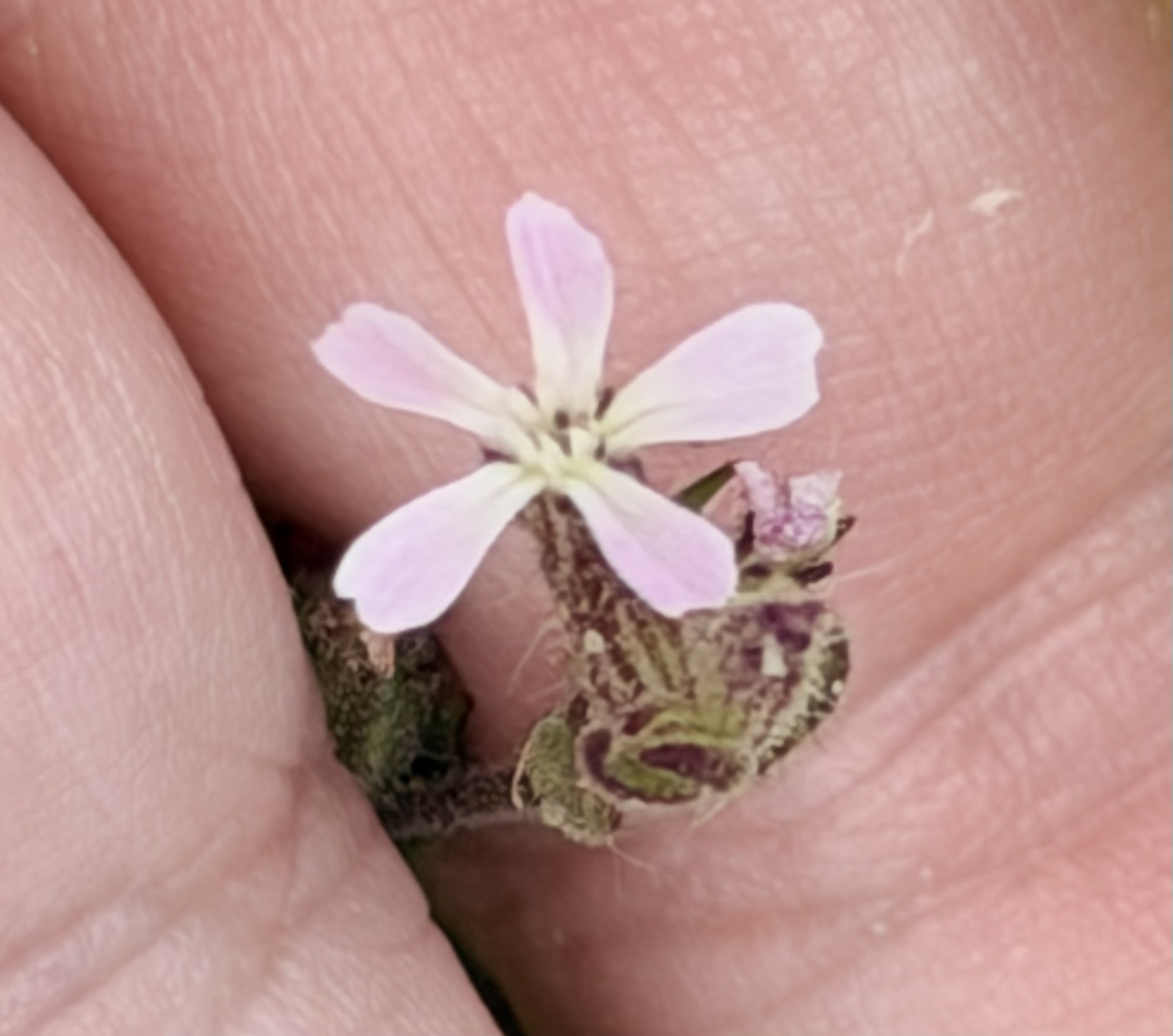
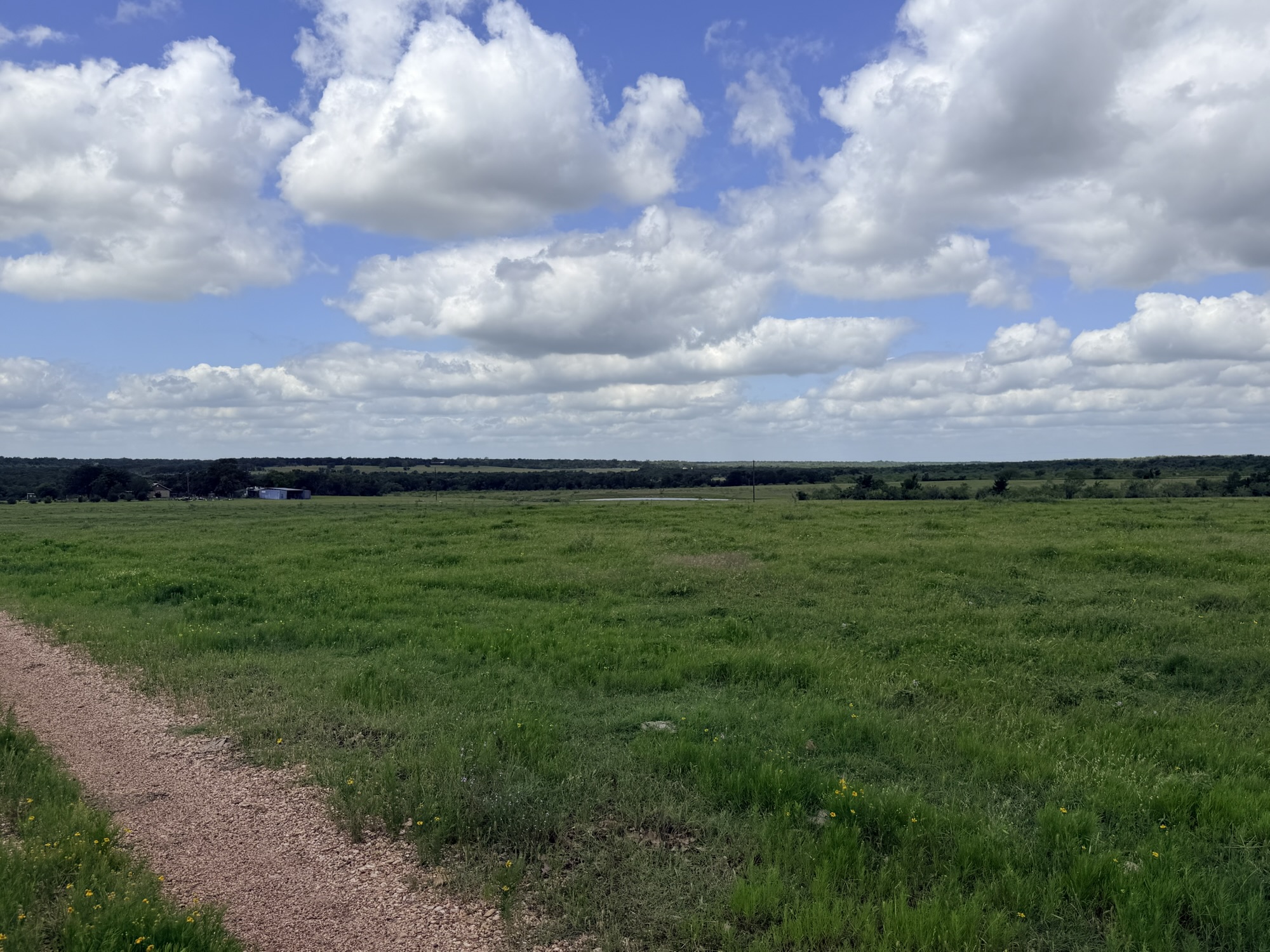
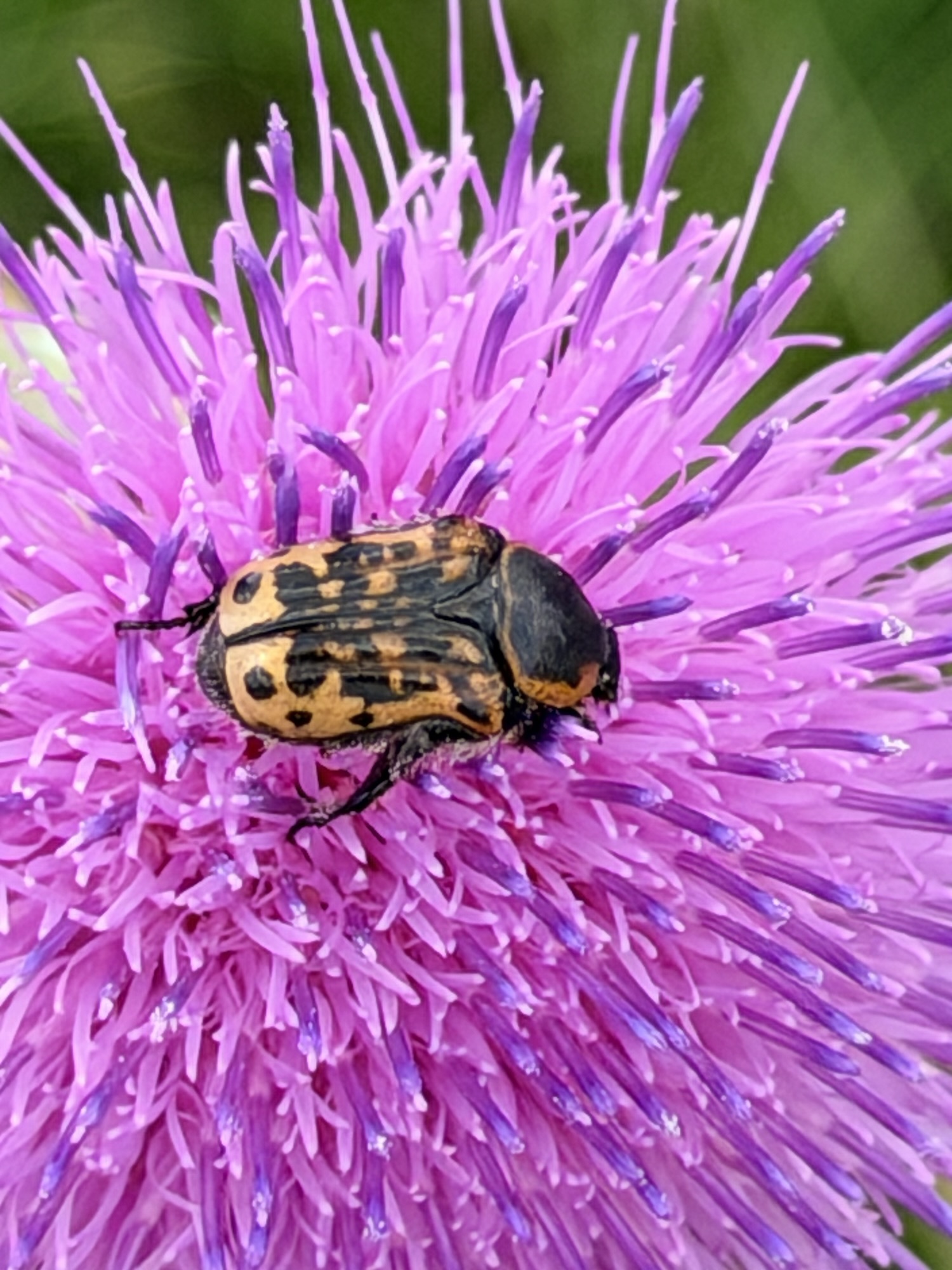
Another part of the phone I love is the camera. I was at a Master Naturalist outing at my friend Carolyn’s place, which I’ve showed you before. I got some images I really liked there. I don’t need to show you all 125 species or 25 birds I recorded, but I want to share a few for those of you who always want more nature pictures.

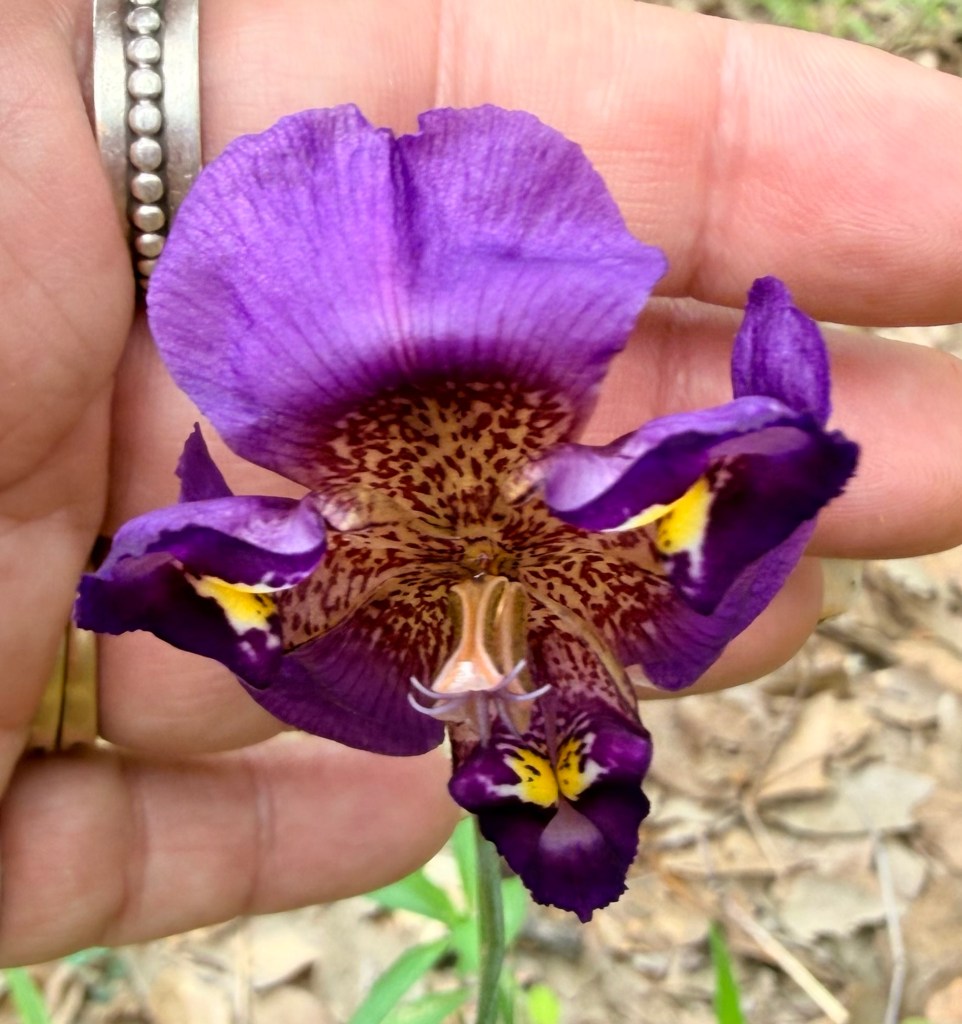
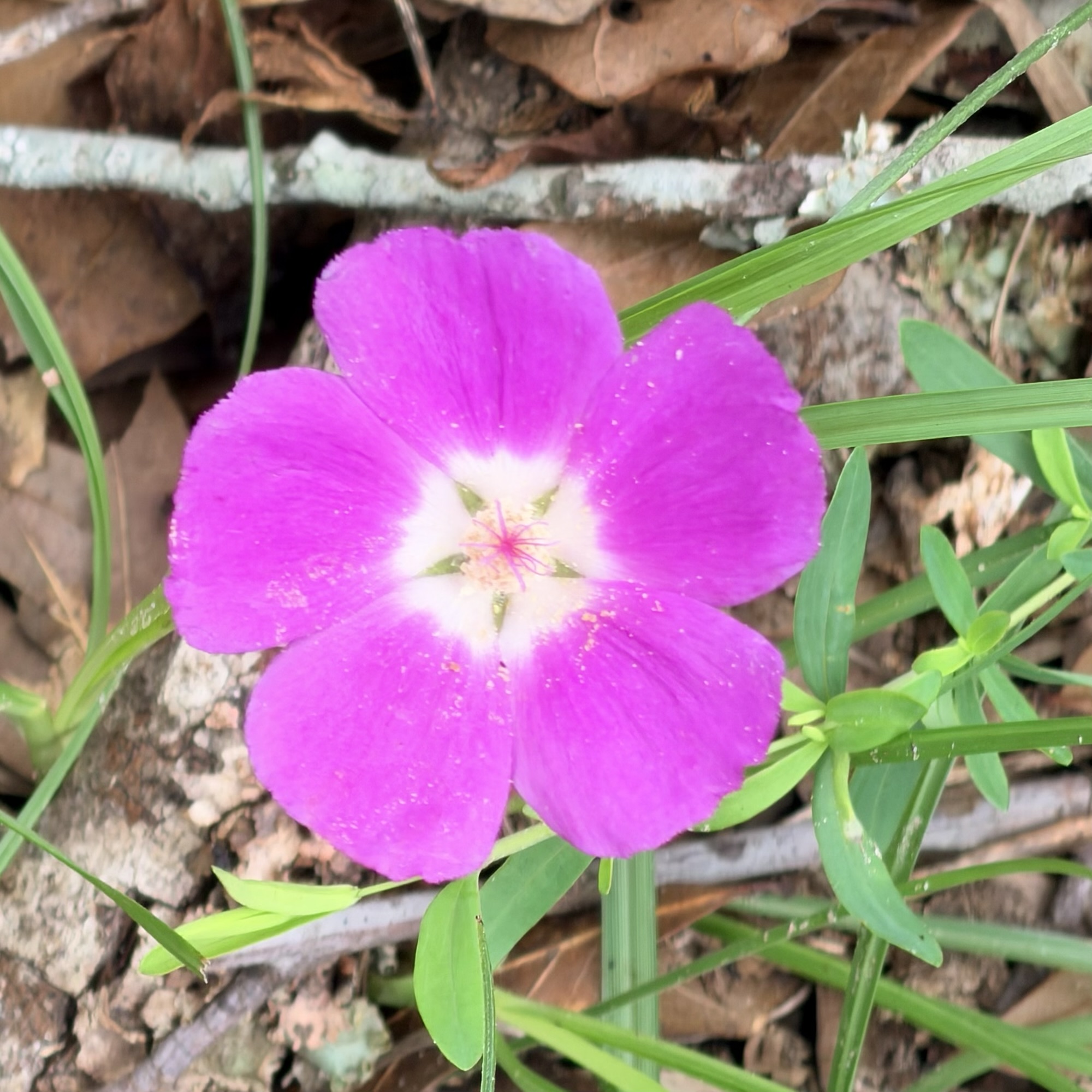
Purple Pleatleaf (Alophia drummondii)

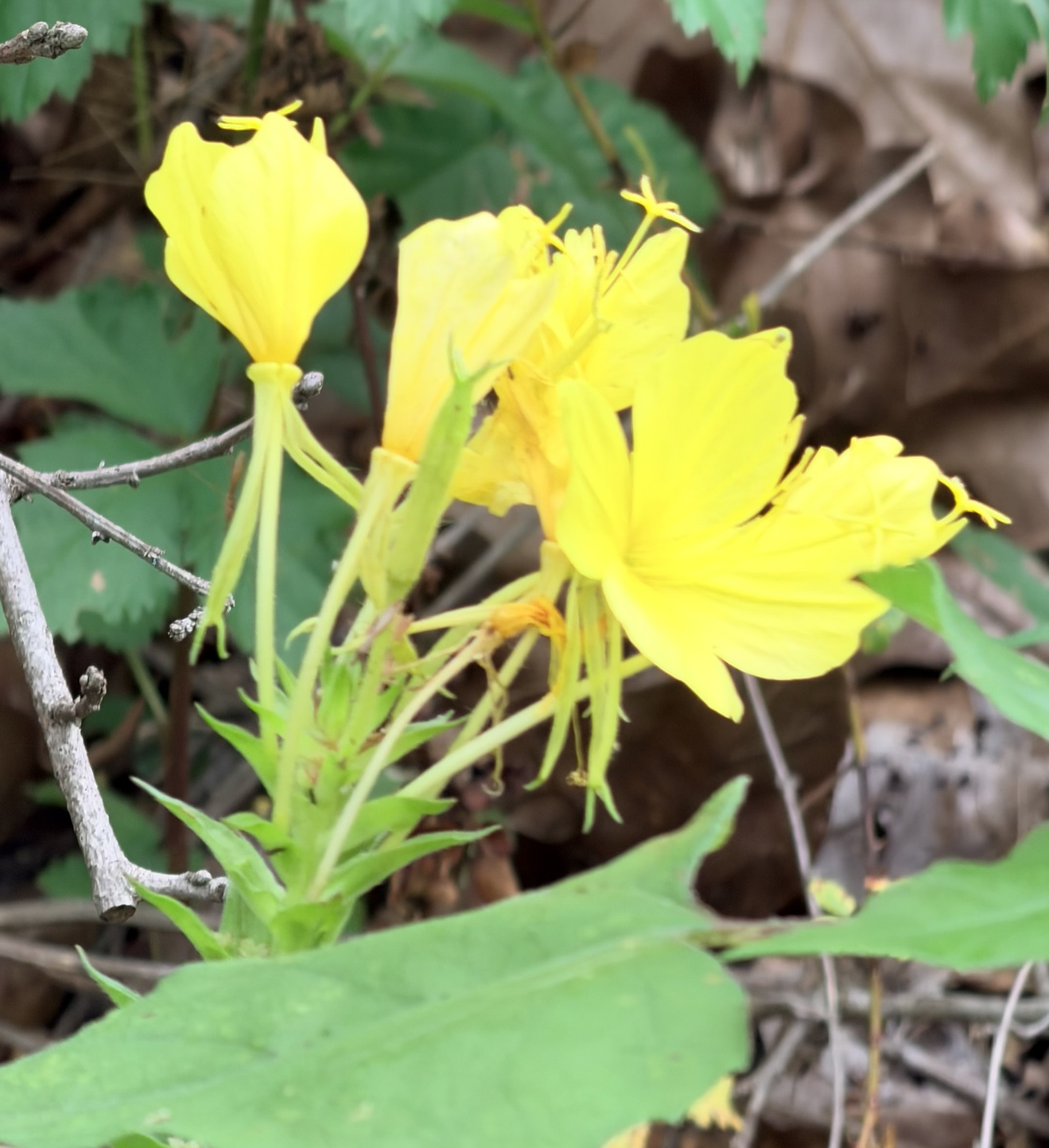
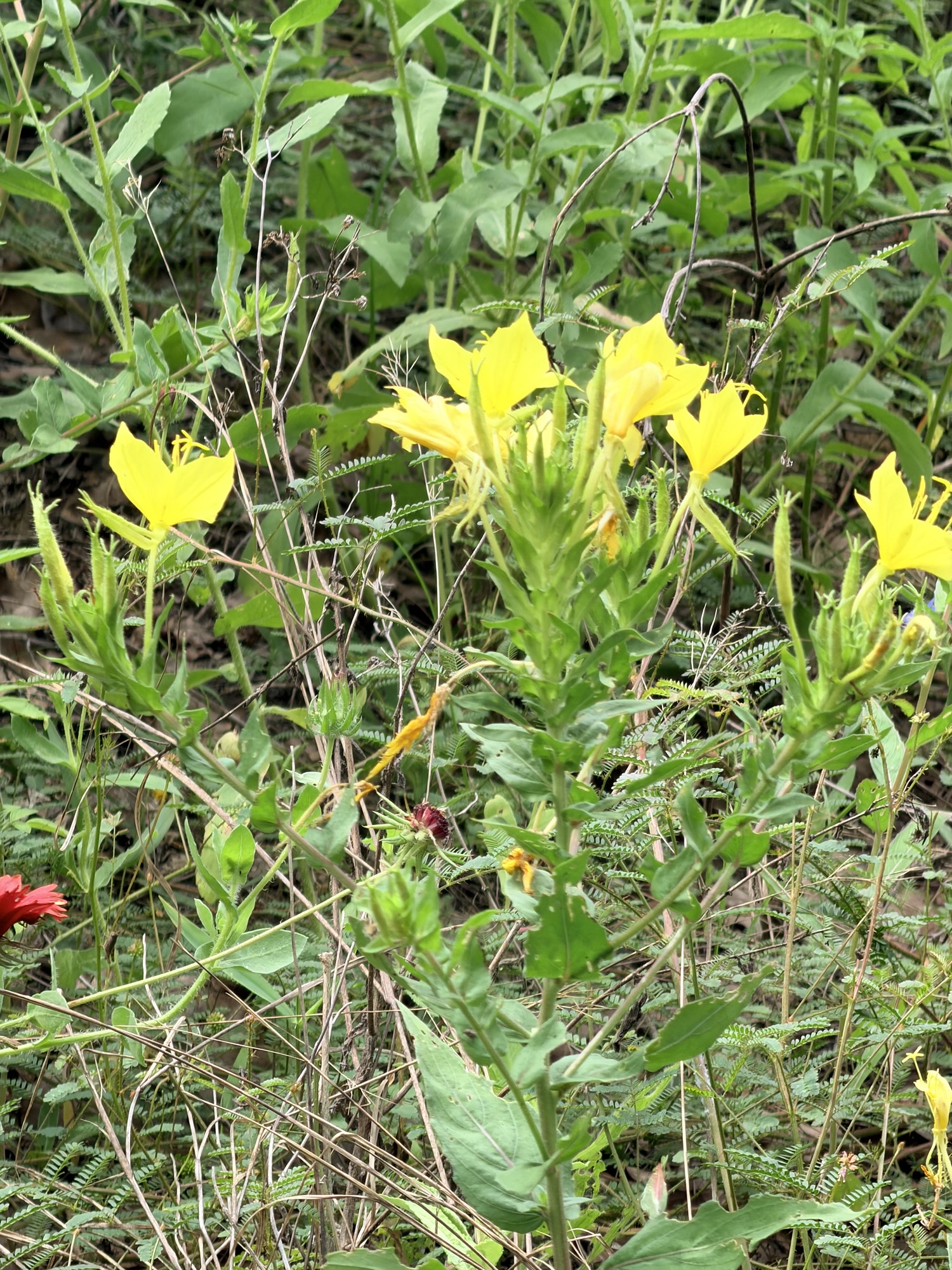
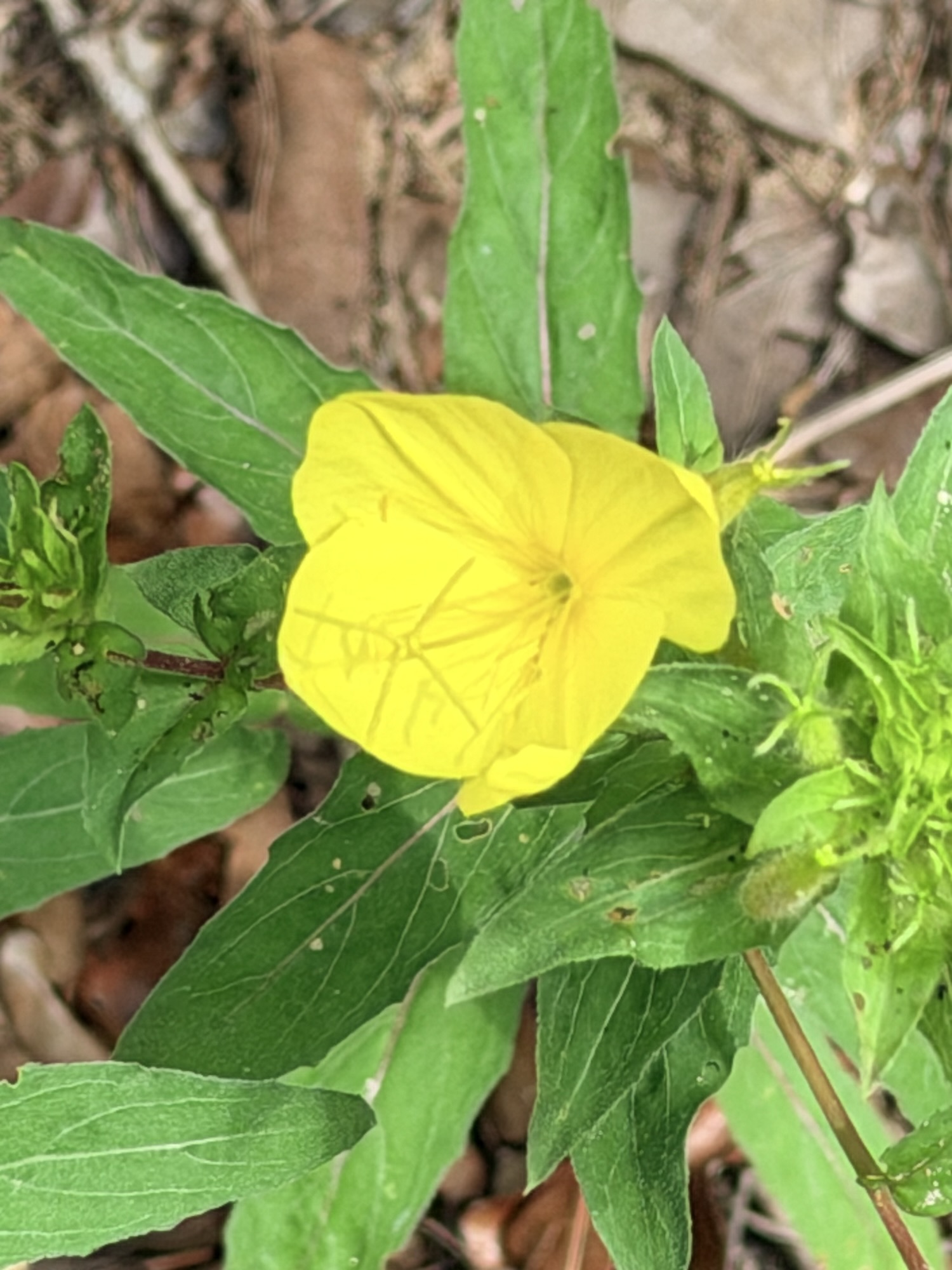
This one was new to me. It’s an evening primrose that grows five feet tall. Wow.

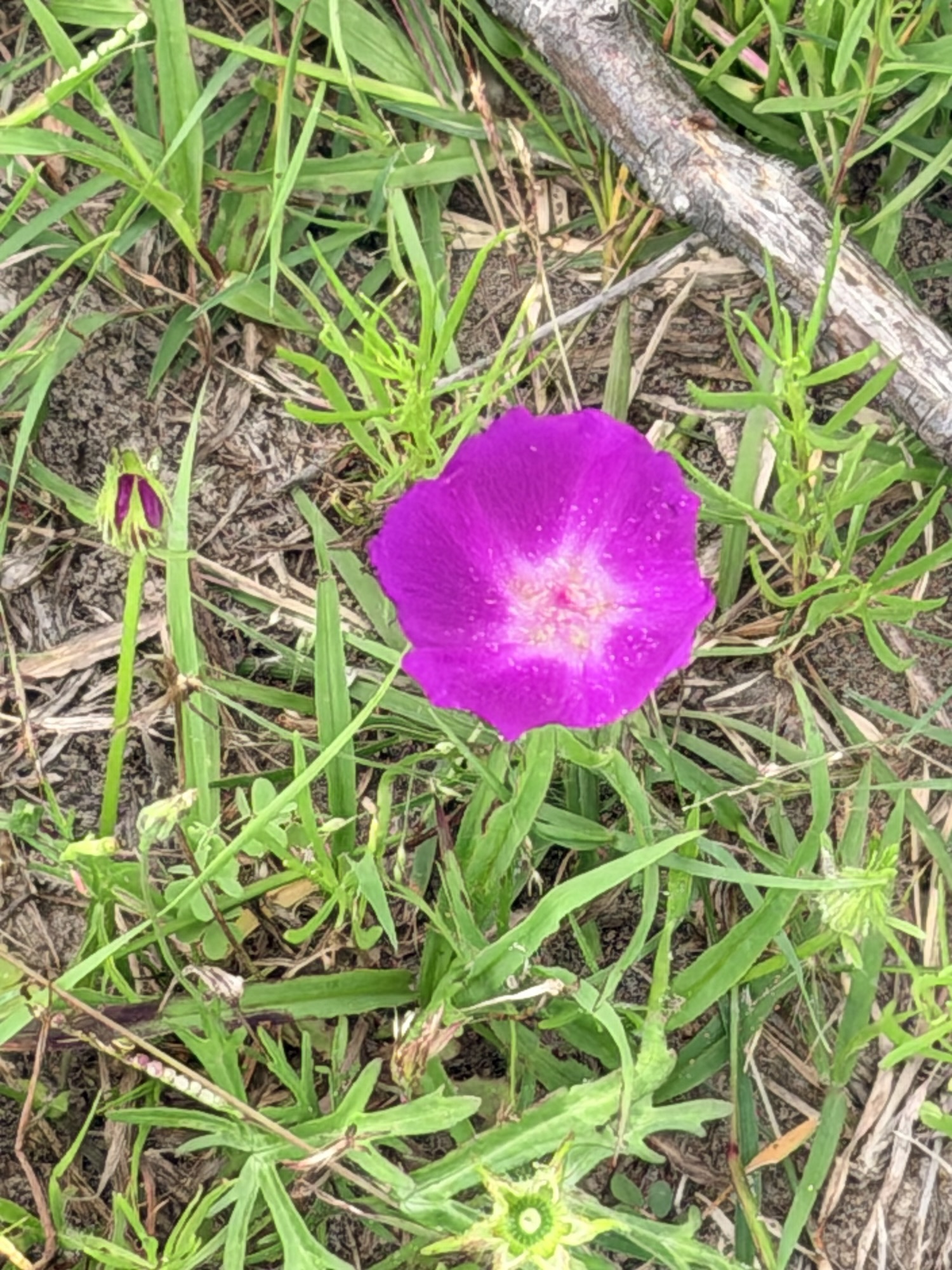
And here are a few more plants.

We also saw lots of animal life. There was more than I expected, especially the suspiciously friendly raccoon. But it’s harmless.

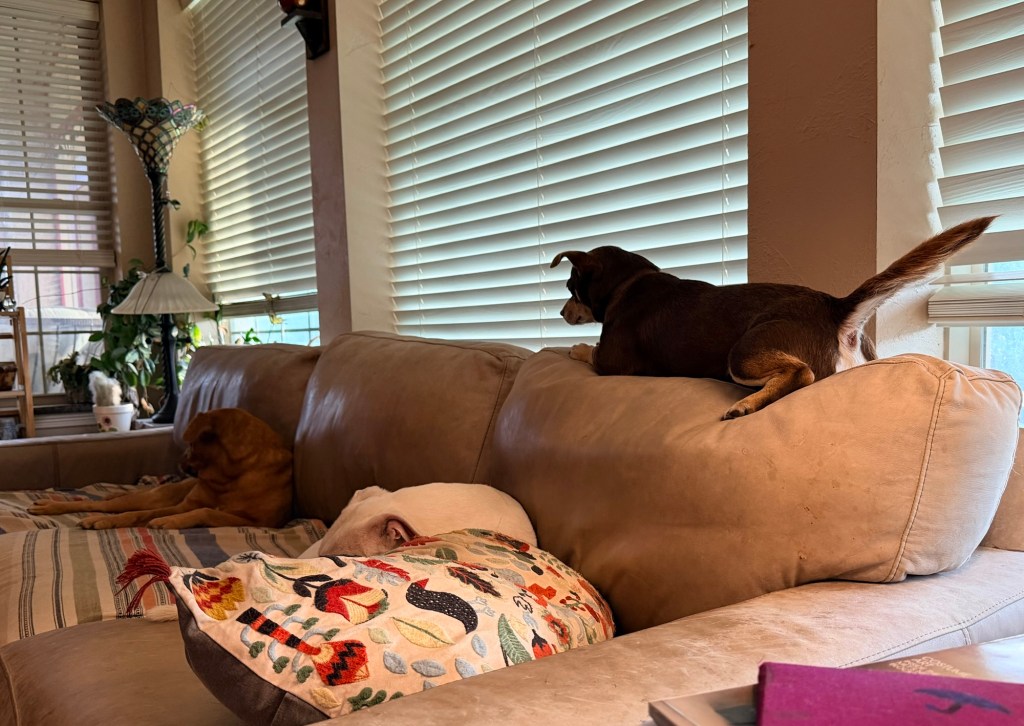
Other animal news? No one’s come looking for Benny. He’s still over here trying to hump Carlton.

He thinks he’s top dog.

Purple Martin Mania

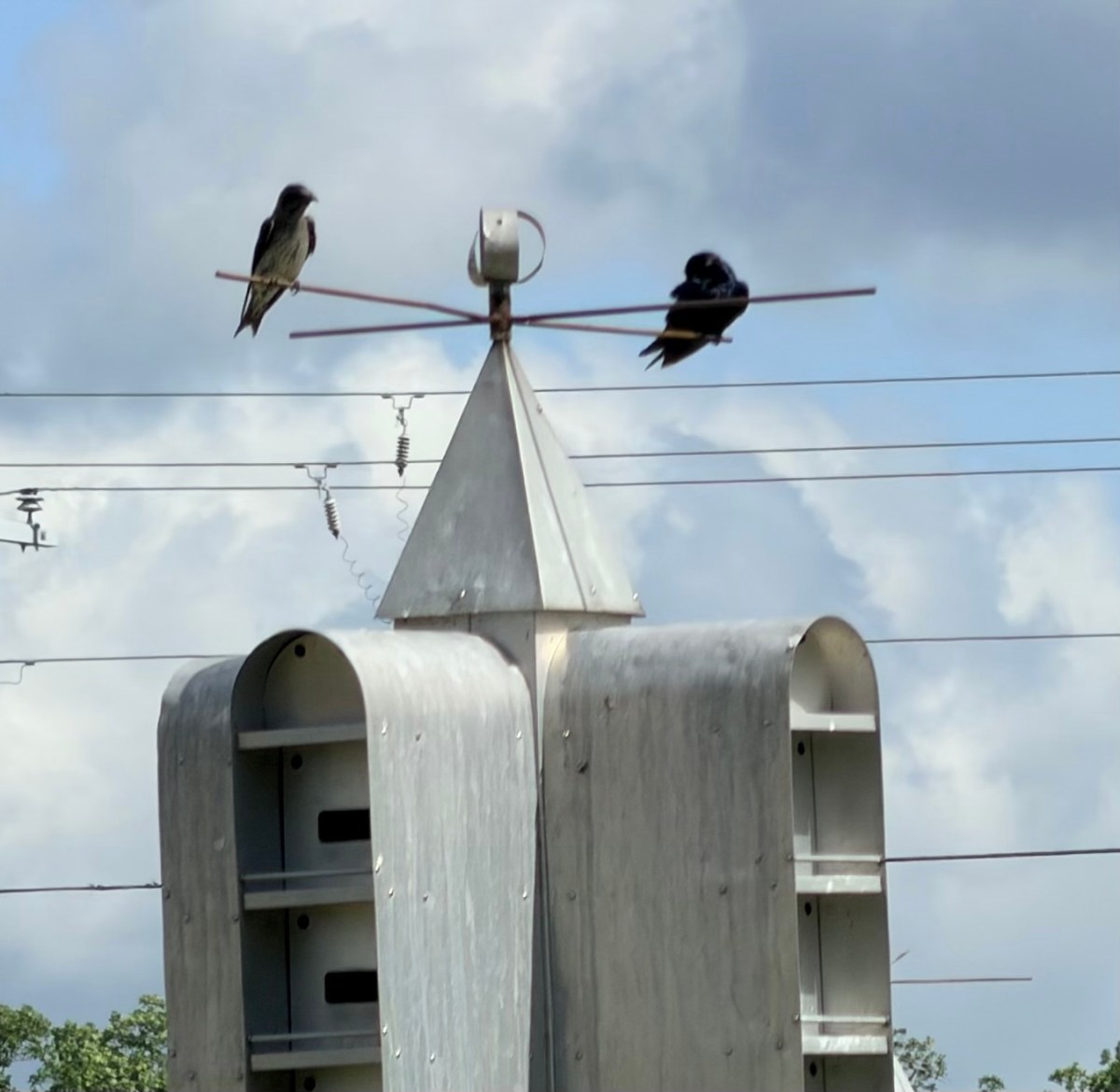
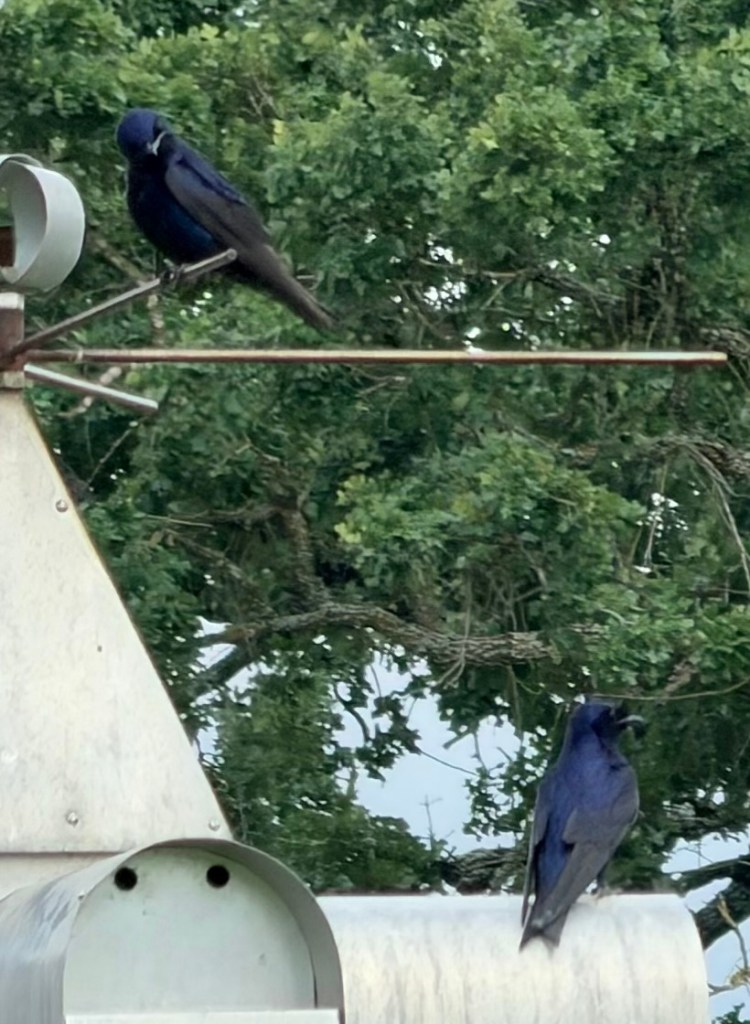
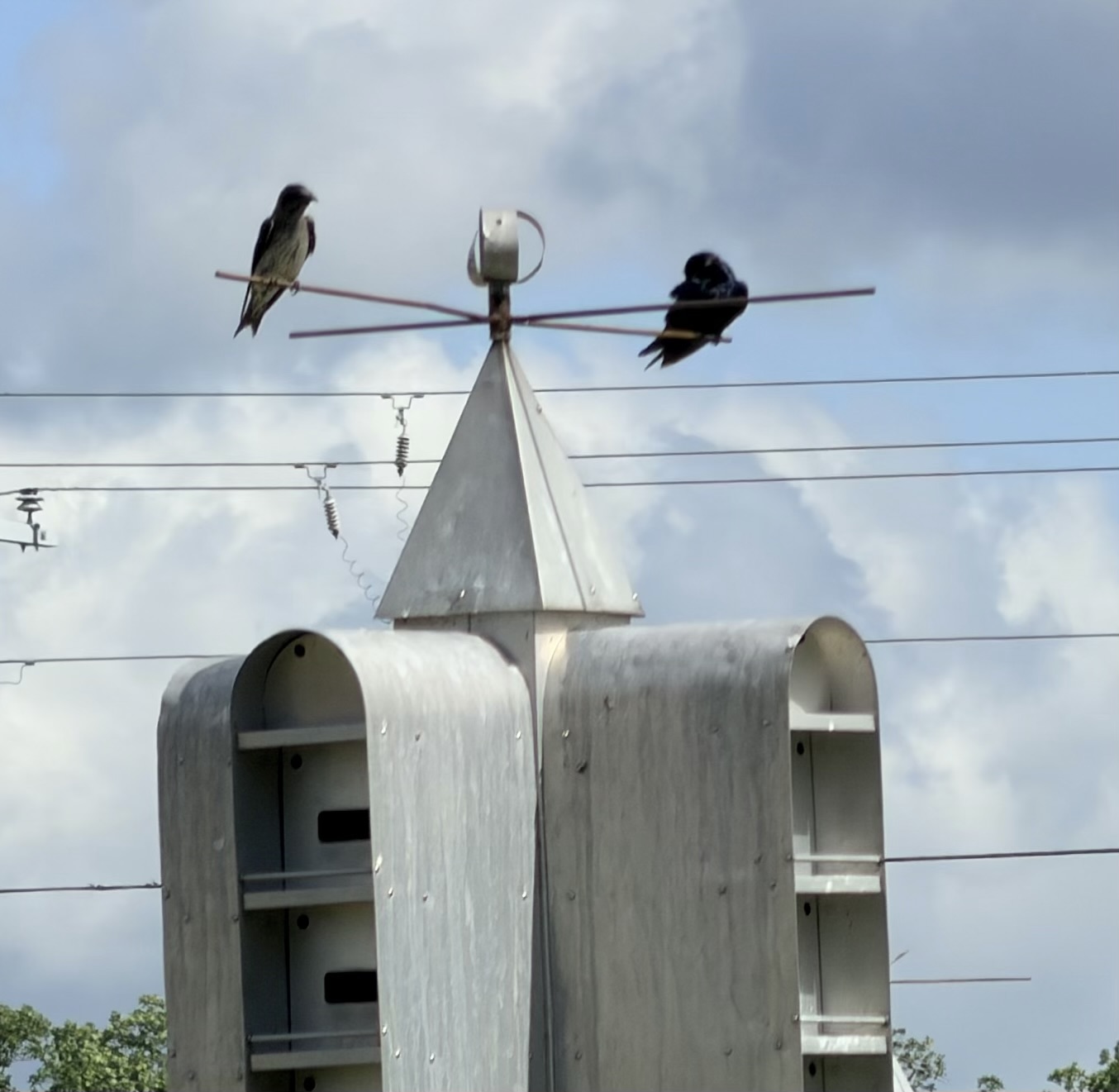
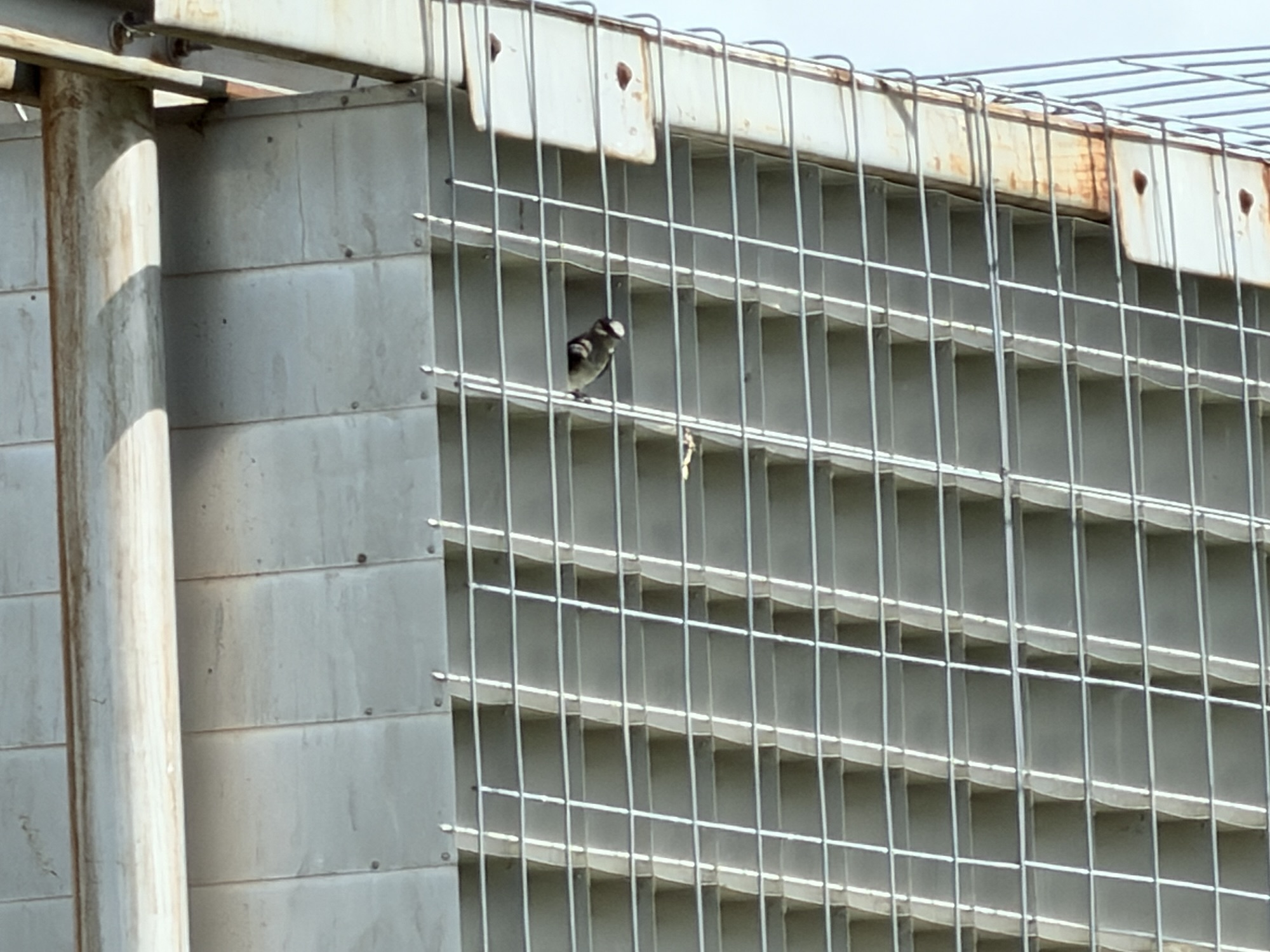
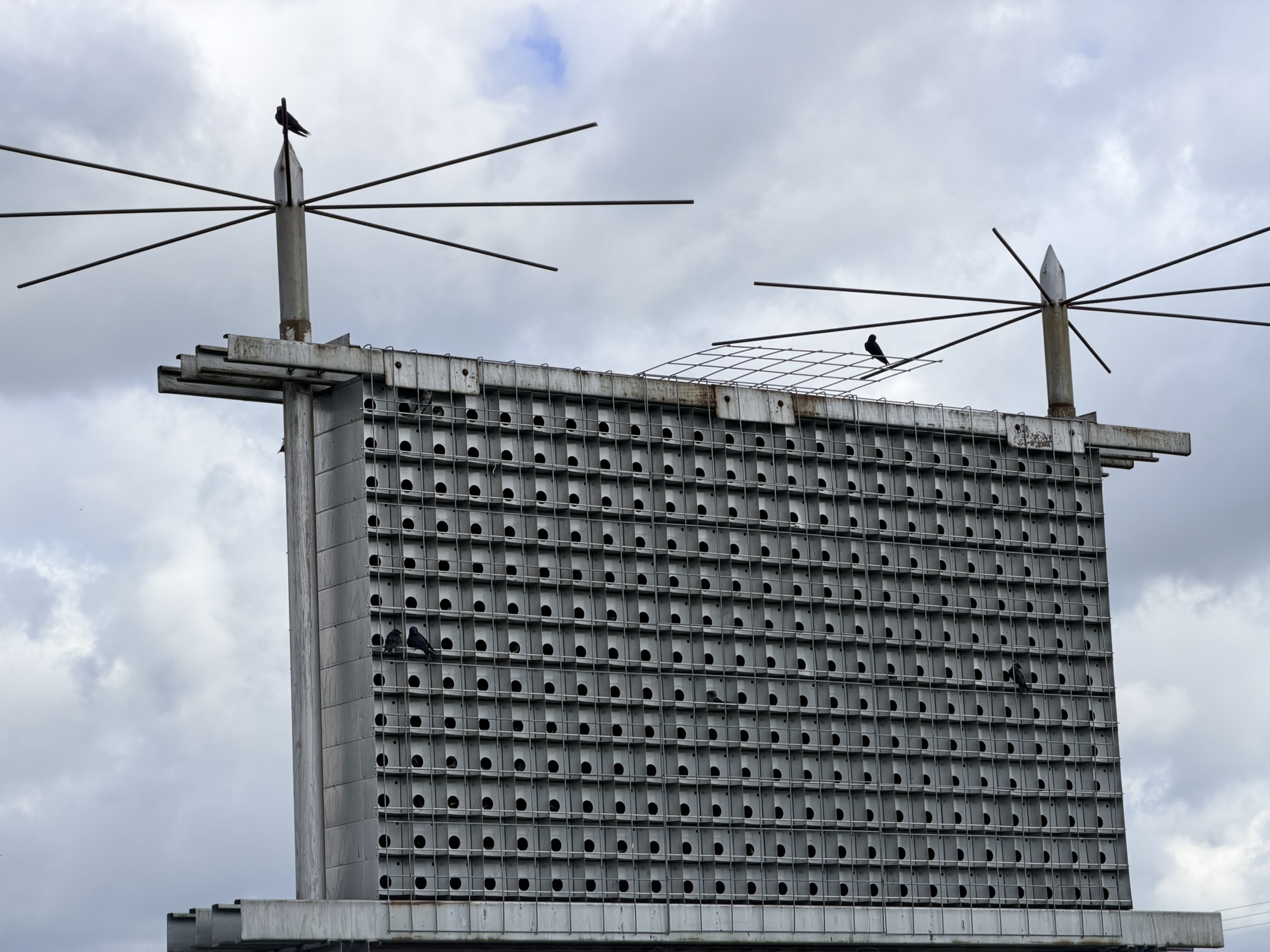
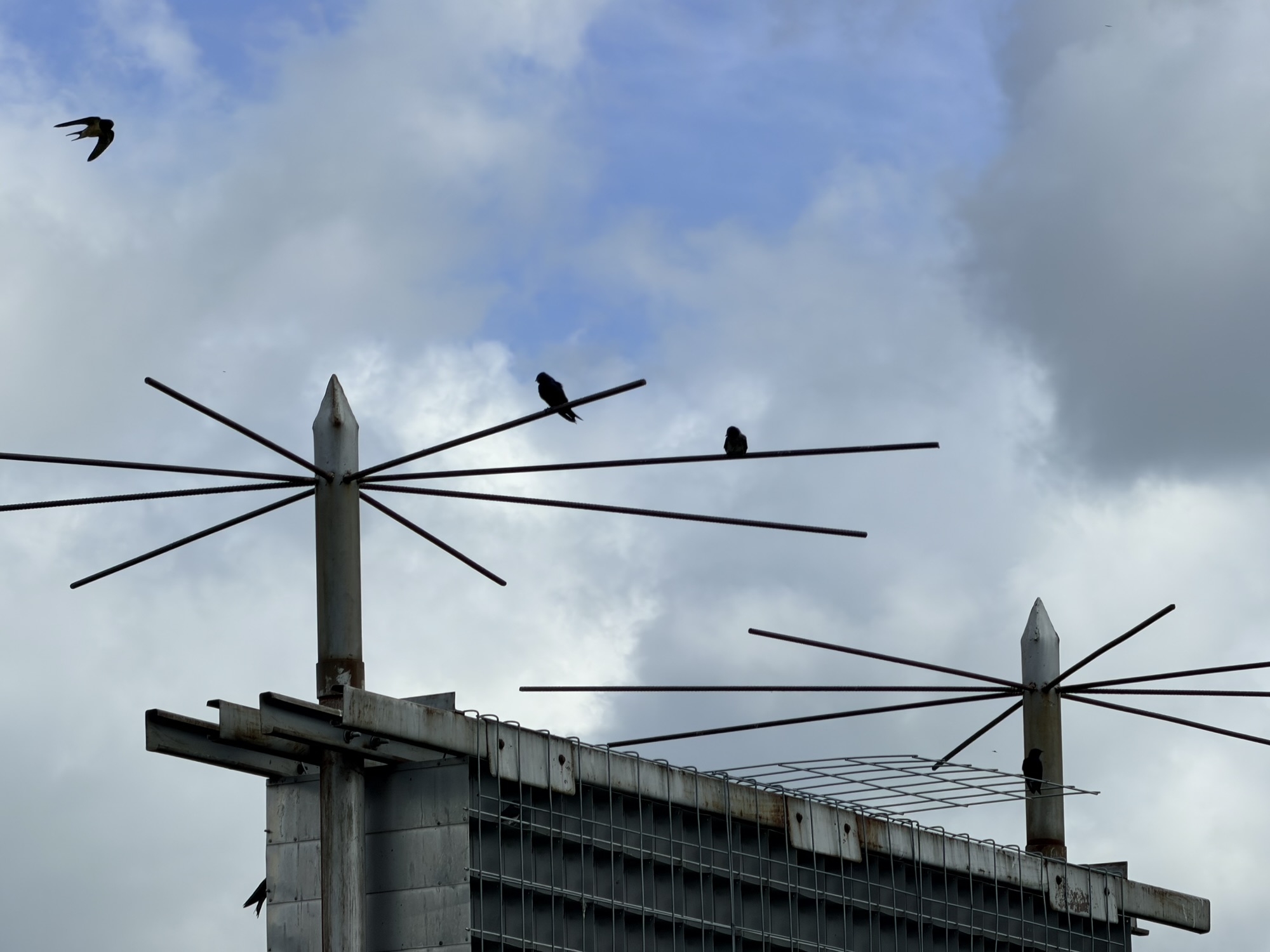
I’m still easily tired and low on energy, but I’m glad I was able to go to see the incredible Purple Mountain colony maintained by Mike McCormick and his family near Buckholts. Not only were the birds (a type of swallow) beautiful to watch, but I enjoyed finding plenty of plants, too.

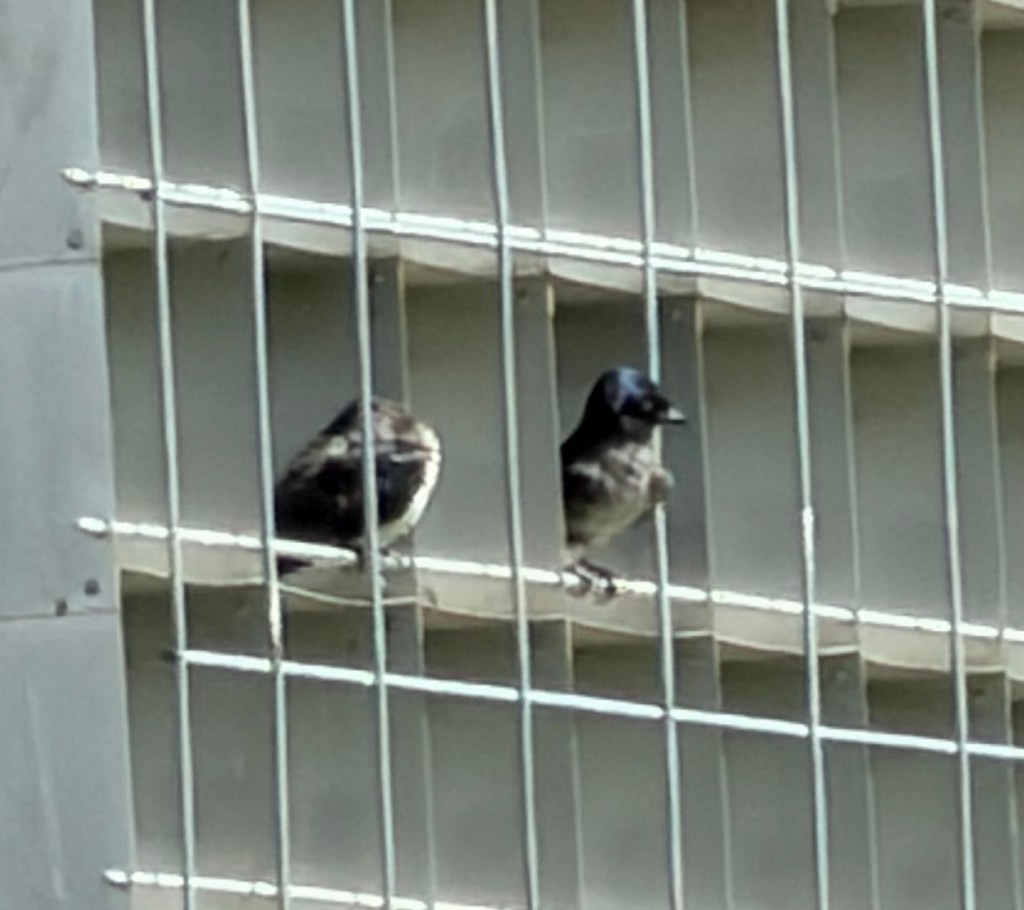
Two stunning males taking a break from insect hunting.

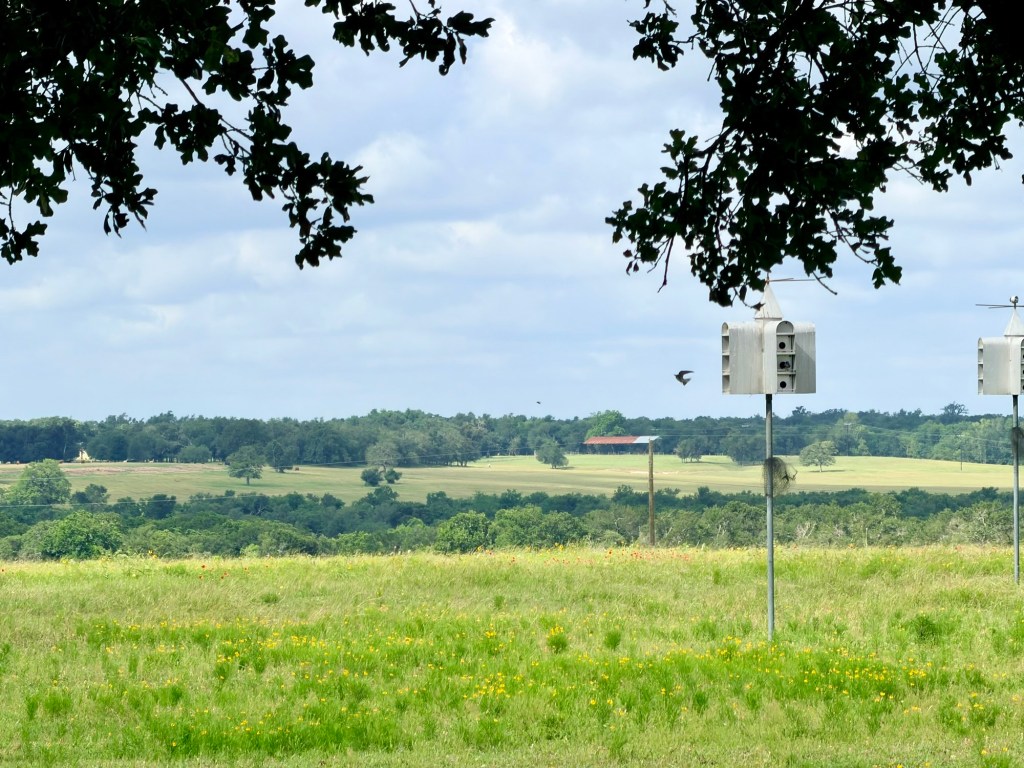
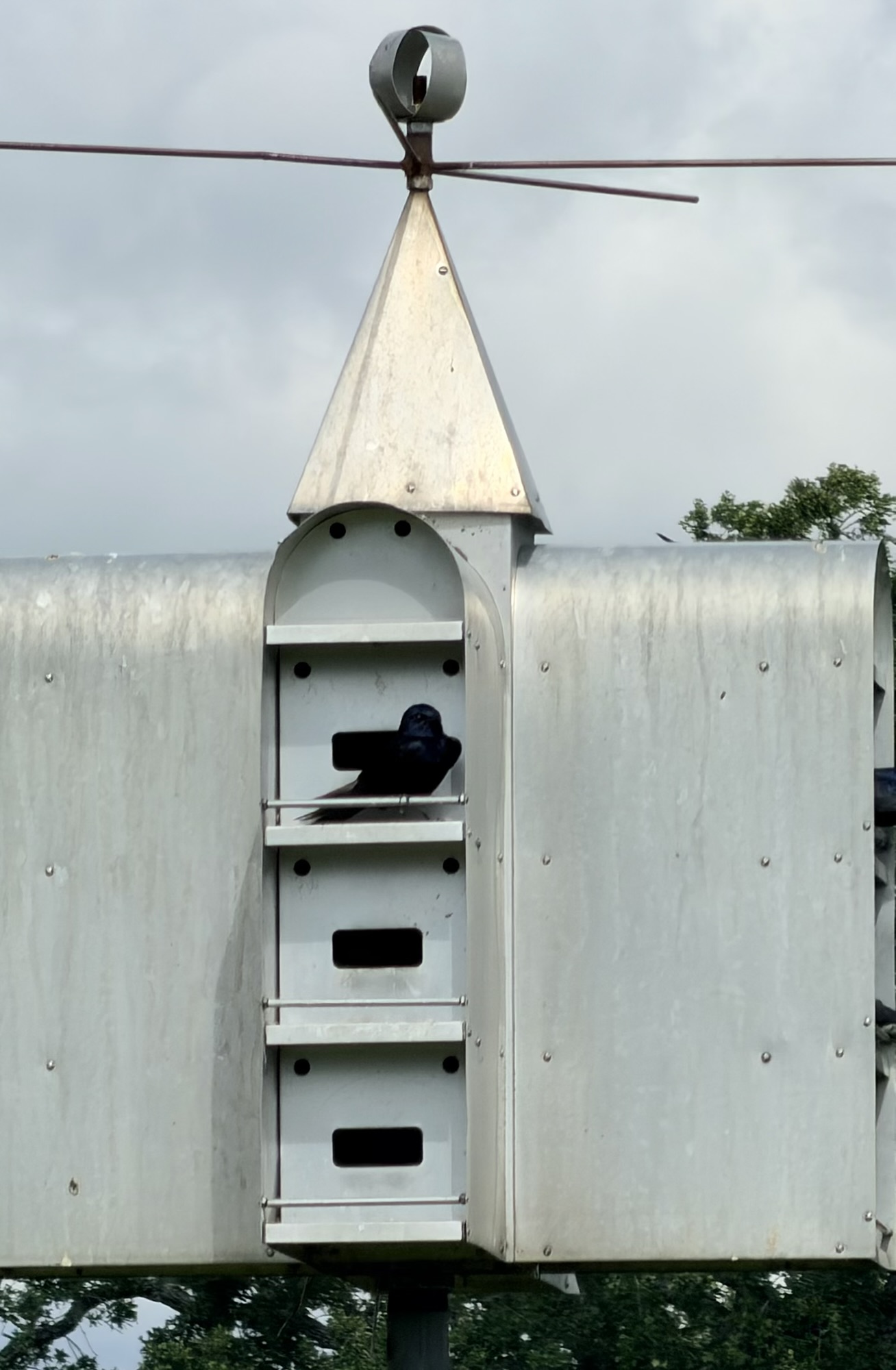
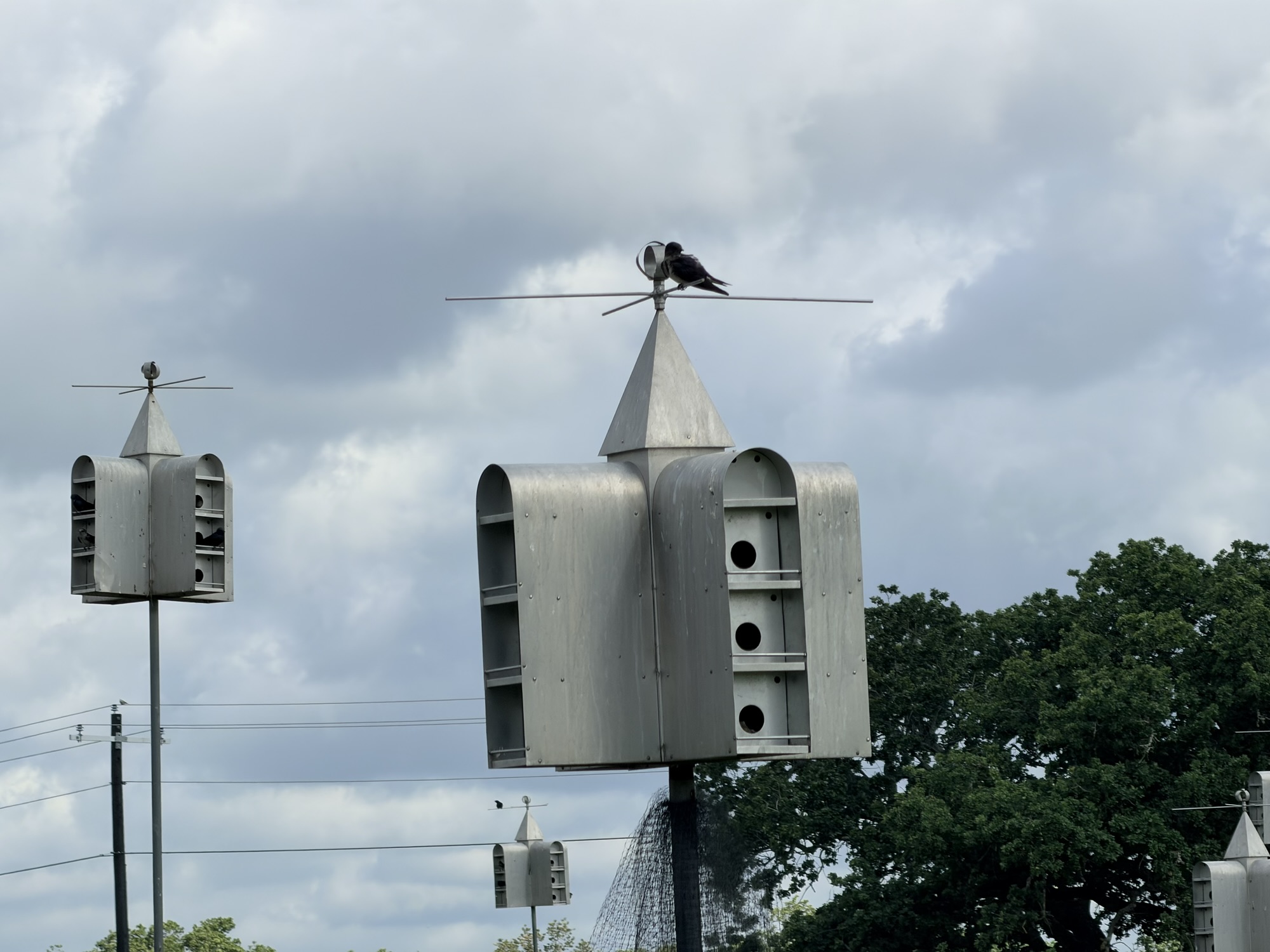
This huge setup of houses and a “condo” is one of the largest in the US. It’s the result of a lifetime of work. We are lucky to be nearby and that our Master Naturalist group has been friends for years.

View from the colony

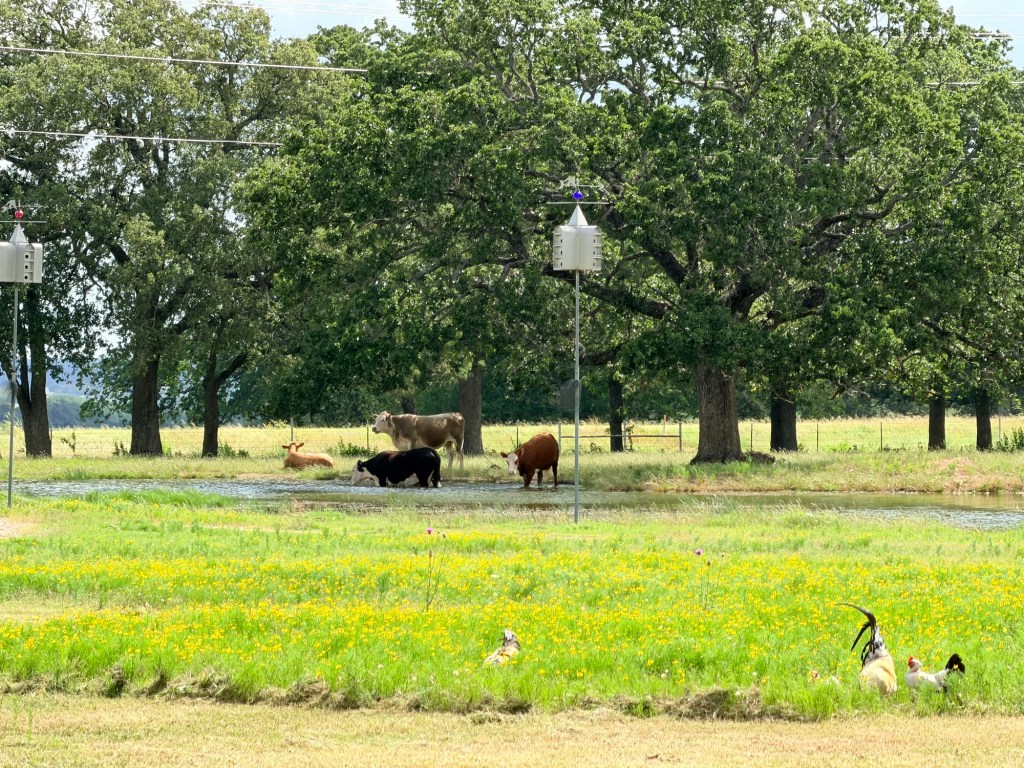
The setting couldn’t be more beautiful, in a hilly ranch with mixed fields and woods. There are plenty of ponds to attract insects and keep the birds hydrated.

Pond, cattle, and chickens share the land with martins.

It’s a lot of work maintaining all the nest sites, but it’s a labor of love for the whole family. They’ve been responsible for many Martin housing innovations that they share with others, too. There’s a devoted group of Martin lovers throughout North America who provide homes for these birds while the raise their babies each summer who share information.

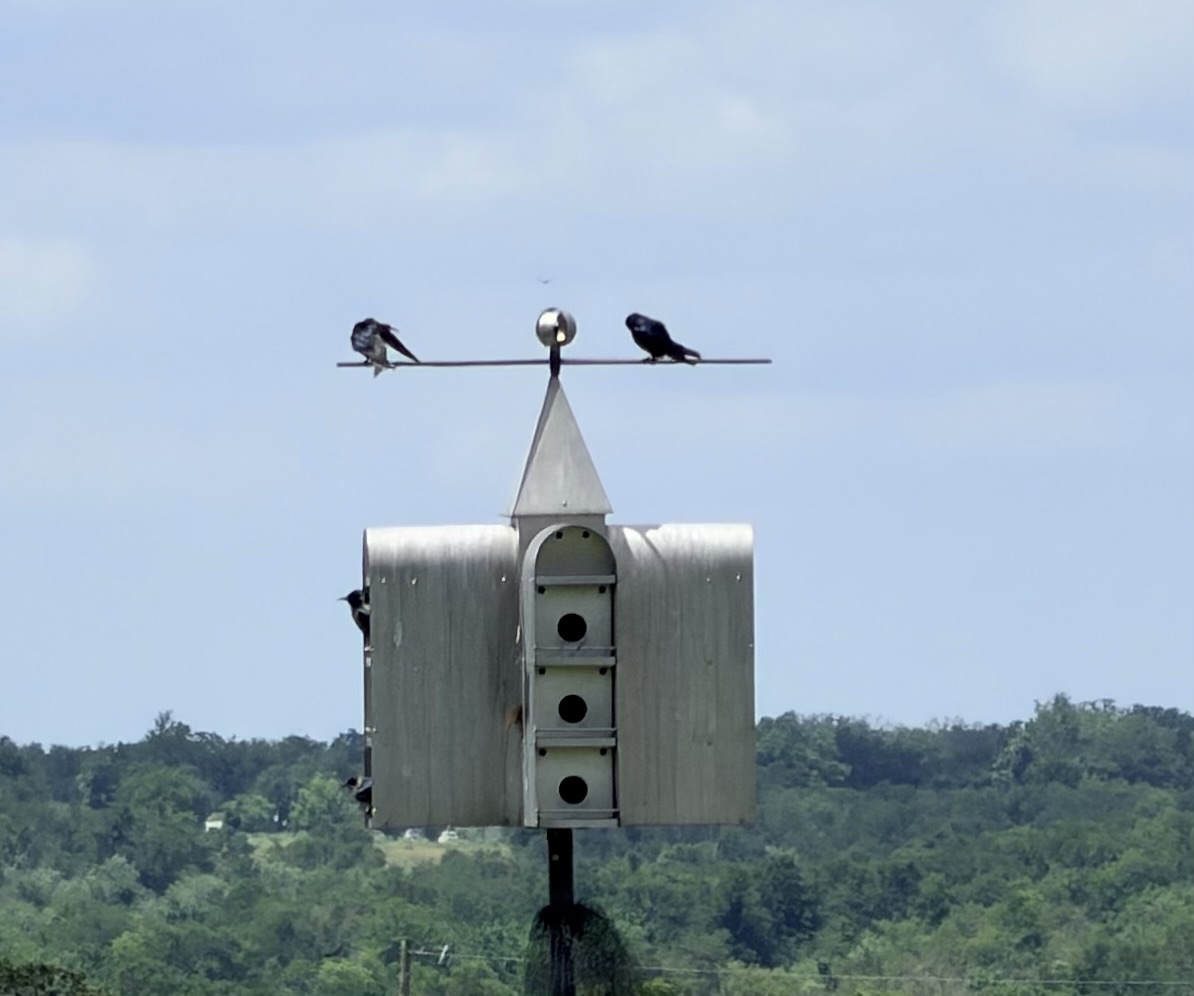
Two females in the condo, taking a break from egg incubation.

I enjoyed learning new things about these birds, which surprised me since I’ve been educated often about them. For example, larger hawks ignore them, but Cooper’s and Sharp-shinned find martins tasty. Ah, nature.

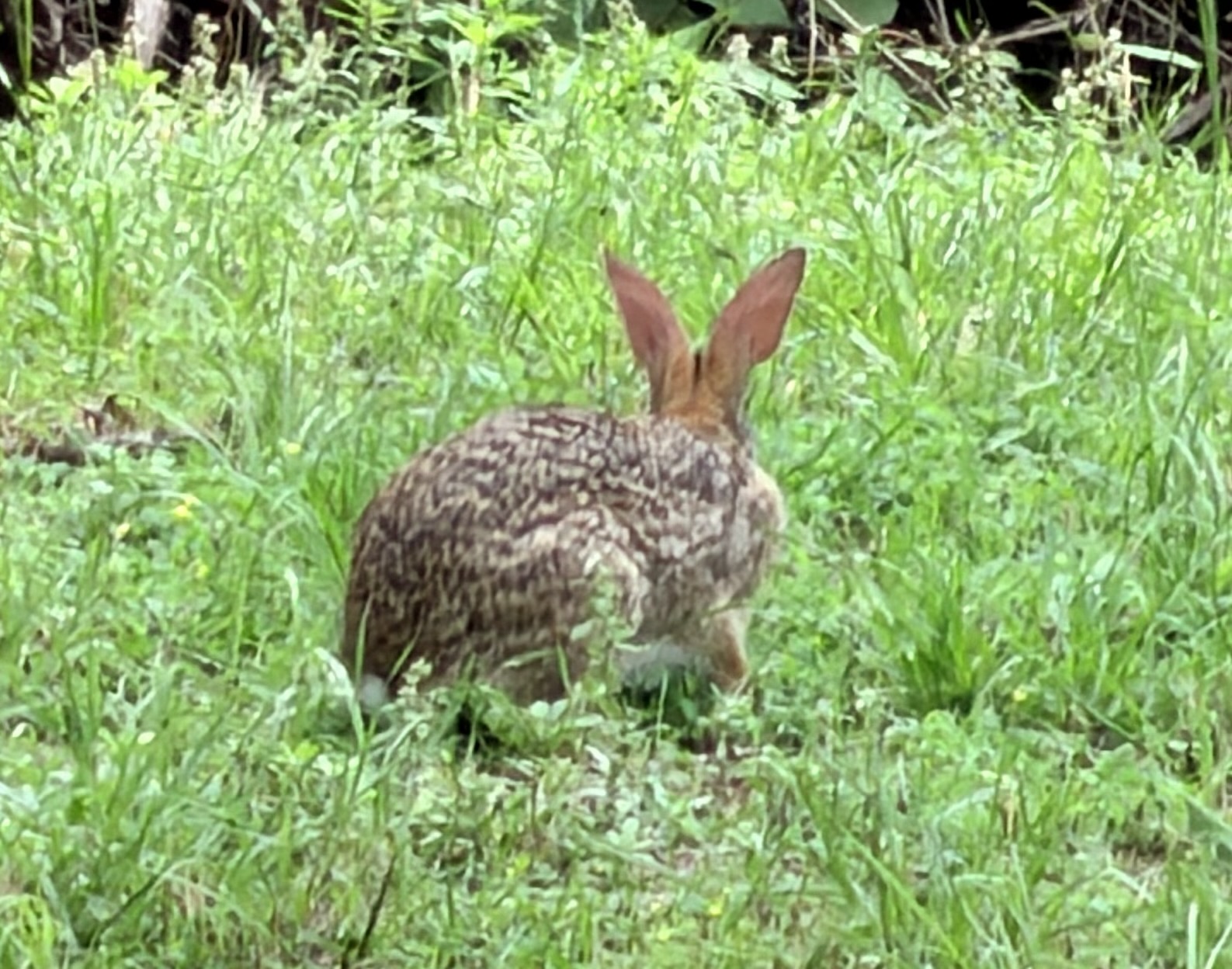
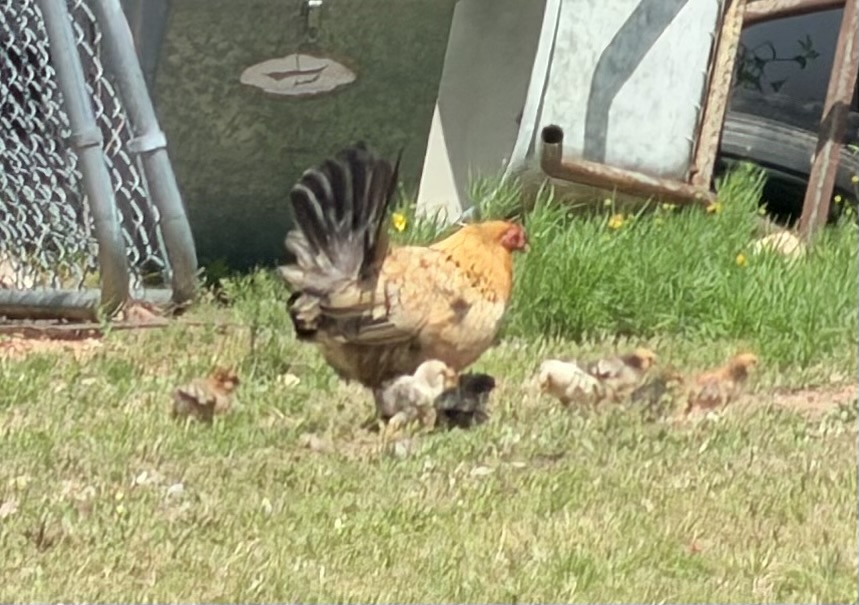
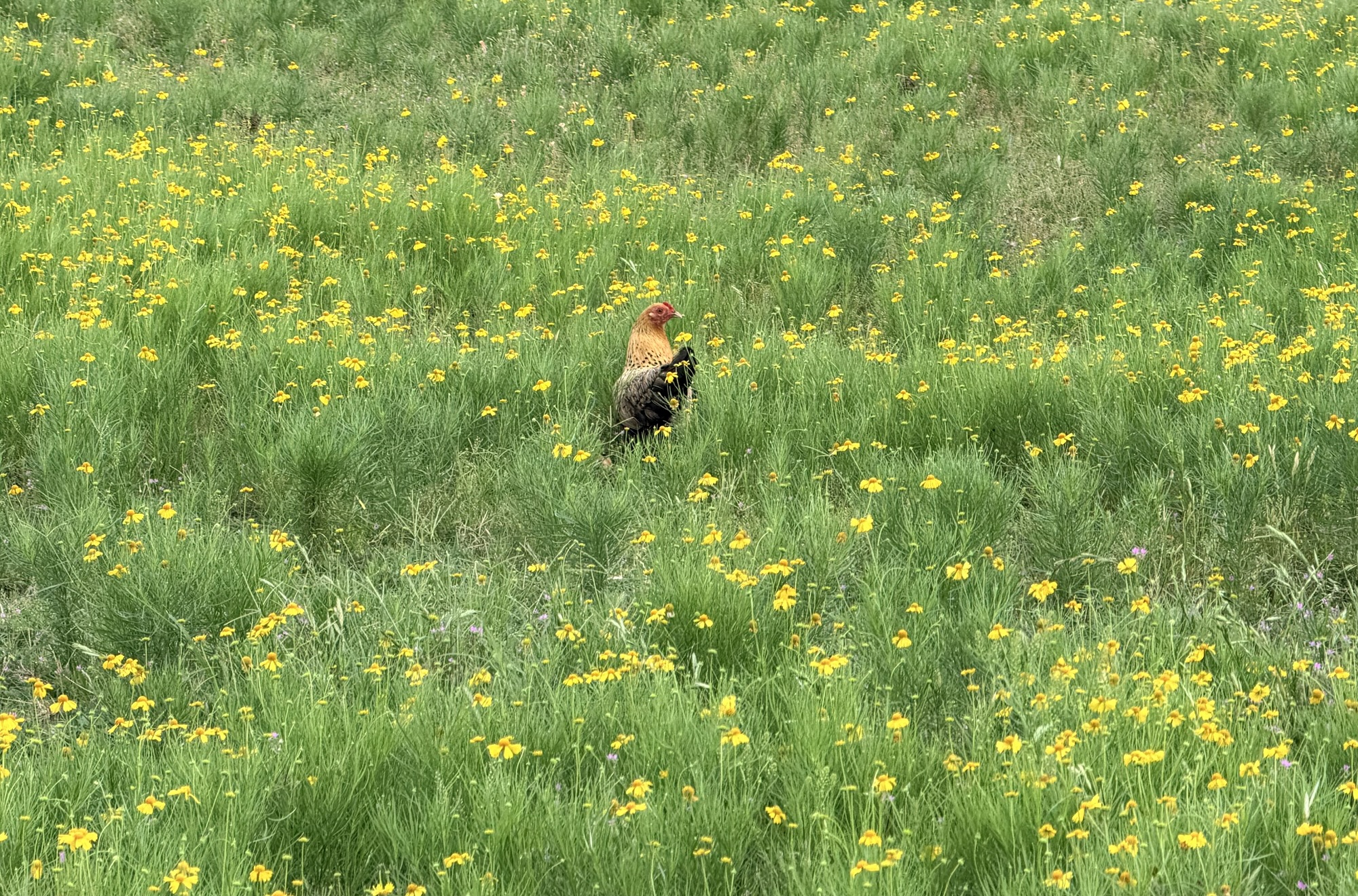
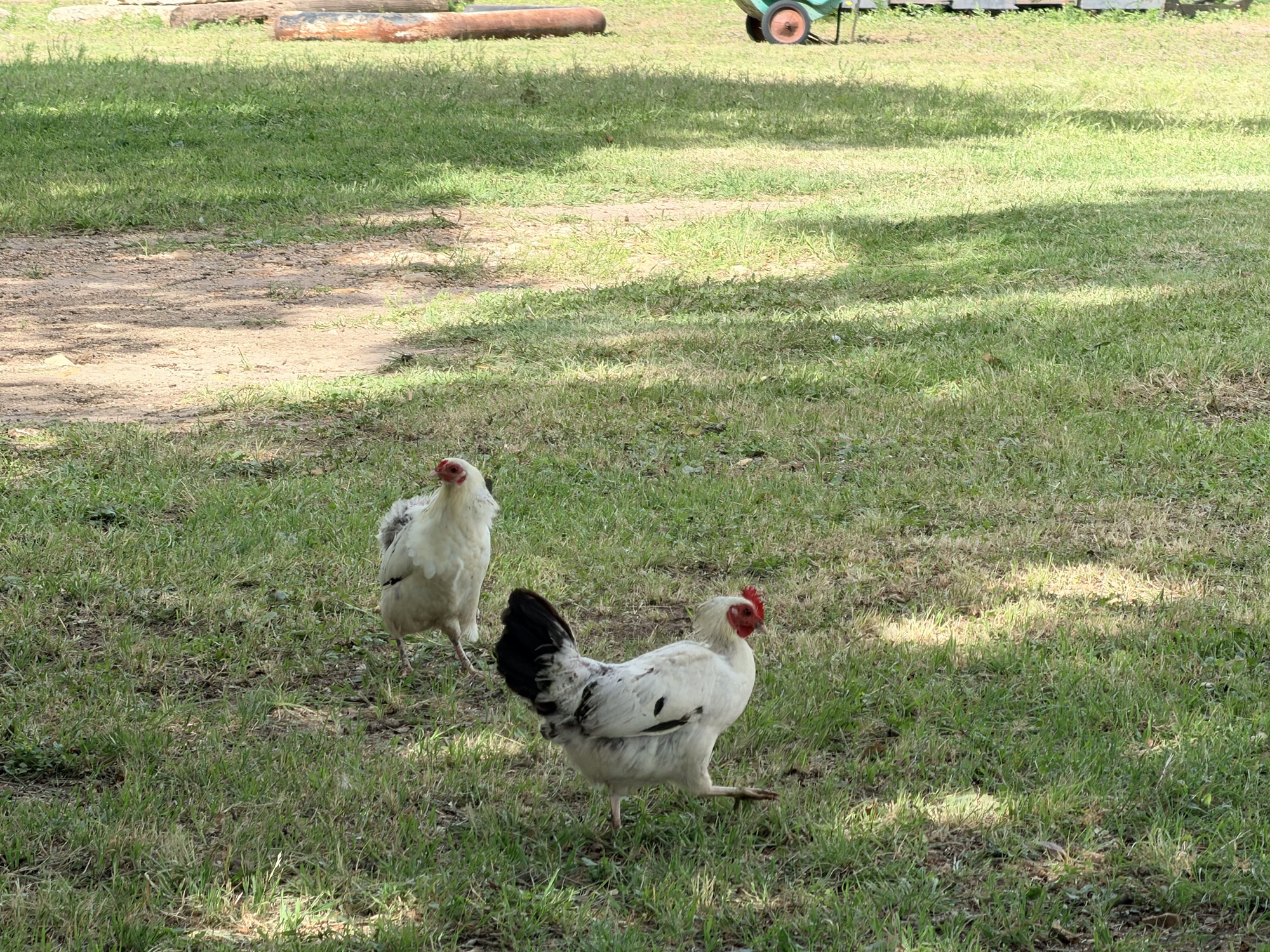
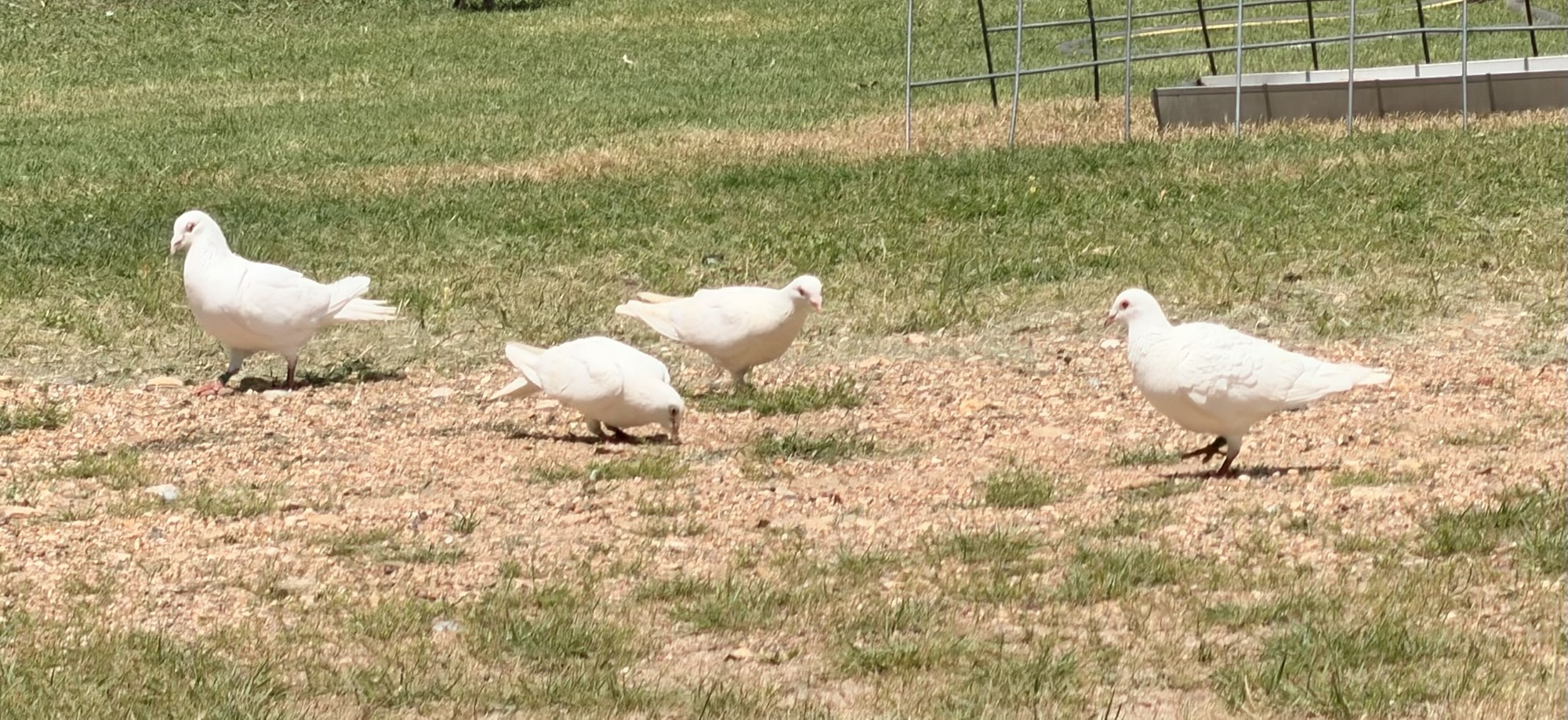
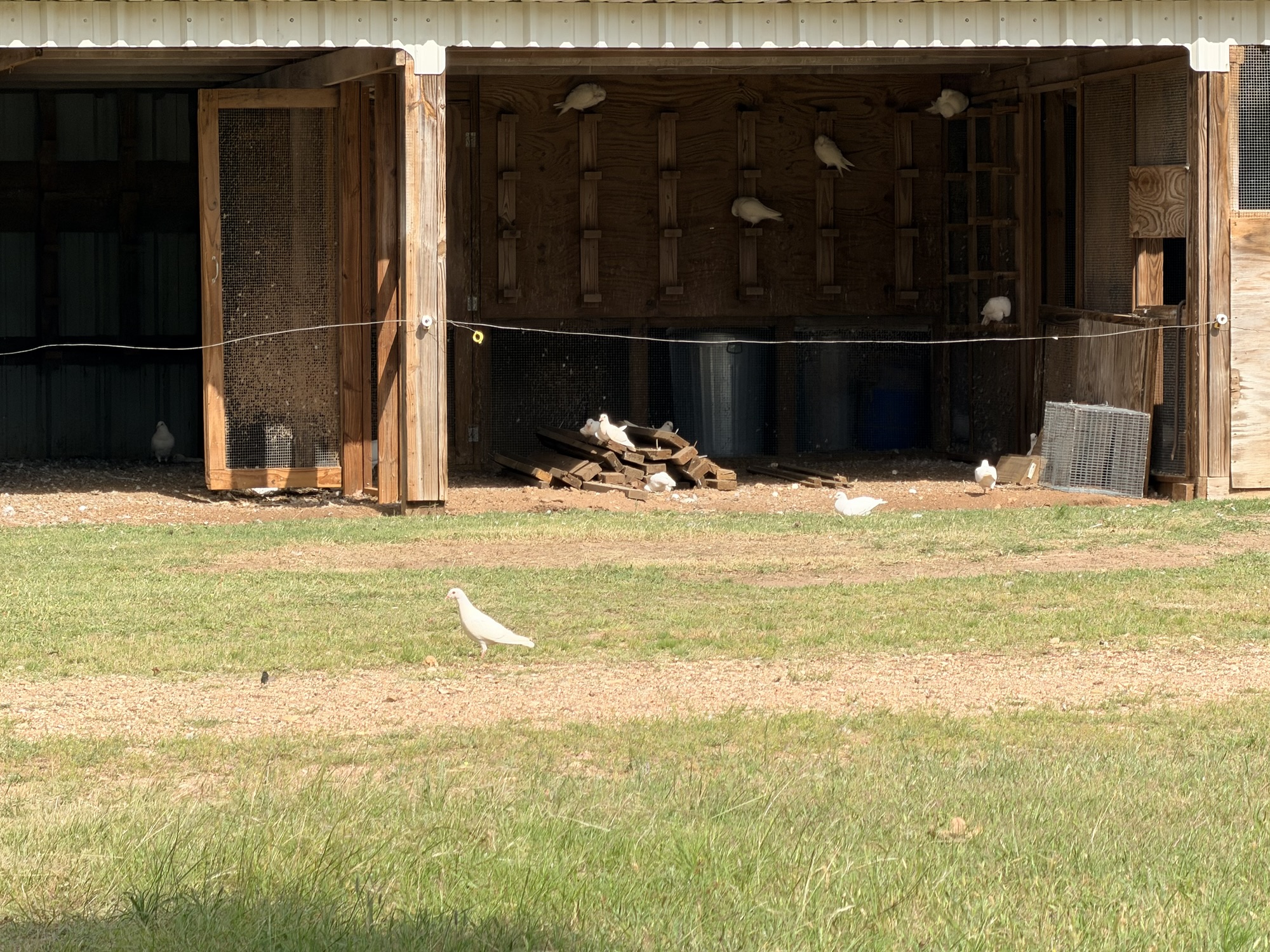
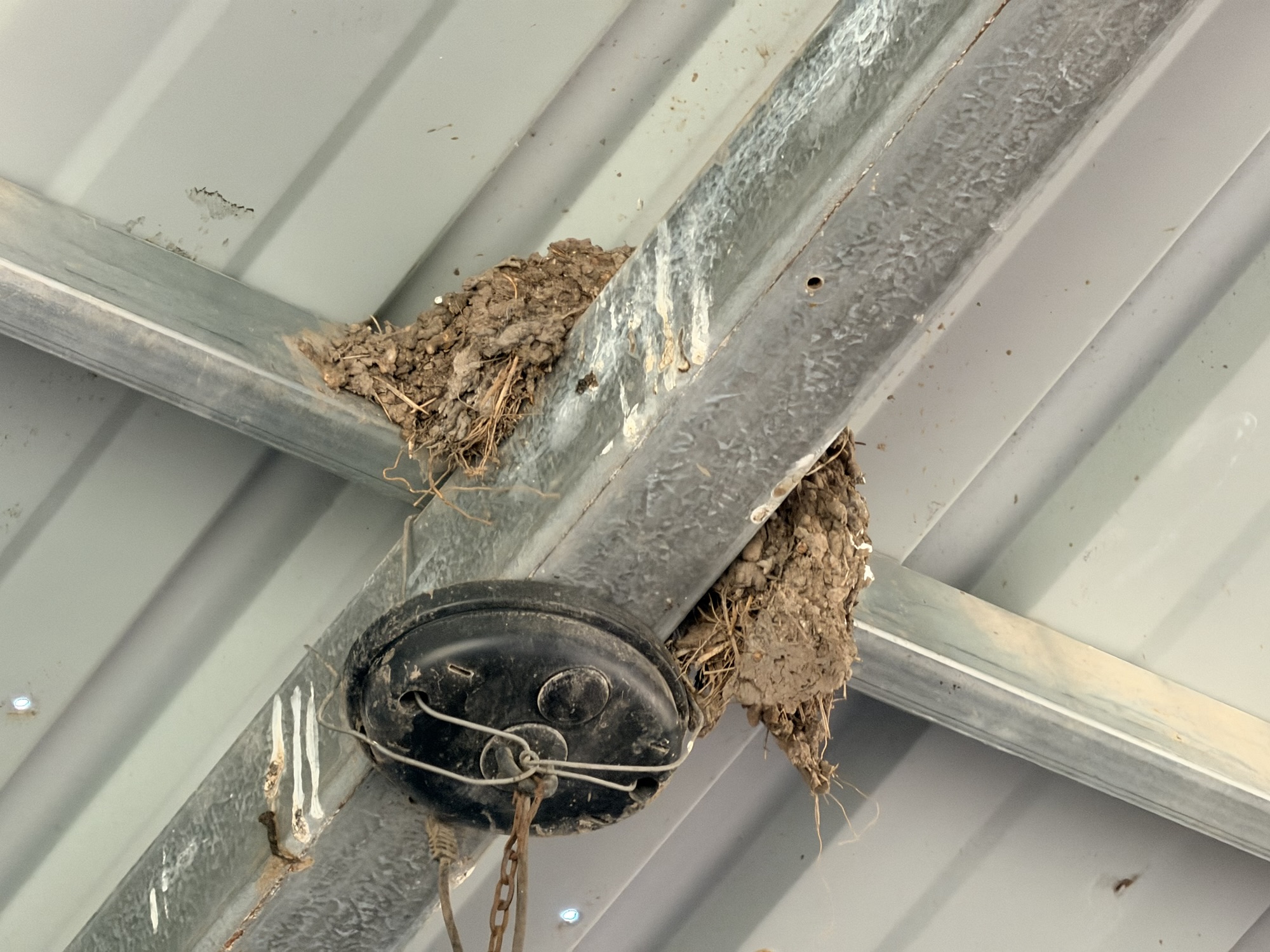
I couldn’t resist the other life around the property. There were plenty of hens and roosters, plus chicks. And there were beautiful white domestic doves fluttering around (as well as Mourning, White Winged, and Inca Doves). The shed area had Barn Swallows nesting in it, so we got to watch them zooming around, too. And a pretty brave rabbit.

After I got tired of being around people, I walked on the little nature trail they’ve built since I was last there. It has very nice bathrooms, too. I had lots of fun adding 75 or so observations for iNaturalist on the trail and in the fields, when I wasn’t distracted by how beautiful the views of the countryside were.

It is a privilege to see this place again and to learn even more about these migratory birds and the environment where they spend their spring and summer, after flying in from Brazil.

Bird Stories

Warning: I have some pain in my index finger, probably from writing on my phone. Yes. I use my index finger. So the fun stories I was going to share must wait.

I should have spent more time sitting on a rock watching the river flow. But no, much keyboarding occurred.

It was misty again most of today but I went for a couple of walks anyway. The park was nice and empty, which made it easier to hear and see birds. One group of birds I enjoyed was the swallows. In the tent camping area next to ours, I saw many Cliff Swallows swirling around. I realized they probably live under the nearby bridge.

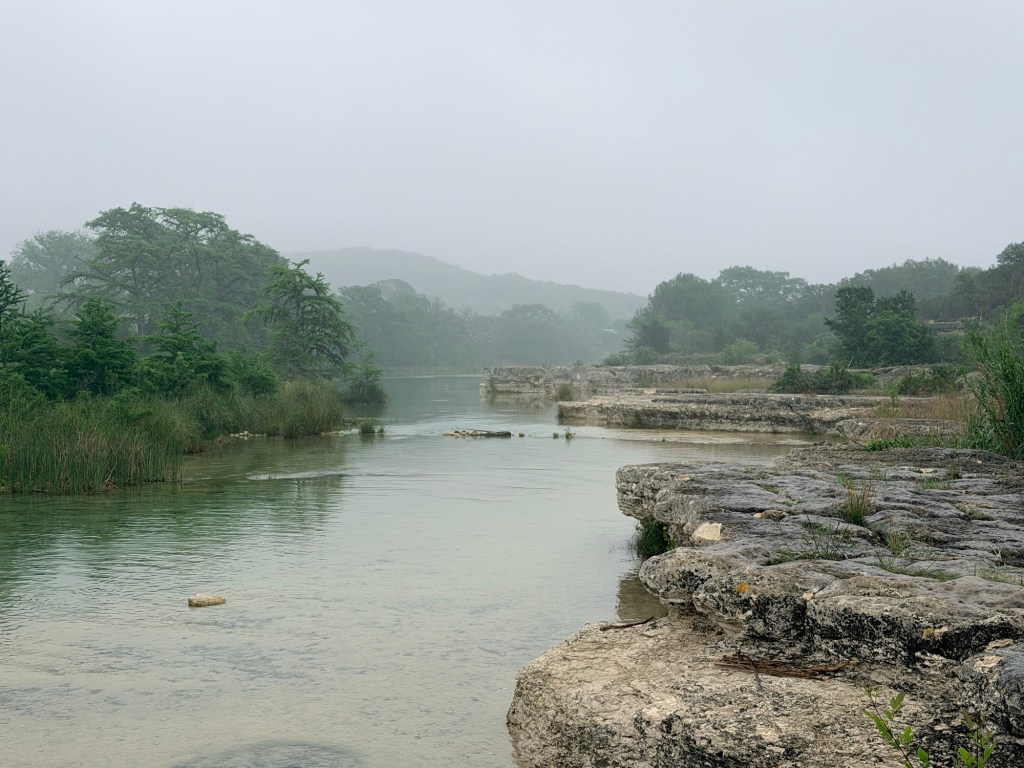
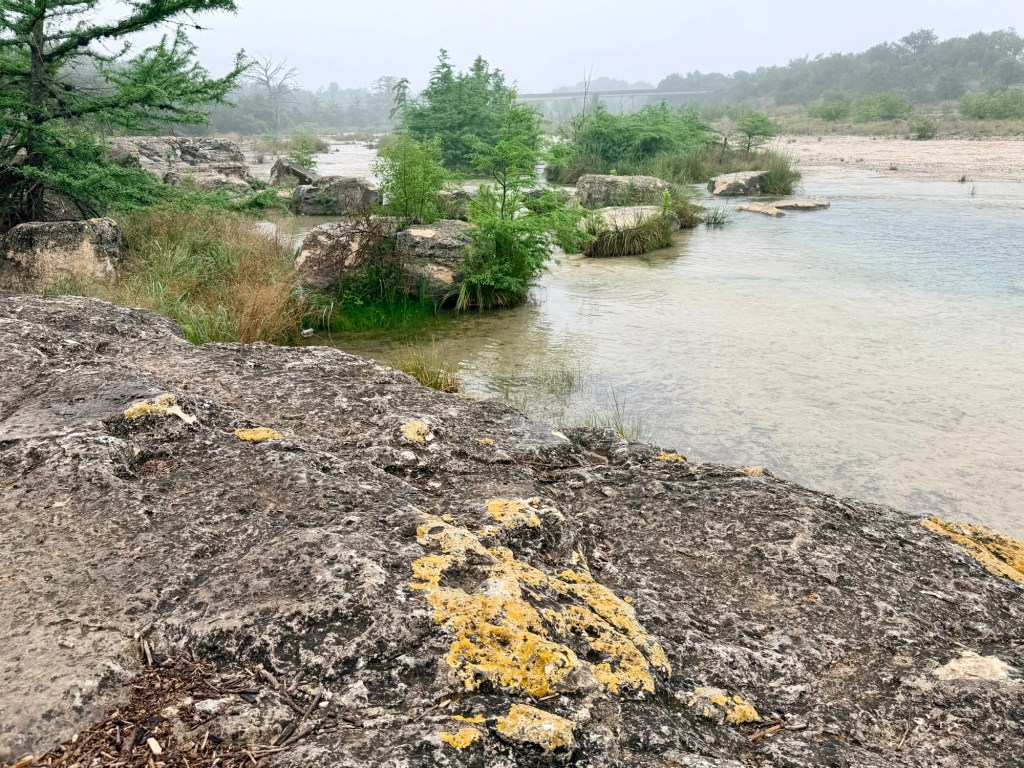
You can sorta see the bridge behind the outcropping of rocks and shrubs.

I was proud to ID them by sight and sound before checking Merlin. Square tails were the helpful feature.

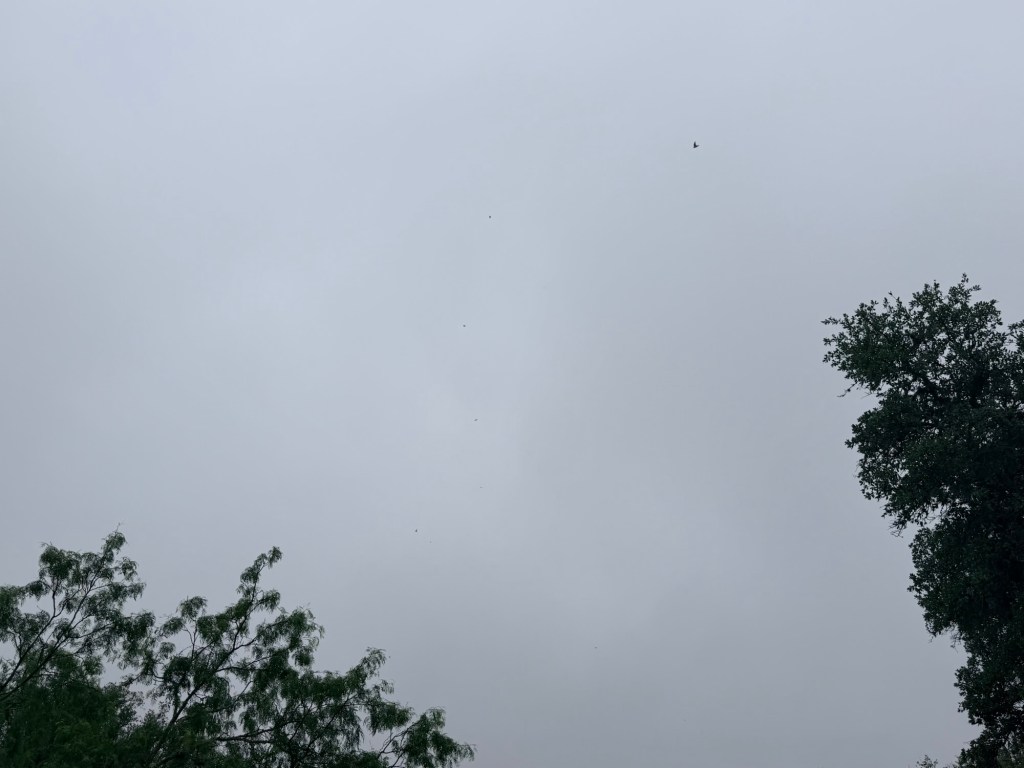
Dots in sky are swallows.

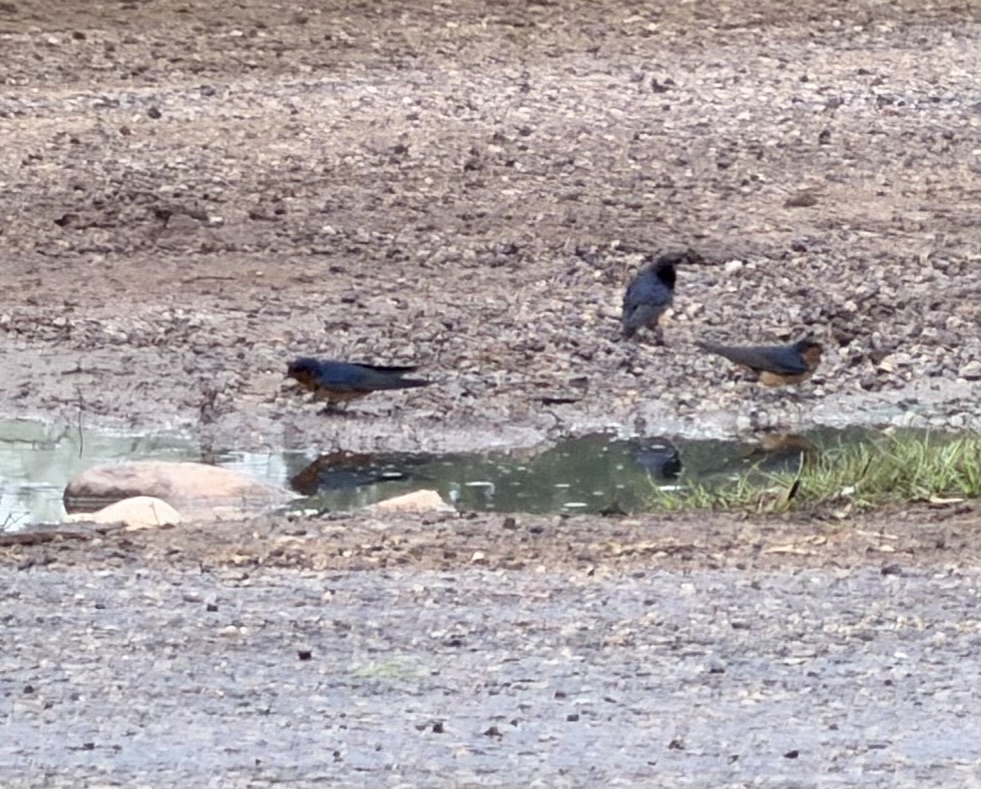
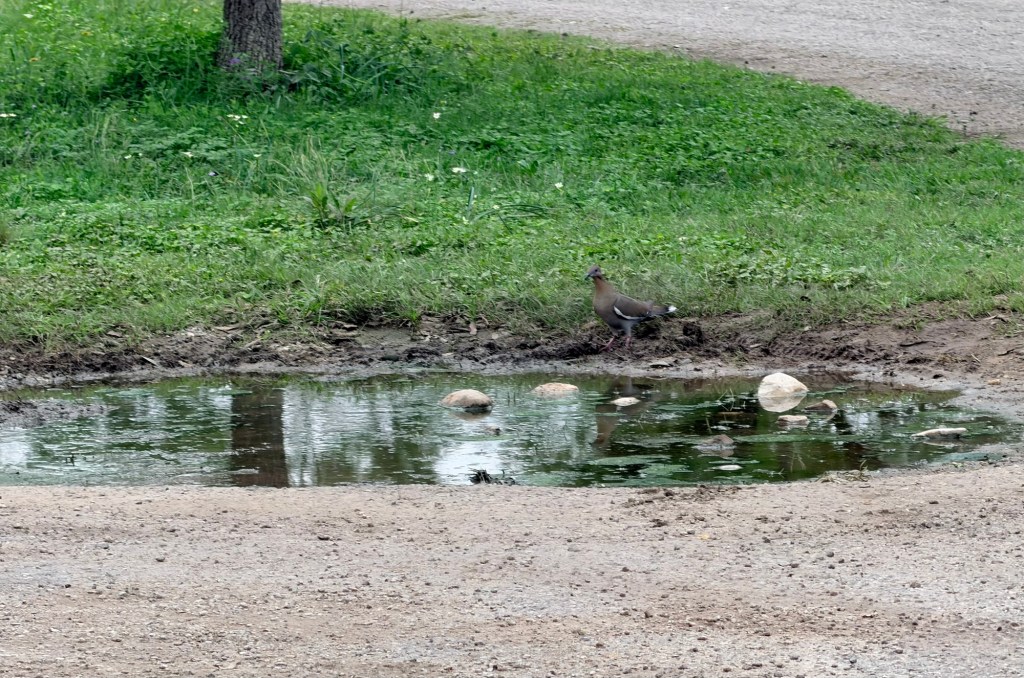
Back on our camping loop I saw a group of barn swallows pecking near the mud puddle that kids played in over the weekend. I thought that was strange since they have plenty of clean water in the Frío River.

Hanging out in the mud.

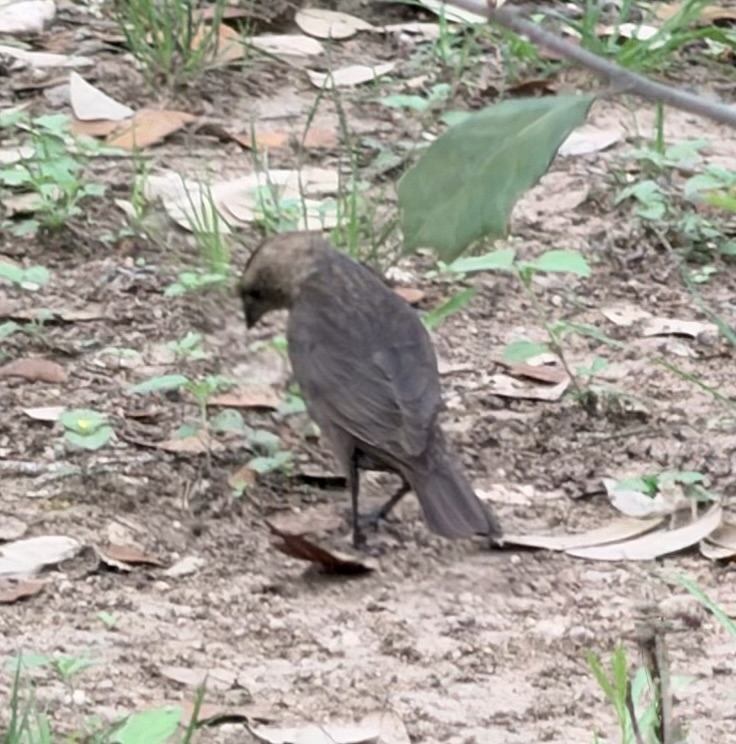
I later saw Cliff Swallows there, but by the time I got my camera out, all that was left was a White-winged Dove. Darn.

Dove is blending in

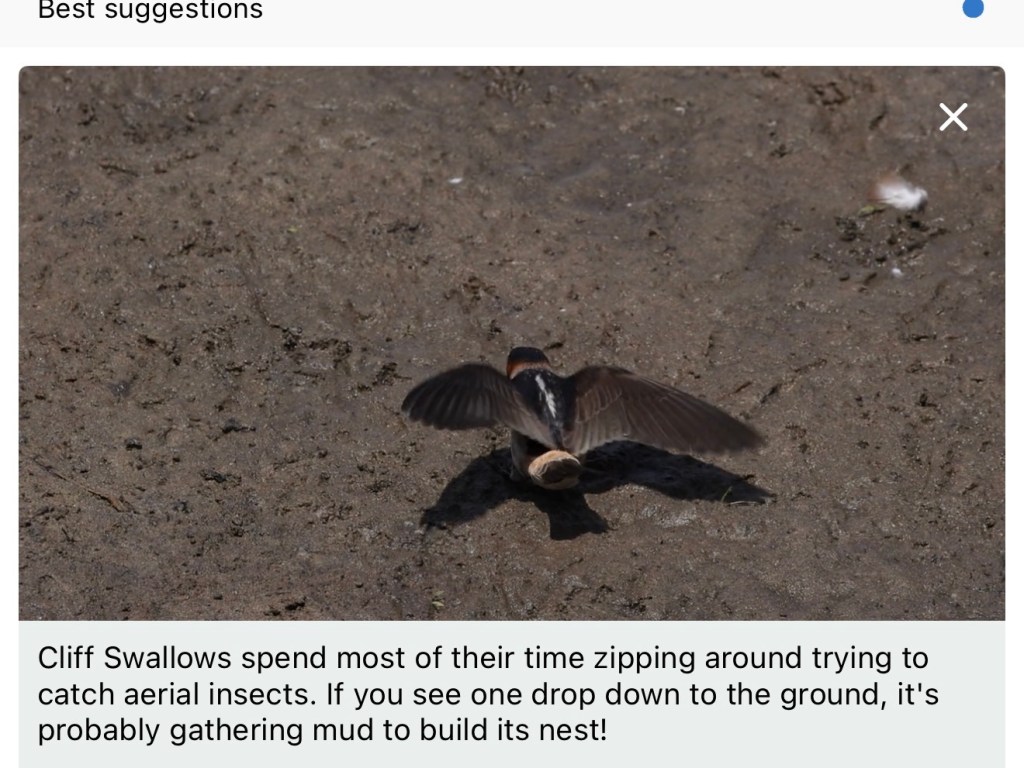
Anyway, when I got back to our site, I looked to see what Merlin had picked up. I saw the app had put one of its bird trivia videos up, which I usually delete. But this one was on Cliff Swallows, so I read it.

Well. Now I know what those birds were up to, collecting nest material! I should have known that. it’s always good to learn something new.

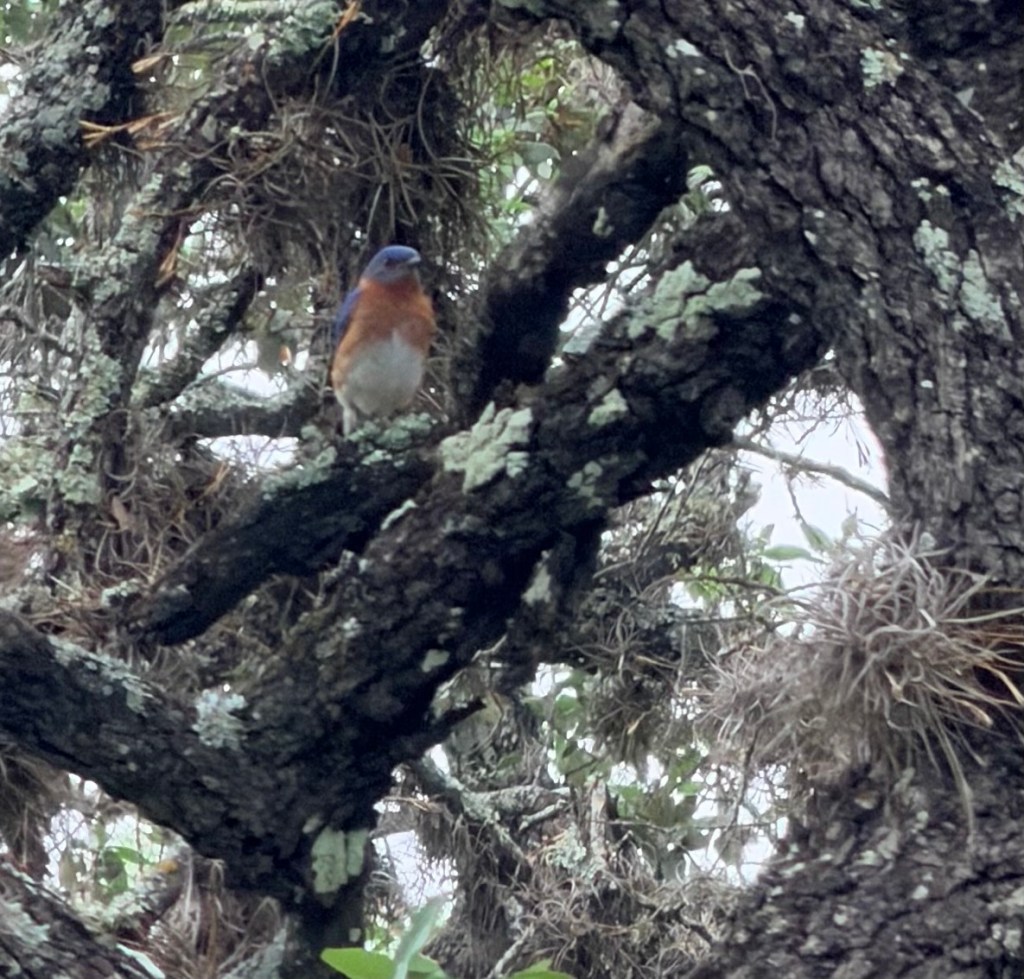
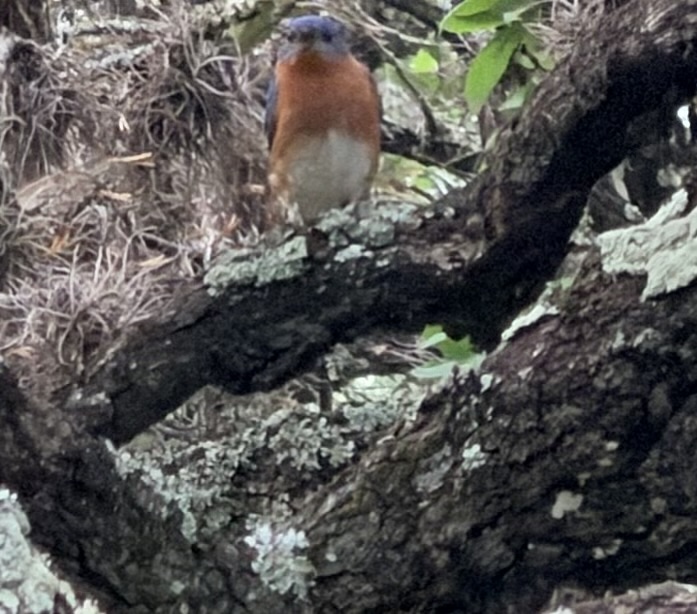
Bluebird agrees

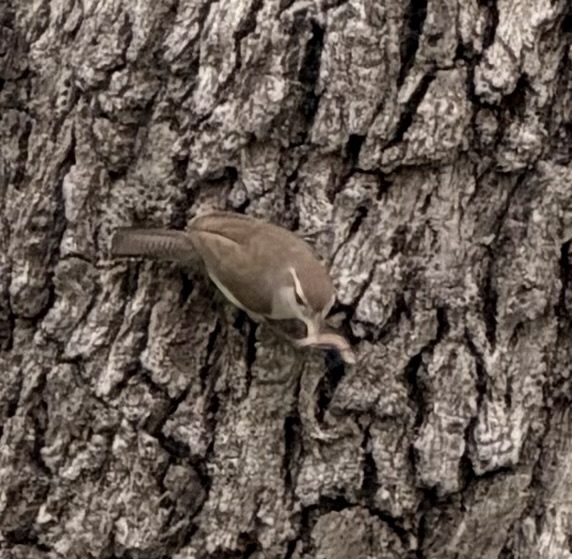
Another quick bird story. I saw the Park Host taking a rag out from under his car. I asked him why he stored rags there, and he laughingly told me it was to keep wrens from nesting in there. He can’t get them to stop trying (thankfully, he’s heading to another park tomorrow.) Wrens are quite persistent. I thought it was a fun story to share with Lee.

We are cute, too.

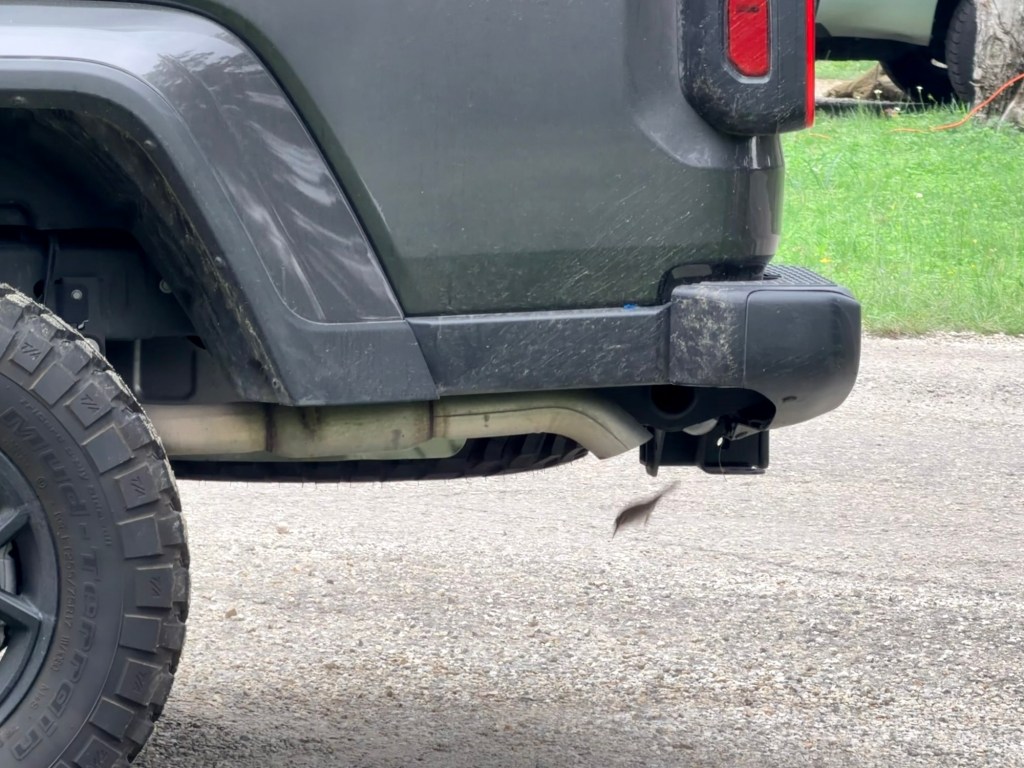
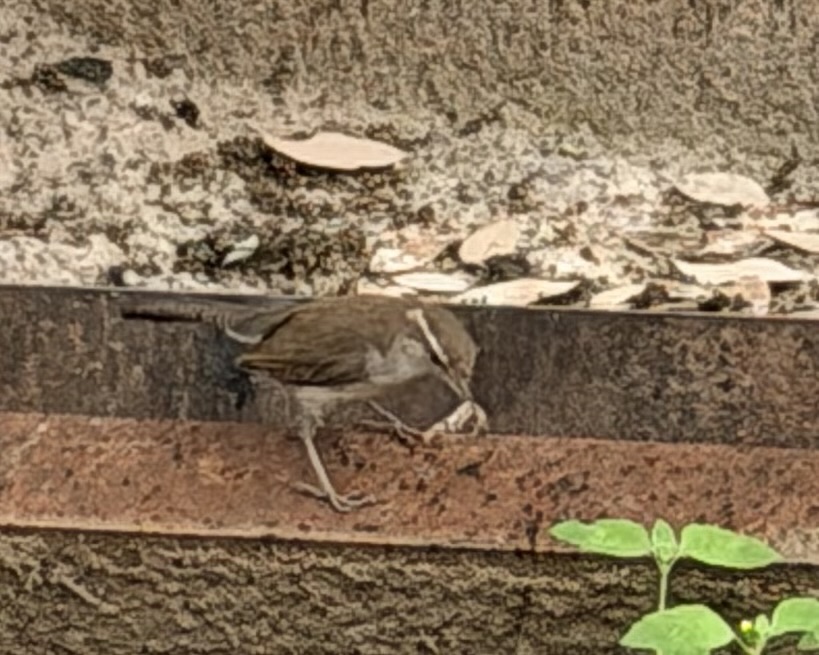
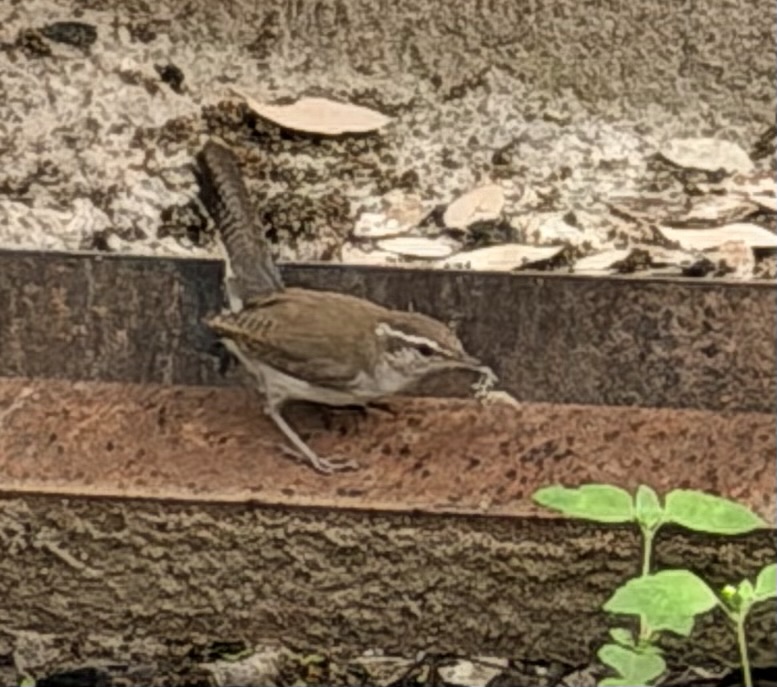
Then I came back and worked a bit. Lee went outside to escape my meetings. Soon, he returned with news. We have our own pair of Bewick Wrens building in the Jeep’s back bumper. Sigh. They’re so sweet but on a futile mission.

Wren zipping down from the bumper.

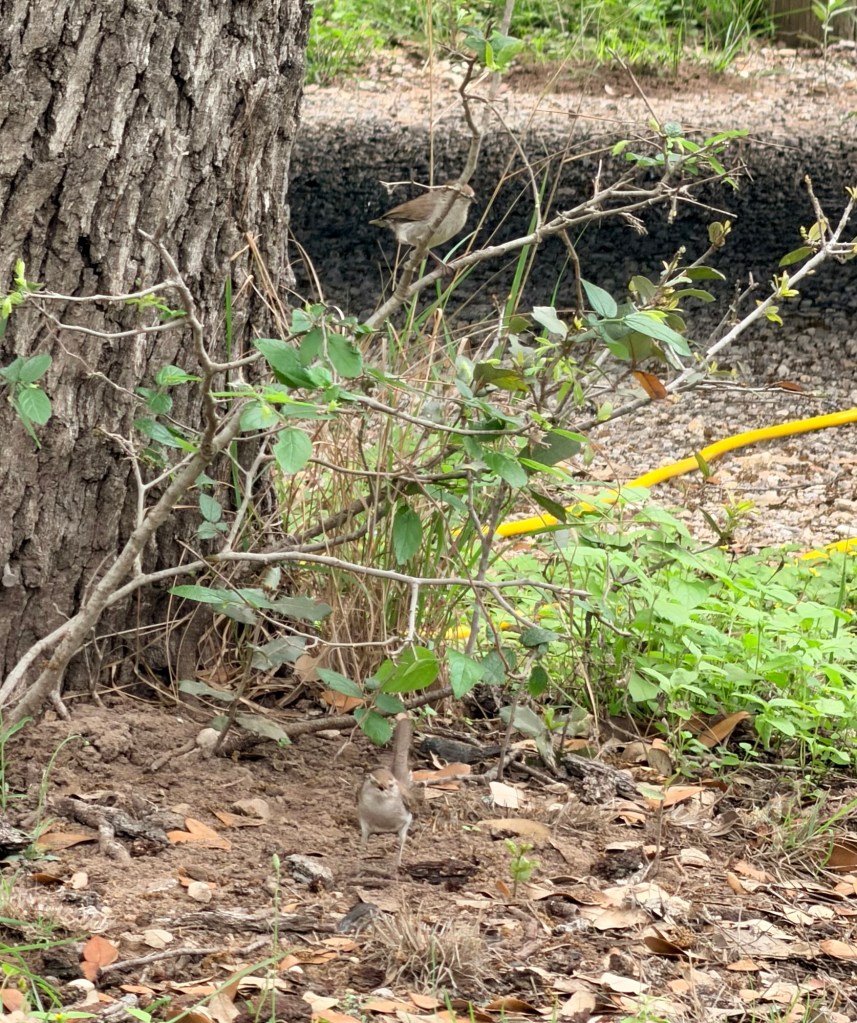
A pair of Bewick’s Wrens were busy all afternoon working on their project. They mostly chose the flower stalks off ball moss to take up to the Jeep.

Searching for sticks (both are in this photo)

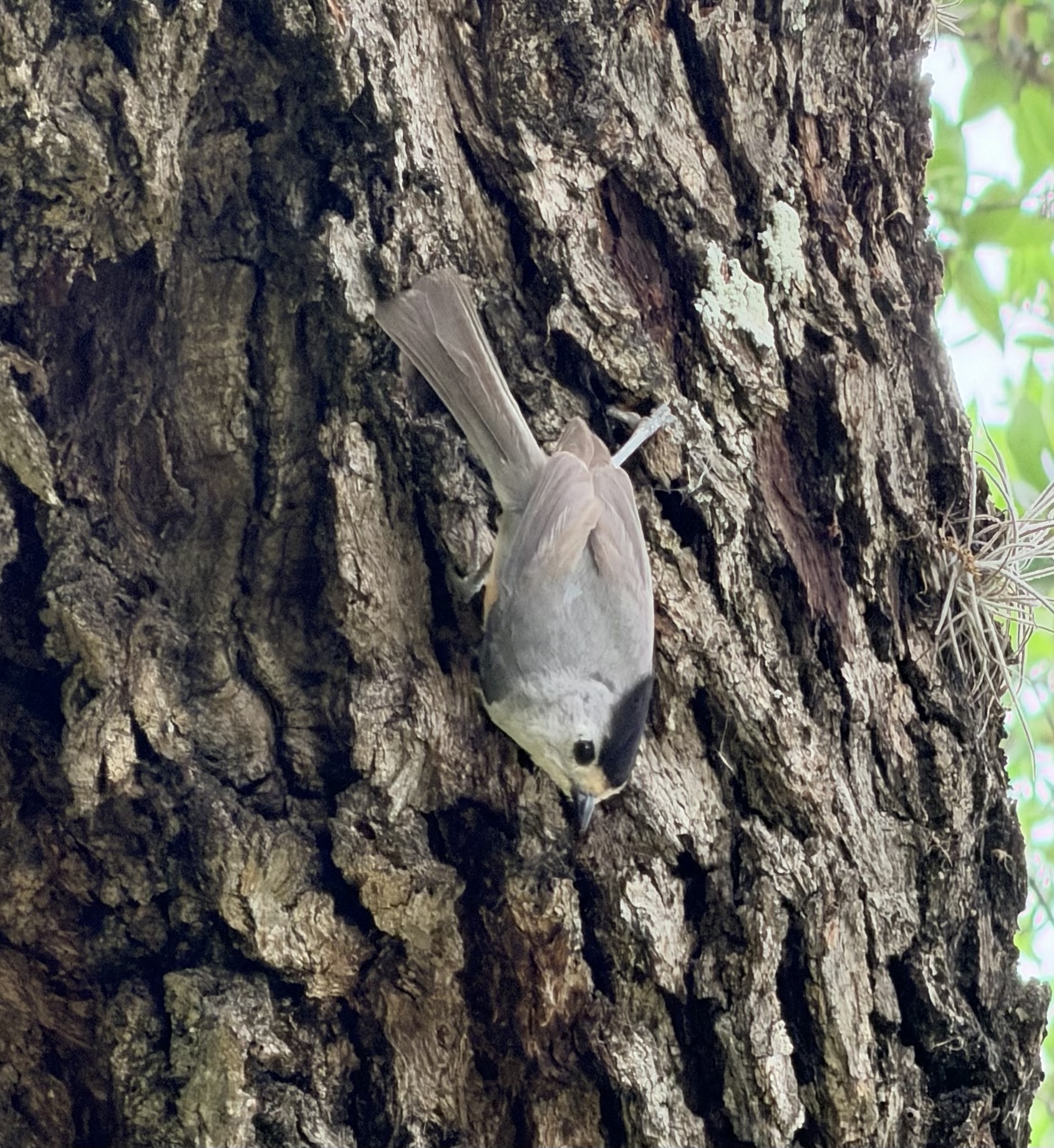
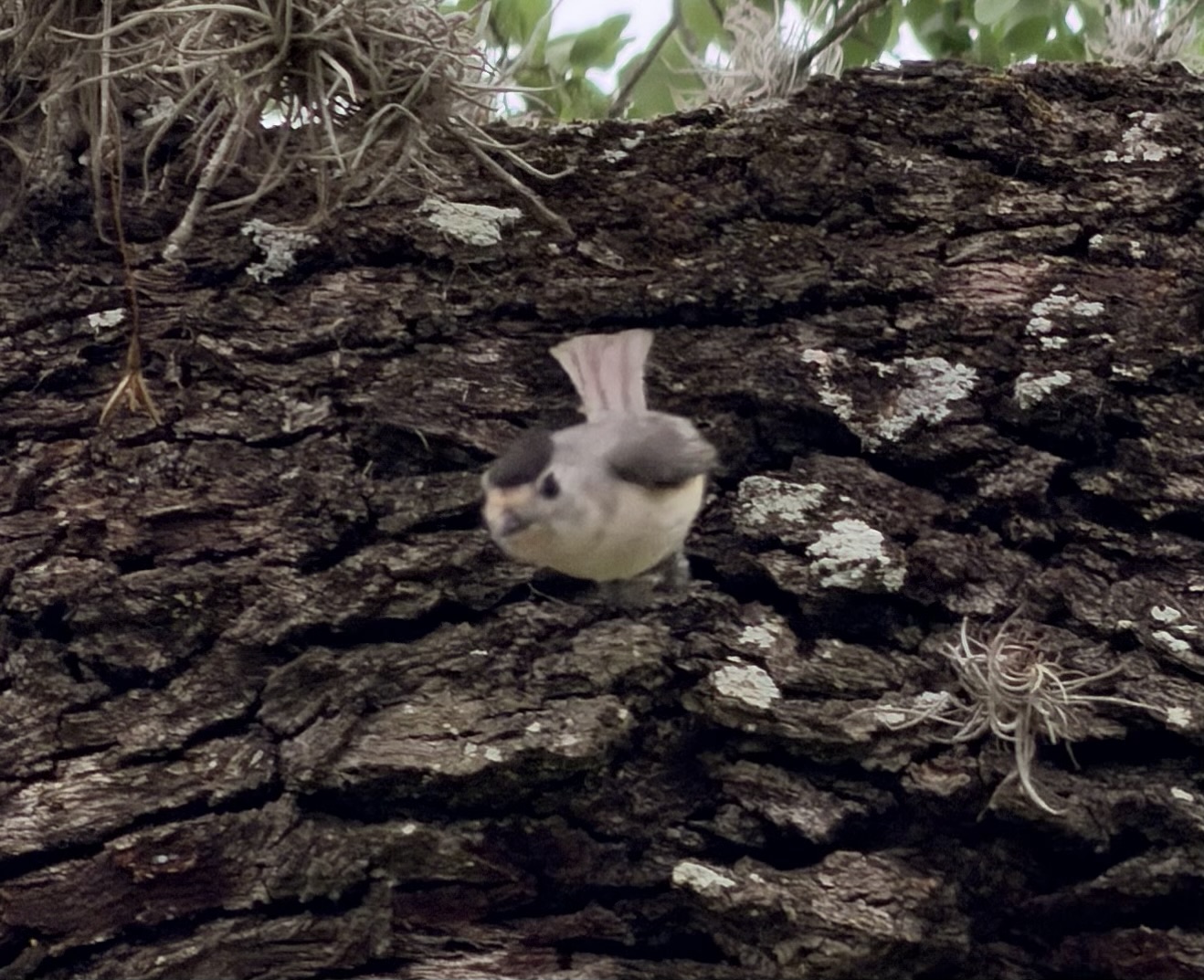
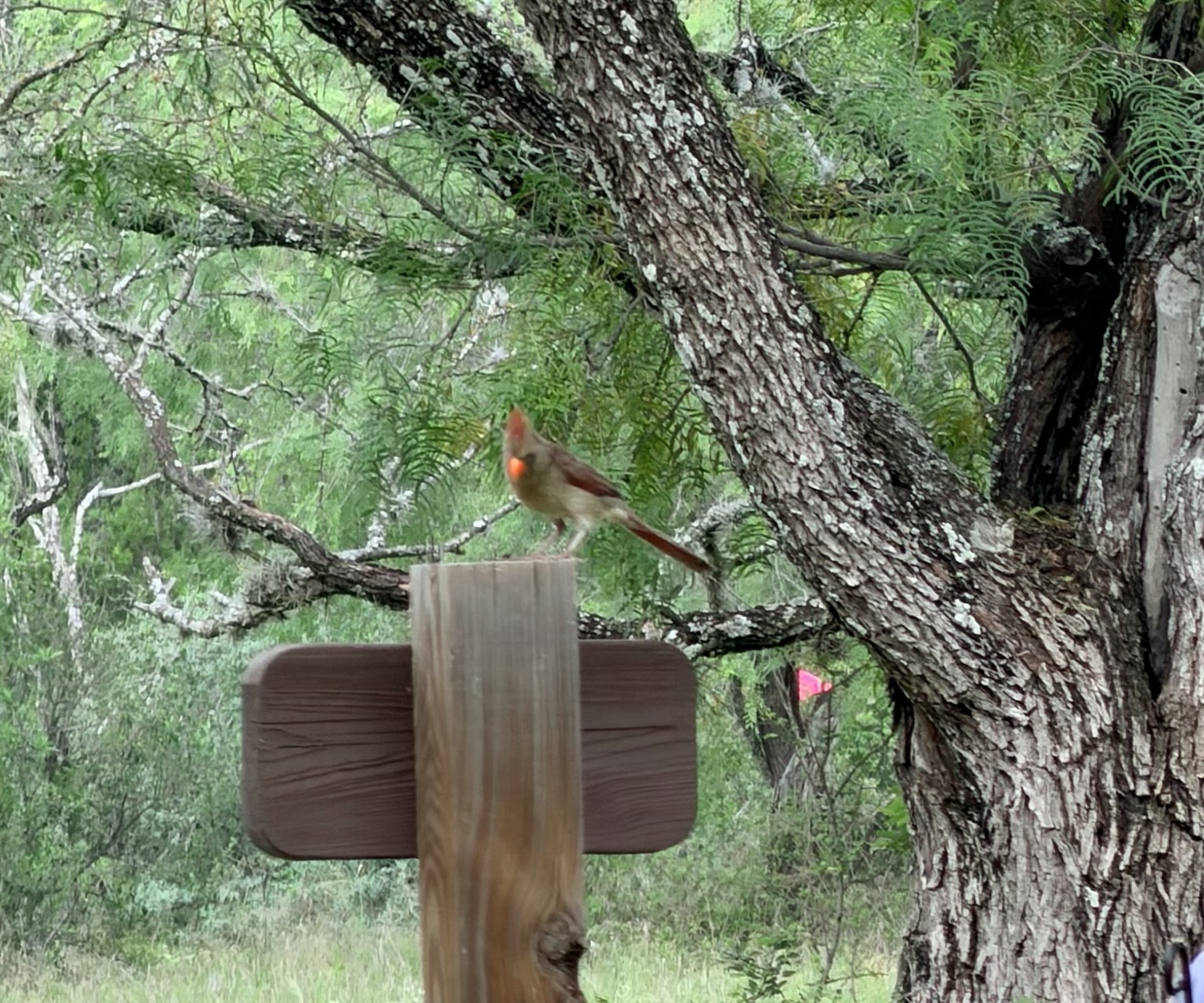
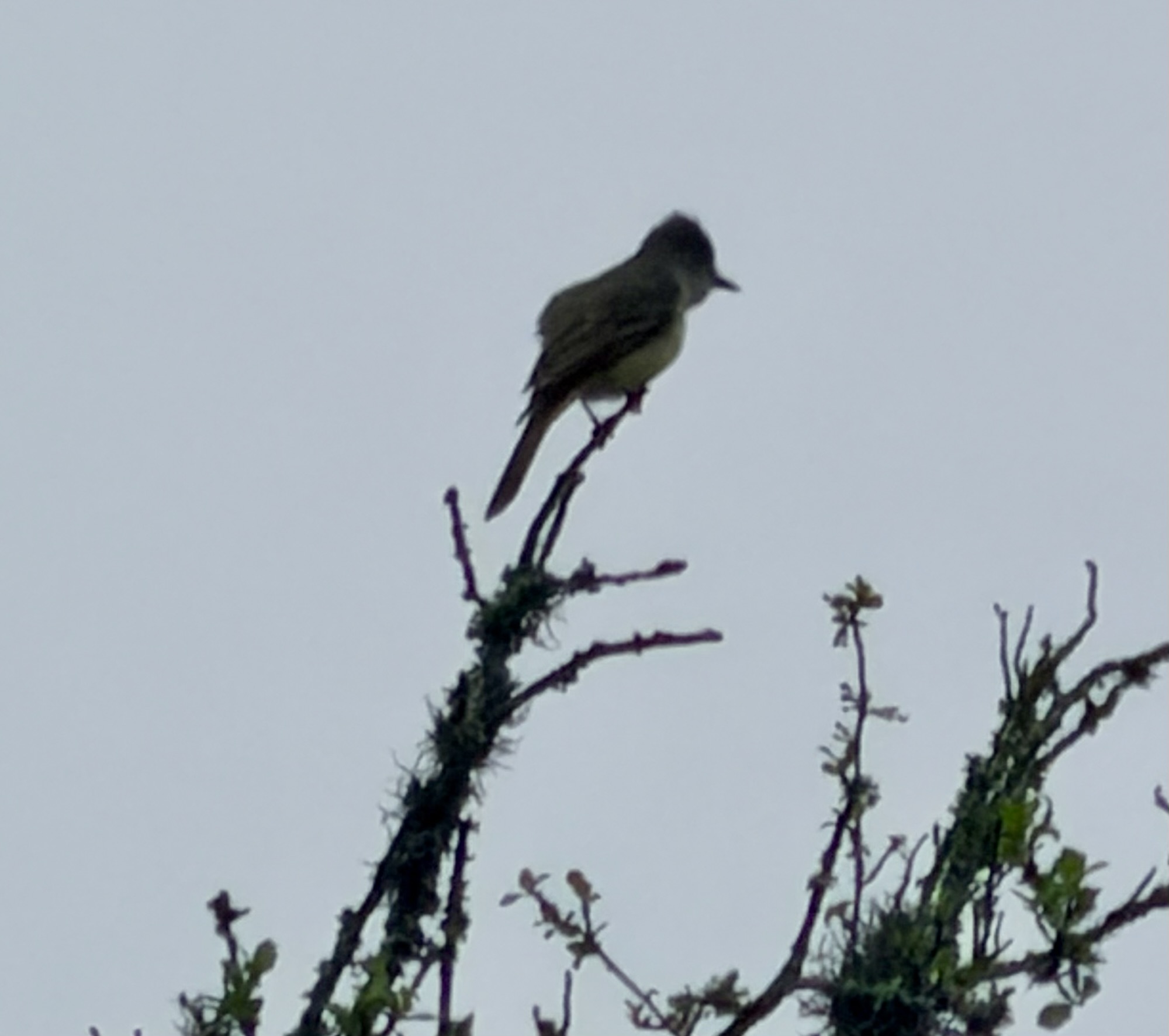
I had fun watching them, Black-crested Titmice, Lark Sparrows, flycatchers, Cardinals, and Eastern Bluebirds for a long time in late afternoon, when the mist finally dissipated. I could just sit in my rocking chair and watch the bird show. Ahh.

I’ll share plants and more river stuff tomorrow. My hand is tired.

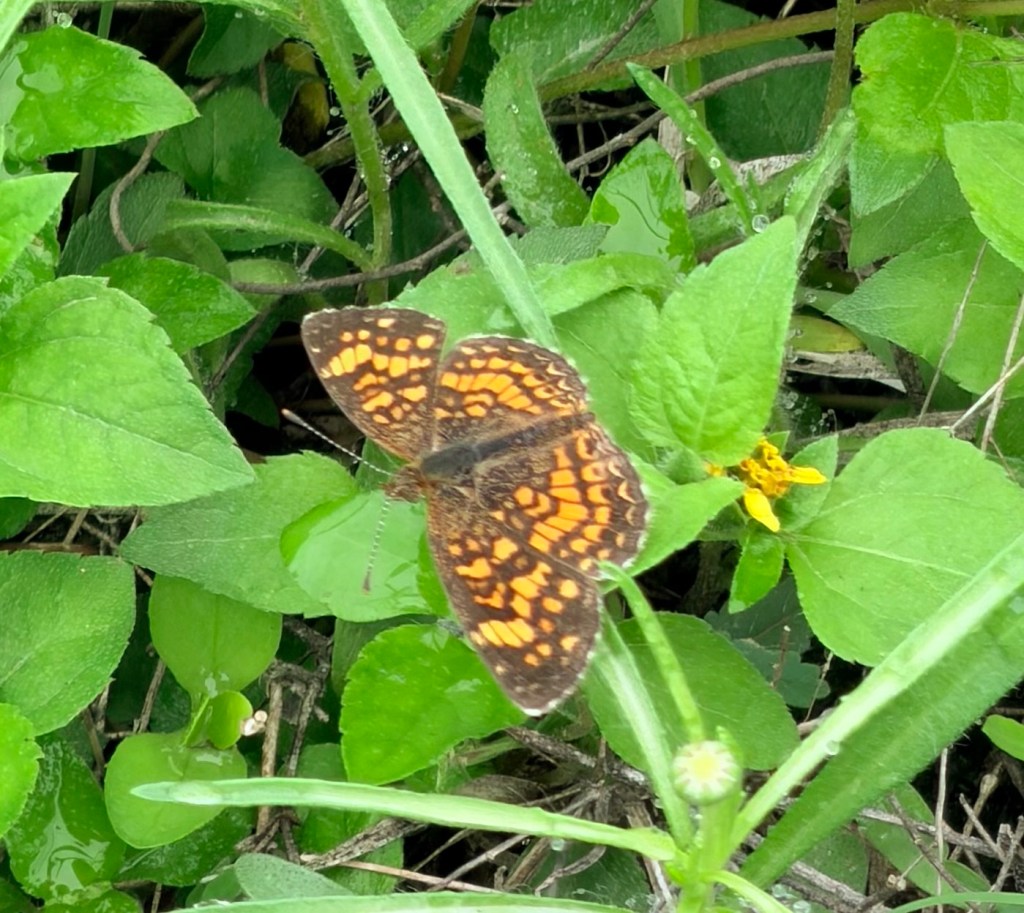
Vesta crescent

Lost among the Maples

The weather here at Garner State Park and surrounding areas was strange today. It started off misty and stayed misty/foggy all day. That’s not typical Texas Hill Country weather.

It made the hills look mysterious. This was mid afternoon, when fog has usually been burned off for a long time.

After a pleasant morning of coffee and birding, Lee took me to Lost Maples Natural Area, a place he’d been many times when he was younger, but I had never been. You may know of Lost Pines, which we’ve visited many times. Both places have remnants of the forest that was in Texas the last time it was much cooler.

The maples

The trees in this preserve are still around because they’re surrounded by hills and have a river in the middle, which creates a perfect microclimate for bigtooth maples. The area is extremely popular in the fall when the trees turn colors, so coming in spring is a much better idea for us hermits. The mist also helped keep away crowds, but didn’t distract from the spectacular scenery.

The Sabinal River was fun to cross repeatedly.

We did a mile walk, which was a bit challenging for Lee with the rocks and water crossings, but I’m glad he could join me, because this is such a special place.

Intrepid-Lee marching down the trail.

In addition to the plentiful maples, there were many fun plants to spot along the trail. The most spectacular sight was Scarlet Leatherflower (Clematis texensis) which attracted hummingbirds like crazy.

Best I could do. More flower photos later.

I also found out the identity of the yellow flowering plants growing out of all the rock faces along the road, Lindheimer’s rockdaisy (Laphamia lindheimeri). It only grows in this area, the Edwards Pkateau.

Aptly named.

One more I’d like to highlight, because it was new to me, was the Texas Mock Orange (Philadelphus texensis), which is a pretty shrub with white flowers that do resemble citrus blossoms. I didn’t get close enough to sniff the flowers to see if they smell as good as orange flowers. It’s related to hydrangeas.

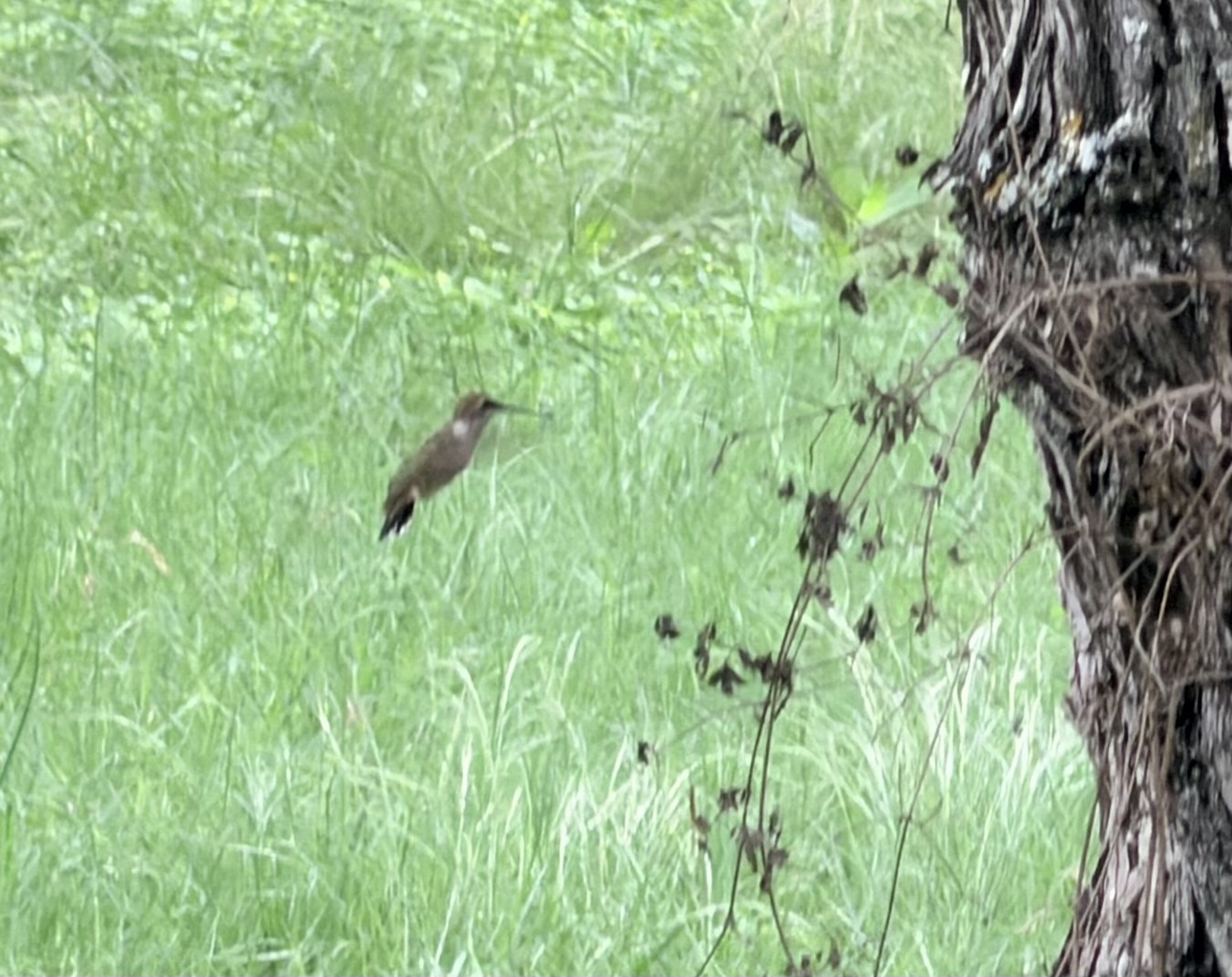
There were many more interesting plants, so I’ll do a photo dump. I do want to add that there were also interesting birds, including only my second ever observation of a Golden-cheeked Warbler and many striking Black-and-White Warblers. I got to see Yellow-breasted Chats, too, which I usually just hear. But since the only bird photos I got were of blurry hummingbirds, here’s another Vermilion Flycatcher that posed for me back at Garner.

A fine bird.

Mostly, we gawked at the scenery, switching our focus from trail to hills to river. This is a special place, and there are much longer trails, so if you ever get to Vanderpool, Texas, do stop by. It’s the only thing in Vanderpool, Texas, but I like it because I had a teen crush on a curly-haired musician with that last name. Anyway, here’s some scenery.

I know, quote the photo dump. It’s just so pretty! And for my reference, here are more interesting plants. I’ll spare you oak trees and grasses. These are the most interesting to me.

All in all, it was a great day to be outdoors and geek out over plants and birds. And rivers and hills. We are here until Tuesday, so maybe I’ll see some more interesting stuff tomorrow!

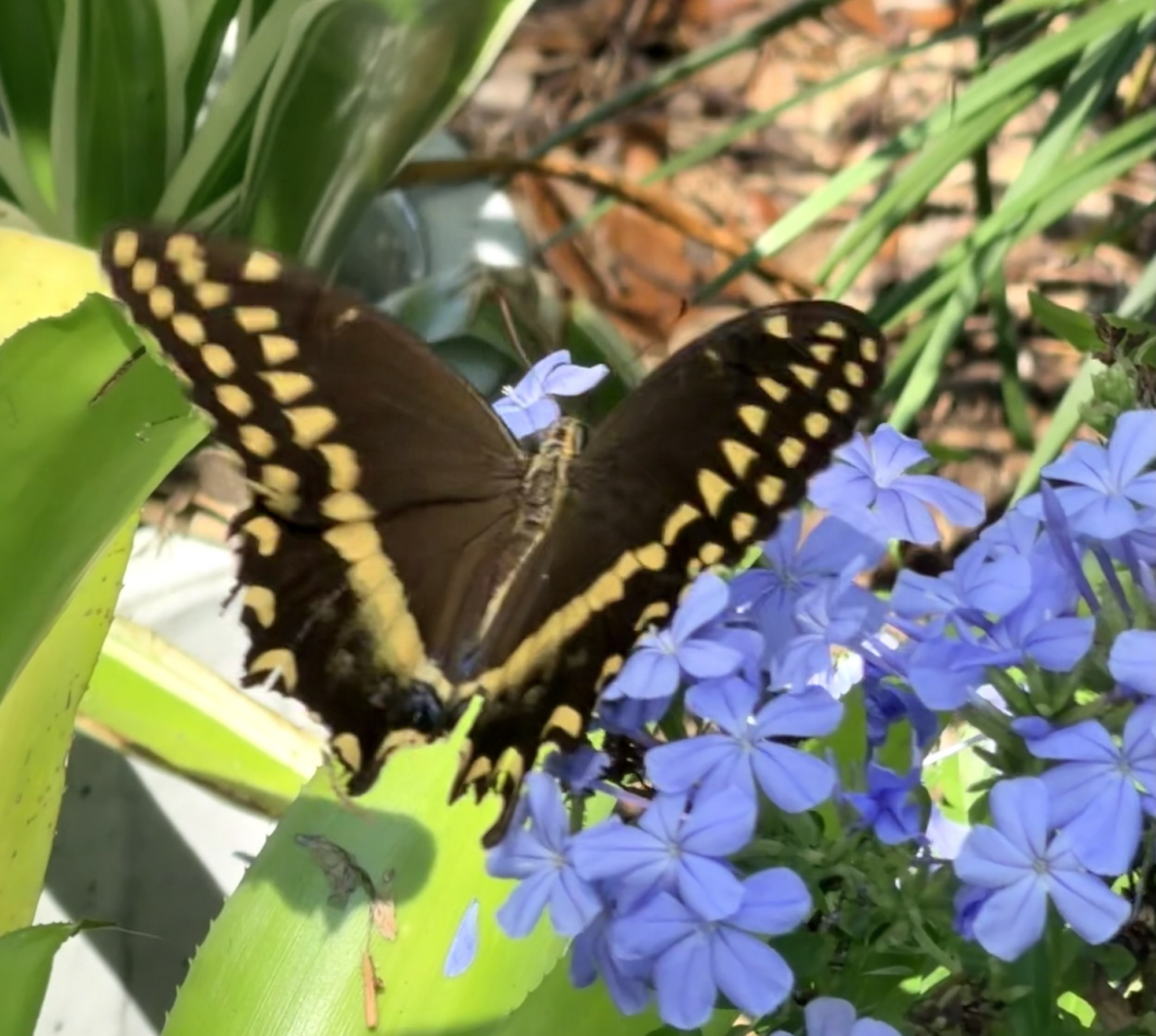
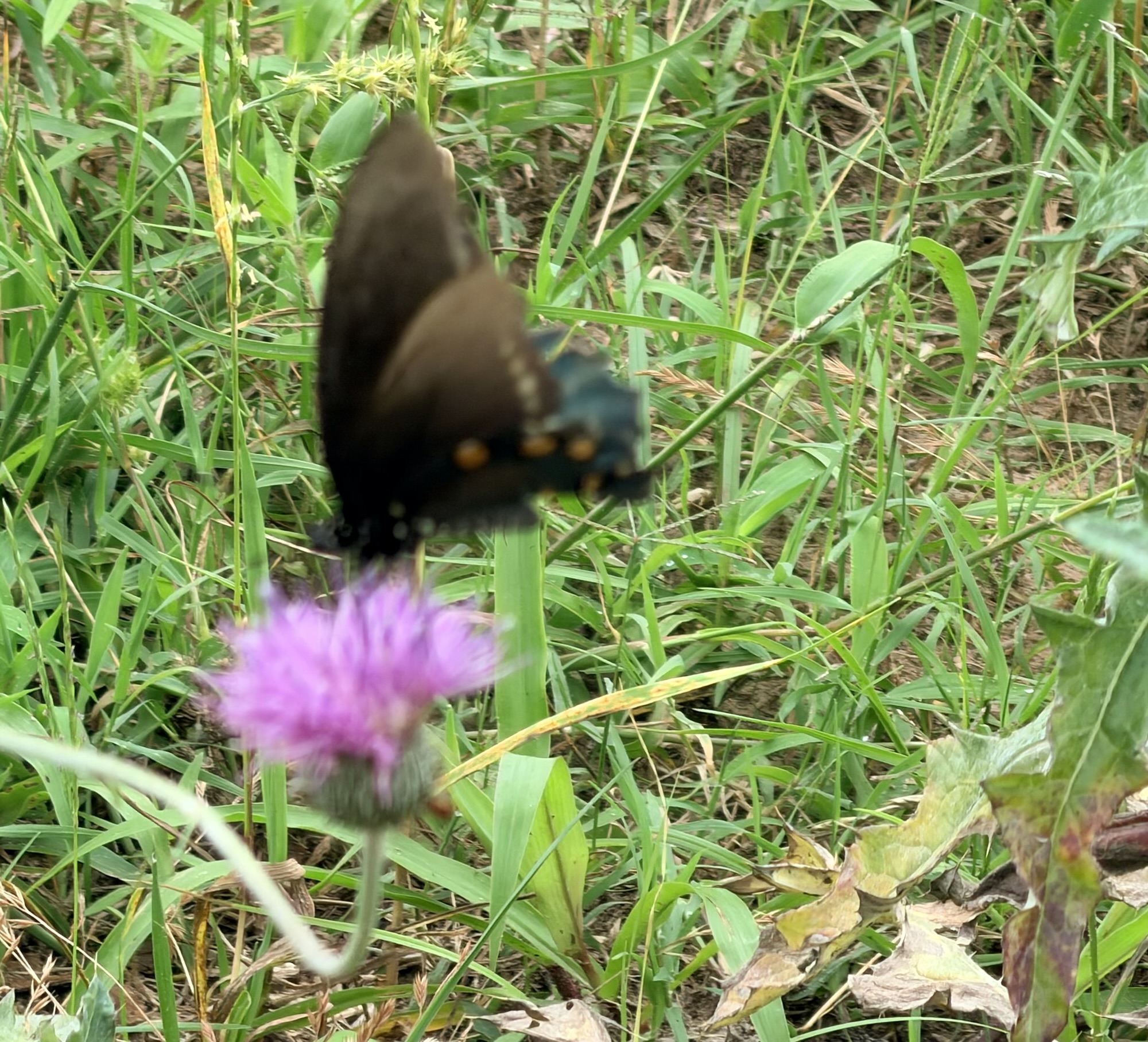
Bonus Pipevine swallowtail