
I had a request to share some of the plants and scenery from camping at Lake Bob Sandlin State Park this weekend, since posting them on Facebook doesn’t reach many of you. It has been a pleasant weekend with lots of peace and quiet and not as much heat as there could have been.
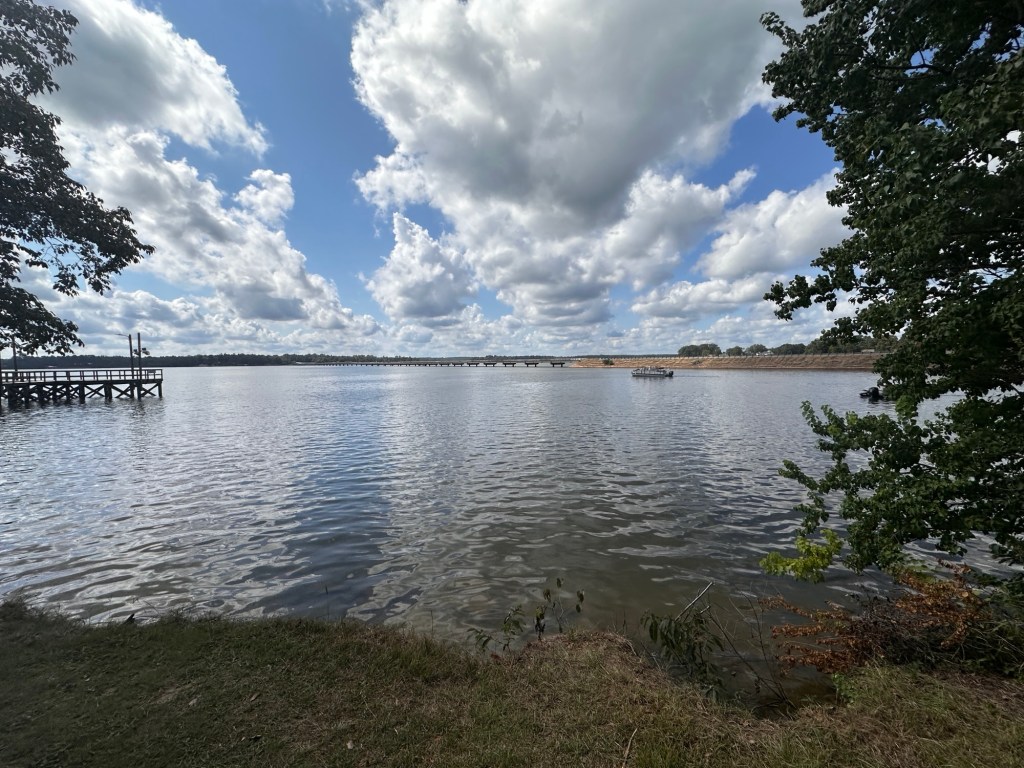
I did find some new plants, though no new birds. There were 35 different species, including a Black-and-White Warbler and a Great Horned Owl making a high-pitched call I hadn’t heard before (I heard it two different days, so Merlin mustn’t be lying).

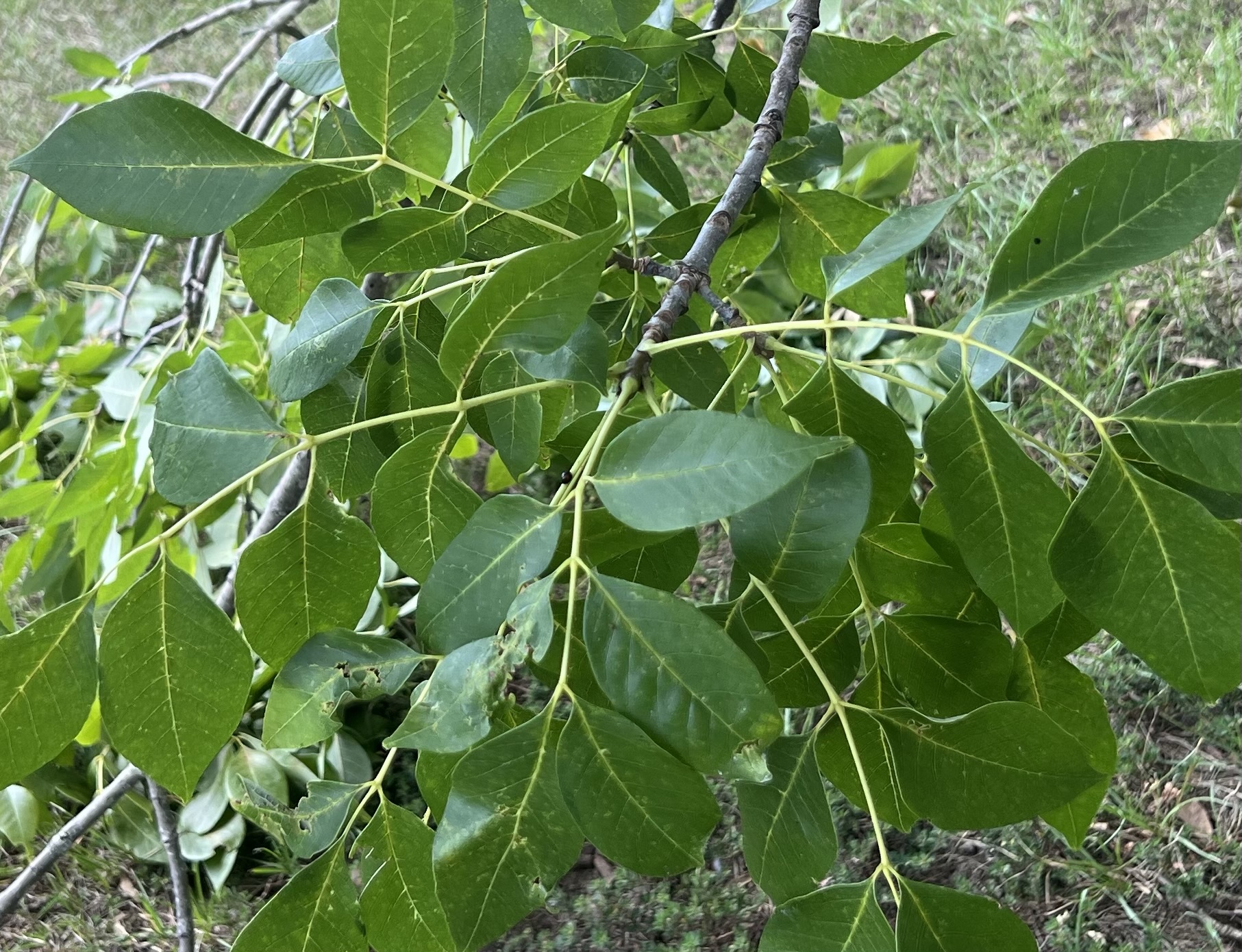
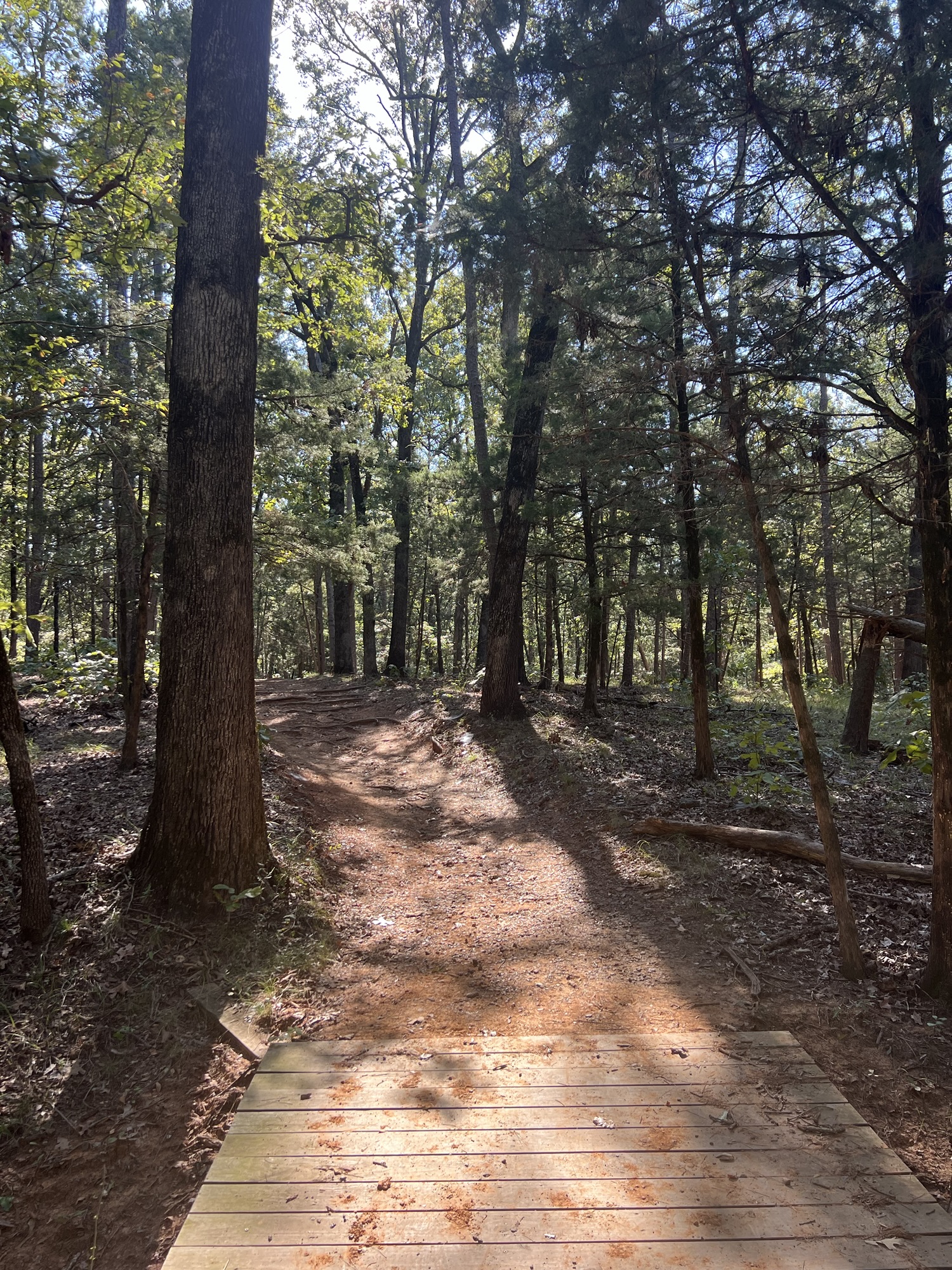
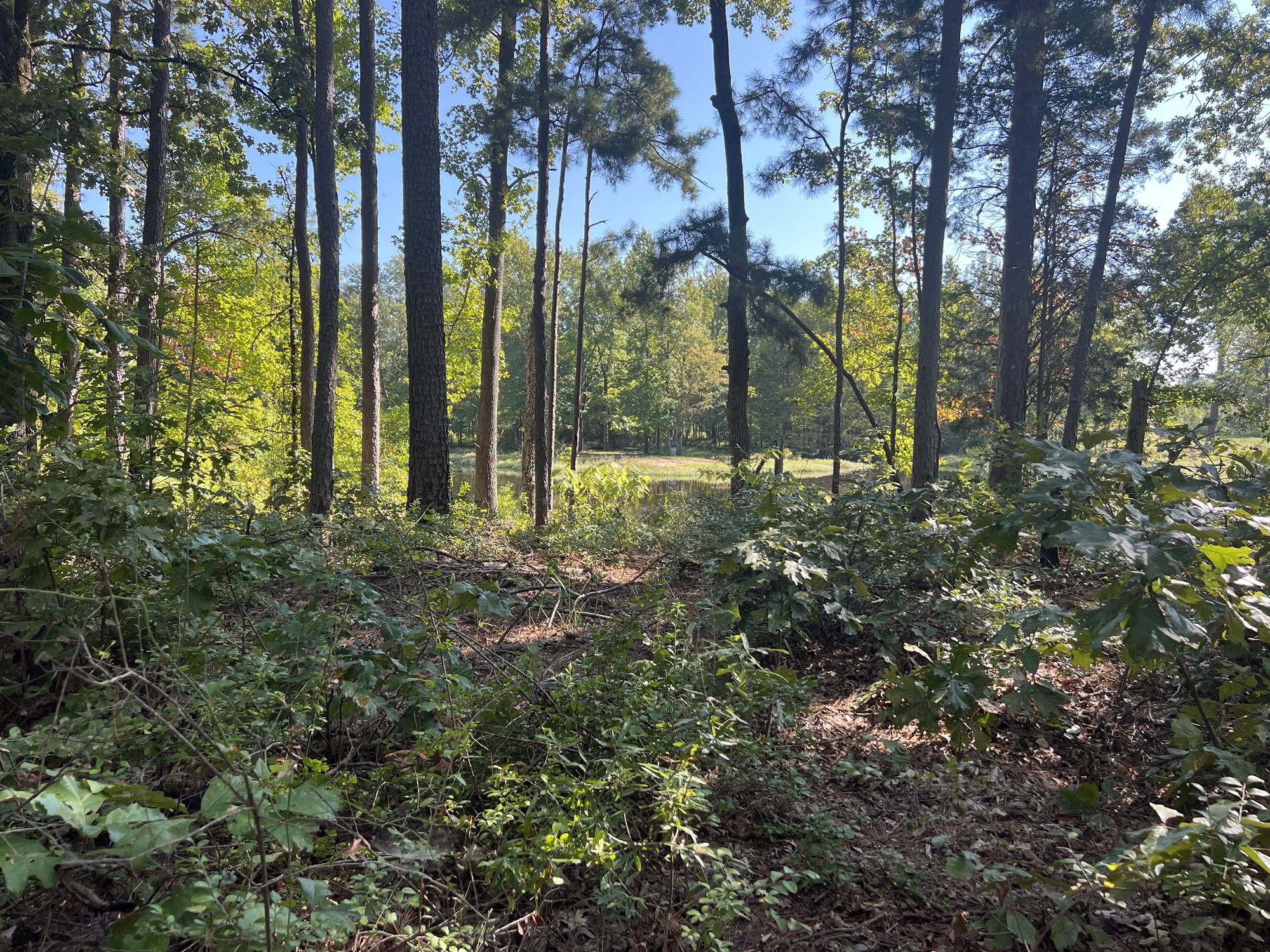
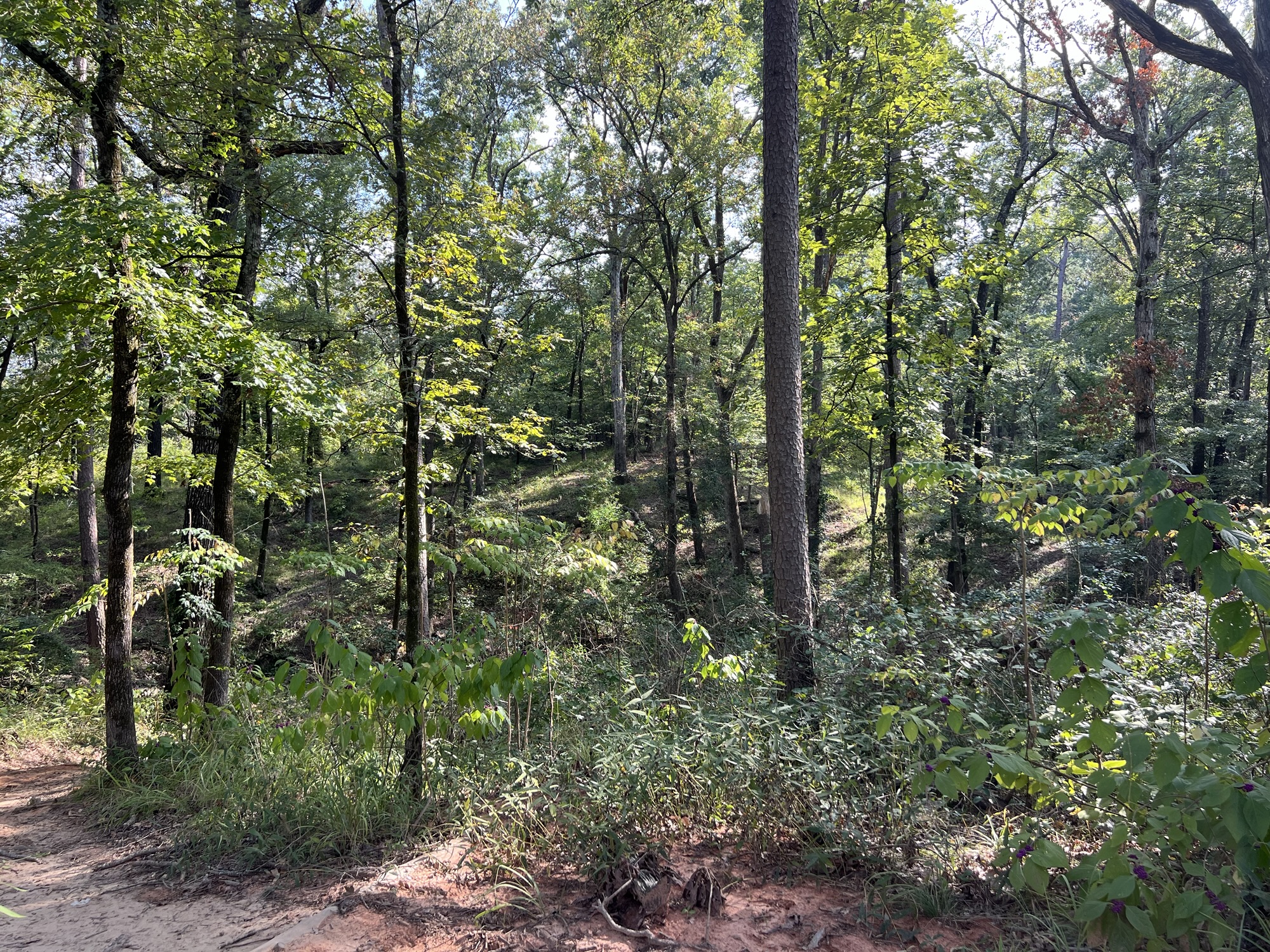
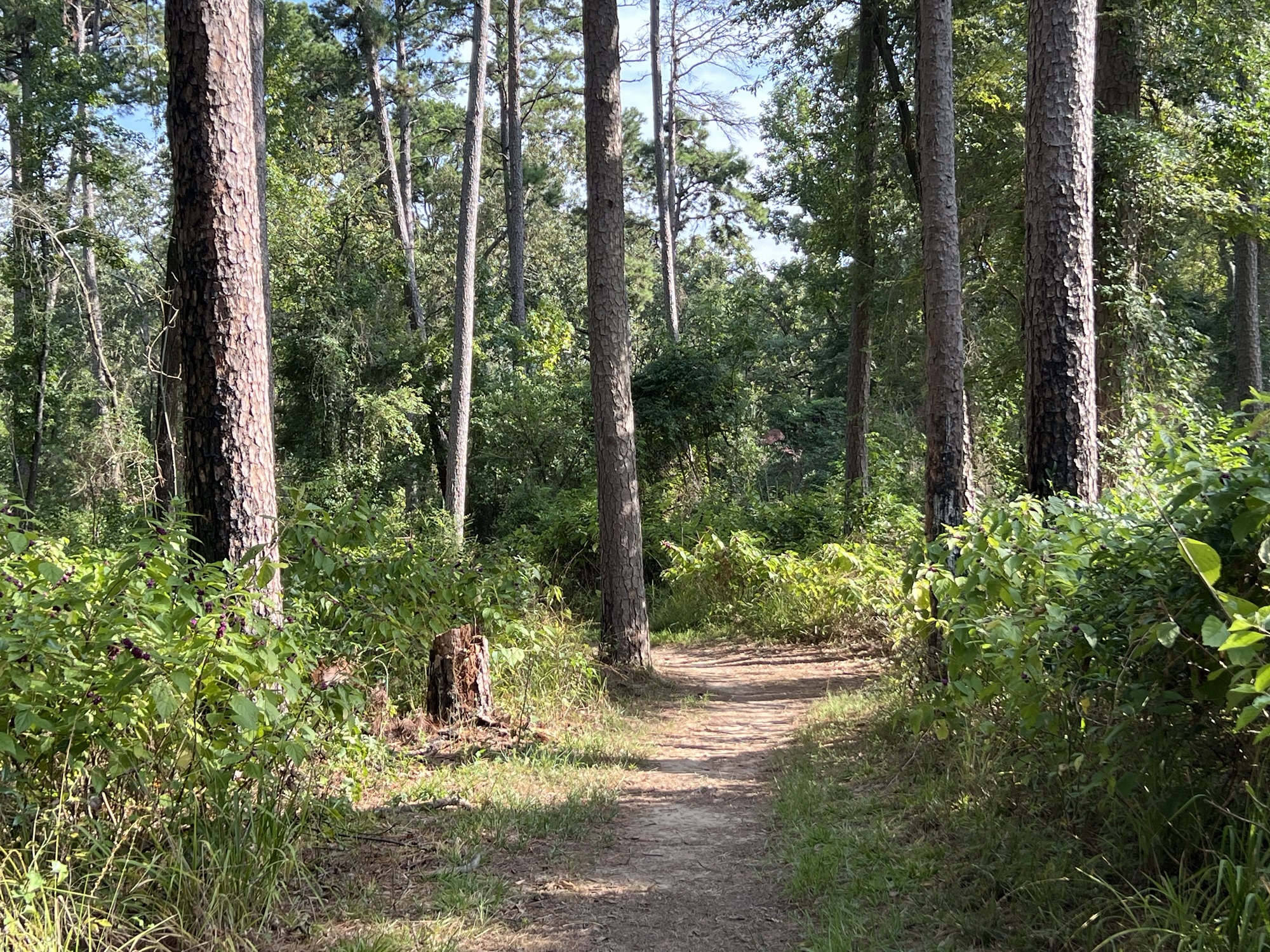
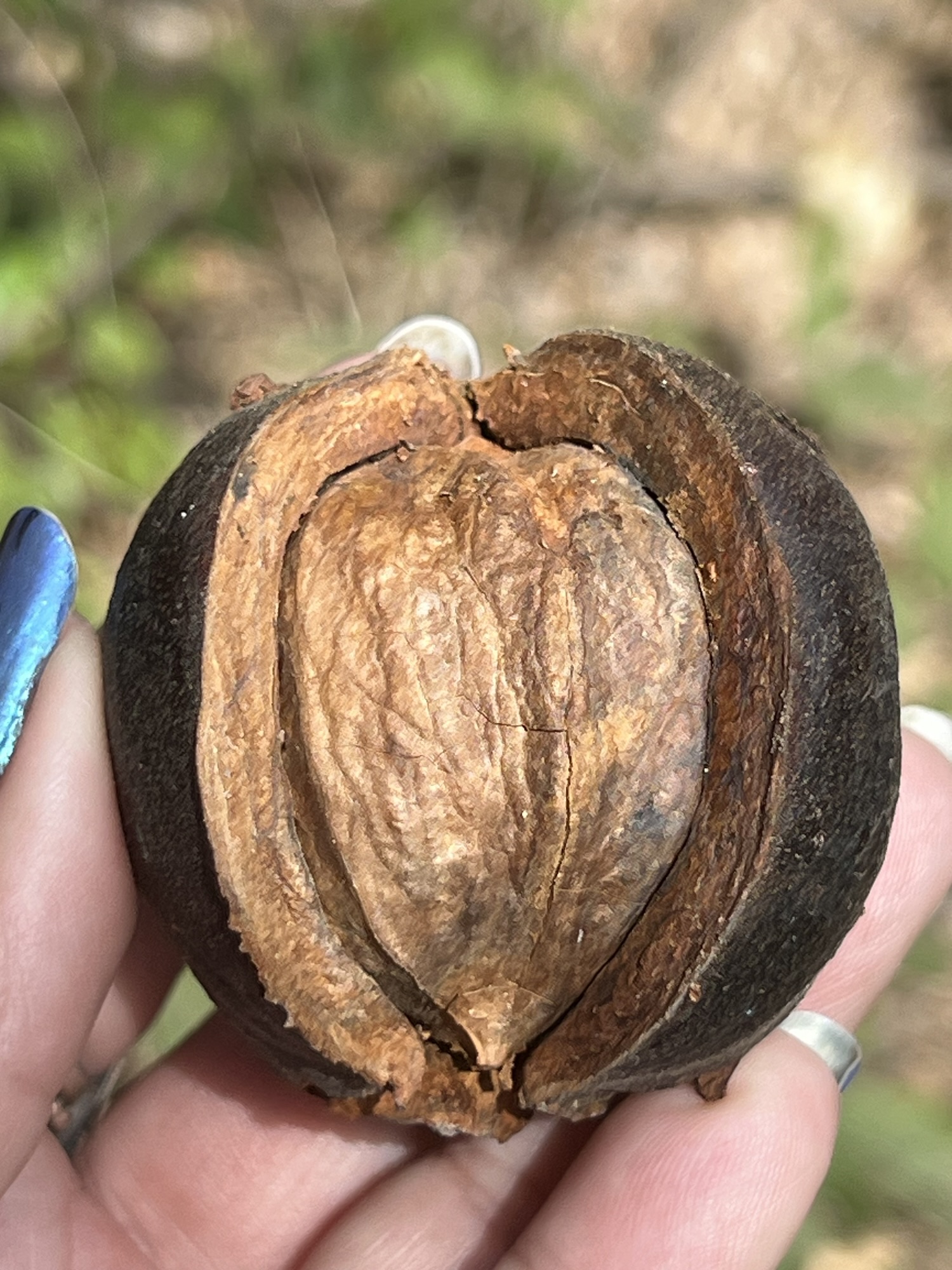
Most of the weekend I hiked paths and walked around all the campgrounds. The piney woods has many different hardwoods, including hickory, many oaks, buckeyes (if that counts as a tree), sweetgum, Osage orange, and no doubt more. Plus loblolly pine and red cedar.



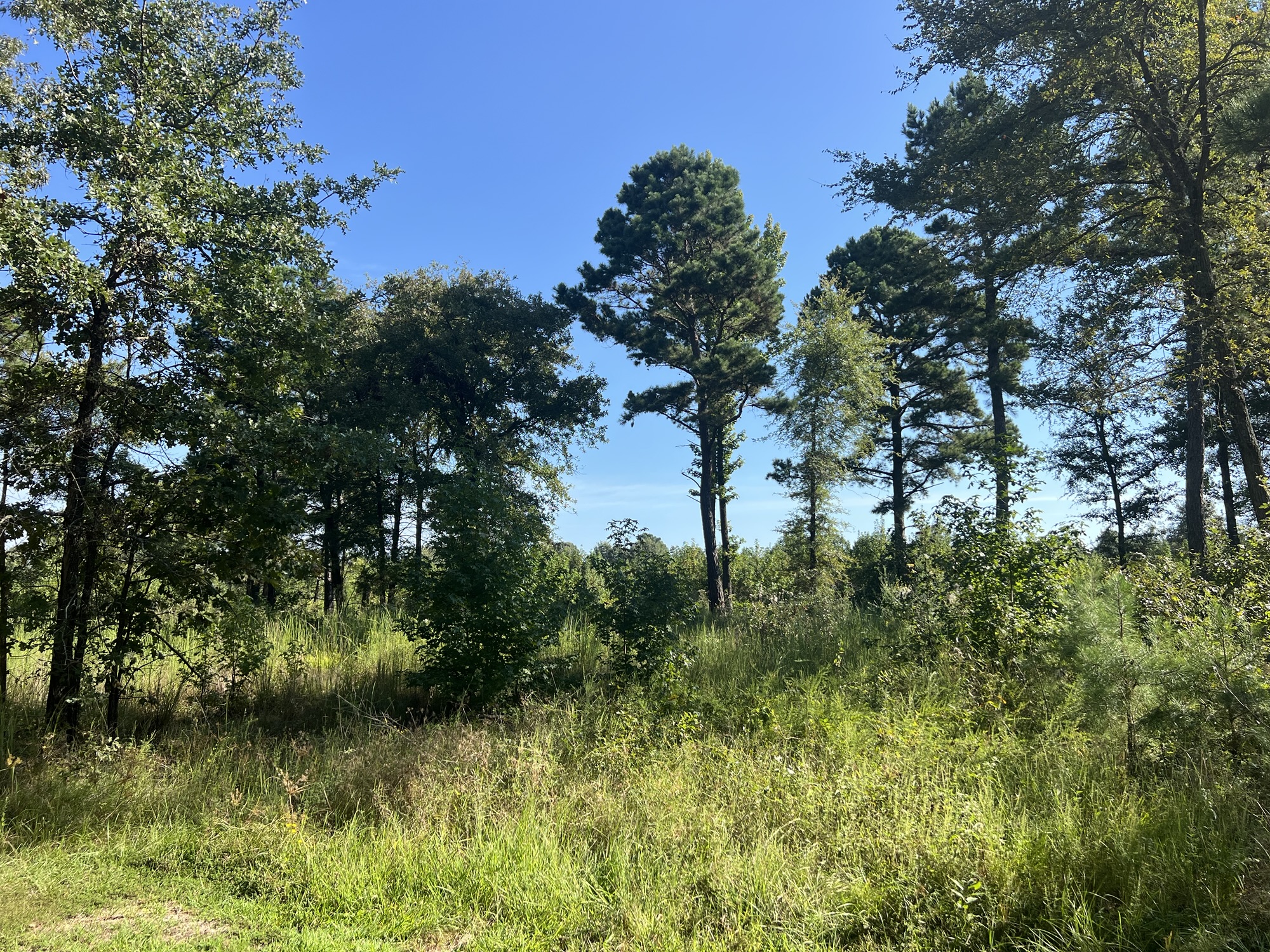
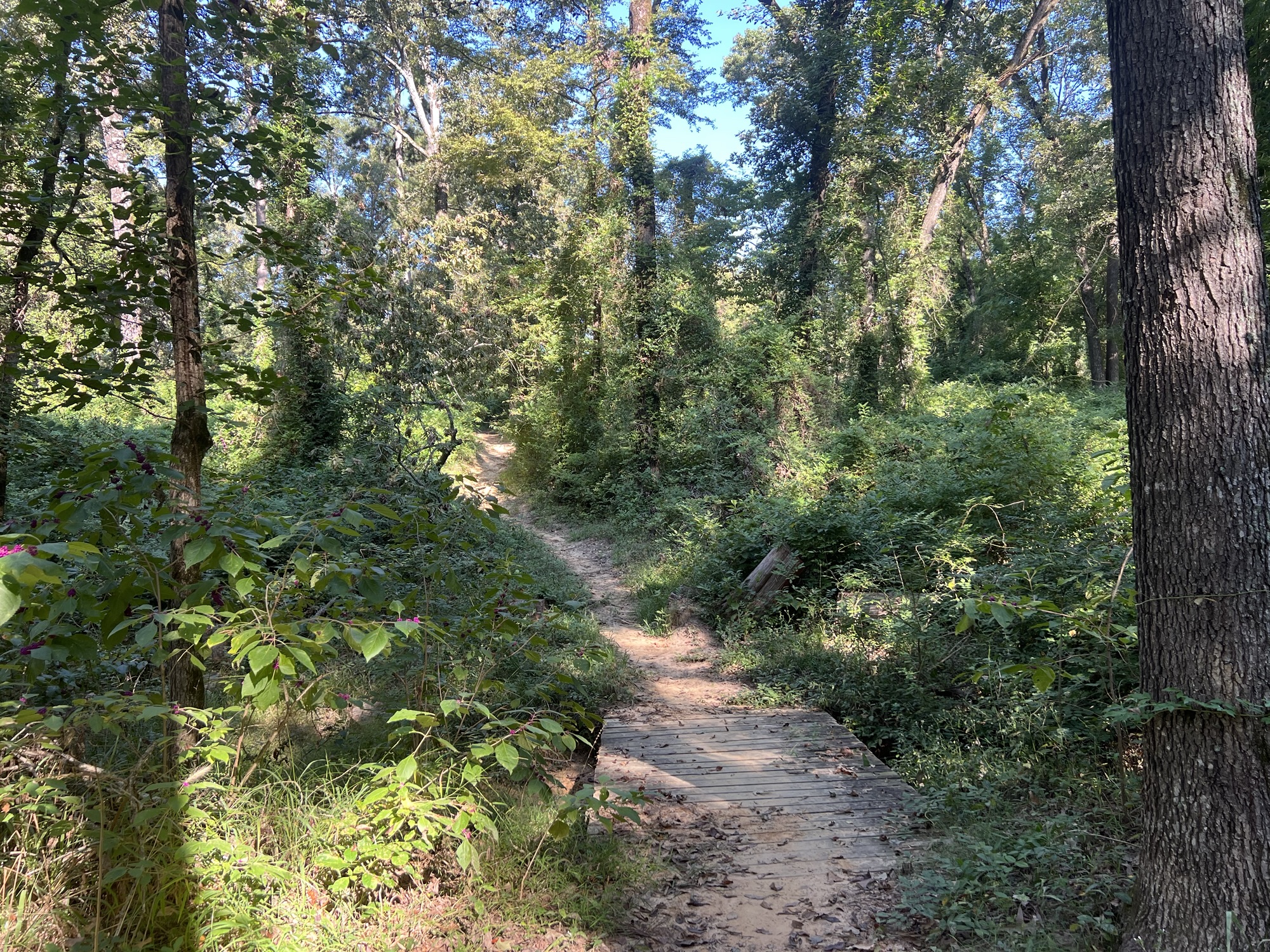

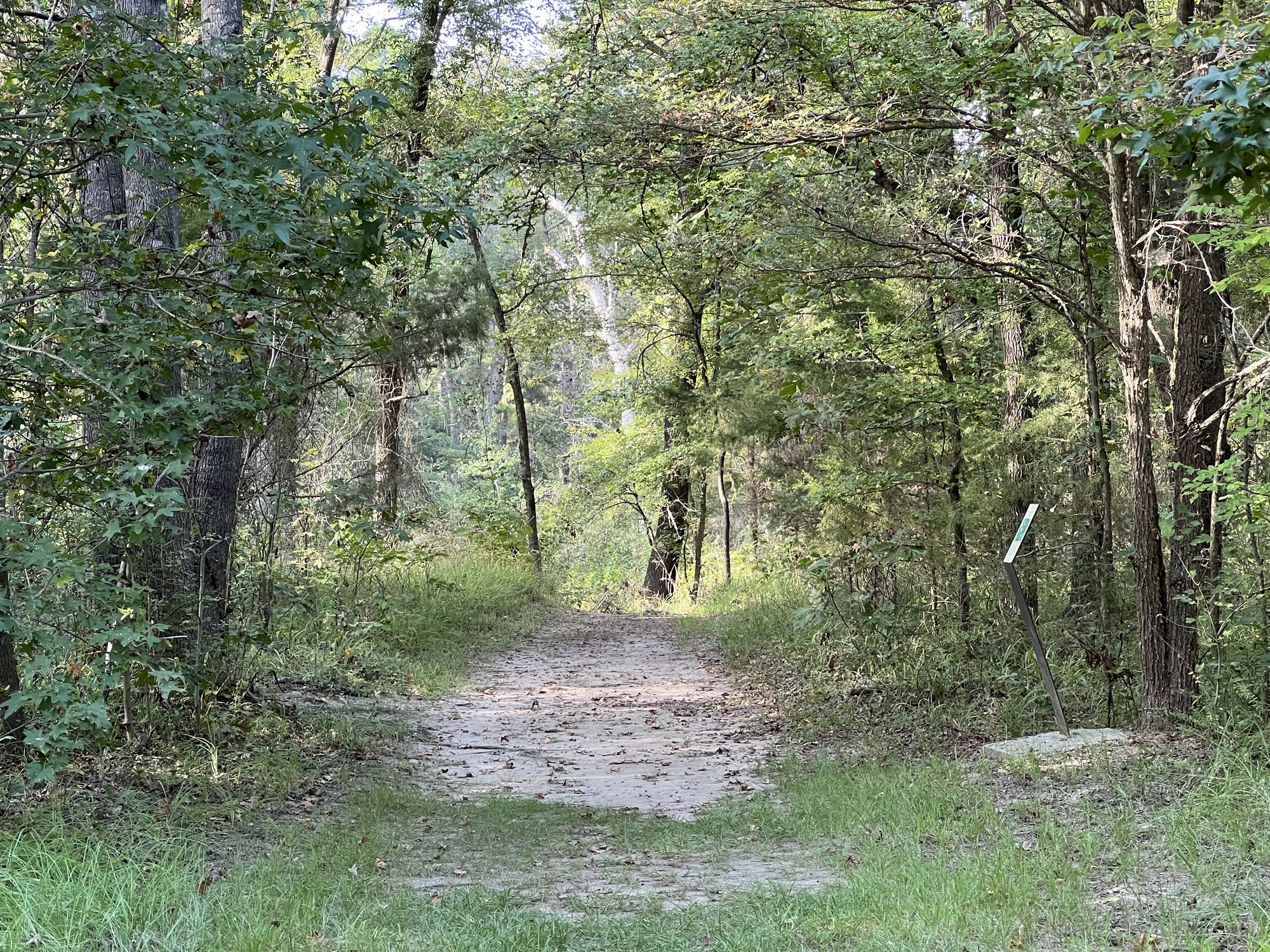


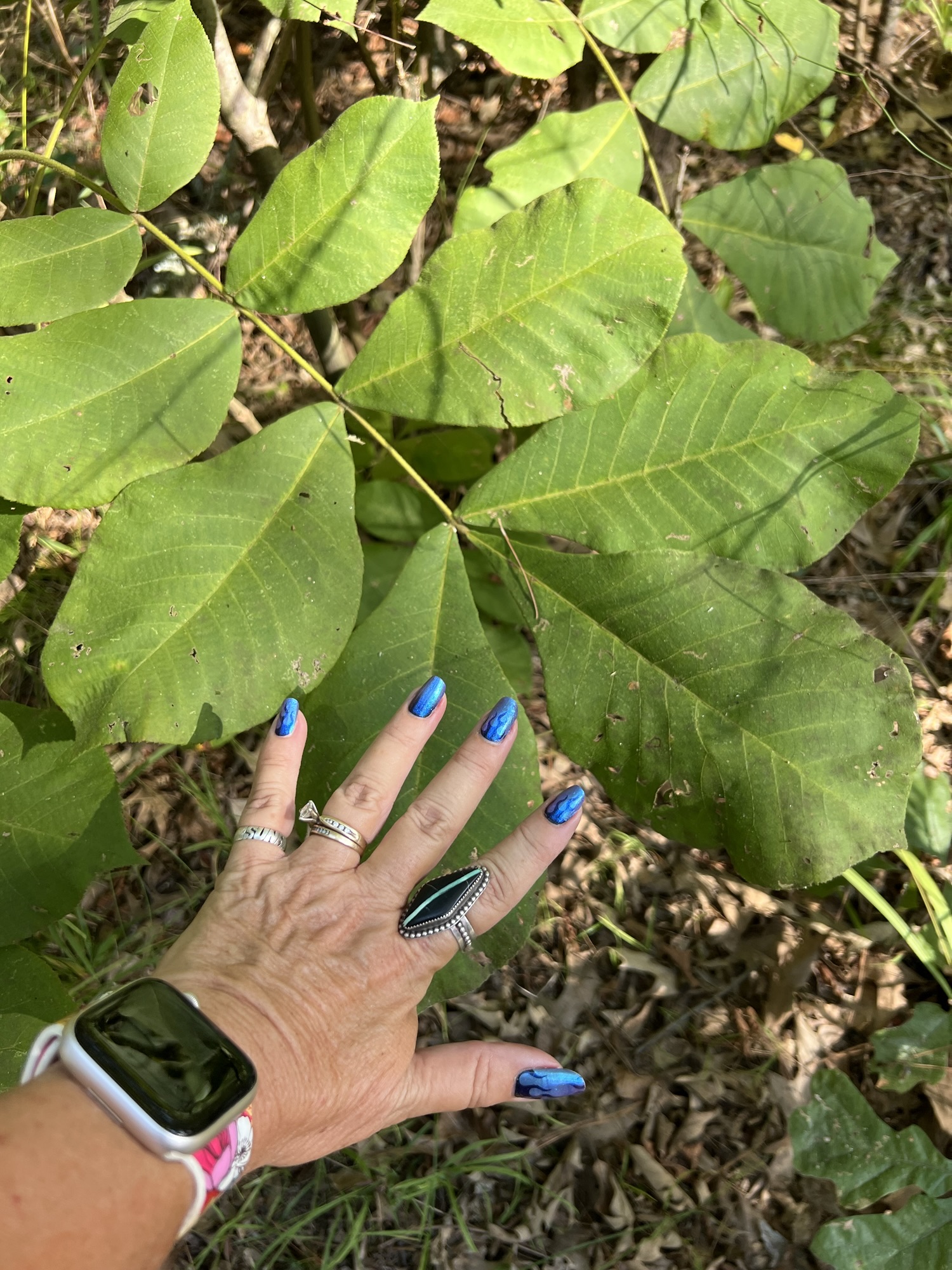


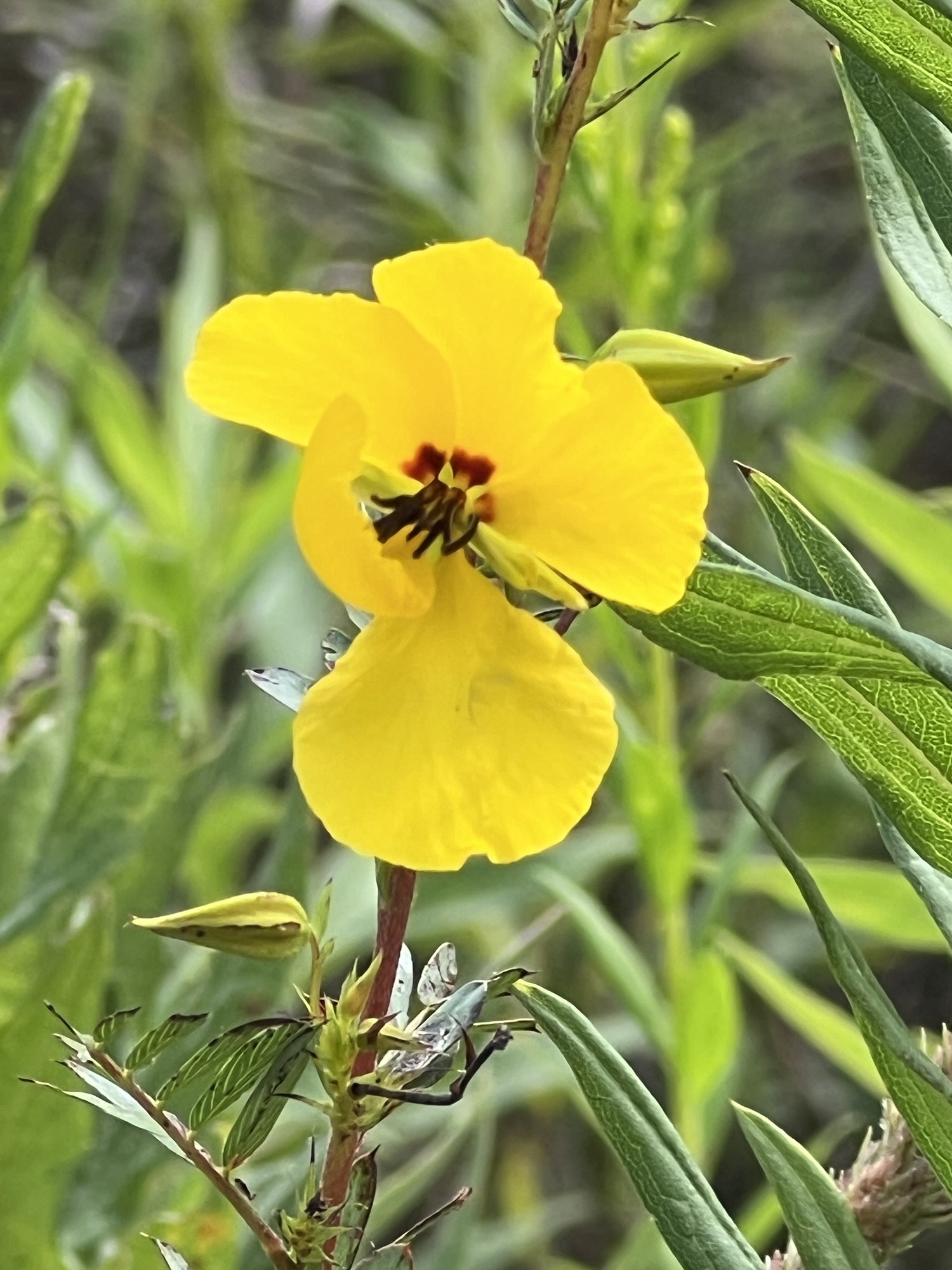
For the time of year, I saw many flowers, some quite beautiful. Some of my favorites bloom in the fall, of course, like false foxgloves and asters.

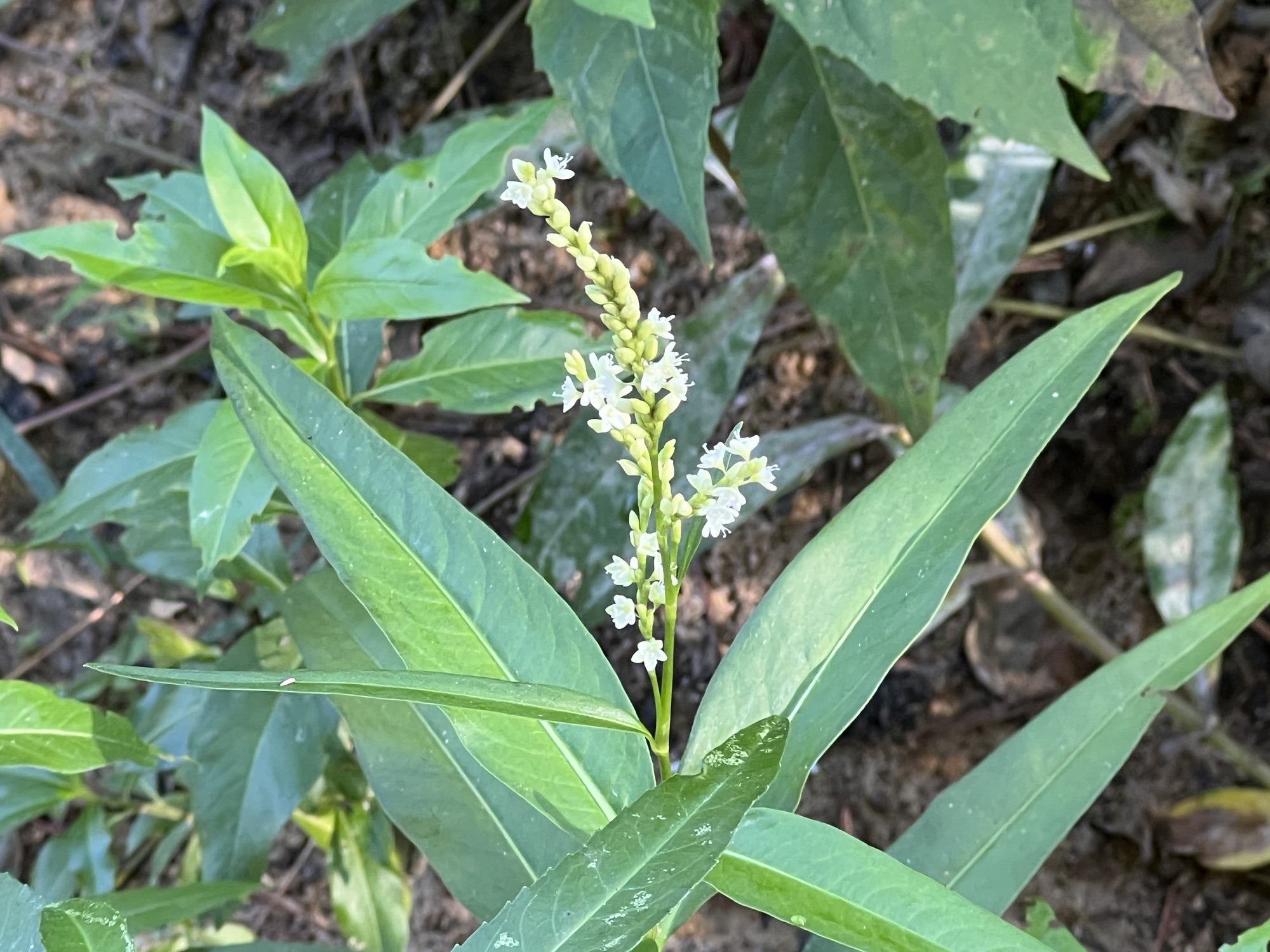


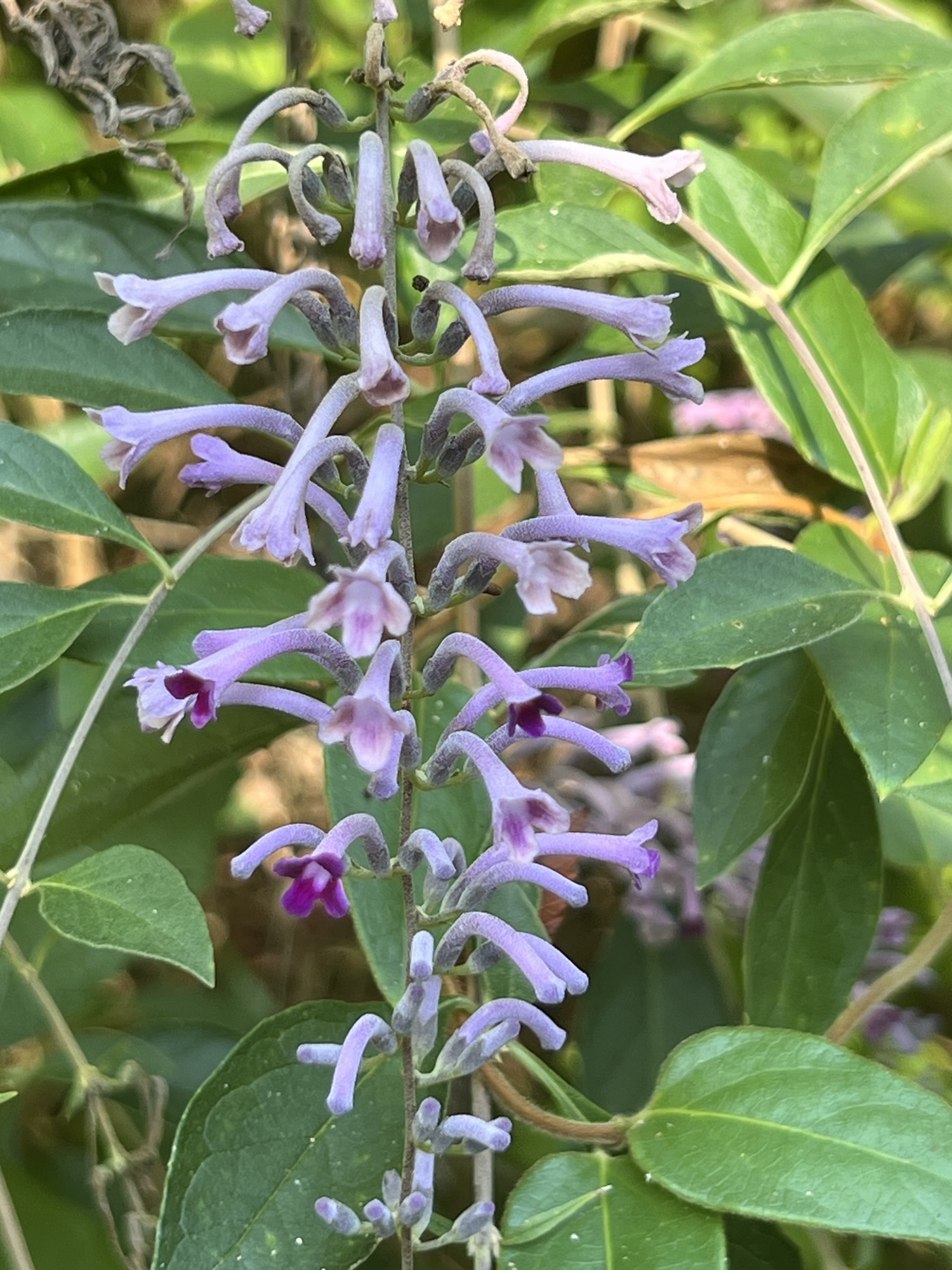


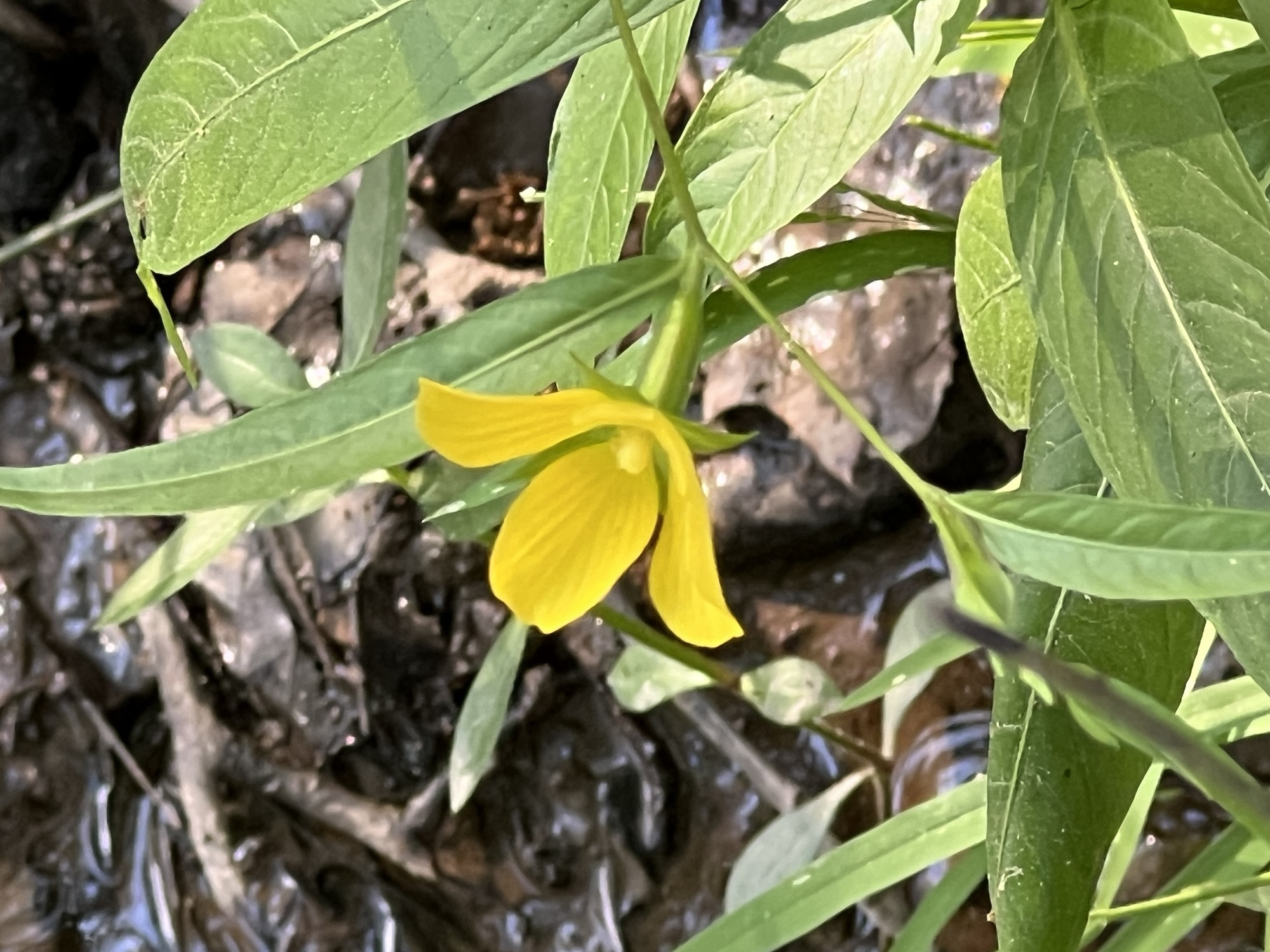


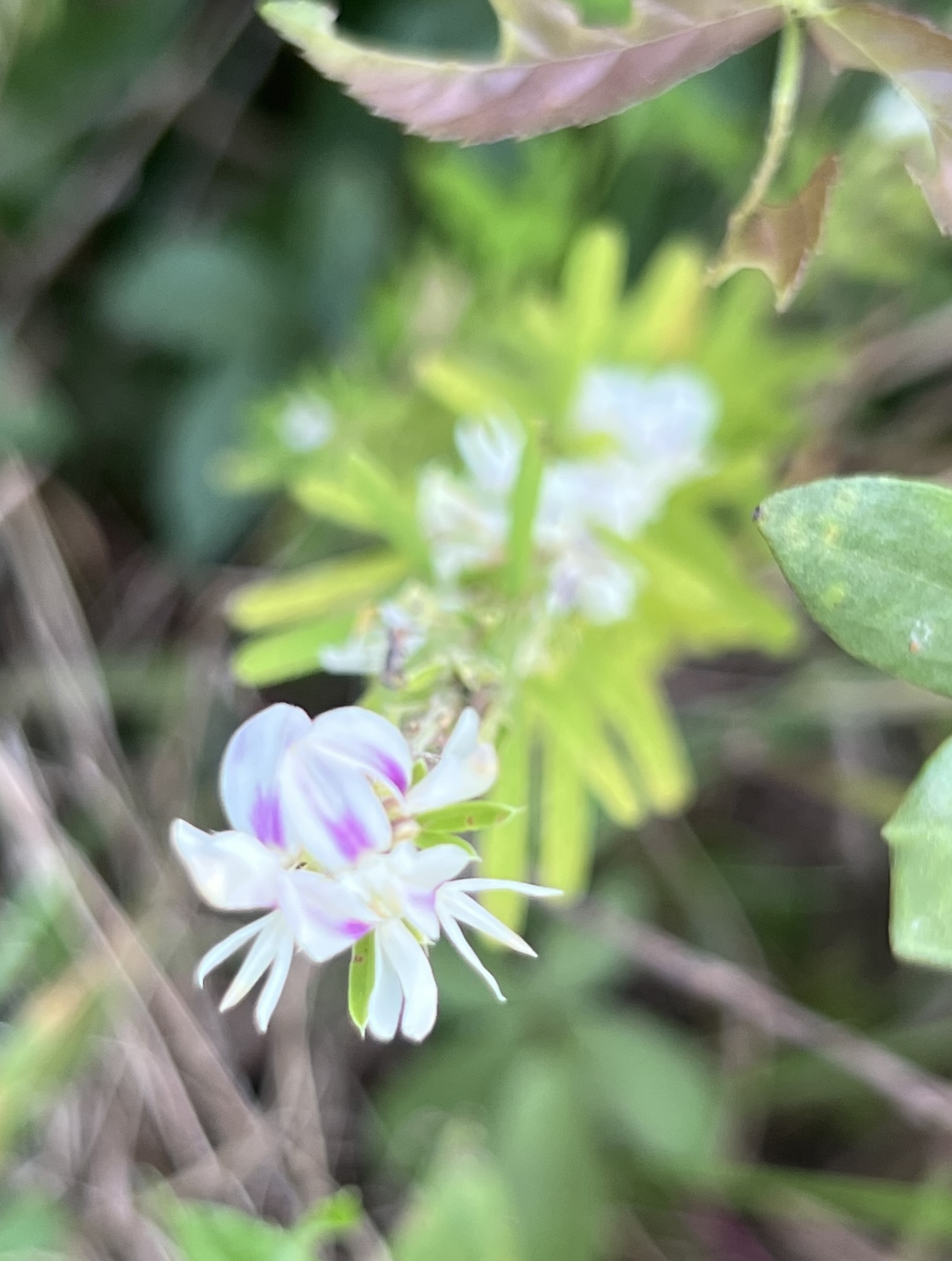
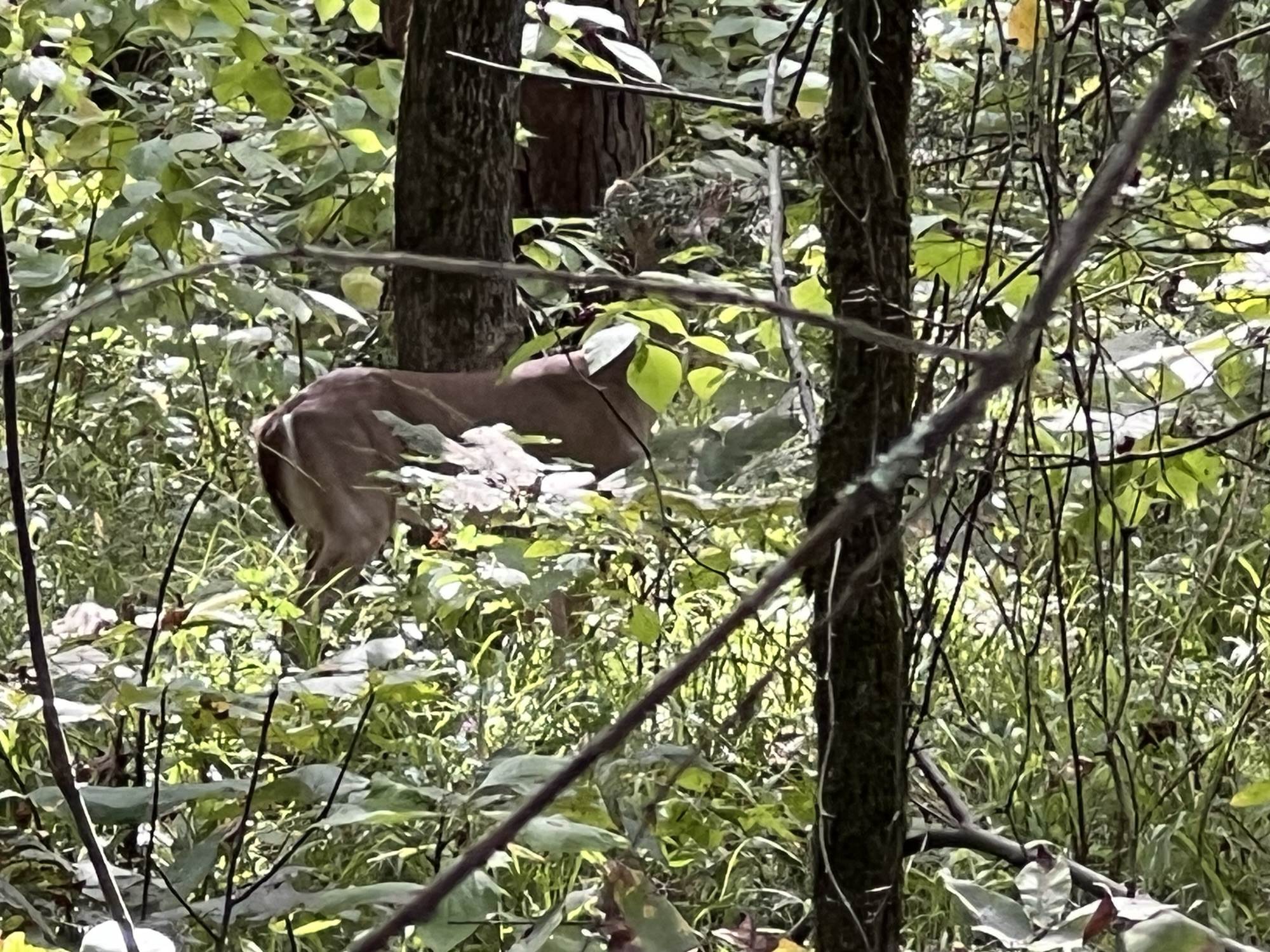
I saw deer and squirrels and even a toad. The deer were not pleased that I separated them, hence the action shot. I have no squirrel photos—the ones here aren’t very tame. There was armadillo and raccoon evidence, but no sightings.



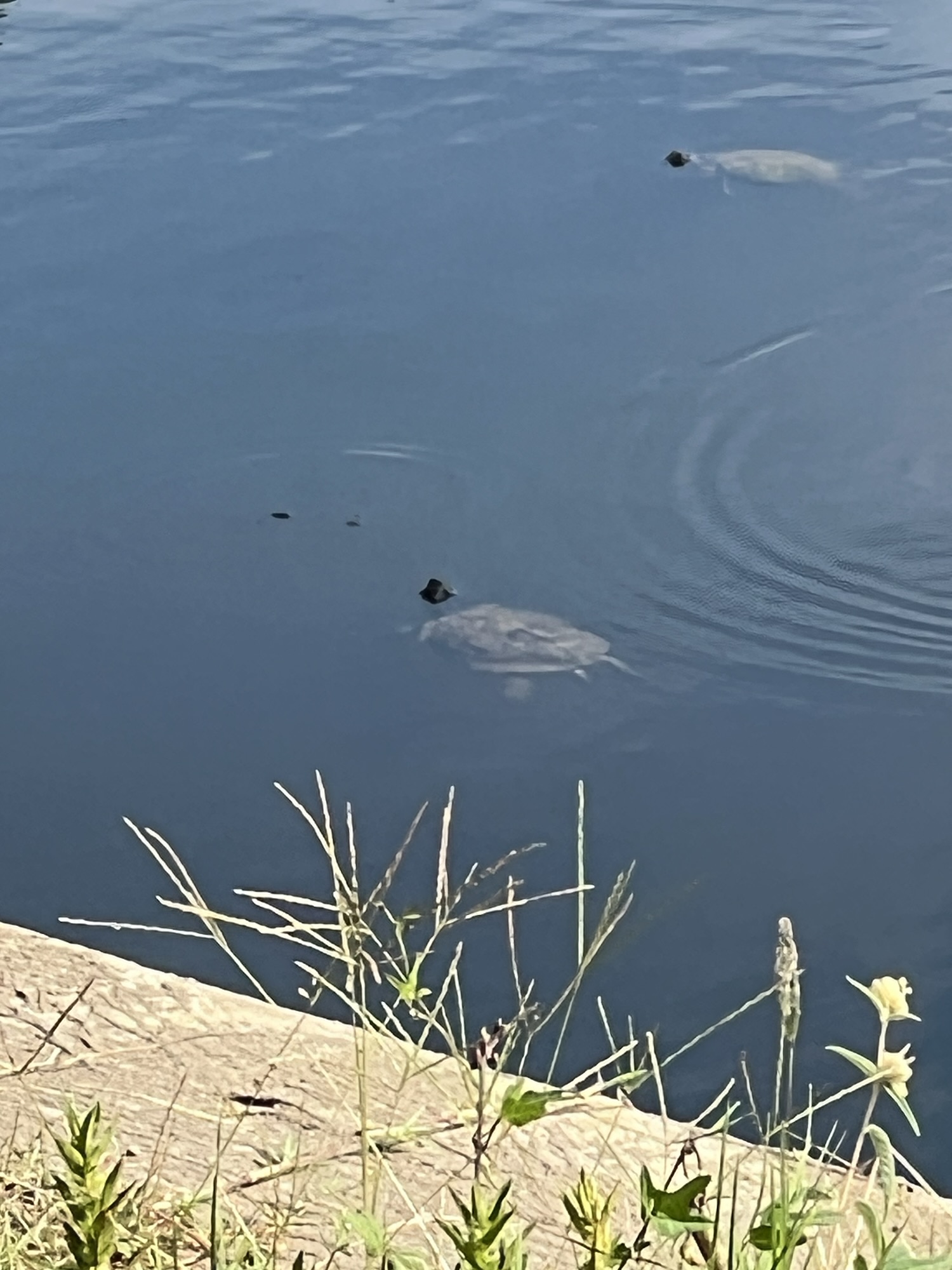
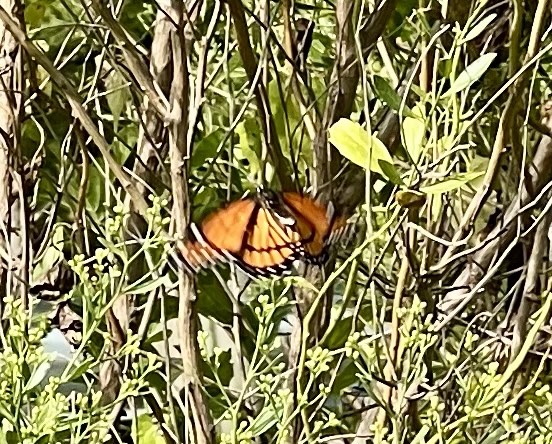
Here are more random pictures I liked. Mostly it’s a lot of green stuff here, but that’s fine with me.
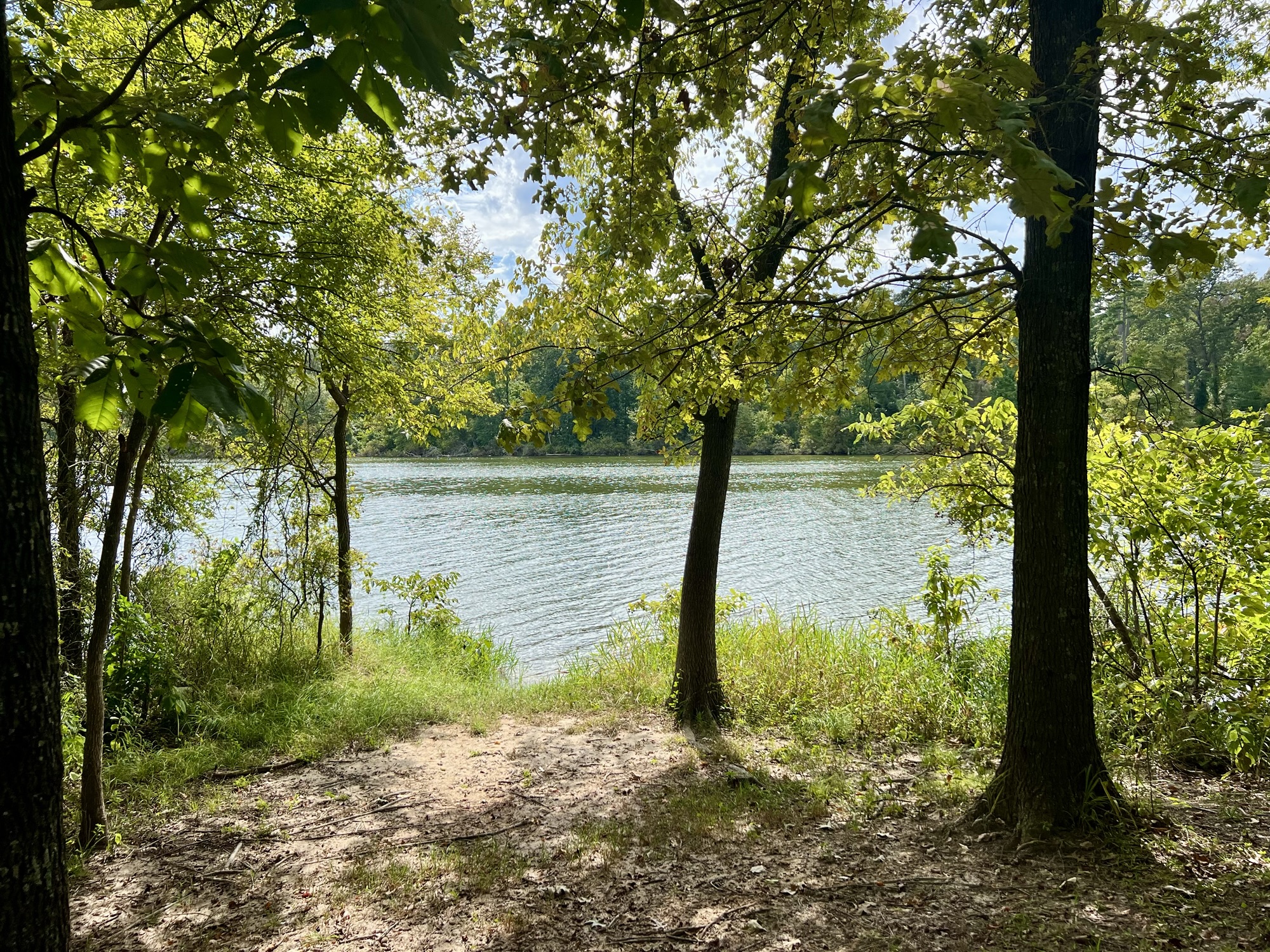


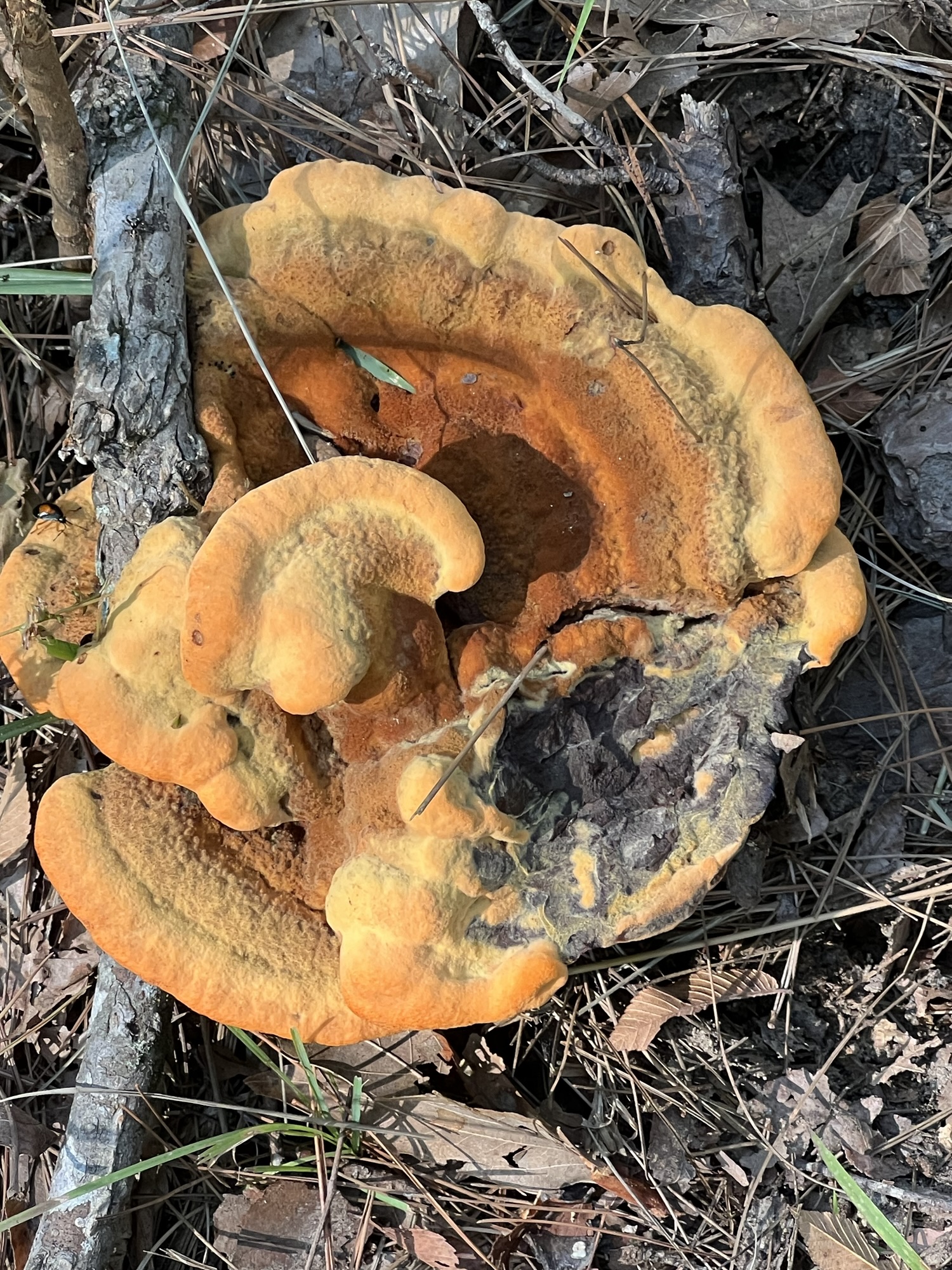



Back home tomorrow. I could stay here much longer.
Discover more from The Hermits' Rest
Subscribe to get the latest posts sent to your email.

 The Hermits' Rest
My mother really liked using plants for food and medicine. The red sumac bobs were one of her favorites. She’d boil sumac in water, strain it, and use it as a gargle for severe sore throat. It worked, too, when nothing else did! If you ever make some, sumac stains horribly, so use a stainless steel pan and store it in a glass container.
LikeLiked by 1 person
That’s cool information. I have a book of herbal medicine that I keep in the motorhome in case we need that kind of thing.
LikeLike
How did the non native butterfly bush get there? Birds?
What is its name and what is its native place? Thank you
LikeLiked by 1 person
This is from Wikipedia: Buddleja lindleyana is a deciduous shrub native to the provinces of Anhui, Hunan, Hubei, Jiangsu, Shanghai, Sichuan, and Yunnan in China, where it grows in rocky scrub alongside streams and tracks at elevations of 200 – 2700 m. The shrub has also naturalized on Okinawa-jima, Japan, and in the south-eastern states of the United States.
Buddleja lindleyana was collected and introduced to western cultivation in 1843 by Robert Fortune, who named it for the botanist John Lindley.
LikeLike