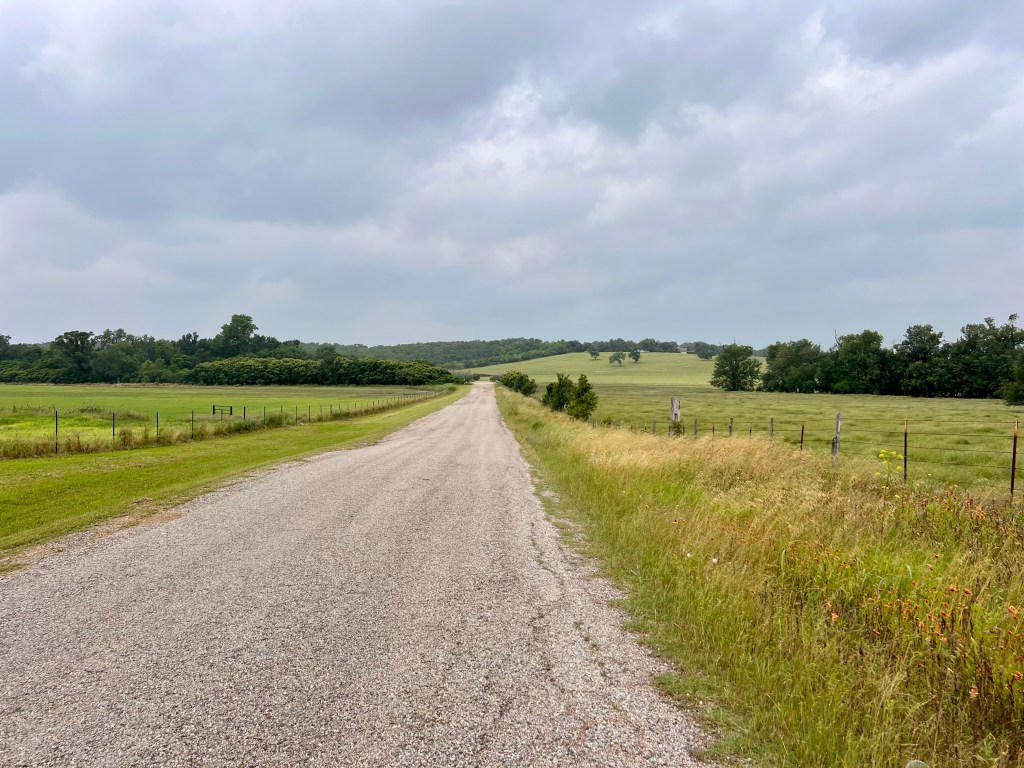
I heard a piece on NPR about the effects of nature on moods of people dealing with hard things. I have to agree that spending time in nature can help a lot. My lunch activity today was a nice walk along our road in search of peace.
This pitcher’s leather flower sure looks peaceful. What a beauty.
As I walked, I was repeatedly reminded that humans aren’t the only important things on earth and that life and death will go on regardless of whether I’m there or not. That actually did make me feel more peaceful and part of something bigger than myself.
And I was reminded that life’s full of mystery. Like what’s in this ruellia? I don’t know.
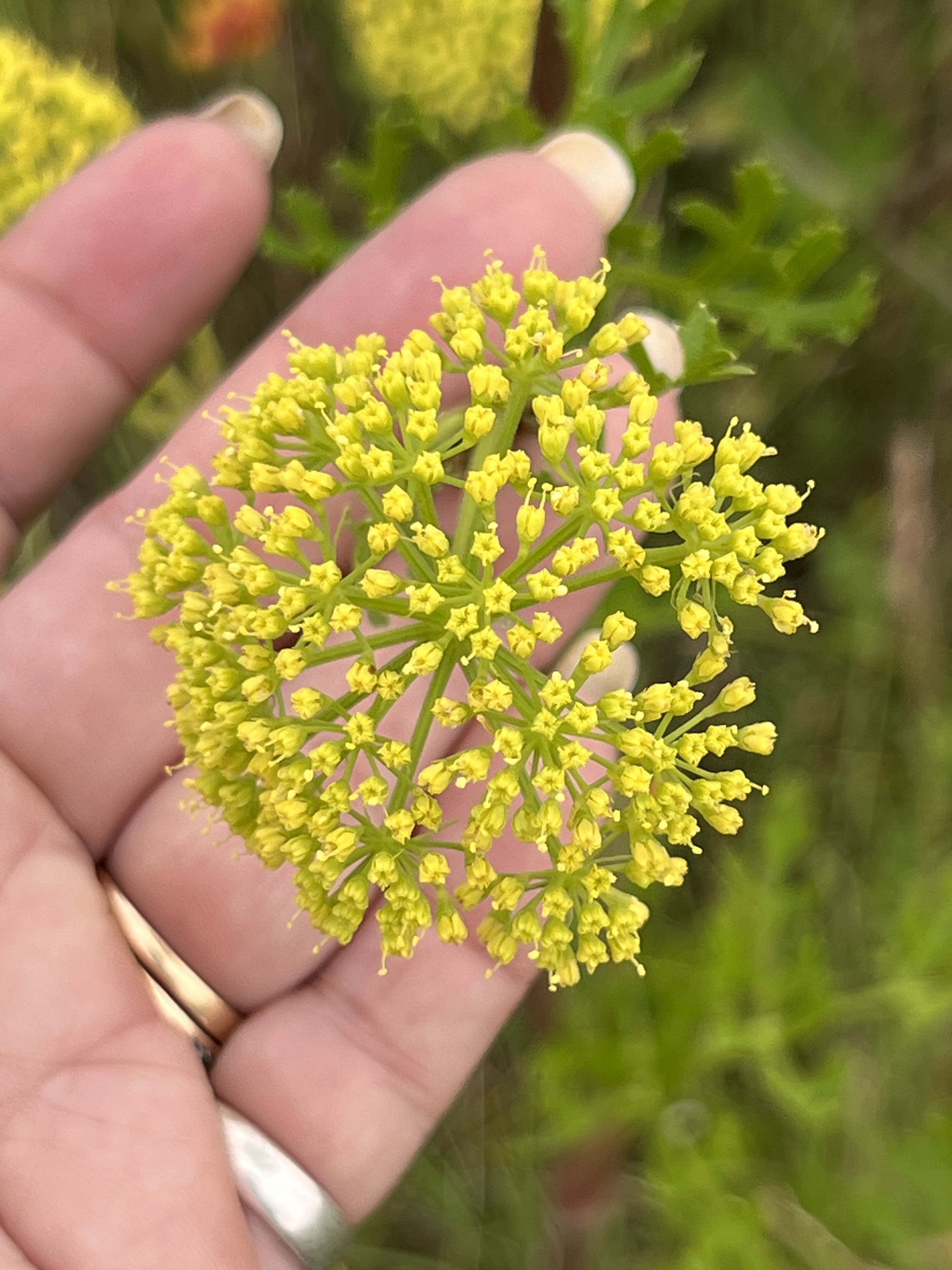
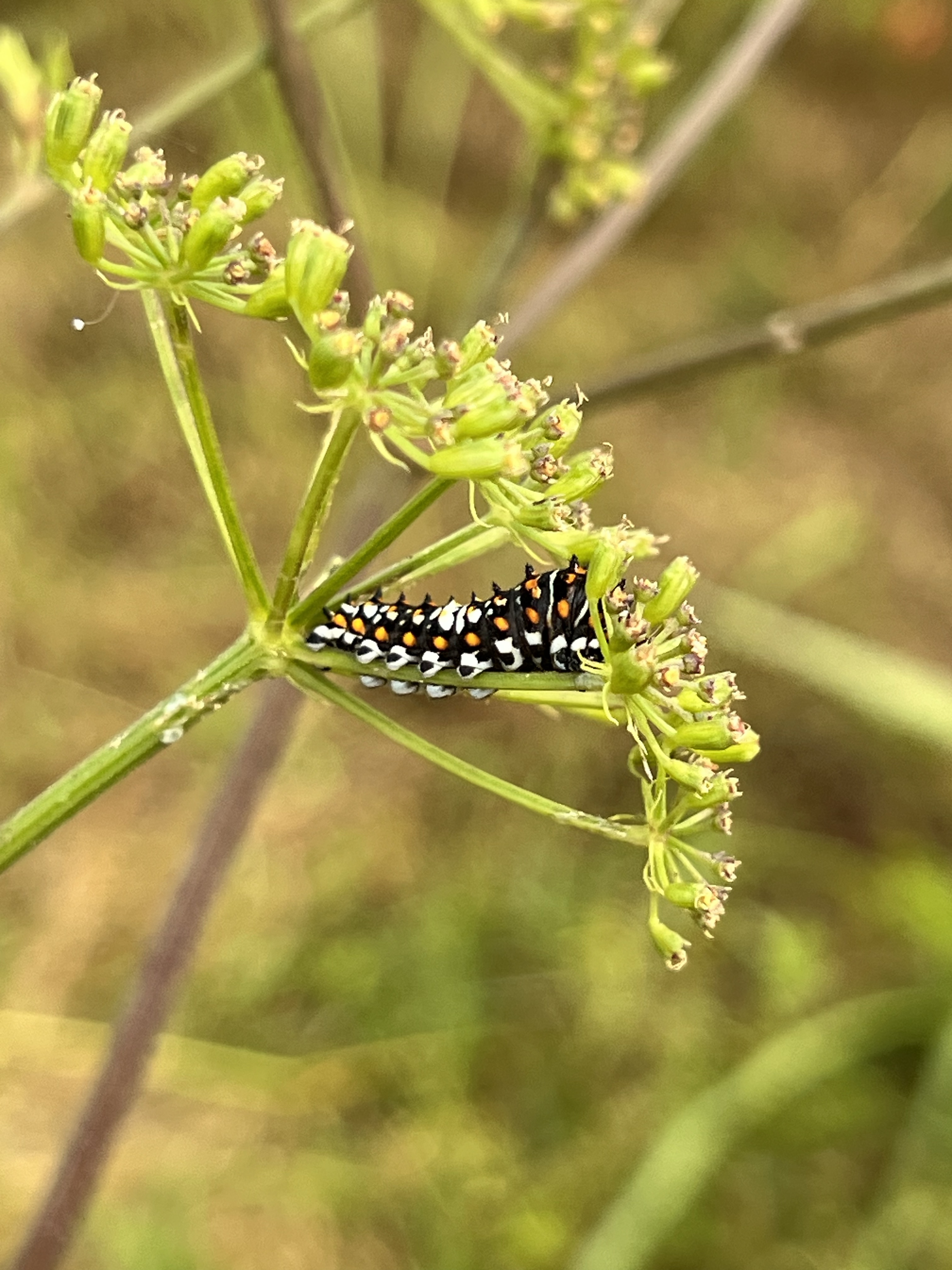
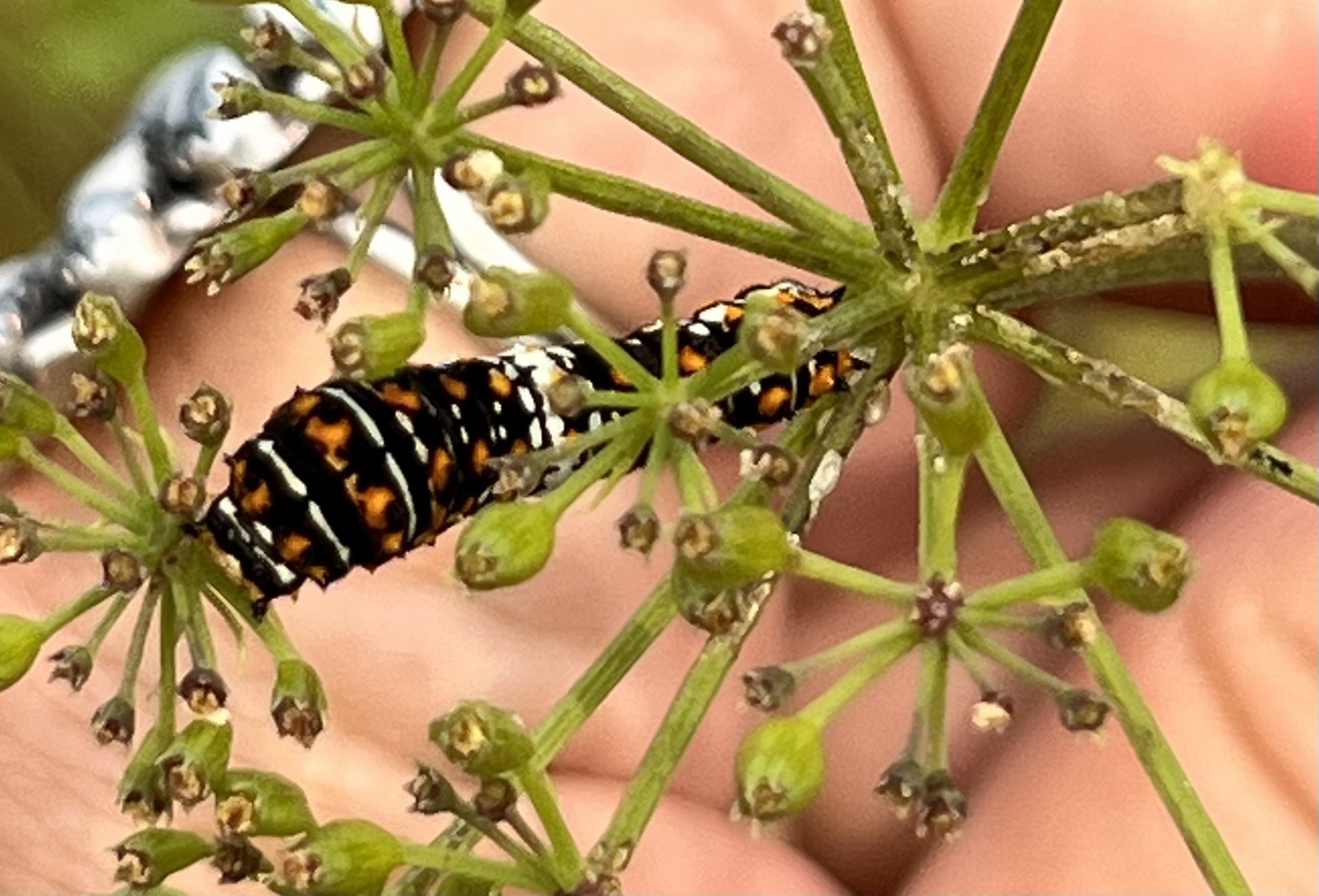
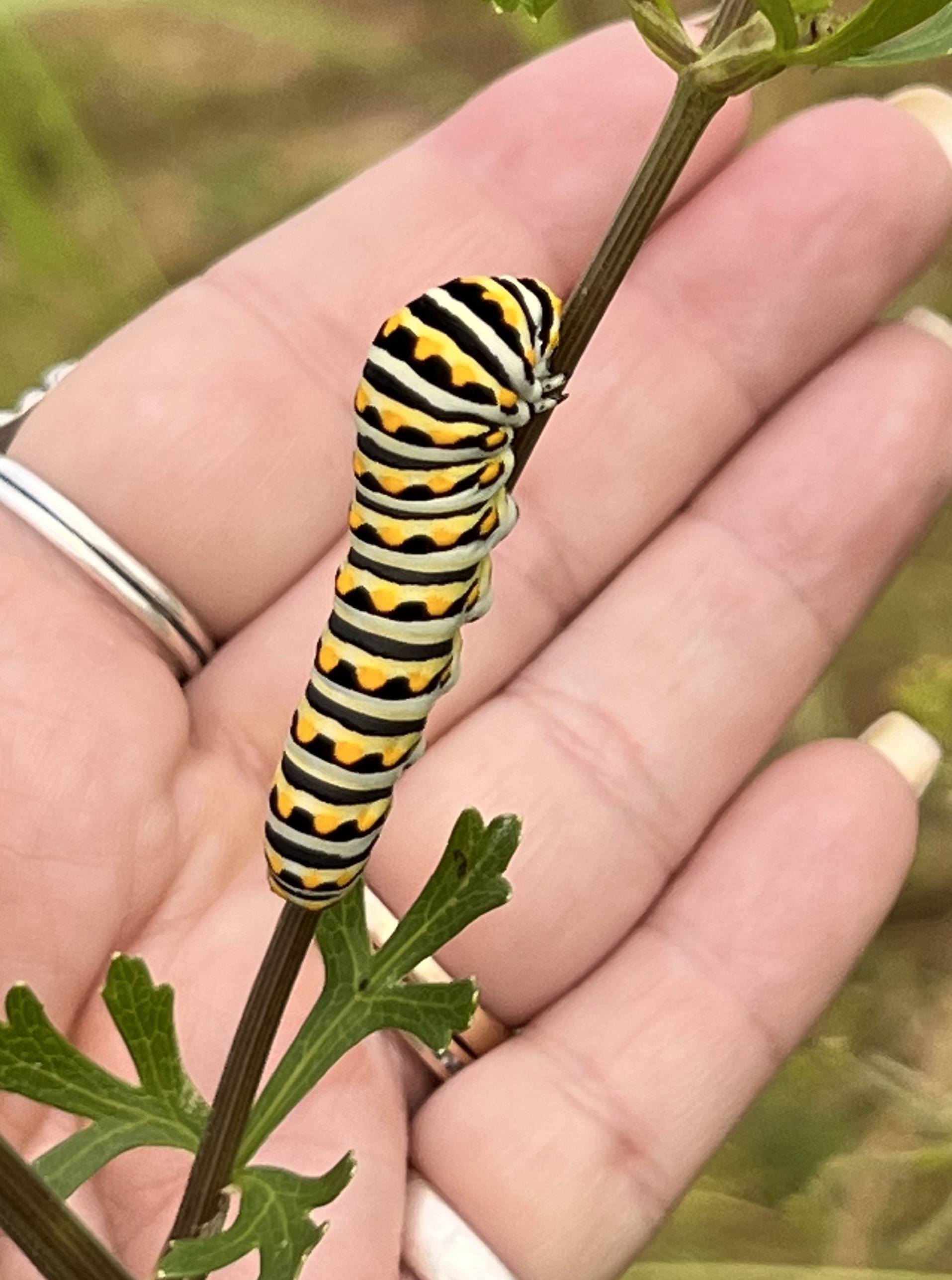
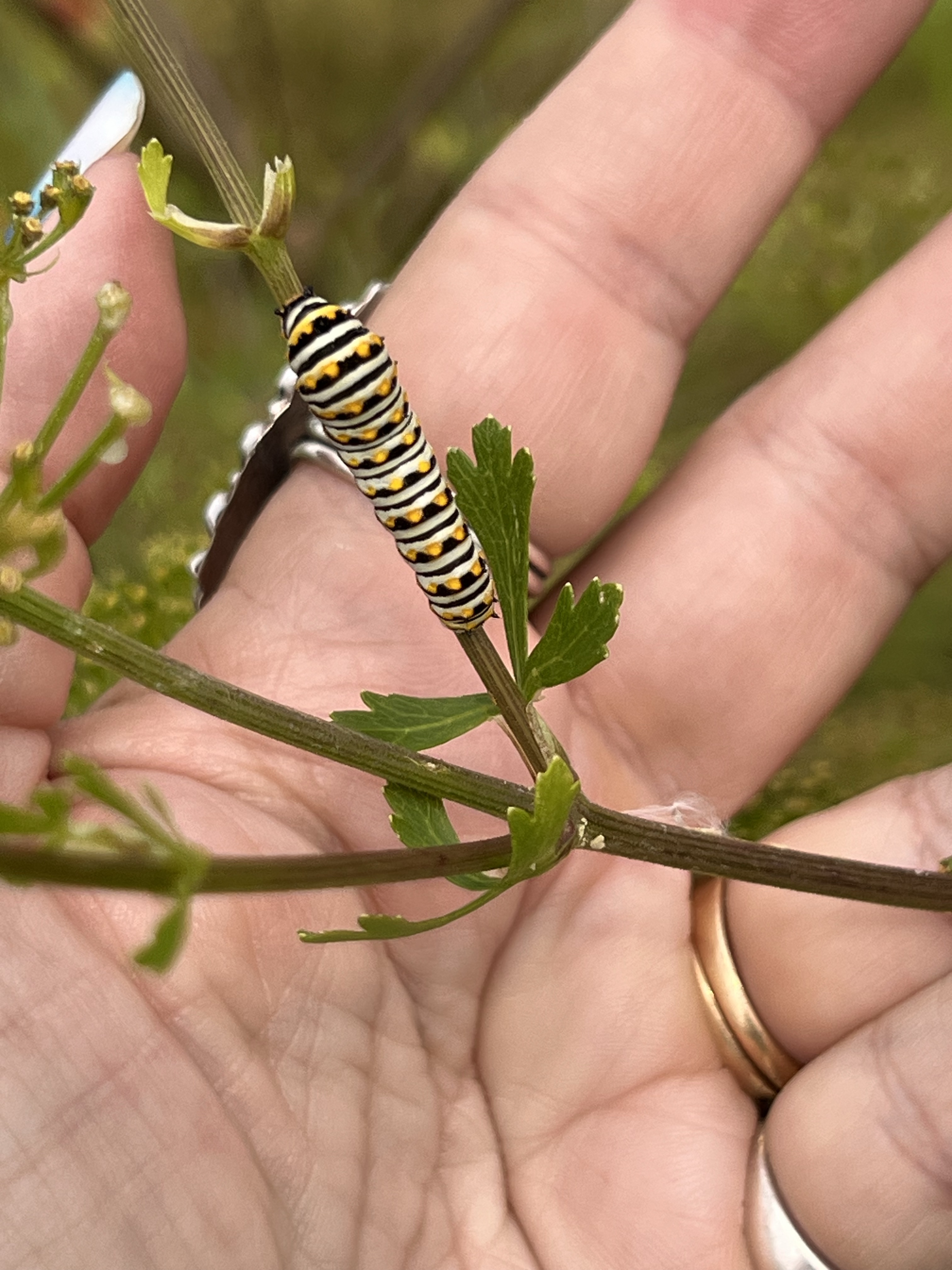
The highlight of my walk was finding dozens of black swallowtail caterpillars on one prairie parsley plant. I watched those little guys noshing away for a long time. I forgot all my sadness about community events for a while!
The plantA flower Young caterpillar Older caterpillar Hungry caterpillars!
I enjoyed all the flowers I saw, and the butterflies. Even the trees were beautiful. What a nice break.
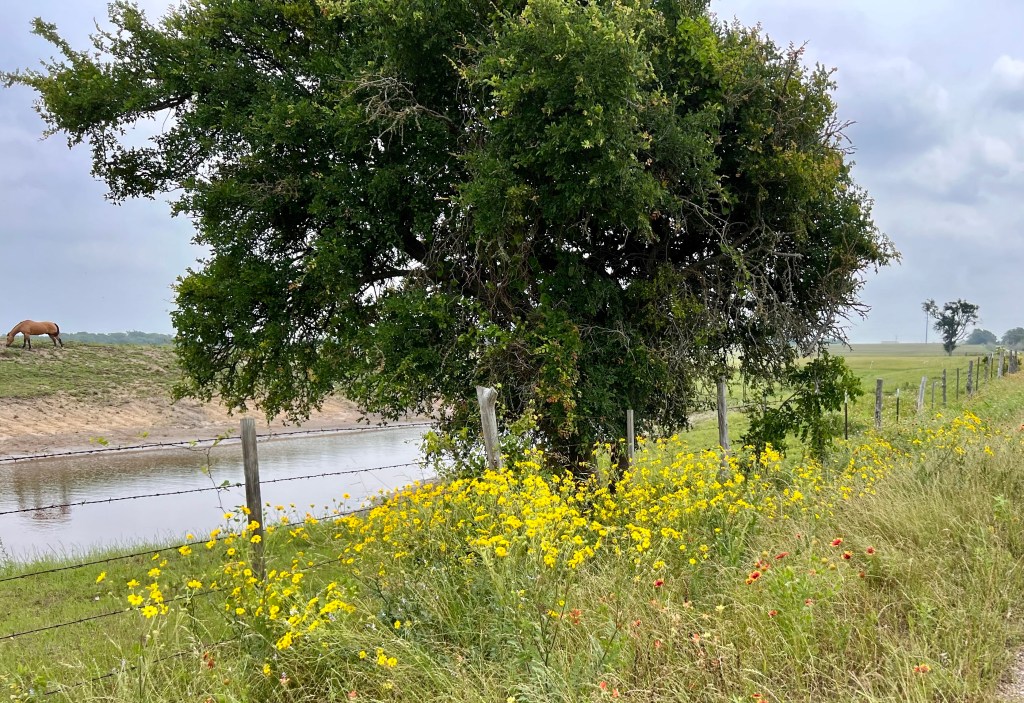
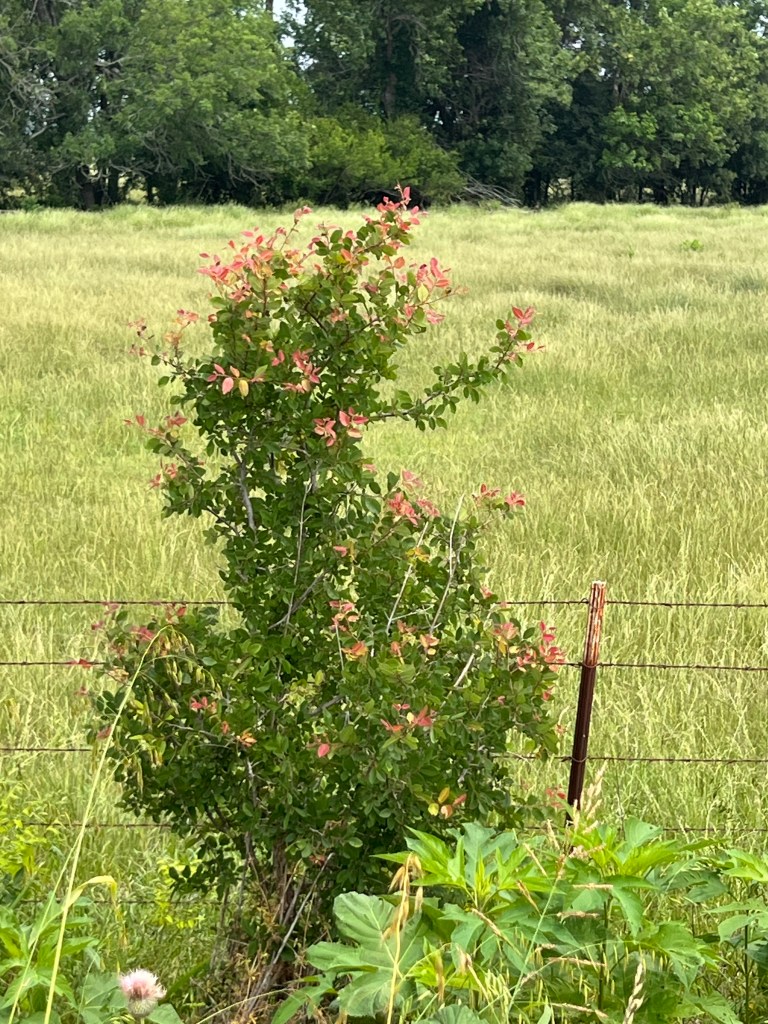
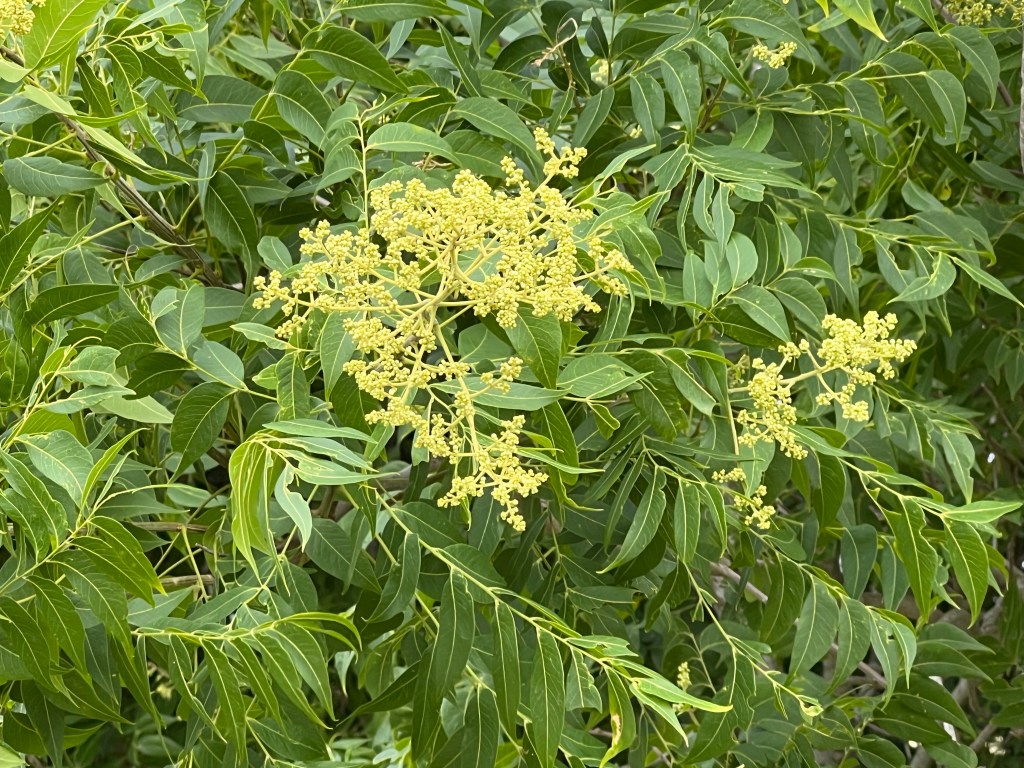
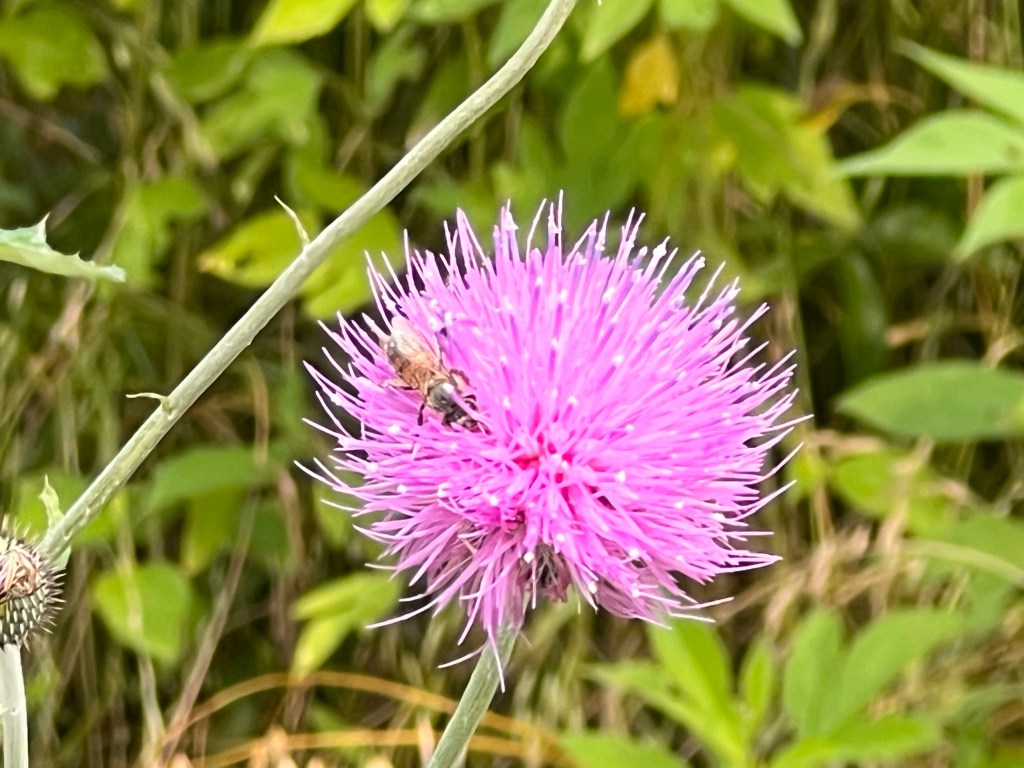
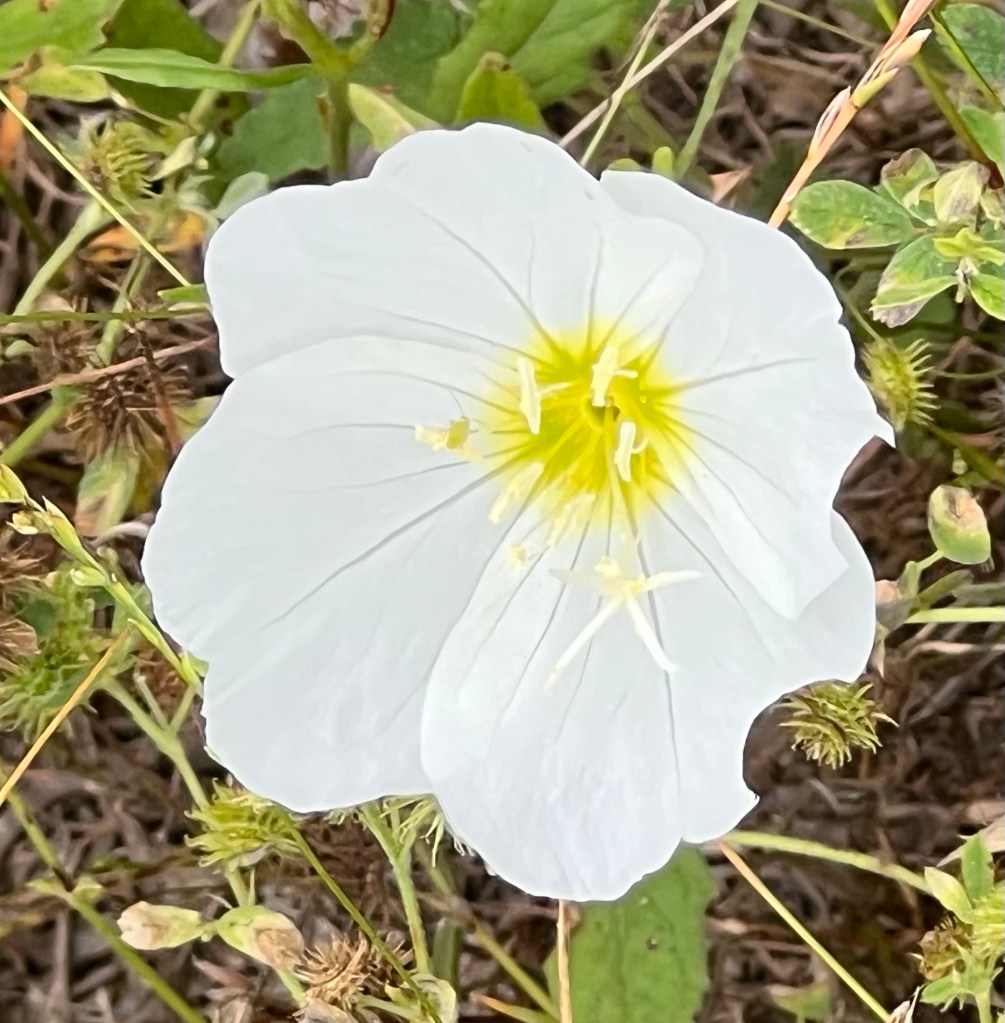
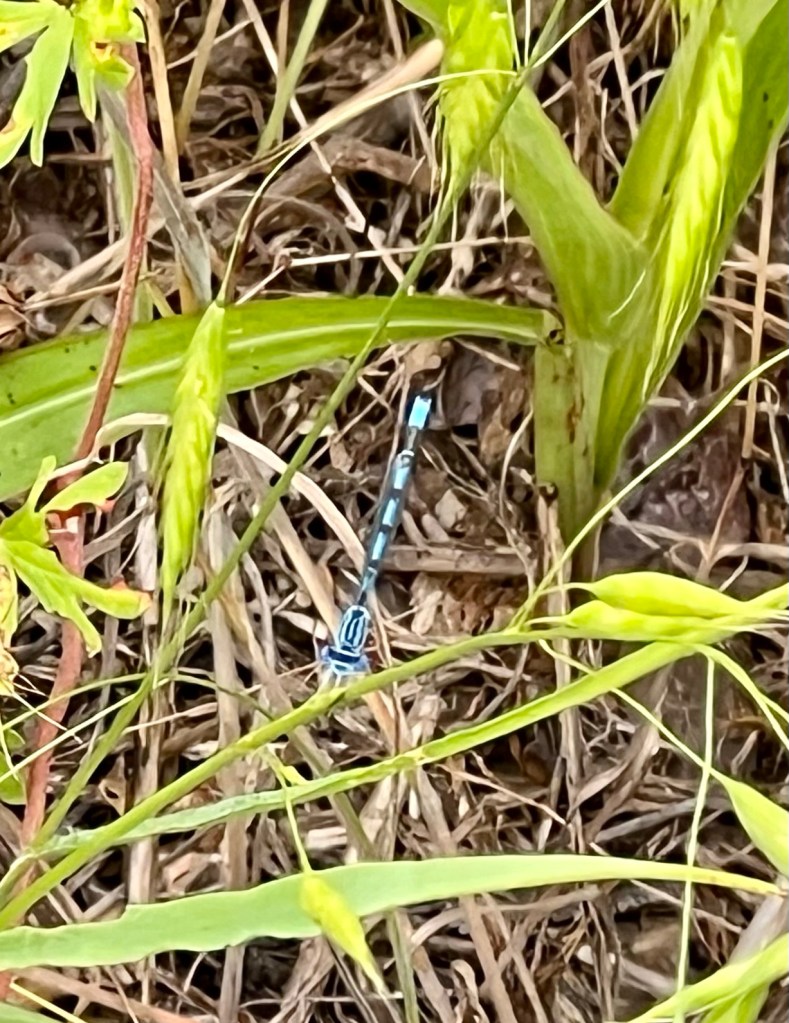
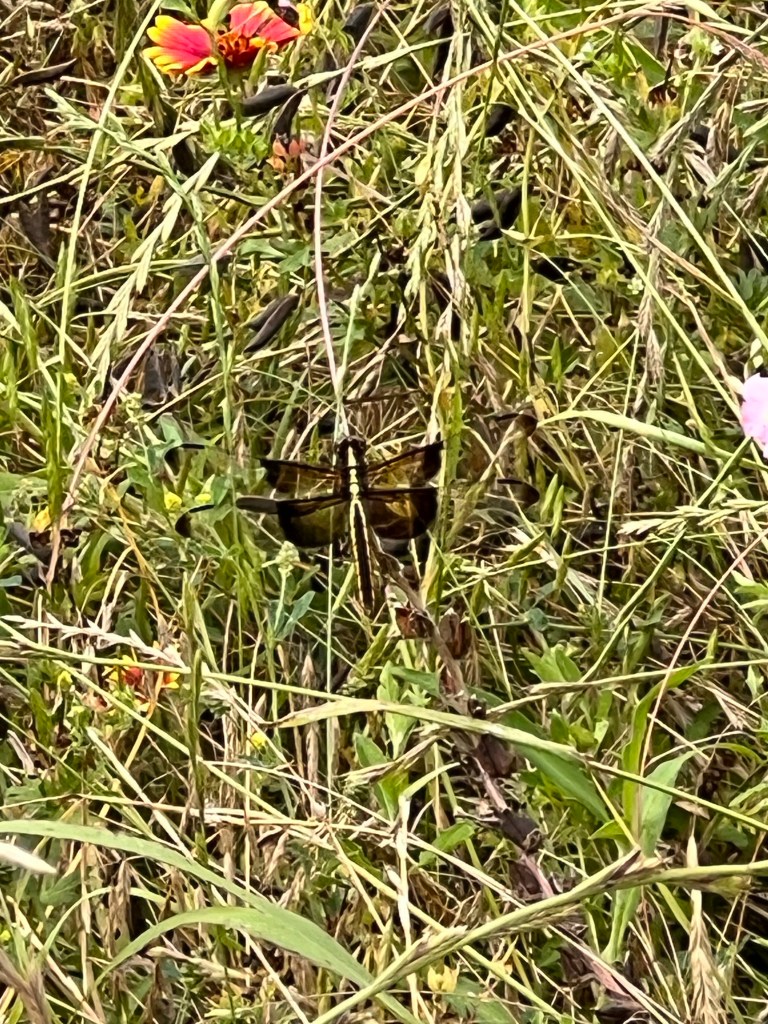
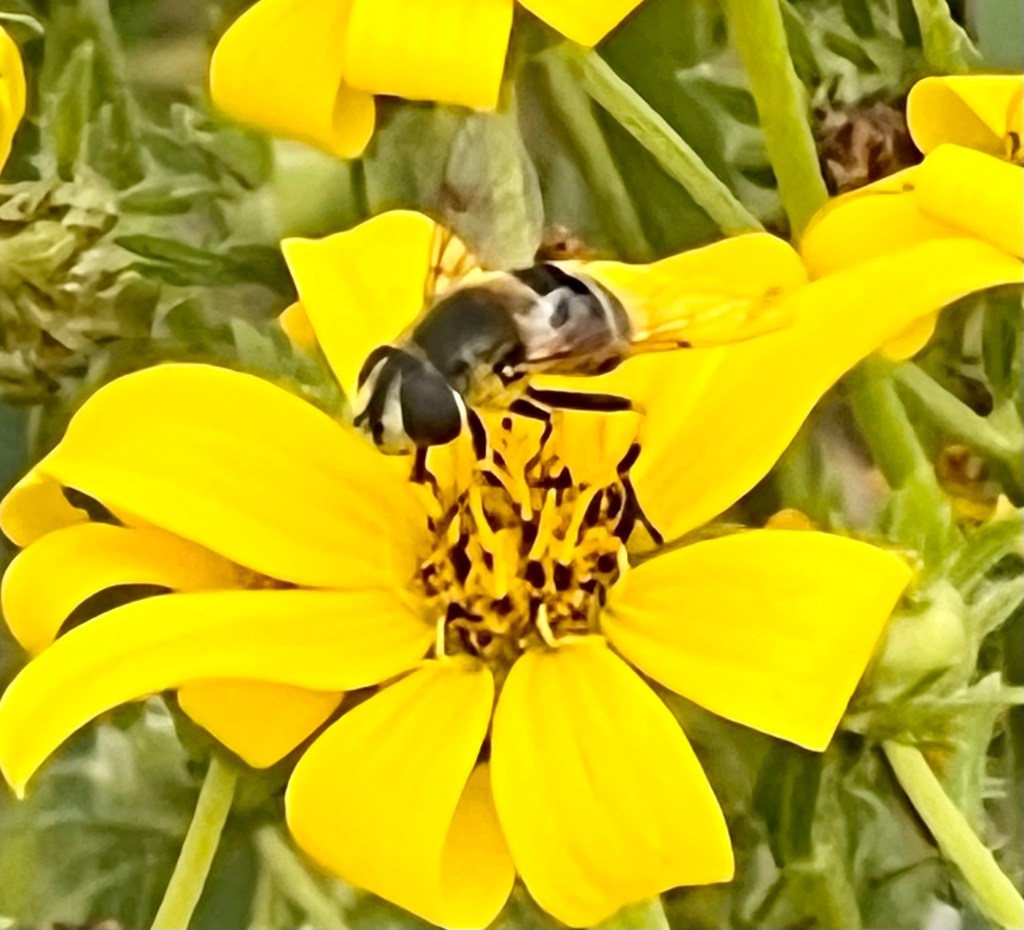
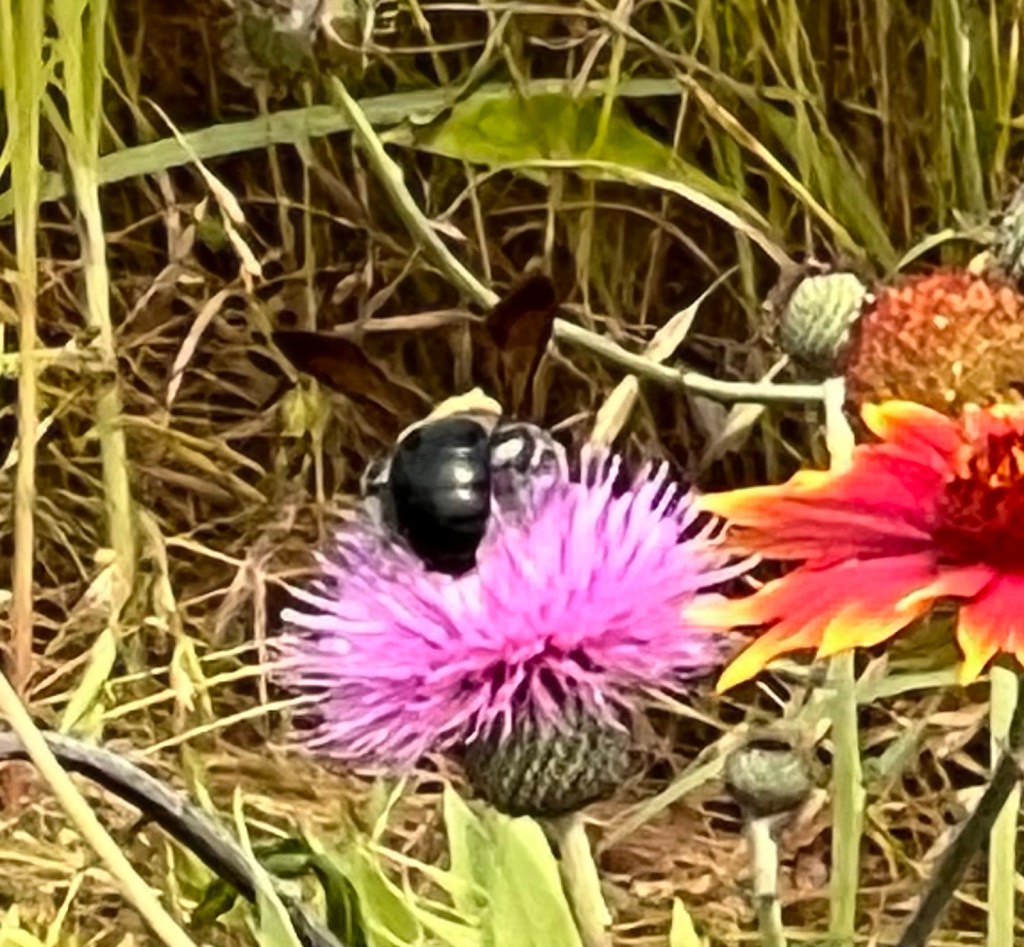
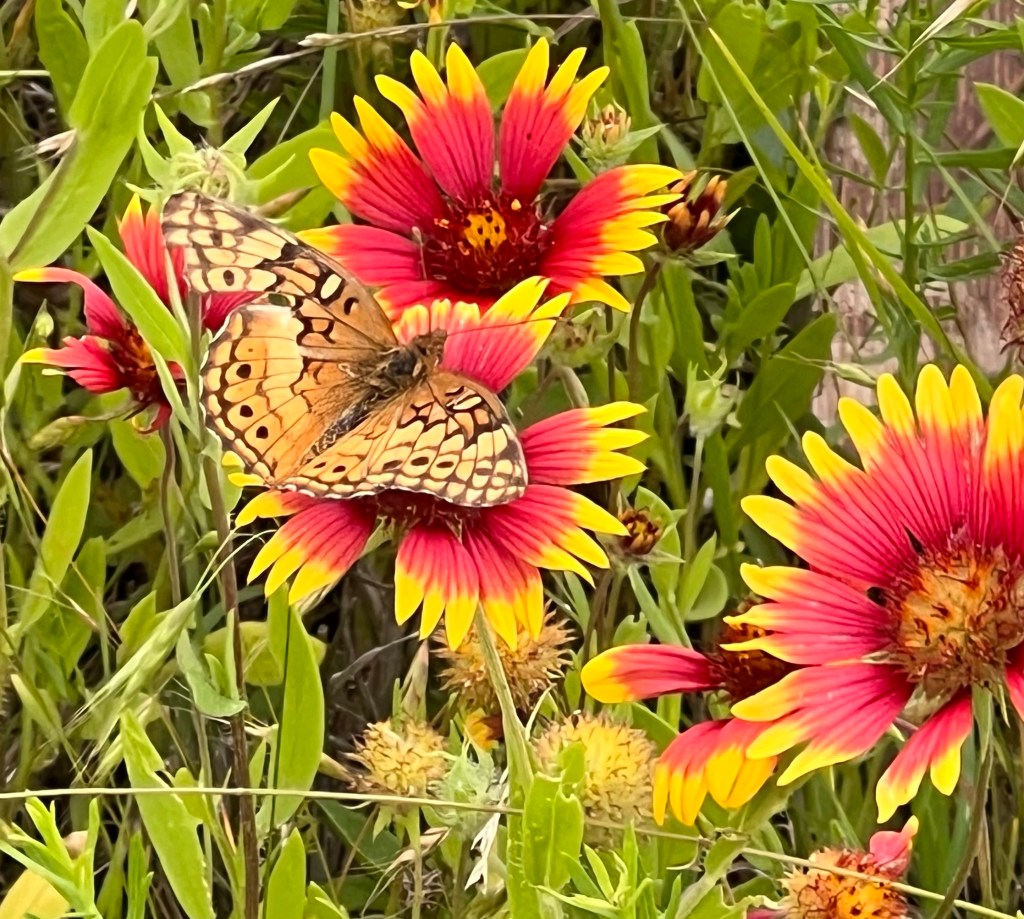
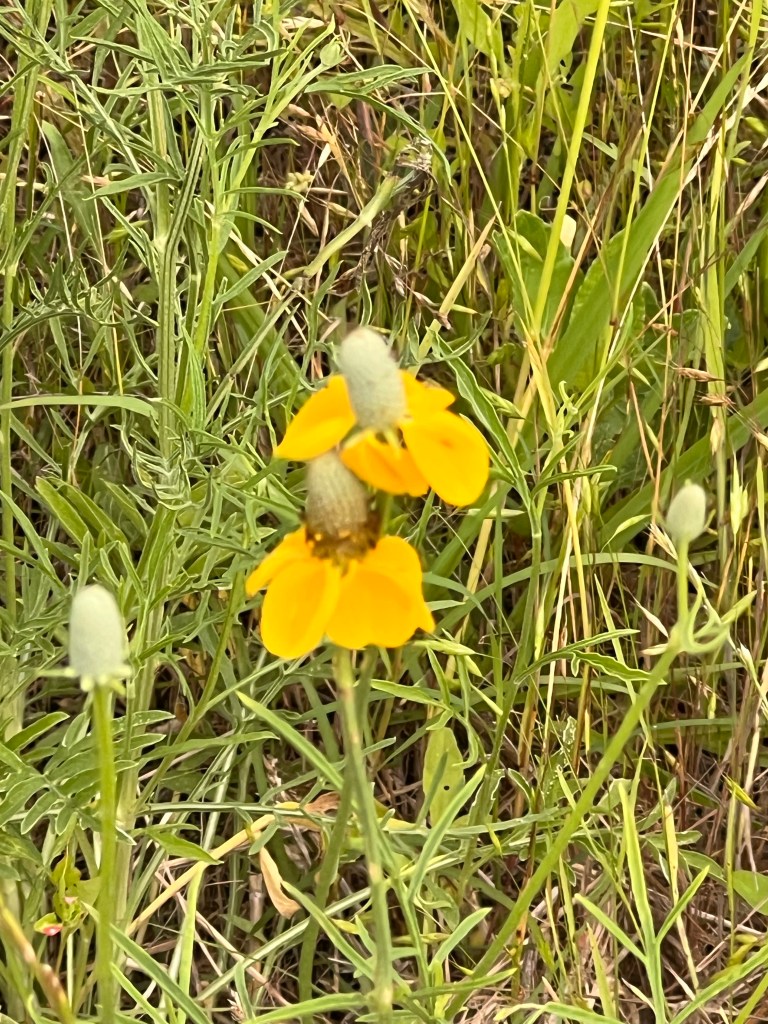
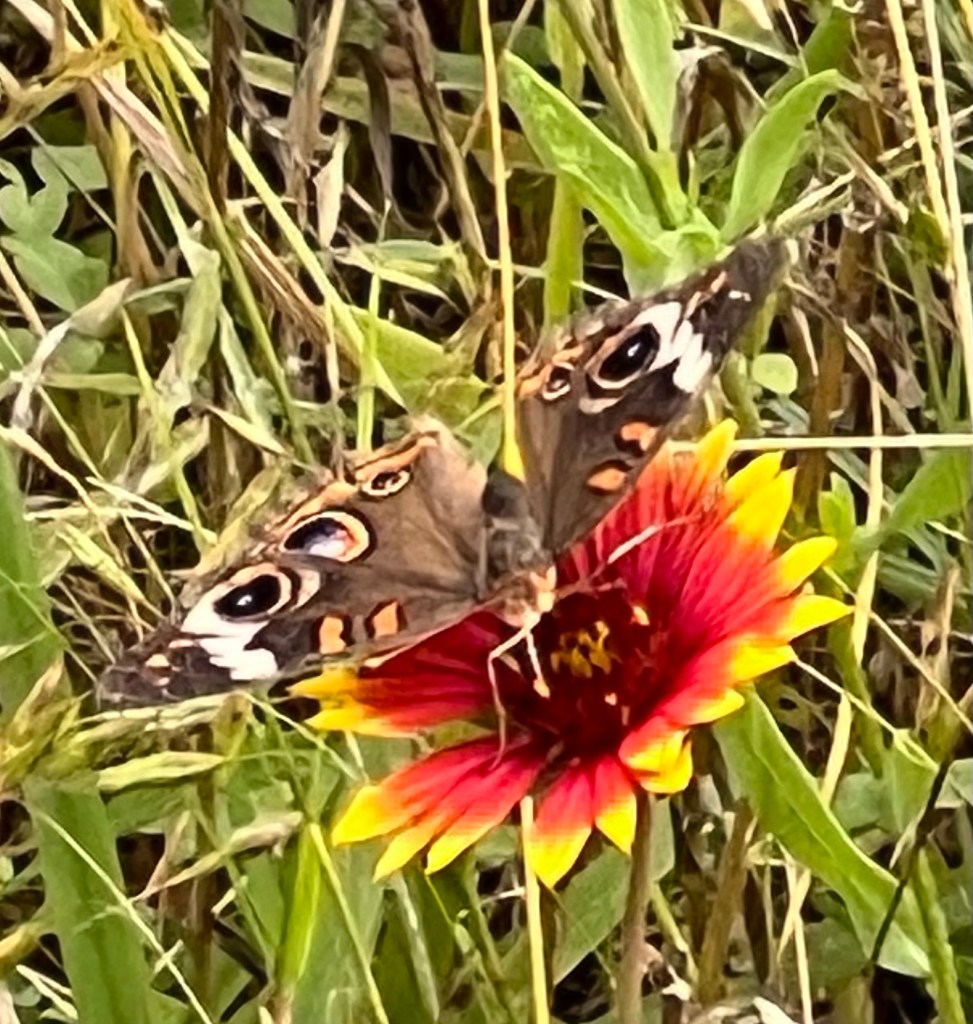
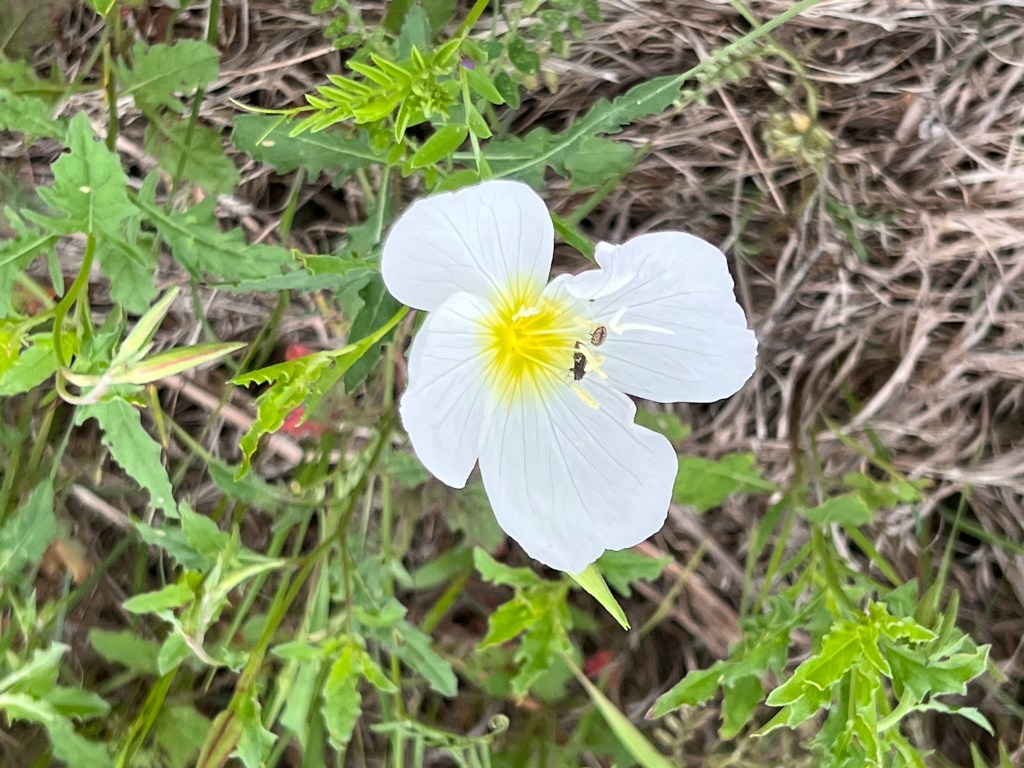
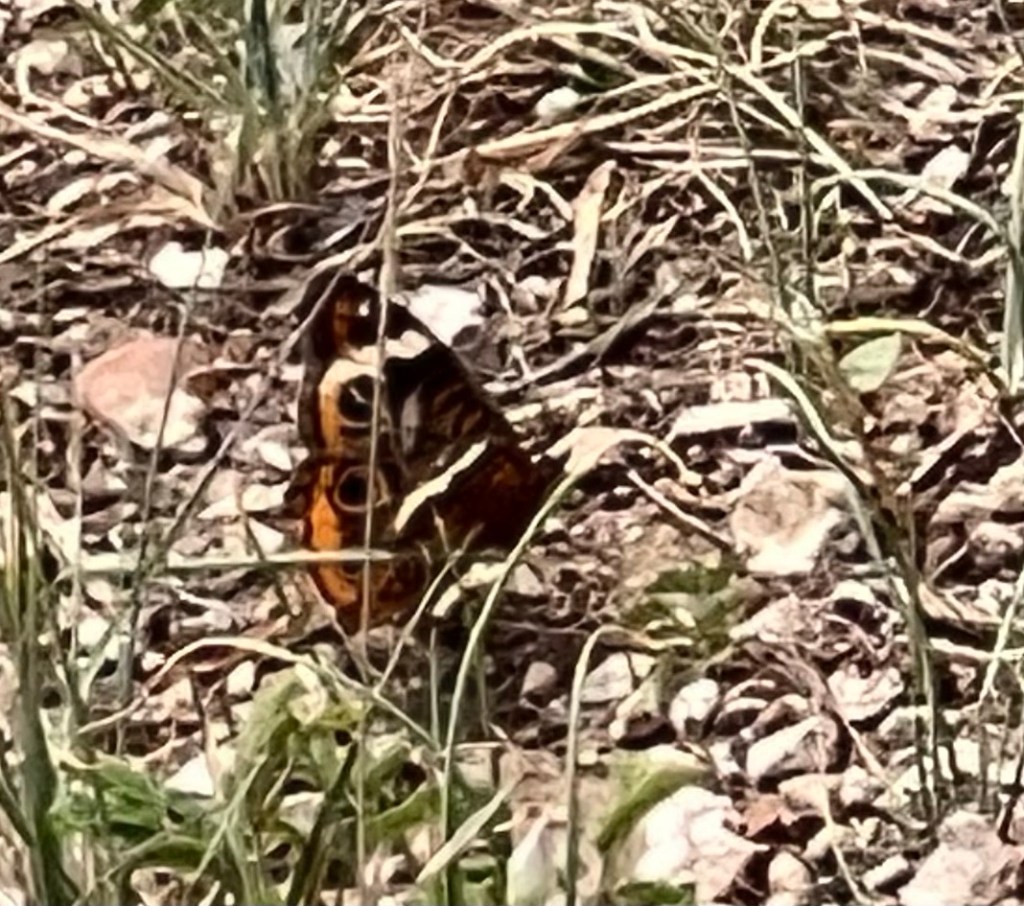
Our lovely roadside. Where all the flowers wereNew growth on cedar elm treeBlossom on soapberryBeeWhite evening primrose A damselfly! A yellow Indian blanketDragonfly!Big ole drone fly Carpenter bee buttFritillary HorsemintFormer Mexican hatsNow upright prairie coneflowers Buckeye
I didn’t see many birds but heard lots. I spotted a painted bunting by hearing it first. Um. You couldn’t ID it from this!
Can’t see any pretty colors!
From the listening app I heard:
Dickcissel
Robin (rare here)
Barn swallows
English sparrow (zzz)
Painted bunting (lots)
Cardinals
Mockingbird (also pretended to be a blue jay)
Starlings
Tufted titmouse
House finch
Killdeer
Carolina wren
Song sparrow
Cowbird
Phoebe
Carolina chickadee
Common yellow throat (only saw that once ever)
Nighthawk (also saw two)
Scissor tail
Baltimore oriole (wow)
That’s a lot of birds! The vultures didn’t make any noise, but were there, too.
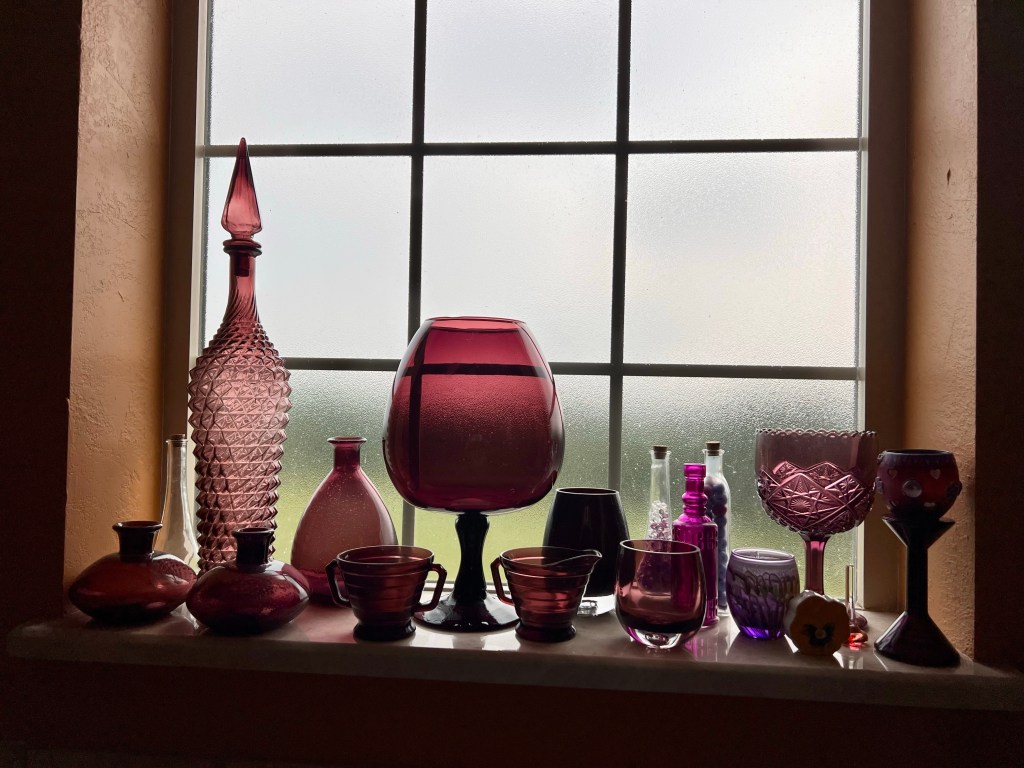
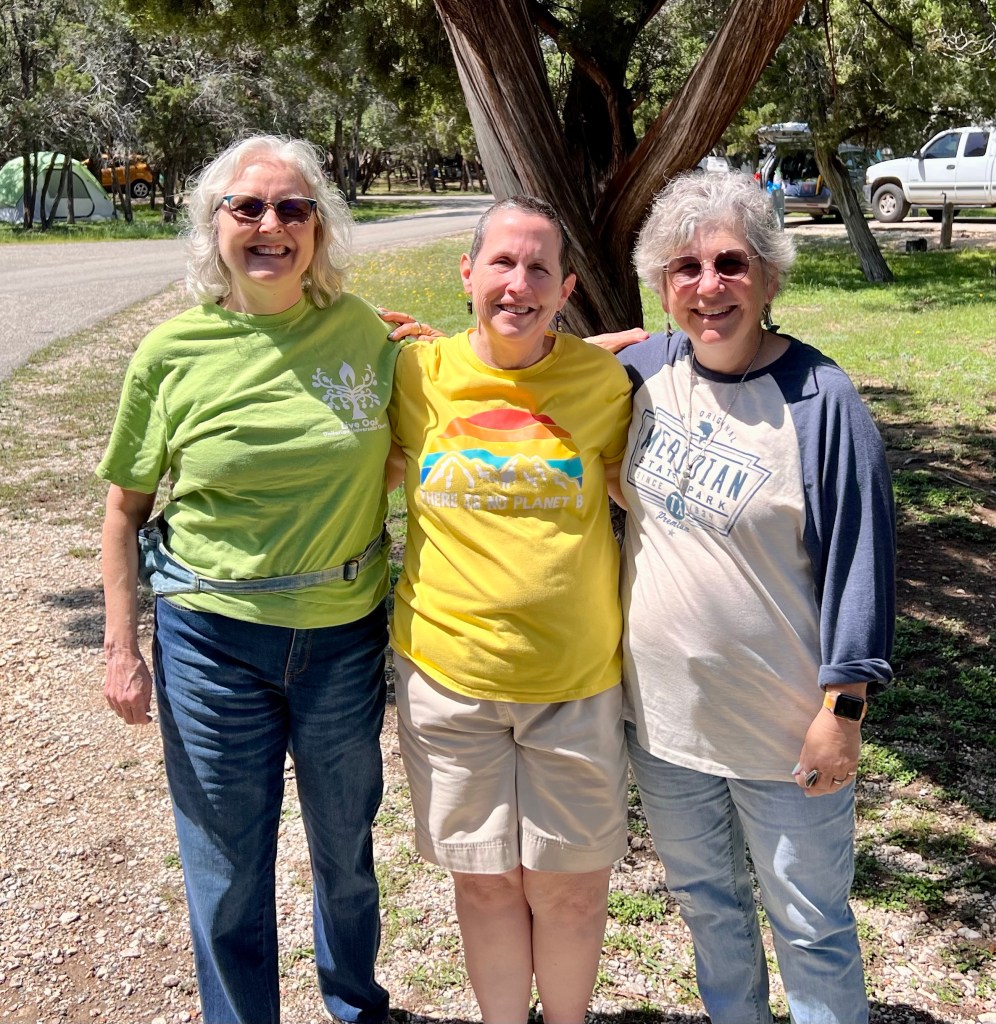
Not only did nature make me feel more at peace, but my friends did, too. I enjoyed my afternoon coffee with two friends, Anita and Pamela. We laughed over my high school diaries that I found yesterday and discovered were mostly in Spanish. Then we shopped at the new antiques store downtown. I was happy to see there were many customers! I got a giant piece of purple glass for my window.
It’s the wine glass-looking thing in the middle.
After that we sat on a bench overlooking the town square, wondering how we ever ended up in Cameron, Texas and enjoying it. Fun times. I’m glad for the supportive friends I’ve finally accumulated here!
Perfect spot to watch small town life go by
Topping the day off with a horse ride and swim in the pool brought balance back, at least for now. I hope you also find your own balance.
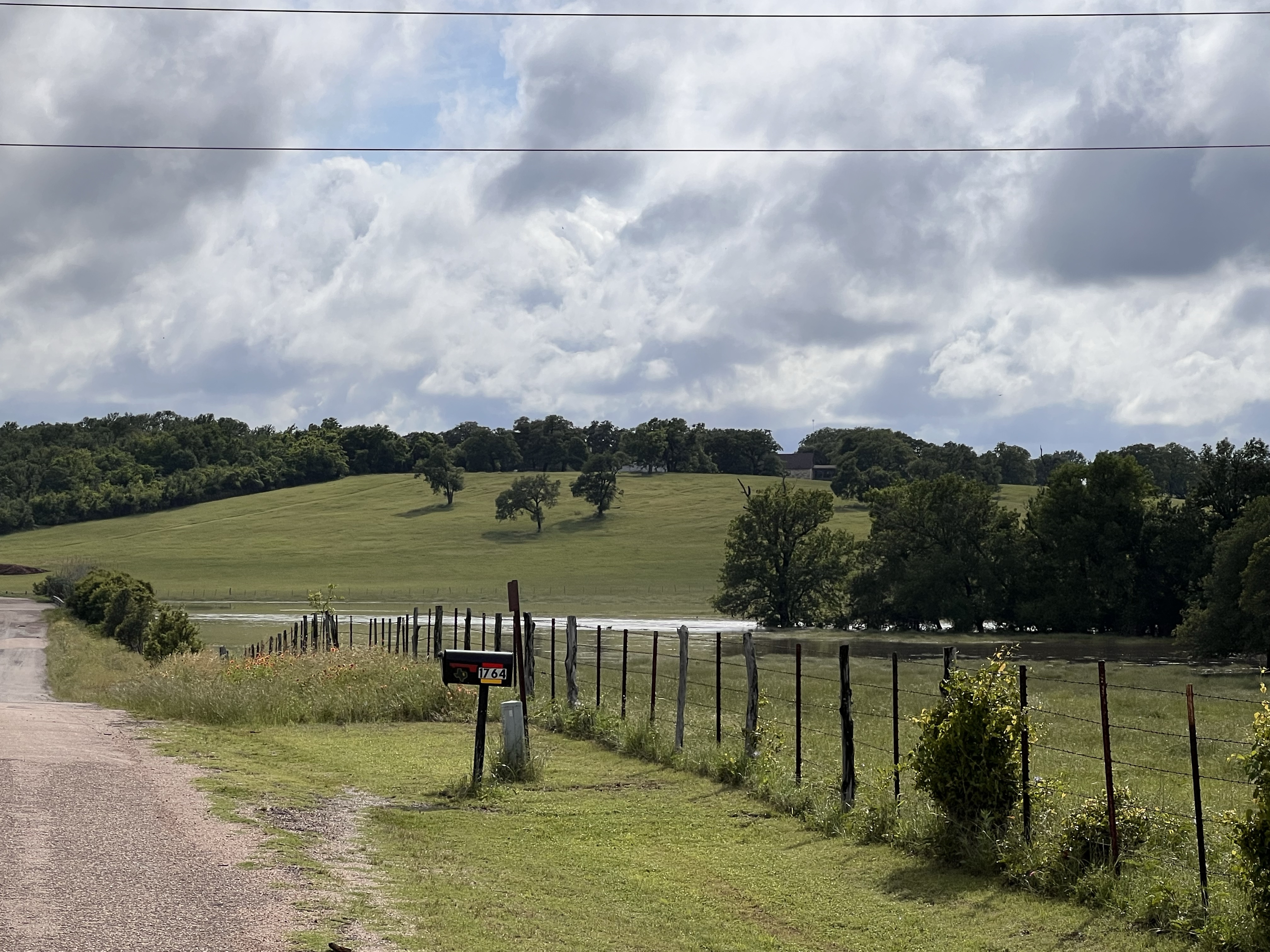
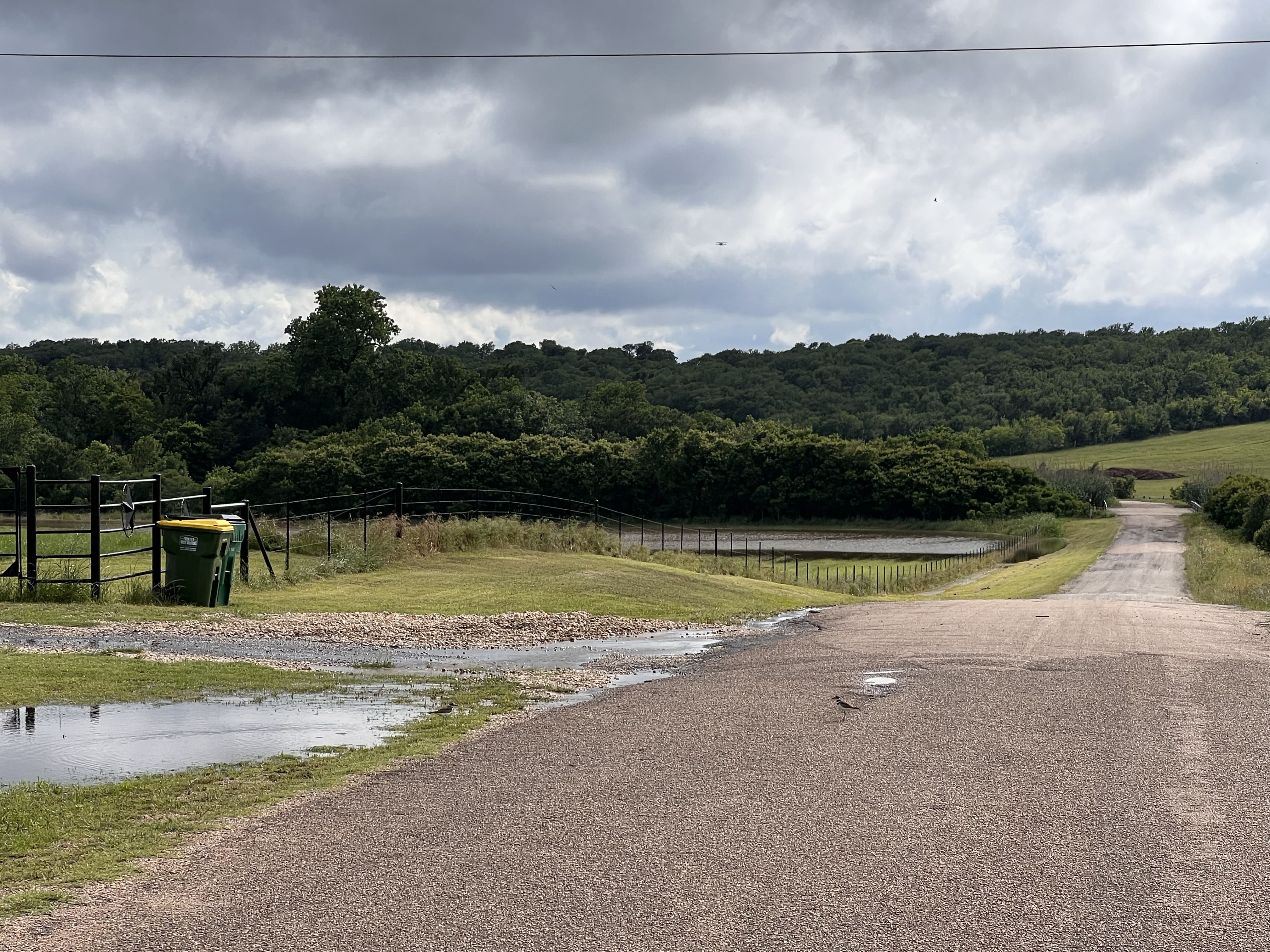
At least so far that’s been true. And it’s true today. It rained starting last night and kept going until right about when I stopped working. We got at least two inches, which means we now are in a series of shallow ponds and the creek is extra full.
You can see the creek from the back yard. Usually the creek is in its banks. That hill has a why I couldn’t get Zochnet internet. Other side of the roadCreek in trees
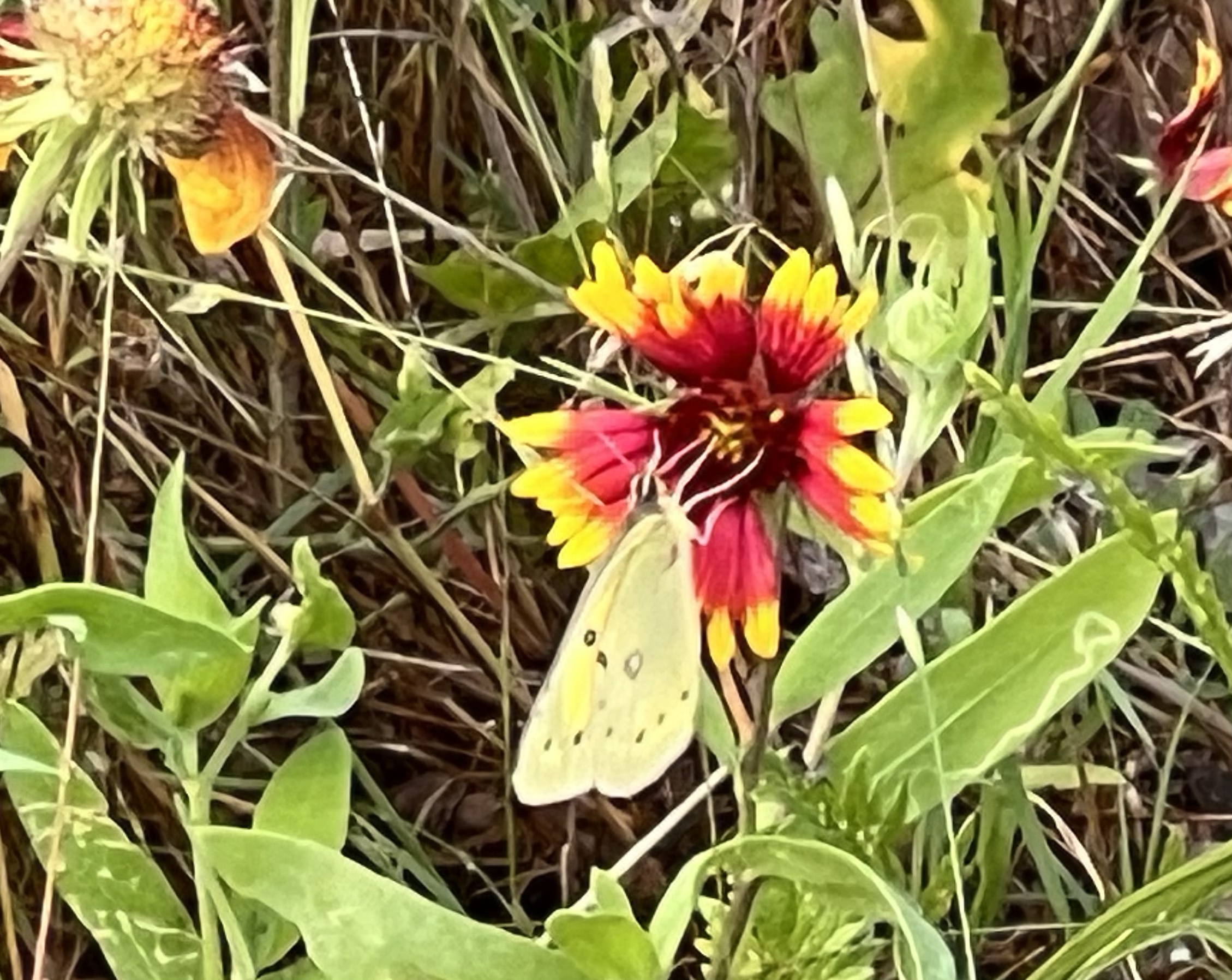
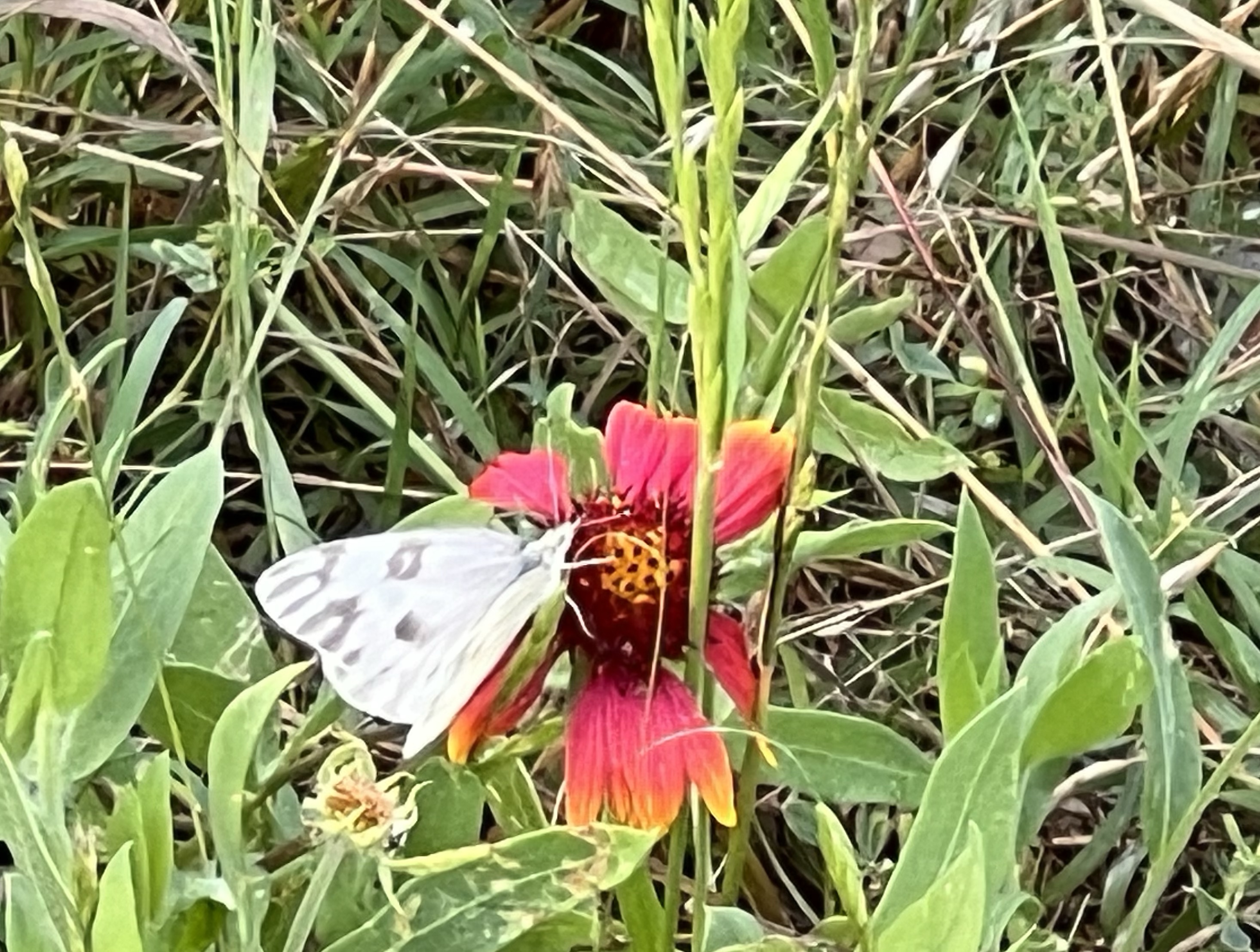
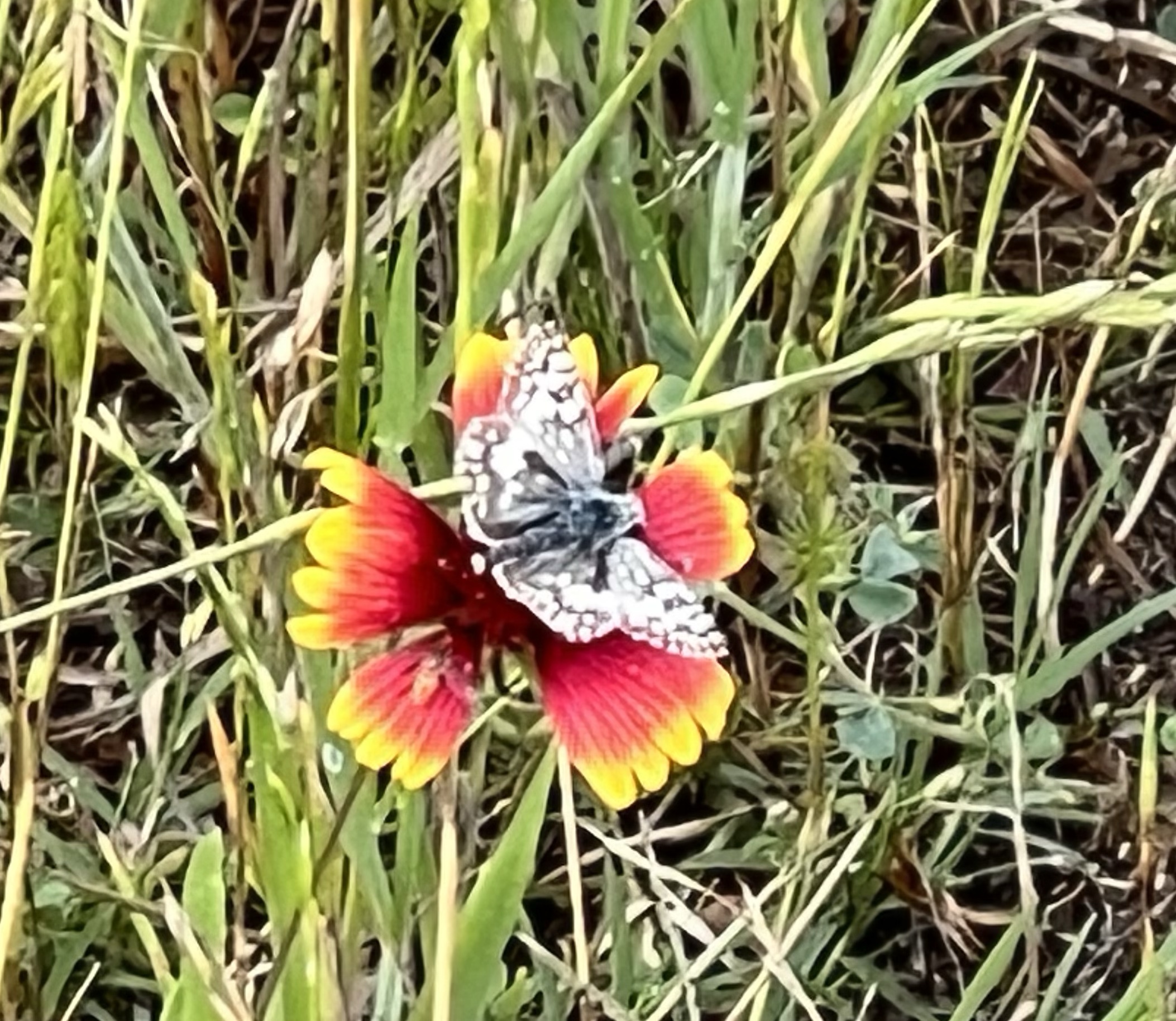
Once the clouds parted and there was a little sun, everything perked up fast. Suddenly the pollinators were in action!
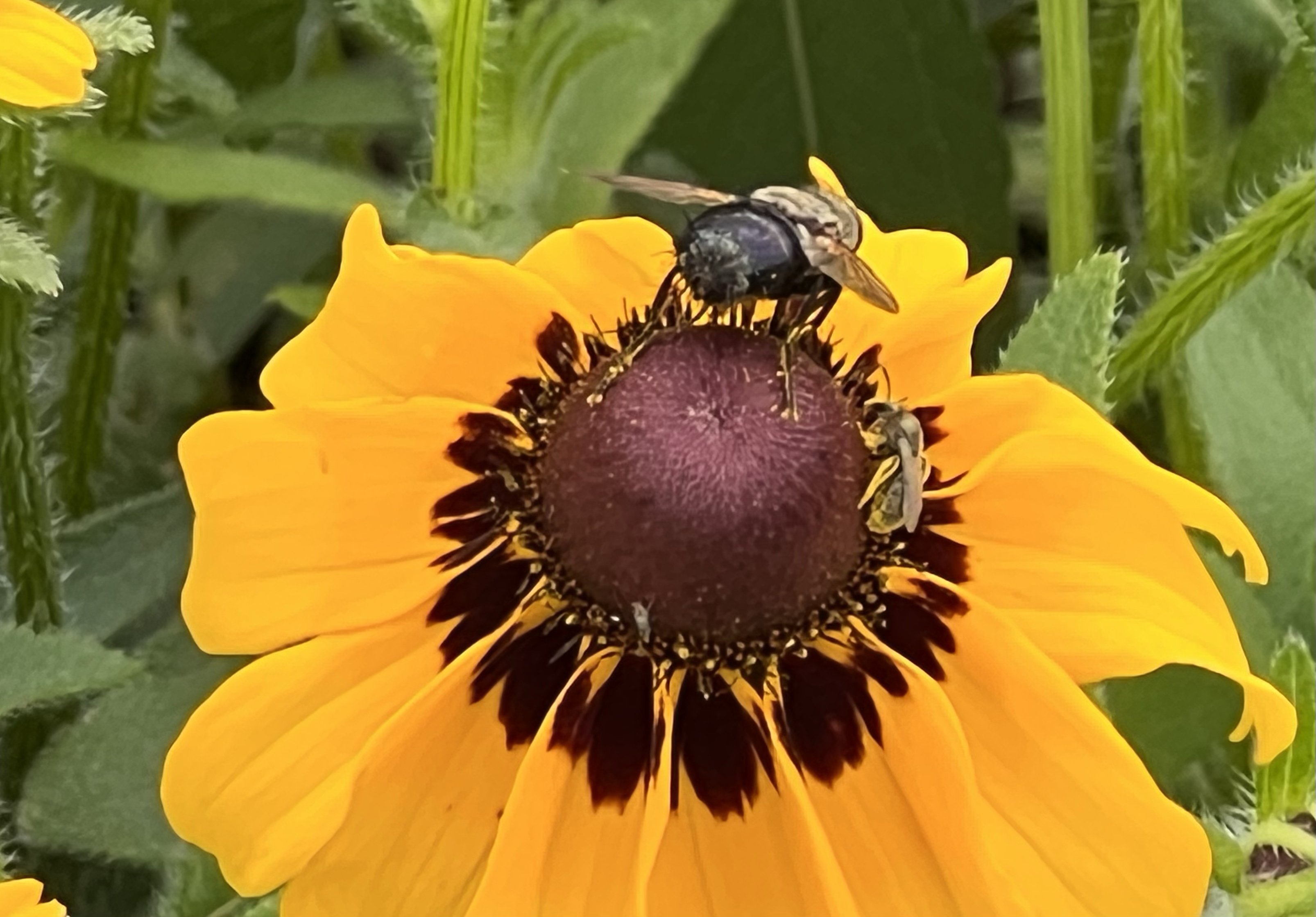
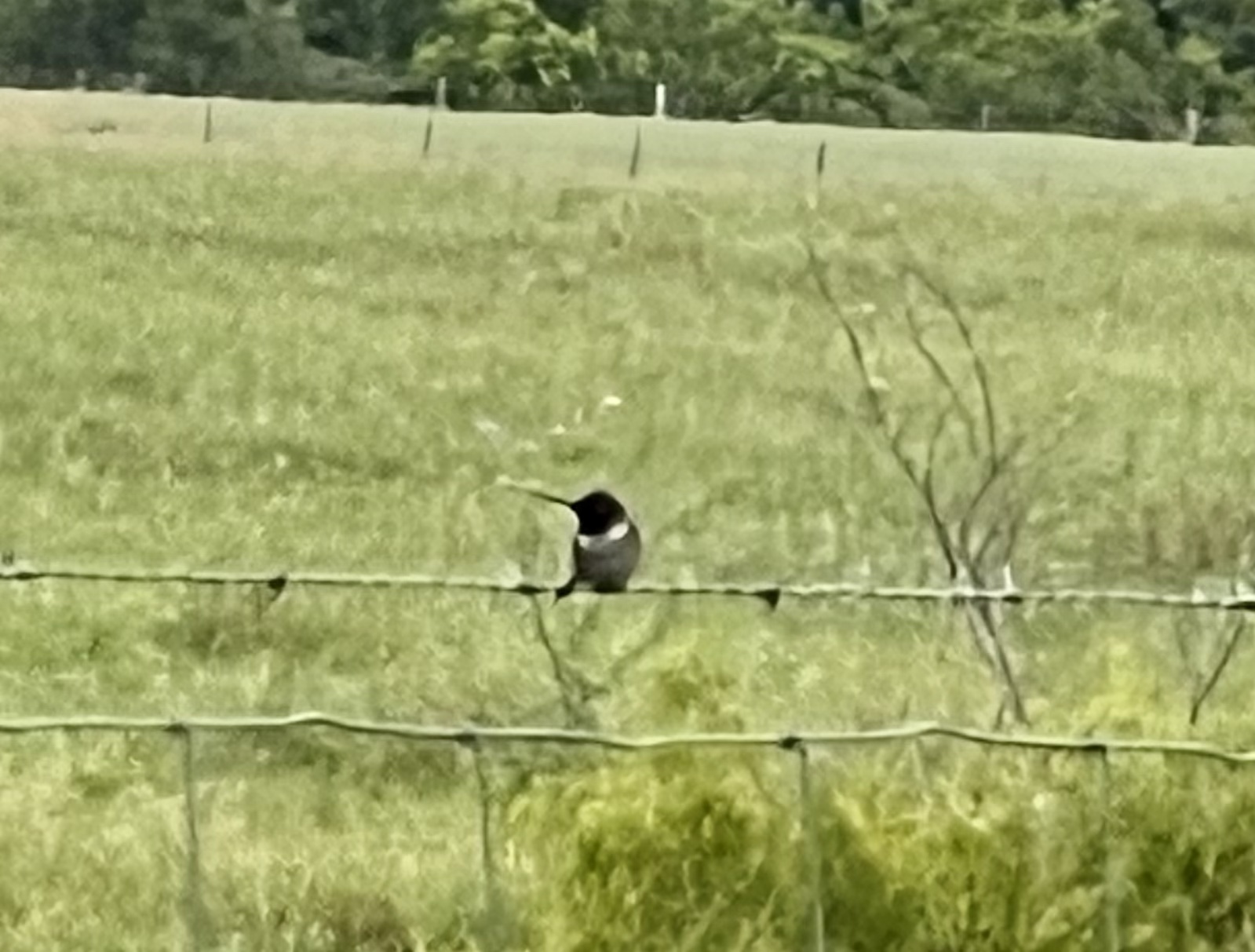
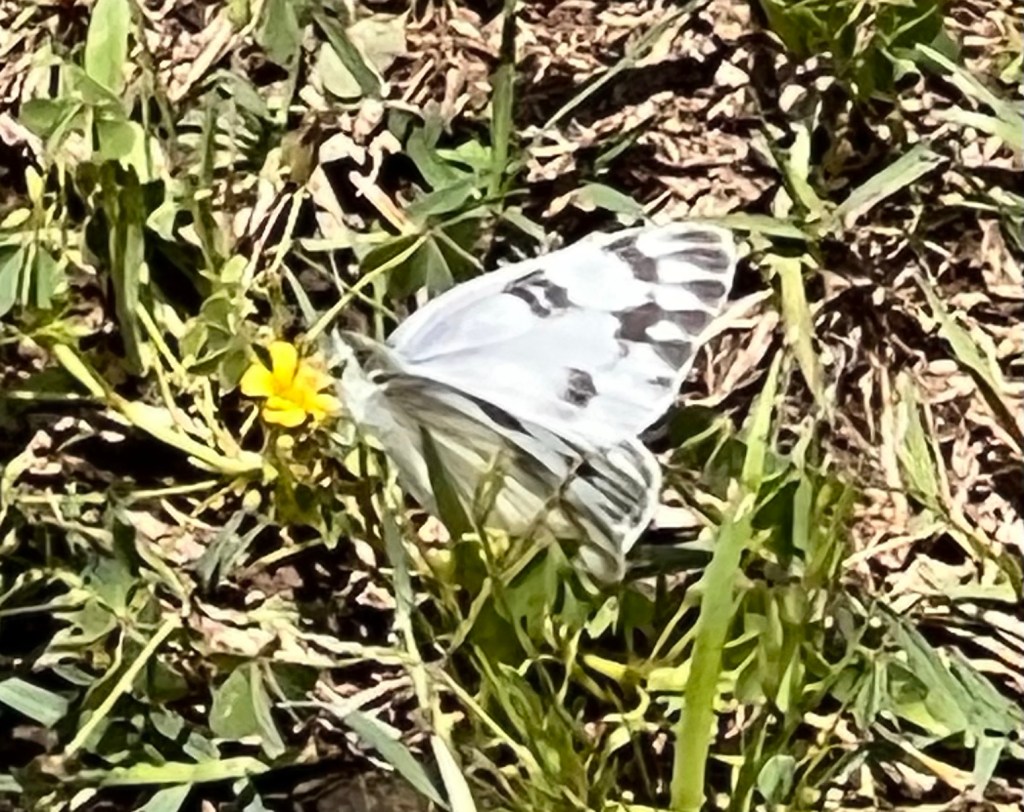
Orange sulphurCheckered whitePearl crescentFiery skipperFly and perhaps a wasp pollinating Front view of checkered whiteA black-chinned hummingbird is also a pollinator! It’s a male!
I really enjoyed how green it is this year and how many flowers there are. I’m treasuring every day this spring.
Flowers around the ranch.
Of course, other residents came out after the rain. I saw one of our large rabbits, then found this guy enjoying the poor drainage at the horse pens. I bet the water felt good. It’s just a rat snake/chicken snake, so there was no reason to panic.
I AM pretty. The water feels goodToo much poop here. Time to go.
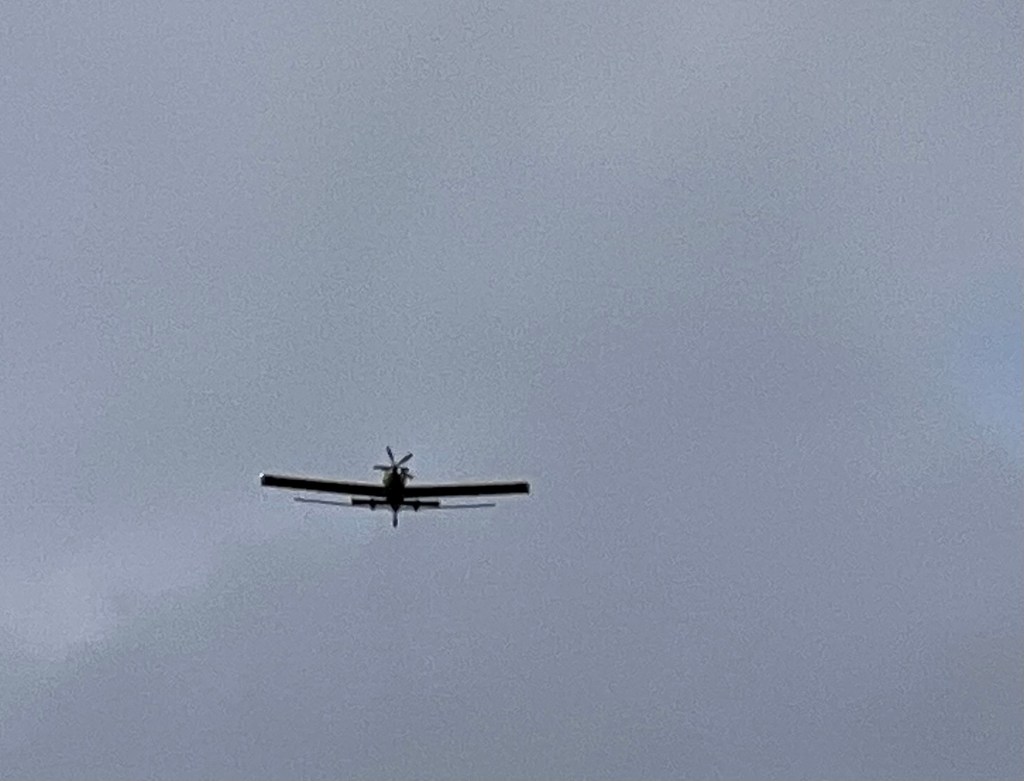
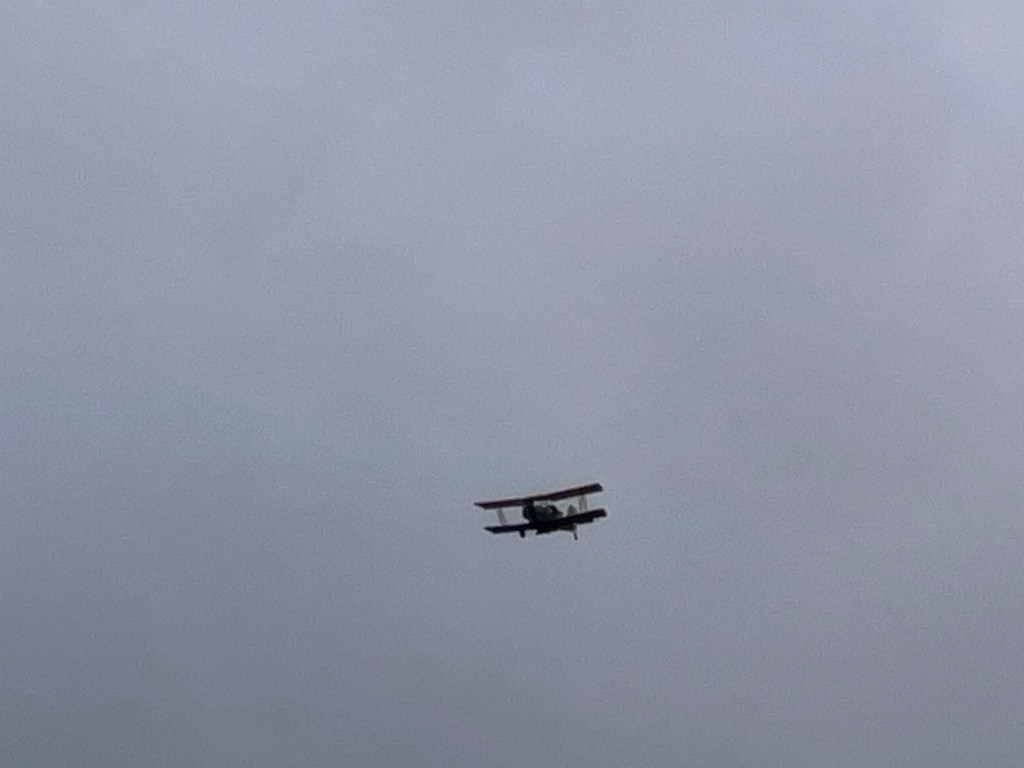
Not only the natural world came out. There are lots of new airplanes here, thanks to an air museum moving in and a flight school, too. I enjoyed these two planes going over. I don’t enjoy helicopters shooting at hogs, though (or whoever is shooting at them with a semi-automatic rifle and not letting us know).
Zoom.
Today was just fine. I’m glad for the peace here, because it lets me send good thoughts to friends who need them. Love to all.
I wasn’t able to blog last night, because a storm came through and knocked out cell reception for most of the area. My phone kept saying SOS and I told it to calm down, the towers would return. I sure am having the Internet issues! But indeed, I got to enjoy the cool clouds.
This photo by Lee makes it look like the pool house is about to be swept up and deposited in Oz.
It looked like tornado weather, and indeed, it was. Friends had a brand-new shed hit by a small one. It missed their house, though, so it could have been much worse. It’s hard to get used to so many scary weather events so close together, though.
Eek. Another photo from Lee.
We managed to get through the storm just fine. It was a very fast one! When I woke up this morning, there was more weather news. Tarrin contacted all of us who were signed up for a clinic at her ranch to let us know there were going to be very strong winds today. She let us know we could put it off.
If you try to put me on a trailer, I’ll bop you on the head.
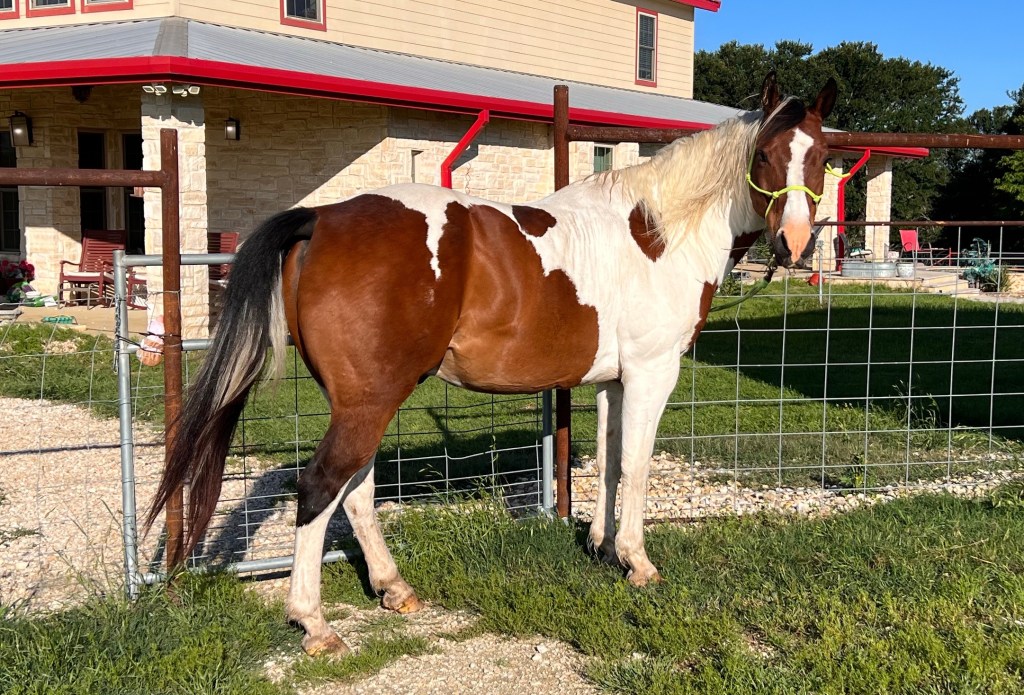
We all said we’d just show up and hope for the best, much to Apache’s disappointment. He was not at all interested in going anywhere or doing anything this morning and kept bopping me with his head until I had to get firmer than usual with him. I managed to get most of the mud off him, including huge globs nested in the base of his mane. Not the most fun start to a day, but I’m happy to report that the rest of the day was a lot better!
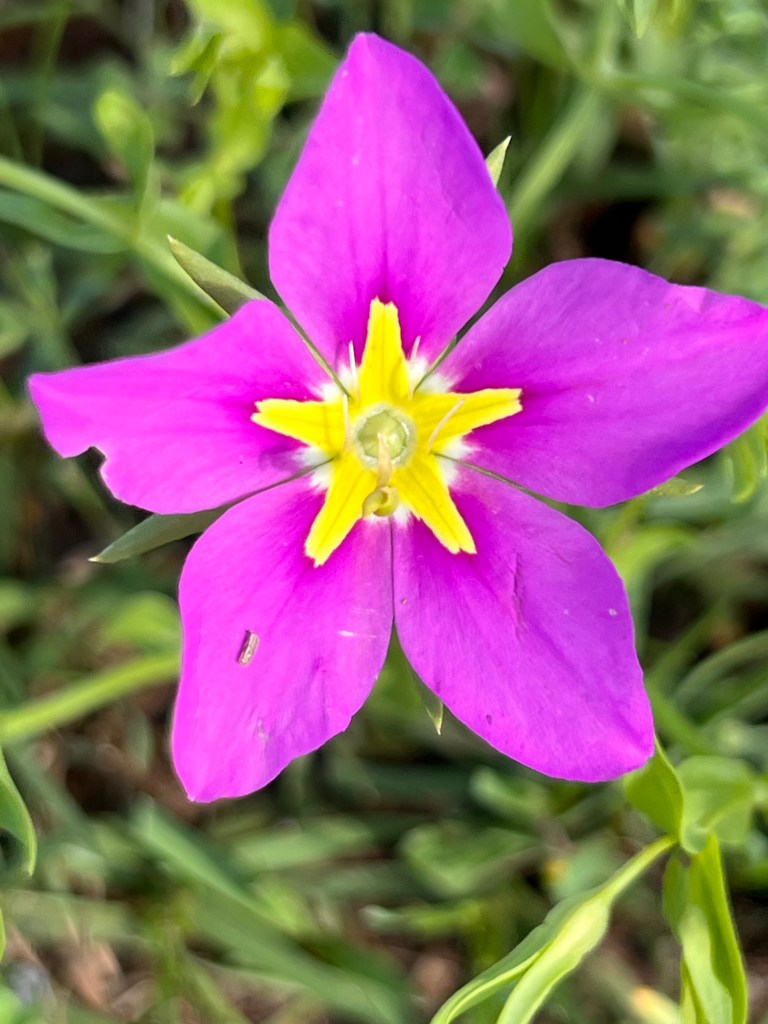
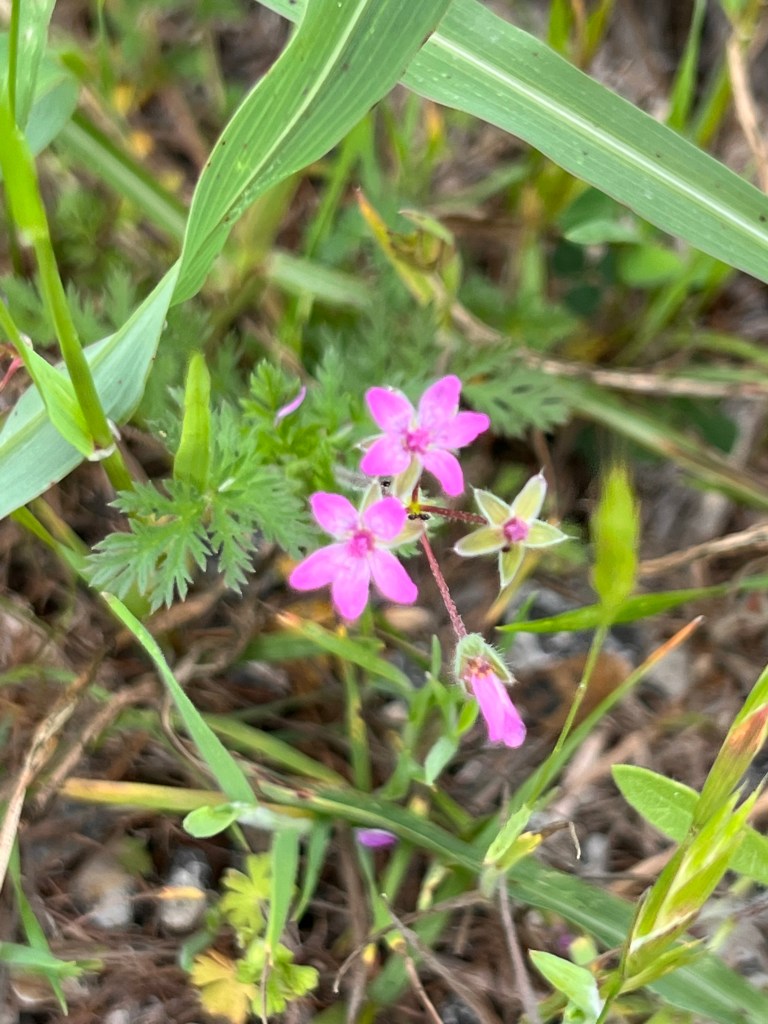
I saw so many flowers that I had to be cheerful! This meadow pink certainly is pink.
He is always happy to go to Tarrin’s, and he got to head over with his buddy Aragorn. Sara drove today, and we always have a good time together. I ended up in a great mood all day, myself, and enjoyed meeting some new folks and their horses. There are some real success stories in the latest bunch of training horses!
I’ll just stay here.
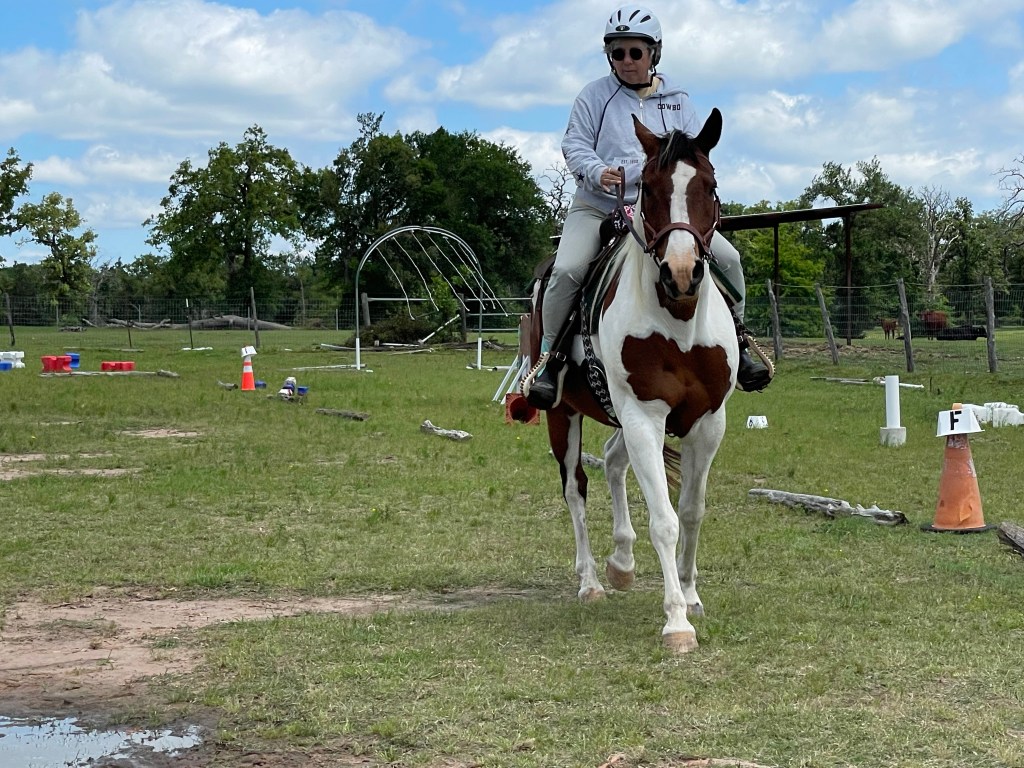
After relaxing for a while in his luxurious (in his mind) stall, Apache came out to do our part of the clinic with me, and he was an absolute dream. We started out learning the newest dressage pattern that we’ll use in the next shows. We did it really slowly, stopping between each section, to help the horses pay attention to our cues. I enjoyed doing it as well as watching the other two riders in my group, one of whom was just starting out on her horse after training.
I’m smiling and not pursuing my lips
It was a great feeling to know that we’ve come far enough along to be role models of calmness as things blew around and spooked other horses. Tarrin made sure to share that it wasn’t all that long ago that Apache was nerved out at lots of random things. Meanwhile, he nearly fell asleep when it wasn’t his turn, even when something blew by and hit his leg. What a guy? Yeah!
I’m so calm.
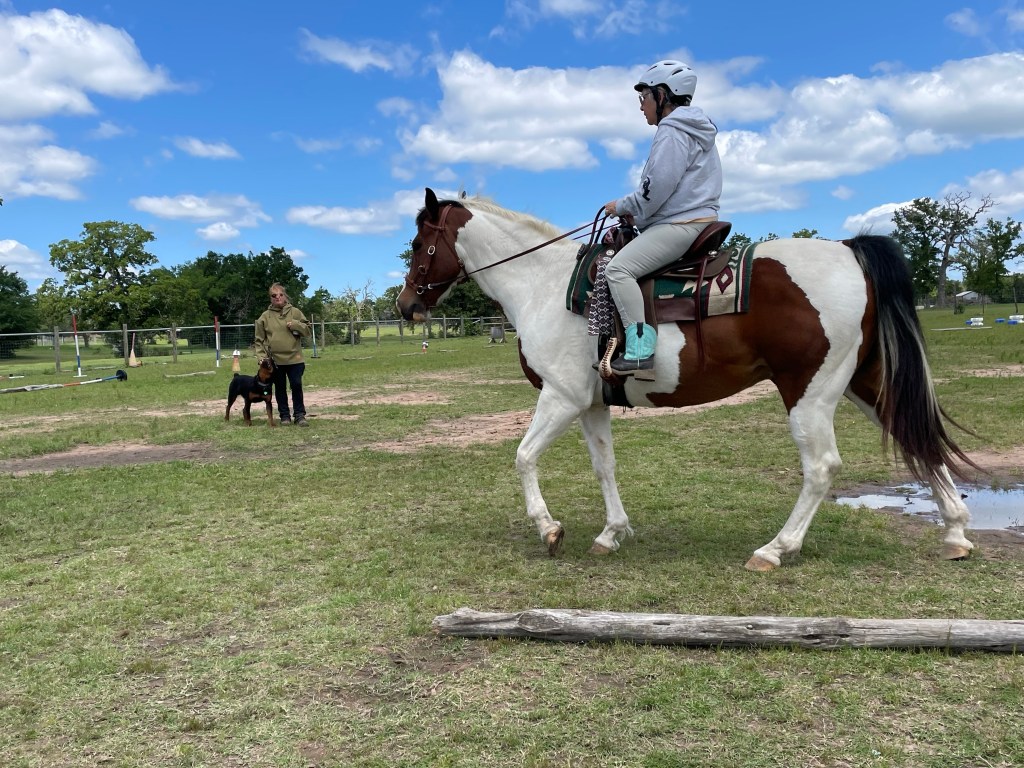
The second part of our session was learning to do small circles precisely and teach the horses to pay attention to us rather than memorizing a pattern and blasting through it. That was a lot of fun for us, especially when we got to trot it. Apache and I have really made some improvement, and I was so happy to try these new things and refine how we do them. So much learning!
Perky turns
After our turn, we had an educational session where Tarrin showed us what a horse with severe hoof issues looked like on the inside. Camina the dog really wanted to eat that demo horse leg. It’s really cool that a horse can contribute to education after it has to be put down. It’s like they live on.
Yum.
Another thing we did was each of us stood on two scales and had to practice balancing so that each scale read the same. This was not at all easy. We also found that slight shifts of our hips made the scales move many pounds. What this demonstrated was that our shifts can really affect our horses, and also that their shifts can also affect their performance.
The folks in the last, most advanced, group in the clinic focused on this balance and helping their horses get not only straight but balanced before doing activities like beginning a canter from a stop.
Aragorn in action
Now, this annoyed each of the horses as far as I could tell, but it was fascinating to watching both horses and riders learning to refine their balance.
Concentrating
Then they all cantered around those barrels we trotted around. Wow, some of those horses are beautifully trained. Aragorn did a great job as well, even though he’s just learning. Sara loves this photo I took of them together.
Sara’s favorite photo
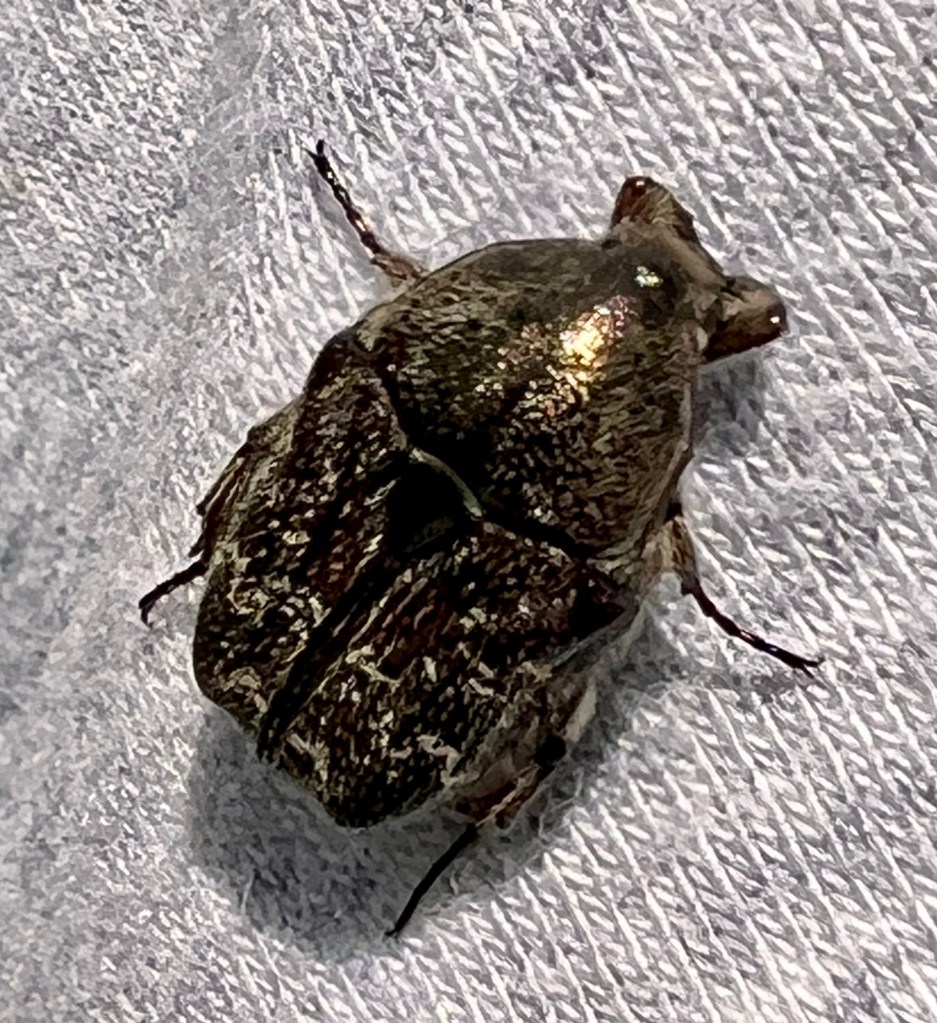
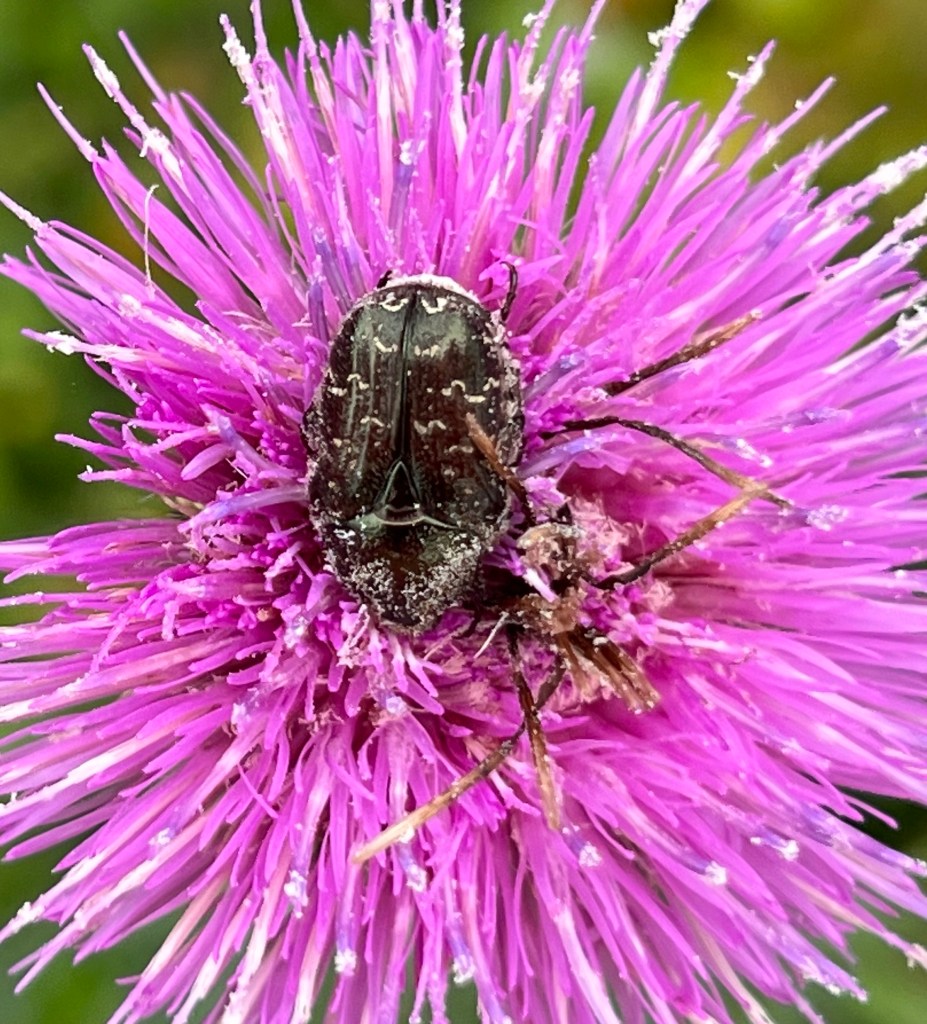
Of course, since it’s City Nature Challenge weekend, I snuck off to take photos of the plants and insects at Tarrin’s. I saw so many butterflies, and a gorgeous scarab beetle that visited my jacket. The ladies I was sitting with were fascinated with me looking at it, photographing it, and figuring out what it was.
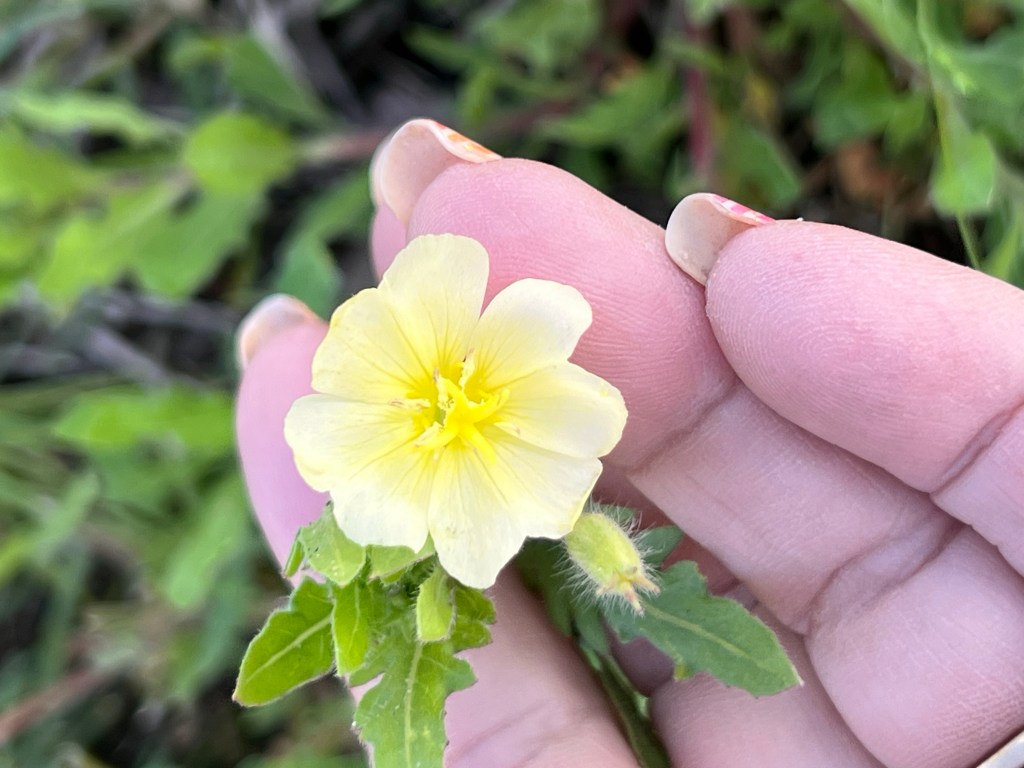
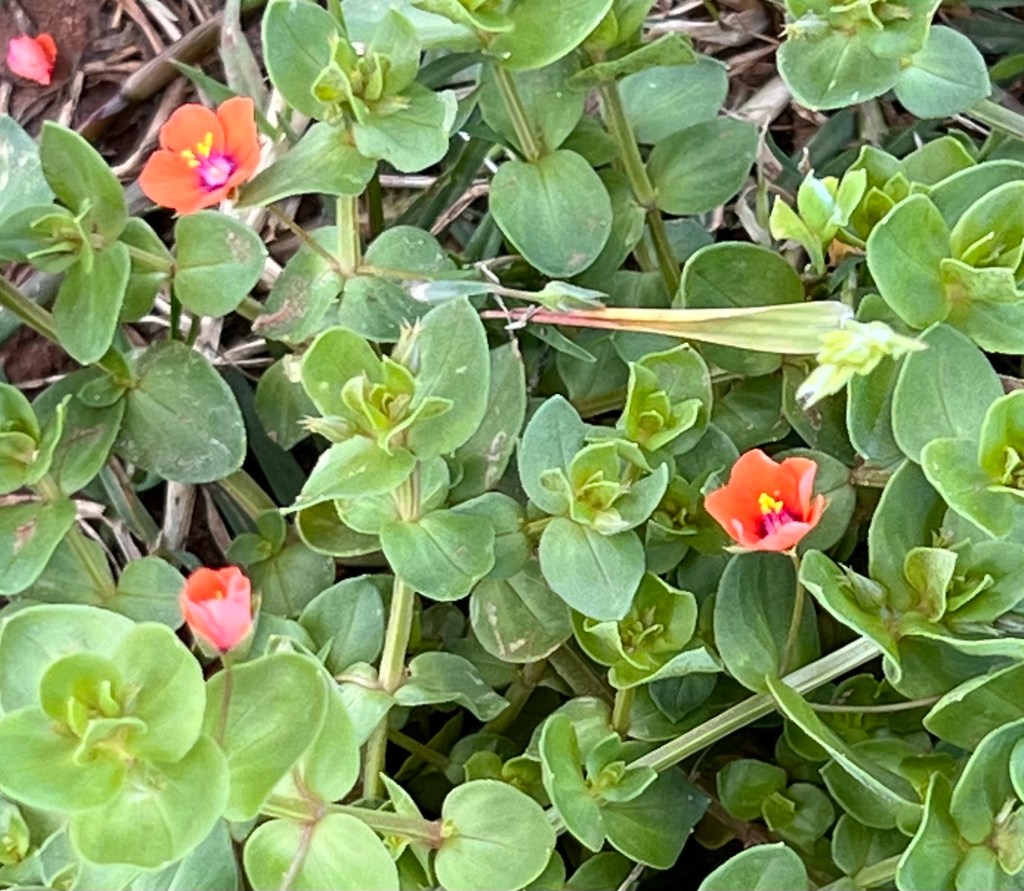
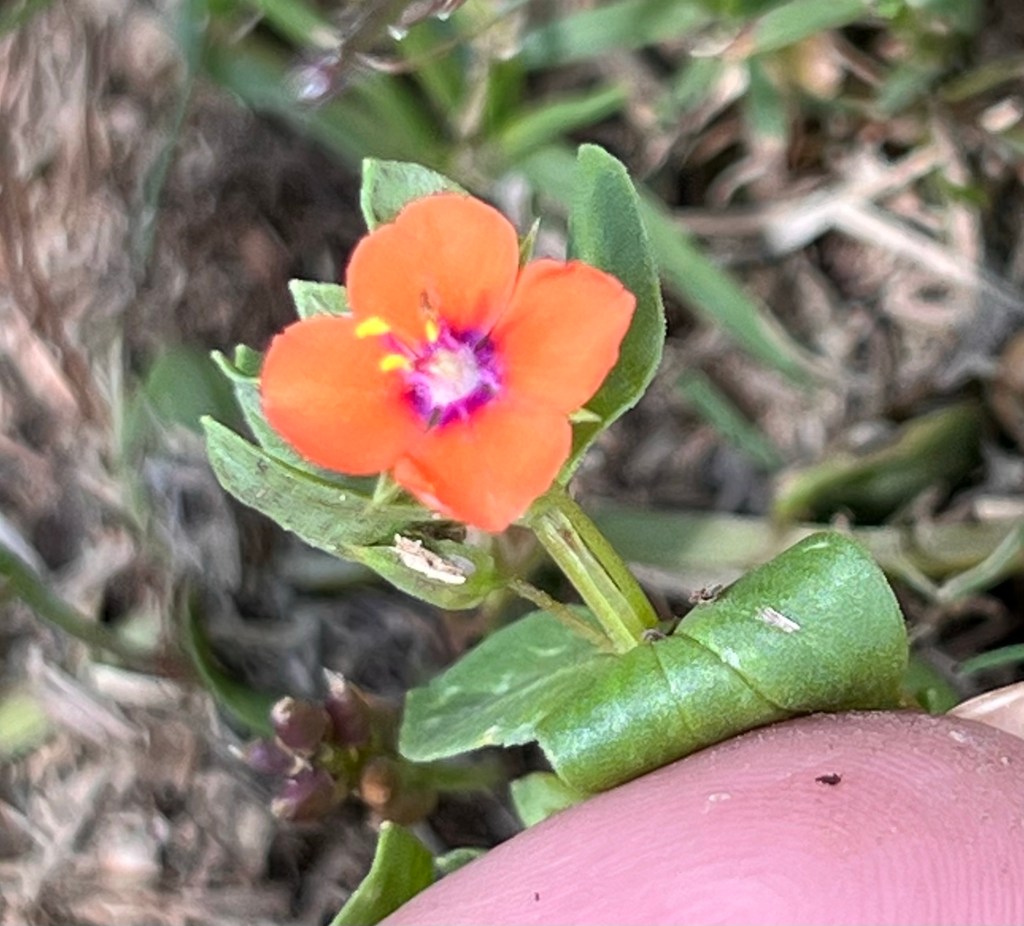
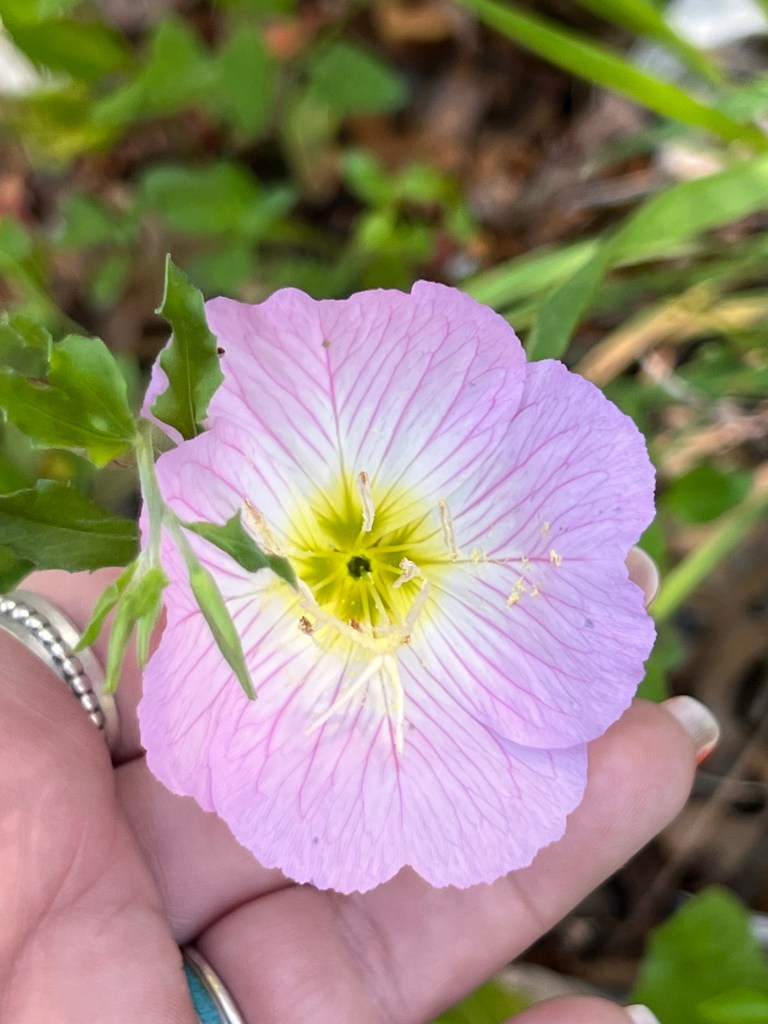
Interesting red cloverVenus’s looking glassCut leaf evening primrose Small flowered catch fly Scarlet pimpernel Pimpernel closeupOrange sulphur Buckeye and American ladyCheckered whiteAmerican ladyCheckered skipper Beautiful dark flower scarab
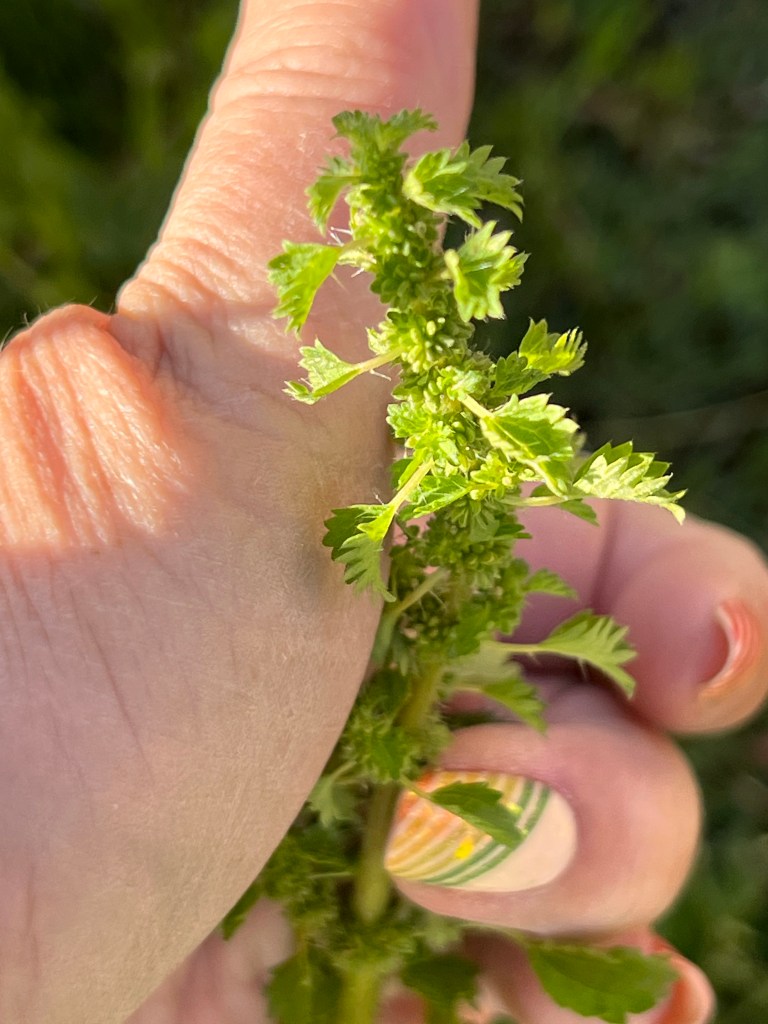
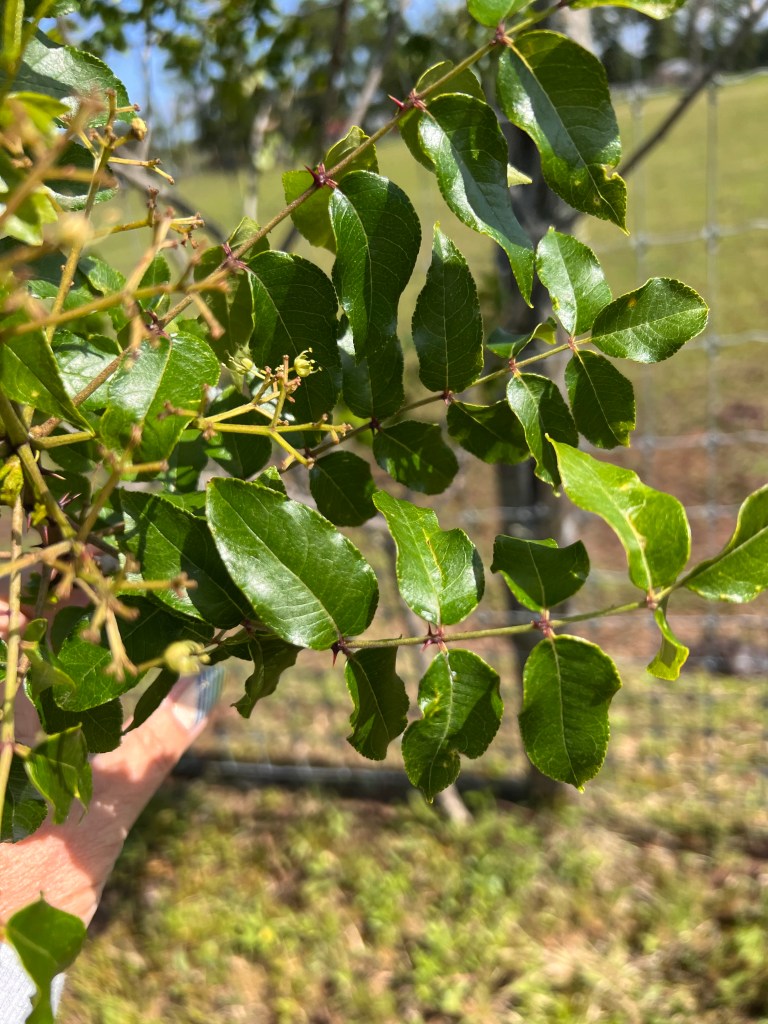
The only negative was that I keep touching plants and really should check to see if they are nettles BEFORE touching them. Ow. There were also some very spiky trees that are either Hercules Club or Spiny Ash.
Ow ow. Nettles. Spiky tree.
It was a really fun day for all of us, even the horses. We didn’t let that awful chilly wind slow us down!
I got to hold this giant draft horse’s lead rope and pet him. He’s shy.
Sara and I spent much time when we got home telling our horses how proud we are of them. These are the times to remember when things get challenging again!
Sara is telling Aragorn how pleased she is with him.
Most of today has been great. The big highlights were predominantly nature oriented, but I also rekindled some old friendships and made some fun new friends.
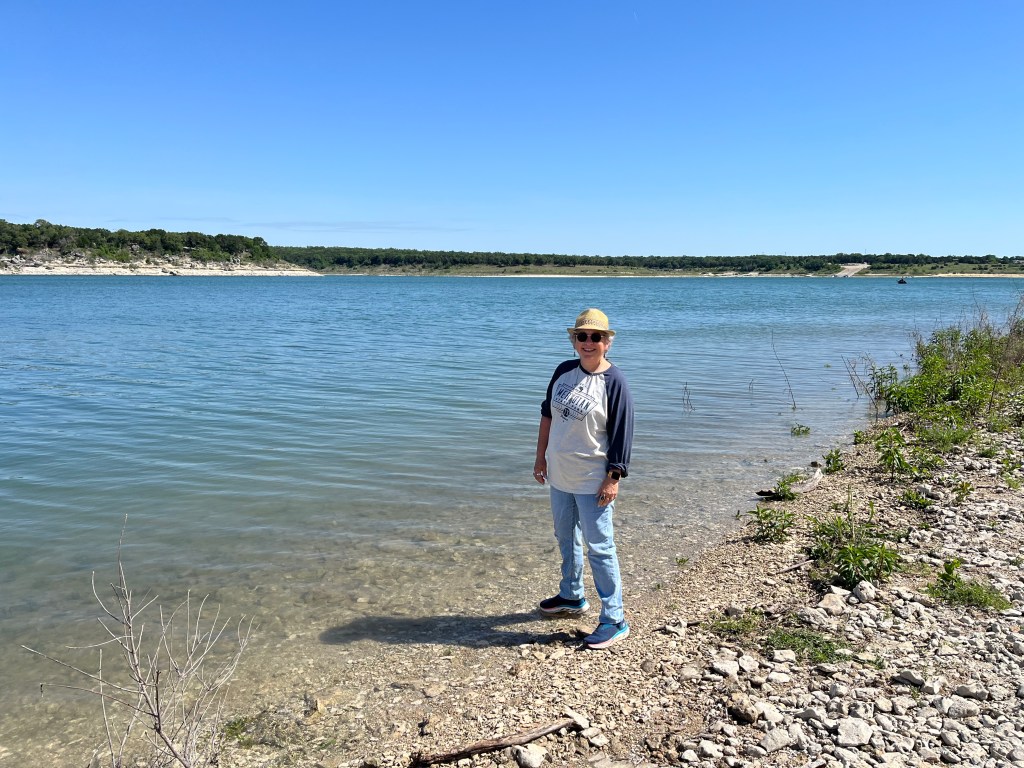
I got to stand in the lake!
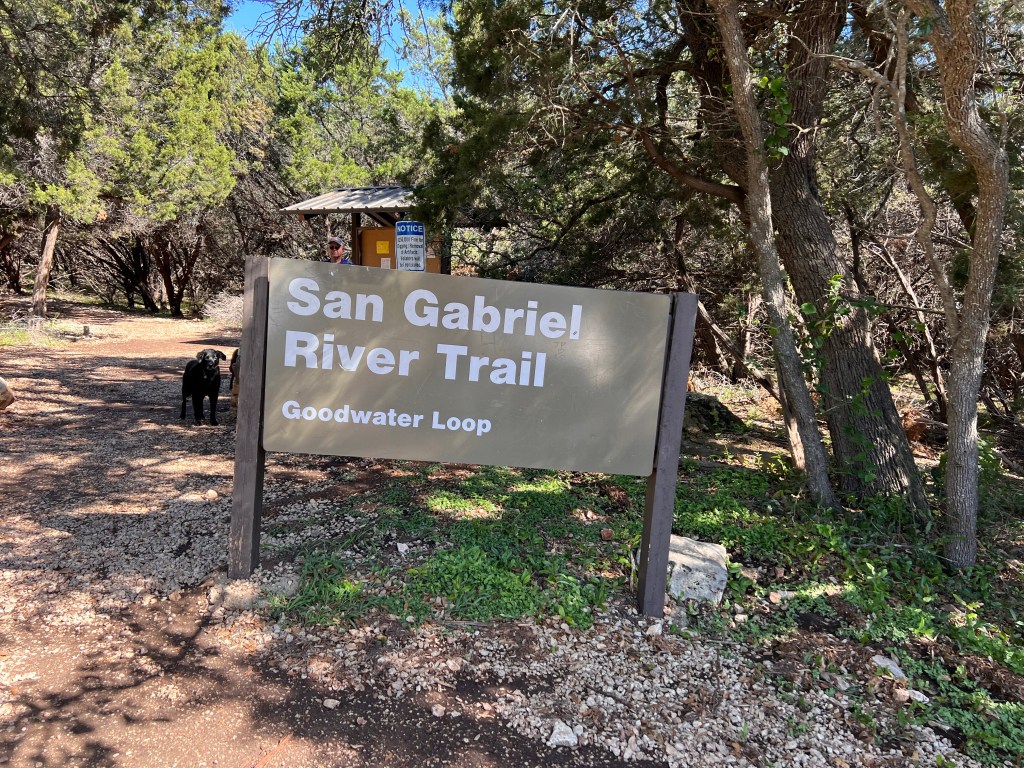
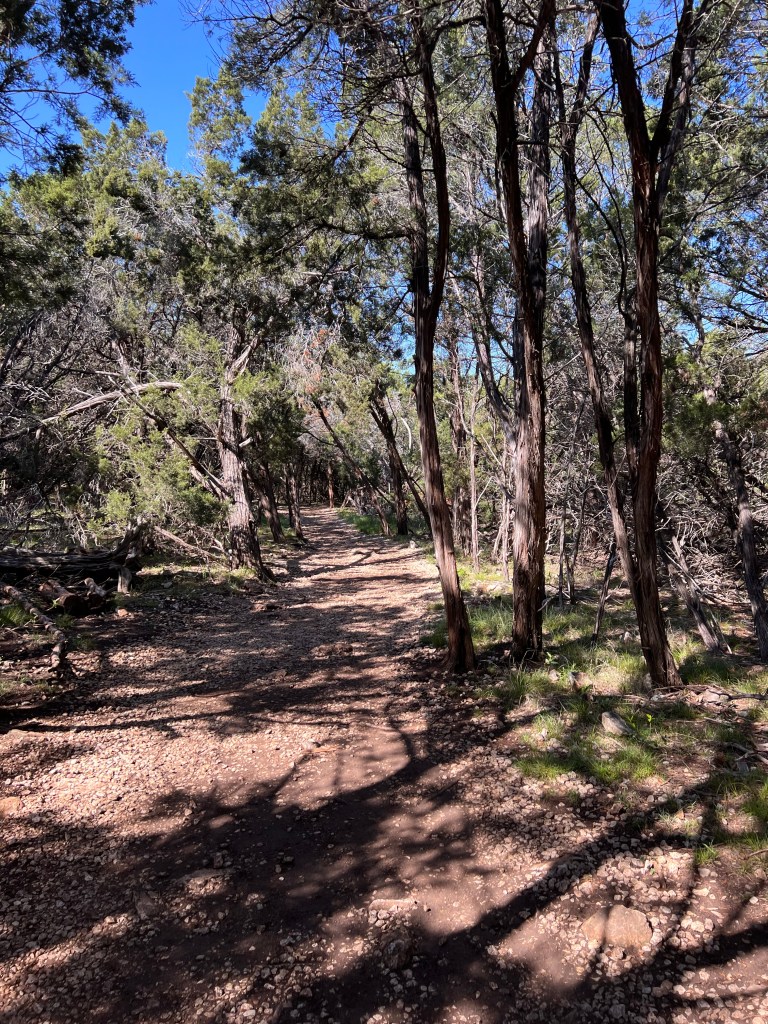
After coffee by a nice campfire I went on a brisk (for me) hike on the trail that goes around Lake Georgetown. The whole trail is 26 miles long, so no, we didn’t go the whole way. The weather was perfect, and we enjoyed going up and down the limestone escarpments. I didn’t take as many photos as usual, though I found a few new plants I had to record.
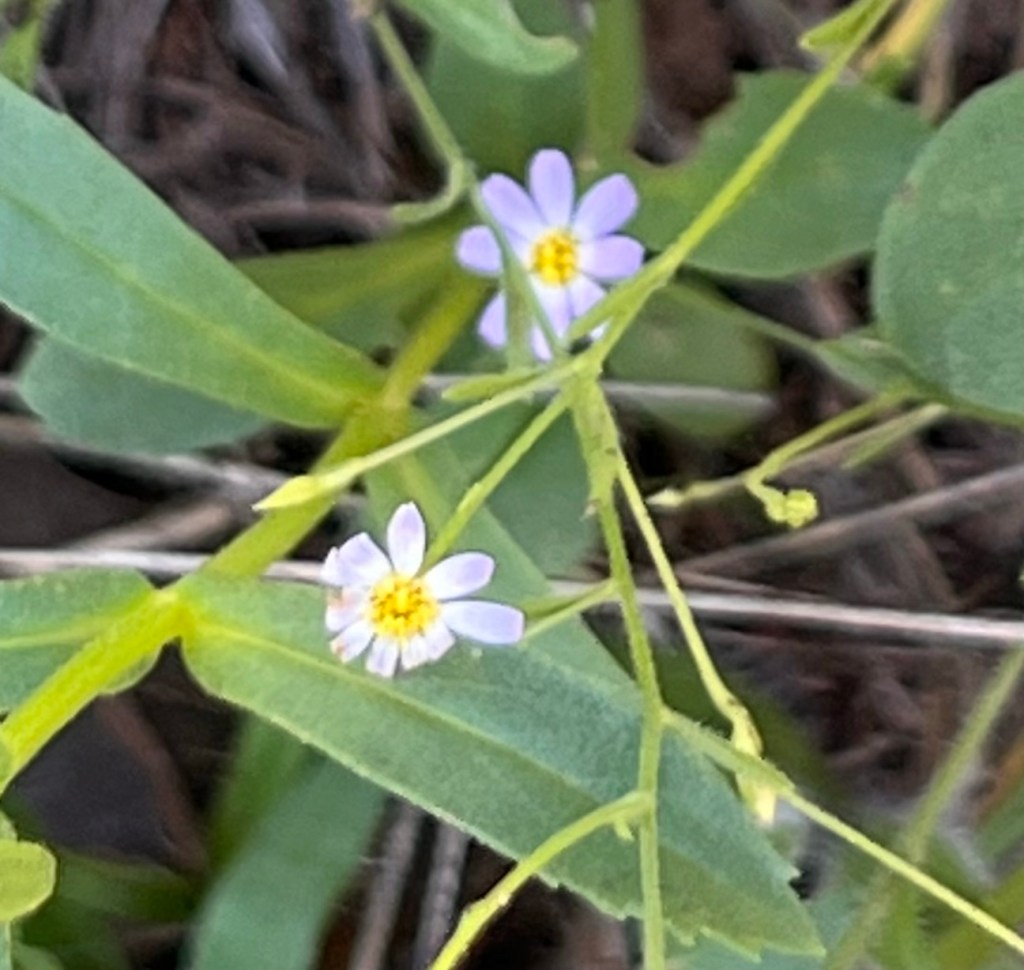
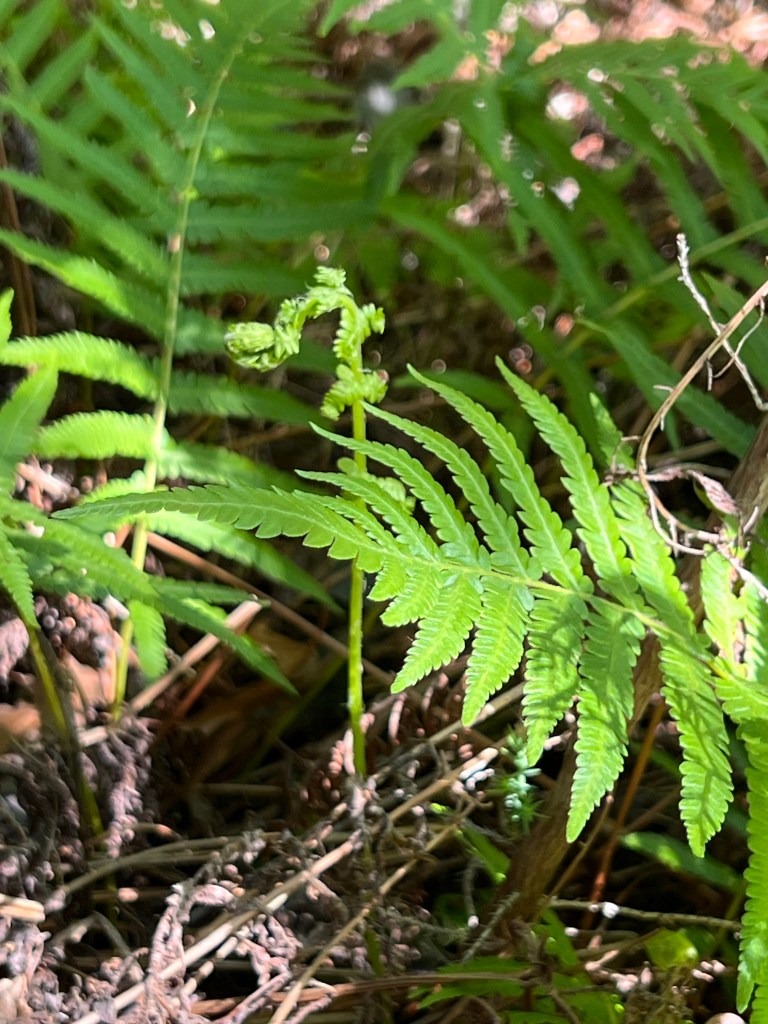
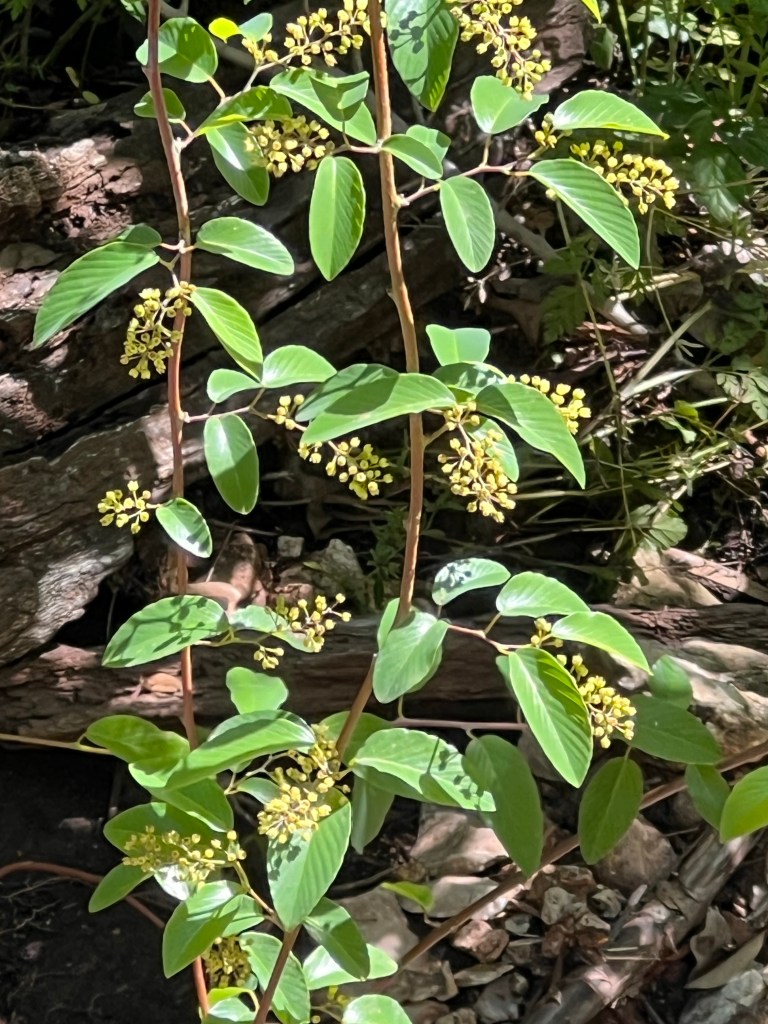
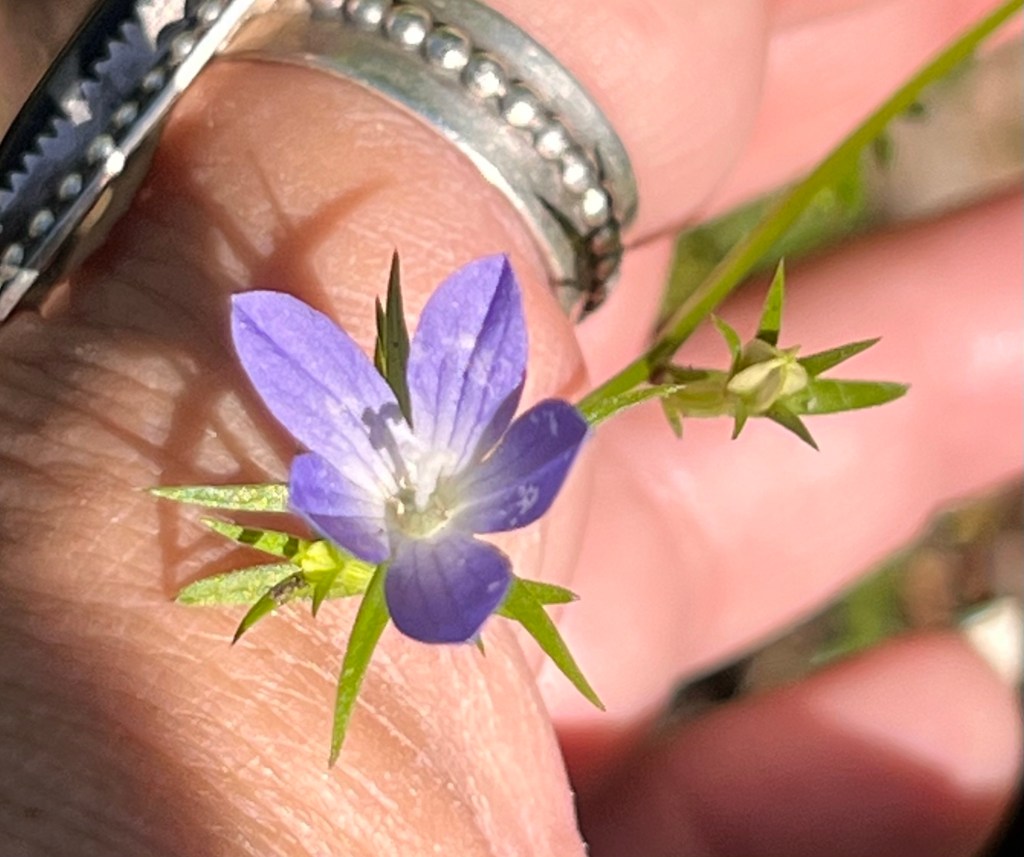
Arkansas leastdaisy (?)Maiden hair fernOvate maiden fernSupplejack or rattan vineColorado Venus’ looking glass Possumhaw
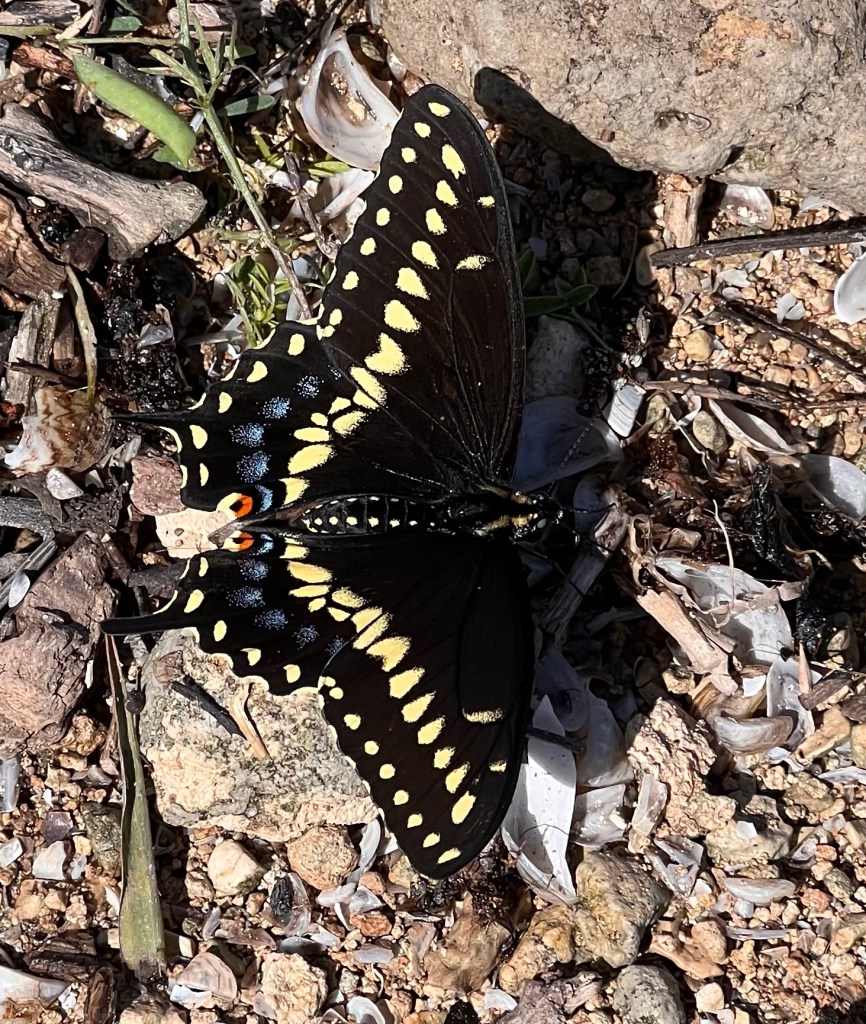
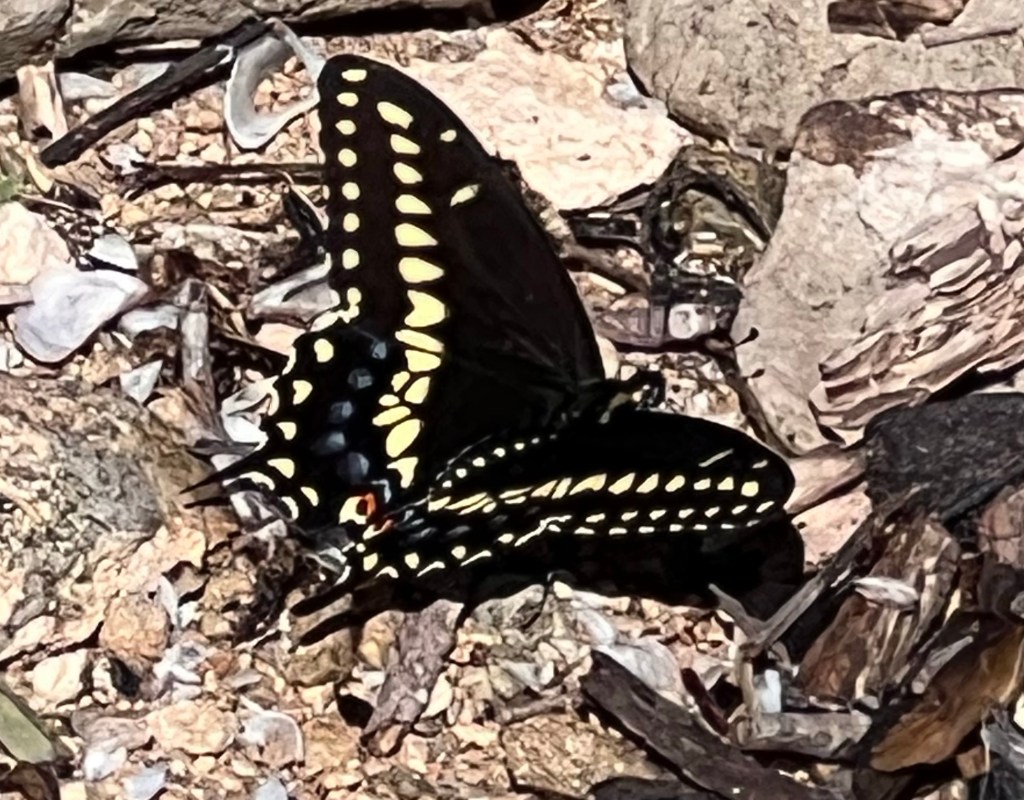
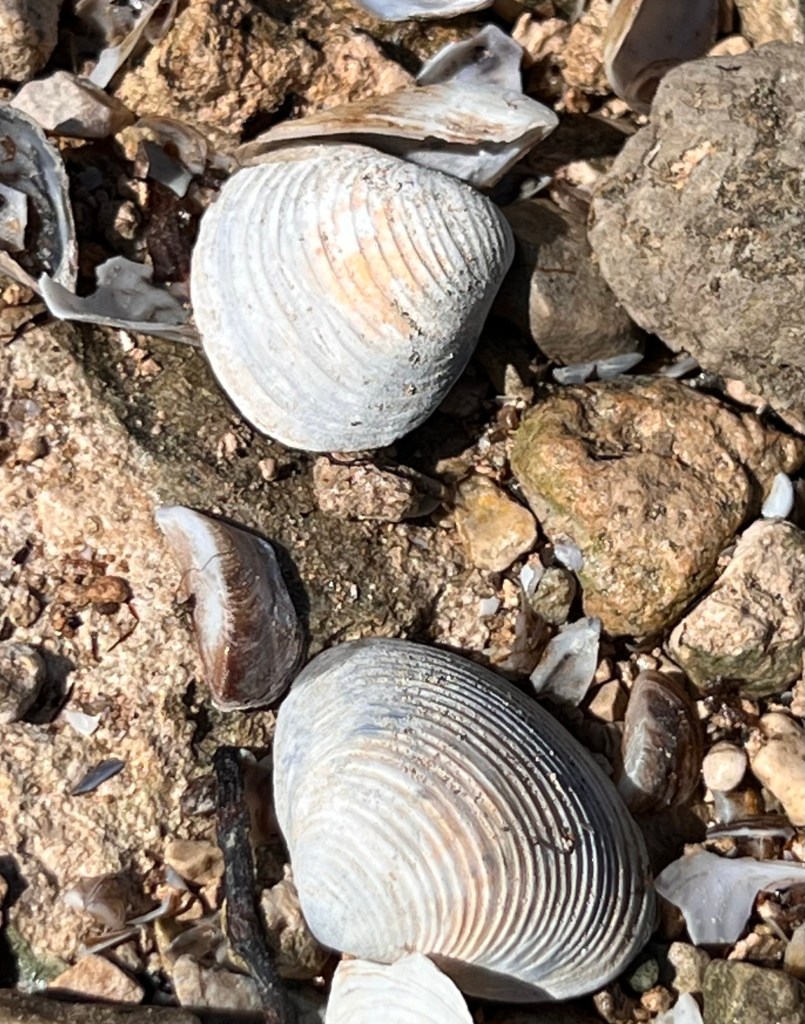
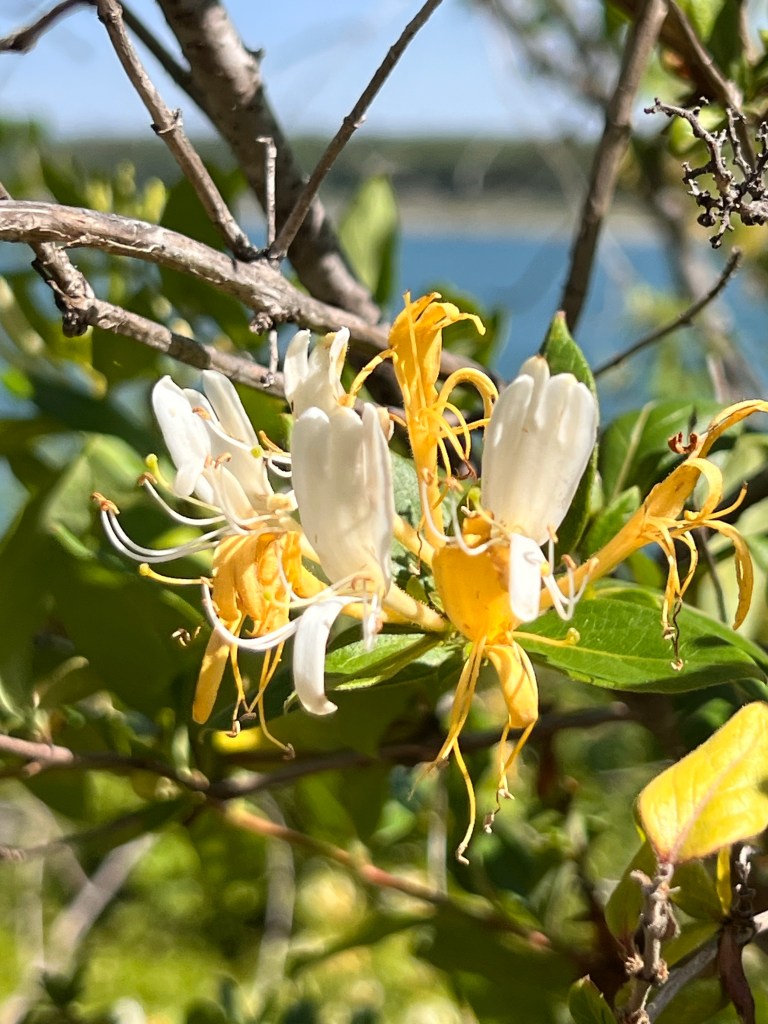
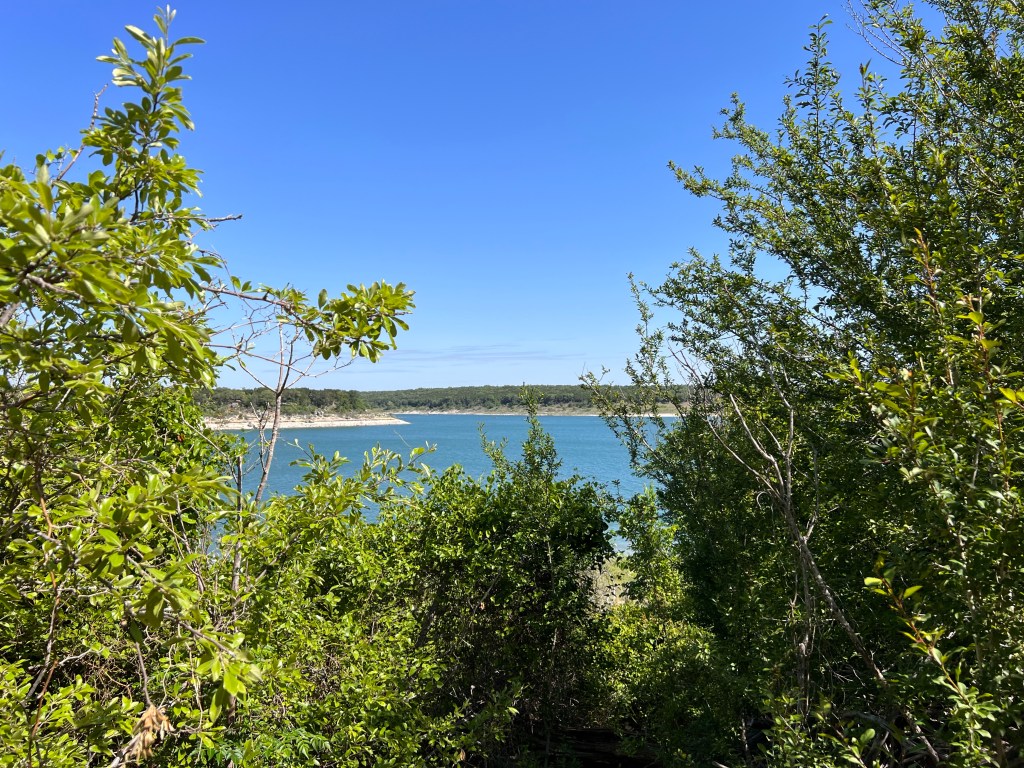
We enjoyed views of the lake and all its sights and sounds. I was sad to find zebra mussel shells on the shoreline. They’re very invasive. So is the Japanese honeysuckle we saw. But a black swallowtail cheered me up.
It posed for us BeautyZebra mussel, booAsian clam Not invasive damselflyJapanese honeysuckle smells great
In our way back, I remarked to Mike that we were in the perfect habitat for golden-cheeked warblers, with Ashe junipers and native oaks. I swear only three steps later, the blaring “la cucaracha” call rang out! We never spotted the bird, but it sang for quite a while. Great Earth Day experience! Here is scenery from the trail.
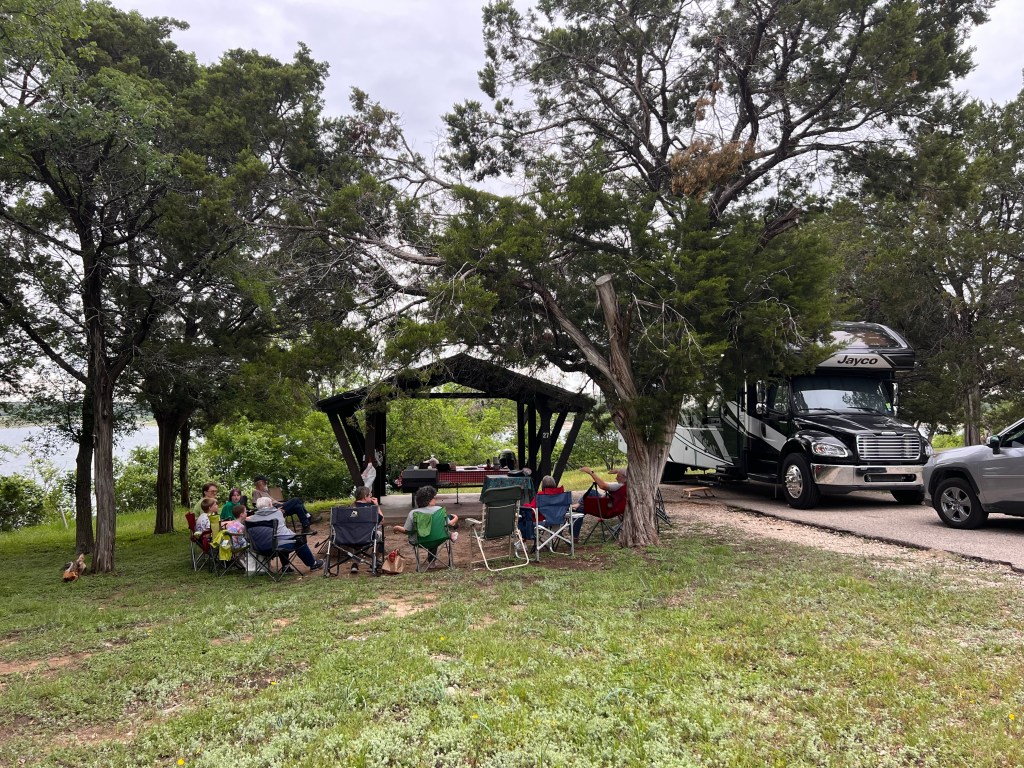
I was ready for a nice rest after the hike, so I hung out with Lee for a while. Then I did some chatting with new arrivals. Of course there were some campsite emergencies that we helped take care of. The afternoon culminated with a tradition campout potluck meal. Unfortunately, the original location was lost, and I offered our shelter for the food.
Before too many people were there.
I didn’t realize everyone would sit next to our motorhome. It was too hard for Lee to be near people for that long, so I won’t make that error again! I made a couple other mistakes being too hospitable, but I’ve learned the hard way to keep folks away from the RV. I sure feel bad for that!
Young and old gathered. Loudly. Fun for non-hermits.
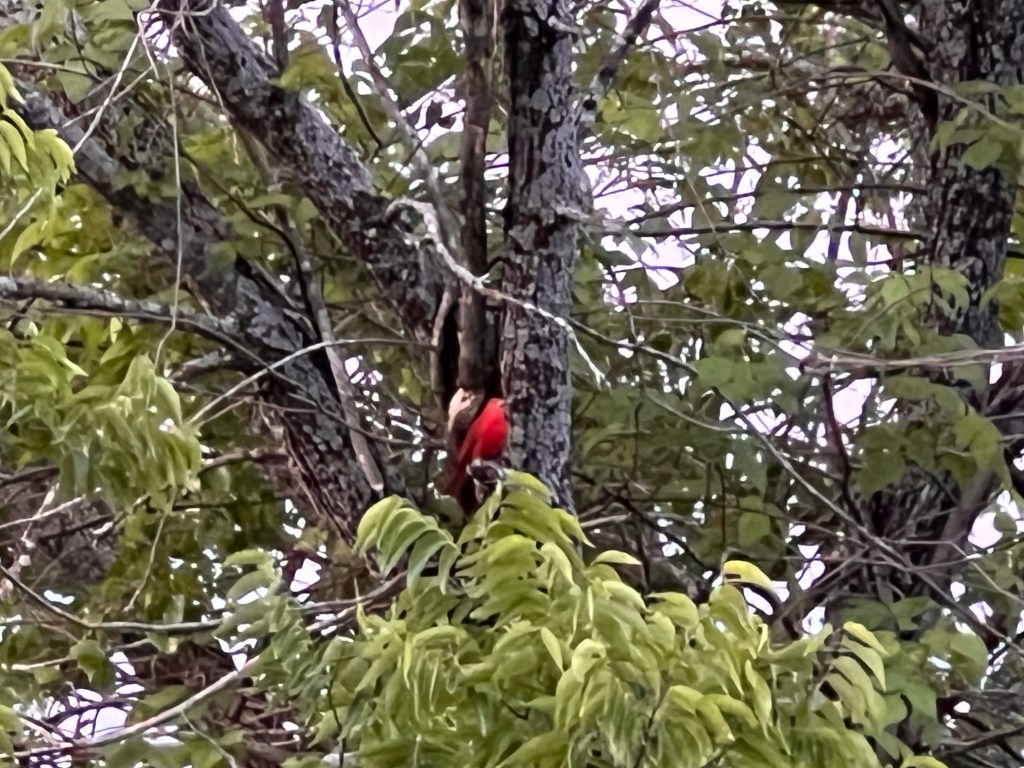
We did find the summer tanager again, which helped a little. I’m very grateful to the Merlin app that identifies bird calls, even though at first it said it was a Baltimore oriole, which got us overly excited. Away from the crowd, it got the ID right, plus we saw the bird and it was red, not orange. I ended up getting extra blurry photos of the male and a better one of the female. They are beautiful birds with a beautiful song.
Sure, that’s a bird.
It was fun to show birds and plants to others. I wish there were opportunities to do this at parks in Milam County for volunteer hours!
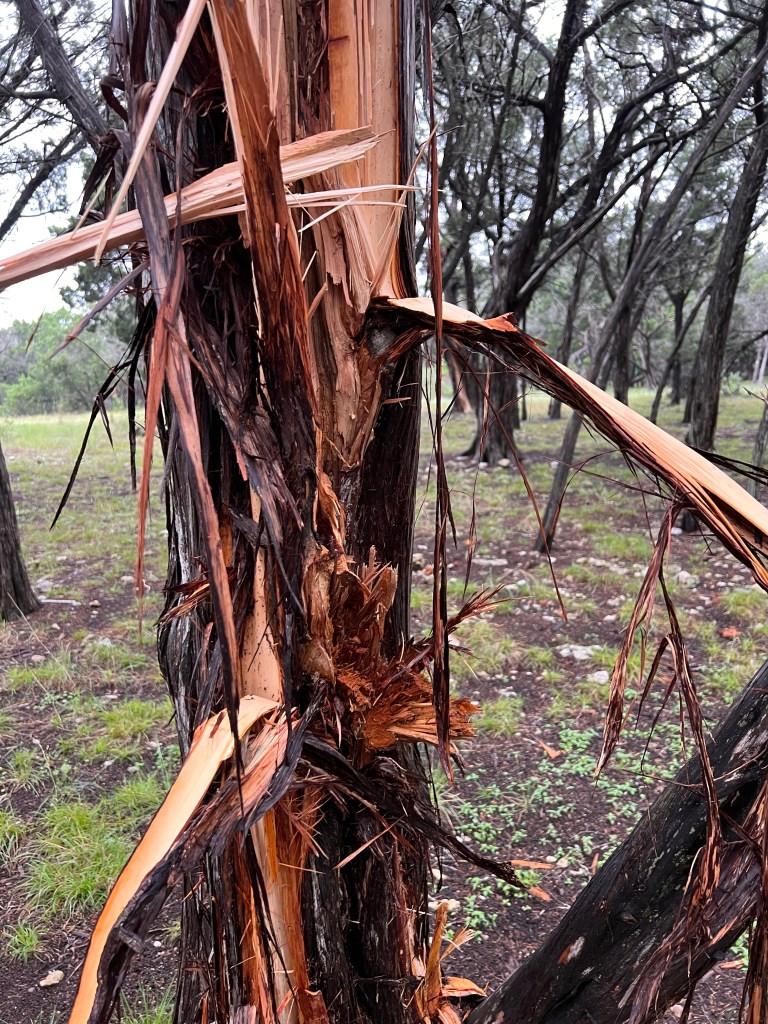
Today was just a bonus day. We were all so thrilled we lived after lightning struck so close to our campsites, that my friends and I mostly relaxed at Cedar Breaks Park today.
Poor tree! Just a few feet from our friends!
I spent a lot of time taking photos of plants and insects all day. Especially fun was a walk around Lake Georgetown with my old friends Hella and Jennifer. I shared some stuff I knew about plants, and they helped me spot things like delicious dewberries. Hella’s dog, Mocha, also enjoyed the fruit!
I’m pretty sure she had as much fun as we did.
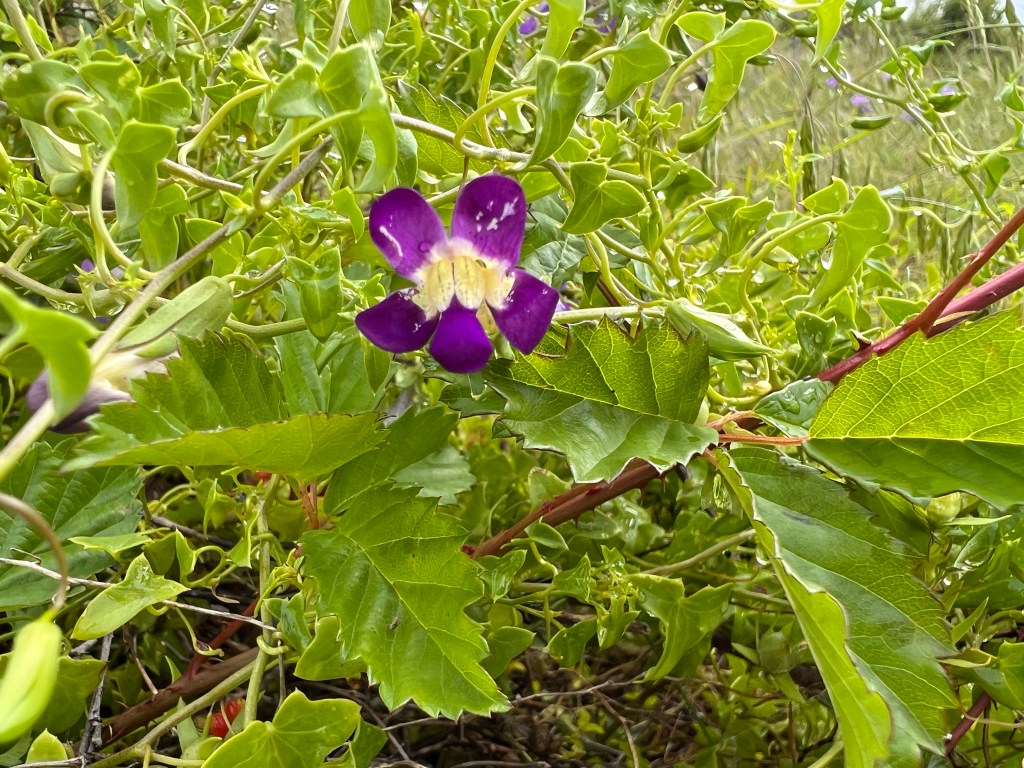
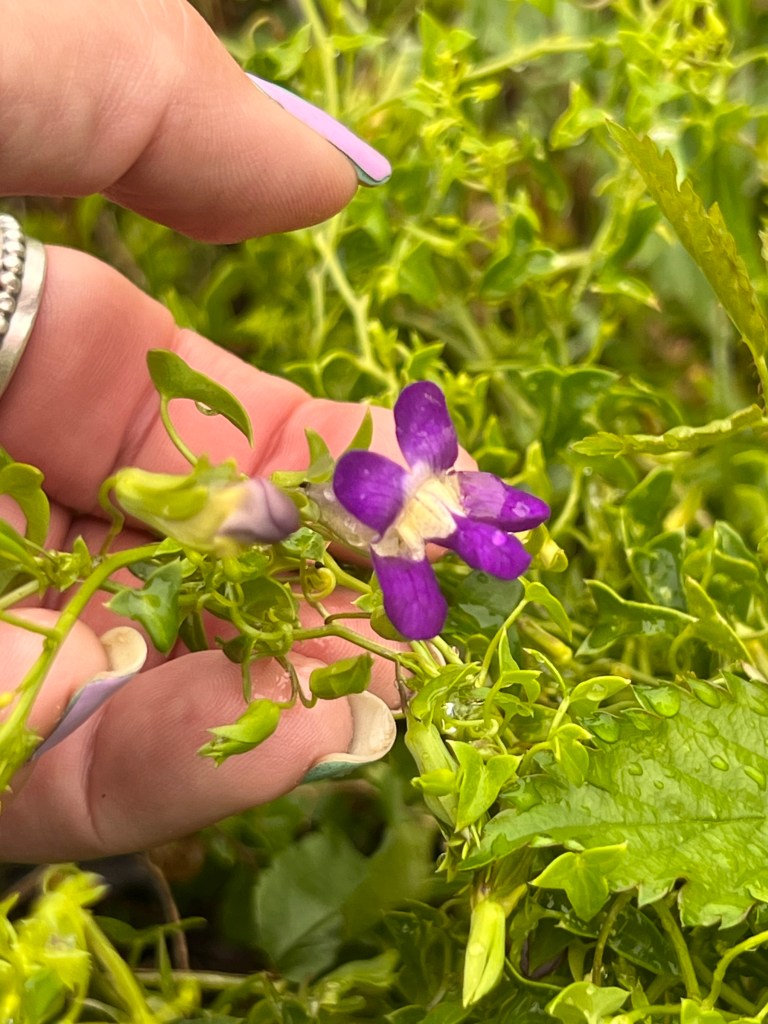
Probably our favorite find was this vigorous vine with big, purple flowers. It was new to us all. It’s just gorgeous, violet twining snapdragon (Maurandella antirrhiniflora).
Caterpillar that almost got me.
We saw dozens of plants, but my favorite photo was this one. I think I’ll print it.
White prickly poppy and bee!Hella and Jen on the karst
After our walk, I mostly just hung around talking to friends and enjoying nature. I enjoyed a variety of butterflies and birds, mostly familiar friends, but charming nonetheless.
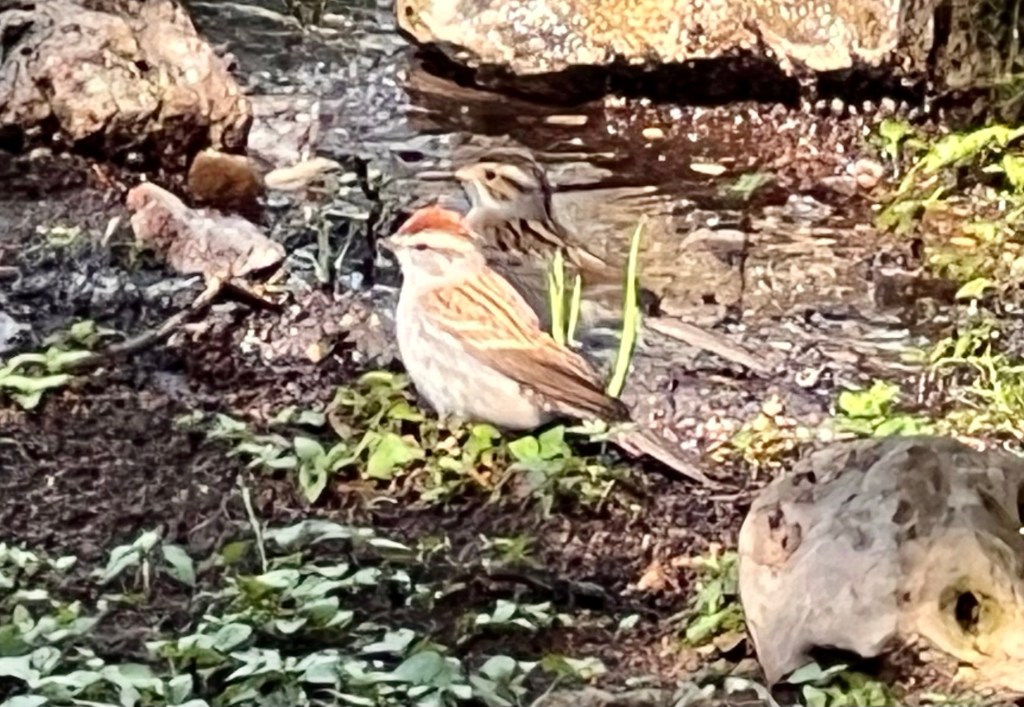
Turkey vultures kept flying right over usNotice: two chipping sparrowsAnother dapper sparrowYellow rumpled warblerGood ole ucjeyeCheckered whiteHaistreakPretty black spider
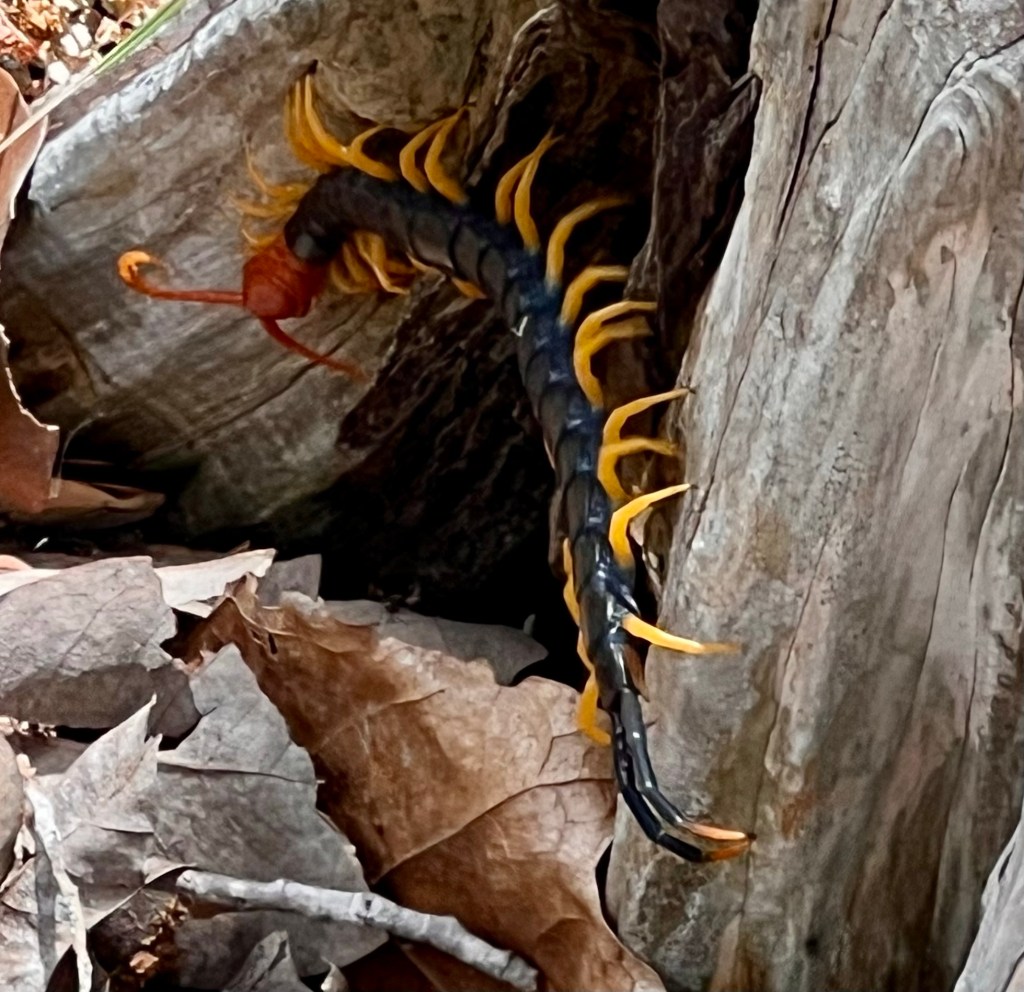
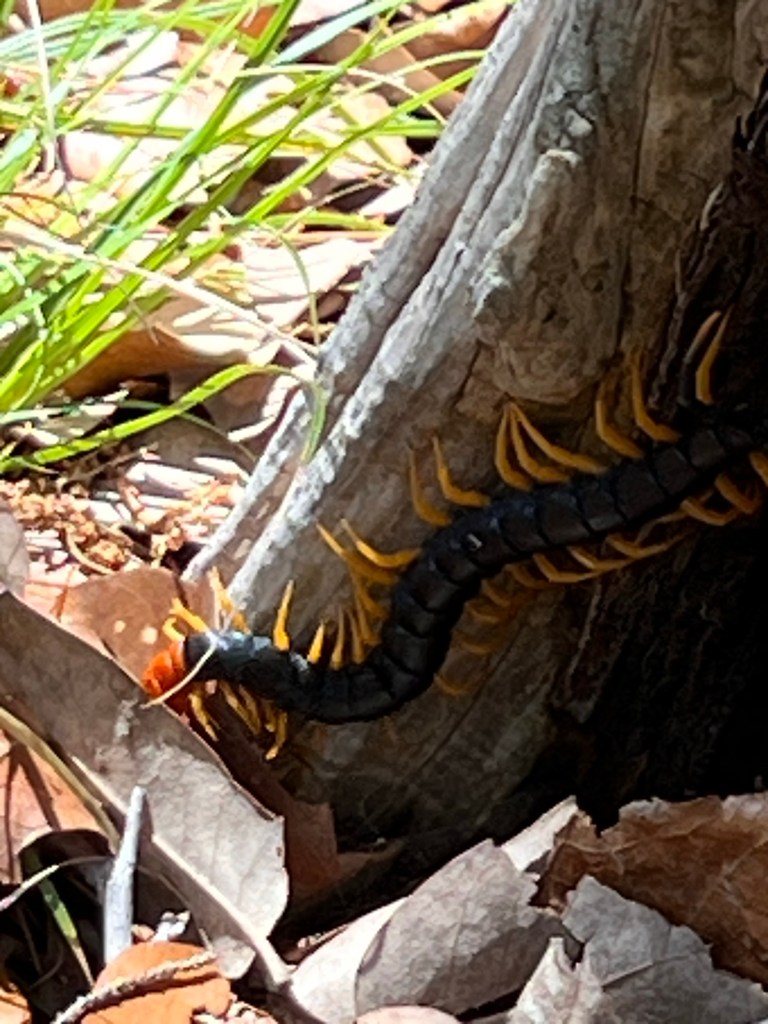
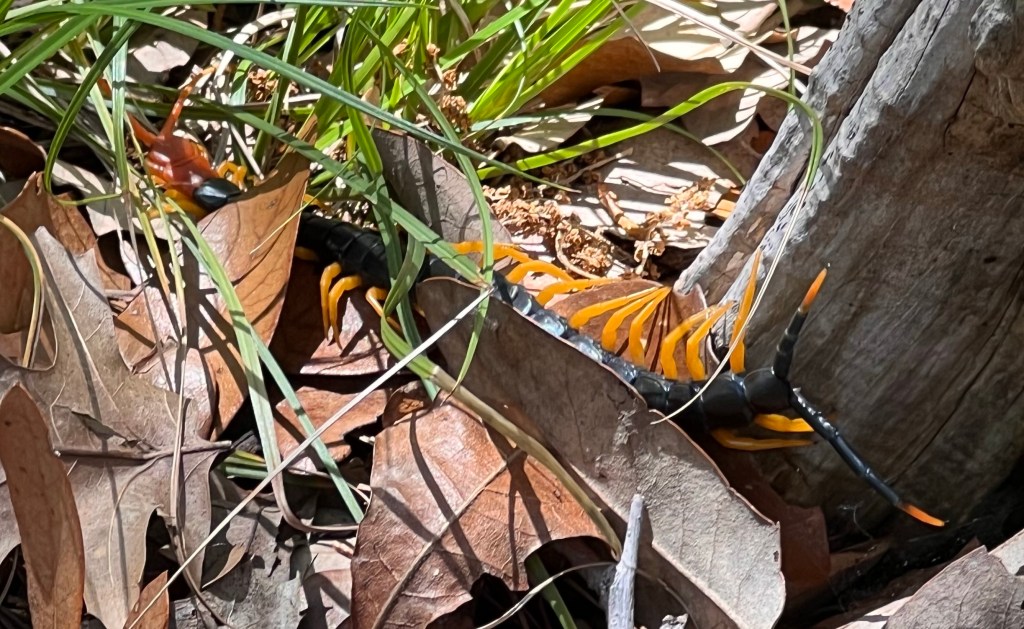
Now some people have said, “Eww,” to my favorite discovery today. I was absolutely thrilled to see this new and exciting creature. It’s a giant desert centipede (Scolopendra heros). Wow, it’s big and colorful. Be sure to watch the video.
Giant centipede in action
It’s quite beautiful here in the familiar geography of where I lived for so many years. Such variety!
Jennifer amid cedar sage, a plant only found in these cedar brakes.
There’s so much more but I’m too tired to keep going. Another day camping with my old church friends awaits!
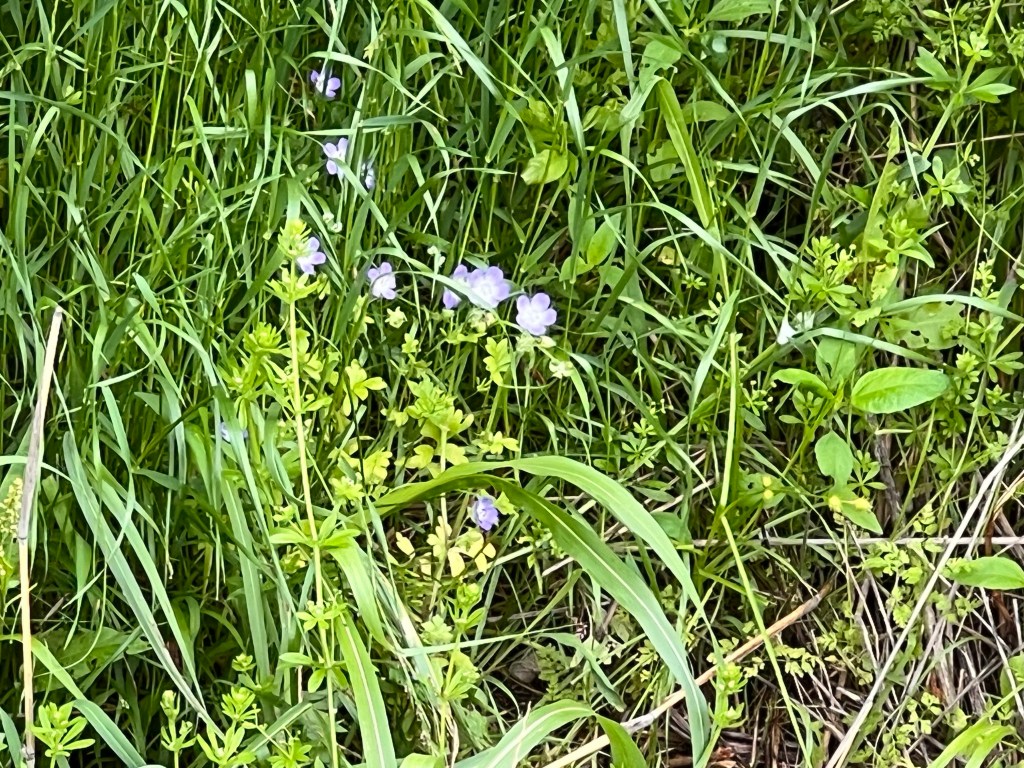
This morning I set out to see how the flowers and insects are doing here at the Hermits’ Rest. I needed some Nature Time and wanted to see if I could locate and dwarf blue-eyed grass, winecups, or Texas baby blue eyes. I knew they should be up by now.
At first I just found old friends and tiny wasps.
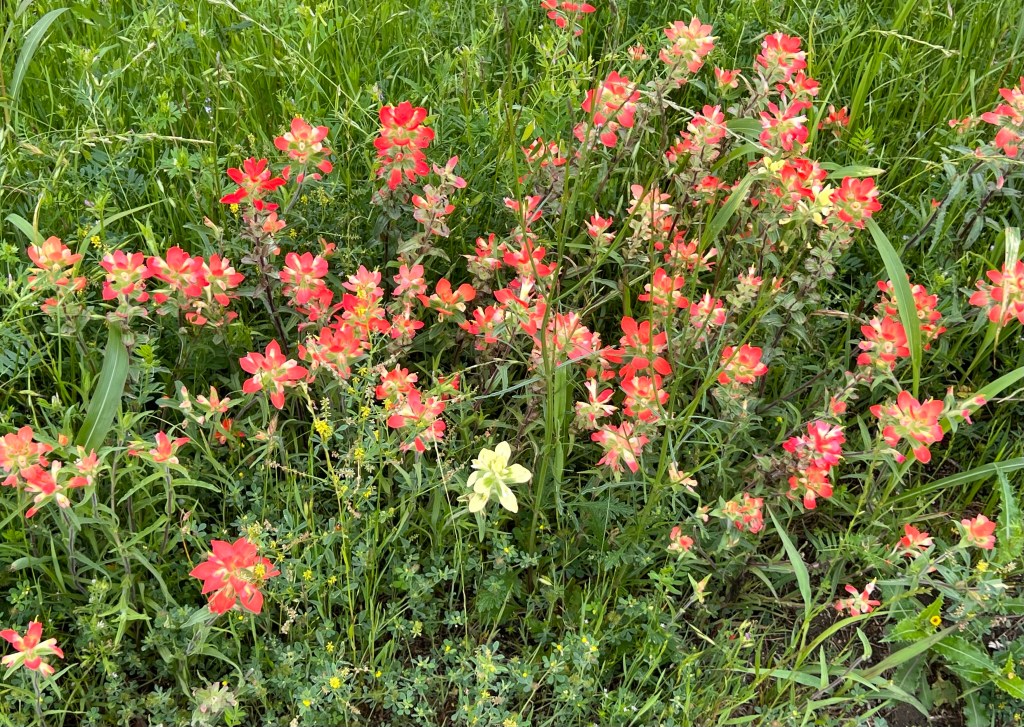
I enjoyed walking on our property all the way to the creek and back. The bluebonnets and paintbrush plants are going to seed, but there’s lots of other plants to see.
Lots to choose from
It seemed like almost every flower had an insect or two getting nectar or pollen (or eating it). It was a lot of fun to observe and later to try to identify what I saw.
I was interested in seeing what’s new, and sure enough, I eventually found all the plants I sought. The little blue eyed grass was easy to find along the driveway, now that it’s dried up a little.
Here it is!
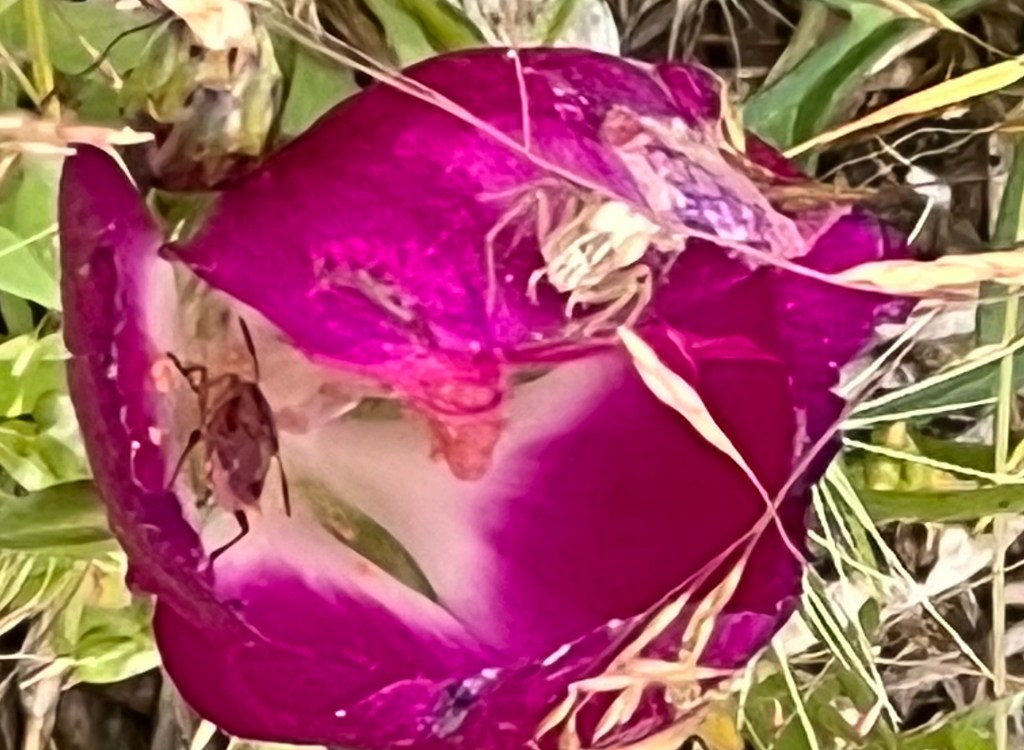
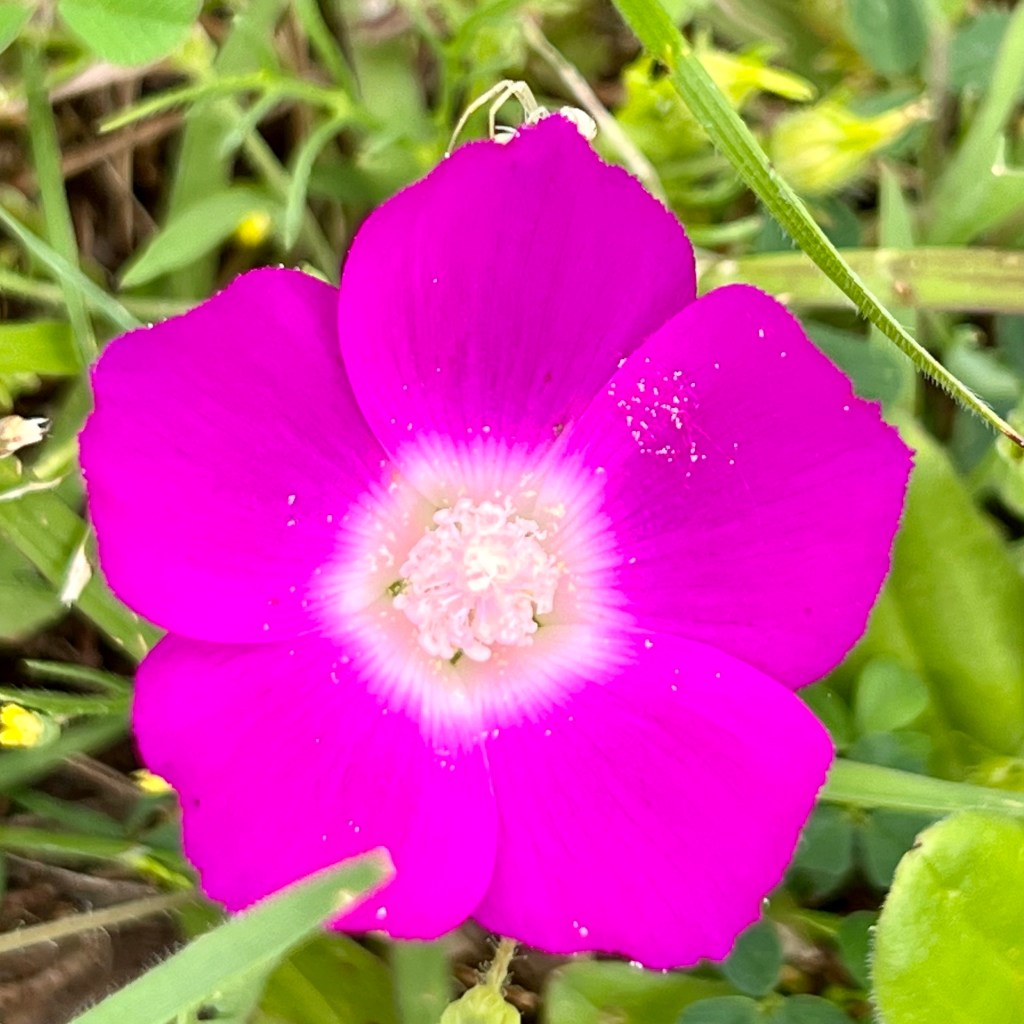
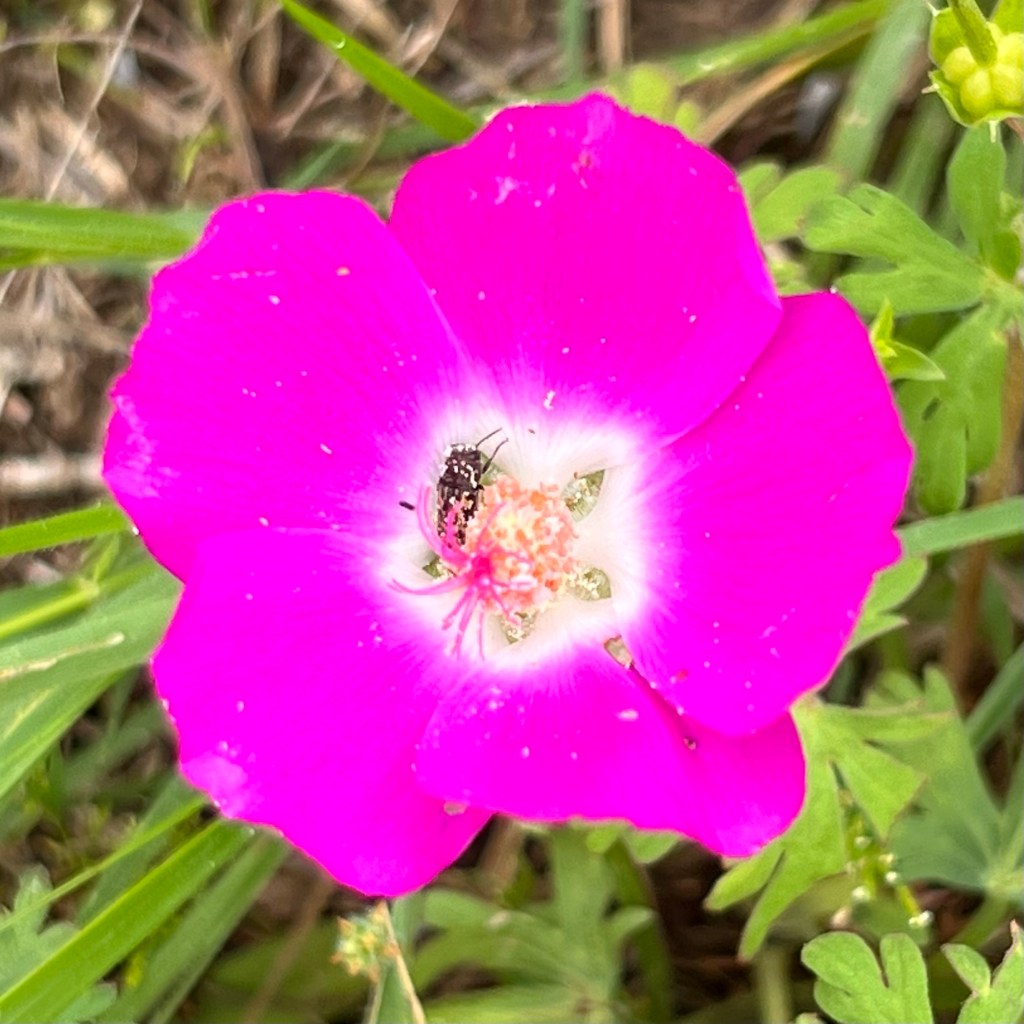
Winecups were hiding in my horse playground, but a new patch appeared near the chicken house. This flower also hosted many insects.
A lynx spider at top Not sure what this isThere’s a lynx spider peeking over the top petalWasp? I don’t know. Just beautiful stamens and pollen
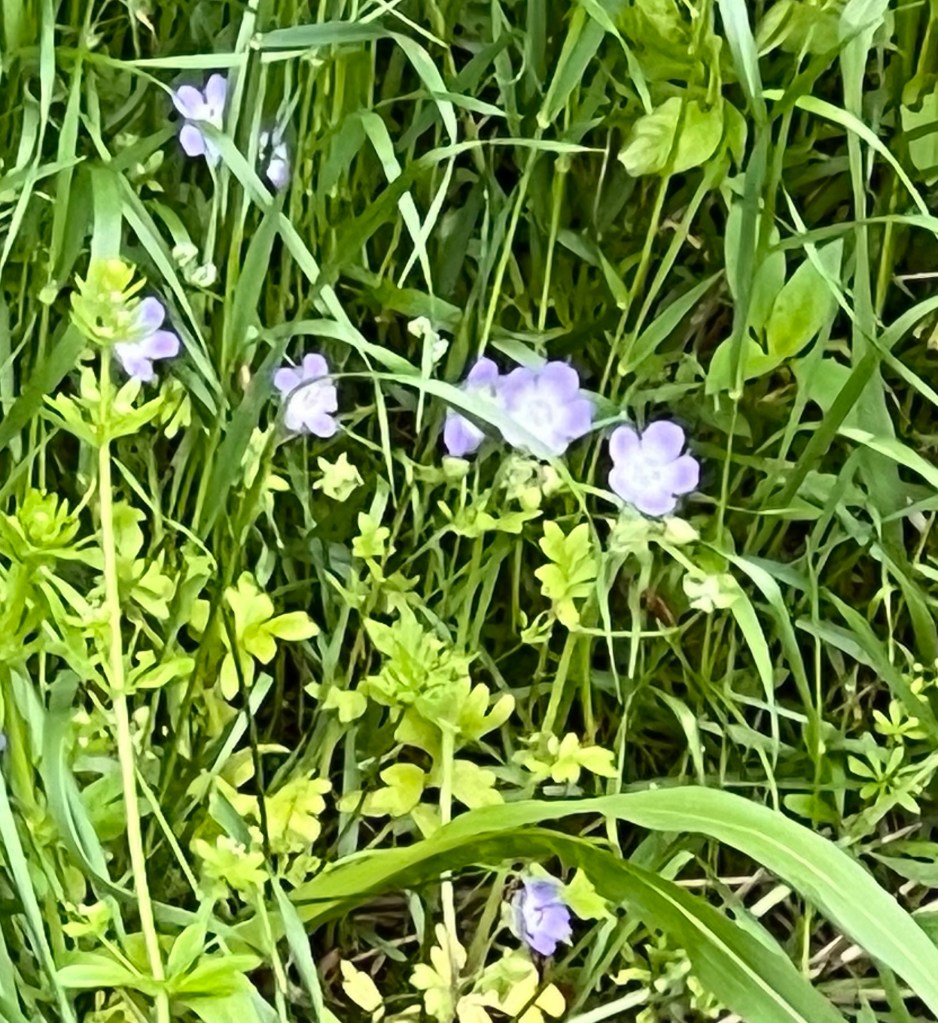
The Texas baby blue eyes were harder to find, since my old patch got plowed over last year. But, when I was gazing at the far end of Walker’s Creek, I looked on the shore, and there they were. Later I finally saw some in our woods. I love these flowers, because they were my introduction to Texas wildflowers when I saw them at McKinney Falls State Park the first spring I was here.
I could not get close. I was wary of rattlesnakes. Way back there are more.
I was happy I found the flowers I wanted. There were also SO many butterflies, many of which I photographed. Not shown are the variegated fritillary, spicewood swallowtail, and tiny sulphur.
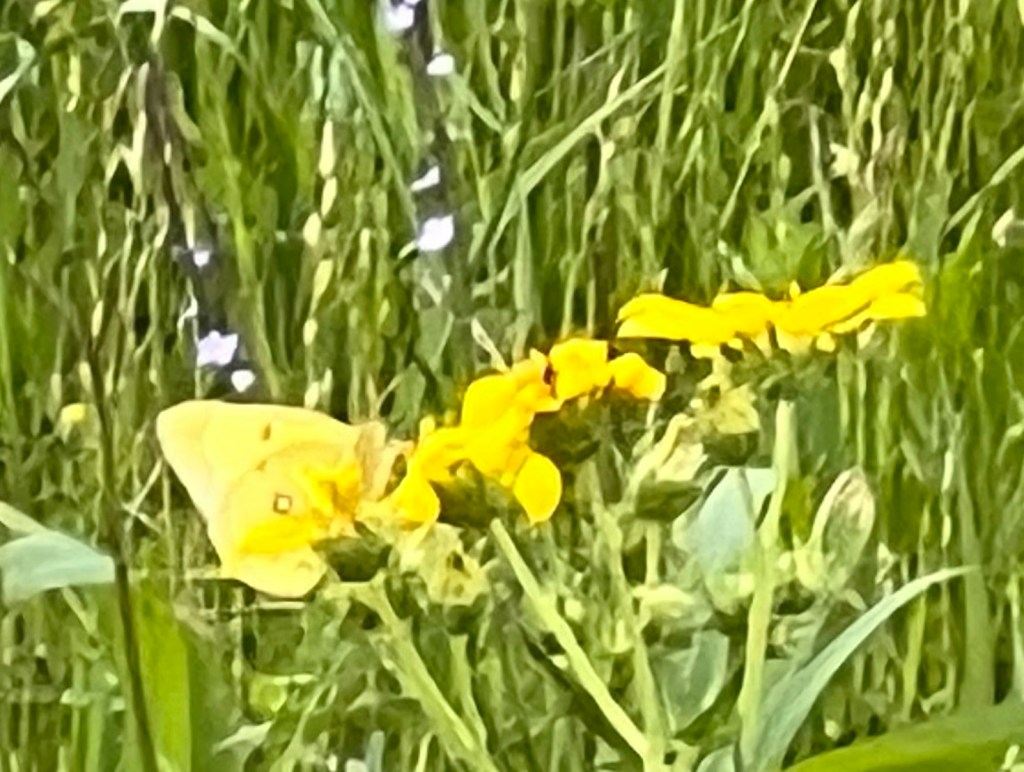
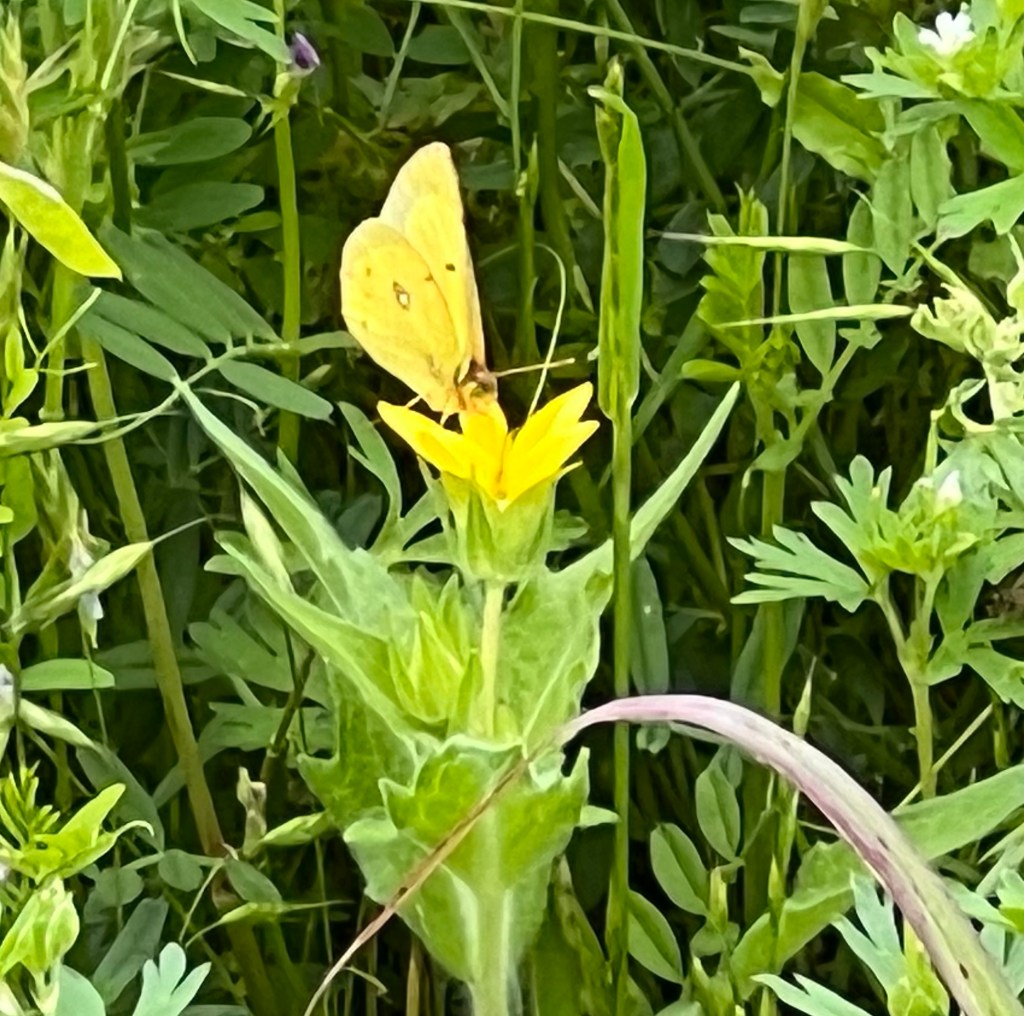
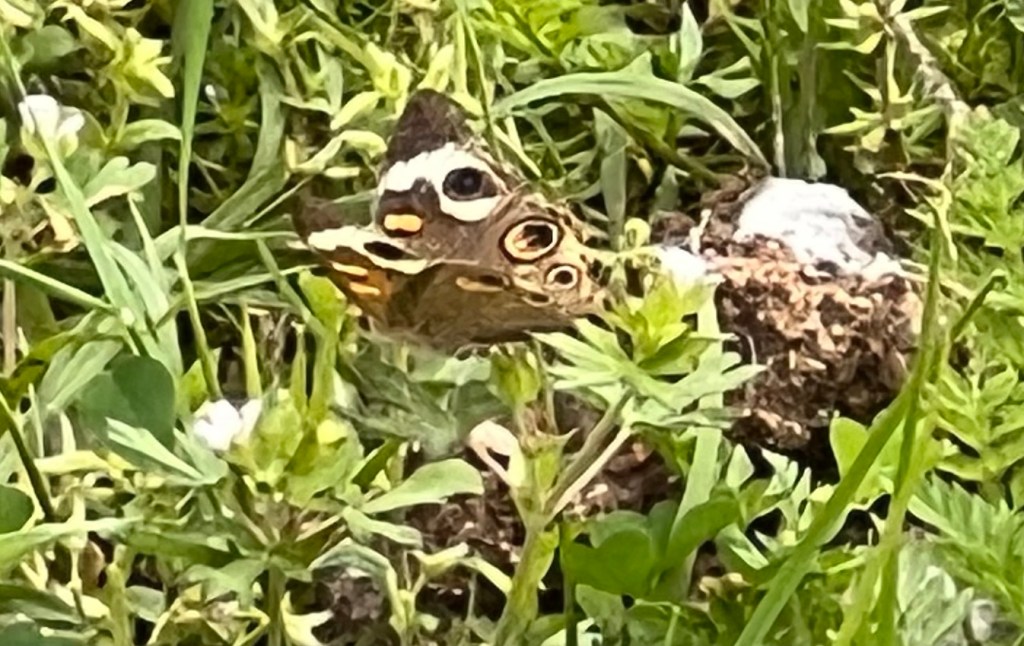
Monarch, at Sara’s Checkered whiteDainty sulphurOrange sulphurOrange sulphurBuckeye Fiery skipperPainted lady Butterflies!
I found a lot of new or interesting bugs and plants, especially when I took my friends Anita and Martha out to look at plants while Easter dinner was cooking. Here are highlights.
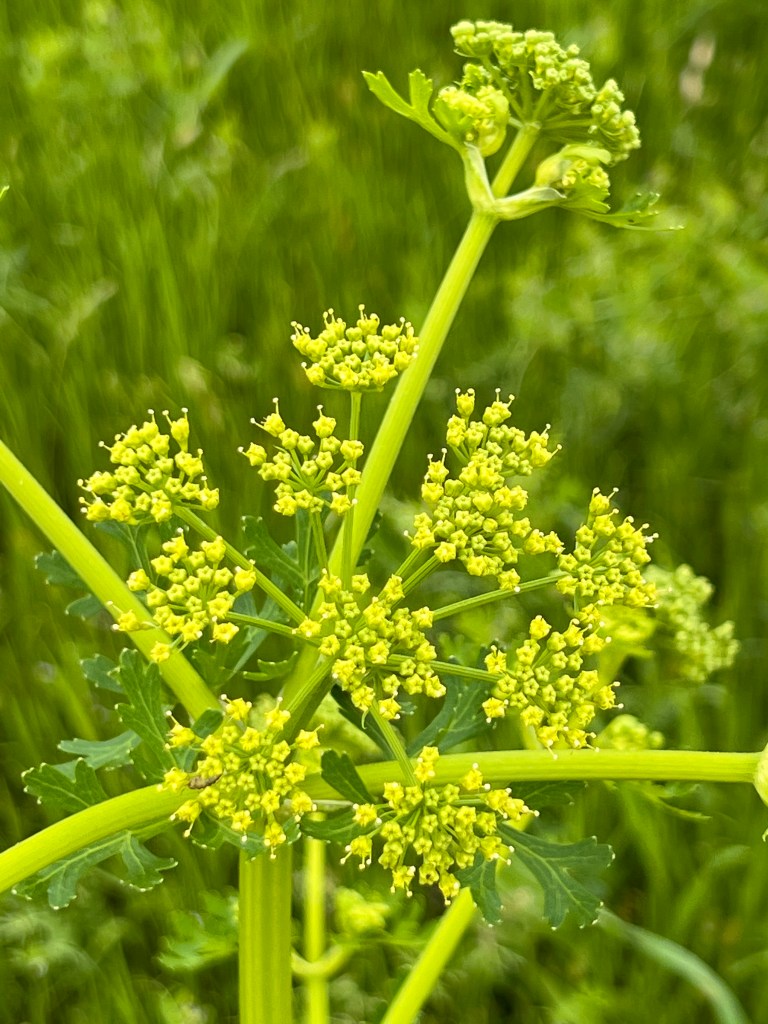
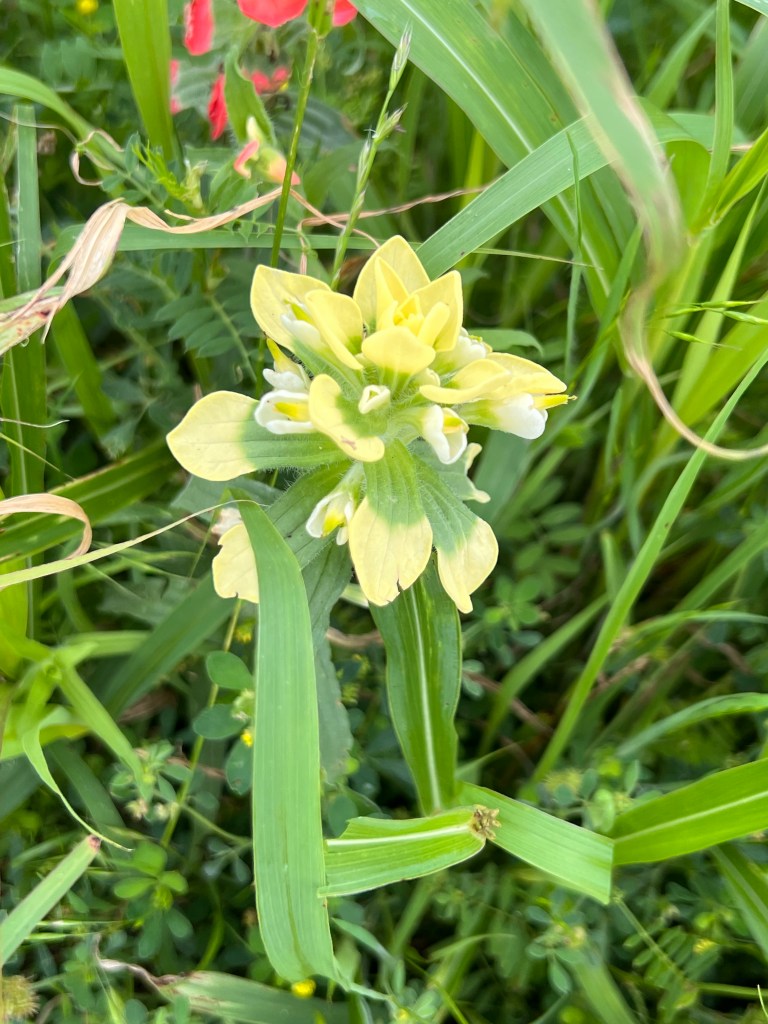
Stink bug on ripening dewberry Carolina cranesbillDwarf and regular blue eyed grassRabbit tobacco. Weird looking stuff First bindweed of the yearMore bindweed Stork’s billPrairie parsley, almost blooomingAnother yellow paintbrushUp closeNot sure. Could be rough but to weedCut leaf evening primrose Carolina bristle marrow Dark scarab First gaillardia of the year on this property. Texas vervain, white sport No ideaHome
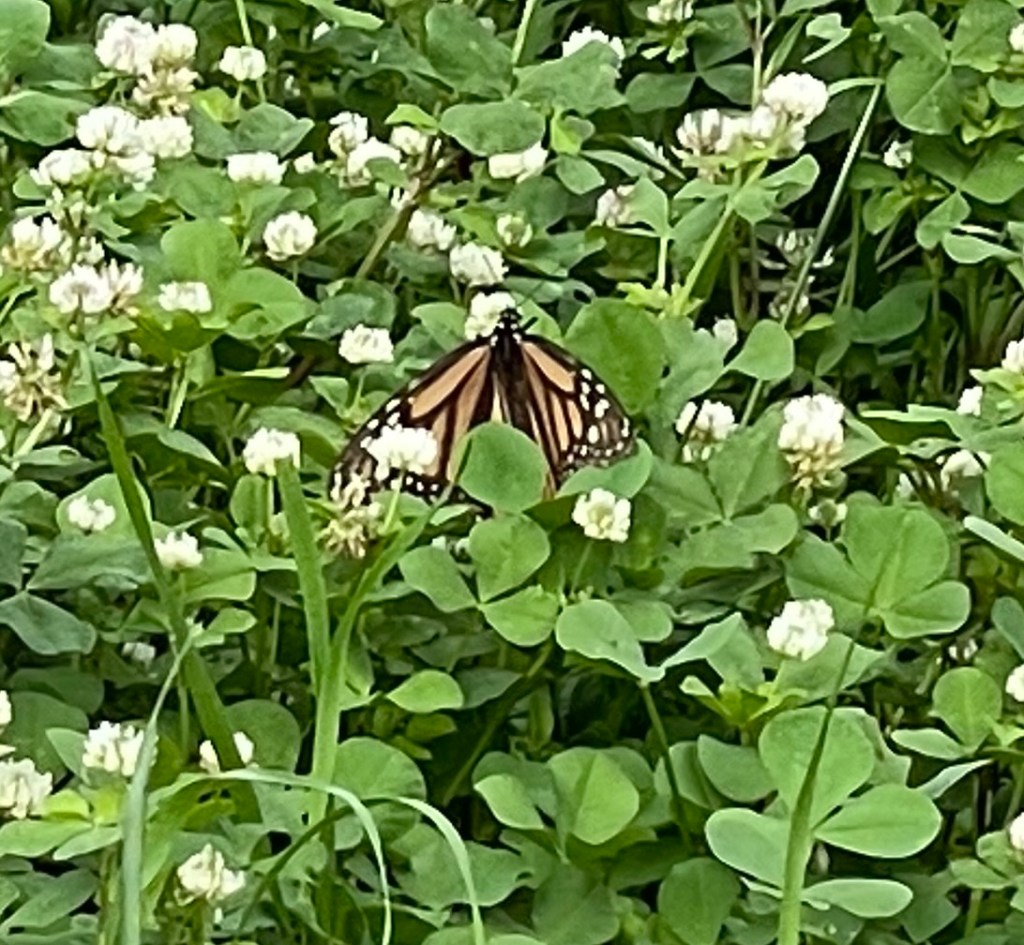
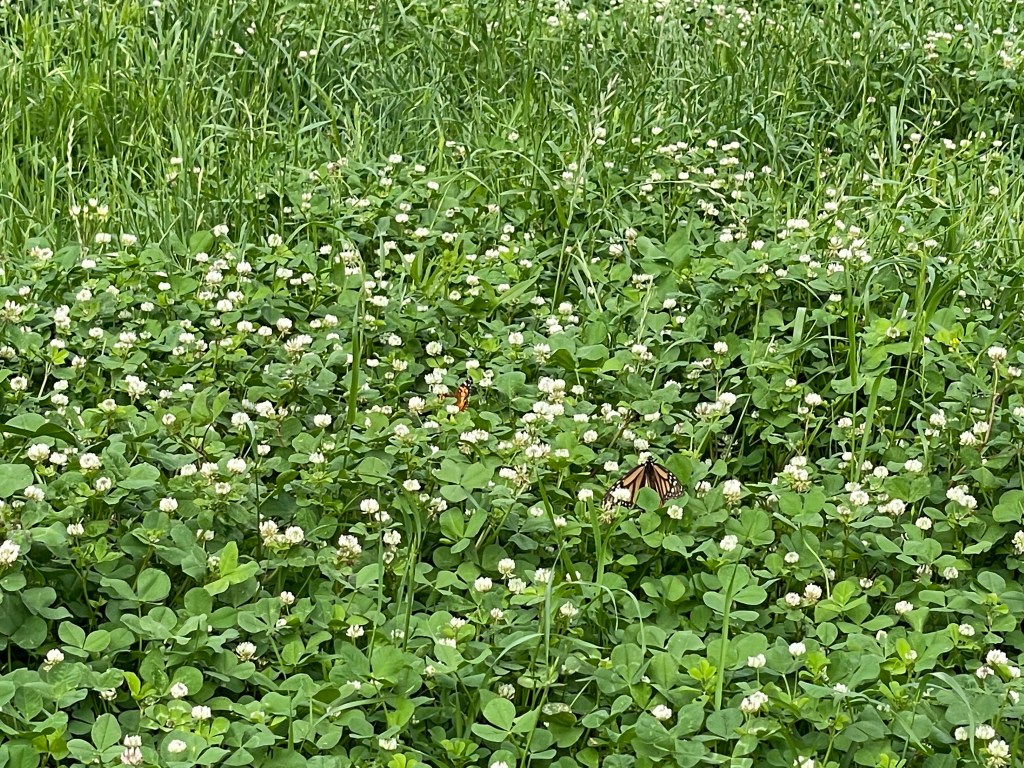
It really was a great plant day, and I really enjoyed sharing observations with friends. I left my phone in the car when I went over to Sara’s to get some leafy greens, but we had the best time just observing the flowers and insects in the pasture next to her house. There was so much clover in the field that we stood there blissfully inhaling its spicy scent. Ahh.
Spot the butterflies! Inhale!
I made the pak choi she gave me into a delicious side dish (mostly Kathleen did it), so that was FRESH.
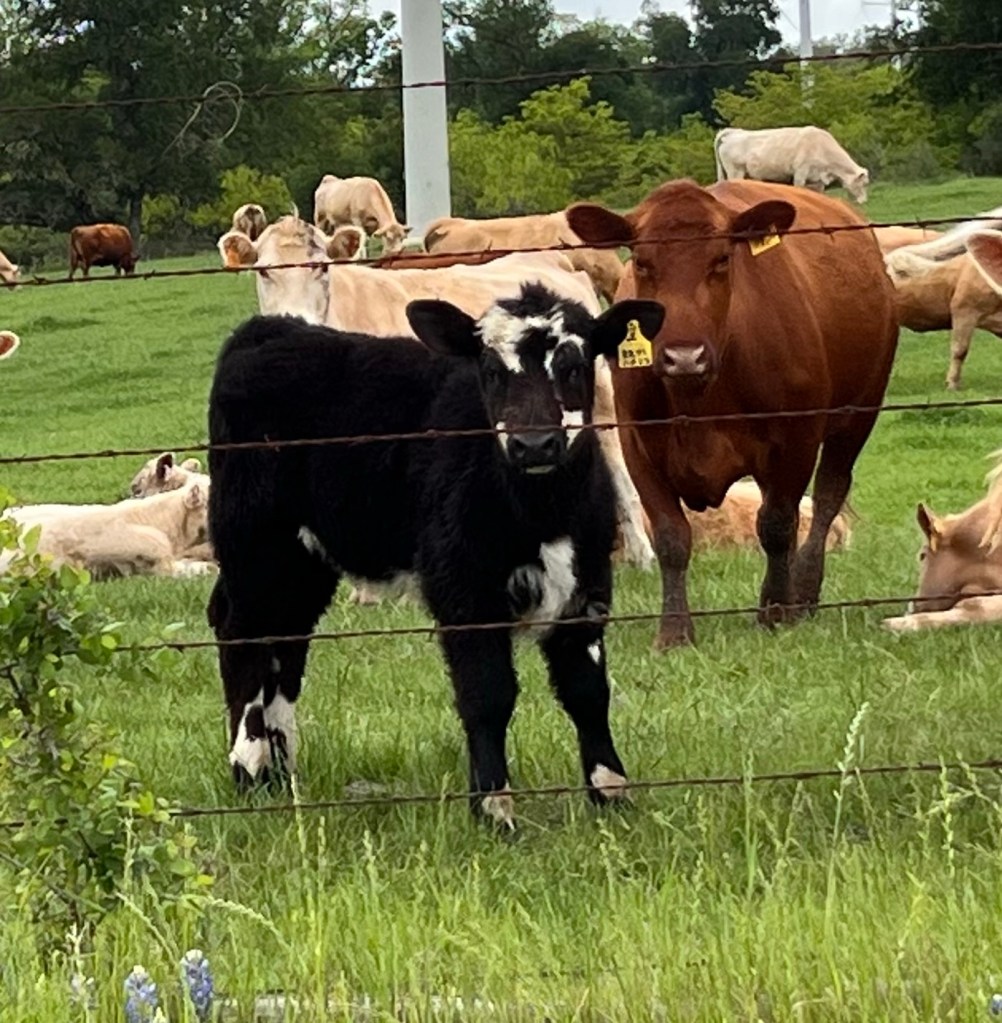
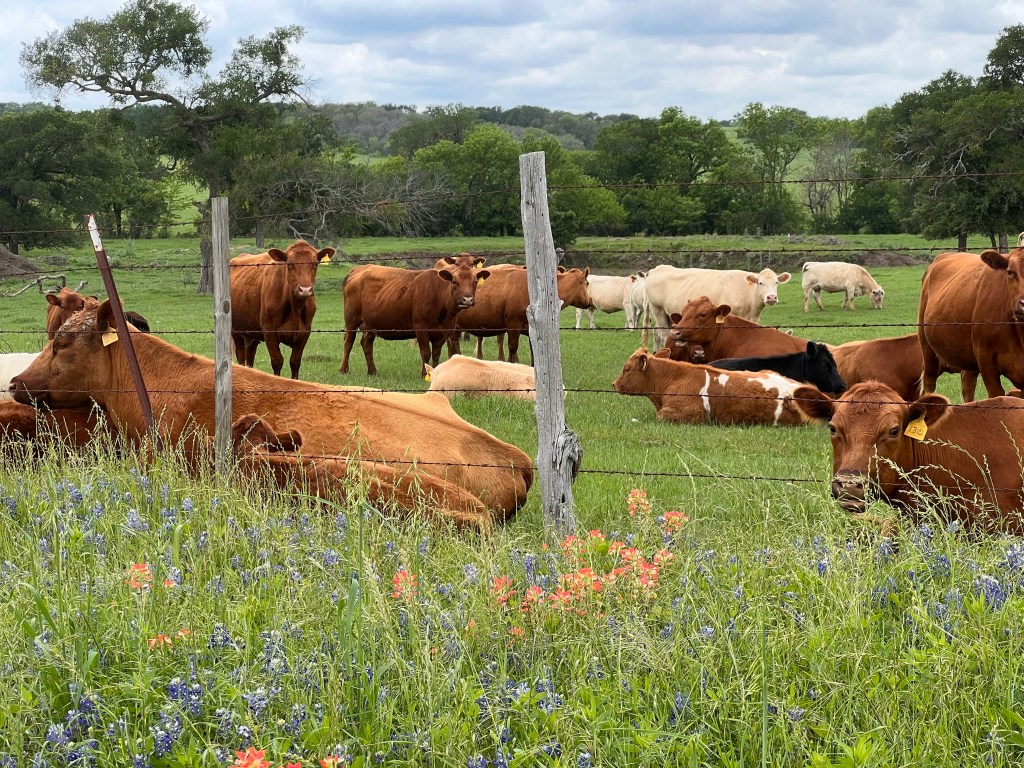
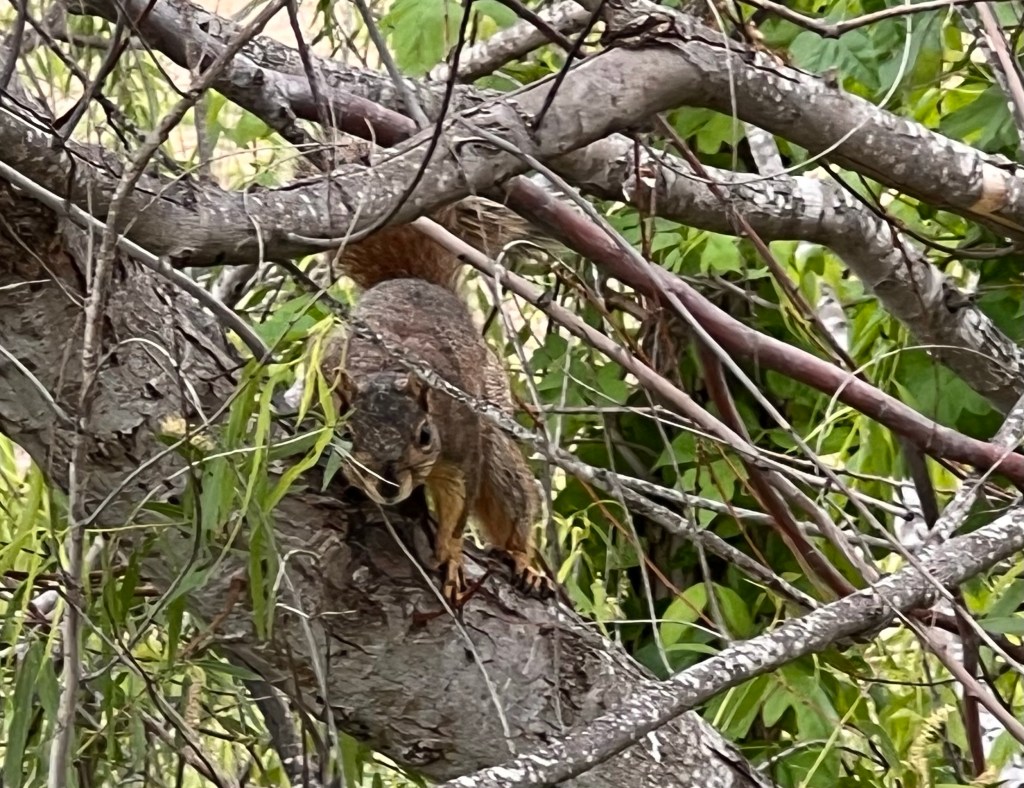
I’m very cuteWe’re scenicI’m annoyedI’m startledI forgot that I also saw mammals today. Cows watched me on my walk, a squirrel was in the willows (we don’t have many out here), and I must have found the Easter Bunny trying to rest up.
Anyway, the time with friends was so nice, as the afternoon sun made the people, the dogs, and the flowers grow.
So, What’s the Failure?
Well…I had this nutty idea that I was going to ride the horses today, or else! I guess “else” ensued.
We’re innocent
First I got my precious boy, Droodles. I quickly realized that he resembled a chocolate-covered Easter treat. There was a dried layer of clay mud over much of his surface area.
It had dried to where it could be future pottery.
I figured I’d just curry comb it out. Nope. I did get a lot off but I could tell it hurt him and was pulling out hair. I tried to get mud out of his tail, and hairs broke off. Oops. I realized I would not be saddling him. So I rinsed him off, but he was not thrilled. At least much mud got out of his mane and tail.
Somewhat better.
So, Plan B was to at least do some ground work. We did get some done, but when he slipped hard jumping, I ended that. I sure didn’t need to get him hurt. So he went into a pen to await his food. What did he immediately do? He rolled. At least it was in dry dirt.
Nope. Not gonna groom that quite yet, either.
I tried to get Apache in to groom, but after nearly hurting myself and losing both shoes in the mud, I gave up. I didn’t want me (myself?) or a horse hurt. Better miss your project goal than injure humans or livestock!
I enjoyed my grass on the eroded pond dirt.
At least dinner was good. Rice cooker jambalaya to feed seven! And the pak choi in sesame oil, plus a great salad from Martha and Chardonnay from Anita. I think the men liked it! No time for photos, because we ate it!
If you could have something named after you, what would it be?
The blog prompt for today got me thinking about how much I enjoy Texas State Parks and how many opportunities there are for volunteers like me and my Master Naturalist friends to help out and educate the public at them.
View across the dam at Meridian State Park
Sadly, there’s no State Park in Milam County, so our El Camino Real Master Naturalist Chapter have had to make our own opportunities, like our Wildscape that Catherine Johnson spearheaded. Another group is working on a project at Sugarloaf Mountain, a cool site in the county.
We don’t have much public land, if any in Milam County. Thank goodness someone donated land for this park!
So, if I had anything named after me, I’d love it to be a State Park in Milam County. Of course, our ranch isn’t big enough to be one. And we don’t own it all ourselves. So I’d have to get really wealthy and buy up some scenic land. It’s just a dream, but I’ll help out anyone else who wants to create one!
I hope my park would have cool beehives like the one I found yesterday on the dam! Watch this video!
Until the Suna State Park is developed, I’ll just keep visiting others and documenting the biodiversity at each one.
Lee and I talked about printing some of our best photos to decorate Seneca the motor home. This is a juniper hairstreak on antelope horn milkweed.
The next trip will be to a Corps of Engineers park with people from our former church. That will be more social camping! Enjoy more photos from yesterday. Which do you think would make good wall decor?
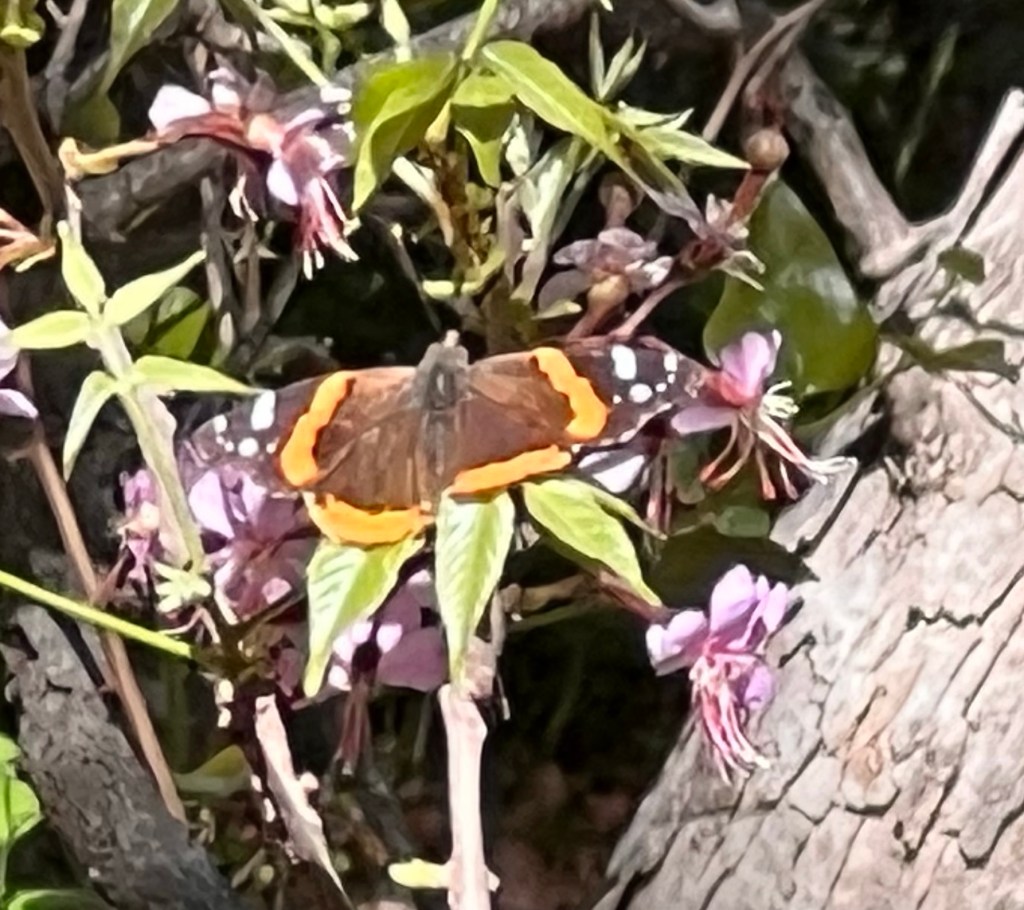
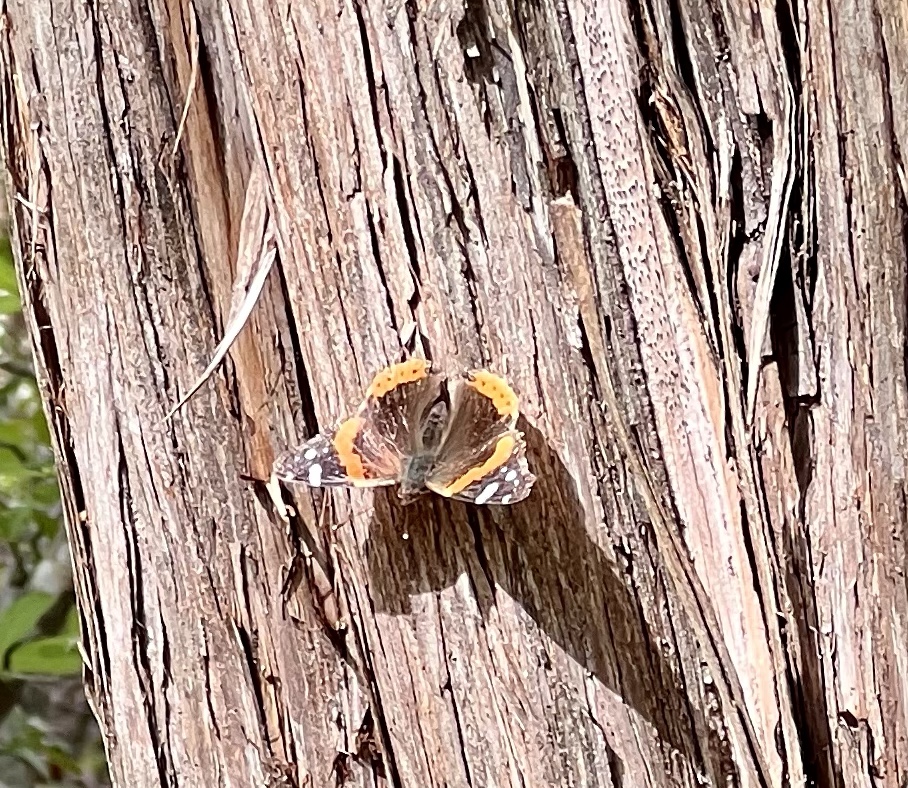
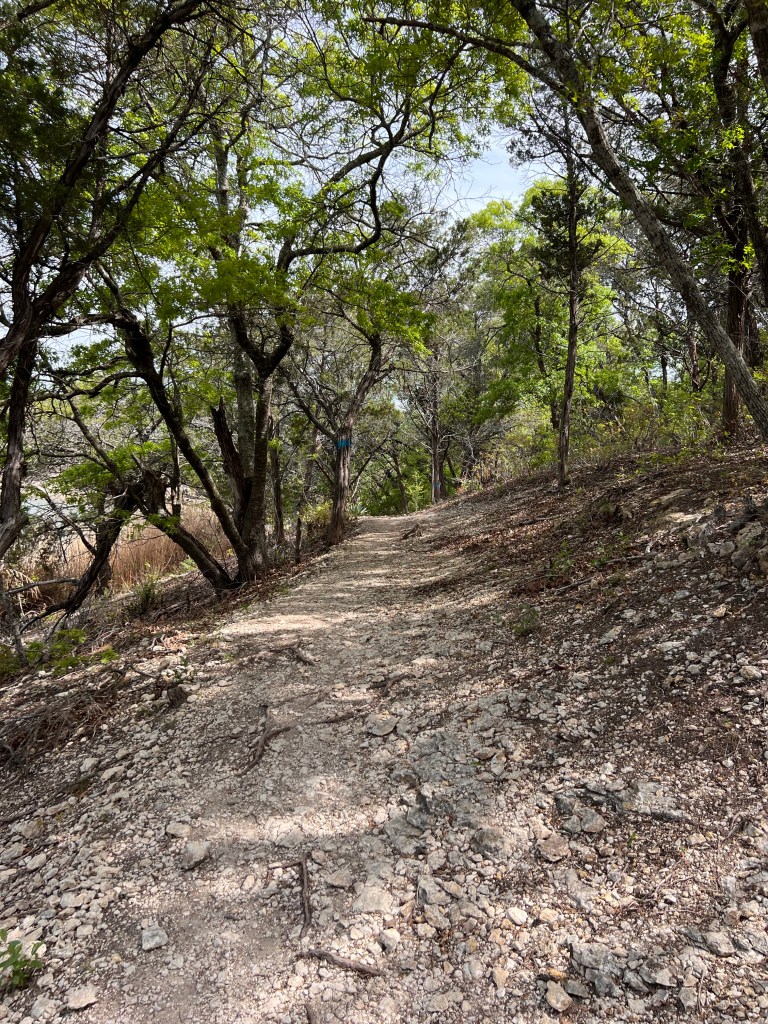
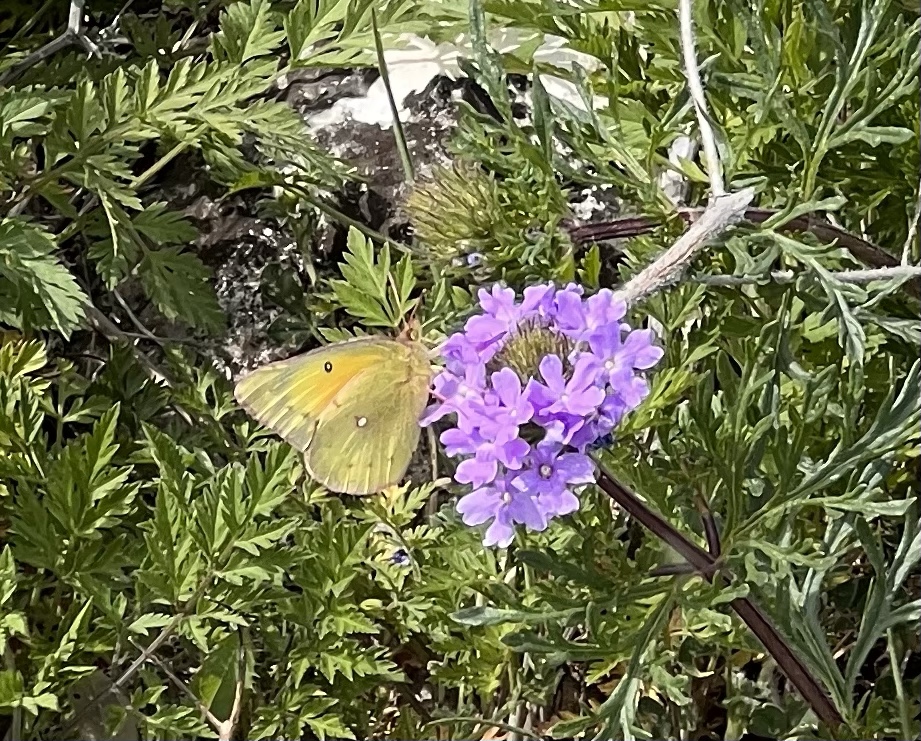
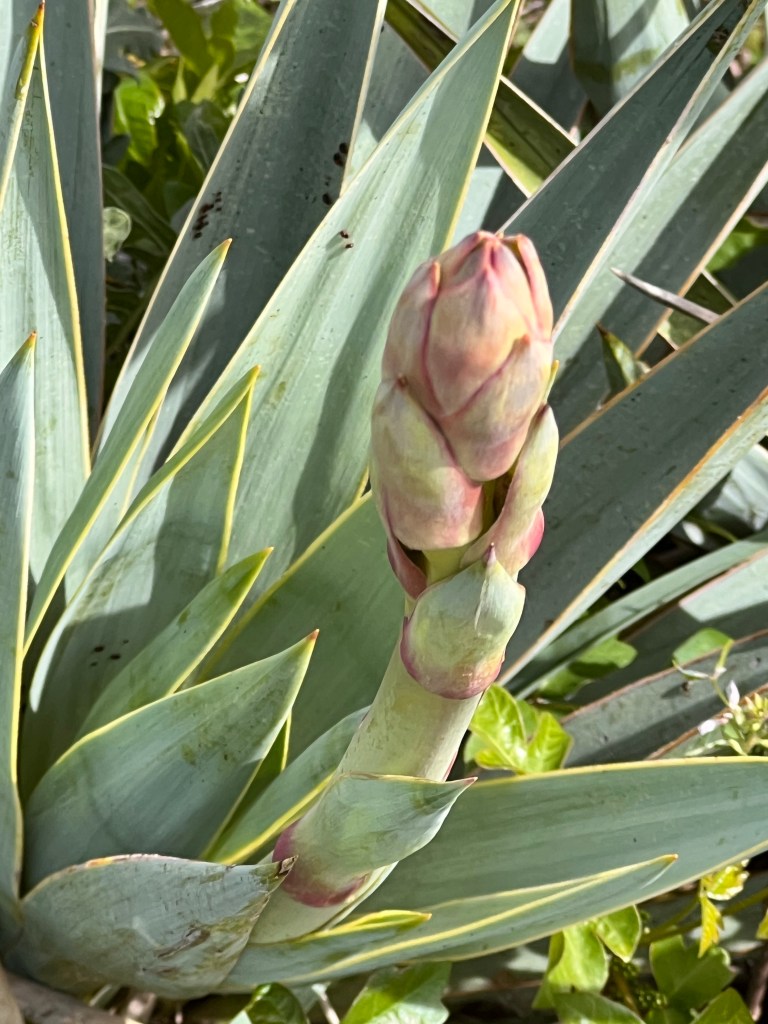
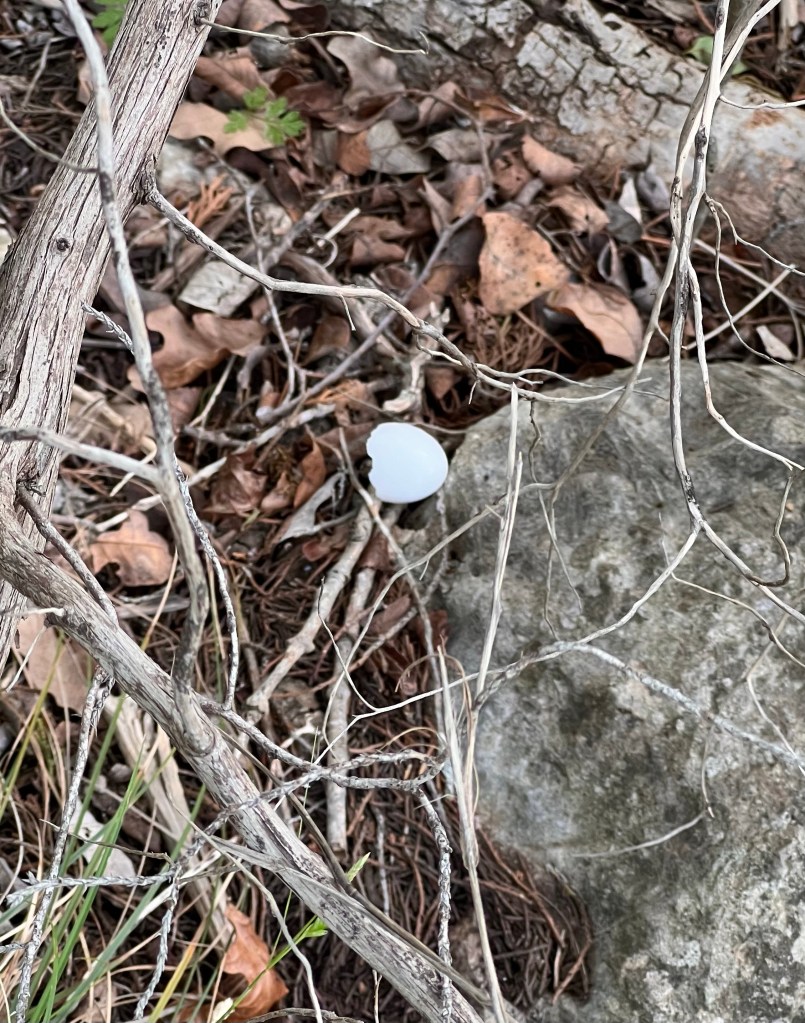
Red admiralTexas beautiesNarrow leaf poccoon whatever that isMore purple paintbrush LakesideSpillwayVerbenaEngelmann daisyTexas yellow star, I thinkPossumhaw Red admiral on juniperTrailCactus coreid bug, maybeBack of damOrange sulphur YuccaBuckeye Little egg
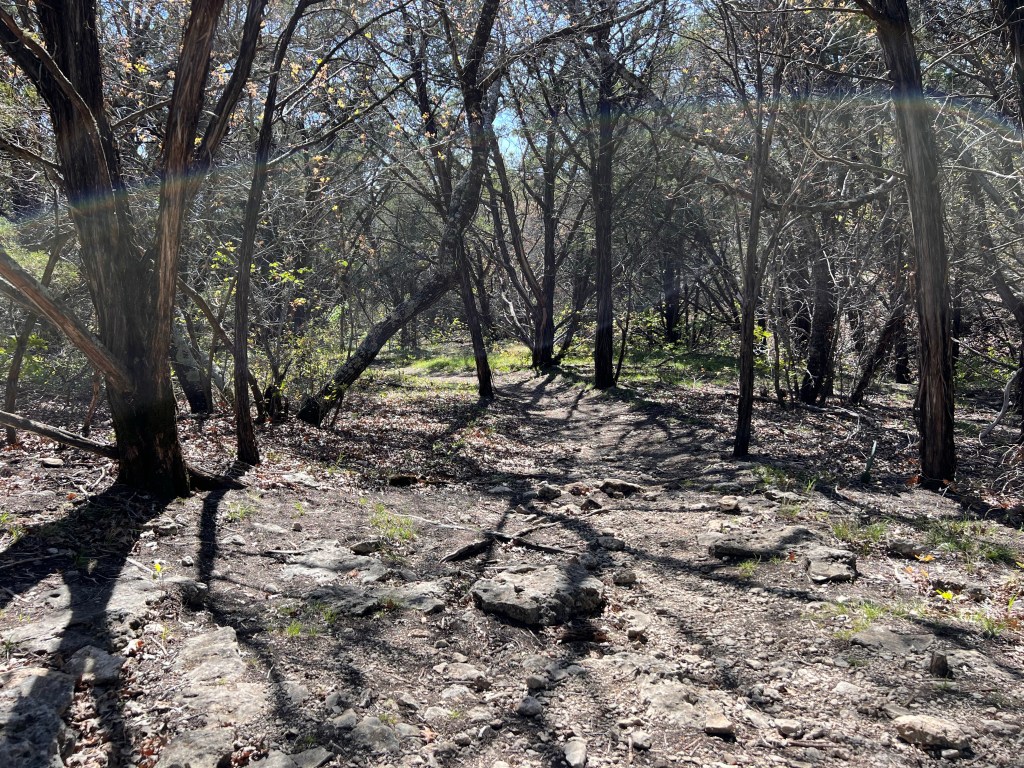
I sure feel great today. Even with a broken toe, I managed to hike two trails and really, really get away. Meridian State Park has an impressive number of places where you can be entirely alone, surrounded by nature, with only the wind and birds making sound.
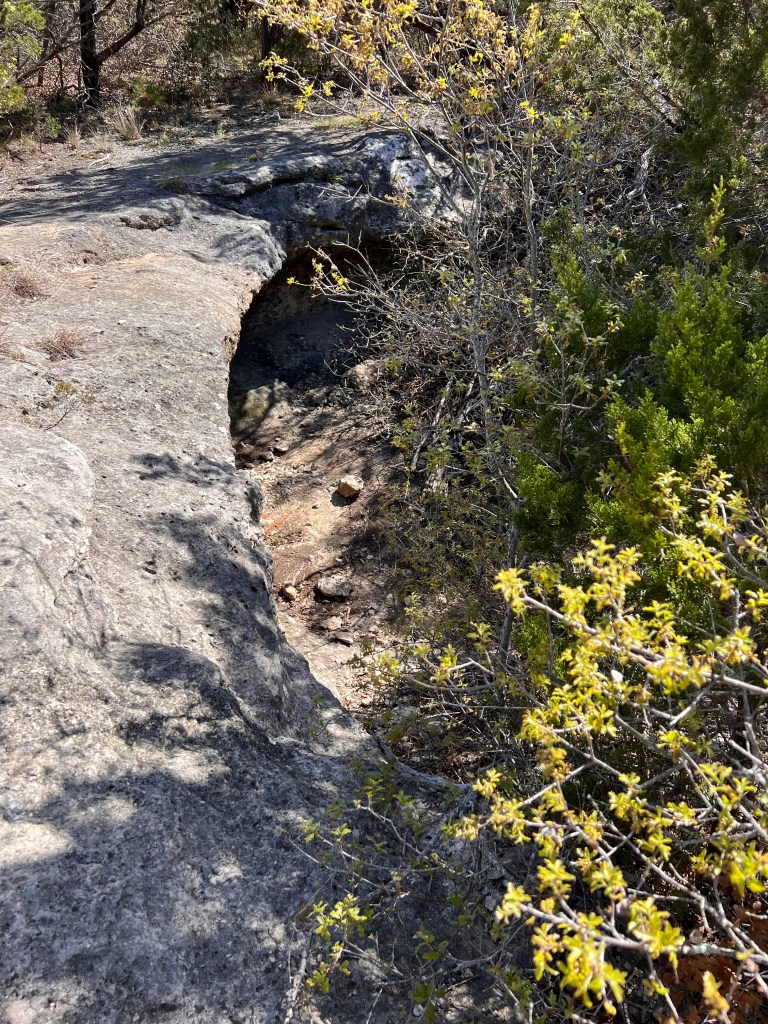
Look, a cave for us hermits!
I just had a blast wandering through woodlands and meadows, climbing up limestone ledges, and carefully heading back down. I didn’t see any yellow-cheeked warblers, though I certainly was in their natural habitat.
An Ashe juniper forest
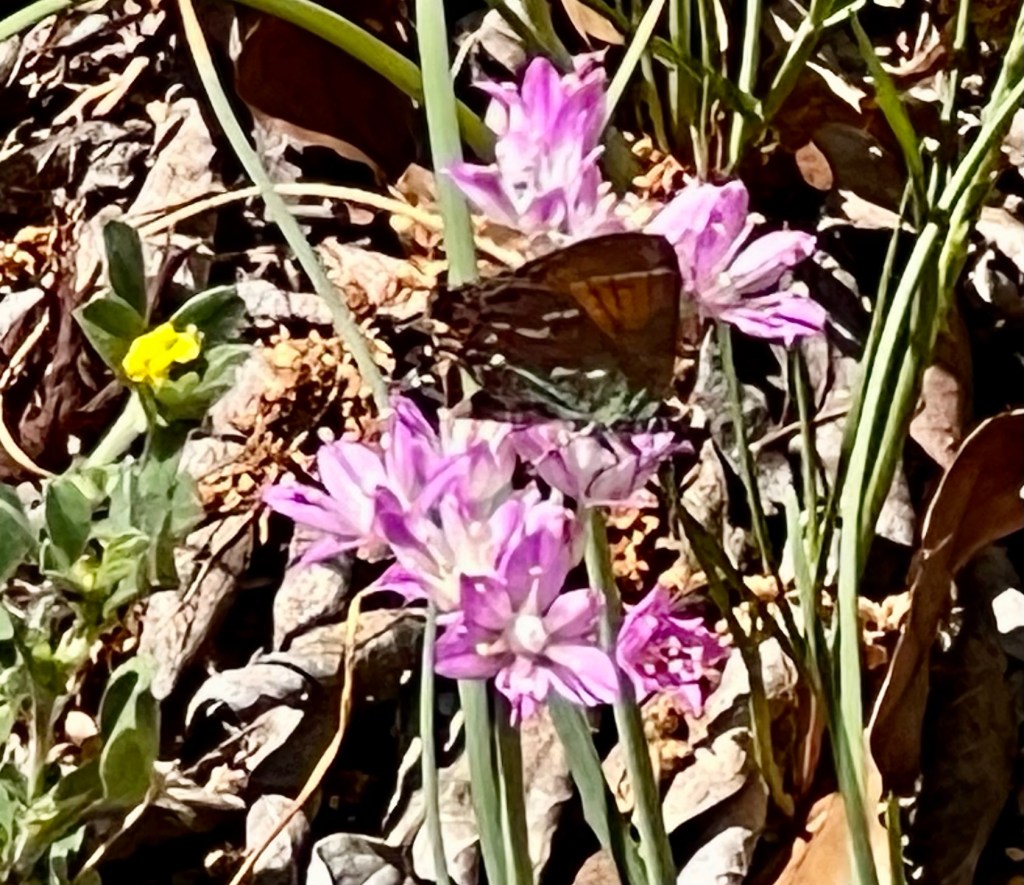
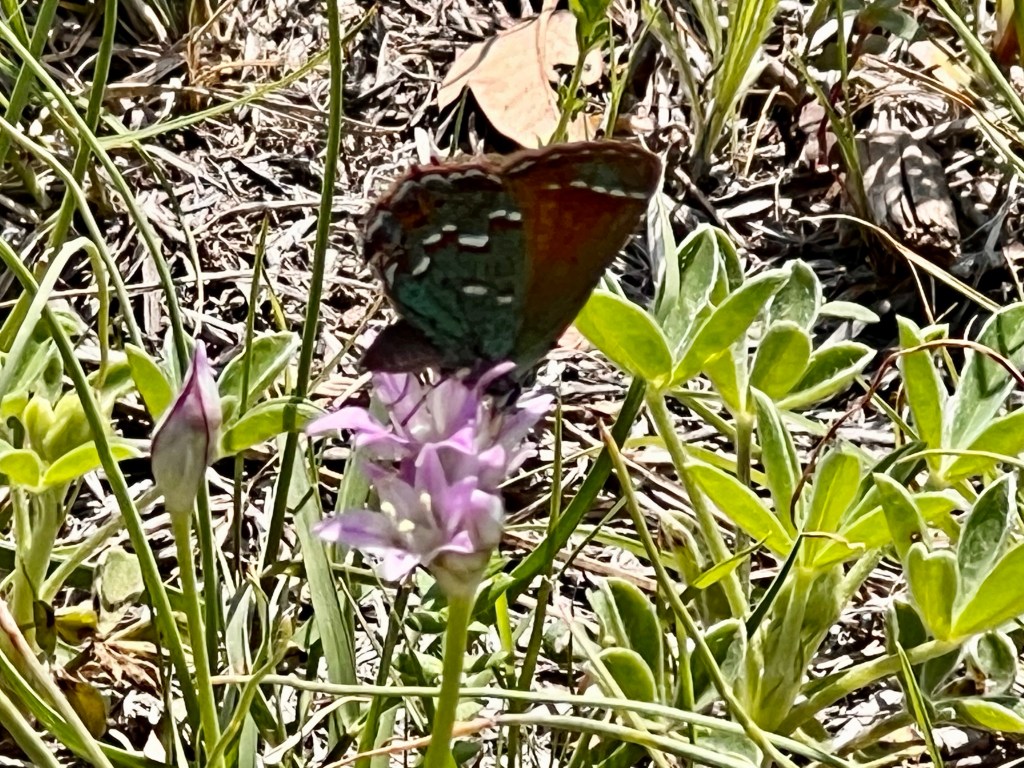
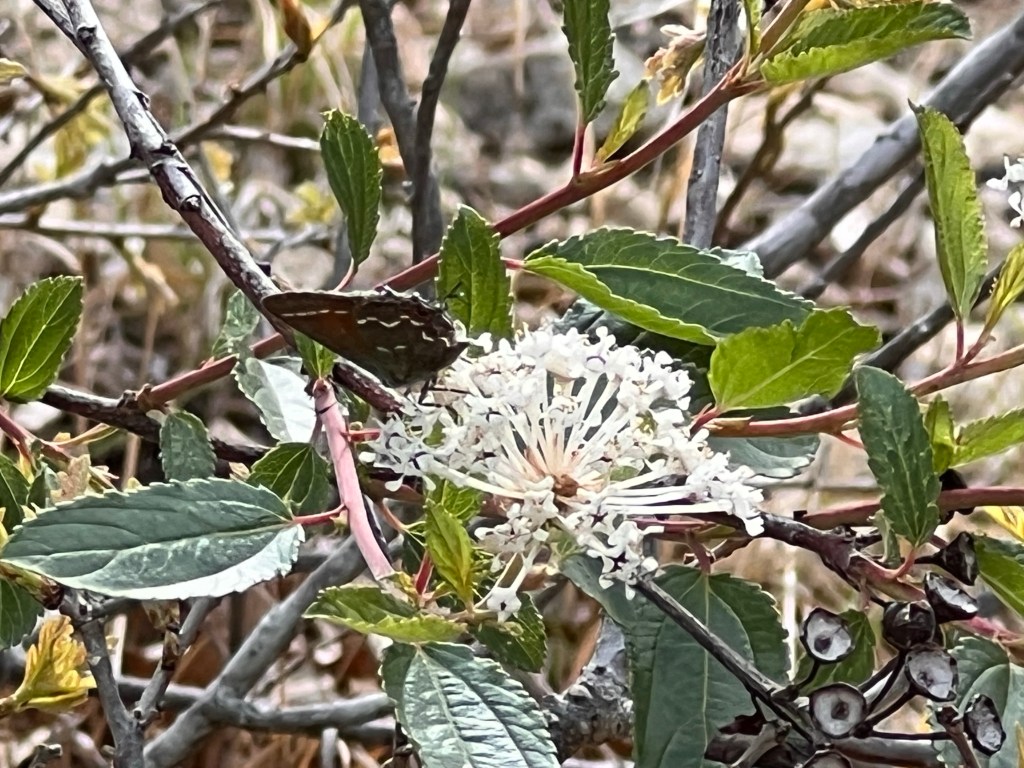
What I did see were dozens and dozens of butterflies and moths. Some didn’t pose for me, like the tiger swallowtails, something very orange, and an actual monarch. However, the juniper hairstreaks made up for it. They’re posers, and quite beautiful. I also got photos of excellent moths that either blended in with the forest litter or the limestone formations. They could only be noticed when they flew.
Invisible mothLimestone colored mothMany juniper hair streaks One blurry sulphur
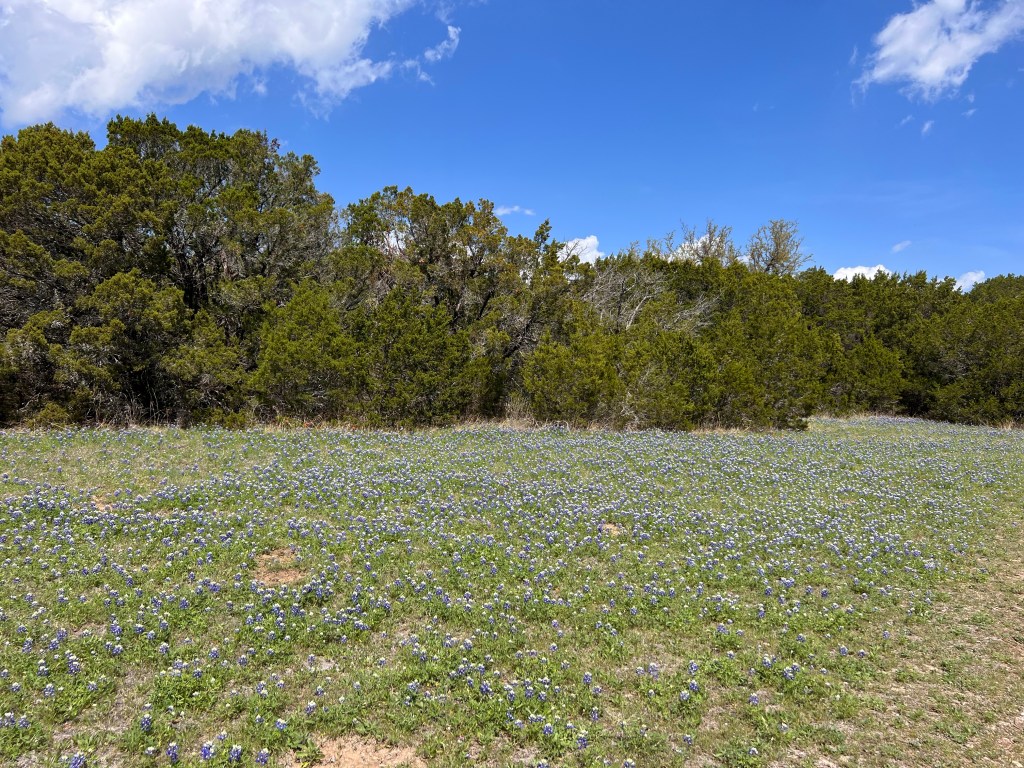
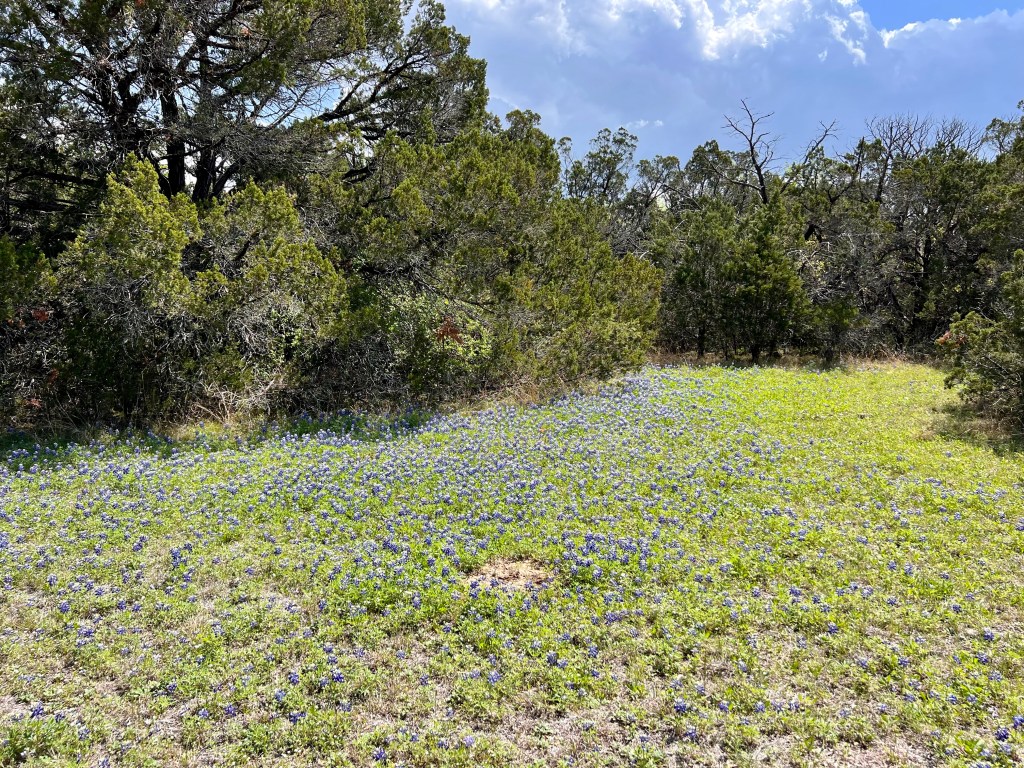
The highlight of my hike was the wildflower meadow on the Bosque hiking trail and Little Forest Junior Trail. It had so many bluebonnets that they perfumed the air enough to feel intoxicating. Wow. It was also so nice to see so many flowers in a mostly natural-looking setting. I just stopped and breathed it all in. So cleansing!
Bluebonnets and More Bluebonnets
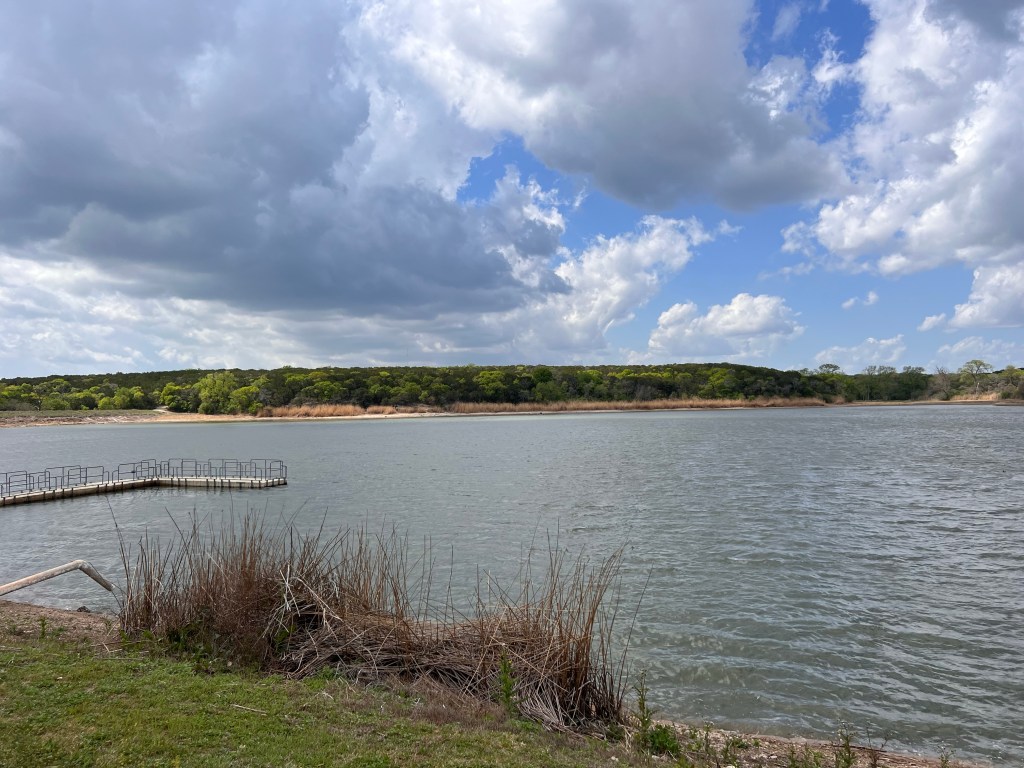
There was also lots of water to look at. I hiked along the lake quite a bit and in the Little Spring trail, I actually found the little spring. It reminded me of our little spring at home. It just trickled away.
The spring!
All the trails were beautiful, with lots of limestone outcroppings, caves, various oak trees, and bright green spring understory plants. What a nice time of year to hike.
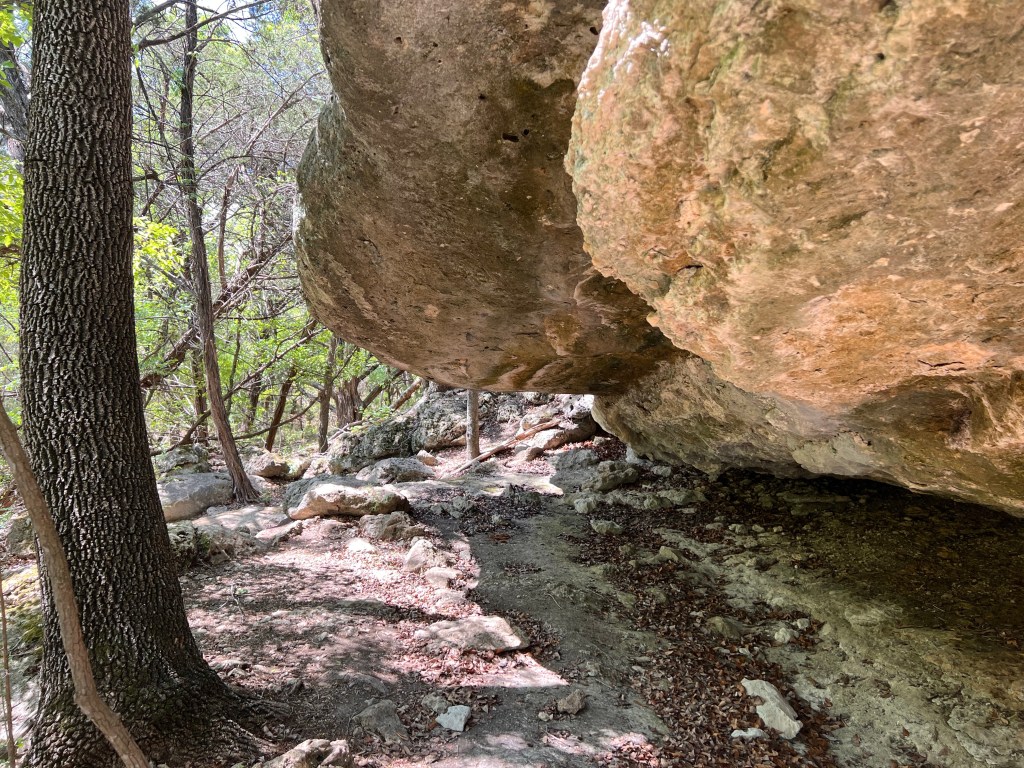
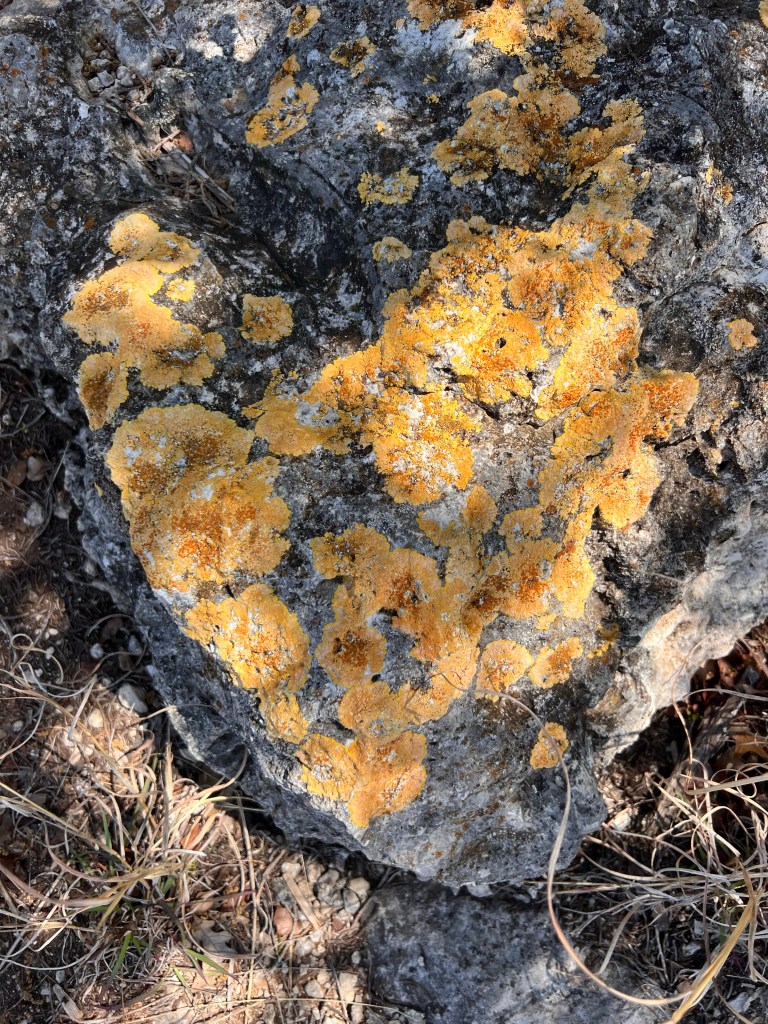
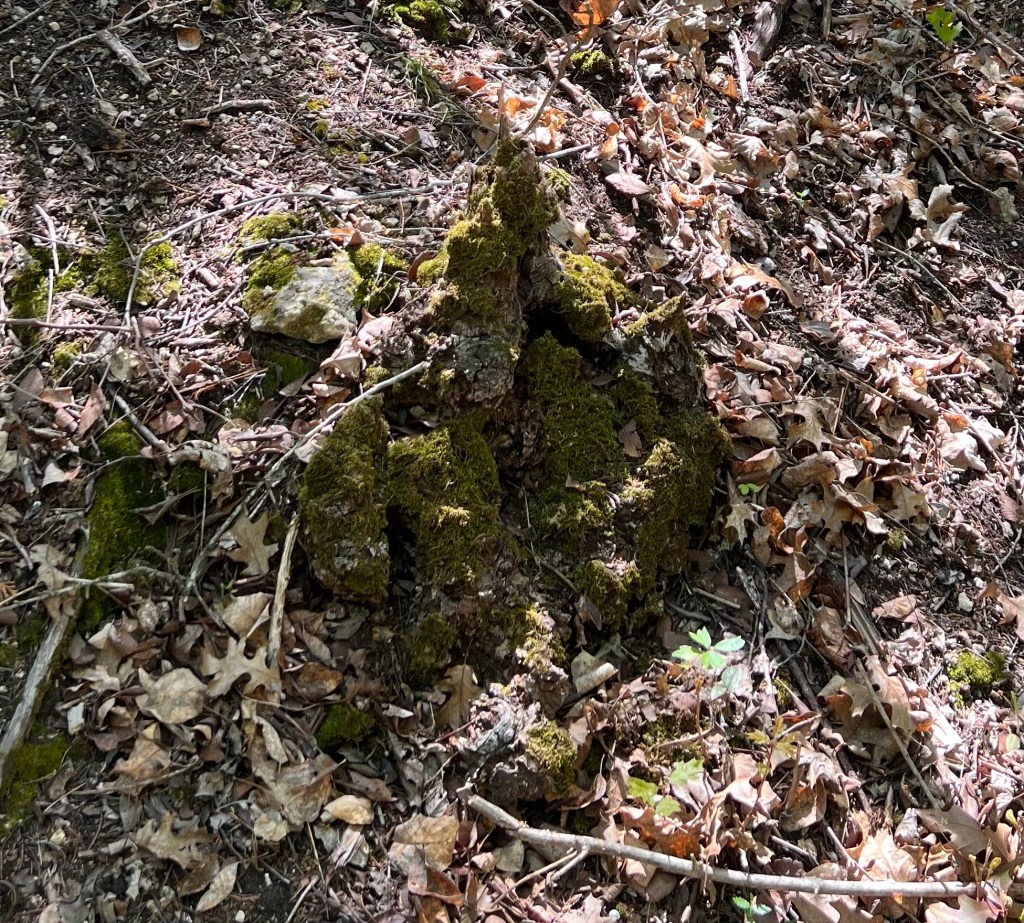
More Texas stork’s billMore pink paintbrush Mexican buckeyeYuccaParking lot beautyMixed wildflowers Blooming treeBlue means Bisque TrailTrail steps TrailLimestone UnderstoryTrailAshe juniperOak motteCave againLichenBird blindA stump I liked There weren’t many of these hereTrailMore trailMilkwortMoss!A limestone ledgePrickly pear
In other news, we met a nice couple who go to lots of Texas parks, and showed them our RV, since they want to upgrade. We’re going together tomorrow on a nature walk led by a fellow Master Naturalist. I hope he shows us where the warblers are.
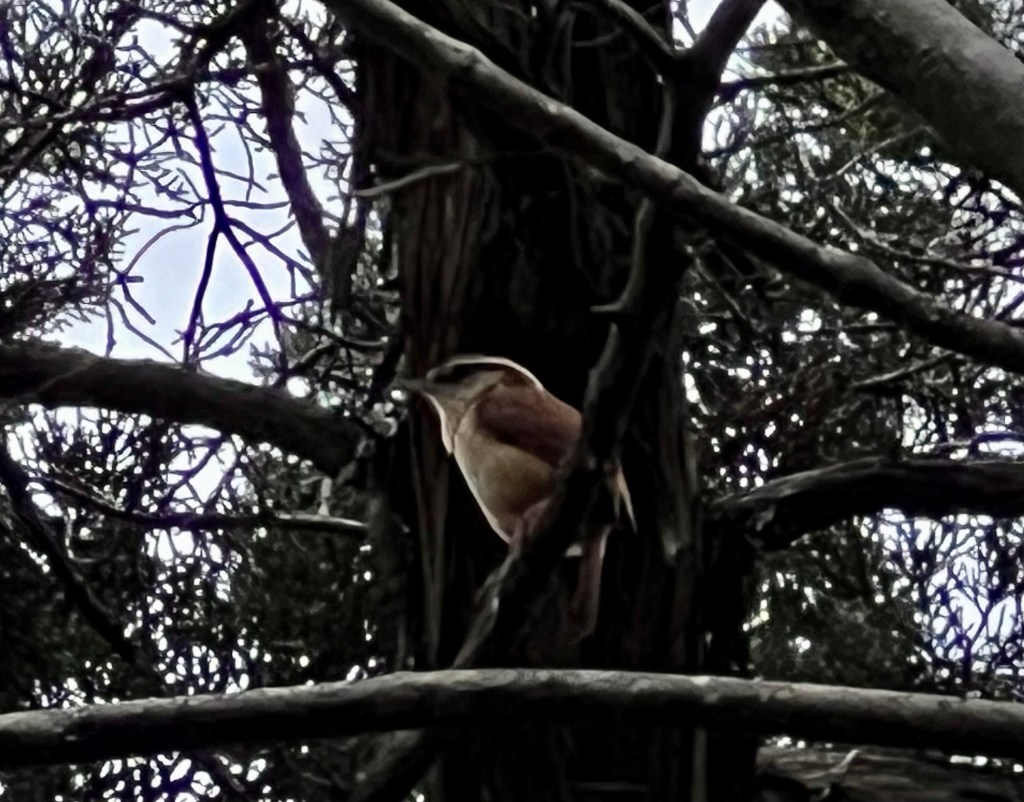
I did see this wren, a cheerful chickadee, a titmouse, many cardinals and a crow.
Thank goodness for the privilege of getting away from things on a regular basis. Also thank goodness that the cell service lasted long enough to get my work uploaded and questions answered! Whew!
Oh you never know what’s going to happen around here. So today’s agenda changed, but it’s all good!
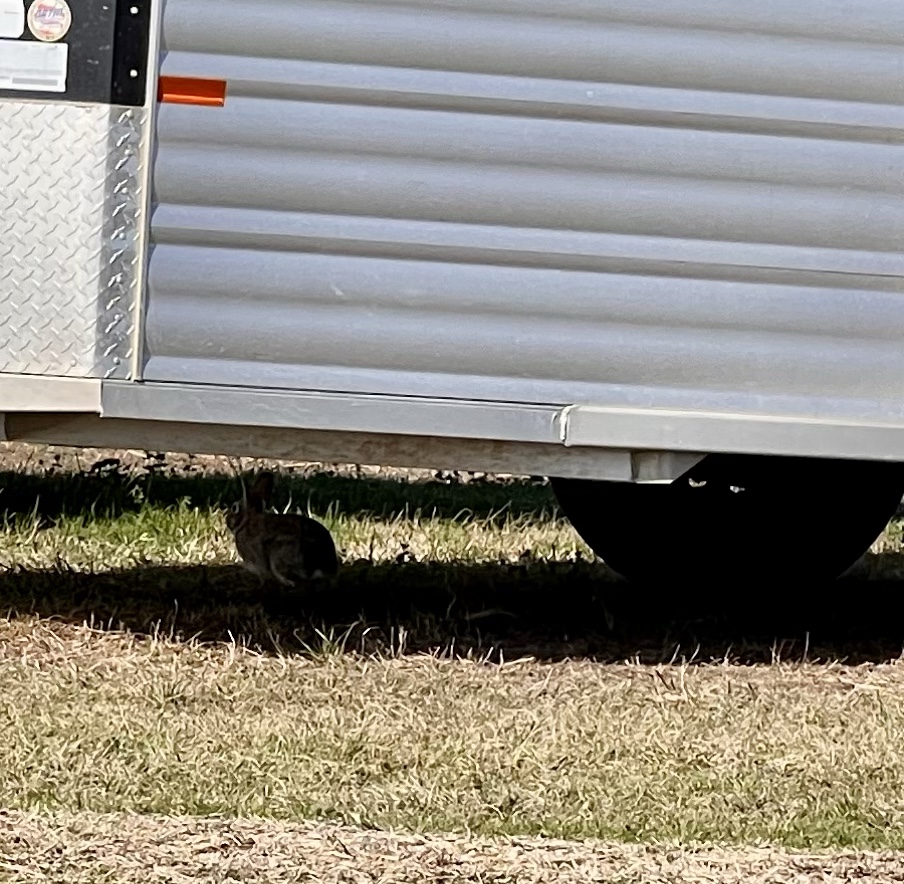
Like Vlassic, I’m always ready……in case a sudden bunny appears
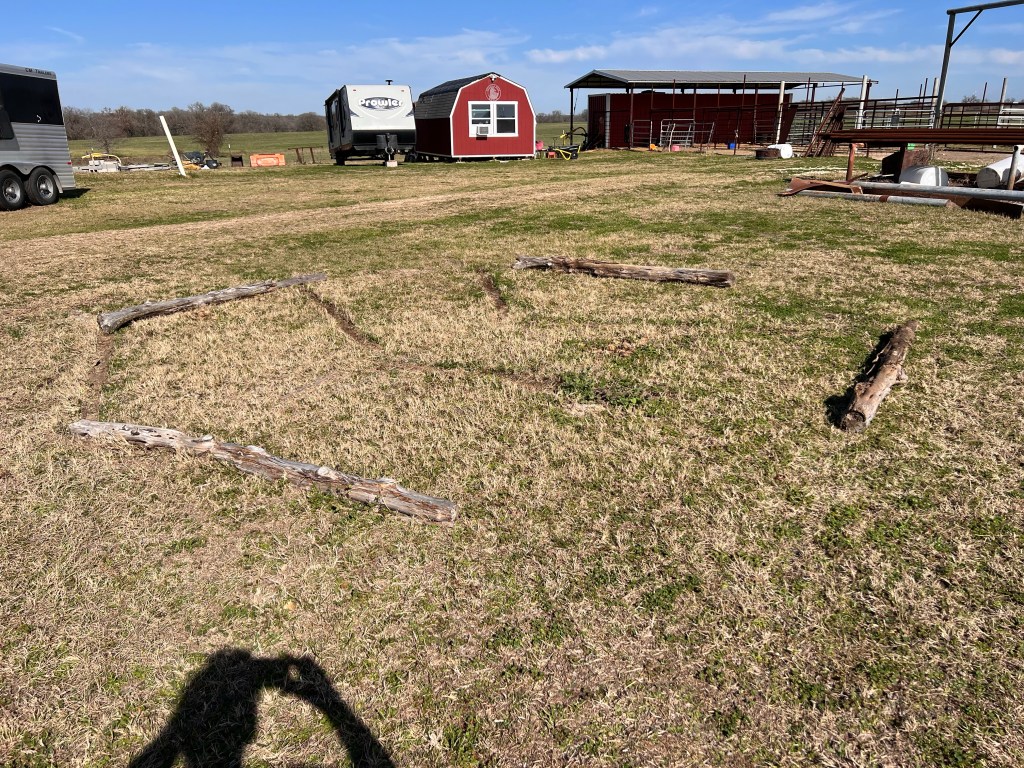
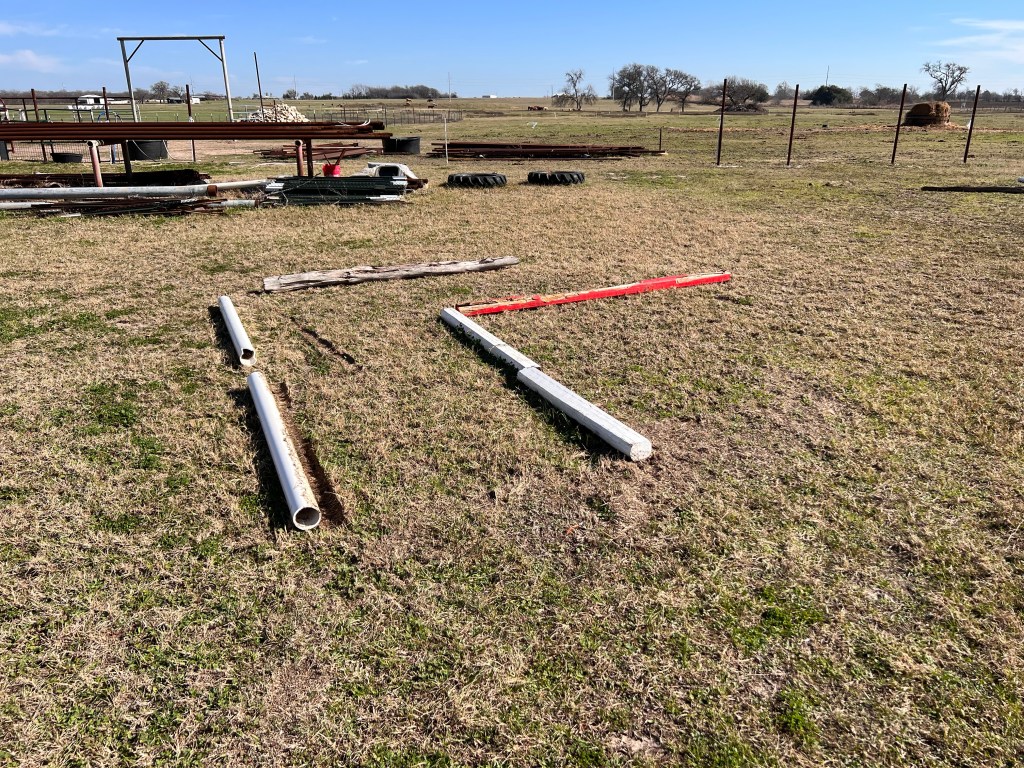
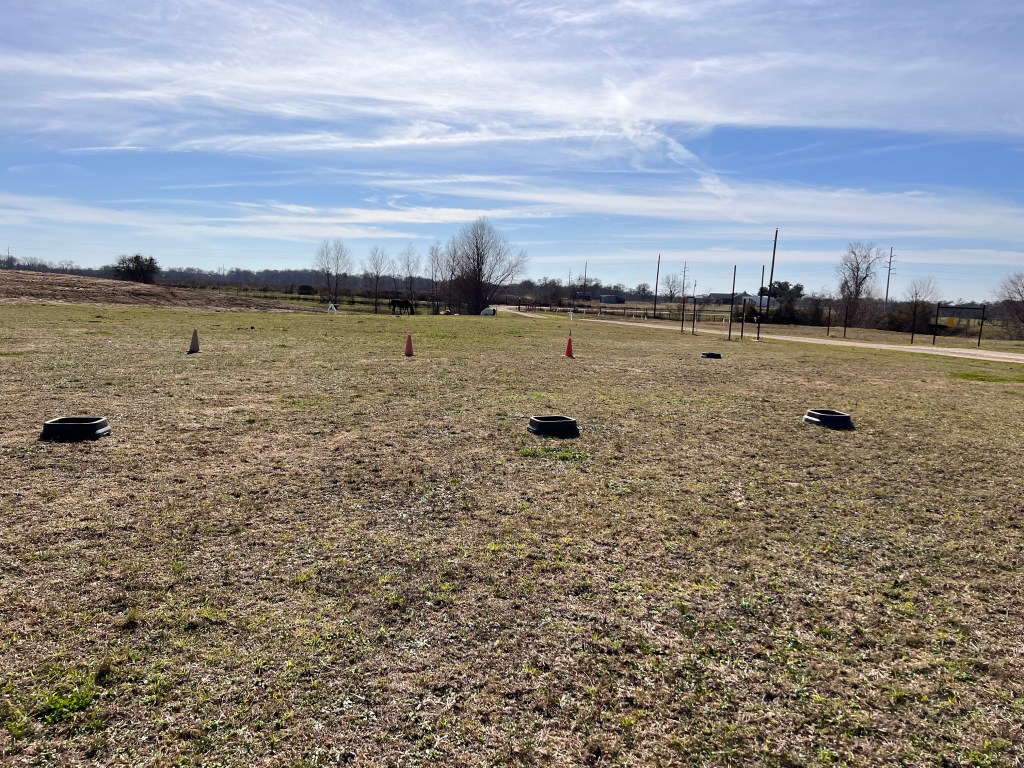
Since I needed to skip Drew’s lesson today, I just worked with him a few minutes, which made it clear I needed to rearrange my obstacle area, or horse playground. So I moved a lot of barrels, cones, posts, and other objects around to make more riding options.
A square A backing up thing and side pass areaJump landMy attempt at making a slalomThree barrelsHill dwellers
Tomorrow Tarrin will help me figure this stuff out better and set up a slightly off-sized dressage arena wannabe space to practice for this year’s shows. I just hope I can found one of our many giant tape measures that usually are in plain sight but are now hiding. I may have to run to the hardware store to get one!
Oh I forgot I had this fine sunrise image from this morning
And, as always, I used nature to take my mind off unexpected events. Look at this beauty!
Mmm. Nectar.
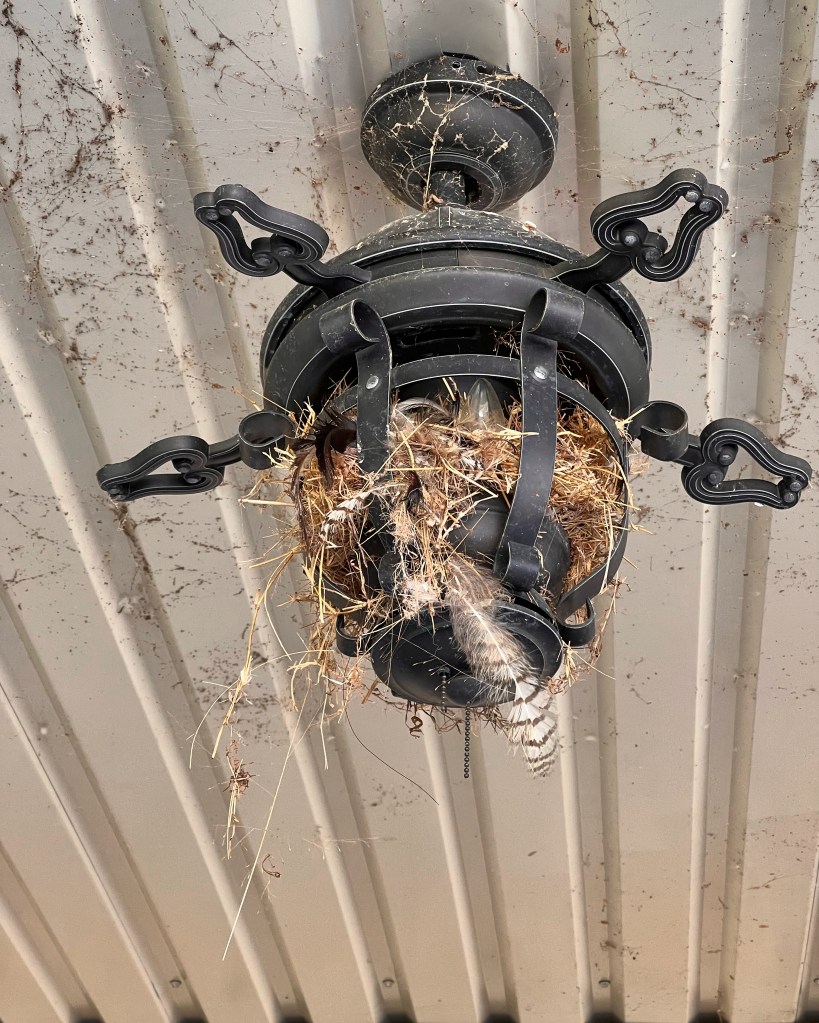
And I scared everyone on Facebook by posting what I thought was just a fun photo of a boho bird nest. I didn’t provide enough details so folks thought we were gonna burn the house down.
The lights are disconnected. Sparrows and hermits are safe.
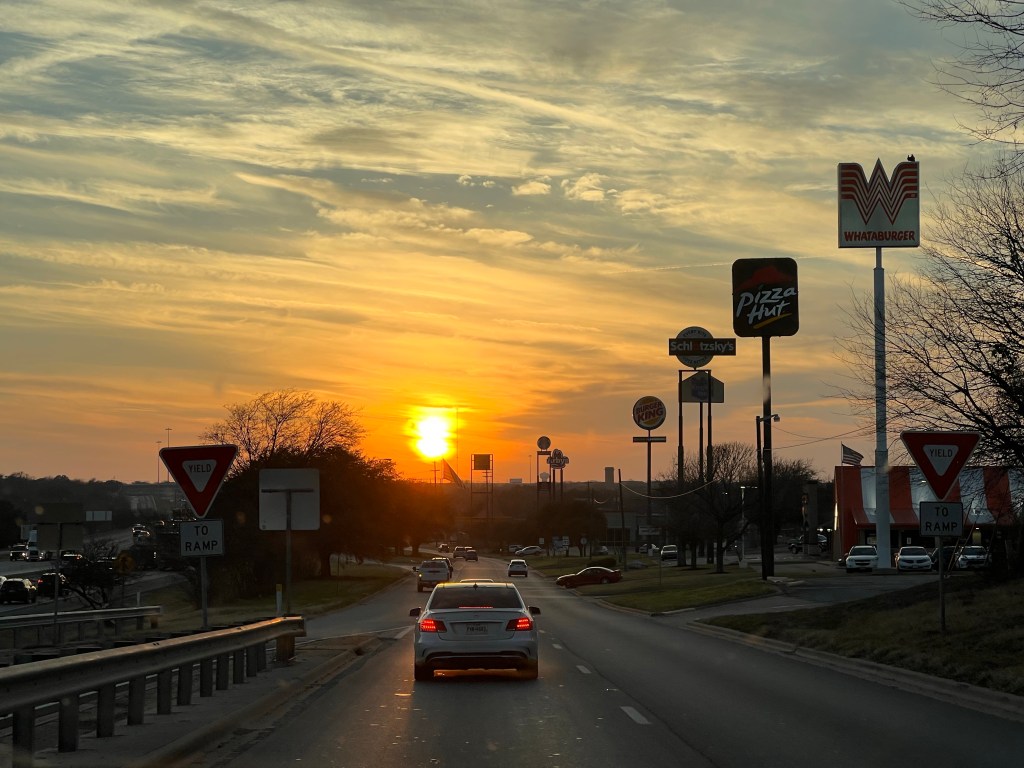
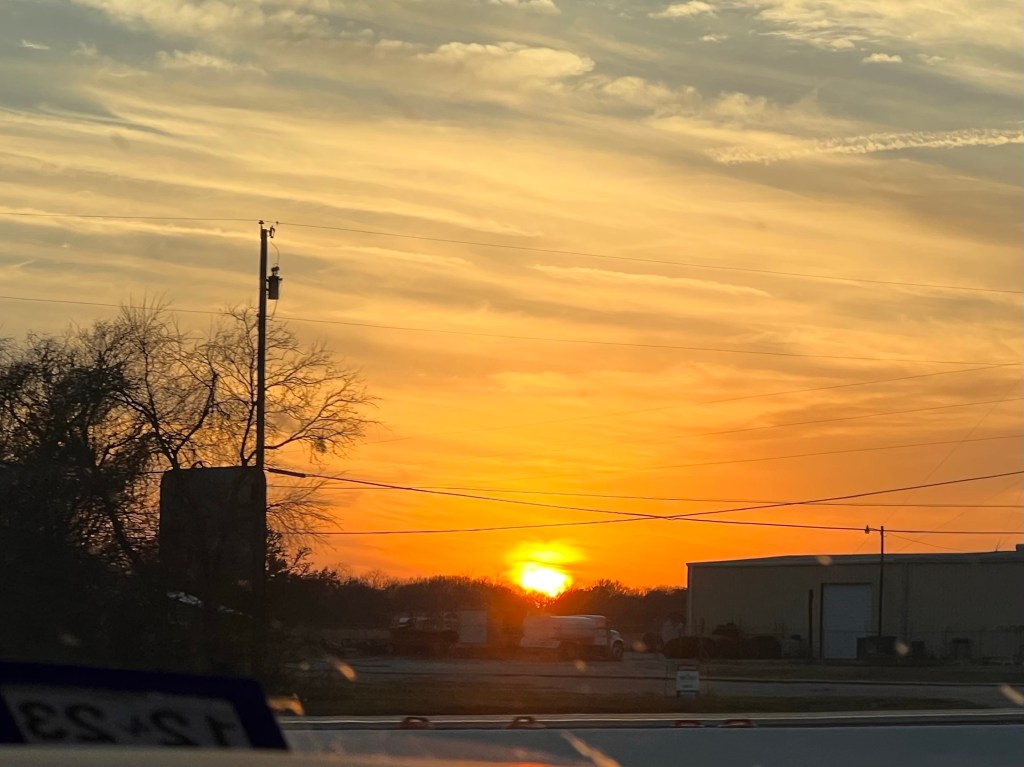
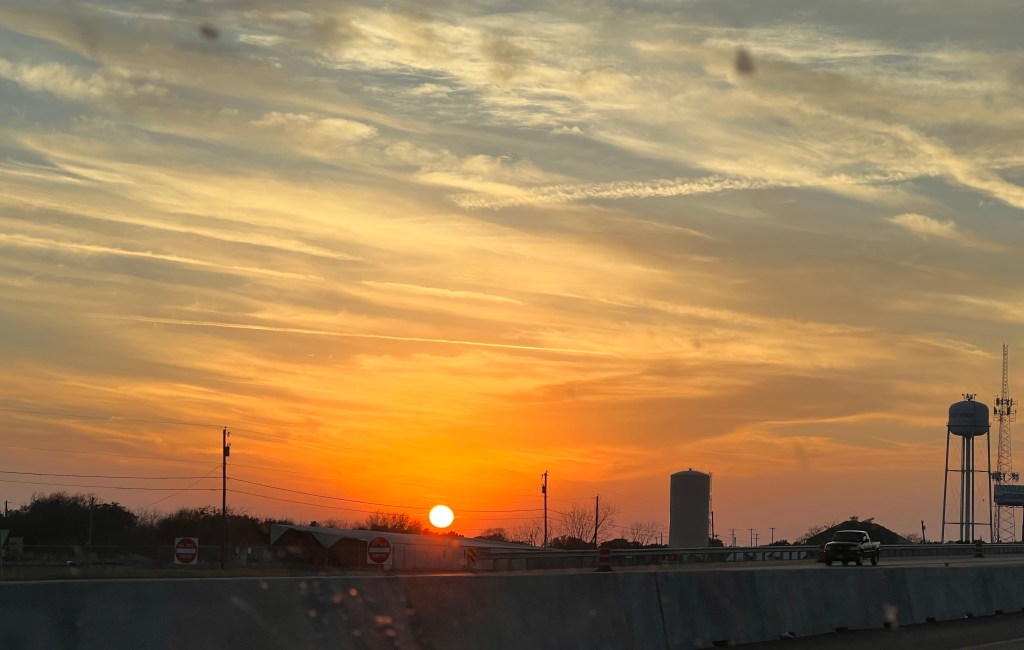
I’m any case, I’m interested to see what tomorrow brings. I’ll be outside at sunset again but not going an hour away in yet another direction. Today we went west, rolling down the highway!
It was awfully cold, then it rained a lot and warmed up. All of nature seemed to think it was time to wake up my get moving until the next cold front comes along.
I hatched and found a flower. I’ll be fine.
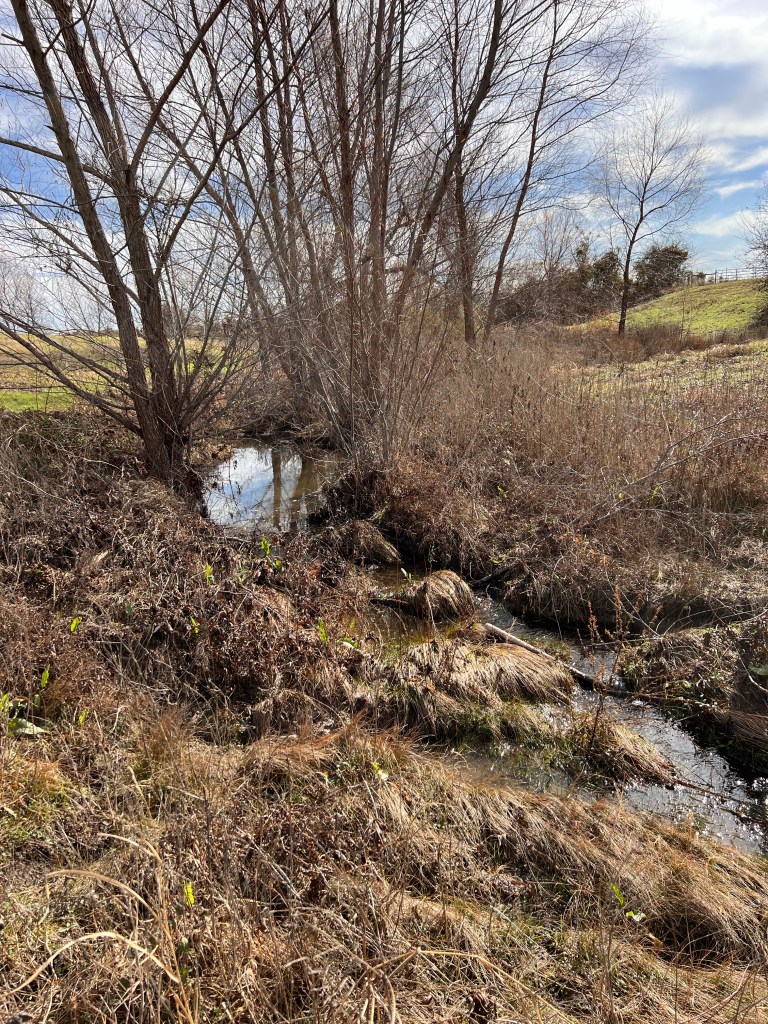
I took a lunch break walk today to see how all the water features are doing. A heavy shower last night got the front pond flowing a bit, so I walked around and looked at the stream. It was pretty in the winter sun.
There were dozens of minnows darting around. I didn’t see any of the larger fish, which might have washed downstream in the flood last week or were in the deep parts. I always feel good when I see fish, because that’s a sign of healthy waterways.
I enjoyed looking at the coral berries and other colorful plants that remain, and was extra happy to see the spring flowing away. Hooray.
Coral berriesSpring is in thereColorful leavesChristmas cholla
I wasn’t alone on my walk, though. My buddy Vlassic was as interested as I was! We had a great visit and walk, until he raced back home down the path I use for leg yielding with Apache.
Hmm. Smells good. I’m outa here!
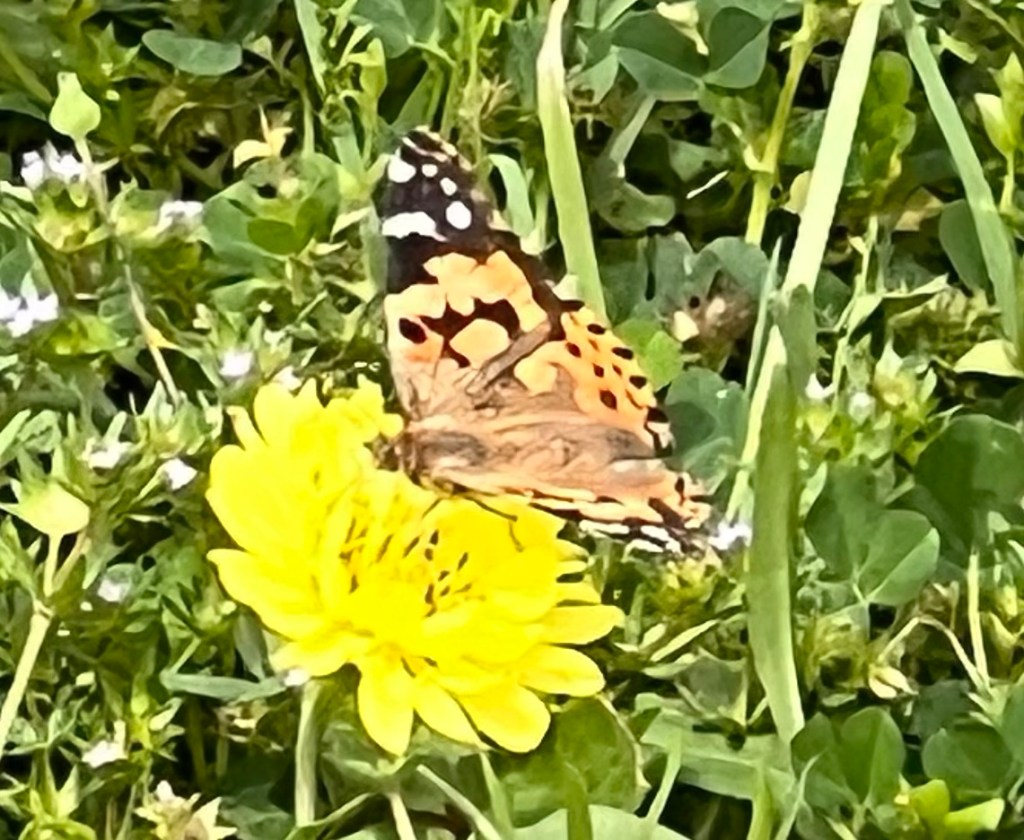
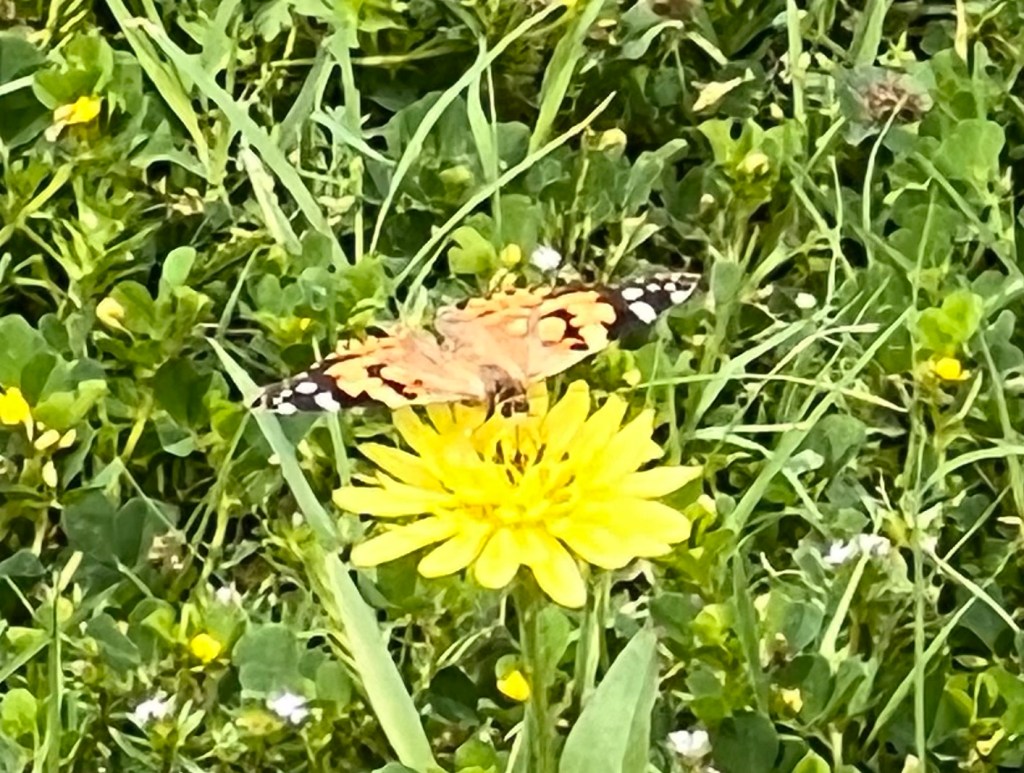
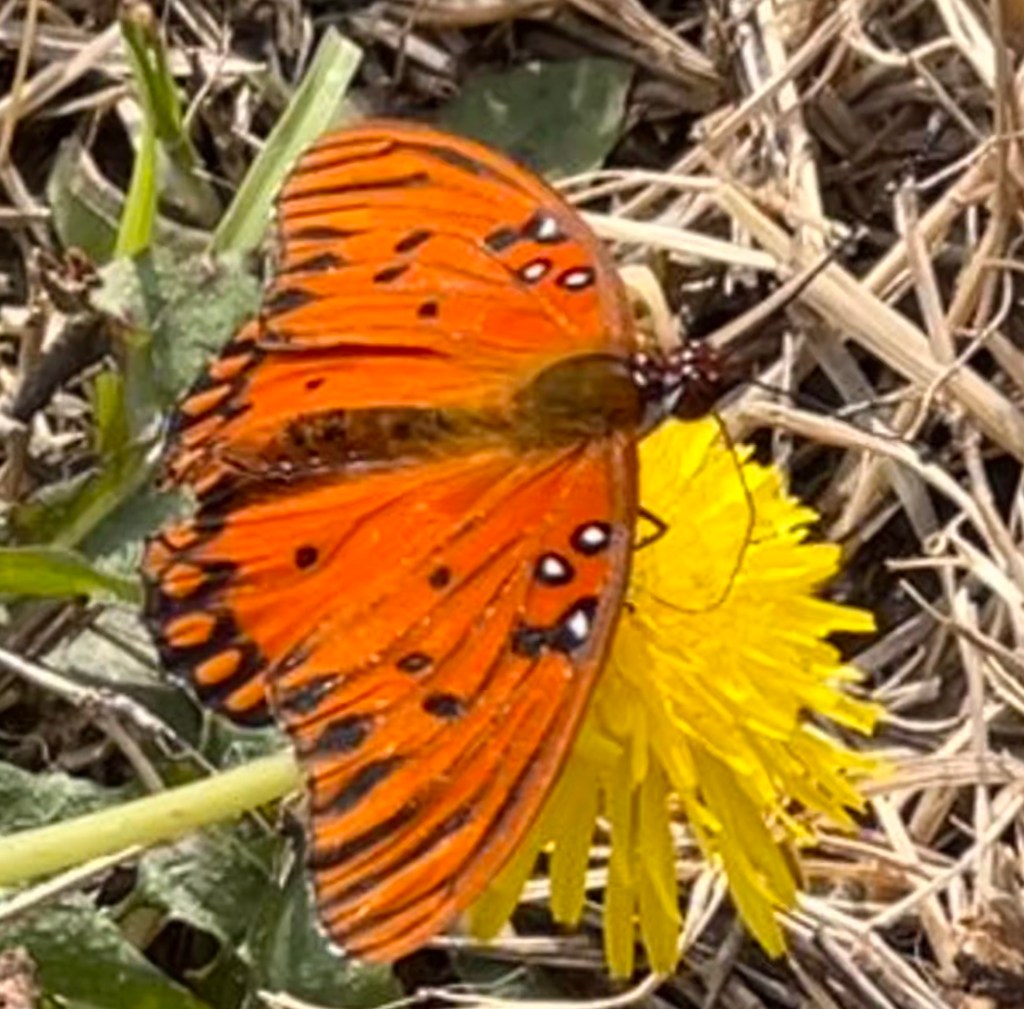
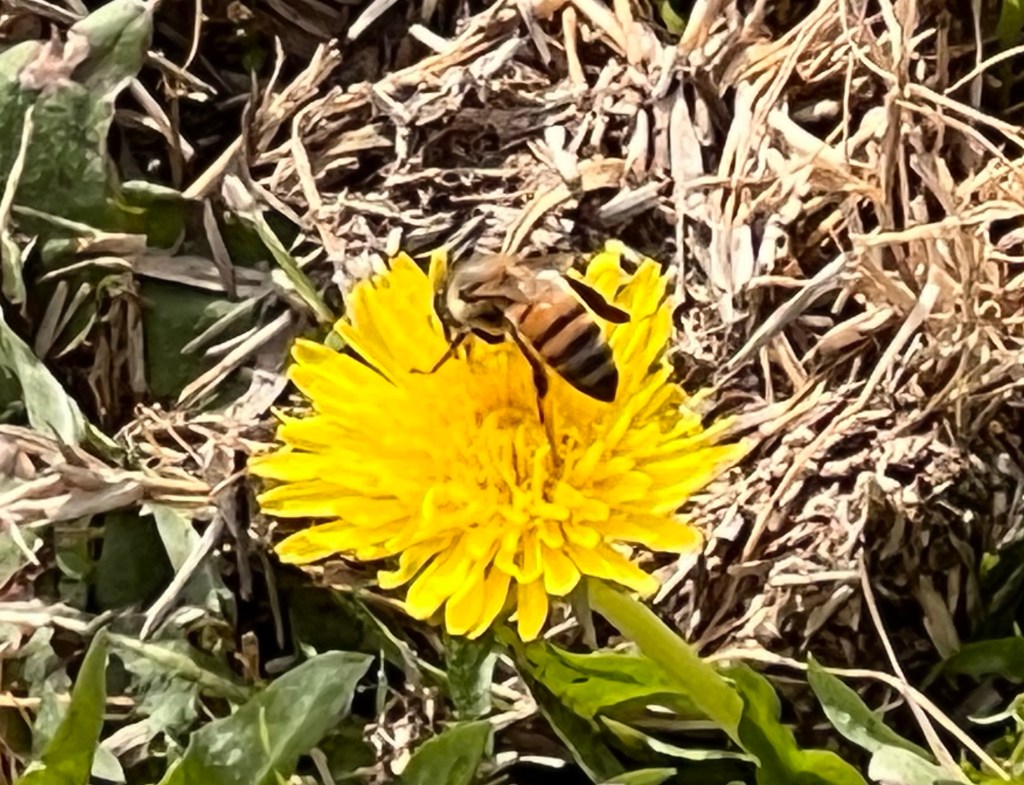
And when I was about to come inside, I stopped to admire the dandelion blossoms. That’s when the gorgeous butterfly appeared. A friend joined him or her, and I basked in my winter surprise. They were soon joined by honey bees, who’ve been out the last few days, especially in the chicken coop. They like the feed.
I had to share more photos!Variegated fritillary Hungry bee
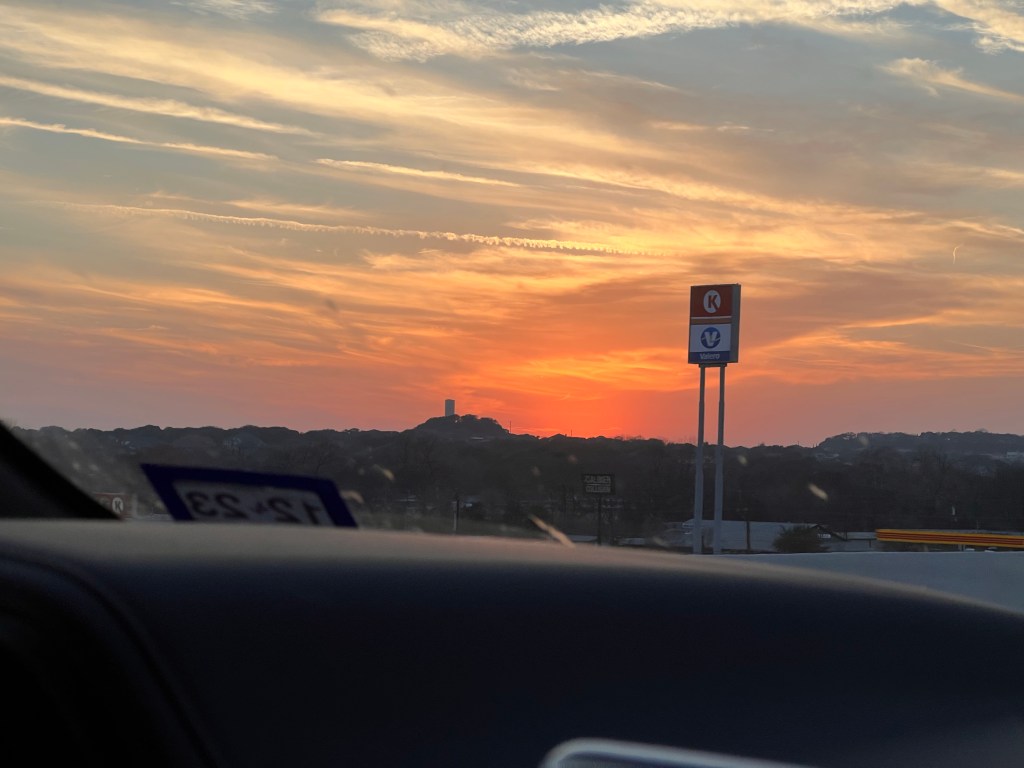
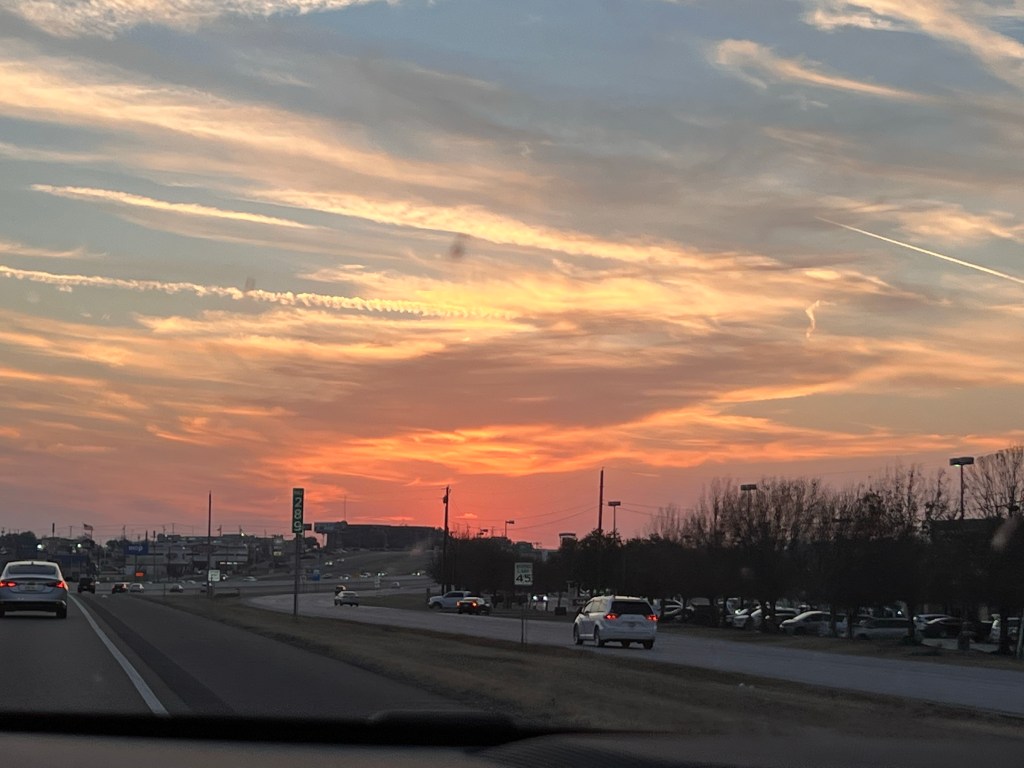
In addition to all these guys, I saw lots of turtles and little frogs. Plus, I was happy to see tgat the greater yellowlegs are a pair. They look so interesting when they fly, swooping and calling as they go from one pond to another. Since I didn’t get photos of these resilient winter residents, I’ll share the sunset we enjoyed on our way home from Drew’s lesson.
I liked the reflection on the Tahoe
I’m glad to be back at work, glad to have my routine back, and very glad for so many signs of resilience around me.














































































































 The Hermits' Rest