If you could have something named after you, what would it be?
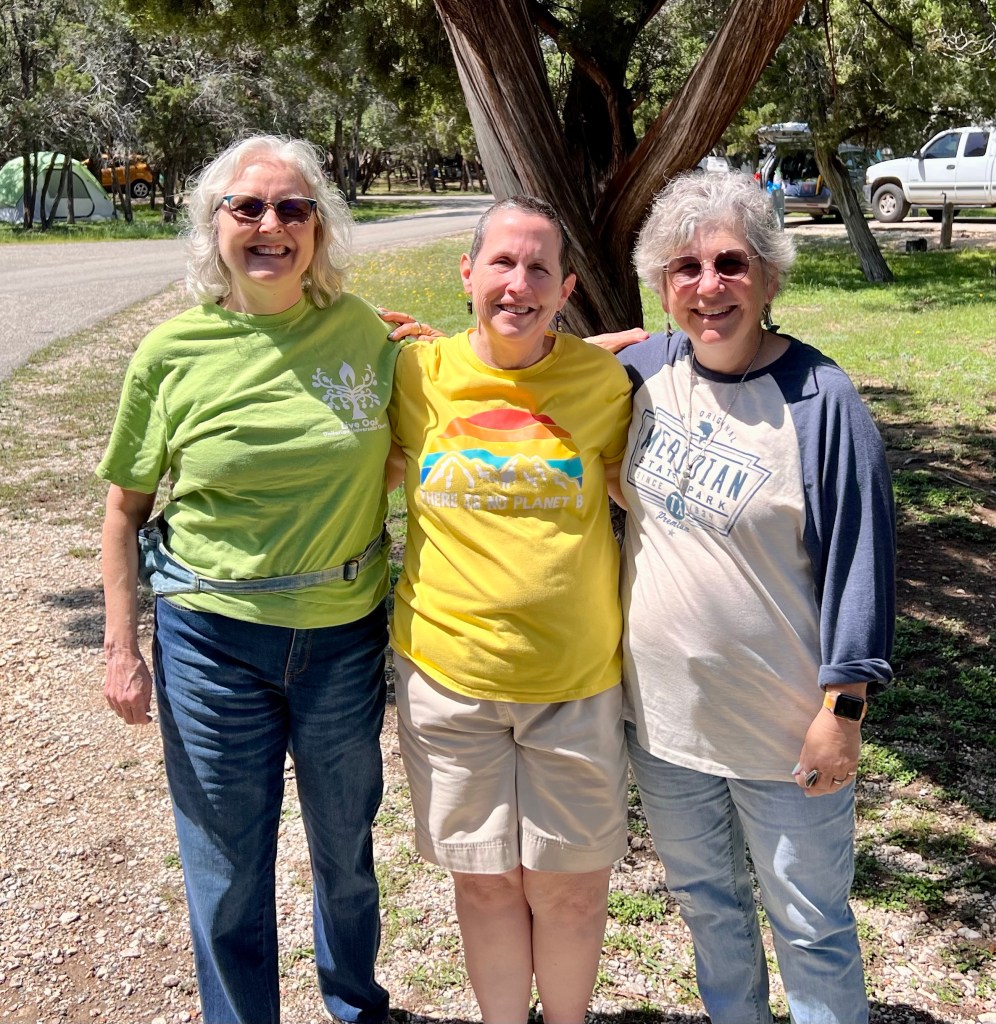
The blog prompt for today got me thinking about how much I enjoy Texas State Parks and how many opportunities there are for volunteers like me and my Master Naturalist friends to help out and educate the public at them.
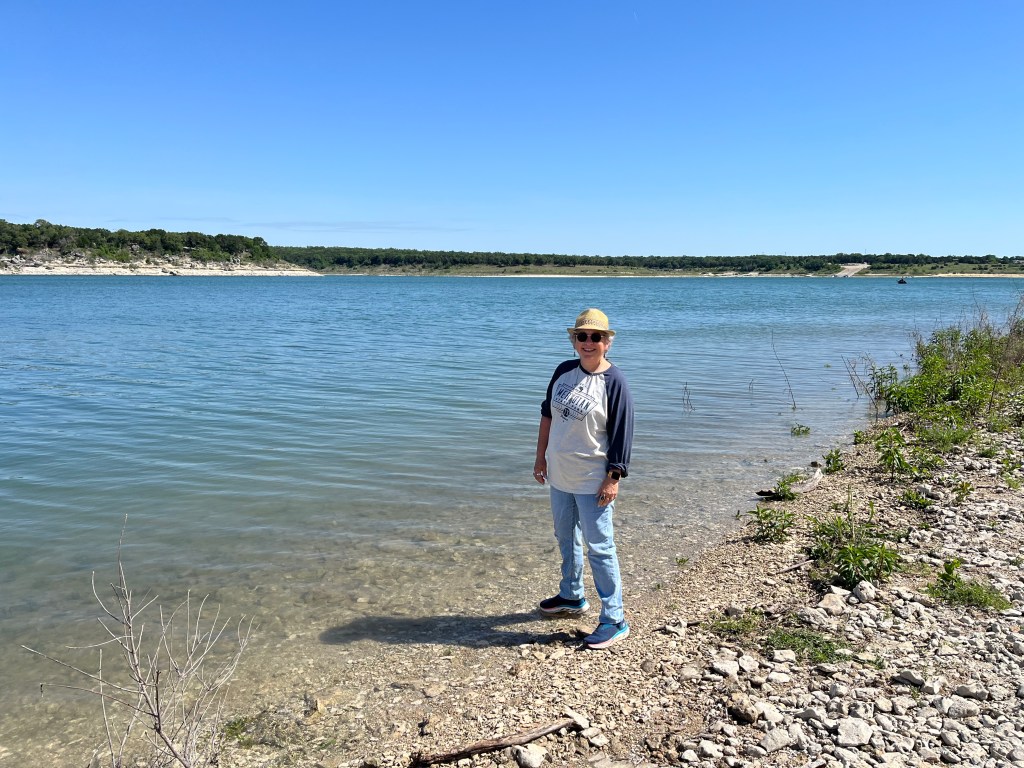
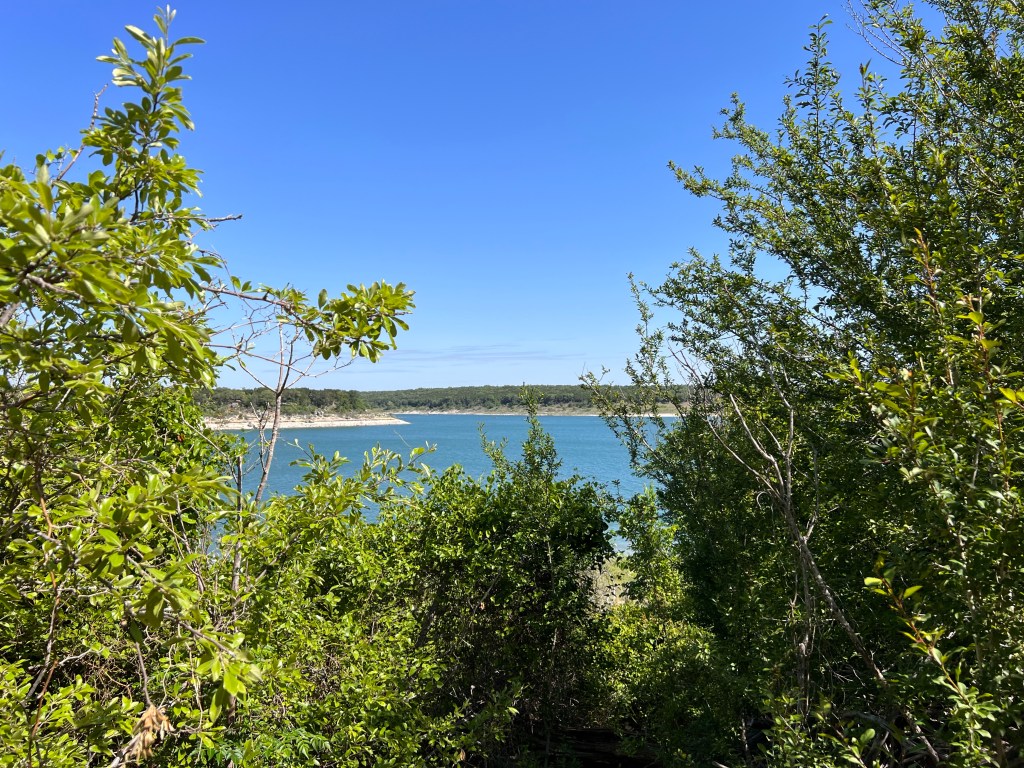
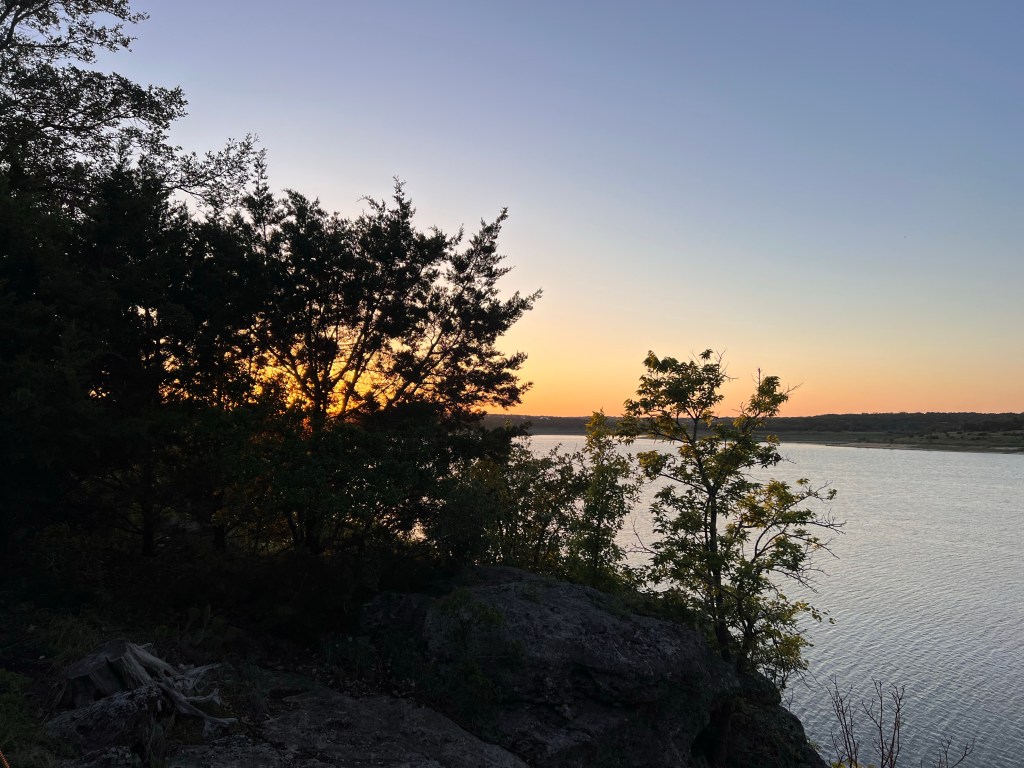
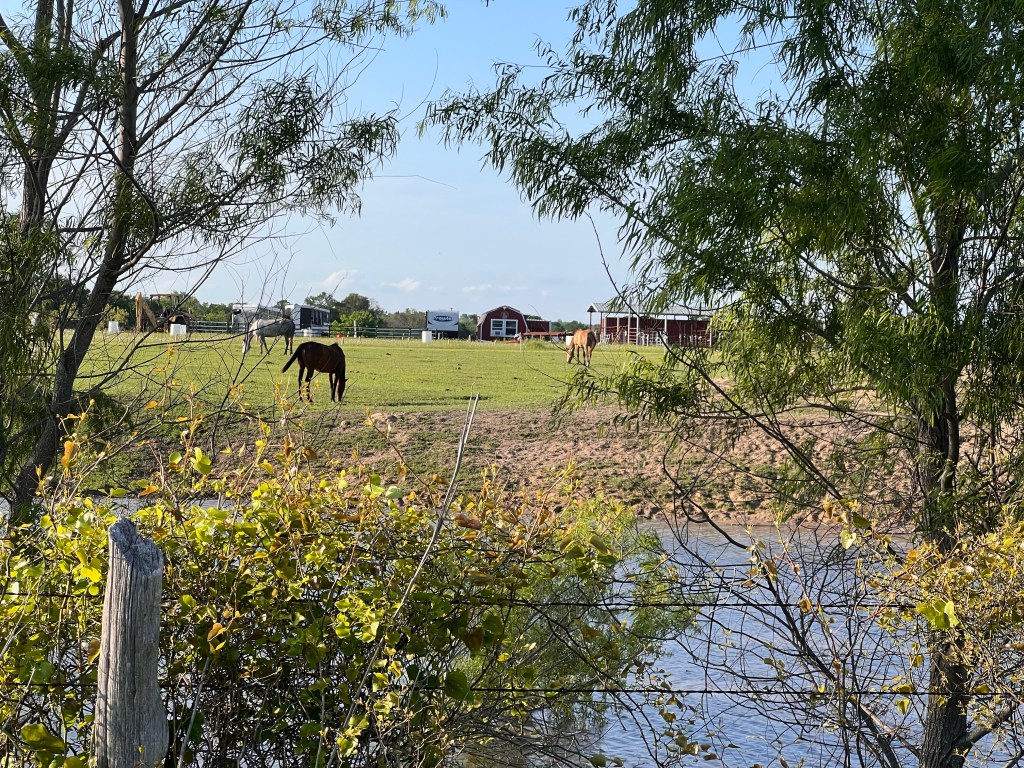
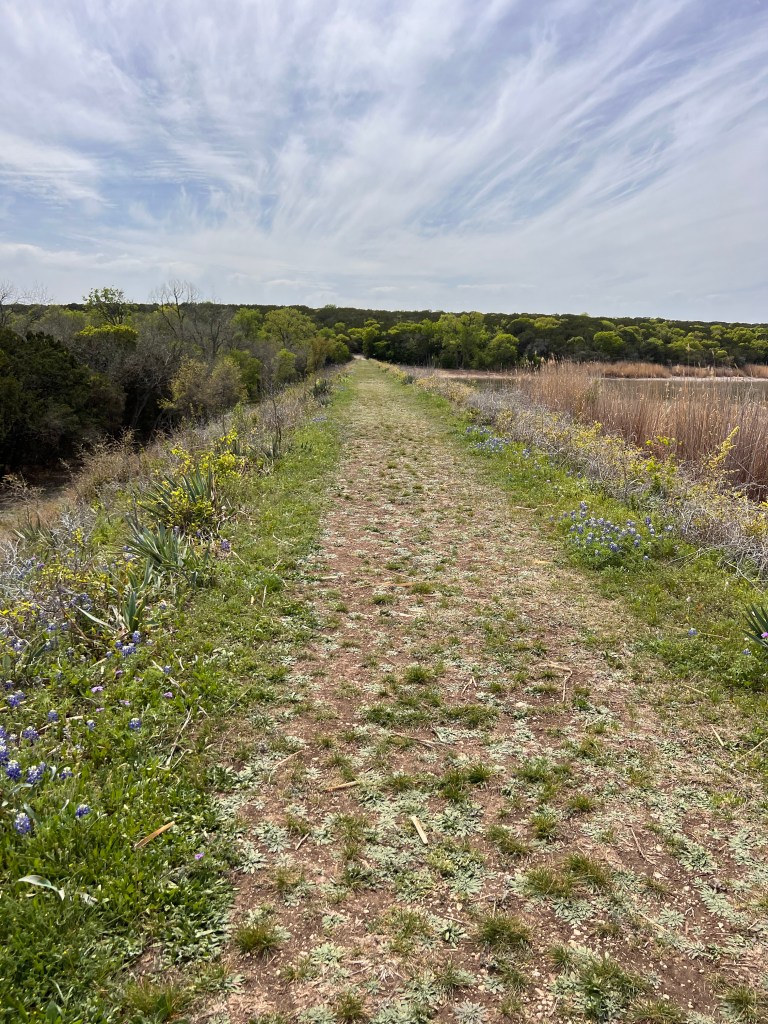
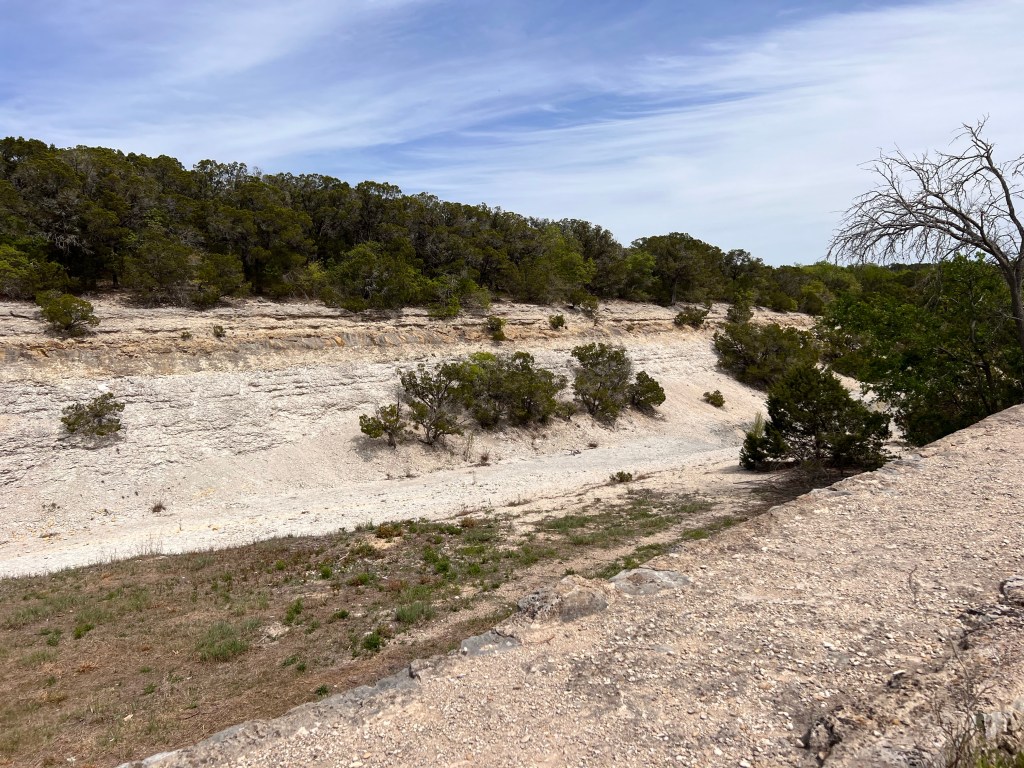
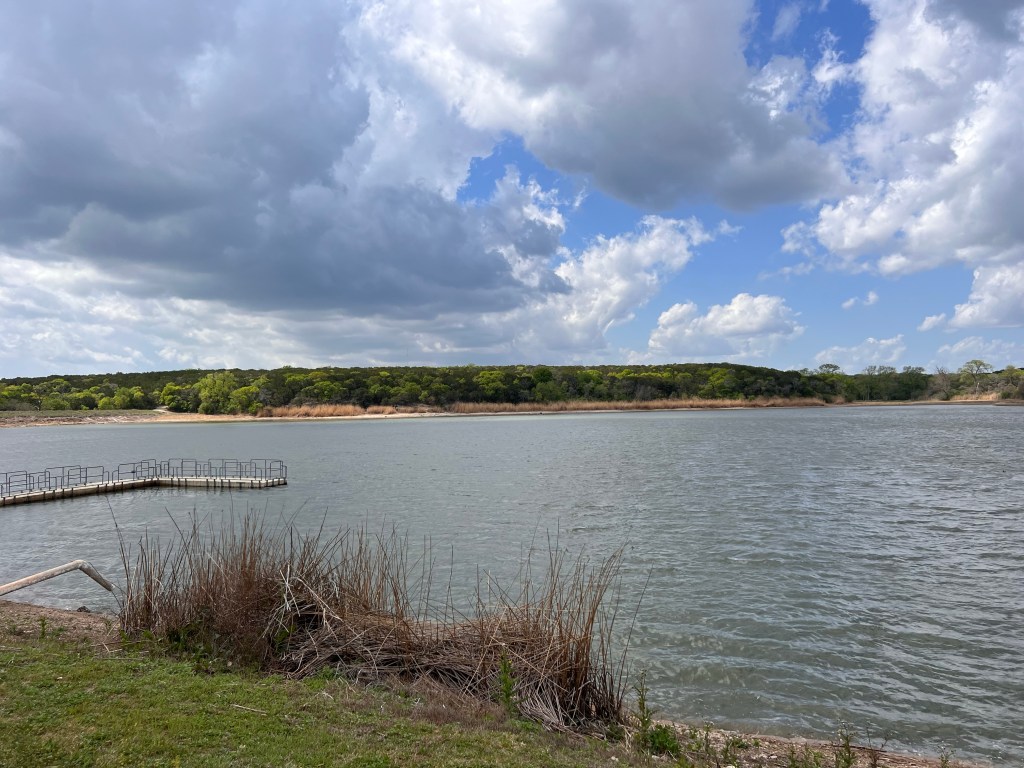
View across the dam at Meridian State Park
Sadly, there’s no State Park in Milam County, so our El Camino Real Master Naturalist Chapter have had to make our own opportunities, like our Wildscape that Catherine Johnson spearheaded. Another group is working on a project at Sugarloaf Mountain, a cool site in the county.
We don’t have much public land, if any in Milam County. Thank goodness someone donated land for this park!
So, if I had anything named after me, I’d love it to be a State Park in Milam County. Of course, our ranch isn’t big enough to be one. And we don’t own it all ourselves. So I’d have to get really wealthy and buy up some scenic land. It’s just a dream, but I’ll help out anyone else who wants to create one!
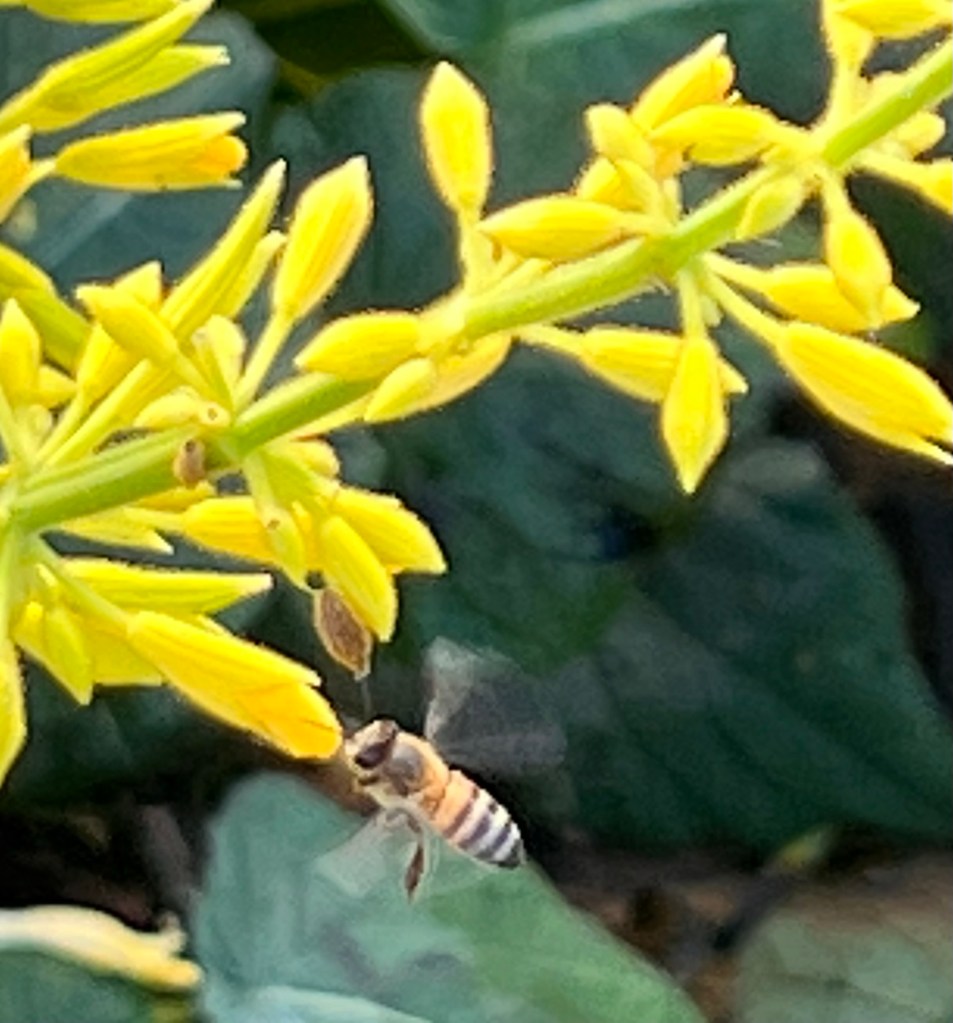
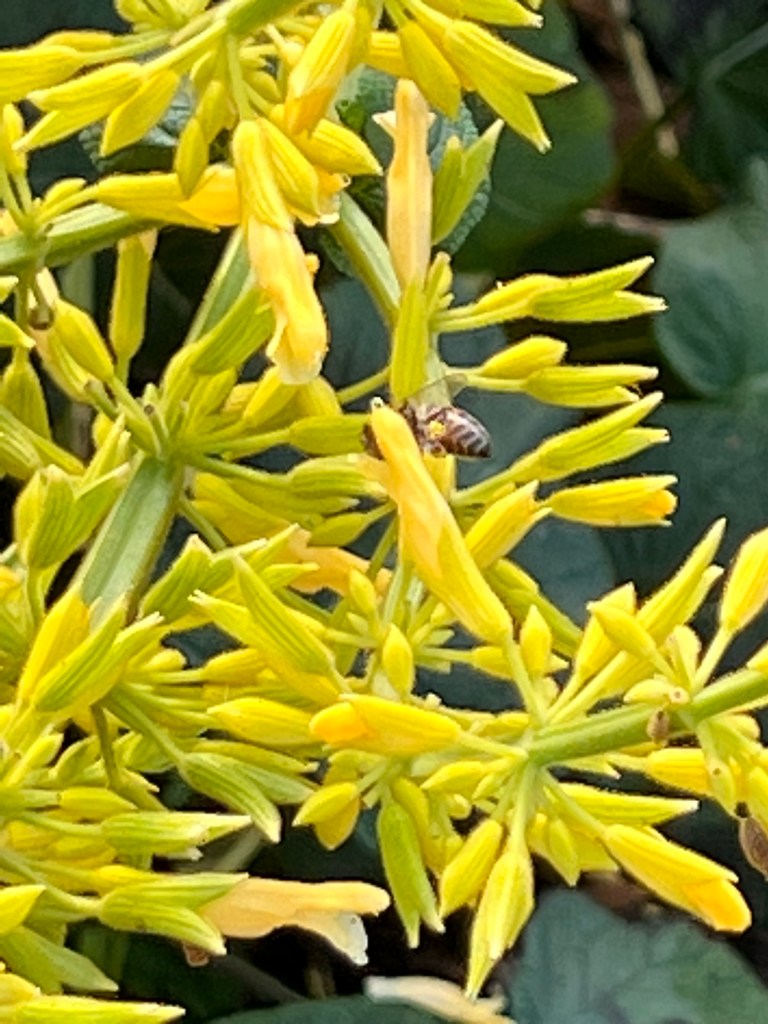
I hope my park would have cool beehives like the one I found yesterday on the dam! Watch this video!
Until the Suna State Park is developed, I’ll just keep visiting others and documenting the biodiversity at each one.
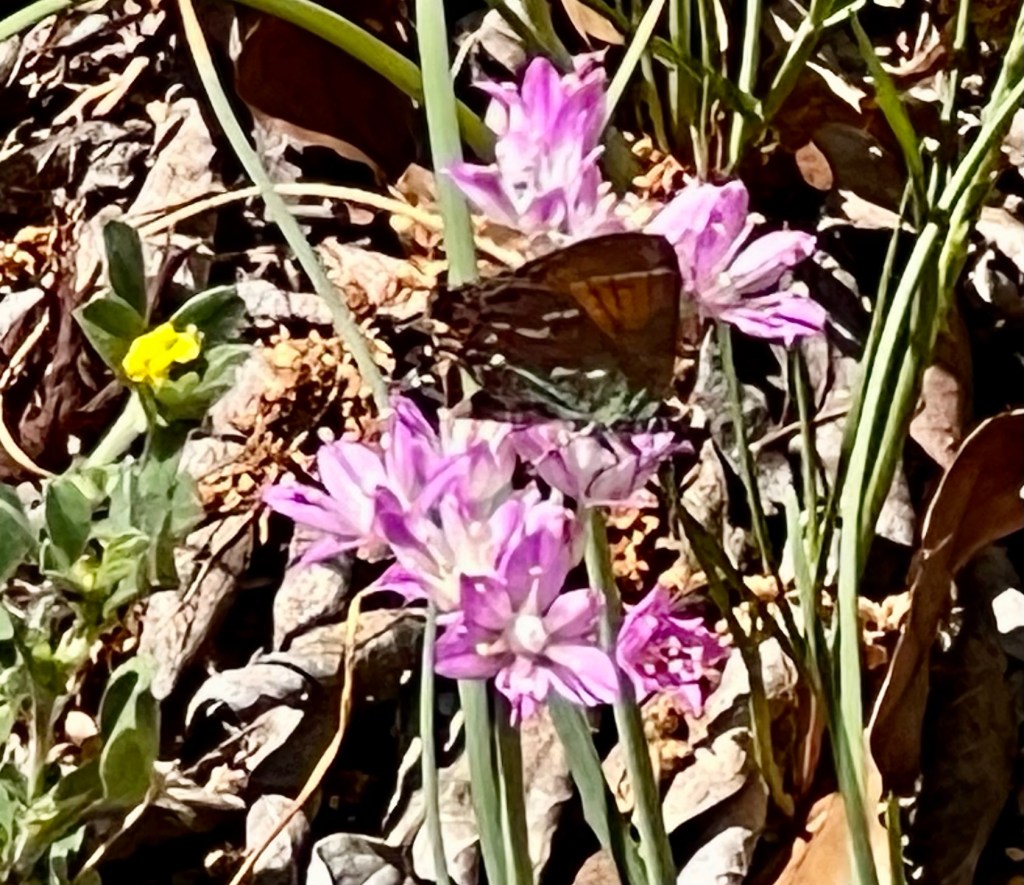
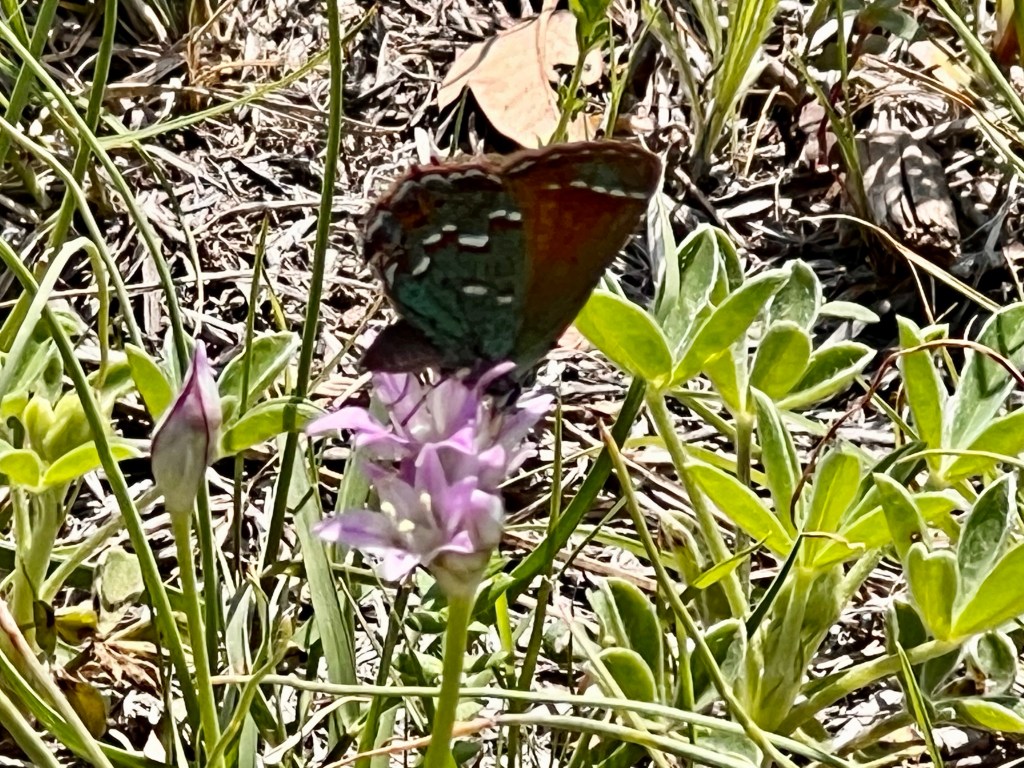
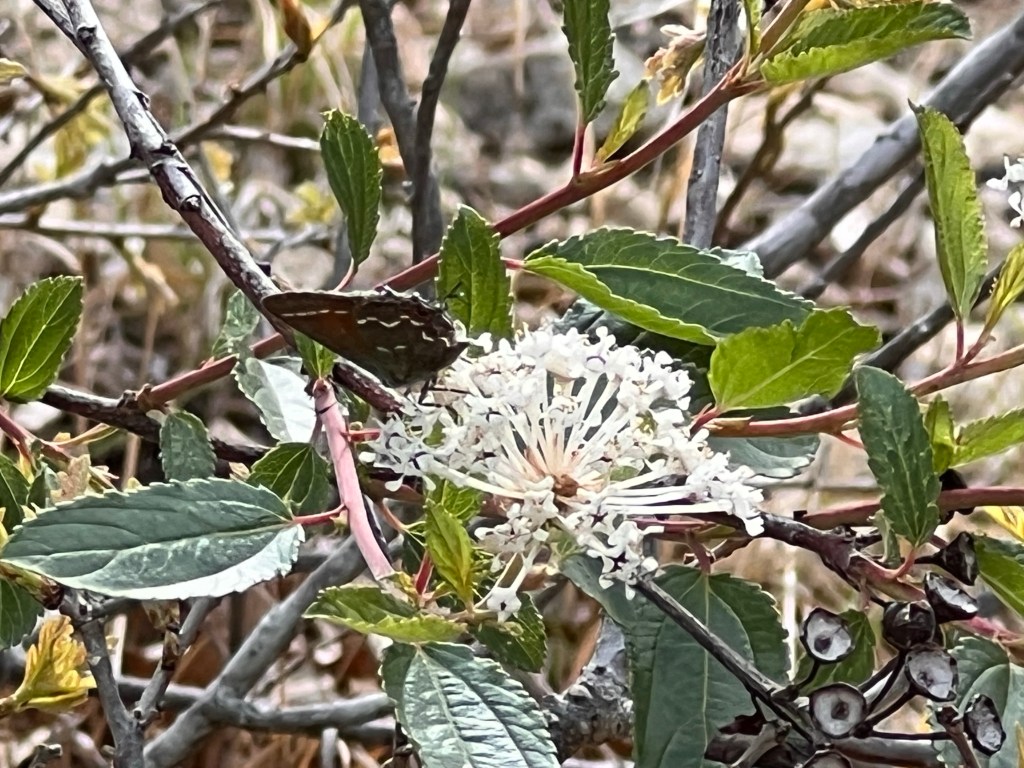
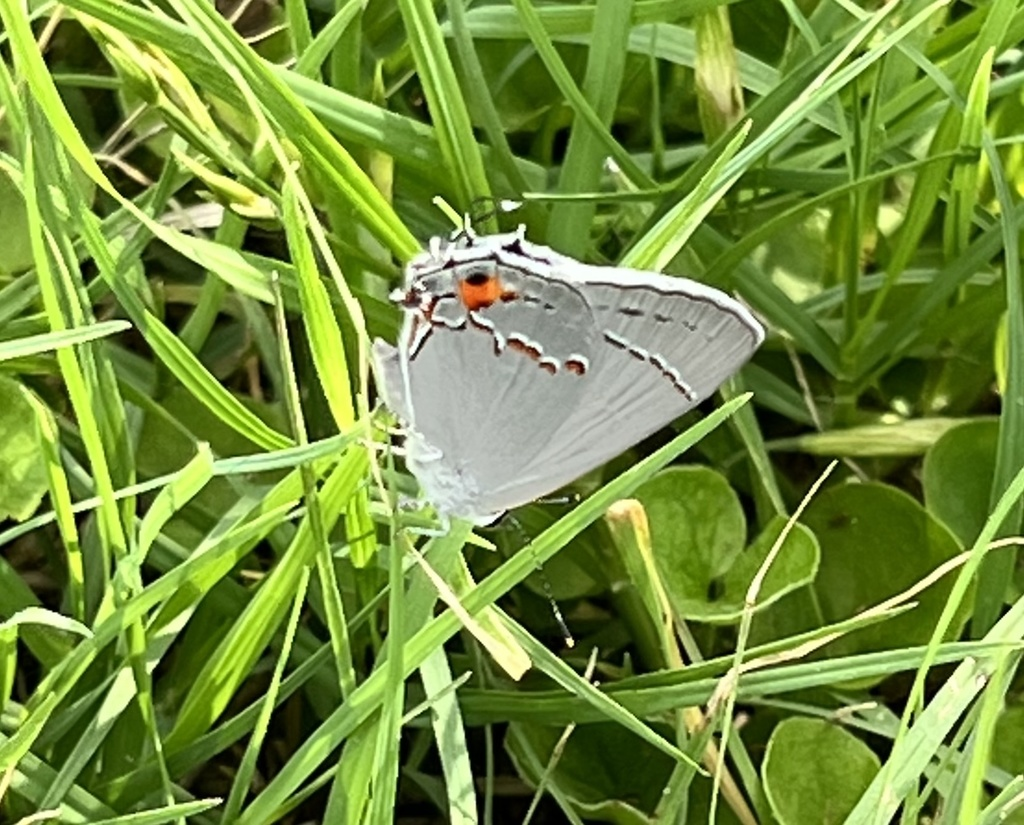
Lee and I talked about printing some of our best photos to decorate Seneca the motor home. This is a juniper hairstreak on antelope horn milkweed.
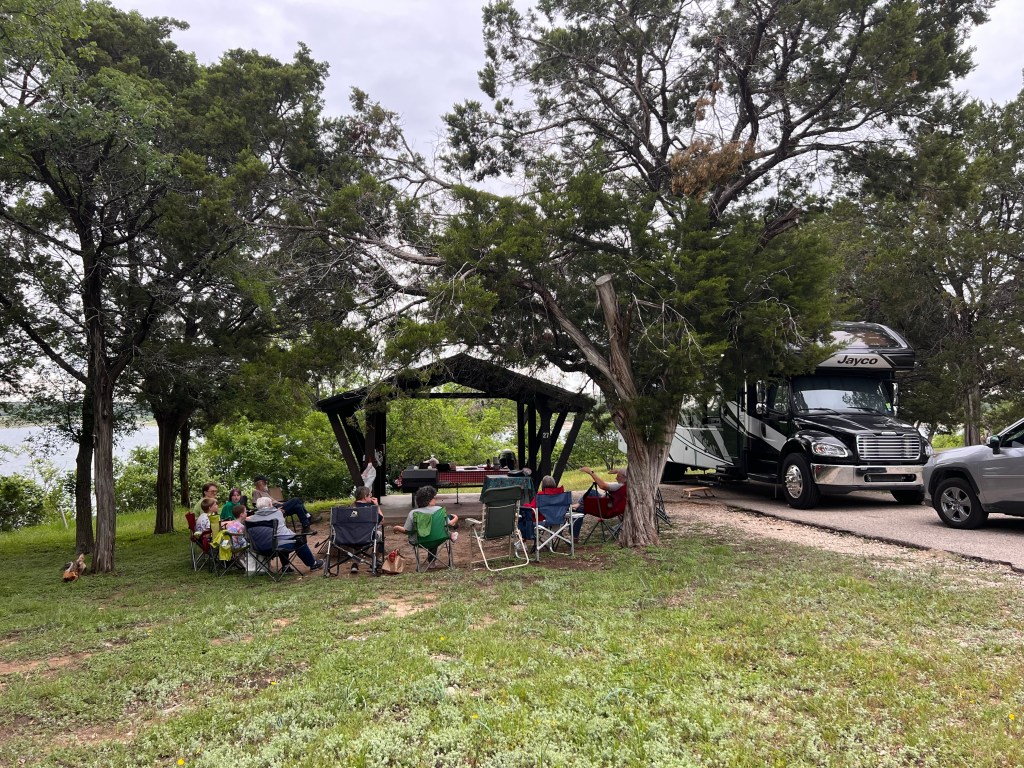
The next trip will be to a Corps of Engineers park with people from our former church. That will be more social camping! Enjoy more photos from yesterday. Which do you think would make good wall decor?
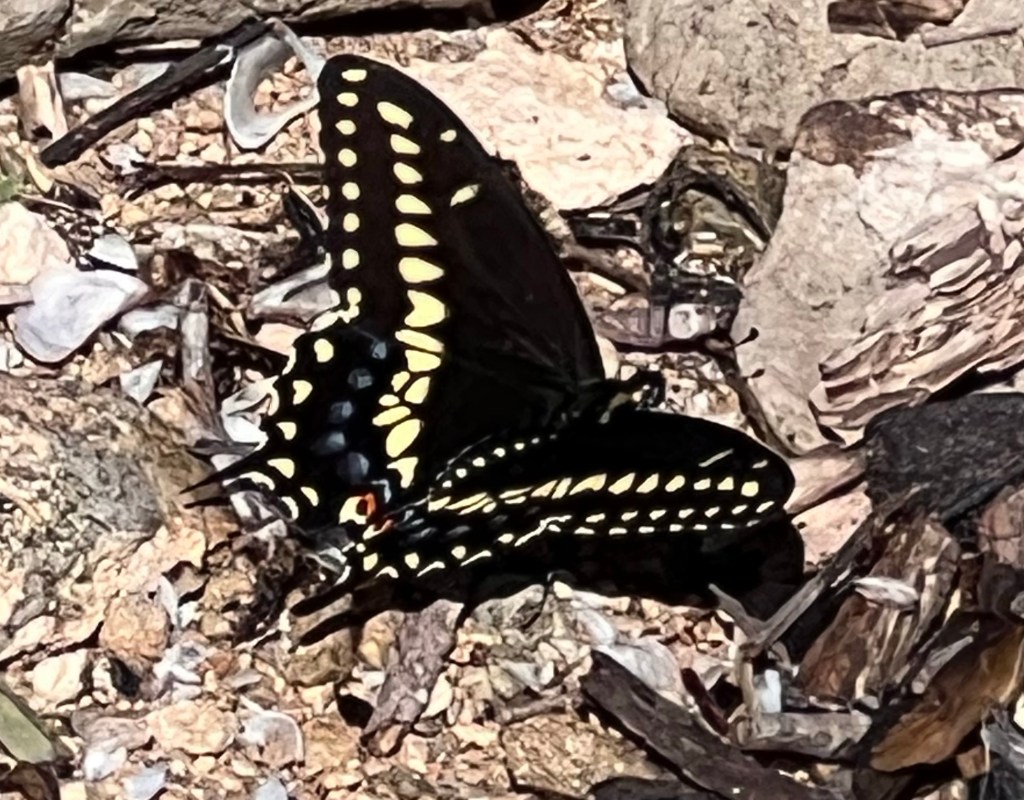
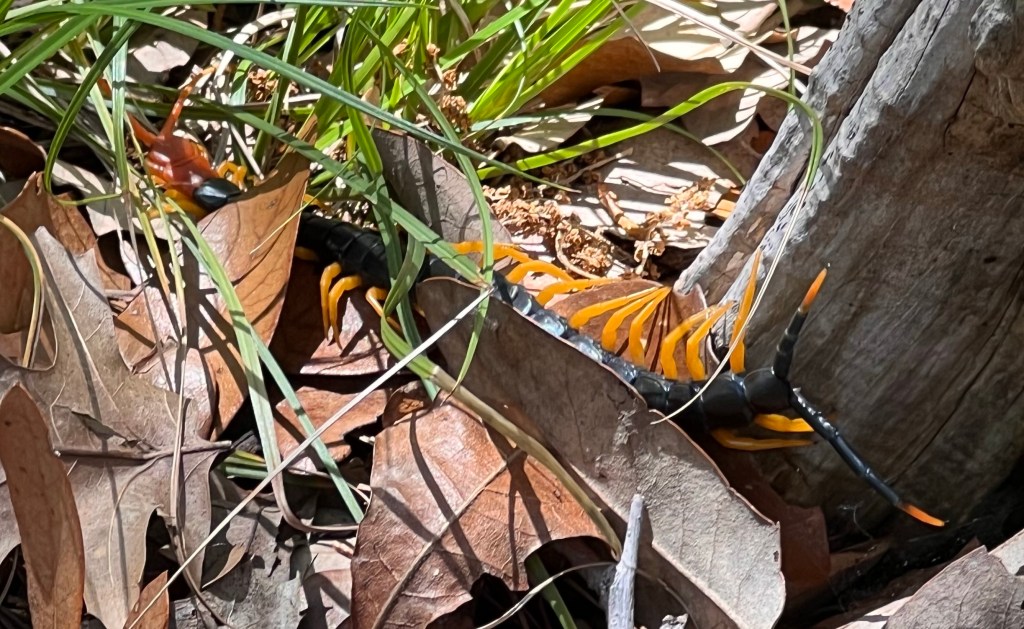
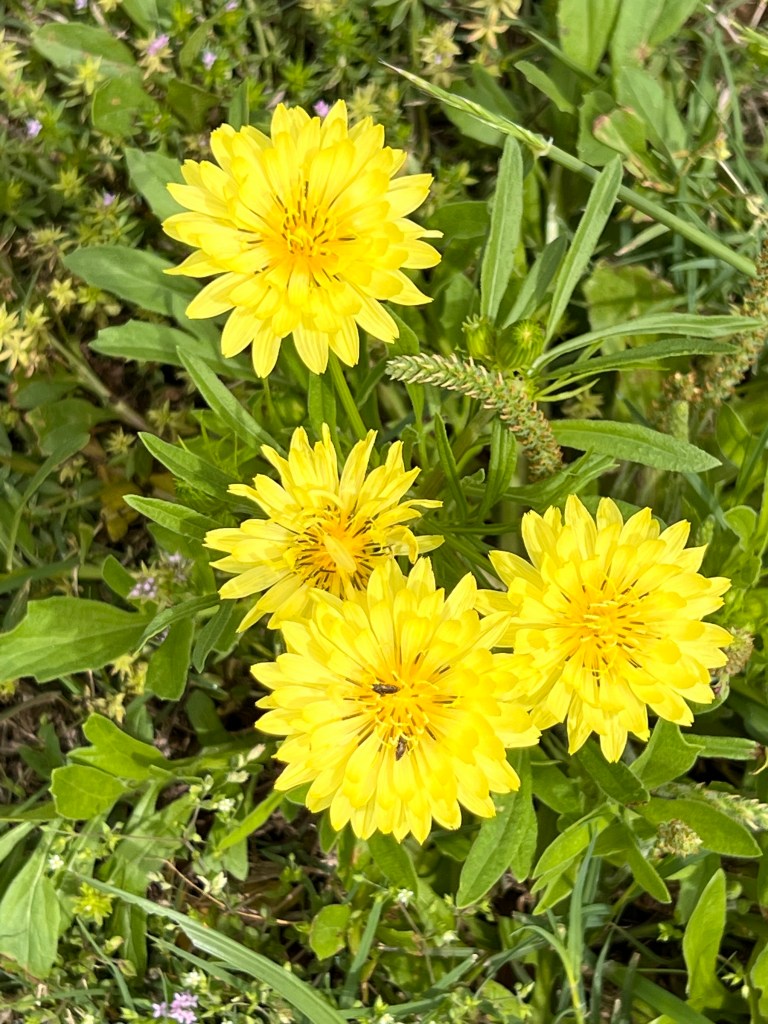
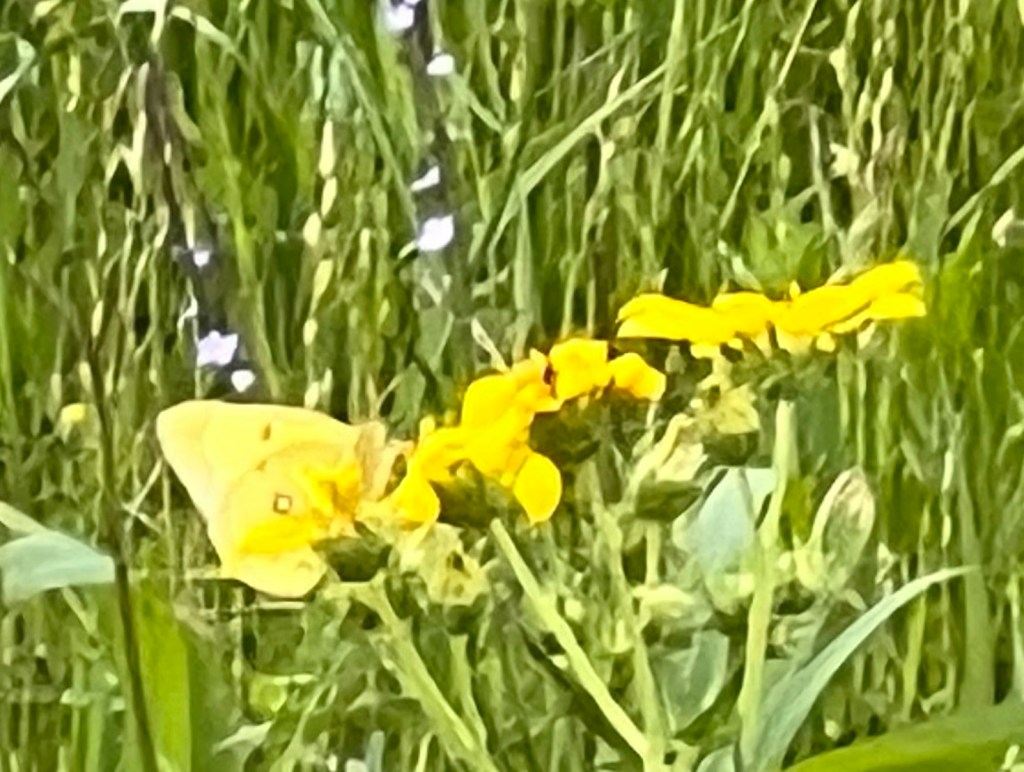
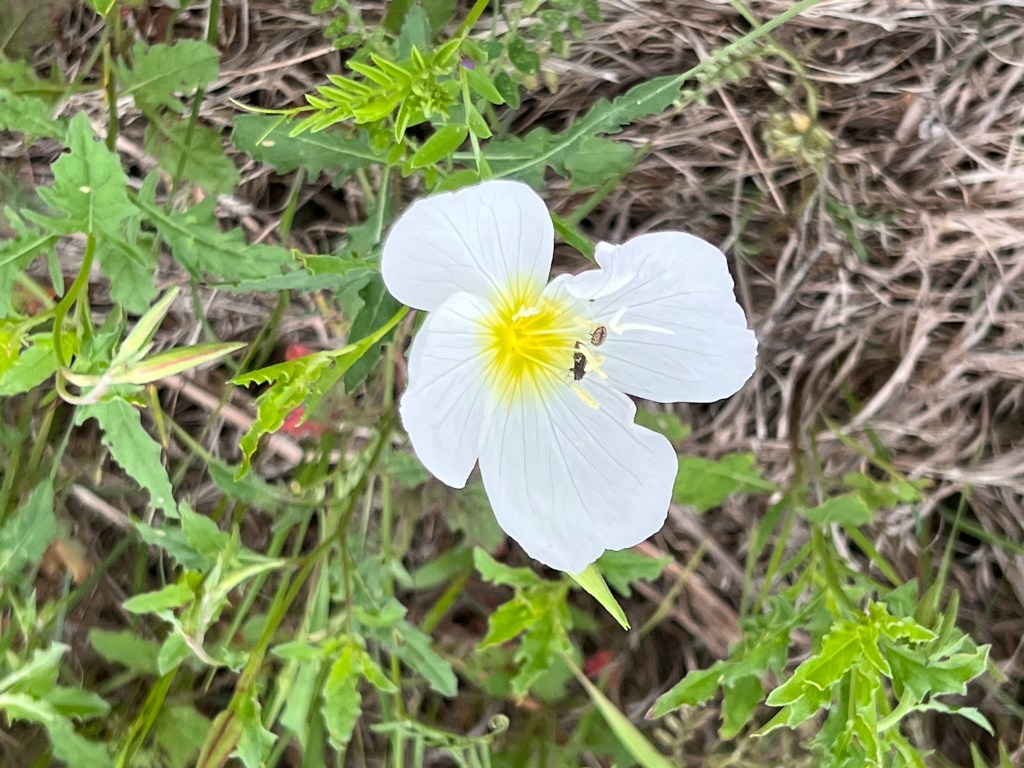
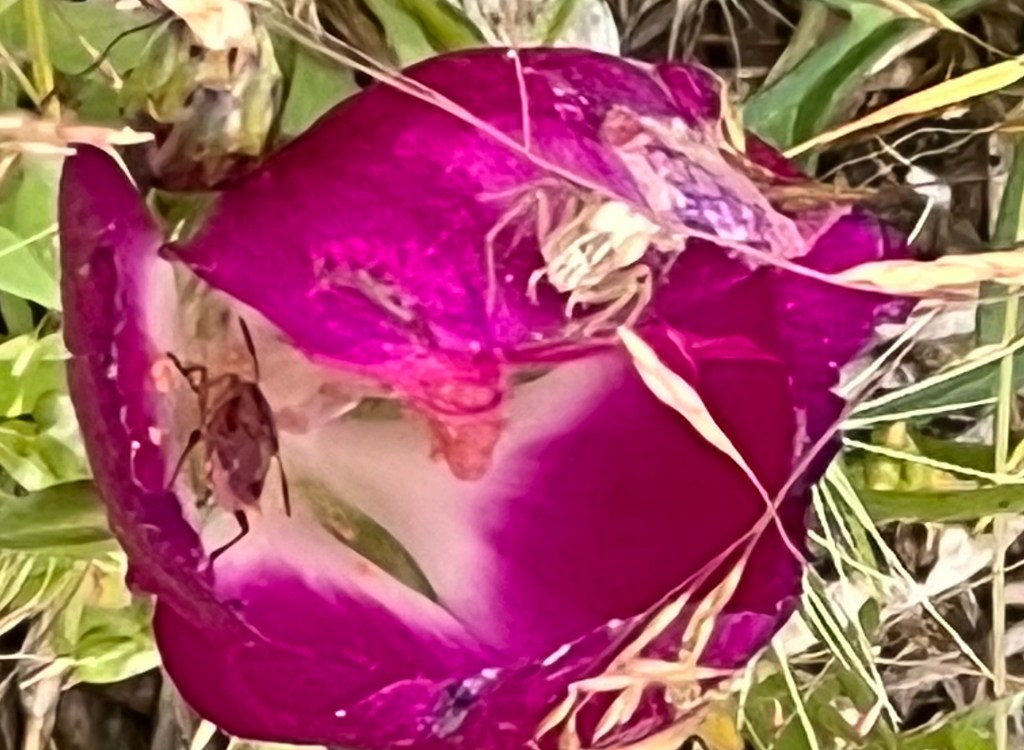
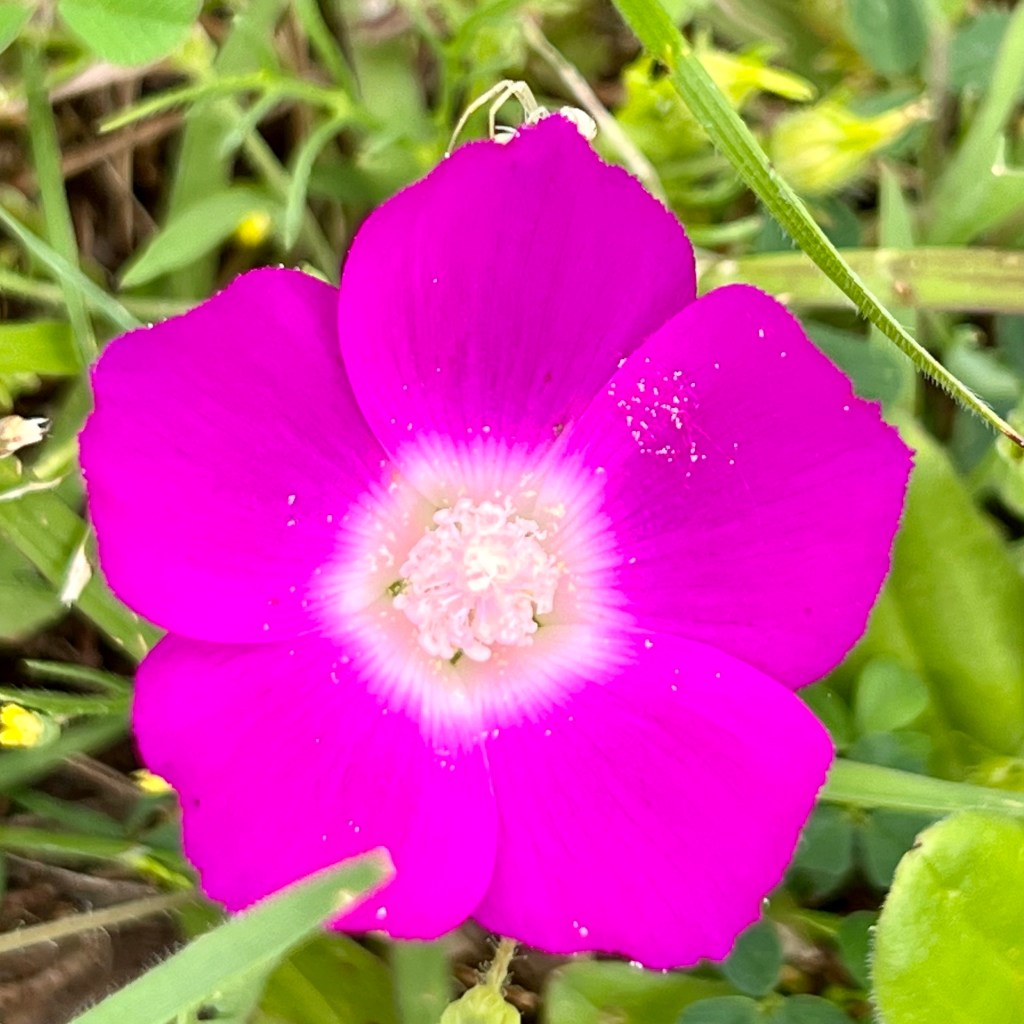
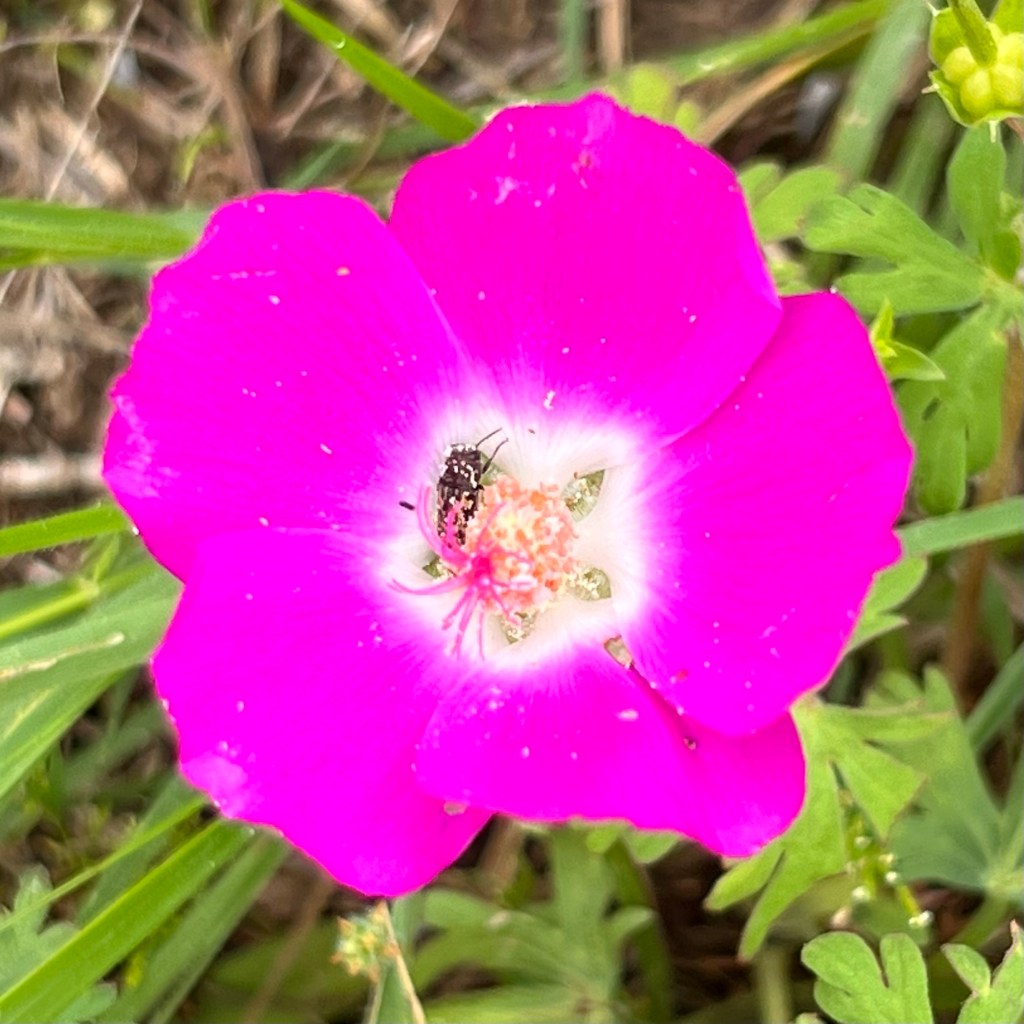
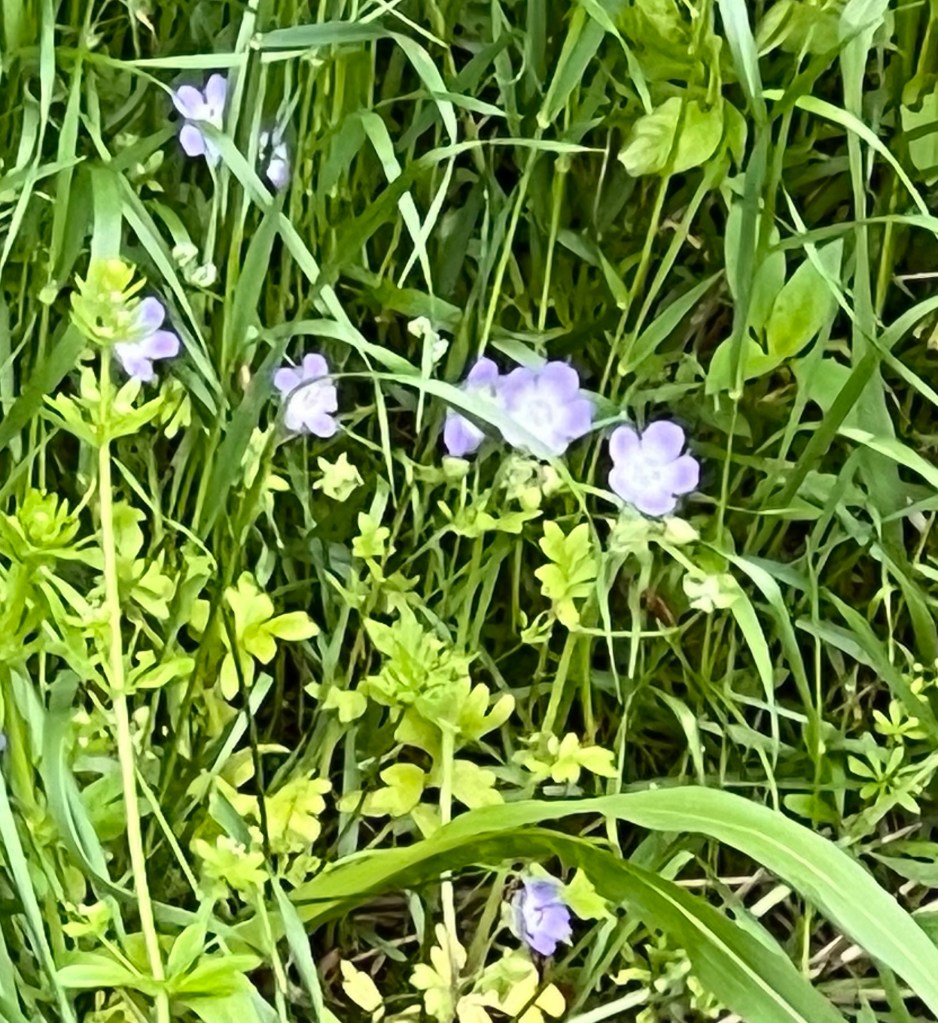
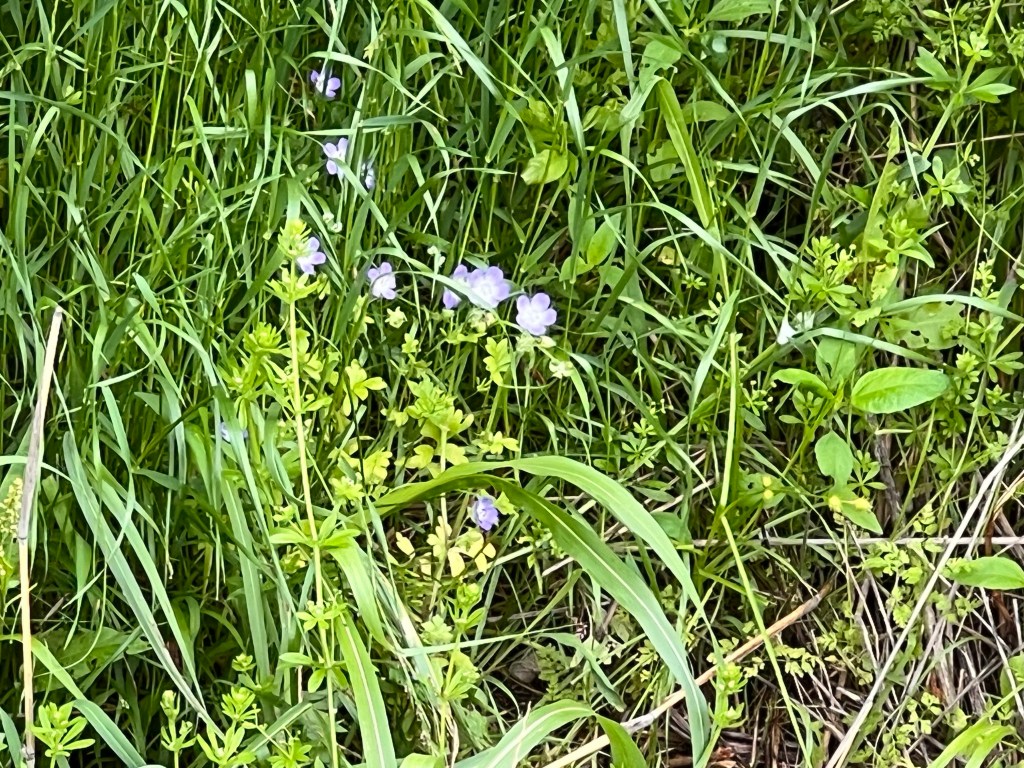
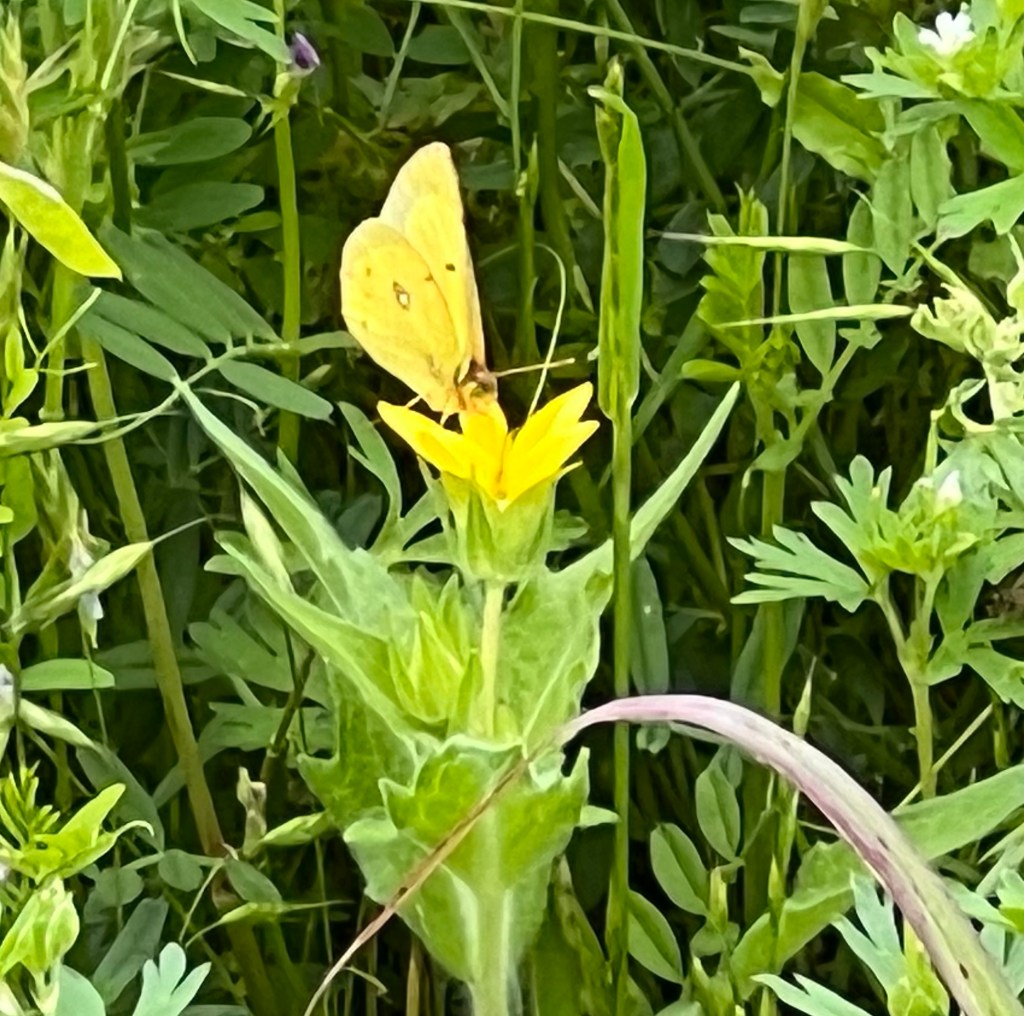
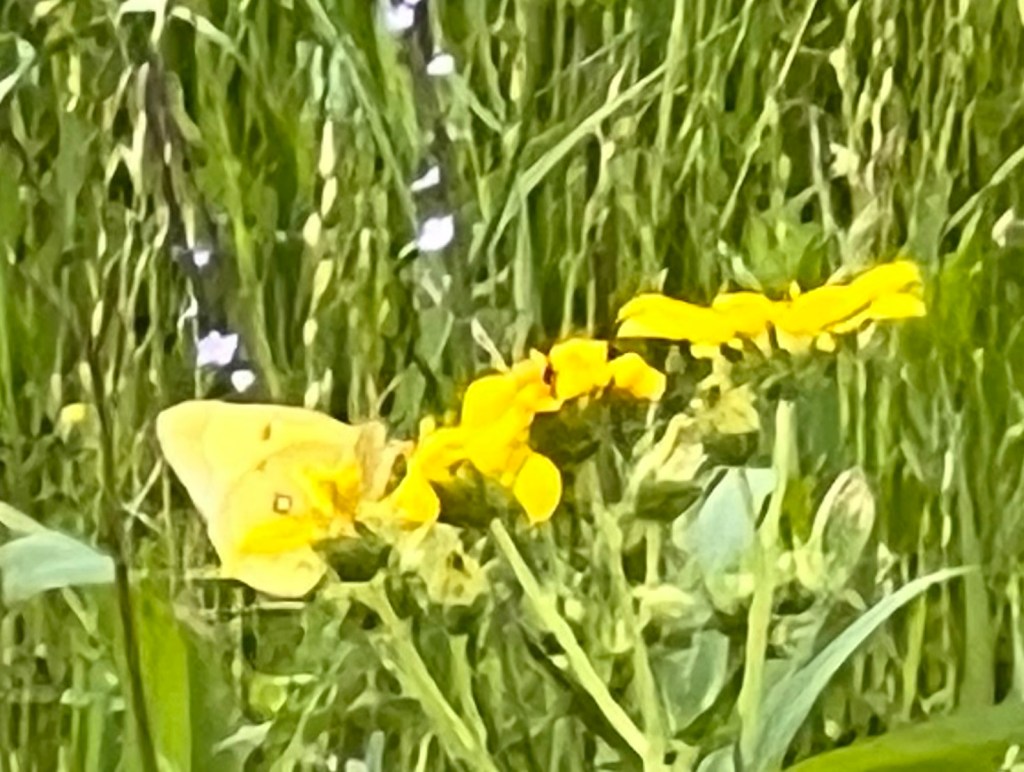
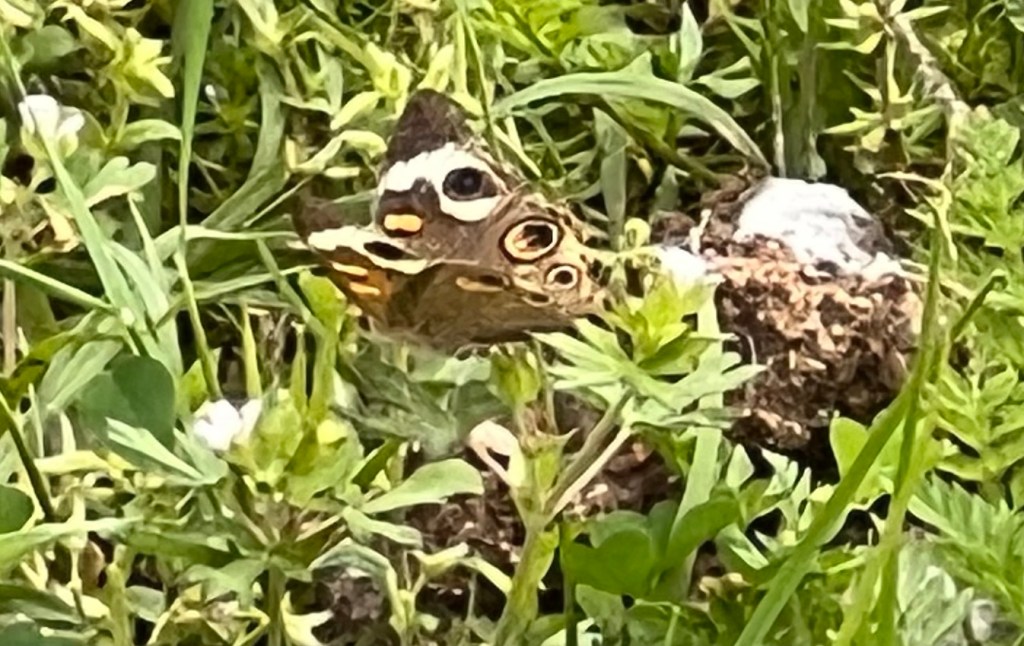
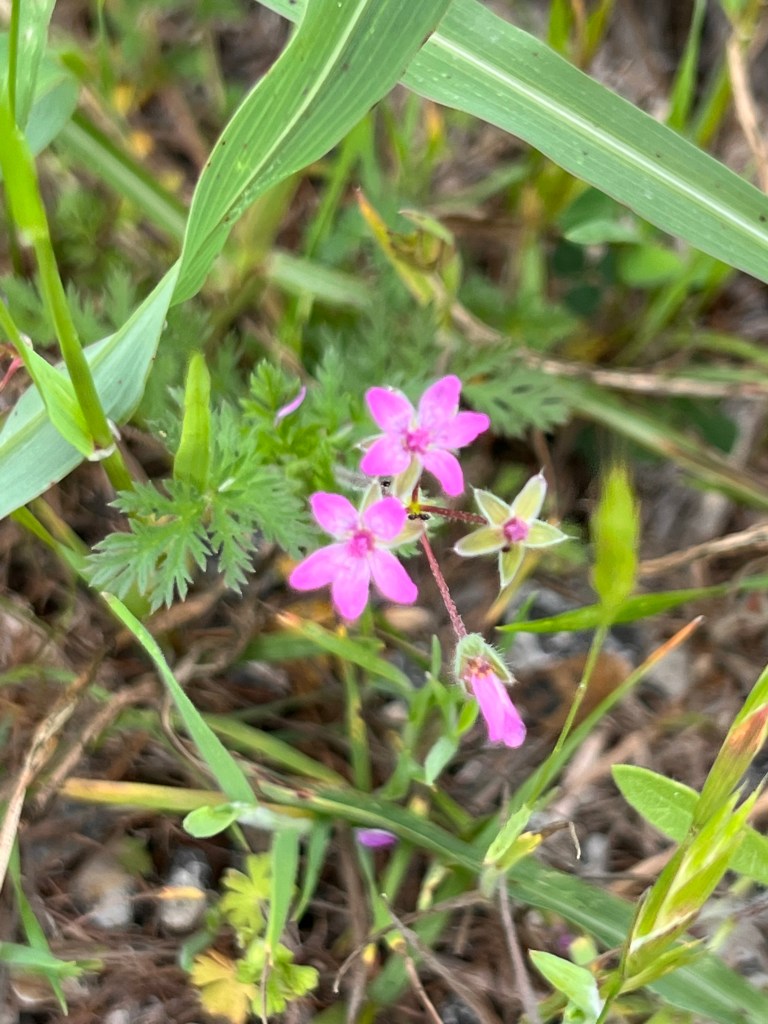
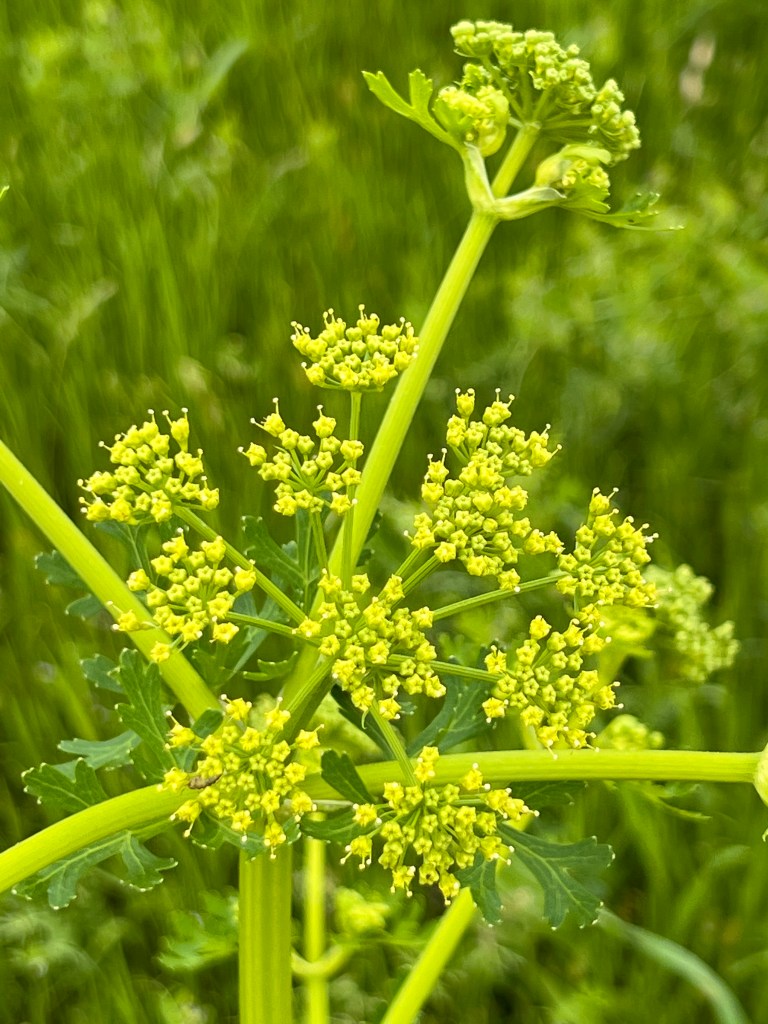
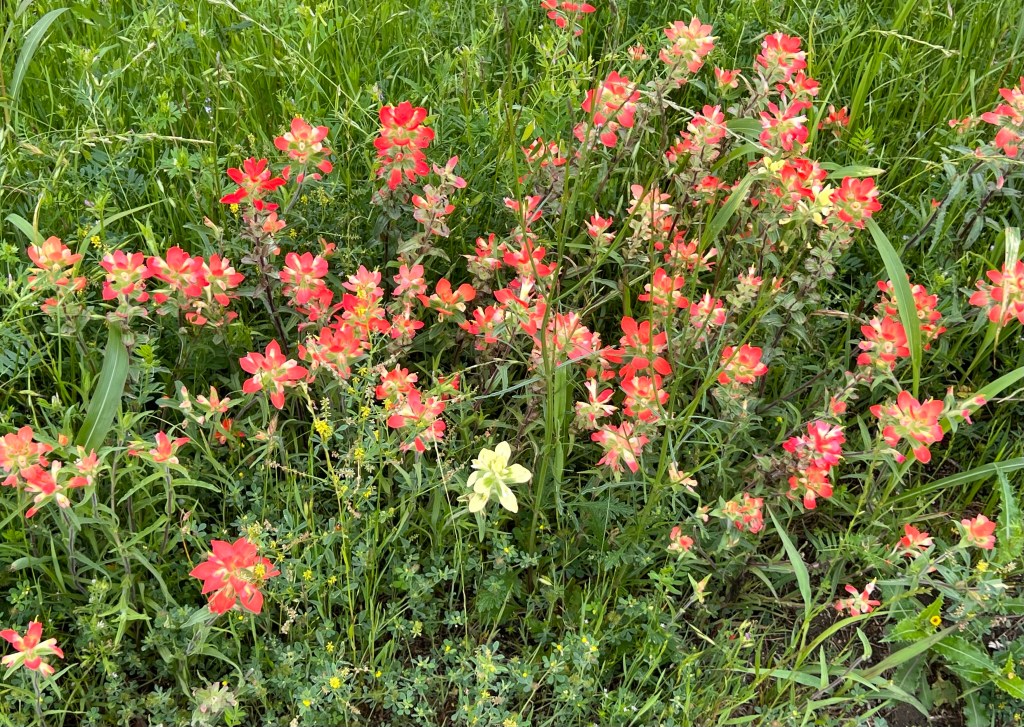
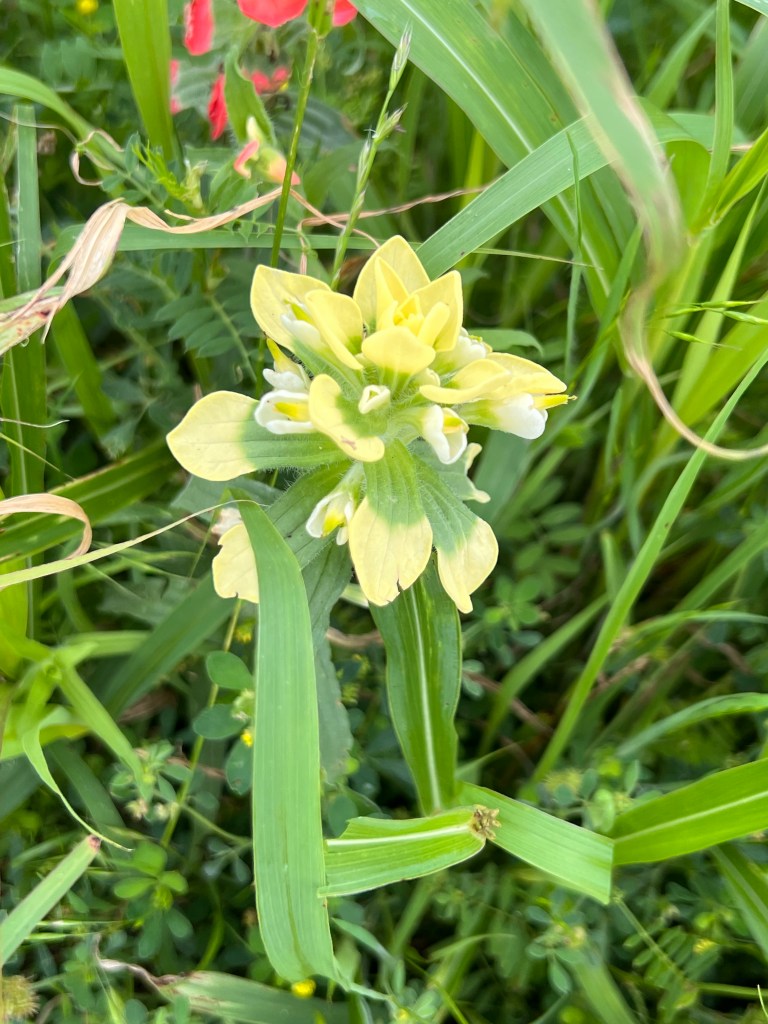
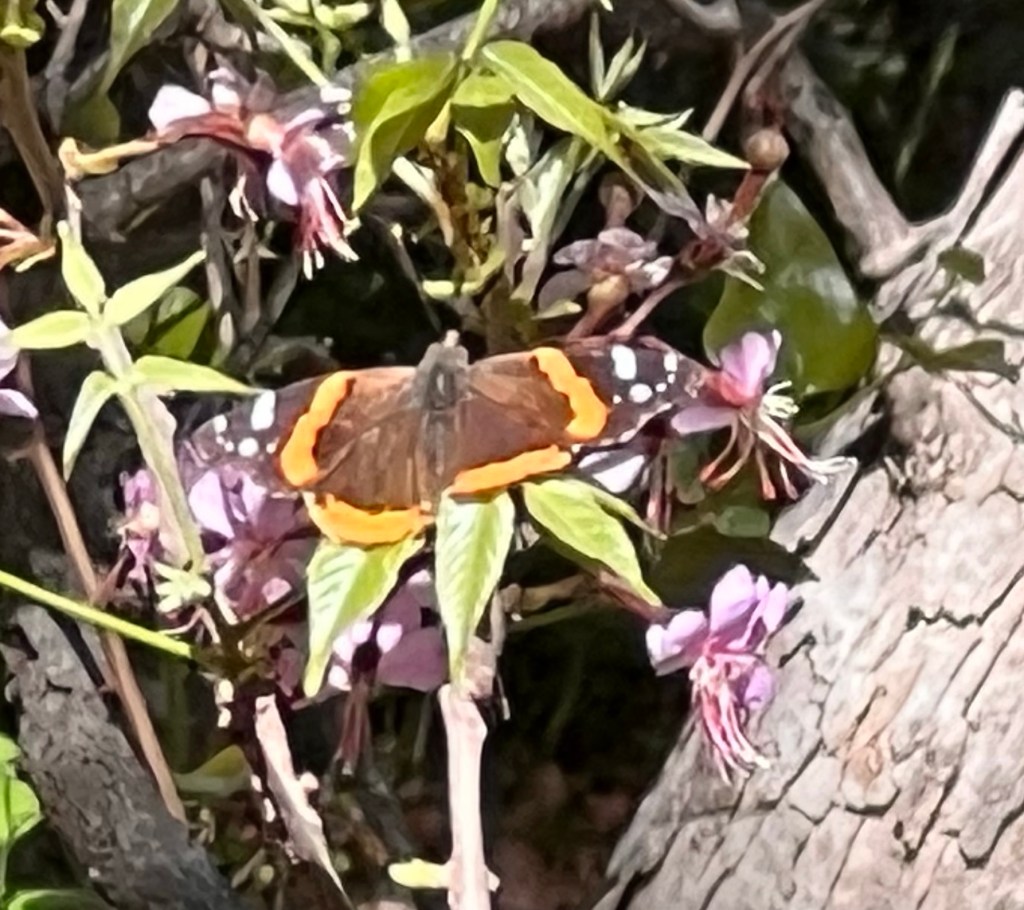
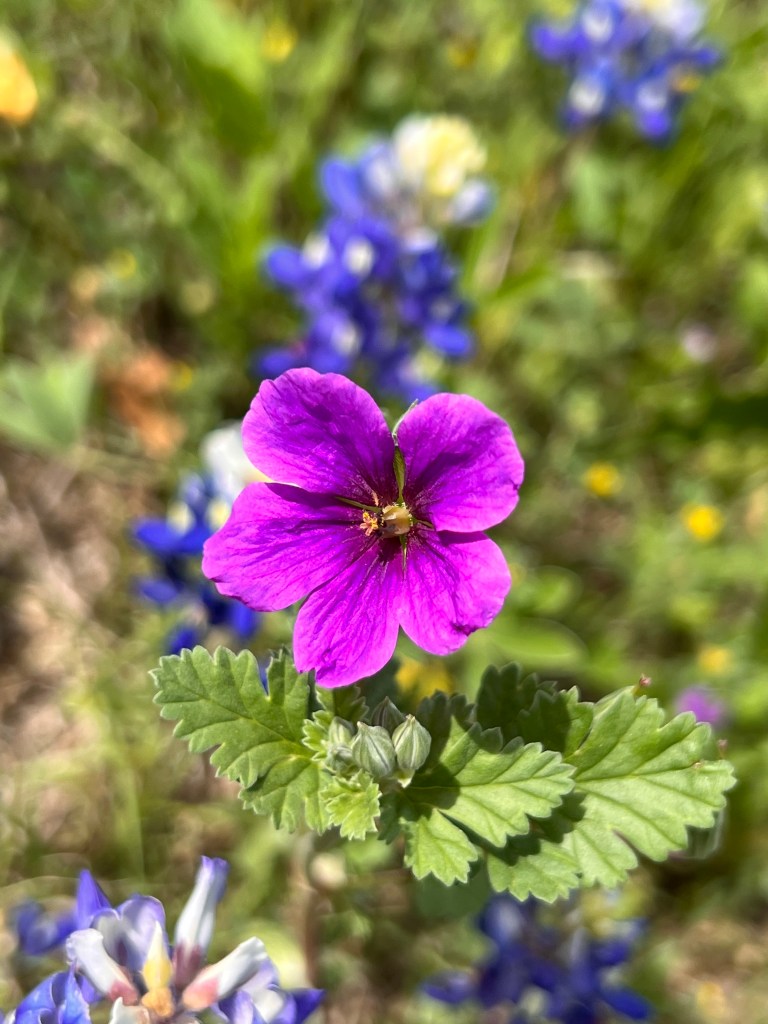
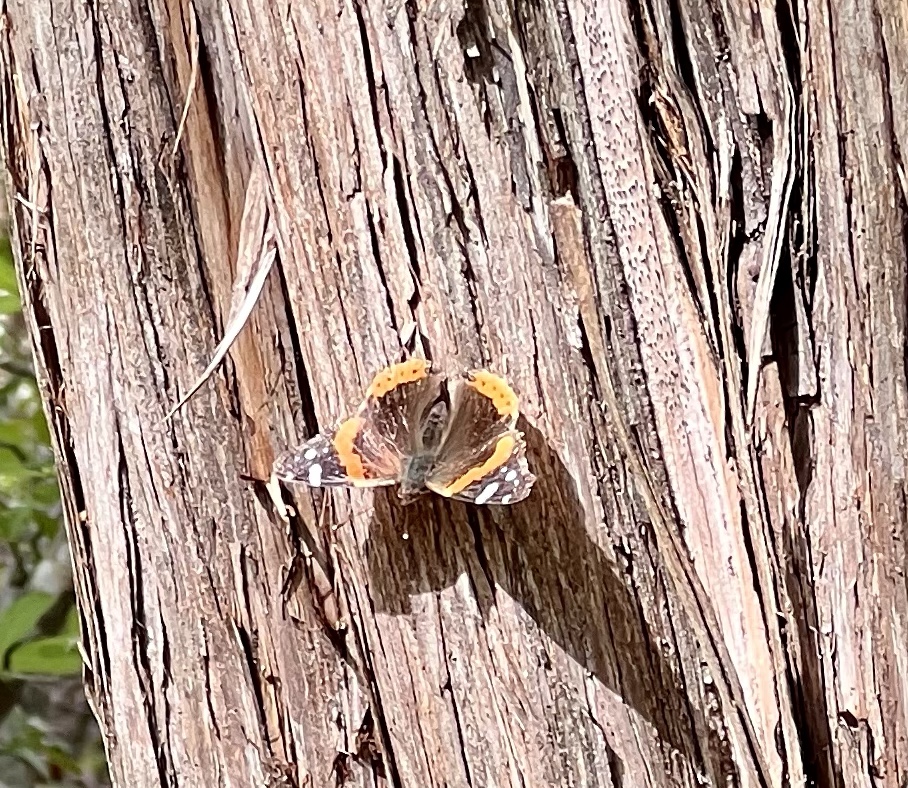
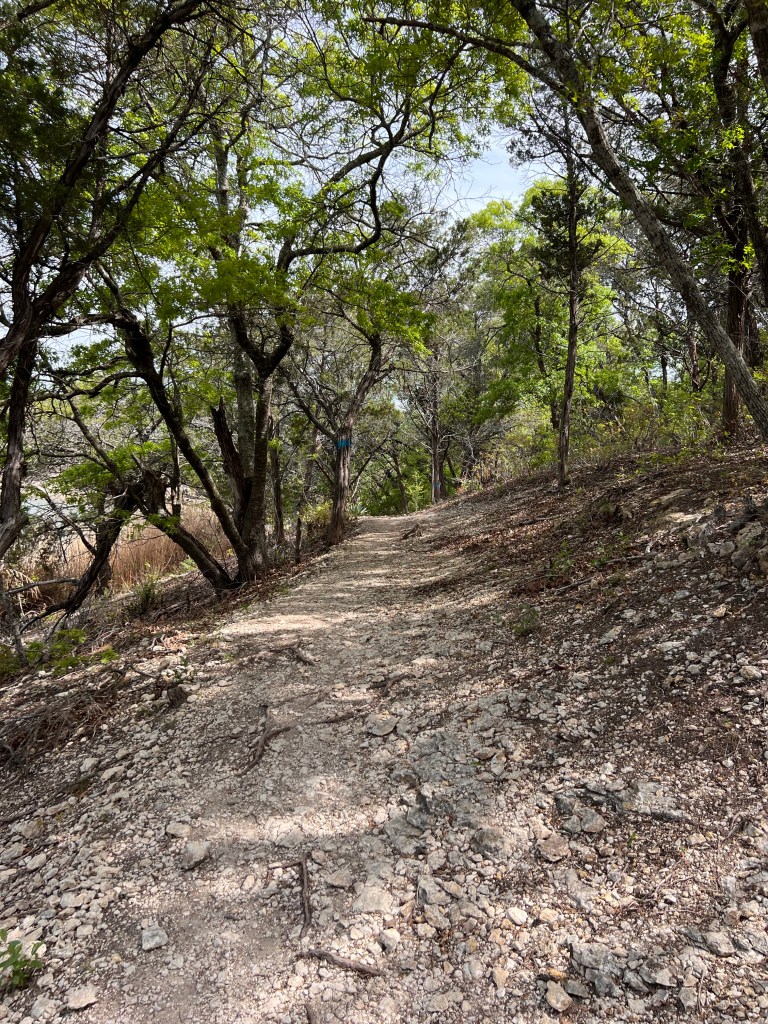
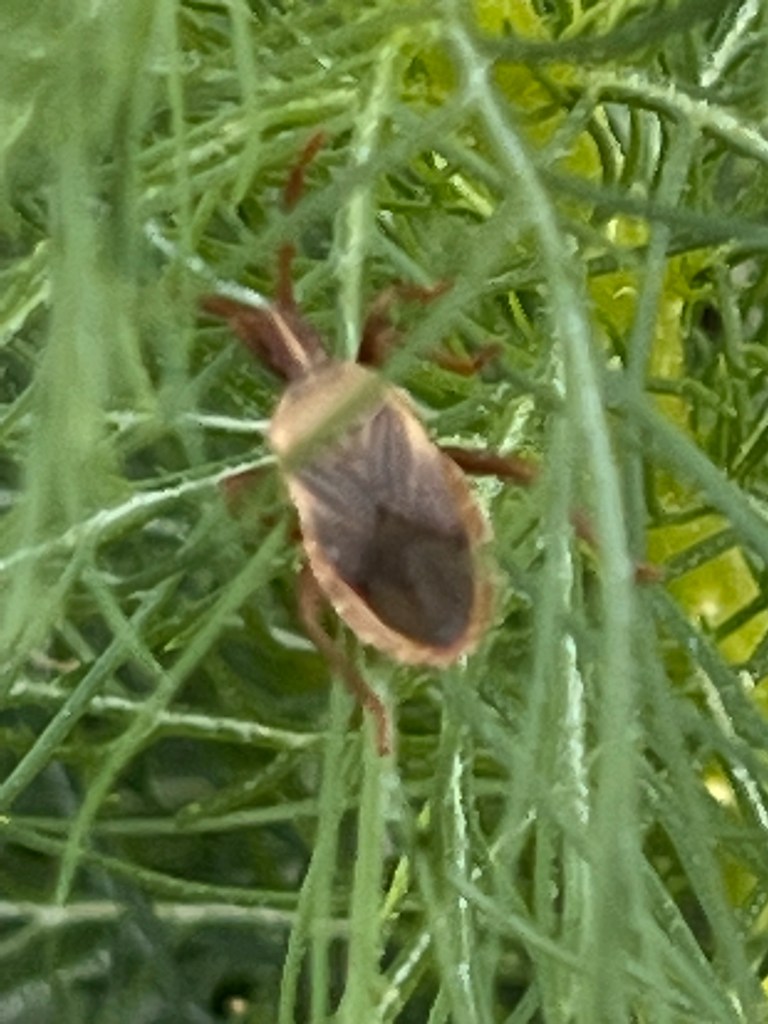
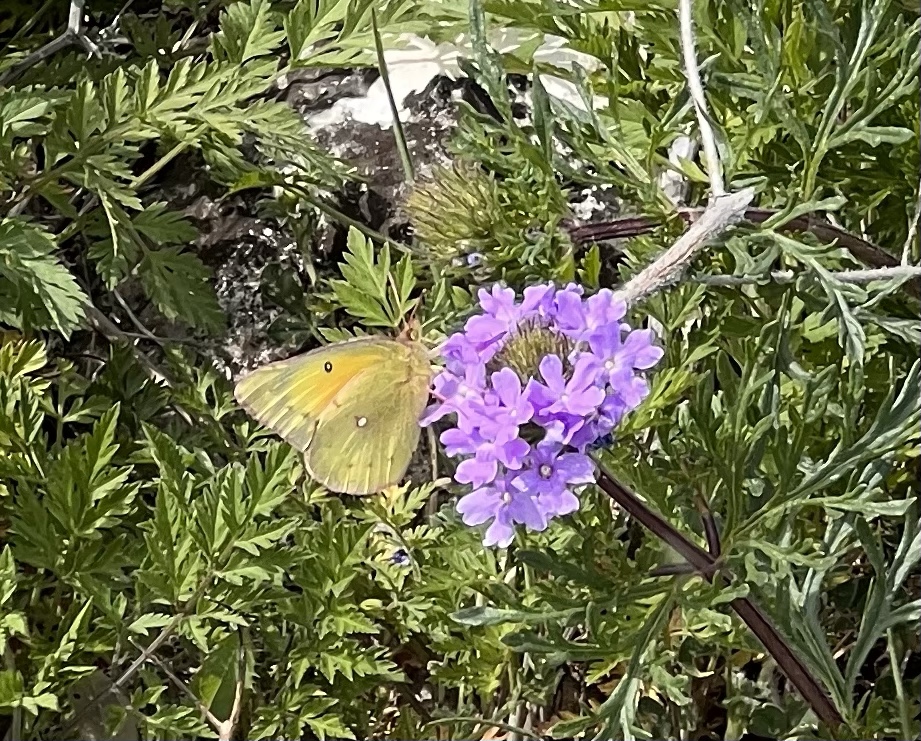
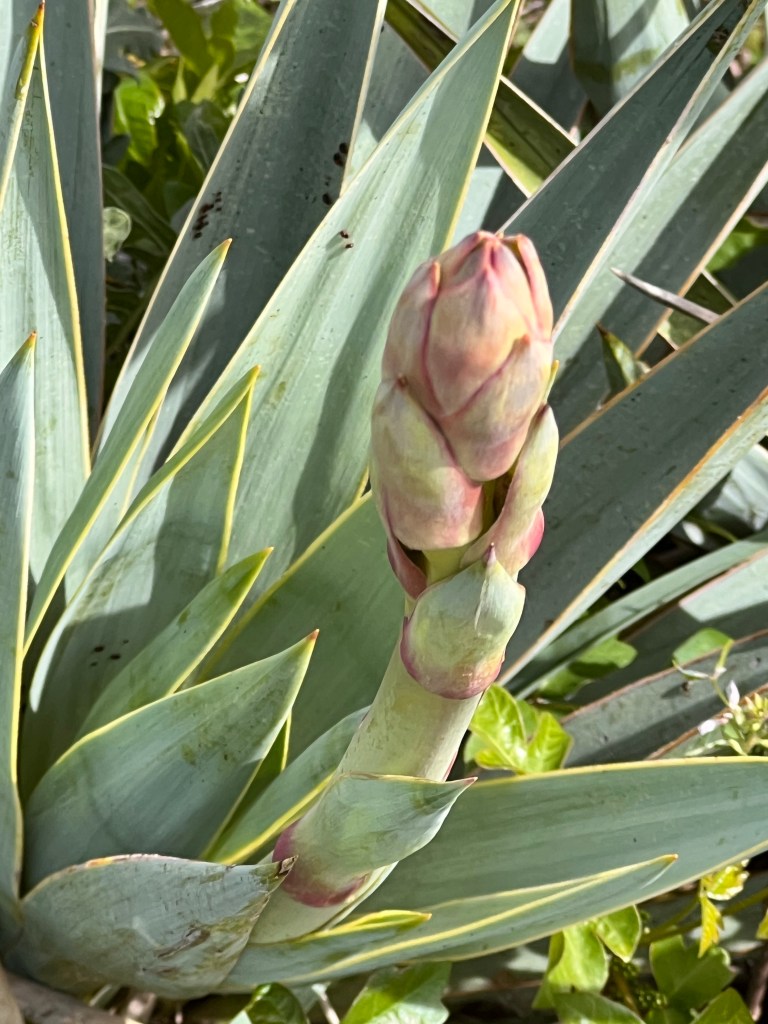
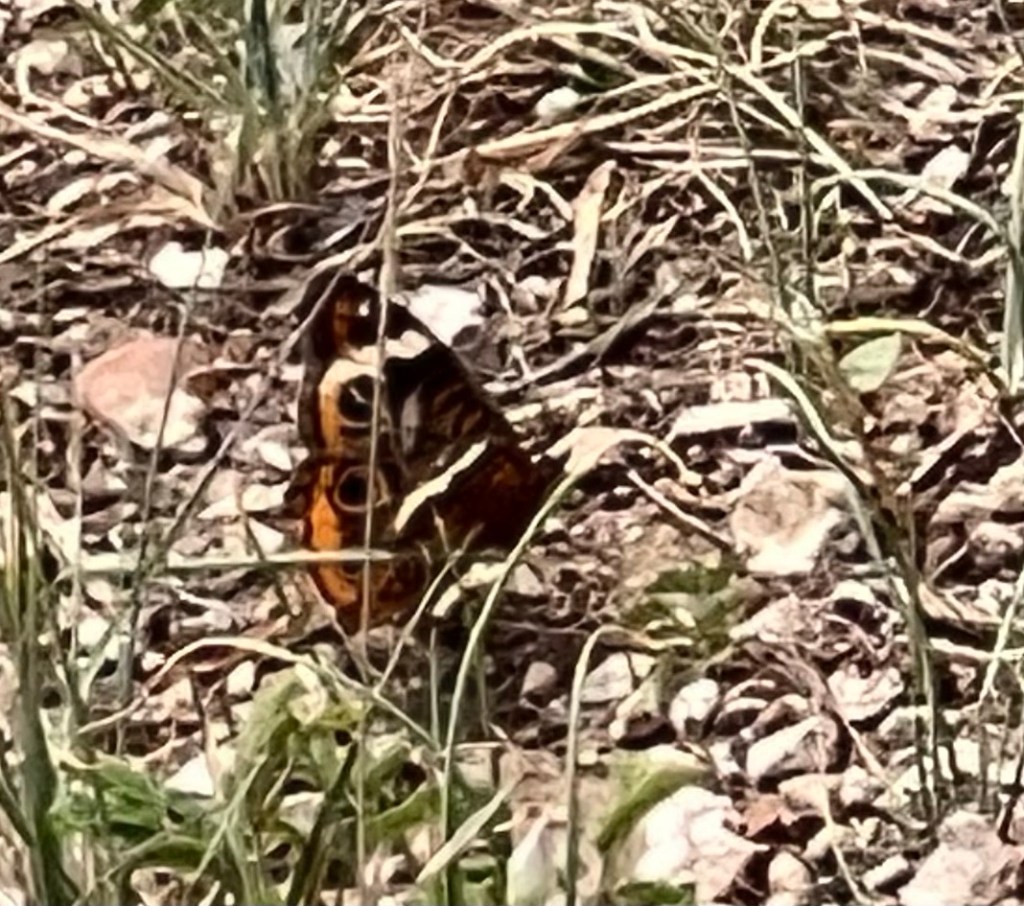
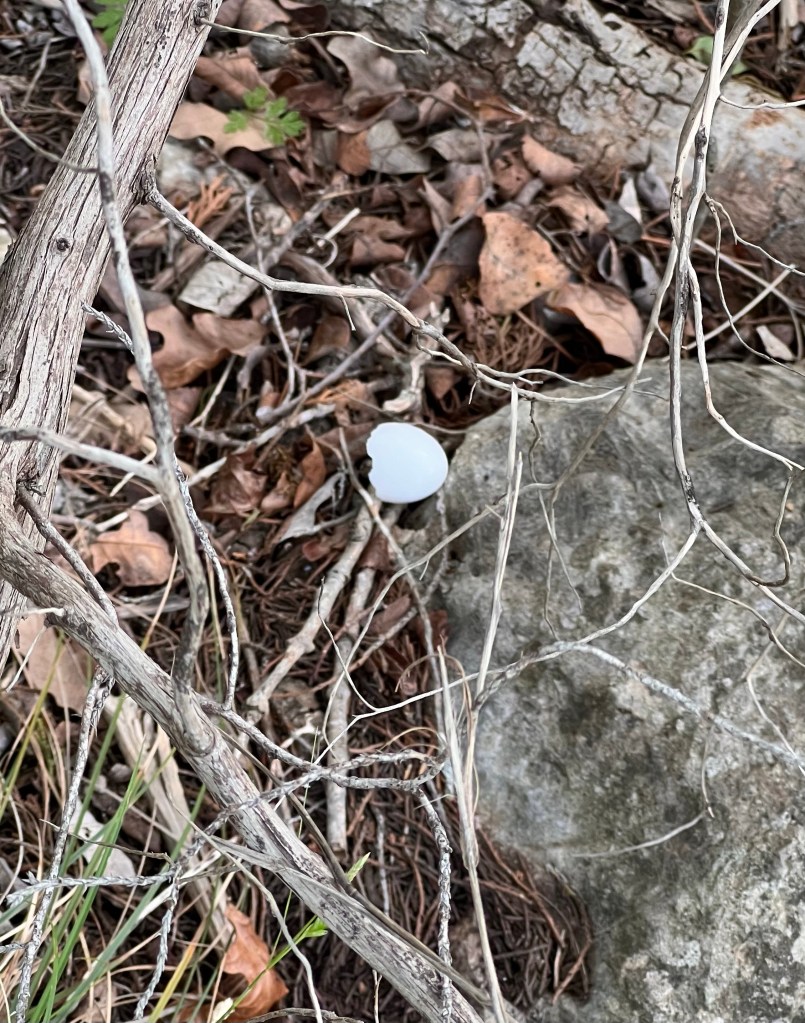
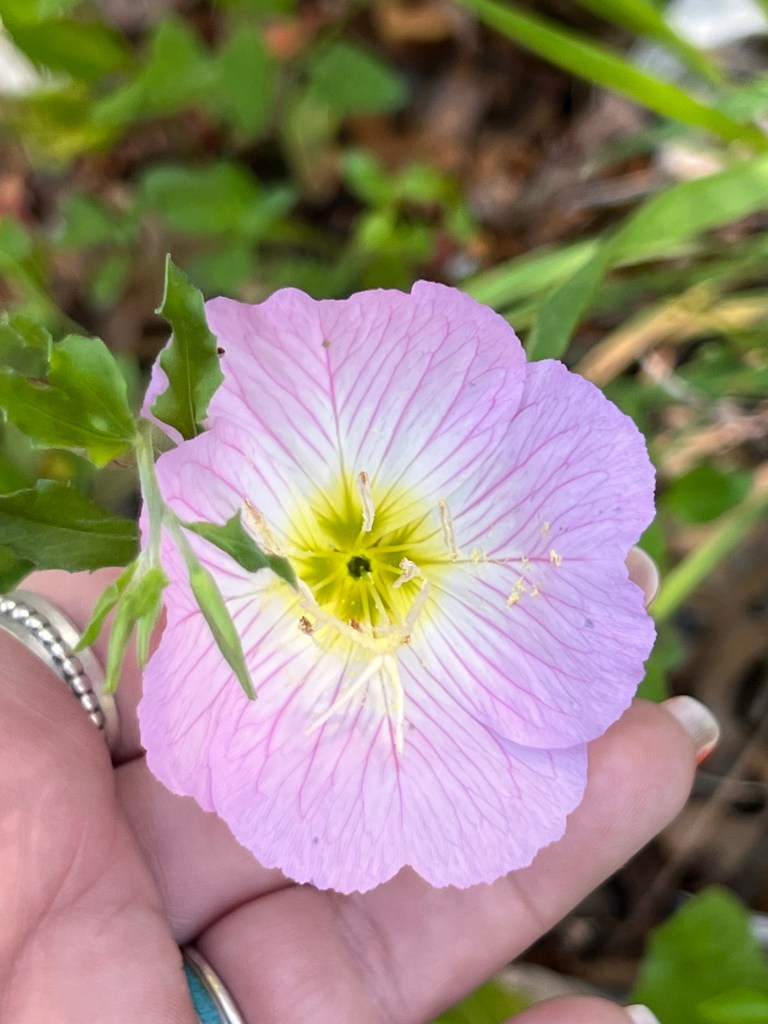
Red admiralTexas beautiesNarrow leaf poccoon whatever that isMore purple paintbrush LakesideSpillwayVerbenaEngelmann daisyTexas yellow star, I thinkPossumhaw Red admiral on juniperTrailCactus coreid bug, maybeBack of damOrange sulphur YuccaBuckeye Little egg
I sure feel great today. Even with a broken toe, I managed to hike two trails and really, really get away. Meridian State Park has an impressive number of places where you can be entirely alone, surrounded by nature, with only the wind and birds making sound.
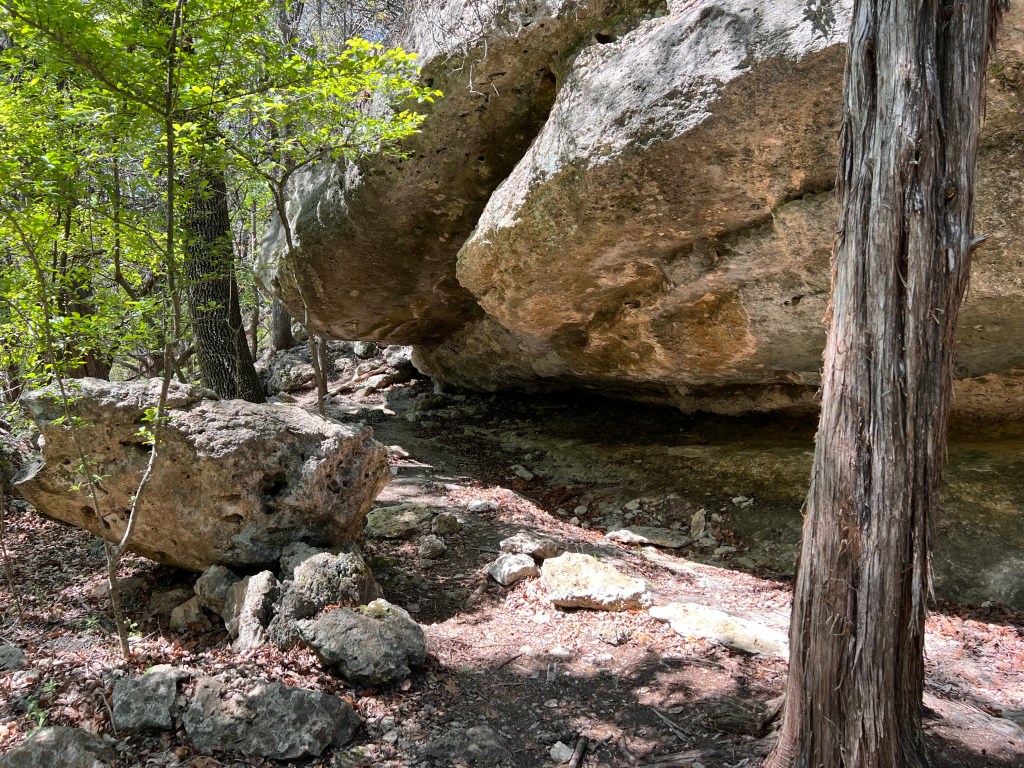
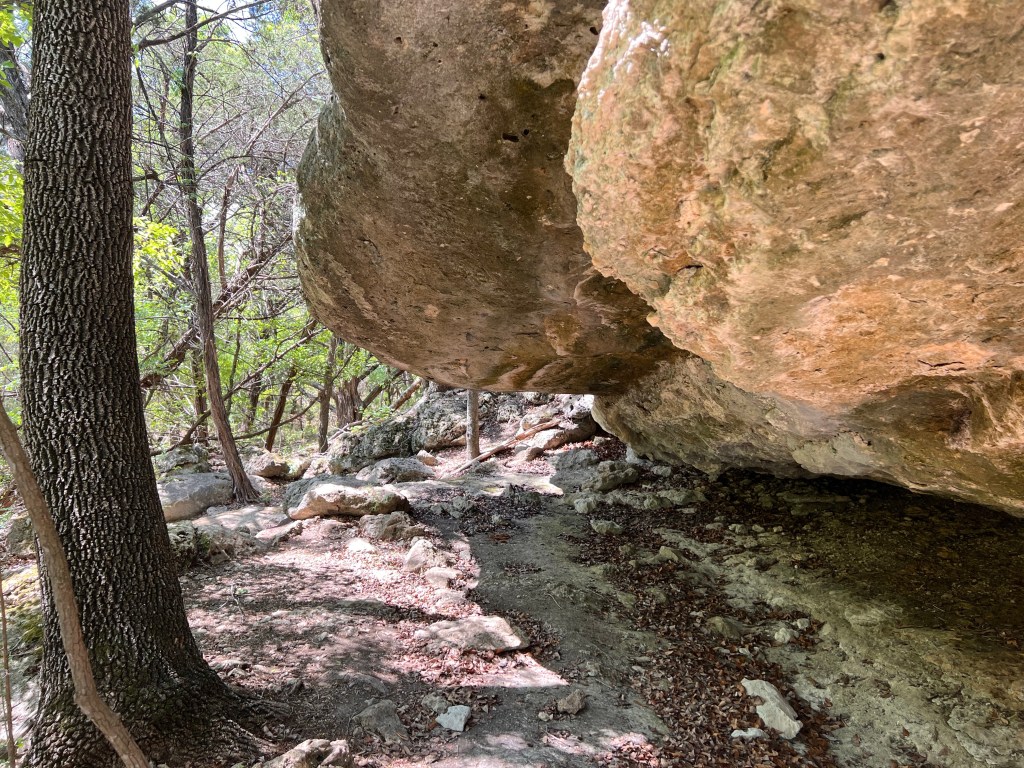
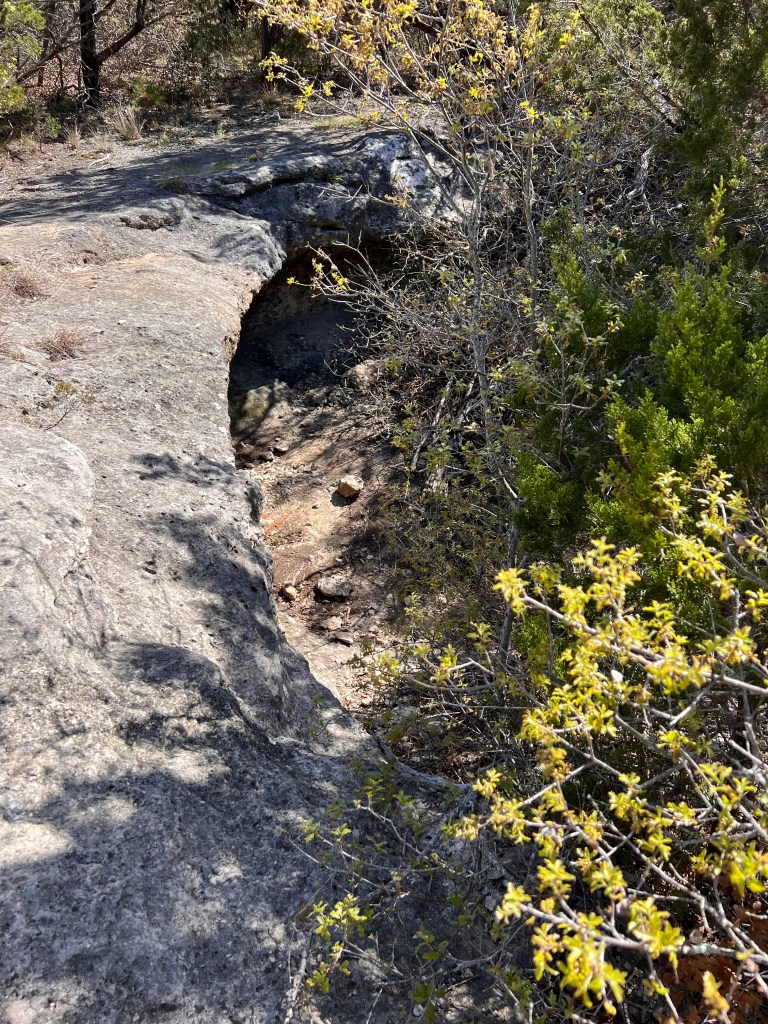
Look, a cave for us hermits!
I just had a blast wandering through woodlands and meadows, climbing up limestone ledges, and carefully heading back down. I didn’t see any yellow-cheeked warblers, though I certainly was in their natural habitat.
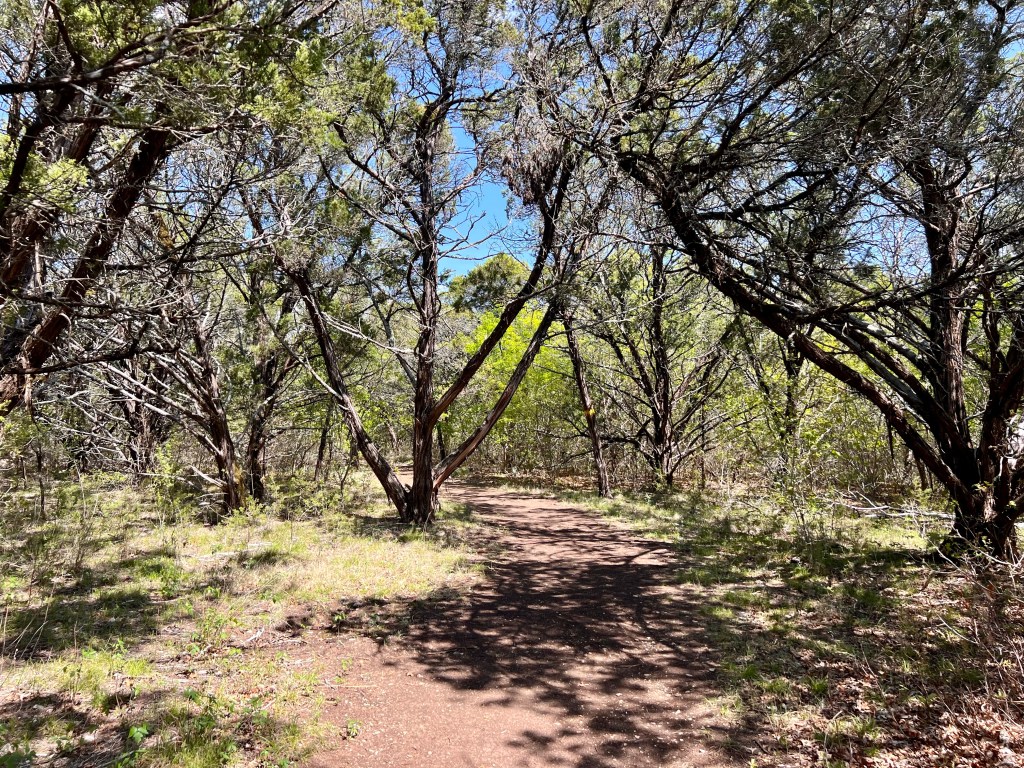
An Ashe juniper forest
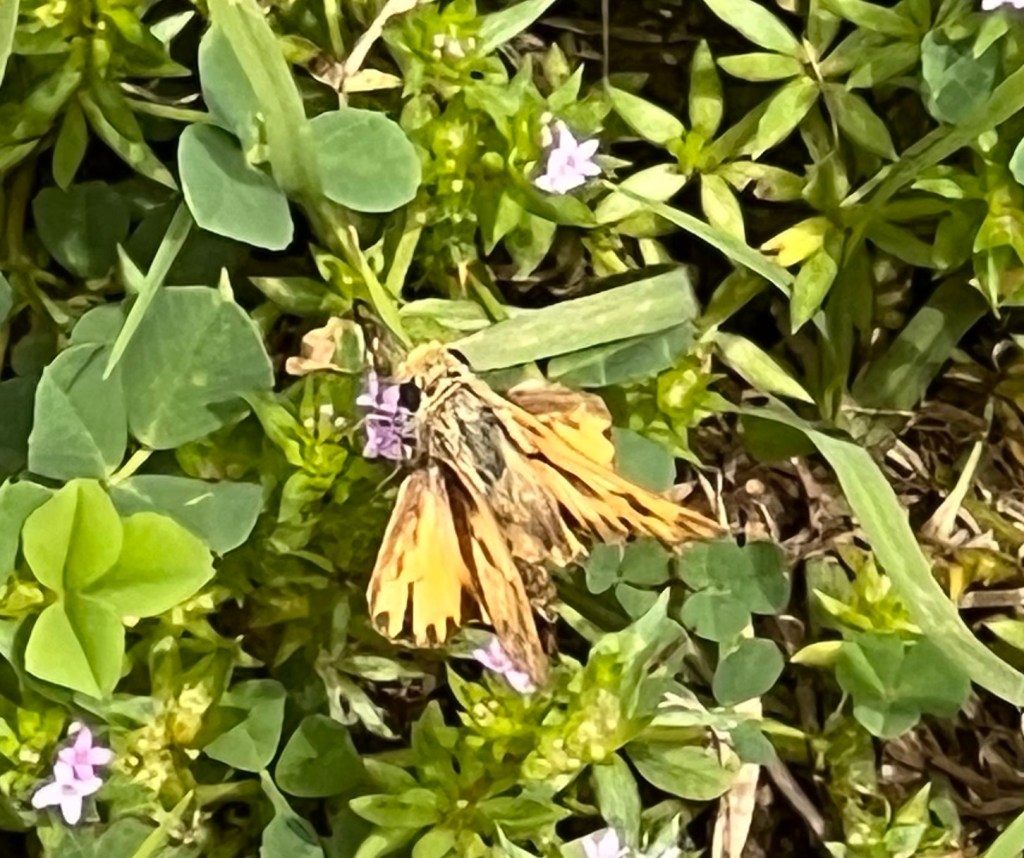
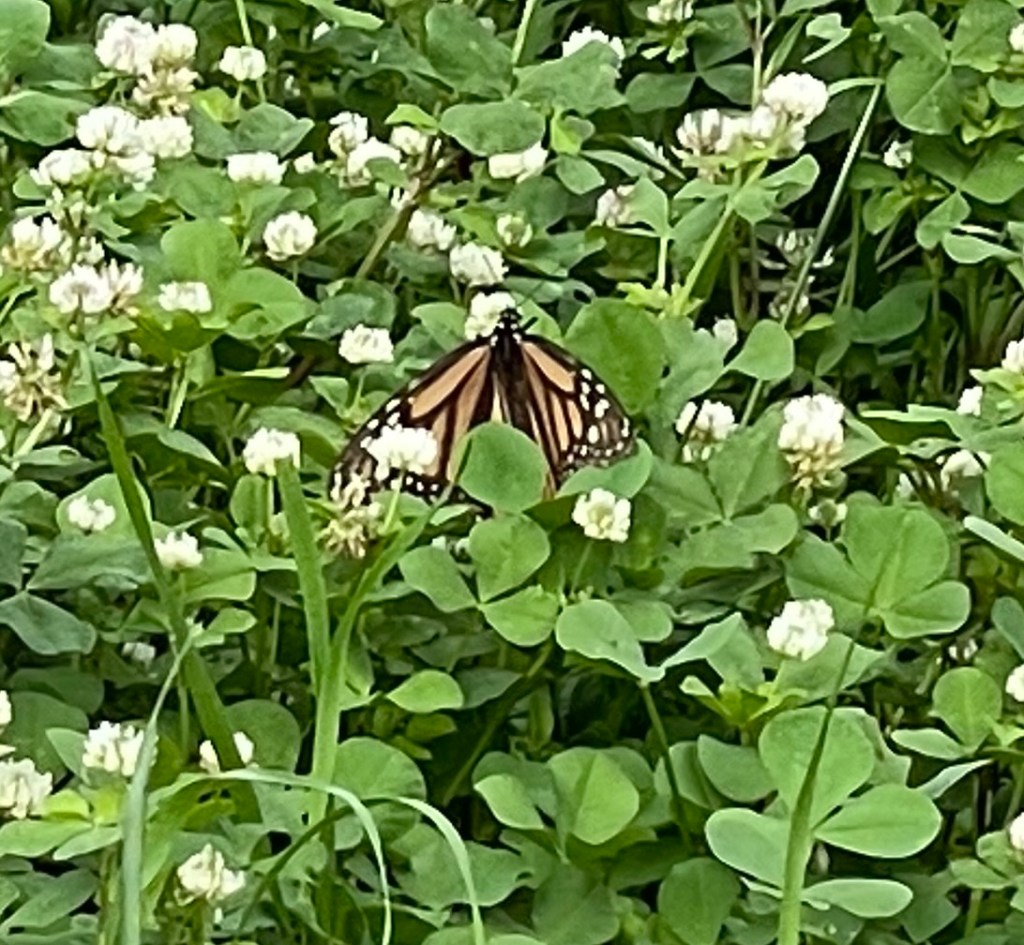
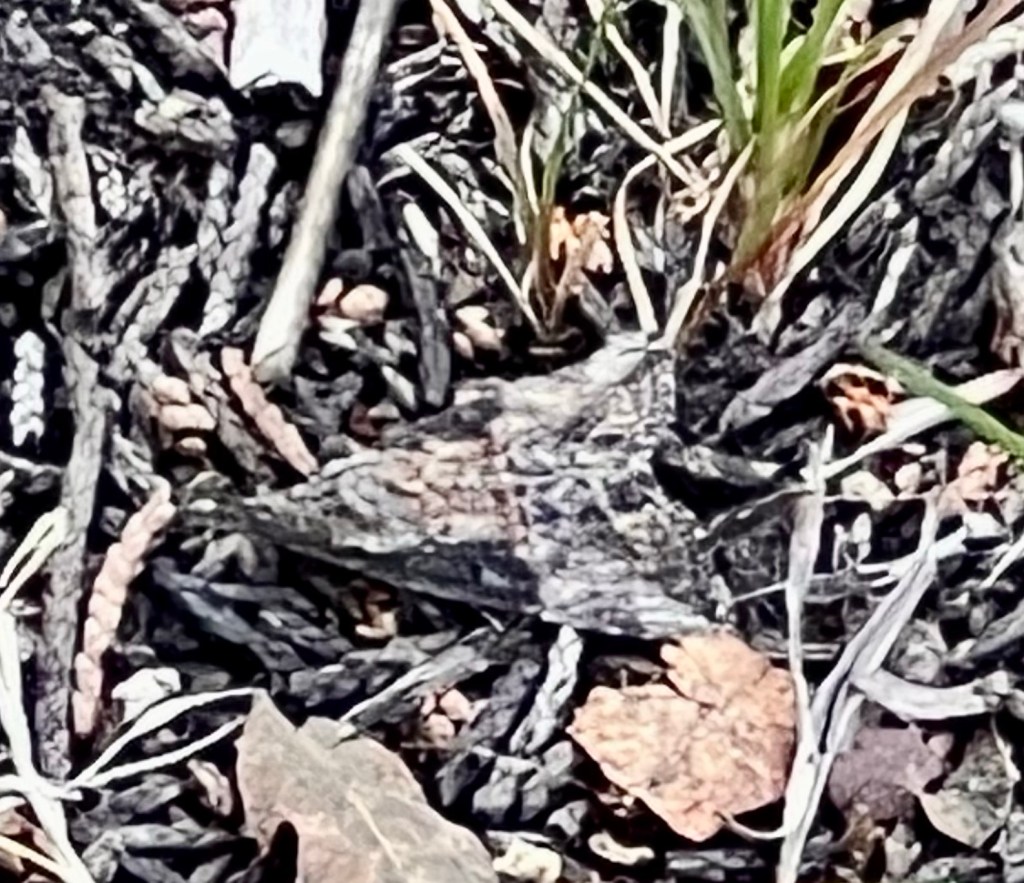
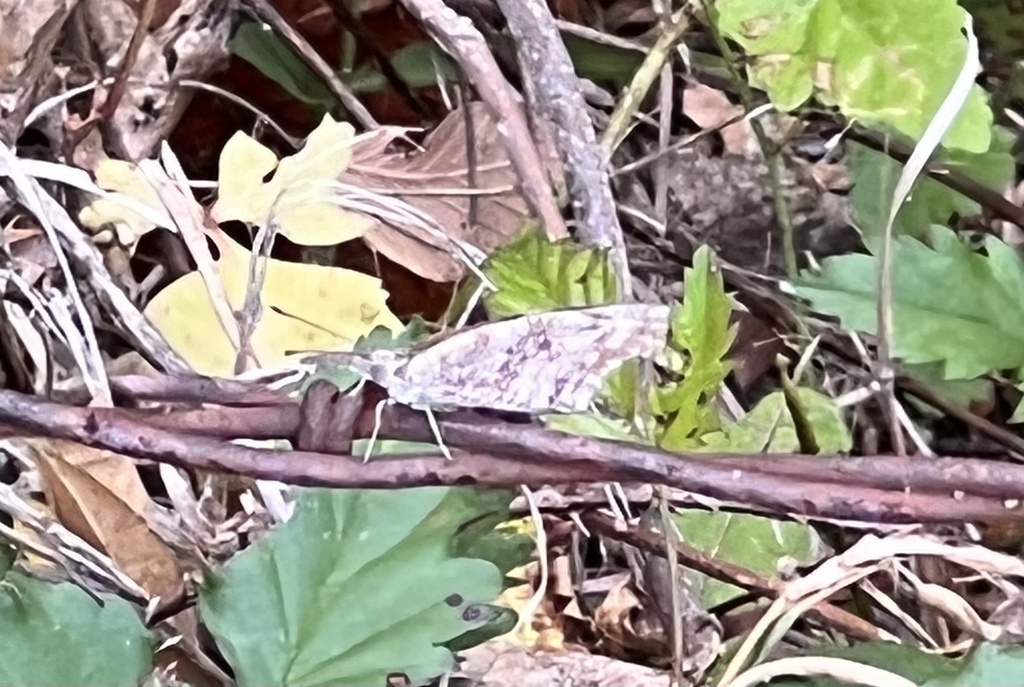
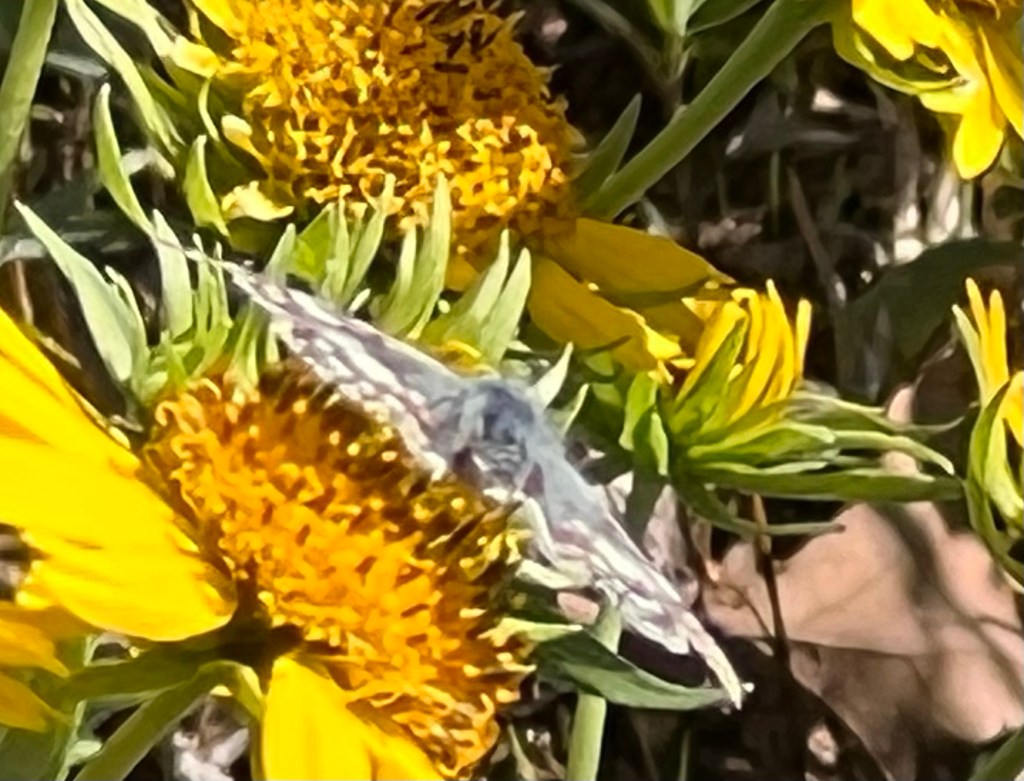
What I did see were dozens and dozens of butterflies and moths. Some didn’t pose for me, like the tiger swallowtails, something very orange, and an actual monarch. However, the juniper hairstreaks made up for it. They’re posers, and quite beautiful. I also got photos of excellent moths that either blended in with the forest litter or the limestone formations. They could only be noticed when they flew.
Invisible mothLimestone colored mothMany juniper hair streaks One blurry sulphur
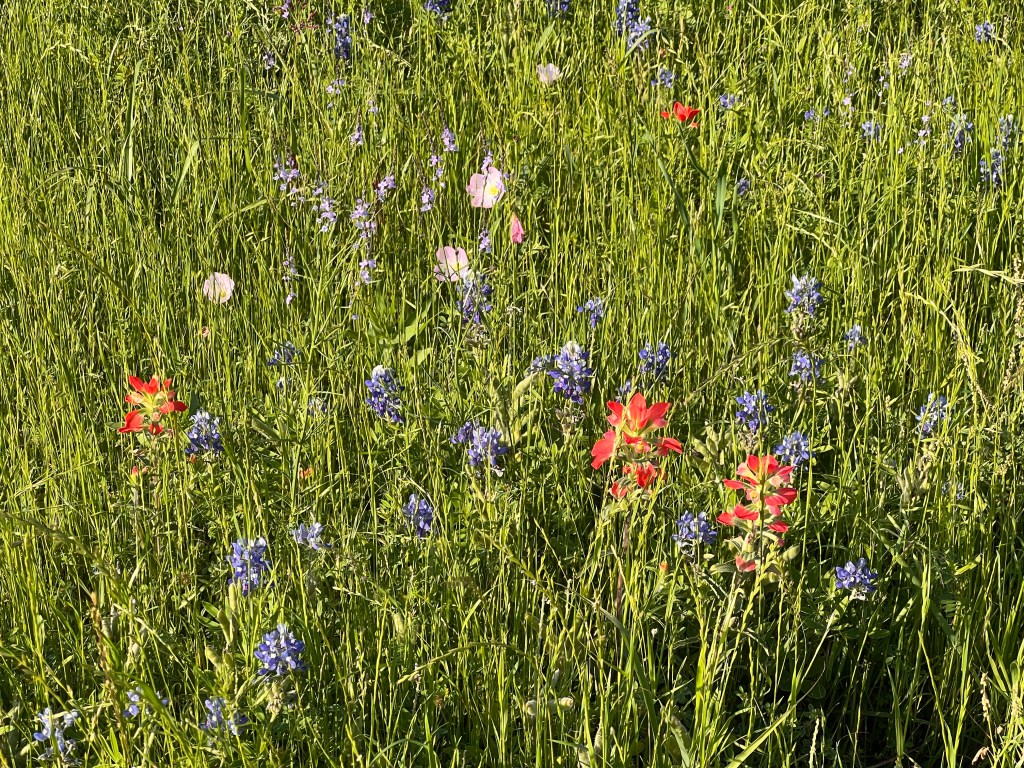
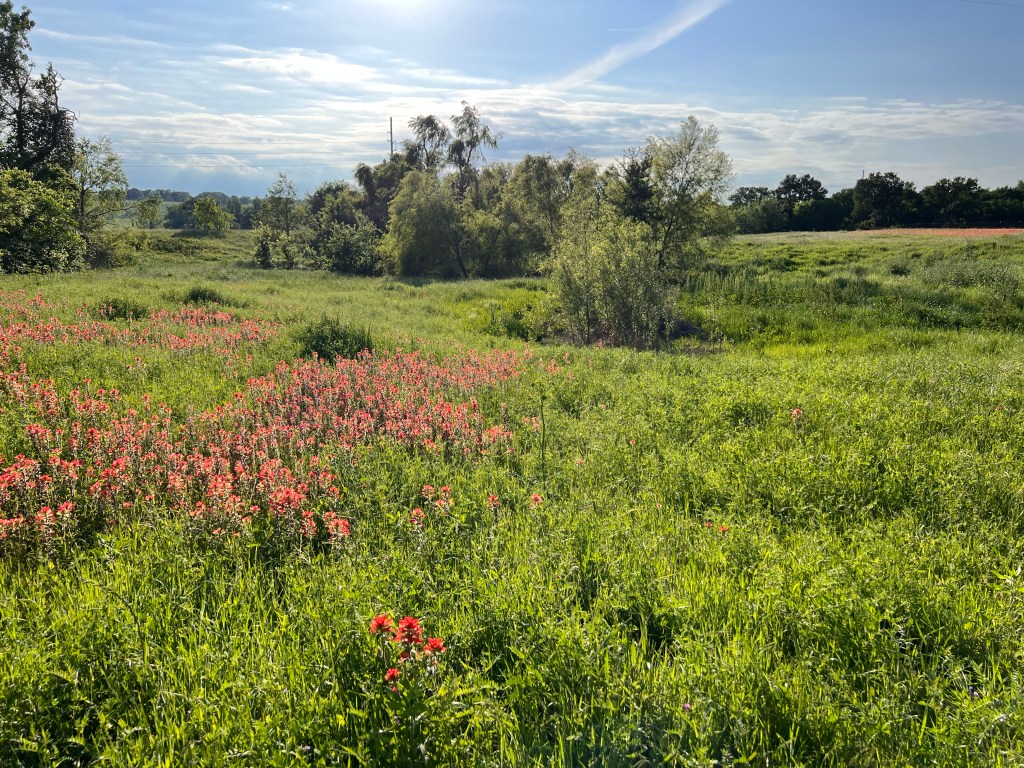
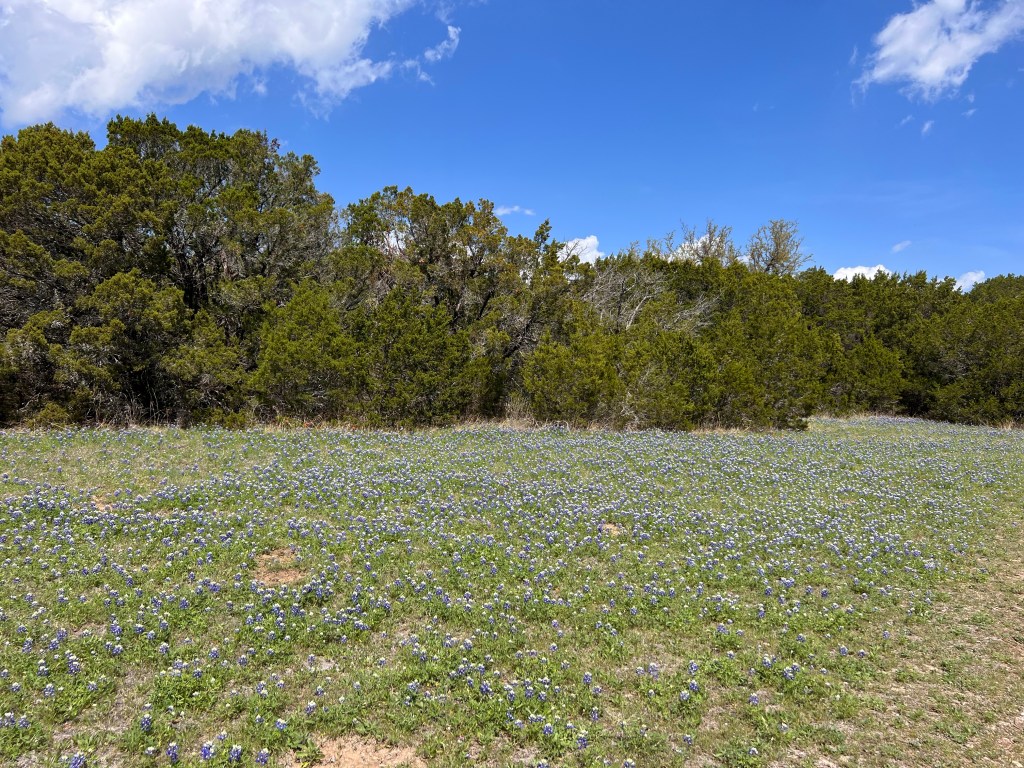
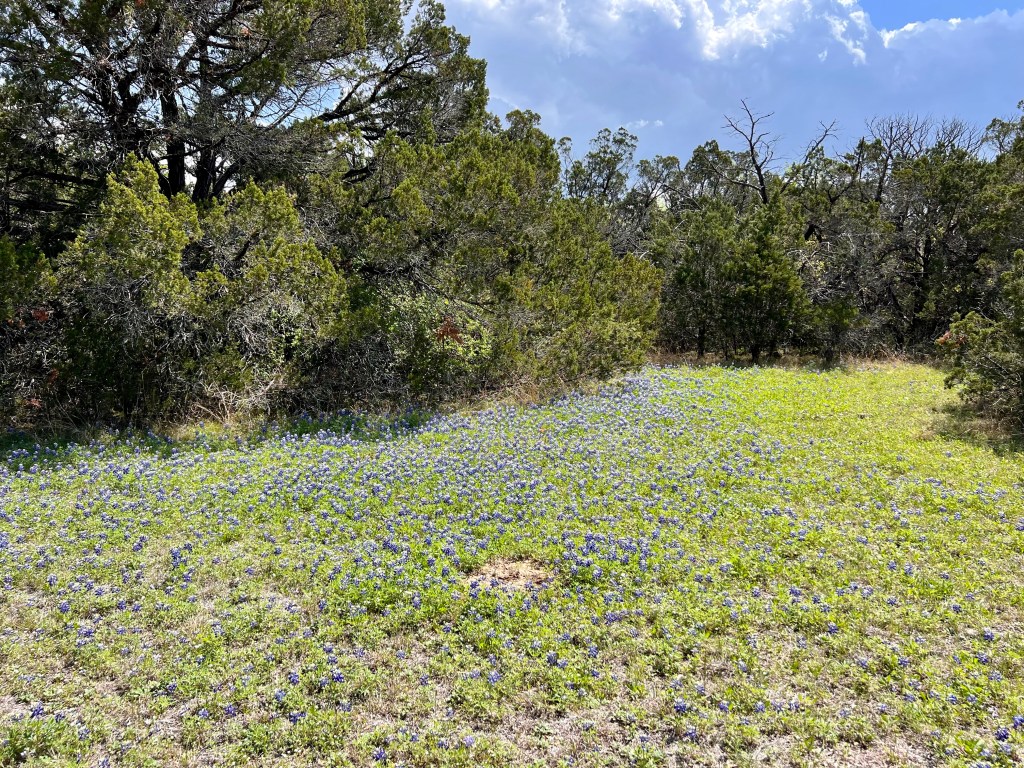
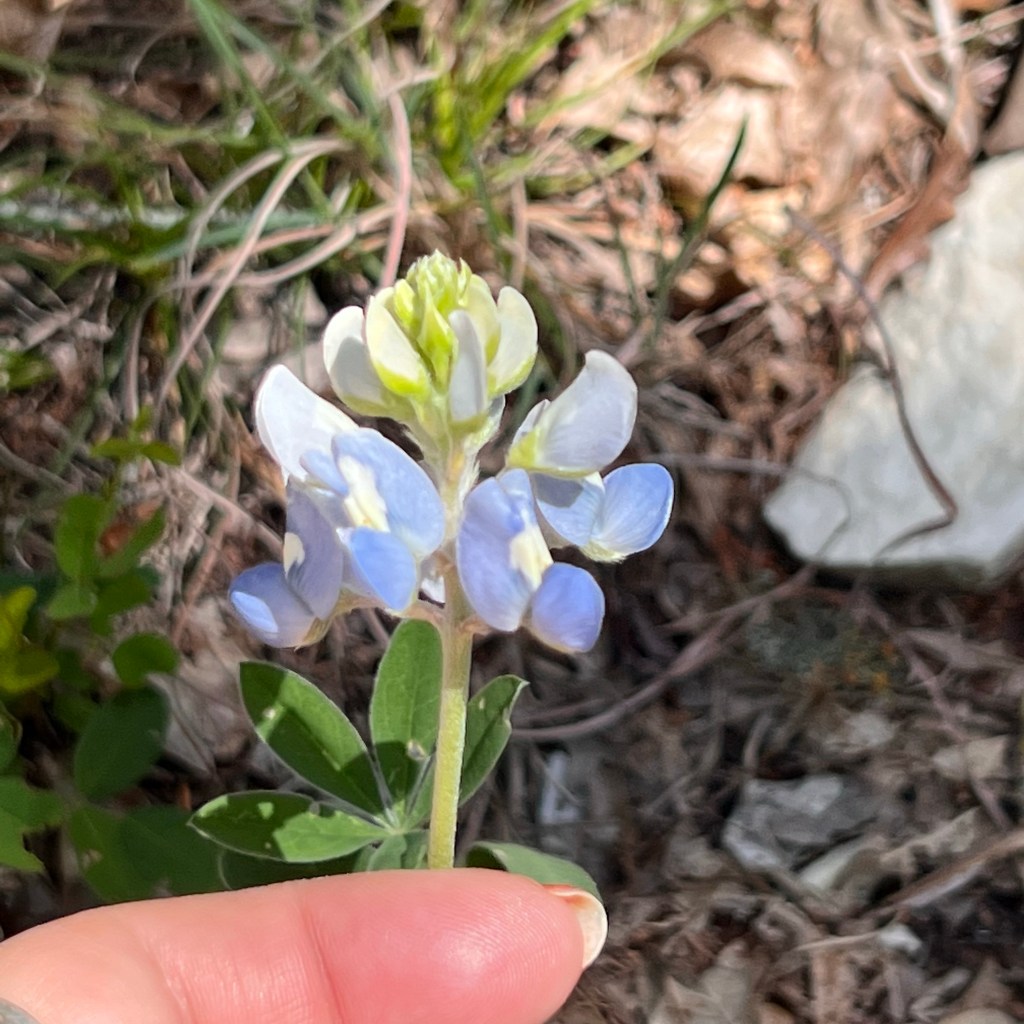
The highlight of my hike was the wildflower meadow on the Bosque hiking trail and Little Forest Junior Trail. It had so many bluebonnets that they perfumed the air enough to feel intoxicating. Wow. It was also so nice to see so many flowers in a mostly natural-looking setting. I just stopped and breathed it all in. So cleansing!
Bluebonnets and More Bluebonnets
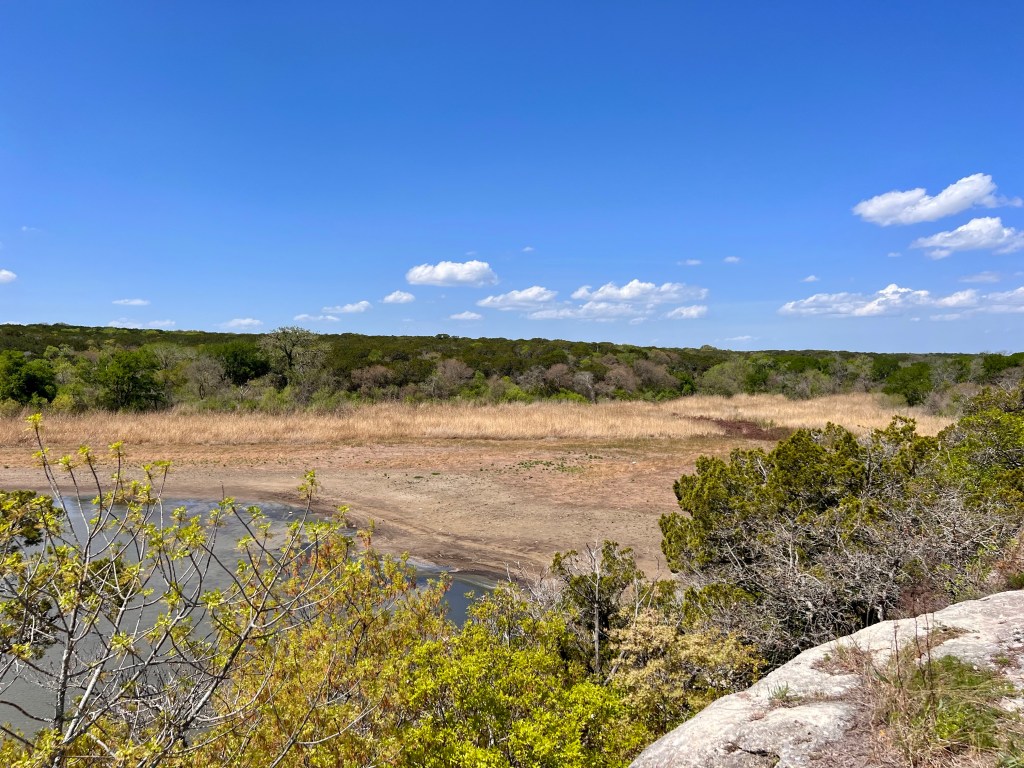
There was also lots of water to look at. I hiked along the lake quite a bit and in the Little Spring trail, I actually found the little spring. It reminded me of our little spring at home. It just trickled away.
The spring!
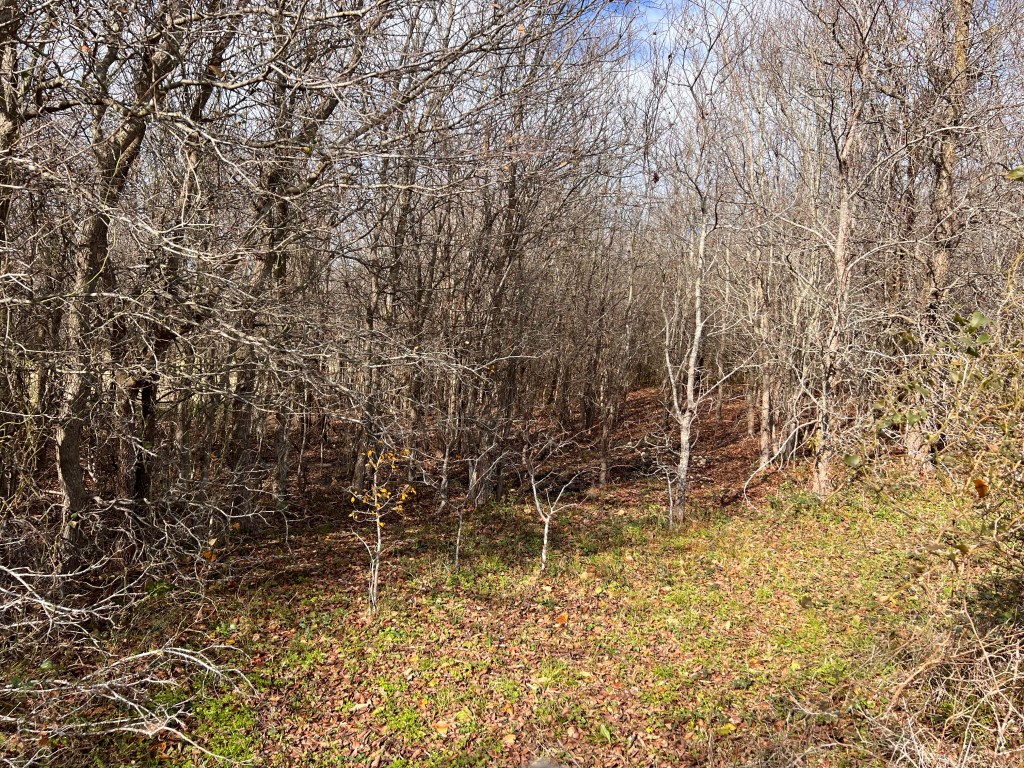
All the trails were beautiful, with lots of limestone outcroppings, caves, various oak trees, and bright green spring understory plants. What a nice time of year to hike.
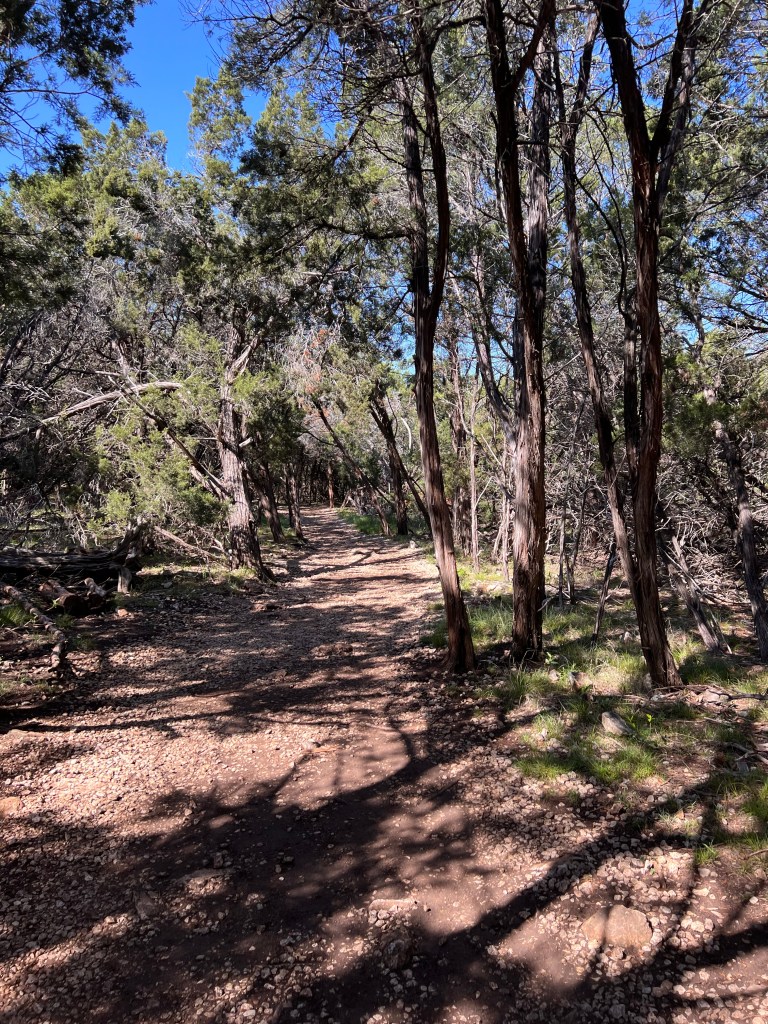
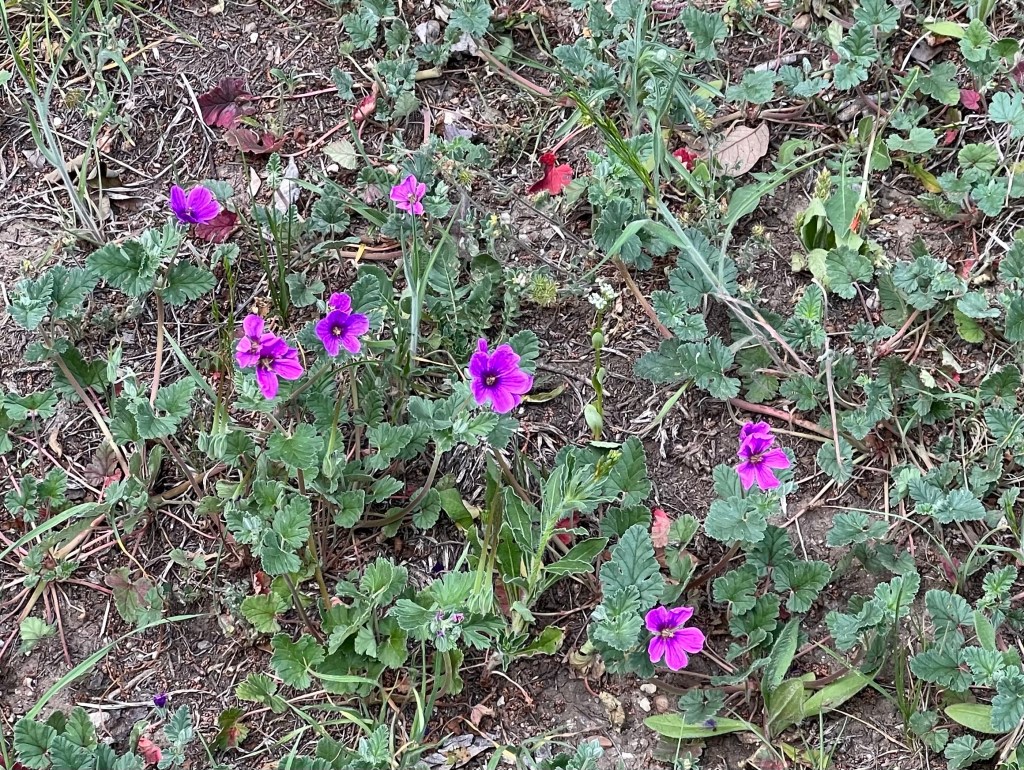
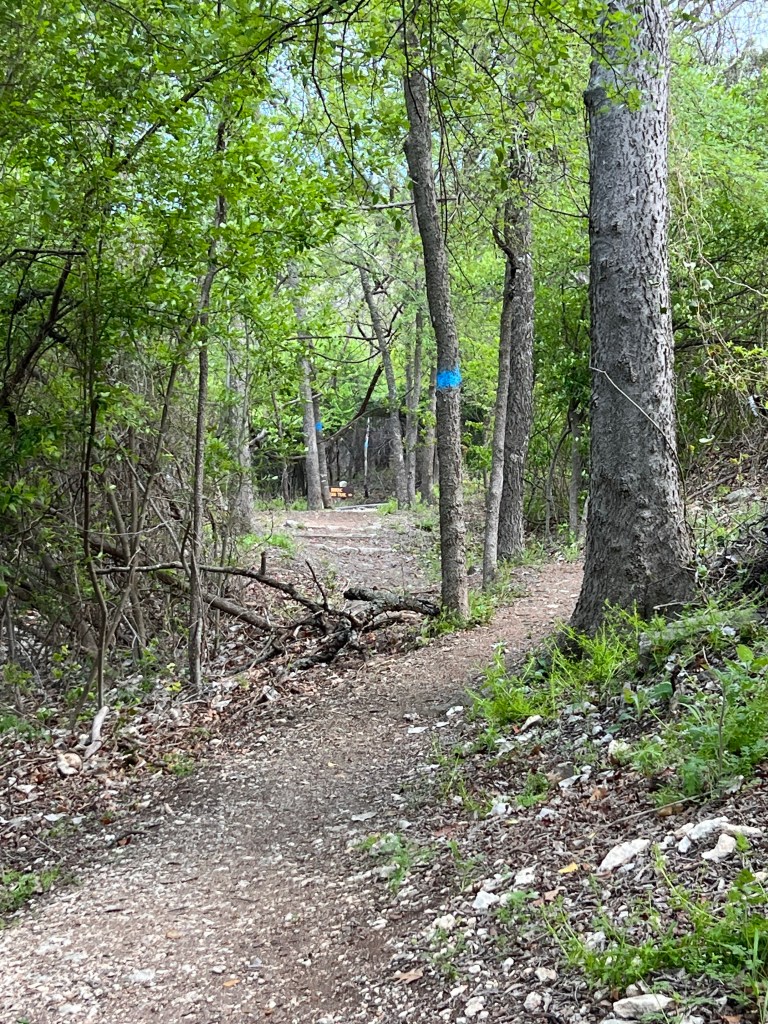
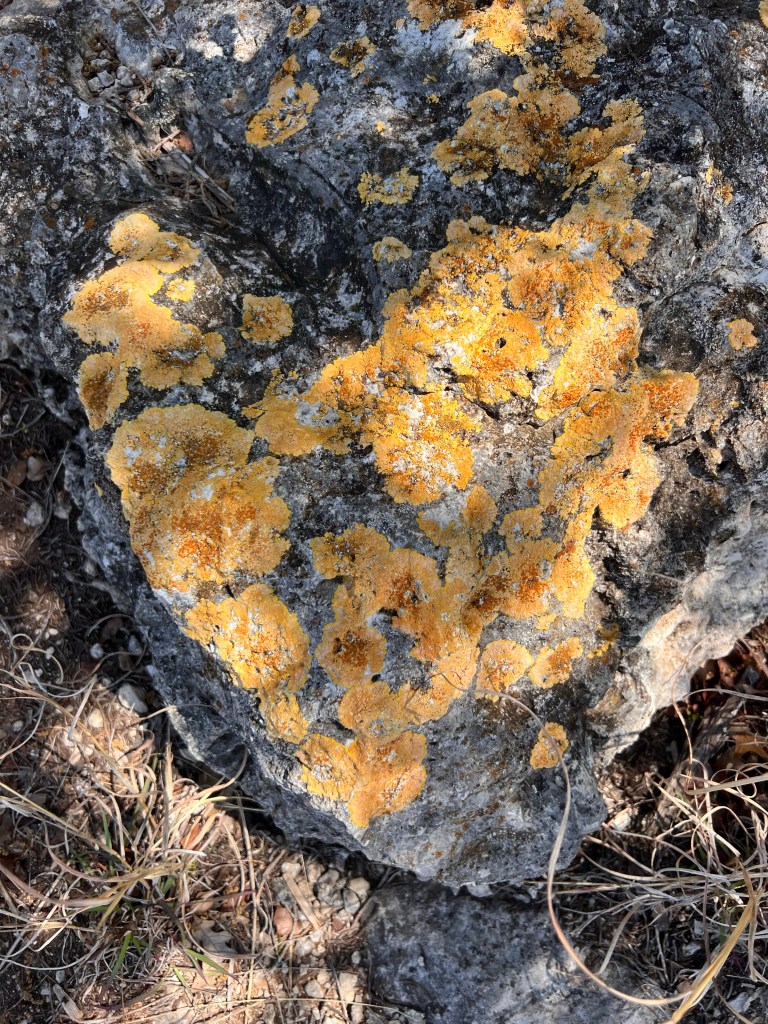
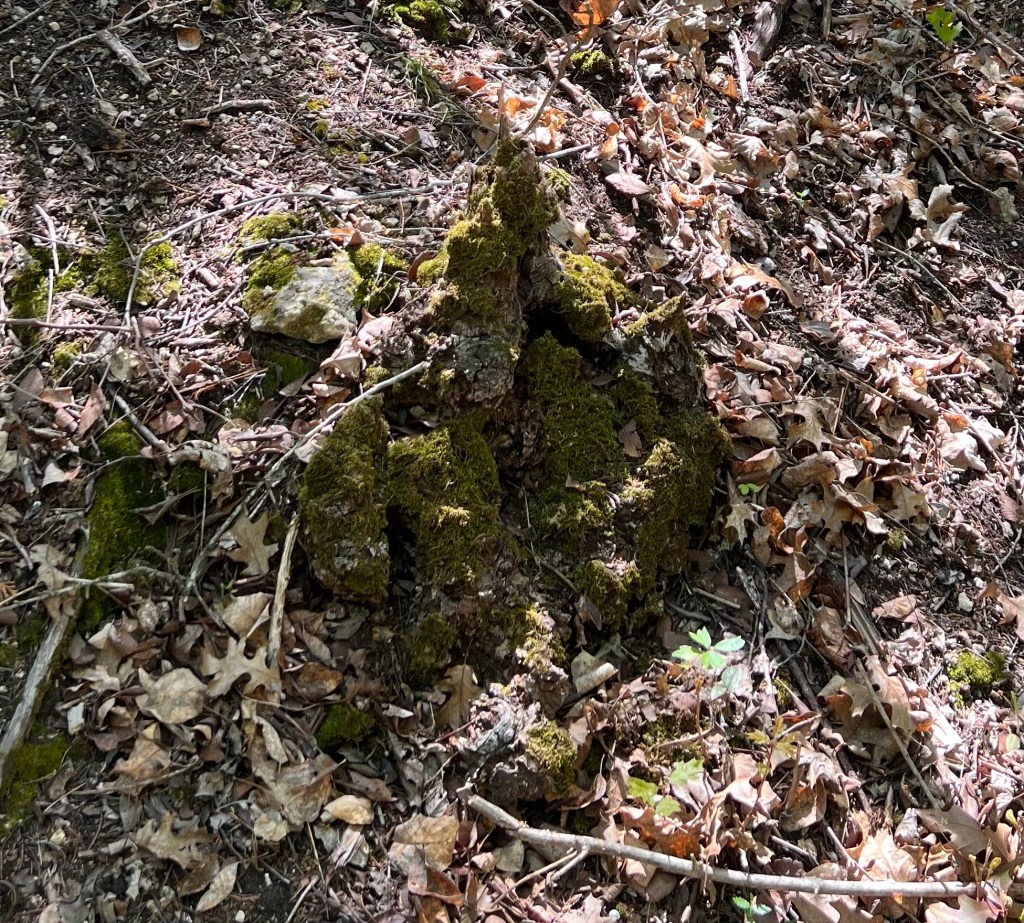
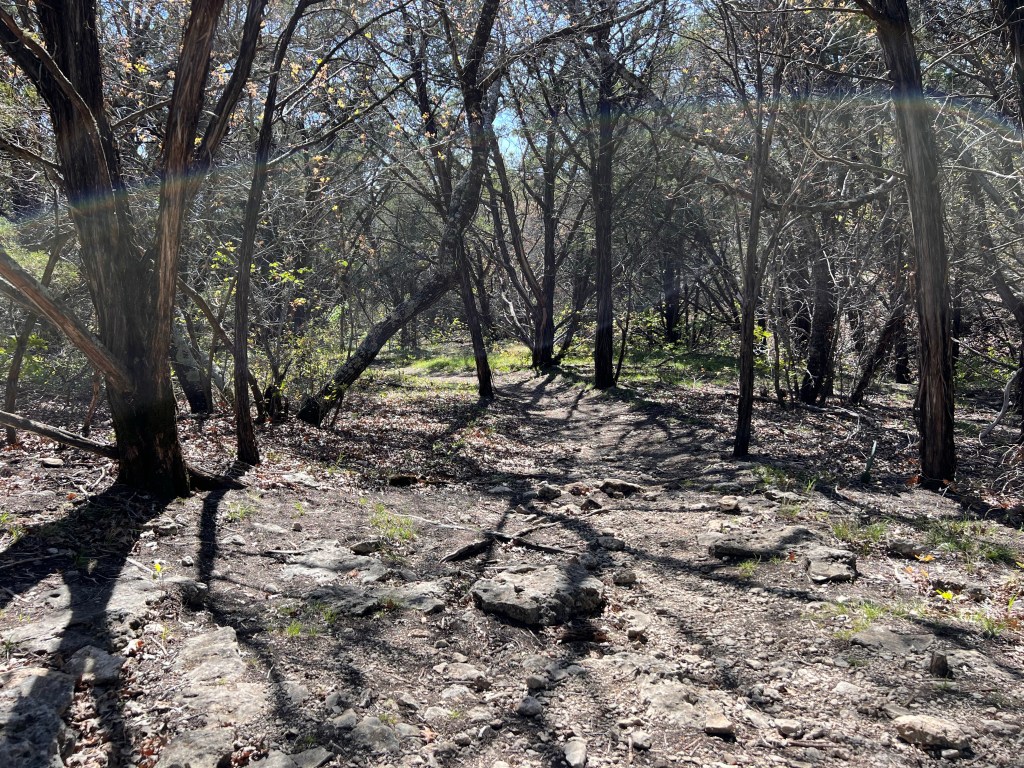
More Texas stork’s billMore pink paintbrush Mexican buckeyeYuccaParking lot beautyMixed wildflowers Blooming treeBlue means Bisque TrailTrail steps TrailLimestone UnderstoryTrailAshe juniperOak motteCave againLichenBird blindA stump I liked There weren’t many of these hereTrailMore trailMilkwortMoss!A limestone ledgePrickly pear
In other news, we met a nice couple who go to lots of Texas parks, and showed them our RV, since they want to upgrade. We’re going together tomorrow on a nature walk led by a fellow Master Naturalist. I hope he shows us where the warblers are.
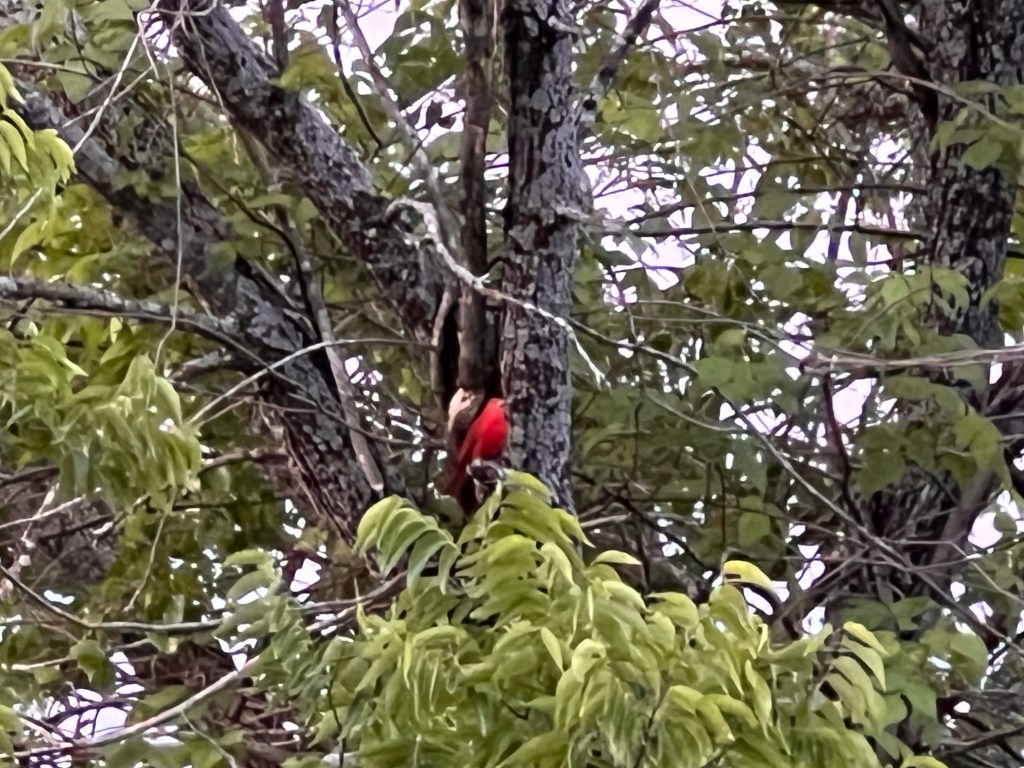
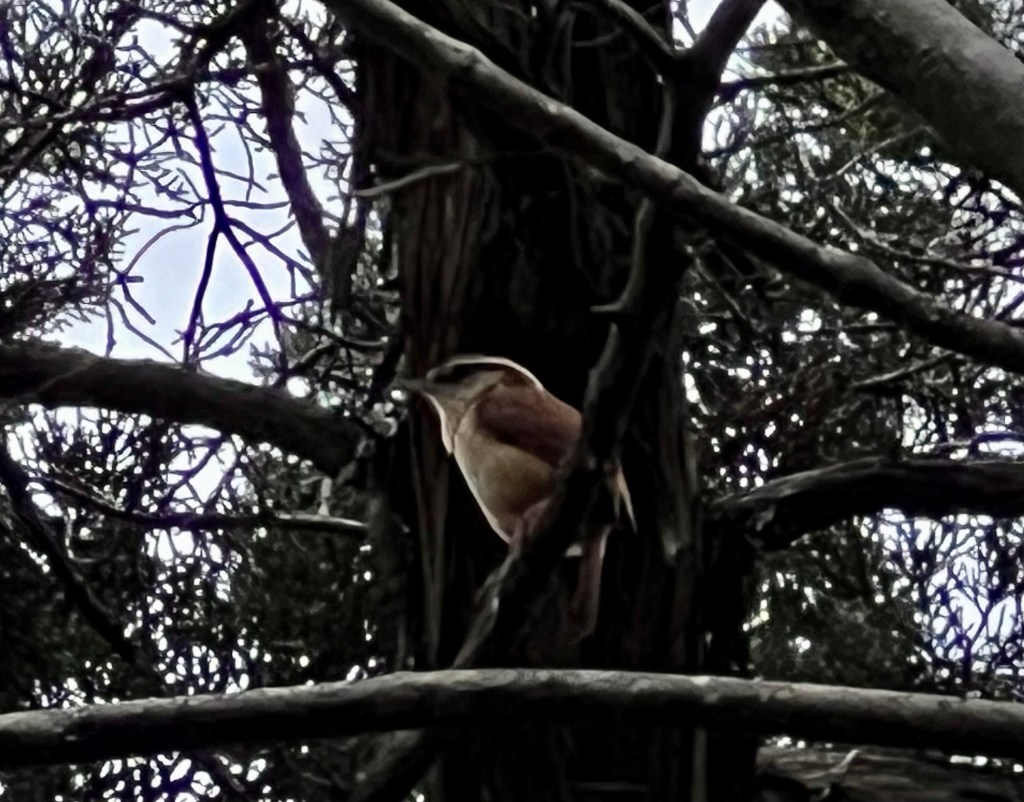
I did see this wren, a cheerful chickadee, a titmouse, many cardinals and a crow.
Thank goodness for the privilege of getting away from things on a regular basis. Also thank goodness that the cell service lasted long enough to get my work uploaded and questions answered! Whew!
Oh you never know what’s going to happen around here. So today’s agenda changed, but it’s all good!
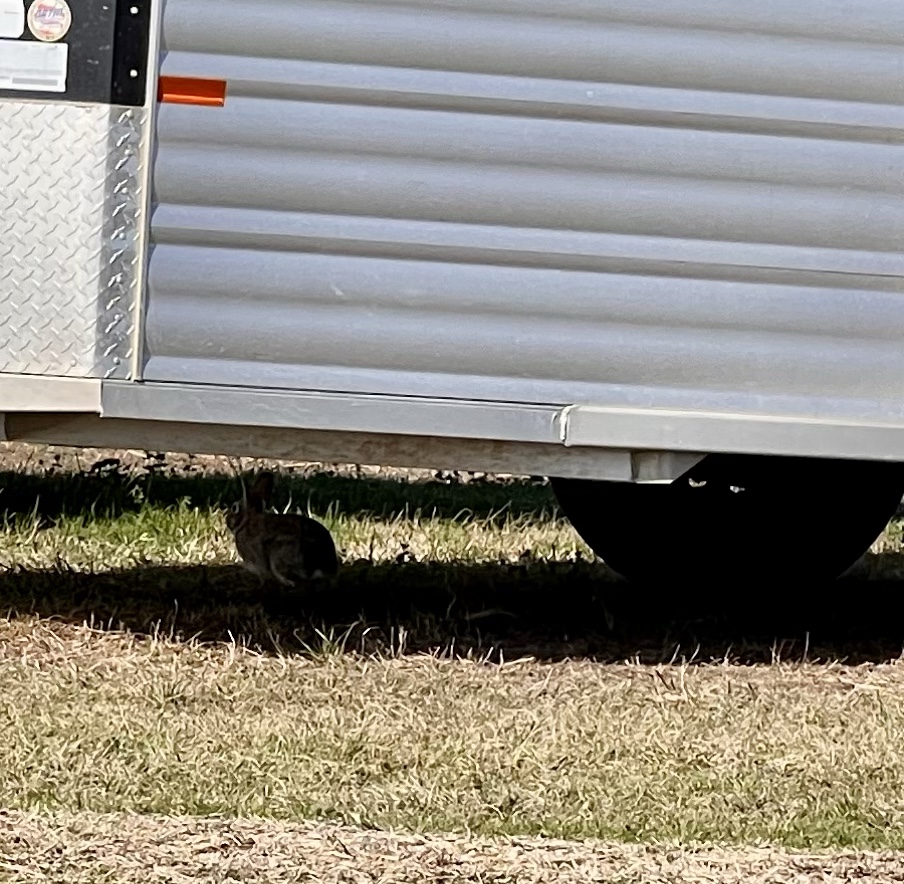
Like Vlassic, I’m always ready……in case a sudden bunny appears
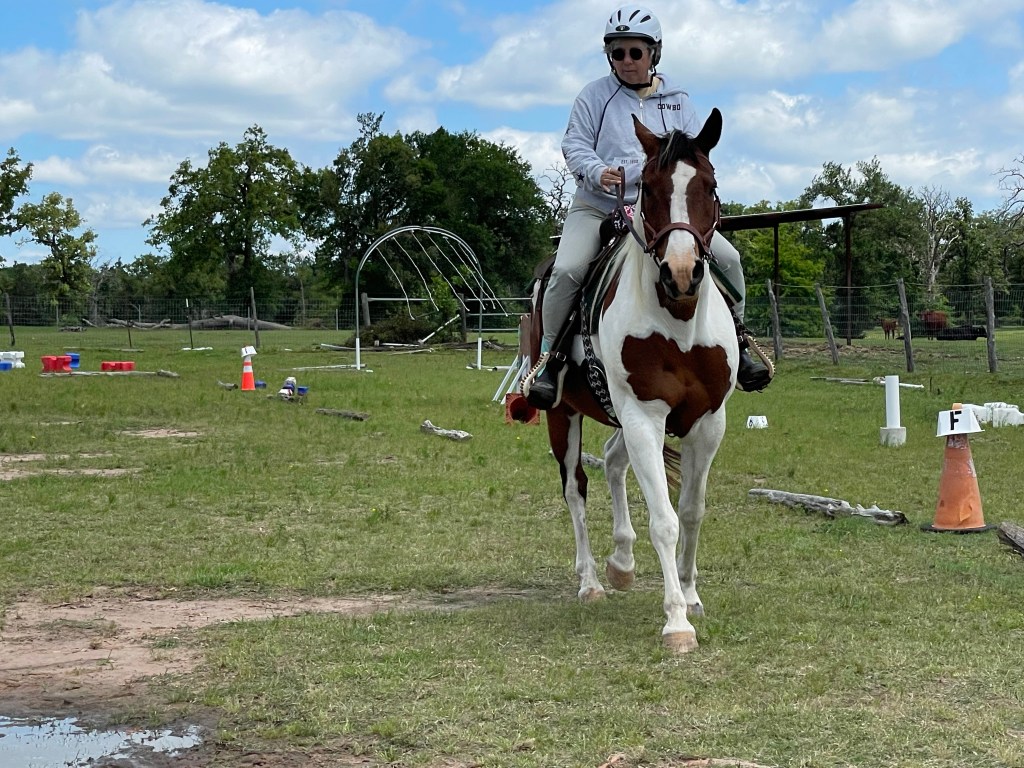
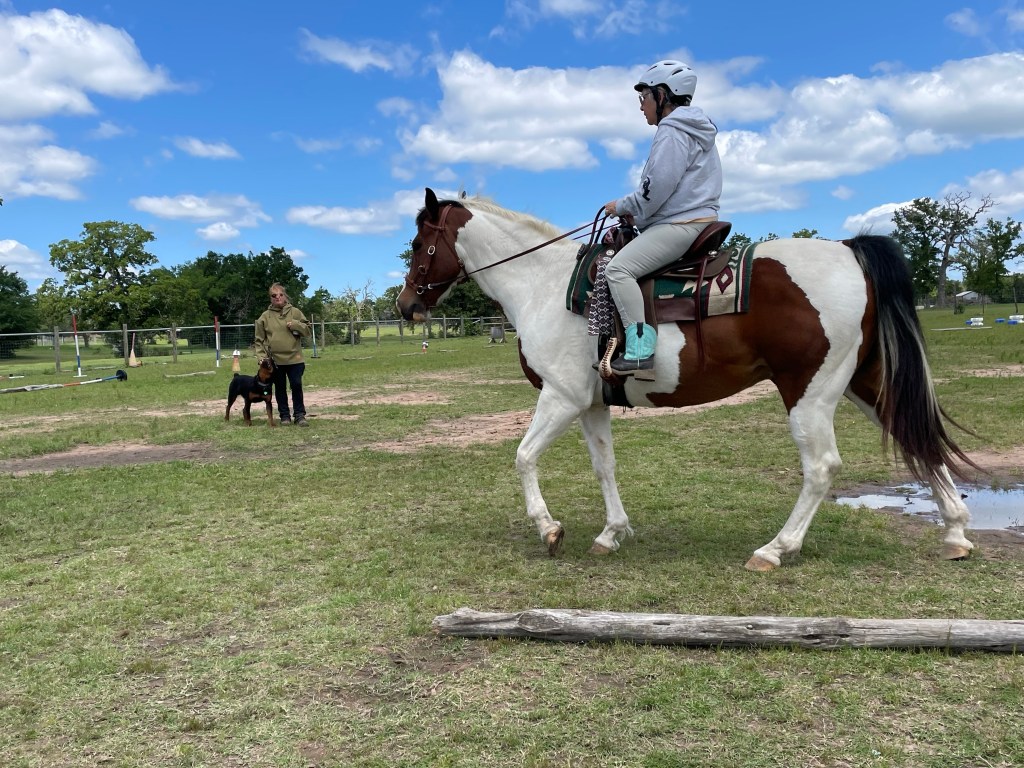
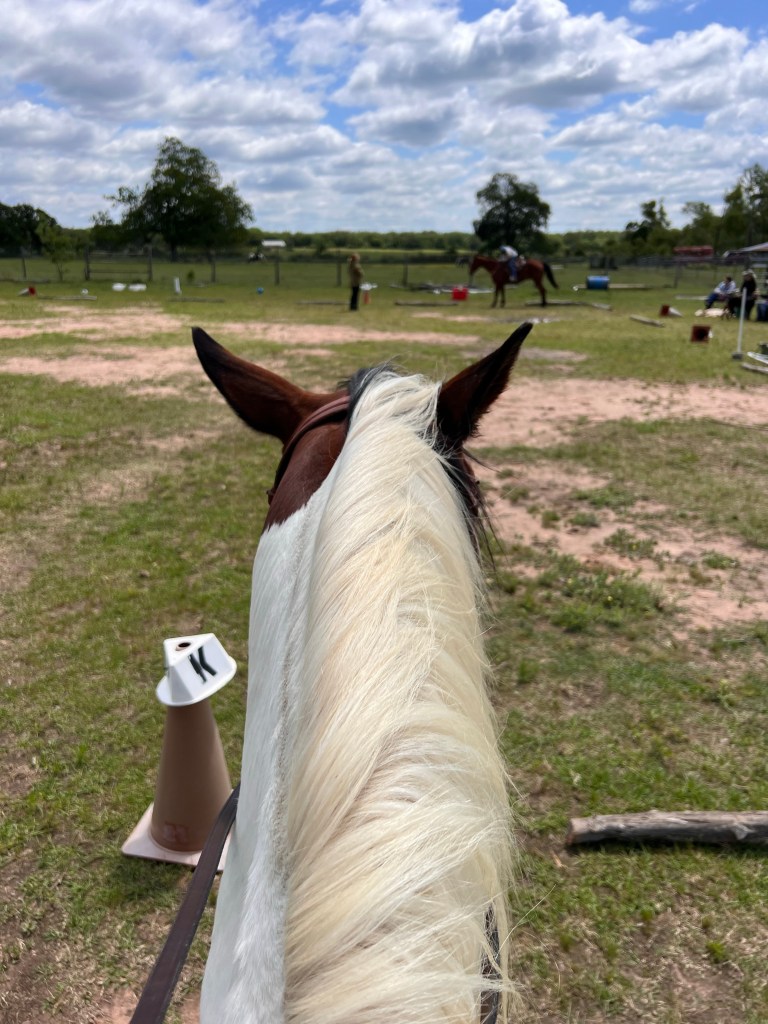
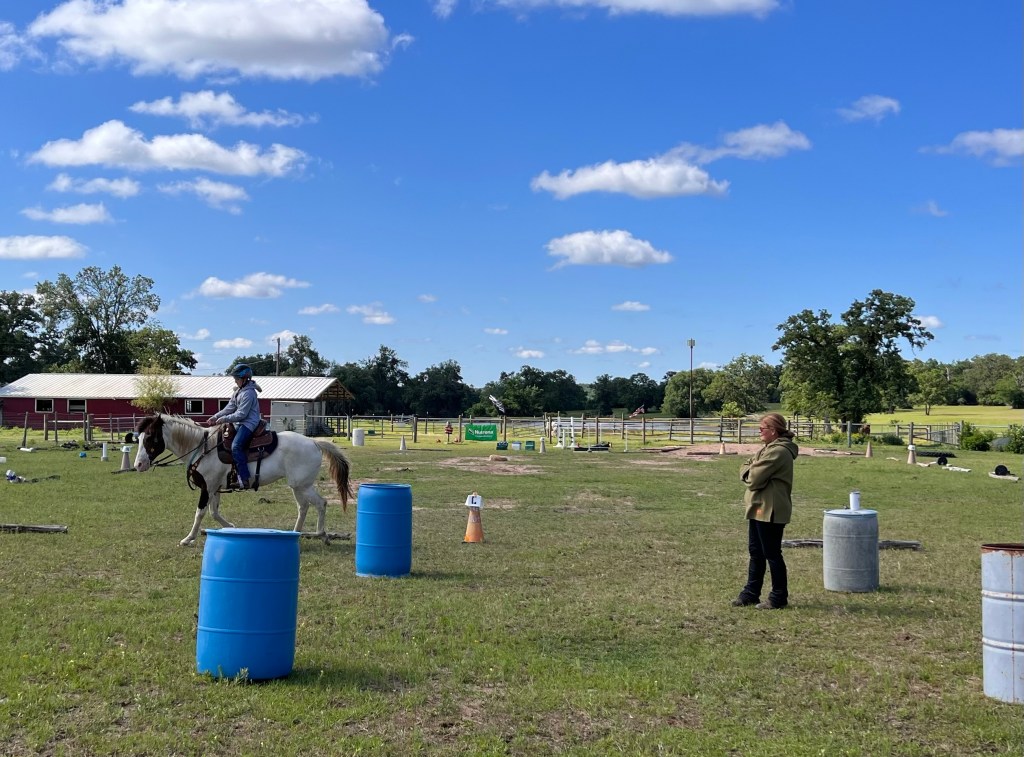
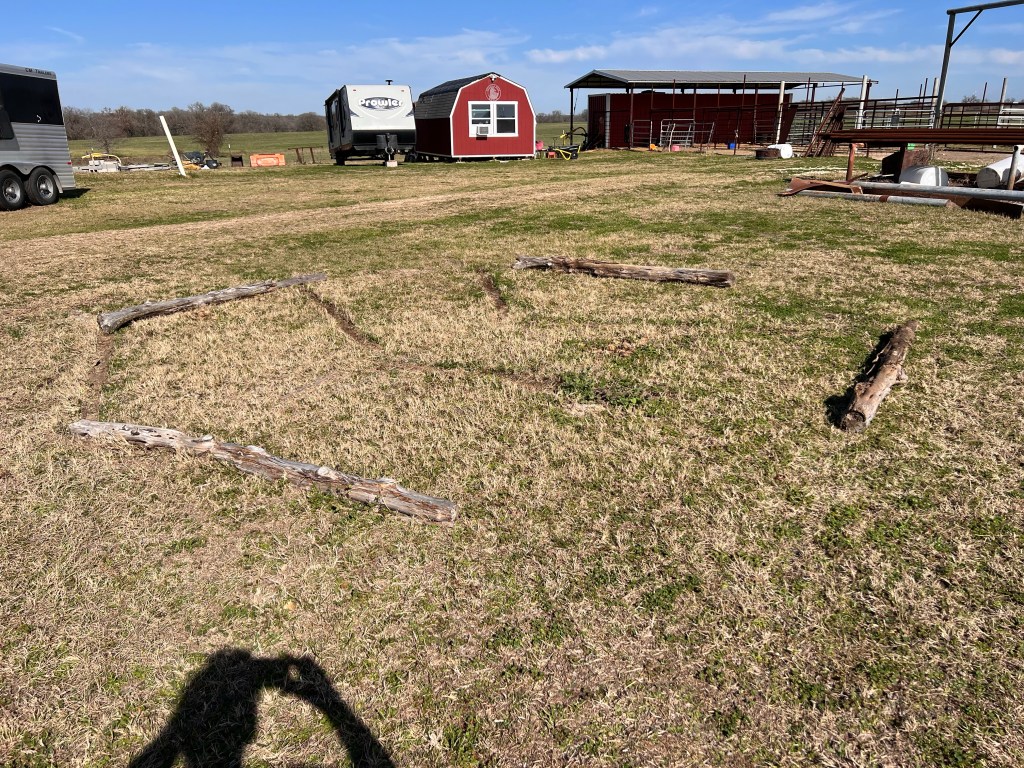
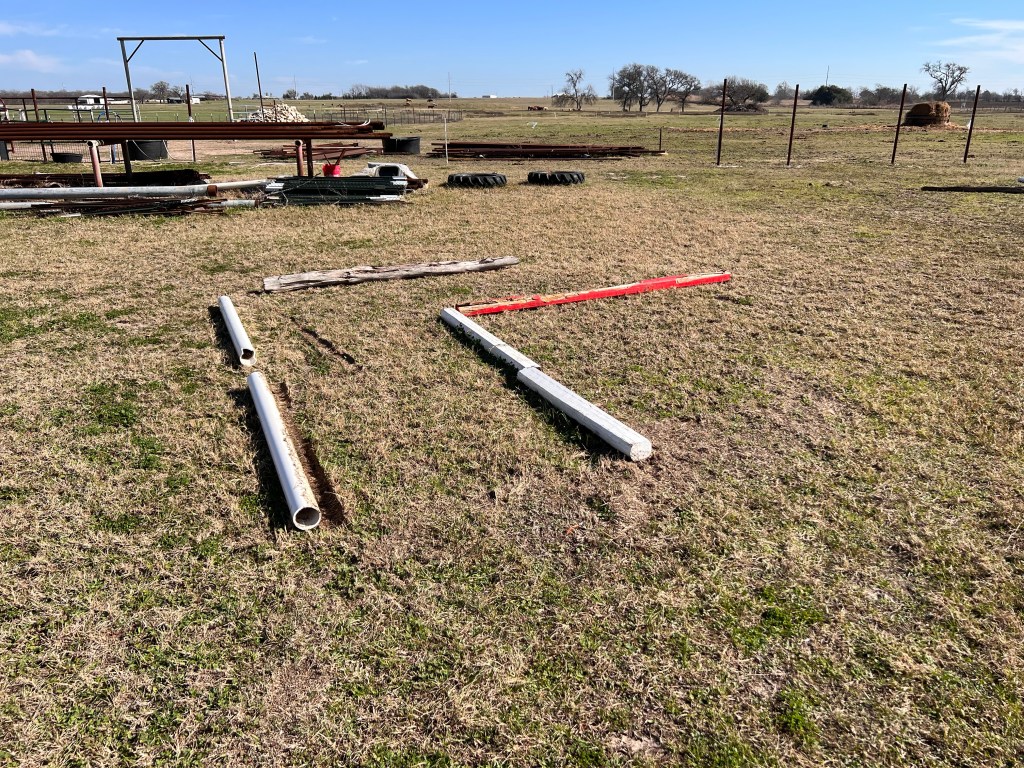
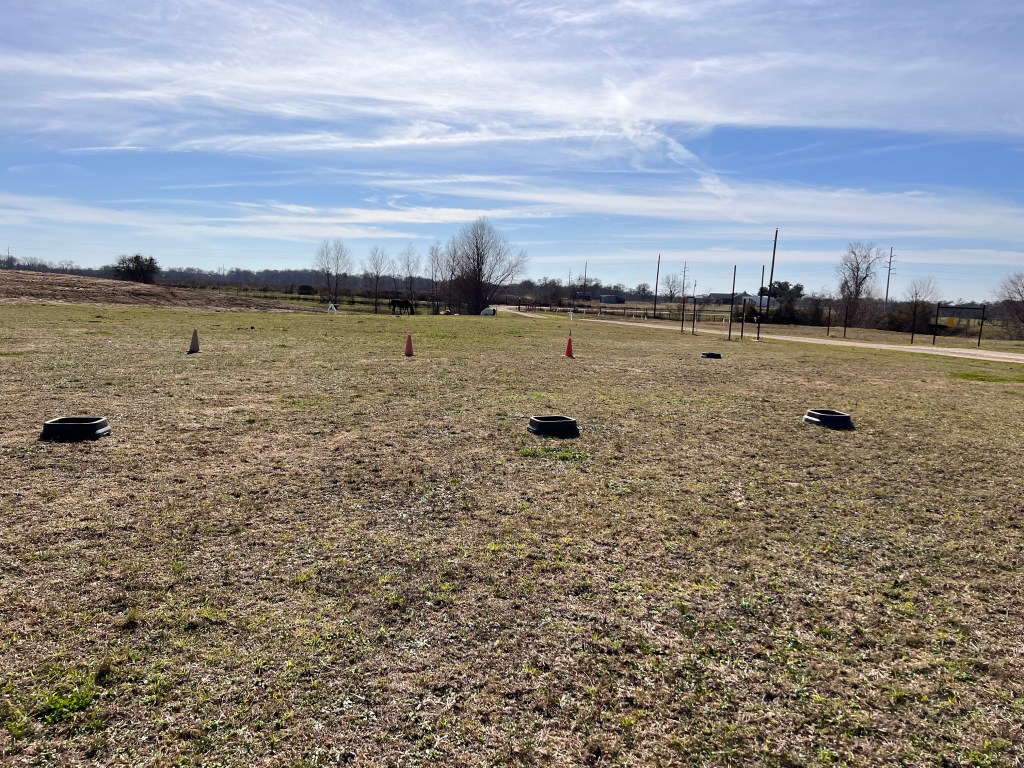
Since I needed to skip Drew’s lesson today, I just worked with him a few minutes, which made it clear I needed to rearrange my obstacle area, or horse playground. So I moved a lot of barrels, cones, posts, and other objects around to make more riding options.
A square A backing up thing and side pass areaJump landMy attempt at making a slalomThree barrelsHill dwellers
Tomorrow Tarrin will help me figure this stuff out better and set up a slightly off-sized dressage arena wannabe space to practice for this year’s shows. I just hope I can found one of our many giant tape measures that usually are in plain sight but are now hiding. I may have to run to the hardware store to get one!
Oh I forgot I had this fine sunrise image from this morning
And, as always, I used nature to take my mind off unexpected events. Look at this beauty!
Mmm. Nectar.
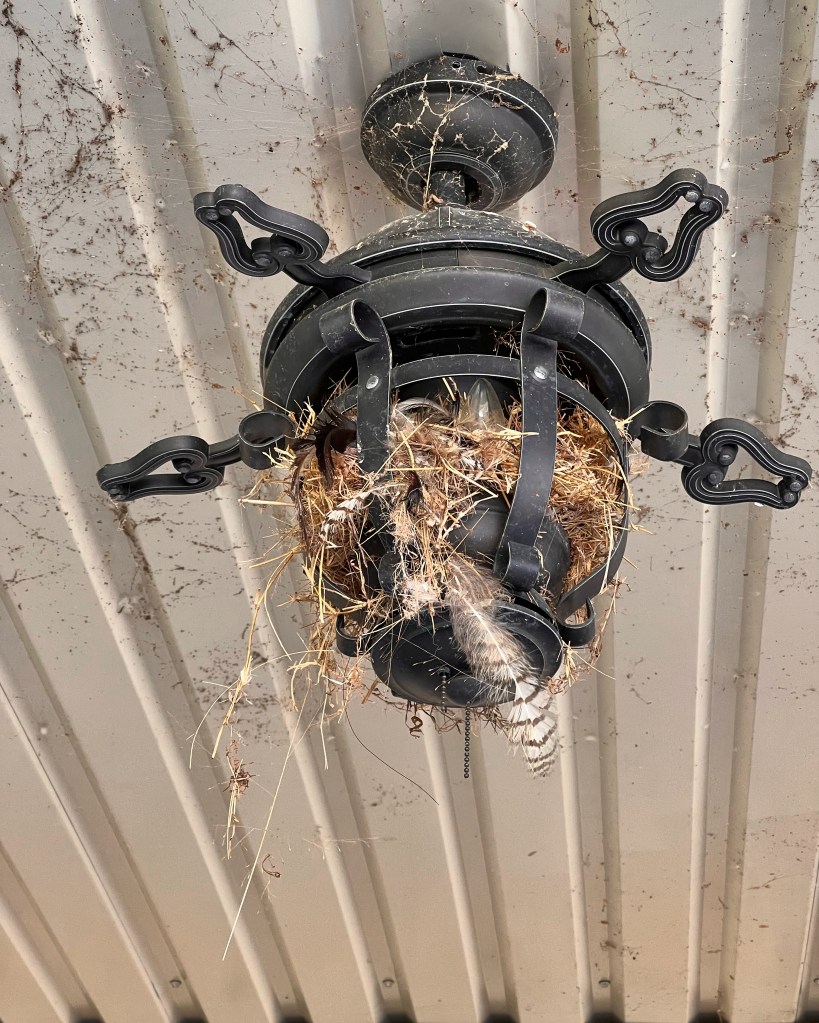
And I scared everyone on Facebook by posting what I thought was just a fun photo of a boho bird nest. I didn’t provide enough details so folks thought we were gonna burn the house down.
The lights are disconnected. Sparrows and hermits are safe.
I’m any case, I’m interested to see what tomorrow brings. I’ll be outside at sunset again but not going an hour away in yet another direction. Today we went west, rolling down the highway!
It was awfully cold, then it rained a lot and warmed up. All of nature seemed to think it was time to wake up my get moving until the next cold front comes along.
I hatched and found a flower. I’ll be fine.
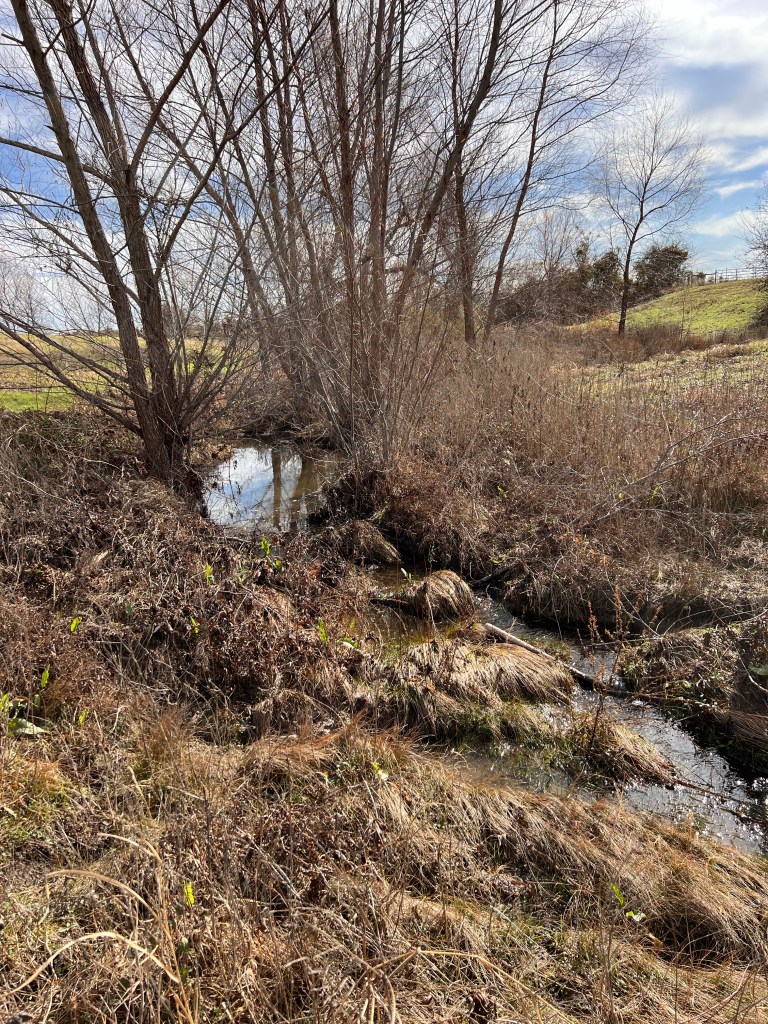
I took a lunch break walk today to see how all the water features are doing. A heavy shower last night got the front pond flowing a bit, so I walked around and looked at the stream. It was pretty in the winter sun.
There were dozens of minnows darting around. I didn’t see any of the larger fish, which might have washed downstream in the flood last week or were in the deep parts. I always feel good when I see fish, because that’s a sign of healthy waterways.
I enjoyed looking at the coral berries and other colorful plants that remain, and was extra happy to see the spring flowing away. Hooray.
Coral berriesSpring is in thereColorful leavesChristmas cholla
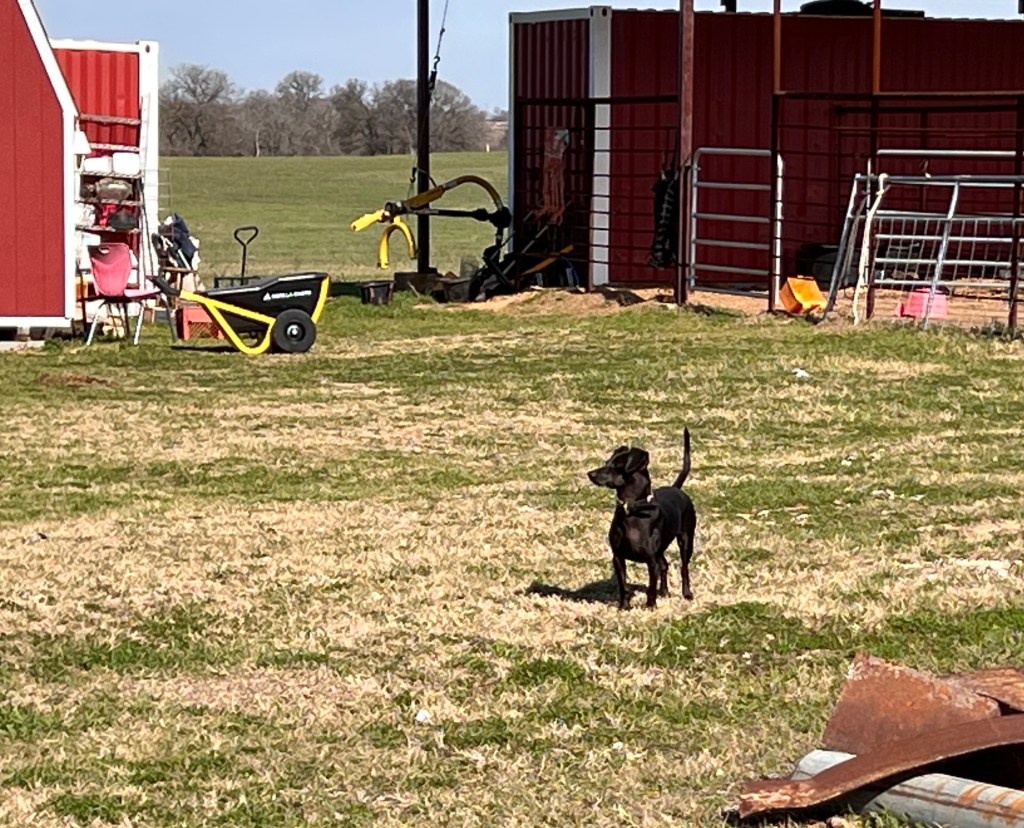
I wasn’t alone on my walk, though. My buddy Vlassic was as interested as I was! We had a great visit and walk, until he raced back home down the path I use for leg yielding with Apache.
Hmm. Smells good. I’m outa here!
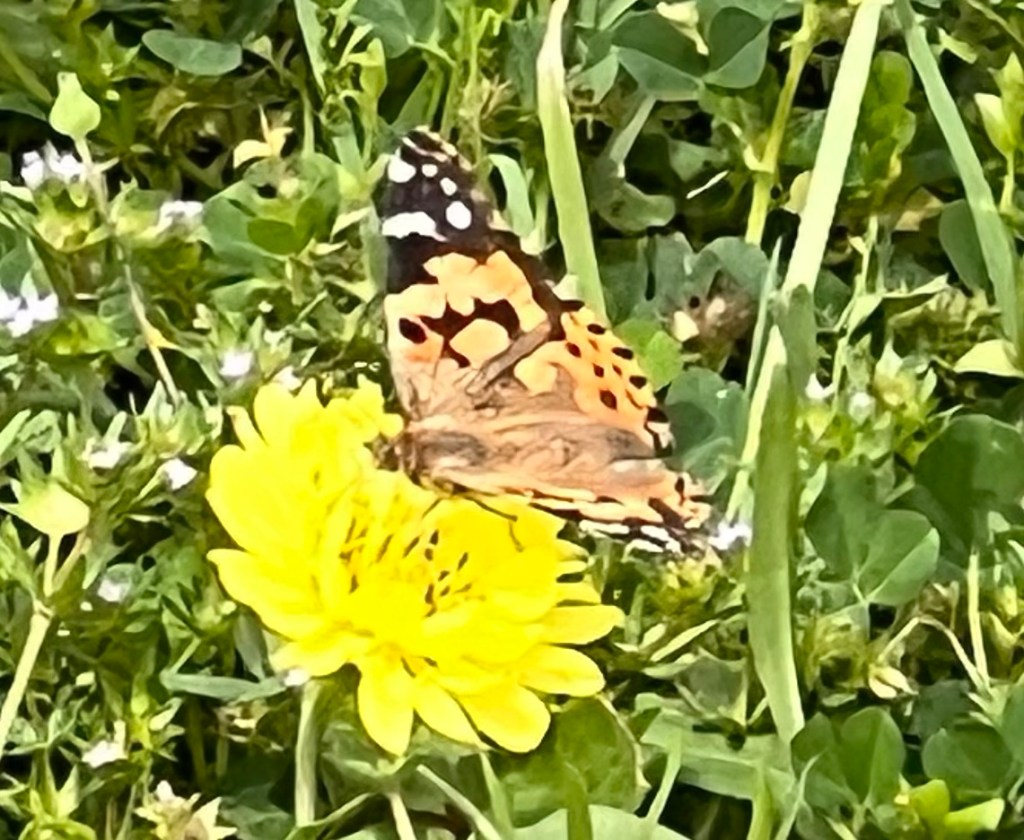
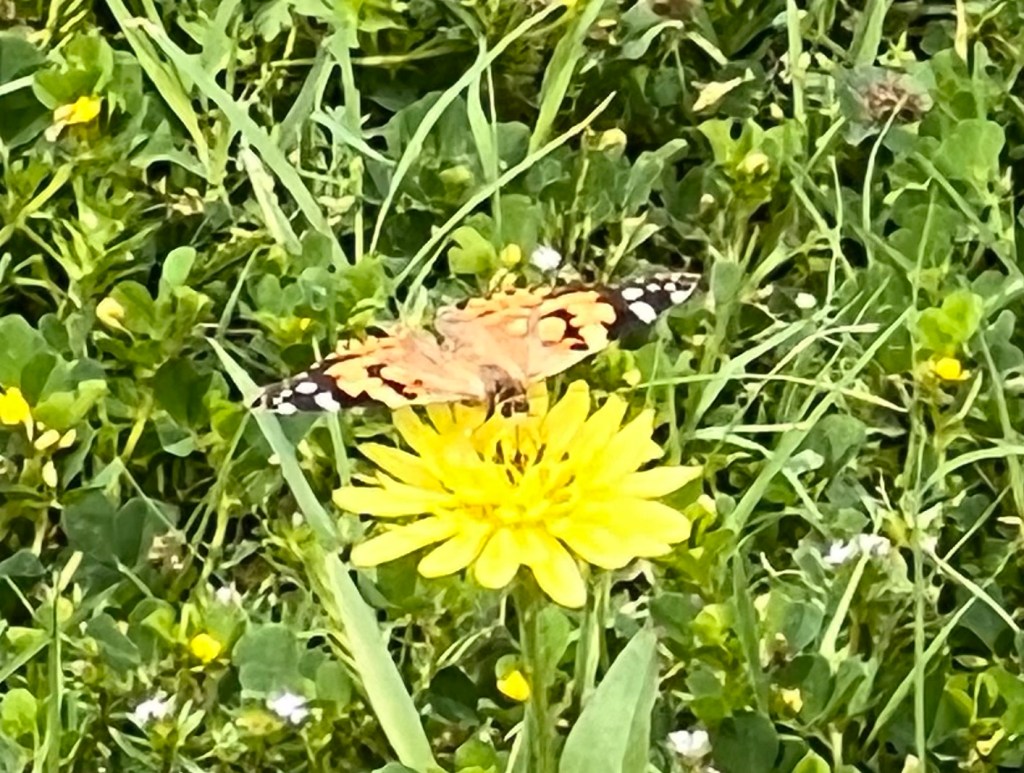
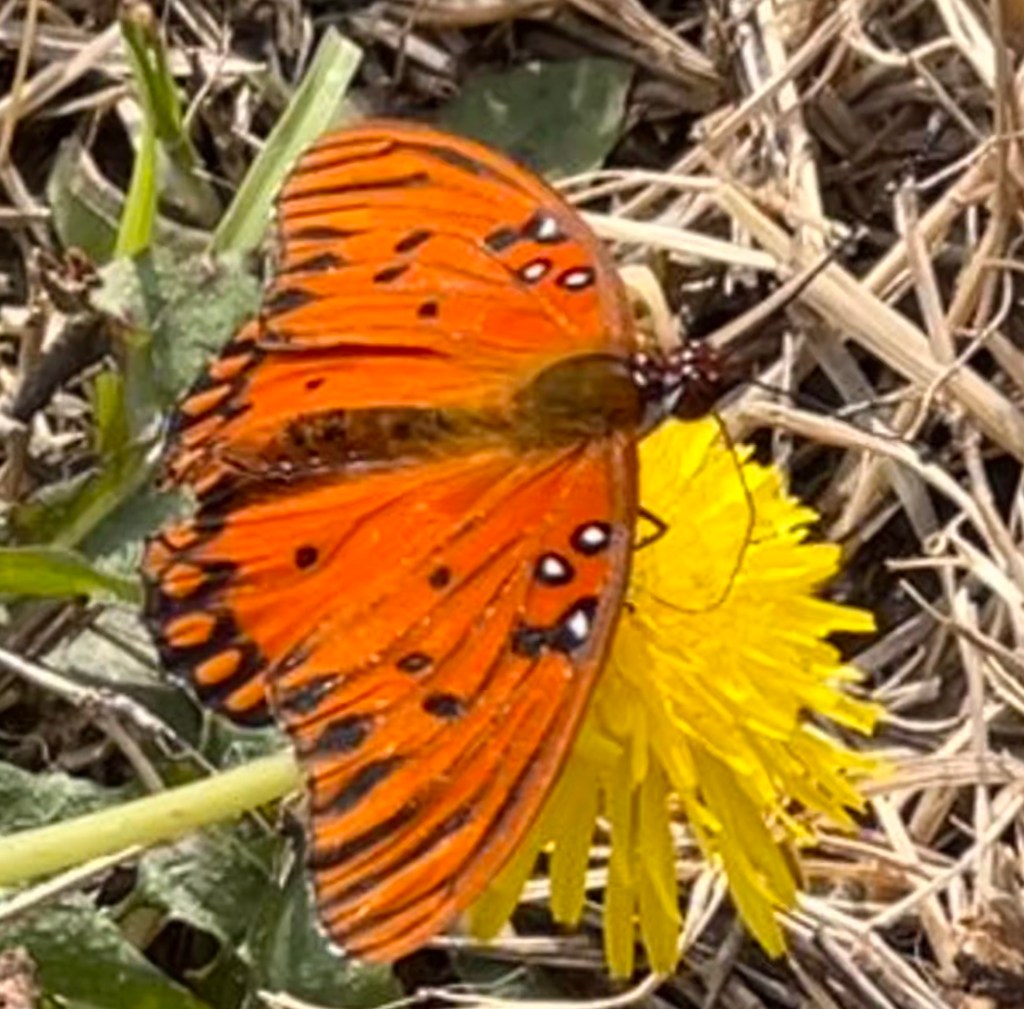
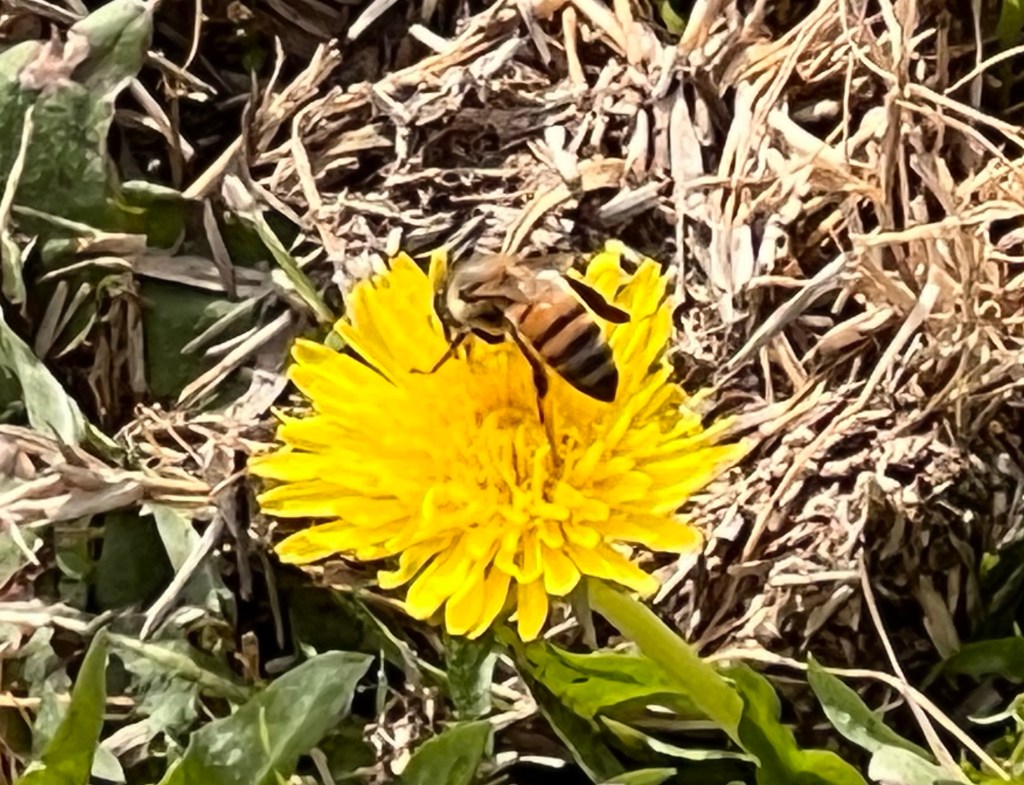
And when I was about to come inside, I stopped to admire the dandelion blossoms. That’s when the gorgeous butterfly appeared. A friend joined him or her, and I basked in my winter surprise. They were soon joined by honey bees, who’ve been out the last few days, especially in the chicken coop. They like the feed.
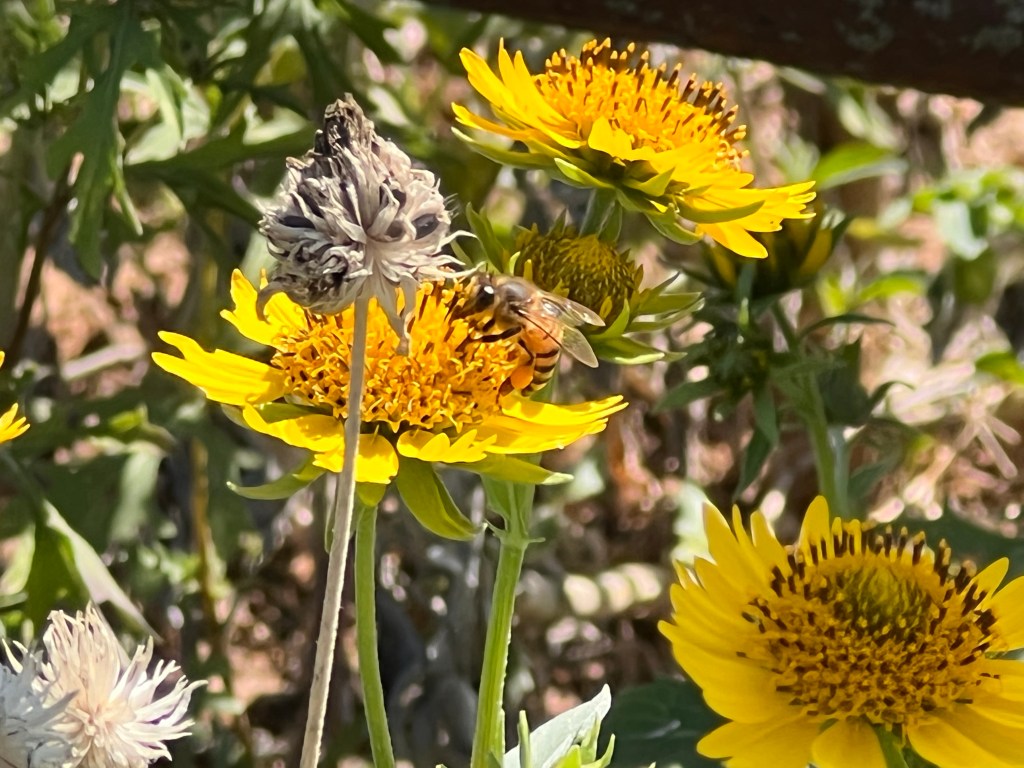
I had to share more photos!Variegated fritillary Hungry bee
In addition to all these guys, I saw lots of turtles and little frogs. Plus, I was happy to see tgat the greater yellowlegs are a pair. They look so interesting when they fly, swooping and calling as they go from one pond to another. Since I didn’t get photos of these resilient winter residents, I’ll share the sunset we enjoyed on our way home from Drew’s lesson.
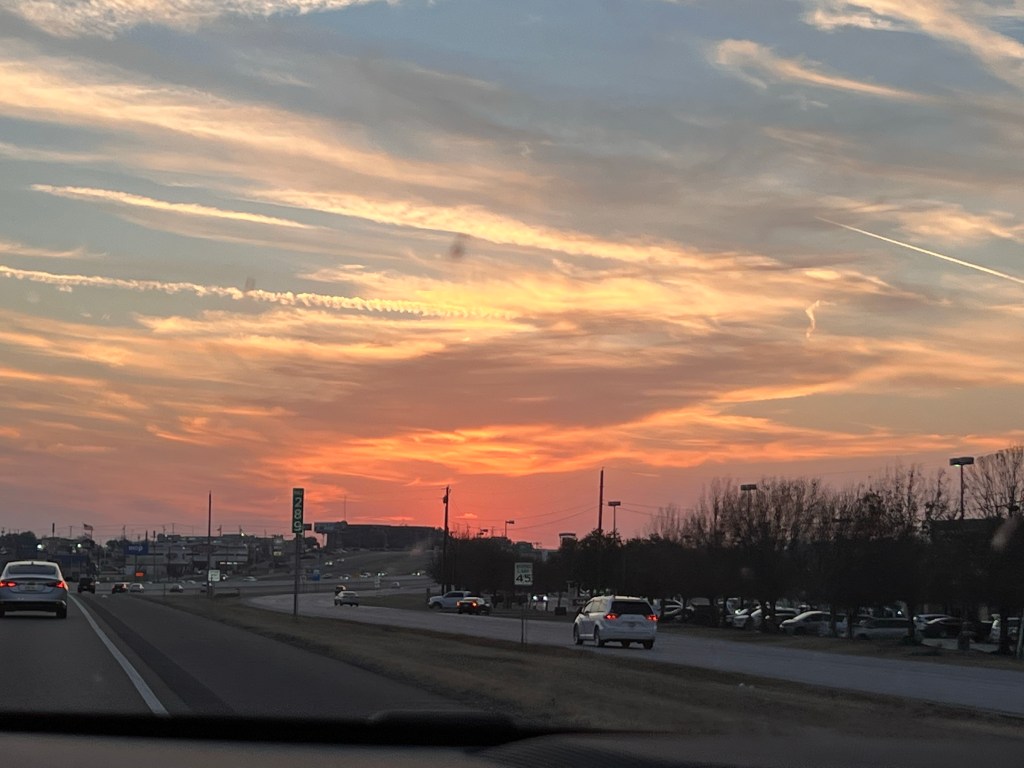
I liked the reflection on the Tahoe
I’m glad to be back at work, glad to have my routine back, and very glad for so many signs of resilience around me.
Louise, who lives up north, wanted to know more about all these butterflies we see in the autumn here in the southern part of the US. So, I went and looked up whether the butterflies we see here migrate or stay here, and what times of year they are seen most. I got all this off Wikipedia. And I went on and on. I guess I better also put this in the Master Naturalist blog!
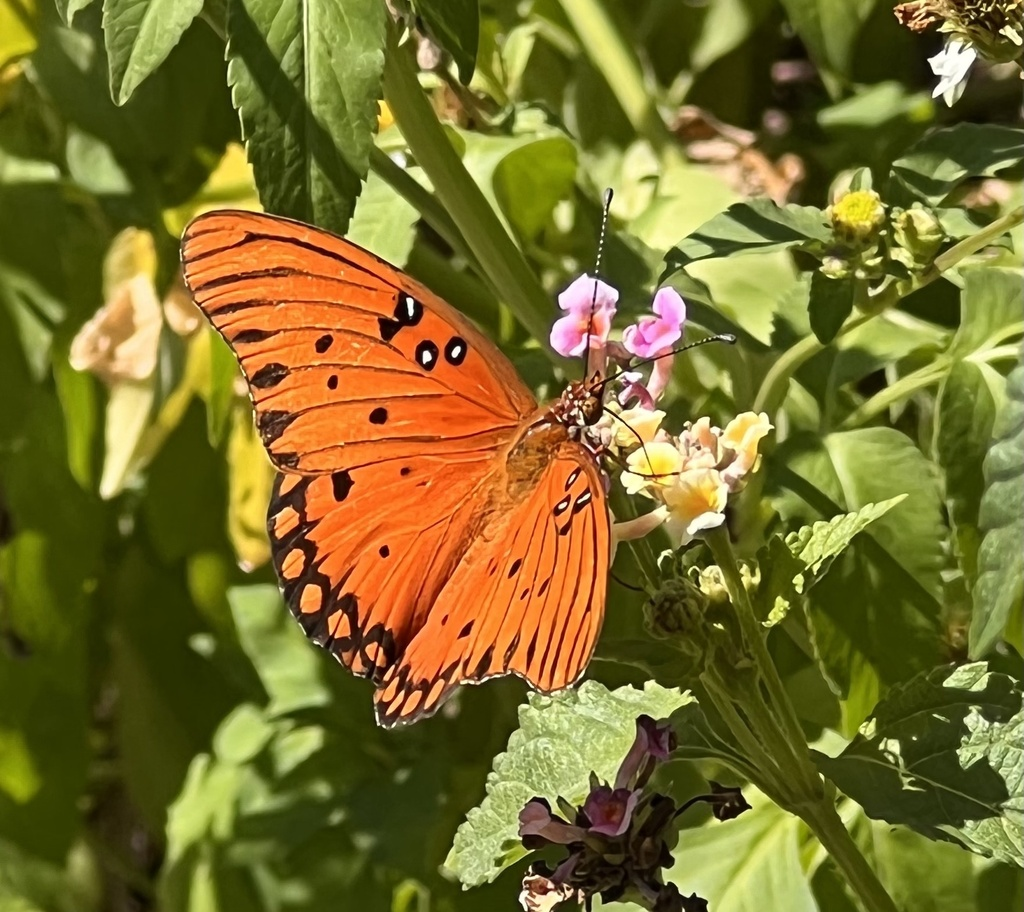
Gulf Fritillary
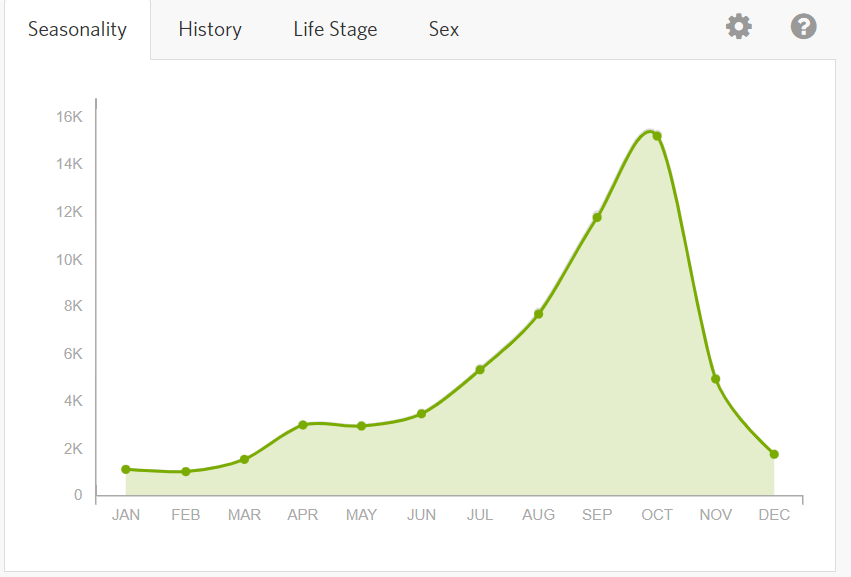
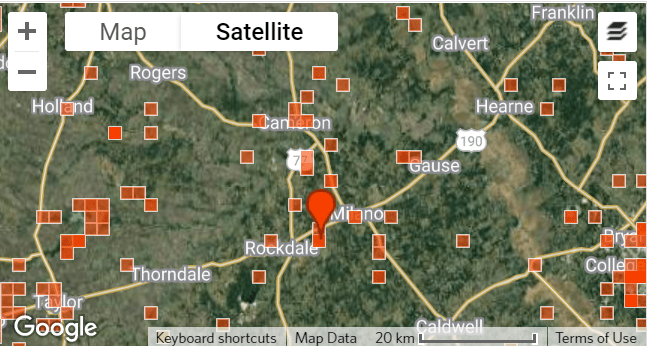
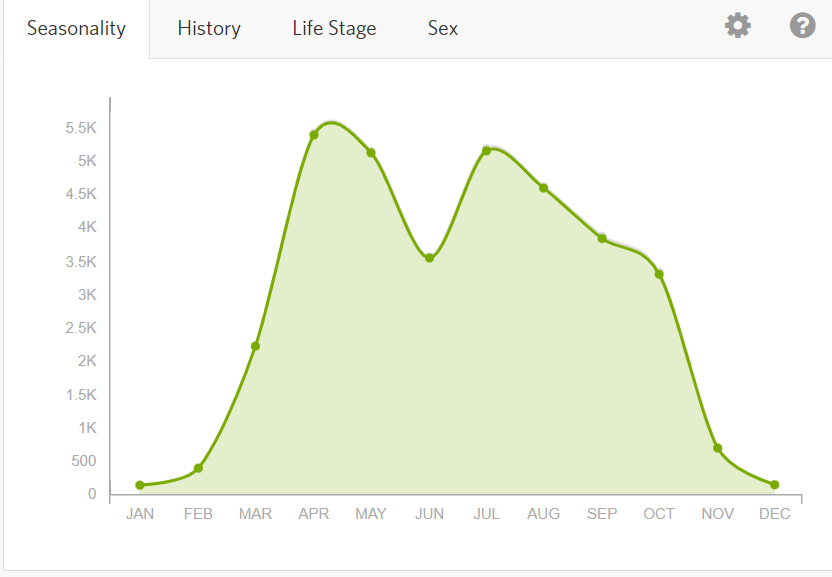
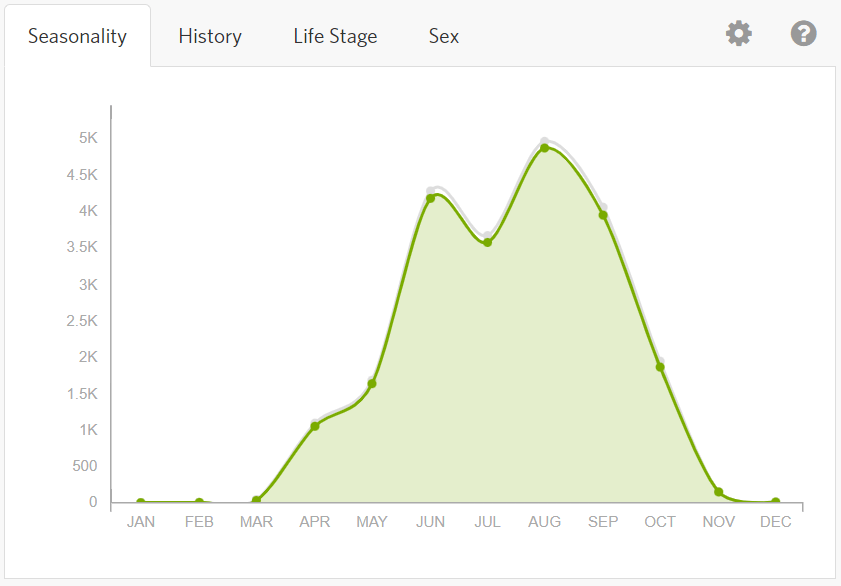
Dione vanilla have been seen to migrate twice a year (in Florida). But they only go from south Florida to north Florida. Here is the chart of their distribution here in Texas (from iNaturalist). You can see they are here year-round but peak around the beginning of autumn, when all those yellow flowers are out.
Gulf fritillary appearances
There have been lots of observations around where I live, so they are pretty common, but beautiful.
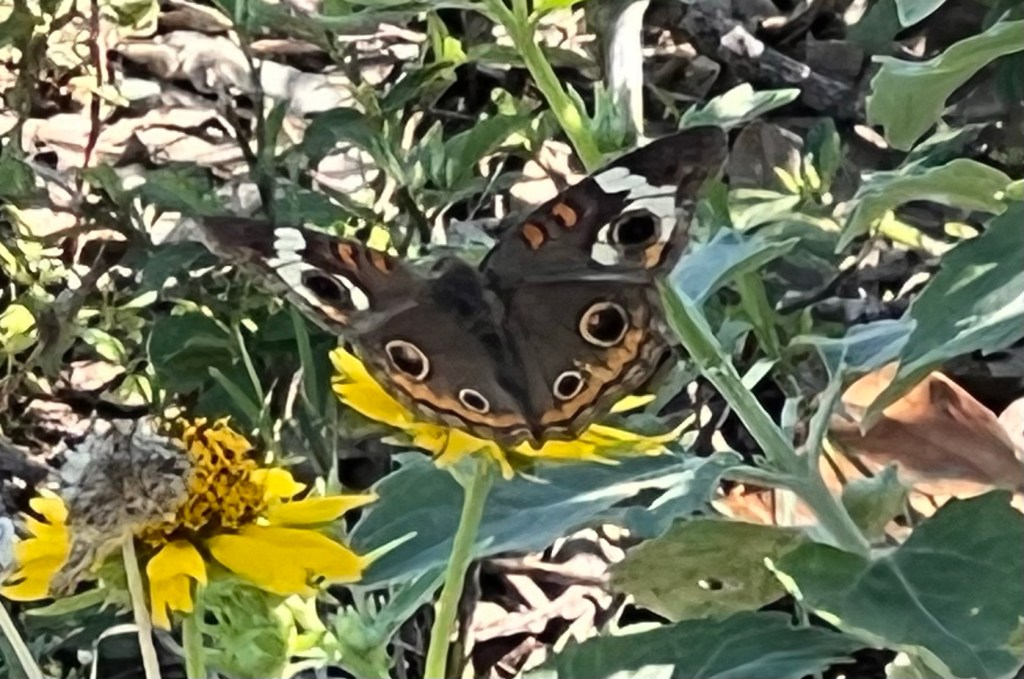
Common Buckeye
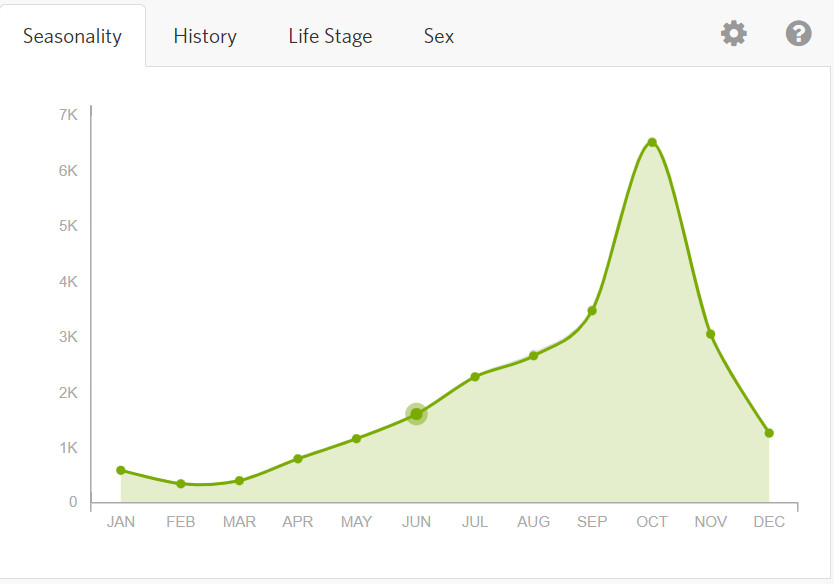
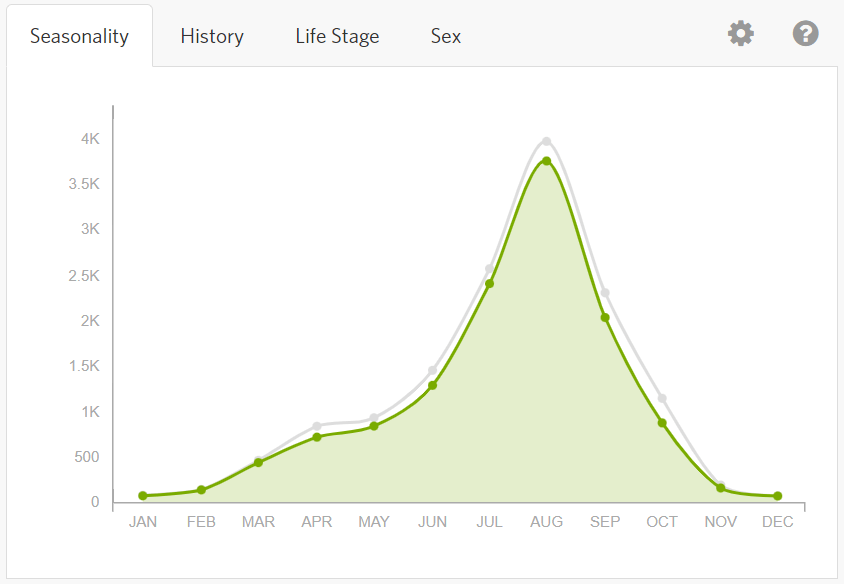
This one, Junonia coenia, I see a lot but only at some times of the year. It’s also seen year round here but has a spring peak as well as a fall peak. I’m getting the idea that autumn is a big butterfly time here!
Common buckeye appearances
These do migrate, but seem to be here all year, because it isn’t too cold, I guess. Here’s what research says:
Common buckeyes move to the south along with tailwinds directed to the north or northwest after the cold fronts from September or October. They are sensitive to the cold and cannot spend the winter in northern regions that will experience extreme cold temperatures. However, they will migrate back from the south during the spring. It was spotted in California in late summer, early fall of 2022.
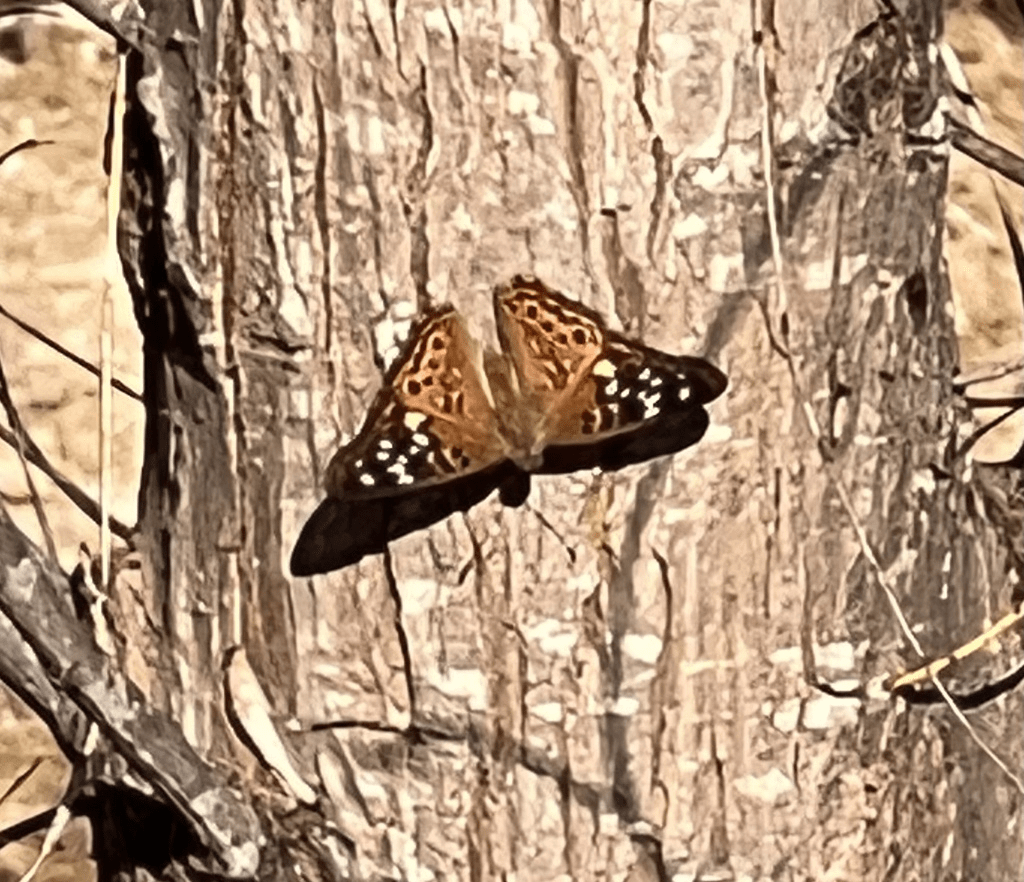
Battus philenor is not as common this time of year. It’s also more of a forest butterfly than a prairie one, which explains why I saw it at Tarrin’s – lots of wooded areas near her ranch. This one is also more of a warm-season butterfly. I probably saw one of the last adults for this year. I see lots of observations of caterpillars right now on iNaturalist.
They must not migrate, since I didn’t find any information on that. I do want to note that they need the pipevine plant to lay eggs on, and I found a member of that family at my neighbor Sara’s place earlier in the year. Yay!
Observations near me. The top one is our place.
Queen
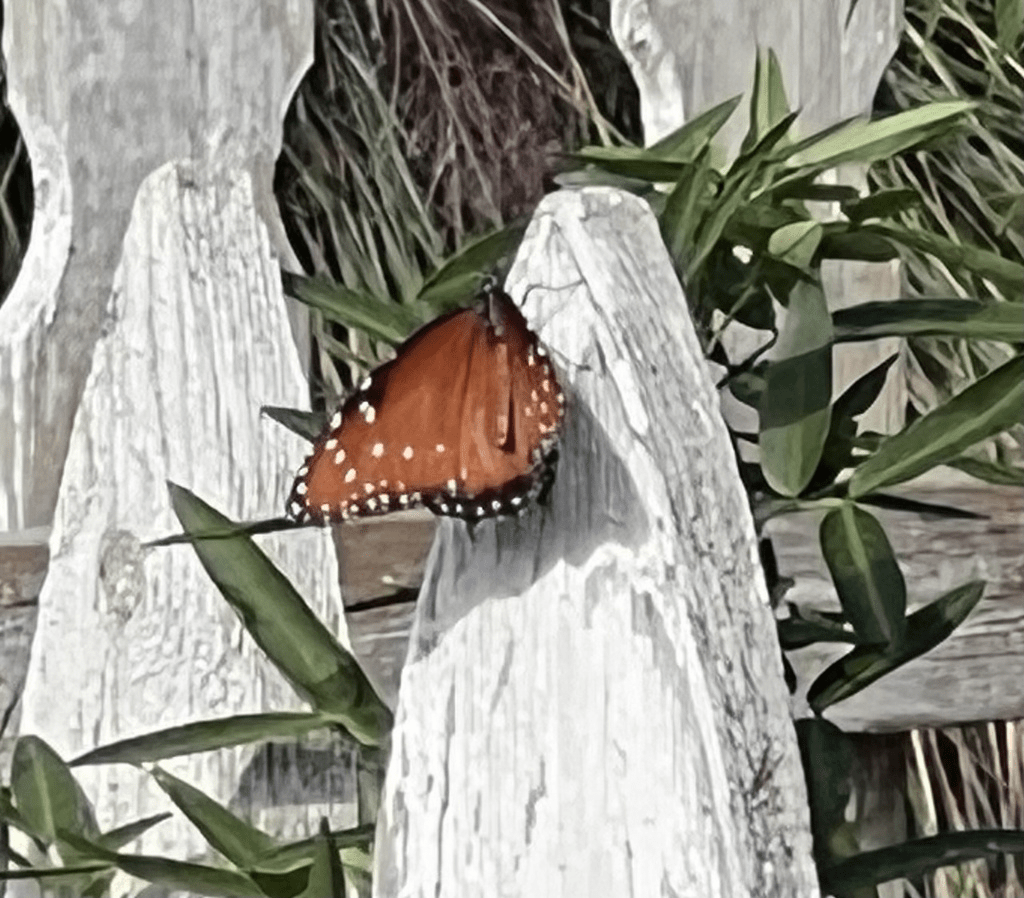
Danaus gilippus is most definitely a fall flyer. It’s only found in the southern US and is more common in South America. This one, like the monarch, uses milkweed plants as its host. It sure is pretty.
Queen butterfly sightings
Painted Lady
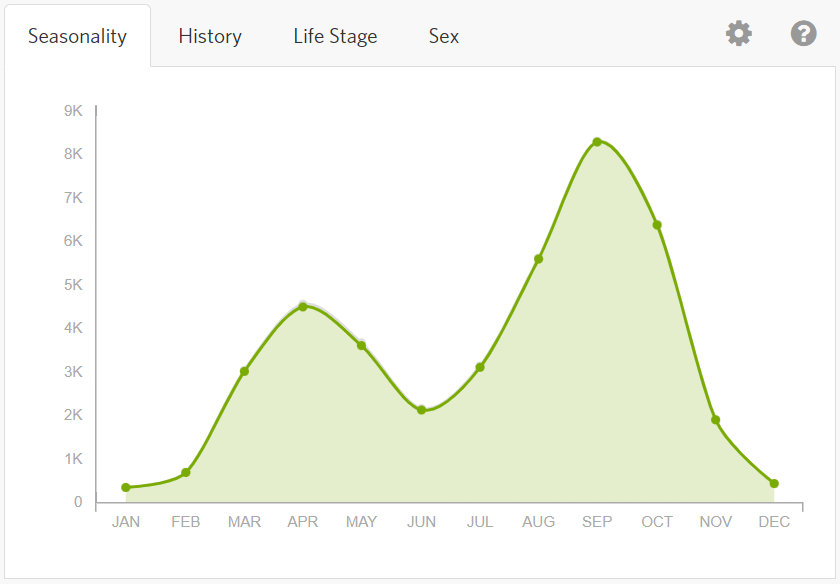
Painted Lady (Vanessa cardui) is another one with two peaks. One thing I’m noticing, though, is that even the ones with a spring peak have a larger one in the autumn. So, that explains something that Louise was asking about: many butterflies seem to be autumnal!
Painted Lady sightings
Painted ladies are the most widespread of all butterflies and are found worldwide. I hadn’t known that! They are resident in places like where I live, but also migrate to northern areas in the summer.
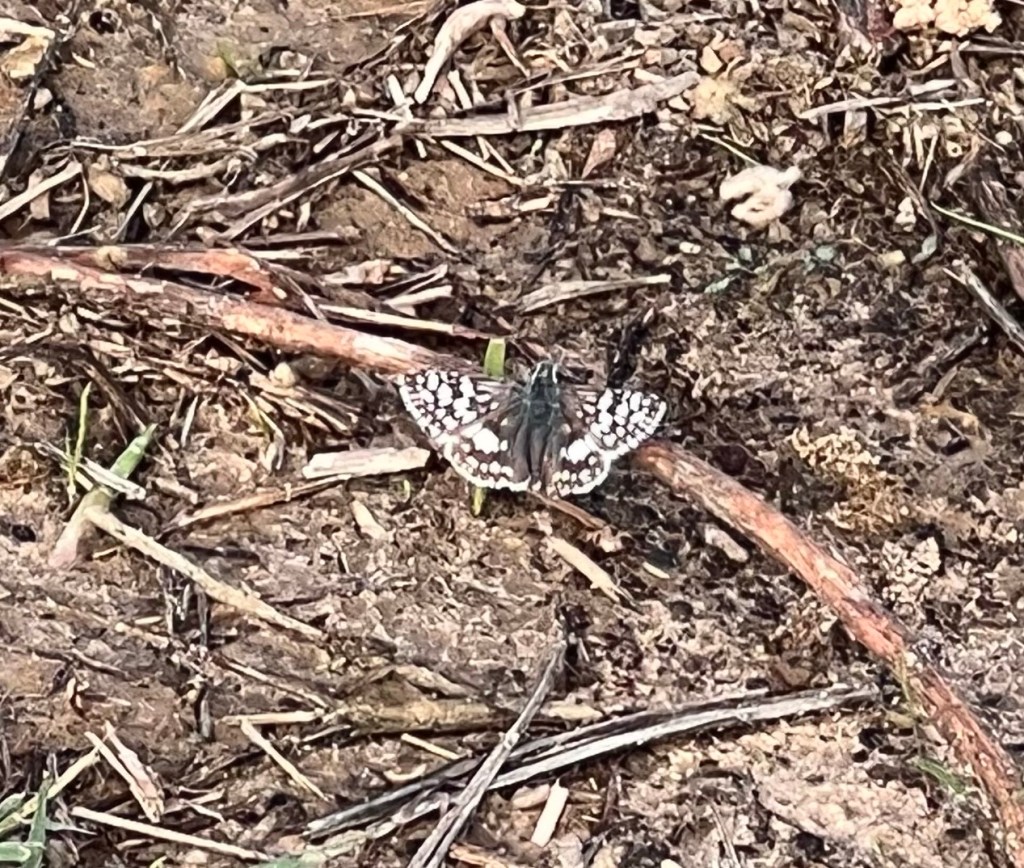
Common Checkered-Skipper
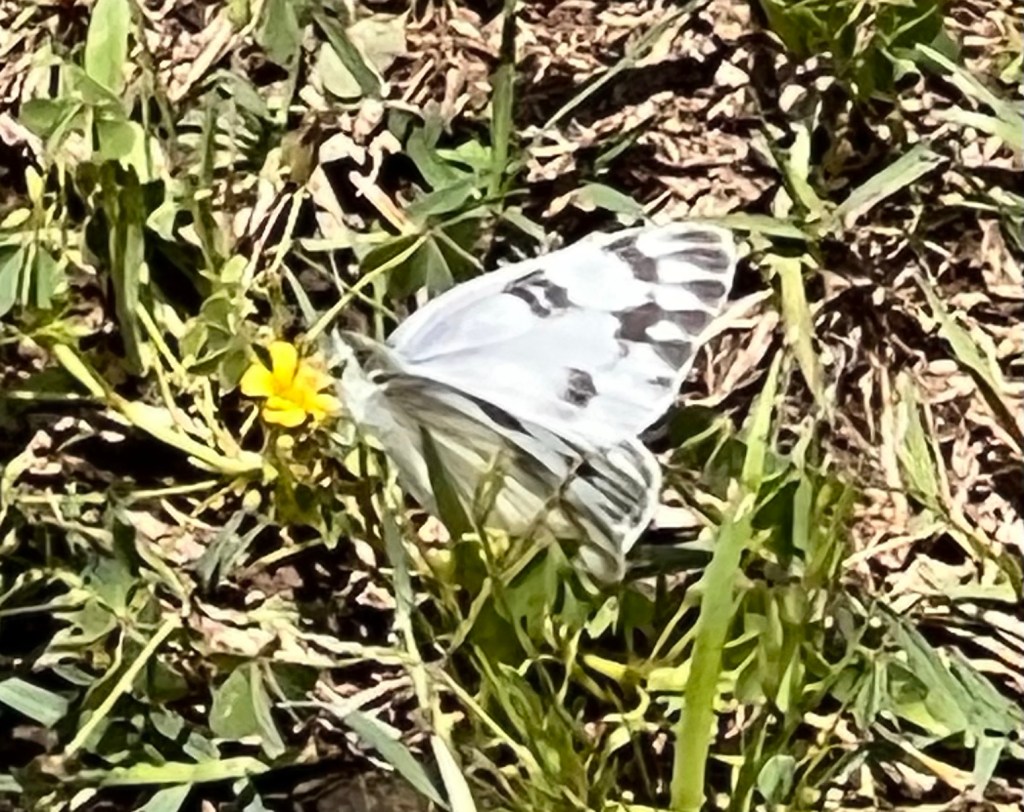
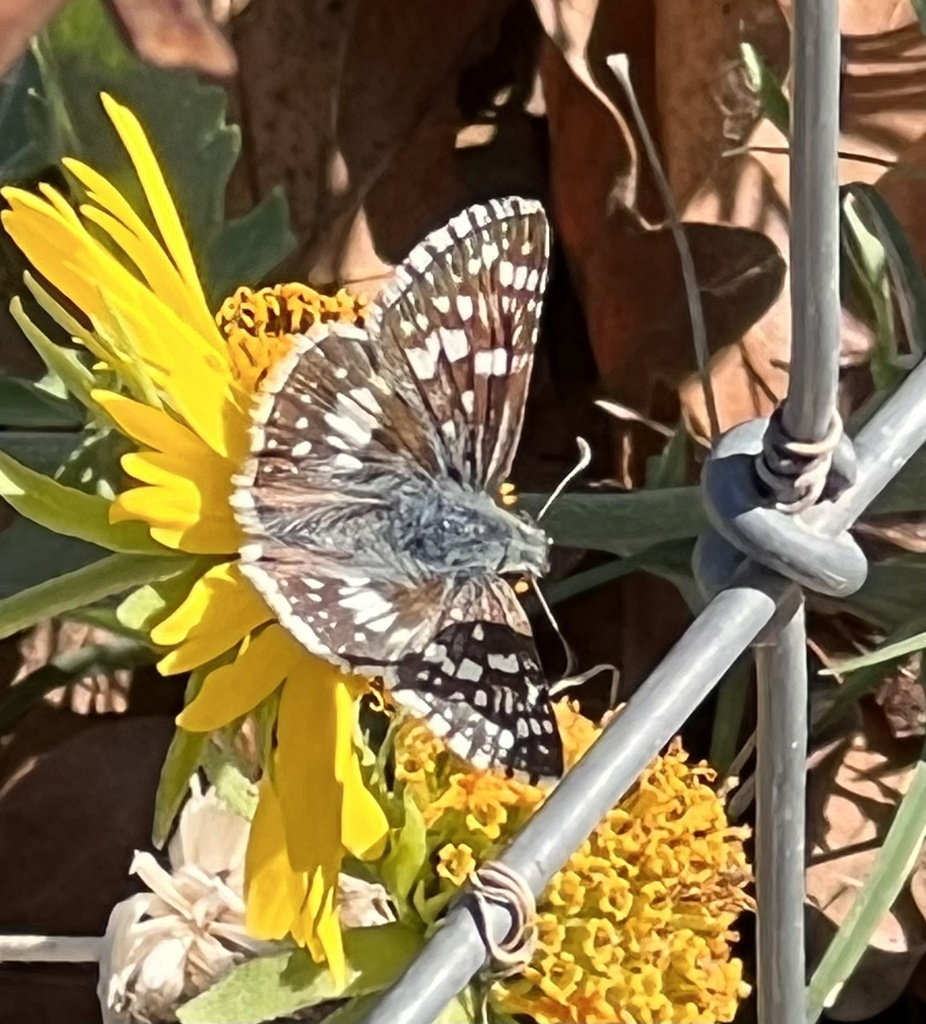
Common Checkered-Skipper (Burnsius communis) is one I can’t get verified, but the ones I see sure look like the ones in the picture. It doesn’t seem to have been studied as much as many of the others, though it’s really pretty with its blue body and lacy pattern on the wings. And yep, it’s another one that is seen mostly in the autumn.
Checkered skimmer sightings
Variegated Fritillary
Euptoieta Claudia is common in this area. They seem to be prevalent all year except in the dead of winter. I think they’re pretty, too.
Variegated fritillary
They use passion vines as their host, which may explain why we see so many here. I have LOTS of passion vines! They also like disturbed areas and open fields, which we have plenty of around here. They produce multiple broods per year, which may explain the prevalence during all the warm months.
This is such a pretty photo
Dainty Sulphur
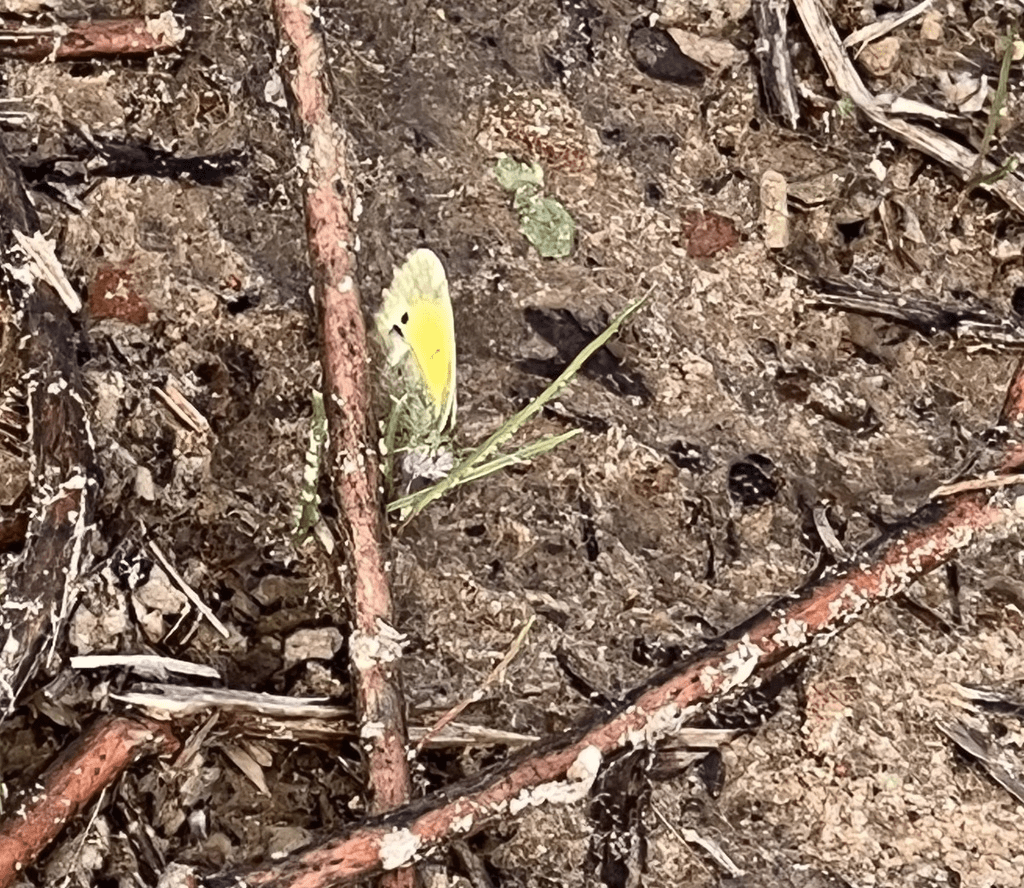
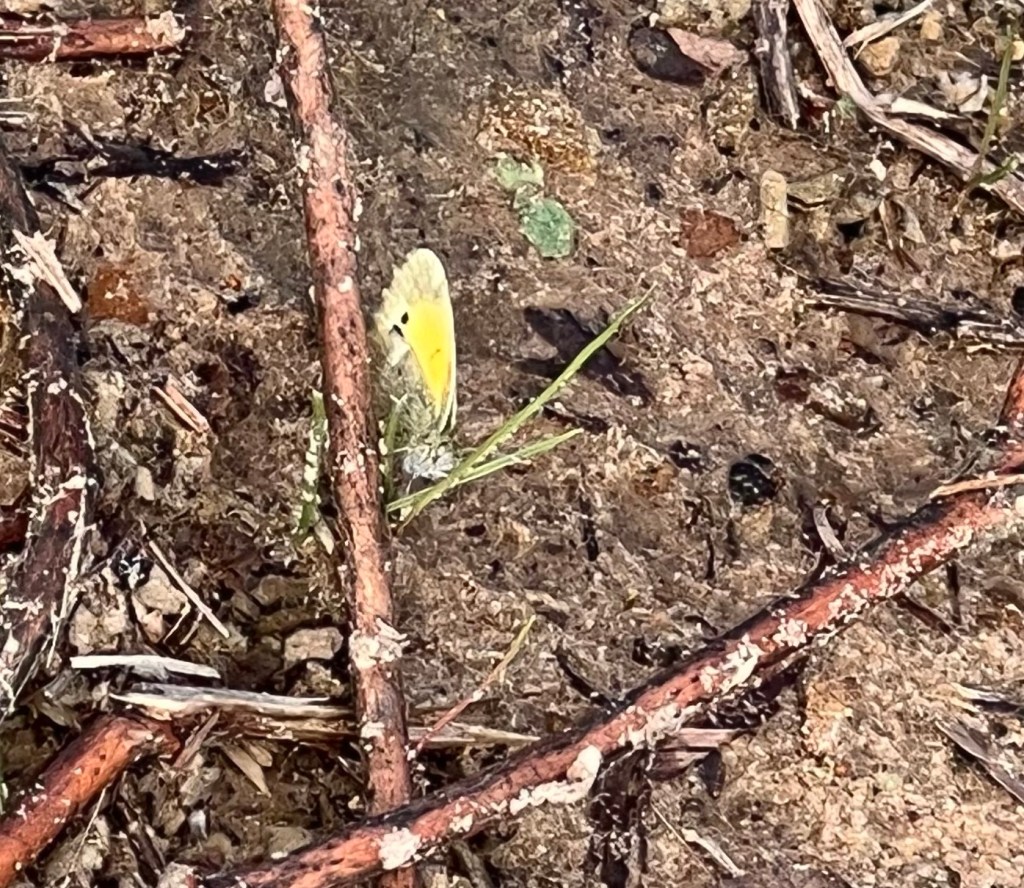
Dainty Sulphur (Nathalis iole) is a tiny yellow butterfly, the smallest of the bunch, it turns out. We have lots of sulphurs around here, and they are very busy little fellows, so it’s hard to get photos. This one seems to go away in the hotter months. I do recall seeing them all winter, since we always have something blooming, like chickweed, which is one of its favorites.
Dainty sulphur observations
This one is also white and other colors, so now I know that all those teeny ones I see are the same butterfly. I learned something!
Thank you for holding still
Fiery Skipper
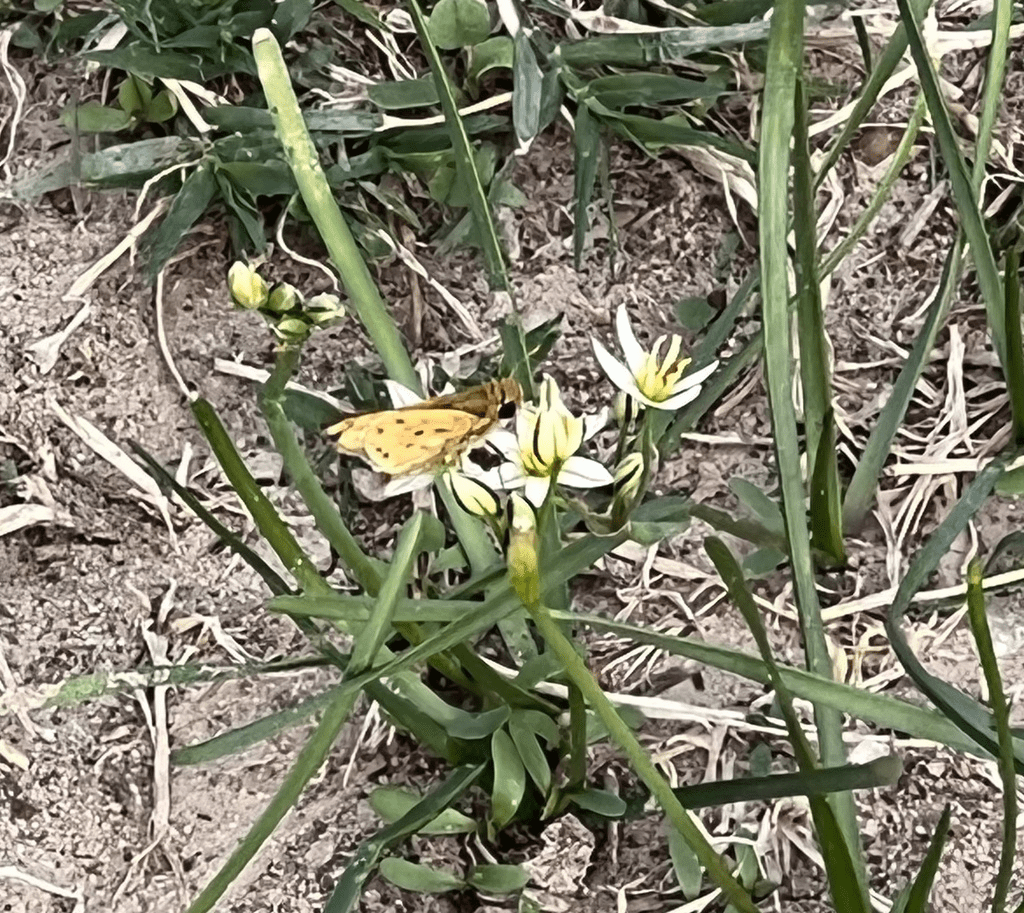
Fiery Skipper (Hylephila phyleus) is another small one. They are incredibly numerous around here and are very busy little things. I enjoy watching them skipping around. Well, when I read the article on them, it became clear why I see so many! They love Bermuda grass. Guess what all the pastures around here were planted in? Bermuda grass. The beloved coastal Bermuda has pretty much made life difficult for the native grasses around here, but I guess that makes the fiery skippers happy. It makes them a pest in Hawaii, though. I say, eat away, skippers!
Fiery Skipper Sightings
I also learned why the butterflies I see that are identified as fiery skippers look so different. They are sexually dimorphic, with the males much brighter than the females. I’m suddenly becoming a butterfly expert as I write this.
Gray Hairstreak
I am trying to figure out what butterflies I see earlier in the year. Gray Hairstreak (Strymon melinus) is one I know I see in spring. Even this one peaks in the fall, though. It’s tiny, but holds still enough that I can get photos. Thanks!
Gray hairstreakIt held still
American Snout
These guys, American Snout (Libytheana carinenta), just migrated through here, so I know they are migratory. But they are most often seen in autumn, like all the others so far. Migrations happen after droughts that are followed by heavy rains, which explains the one last week. The Wikipedia article says sometimes there are so many that they darken the sky. Wow. Funny looking, too.
American snouts
Pearl Crescent
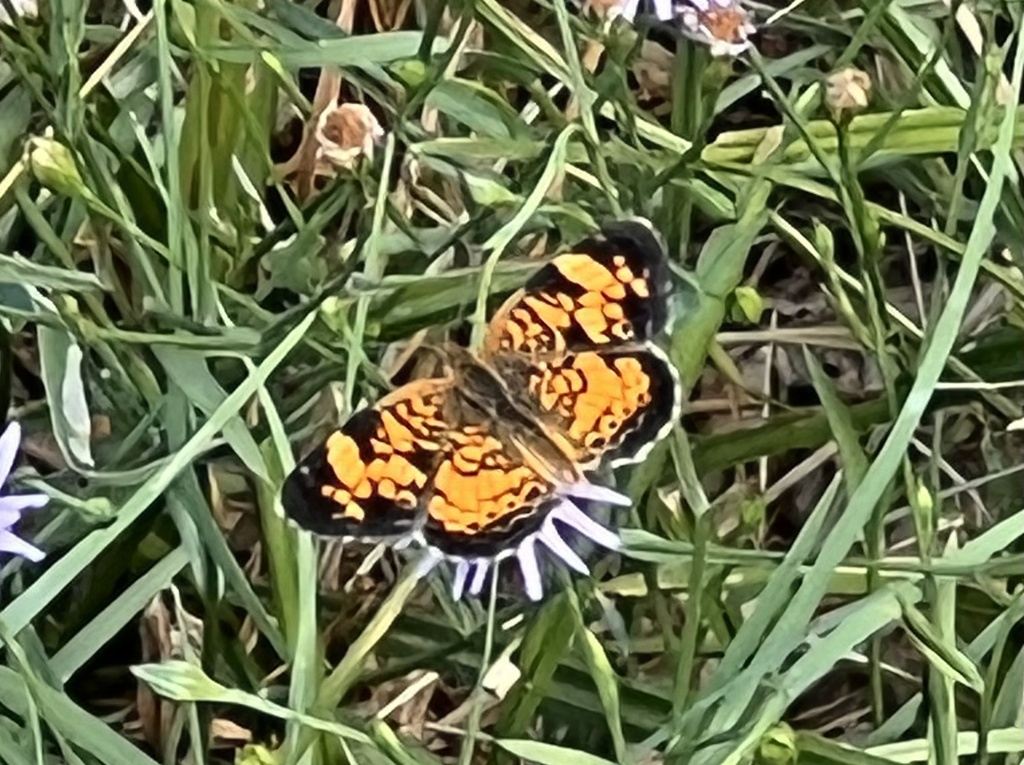
Another beauty, Phyciodes tharos is more of a spring and summer butterfly that’s found all over North America. It’s very common in this area.
Pearl crescent
Hackberry Emperor
Asterocampa celtis is one of the summer butterflies around here, probably because of its ties to the hackberry tree (which we have plenty of). I guess it shows up when the trees start blooming.
Hackberry emperor
This is a weird butterfly. It’s rarely seen visiting flowers (I see it on trees, duh). And it doesn’t pollinate the trees:
Species in the genus Asterocampa are regarded as being “cheater” organisms, since these butterflies do not pollinate flowers when they feed from them. This species can more accurately be described as parasitizing their hosts and plant food sources since they extract nutrients without providing any benefits to the host.
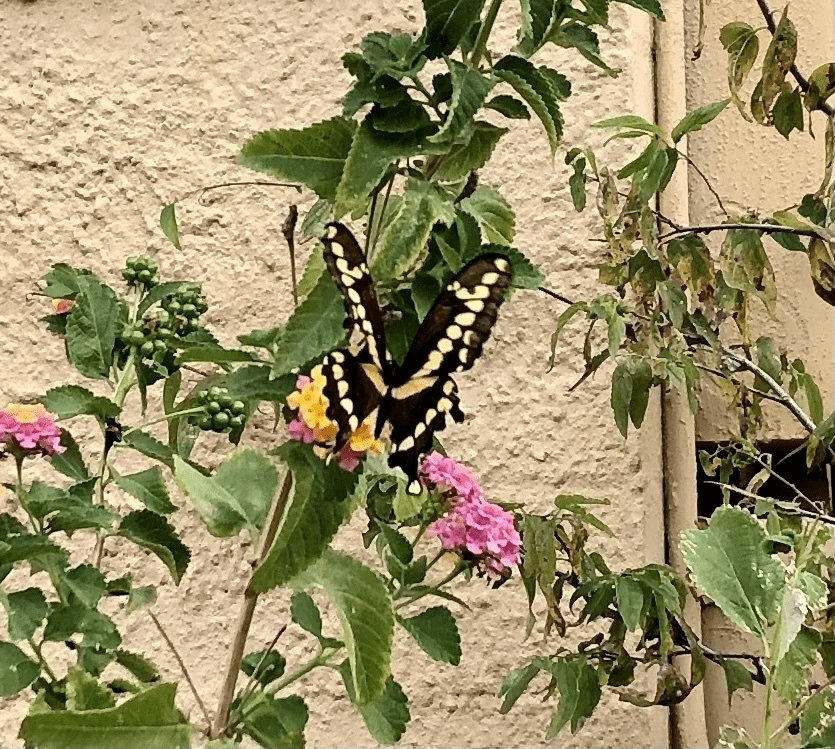
I’ll stop with Papilio cresphontes, since I finally found one that isn’t most common in the autumn. This one is more of a summer butterfly. It’s always great to see one of these gracefully flitting around.
Giant swallowtail
This is the largest butterfly in North America, so I’ve shared with you both the largest and the smallest today! The caterpillars are pests to citrus growers, but they are just beautiful sights as far as I’m concerned.
Such a long day! I’ll just share some observations I made today and talk about other stuff tomorrow.
Pipevine swallowtail
I decided to see how many butterflies and bees I could see today between the two stops I made. One was Nature Days that our Master Naturalist group is doing every Saturday this month, while the other was a visit to my lonely horse, Drew, who’s been living the spa life while Tarrin’s on vacation. More on that later.
No, Mom, focus on me!
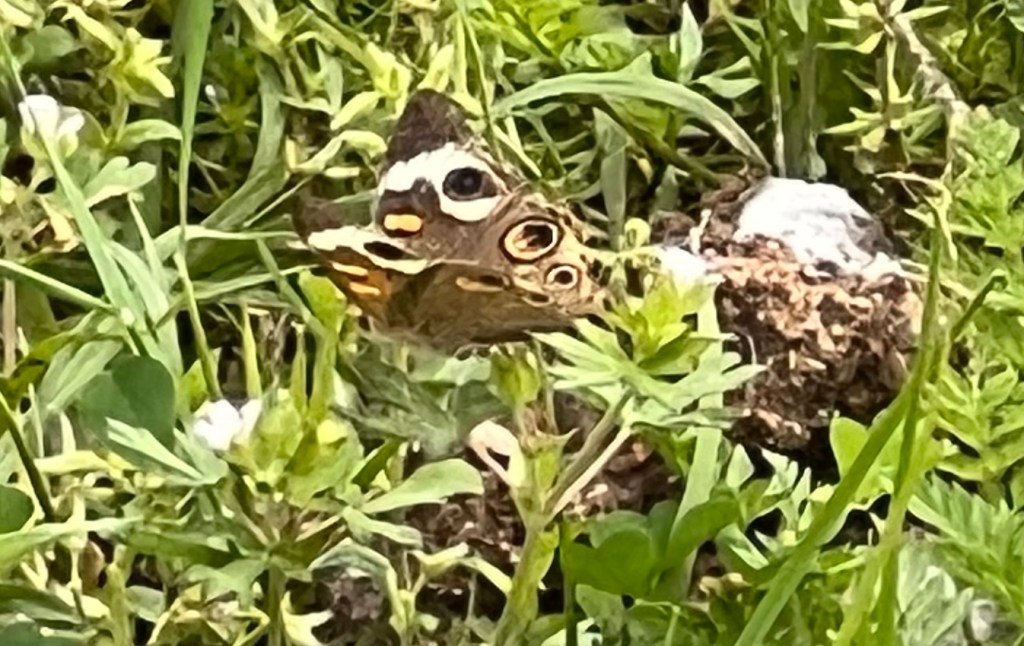
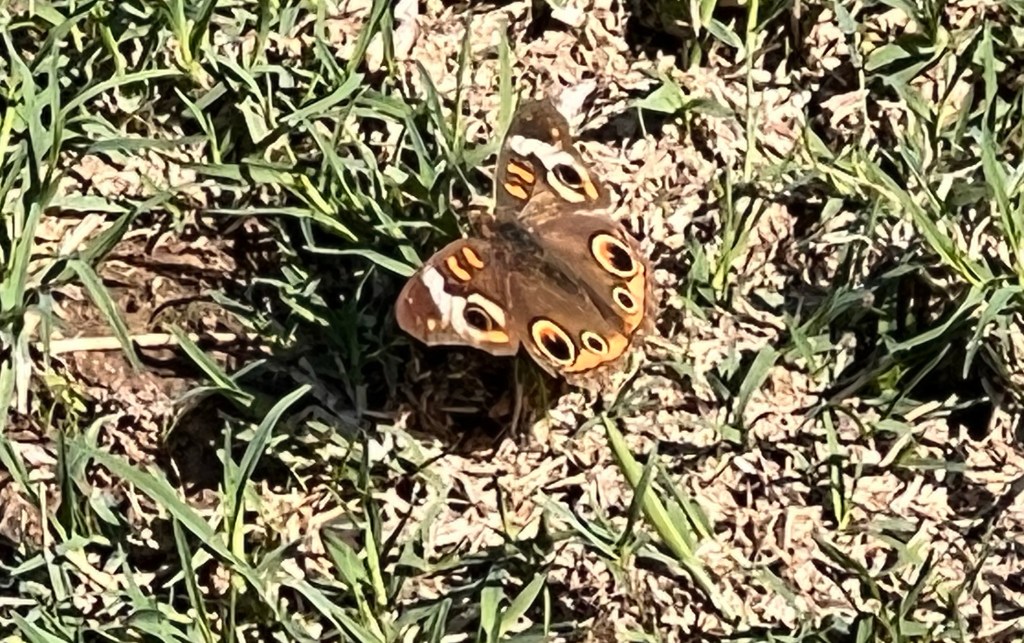
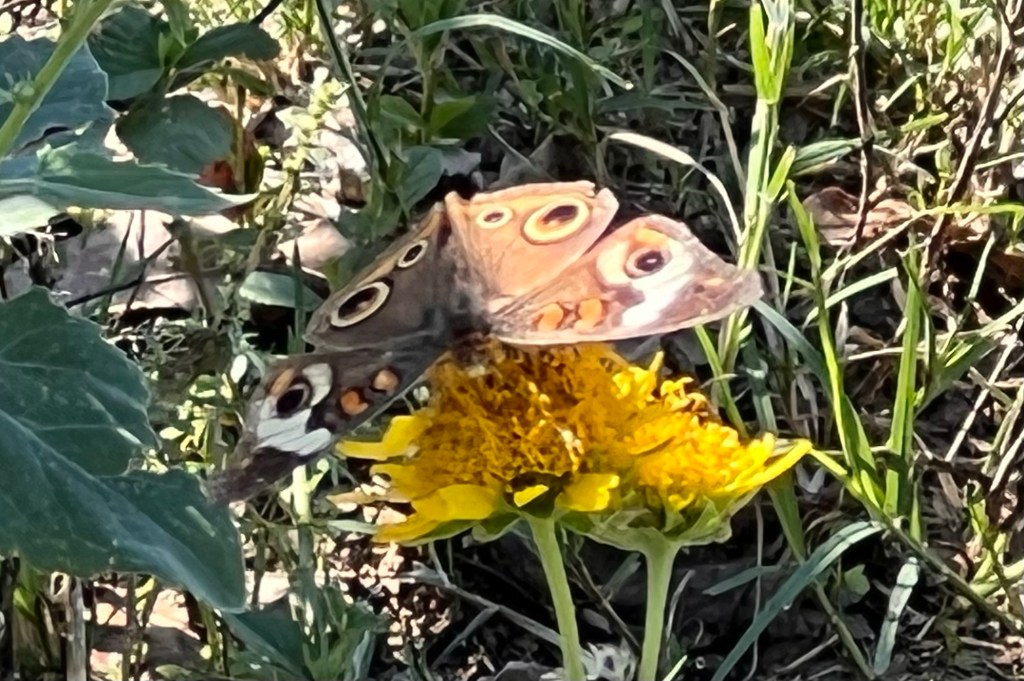
I really saw some beauties today. The most common one was the Common Buckeye.
I say they are uncommonly beautiful.
The fall butterflies make me so happy. The buckeyes, Junonia coenia, prefer yellow flowers that no other butterflies have visited. They eat plants as caterpillars that make them taste bad, too, like monarchs do.
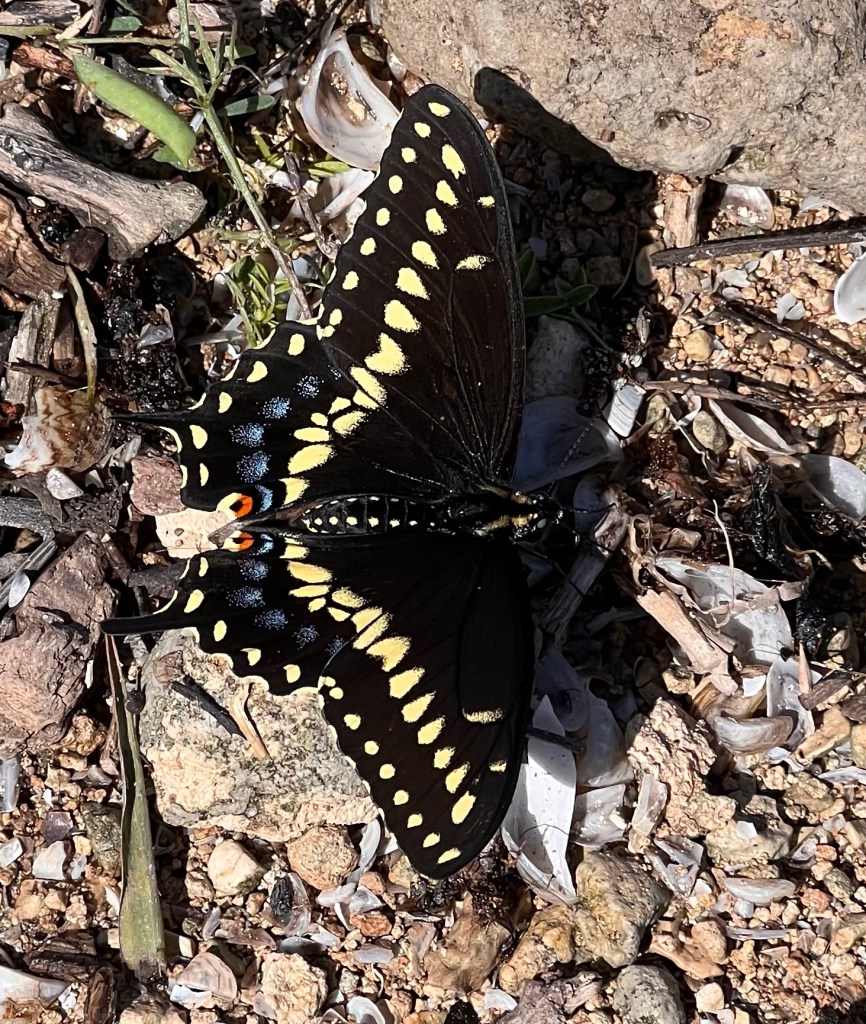
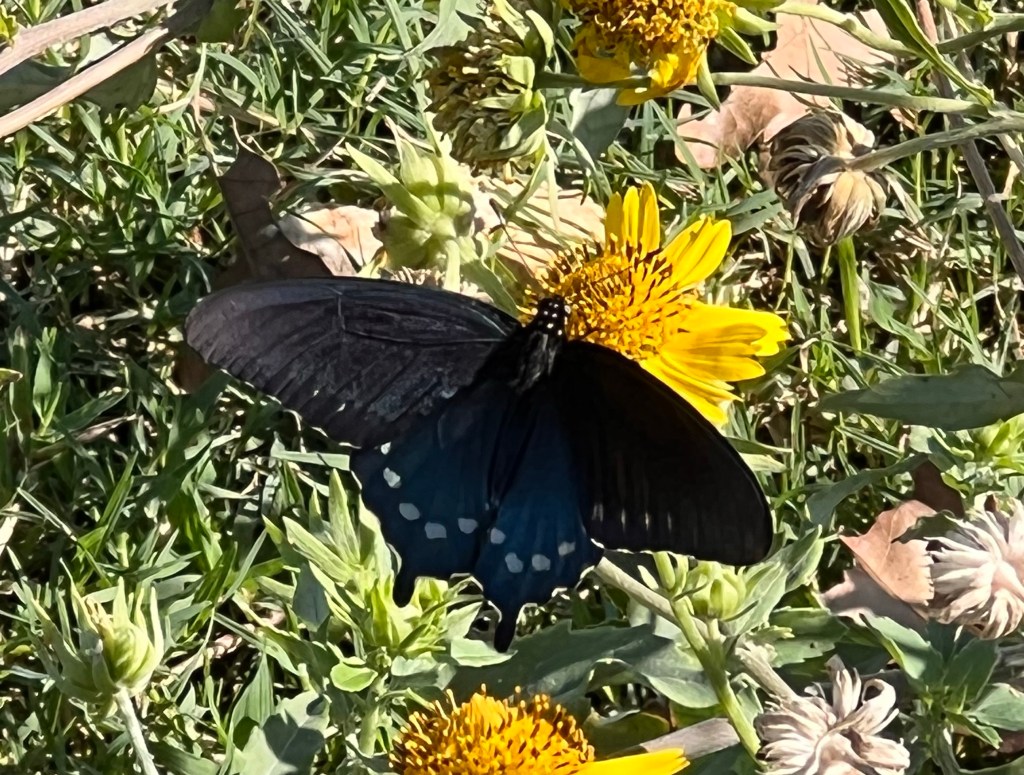
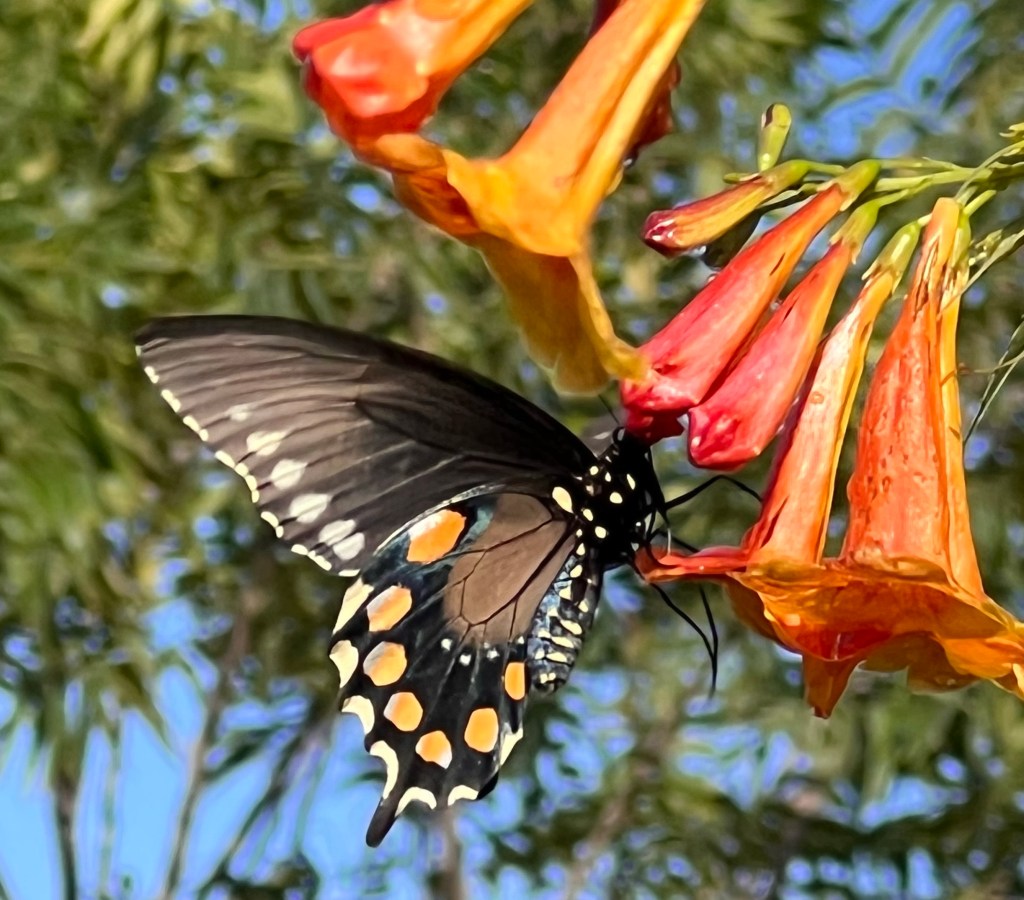
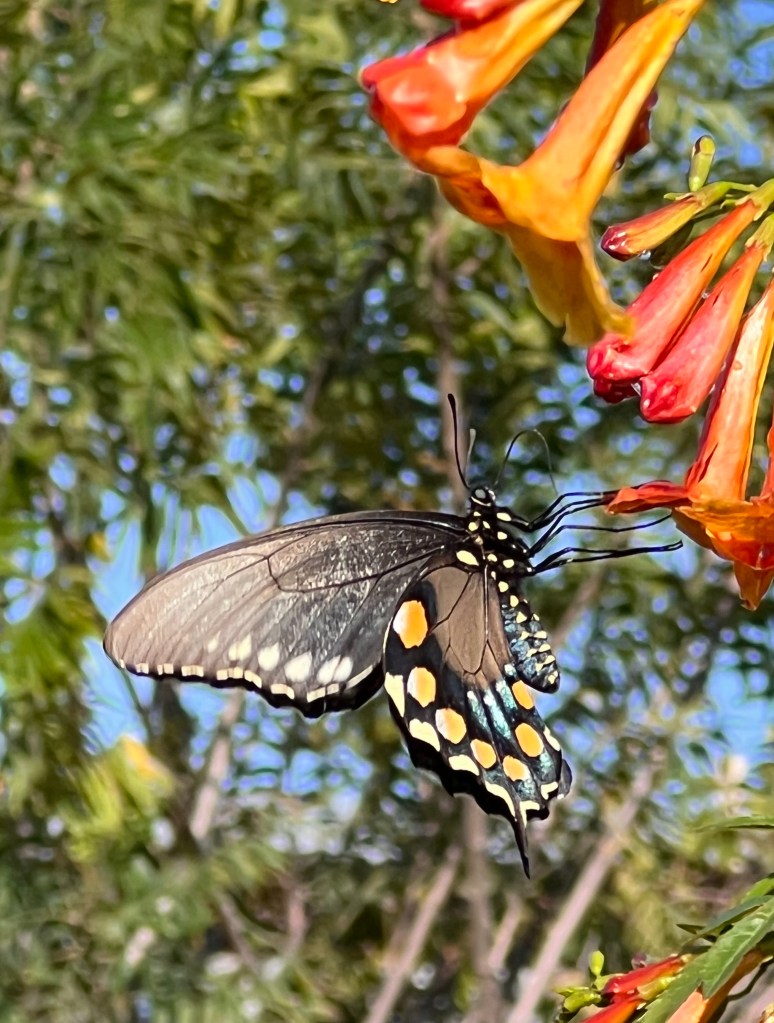
The most beautiful sight for sure was the pipevine swallowtail, which is the top photo. We get lots of these near here but not too many at our ranch. They are not shy, so you can often get good photos. I also saw these in both places I visited.
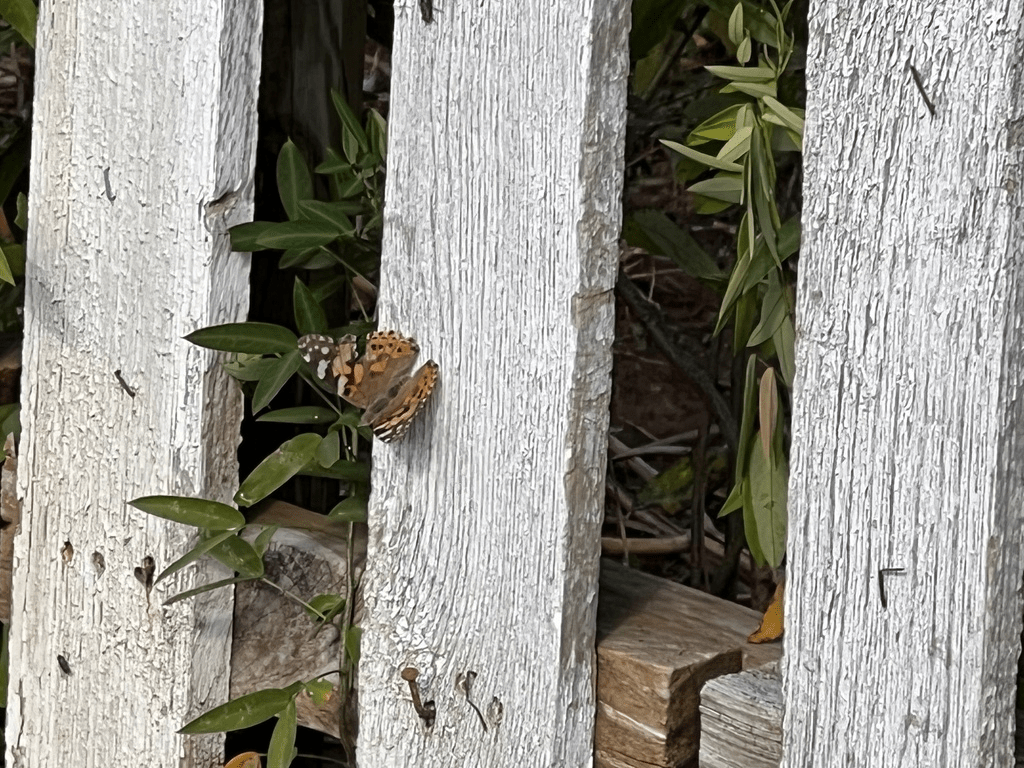
I saw both the Gulf fritillary and the variegated fritillary (who I confuse with a couple others). These are around for many months here. The Gulf ones are the brightest orange! Oops. I got confused and put the painted lady in here. See?
Oops this is a painted ladyAlso painted lady
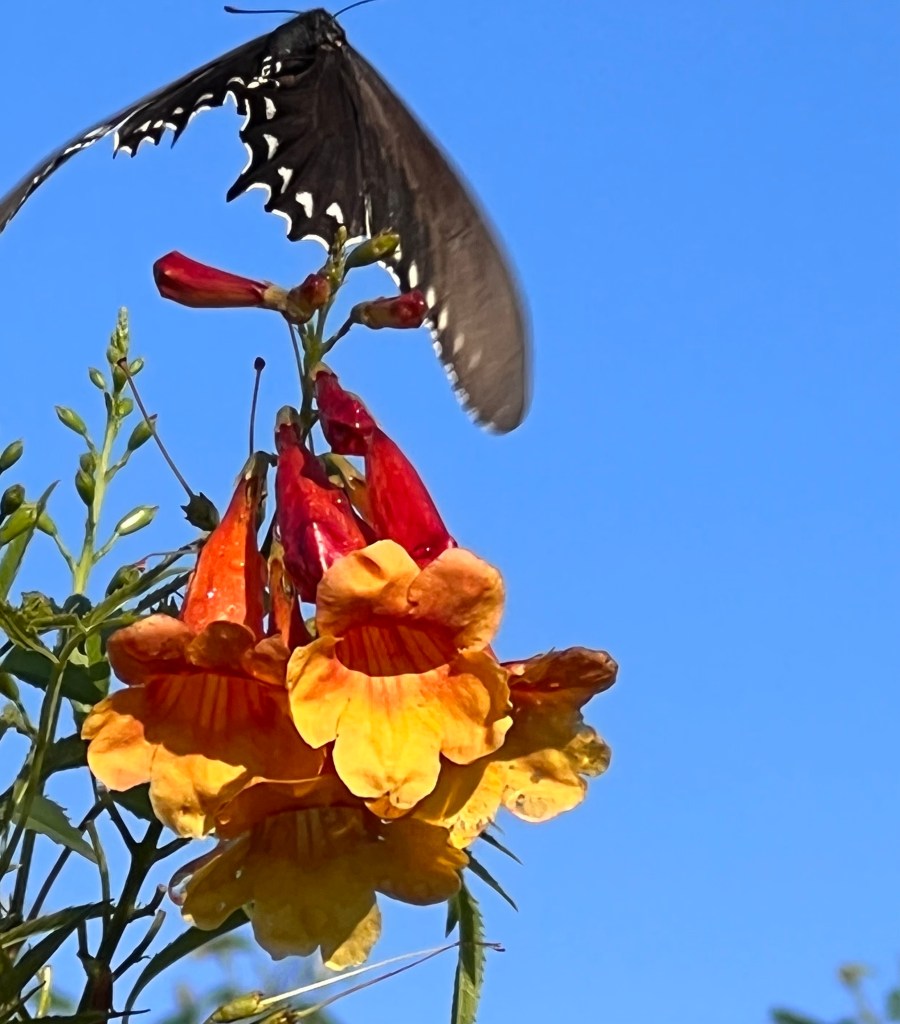
Let’s see, what else was there? Painted ladies, queens. dainty sulphurs (tiny yellow ones!), fiery skippers, and the checkered skipper. Also there’s one that is some moth.
Damn! Work was a challenge today and there’s other stressful stuff lurking. But I feel, as I like to say, “way mo’ better” now.
My favorite bee fly, Poecilanthrax lucifer, even held still for me!
I knew I was in no shape to ride but knew I’d feel much better if I could hang out with the equines, so I headed outside, where it’s been a beautiful day. I got stopped in my tracks, though, when I got to the little field of asters between the chicken house and the tack room. It was practically moving, so many insects were enjoying the flowers! I felt like I was in some Disney movie where the protagonist has all these things flitting around them.
Those are just the ones that held still! I breathed deeply and enjoyed the moment before heading toward the horses. Soon stress melted away as Fiona stuck her head under my hand.
So fuzzy.
Then she made me laugh. She tugged my shirt when I tried to pet Apache.
Pay attention to ME!
I did eventually get to play with the other horses, who were BUR FREE! Apache was a little sweaty, since his winter hair has come in and it was warm outside. But he felt good to lean on and hug.
Looking good!
He also made me laugh. As I was trying to get a photo of his glorious tail flowing in the wind, he created more wind for me, the smelly kind.
I fart in your general direction!
Mabel wasn’t funny, but she was sweet and friendly. She’s a whole new mare. I feel like her name should be Mabel Grace now, looking at how she moves around the pens and glides across the pasture.
Swishy!
All these guys enjoying their late afternoon made me smile.
Fiona is still saucy.
Dusty still seems a bit subdued, but enjoyed his hugs, love, and massages.
No burs, though!
He needs a buddy and misses Drew, I think. Apache is not nice to him, but Mabel hangs out whim lots. Thank goodness! Drew will be home in just over two weeks, not that I’m counting.
Little man and big girl.
It was great to hang out and relax with my buddies. I’ll be ready for another round of challenges tomorrow.
It being Samhain or Halloween, I figured I should write about life and death and moving on. (That’s where snouts come in.) As for life, I was happy to see a turtle head pop up in the new pond. It’s good to see it getting to support life again.
Turtle is to the left of the black leaf.
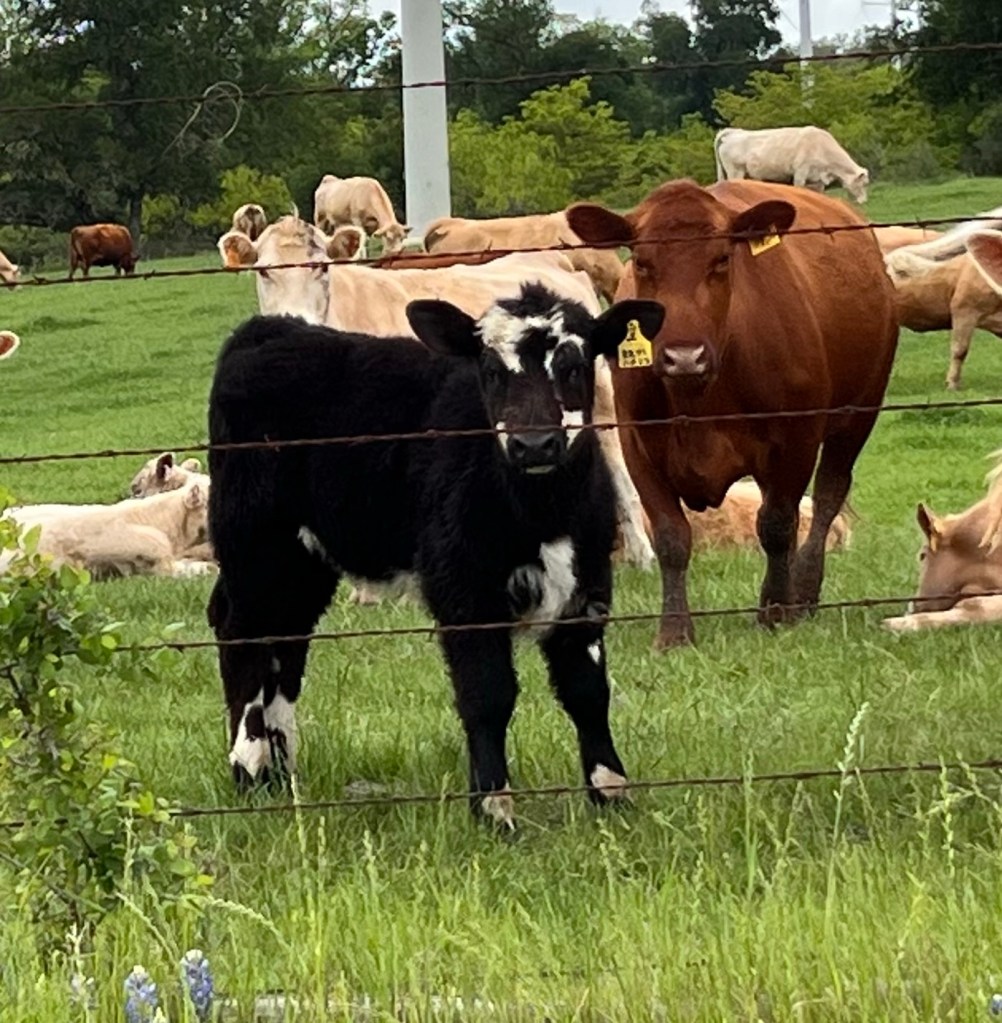
There is much new life behind us, as more calves show up. This is one of the fuzzy twins. They look like stuffed animals!
Bawww!
There’s death, too, as I discovered when I checked the mail. I found just the tail of a rabbit. Hmmm. I could choose to believe it got away with just a tail-ectomy.
Not a usual find!
This is also the time of year in my culture and many others, where you think of the dead and welcome memories. While I’m thinking of way too many friends who’ve recently lost spouses or parents, I’m also comforted by my own memories. My stepsister sent me these fun pictures of my dad, so I’ll put them here as an electronic ofrenda.
Snappy dresserDad and Florence on their wedding day with my offspring. Prince Kendall, ever the clown
Much of the day today I thought about transition. The butterflies started it. The snout butterflies are still migrating, and I enjoyed watching them today as they visited flowers and grasses and did mating dances. They’ll lay eggs and make more little snouts as they head north. (I’m also throwing in a Gulf fritillary and sleepy orange — what a great name.)
Pretty American snoutOops. That’s a vineThe side you usually seeThreesome!Delicate perch!Fritillary has seen better daysSleepy orange Other side of sleepy
Like the butterflies, we all move on and do as much as we can while we live. That’s my goal. Keep moving and enjoy my life.
I’m saving conference memories until I can concentrate. I made it home to find that we had visitors and more coming. That’s fun!
Autumn at Hermits’ Rest
Luckily I had a few minutes free to finish out the Pollinator BioBlitz. I hadn’t figured I’d see anything new, but I was happy to be surprised! I saw a new dragonfly, for one. It’s all black.
Swift setwing
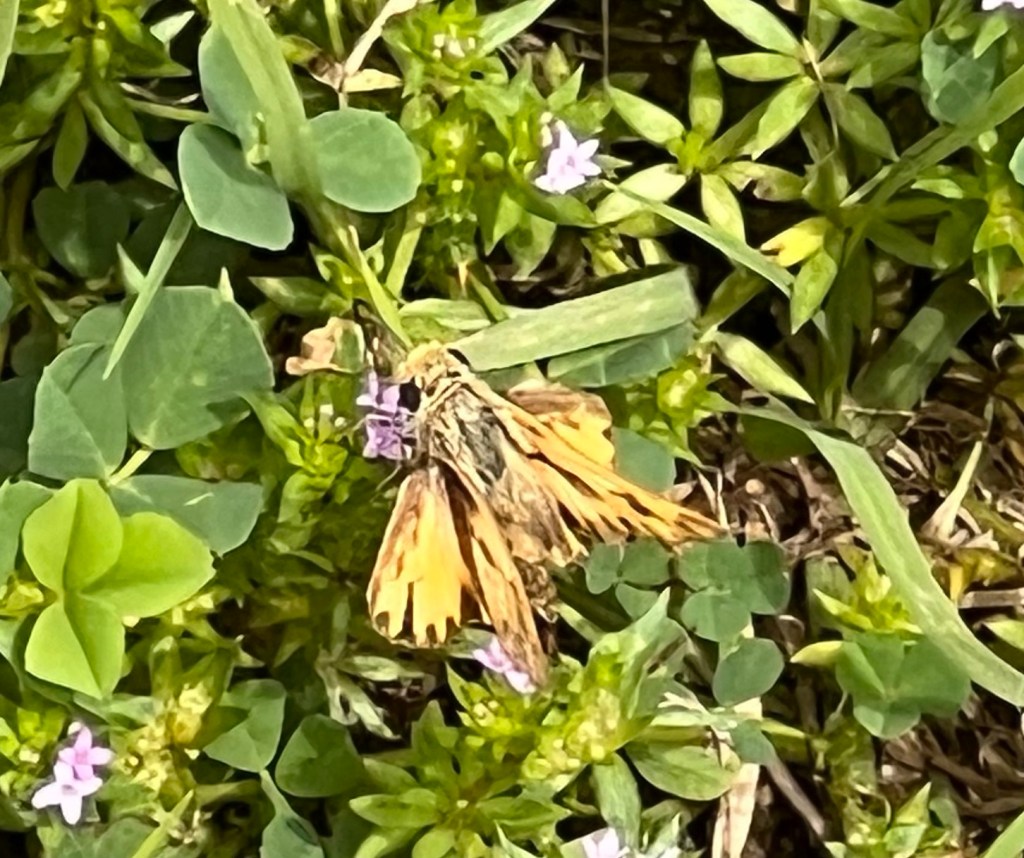
Plus I saw way more butterflies than I expected, including one I never got to hold still. I’m not sure which of the ones that look purple when they fly it is, it someone will correct it.
Plus, I saw a snout butterfly holding still, finally, and dozens of fiery skippers. And one more fritillary.
Gulf fritillary Fiery skipperAmerican snout
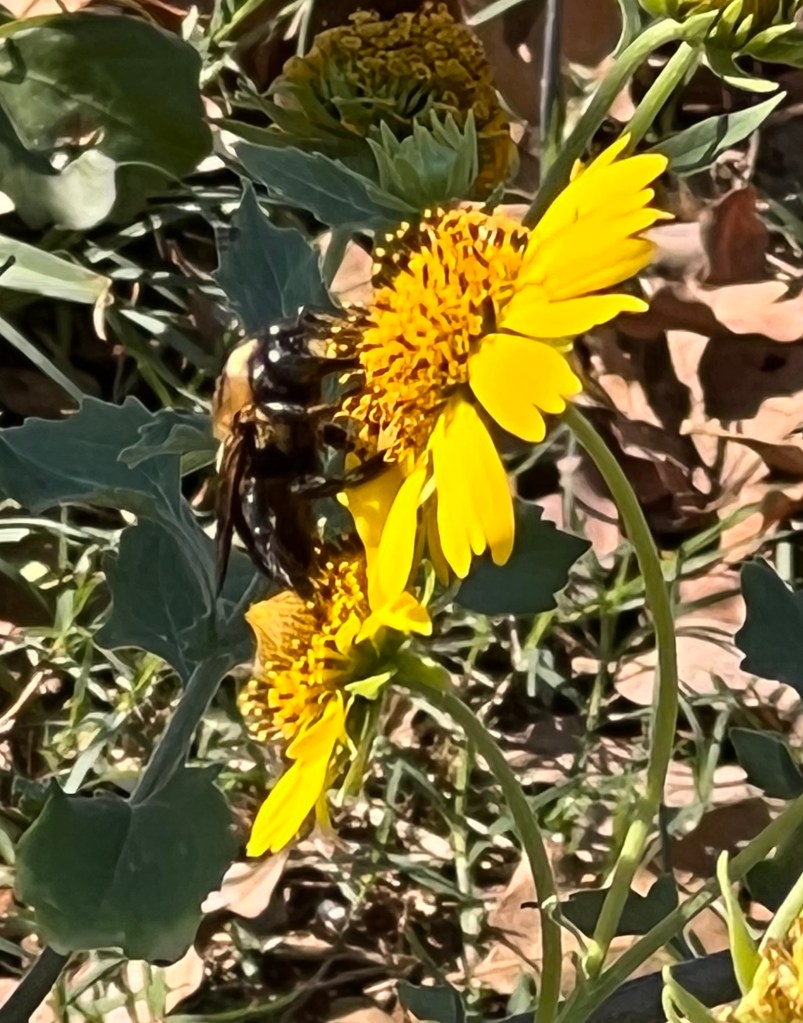
I was even more satisfied to finally get a clear photo of the bee fly who is always around the asters. Woo!
Whew, I was tired by the time I got home from Fredericksburg. I went home a new way, though, so I got to see some different scenery and avoid Austin traffic. To keep myself awake I tromped around the ranch on my breaks, taking pictures for the pollinator BioBlitz.
I especially enjoyed our remaining water areas. I spotted lots of fish in here.
I just wandered and wandered, bearing in mind what I learned at the conference this week. I noted there were more fish where there was no cow poop, but there were fish even in what’s left of the creek, where I found one of the old mama cows having a quiet bath.
Can I have some privacy here?
As I checked out the riparian areas, I also looked at the pastures. Yeah, they are rather over-grazed. The only plants left are what cattle don’t eat: broomweed, milkweed, and silverleaf nightshade. This made finding things to add to the BioBlitz a challenge.
There’s a lot of broomweed.
I did find lots of insects and documented every tree variety, so I feel good. My goal is to ID 100 species as my contribution, and I think if I get some at Tarrin’s, where there are different plants, I’ll pass that goal. I did hit another goal today, and that’s 600 different species here on the ranch. Hard to believe!
Even if all I see is cedar elms and greenbrier, I can’t complain. Being able to get outside is such a privilege. The variety of life that’s still thriving in this drought gives me hope for us tenacious humans, too.
Insects I saw
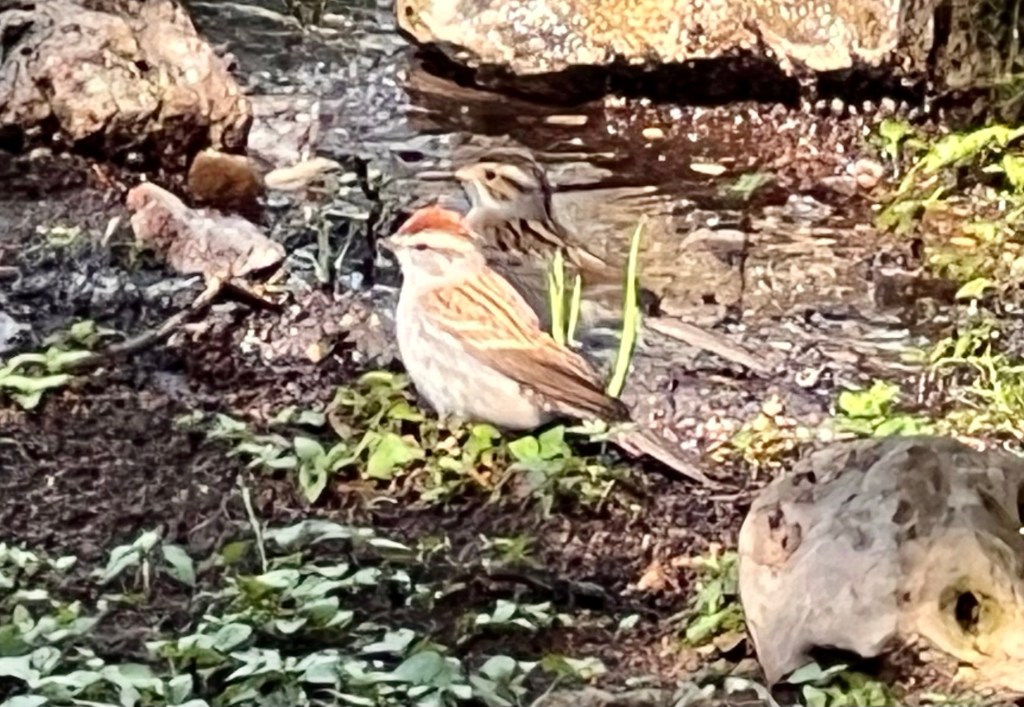
I didn’t see many birds other than this coy mockingbird and a cardinal that hid completely. I did hear hawks and crows a lot.
I’m hiding!
I’m hoping the weather will turn. It actually rained a few tiny drops when I fed the horses, and there was lightning in clouds at sunset. More hope!
What’s that noise on the roof, Suna? I’d like some rain. Thunder cloud 1Thunder cloud 2Look! More water in the tank! We’ve had no rain.
More photos, mainly because Barbara looks at them all.
Weathered stumpWalker’s Creek, now a pond Host to much lifeHappy ragweedInteresting webSpooky waterAnother deep spotFind the minnows!