
The Common Mestra (Mestra amymone) is a butterfly I’ve been seeing very often this autumn. I went on and on about it the first time I saw one.
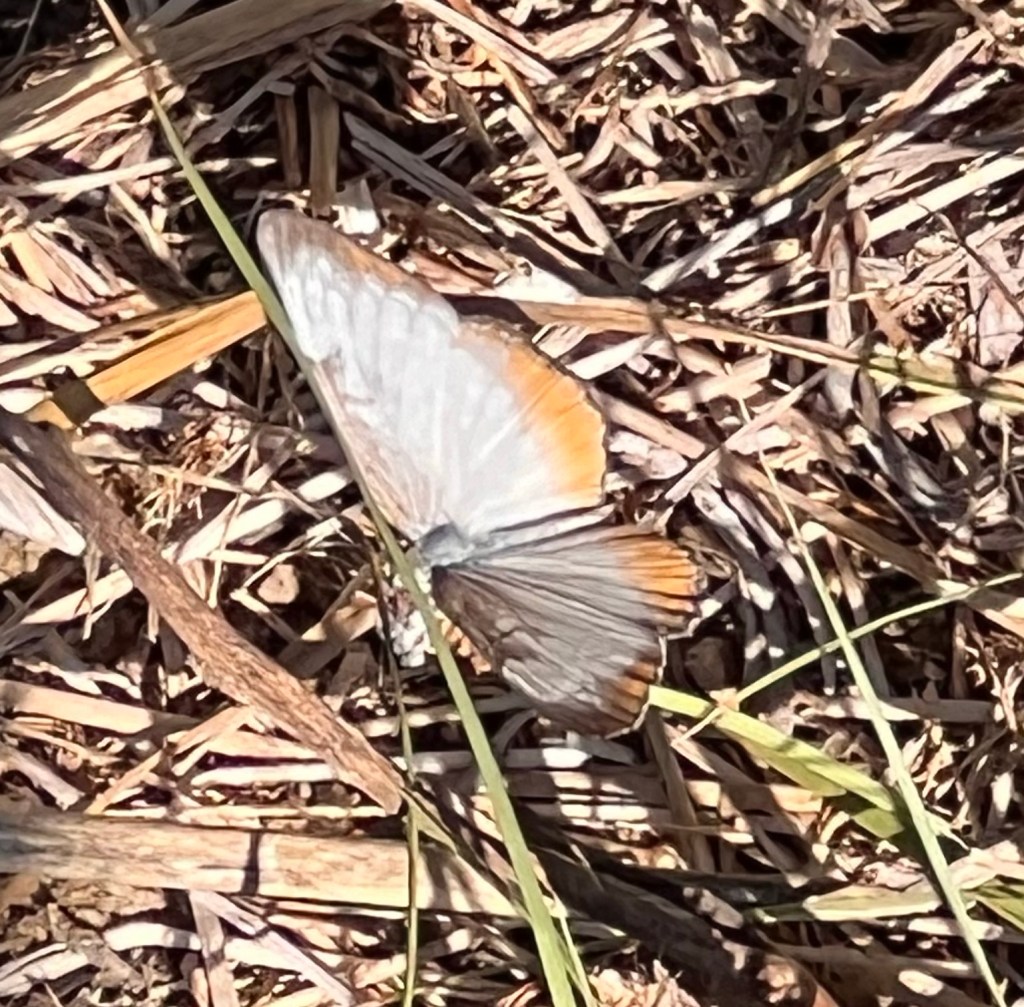
Since then, they’ve been everywhere, including parks I’ve visited, flitting here and there and enjoying the broomweed and frog fruit in particular. I’d never seen them before this year.

I’ve been trying to get better pictures of them, since I wanted to write about them. However, they are very busy looking for nectar or places to lay eggs, or something. I wonder if they’re able to find what they need, with no rain here all month.

I looked up information on these delicate beauties. These Mestra live from our area down through Panama.

According to the descriptions in various websites, they like lantana flowers, but those are no longer blooming here. I go to wondering about their lifecycle this week as we saw dozens of Mestra at the Springtail Ridge hike.
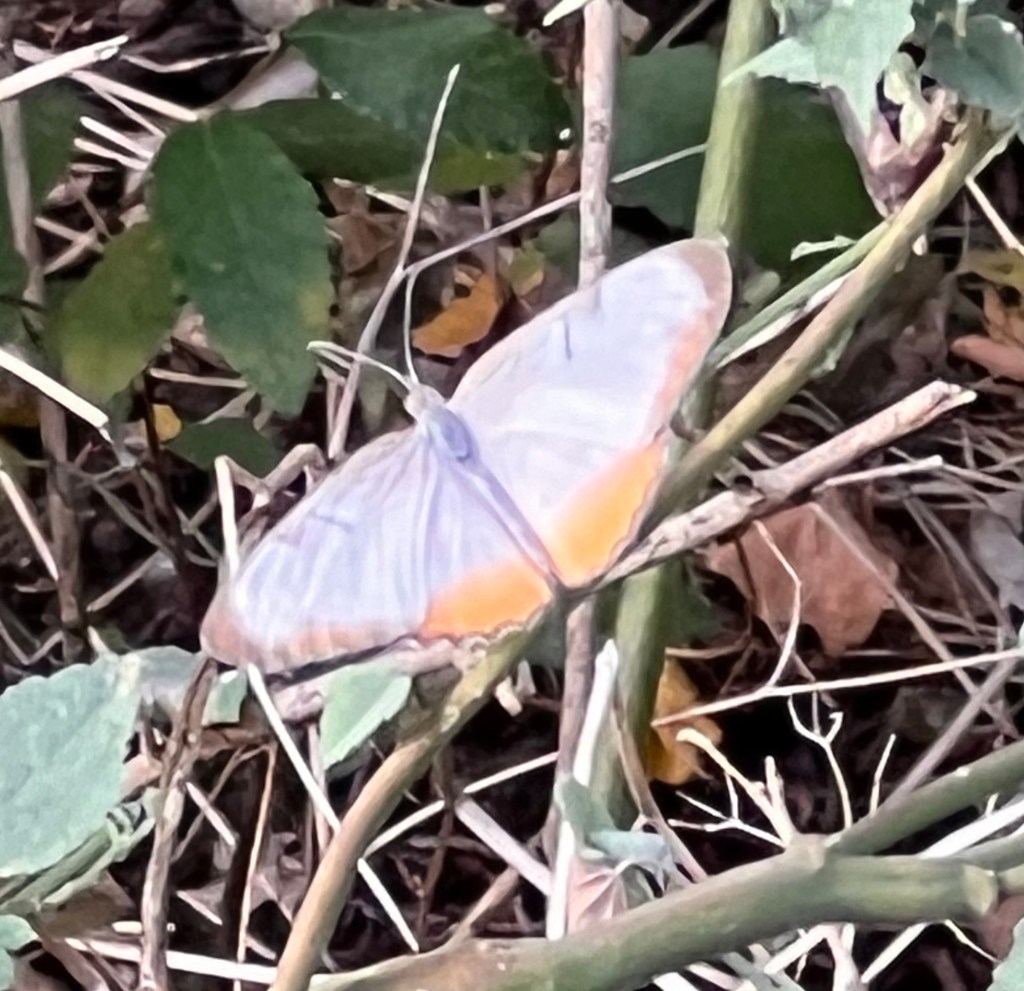
One of the women I was BioBlitzing with found a resource that said their host plant is Tragia or noseburn. I hadn’t looked up the common name for Tragia when I first read up on these butterflies. Suddenly it all made sense.

This year was a really good one for this plant thanks to having more rain this summer than usual. This may have meant more Mestra eggs hatched this year than usual. All the women I talked to live in central Texas where there was this same rain pattern. They’ve all seen more of these than usual. One woman who’s been in Texas a long time remembered another year with lots of Mestra, then they went away until this year.
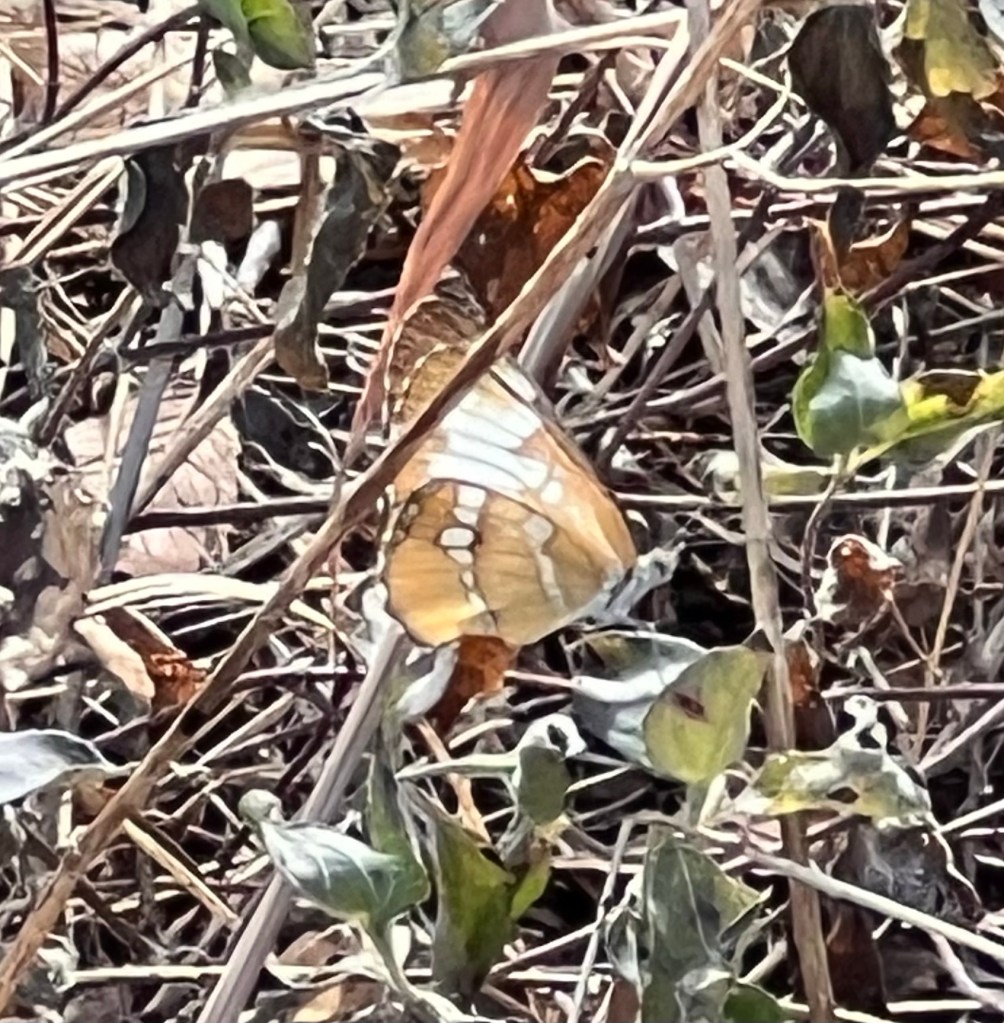
My guess is that good years for noseburn (not our most pleasant plant otherwise) mean good years for Common Mestra. I’ll be on the lookout next year to see if this is true.
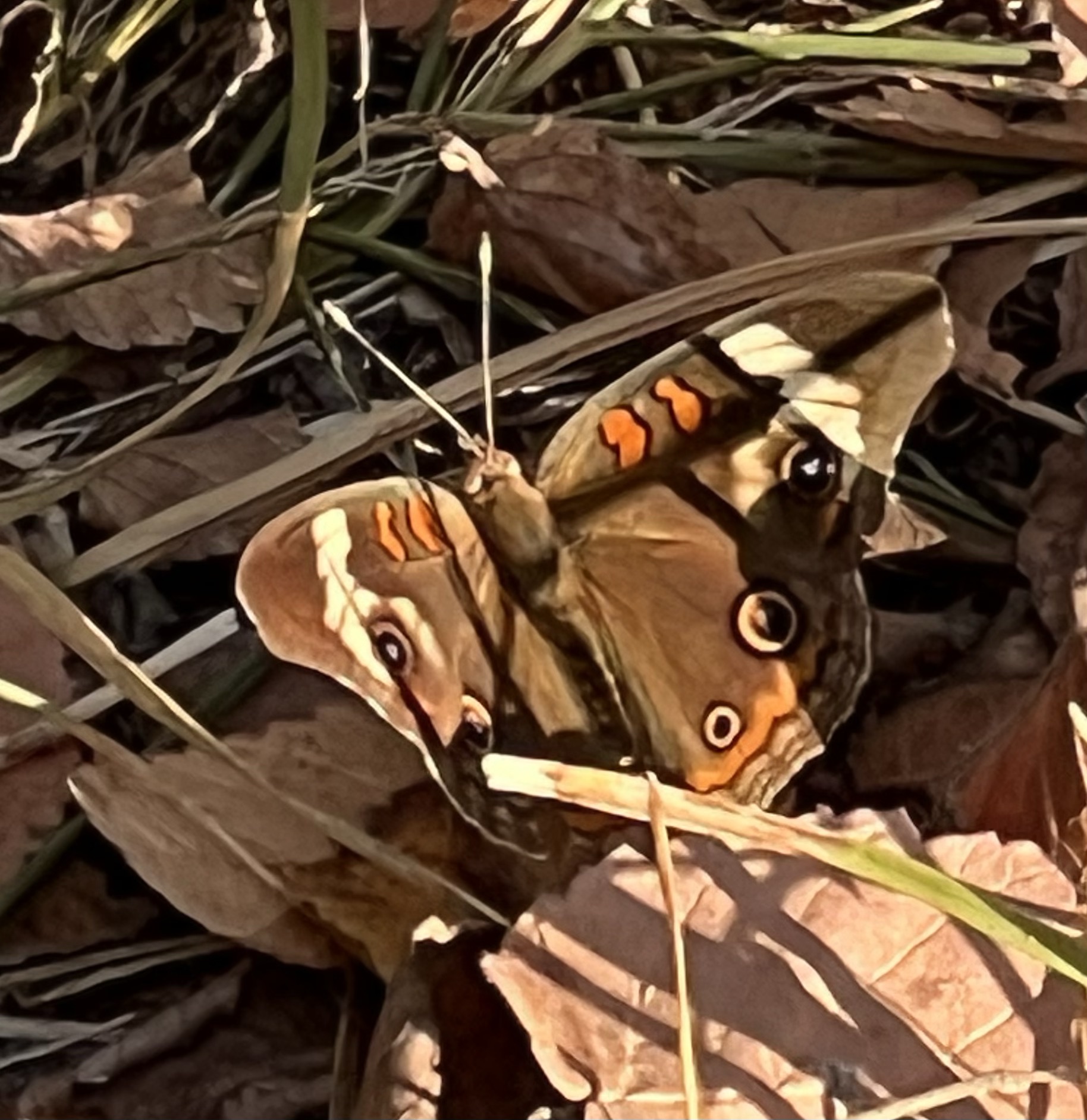
After I got home from San Marcos, I was happy to get home to my birds and woods. I even heard a Swainson’s Hawk to greet me. I spent an hour or so taking photos of pollinators, since the Bioblitz ends today. I found more butterflies than I’ve been seeing lately, plus bees and wasps.

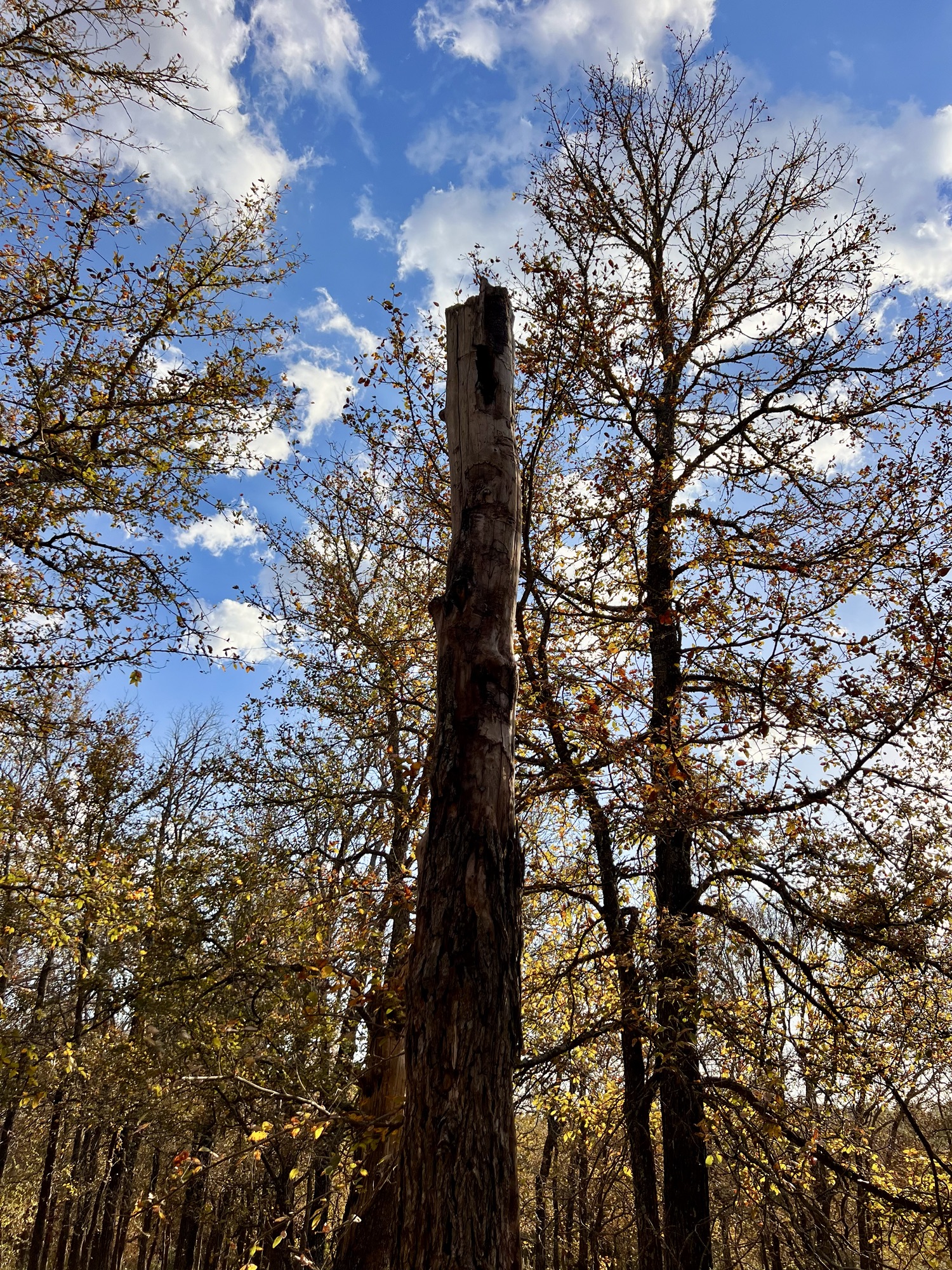


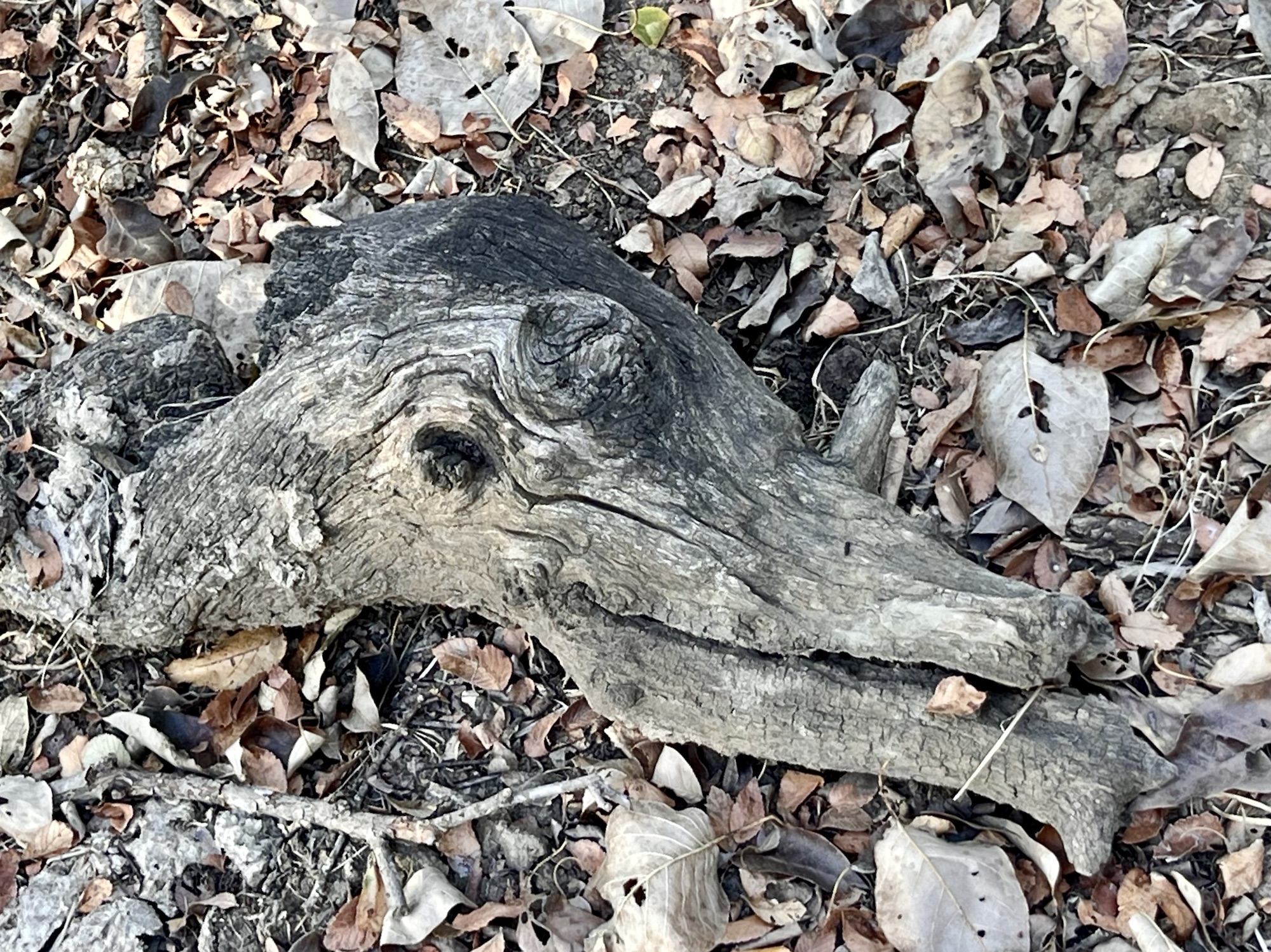


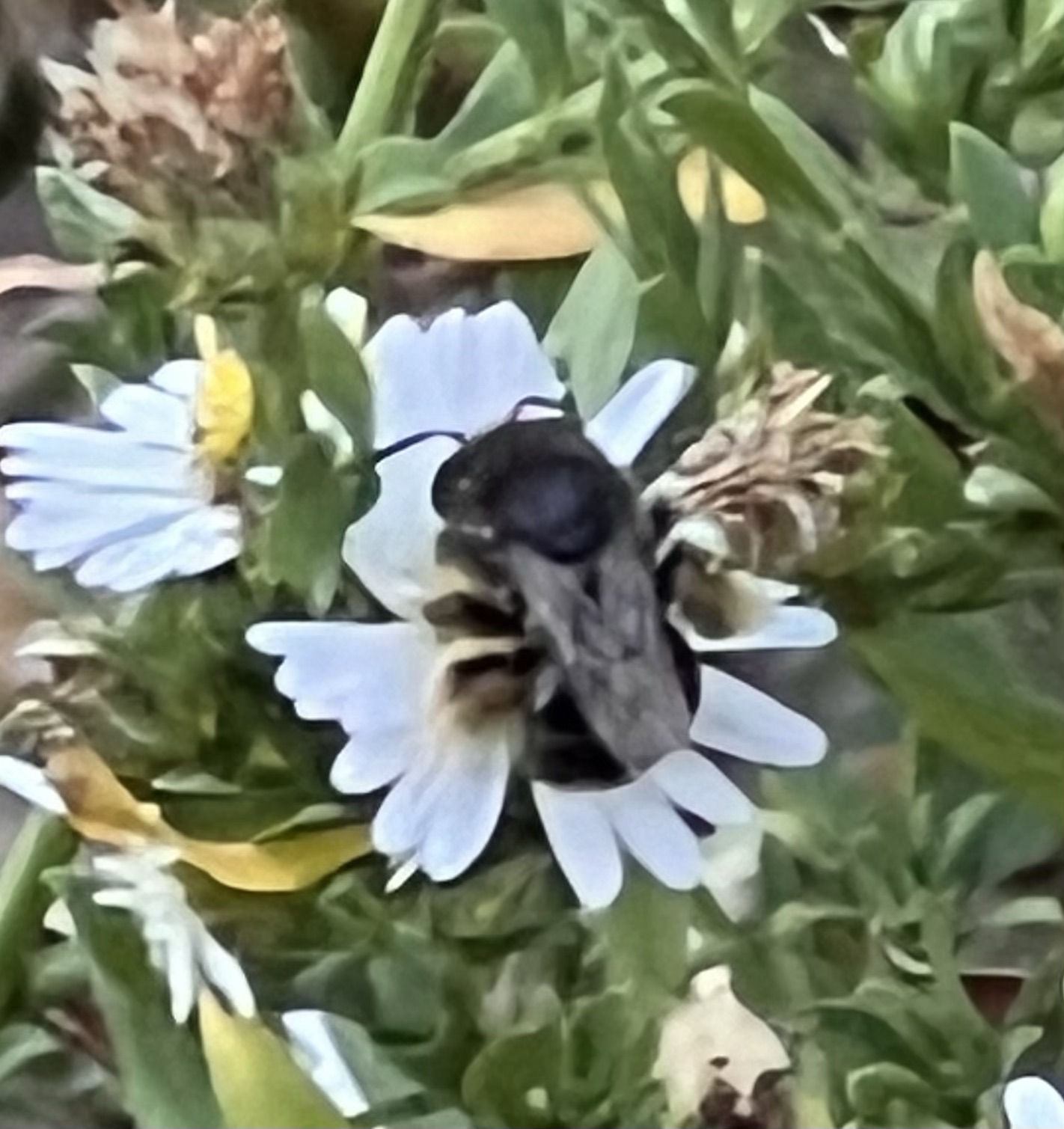


I look forward to a week with my dog and horse buddies and to ordering reading material to supplement what I learned last week, like Val Plumwood, Paul Taylor, and Paul Shepherd. I wrote those here so I won’t lose their names.
Discover more from The Hermits' Rest
Subscribe to get the latest posts sent to your email.

 The Hermits' Rest
One thought on “Why Is Common Mestra So Common This Year?”