Nature Triumphs Over Suna

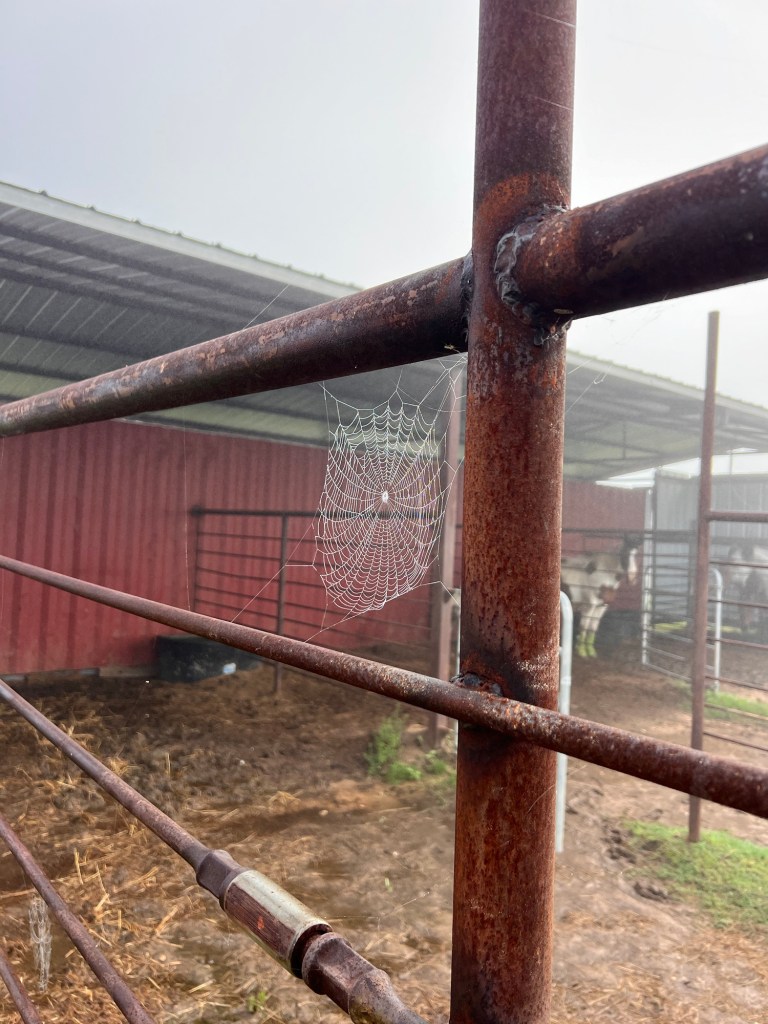
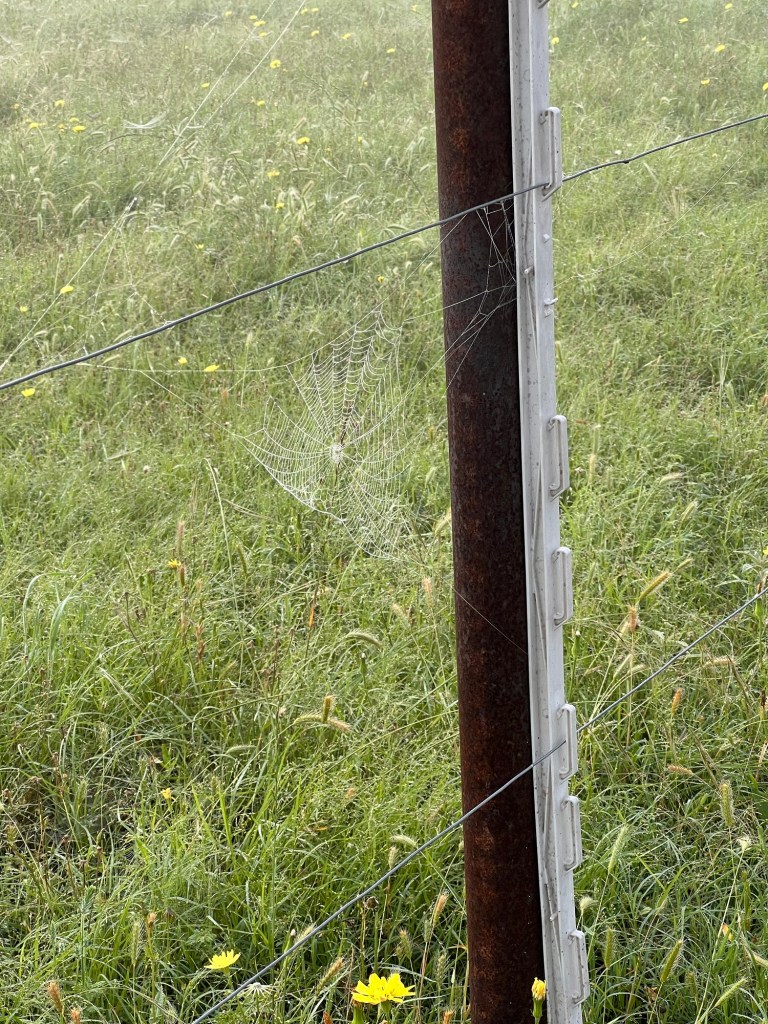
Argh. I really wanted to go to the far reaches of the ranch to find more insects and plants for the City Nature Challenge today. I’d gathered a few observations while enjoying spider webs in foggy weather, but I knew there were more interesting things at the highest part of the ranch.

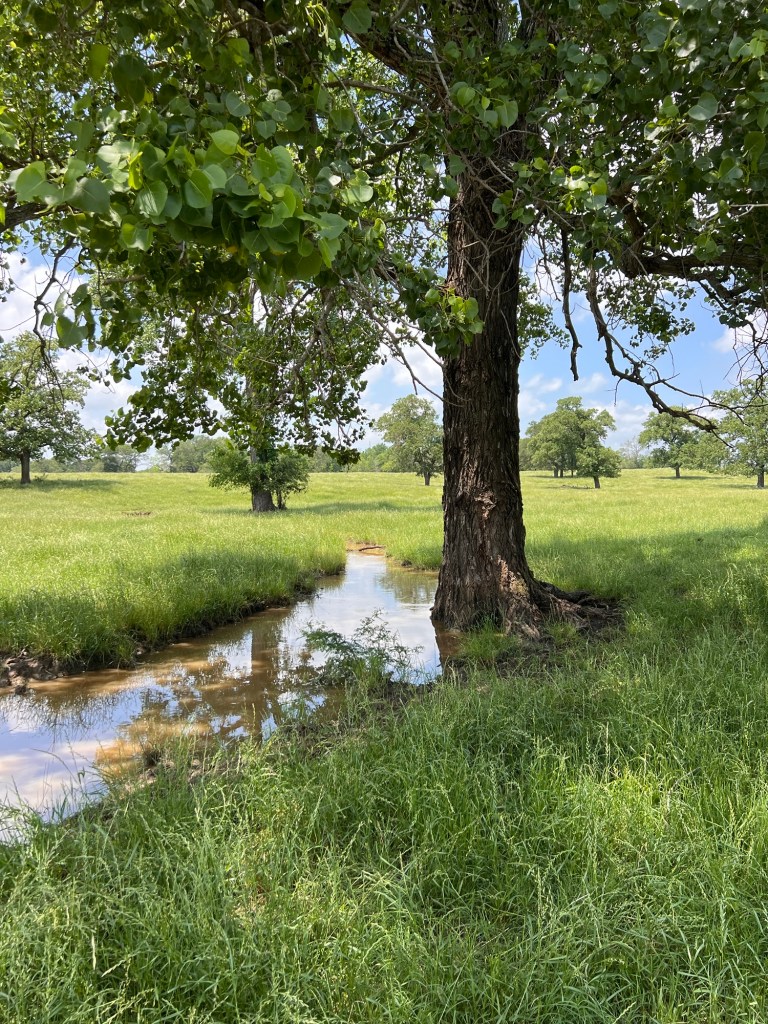
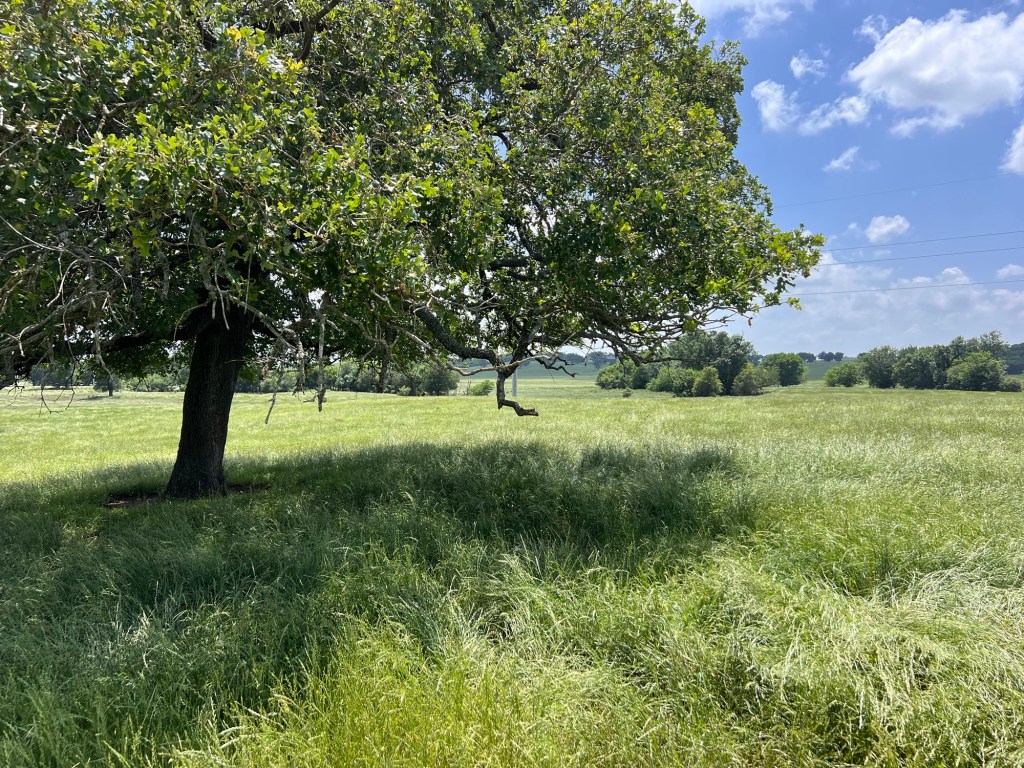
So I waited until my lunch break and got into our utility vehicle, Hilda, to head out. All went well at first I got I see the red ant colony that’s been here since I’ve lived here, and documented our more interesting cottonwood and oak trees.

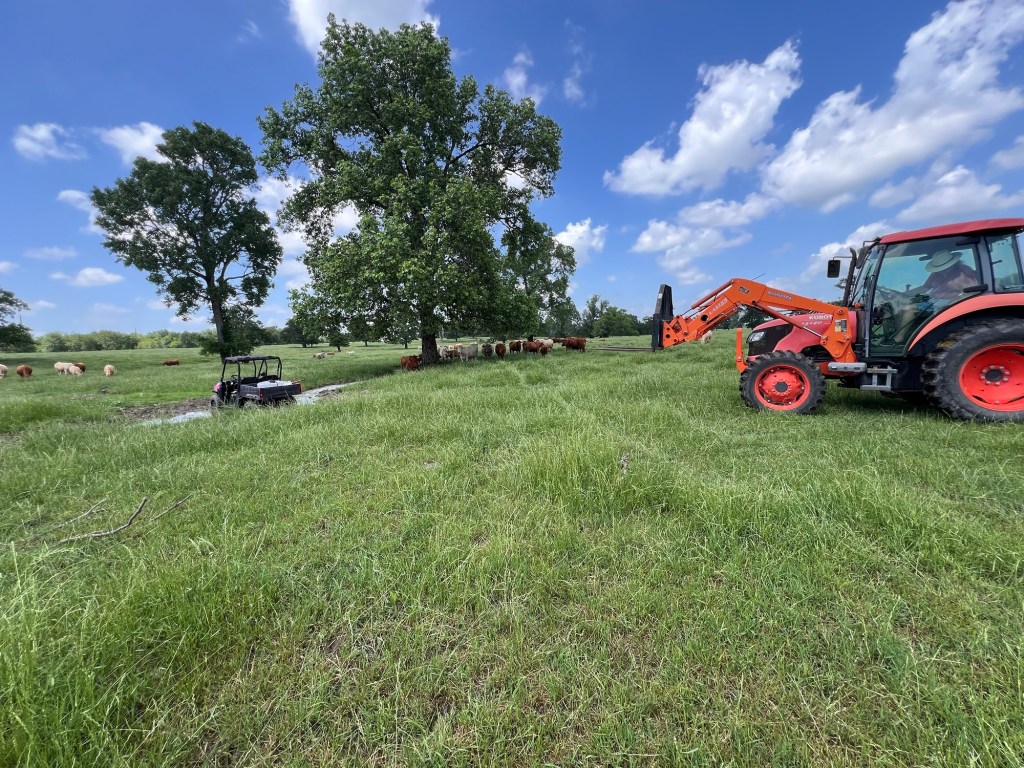
The problem was that since it rained so much yesterday, I couldn’t get where I wanted to go. There was a pretty significant seasonal stream leading from the back of the ranch to Walkers Creek that made it hard to get over.

If only I were a cow I could wade across it.

I rode all over the pasture looking for a crossing. This annoyed the cows and calves very much. eventually I came to where the folks who work the cattle cross in their trucks. Hooray! The low water crossing!

Nope

I was wrong. The mud was like quicksand and even in four-wheel drive, I couldn’t get across. Nature said, “Ha ha, I’m in charge!” I was stuck. In black muck. How embarrassing. I was not going to make it to my destination!

Luckily it’s really pretty where I was stuck.

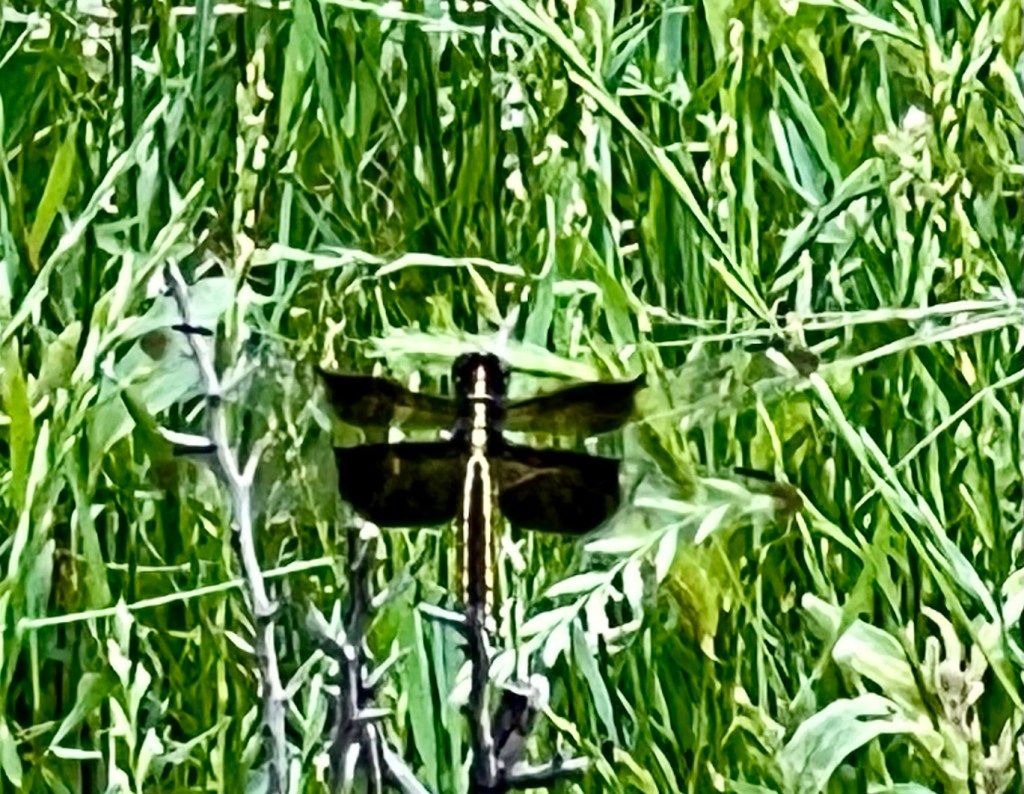
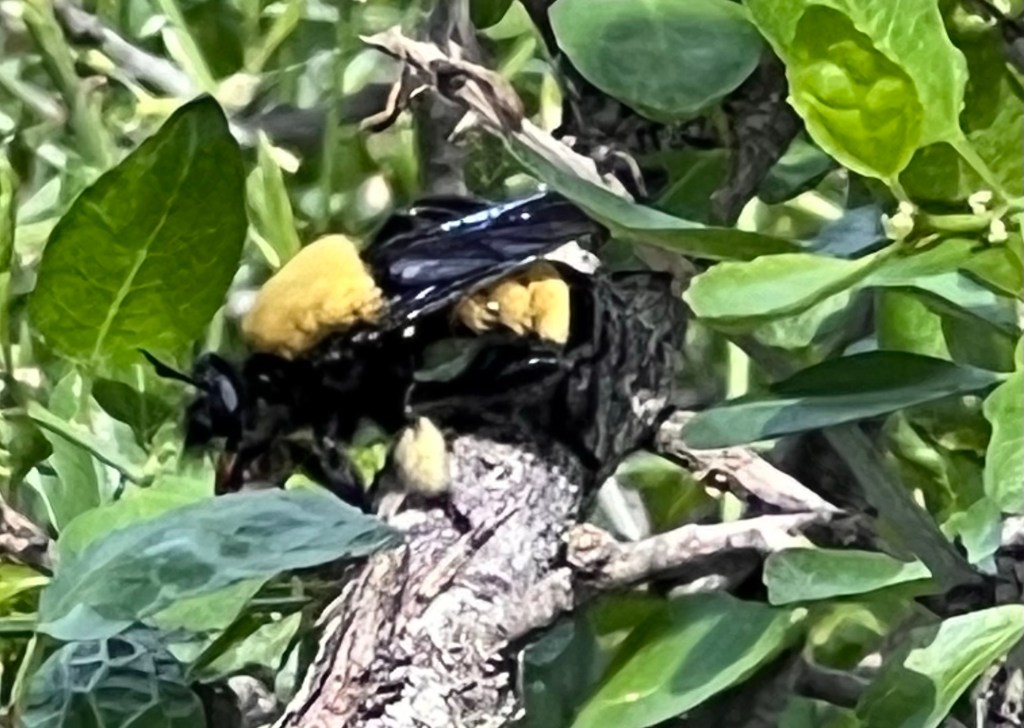
I managed to exit Hilda and call Lee to bring the tractor to pull me out. Of course, while I waited I took pictures of what I saw. At lest I found a dragonfly, a spider, and a cool robber fly that looks like a bumblebee.

Soon enough, Lee showed up with the tractor. I was glad until I realized I’d have to crawl in the sticky mud to attach the chains to drag Hilda out. nope, that was not fun. I hate mud. I really hate clay mud.

Rescued!

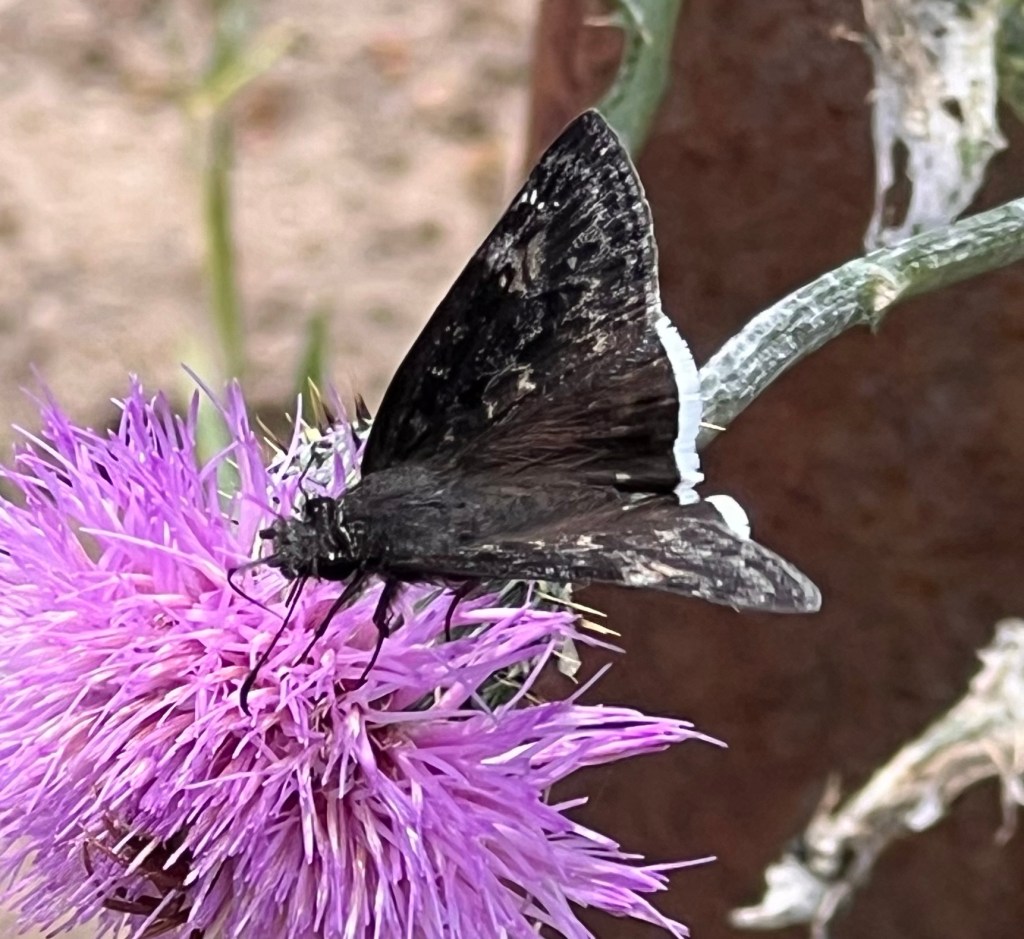
I did it, though! And after we freed Hilda from the mud, I was rewarded by finding this cool funereal duskywing at the gate out of the pasture. Seems perfect.

The right butterfly for the moment.

I am DONE with the City Nature Challenge! I got over 400 observations, and that’s enough. I got a few more this evening, but no way was I going to risk my safety to get more bugs on my list!

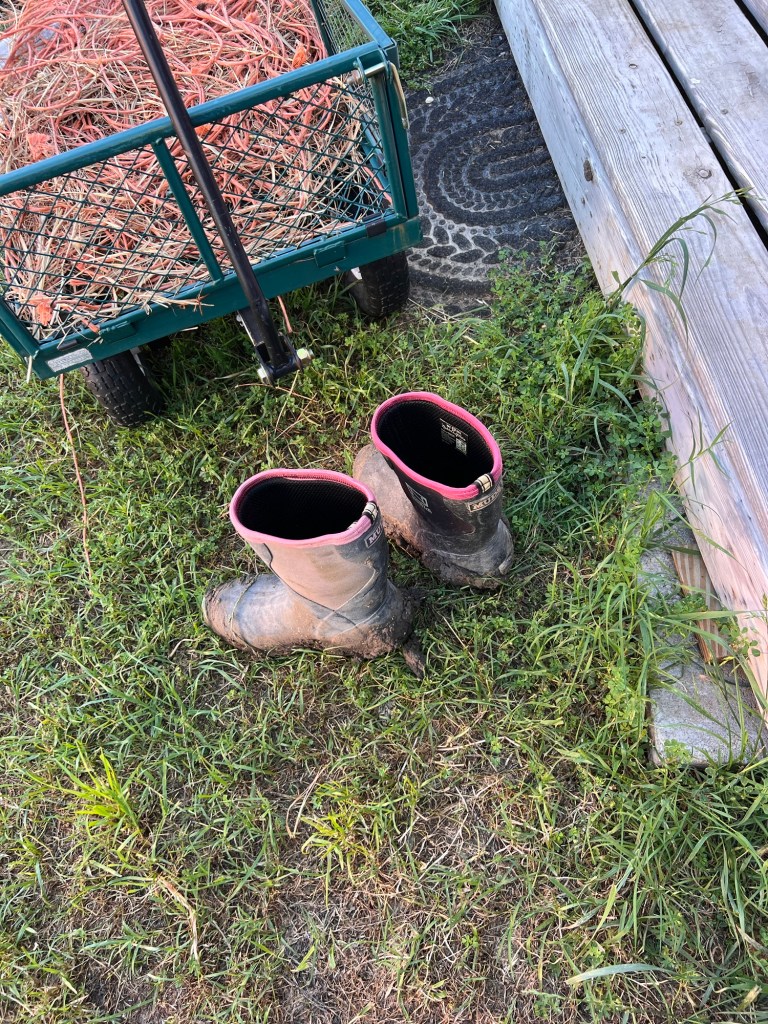
My poor muddy boots.

Y’all are lucky I drank an entire bottle of wine this evening so I didn’t feel like sharing the details of my struggle.

Nature, you win.

I Have a Little Garden

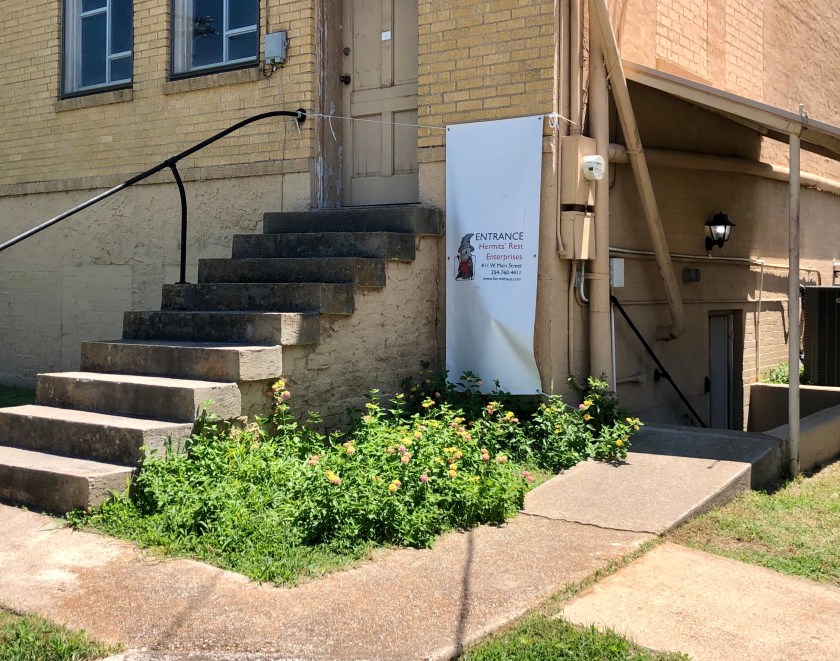
Now for some cheerful nature fun. I’ve mentioned that I spent a lot of time weeding the space right next to the back entrance to the Hermit Haus building, with the goal of making it a wildflower garden.

My little wildflower garden

I’m really happy with how it’s turned out now that the plants I want have a chance to shine and the ones I don’t want are mostly gone. The happy little lantana plants are growing bigger by the day and blooming away. All we had to do is stop mowing!

Maybe they’re a weed, and maybe they’re poisonous, but they are pretty.

The day flowers are also blooming, um, daily. But the best thing is that this tiny corner of land supports so much life.

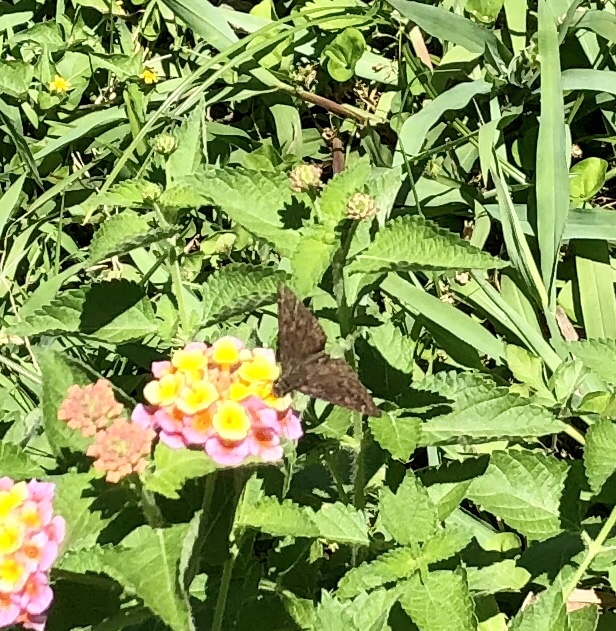
This is a duskywing moth. You can see some straggler daisies in the back, and the grass-like leaves are the dayflowers.

Every day I see butterflies and moths stopping by, and there’s a family of spotted whiptail lizards that lives in the hole next to the garden.

This is the biggest of the whiptail lizards. Note that the lizard is shedding its skin.
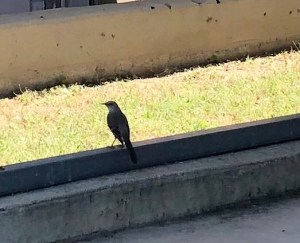
Mockingbird on the lookout

I see mockingbirds every day, probably looking for the many insects that fly and crawl around, and there are also house finches and and the Inca doves.

I’m going to find another couple of native perennials to put in, and maybe one of the fancy verbenas as a contrast. The success of the little Hermit Haus garden makes me smile every day. And I’m really happy, not faking it.

Book Report: Nature’s Best Hope

Do you care about our planet and the life it supports? Then, stop reading this blog post and go order this book: Nature at Its Best: A New Approach to Conservation That Starts in Your Yard, by Douglas W. Tallamy. Consider it an early Earth Day present to yourself and the Earth. Get ready for some gushing now.

Why encourage caterpillars? Birds need them to make more birds!

Wow, this is a great book, which you might guess, given that I devoured it in a weekend. It’s got proper footnotes and references and such, but is written more for a lay audience than Behave! was. (Since I really don’t want to take pictures of the pictures in the book, I’ll share my own happy nature pictures from the weekend to encourage readers to make environments where they can see these for themselves, like the book describes!)

This is the book you want to give people who are not naturalists or environmental activists to explain to them that a) all those horrid weeds and bugs are what’s keeping the world alive and b) you can make a beautiful planting area on your property that encourages birds and other wildlife without going to a lot of trouble and effort.

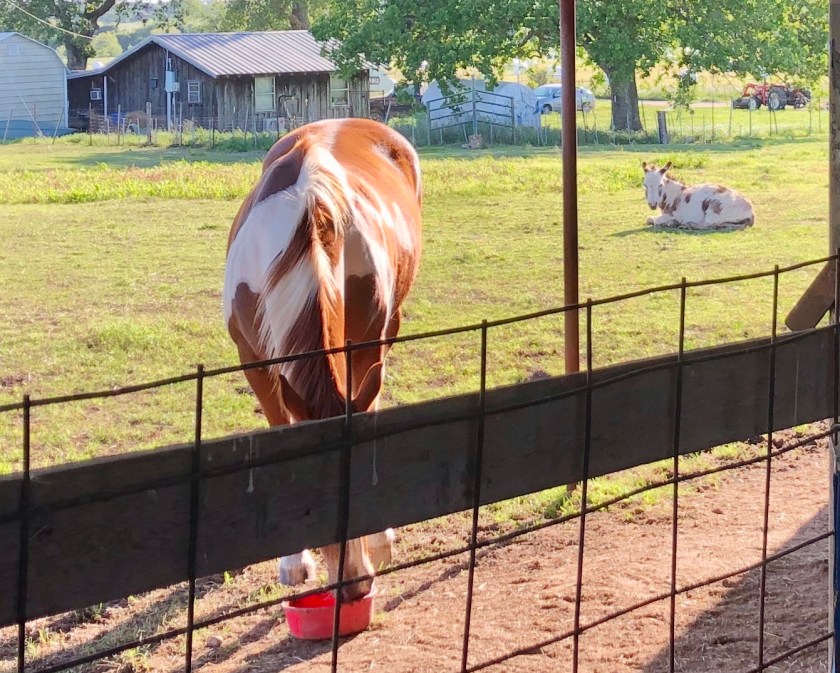
While not part of creating a landscape of natives, donkeys and horses have a place, at least in my heart. (Spice and Fiona)

Tallamy makes so much sense in this book! Wow! He calls using native plants in naturalistic, yet attractive, settings creating Homegrown National Park. The main point of the book is that if people did this instead of planting endless swaths of turfgrass and non-native plants, we would be well on our way to saving the beauty all around us, benefiting us (we get to watch birds, butterflies, and animals) and the planet (diversity will be maintained, etc.). And Tallamy points out that turfgrass does have its place, for making nice paths.

Urban wildlife! Duck party at the Pope Residence.

I especially enjoyed all the beautiful photos he includes in Nature at Its Best, to show the kinds of sights you can see if you just make an appropriate setting. And that’s important, because exposing kids (and adults) to the natural world right where they live will make such a huge impact (as opposed to visiting nature in very carefully structured short trips). I say yes to all this, as do my fellow Master Naturalists.

You just can’t help but get all fired up and ready to drag in some native trees and shrubs and stick a rotting log or two around the place for moths to pupate in. And, conveniently, Tallamy provides links to two excellent websites to help you select what you should plant where YOU live:

  • Native Plant Finder: uses your postal code to help you find trees and herbaceous plants for hosting caterpillars. This is EXTREMELY cool.
  • Plants for Birds: same deal, but for hosting birds. I’ve already looked up both my houses.
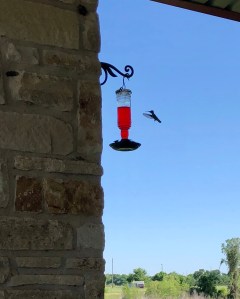
Don’t worry, we are just using up the last of the red hummingbird food. We’ll make more of the correct kind!

I’m impressed that the work of one person, Kimberly Shropshire, created the original database for these, working with Tallamy. She must be an amazing person!

Honest, this book encourages citizen science at its BEST. I’d really like to spread the word about this resource. If you know people who enjoy nature and gardening, please share this post or the name of the book. And order it, even if just for the pretty pictures!

Those of you who prefer novels to nonfiction, rest easy. My next book is a fun historical novel.

What’s Prettier Than a Beach Sunset?

Nothing. At least that’s what we think. But, since Anita and I walked and walked in a beautiful area all day yesterday, I think I’ll share some photos of other things we saw. But, first…

The Horror!

I set off on a long walk through a lovely area and didn’t bring my phone! What a horrible discovery. My panic was averted when Anita pointed out that she happened to have a phone with her, and that it also took photos with GPS coordinates on them. So, she became the official walk photographer.

These are ringless honey mushrooms, Armillaria tabescens.

While our walk along Pope Avenue was mostly populated by non-native plantings, the sides of the path had all the native stuff I was interested in. The mushrooms were really interesting, especially the one I’m glad to have turned over, because then I could see the yellow bumps it has instead of spores. That was a winner. It’s a Red-cracking bolete (Xerocomellus chrysenteron).

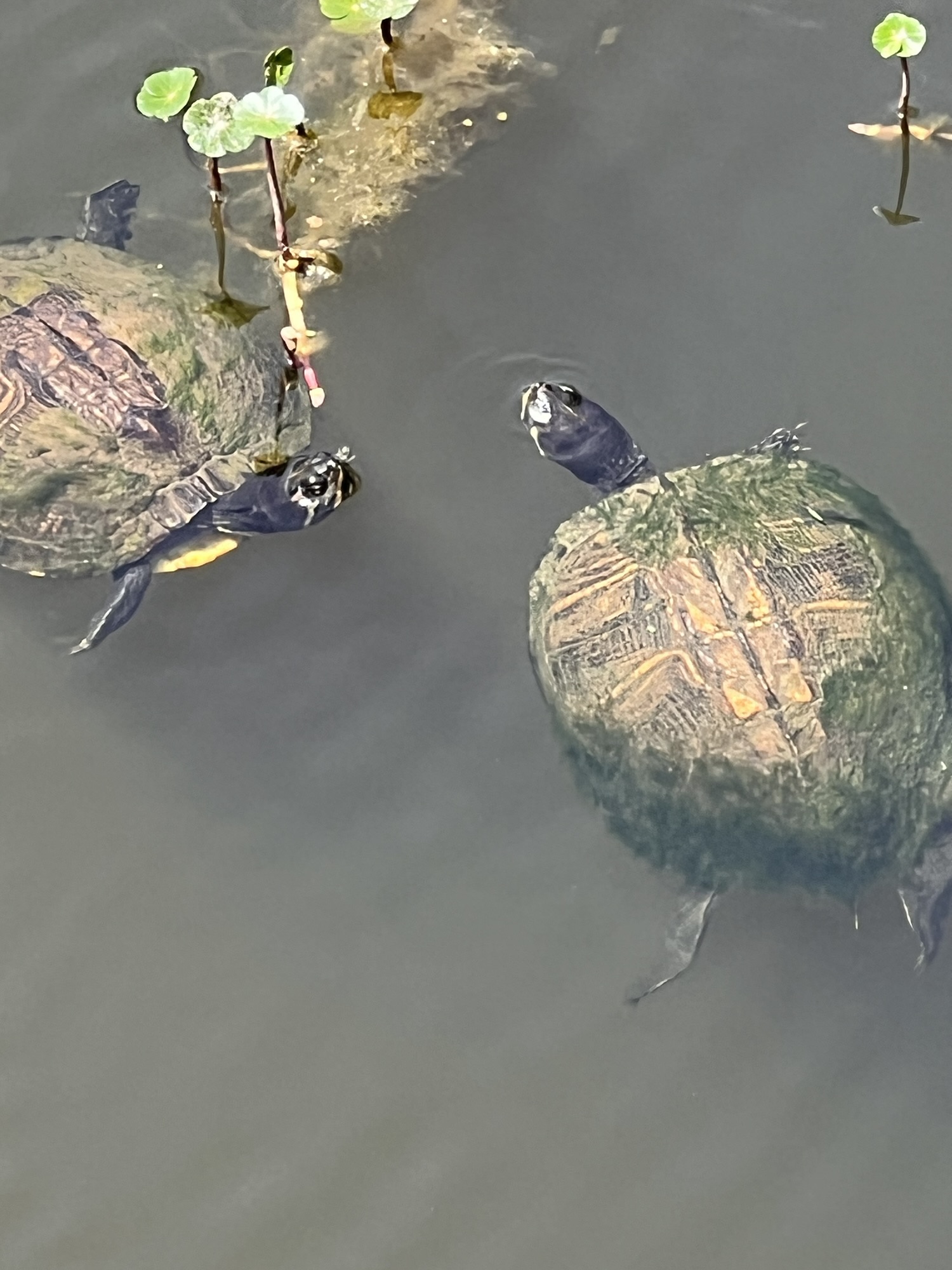
The way out didn’t win me any exercise points on The Watch, because we stopped constantly. We spent a long time trying to decide if an animal we saw in the duckweed was a turtle or a frog. Whatever it was, it was really fun to watch it bobbing around.

Continue reading “What’s Prettier Than a Beach Sunset?”