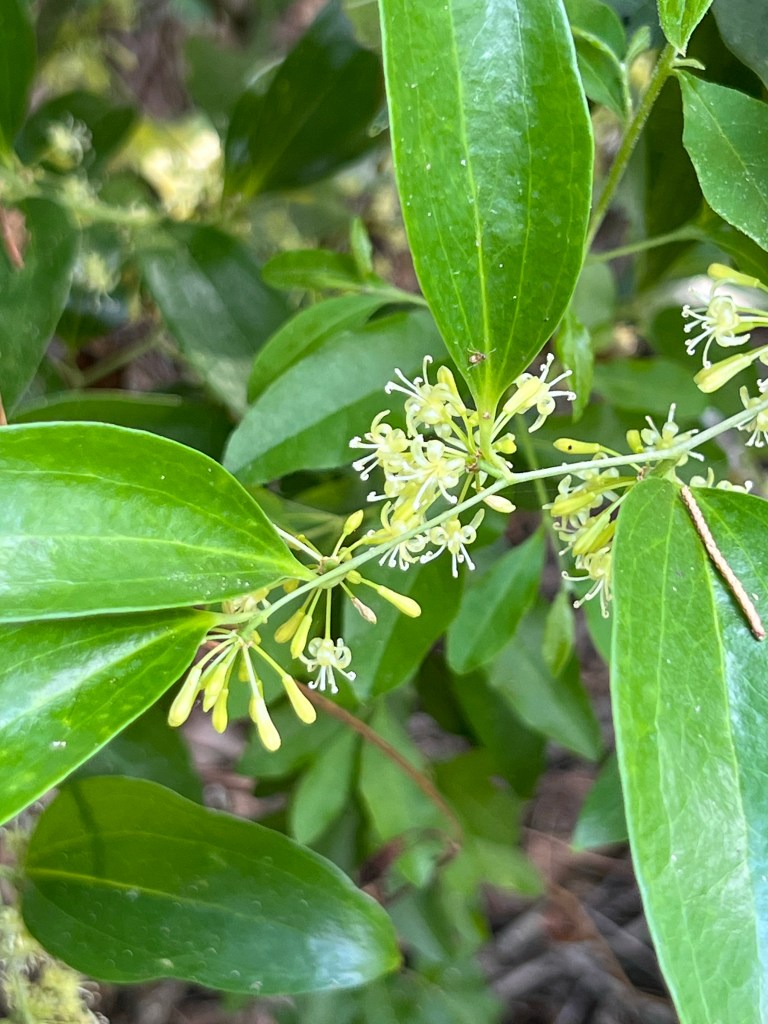
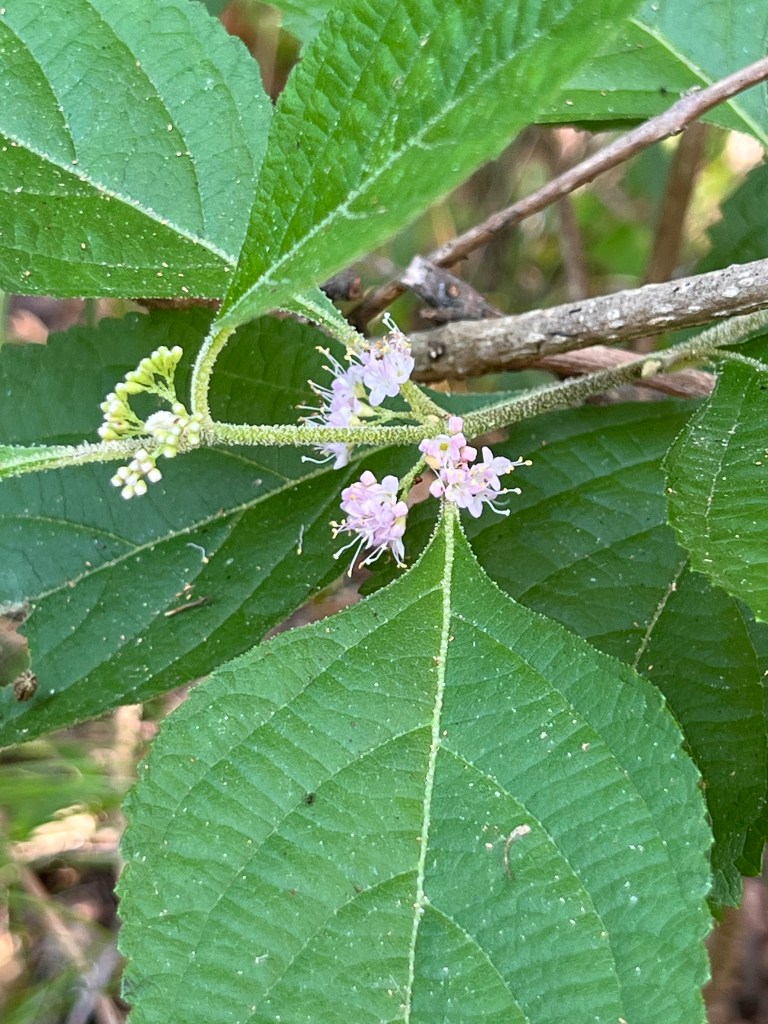
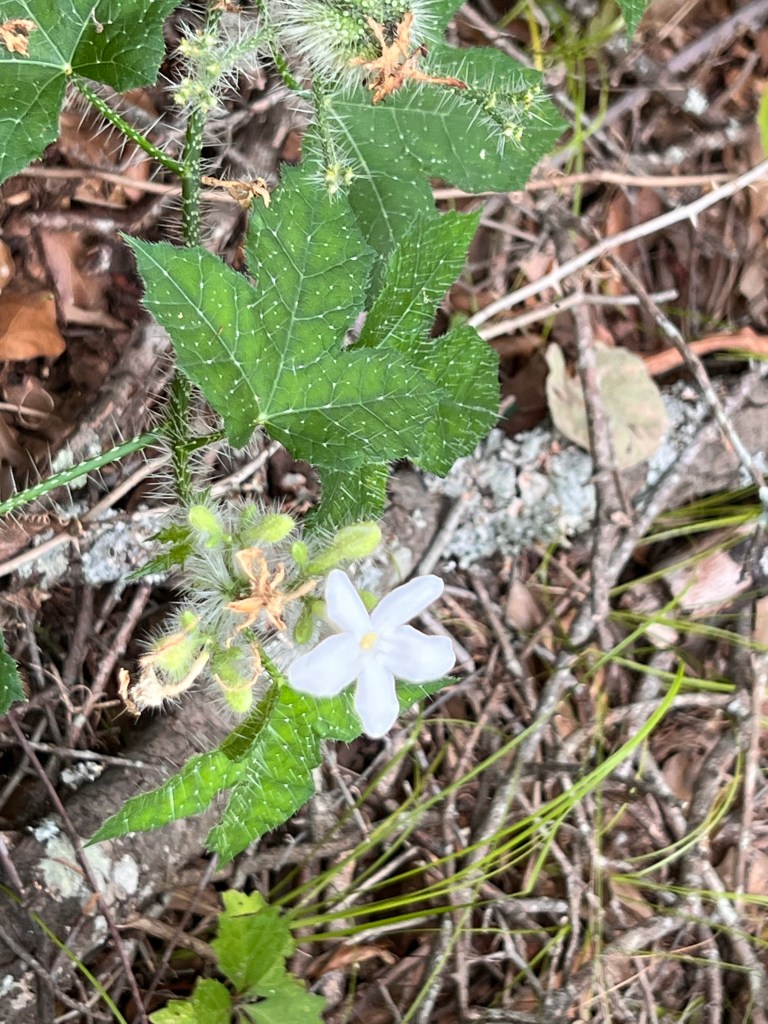
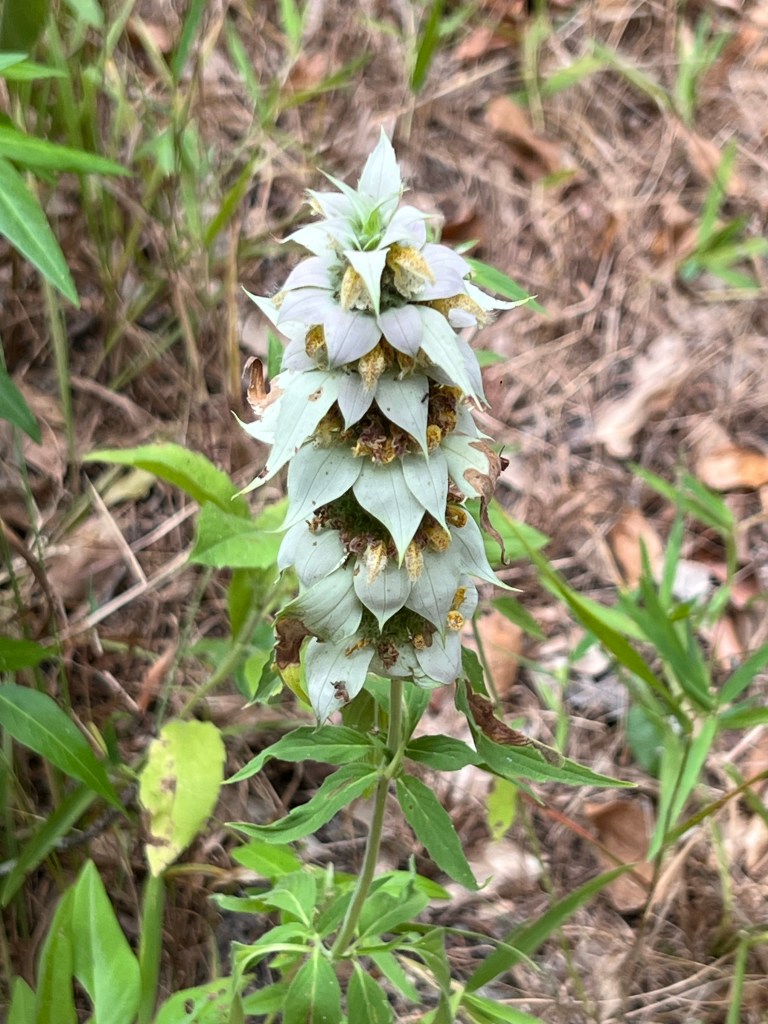
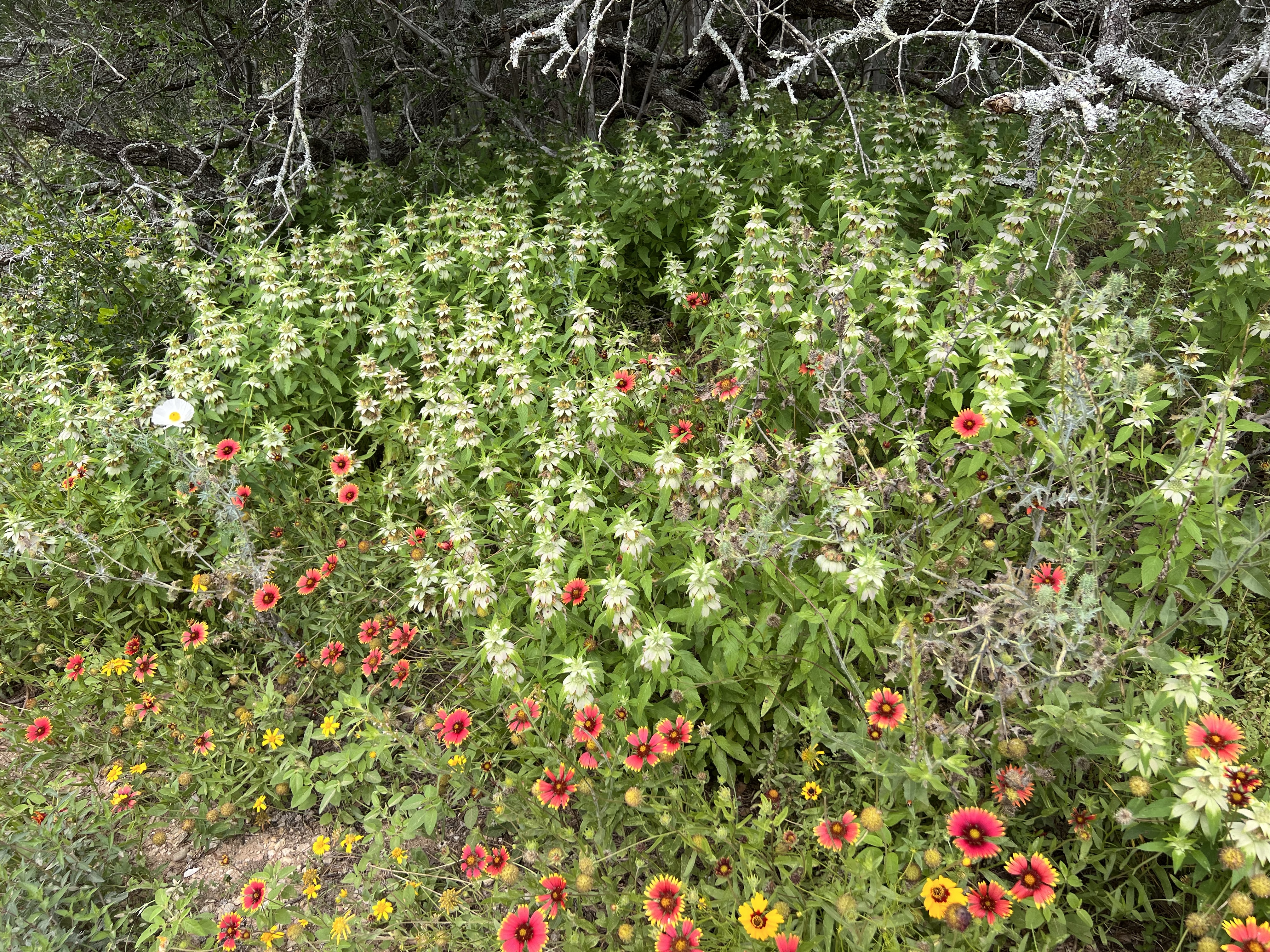
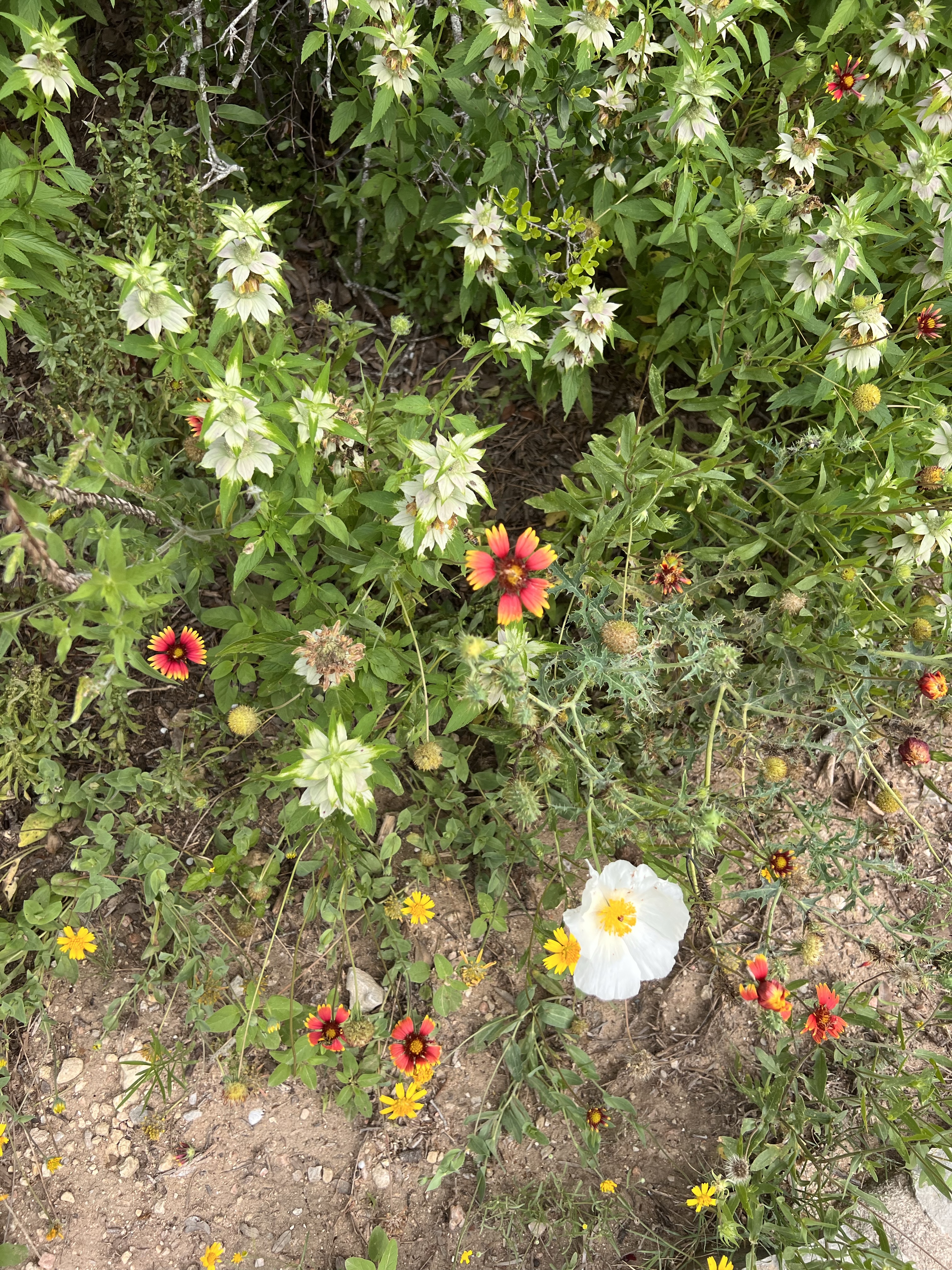
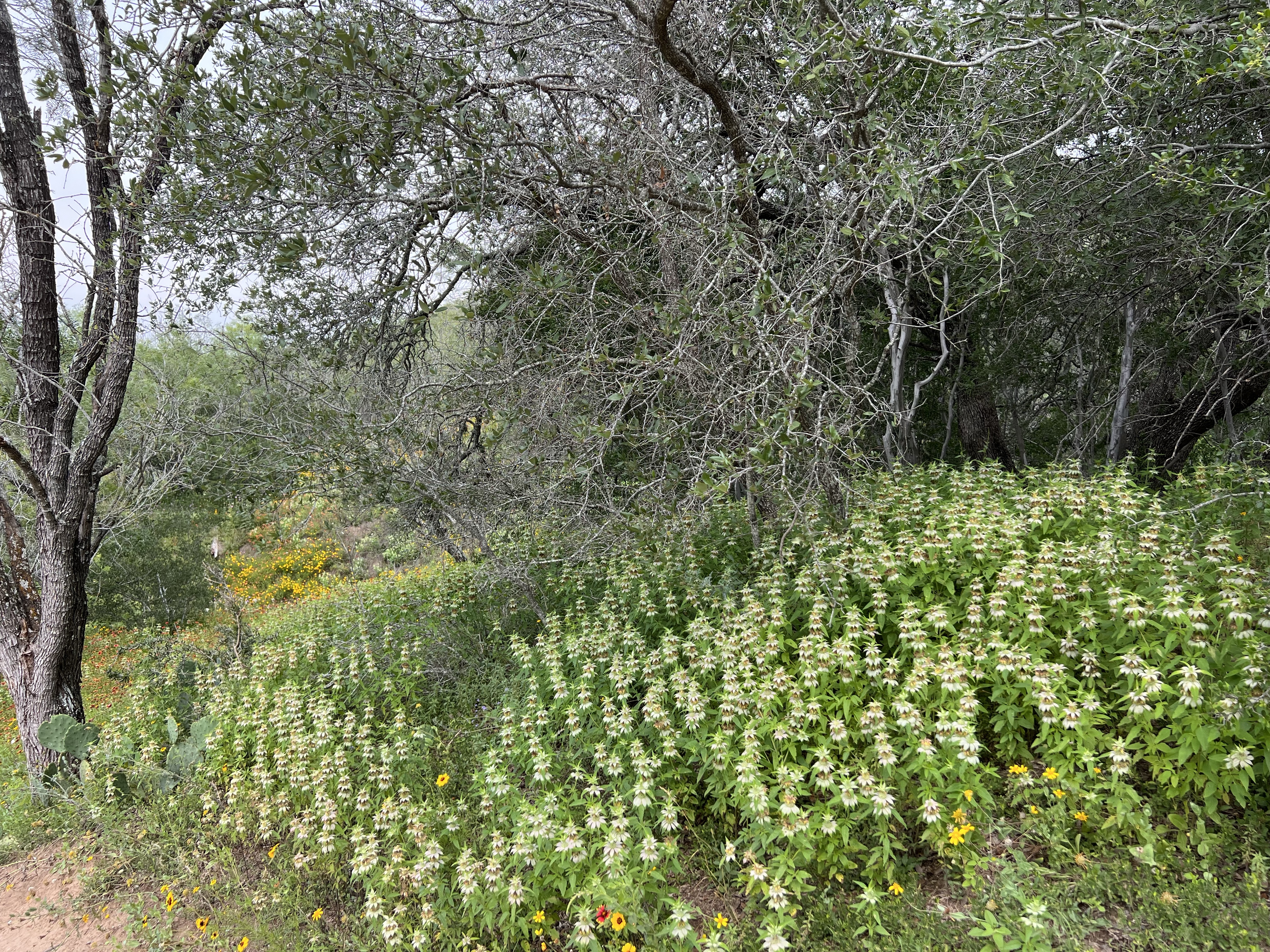
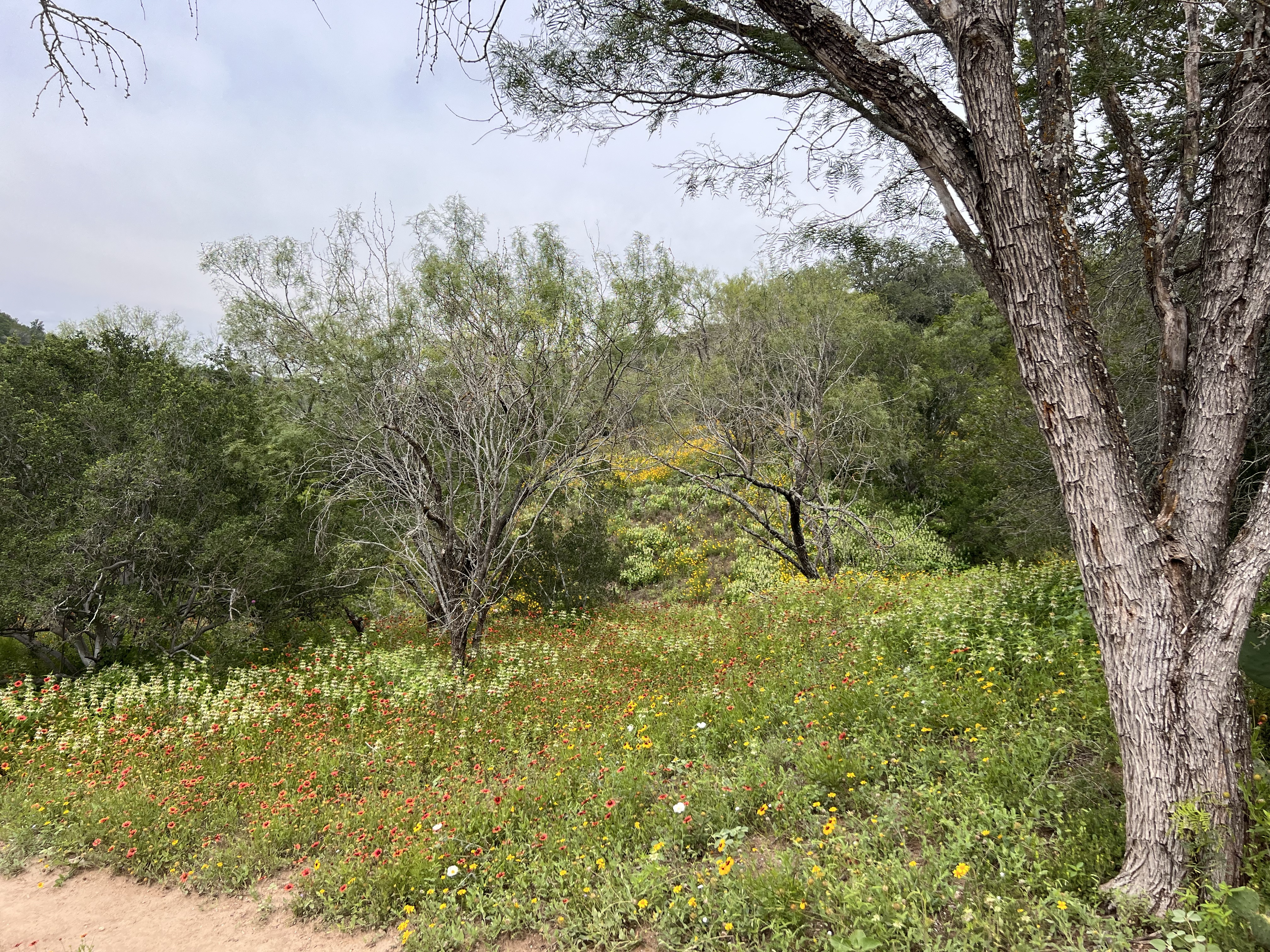
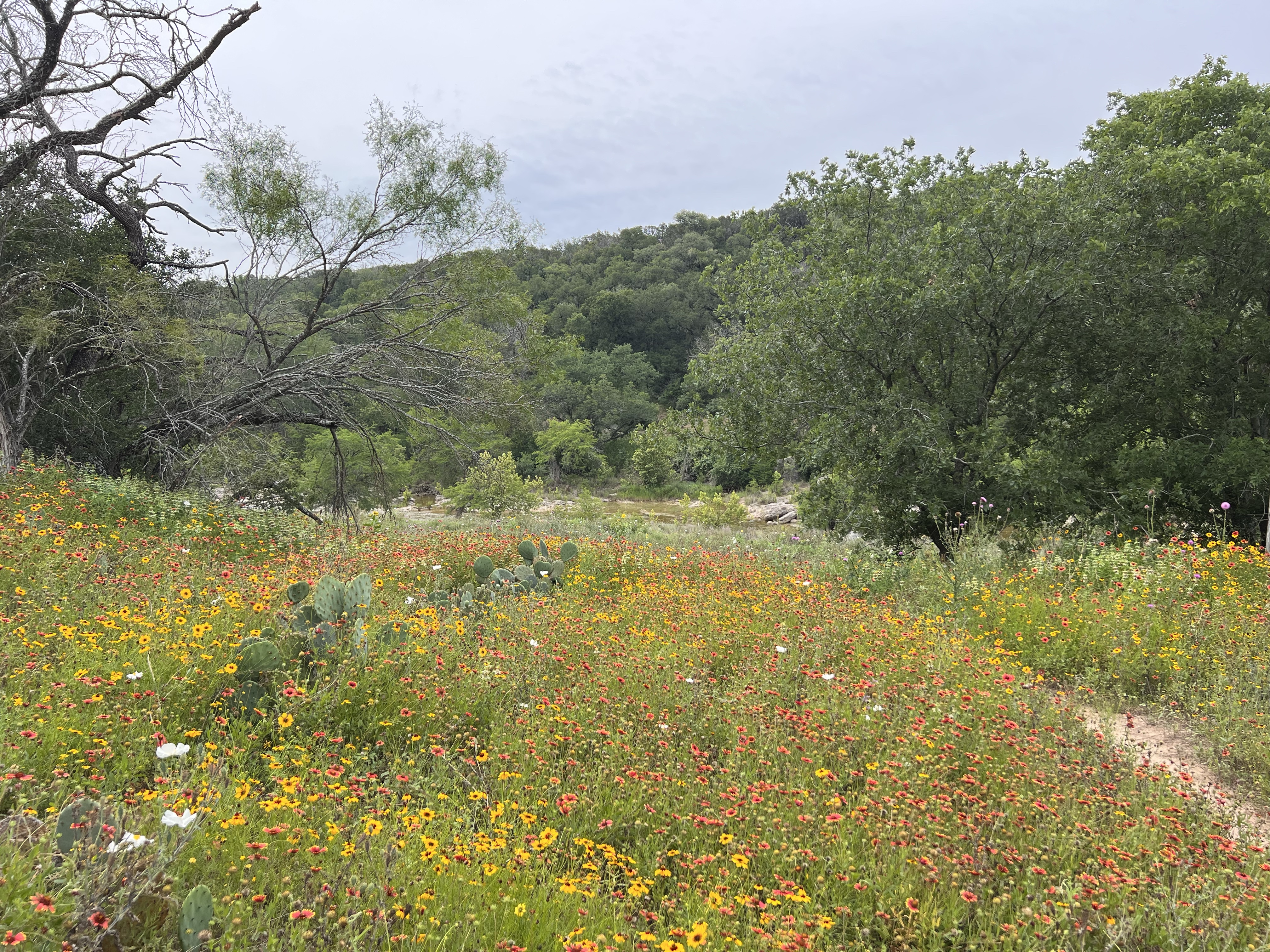
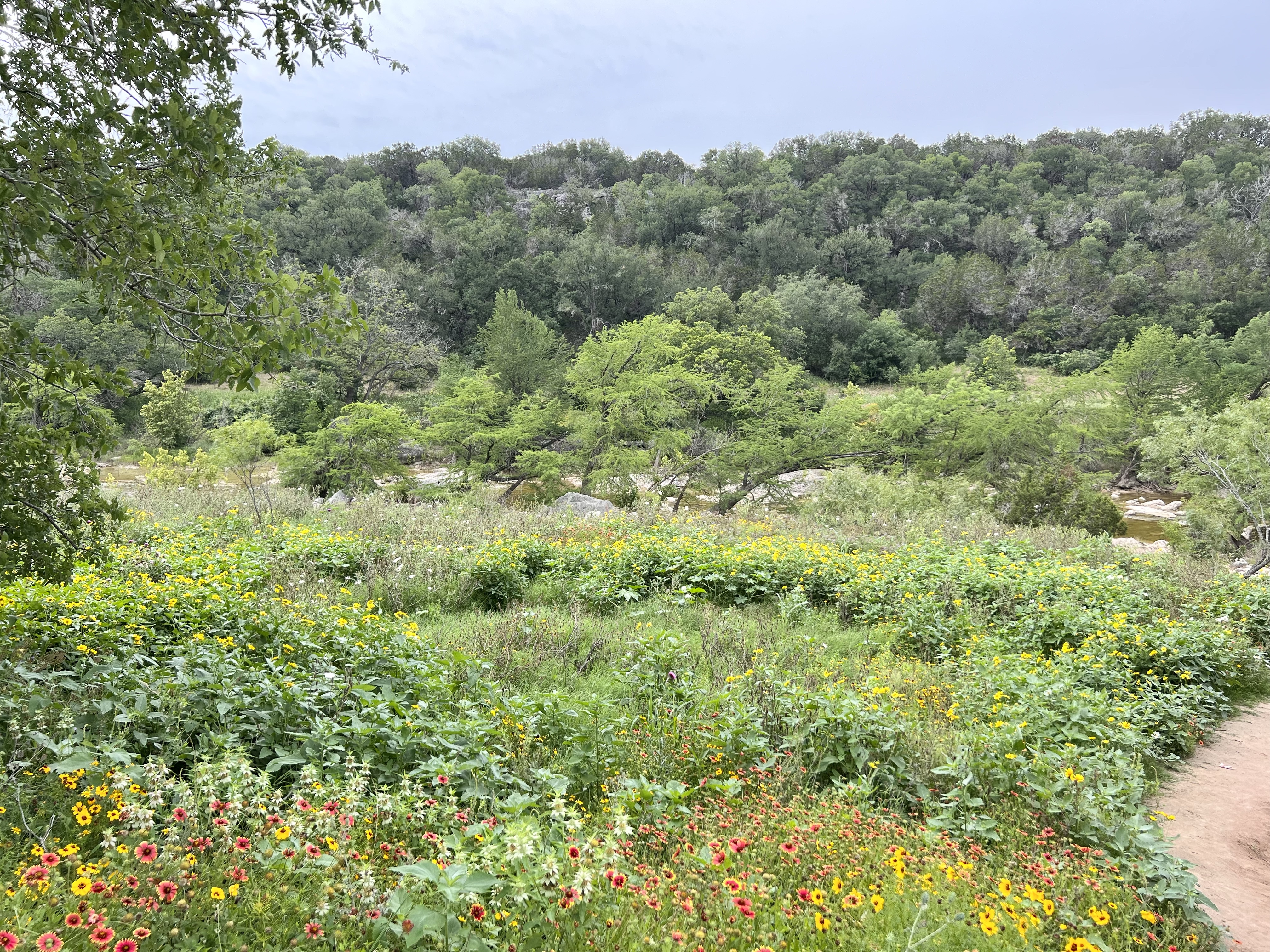
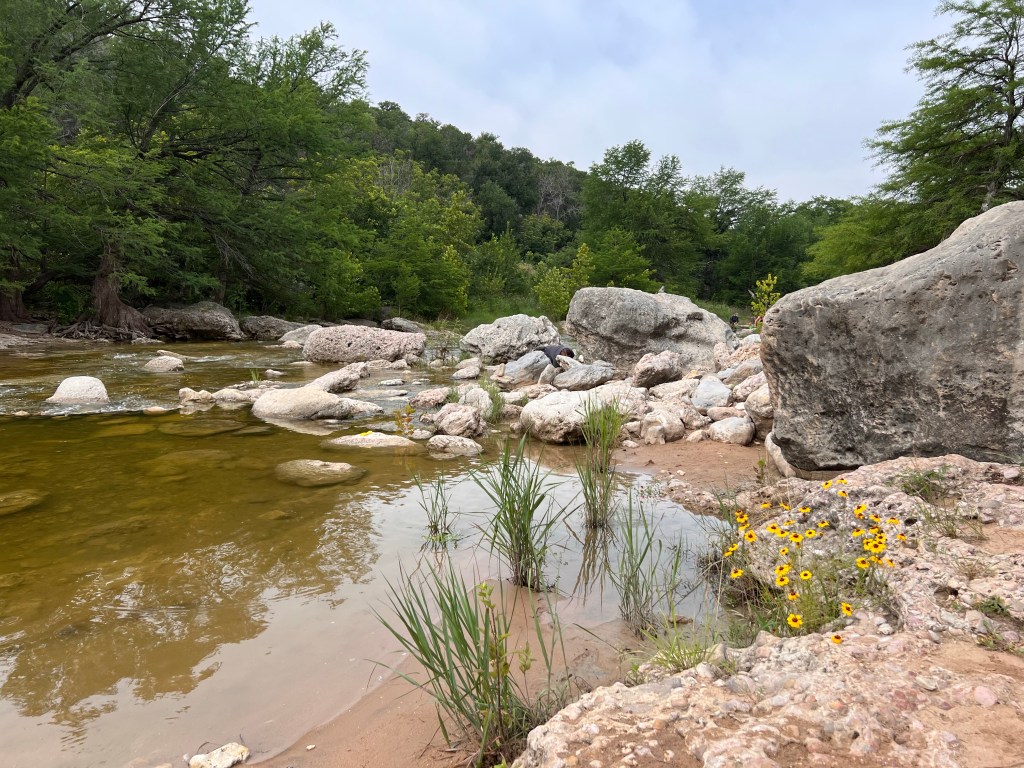
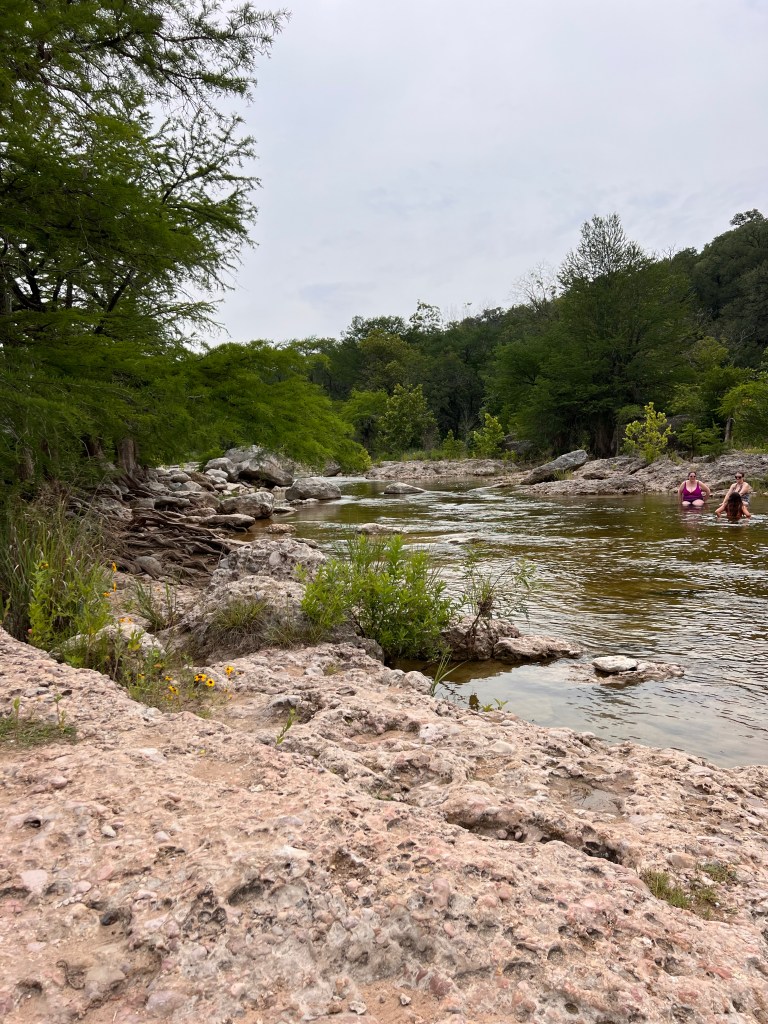
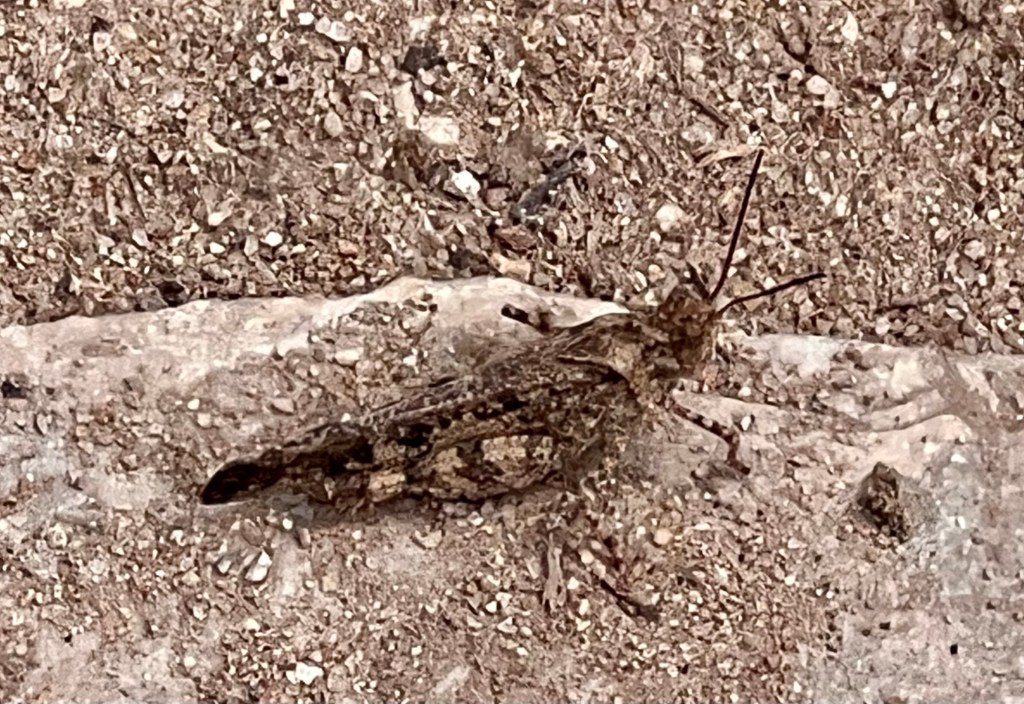
Oops, it got too late for me to share much about today, but it was another fun but hot one at Fort Parker State Park.
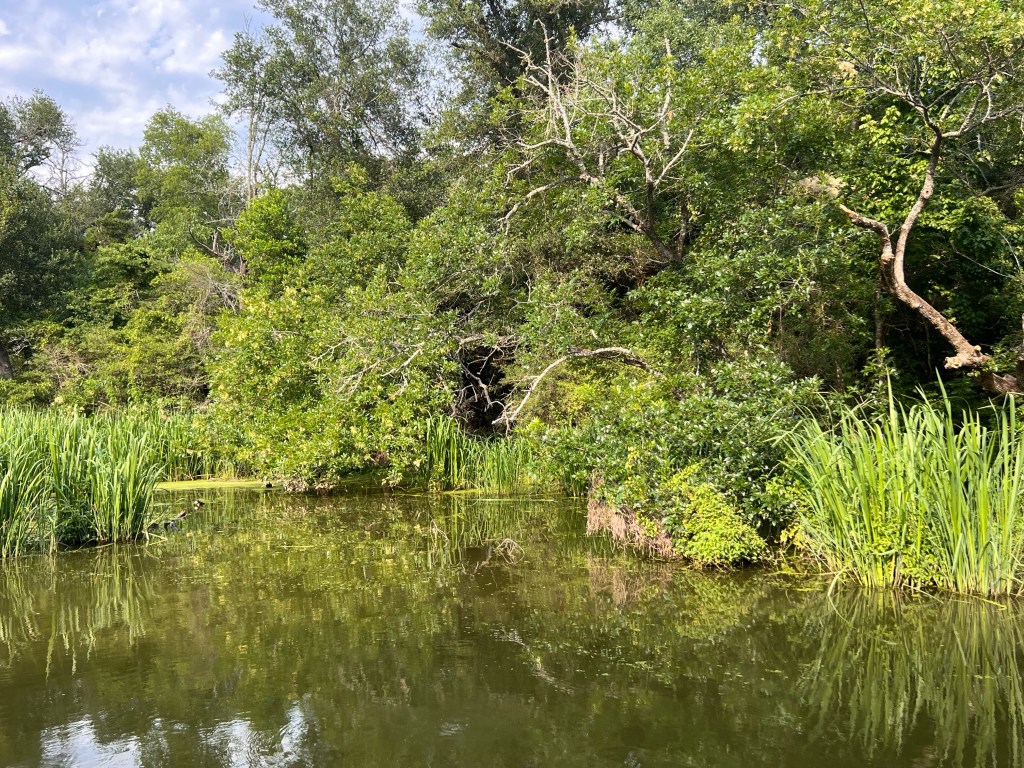
I enjoyed watching people launching kayaks from the Navasota River boat ramp
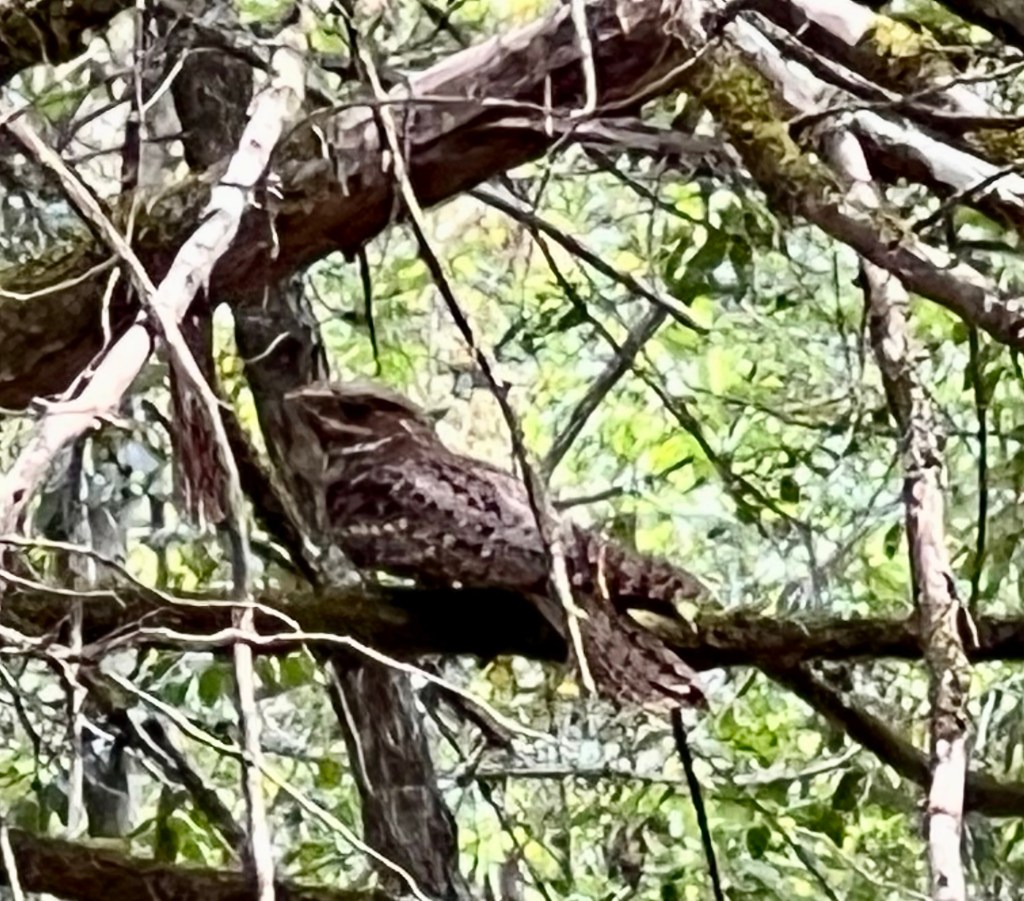
The big thing was getting to see my favorite nightjar, the Chuck-Will’s Widow, in person. These birds are very hard to see, but it moved when I came upon it on the nearly empty trail I took today. I got photos that you can actually tell are of a bird! These guys blend in with leaf litter and are more active at night, so I lucked out. They are loud but shy, like me.
Such a cool head
I just remembered I saw one at the ranch, sitting on a fence post. I can’t believe I forgot. So this means two sightings!
Blurry but recognizable
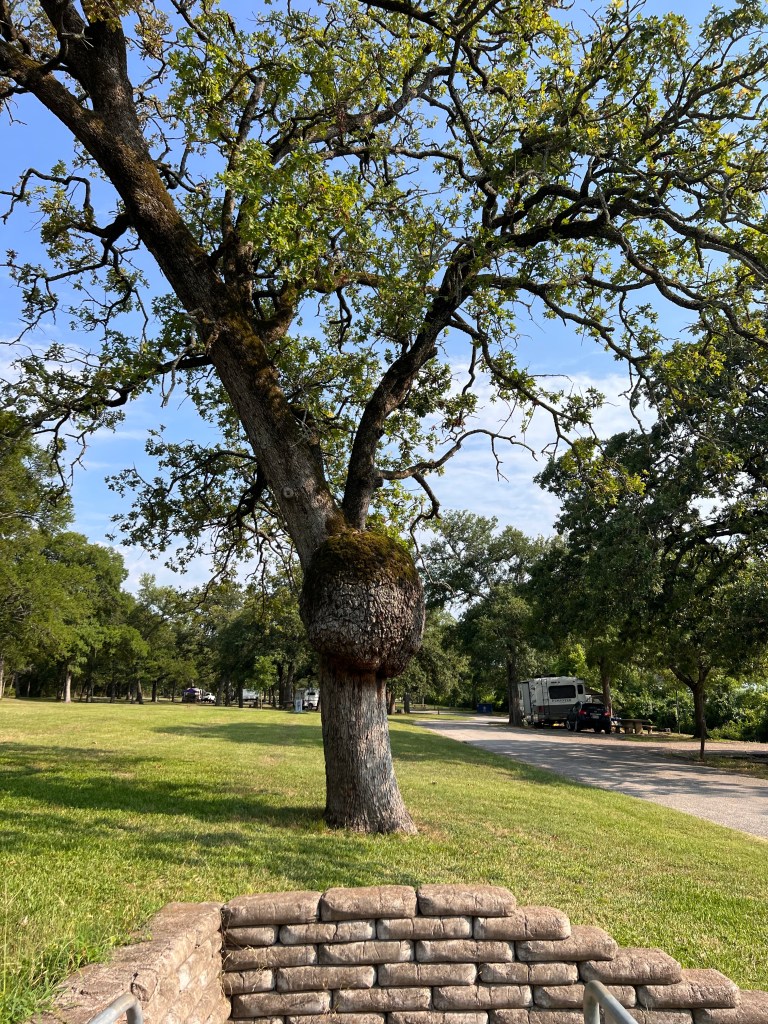
Other highlights were a sweet fawn and a lot of fun trees.
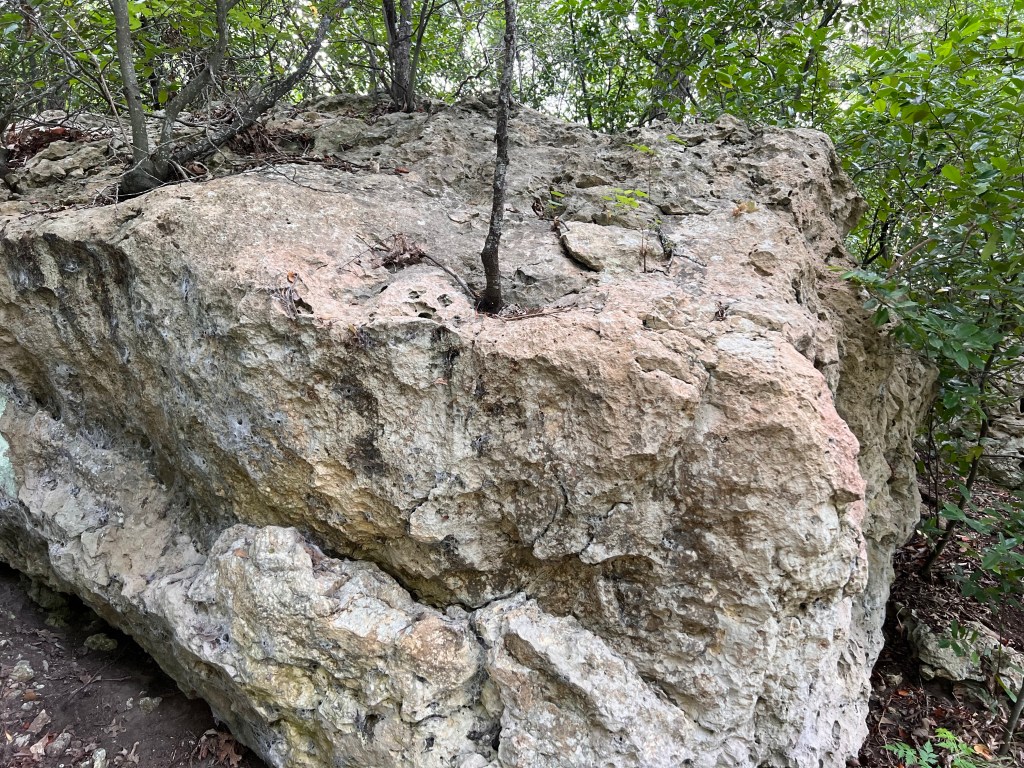
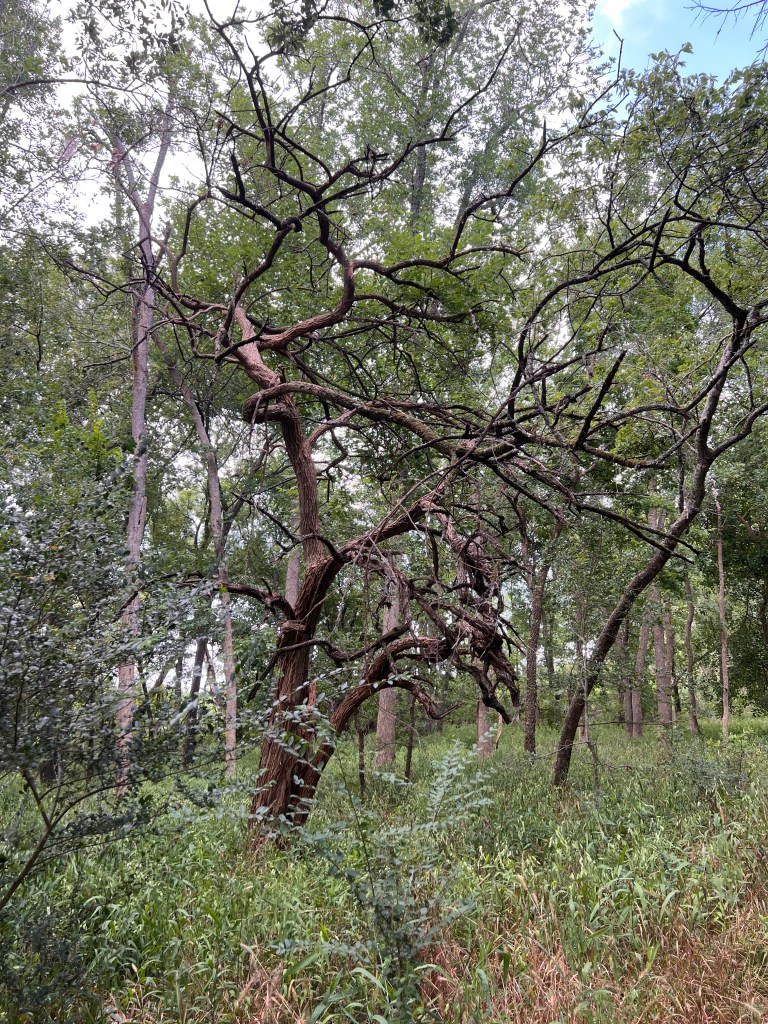
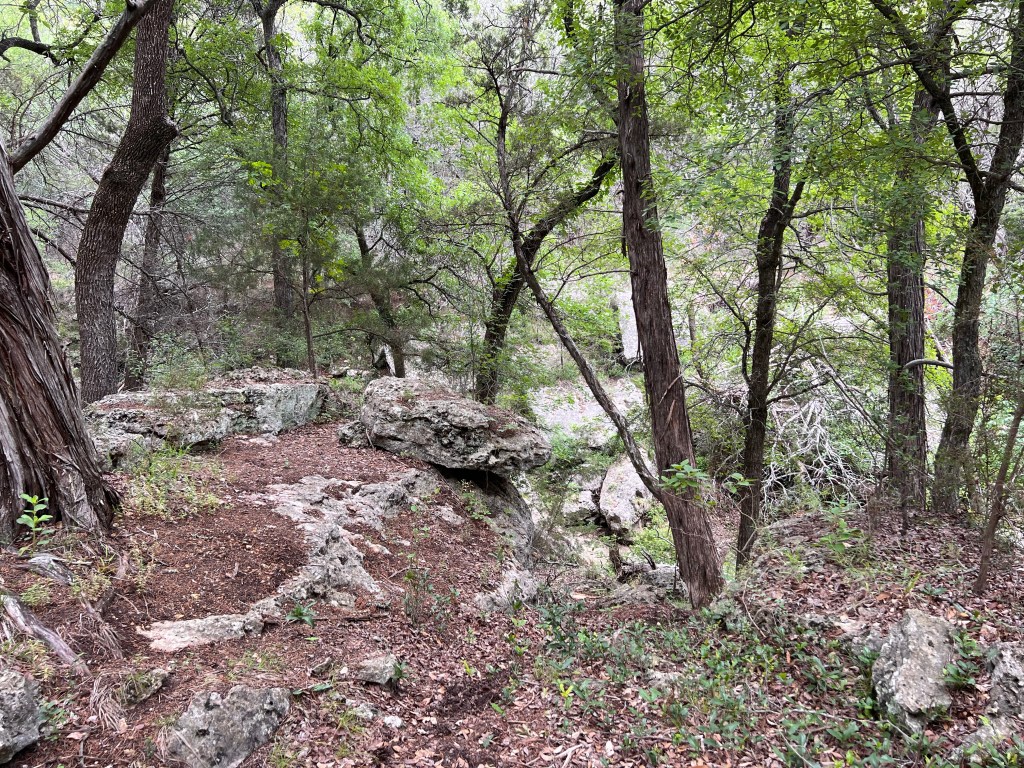
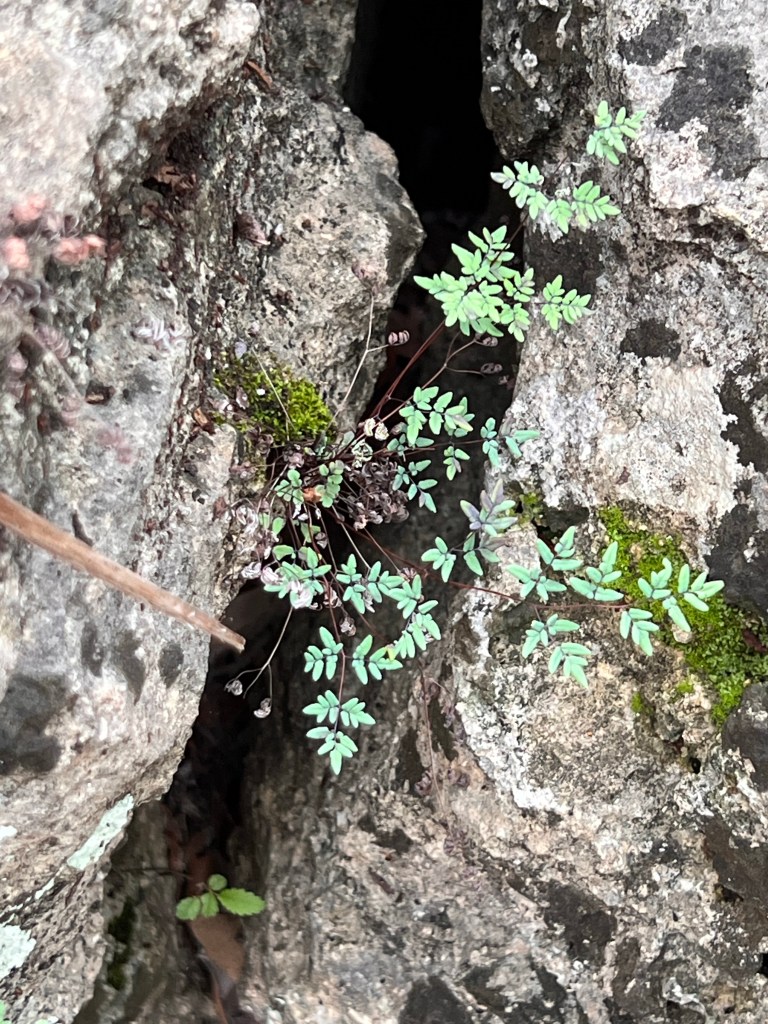
Peekaboo Persistent treeTree growing in a large rockBeautiful limbs on a dead tree
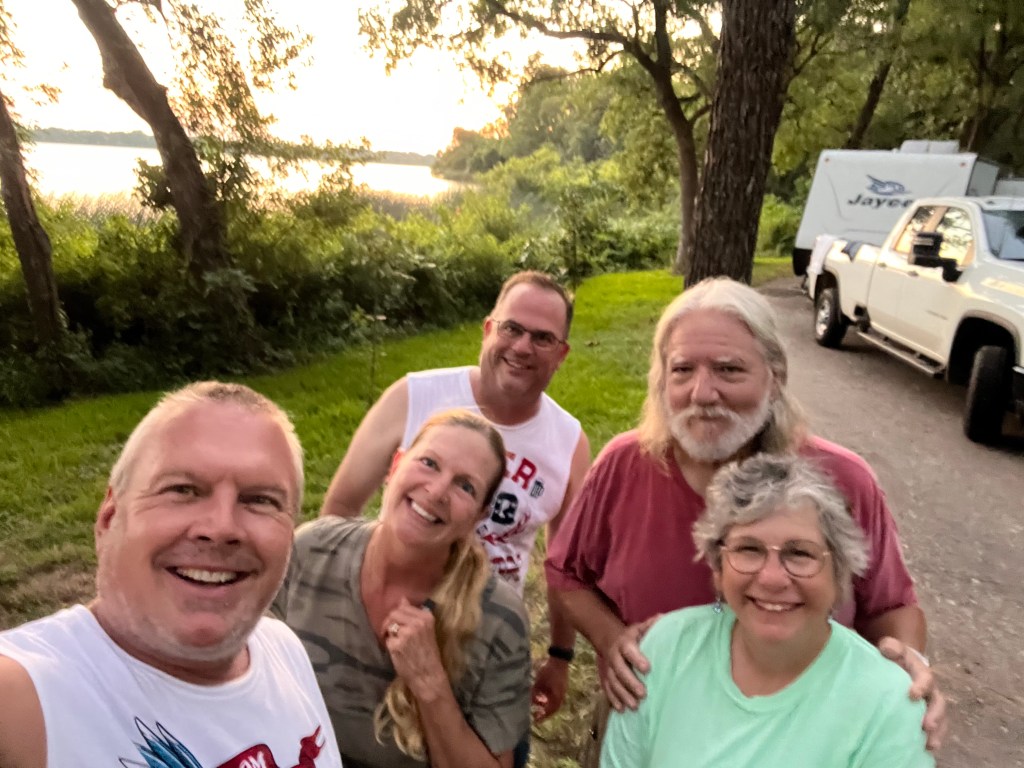
And we had a nice chat with two couples who fled Austin for a more rural life, like we did. It was fun sharing stories. More tomorrow.
Spoiler alert: yes, you can. Even I can, with good planning and a little luck. I got through today with only one little bit of heat dizziness. Hooray.
I had it made in the shade!
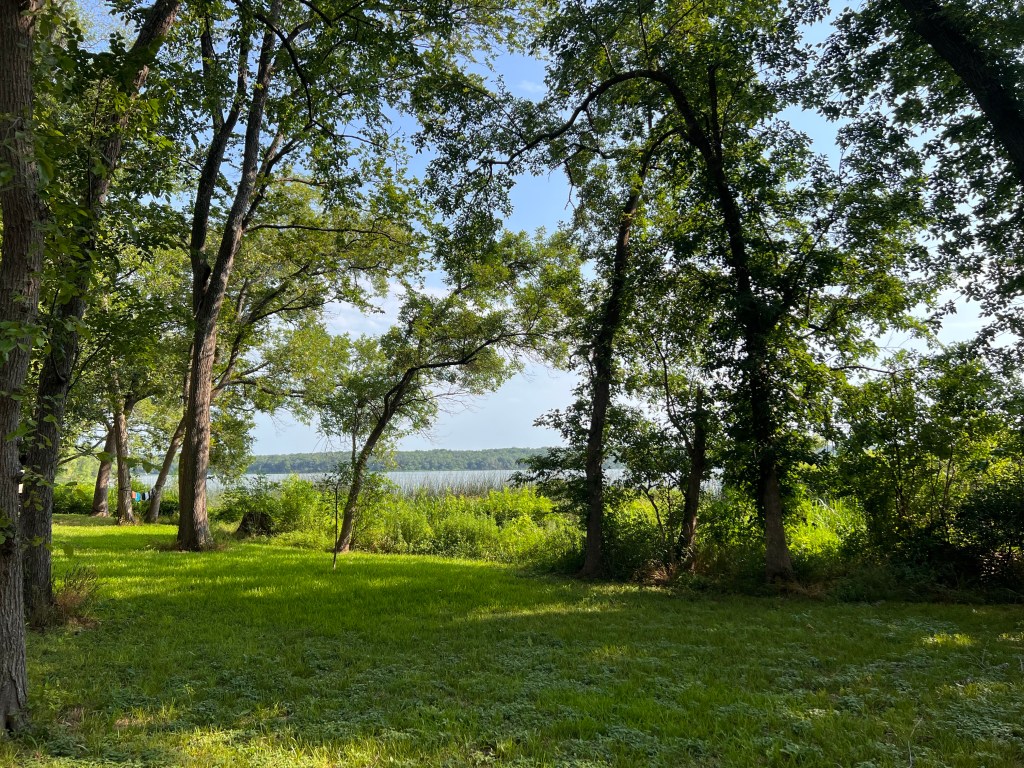
First, we booked a trip to a shady park and I was careful to try to select a shady campsite. I did, though I sacrificed a lake view. We are next to the lake, but there’s brush blocking the view.
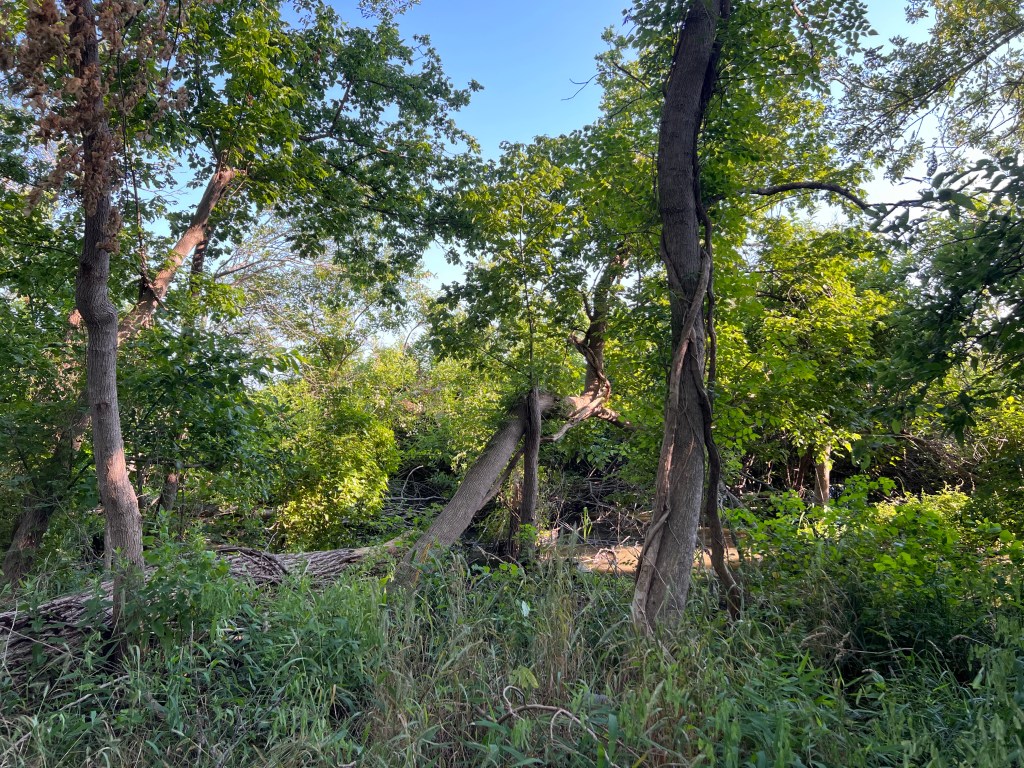
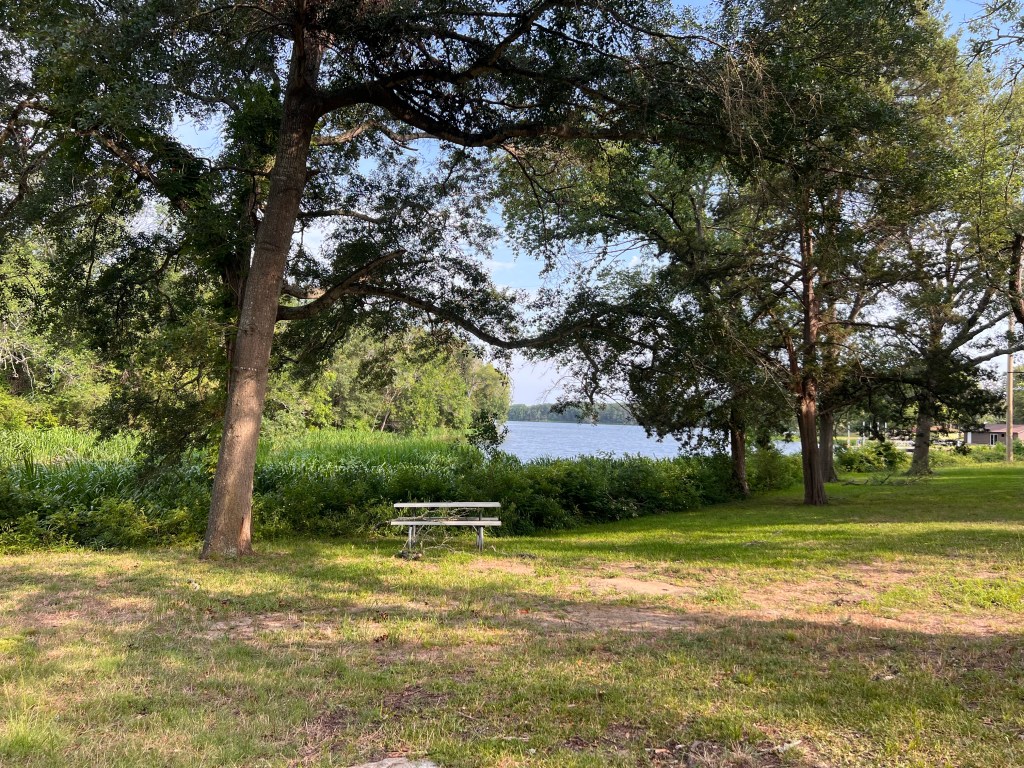
The lake is about a foot past the big trees. I like the bent one.
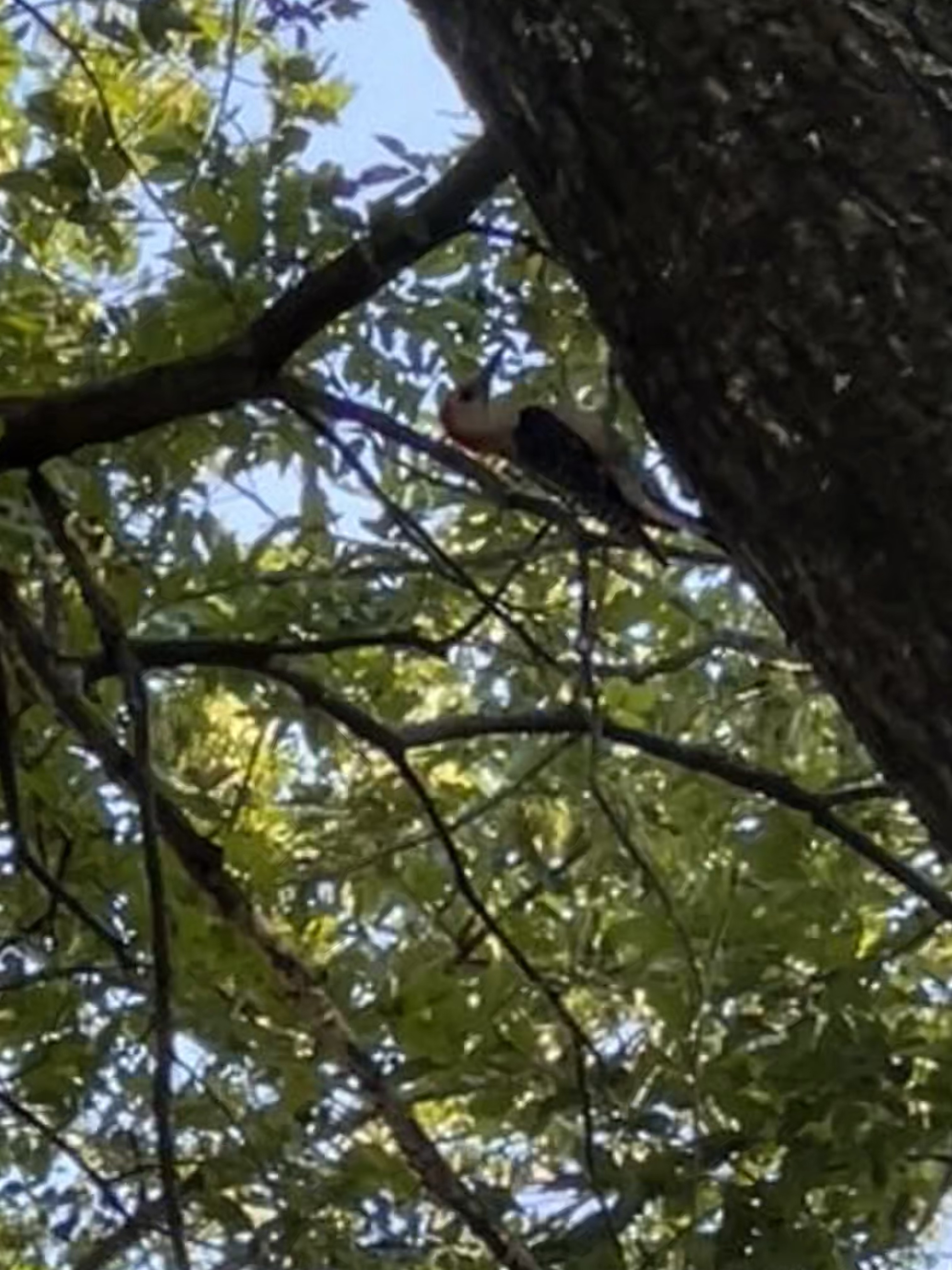
We were actually able to sit outside much of the afternoon, thanks to the shade and a brisk breeze. I got to knit and read, and of course look at and listen to birds. There’s a red-bellied woodpecker that comes by often, and I even got photos where you can tell what it is!
Woodpecker fun
But my smartest way to deal with the heat and still have fun was to do all my “hiking” while it was still relatively cool. Now, don’t think I went out before I had my coffee. I’m not that driven. But I was out by 9, and went three mikes or so. Yes, much of the time I stopped every few feet to look at a plant or butterfly, but I did get 54 exercise minutes!
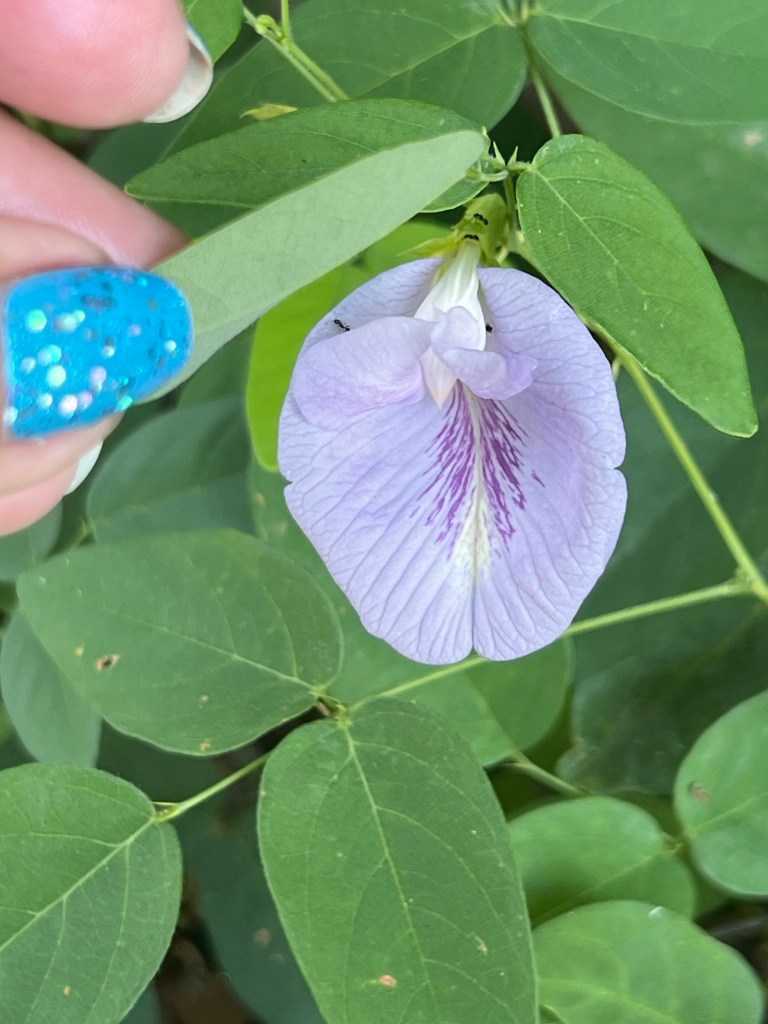
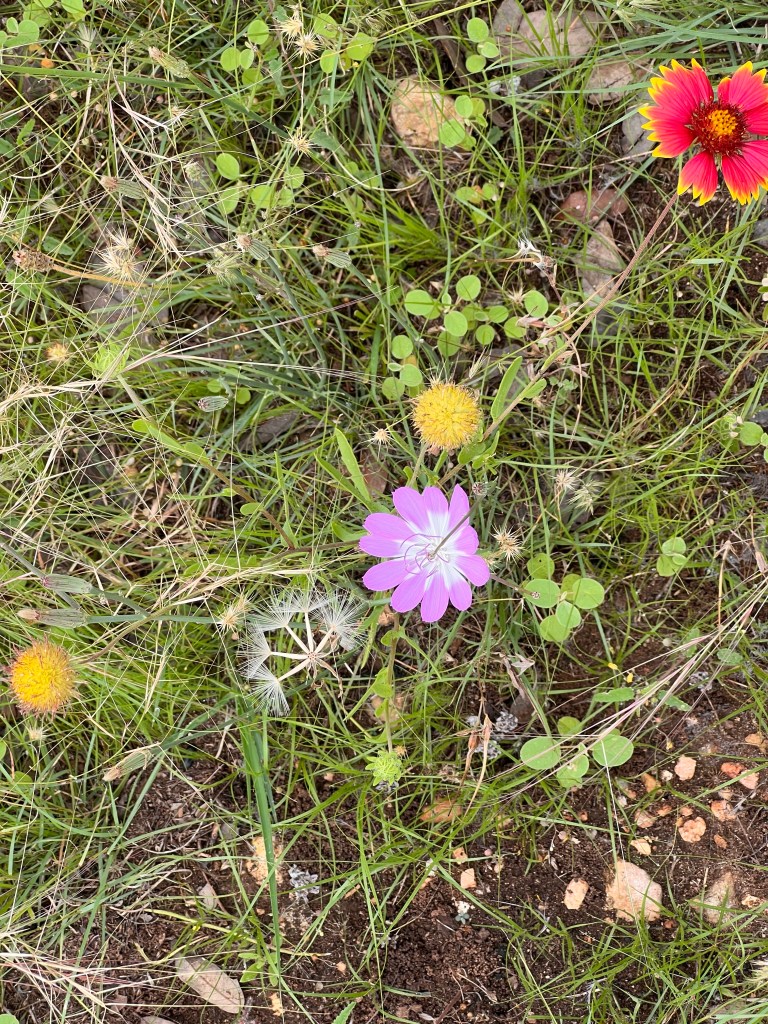
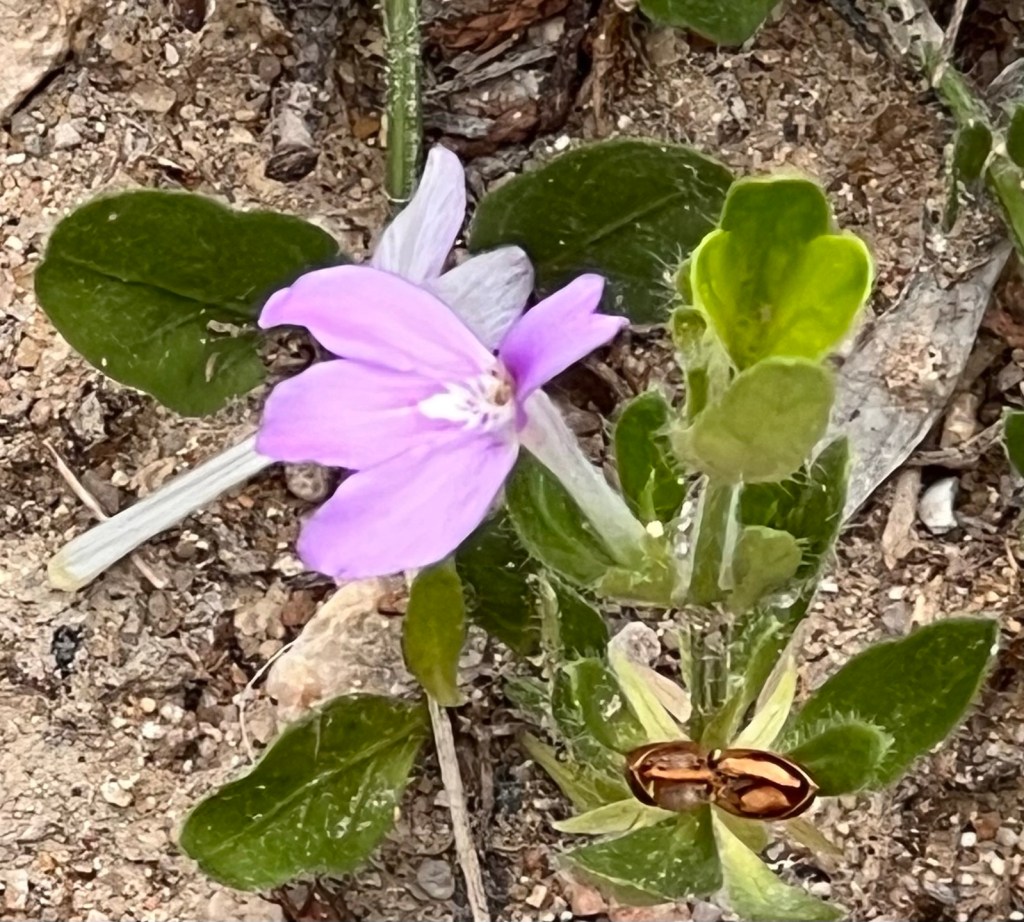
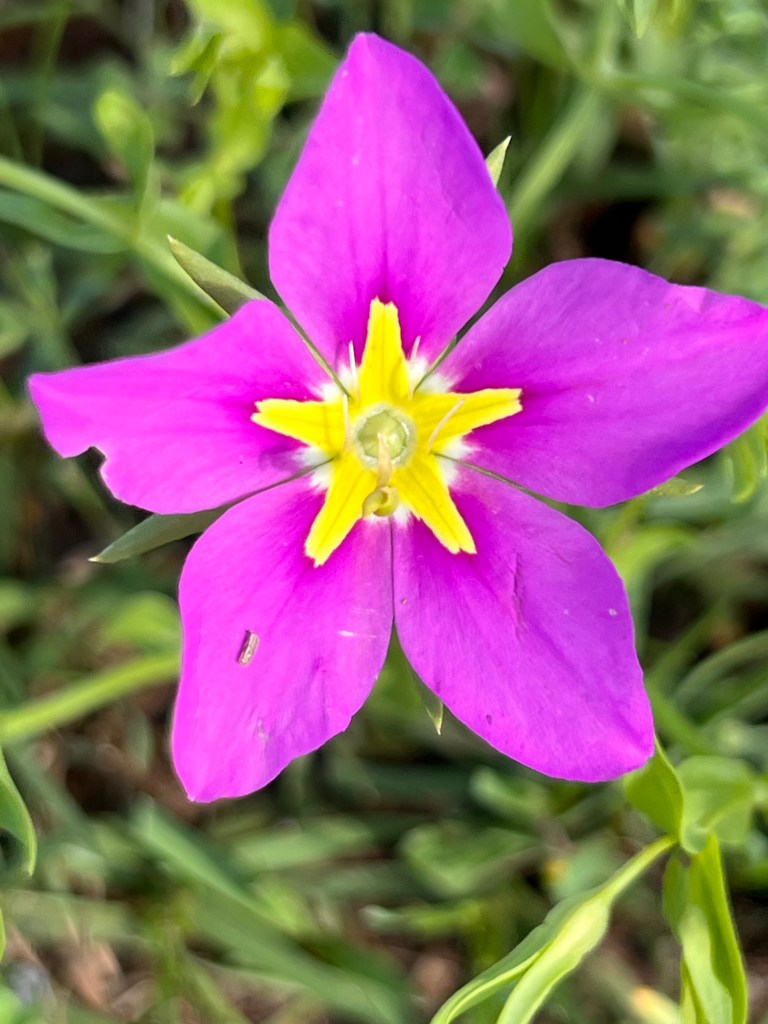
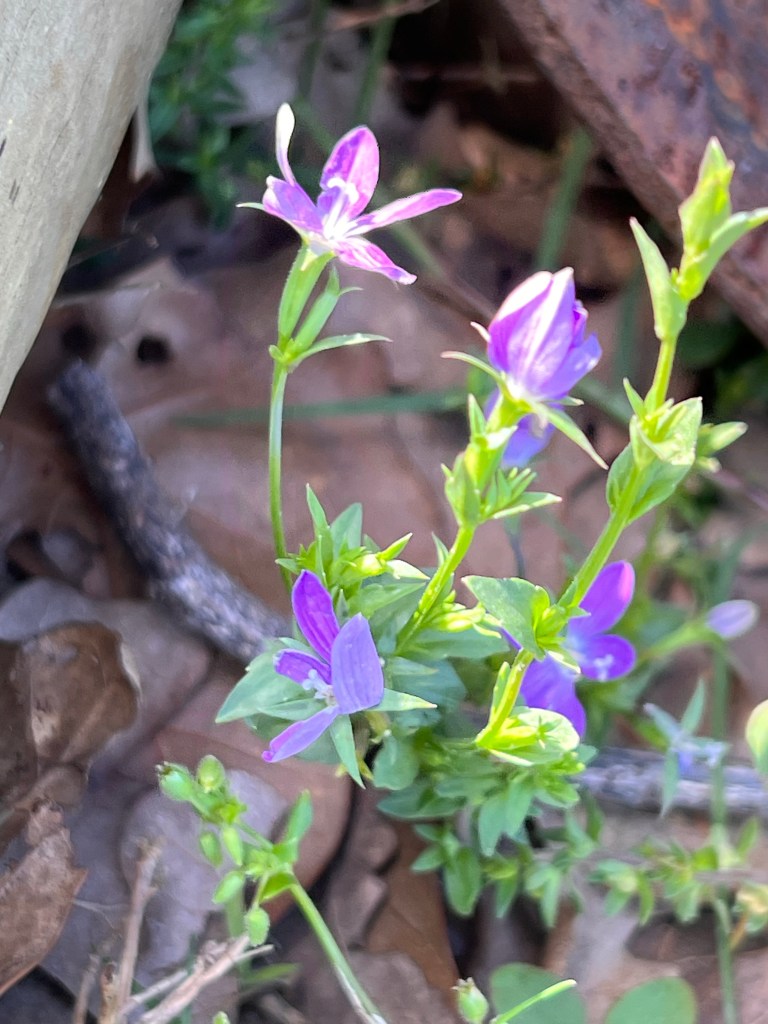
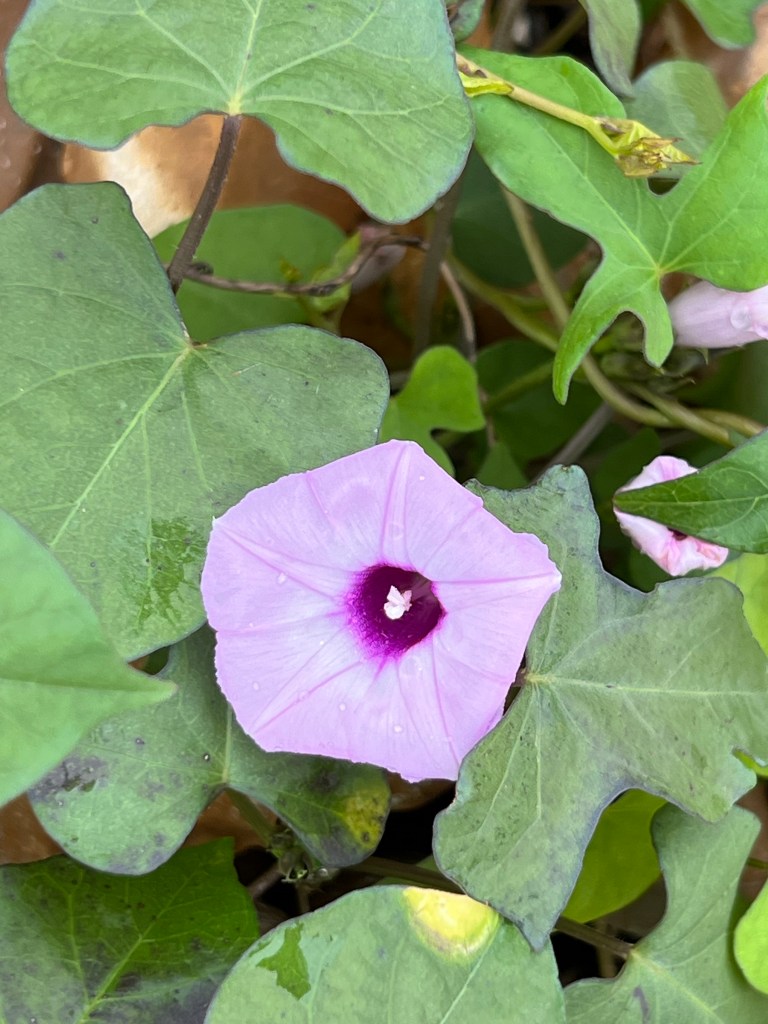
I went through some very pleasant and shady paths, and though there were few wildflowers, like yesterday, I did find some beautiful new flowers. My absolute favorite is this one, which is one of two plants, both that can be called butterfly pea. Or pigeonwing. I hope I get iNaturalist help with it.
So beautiful. I can sorta tell where it got its Latin name, Clitoria mariana.
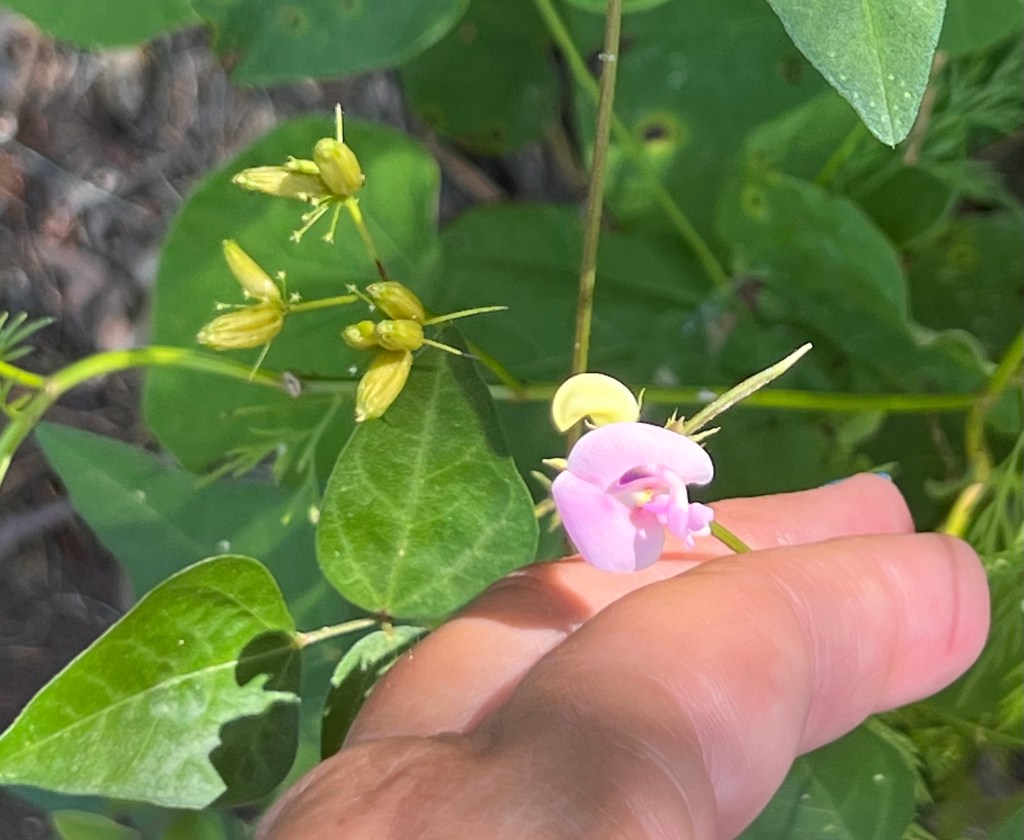
The other flowers I enjoyed, maybe mostly because of their name, were the trailing fuzzy-beans. What a cute name. In fact, there are multiple fuzzy-beans in North America. Huh.
It’s a vine that grows very long tendrils.
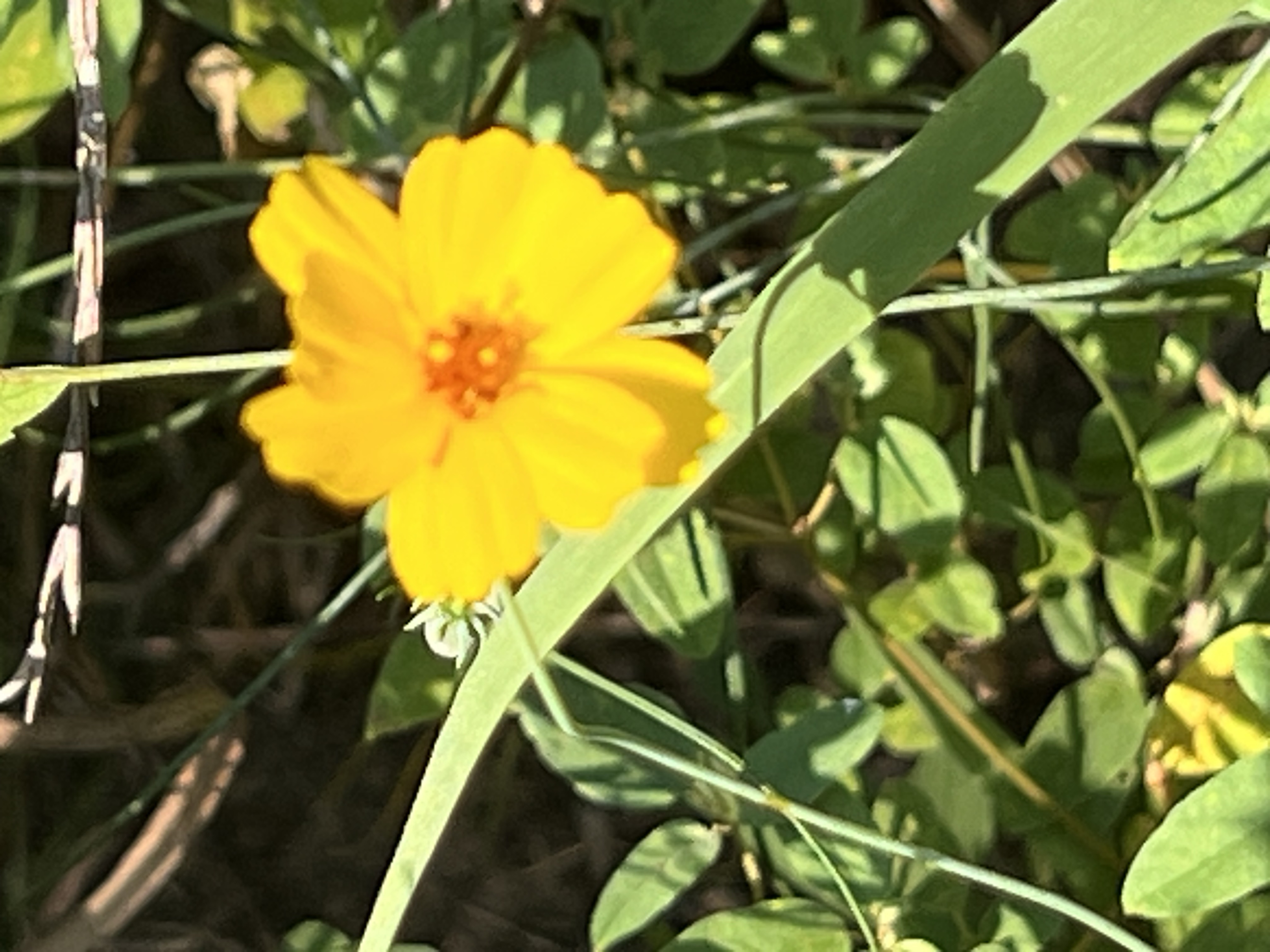
It was a fun plant day, for sure. Here are other highlights. A couple are a little blurry because the phone was running low on battery so I took pictures fast.
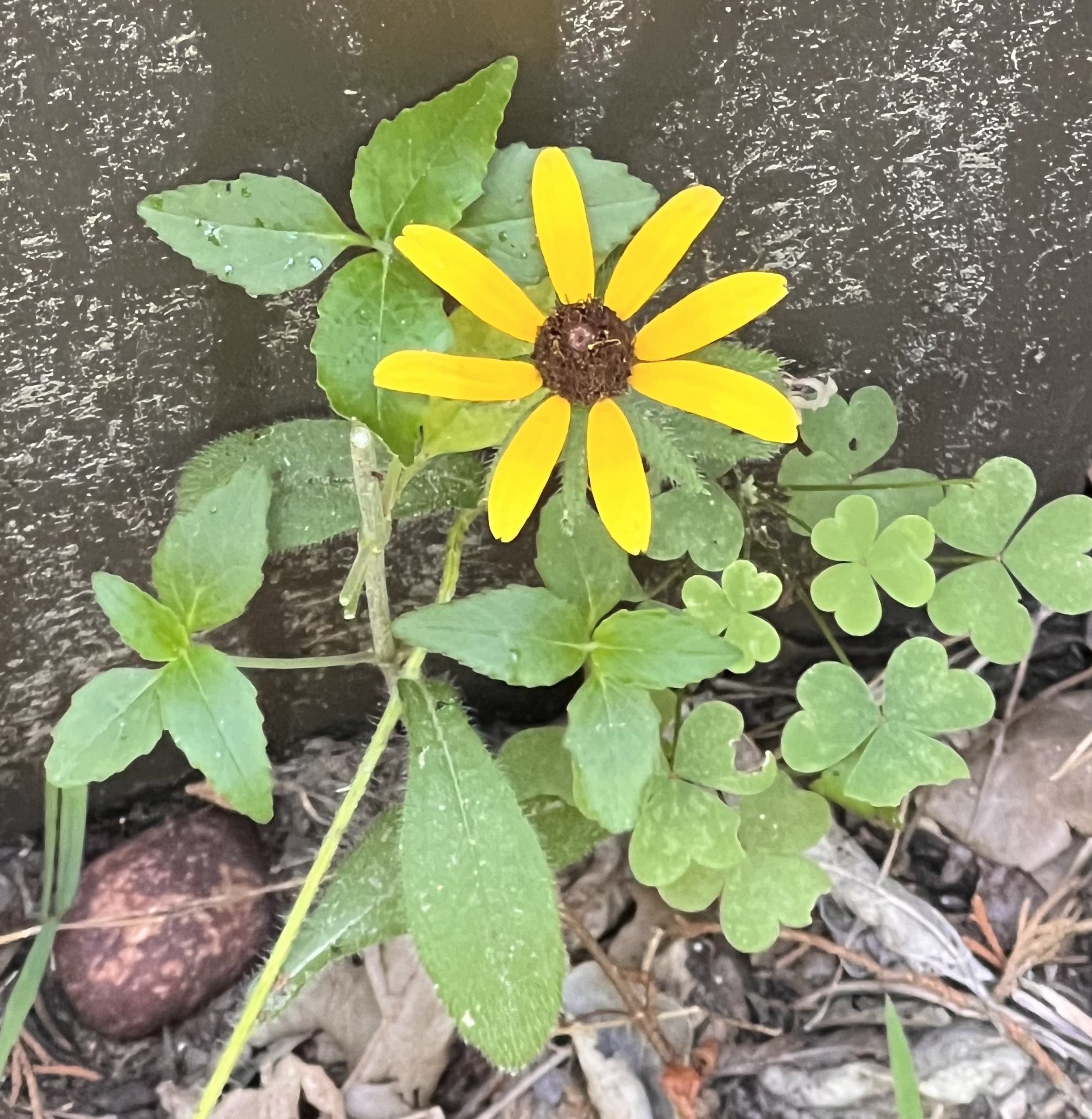
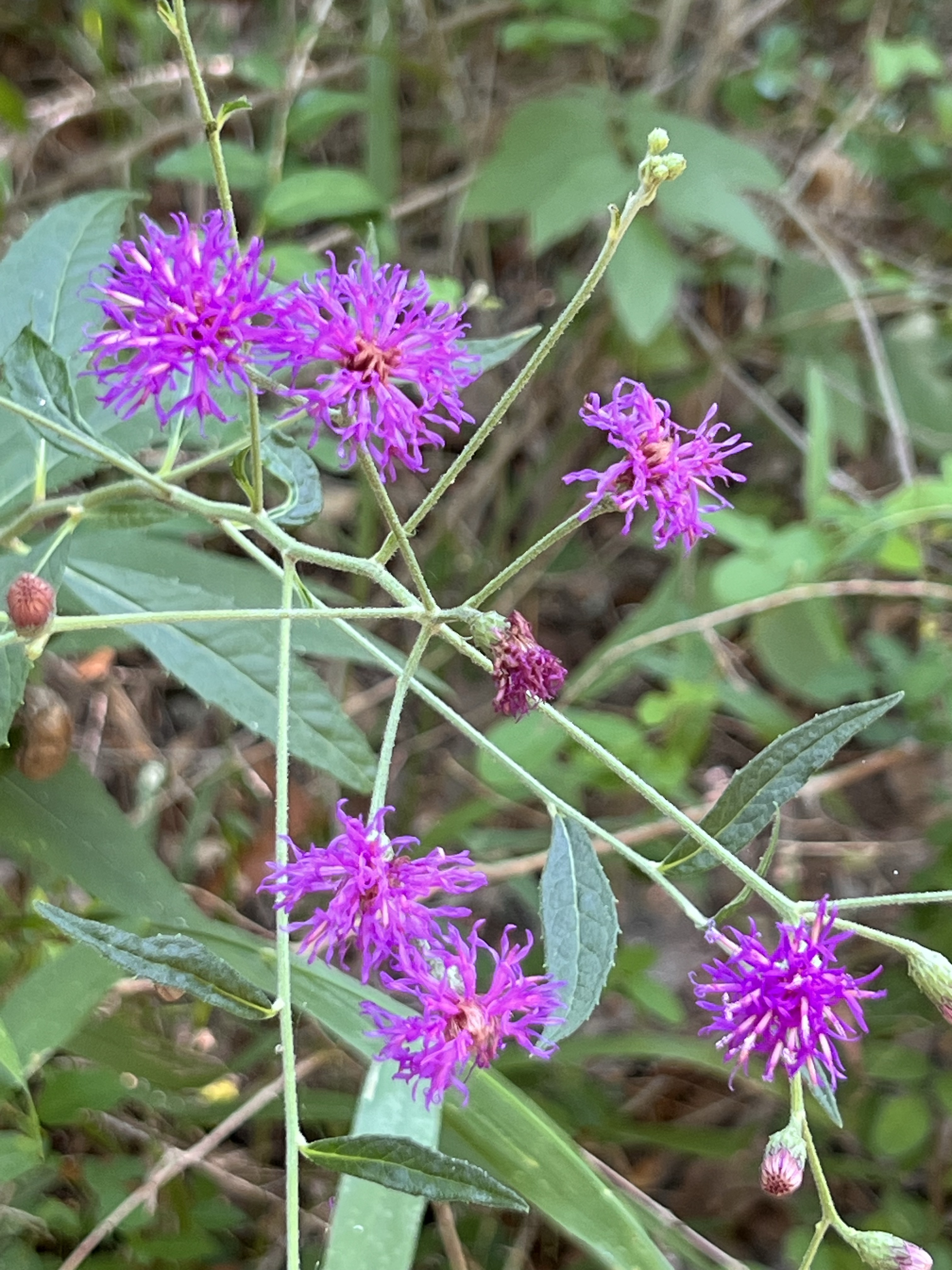
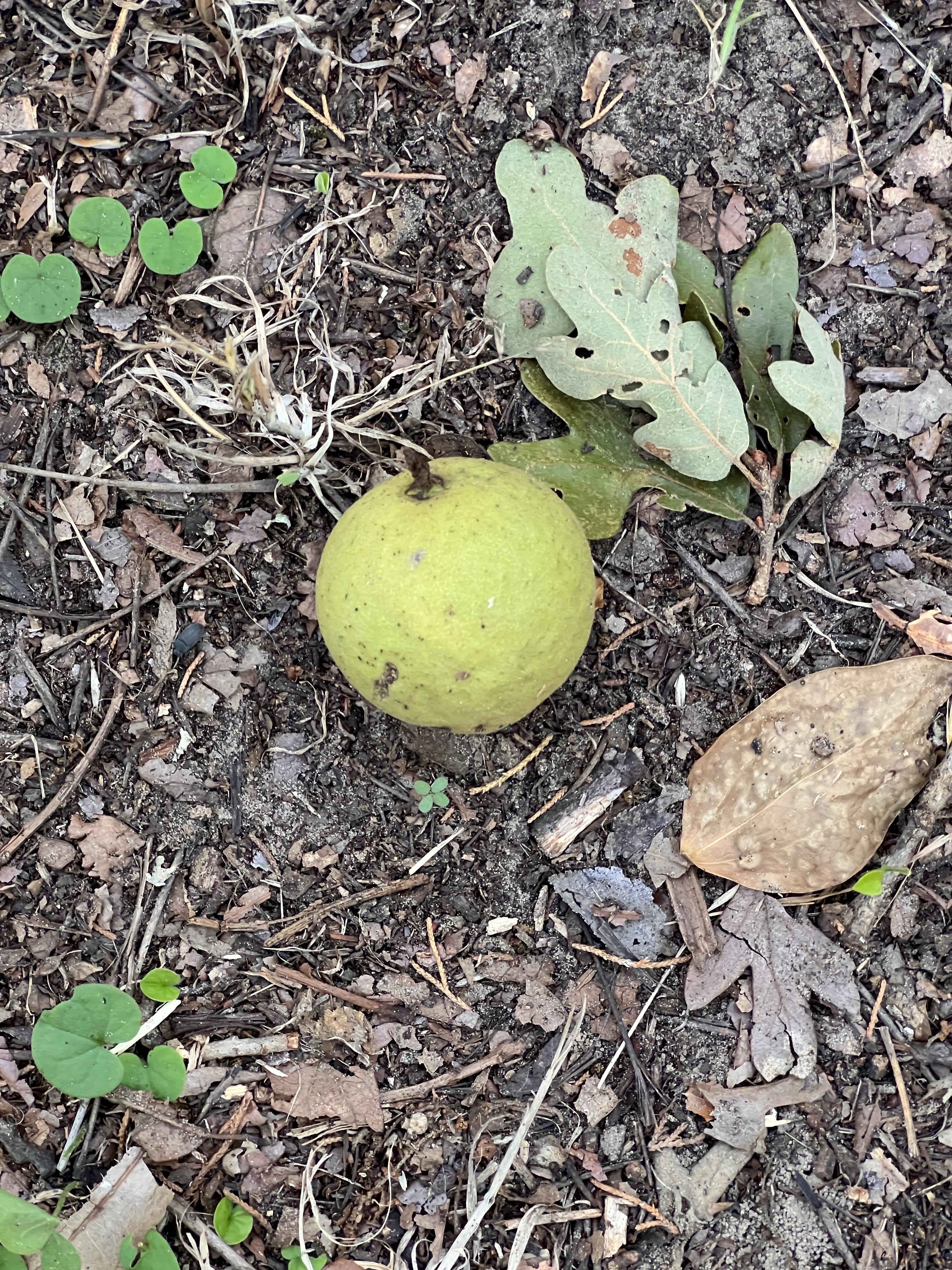
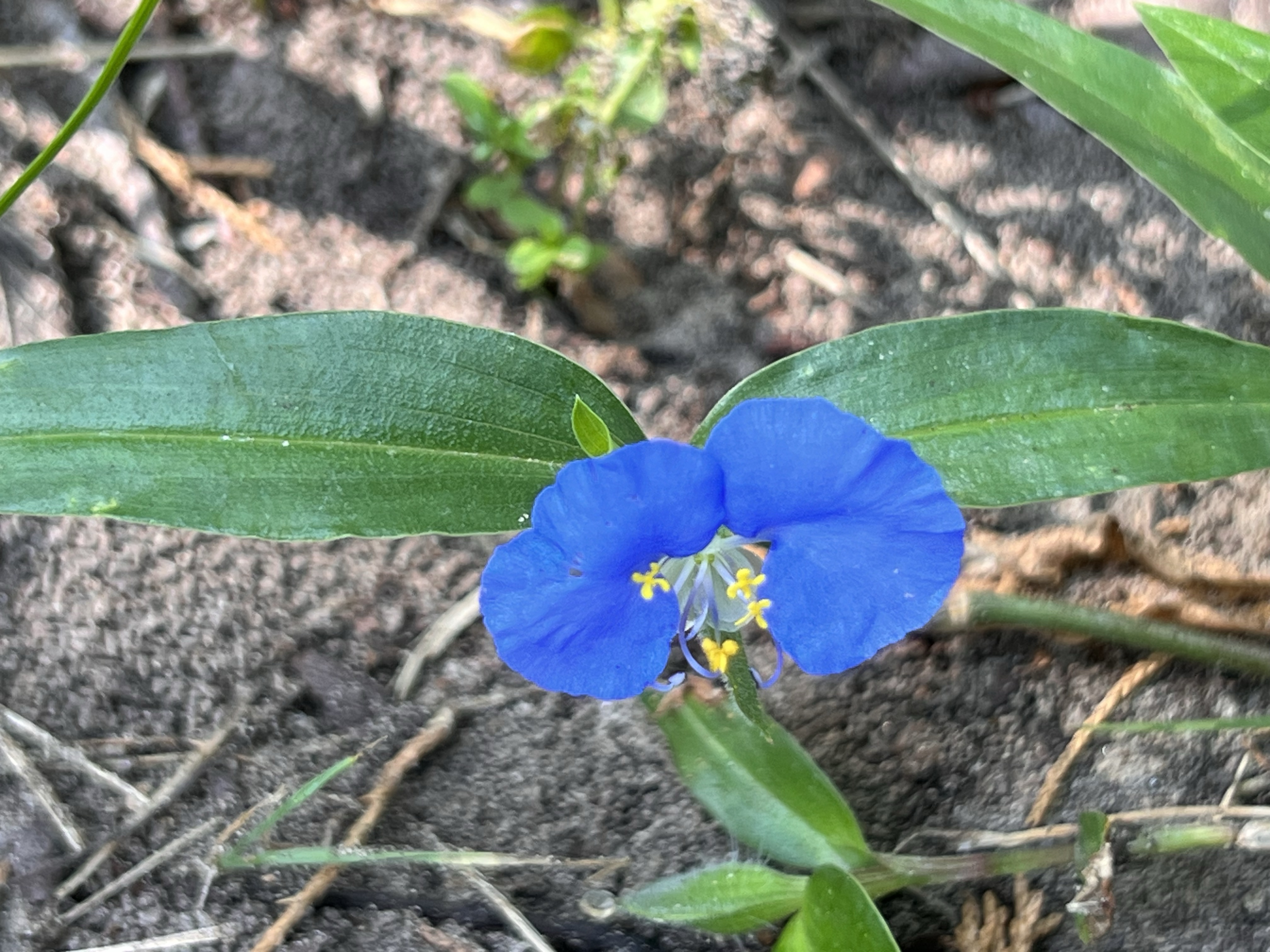
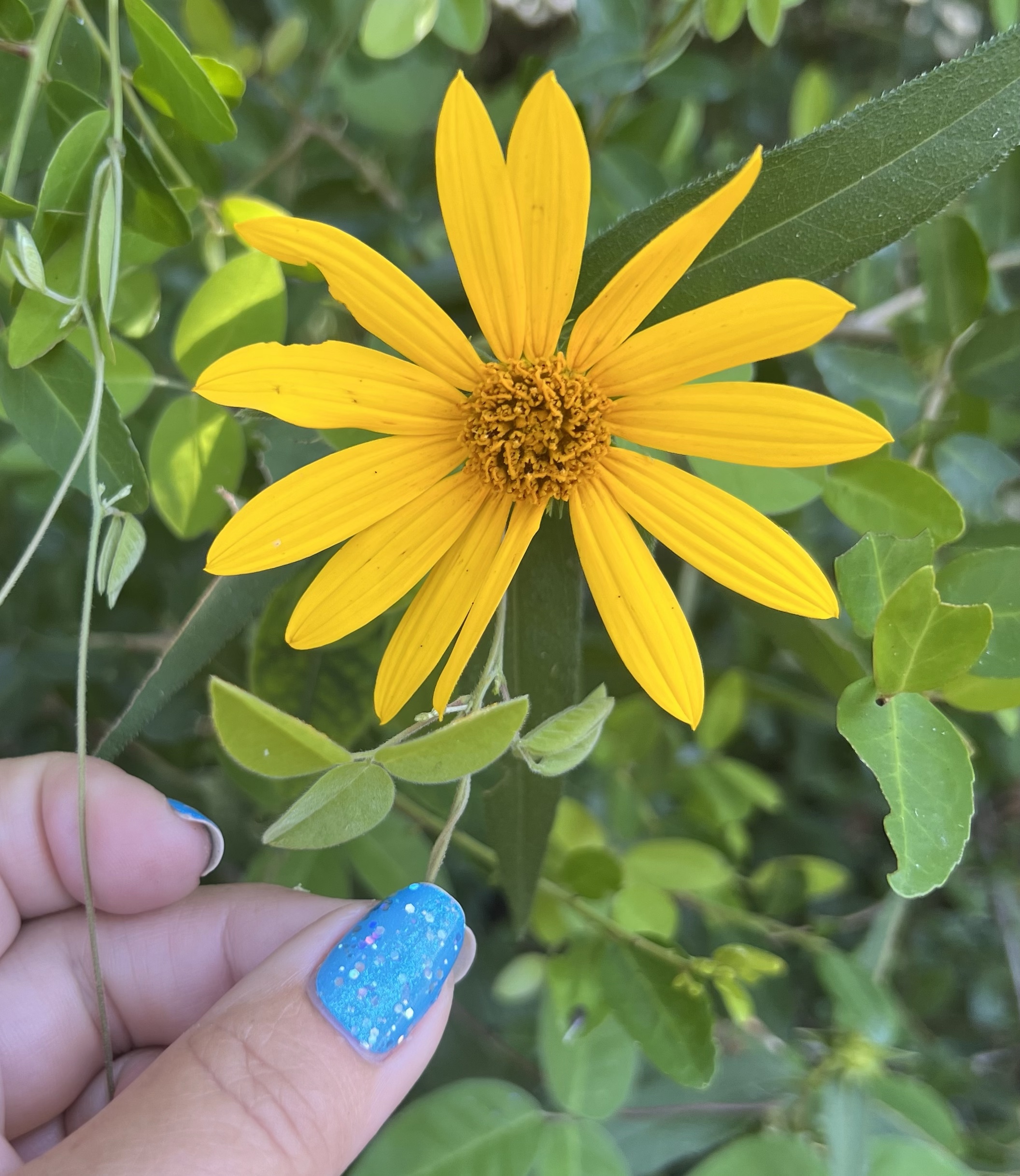
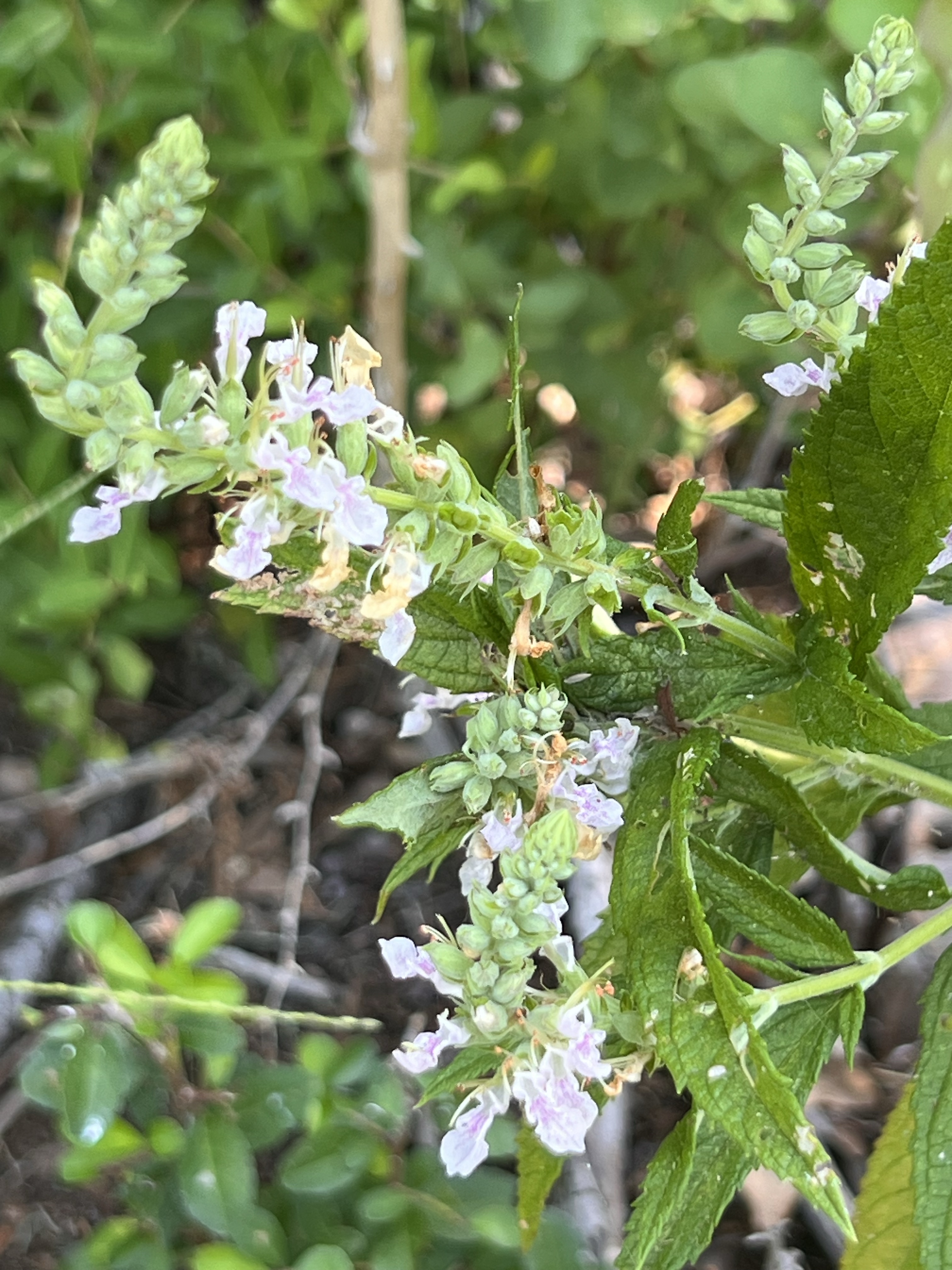
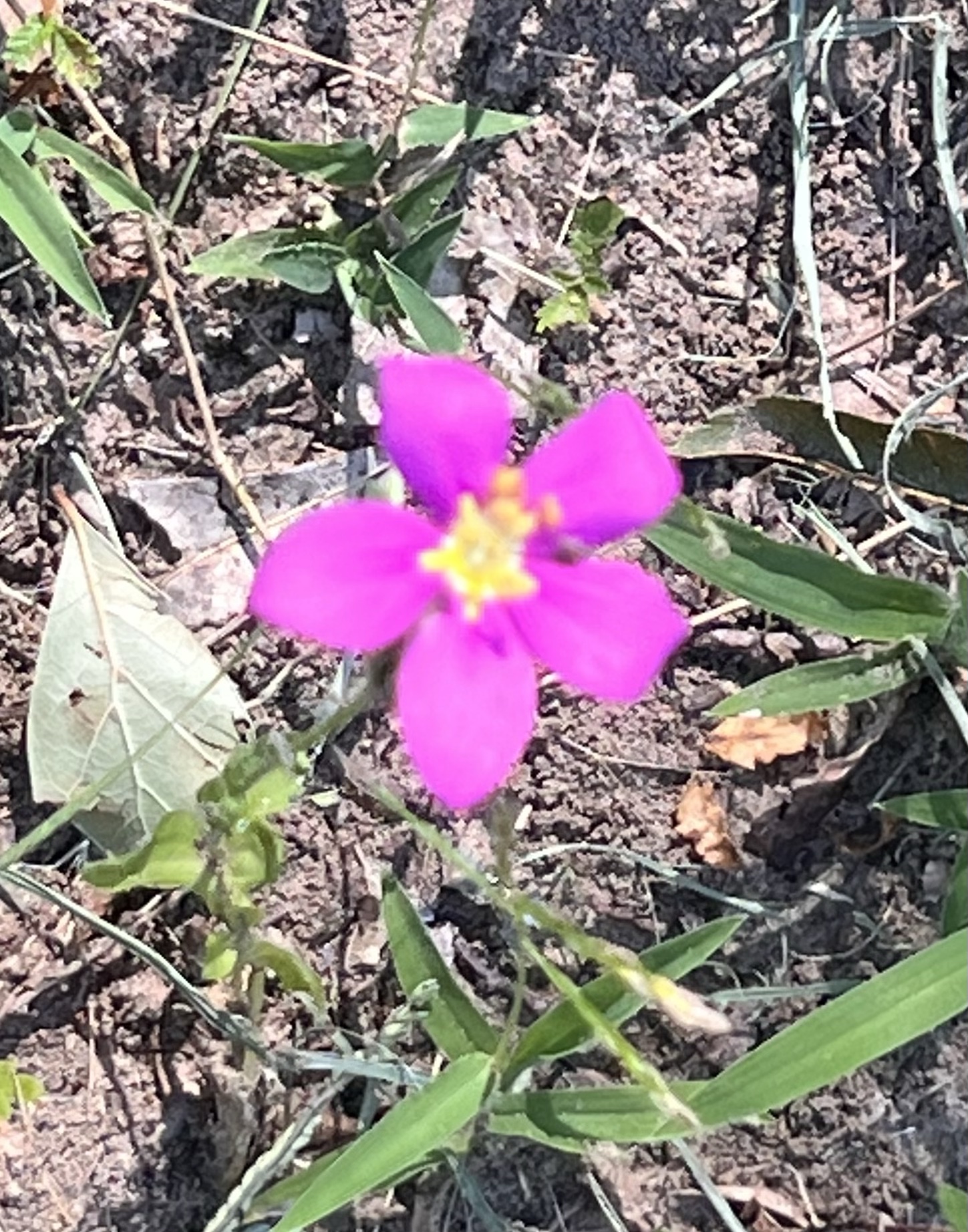
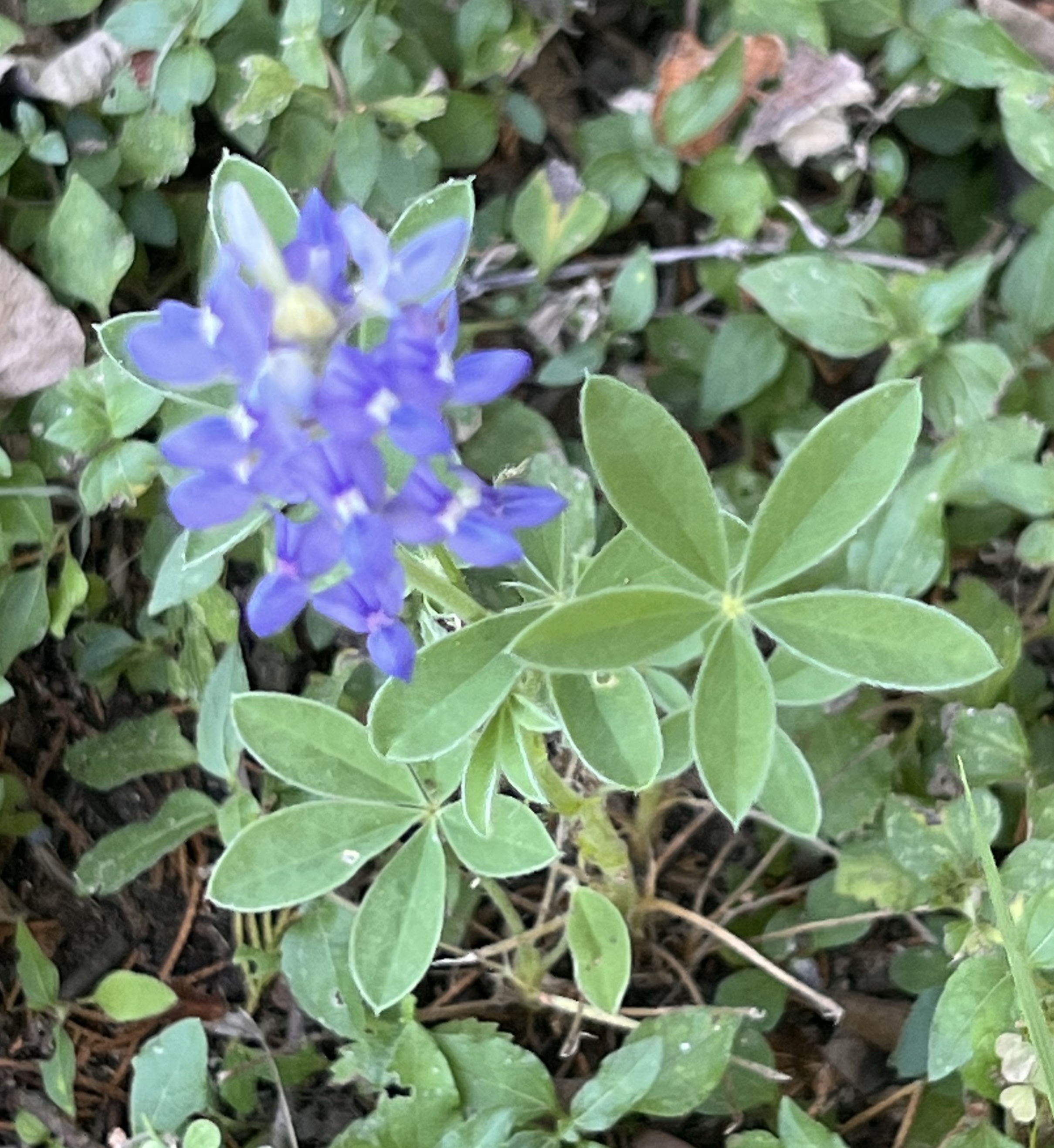
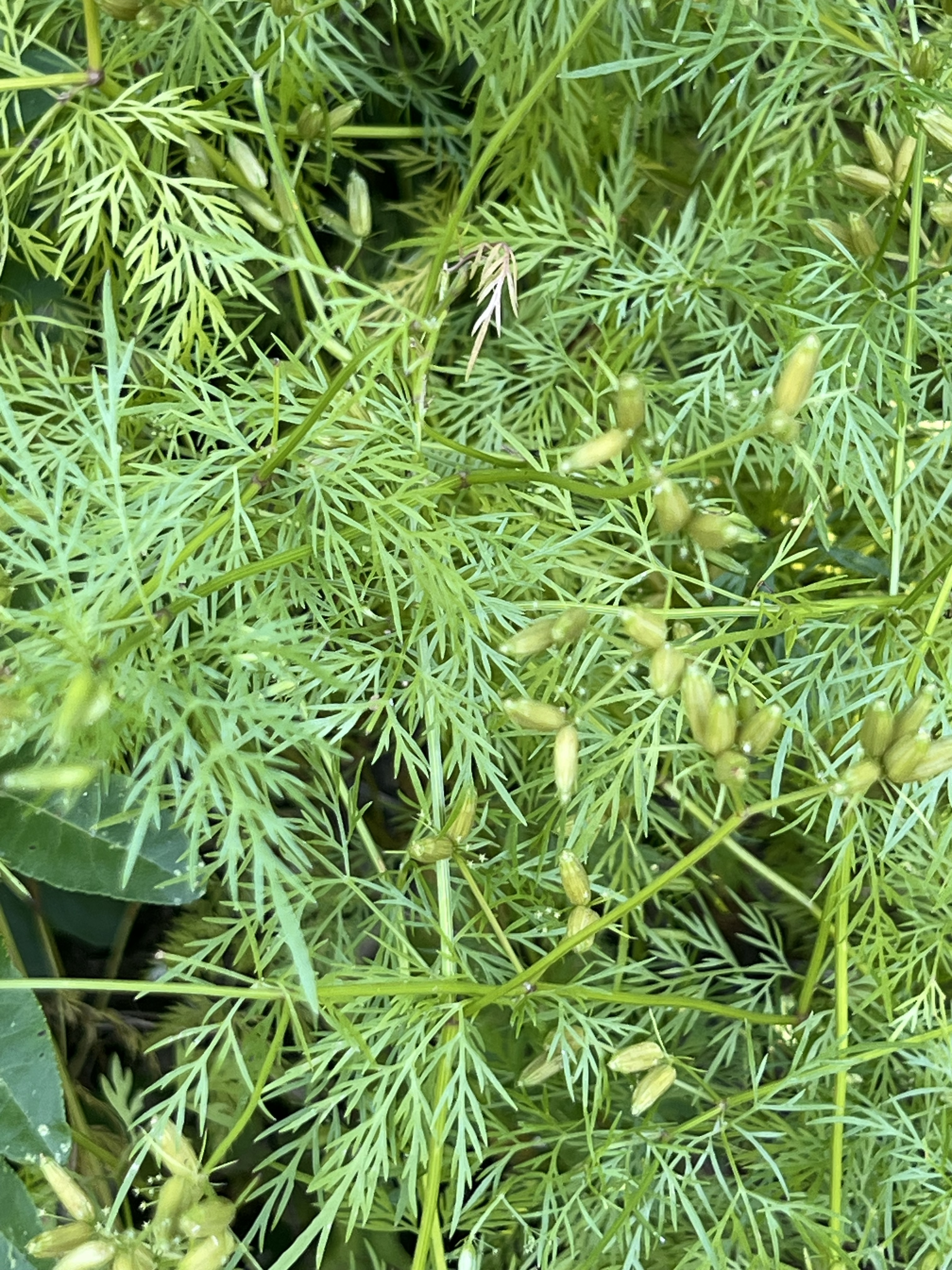
Good ole black-eyed SusanThis is tiny, a gulf skullcapVery pale ruellia Slender green threadIron weedEbony spleenwort. Ugly name for something so gracefulBlack walnutWhite mouth dayflower Osage-orangeOsage-orange tree Shaggy portulaca Stiff hair sunflowerAmerican germander Meadow pink still bloomingOne last bluebonnetThis is delicate white nymph. Very pretty plant
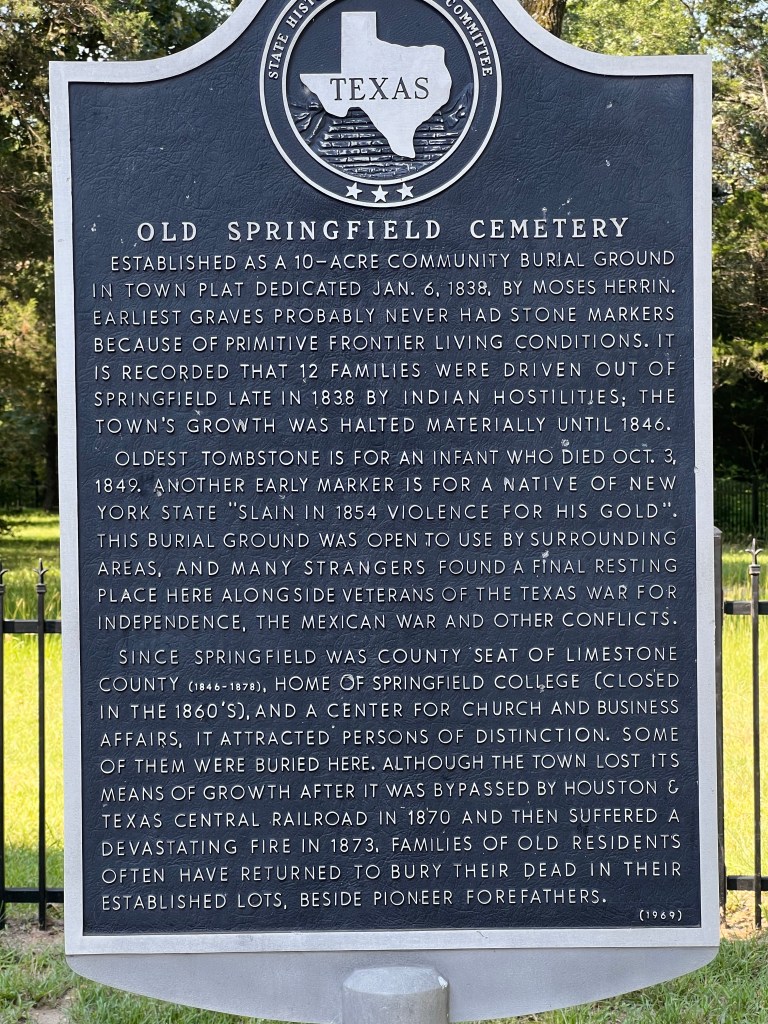
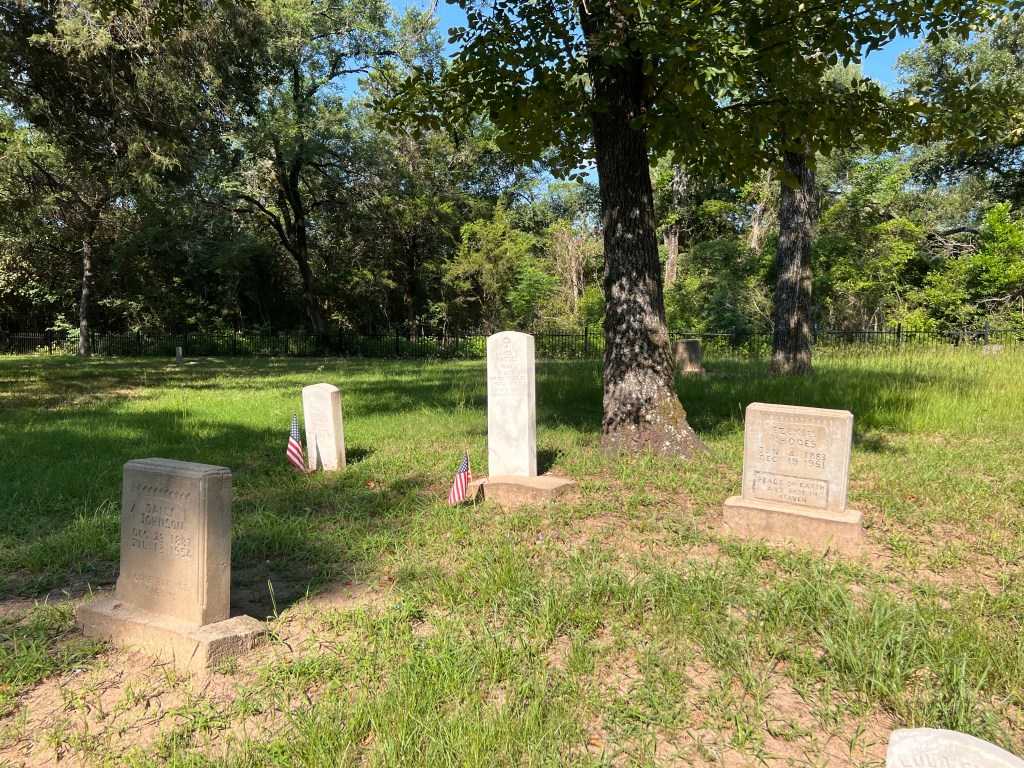
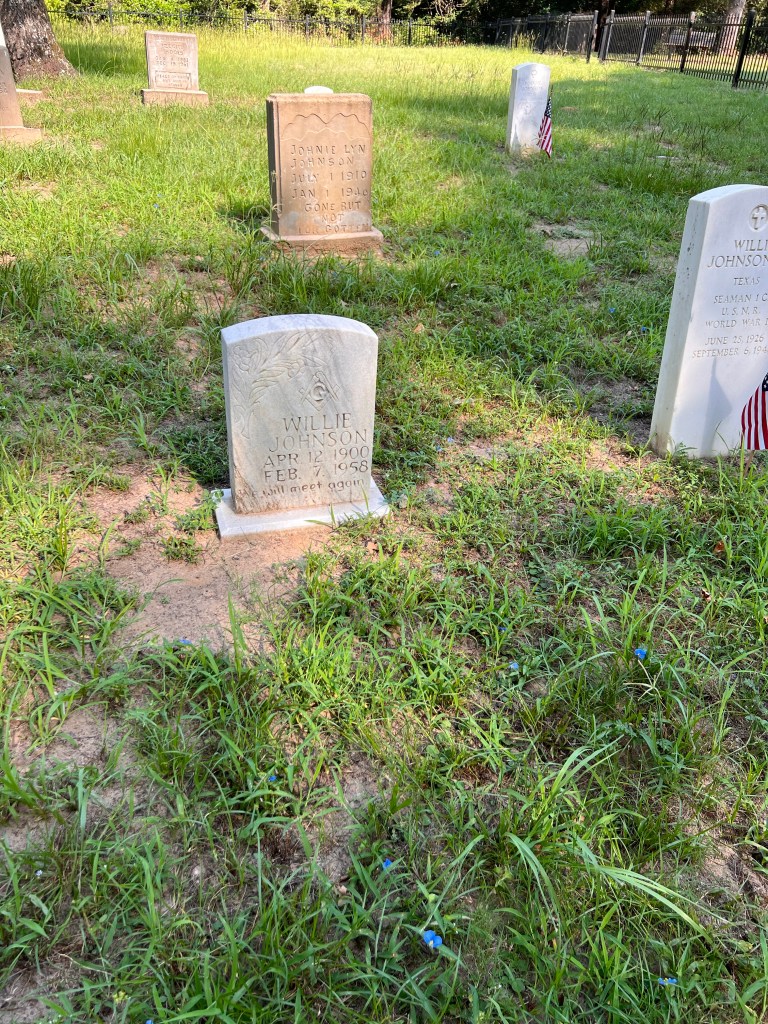
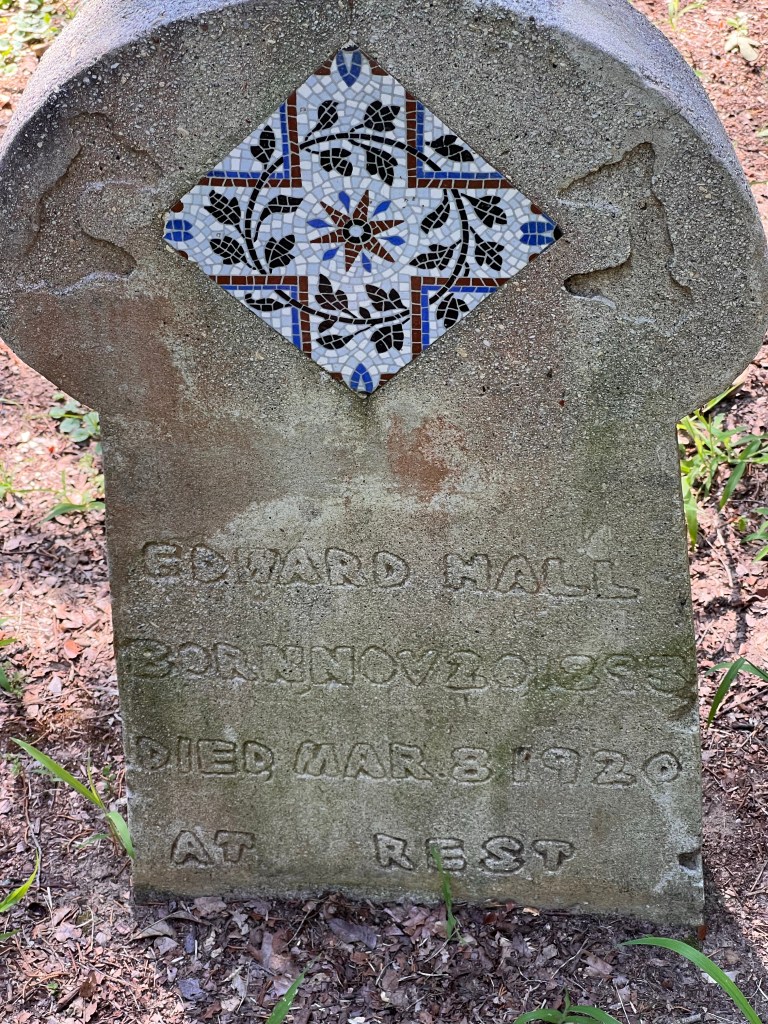
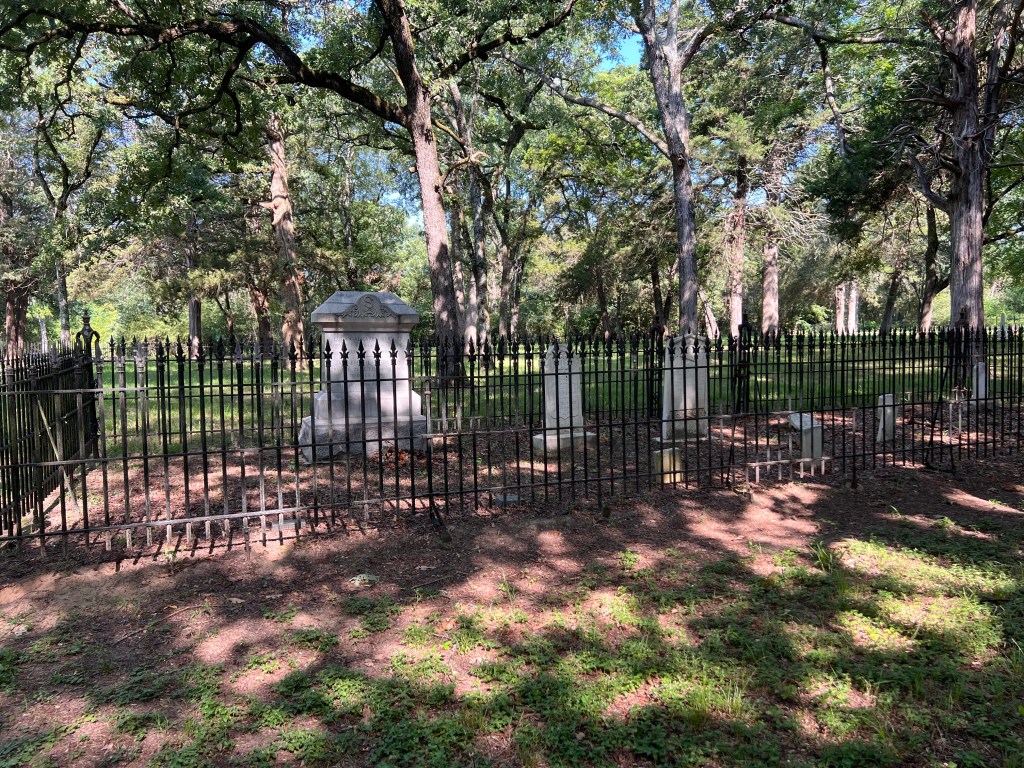
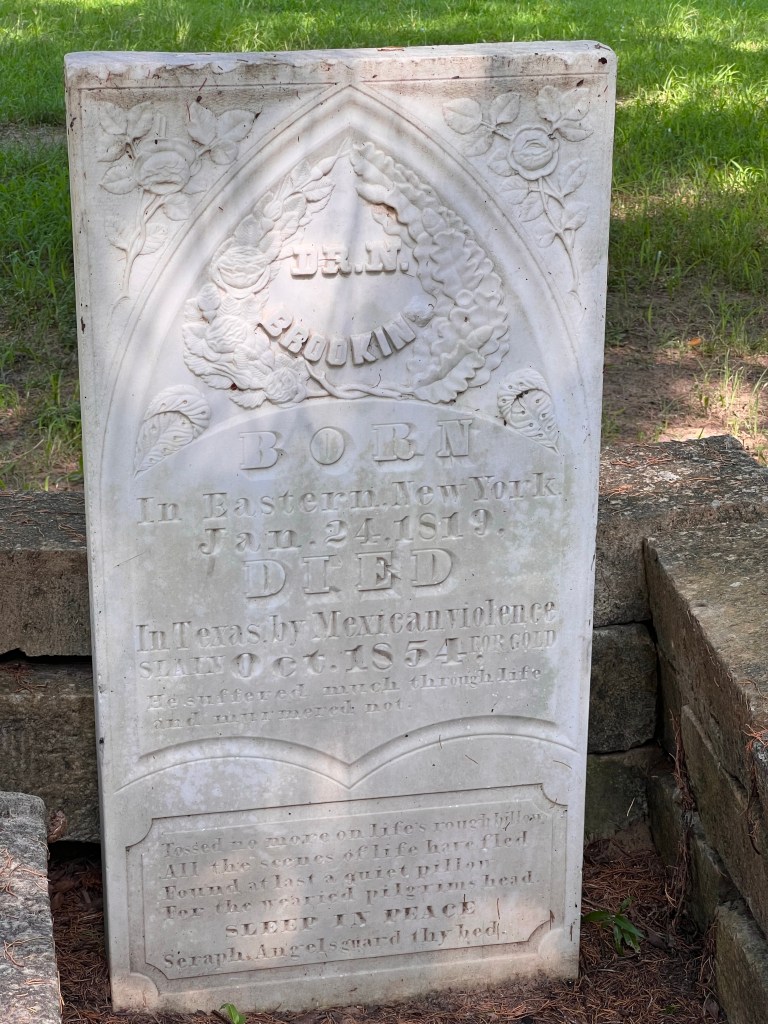
The trail I took led to the old Springfield cemetery, which is in the park. Springfield is the place that used to be where the lake is now. It has some old graves, ones with interesting features, and some unmarked ones. I thought it was interesting that some of the Black workers who built the park are in there, from the 1930s. There were not many integrated cemeteries then.
Bluebird house Best tombstone. Check these out
After the cemetery, I got on the road, but still found lots to look at. I knew I’d gone far enough when I realized I was at the park store. That’s a ways away from the campsites. I rested in the air conditioning there and enjoyed teaching the employee about iNaturalist and Merlin Bird ID. I can’t help it. We had fun.
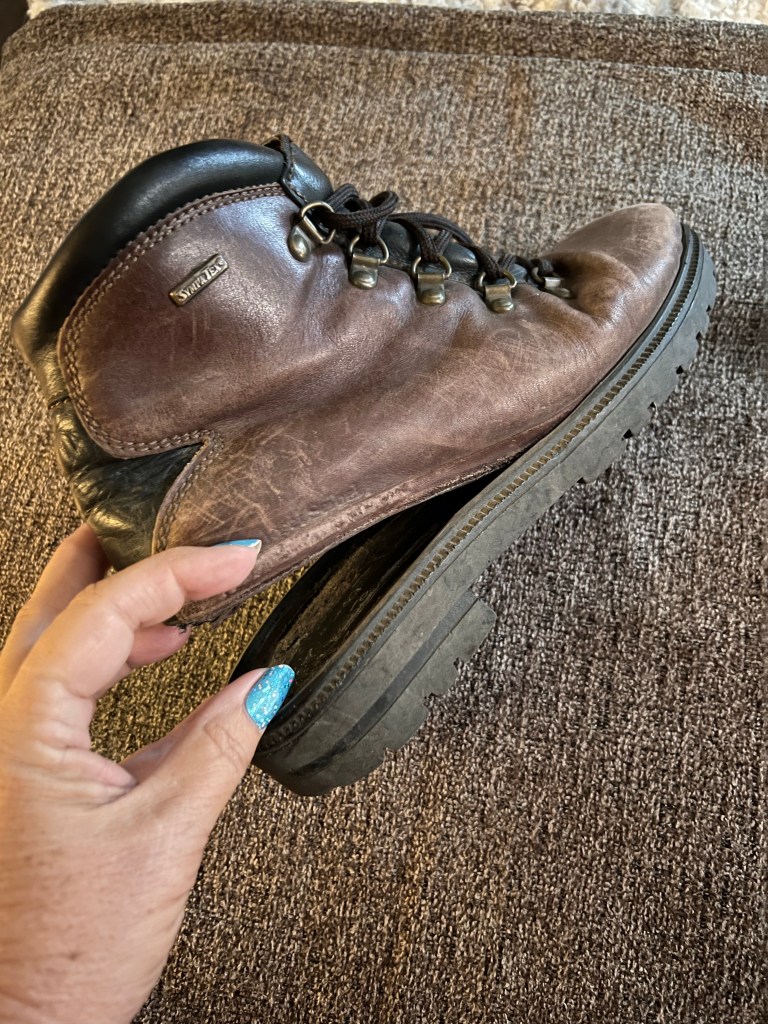
My hiking boot fell apart when I took it off. I’ll try to get it fixed. It’s only 28 years old!
Lee and I relaxed and watched a movie this evening. Camping is so good for us both. I treasure these times of relaxation and being surrounded by nature. By the way, I passed no one on any trail. Bliss!
What’s Mexia (muh-hay-yuh)? It’s one town over from Groesbeck, the county seat of Limestone County, Texas, since the previous county seat it under a lake, which I’m right next to at the moment. That’s right, the middle of nowhere, Texas, just a different nowhere from where I usually am.
Springfield is down there, somewhere.
Actually, Lee and I are on this month’s camping trip, which is to Ft. Parker State Park. It’s very pretty and woodsy. It’s history is interesting. Ft. Parker is where some young woman was captured by Native Americans and liked it. She was not happy to be “rescued” by “civilized” people. This park is right near it, and was built, as were many Texas parks, by the CCC. What’s interesting is that the dam and buildings were built by black members of the CCC. They re-used most of the wood they cut down to build the buildings. It sounds like they had lots of fun on their off-duty times.
Rec center
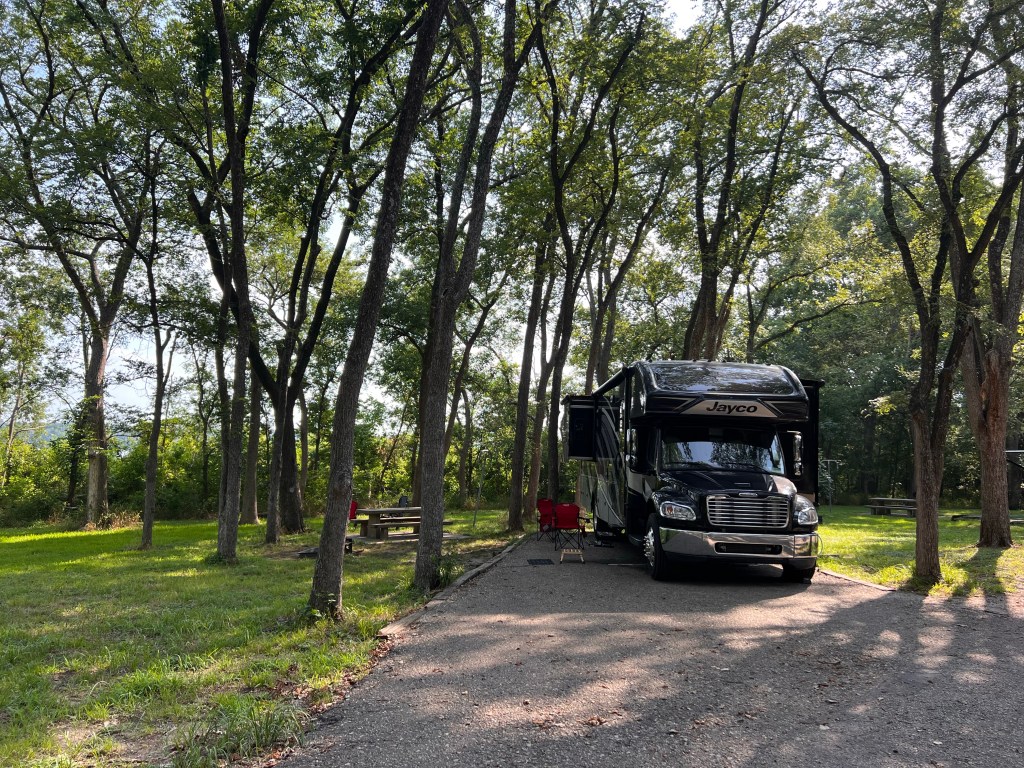
It’s just as hot here as it is at home, but it’s shady. We have a beautiful campsite. I was impressed that Lee got us backed in perfectly between two trees.
We even had space to expand my bedroomLake is behind us.
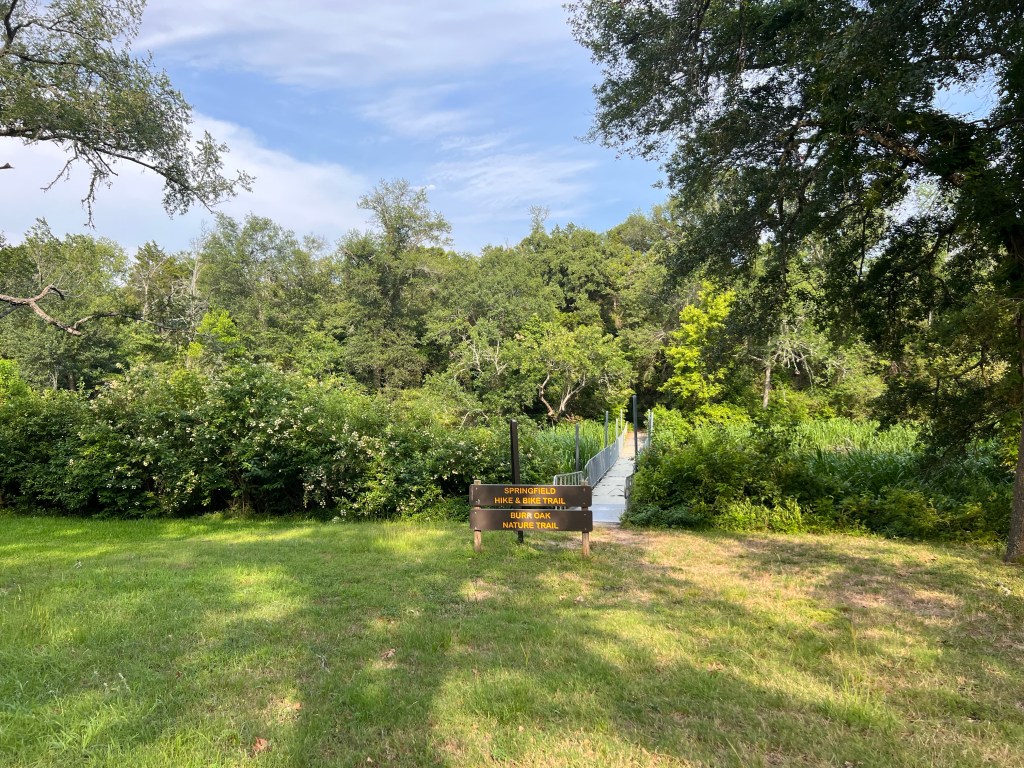
Of course, I could not keep myself from going on a walk. I meant to just go around the camping area, but I ended up going down a beautiful trail. I got to see where people can go kayaking and swim, too.
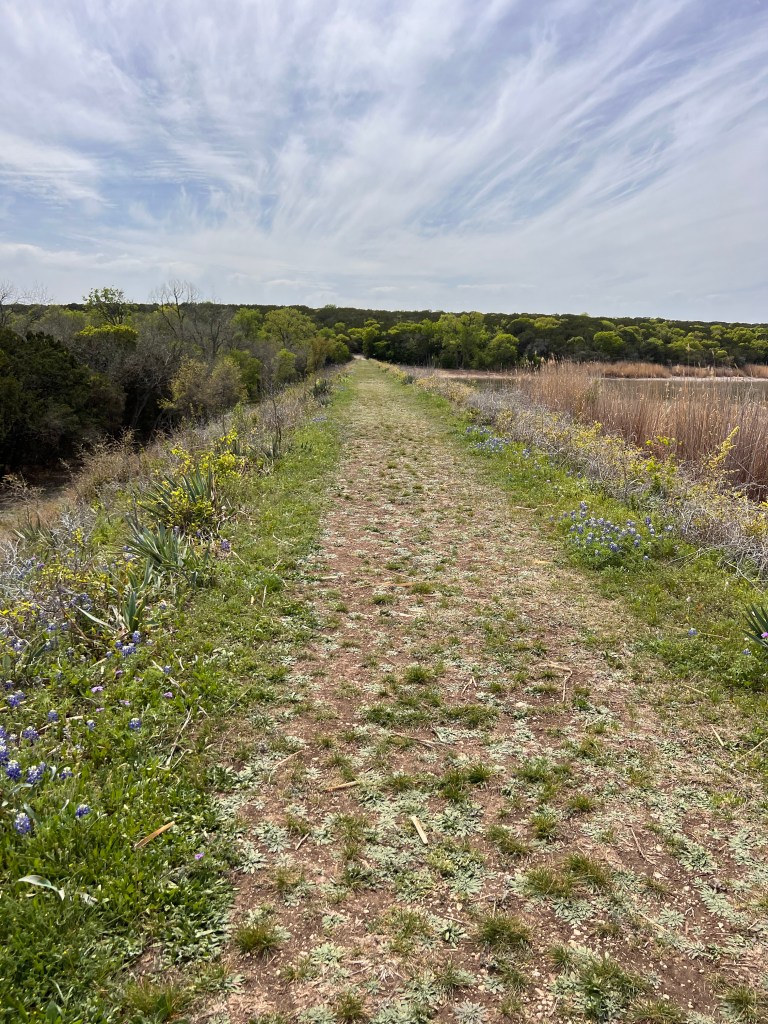
Trail head
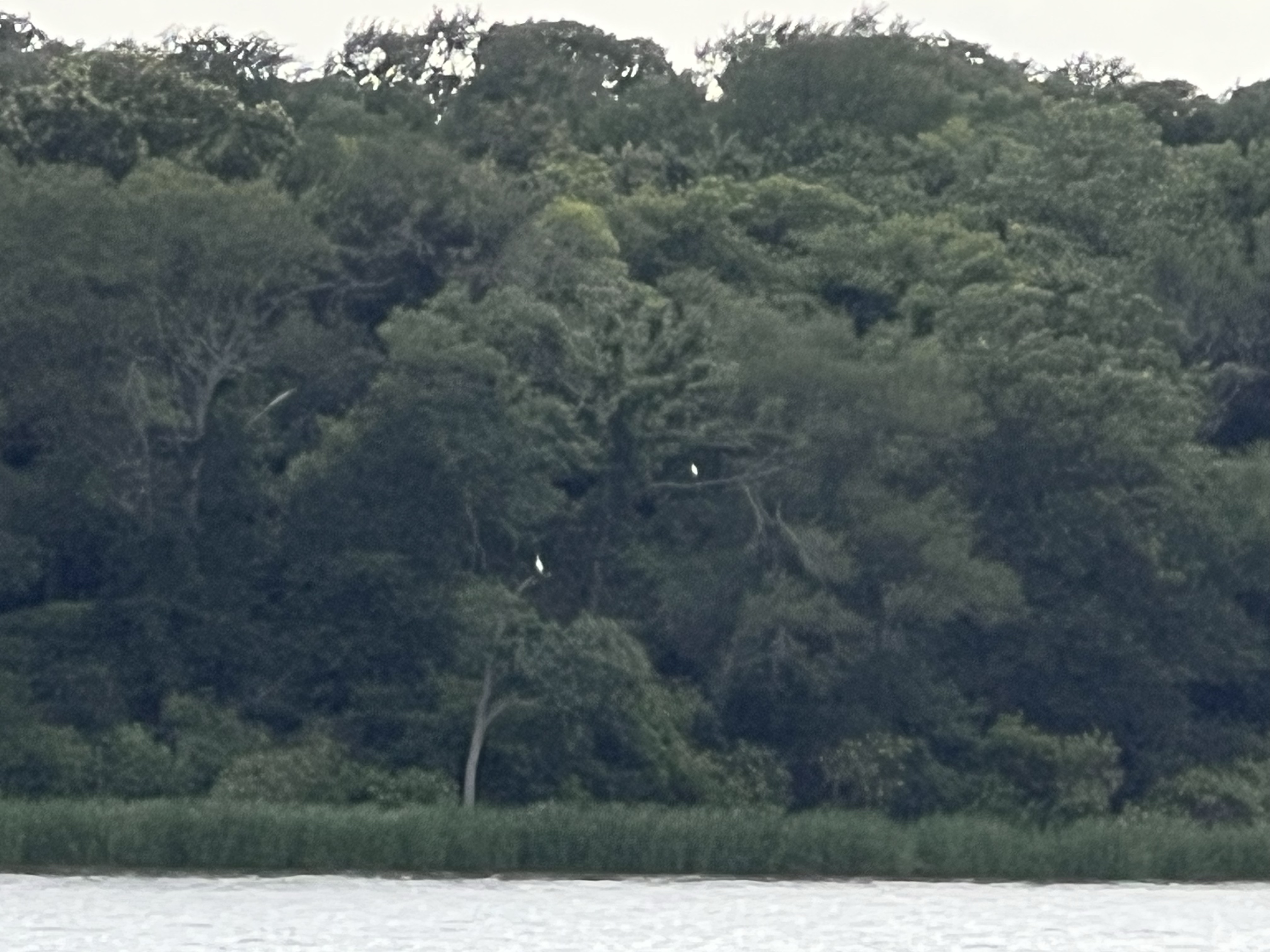
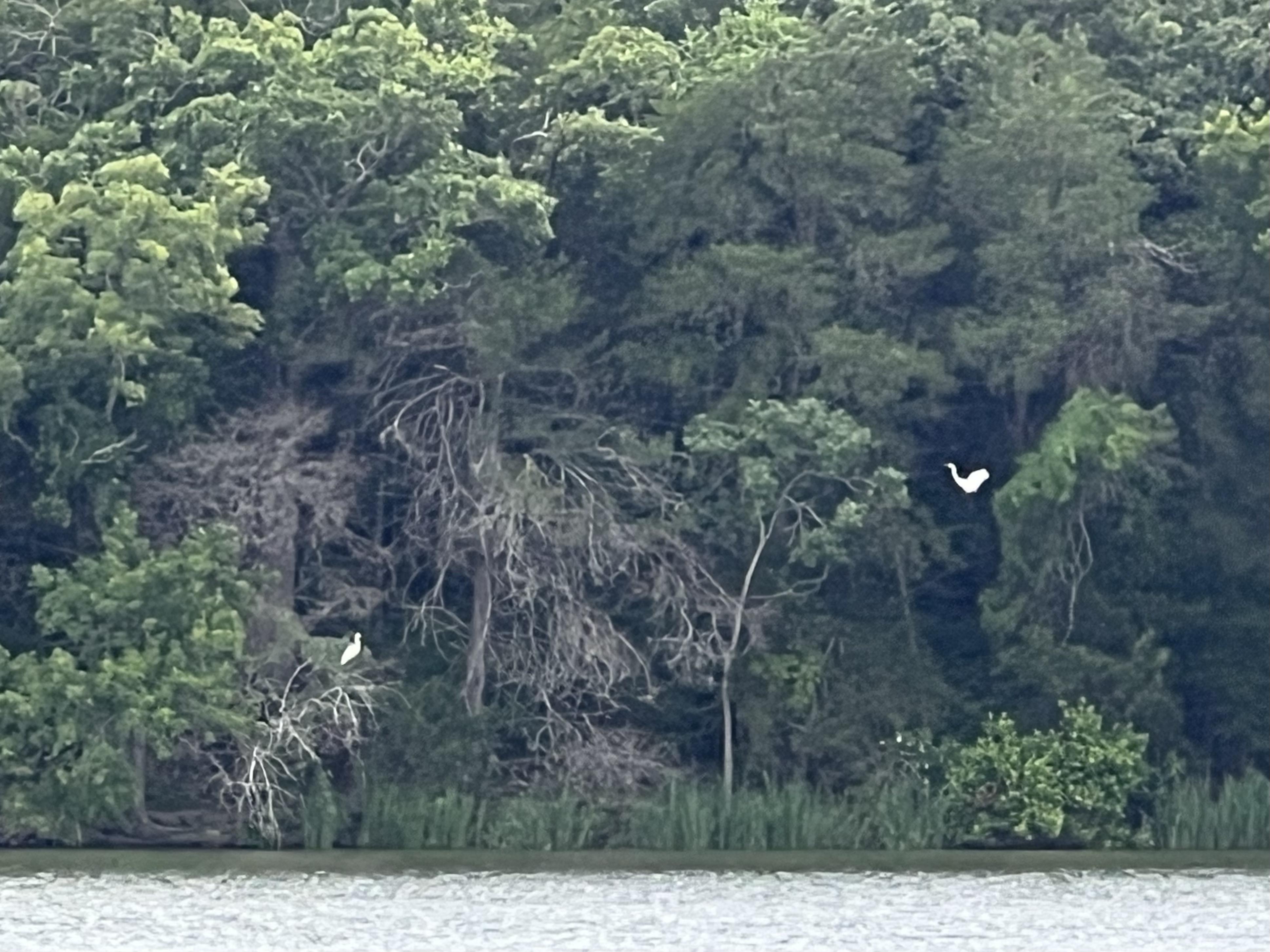
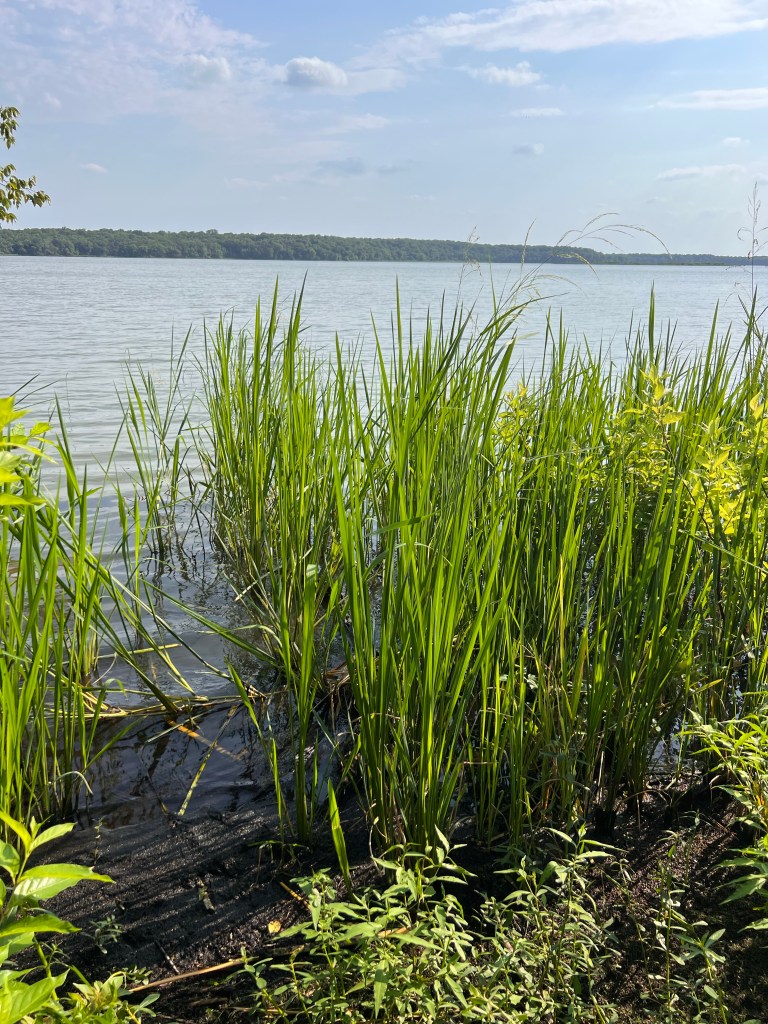
There was a cool floating bridge to go over, and I ended up at a pretty bird blind kind of dock, from which I could see lots of great egrets roosting. I also saw some cormorants.
Lake birds
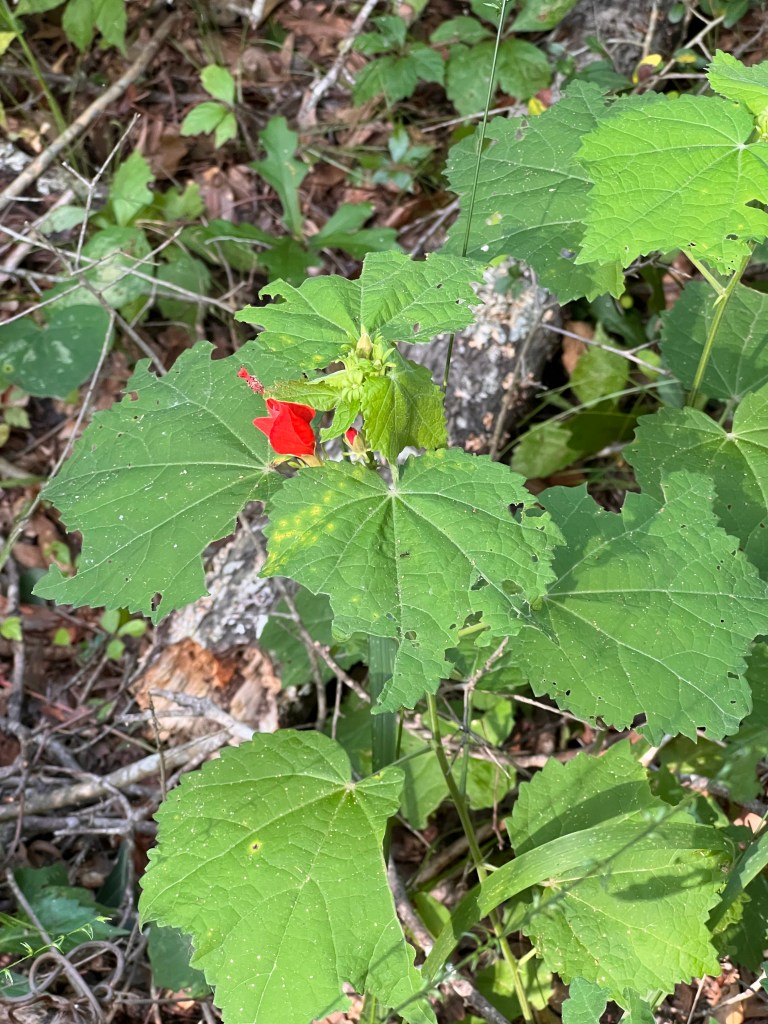
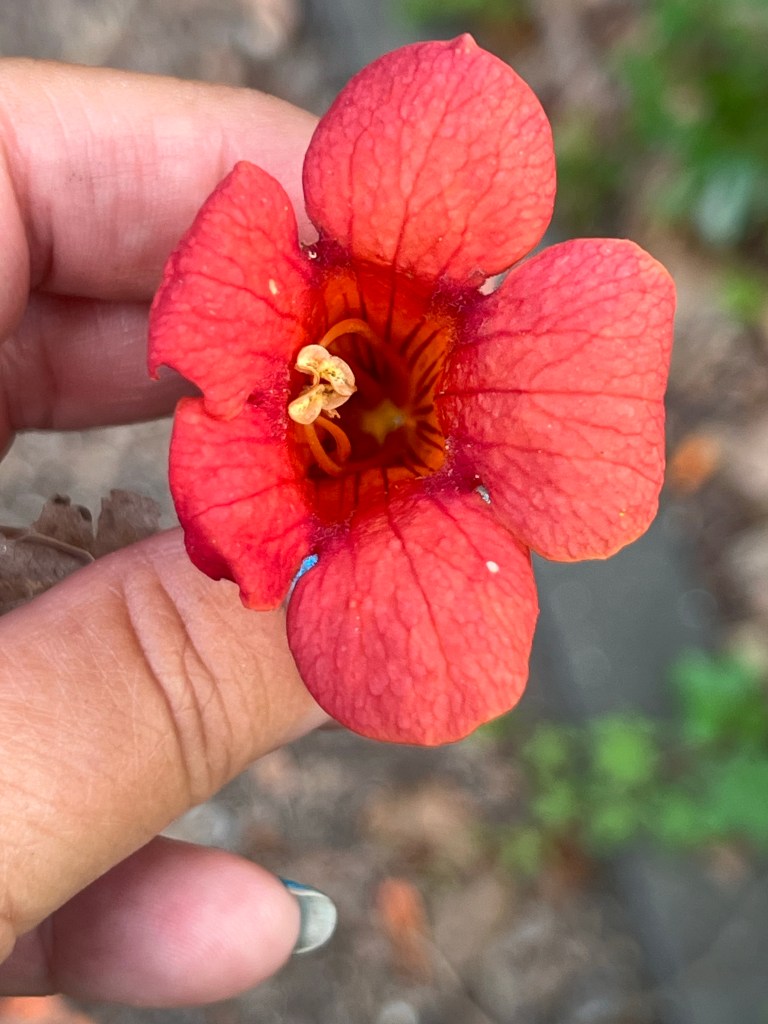
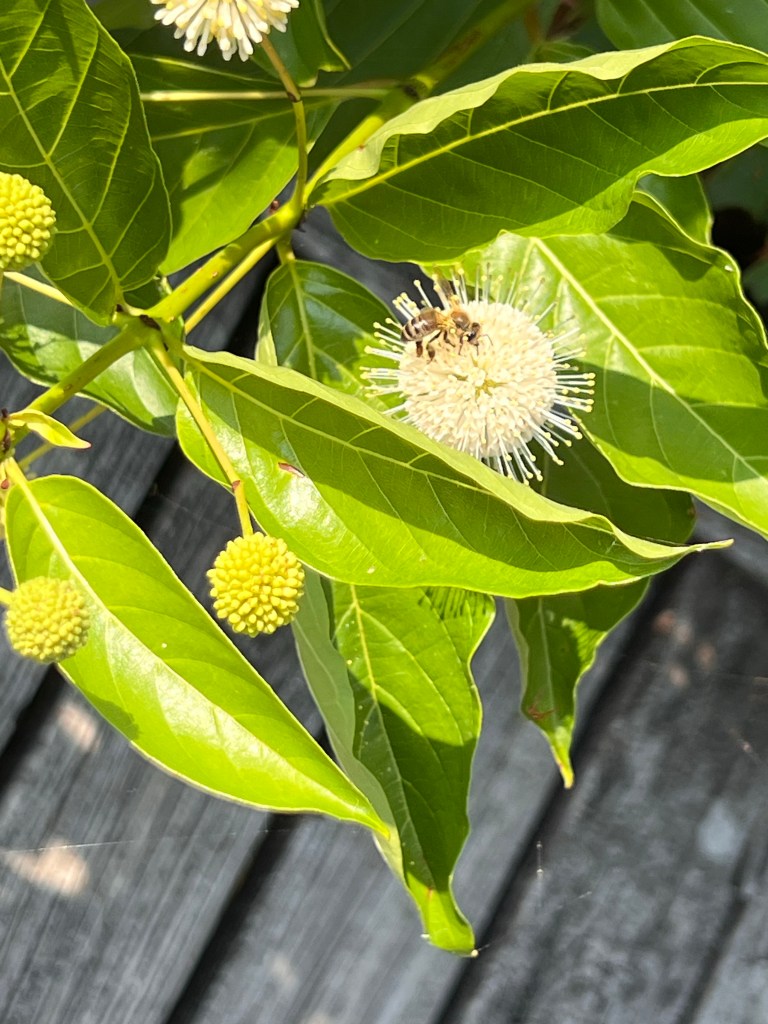
While wildflower season is pretty much over, there was still much to see on the trail. Many vines and shrubs are in bloom, so if you looked carefully, you could see much beauty. You didn’t have to look hard to see all the Turk’s cap in bloom. Those red flowers are showy (and have the sweetest nectar of any plant). The trumpet vines are also blooming, so there’s no lack of color. With the heady scent of button bush all around, it was like a sultry jungle.
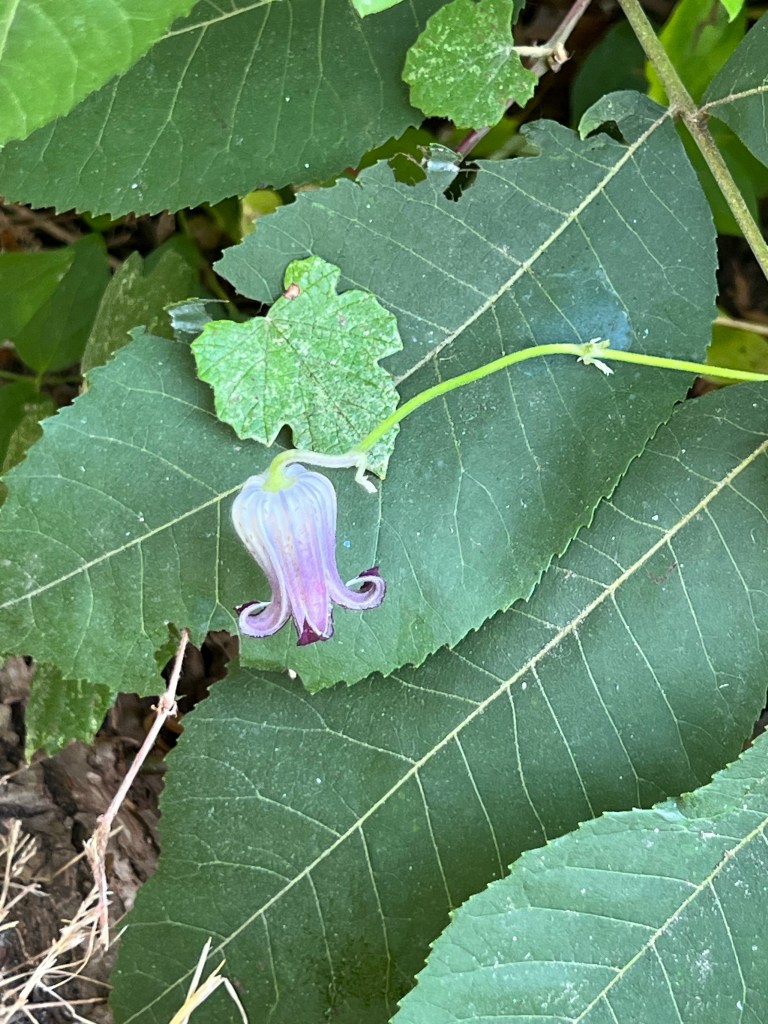
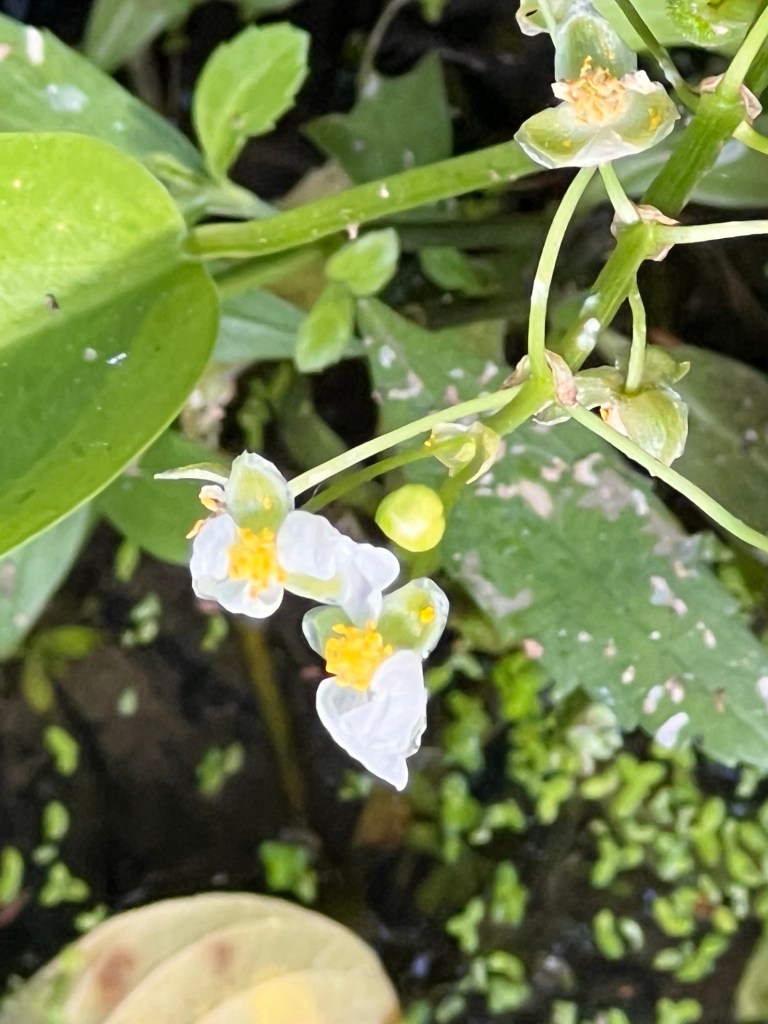
Turk’s capI never saw so much growing wild Trumpet vine flower Button bush and beeMy friend, pitchers’ leather flower Delta arrowheadLance leaf greenbrier Beautyberry Bull nettleBee balm
There was a reasonable breeze so I didn’t overheat (and it was cooling off by the time I went out). I really enjoyed the peace. It wasn’t quiet. There were at least three kinds of cicadas drowning out the few birds I heard (mostly cardinals, white-eyed vireos, wrens, and cuckoos).
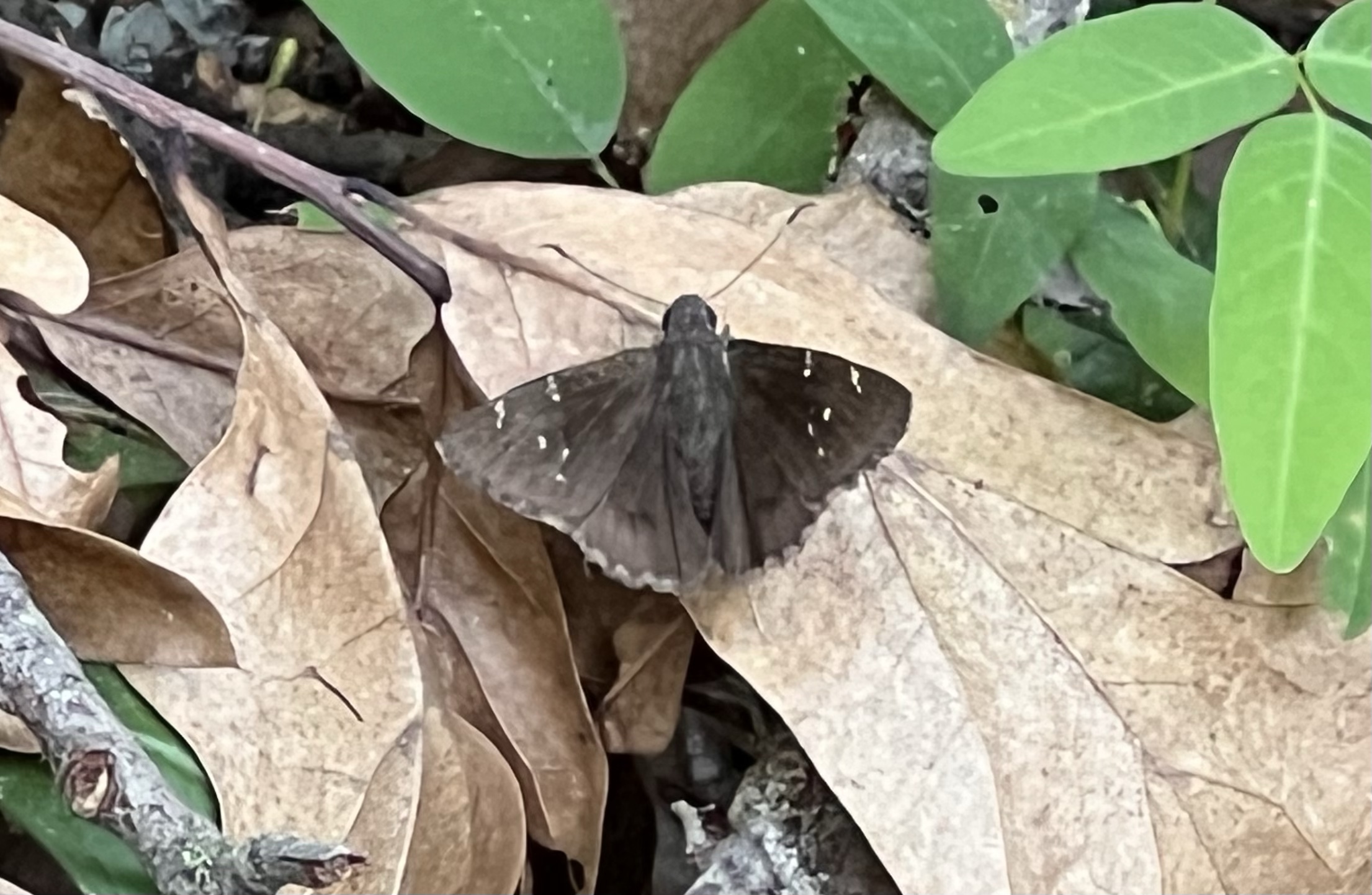
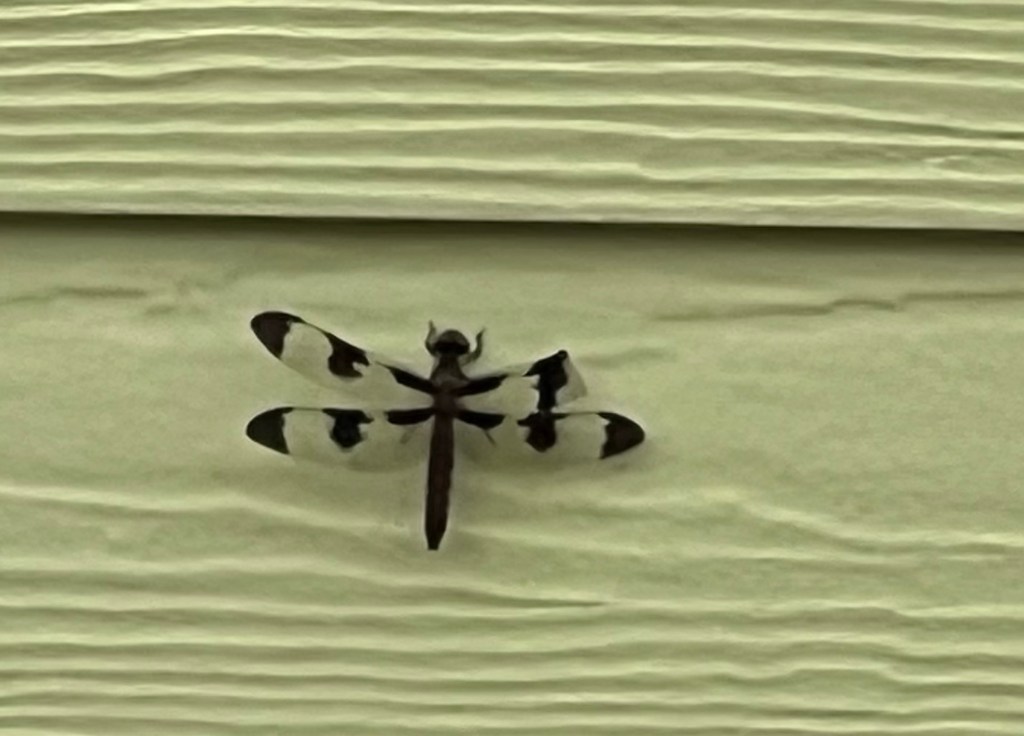
This thing is a cattail toothpick grasshopper. Huh!Nice, normal dragonfly. Eastern pond hawk. Widow skimmer with broken wingBig burly!That’s not a tree. It’s a grapevine. Wow! Turtle shells! There were dozens of nests like this!
I’m looking forward to heading out early tomorrow for more trails. I have a cooling towel!
Someone told me last week that they just couldn’t understand how I’m able to observe so many things around me and have time to document it. I’d never thought about it being a challenge. It’s just what I do. And I find it so rewarding and fun to keep learning about life around me.
There’s always something to see!
So, in true formulaic blogger fashion, I’m going to list ways that you, too, can become a nature blogger (or at least a nature noticer).
1. Look where you’re going, up and down. When I lived in suburban Brushy Creek, near Round Rock, I always took long walks through my neighborhood, long before there were the great trails they have now. I tried to get my housemate, Jeff, to come along. He said it was boring, just going by those same houses every day. That flummoxed me. For me, I saw something different every day. The seasons changed, different flowers bloomed, birds flew by…but you had to look. Literally, there’s always something interesting to look at if you make an effort.
Today I looked up and saw a vulture stretching his wings.
2. Record what you see. I never go outside without my phone, because invariably there will be something I want to remember, even if I’m just checking the mail or gathering eggs. It takes a little practice to get good phone photos, and if you read this blog, you’ll know some of my images aren’t great, but they document what I’ve seen and let me look up more information.
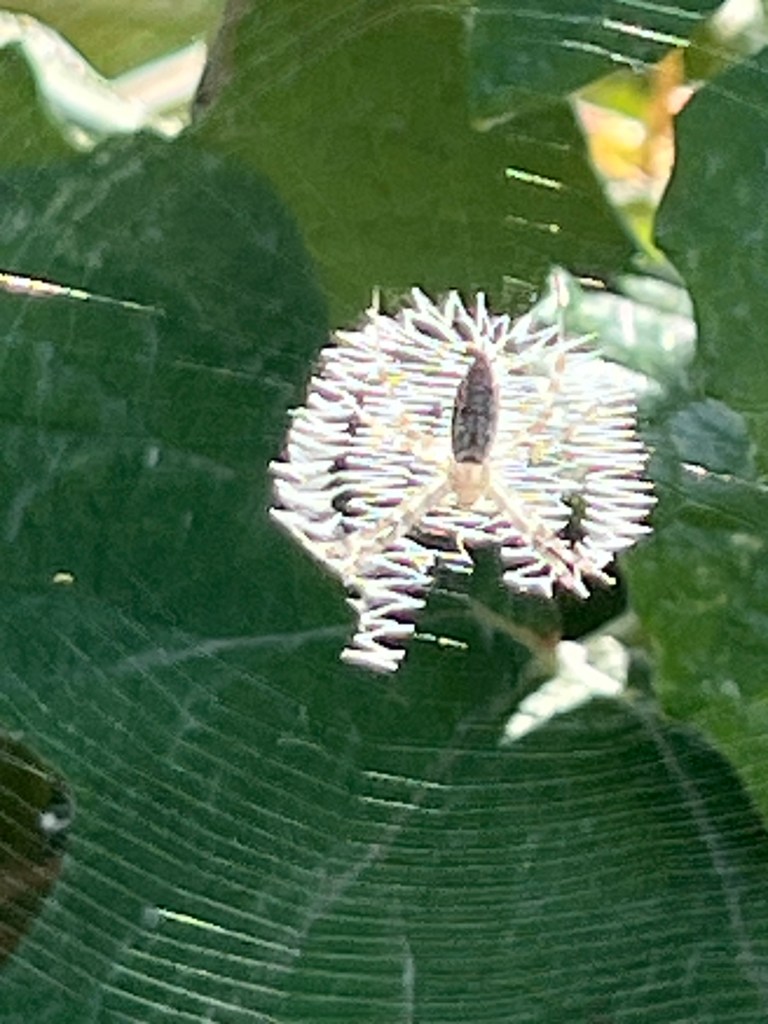
I wanted to know more about this guy. It’s apparently a young garden spider. I’m not sure.
3. Educate yourself. The reason I took the Master Naturalist class in 2018 was that I wanted to know more about where I live. This way I know what’s normal for this area and what’s unique. I learned how to use iNaturalist to narrow down what I see and to get more from Wikipedia and other sources. Just using the ID function on your phone or a simple identification app will quickly teach you what you’re likely to see and what to look out for.
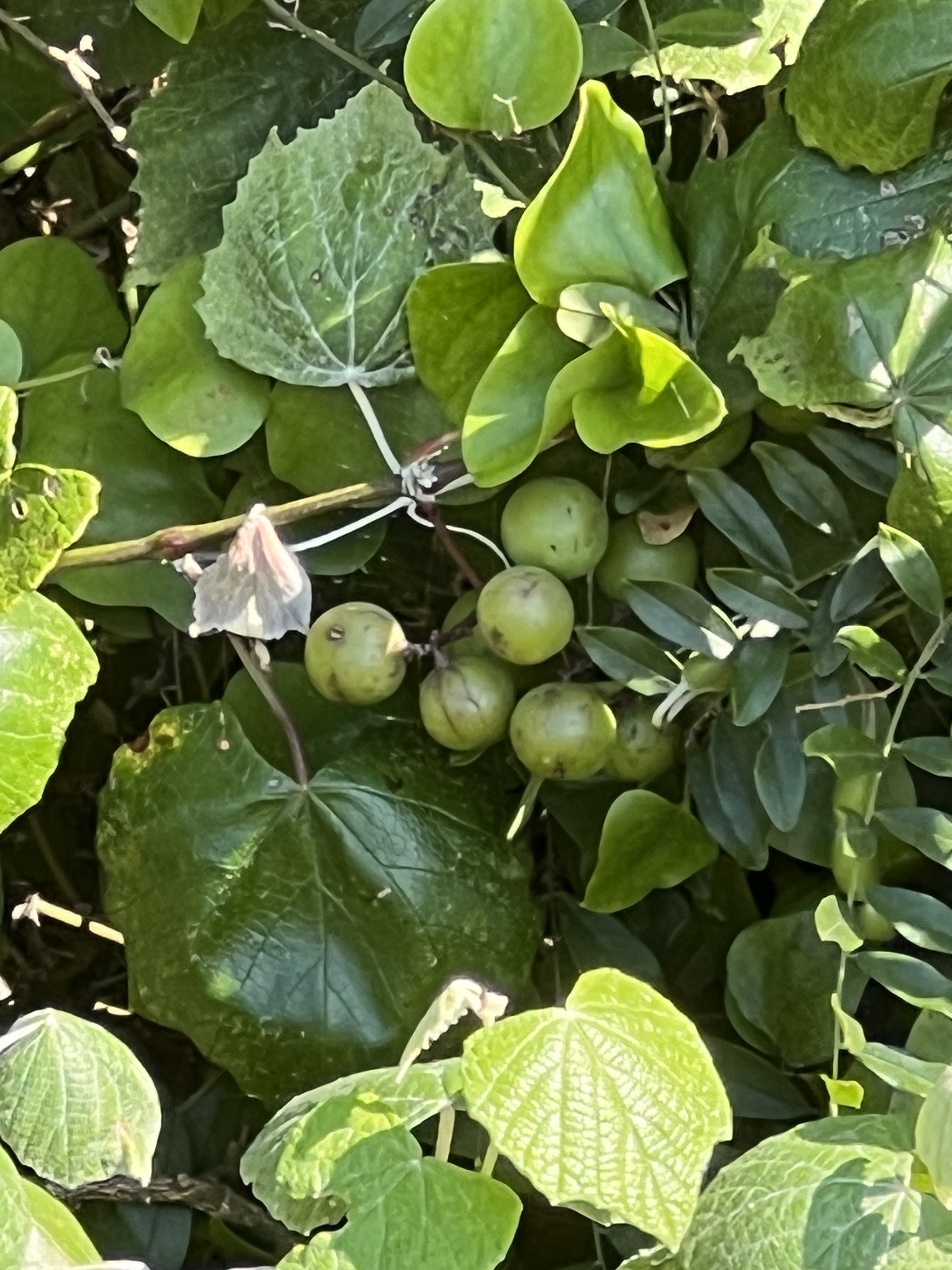
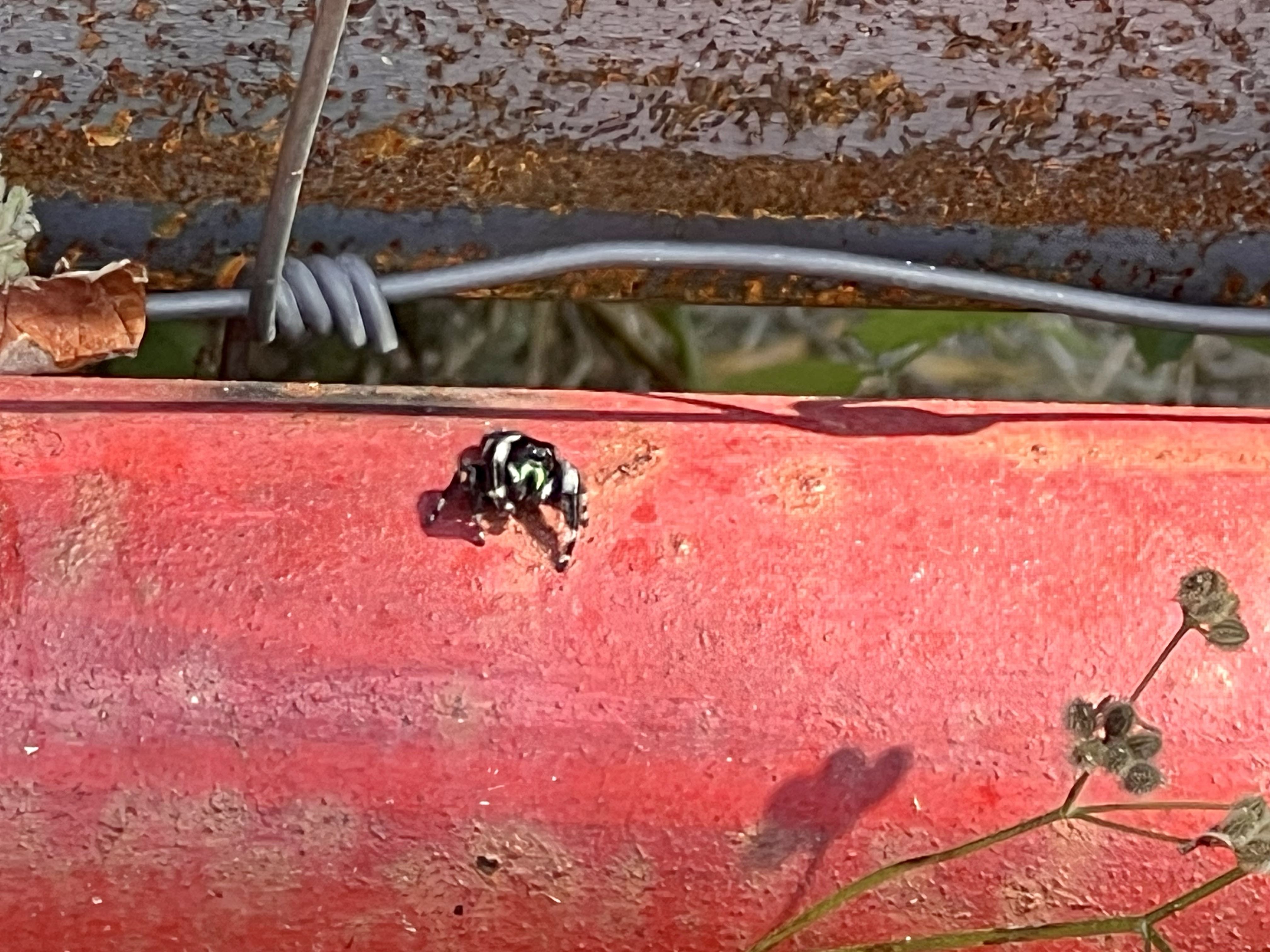
I knew it was time for the mustang grapes to start ripening. I did find a few!This is also prime time for spotting bold jumping spiders, our green-eyed friends.
4. Use all your senses. Listening for birds, butterflies, grasshoppers, and frogs helps a lot in knowing what’s around you. I wish there was a Merlin Frog ID app and a similar one for crickets and other insects. I hear them but only can ID a few frogs. And don’t forget the sense of smell! I know when rain lilies are out before I see them, and I’ve mentioned how lovely the aroma of bluebonnets and white clover can be!
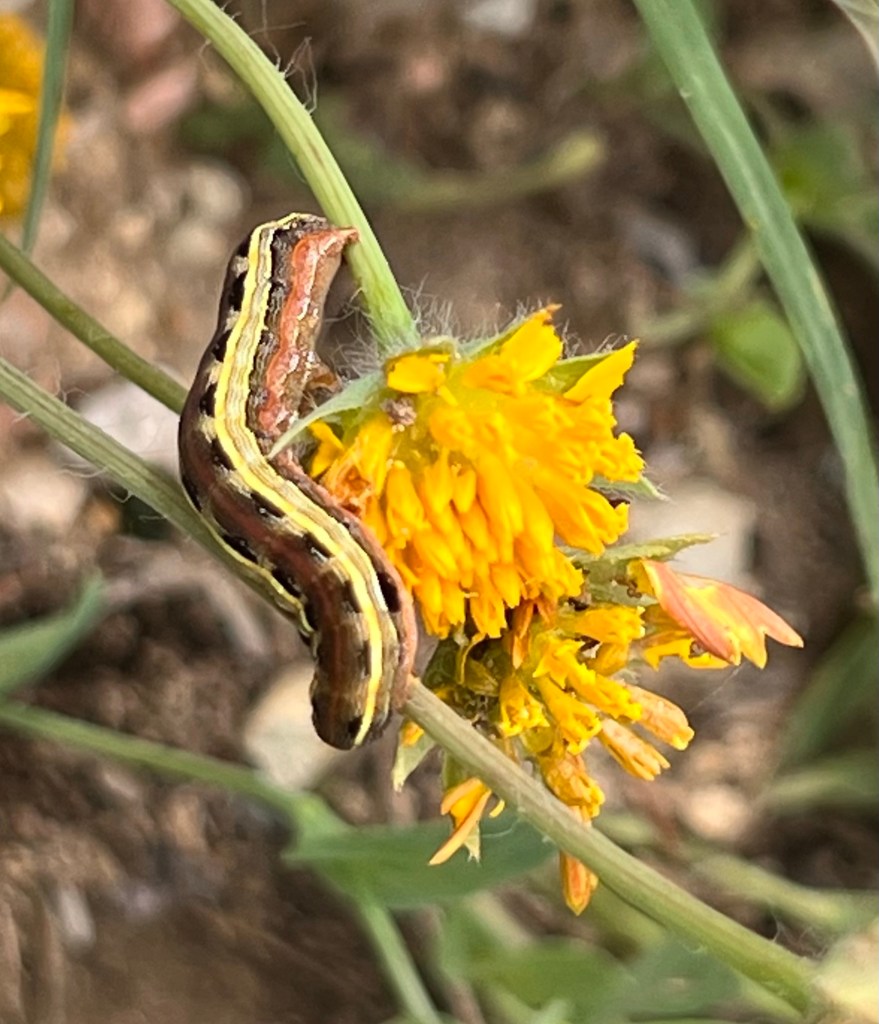
The bluebonnets are just about done. This genista broom moth caterpillar found one.
5. Write it down or log it somehow. You’ll never remember all the things you see. That’s why I upload my photos to iNaturalist and add notes. It’s also really why I blog. I want to remember the stories behind where I’ve been, what I’ve seen, and how it affects me. I have a record of how the weather changes and what new things pop up. A notebook or journal is another great option. You can log the temperature and make art, like the afghan I’m making, or keep records of rainfall through the years like my husband does. It’s fascinating to analyze.
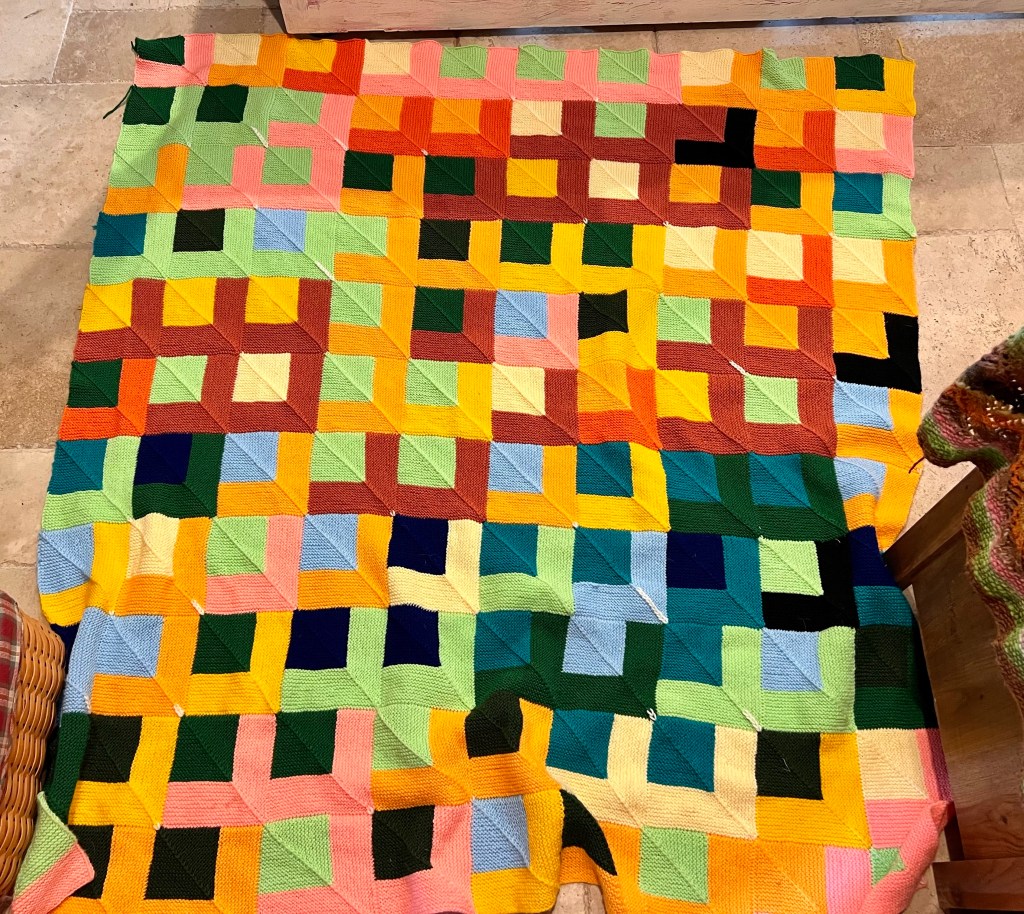
This temperature blanket has turned into a monster. I’ve decided I’m making it in 3 parts and sewing it together later.
6. Keep at it. That’s the key. The longer you make the effort to observe the world around you, make a record of what you’ve seen, and written up notes, the more you’ll have to compare, the easier it will be to identify who shares this world with you, and the more likely you are to want to care for the planet that cares for you.
Sorelvine in bloom.
Well, that’s what I think. I’m glad I got to get out a little today and look around. I’ve not been feeling well for a few days, so I’ve been taking it easy. I’ve got plans to help me handle the heat better than I did over the weekend! Now enjoy the outcome of my observations today, of the ranch in late spring.
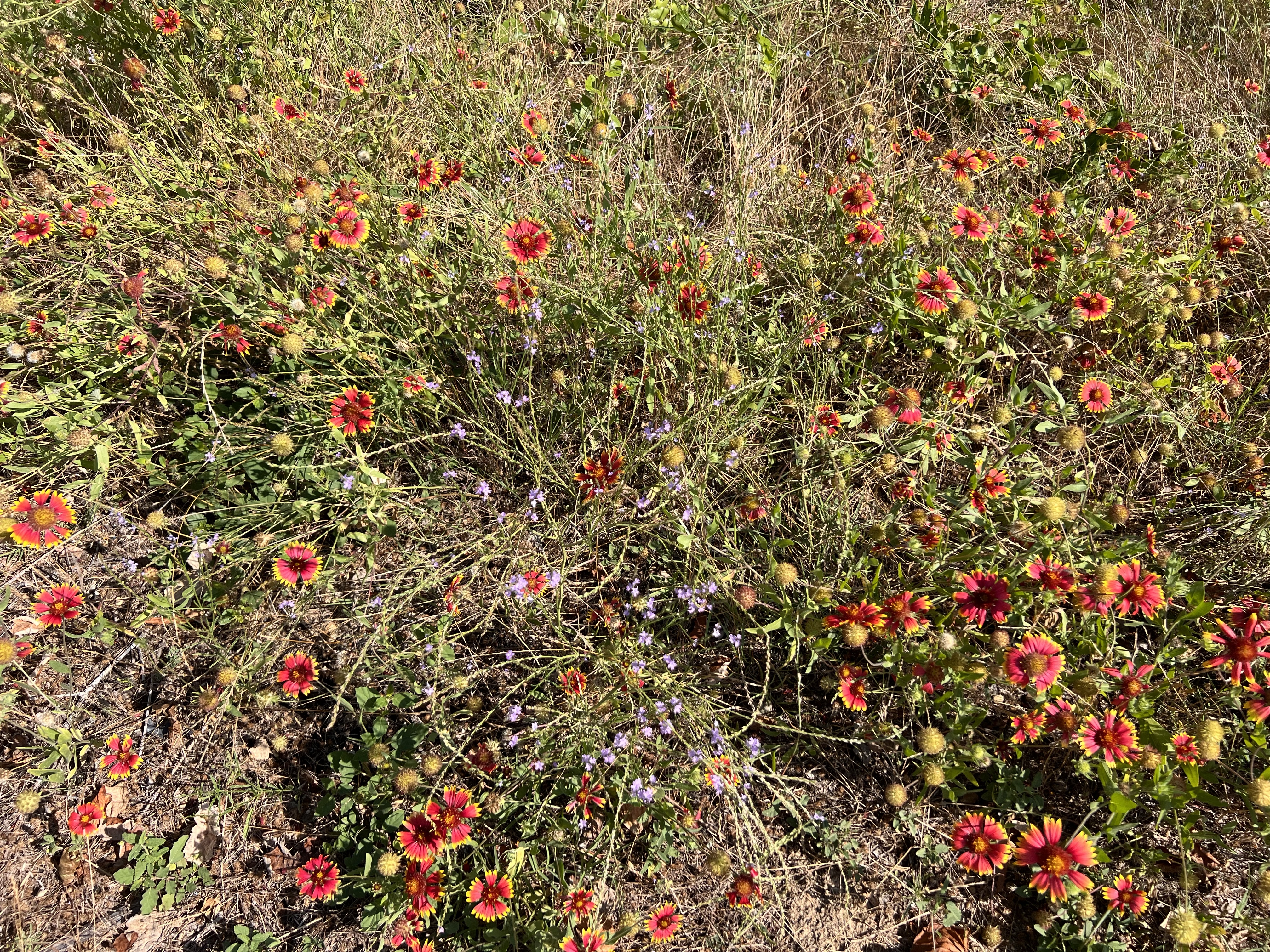
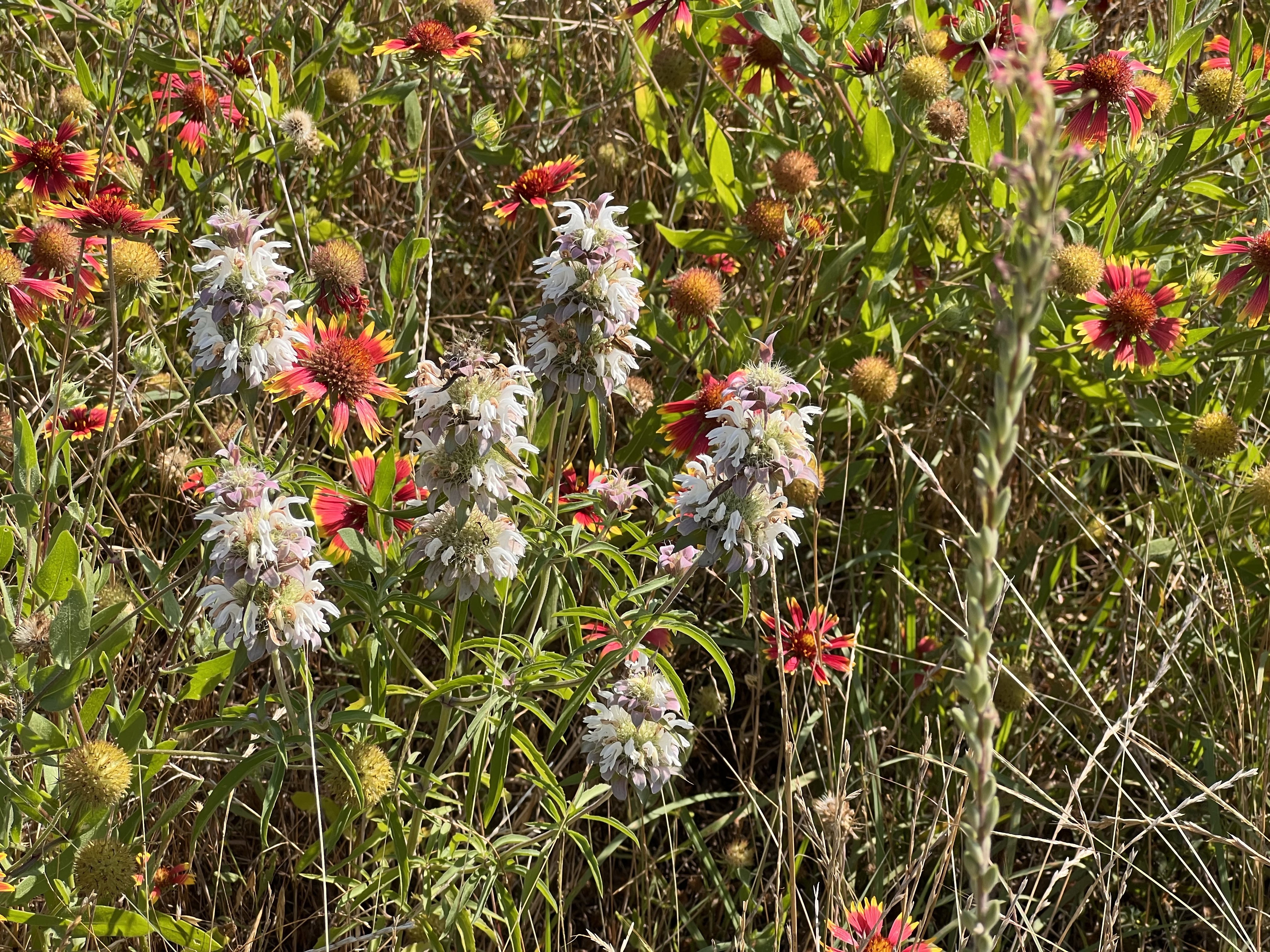
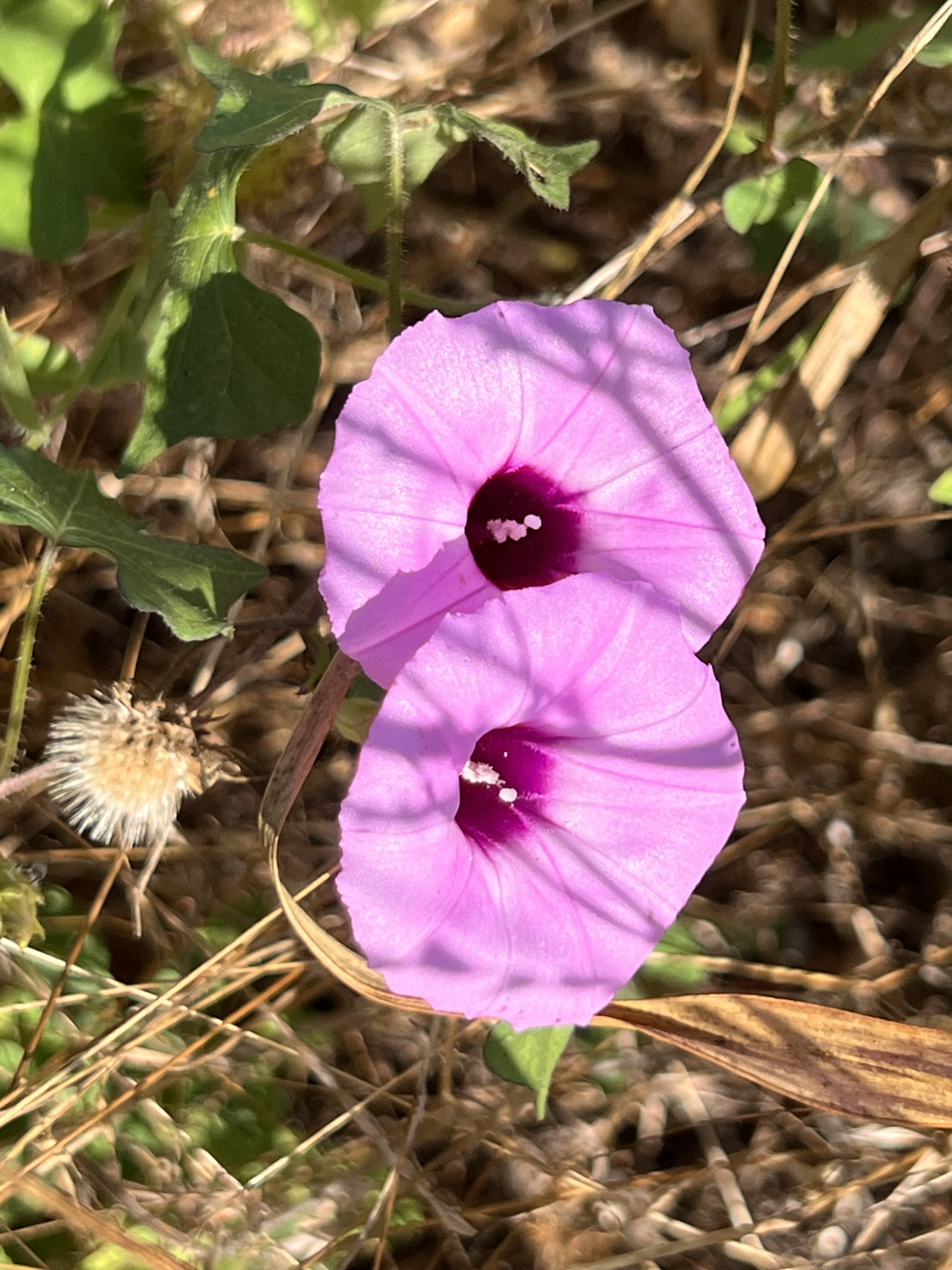
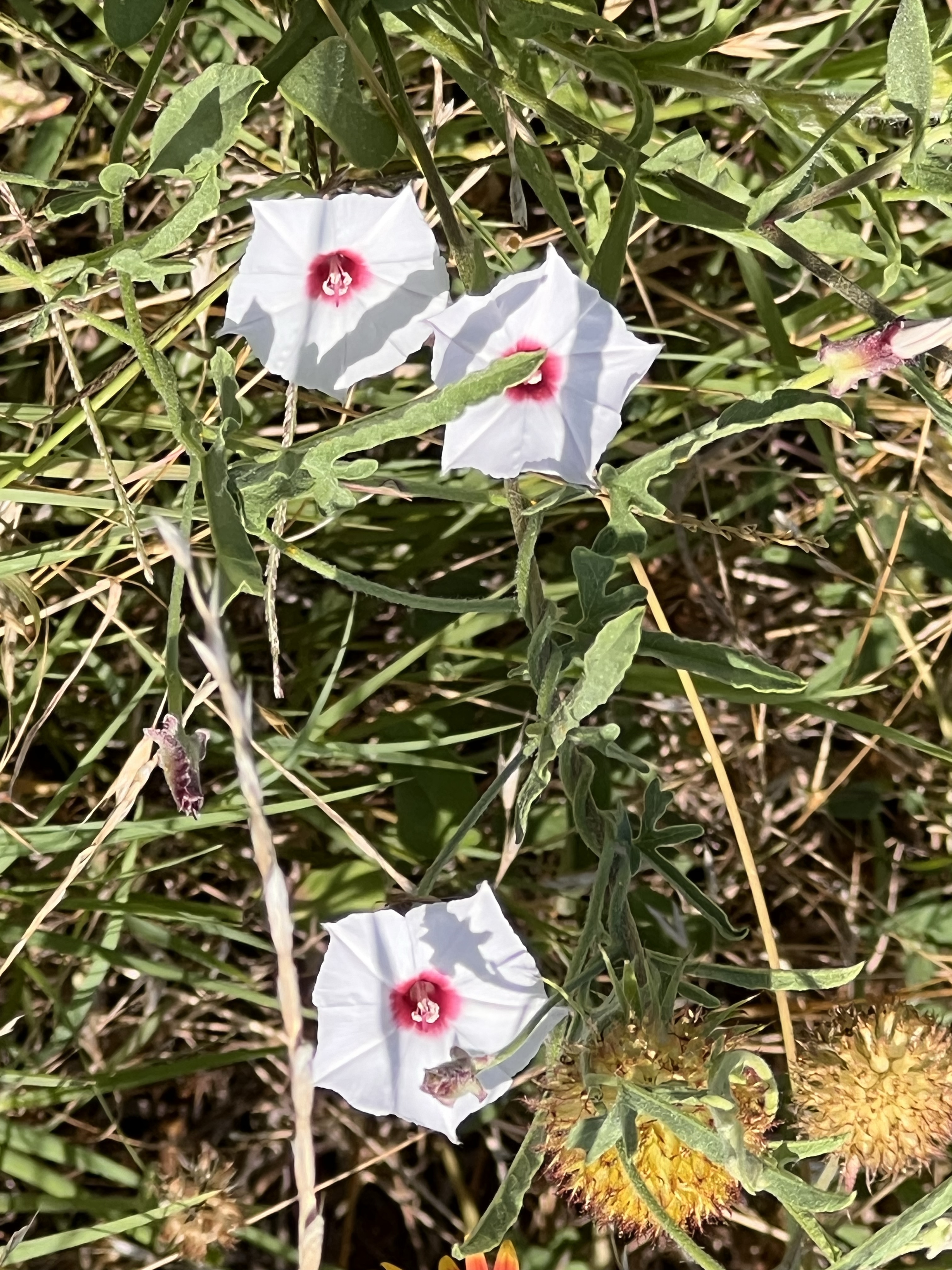
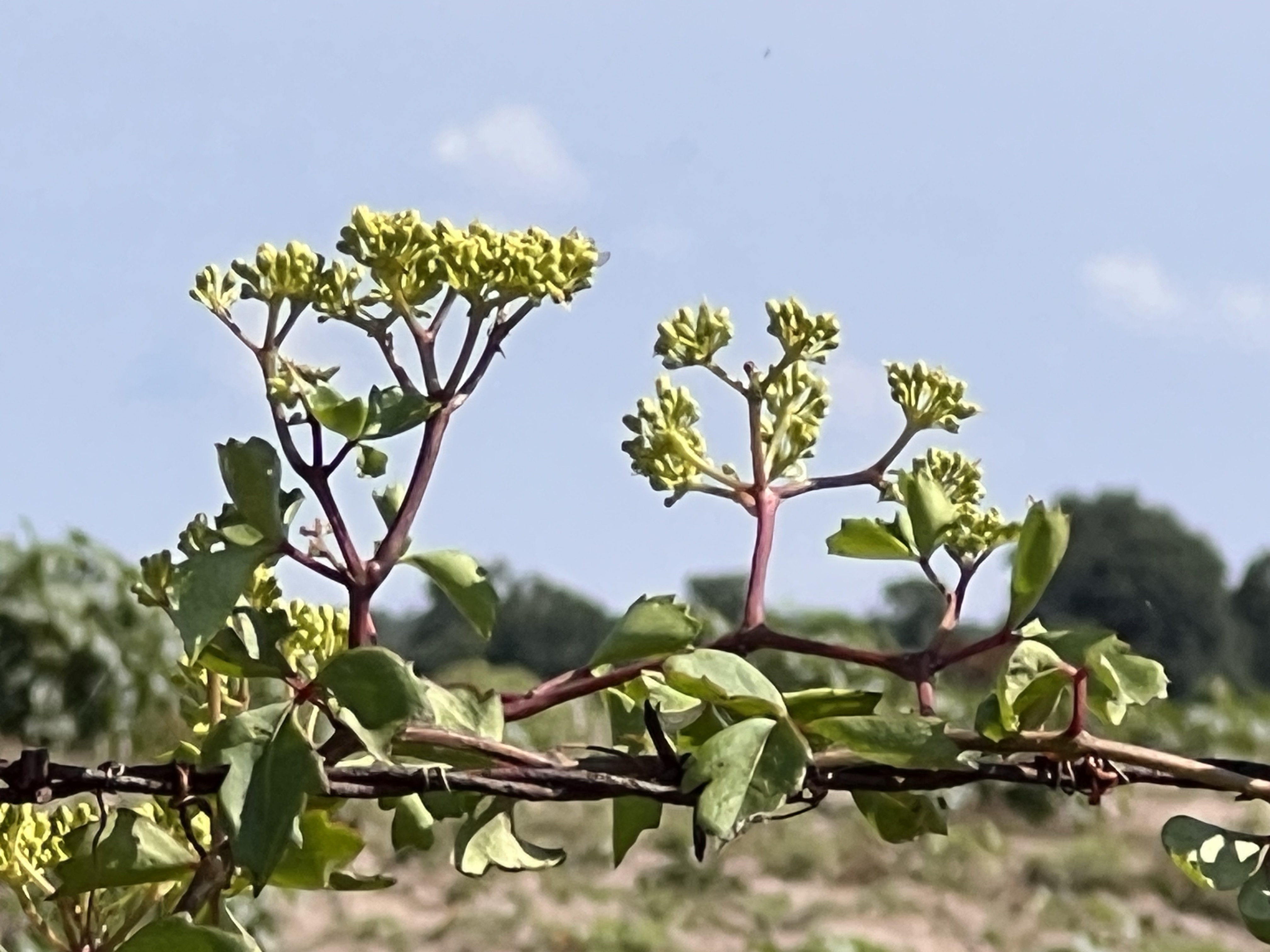
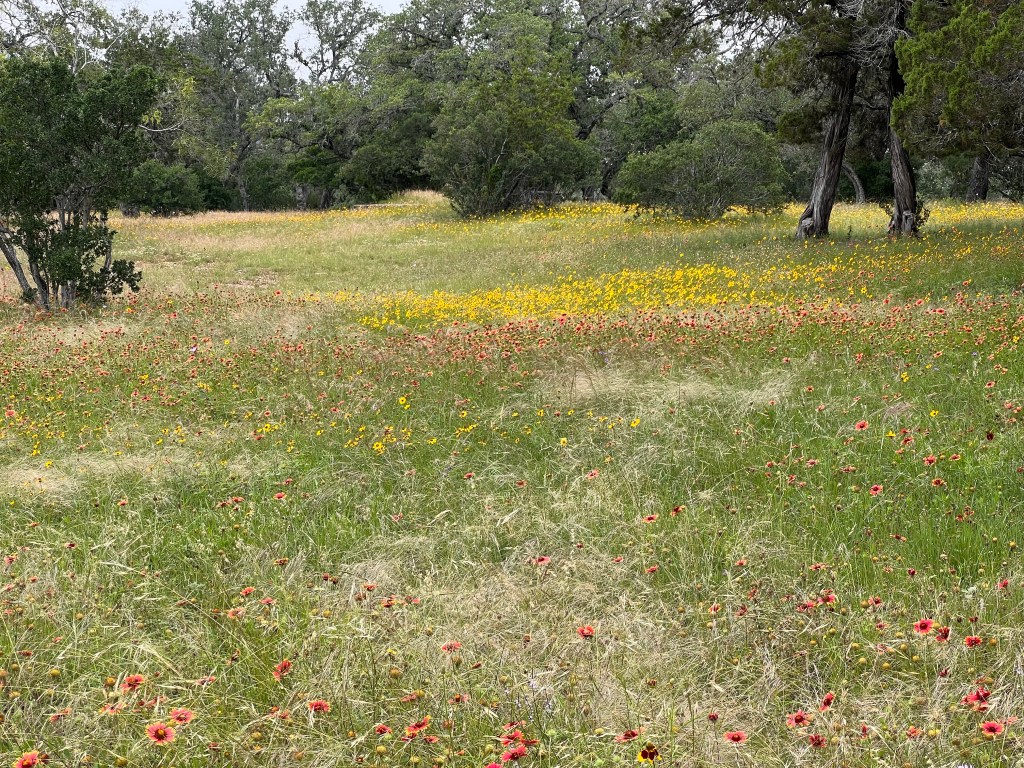
Just some of the remaining wildflowers Pretty Texas Star A perfect Engelmann daisyBeautiful Dakota mock vervain Indian blanket flowers and seed heads are attractive. Lemon bee balm smells incredible Tievine or wild morning glory. Prettier when not by my pool. Dainty tievine Bindweed, another pretty vine when not binding things. The sorrelvine is just a nice plant. Good ole sunflowers, not popular with Farmer’sMy homeMy beautiful flowers that certain people would like to mow. Splashing around the trough.
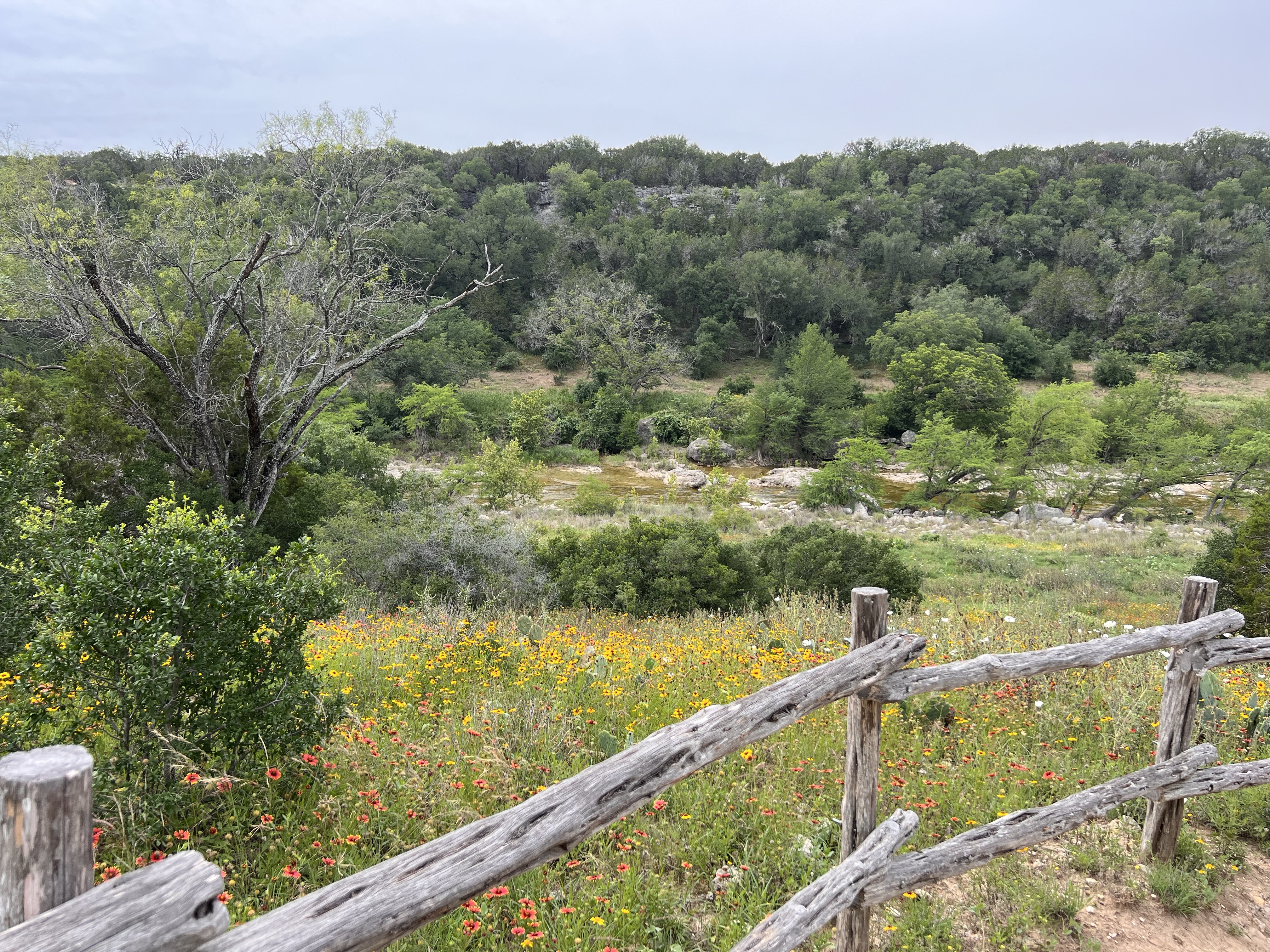
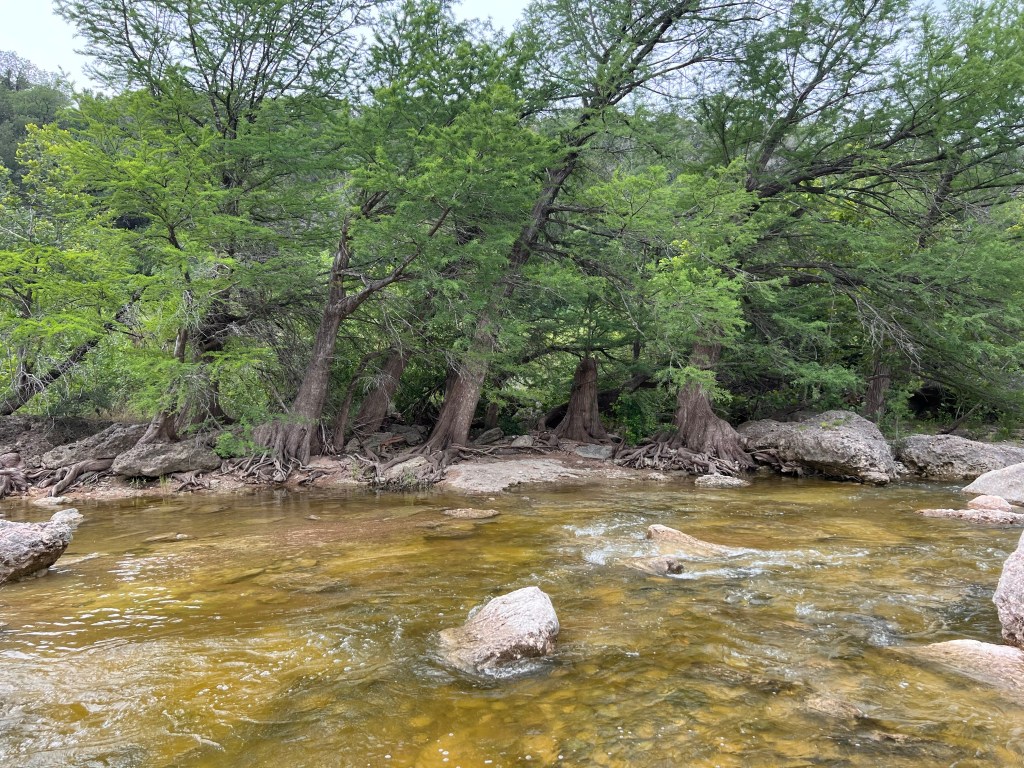
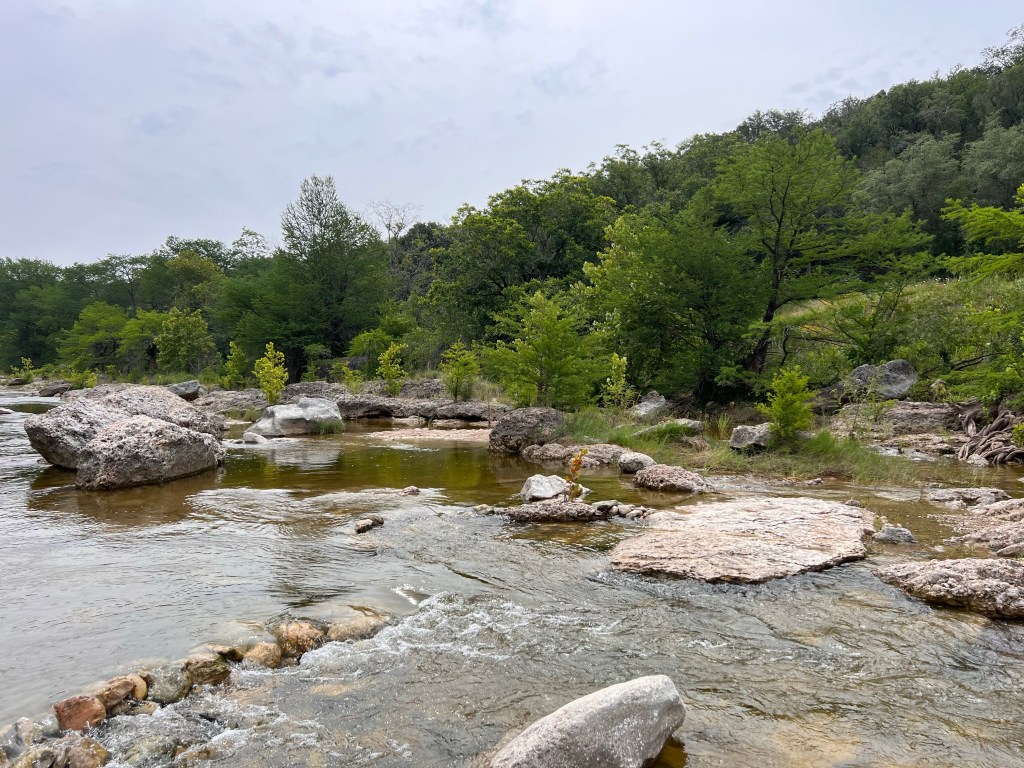
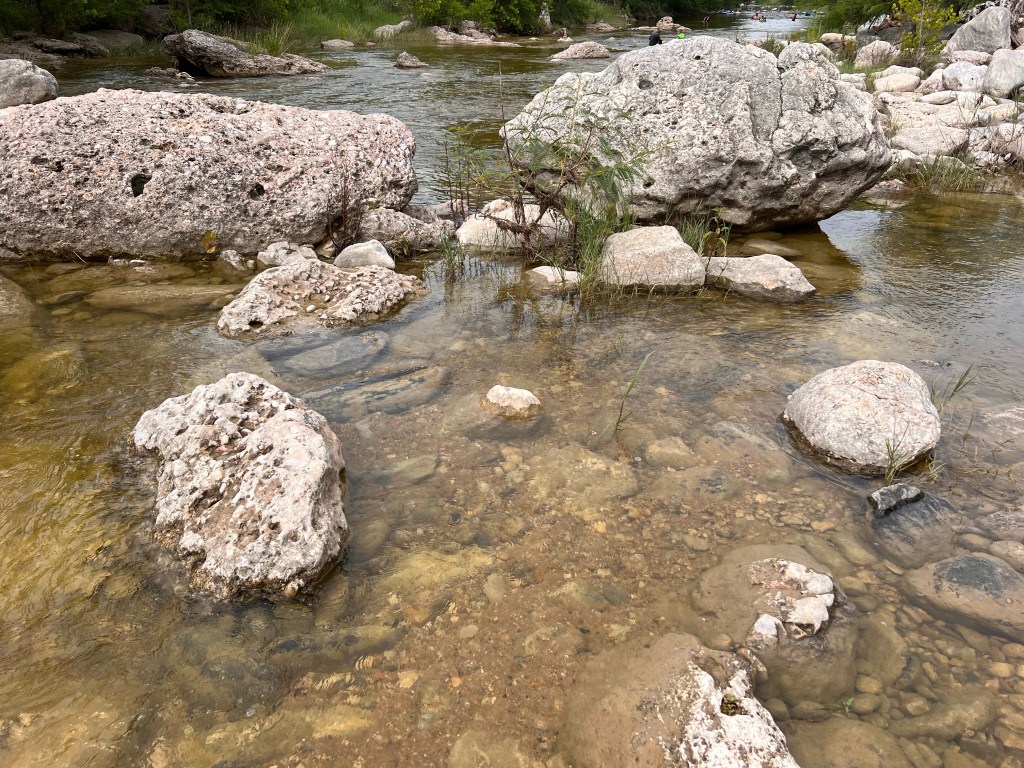
I did promise to finish writing up my trip to Pedernales Falls State Park. Gosh, I hope you like wildflowers and scenery and stinky insects. I had lots of energy for hiking/looking at plants, thanks to sleeping so well. Ahh. Total darkness and no barking or licking makes for great sleep.
Lee needed coffee, too.
So, once I woke up on Sunday morning, had my coffee, and analyzed bird songs (so many vireos), I took off for the other nearby trails. First, I took the Coyote Crossing trail, which led deep into a very humid woodland area and crossed a mostly dry creek that feeds into the river.
There were many interesting fungi, ferns, and vines in the moist environment. I also got to see a ladder back woodpecker. Mostly I enjoyed the deep green solitude.
Grama grassMore Pearl milkweed Coyote Crossing
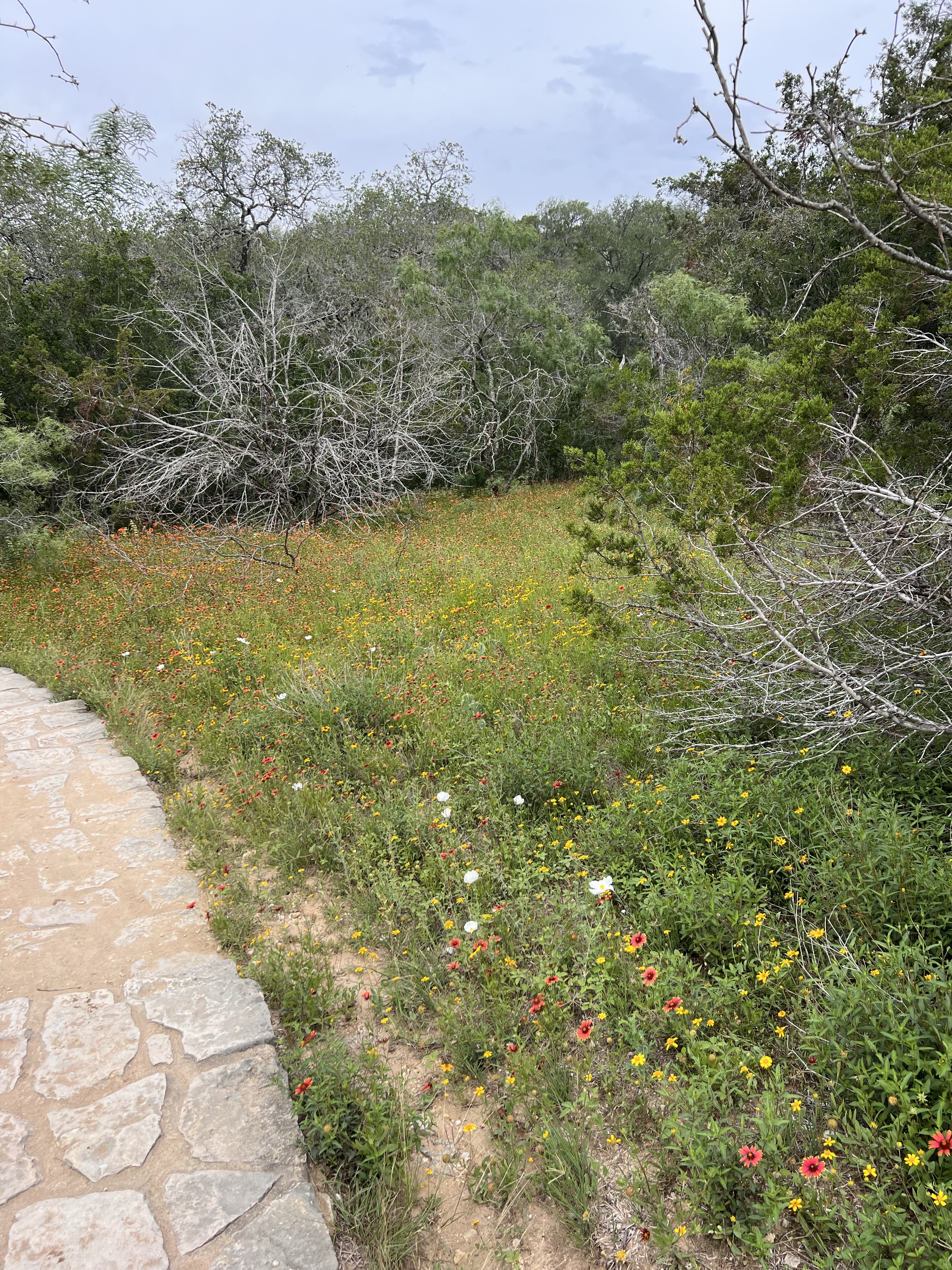
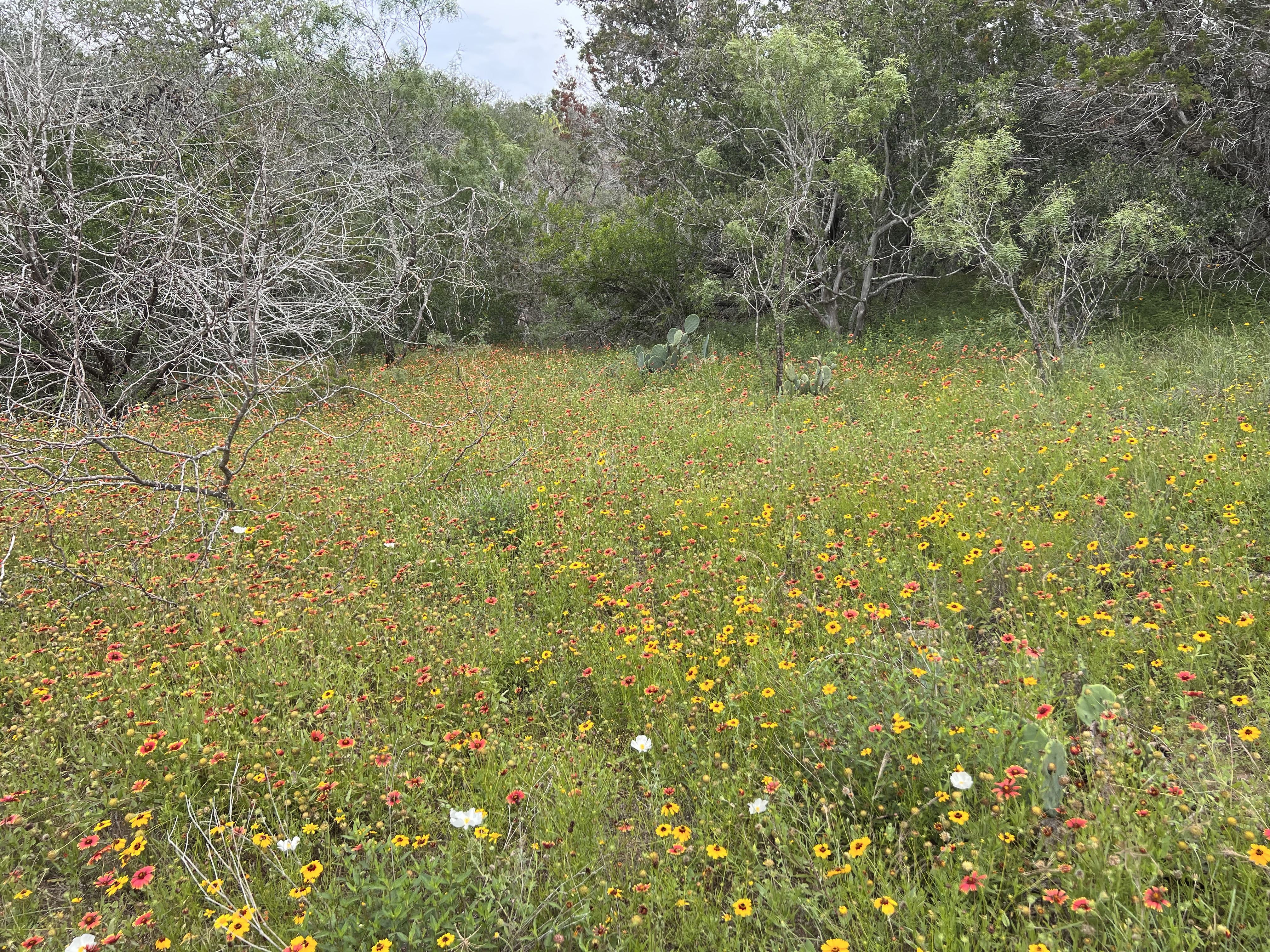
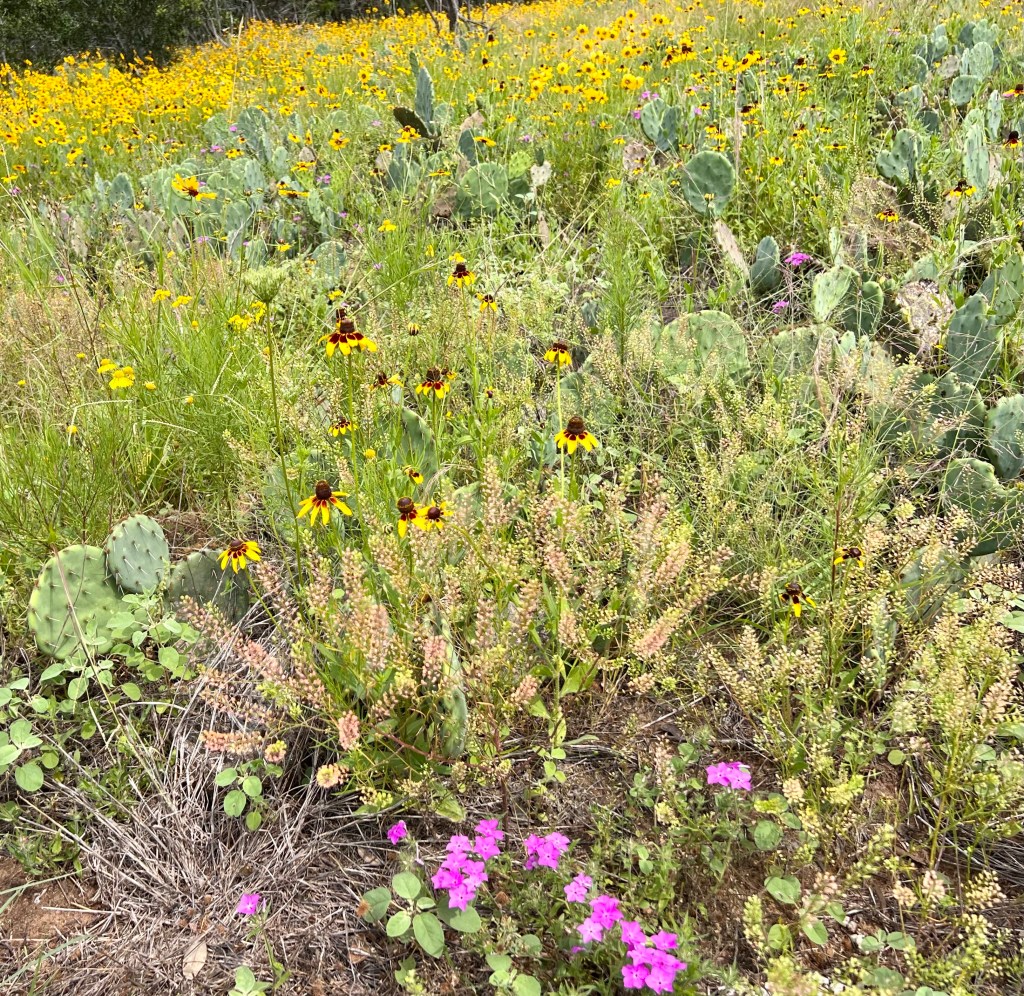
Once past that trail the scenery was very different, with seemingly endless swaths of black-eyed Susans and their friends. There were lots of new flowers there, and I had one of those “Linda Jo moments” when I got practically giddy over plants. But I didn’t have a fellow Master Naturalist to exclaim to!
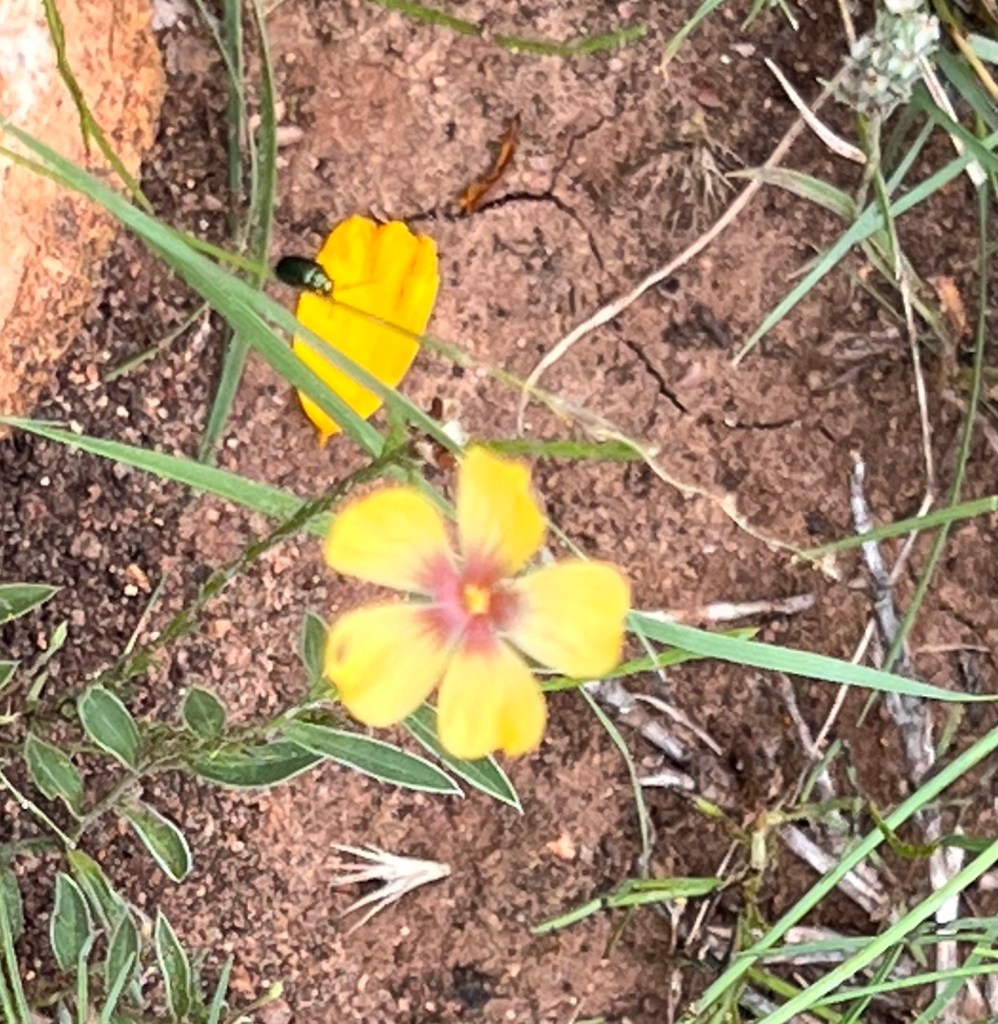
Berlandire’s yellow flax. New to me. White rock lettuceSkeleton flower and friends Gregg’s tube tongue. Great name.
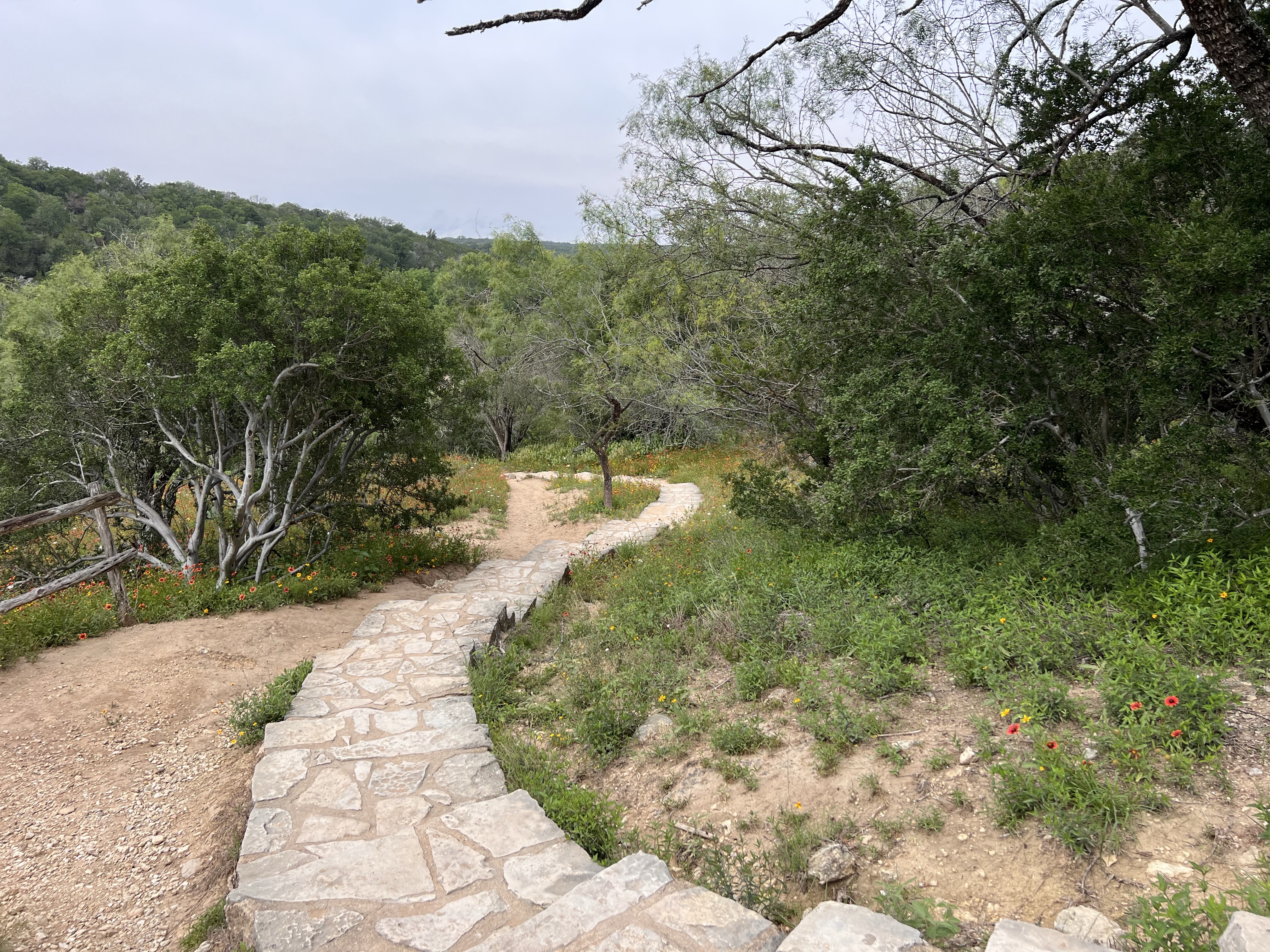
The next trail was the one that led to the swimming area of the river. I must admit I forgot there was a river to go to, because I was so mesmerized by the flowers. The trail went down steep steps. Every time I stopped I said to myself that THESE were the prettiest flowers I ever saw.
So much horsemintBreathtaking.
And there were so many butterflies that I felt like Snow White in the meadow. They were flitting all around me. It was magical!
I finally got to the river, and was happy to see it wasn’t crowded. There were just a few families wading around and playing, plus a woman with a big dog.
Mystery flower. INat thinks it’s bindweed.
Eventually I turned to go back, stopping to photograph lizards and more flowers. I let the family with the dog pass me on their way up, then encountered the dad resting halfway up. I said something about taking it slow because I was a naturalist, and we got to talking about his interest in foraging. Talking to them made me not even notice the steep climb! Finally, someone was interested in my blathering.
They left to take a bathroom break and I headed back along the road, where I found some phlox and other plants that like sand.
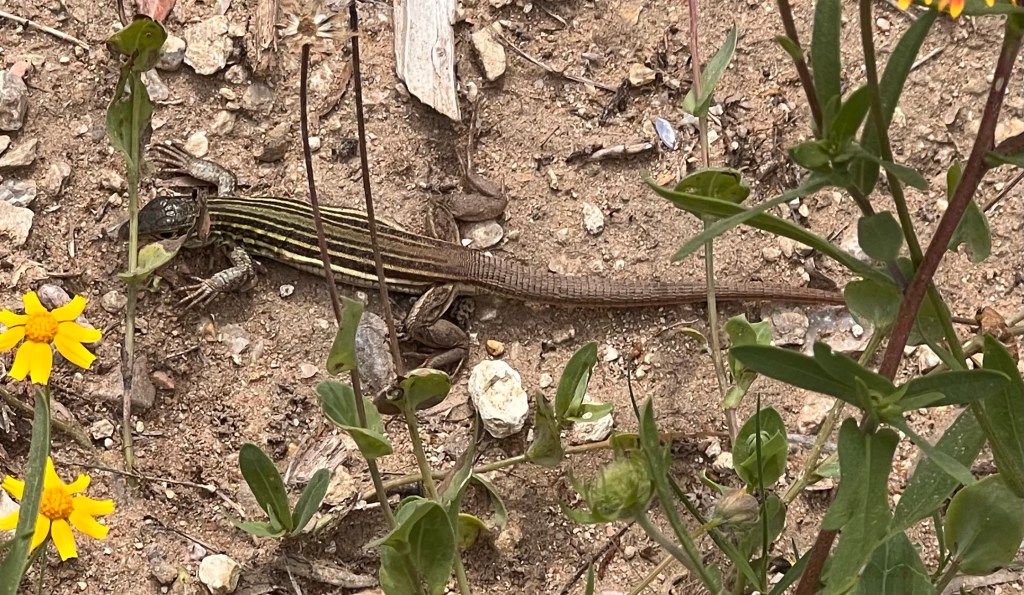
Spiny lizardPretty army worm caterpillar Common whiptail lizardPhlox!Red satyr
The family drove by and asked if I would like a ride back, and to be honest, that sounded good. So I joined them. They said they were thinking of driving to the big falls, and invited me along. I’m glad they did. It was a ways down the road.
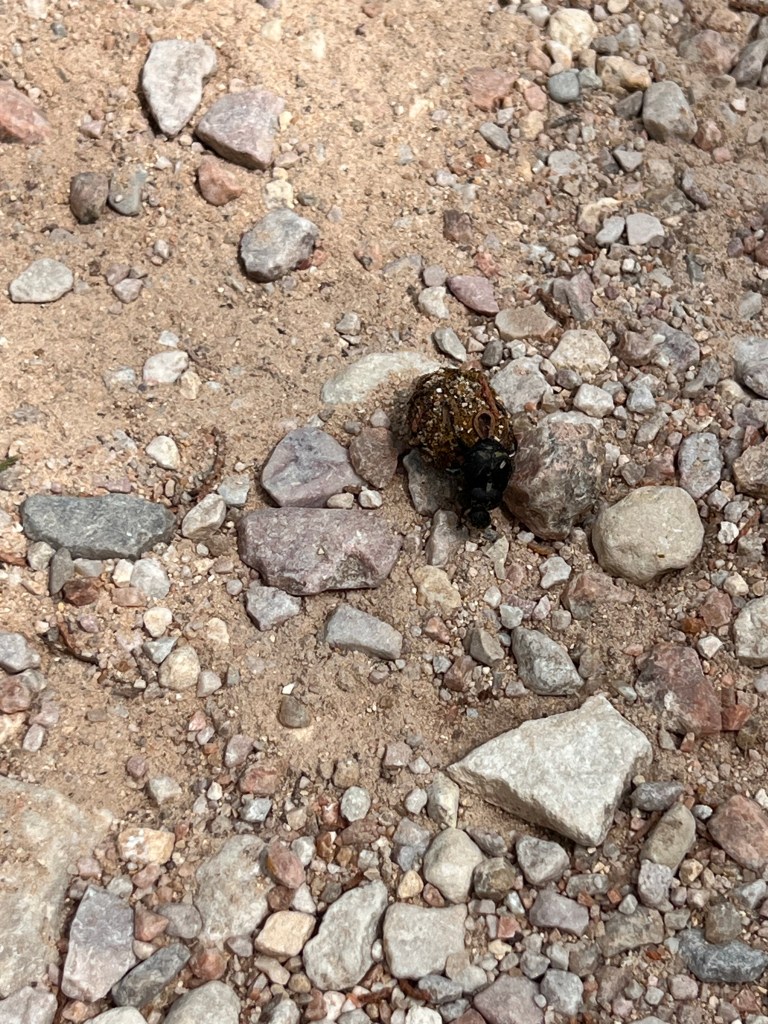
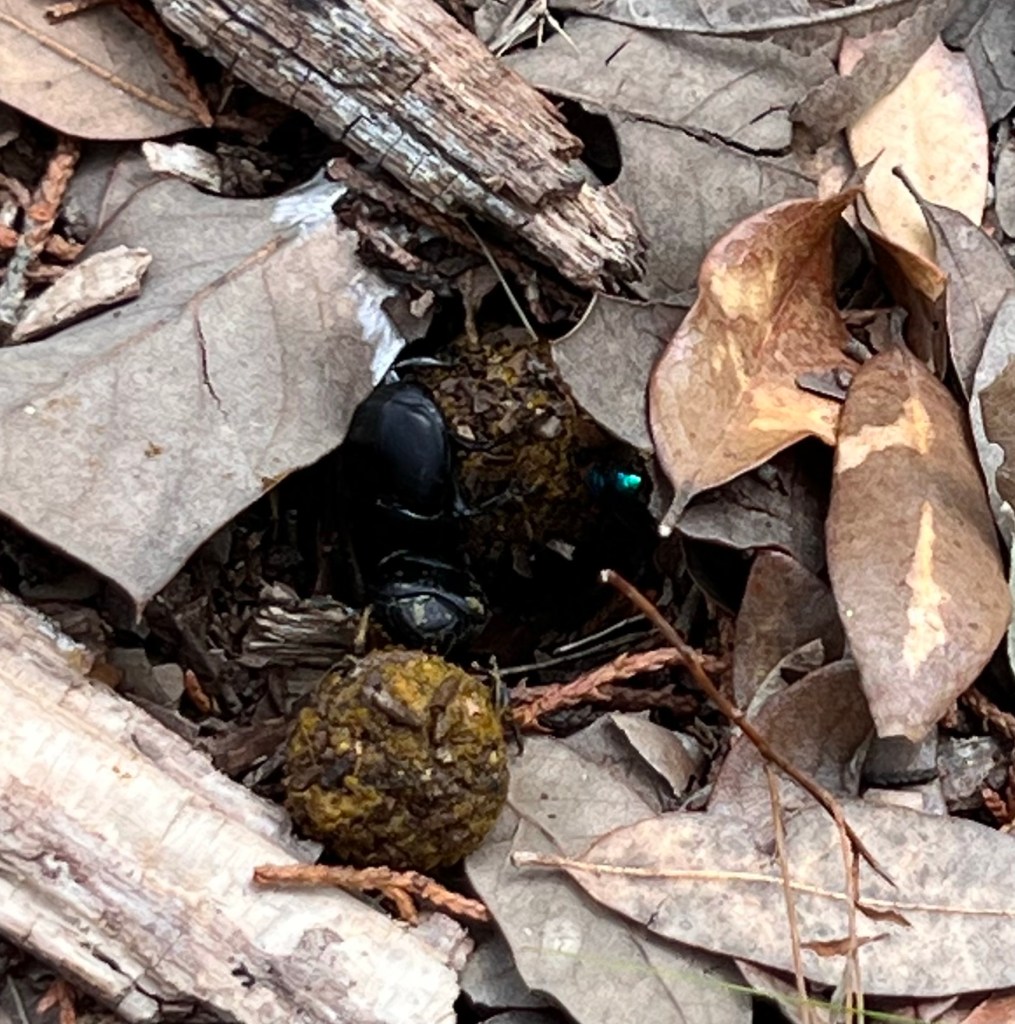
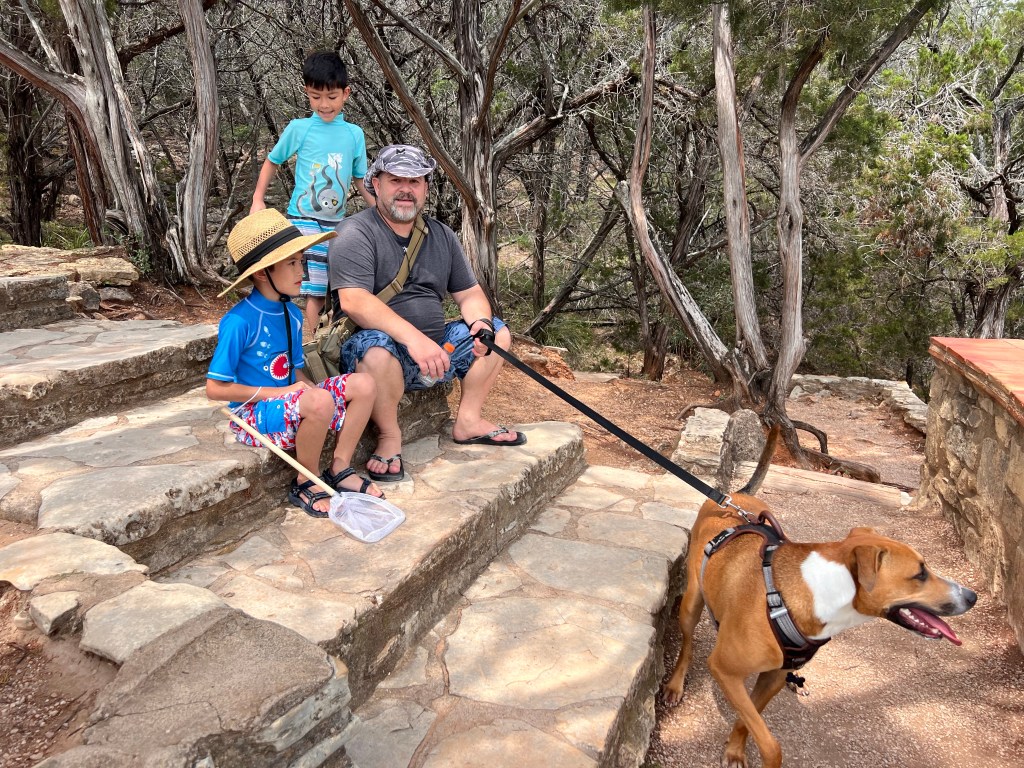
We had a fun walk to the falls. The best part was when I saw a dung beetle rolling a ball of poop across the path. Carl (the dad) got all excited, because he didn’t know we had them in Texas. That got the two boys and the wife excited, too. She took movies and we had a grand time watching the beetles while all sorts of people passed us, probably thinking we were weird. But it was educational!
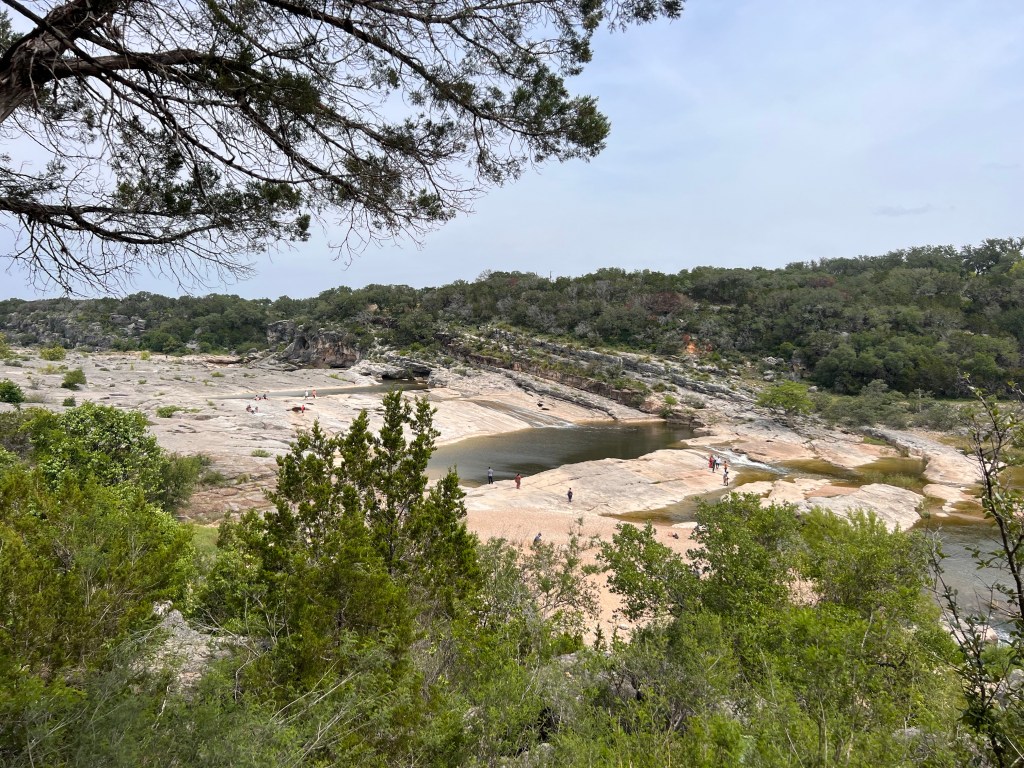
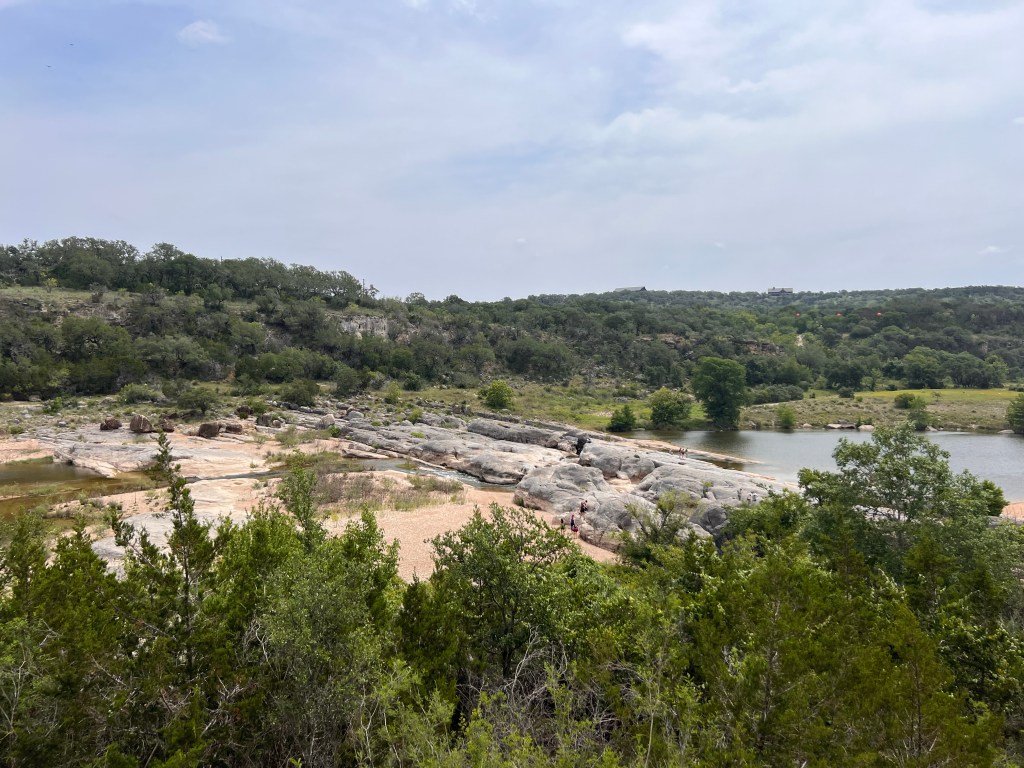
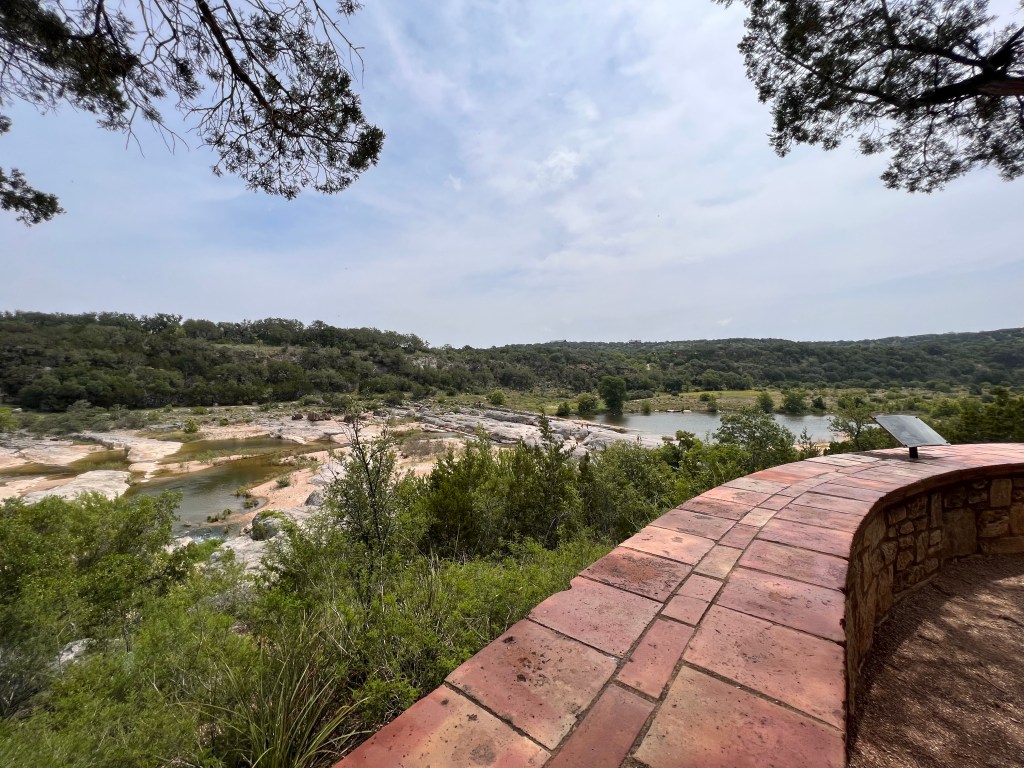
We finally made it to the overlook, and it was gorgeous. We saw a wedding party, too. We were all too tired to go down to the river, but they were going to go Monday morning. I was fine just looking down. The photos don’t do it justice, for sure.
Veda takes photos. Carl, the boys, and Zoe. I was there, too.
And that’s about it for adventures. The rest of the day we sat outside a lot and went in to watch movies. I don’t know what to think about the Legion of Superheroes movie. They did stay pretty true to the characters…but it was nowhere near as good as Ant Man and the Wasp. Marvel does make a good movie.
Listening to me talk about birds.
Back Home
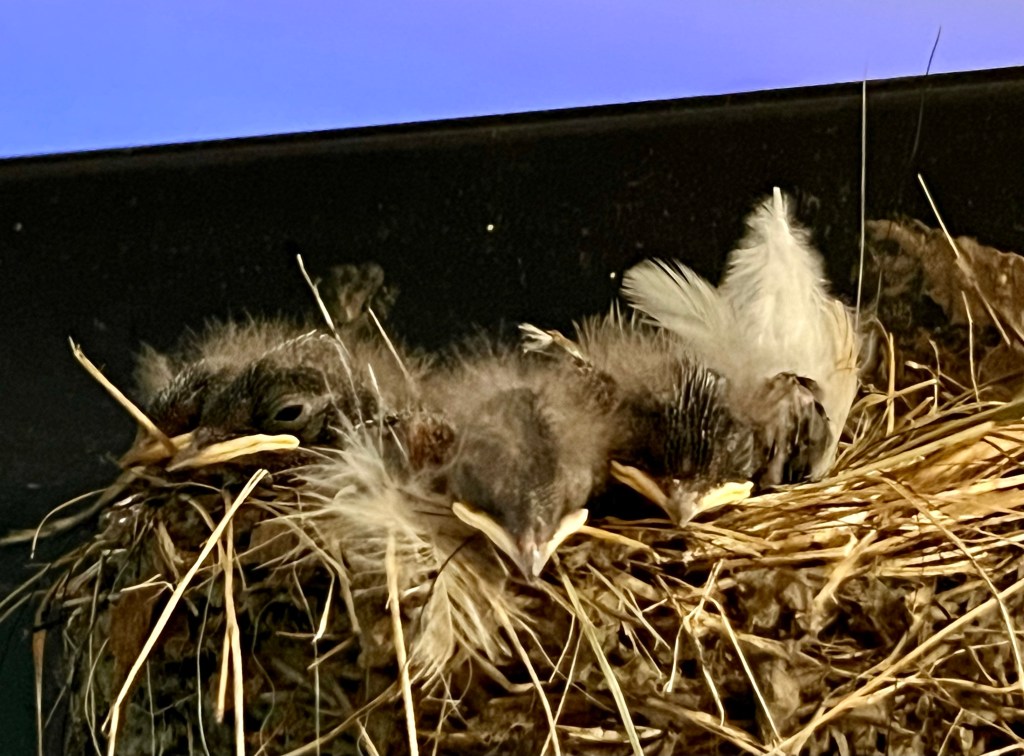
I was glad to get home on Monday, but sure enjoyed my wallows in nature. I needed that rejuvenation. Of course, there’s plenty of nature here. Just look at the baby birds in a nest on our back door!
Too tired to peep. A storm kept them awake.
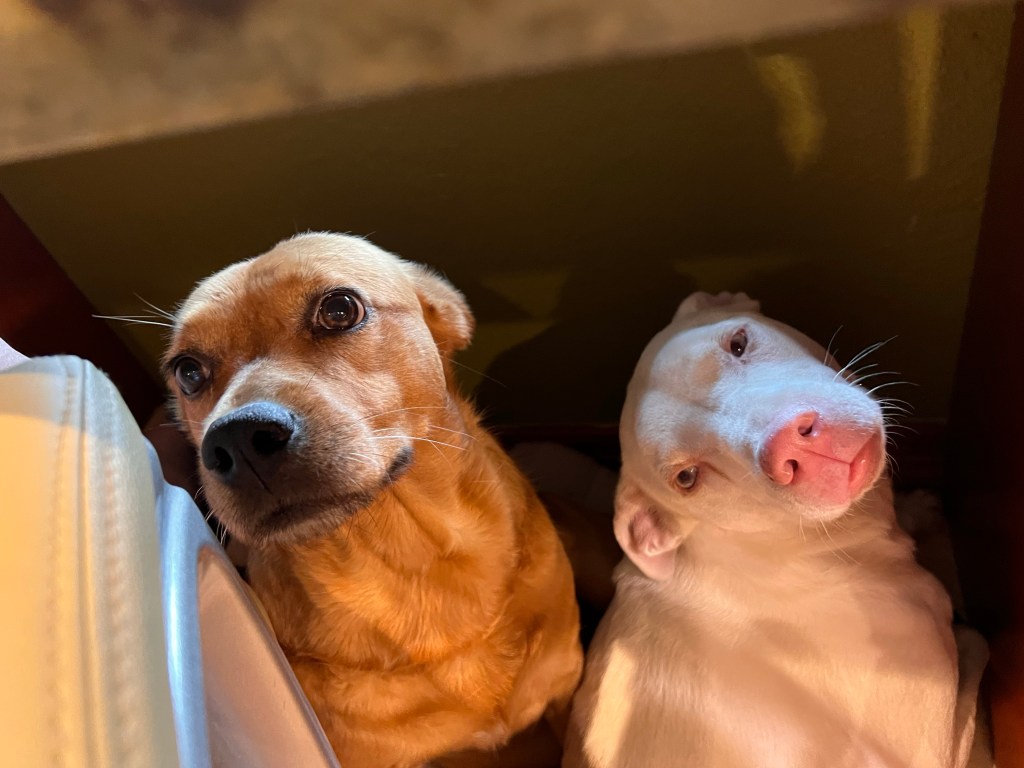
Speaking of storms, one showed up out of the blue yesterday and dumped a ton of rain in a short time. It was full of thunder and lightning. The dogs were NOT thrilled, and since I was the only one in the house, all five indoor dogs clustered around me. Penney and Carlton were under my desk. Harvey was beside my chair. Alfred was standing on the other side of the chair panting into my face. At least Goldie just stayed on “her” couch.
Help!ShiverPantNo room for me!
Eventually, Penney wormed her way into my lap and did that unbearable wiggling and trying to squirm up to the top of my head, or inside me. I’m not sure what her intent is, but it’s hairy, hot, and whiny. Thank goodness I discovered the guys were stranded in the garage so I “had” to take them umbrellas. That allowed the dogs to distribute themselves among three people. Whew.
Help ME!
And oh yes, I’ve had my dose of cuteness. look at Jhayati! She’s so soft! And like my dad, she’s never met a stranger. Sara is in love. I’m pretty thrilled, too.
I’m bigger. I love my human!Butt scritches are excellent. Pat my butt. Ignore my spawn. About 3 weeks old.
No big disasters struck today, other than realizing that new hotspot just won’t cut it for work, because it’s actually a not-so-hot hotspot. It gives up after about 40 minutes of a 60-minute Zoom call. Not helpful if you’re in the middle of helping someone out. So, I’ll be working from the Red House on Fannin for a while until we have another option.
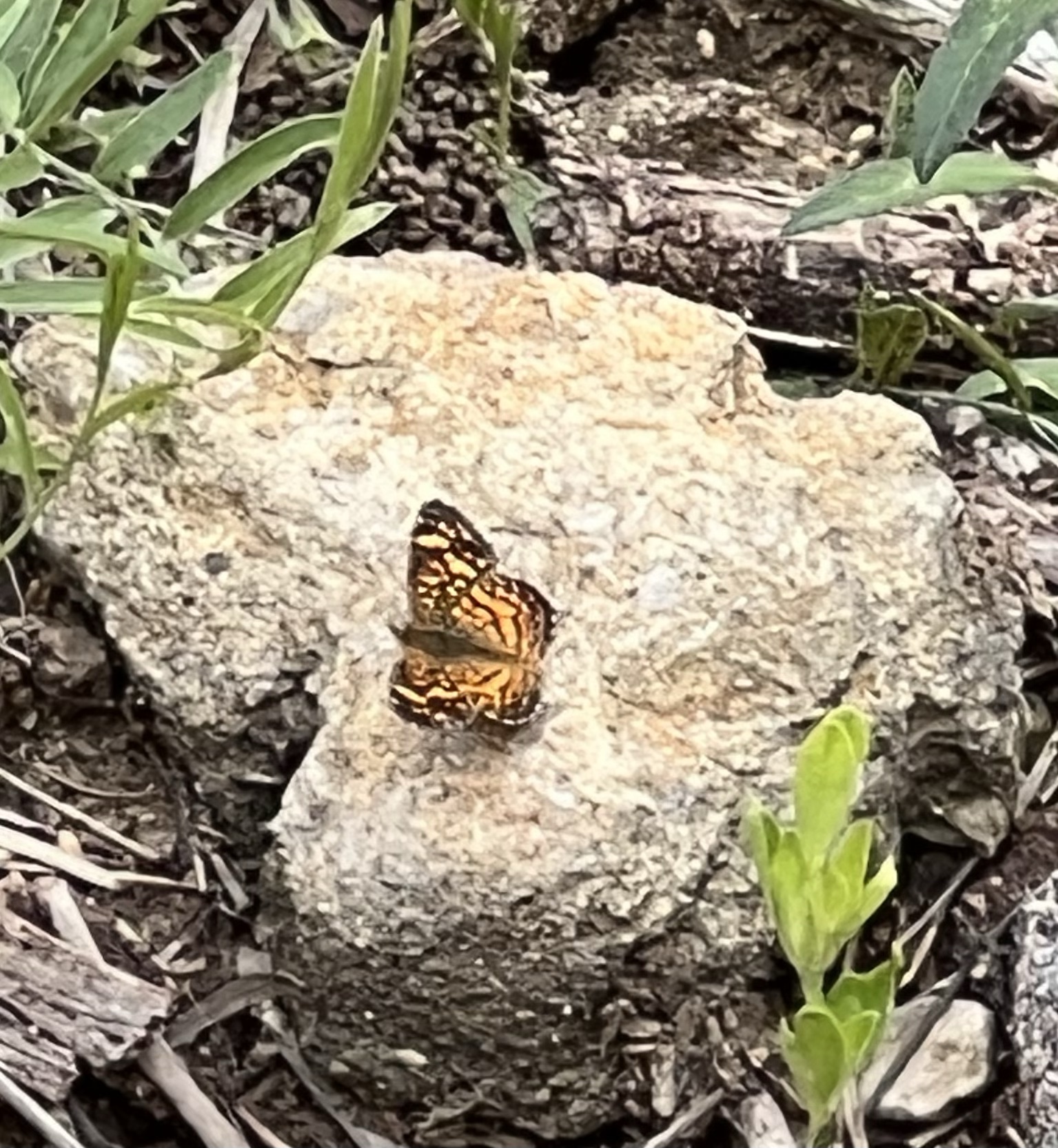
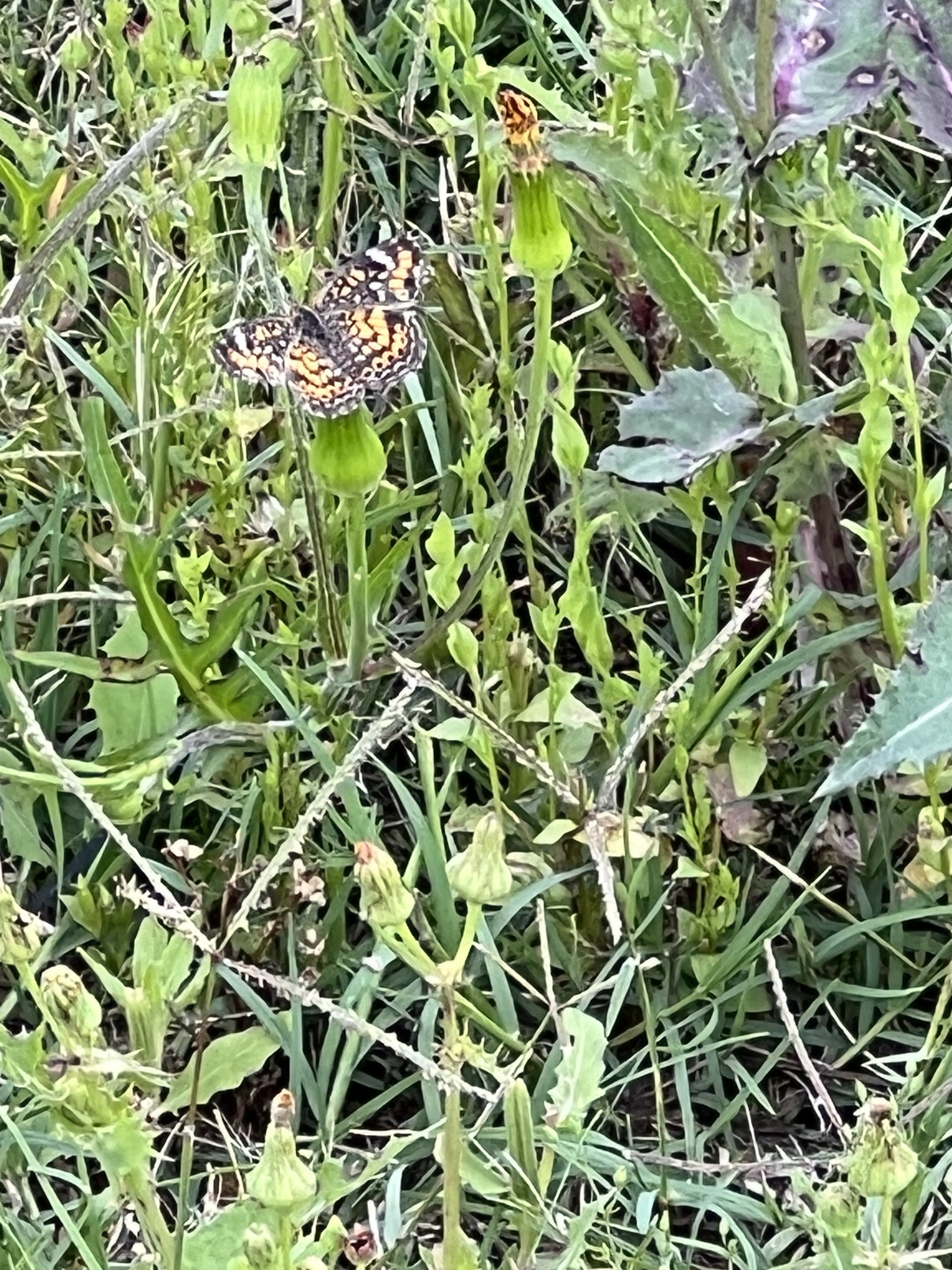
Luckily butterflies distract me, like this crescent.
So, I’ll share some things that help one forget technology annoyances, like birds and plants. First, I got to see something rare for me as I was out trying to find something to give my chickens, now that their garden got mowed. I heard an unfamiliar bird call, and looked up to see two dark birds coming to the pond behind the house.
Where I saw them.
They circled a couple of times, which was quite lovely, then ended up at the shore of the pond. They were dark, but vaguely egret-like, so I got the binoculars to get a better view. While they refused to make a sound while I had the Merlin’s Bird ID app listening, the app did hint to me that it could be a green heron pair. I’ve seen them before, but not this time of year.
Look for the orange legs. That’s the bird.
Sure enough, the binoculars confirmed the identity. They are beautiful birds, even hiding in a very dark corner of a pond on a cloudy day. That started my day off right!
It looks more like a bird here.
I had lunch outside with Lee, and heard a few songs I didn’t recognize, in addition to the incessant dickcissels and cardinals. So, I fired up Merlin Bird ID again and had it listen for a few minutes. Now I know exactly what a painted bunting sounds like! I’d probably see them if I had a bird feeder, but if I put one in the back yard, dogs would bother the birds, and if I put one on the other side of the fence, cattle would knock it down in no time. But I can hear the beautiful song of the most beautiful bird in North America!
Painted buntings are in there somewhere!
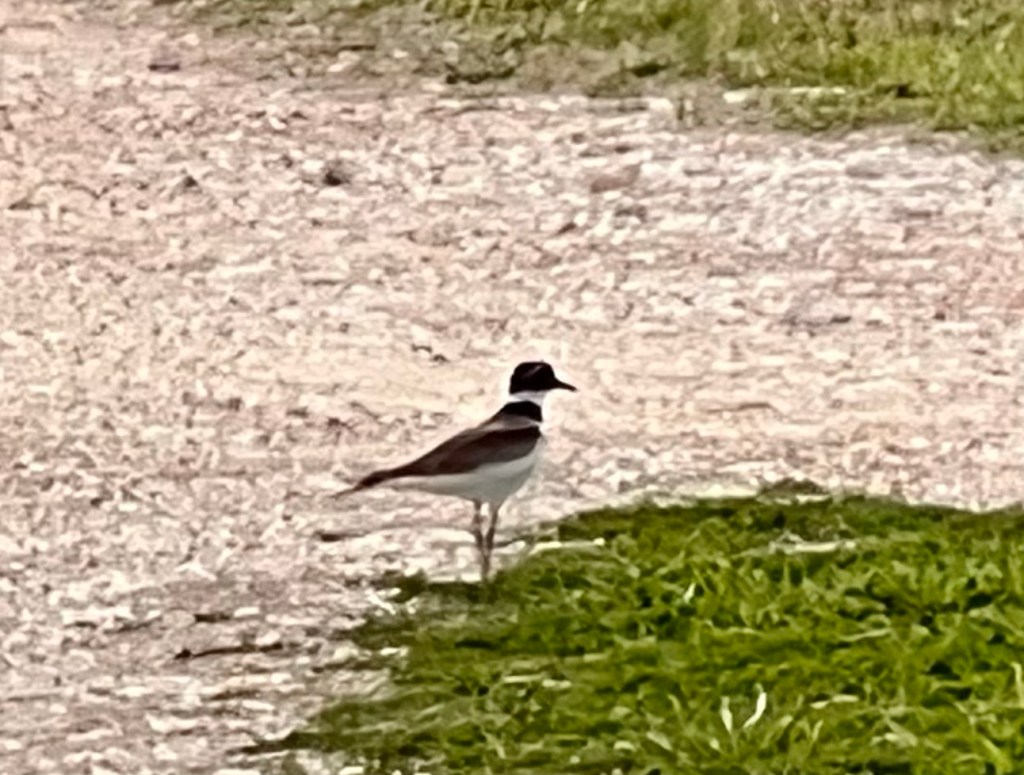
I also got a glimpse of the turkey as Goldie yelled at it (thanks, Goldie). And I spent a lot of time listening to anxious killdeer protecting their nest, which I think is over by the front pond and not at all accessible by me. I wish they would chill out. The dickcissels drowned them out, though. Over half the photos I’ve taken of those little darlings are in mid chirp. They say their name, loudly, like phoebes do. I know they’ll move on shortly, so I’m trying to enjoy them.
Dickcissels with open mouths
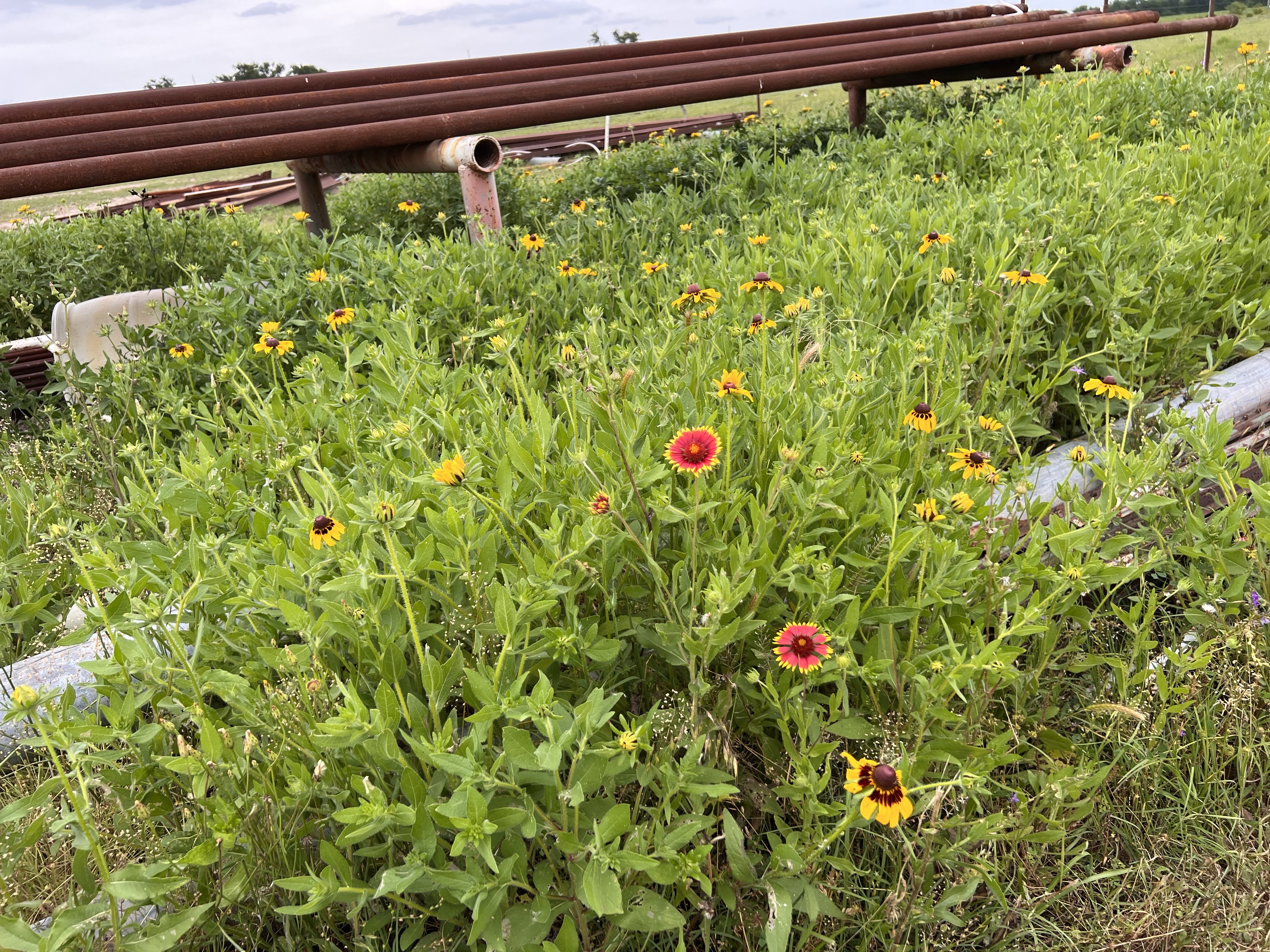
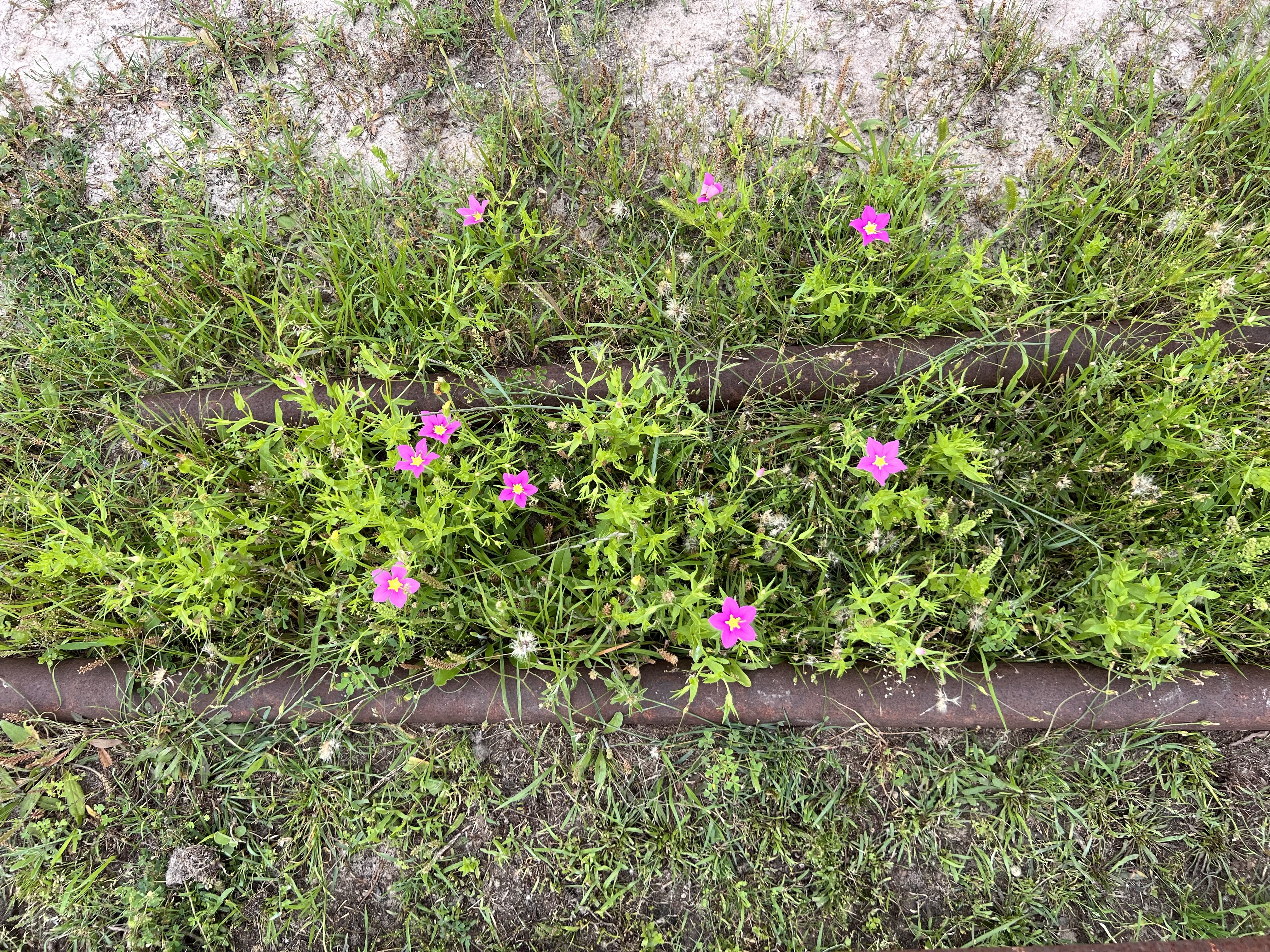
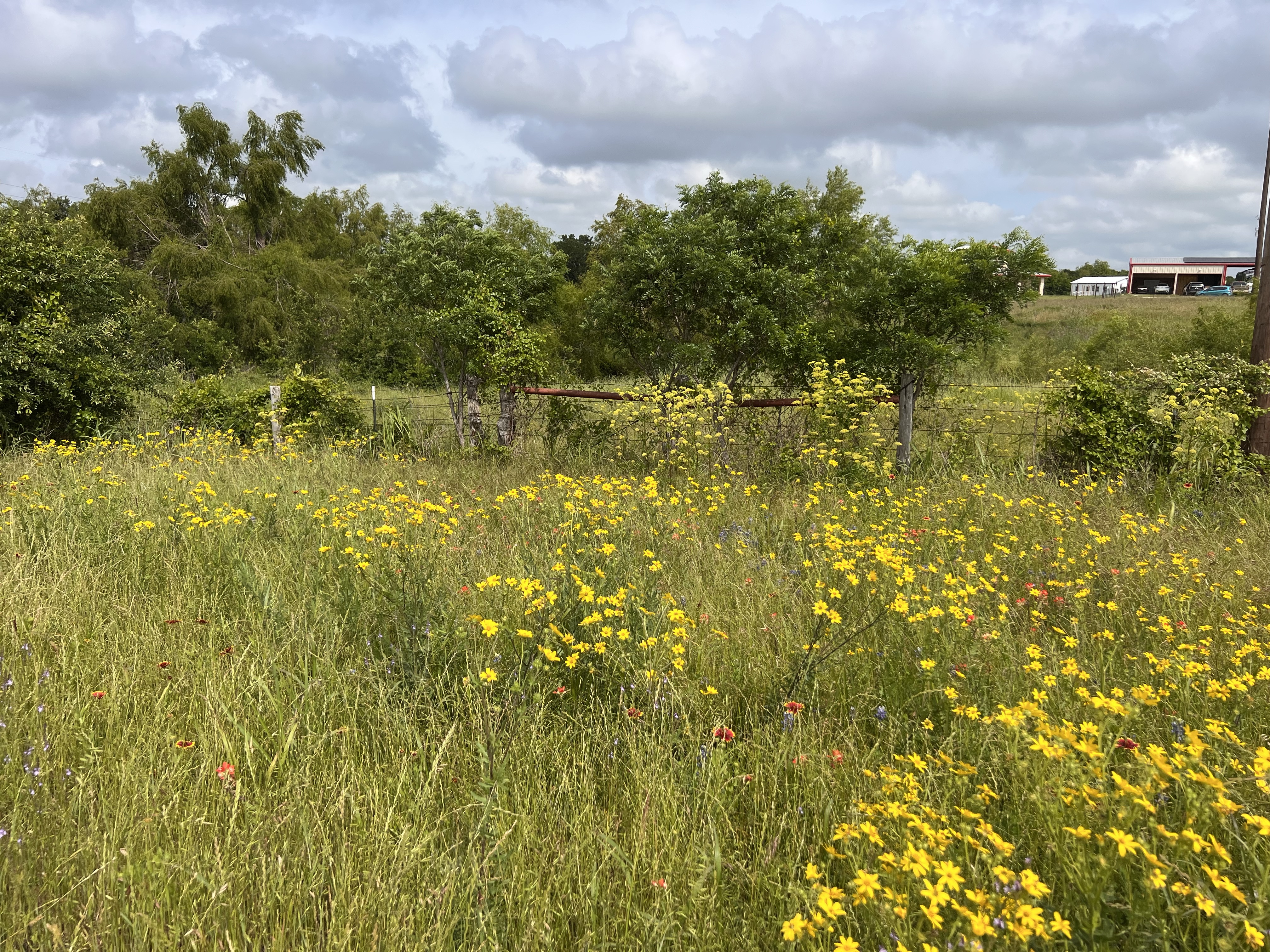
There are sill some pretty patches of flowers around the ranch, where the lawn mowers can’t reach. So I can enjoy being less likely to step on a snake yet enjoy floral beauty. Enjoy my series, wildflowers with iron poles. It’s romantic.
I can’t help but try to capture some of the beauty I see. It’s the same old property but decorated differently from week to week!
Silver leaf nightshade Bun bun (one of three)Meadow pinkBlack eyed SusansEngelmann daisies and prairie parsley Lotebush and fruit. Sigh, it got cut down. What variety!
Admittedly, I spent a long time today listening. I think I’m in love with the birdsong identification feature in the Merlin app. I indulged myself this evening by figuring out how many different birds were behind our house (by the pond, in the back yard, and in the woods) in twenty minutes. Whoa, there sure are bunches of birds hiding around here (I did hear a mourning dove and a barred owl the app didn’t pick up – guess I have good hearing still). But check out this list!
House sparrow (duh)
Dickcissel
Cardinal
Mockingbird
Barn swallow
Cedar waxwing
Carolina chickadee
Red bellied woodpecker
European starling
Nighthawk (!)
Eastern bluebird
Purple martin
Crow
Red-winged blackbird
That’s a lot of birds, even without hearing another painted bunting or egret in the mix. What a chorus! By the way, the app doesn’t appear to acknowledge chickens. Aren’t they birds? I guess they are too domestic.
Oh well
I hope my bird and flower enthusiasm were contagious. If so, download that app on your phone and try to listen where you live!
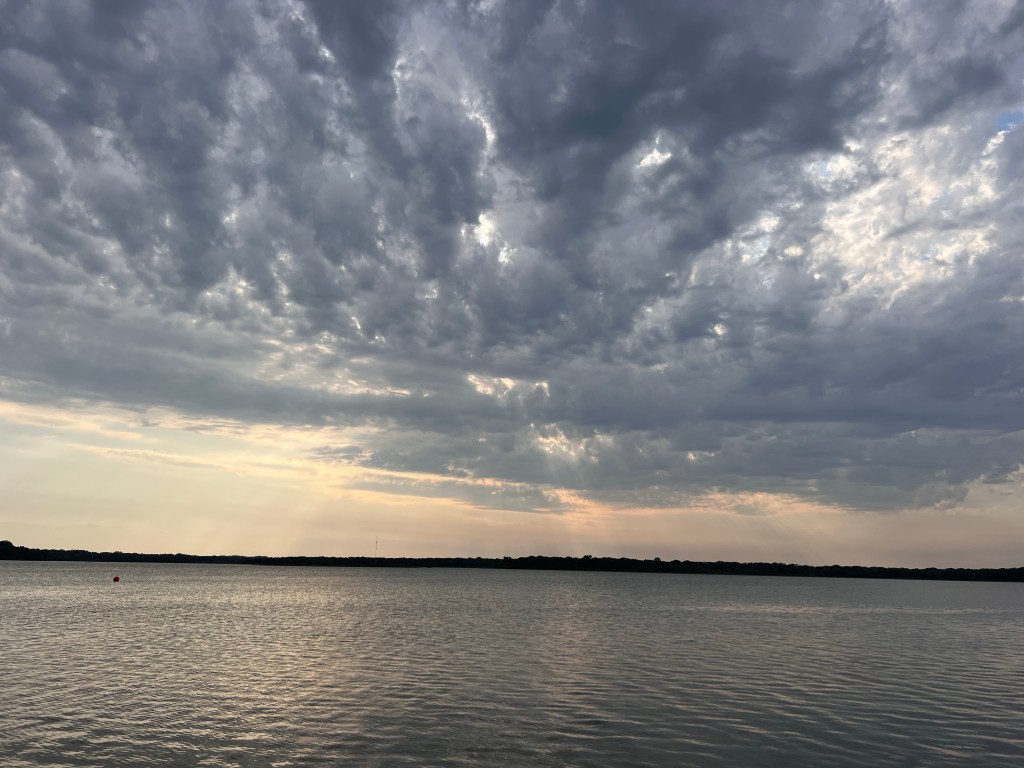
I wasn’t able to blog last night, because a storm came through and knocked out cell reception for most of the area. My phone kept saying SOS and I told it to calm down, the towers would return. I sure am having the Internet issues! But indeed, I got to enjoy the cool clouds.
This photo by Lee makes it look like the pool house is about to be swept up and deposited in Oz.
It looked like tornado weather, and indeed, it was. Friends had a brand-new shed hit by a small one. It missed their house, though, so it could have been much worse. It’s hard to get used to so many scary weather events so close together, though.
Eek. Another photo from Lee.
We managed to get through the storm just fine. It was a very fast one! When I woke up this morning, there was more weather news. Tarrin contacted all of us who were signed up for a clinic at her ranch to let us know there were going to be very strong winds today. She let us know we could put it off.
If you try to put me on a trailer, I’ll bop you on the head.
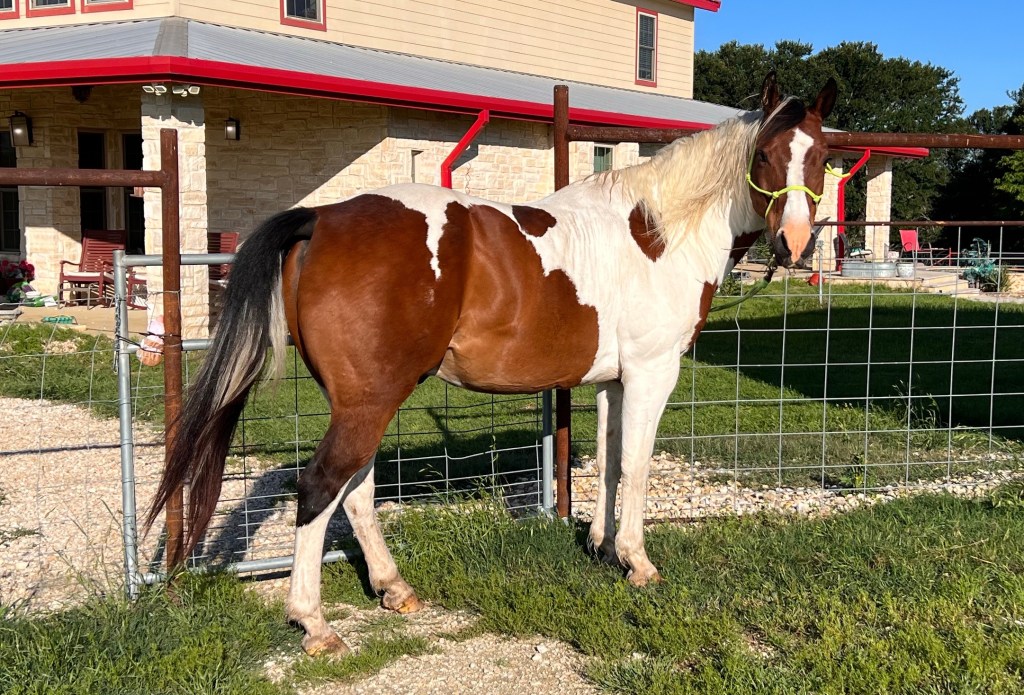
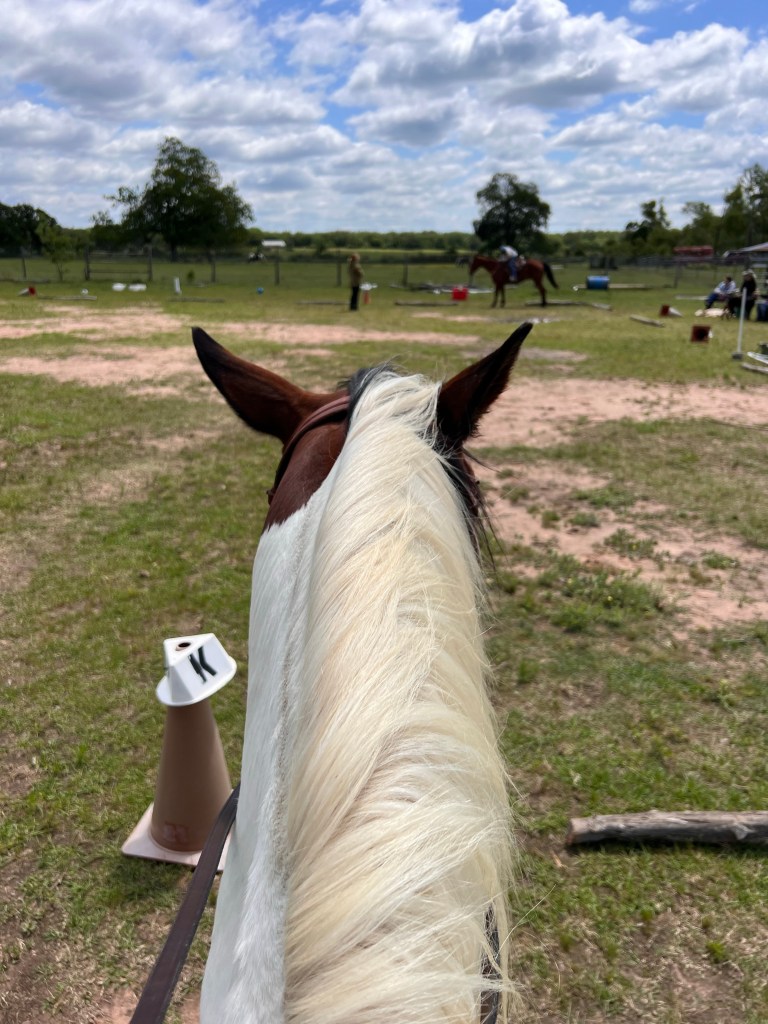
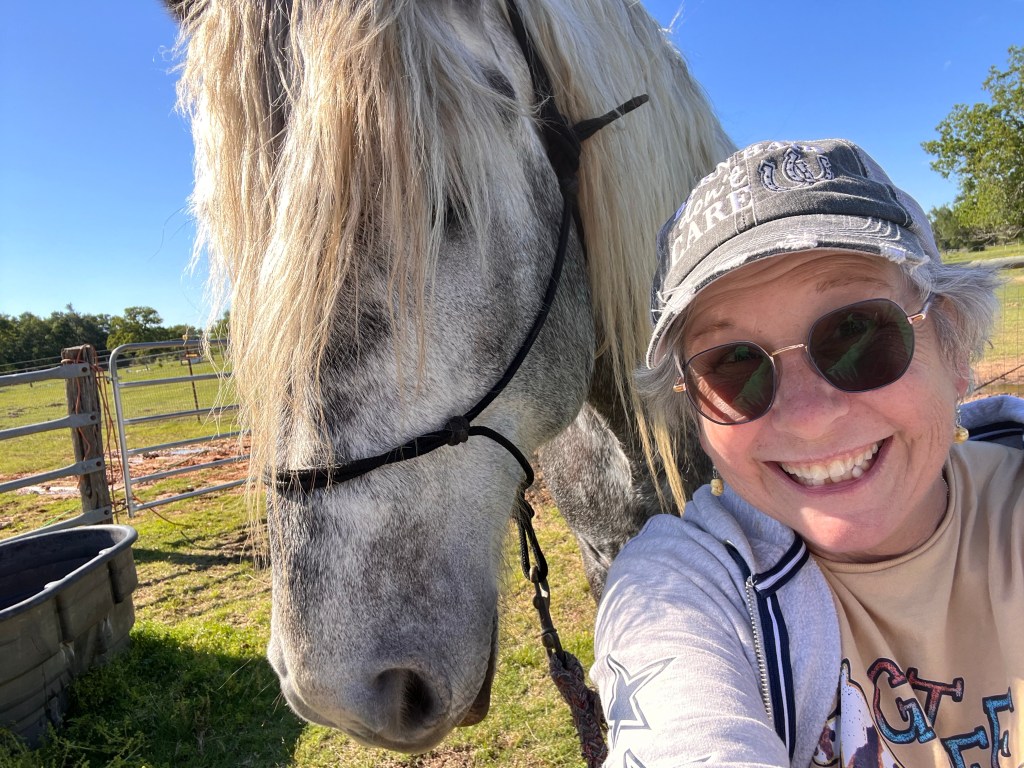
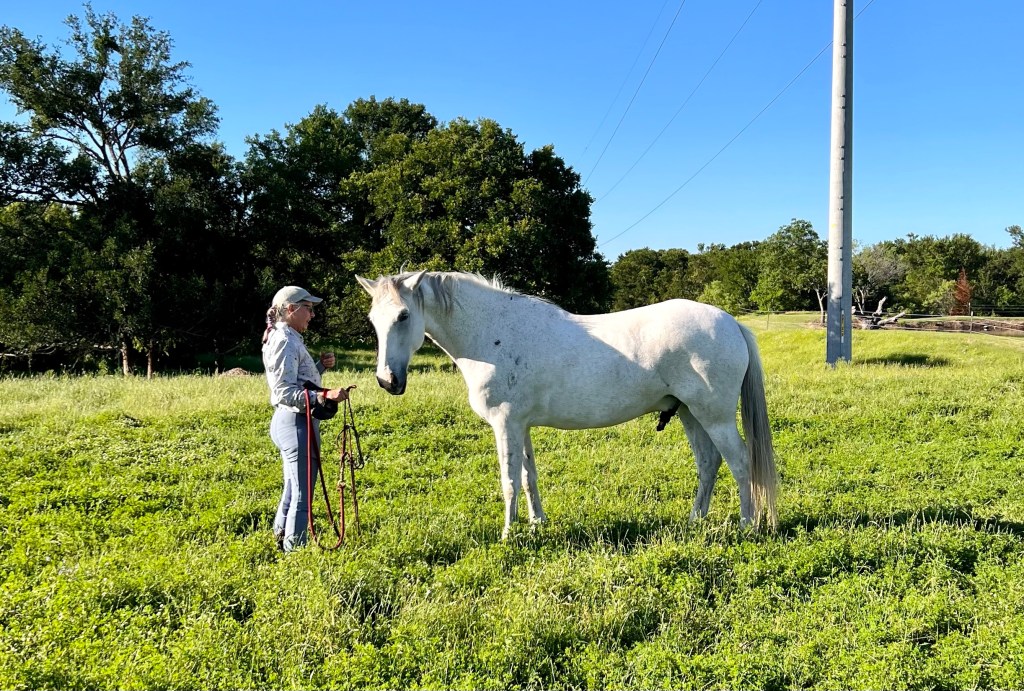
We all said we’d just show up and hope for the best, much to Apache’s disappointment. He was not at all interested in going anywhere or doing anything this morning and kept bopping me with his head until I had to get firmer than usual with him. I managed to get most of the mud off him, including huge globs nested in the base of his mane. Not the most fun start to a day, but I’m happy to report that the rest of the day was a lot better!
I saw so many flowers that I had to be cheerful! This meadow pink certainly is pink.
He is always happy to go to Tarrin’s, and he got to head over with his buddy Aragorn. Sara drove today, and we always have a good time together. I ended up in a great mood all day, myself, and enjoyed meeting some new folks and their horses. There are some real success stories in the latest bunch of training horses!
I’ll just stay here.
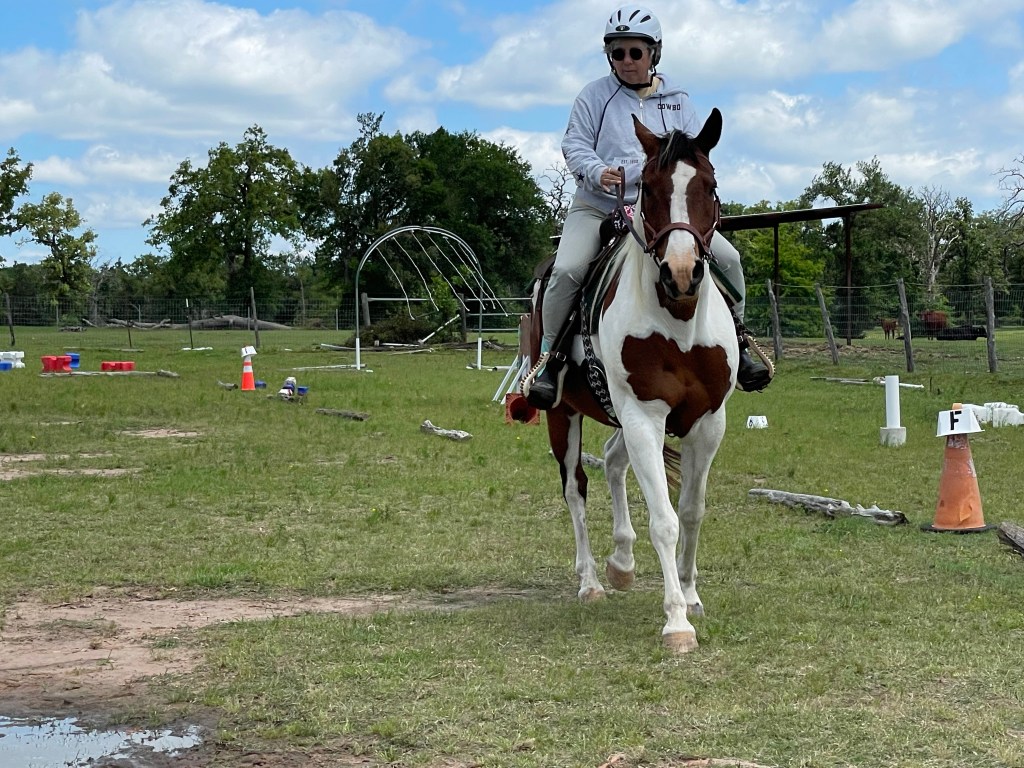
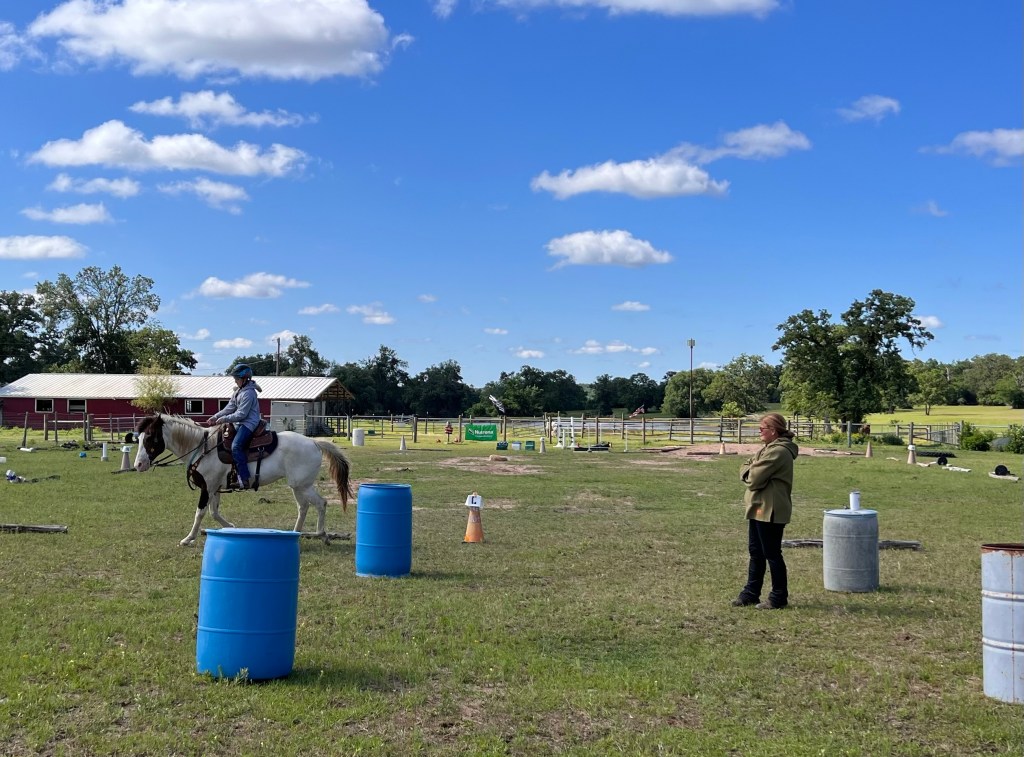
After relaxing for a while in his luxurious (in his mind) stall, Apache came out to do our part of the clinic with me, and he was an absolute dream. We started out learning the newest dressage pattern that we’ll use in the next shows. We did it really slowly, stopping between each section, to help the horses pay attention to our cues. I enjoyed doing it as well as watching the other two riders in my group, one of whom was just starting out on her horse after training.
I’m smiling and not pursuing my lips
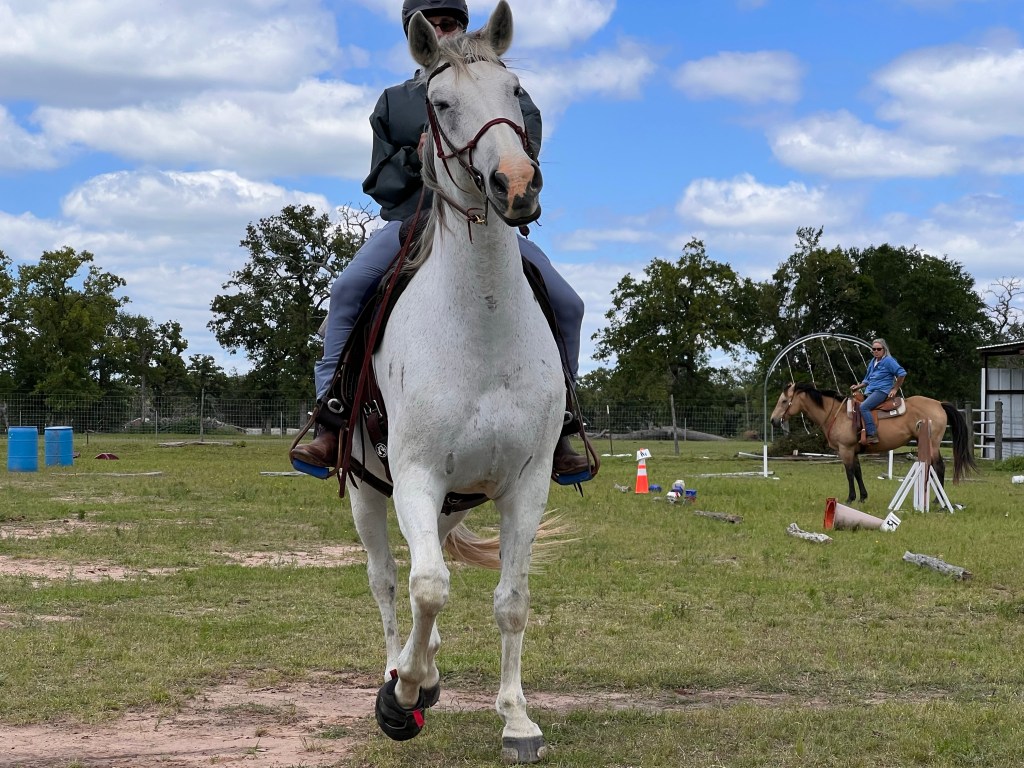
It was a great feeling to know that we’ve come far enough along to be role models of calmness as things blew around and spooked other horses. Tarrin made sure to share that it wasn’t all that long ago that Apache was nerved out at lots of random things. Meanwhile, he nearly fell asleep when it wasn’t his turn, even when something blew by and hit his leg. What a guy? Yeah!
I’m so calm.
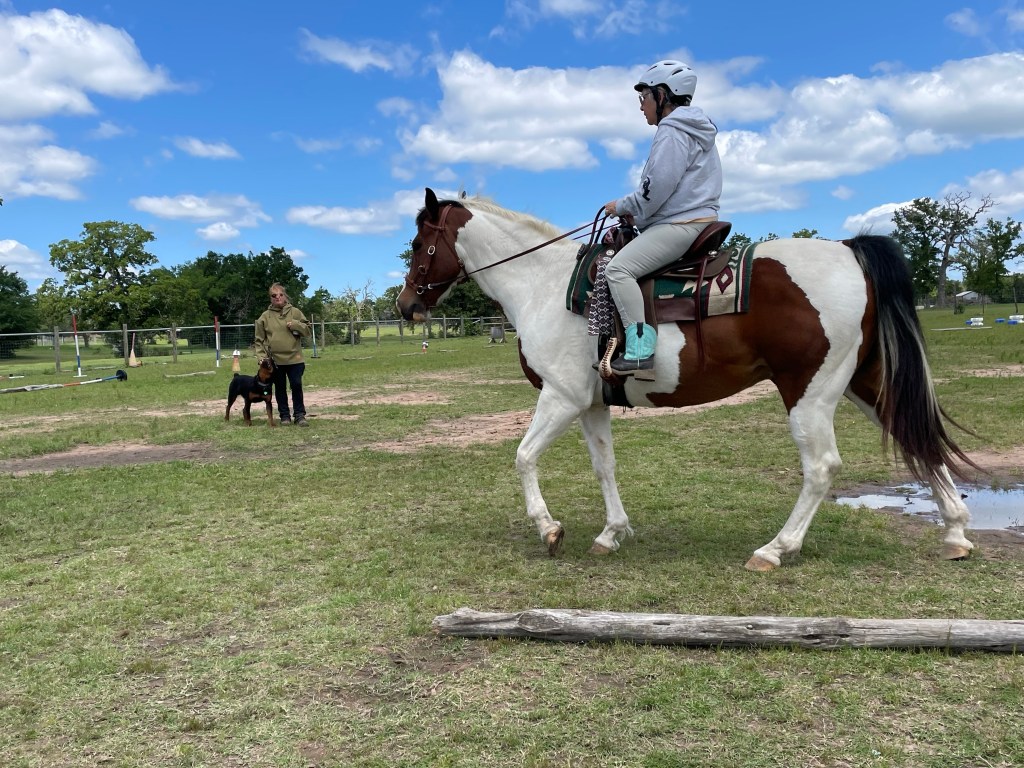
The second part of our session was learning to do small circles precisely and teach the horses to pay attention to us rather than memorizing a pattern and blasting through it. That was a lot of fun for us, especially when we got to trot it. Apache and I have really made some improvement, and I was so happy to try these new things and refine how we do them. So much learning!
Perky turns
After our turn, we had an educational session where Tarrin showed us what a horse with severe hoof issues looked like on the inside. Camina the dog really wanted to eat that demo horse leg. It’s really cool that a horse can contribute to education after it has to be put down. It’s like they live on.
Yum.
Another thing we did was each of us stood on two scales and had to practice balancing so that each scale read the same. This was not at all easy. We also found that slight shifts of our hips made the scales move many pounds. What this demonstrated was that our shifts can really affect our horses, and also that their shifts can also affect their performance.
The folks in the last, most advanced, group in the clinic focused on this balance and helping their horses get not only straight but balanced before doing activities like beginning a canter from a stop.
Aragorn in action
Now, this annoyed each of the horses as far as I could tell, but it was fascinating to watching both horses and riders learning to refine their balance.
Concentrating
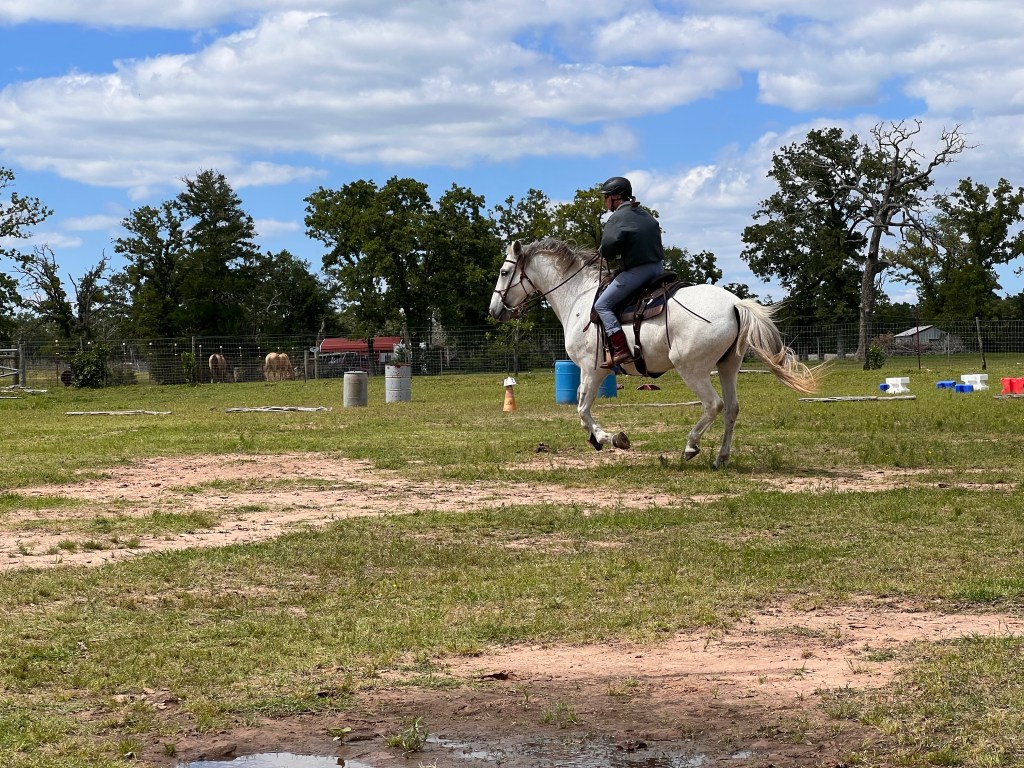
Then they all cantered around those barrels we trotted around. Wow, some of those horses are beautifully trained. Aragorn did a great job as well, even though he’s just learning. Sara loves this photo I took of them together.
Sara’s favorite photo
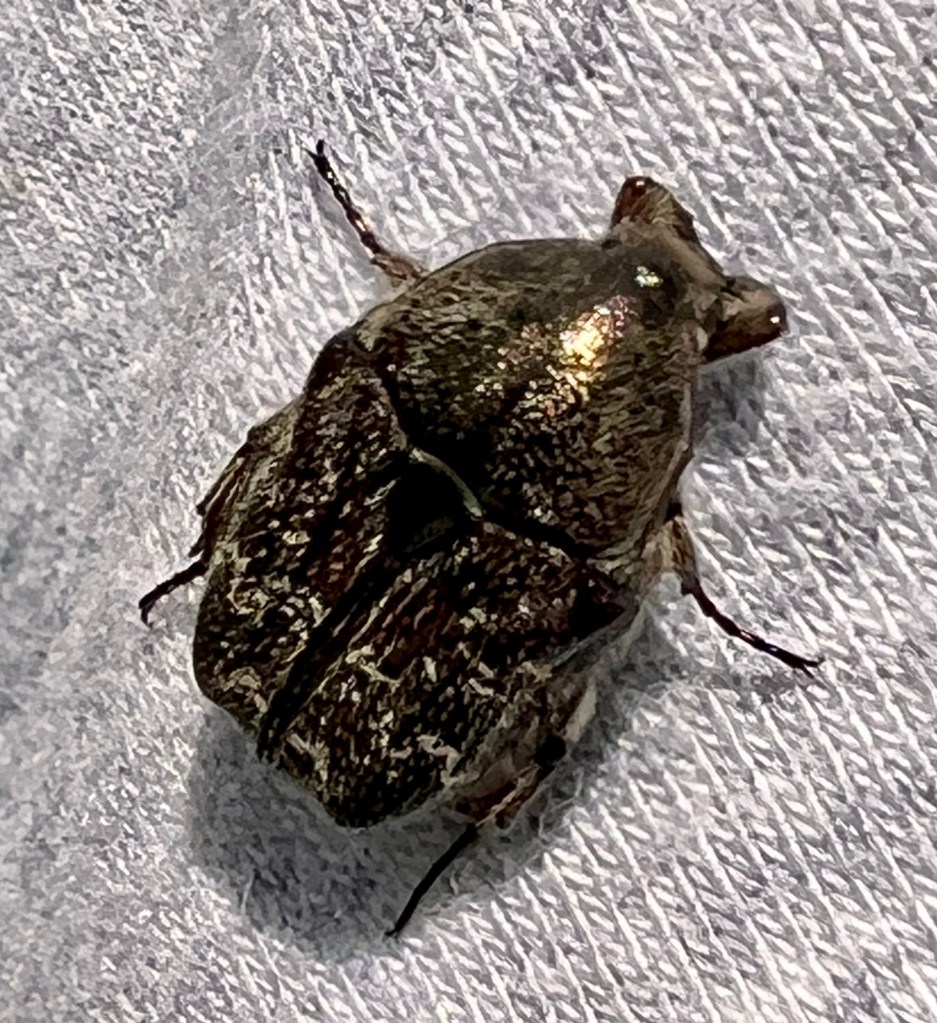
Of course, since it’s City Nature Challenge weekend, I snuck off to take photos of the plants and insects at Tarrin’s. I saw so many butterflies, and a gorgeous scarab beetle that visited my jacket. The ladies I was sitting with were fascinated with me looking at it, photographing it, and figuring out what it was.
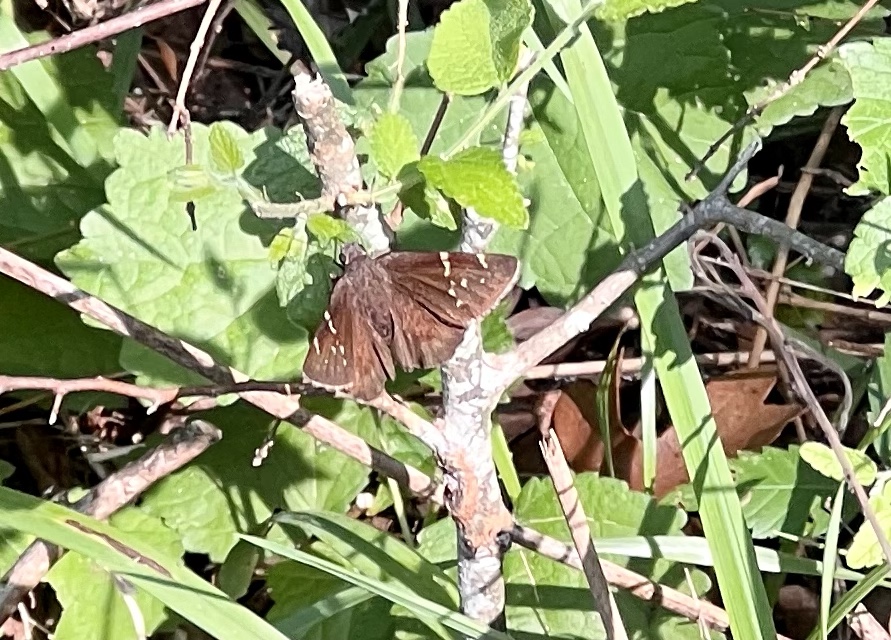
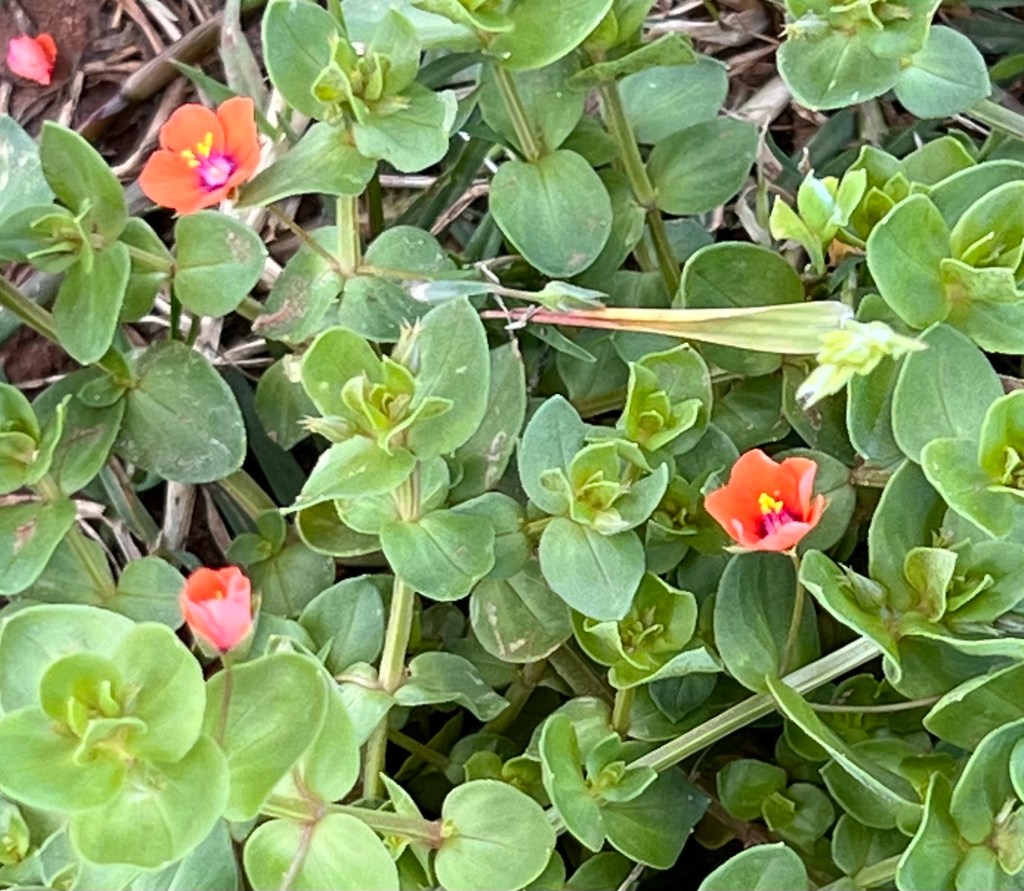
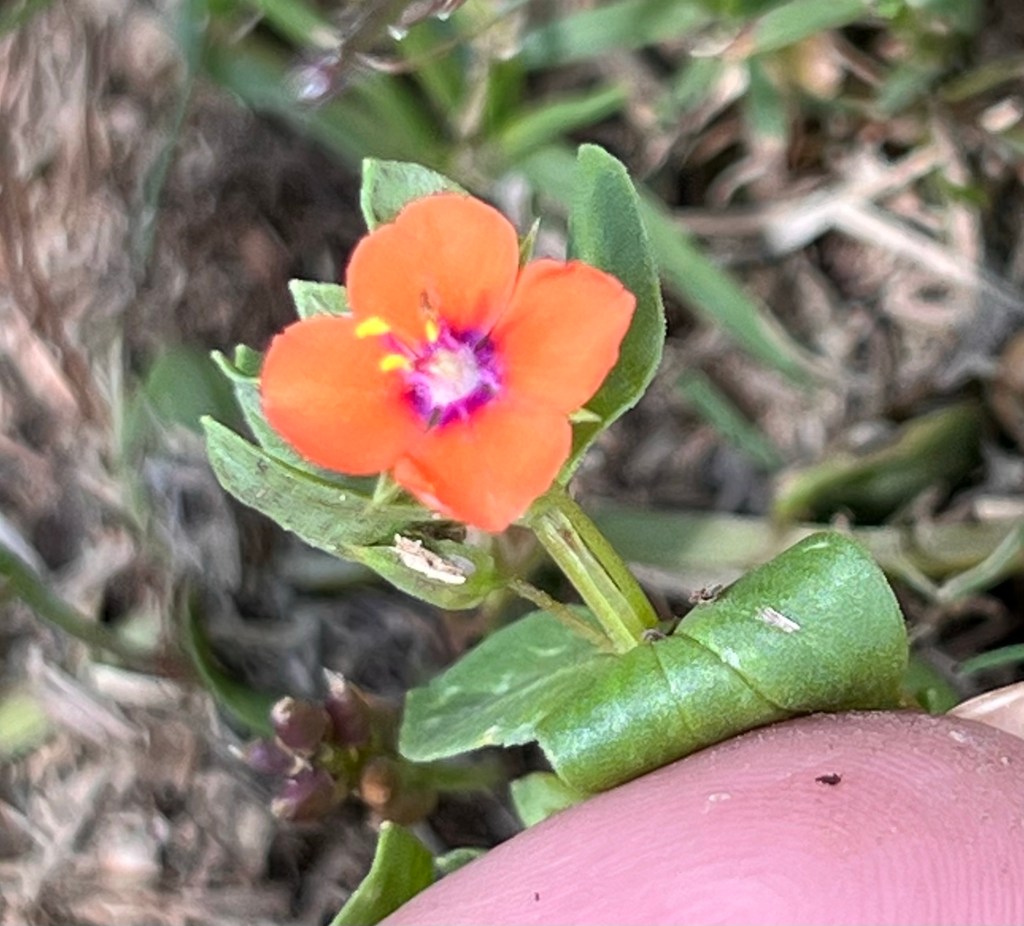
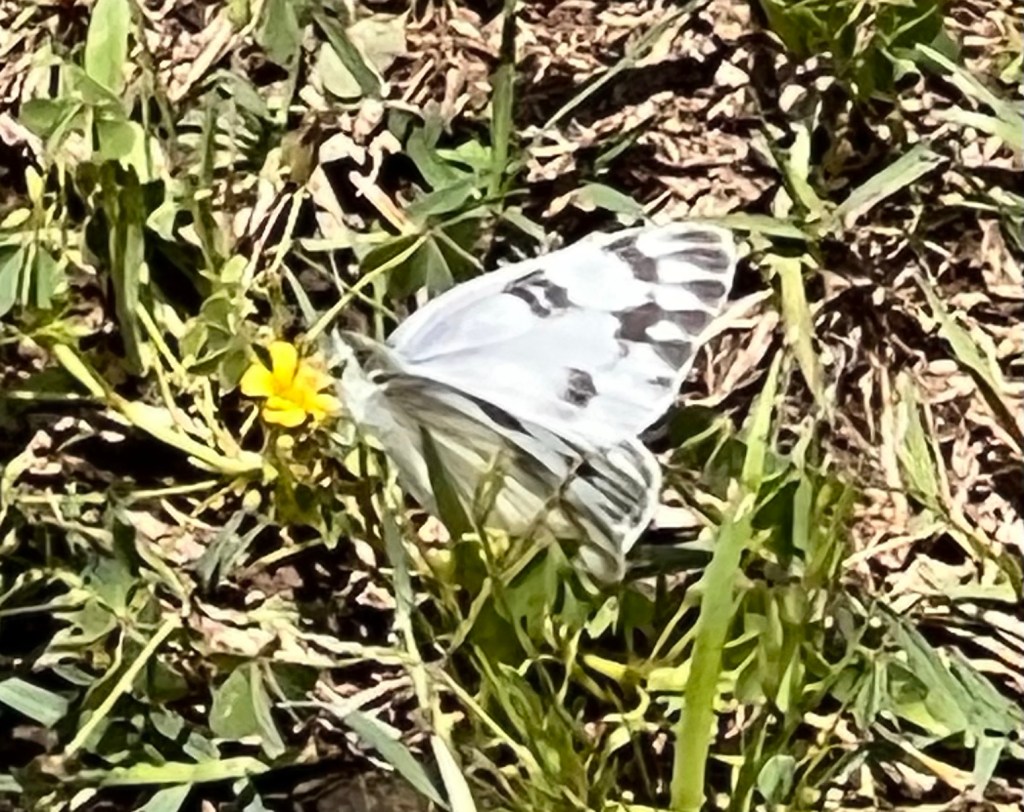
Interesting red cloverVenus’s looking glassCut leaf evening primrose Small flowered catch fly Scarlet pimpernel Pimpernel closeupOrange sulphur Buckeye and American ladyCheckered whiteAmerican ladyCheckered skipper Beautiful dark flower scarab
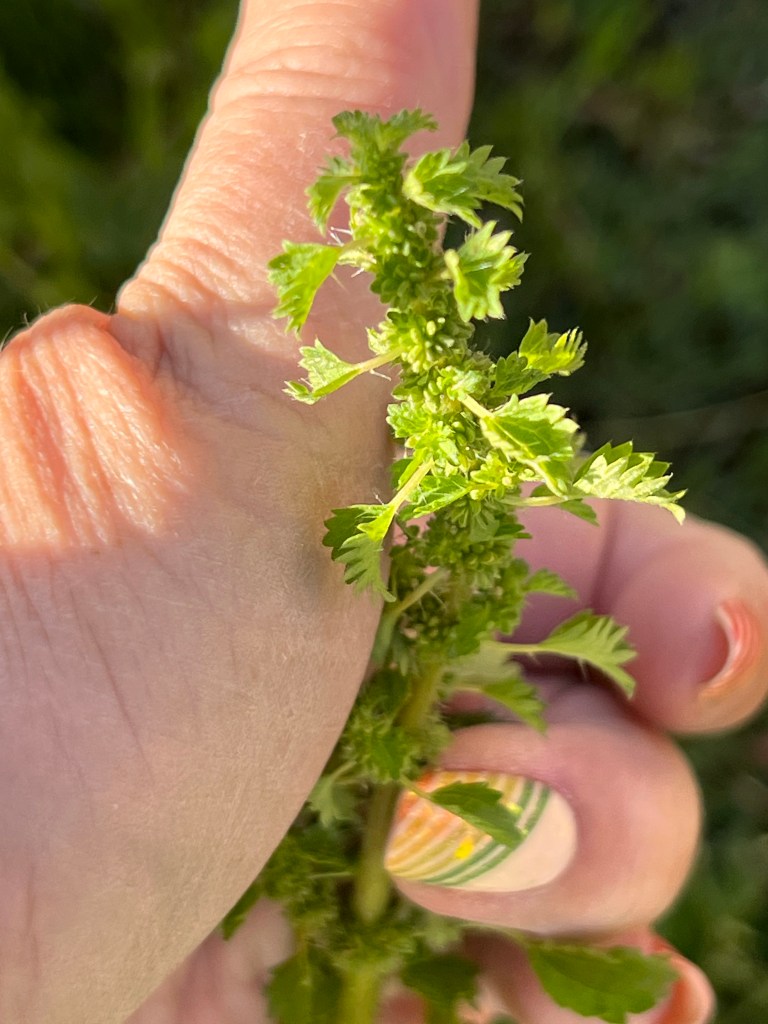
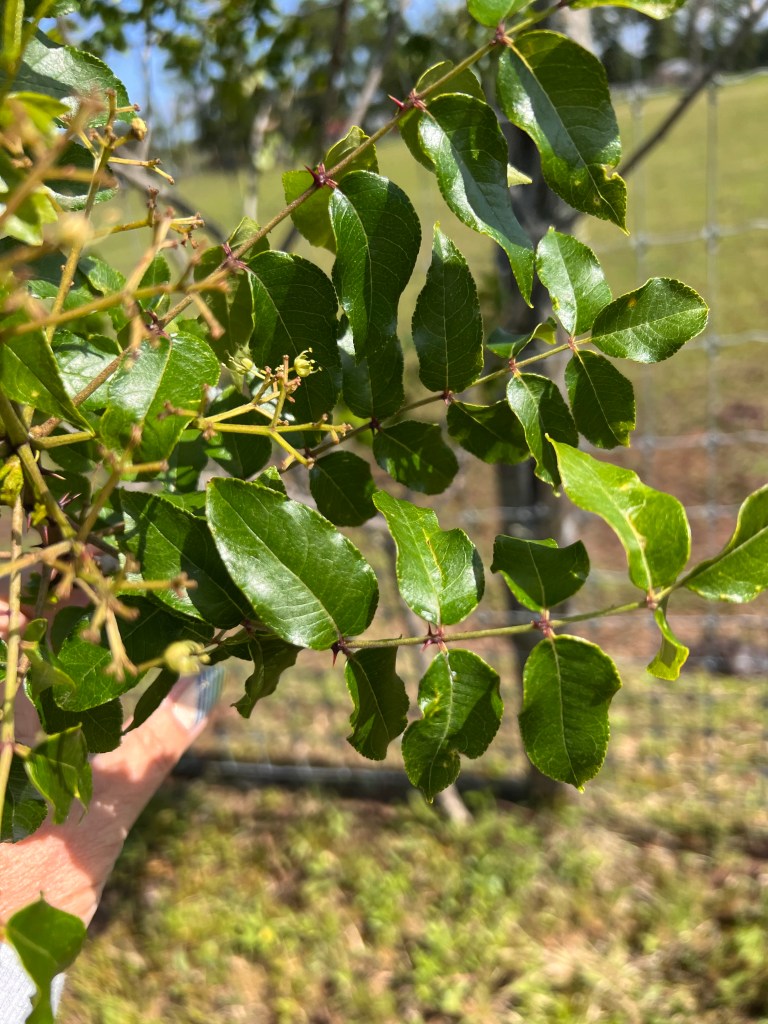
The only negative was that I keep touching plants and really should check to see if they are nettles BEFORE touching them. Ow. There were also some very spiky trees that are either Hercules Club or Spiny Ash.
Ow ow. Nettles. Spiky tree.
It was a really fun day for all of us, even the horses. We didn’t let that awful chilly wind slow us down!
I got to hold this giant draft horse’s lead rope and pet him. He’s shy.
Sara and I spent much time when we got home telling our horses how proud we are of them. These are the times to remember when things get challenging again!
Sara is telling Aragorn how pleased she is with him.
Long day. Got a lot done and even received my new internet thingie. Can’t make it go, so more tech support tomorrow. Think of me.
I’m as stubborn as these persistent tie vines, though. I’ll get there.
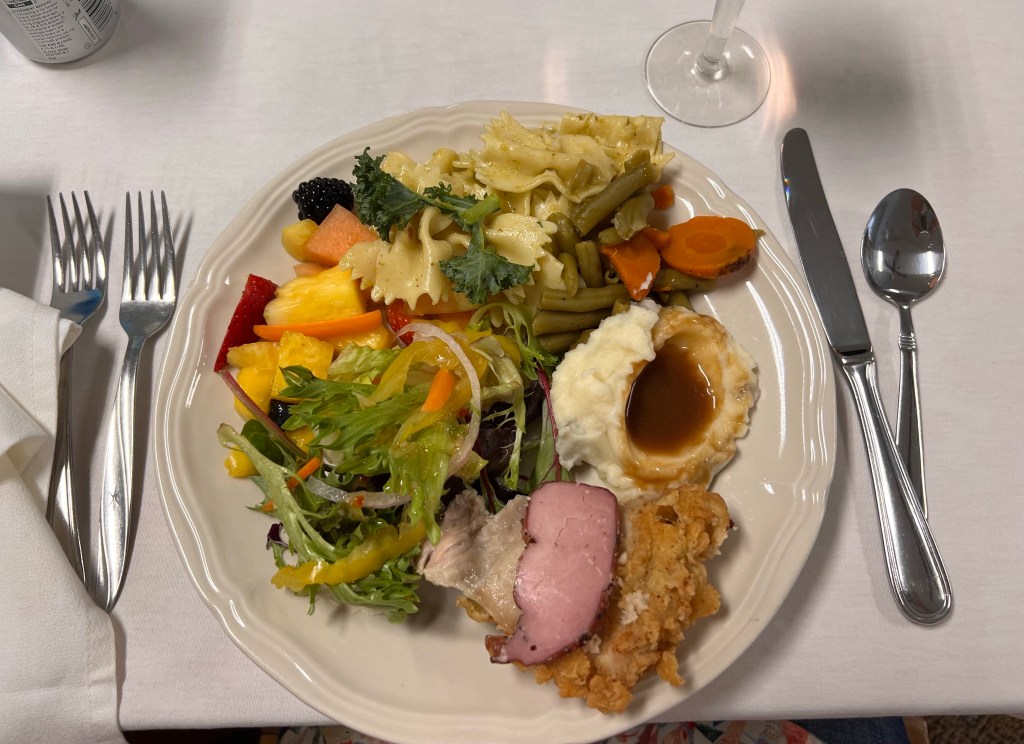
By the time I got to an event I’d been looking forward to, a party for our recent Master Naturalist class graduates, I had a raging headache. Turns out the weather was changing. But the food was good and I enjoyed talking to friends.
Good job, Barbara D. It was delicious.
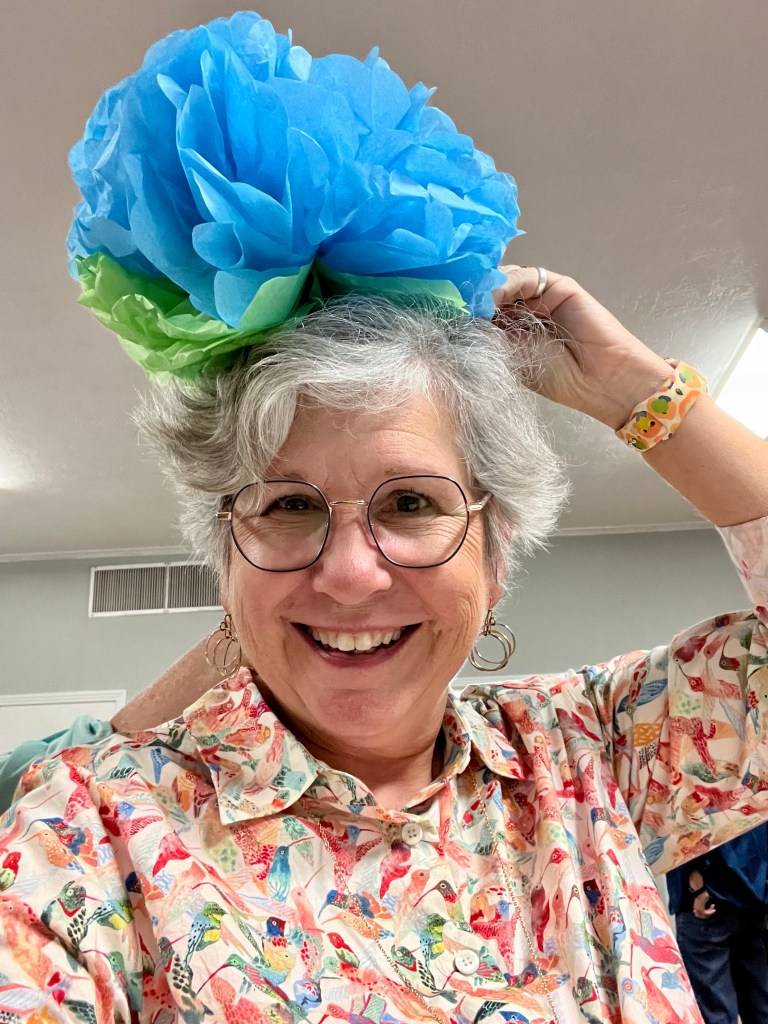
After all the serious photos I took, we got goofy with the paper flower decorations.
Yes, there’s an invisible hand behind my head. Mostly invisible. Elegant!Ok, I was goofy. Pamela looks nice.
When I got home, Lee proved he was just as goofy as us. We all needed a good laugh!
Well, we dodged the worst hail from tonight’s storm and haven’t lost power. That’s probably because Martha isn’t across the street. Lightning DID hit the transformer across the road from her, though. Is Martha and lightning equal to Kathleen and snakes? let’s hope it’s coincidence.
If you could have something named after you, what would it be?
The blog prompt for today got me thinking about how much I enjoy Texas State Parks and how many opportunities there are for volunteers like me and my Master Naturalist friends to help out and educate the public at them.
View across the dam at Meridian State Park
Sadly, there’s no State Park in Milam County, so our El Camino Real Master Naturalist Chapter have had to make our own opportunities, like our Wildscape that Catherine Johnson spearheaded. Another group is working on a project at Sugarloaf Mountain, a cool site in the county.
We don’t have much public land, if any in Milam County. Thank goodness someone donated land for this park!
So, if I had anything named after me, I’d love it to be a State Park in Milam County. Of course, our ranch isn’t big enough to be one. And we don’t own it all ourselves. So I’d have to get really wealthy and buy up some scenic land. It’s just a dream, but I’ll help out anyone else who wants to create one!
I hope my park would have cool beehives like the one I found yesterday on the dam! Watch this video!
Until the Suna State Park is developed, I’ll just keep visiting others and documenting the biodiversity at each one.
Lee and I talked about printing some of our best photos to decorate Seneca the motor home. This is a juniper hairstreak on antelope horn milkweed.
The next trip will be to a Corps of Engineers park with people from our former church. That will be more social camping! Enjoy more photos from yesterday. Which do you think would make good wall decor?
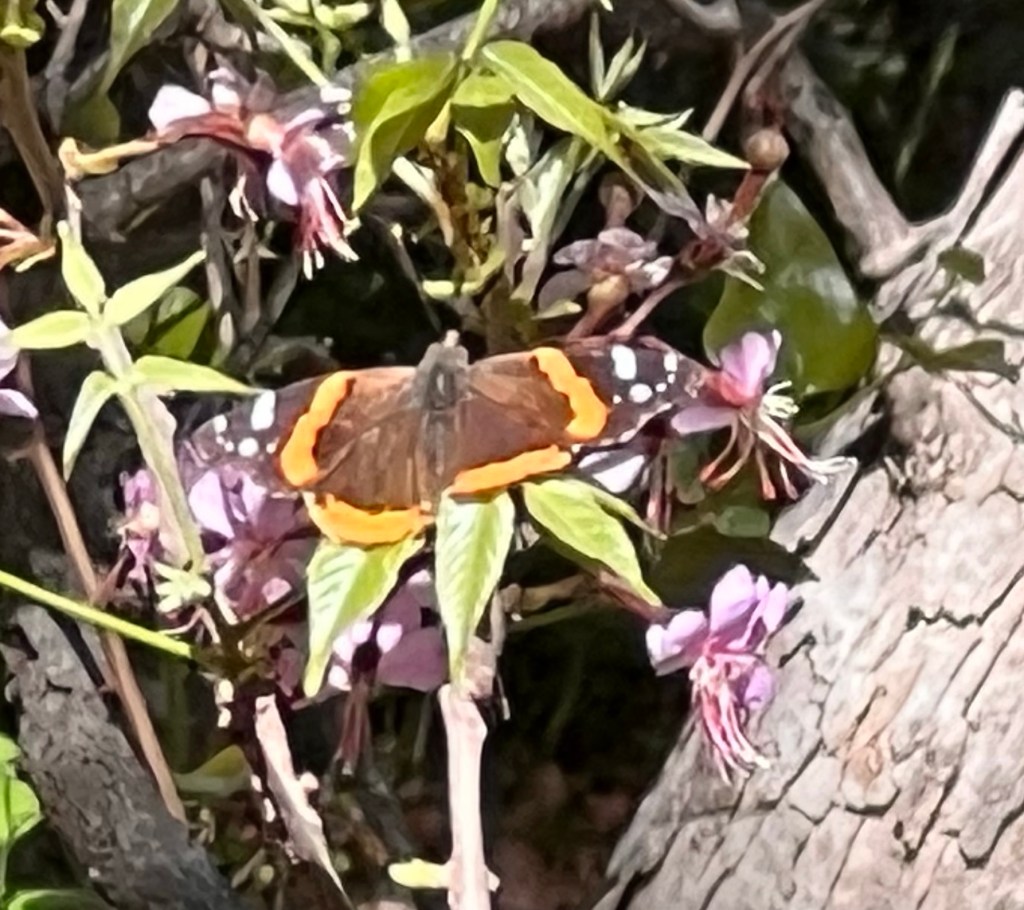
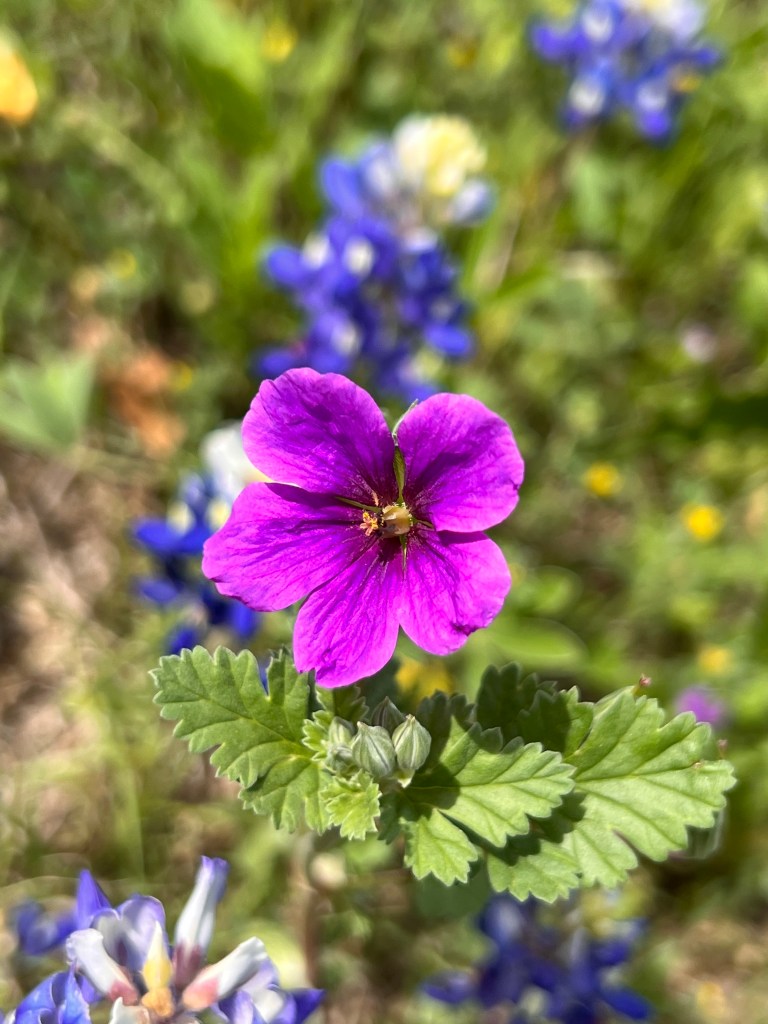
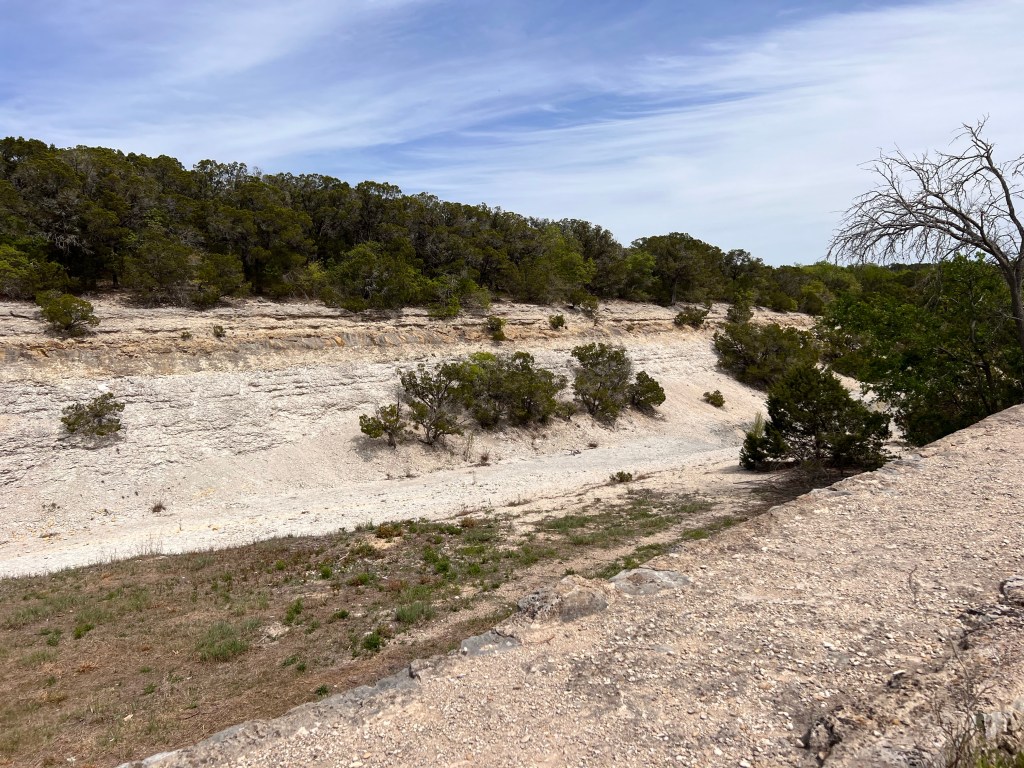
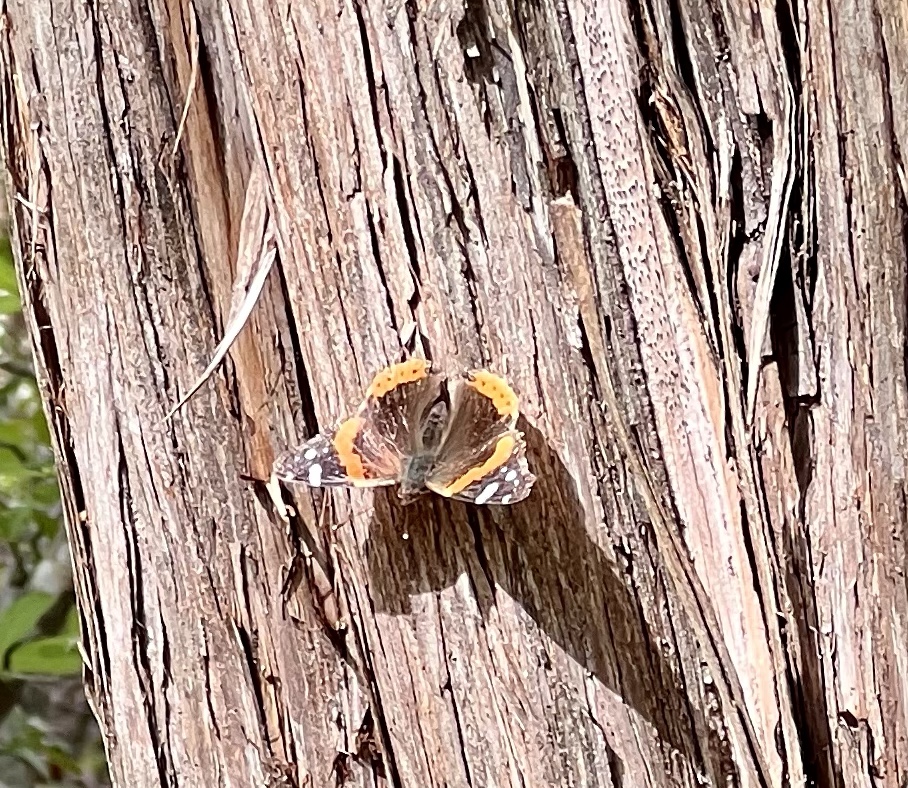
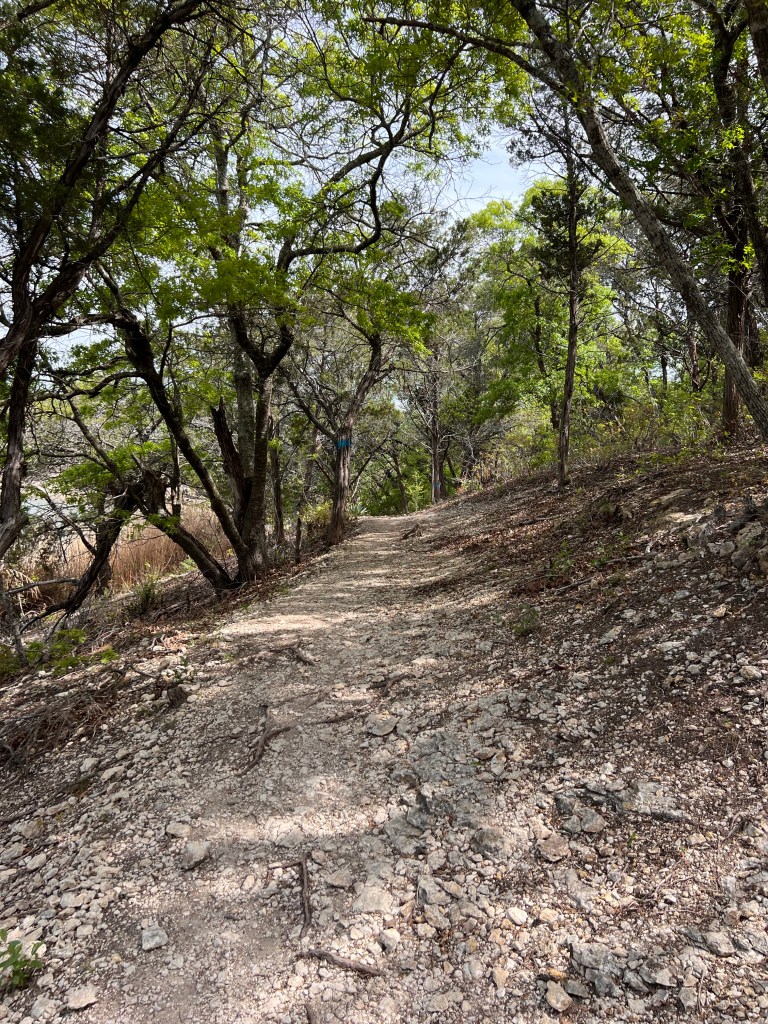
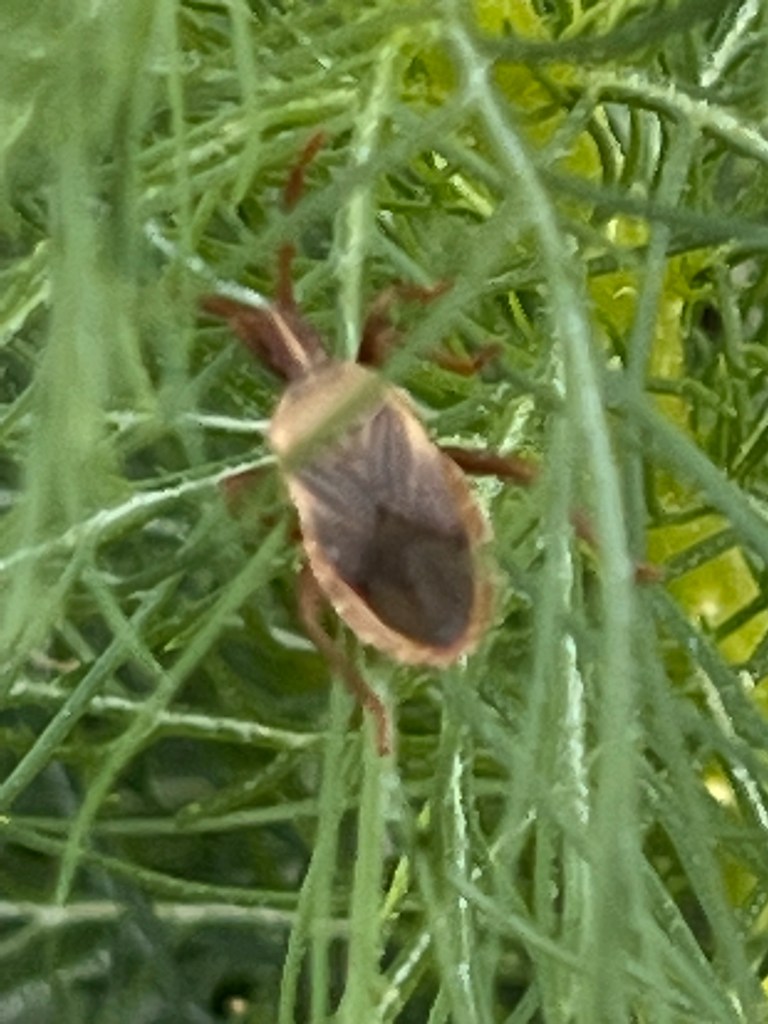
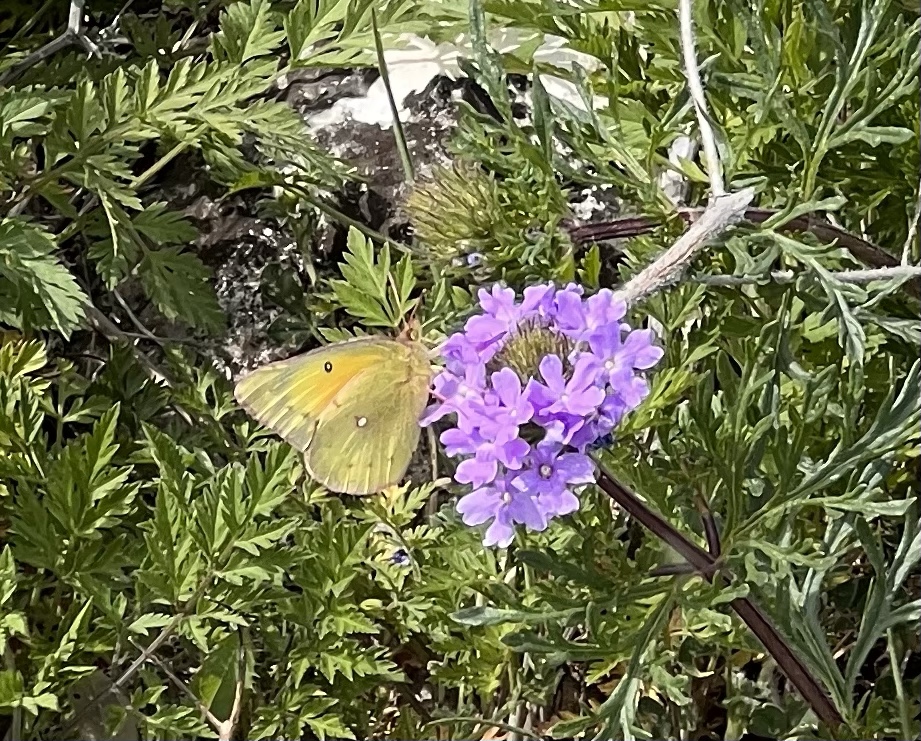
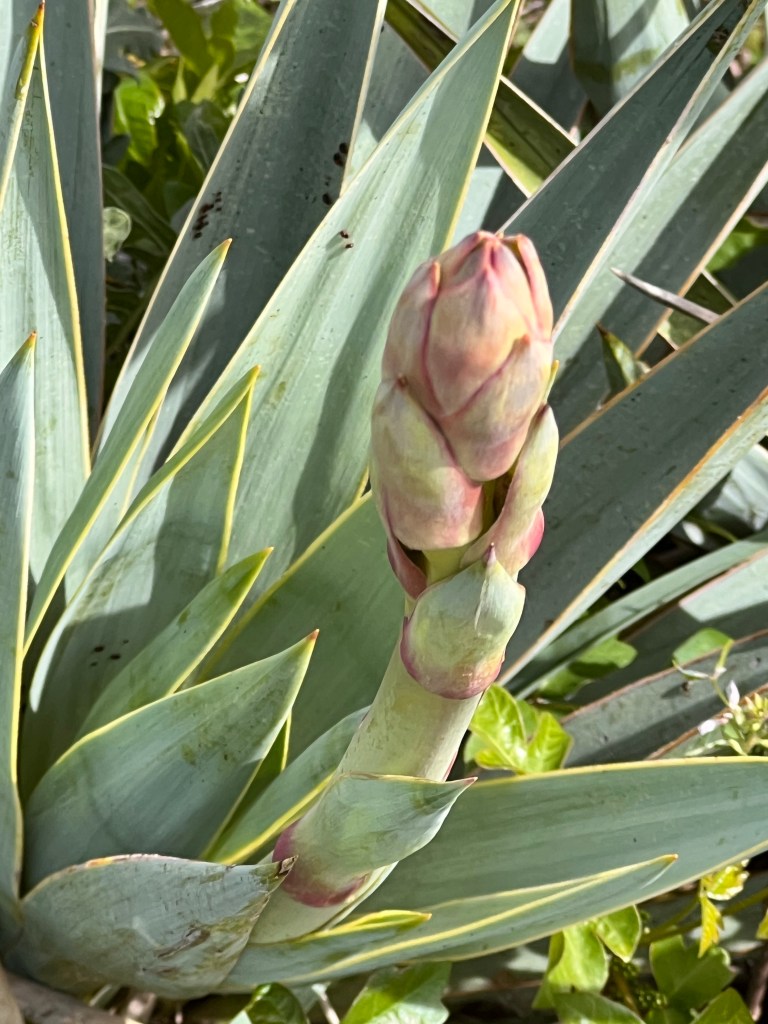
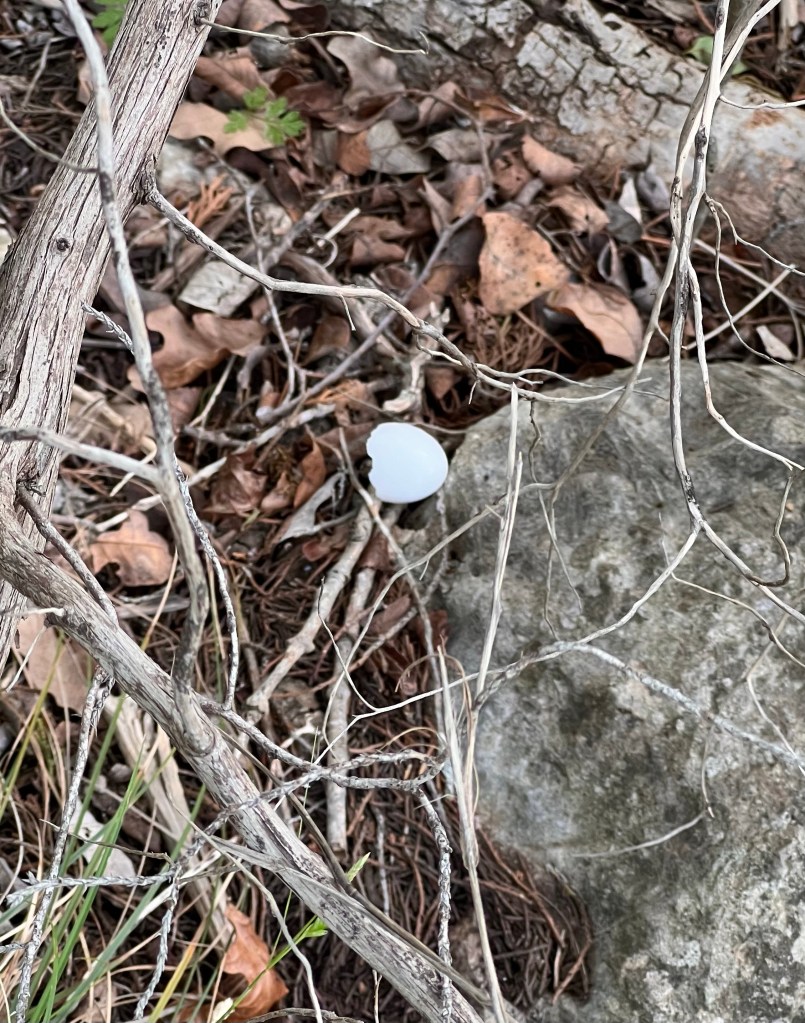
Red admiralTexas beautiesNarrow leaf poccoon whatever that isMore purple paintbrush LakesideSpillwayVerbenaEngelmann daisyTexas yellow star, I thinkPossumhaw Red admiral on juniperTrailCactus coreid bug, maybeBack of damOrange sulphur YuccaBuckeye Little egg
Spring is in the air, at last. The weather is becoming warmer (perhaps too warm for February, but never mind – it’s nice for riding horses), birds are migrating north, and the days are getting longer. All those things are welcome to everyone who had to deal with the harsh surprises the ice storm brought.
I was happy to see that the cranes are now back in the skies, going the other way, and the killdeer have come back. Meadowlarks are also making themselves very well known.
Can’t miss these guys. They are loudHeading north
All the tiny spring flowers are blooming, which you can see if you do “belly botany” like my botanist friend always recommended. It’s so good to see them.
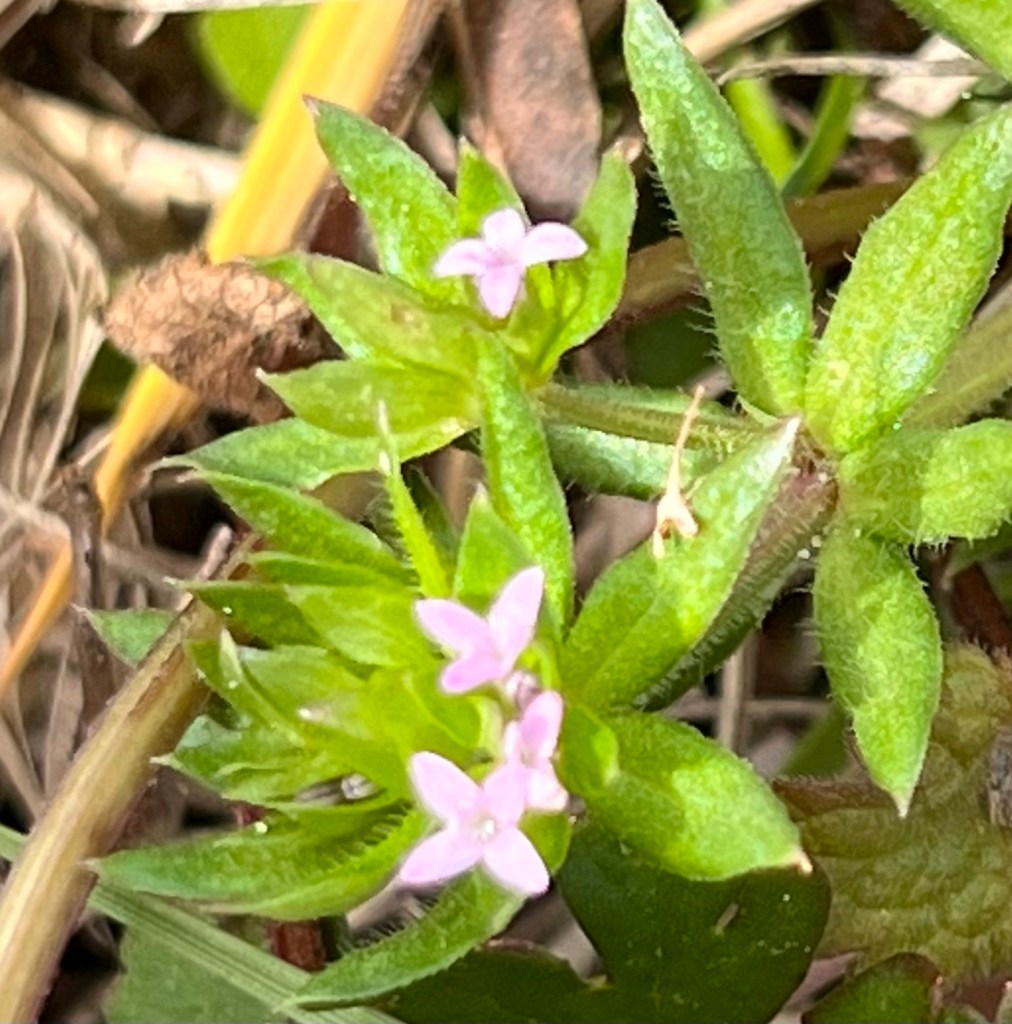
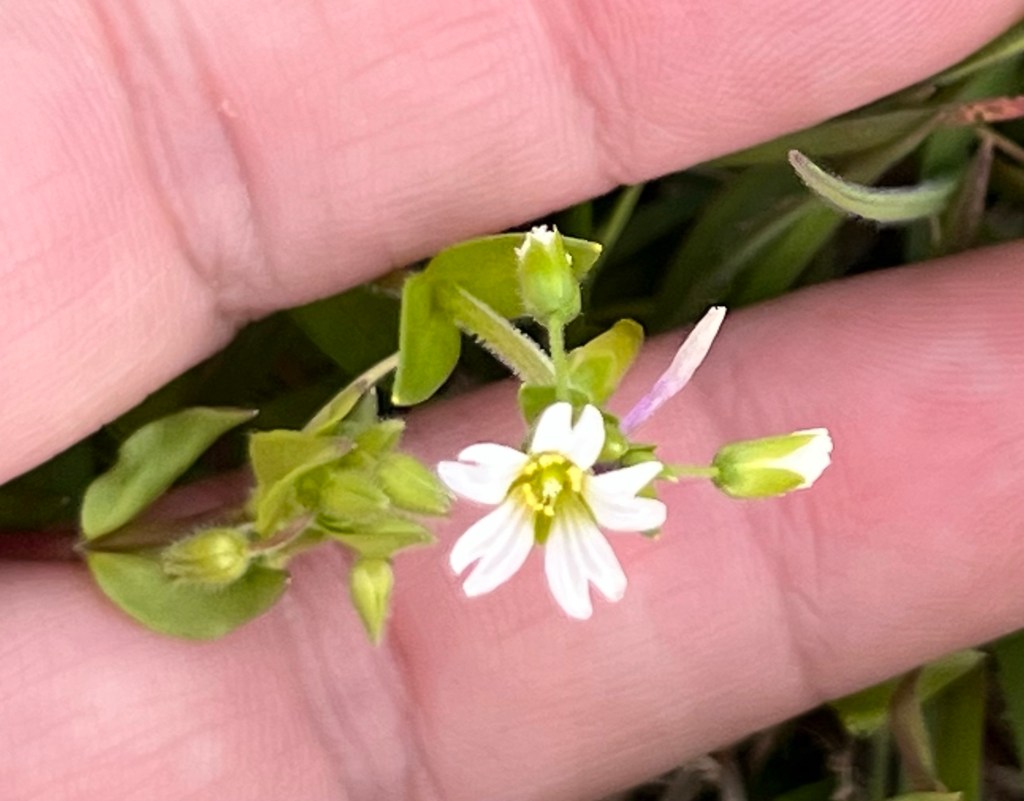
Rose bluetField madderChickweed
While uploading some of the photos I took to iNaturalist, I took the time to see if one of my theories about what’s growing on our grassy areas was true. Sure enough, chickweed is so named because it’s used as chicken feed. It’s even grown as a crop in some places! Common Chickweed (Stellaria media) is darned interesting for a “weed.”
It is native to Eurasia and naturalized throughout the world. This species is used as a cooling herbal remedy, and grown as a vegetable crop and ground cover for both human and poultry consumption. Stellaria media is edible and nutritious, and is used as a leaf vegetable, often raw in salads. It is one of the ingredients of the symbolic dish consumed in the Japanese spring-time festival, Nanakusa-no-sekku.
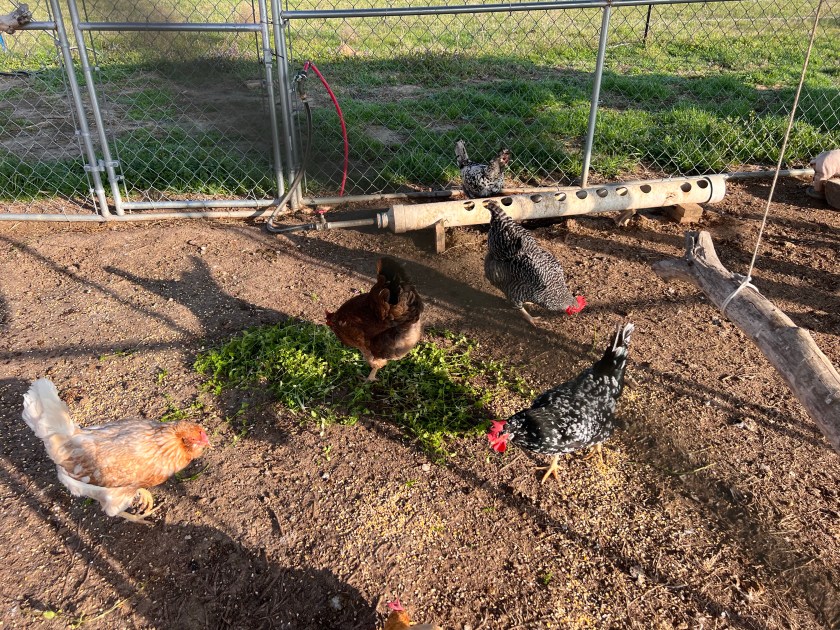
I feel a lot better, because for the past few weeks I’d been feeding it to the chickens along with the henbit I’d read was good for them to eat (and whatever else comes up when I pull it up). They eat it like crazy.
This is some good stuff.
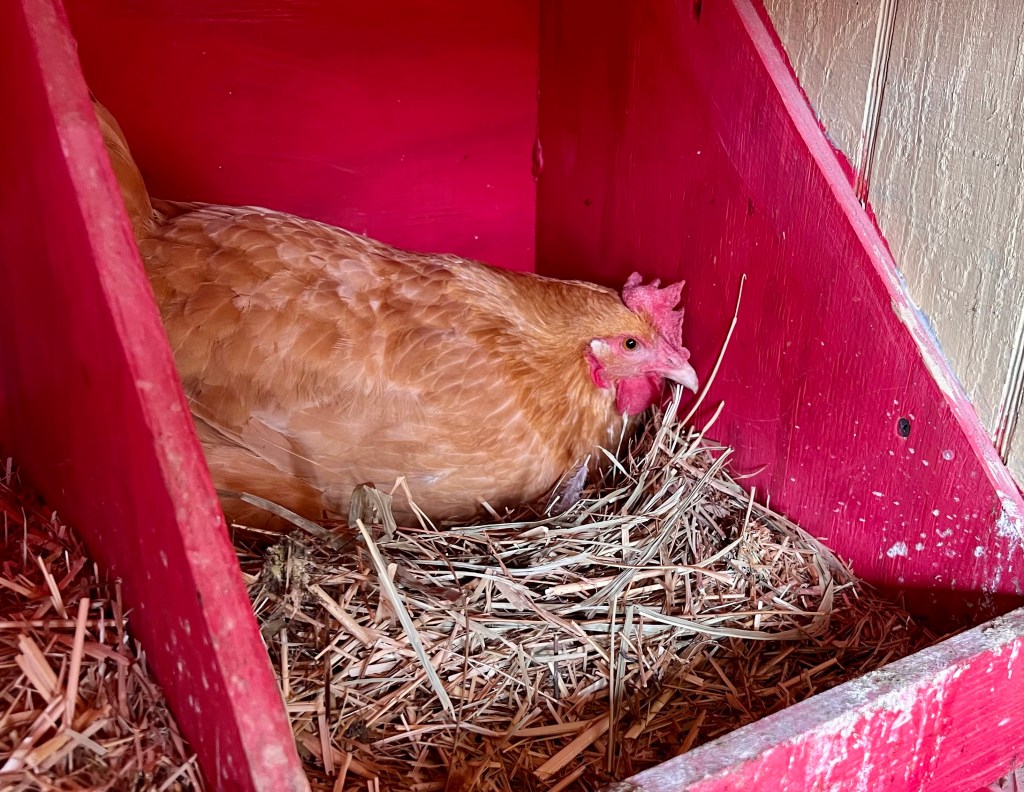
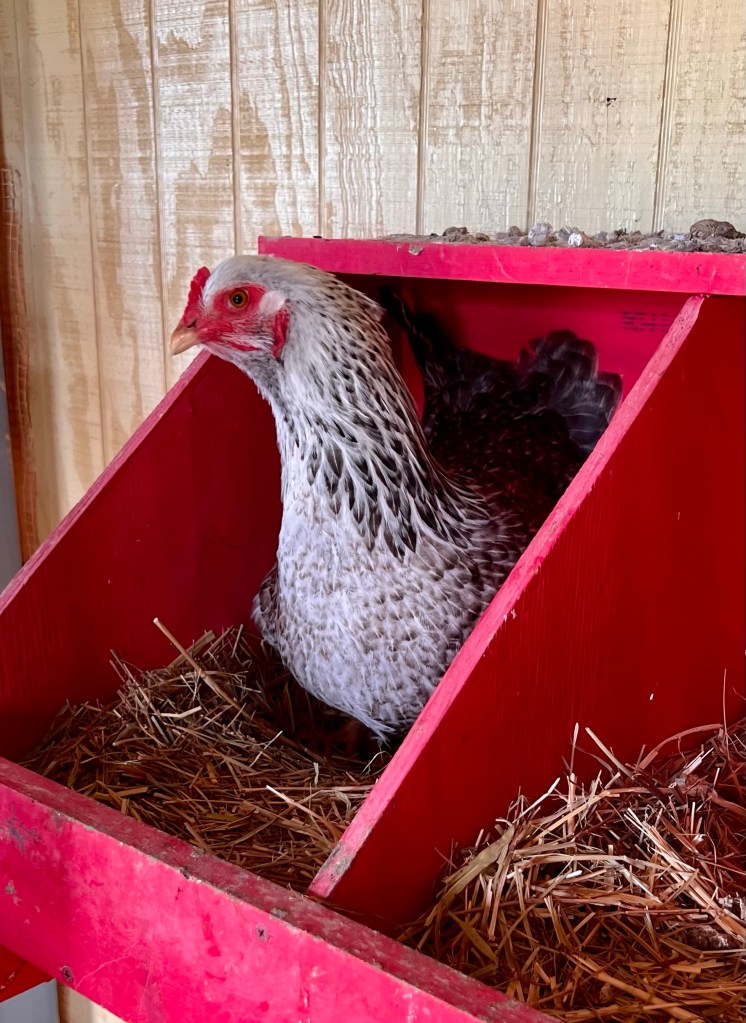
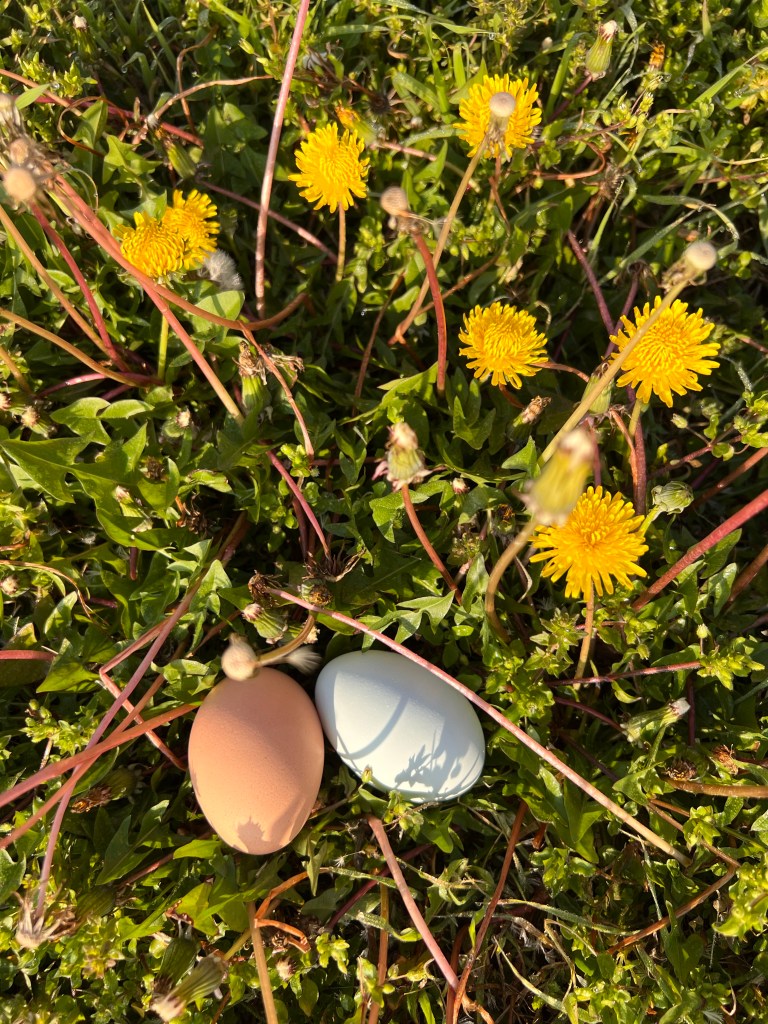
Speaking of the hens, they also know it’s spring. Everyone has grown all their feathers back nicely, even Blondie, who had been bald on her back from the rooster’s attentions. And Betsy, the one who lays blue eggs, has ramped up production again. I think half the chickens are laying now (at least two of them are old enough that I don’t think they’ll lay at all). For a while I was just getting one or two a day, a white and a tan, but now I’m getting three…maybe up to five with the coming of spring.
I look much betterI’m the prettiest Easter Egger ever, even if I just lay tan eggsBoth these eggs are the first their layers have produced this year.
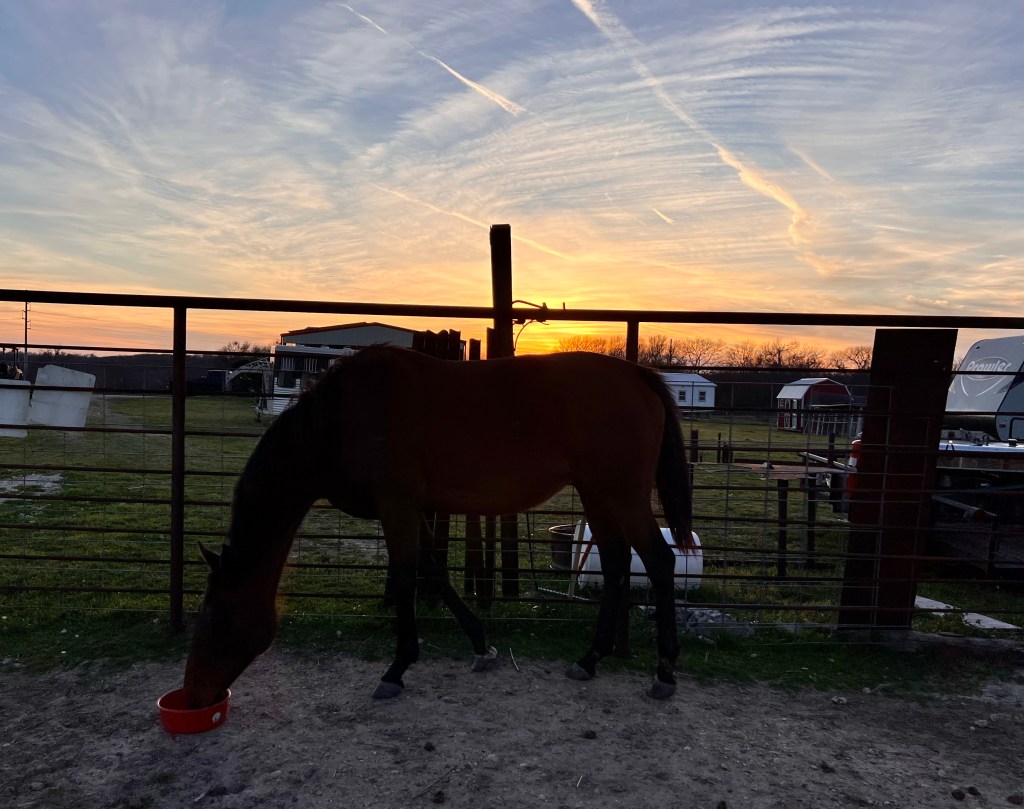
The other great thing about spring coming is that the days are getting longer. That means I can get rides in on both horses after I finish work, which may help out with the fact that I’m not feeling very confident lately, especially with Drew, who is needing a lot of “firm corrections” as Tarrin calls them (he rushes rather than walking beside me when he sees grass, and just seems irritable). I am glad I can spend more time with my equine buddies, nonetheless.
Sunset Patchy, looking trim at 6:15 pmMabel is practically invisible, playing with Fiona’s dish
So, why do I say spring is sickening? It turns out that I made myself sick when I was cleaning out the henhouse last week.
Let this be a lesson to you all: when you are sweeping up bits of hay and straw filled with chicken poop, wear a mask. I did not.
Thanks to that error in judgment, I now seem to have some kind of lung infection. I found myself wheezing and gurgling when lying down a couple of days ago, and since then, my lungs seem to be filled with fluid. At first it was clear, so I wasn’t too worried, but it’s getting worse, so I have an appointment to get my lungs looked at. Since I have NO other symptoms of illness (COVID negative, before you ask), all I can figure is I inhaled things that displeased my bronchial tubes.
The horses say I should spend more time in the fresh air with them.
Now, I live in Milam County, Texas, land of few medical services. I had an appointment for this morning, but it turns out the Internet is down at the local office. That’s so Cameron. I might be able to get in today in the next town over if my PA goes over there; otherwise, I have to cram an appointment with the other provider in tomorrow (my busiest day of the week), amid getting my spouse to the chiropractor for his messed up back, taking him to his Rotary meeting, and grabbing lunch with my friends. I predict all of that won’t happen.
So, readers: wear a mask when working in a dusty, enclosed environment like a chicken house. Or don’t ever clean it (not a good idea, since it gets stinky).