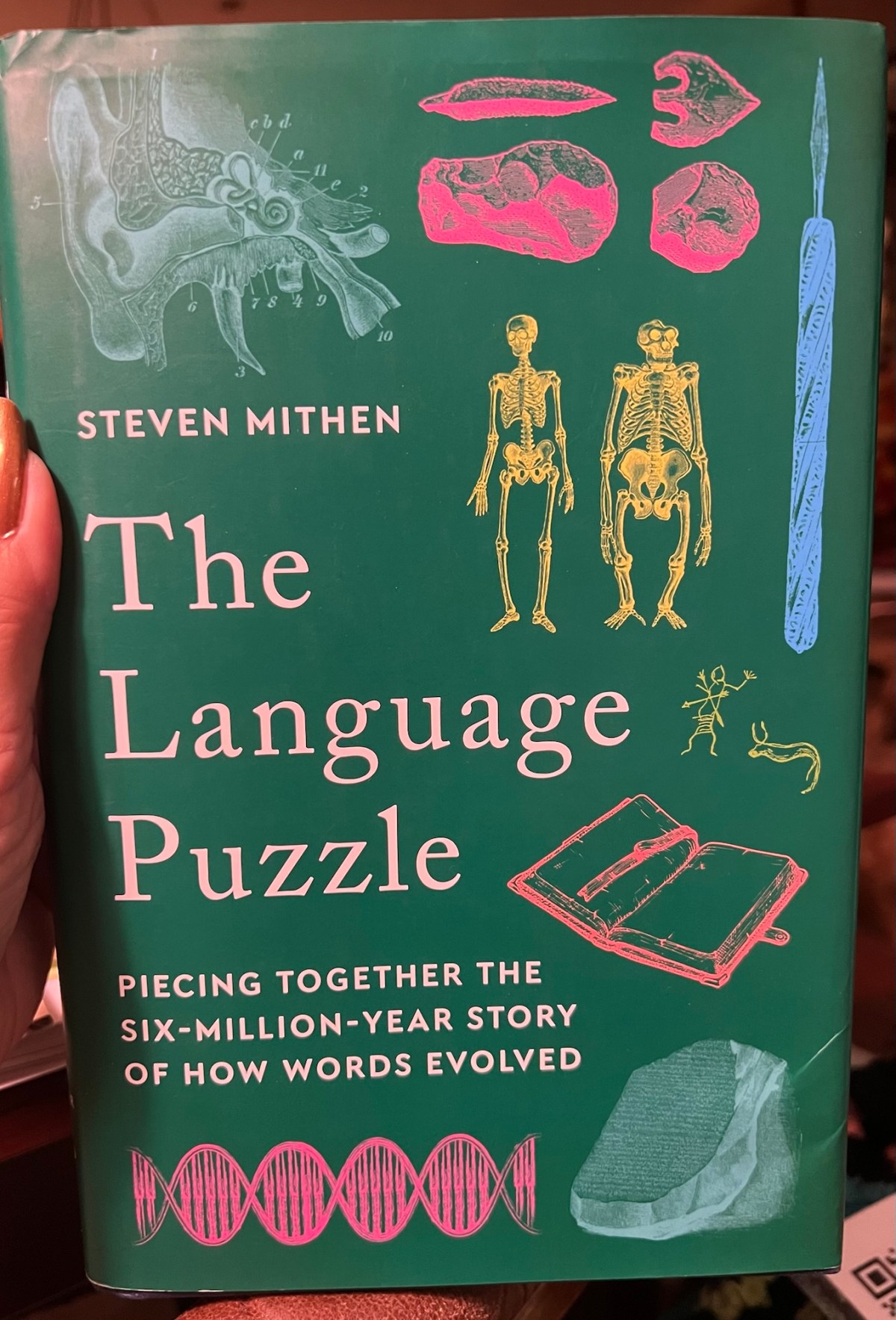
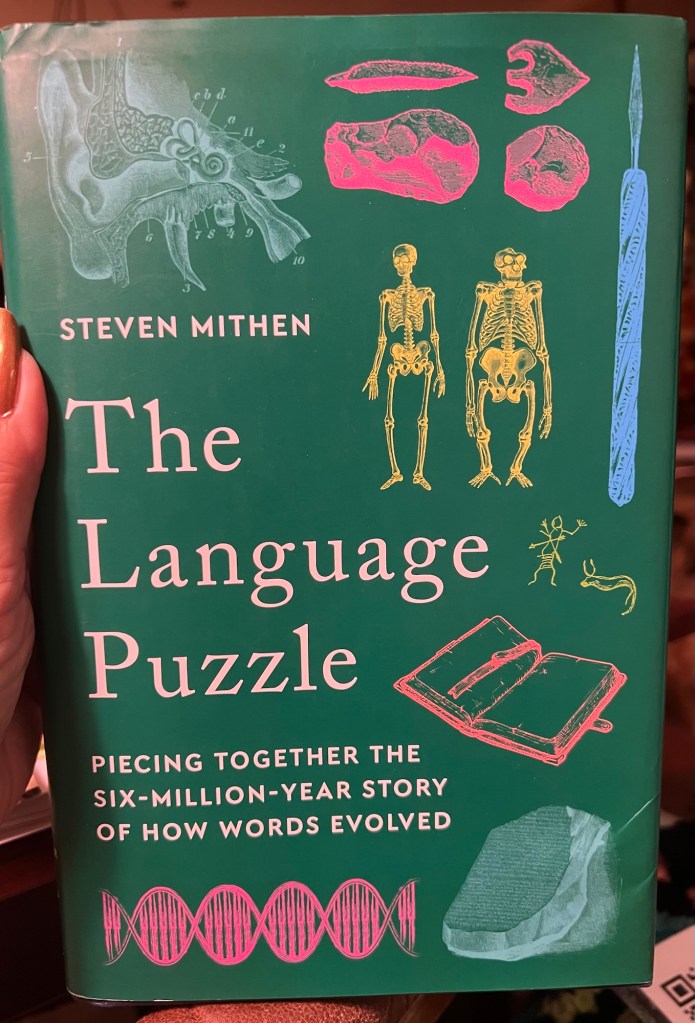
To say the least, as a former linguist, I was excited to find this book by a genuine researcher that claimed to explain the origins of language. And by gosh, Steven Mithen undertook a boat-load of multidisciplinary research on the history of humanity, culture, anatomy, and climate (among other things) to put together the various factors that could shape the development of language. It’s impressive. Lots of footnotes.
I enjoyed learning about all aspects of the puzzle, particularly the parts where he summarizes the history of linguistics and how the various parts of language fit together. Even if I didn’t already have a pretty firm grasp of the parts of speech, sound systems, semantics, and pragmatics, I think I could have grasped enough of it from Mithen’s clear explanation. Just the first few chapters are worth the price of the book.
One thing that bugs me, especially when he gets to the sections on human development, is that it takes a lot of conjecture to move from the time when the human line diverged from the chimpanzee evolutionary path. There are many missing pieces in the fossil record, and much of our anatomy doesn’t survive to the present day.
And all the parts about how words sounded are fun to think about, and he does find evidence to back up many of the concepts, such as different head shapes and vocal tracts. I just found some of the story Mithen comes up with, about fire shaping storytelling and such to be plausible but not verifiable.
I’m not saying this wasn’t a good book, because I enjoyed it very much and learned a great deal about human history. I’m simply pointing out that I still don’t think we have a clear picture of how human language developed. I wonder if we ever can figure out details of something there’s no record of, like spoken or signed language.
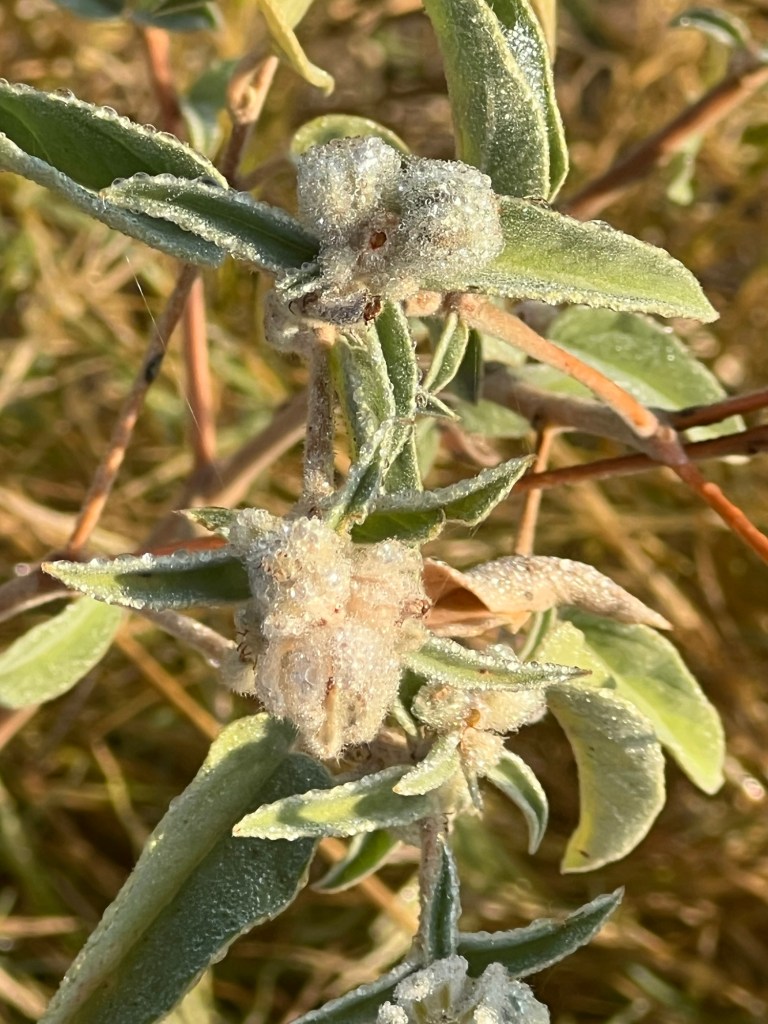
Unspoken beauty of dew on dove weed.
Maybe Mithen will next turn to written language. It has more examples to investigate.
I’m way behind on book reports, and I want to catch up before I flee Texas for a couple of weeks again. So let me share this delightful volume that Lee got at the bookstore/coffee shop in Rockdale (one of the few reasons I would volunteer to go there).
Great cover!
Holy Shit: A Brief History of Swearing (2013) is worth looking for in your local used book store. Melissa Mohr has a fine way of blending academically rigorous prose with sneaky bits of humor. For little linguist Suna, this was a delightful and engaging combination.
I’m sure my friends are glad I finished reading it, because I was compelled to regale my family and friends (and complete strangers who were willing to listen) with tidbits about the origins of curses and swear words. I feel quite educated in how the English language developed its words not fit for polite company.
I was extra glad that Mohr started out with how the Romans used swearing in Latin. I learned some good Latin and laughed a lot at their creative bathroom scrawls. Actually, they scrawled on all the exterior walls, too. I also learned more about their sexual practices than I did before. I’m not putting that stuff in the blog, though.
The main point of Mohr’s research was that what US and British society found to be the most offensive type of words has changed over time. early on you could babble on and on about shitting and fucking, but you’d better watch your tongue when uttering oaths or insulting God. The worst was to swear by God’s body, like God’s blood! They felt that you truly hurt God when you did that.
As time passed, oaths and swearing became less of a touchy subject. Nowadays we swear to God or whatever, and most sects don’t get up in arms. It’s the bodily functions that are taboo. Now we pass gas, have a bowel movement, urinate, and copulate. That’s all thanks to our Victorian ancestors.
The history of what was allowed under what circumstances is fascinating, though. You have to get used to reading all those “naughty” words, of course. It’s worth it. I haven’t laughed and learned at the same time to this extent in a long time.
Yet, more than once in my life I’ve been called elitist for mentioning some of my peeves. After all, educated folks who know and use standard English are looked at as suspiciously progressive or something.
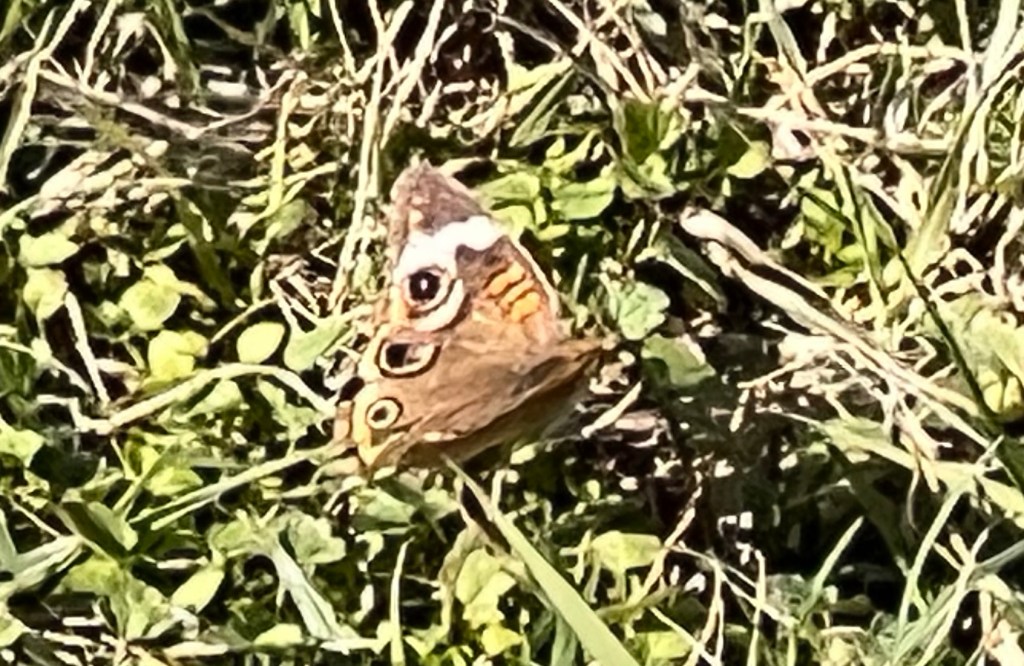
I won’t put the Latin name for this common buckeye so I’ll seem less snooty.
I’m all for creative use of language, am well aware that language changes constantly. So I am fine with observing new language, even if I never call u bae.
And I don’t even know ow which checkered butterfly this is.
So my peeves are mostly language usage. Not New language, just wrong stuff. Other than number 3 below.
1. Please use the contraction “you’re” when you are shortening “you are.” It’s easy. The word “your” refers to something of yours. Like your ability to spell words even when you’re using autocorrect.
I hope this peevish list doesn’t make me look like one of these.
2. Speaking of apostrophes, (a word with no apostrophes in it, by the way), they aren’t like garnish on top of salads that you sprinkle wherever they look cute. You do not pluralize nouns by adding ‘s. Nope. If there’s more than one item, you add a plain letter “s” unless the word ends in an s or z sound. The. You add “es” with no apostrophe. Even people’s NAMES are pluralized that way! Lee and I are Kendalls and Brunses. Now if we own something? Stick an apostrophe in there! Ms. Kendall’s pet peeves are a great example.
That’s enough, Suna.
3. Ooh, ooh! I have another one to add to my apoplectic elitist frenzy of prescriptivism! There is a recent trend to take perfectly innocent nouns and make them into some kind of cutesy verbs. Like:
What are you gifting this year? It’s the time of year to gift and gift some more!
What’s your favorite way to morning? Coffee, of course.
It’s time to football!
I think it started with things like weekending and breakfasting and has just kept spreading.
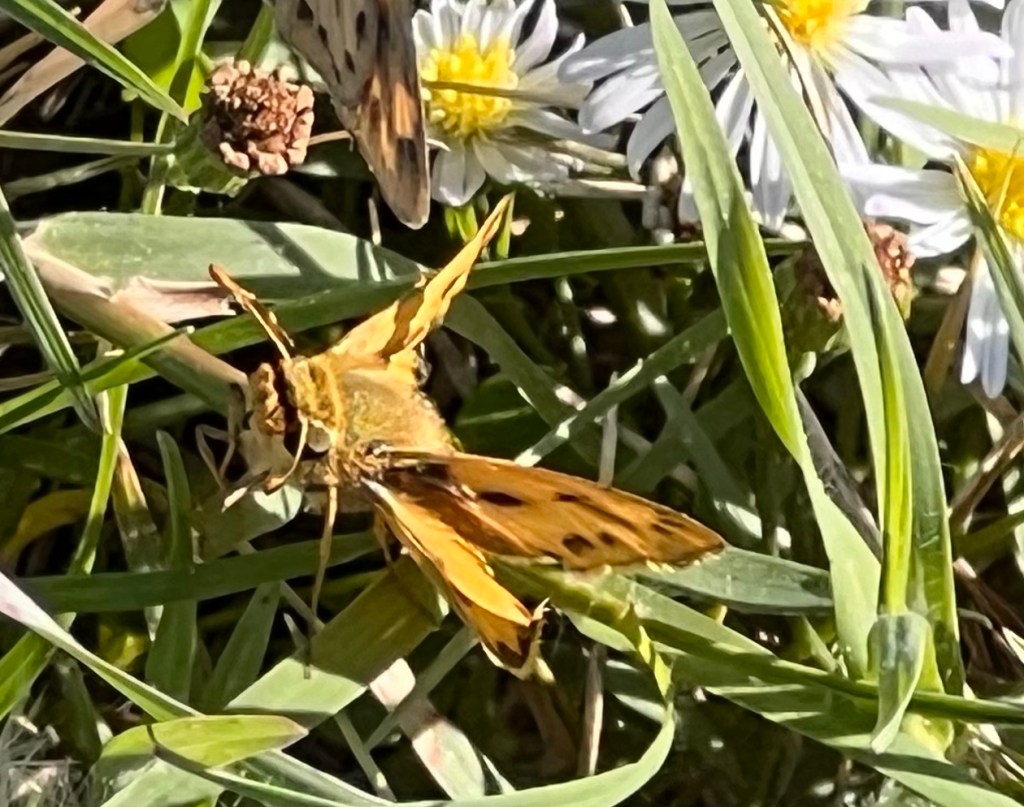
Butterfly break! Dainty yellow.
4. It’s versus its. At least this one’s harder. But in this one case, the apostrophe is only for smooshing two words together and not for possession. So I get it that it’s hard to get its nuances.
A good angle on this fiery skipper.
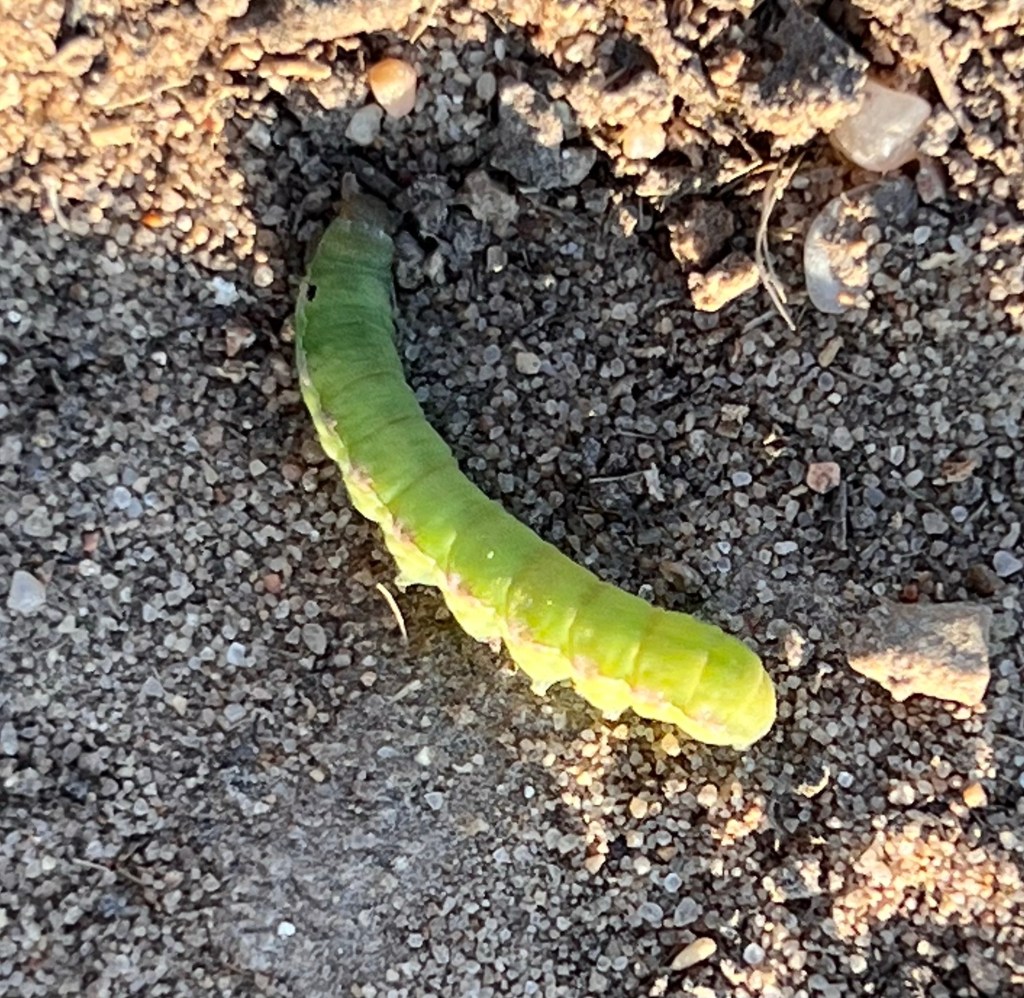
Enough of that. Today was a fine day with much sunshine, pleasant coolness, and many butterflies. As you can see, I got a few photos, but I saw many more, plus a caterpillar I can’t identify.
Daily Bird
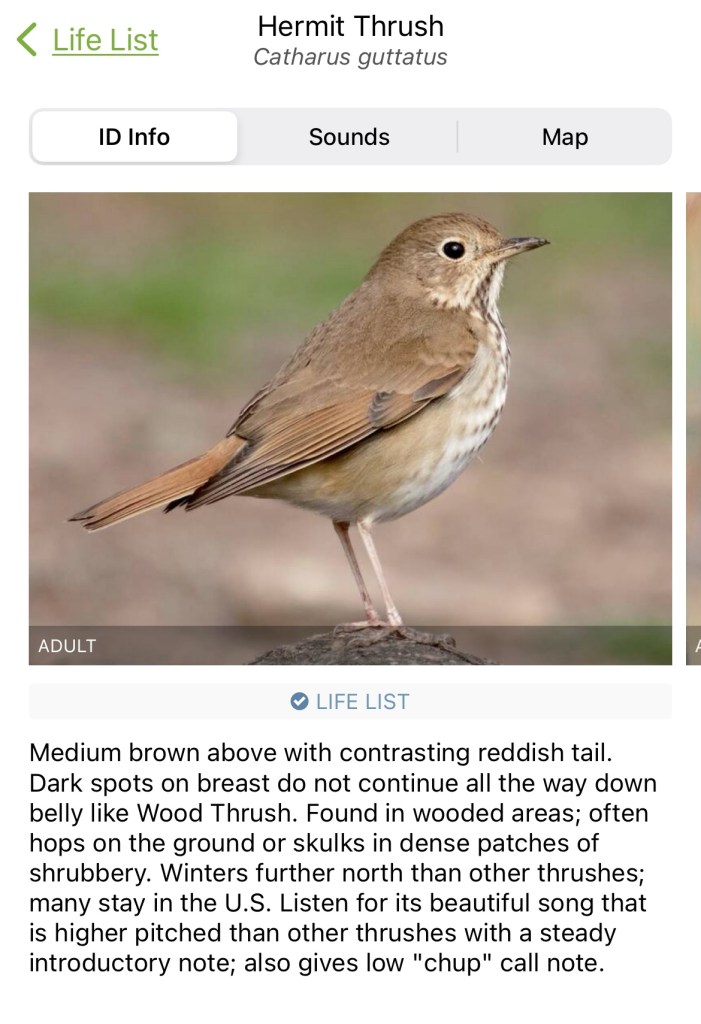
Today, since it was sunny and not very windy, there were lots of birds to enjoy. I counted eight types of sparrows! But the bird I enjoyed the most was the hermit thrush. It’s hard to resist a bird who shares a name with your ranch.
I like that it skulks
Today’s thrush was skulking in the big brush pile that was created last year in the woods, and it was chupping up a storm. it even drowned out a very vocal wren. I saw it a couple of times, but like the pipits, it looks a lot like a little brown bird that’s hard to distinguish without binoculars. I’m glad I know what it sounds like.
I have to admit that once again I heard a cool “bird,” then sheepishly remembered we do have a few squirrels out here.
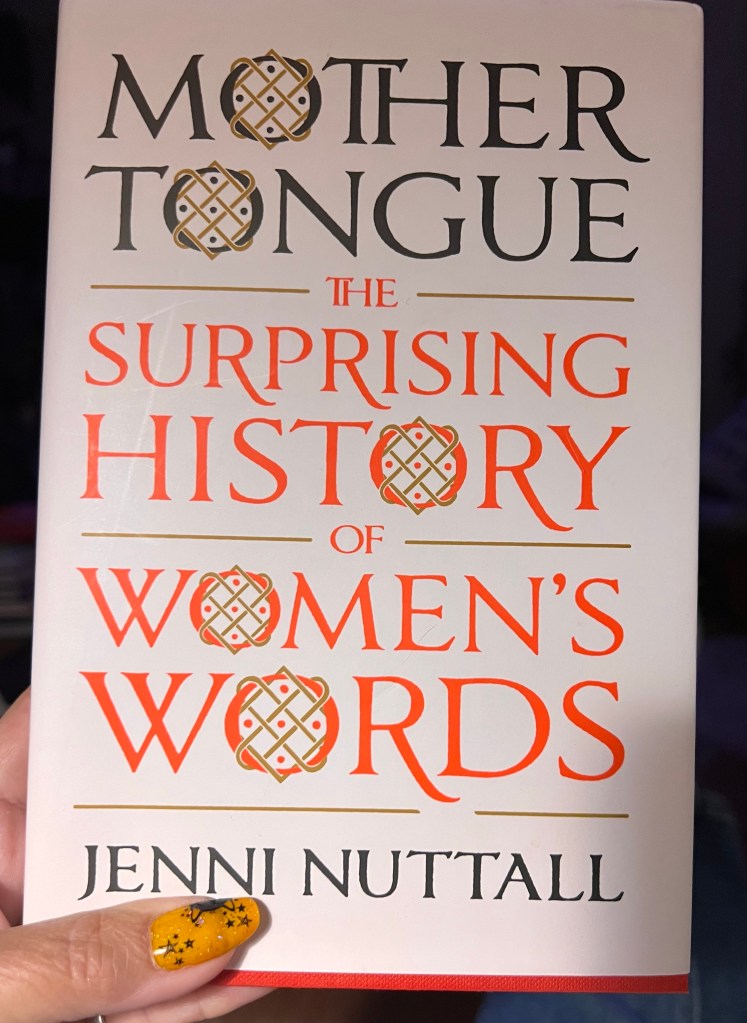
It’s a good book to review on Samhain/Halloween, since it has an entire chapter on witches, and there’s a good deal of discussion of how all kinds of words became derogatory terms for old women, the kind you see depicted in Halloween decorations. And who can complain about a book about etymology? Not me, that’s for sure.
Nuttall is an expert on Old and Middle English, so it’s fun to read her easy translations of old phrases (and to try to figure them out before she translates). I’m inclined to be sympathetic to fellow linguists, of course, and to fellow feminists as well, but dang, this woman comes across as grumpy. She also comes across as defensive about her life choices. I don’t think parenting is her favorite stage of life and she certainly doesn’t have much good to say about breastfeeding and hanging out with your baby. I think she’d have liked one of those wet nurses she talks about in the mothering chapter.
The other small complaint I have is probably just me. Since I spent a lot of my early adulthood reading (and writing) about how women use language in more recent times, I was hoping for a lot more detail, more examples, and more juicy stories about the language of and about women in early English. She doesn’t seem to have many other choices than Chaucer. It does occur to me that there may not be many written sources for her to draw from, so I’ll grant that.
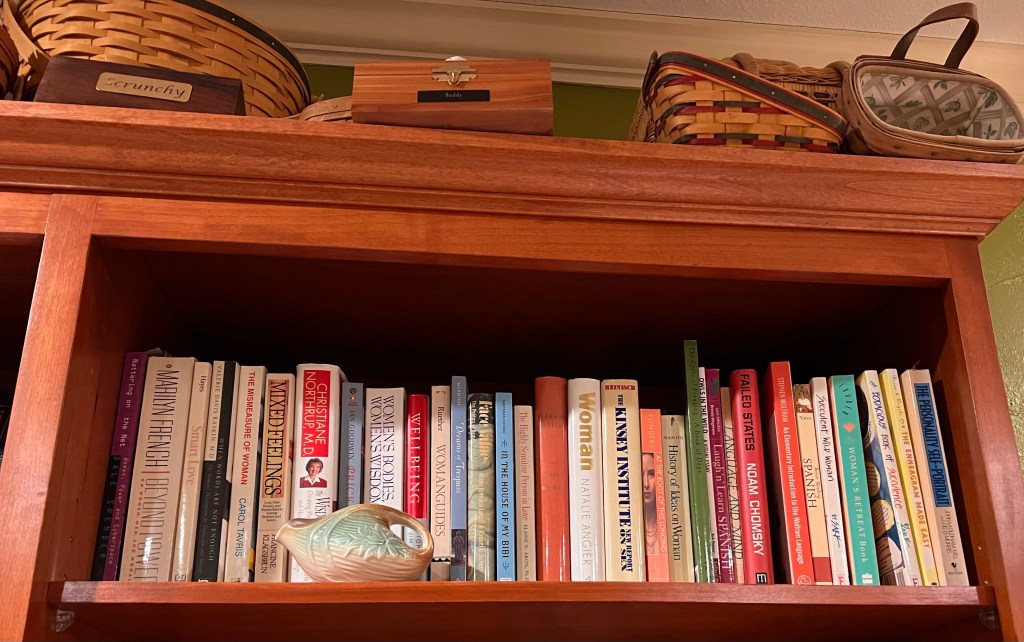
I have a lot of books on women’s language and sexuality. Some of them are here. Others are still in a box.
One of the fun things about Women’s Words is that it’s written in British English, so I got to learn some new modern slang. That was a real bonus. But since she’s English, I wish she could have added some words about women from former British colonies like India and the Caribbean.
Honestly, though, I wouldn’t discourage anyone who has an interest in the English language through history and cares about all English speakers, not just the ones who fancy themselves to be in charge. You’ll find out some interesting derivations, like the fact that the history of “girl” is shrouded in mystery. You’ll learn about words for childbirth, marital states, and the work women do. Go ahead and check it out. Don’t listen to grumpy Suna.
PS: if you write a book about women and language, don’t name it Mother Tongue. There are lots of books called that, so you’ll need a good subtitle.
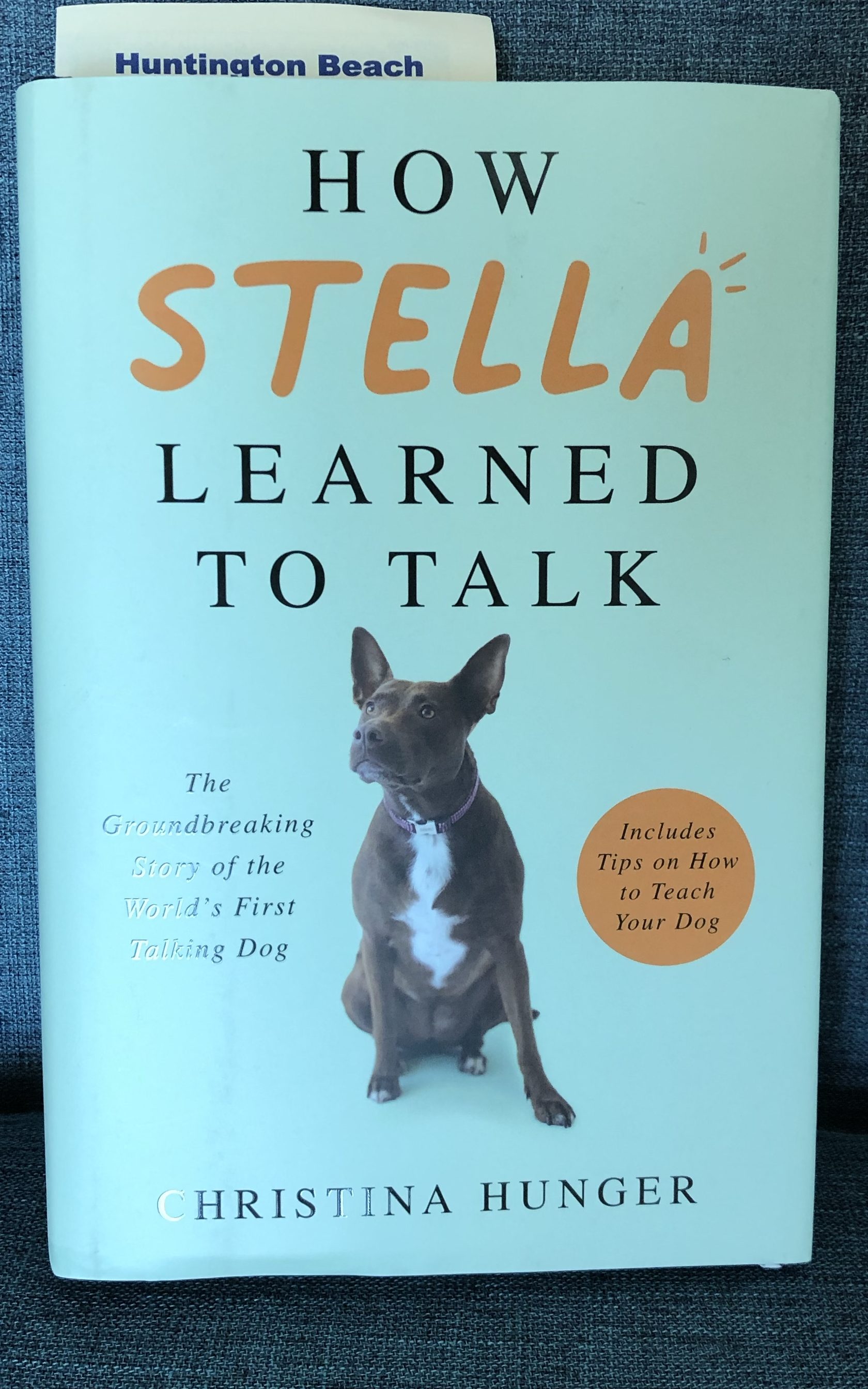
Oh goodness, what’s not to like? A book about a dog named Stella who’s half American Cattle Dog? A book about language acquisition? A book with scientific evidence to back it up? Nice people to read about? For all the “yes” answers this book provides, I rather raced through How Stella Learned to Talk: The Groundbreaking Story of the World’s First Talking Dog, by Christina Hunger. I was pretty darned impressed and excited with all I learned.
I was not out shopping for a dog language book, but when I saw it, I had to get it. Like the author, I’ve always thought animals had a lot to say to us and were probably often frustrated that we were not doing a good job understanding their signals. Unlike me, she was a newly certified speech and language pathologist when she got her beautiful puppy and happened to work with augmentative and alternative communication methods (AAC), which allow many nonverbal people to communicate with their families and friends using technological aids.
Hunger was also curious, and when she saw the puppy going through similar developmental phases to babies and toddlers, she wondered if they could learn to communicate similarly. She uses buttons on the ground that “say” particular words, and slowly enabled Stella to build up a vocabulary.
What impressed me was when Stella began to string together words, use repeated words for emphasis, and create novel strings. That dog can talk!
This is a charming book, and you get to enjoy Hunger and her husband, Jake, as the fumble around figuring things out along with Stella. Well, they aren’t fumbling, since Hunger has the background to know things that are likely to work, just not exactly how they will work or how long it will take.
Knowing that many people will want to start working with AAC and their own dogs, there are hints for working with your dog at the end of each chapter, and they really make a lot of sense to me. I just love how she discourages the use of treats, forcing dogs to use the buttons, and other means of making them use their words. She found that Stella was motivated to communicate on her own and did better if allowed to figure things out herself.
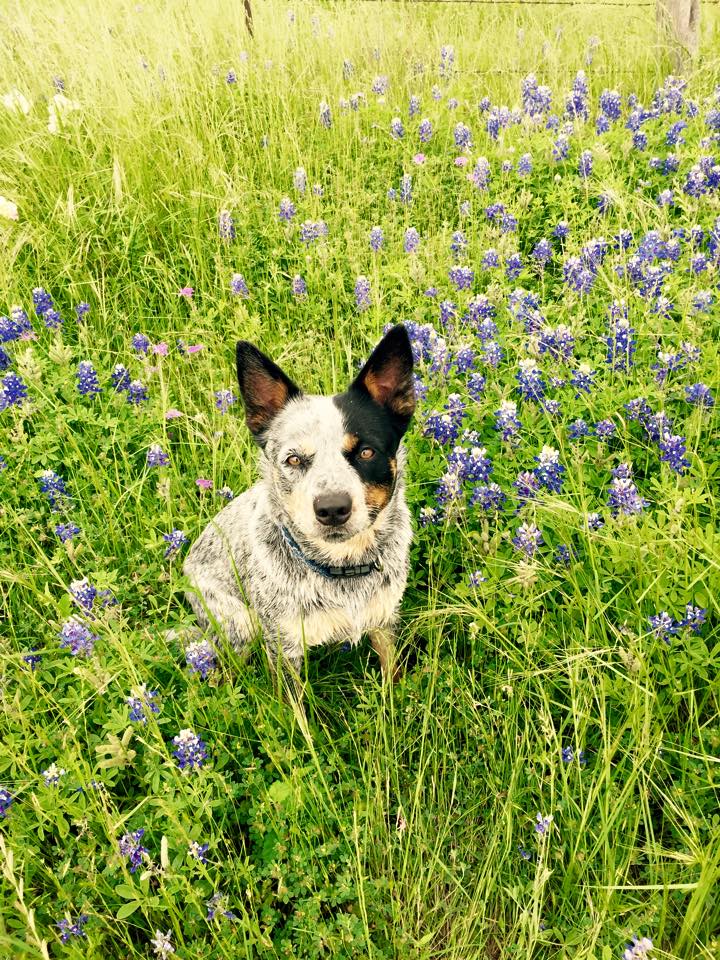
This was our precious Stella in 2015. I never have stopped thinking about her and mourning her passing.
Hunger also points out that they let the dog have an opinion, include her in decisions, and treat her as someone with an equal say in the household, even when everything she wants can’t happen. Respect for Stella has certainly led to a happy family.
That reminds me so much of how we work with horses, where we pay attention to their nonverbal “statements.”
I’m sure it would have been fun to try this with our own Stella, back when we just had one dog. I’m not sure our household is cut out for AAC, but I certainly can pay more attention to our dogs’ cues. And hey, if you’re interested in learning more, you can visit the Hunger for Words website or search for Hunger4words, their Instagram page.
As you may be aware, I’m on a big kick to learn about my own unconscious biases, and as a former linguist, I’m very interested in how the language I use reflects these biases. I have already been thinking a lot about issues with and labels for neuroatypical folks, since they apply to many of my friends and family members.
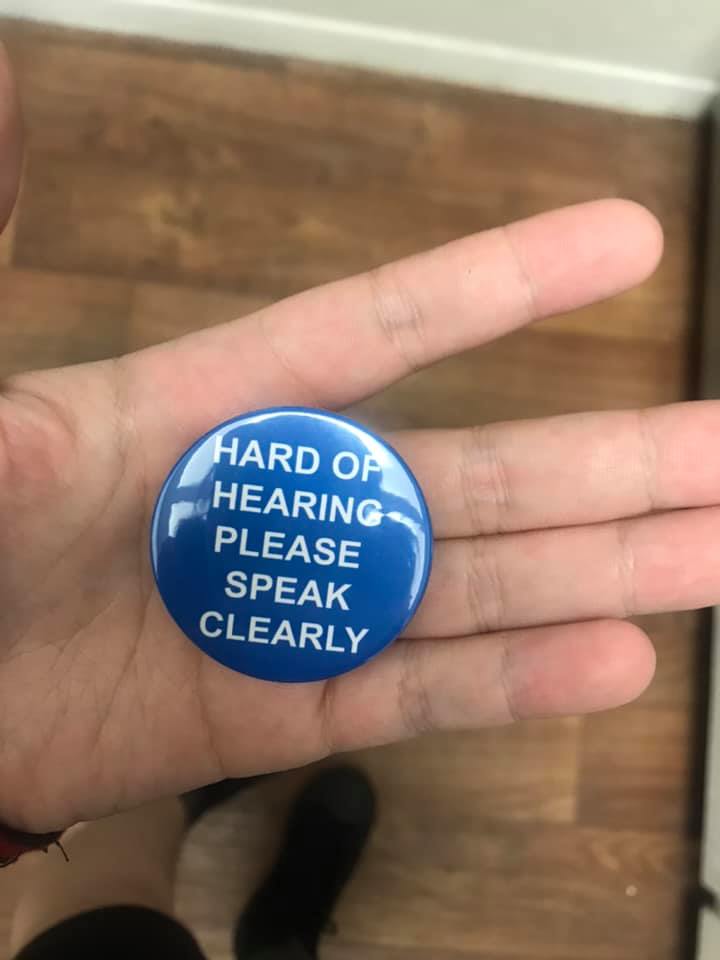
Helpful button.
My friend Rollie has been a great source of information and resources about labels, concerns, and the great diversity of people who fall into this category (it’s not just people on the autism spectrum). For example, just yesterday they posted about being hard of hearing, which means their audio processing is different from a lot of people’s, so they need to be spoken to slowly and clearly. They got a button to wear to let people know, which I find very cool. It helps an invisible challenge be more visible.
All this learning scrambles my brain, but it needs some scrambling.
The above shows how I am learning to use words like neurodivergent or neuroatypical rather than things like Aspie or whatever. I just have to ask people what they prefer, and that helps. That’s a great start, but when I start examining my own language, I realize I come out with some cringe-worthy utterances, all the time. Constantly. A lot.
I got started thinking about all this when another friend, Robin (who happens to be the offspring of my two favorite linguistic mentors), posted an article in Forbes magazine by Andrew Pulrang called “It’s Time To Stop Even Casually Misusing Disability Words.” Hmm, I mused, I think I do that without giving it a second thought. Could this be another one of my unconscious biases coming through?
Yeppers, it sure is. The best news about the article, for me, is that it’s directed at organizations and companies who are trying to focus on diversity and inclusion, another of my favorite topics right now. The opening paragraph sets a great tone, I think:
It’s not “oversensitive,” or too “new” of a concern for organizations and businesses to take a hard look at reforming ableist language. Ableism itself is not a new phenomenon, even if “ableism” is a new word to some of us. And avoiding offensive language throughout organizations isn’t just about preventing bad publicity. Curbing use of stigmatizing and problematic language makes workplaces safer for diversity, more productive for employees, and friendlier to customers and clients.
Andrew Pulrang, citation above
Most of us probably are aware that it’s not a great idea to use “retarded” in polite speech (or any speech unless you’re talking about how a plant’s growth was retarded in last week’s weather incident). What I hadn’t thought about very much was how often I and my friends say ideas or actions are stupid, lame, dumb, idiotic, moronic, and such. When we say something has crippled something else, that’s insulting people with physical disabilities. I’m pretty sure that in most people’s minds, these words are no longer labels for people, but that’s not a good excuse. As Pulrang points out:
The fact that a people still use such terms without intending to hurt disabled people doesn’t matter. They are harmful in all cases.
Andrew Pulrang, citation above
Sure, I know that asking people to find other ways to express that an idea is not great falls into the “politically correct” category for a large swath of people. I do get it that most people have no idea they are insulting others with their words. That’s because it’s a product of unconscious bias, not conscious. But, now that I am aware that I tend to talk this way, especially when I’m upset (another sign that unconscious bias is leaking out), I really want to work toward not using ableist language and monitor my speech and writing.
And calling me “politically correct” is not insulting, in any case. Speaking respectfully to people and taking their desired names, pronouns, or labels into account seems like a good thing. So there.
Well, what should we say, then?
That was my first question. Luckily, Pulrang shared some ideas. He cites a blog post by Lydia Brown titled Ableism/Language, that was updated in June, 2020. Brown writes more about ableist words and expressions, and offers a helpful list of alternatives for a wide variety of words and situations. I’m gonna refer to this often (and read more of her blog, which looks fascinating).
I also ran into this excellent diversity style guide that is fairly current (the preferred terms change frequently, as we know). Glossaries in the collection are very helpful for figuring out if you’re saying things in a neutral way or an ableist way.
Having to think about better ways to say things may well be to our benefit, too.
An added benefit of consciously reshaping our use of disability words and expressions is that it forces us to think more deeply about what we are talking about, and express our thoughts and feelings more precisely, maybe more humanely. “Crazy,” “insane,” “idiot,” and “moron” aren’t just offensive to people with mental illness or intellectual disabilities. They are also cliches that allow us to write people off without having to contend with their ideas and actions.
Andrew Pulrang, citation above
Are you feeling bad for frequently using some of the terms I’ve been talking about today? Don’t be, since you are just talking the way you have heard people talk your whole life. And as Lydia Brown points out right at the start of her blog post:
Note that some of the words on this page are actually slursbut many of the words and phrases on this page are not considered slurs, and in fact, may not actually be hurtful, upsetting, retraumatizing, or offensive to many disabled people. They are simply considered ableist (the way that referring to a woman as emotionally fragile is sexist, but not a slur). You’re not automatically a bad or evil person/activist if you have used random language on here, but if you have the cognitive/language privilege to adjust your language, it’s definitely worthwhile to consider becoming more aware/conscious of how everyday language helps perpetuate ableist ideas and values.
Lydia Brown, Ableism/Language
I find this all pretty darned fascinating and educational, which is why I have probably overwhelmed you with quotes. Please go read the articles I link to if you’d like to learn more about ableism and what you can do about minimalizing it and treating all your fellow humans with respect and kindness. I don’t want to insult people without intending to, so I’m glad to learn more.
Don’t be a doofus, go learn!
Wait, I think doofus may be one of those terms I should retire from my vocabulary. It sure is, because I found the definition: “A doofus is a dummy or a simpleton.” Wow, the definition gives me two more words to avoid. Off I go to learn more! It’s weird how excited I get when I glom on to a new topic to research.
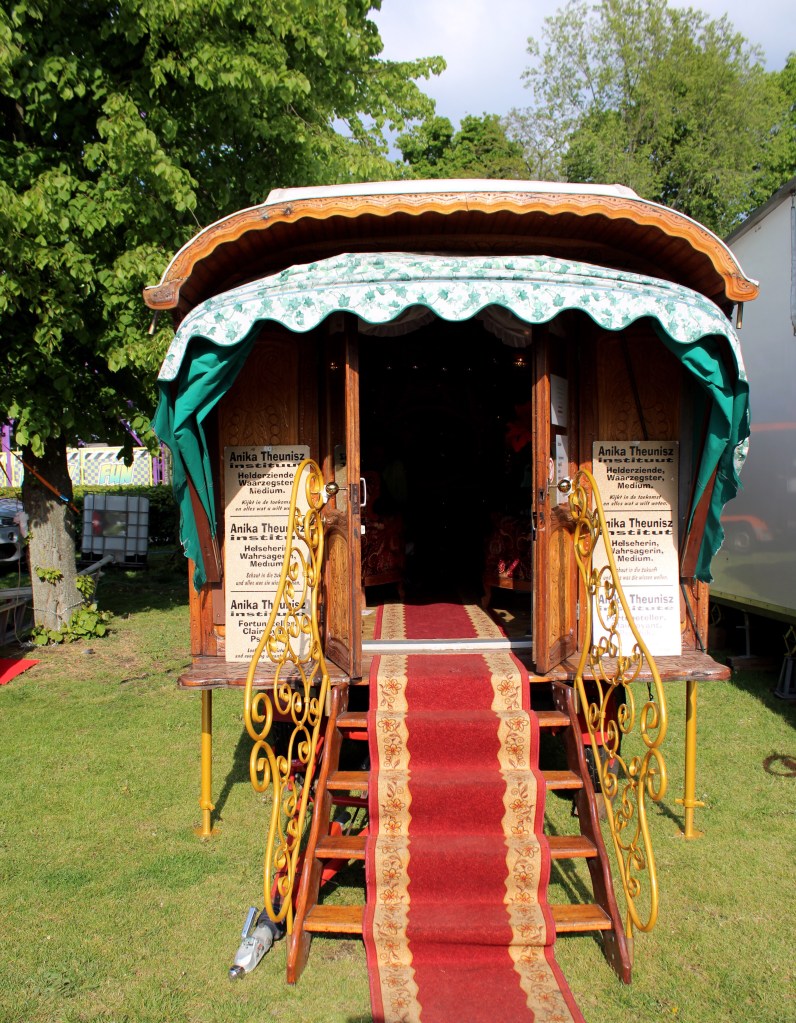
For the past few days, I’ve been noticing that I cringe when I hear certain words used to label people or things in conversation, on social media, or on television. Some of these are words I know bother other people (like “gypsy,” for personal and business names that the Romani/Romanichal folks would not be fond of because the people using the term aren’t referring to actual gypsies, or naming your pets “Dixie” or “Cracker” or other loaded Southern words in today’s climate).*
The Roma wagons are so cool, though. Image by @Loreke76 via Twenty20
Others are just me. I realize that, for some reason, I do not like the word “cheap” when applied to things you buy. I think my internal definition in my idiolect has more to do with poor quality than low cost. In my mind when people say they want a cheap thing, they are saying that they pay more attention to the price of a thing than to how well it will work or how long it will serve, a short-term viewpoint. So, I never refer to things I obtain as cheap. They are inexpensive, which doesn’t have the poor quality connotation that’s really a secondary definition of cheapness. To me.
Yeah, economical, not cheap!
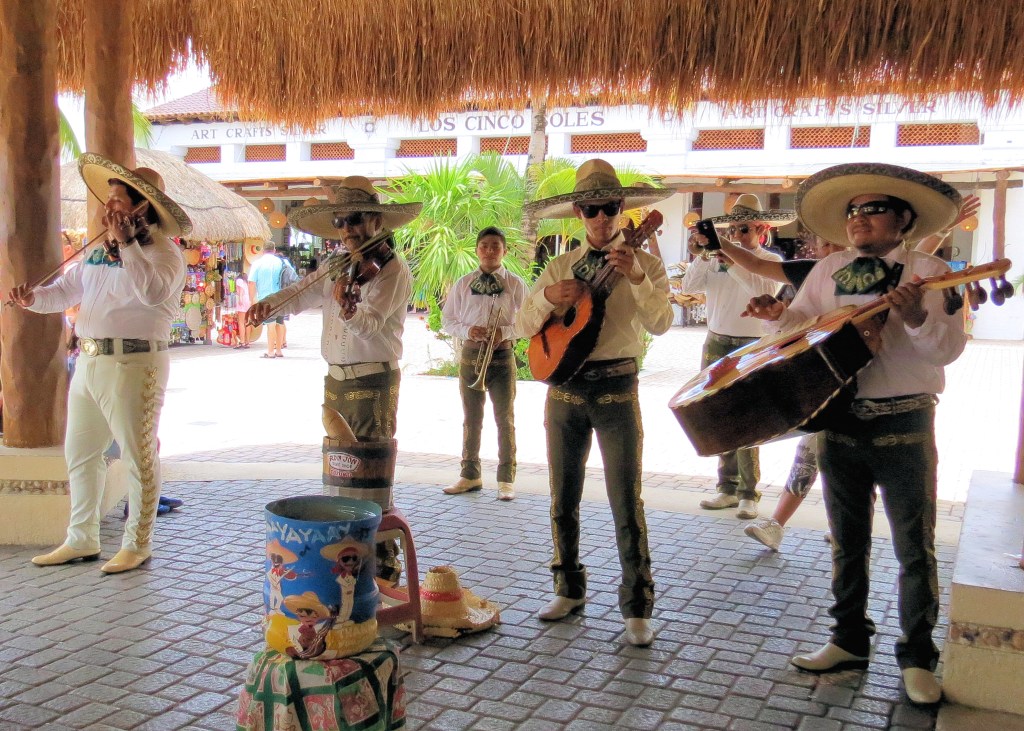
Back to the first group of words I don’t like, most of them appear to be words that apply to cultural, racial, or national groups. I just recently began to cringe when I hear “Latinx,” after hearing someone say no actual Latino or Latina person would use that word, since it isn’t even Spanish. To them it sounds like white people went and made up a word to solve a problem that didn’t really exist. People who speak Spanish don’t take grammatical gender as literally as English speakers do. How about that? Should I use “Hispanic?” That one has its own issues. Maybe I’ll just call people by their names or refer to their country or origin if they aren’t from the US.
As for these Mexicans, in Mexico, let’s use that term. It was either these guys or some pan flute players. I like mariachi music better than those flutes, which aren’t Mexican anyway.
I guess I know how much people treasure their cultural identities, so I want to use the words members of a particular culture prefer to use, even if they change as time goes on. It would be a LOT easier if there was universal agreement, though. I actually knew someone who preferred “negro” to “Black” or “African American.” Plus, the AA term really doesn’t apply to actual Africans or people from the Caribbean who have moved here. ARGH.
One thing the current movement toward acknowledging the great variety of gender terminology and preferences has taught me is this: it never hurts to ASK someone how they want to be referred to. So, if you don’t know, ASK if a Cajun wants to be called that. ASK what your “indigenous” friend likes their cultural identity to be called.
Let’s call this woman “Quechua” and her alpaca beautiful.
Just don’t be cheap about it. Don’t gyp me. Don’t try to jew me down. When did you start to cringe in this extra cringeworthy paragraph? Do you see why I prefer to be careful with labels and their derivations? It’s not just me being a liberal snowflake (by the way, each snowflake is unique and beautiful, so thanks for calling me that, frenemies!).
Signed,
Suna, she/her, McLeod of the Clan McLeod**
*I have known many dogs named Dixie, and it didn’t use to be controversial. Times change.
**Way too fond of one branch of my Ancestry family tree, perhaps?
Sometimes, when you’re walking on a hot day and trying to ignore the pain in your legs from climbing hills (you can tell I was in Austin), you get a sudden insight into how communication works and doesn’t work, and your life suddenly becomes better. Well, it happened at least once, and that was yesterday.
I was just enjoying myself not thinking about work during my one-hour break between meetings, and I started to think about how some of the people in my life announce their plans/intentions/commitments. They state them very firmly. “Things will be this way from now on.” “I will act on this plan going forward.” Things like that.
The post is about language, and I think this is cute. Photo by @NAO via Twenty20
In my little head, I interpret such statements as firm commitments. I then adjust my own expectations to go with these plans. If someone says, “I’m going to do this twice a week,” I expect that to happen twice a week. If someone says, “This is the next project I plan to do,” I get my inner expectations set that way.
This is not the other person’s problem; it’s mine. This leads to much disappointment and confusion when life happens, plans change, or the dreaded “spontaning” occurs (that’s what Lee and I call being spontaneous). I get worked up about people not keeping their commitments, or confused when I hear the twice a week thing didn’t happen starting the next week.
Javascript is inside my head. No wonder I get confused. Image by @Mehaniq via Twenty20,
My insight was that when people around me make these declarations, they are not stating a commitment, they are stating an intention. They’re not stating a definite plan, but more of a tentative plan for the moment. And that’s perfectly fine, because that’s how stating plans or intentions work for them. And besides, even people like me, who state things with all expectations that the plan will be stuck to, sometimes have to change things when circumstances change. Huh, I’d been being rather rigid in my expectations of others!
They sure do. Image by @MPstockart via Twenty20
So, now that I’ve reset my expectations, I’ve a word of advice for those of you who didn’t get this concept hammered into their heads while studying linguistics (almost everyone!).
Your internal set of meanings for words and phrases may actually NOT coincide (probably don’t coincide) exactly with other people’s.
me
Language is really, really ambiguous. That’s why we rely so hard on tone of voice, facial expression, past knowledge of the person we’re talking to, and sincere hope to communicate anything at all. We all have our own internal grammar, semantics (meanings for words), and pragmatic style.
Now you know why I only communicate with snuggles. They are universal.
So, when there are misunderstandings, which there inevitably will be, let’s not be so hard on each other. It’s a miracle that we manage to communicate at all!












 The Hermits' Rest