Book Report: The Language Puzzle

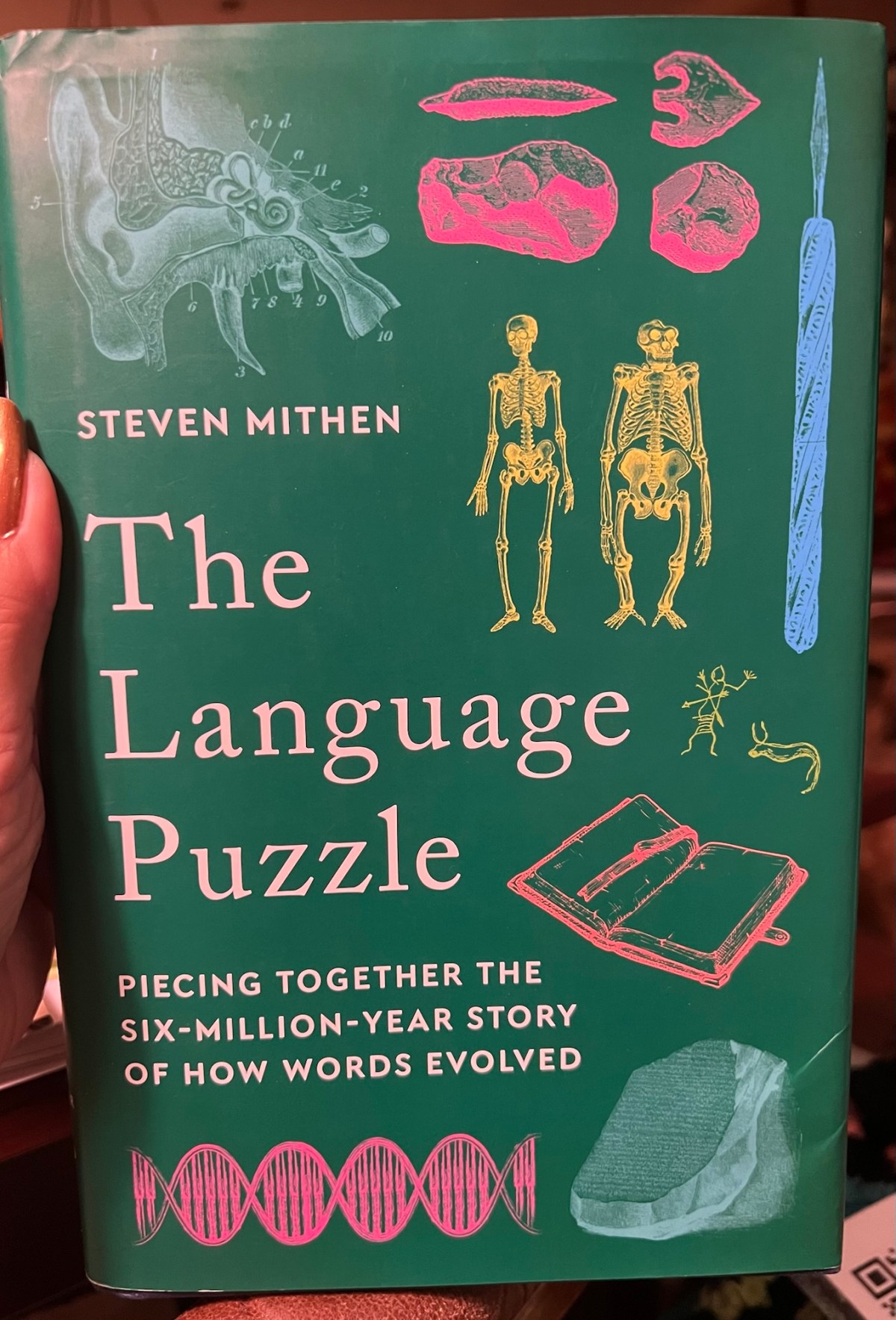
To say the least, as a former linguist, I was excited to find this book by a genuine researcher that claimed to explain the origins of language. And by gosh, Steven Mithen undertook a boat-load of multidisciplinary research on the history of humanity, culture, anatomy, and climate (among other things) to put together the various factors that could shape the development of language. It’s impressive. Lots of footnotes.
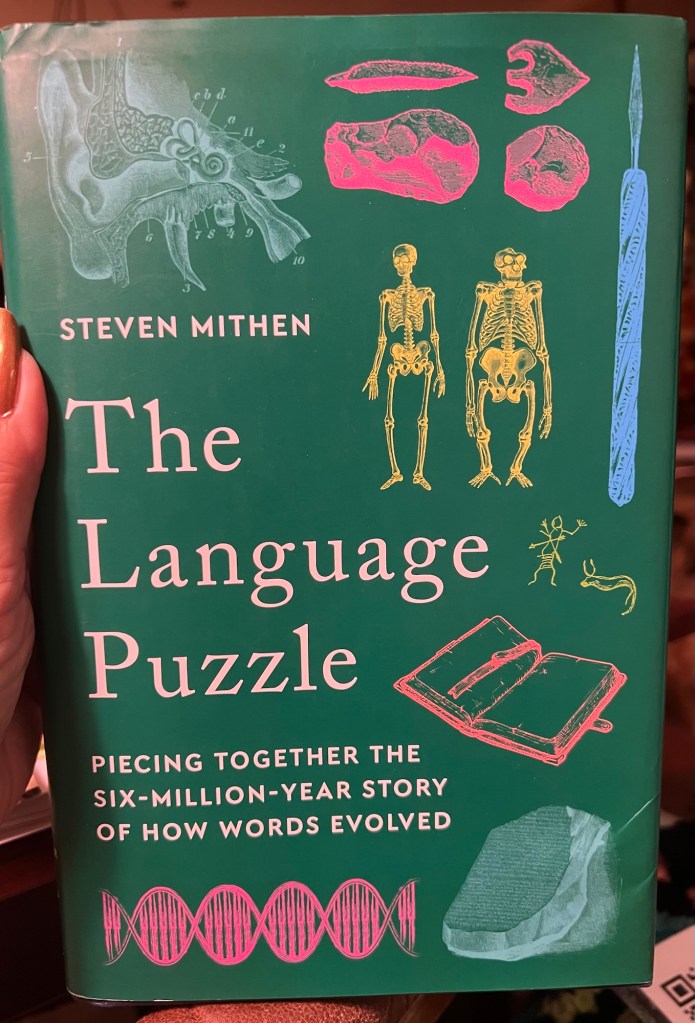
I enjoyed learning about all aspects of the puzzle, particularly the parts where he summarizes the history of linguistics and how the various parts of language fit together. Even if I didn’t already have a pretty firm grasp of the parts of speech, sound systems, semantics, and pragmatics, I think I could have grasped enough of it from Mithen’s clear explanation. Just the first few chapters are worth the price of the book.

One thing that bugs me, especially when he gets to the sections on human development, is that it takes a lot of conjecture to move from the time when the human line diverged from the chimpanzee evolutionary path. There are many missing pieces in the fossil record, and much of our anatomy doesn’t survive to the present day.

And all the parts about how words sounded are fun to think about, and he does find evidence to back up many of the concepts, such as different head shapes and vocal tracts. I just found some of the story Mithen comes up with, about fire shaping storytelling and such to be plausible but not verifiable.

I’m not saying this wasn’t a good book, because I enjoyed it very much and learned a great deal about human history. I’m simply pointing out that I still don’t think we have a clear picture of how human language developed. I wonder if we ever can figure out details of something there’s no record of, like spoken or signed language.
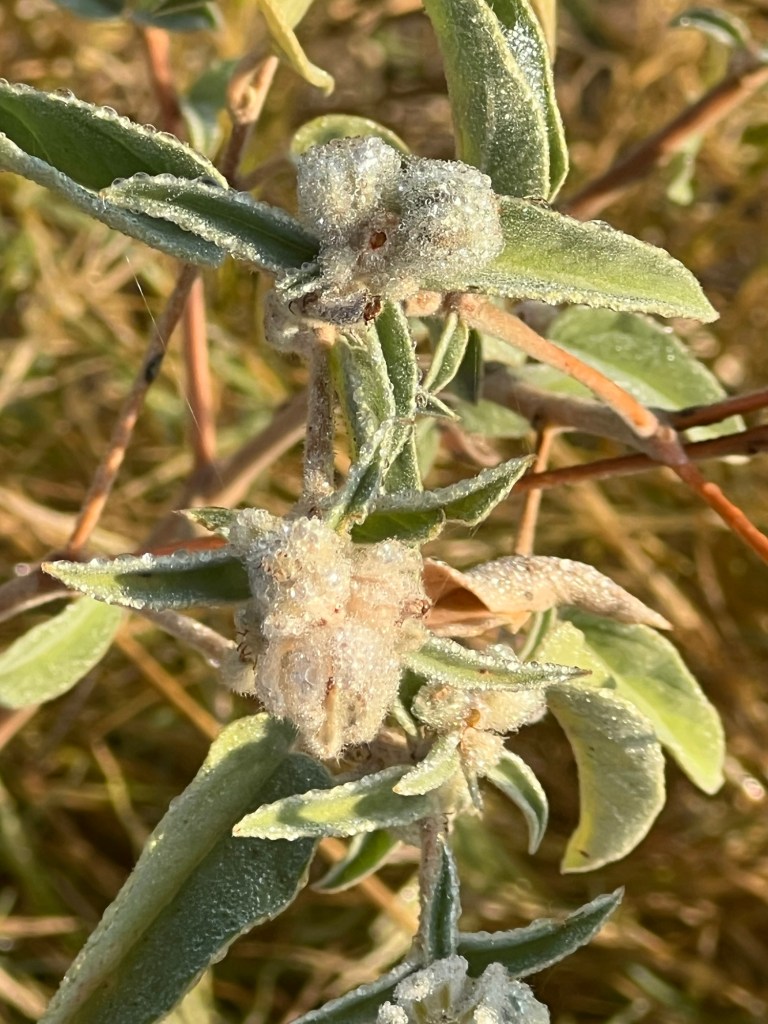
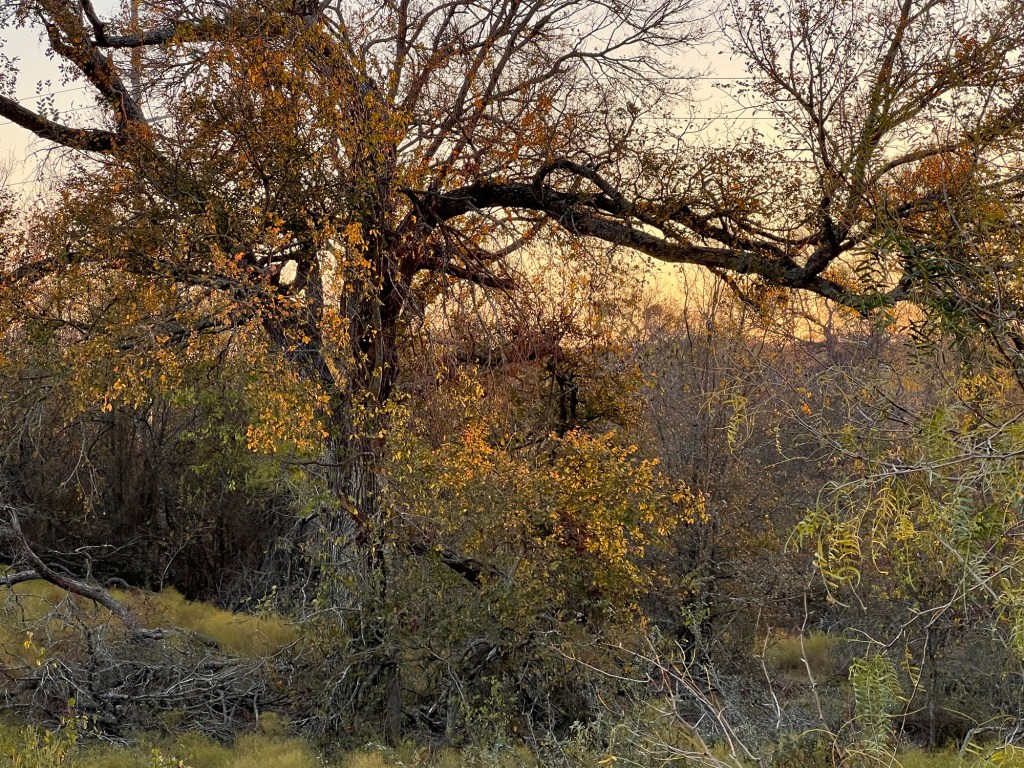
Unspoken beauty of dew on dove weed.

Maybe Mithen will next turn to written language. It has more examples to investigate.
My Favorites

Who are your current most favorite people?

I’ll tell you who my favorite people are right now. They are the ones who:

  • Care about Mother Earth and show it
  • Believe everyone has a right to be their authentic selves
  • Work to protect and support their communities
  • Are capable of disagreeing respectfully
  • Do their best to keep learning and loving their whole lives
  • Accept that they can’t always do all of these things all the time, and extend grace to themselves

If I were a betting person, I’d wager that you are one of my favorite people.

Book Report: Tell Me Everything

I’ve been meaning to write about the latest Elizabeth Strout novel, and since I was wrong about going camping this afternoon, I suddenly have time. I guess I should have asked someone if we were leaving the day we originally planned. That’s what you get for making assumptions. I make an a** out of me. And, sigh, we have to leave a day early because I have jury duty Monday, I’m a bit pouty. I really want to go camping. We haven’t been in so long.

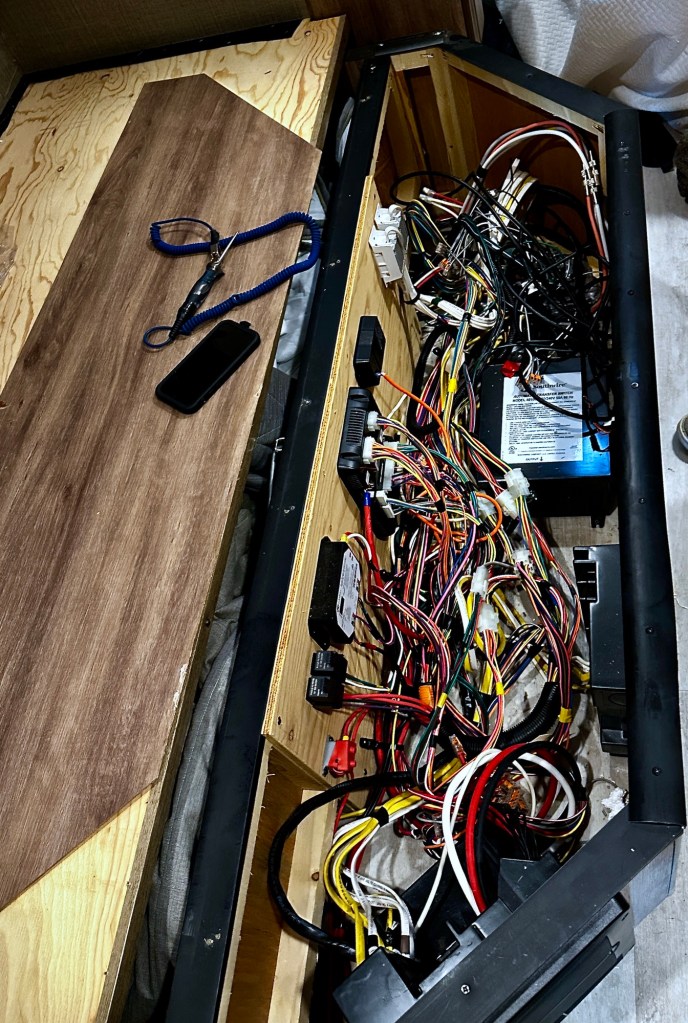
Must deal with these results of the investigation into why the bedroom slide won’t move. It needs professional help.

However, I did read this book, so let’s talk about Tell Me Anything (2024). As soon as I realized there was a new book in this series (I’ve reviewed them all on this blog, so you can search for Strout and find them), I ordered it. I was very interested to find out what was going on with the characters in Crosby, Maine, since the pandemic, so I dove right in. I was happy to see that this installment concentrated on good old Lucy Barton and her friend Bob Burgess, as they cope with a local murder.

As with most of Strout’s books, the plot is secondary for me. I just enjoy how she tells stories. Her style is so spare, and her use of repetition and the narrator jumping in with bits of information, just enough information. And as always, you get insights into how people think, act, and work from points of view you’d never considered before. I just love the pithy parts.

An imaginary Maine coastline.

I underlined and marked many passages that I can no longer see, but my favorite one was this part of a conversation about the meaning of one of the stories two characters shared with each other:

That was about the same thing that every story Lucy and I have shared is about. People suffer. They live, they have hope, they even have love, and they still suffer. Everyone does. Those who think they have not suffered are lying to themselves.” p. 315.

Actual small town in Maine. Photo by Leah Newhouse on Pexels.com

The people in the book are also fun for me. They are all so fully formed, with wonderful features and fatal flaws. They are real in the best way. I love how married couples are treated here. They have days where their spouses get on their nerves, then days where they don’t know what they’d do without them. And there are divorced people who don’t hate each other, but are glad to no longer be married. It’s refreshing to be able to feel empathetic with human beings who can be inconsistent, think judgmental things about others, but still be doing their best. I feel less alone.

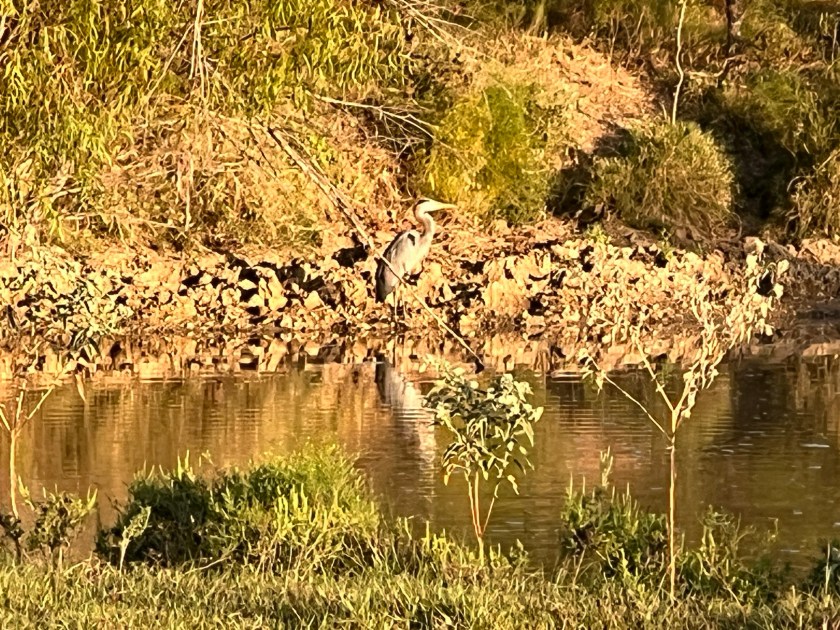
There’s always time for reflection, like the heron is doing. These books inspire you to reflect on universal truths and intimate insights.

One more thing is that I was glad to see that Strout introduced a few new characters, since the “old” ones are mostly getting old. Olive Kitteridge is now 93! I can’t wait to see how she weaves them into the continuing saga as she follows them on through the scary 2020s.

You Can’t Un-Invent War

If you could un-invent something, what would it be?

I saw this question and said, well, this is like going back in time and changing one thing, only to realize the consequences are horrible. Like the butterfly effect?

I first thought I’d un-invent guns. Then I thought that would be too complicated. What about hunting for food? But there are other ways to hunt. I don’t know. Maybe just un-invent automatic weapons and weapons of mass destruction.

Then I mused, well, we wouldn’t need those horrible things if there were no wars. If people lived together peacefully we’d not be fighting all the time.

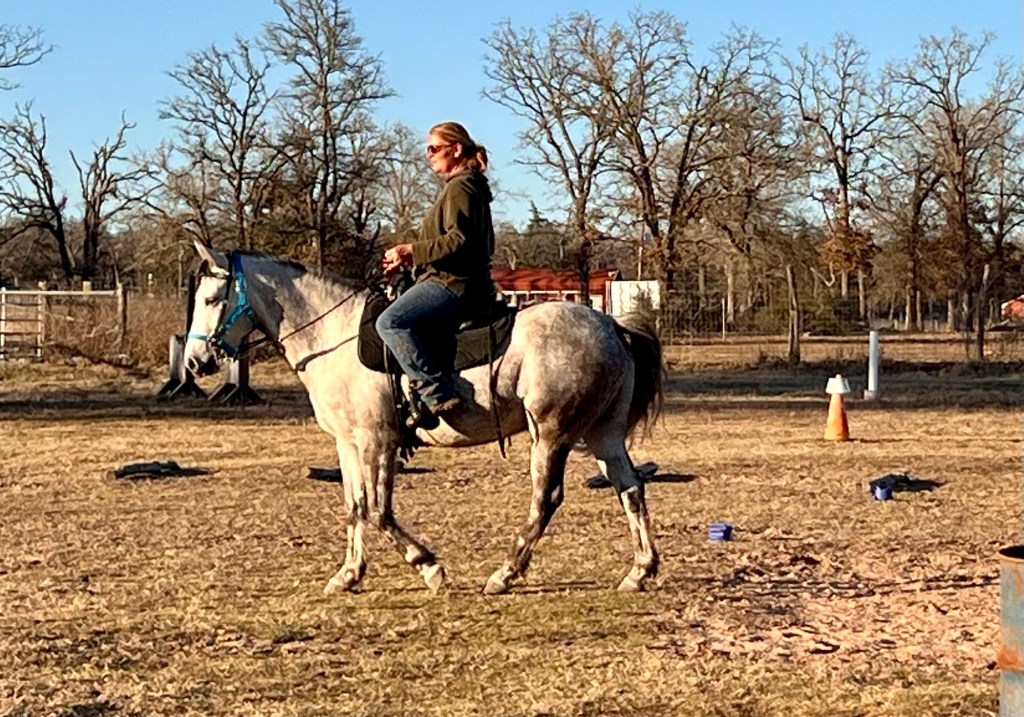
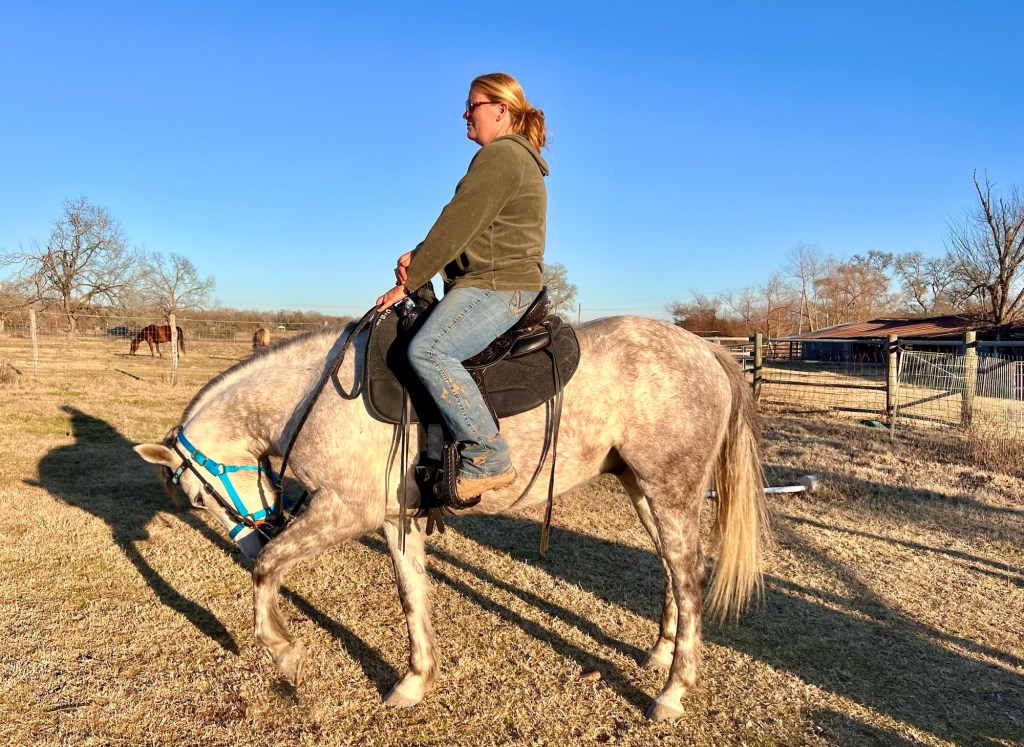
We could just look at pretty horses. Ahh. I love watching Drew.

But people fight. It’s part of being human. And so much of civilization arose because of conflicts between groups of people. They lead to innovations, migrations, and of course heterozygous vigor. Maybe we’d be a very different species if it weren’t for these tendencies to want to eliminate “the other.” We aren’t alone. Other mammals, birds, insects, etc., do it.

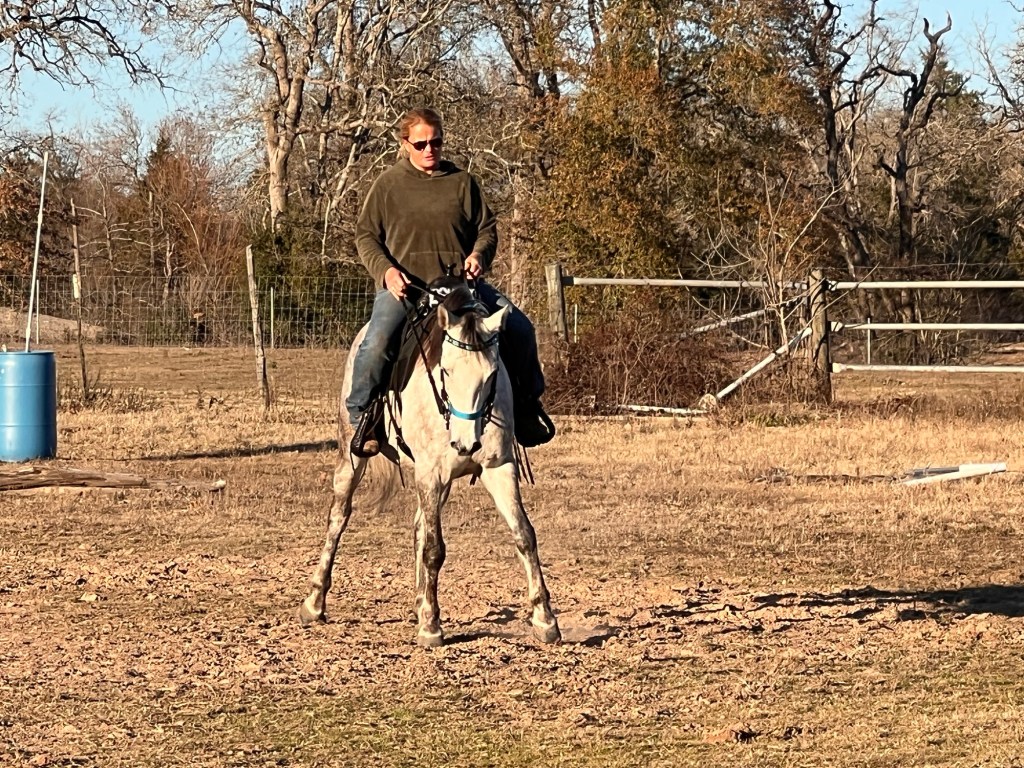
People fight, and horses get annoyed. Drew is not pleased at how much work Tarrin made him do.

So. Screw it. I wouldn’t be able to make war not exist. And if our current weapons went away, we’d have something worse, or just go around poisoning each other. We may do that anyway, clever humans as we are.

I don’t like humans as a concept, I’m afraid. Or in real life, as a whole. I do like the urge to be kind, help each other, and create communities, which I hope is as strong as the urge to eliminate people unlike ourselves. We will see, maybe sooner rather than later.

My apologies that the blogs haven’t been very interesting this week. I’m lacking in writing inspiration. Tomorrow will be more interesting, I’m sure.

Drew had a hard afternoon. He was really scared by construction noise by the tack room when I tried to groom him. I ended up taking him to lessons early so he could relax a bit. It worked. He was only a little squirrelly for me, and Tarrin helped him stretch.

Daily Birds

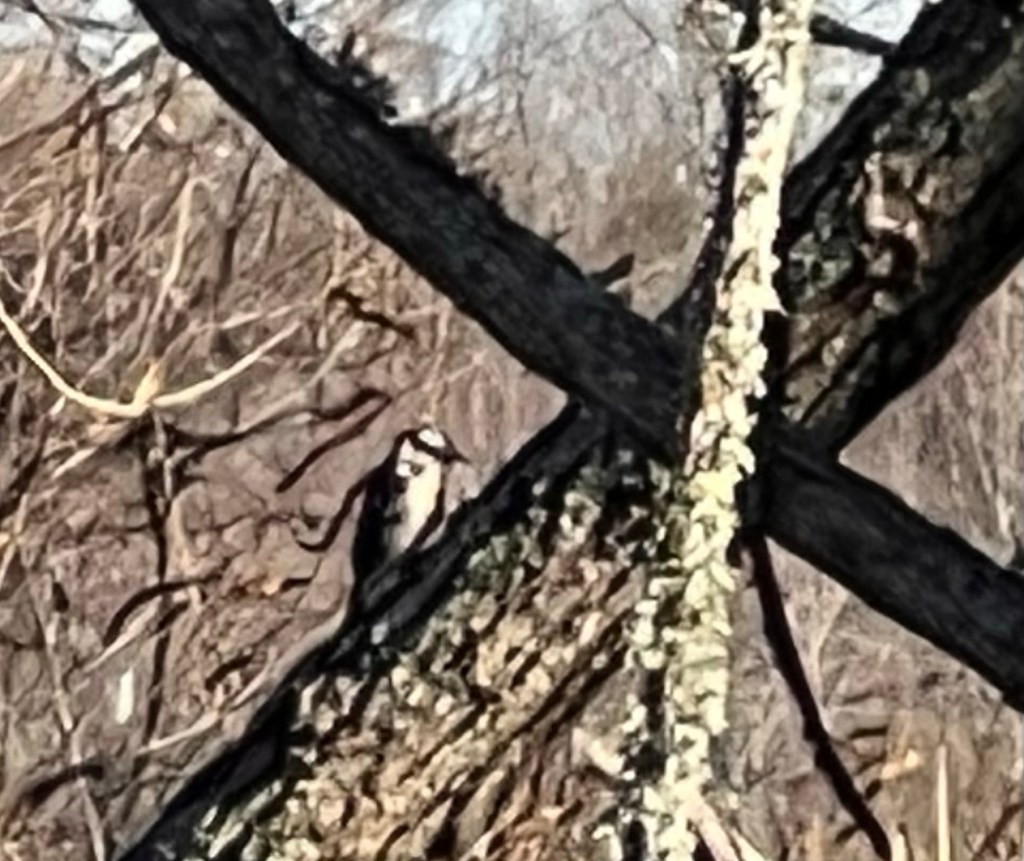
It was a glorious and beautiful day today. Hard to believe it was 12° yesterday and 70° today. That’s Texas for you. I truly enjoyed standing in the woods surrounded by sparrows, chickadees, and titmice being their most cacophonous selves. Here’s to the tiny birds of the woodlands and their big voices!

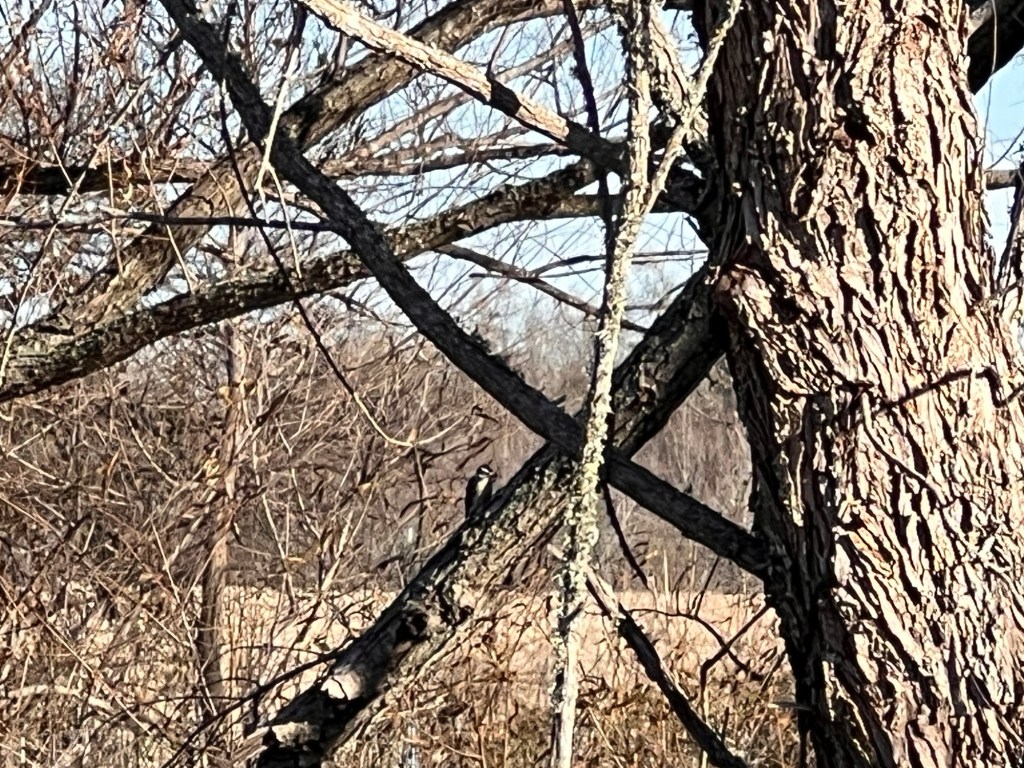
That’s a tufted titmouse.

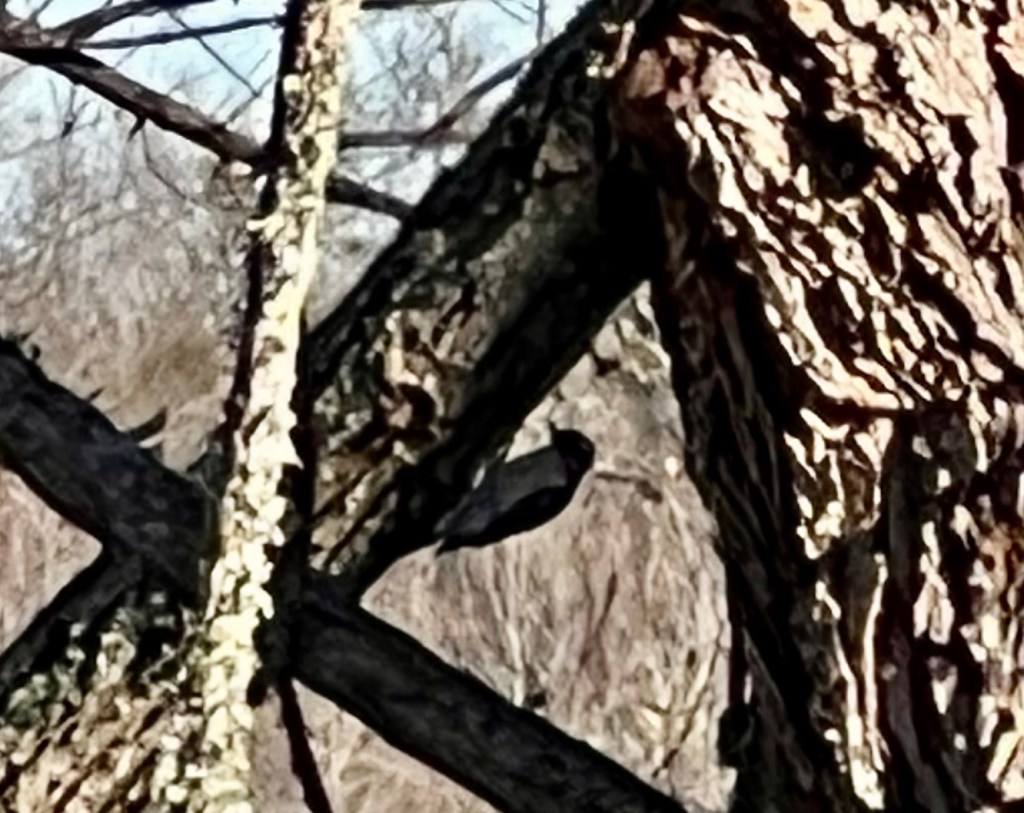
The other bird is an intriguing mystery. Every time I go to Tarrin’s Merlin hears an Osprey. I don’t hear it, and I certainly haven’t seen it. I guess there are enough large ponds nearby to support one?

Book Report: Anything Is Possible

Rating: 4 out of 5.

Here’s one more Elizabeth Strout book. This is not exactly a sequel, but it builds upon the events and actors in My Name Is Lucy Barton. Anything Is Possible impressed me, because it has the same people in it, but is a completely different type of book than the book about Lucy. Here, you hear about all the folks she encountered in her book and insisted she didn’t know anything about or understand.

And it quickly becomes clear that Lucy was right. Each of the people you learned a few facts about from Lucy or her mother before has a complex and interesting story to tell, with their own deep regrets, shame, and accomplishments. I was surprised over and over at how the people I encountered in the first book changed as they aged and had experiences.

There’s a theme of people surviving the loss of their mothers, many by having their mother just up and leave, others by having them pass away young. That made me empathize a lot, since I always felt like my mother was never really all there the whole time I knew her, even though I loved her an all her flaws. The same seemed to be true of almost everyone in Anything Is Possible, too. It warmed my heart to see estranged siblings realize their love for each other and estranged children realizing they love their parents (even the ones who were unacceptably eccentric, bordering on abusive). That gives me hope for my own situations, and that’s a thing that makes me really careful.

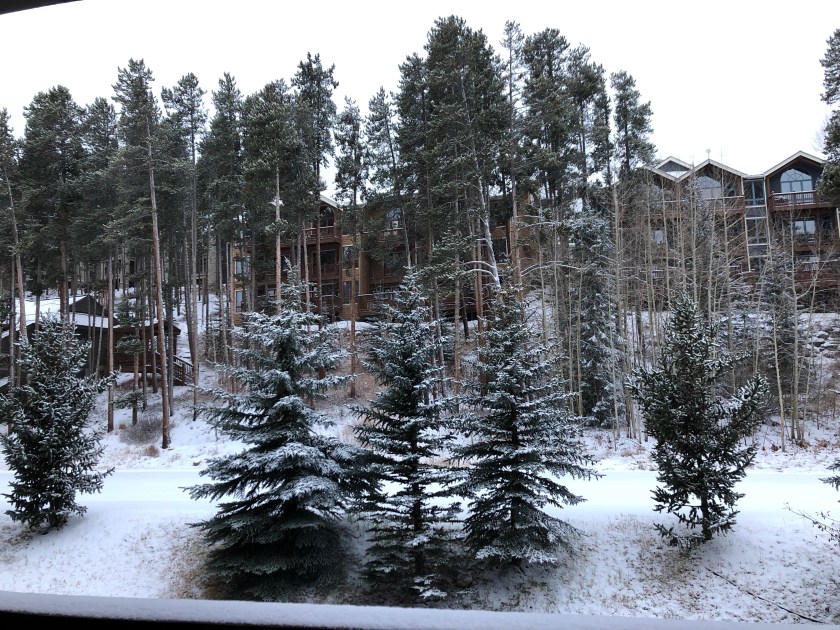
My view while reading.

Strout is right, anything IS possible. You also can’t predict what’s going to happen with people. Even the most broken of us can rise above early experiences, but it’s not guaranteed, either. Strout did a masterful job of showing us that “stuff happens” to everyone, but we will all learn, grow, and remain able to love.

Anything is possible. I am happy, content with my life situation, and no longer dwelling on my own shame, doubt, or eccentricities.

I hope you get a chance to read both of these books, and read them in close succession. You’ll experience complex emotions, but in the end, you’ll be realistically optimistic about humans and their resiliency.