What I Learned About Freedom from Salman Rushdie (Book Report)

What does freedom mean to you?

I just finished reading Knife, by Salman Rushdie. In case you never heard of him, he’s a novelist who dared poke fun at a religious figurehead and had a fatwah put out in him. That means someone pretty humorless wanted him dead.
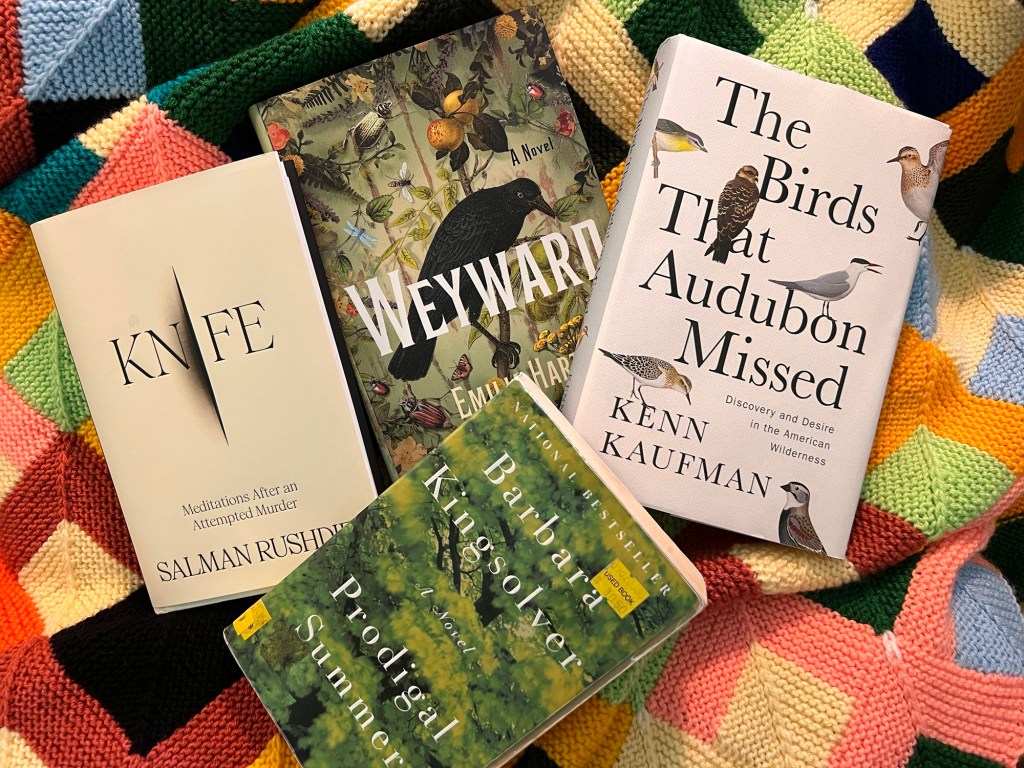
Knife, and some future reading material.

Regardless of the merits of his writing or his attempts at humor or anything like that, it had to be hard living with bodyguards 24/7 and always wondering when the assassin would show up. That’s the opposite of freedom to me, maybe worse than being imprisoned. In prison you know where all the murderers are.

Tiny Calf says she’s gonna hide in the grass.

He eventually got to where he didn’t worry about being attacked anymore, but then he was. The book is his way of getting his processing done. I guess since he gets paid to write, he decided to publish his memories and their effects on him rather than writing in a journal, or blogging like us other self-absorbed people.

By the end, though, I think Rushdie comes out free. He’s free to live the rest of his life without dwelling on what happened, his attacker’s motivation, or looking over his shoulder constantly. He’s faced death and knows what it’s like.

It’s probably not true, but birds always seem free.

That’s freedom: being able to live without worrying that someone or some institution is out to kill you, confine you, or strip you of your rights. In this case, I’m not free anymore. I’m no longer confident that women can be free in this country.

I digress as usual. As for the book, it was okay. There were some genuinely funny parts, and I give Rushdie credit for doing his best to be introspective, but he comes across (to me) as someone who has a great need to prove how smart he is. He extensively quotes from world literature when I swear he could just say what he meant rather than forcing the reader to remember every book they ever read (IF they happened to be literature majors) and draw the proper inferences from it.

Parts of the book bugged me.

I felt like there was going to be an essay test at the end.

He also quotes himself, or his novels, repeatedly. Is he trying to sell books? I didn’t end up dying to read any of them, which is good, since I have some good ones queued up already, thanks in part to kind people who keep handing me books.

I don’t use enough polysyllabic words or quote enough European fiction to even want to quote myself.

Now, I do feel for the guy. He went through a lot, lost vision in one eye, and has a permanent droopy mouth. He does seem pretty chipper for someone less than two years after nearly dying. He sure made Jon Stewart laugh when he interviewed him.

So, freedom is not a buzzword for me. It’s the ability to live in your society with a reasonable about of agency and feeling safe among your community members.

I always disagreed that butterflies were free. They are little mating and egg-laying instinct-driven beings. Pretty, though.

Maybe tomorrow I’ll be less dour. But here’s an example of why I’m that way: I didn’t share the link to yesterday’s blog about what public figure I dislike most on Facebook out of concern that it might put a target on my back. So, freedom? Not so much.

Book Report: In the Shadow of Liberty

Rating: 4 out of 5.

My friend Phyllis loaned me this book after a conversation we had about how history’s narrative differs depending on who’s version is being told. In the Shadow of Liberty, by Kenneth C. Davis (2016), is one of many books that have come out in the past few years that provide perspectives on events in North America from people who aren’t white, male, Christian, or wealthy. As one of those non-priviledged people, I appreciate these insights! (Of course I have plenty of priviledge, just not as much as I would have were I male or a declared Christian).

The book is not about me, though, it’s about people who were witnesses to a lot of the early history of the USA, though they were only 3/4 of a person legally and also enslaved to a wealthy landowner who happened to also be a President of the USA. Because of their proximity to people who wrote a lot and got written about a lot, they managed to get at least glimpses into their lives recorded for people in the future to learn from. As Davis points out there were thousands of people who toiled in the fields anonymously who never got to share their side of life in the 1700s-1800s.

Davis makes it clear that the history of slavery and slave-ownership isn’t as black and white as we make it out to be. Slave owners were known to change their minds over time or treated some enslaved people way differently than others. Some were cruel and some were more humane (a relative term, of course. I found it interesting to see how each group viewed the other and how differently their lives played out.

I’m not going to detail each chapter of the book, which has lots of interesting photographs, timelines, and illustrations to help us understand the times when the protagonists lived. What I do want to point out is how well Davis conveys the whole context of the Presidents and their families, as well as the families of enslaved people around them. It becomes very clear, for example, that George Washington both admired and trusted Bille Lee, who accompanied him on most of his battles and campaigns, yet he always referred to him as “his mulatto man, Billy.” I guess that’s just how people talked back then, but it made me sad.

You’ll find lots of information you may not have heard about before when you read this book, which isn’t very long and is more of a popular book than a scholarly investigation. Some of the people focused on are now pretty famous, but some have faded into the shadows (of liberty).

Reading this book now in 2024 will remind you of how important it is to not backslide on the freedoms we have fought long and hard for in the US. There are still people who would be happy to go back to a time where people could own each other (and it still occurs in the shadows, just a little differently). We all deserve to live our lives safely, with our families, and with meaningful paid work. No “but not these people…” should be allowed.

Book Report: The Promise of Unbroken Straw

Rating: 5 out of 5.

I started to read The Promise of Unbroken Straw, by Ken Steele (2024) because I know the author and want to support people who are brave enough to publish their writing. I finished reading it because I was fascinated by the people and the setting of the book. Most important, Steele is a very good writer and I didn’t get annoyed by any amateur errors like you sometimes see in books you read to be nice to your friends.

Ken and his wife, Cathy, who I met in an online email group decades ago.

I’m here to tell you that if you are a fan of historical fiction, you’ll enjoy this book very much and become totally immersed in the setting, which is Oklahoma during World War II (and some of today as well). You’ll become fond of many of the folks you’ll encounter, as well, and dislike the villains just as much. There’s a lot of angst, sadness, failure, and trouble to be found, but of course some ultimate redemption.

The book

I loved the way Steele portrayed his protagonist, Paul, as a somewhat clueless young teen who really didn’t understand a lot of what was going on around him, but kept trying his best, anyway. You can take a good lesson away from Paul, which is that sometimes what you think is happening and how you perceive events in your life may not be exactly what you think. At least Paul eventually figures that out.

The book resonated with me, because part of the drama revolves around oil being discovered on one’s property and trying to figure out what to do about it. That all played out down with my family here in Texas not so long ago, too, and the feelings are all-t00 familiar. I had a lot of empathy for Paul’s father and grandfather as they tried to do what is right but were tempted by visions of dollar bills dancing in front of their faces.

Ken took this photo of me being colder than I’d ever been in my life.

I’d recommend this book even if Ken weren’t the greatest host in Colorado, but I’m thrilled to be able to encourage all of you to check it out.

Reading? Of Course!

What book are you reading right now?

It’s a good time for that question, because I started a new book a few days ago, The Invention of Nature (2015). It’s about Alexander von Humboldt, whose work was very important for people like me.

Great cover

I have it because folks were discussing naturalists and people who have a lot of species named after them. It became apparent that I wasn’t very familiar with von Humboldt, compared to Aldo Leopold. So, my friend “JC Maxwell” (a pseudonym) said she’d send me a book.

Sure enough, it showed up, along with a book called Regretsy, a humorous look at awful things sold on Etsy. I admit I read that first. It made me laugh aloud.

The author tells funny stories about herself, too.

Back to Humboldt. So far he’s still pretty young, but he’s been running all over Prussia and its neighbors being an eccentric genius and meeting famous people. I guess that’s what you did back then. He seems to have had a lot of time off from his job looking at rocks in mines.

Right now he’s hanging out with Goethe and the king of some small chiefdom or whatever it was before countries emerged in central Europe. They eat a lot and discuss poetry and new ideas about how the natural world works. Plus, of course he knows Charles Darwin.

I’ll get to the parts where he goes off and identifies lots of plants and animals soon enough. Right now he’s just way over-studious and energetic.

Did you know in the 1800s he was the most famous person in the world? That’s what the book says.


Today was full of chores, but Anita and I had fun grocery shopping for Thanksgiving at her favorite H-E-B store. We also visited Target and a couple of other places.

I still got home in time to horse around with Drew, who calmed down a bit today. All good.

Daily Bird

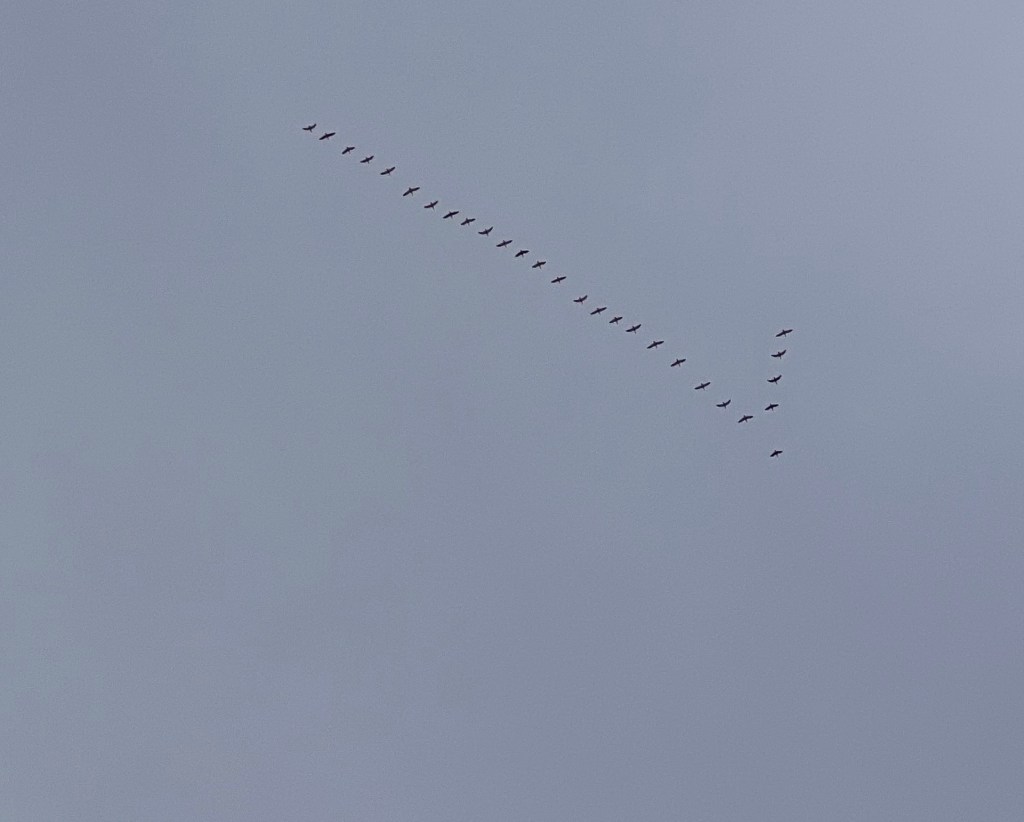
Today I went out on my usual morning walk and animal inspection. I heard an interesting hoot/honk sound. I looked down at the Merlin app and it said snow geese! Sure enough, they were flying over.

Blurry, but obviously geese.

These guys are only here during migration, so I was lucky to get a glimpse. We saw tons at Bosque del Apache wildlife refuge in New Mexico when we went there. Beautiful birds.

Book Report: Mother Tongue

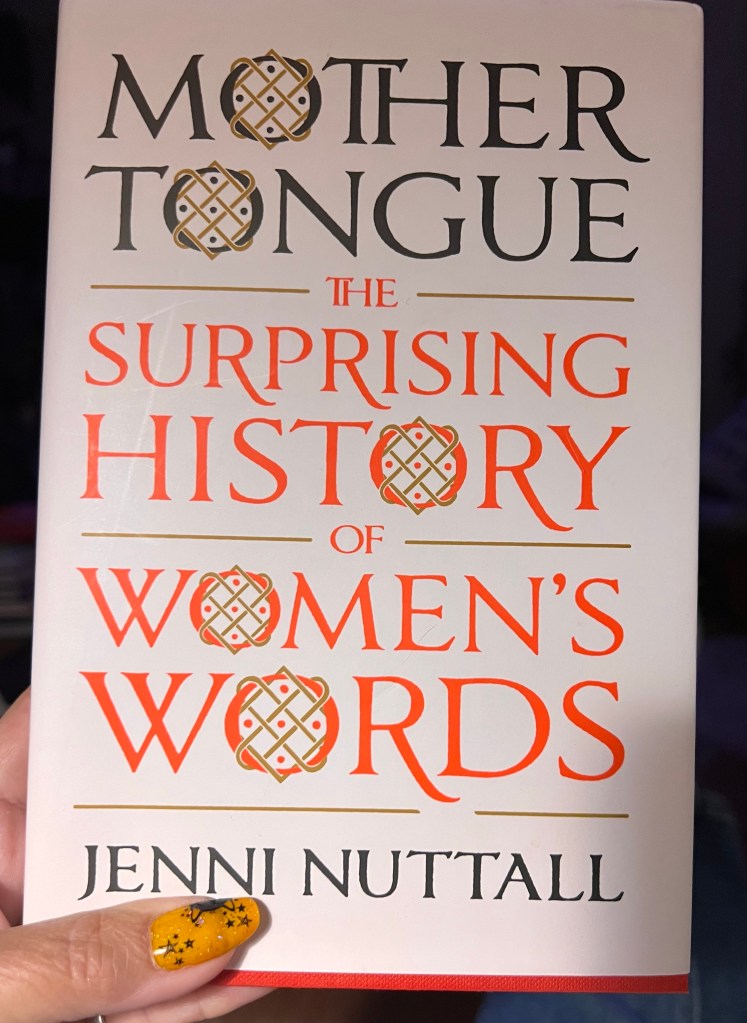
I’ve let this book marinate in my mind for a few days before writing about it. That’s because Mother Tongue: The Surprising History of Women’s Words, by Jenni Nuttall (2023), left me conflicted.

It’s a good book to review on Samhain/Halloween, since it has an entire chapter on witches, and there’s a good deal of discussion of how all kinds of words became derogatory terms for old women, the kind you see depicted in Halloween decorations. And who can complain about a book about etymology? Not me, that’s for sure.

Nuttall is an expert on Old and Middle English, so it’s fun to read her easy translations of old phrases (and to try to figure them out before she translates). I’m inclined to be sympathetic to fellow linguists, of course, and to fellow feminists as well, but dang, this woman comes across as grumpy. She also comes across as defensive about her life choices. I don’t think parenting is her favorite stage of life and she certainly doesn’t have much good to say about breastfeeding and hanging out with your baby. I think she’d have liked one of those wet nurses she talks about in the mothering chapter.

The other small complaint I have is probably just me. Since I spent a lot of my early adulthood reading (and writing) about how women use language in more recent times, I was hoping for a lot more detail, more examples, and more juicy stories about the language of and about women in early English. She doesn’t seem to have many other choices than Chaucer. It does occur to me that there may not be many written sources for her to draw from, so I’ll grant that.

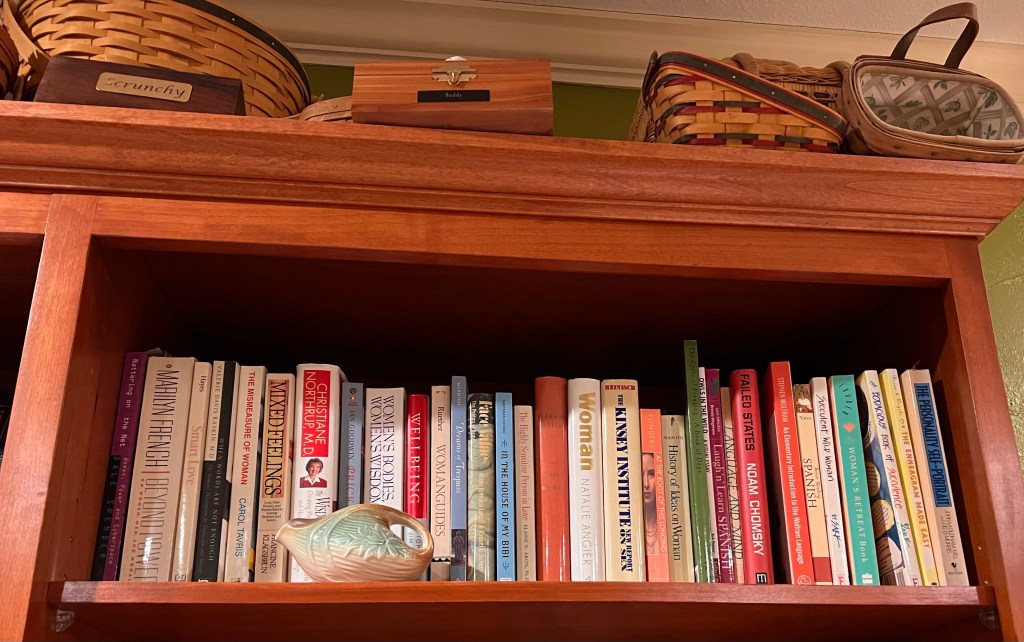
I have a lot of books on women’s language and sexuality. Some of them are here. Others are still in a box.

One of the fun things about Women’s Words is that it’s written in British English, so I got to learn some new modern slang. That was a real bonus. But since she’s English, I wish she could have added some words about women from former British colonies like India and the Caribbean.

Honestly, though, I wouldn’t discourage anyone who has an interest in the English language through history and cares about all English speakers, not just the ones who fancy themselves to be in charge. You’ll find out some interesting derivations, like the fact that the history of “girl” is shrouded in mystery. You’ll learn about words for childbirth, marital states, and the work women do. Go ahead and check it out. Don’t listen to grumpy Suna.

PS: if you write a book about women and language, don’t name it Mother Tongue. There are lots of books called that, so you’ll need a good subtitle.

Good night, moon. Hello, ancestral spirits.

Book Report: Fearfully and Wonderfully Made

I finished this fascinating book a while back, but haven’t had time to write it up with so much other excitement going on. But now’s the time! Fearfully and Wonderfully Made: The Astonishing New Science of the Senses, by Maureen Seaberg has opened my eyes (senses metaphor) to all sorts of ways I can do a better job of making full use of all my senses.

I heard the author in an NPR interview talk about her experiences as a person with enhanced senses (she sees more colors than most people and experiences synesthesia). Once she figured out she was different, Seaberg got interested in how our senses work, hence this book.

What fun it was to learn about how we use our senses (including others besides the traditional five) and about our Perception Quotient, a concept Seaberg made up. Stories from people with enhanced smell, taste, etc. make for insightful reading and kept me so engaged that I devoured the whole thing in a day or two. It made me want tetraploid vision a LOT.

I wonder how many shades of green or brown Seaberg would see?

My favorite part of the book is where we get ideas for making the most of our own senses. I’ve been focusing a lot on smell and hearing when I’m out among the woods and fields. I’m glad I’ve been stopping to notice what I can smell in different situations. At the State Park this weekend, the wonderful scents were decomposing wood, Kidneywood blossoms, tiny swallow-wort flowers, and the omnipresent frost weed.

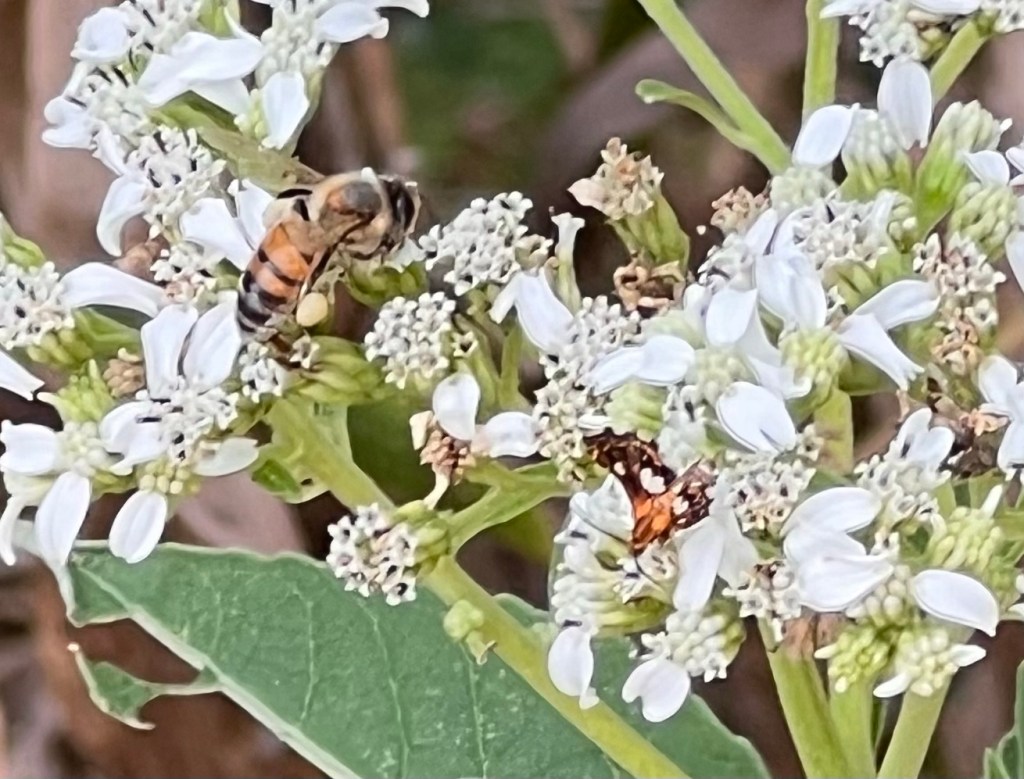
Bee on frost weed

Interestingly, these are all white flowers. I’m not the only one who’s noticed that white flowers seem to have strong scents. That helps with moths at night. If you’ve ever smelled a night-blooming cereus you know that’s true!

Blurry bee on swallow wort.

There were also unpleasant smells. We were close enough to Luling, Texas and its oil wells to get whiffs of crude oil every so often. I lucked out and didn’t run into any skunk odor, though.

Listening has also been fun lately. I mentioned doing a listening exercise yesterday. I also have fun (sometimes frustration) with the Merlin Bird ID app when I can hear birds it can’t. Mourning doves seem particularly hard for the phone app to hear from a distance. I’m really happy to know my hearing is still good at my age. I’ll get hearing aids the minute I need them, that’s for sure.

Lots to hear in the woods

I’m also glad my glasses correct my vision so well. I just love to view the world in whatever colors I can see. I’m relieved to not be colorblind like Lee is. My excellent peripheral vision is also something I’m very grateful for. It sure helps me find birds and butterflies in time to enjoy or photograph them.

I found this one because her wings flapped.

I think you’ll get a lot of ideas and learn some new things from this book, even though I find the author can be a little too “New Agey” even for me. She’s a real character!

If you’re like me, you’ll be sharing little tidbits you learn with anyone who will listen. I wish I had grandkids to share some of the book’s ideas and scientific discoveries with, to encourage them to fully use all their senses as they explore their worlds.

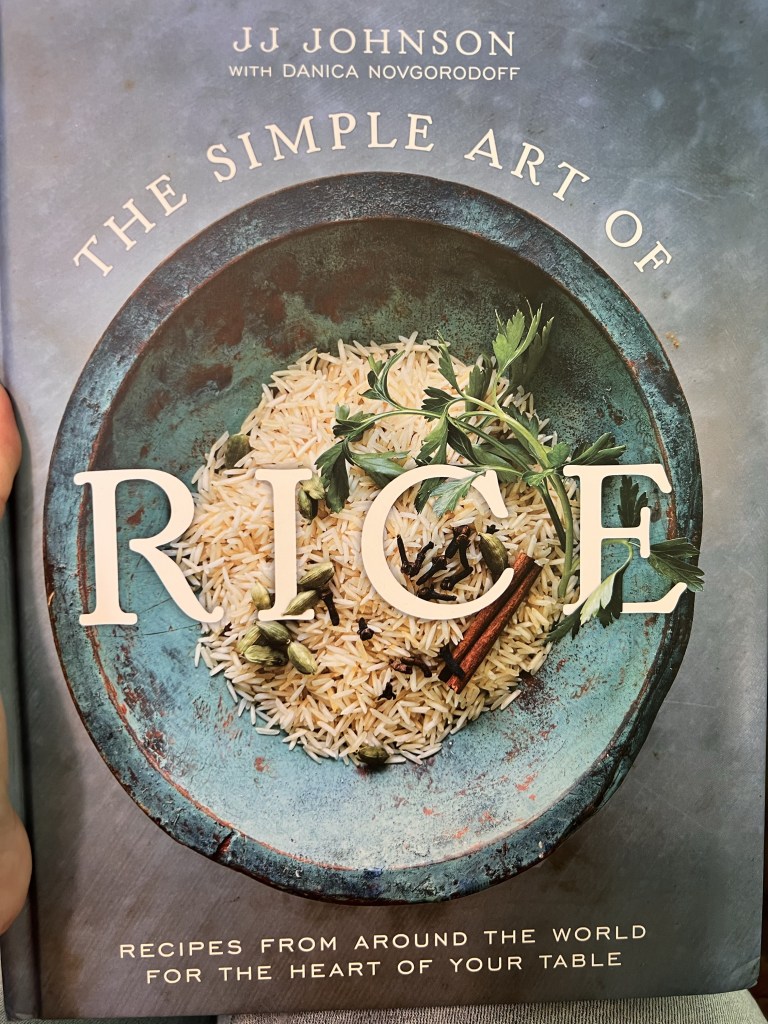
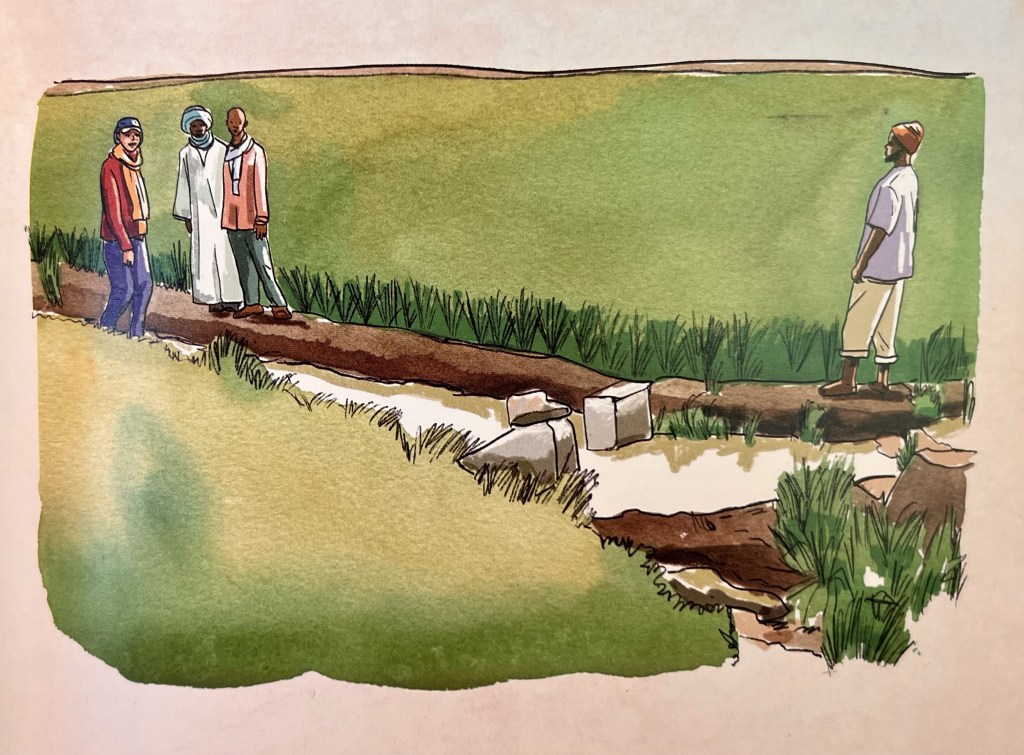
Book Report: The Simple Art of Rice

Few things are as frustrating as reading a cookbook all about a specific ingredient, knowing full well that you are completely out of that ingredient. But I did it, I read this fascinating rice cookbook in one of the very few times in my adult life that I was out of rice.

I thought there was another giant bag of rice in the freezer, but there wasn’t. Luckily, Lee got me some Basmati rice today when he grocery shopped. But now that I’ve read The Simple Art of Rice, by JJ Johnson (with Danica Novgorodoff), I know I need more kinds of rice, like my beloved sushi rice, brown rice, and black rice.

I discovered this book the way I discover so many, on an NPR interview. It’s a good thing I’m not in the car listening as much as I used to, because I found two books in one day driving to and from College Station.

Anyway, this book is gorgeous, with lovely photos of the rice dishes from many cultures as well as elegant watercolor illustrations by the co-author. I love a substantial hardback book.

Sample illustration.

Most importantly, the content is interesting, with a nice mix of rice history, stories of cultural ties to rice, some science, and a well rounded collection of recipes that Johnson collected from workers at the many restaurants where he’s worked.

Now JJ Johnson is a famous rice chef, but I enjoyed how he didn’t re-do traditional recipes, just added a little to some. I enjoyed learning African, Asian, Caribbean, and American traditions and how they are interrelated, often due to the forced African diaspora to North America and the islands around it.

Most of the recipes would be easy to try for the average cook. They all sound very flavorful. Some call for special ingredients from cultures whose grocery stores are not near Milam County, Texas, but maybe I can get some in Austin. I expect I’d be the only one to eat some of the ones I’d like to try most, because they’re full of cilantro, very hot peppers, and the dreaded curry. But that would give me more leftovers!

Extraneous giant swallowtail for you

I suspect my family would love some of the desserts, though. And dishes I know they love are in there…with so many variations of beans and rice! We eat that!

All in all, I had a blast reading the stories, interviews, and cultural nuggets in this book. The recipes are like a delicious bonus! This is a great addition to any collection of cookbooks, especially of home cooking.

This visitor to the ranch is glad there were no turtle gumbo recipes.

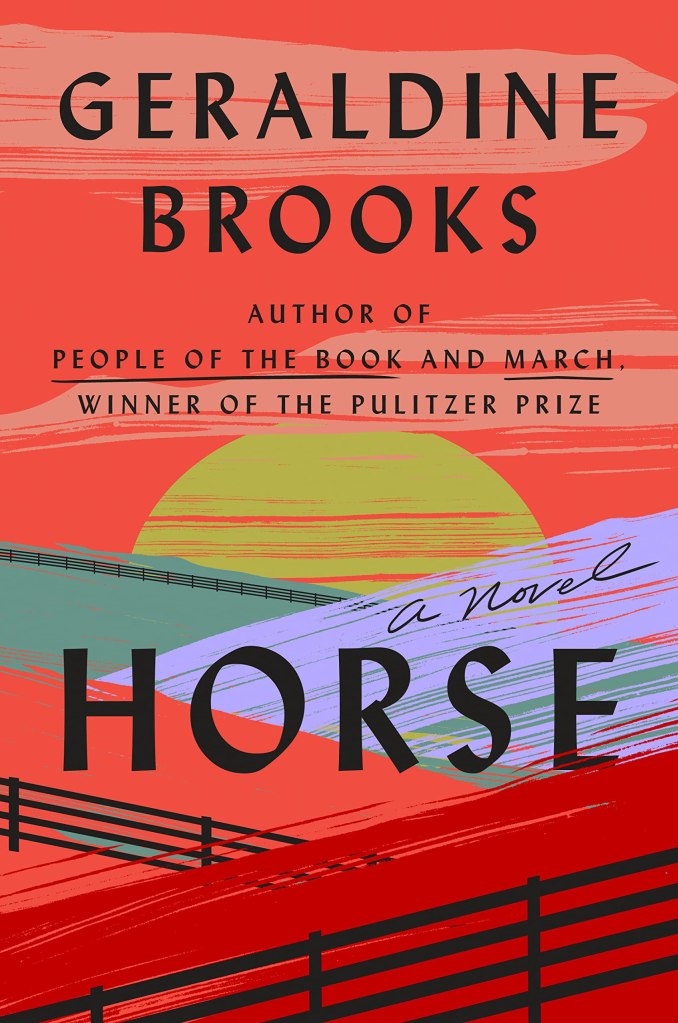
Book Report: Horse

Rating: 5 out of 5.

After I finished my depressing but informative book on Florida history in Myrtle Beach, I had some extra time to read, but my huge pile of magazines was at home. But that’s why I brought my Kindle with me! I opened the next book on my list, Horse, by Geraldine Brooks (2021), and got sucked in deeply.

The title makes you wonder what aspect of a horse the book will be about.

It turns out to be a book about race horses, horse racing in the 1800s, modern skeletal reconstruction, race relations (past and present, all sad as hell), art history, and love (among people and animals). Something for everybody, by gosh.

The first part of the book made me want to run show it to Tarrin and Sara, who love horse anatomy so much. Brooks goes into a lot of detail and it’s so accurate. In fact, she’s accurate about everything, as far as I can tell. She is one excellent researcher.
Lexington’s skeleton when it was displayed outdoors.

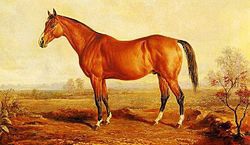
Horse chronicles the great American race horse, Lexington and his lifetime companion, Jarrett, who grows to be a man as Lexington ages. Interspersed with their story is a story about what happened to Lexington’s bones and the portraits painted of him as he aged. We learn about the artists, horse owners, jockeys, who revolve around Lexington and how they negotiate respect and trust during the time before the US Civil War. Race relations among the modern-day folks are equally complicated, but feel quite real.

To write about all this, Brooks did a LOT of research. I mean, a lot. She comes across as knowledgeable about so many different things that my mind was practically blown. This book satisfied my desire to learn as well as my love of a good story. I guess I can see how she won a Pulitzer Prize in the past.

Lexington the horse was such an interesting animal, and thank goodness he was raised well. It makes me feel great about how I treat my horses, though they aren’t fancy!

Lexington

Not all the parts of Horse that dealt with race relations weren’t all awful. There was love and respect, which always give me hope. However the sad parts were really sad, and after reading about how horribly early white settlers acted in Florida in my previous book, I feel more and more hopeless. People aren’t going to change. They are going to find ways to dehumanize and demean those they deem to be the “other.”

Sorry about the pessimism, but mine is growing worse and worse. Nonetheless, I just loved the book and all the characters in it. Brooks may be Australian, but she sure knows how to depict US history vividly.

If you like horses, horse lovers, and history, you’ll just love this book. Want to know more about Lexington? Here’s a good article.

Book Report: La Florida

Rating: 4.5 out of 5.

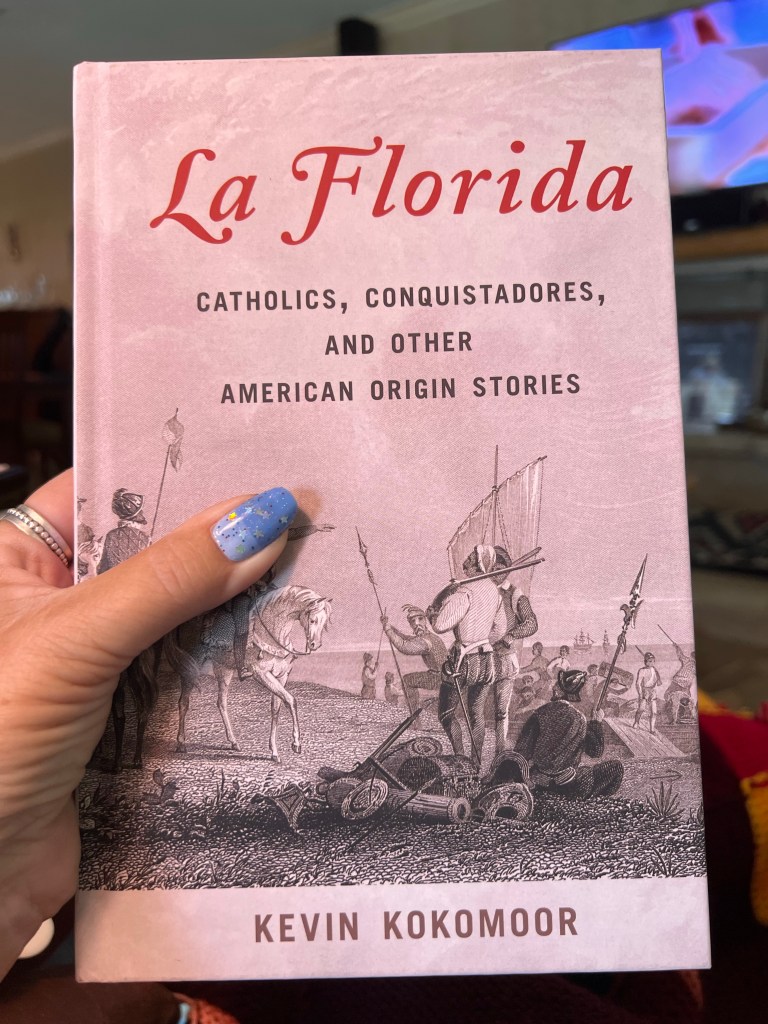
I actually read a book over my time in Myrtle Beach. Impressive! I have been so overwhelmed with magazines (which I read, not just look at pictures) that I haven’t been finishing books lately. The book I read was La Florida: Catholics, Conquistadores, and Other American Origin Stories, by Kevin Kokomoo (2023). It’s not actually published yet, so I was happy to get a copy from Kevin.

I blocked Hernando de Soto’s head. I’m not a fan.

Kevin teaches at Coastal Carolina University, where he focuses on the history of Florida and the rest of the southeast. We bonded last year when I found out he knew the story of when my mother’s family showed up in Florida and that we had lots of fun Florida stories from our youth. That Ocean Enclave place hires the most intelligent and interesting bartenders!

Since I had a lot of alone time while I was in Myrtle Beach, it was easy to get through La Florida, especially since I enjoyed its mix of academic rigor with humor and a bit of conjecture thrown in to bring the history of Spanish Florida (which was much bigger than the state) to life.

You must have a pretty strong stomach to get through the uncensored accounts of what the Spanish explorers did on behalf of their King and church. It’s incredibly violent, though it’s sorta fun to see how those “valiant” conquistadors ended up dying pretty miserably as they wandered cluelessly through the South. Florida was a lot harder to conquer than some other parts of the “New World” were.

Being mean to a French guy. Don’t worry, French guys were also religious fanatics.

It’s easy to reach the obvious conclusion that the more things change the more they stay the same after reading La Florida. Kevin’s chapter on the influence of the Catholic Church on the actions of the Spanish in Florida both horrified me and didn’t surprise me. In a nutshell, the violence against the early residents of Florida was justified because they didn’t accept the Church the moment they were presented with the opportunity to do so. How did they get this opportunity? Well, priests read them an announcement of the requirements for peace, which might have had a better chance of coming across if they hadn’t read the announcement in Latin. Once they determined native folks weren’t Catholic, then they were no longer people, and slaughter was just fine.

I pity the poor Mississippian culture. If all the slaughter wasn’t bad enough, of course the Spanish left lots of diseases to which they lacked immunity. Good times? Nope. (They disappeared, leaving holes for many other tribes to fill—the parts of the book on these groups, especially the Seminoles, filled in a lot of gaps in my knowledge.)

And it wasn’t just various native groups that were slaughtered because they weren’t Catholic, there were fellow Europeans who had the nerve to be Huguenots, who also were deemed to be not human, thus killable if they dared show up and try to bother poor old St. Augustine (what a non-success story that was, but at least it lasted). There were so many wars and invasions and burnings to the ground!

Slavery was another huge part of early Florida history, and I enjoyed learning about enterprising slaves who made big contributions to Florida history. I think slaves fared better because they figured out that getting married and doing other Catholic things got them slightly better treatment. Of course, it wasn’t all that great. No one seemed to have a lot of fun in La Florida. I guess maybe things got better after England took over and the rest of Mom’s family showed up.

In among the descriptions of plunderings, diseases, starvation, and slavery, there are interesting tidbits about how Florida got to be the way it is, such as how citrus fruits showed up, and the history of barbecue (spoiler alert: fish were the first meats to be cooked this way).

So, what are my opinions? I really enjoyed the book, other than coming to the depressing realization that the way people in the US are treating each other today by dehumanizing them isn’t much different from people’s beliefs 600 years ago. If you are from Florida or are a fan of American history, I’d highly recommend it, because it’s a point of view you don’t get in traditional Anglo-focused US history books.

Those Spanish dudes searching for gold and other riches (sigh, they “only” found tons of pearls) were the first people starting European settlements and their efforts deserve more focus. Thanks to Kevin Kokomoor for bringing this history to light!

Slow News Day, Featuring Creatures of the Sky

I may have done less today than I have any day since visiting my dad and just sitting around with him. I got enough movement in, but barely. Every time I went to go outside, a band of showers passed through, but that’s okay, because the clouds were pretty. I’ll miss beach clouds.

Looking north

Luckily, I got on a roll with the ole technical writing, so I got a lot done as I looked outside at rain. I enjoy those breaks I take to help with eye strain. I looked up one and there, practically motionless outside my window was a beautiful osprey. I guess it was the same one I saw before, but it was so close I could see its feathers.

Looking east. No osprey picture available since I was working.

I had plans to go see the Barbie movie, but we are now going tomorrow, since tickets are half off. That sounds good to me, so instead I finished last night’s movie and watched two more.

Me all night.

My “cinema” friends like Anita will probably enjoy picking out themes and cinematic techniques in the documentary I watched about two women who fell in love in a concentration camp and found each other afterwards. Nelly and Nadine (also the film’s name) were very interesting women, and the super 8 home movies they made showed glimpses of a 50s gay and lesbian world few knew about. I was proud that I made it through the concentration camp parts.

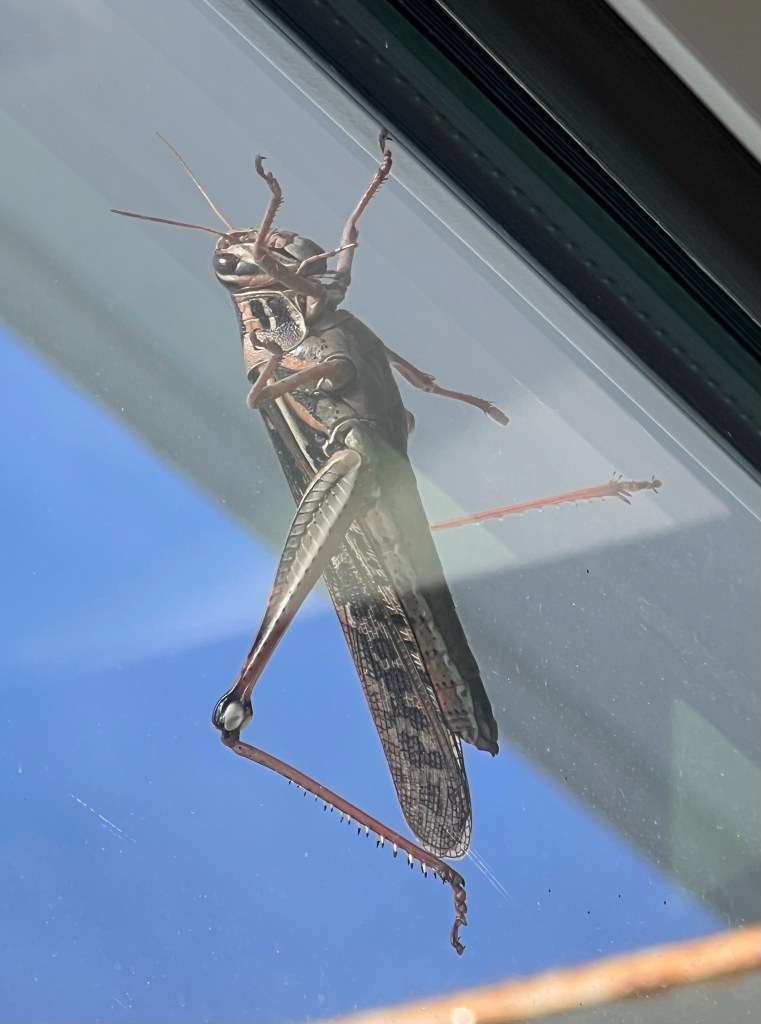
I promised creatures of the sky. Here’s a 27th floor bird grasshopper.

I then switched gears and saw Are You There, God? It’s Me, Margaret, which was as good as I’d hoped it would be. The movie was set at very close to the time I was Margaret’s age, so everything was eerily familiar. The sets were 70s fun.

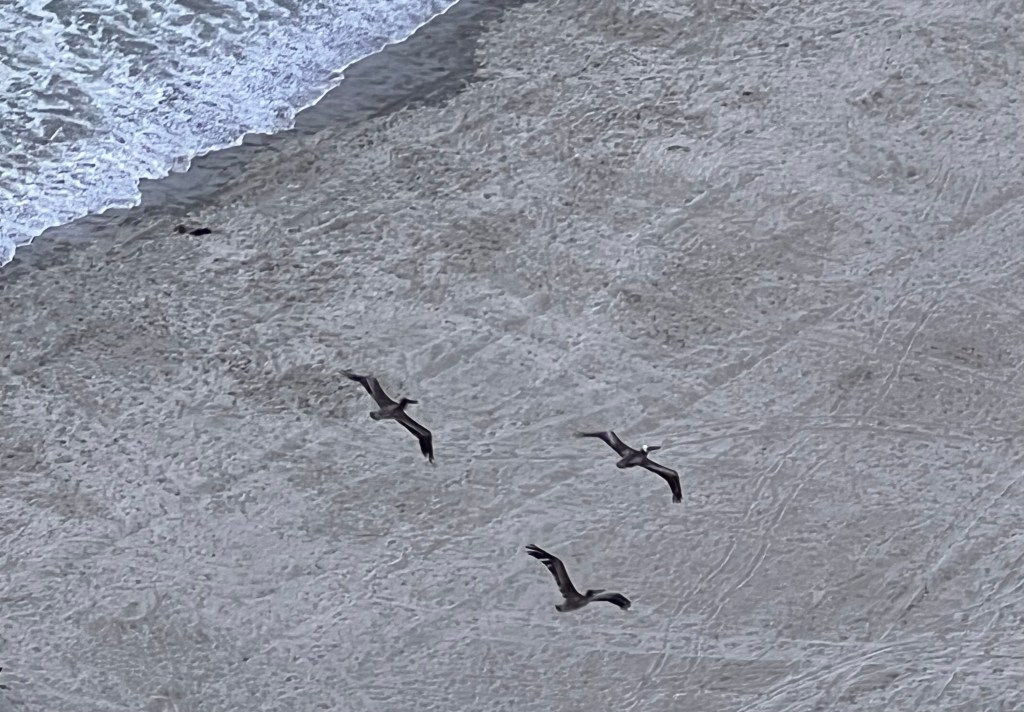
And here are low-flying brown pelicans

I couldn’t find the other movie I was looking for, so I watched Somewhere in Queens. The New York Italian culture is like visiting a foreign land to me, but I enjoyed glimpsing into Ray Romano’s vision.

These guys enjoyed peanuts again. I had three at once.

I guess I’ve gotten enough out of Amazon Prime on this trip. I wish I could use it more at home. Bandwidth. Ugh.

By the way, I haven’t been eating out. I’ve made myself weird dinners out of the supplies Lee and I bought when we got here. I’d sure be cheap to feed if I lived alone, since in addition to cheese, I could live off Tasty Bite curry packages, rice side dishes with vegetables thrown in, hummus, and Progresso soup. Throw in cans of tuna and I’m set.

More than you wanted to know, but it was a slow Suna news day.