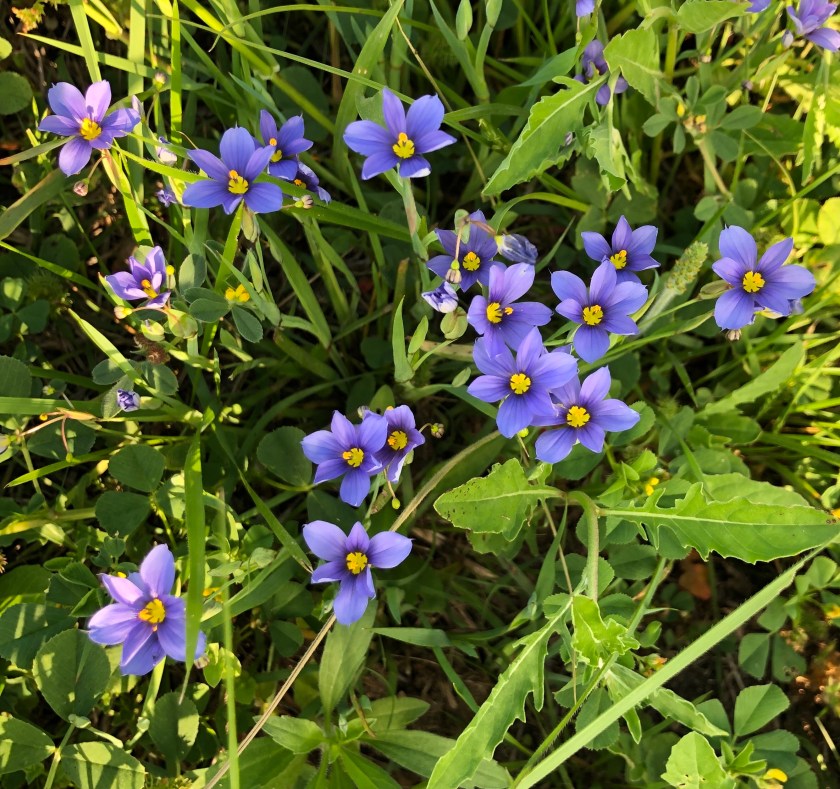
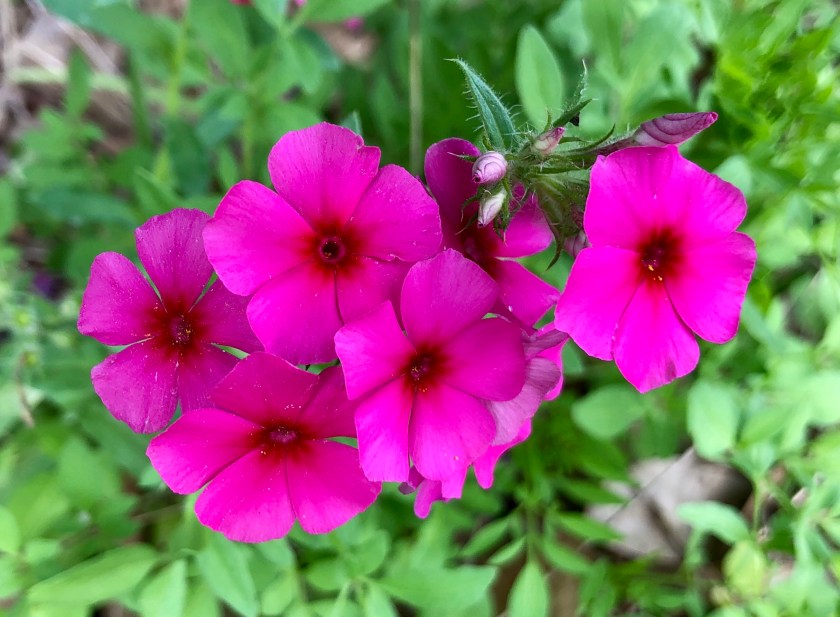
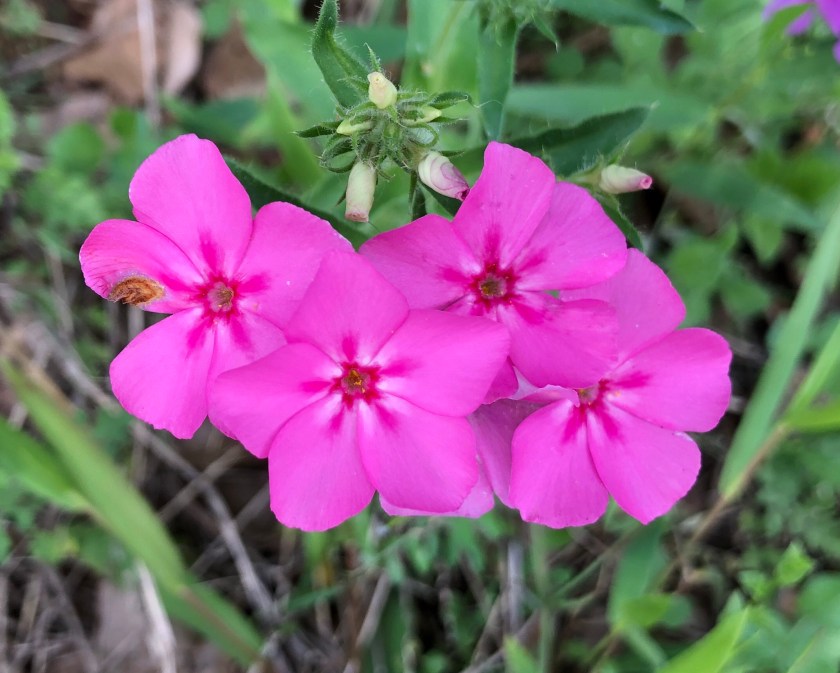
Ah, Phloxdrummondii. Here’s a Texas native I have lifelong memories about.
When I was young, in the good old 1960s, these grew in great abundance in north central Florida, along the roadsides. There would be miles and miles of phlox blurring into a riot of pinks and purples.
Lucky for me, my mother loved to look at these wildflowers as much as I did. She’d ask my dad to please take us for a ride so she could get herself some phlox.
She’d take pitchers full of water in the car, and when she spotted the ideal field of phlox, she’d shout out for Dad to stop NOW!
We’d all pile out and brave the bees and ants (at least this was pre-fire ant) to pick huge bunches of these flowers. We had to be careful not to pull up the roots.
Back in the car, I’d marvel at all the colors and patterns in the blossoms. So much variety! I don’t think they lasted long in Mom’s vases, but they made her happy.
While the area where I live doesn’t have phlox, I’m happy that you only have to drive a few miles east to see some. It’s not like the old days in Florida, but they are pretty.
I hope you’ve enjoyed these flowers from the field next to Milano Methodist Church. They sure sent me down memory lane.
It rained again much of today, which messed up our internet access, so not much of substance here. Maybe tomorrow!
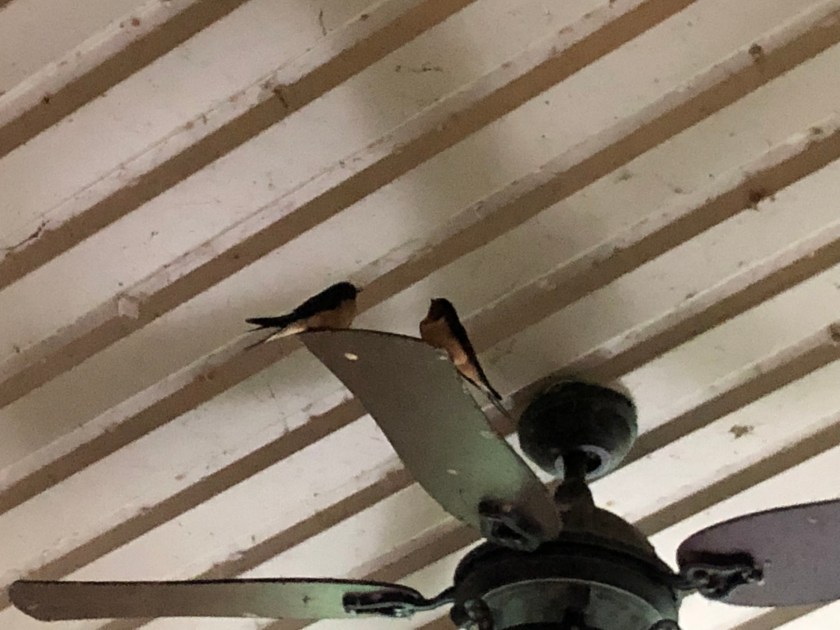
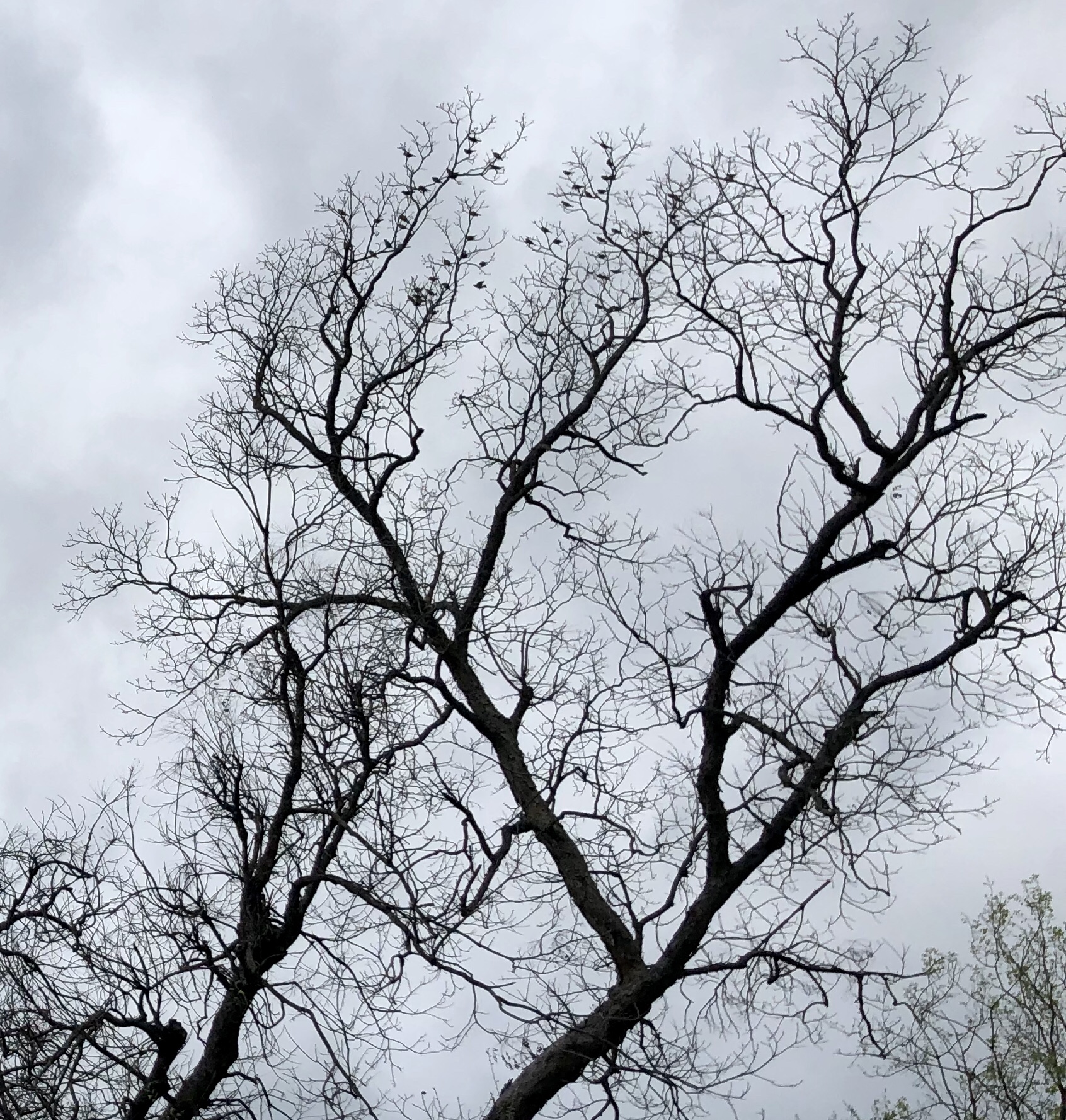
Once the weather settled down a bit yesterday, the local insect-eating birds had a feast (including my chickens). There were a couple of phoebes sitting on our fence wires and zipping down to pluck tasty morsels, but the most excited birds had to be our barn swallows, who view our home as a very nice barn to live on.
When will that human LEAVE?
We discovered a new nest right above the door the dogs use to go in and out. They are a poly family, I guess, with an extra member to help feed the little ones once they hatch. Here are two of them looking displeased at me while the third one was in the nest thinking about pooping on me, no doubt. Because they are so close to the dog door, their chattering and chirping is very easy to hear in the family room. Luckily we like our noisy neighbors.
Getting back to Austin
This morning I drove back to Austin later than usual, so I’d be sure to be able to see any flooded spots along the road. I saw a lot of places that obviously were road closure spots over the weekend, judging by the debris patterns.
Just to the left is the main road, with soda machines. Apparently a church got all messed up, too.
The saddest thing, though, was driving by the old building in San Gabriel that held the hamlet’s only “business,” two soda machines. It was surrounded by red tape declaring it a danger. The darned tornadoes got it. Here’s an article.
Today is another day
Happily, today turned out to be beautiful. Anita and I enjoyed looking at some of the native plants and insects we pass by on our walks. Two were right outside our house, next to a steep rocky slope.
Cedar sage outside the Bobcat Lair (our Austin house)
No matter how hard the landscapers try, they can’t get rid of all the beautiful plants that were here before the development was here. Case in point is the cedar sage you see here. It’s native habitat is cedar brakes on caliche, where the ashe junipers are located. They like the rocky hillsides. Yep, these beautiful flowers cover the rocks our house sits on, right under the native trees that got to stay when the neighborhood was built (now they qualify as “heritage” cedars, so allergic people can’t cut them down).
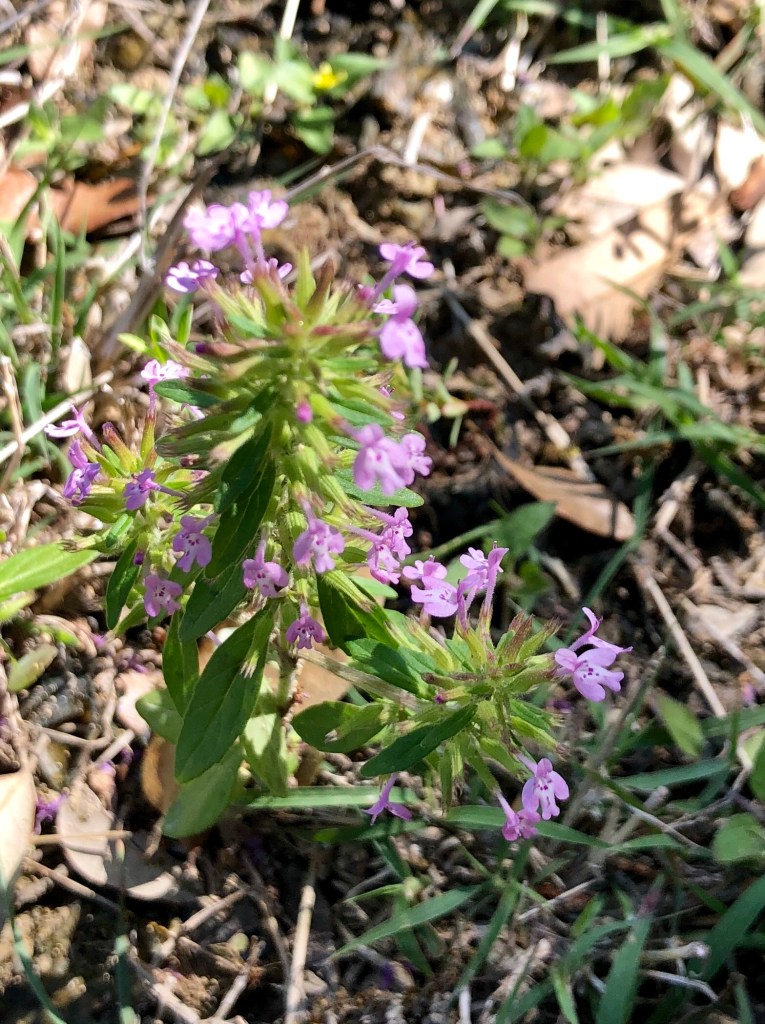
Slender false pennyroyal
Nearby were these lovely little plants with tiny pink blossoms. There are many tiny plants with pink blossoms this time of year, but these looked different from all the others I’ve been finding. Sure enough, they are slender hedeoma (Hedeoma acinoides). There is not much about them in iNaturalist, but a quick check of their habitat shows it’s mainly the middle of Texas. It’s a local! Further checks found that their common name is slender false pennyroyal. I learned something new!
At the mailbox, my housemate, Anita, started jumping around, and I saw that there was a large winged insect flying and landing, which caused that reaction. I got everything nice and calm so I could photograph it.
Extreme crane fly closeup.
It appears to be a crane fly, but I’m not sure which one it is. It could be Tipula tricolor or Tipula furca, juding by the wings. I assume someone on iNaturalist will set me straight. I thought it was nice of the crane fly to hold still so I could get such a good picture!
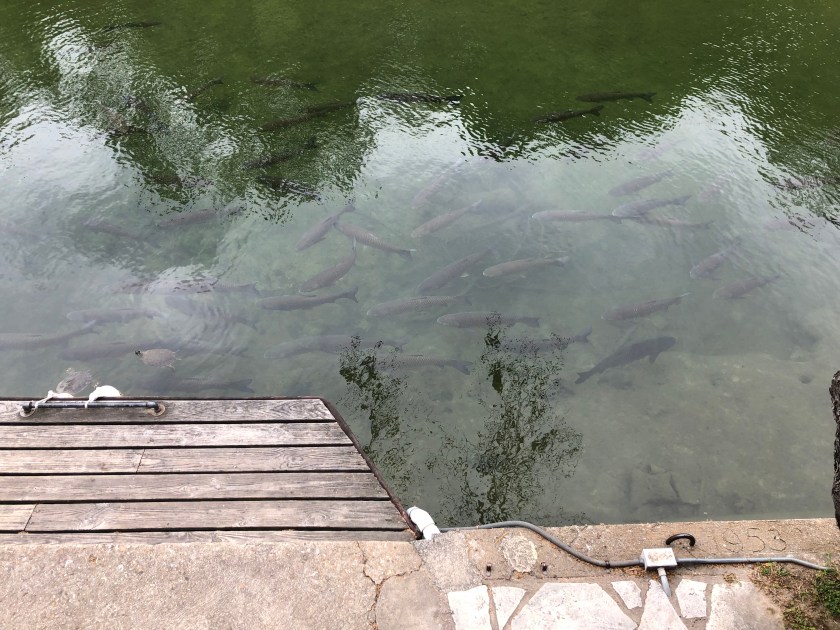
Our Austin house is minutes away from Bull Creek District Park and Greenbelt, a popular recreation destination and one of Austin’s most charming assets. It’s sad that Anita and I haven’t made our way over there after living in the Bobcat Lair for over a year. Today I was working from home and needed a break, so we grabbed my son and his partner, had some delicious barbecue at the County Line. There we enjoyed all the turtles and the massive carp hanging around wanting to be fed.
Check out those BIG fish.
Then headed over to check out the greenbelt. This was sort of a reconnaissance visit, since we knew we would not have time to go on a long walk or explore much, but we had plenty of fun.
I skillfully hid a car and a trash can to get this view looking toward the road.
There are beautiful oaks here that you know were here all along, not planted by someone.
Ah, peace and quiet in Austin.
What a joy it was to explore the quiet creek and riparian area in peace and quiet. This place can be quite busy, but we shared it only with a mother and her two sons, who reminded me of myself twenty-something years ago. The littlest one was buck naked and running around with a stick, poking it into chunks of algae and laughing in the way only a little kid with all the time in the world, cold water, and a stick can laugh.
Well, shoot, just when I was really getting into long walks and frolicking amid the wildflowers, a late cold front has driven me indoors. Yesterday, we hosted an event at 11 am at our office. The front showed up right as all the attendees were coming in or trying to find us. A big wind and brief rain surprised everyone, and blew away my meeting signs. March decided not to go out like a lamb after all!
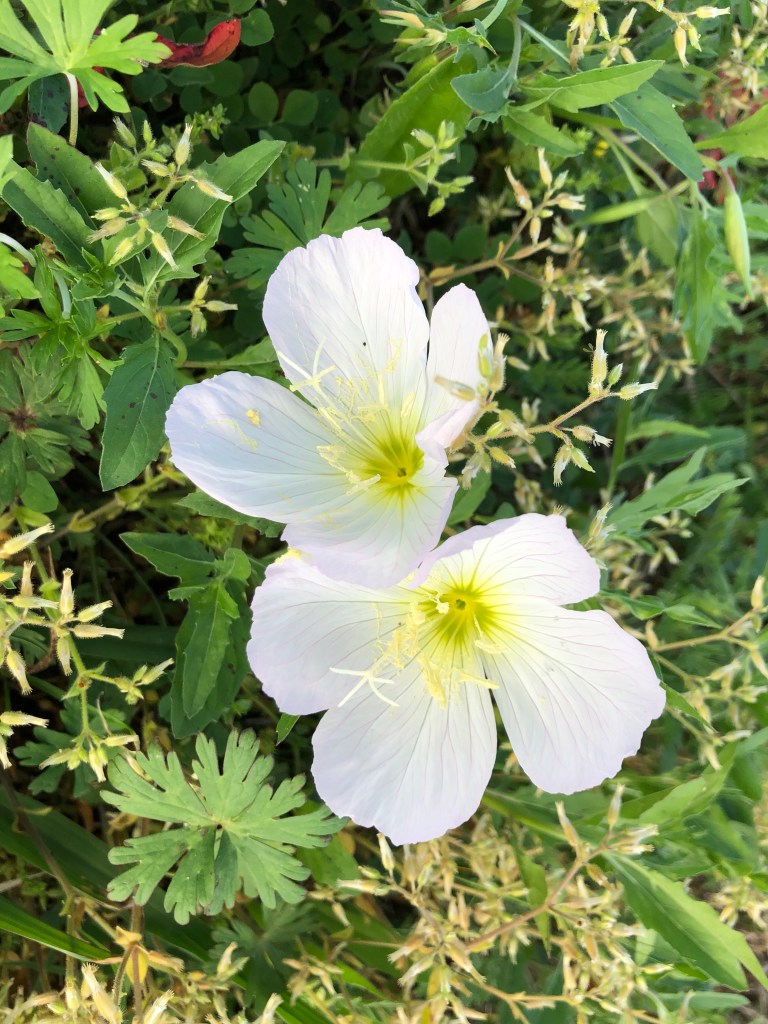
We have a patch of pink evening primrose that is nearly white. It’s striking against the green grass.
But, I did get a lot of flower-viewing, pet walking, and iNaturalist uploading done before the front! It’s a great year for flowers, thanks to the winter rains, so I know I’ll be out finding more to share soon.
Yellow Flowers
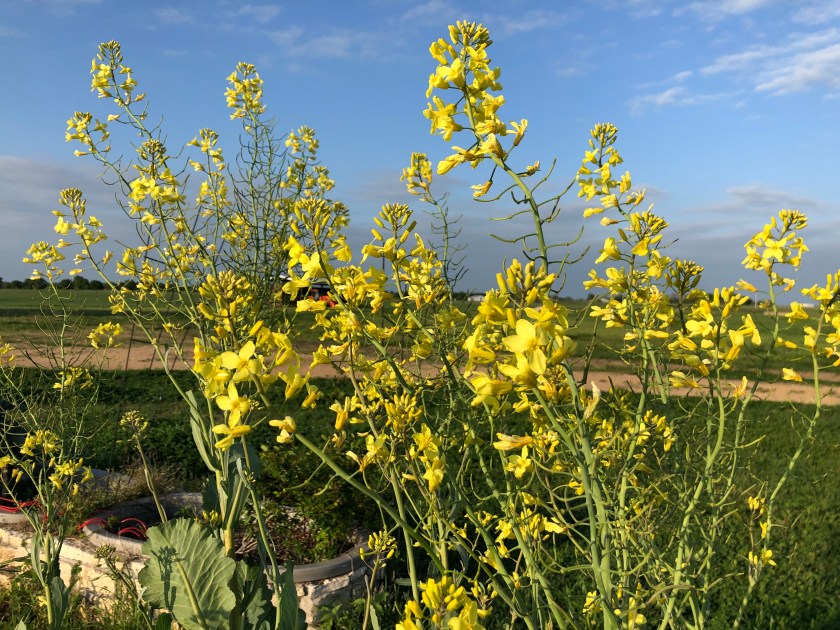
The wild and crazy collard green in bloom.
Here’s something I’ve been grappling with lately. Many of the flowers that are blooming right now are yellow. They’re just beautiful, but when I try to photograph them, they are all washed out, making it hard to see details. Luckily, the collard greens I let go to seed (I ate off this ONE plant all winter) look pretty good. Perhaps the blue sky helped.
Poor little glowing flower.
But this ragwort, like many other yellow ones I’ve photographed, looks like a bright blur. I have tried adjusting the color on my phone, but no luck. Suggestions? Get a real camera! Yes, I know.
Just a giant dog, making ripples in the pond!
I’m looking forward to warmer weather soon. I know the dogs are, too. Alfred had a fine time yachting around in the pond on Friday, but I don’t think he’ll try today!
Take care, friends, and don’t forget to like, share, and comment!
My last few posts have been duds. Nothing has died or anything, so I understand. But it’s wildflower season!
Anita matches the flowers.
I’ve been driving by some really pretty patches of pink flowers on my way down the big Far West hill lately. I wanted to know what they were.
Pink onions!
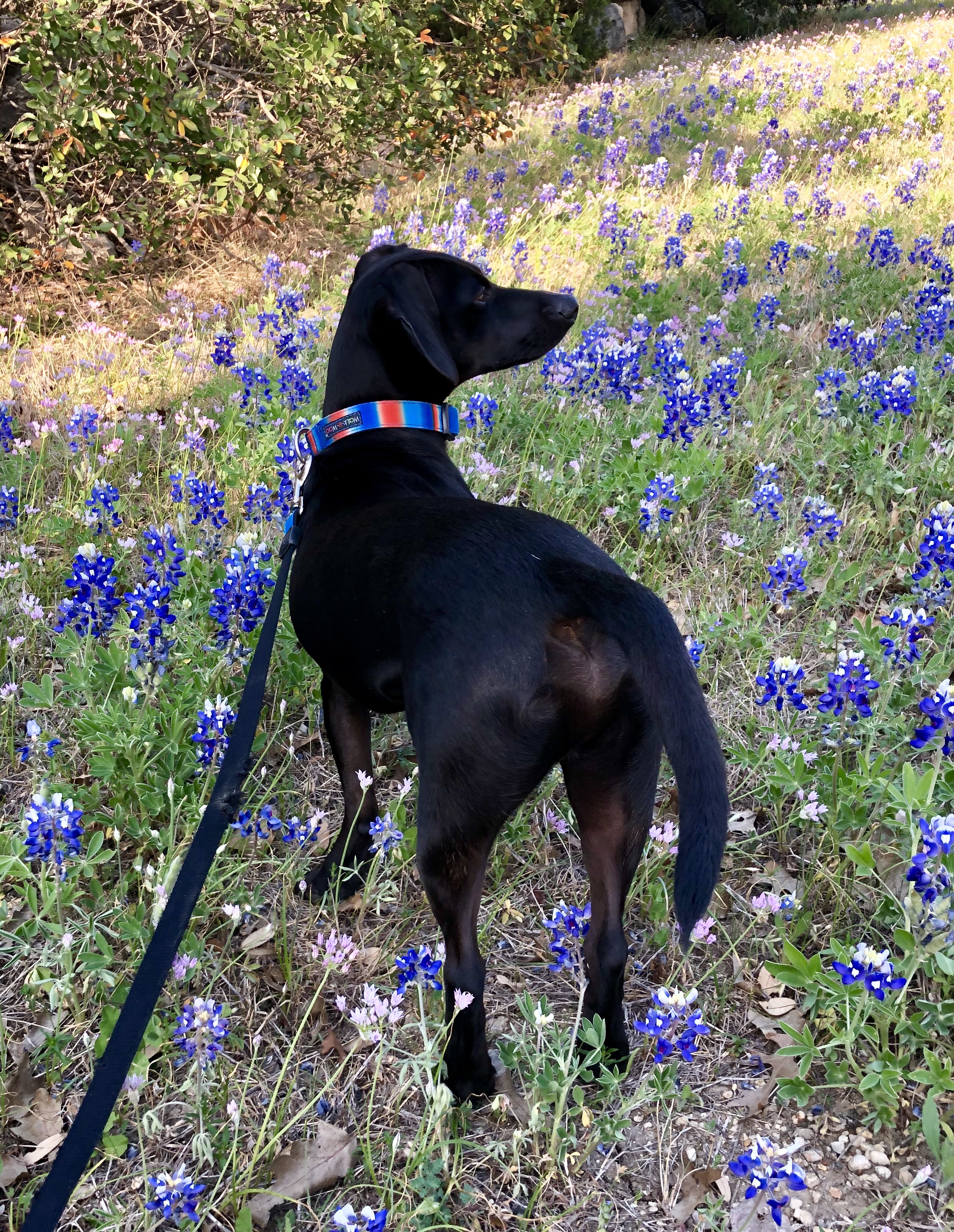
So, with the pretext of taking dog photos among the bluebonnets, I got Anita to go with me to check them out. They are Drummond’s onion, which is a pink version the wild onions that are blooming everywhere in this area.
Noble canine among the lupine.
I love alliums, so I was happy to identify a new one.
Selfie fail. I even made the dog laugh.
And yes, we did frolic among the sweet-smelling bluebonnets with Pickle and Vlassic. I failed pretty well at doing a floral selfie, but we had fun.
I’ll try to get some traditional bluebonnet pictures of the other doggies back at the ranch.
I did so much over the weekend that I never got time to sit down, much less write about what I was doing!
Just for the beauty. Not a native tree!
A lot of my stuff was work-related, so I wrote about that over on the other blog. Much paint selecting, light fixture choosing, office rearranging and such. I’m actually quite surprised at how little my arms hurt after wrangling giant tables.
Fuzzy willow blossoms and a bit of the bluebonnet I was sniffing. They smell great.
Luckily, there was also some time to check out what’s blooming and flying overhead. I think the black willow flowers are really pretty, like fuzzy caterpillars.
Flying ducks
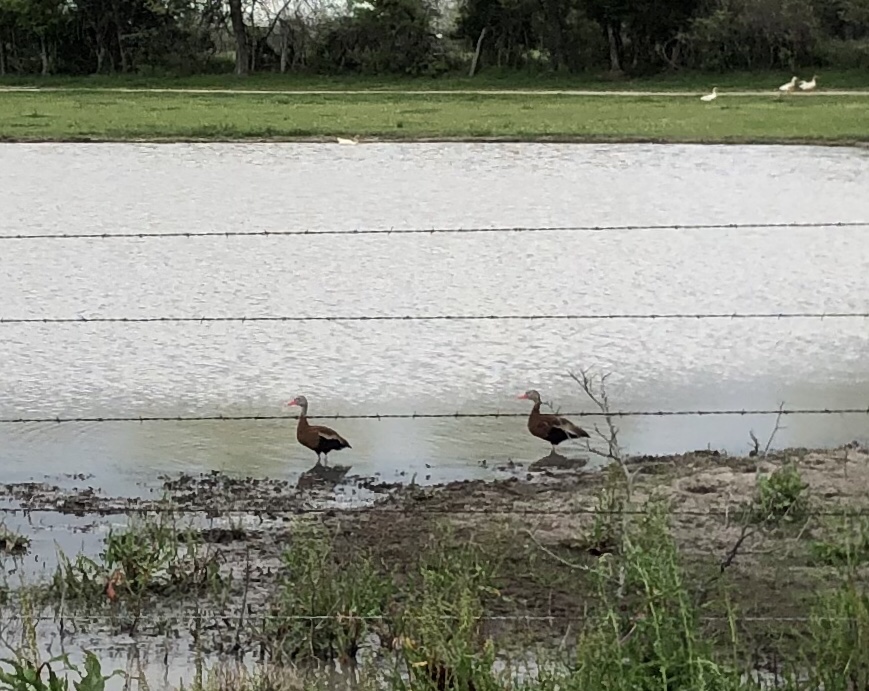
And all over town, as I was driving between projects, I enjoyed hearing the gurgling sounds of the black-bellied whistling ducks as they flew over.
I’ll try to get a closer photo.
I was not at all upset to need to take our helper, Kim, home, because I knew I’d get closer looks at the ducks. They really have day-glo beaks and feet! I love their visits, especially when I can spot them in trees.
Cedar waxwings backlit.
The cedar waxwings are still around, too, and their little chirps often surrounded me. Kim had to be very patient when I took a bunch of pictures. I had to!
And I’m friendly, too.
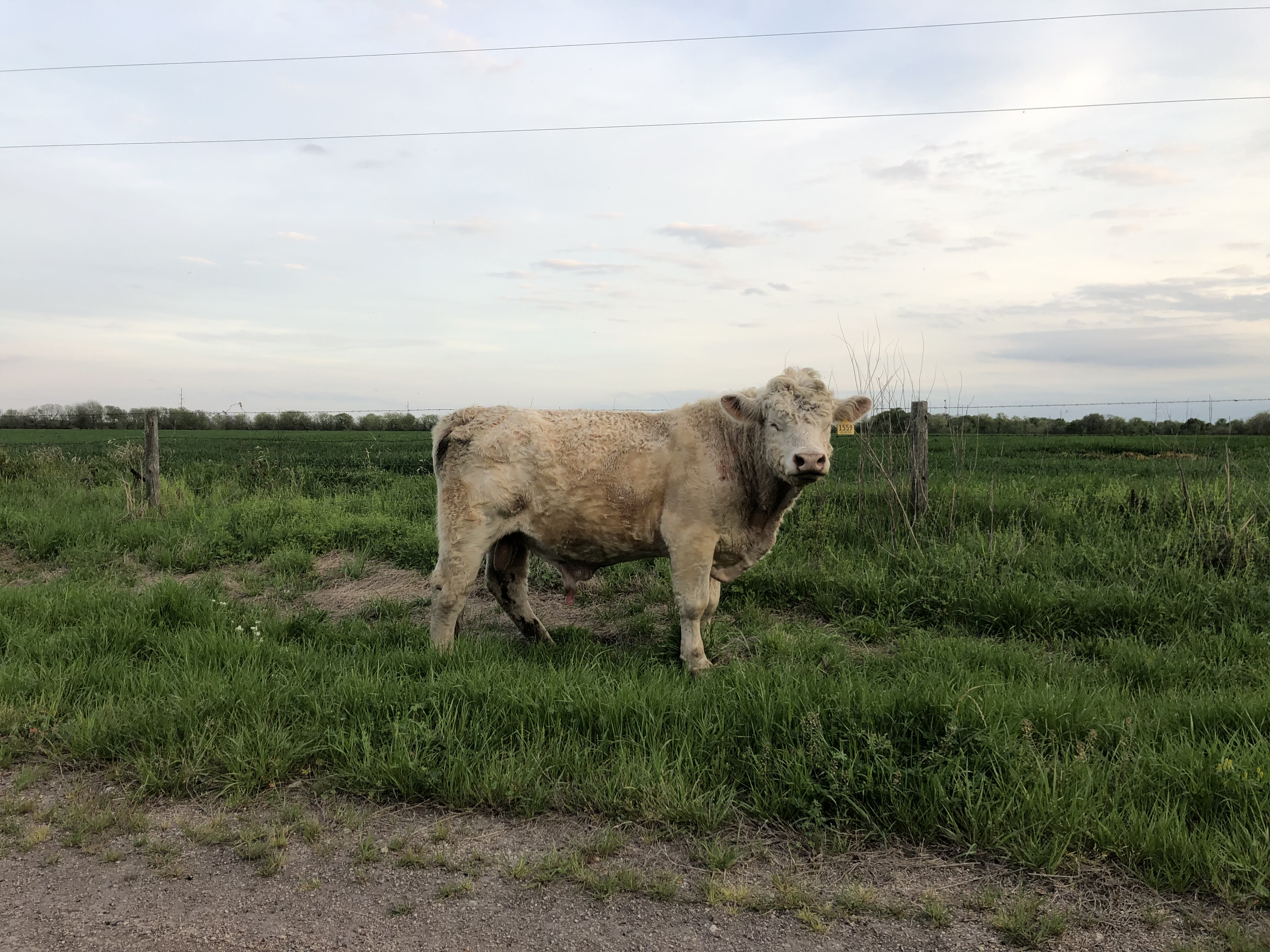
Saturday night we spent a bit of time with this fellow. He’d spent two weeks in the rye field across the road. He finally figured out there is a big gap in the fencing and took a stroll. After much discussion it was determined he didn’t belong to any neighbors and got taken to a sale barn where they’ll try to find his owner. You’d think someone would miss a Charolais bull this handsome.
See my sweaty back? I’m so tired.
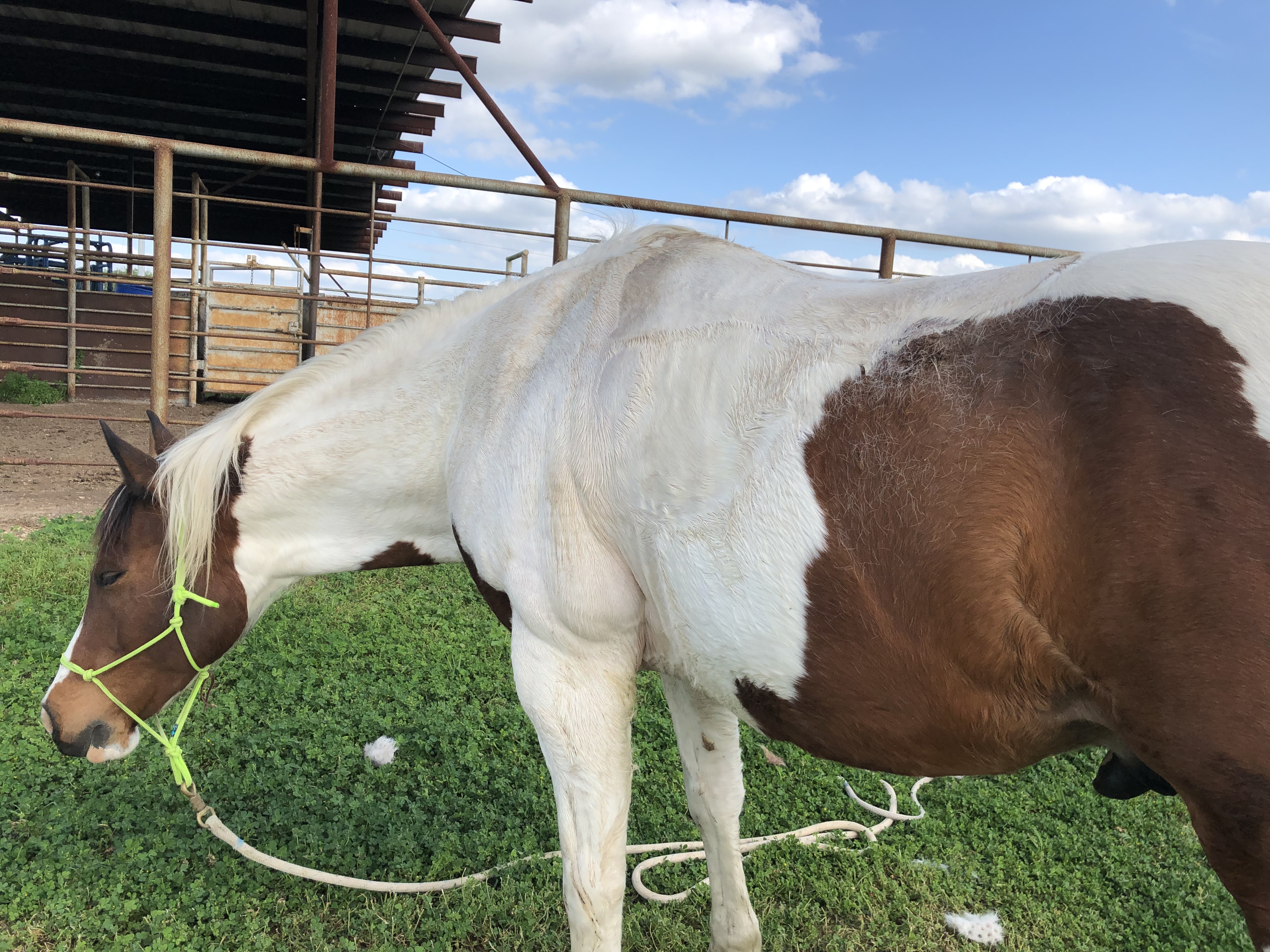
My final weekend fun was getting the poor horses all sweaty. We went all over the ranch and did brave things. Fiona kept dawdling, so Sara and Spice kept herding her. Once we just waited in the cool shade of a wooded area. When Fiona finally made it, we looked down to see the grass higher than her belly. She looked like she was a toy in an Easter basket. Wish I’d had my phone!
Happy St. Patrick’s Day, the day when those of us with Irish ancestors (or Irish children or both) celebrate their heritage. This day always coincides with the part of the Texas spring when it’s so green that it almost hurts your eyes.
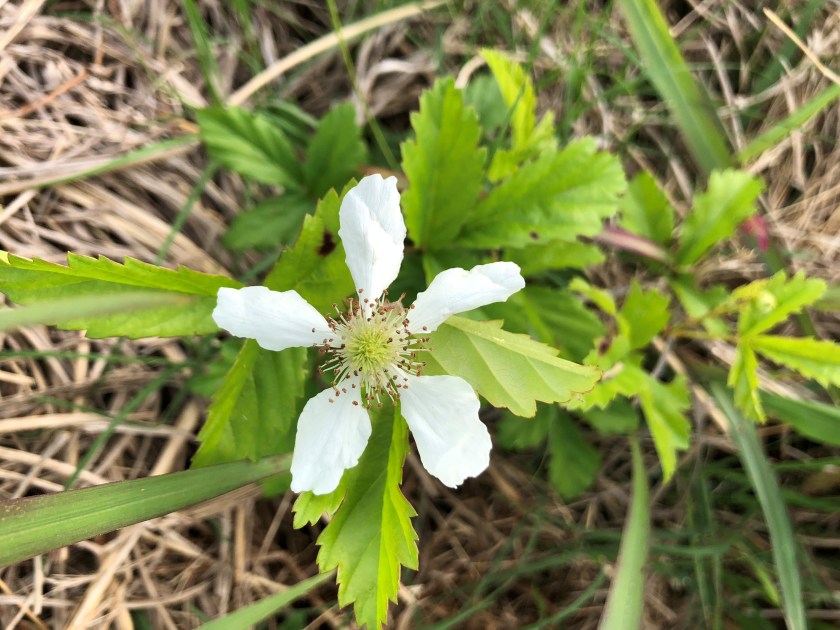
Dewberry on a fence
Each year I try to burn the spring green into my brain, to carry me through parched brown summers.
New growth
So, yesterday, when the late afternoon light was especially suited to enhancing the green of spring, I took many photos. Some were interesting. Others breathtaking. I hope you enjoy the Hermits’ Rest at its greenest.
The Hermits Creeklet with budding willows and dewberries.
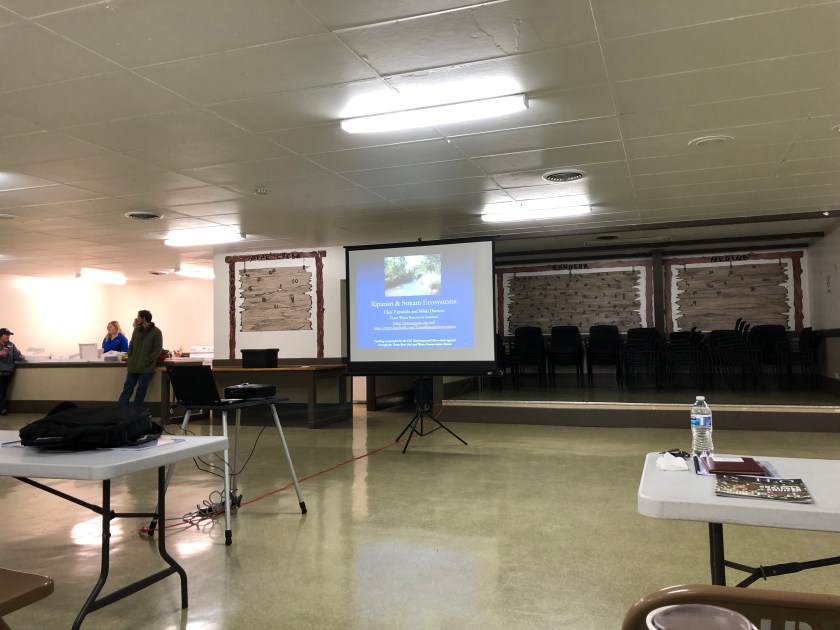
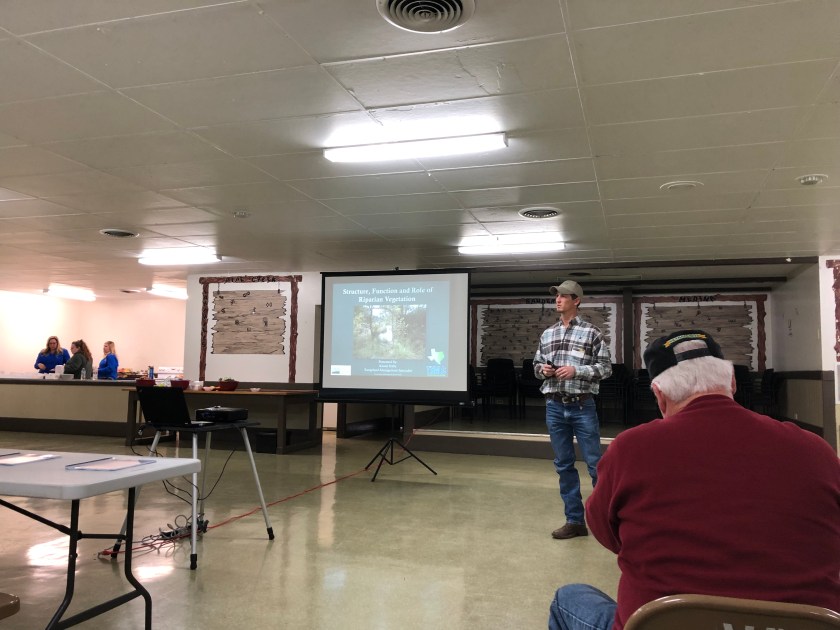
Now that I’ve slept, maybe I can share some of the depth and variety of the things I learned at the Bandera County Watersheds Riparian Training I attended on Wednesday, March 6. The event was held in Bandera (one of the most attractive small towns I ever saw and VERY consistent in its cowboy theme), and the weather improved enough that the outdoo parts were not unbearable. There were at least 30 participants, ranging from fellow Master Naturalists to water management professionals to interested landowners.
This young man was full of information. I’d love to hear him again.
Much of the day was spent indoors, however, as a team of water management experts from many different agencies shared their knowledge of managing the areas alongside rivers, creeks, and streams. These are called riparian areas, and they are a very important part of water management, but one that has been misunderstood a lot in the past.
Our scenic location.
Sadly, the beautifully manicured lawns and parkscapes we often see, where people walk up and down to admire the view, are not actually what our waterways need. The need a riparian buffer of plants that love water or theive near it and trees that are of various ages, so that when they die or fall into the water, there are future trees to replace them.
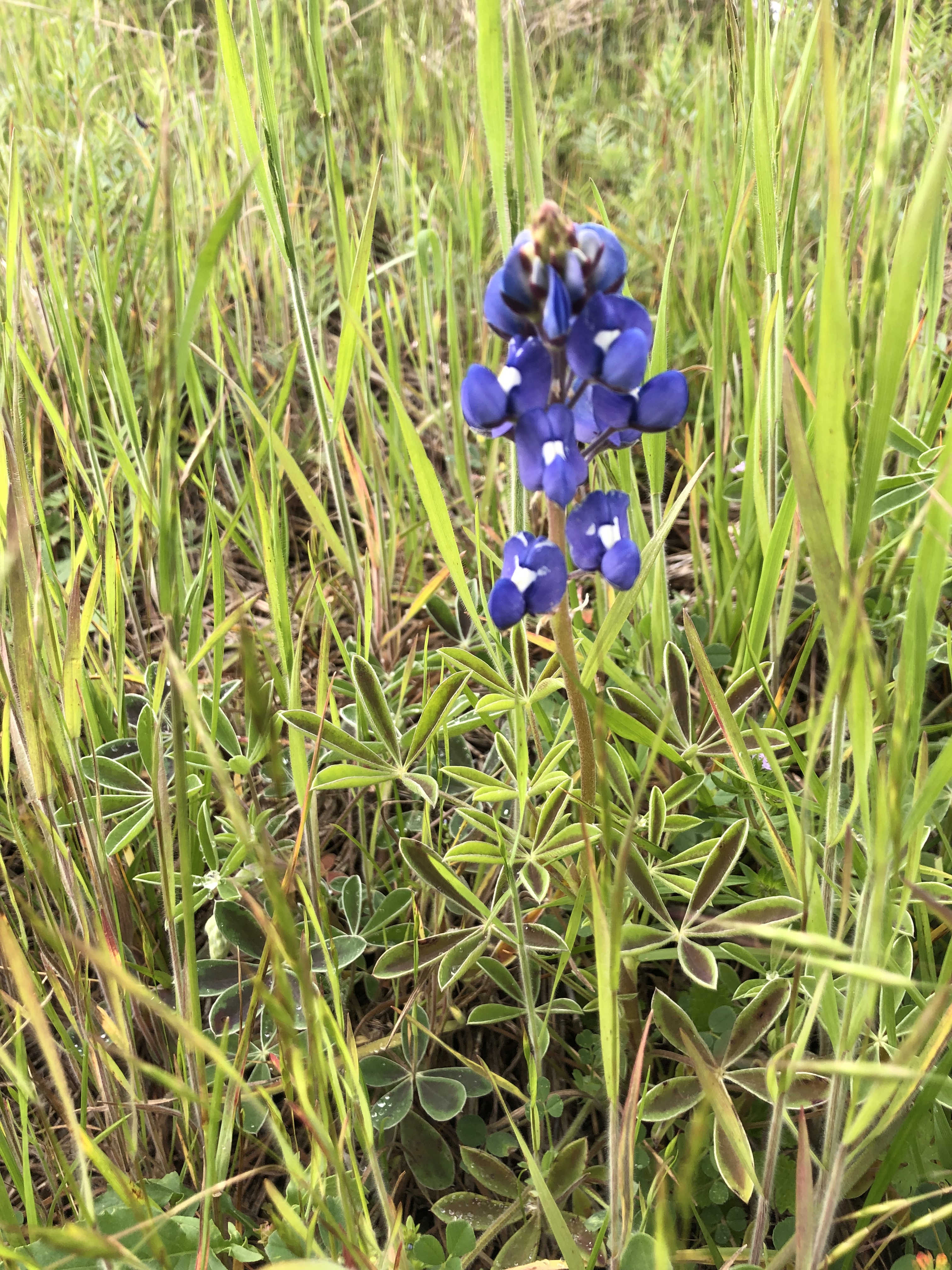
Spring still insists on showing up! That’s right! Today the first bluebonnet popped its little head up along the road in front of the ranch.
Such fresh beauty.
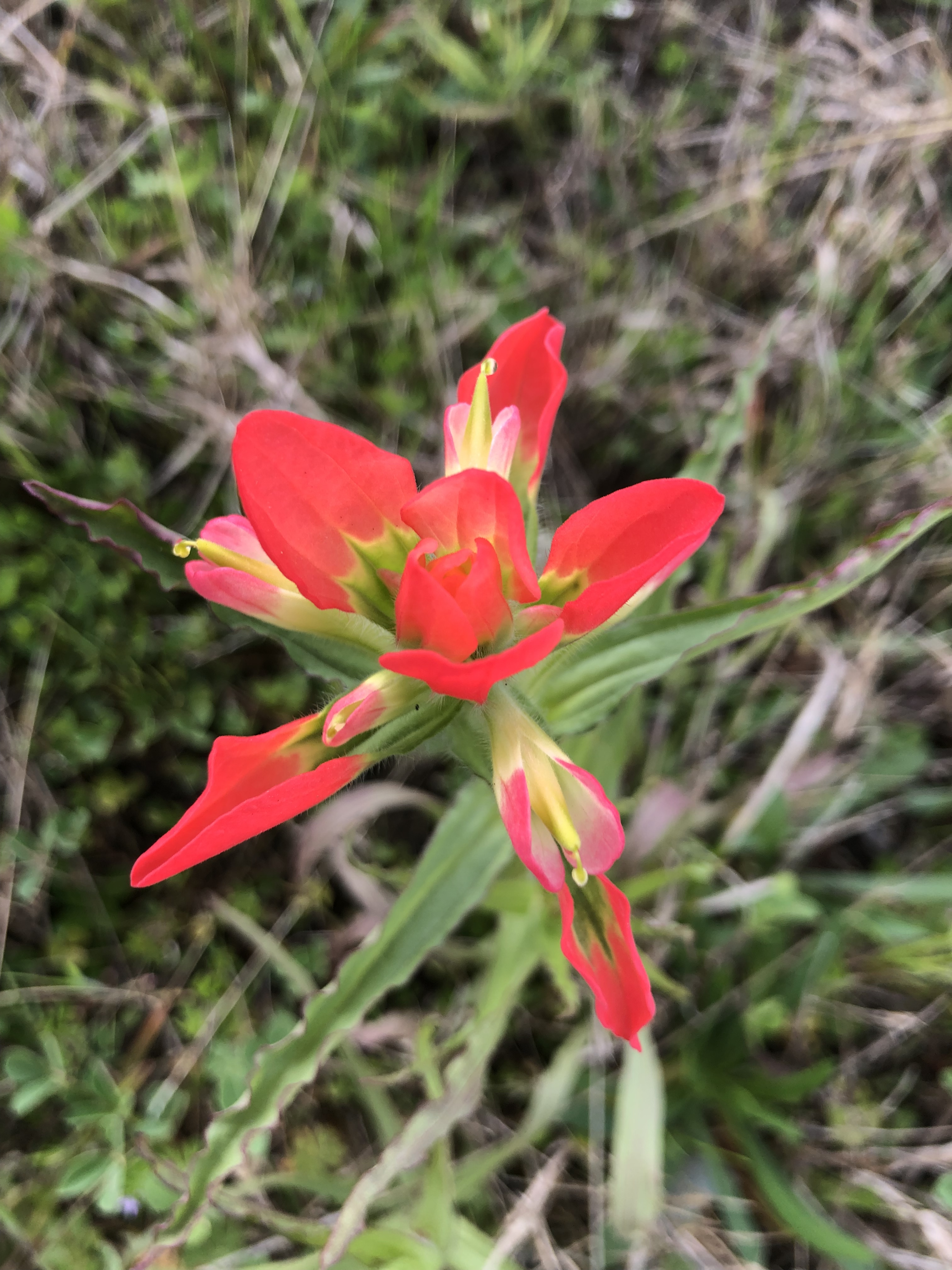
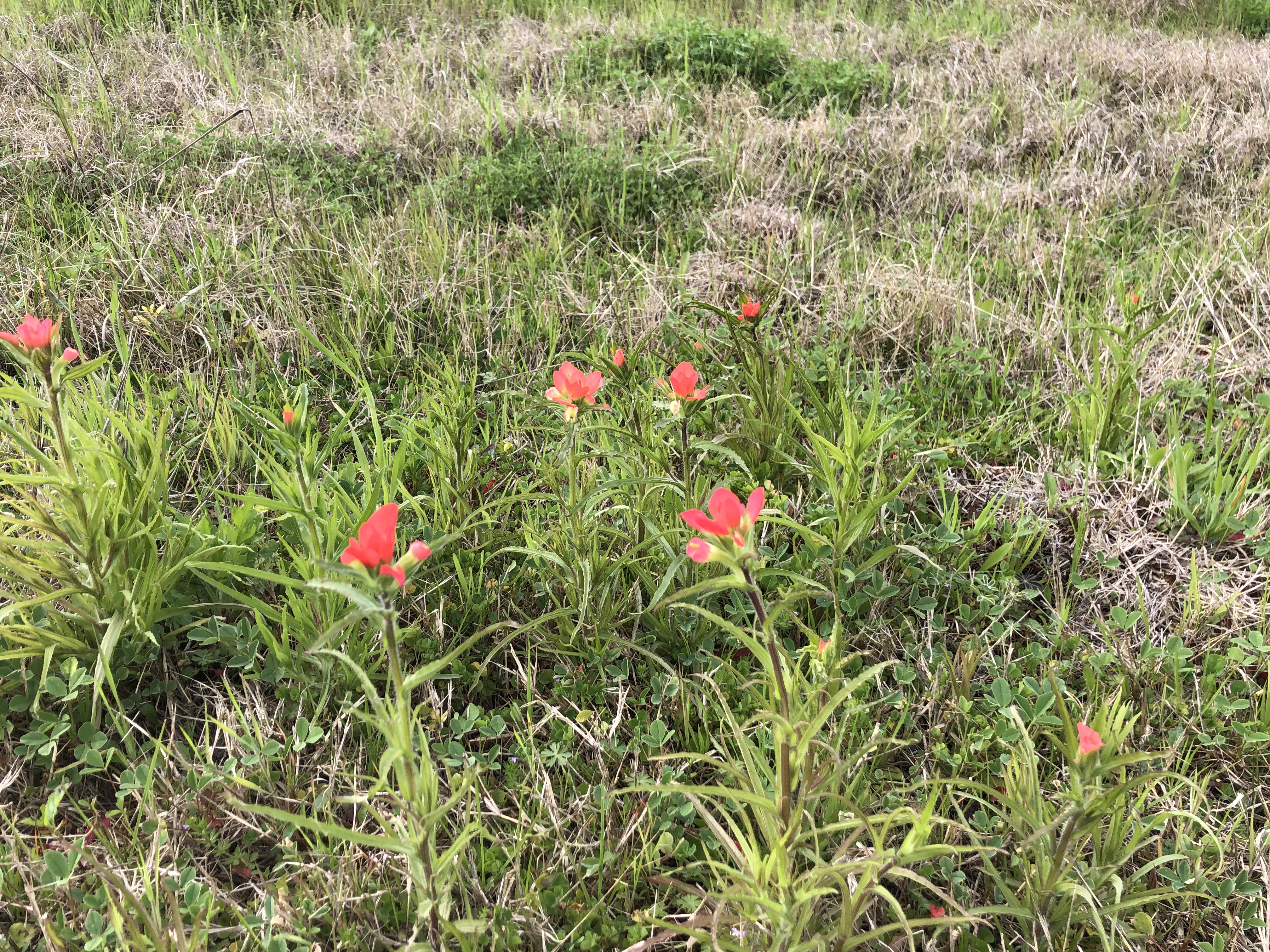
And, like magic, Indian paintbrush were all over my drive! There are at least a dozen in our roadside bed, too.
Happy Indian Paintbrushes.
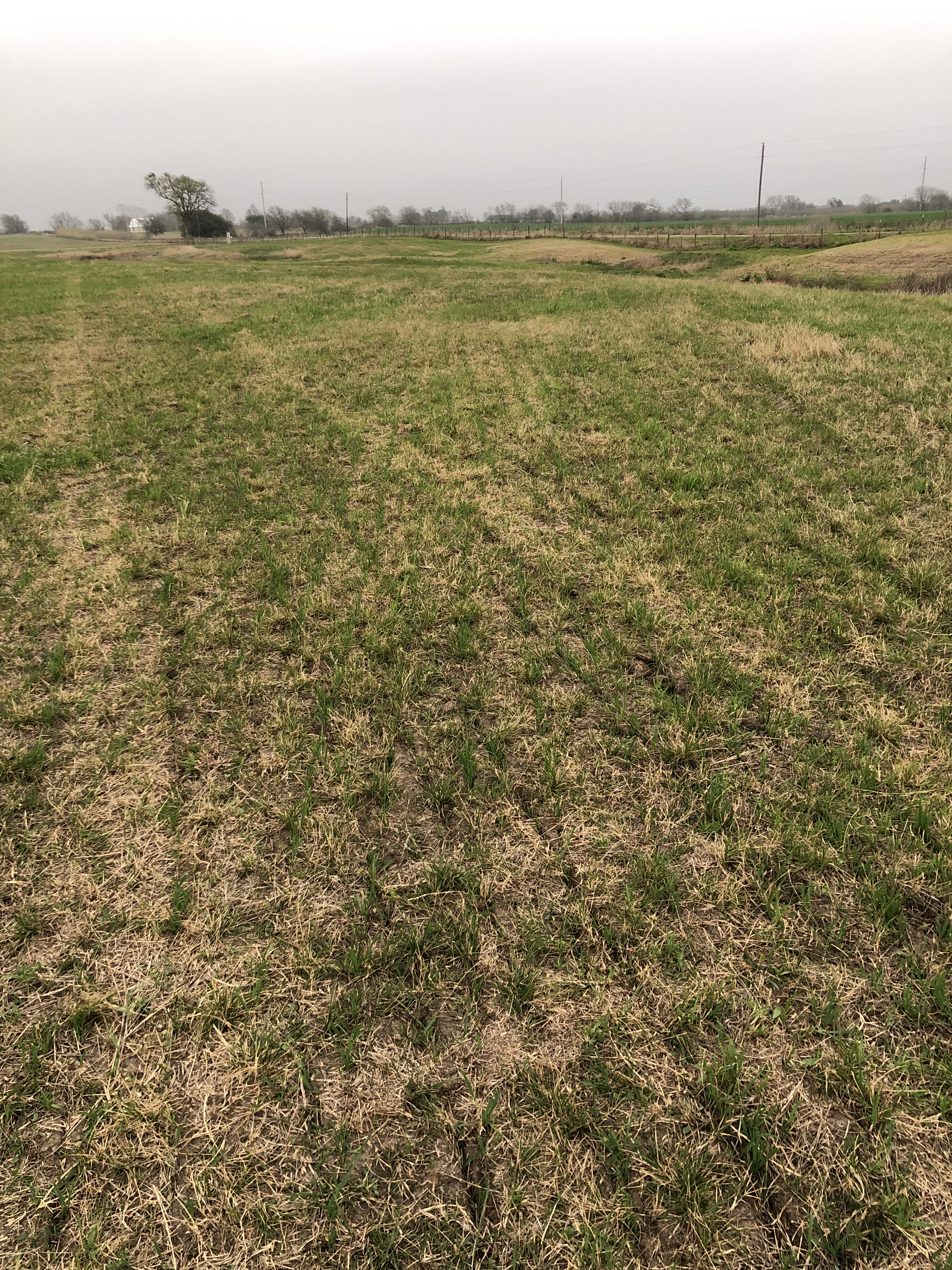
Lee has been asked to not mow again so we can enjoy the flowers. I don’t think the Vrazels will mow our pasture again for a while, either. They did just fertilize, though, and you can see green stripes on the ground. Maybe they planted something? I’ll have to ask them.
Can you see the green stripes?
I was pretty sure they were supposed to keep things organic, though.
I should have a medal for getting out and taking these pictures. The wind was awful!
One of the things I really wanted to do with this blog is make note of the passing of the seasons, when things come into bloom, when birds arrive and depart, etc. Today has been a great day for that, because even with the unseasonable chill in the air, the plants and animals remind me it is spring!
Not my picture, but exactly what I saw, down to the pond and tall grass.
On my way to work today, I had to turn around and go back to my friend’s house, because she needed something. Only she didn’t. But I couldn’t be upset, because the second time I drove by the first property after Walker’s Creek, a deer went over the road. On the other side were six more, of varying sizes. I can’t tell you how happy that made me, since we used to have very few deer right around here. I know they lost a big daddy buck during deer season, so I am happy there are new ones coming up.
Come and get us, bees!
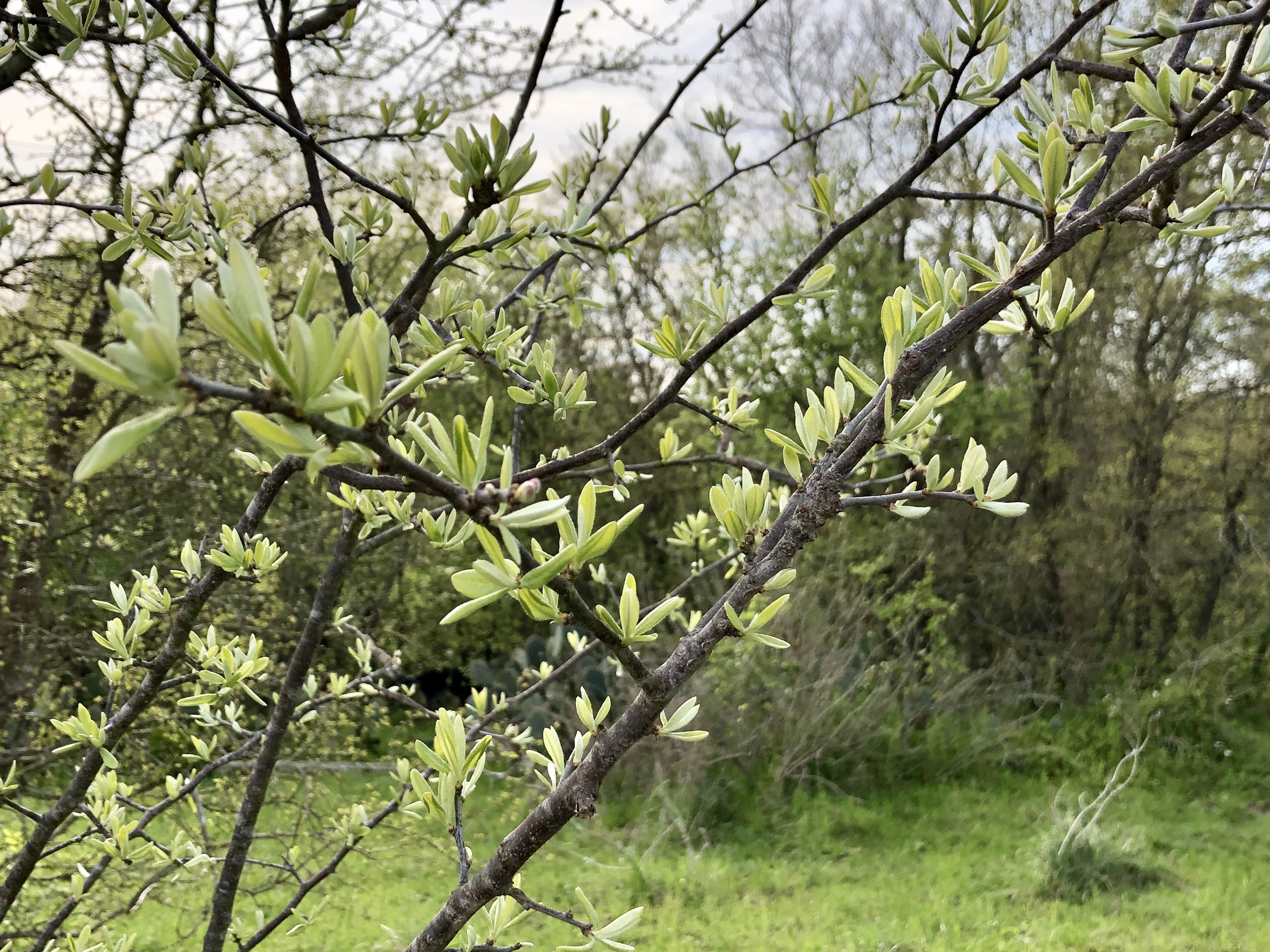
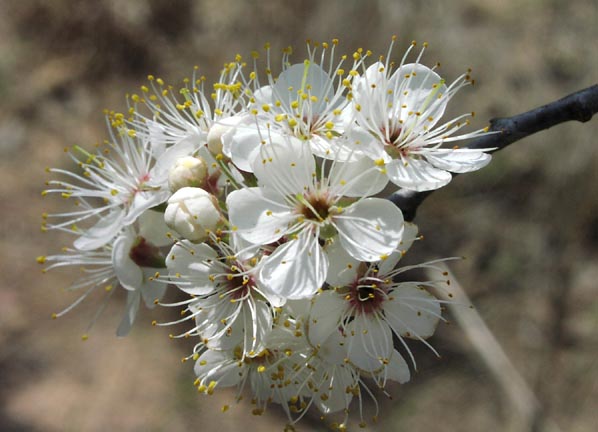
As I drove on up the hill, lovely native Mexican plum trees (Prunus mexicalis) were blooming. They are all over the wooded areas in this part of Texas. The photo you see here is from the one hiding in our woods, from last year. They are my favorite sign of early spring in this area.
A dewberry flower, from last spring.
I remembered to look down as I drove, and sure enough, the dewberries have started to bloom. Oh hooray! The bees will be even more happy to see them than I was, and we can look forward to more treats!
The redbuds that are native are also blooming away, which makes sense for March 1. My favorite month for flowers has begun!

 When I was young, in the good old 1960s, these grew in great abundance in north central Florida, along the roadsides. There would be miles and miles of phlox blurring into a riot of pinks and purples.
 Lucky for me, my mother loved to look at these wildflowers as much as I did. She’d ask my dad to please take us for a ride so she could get herself some phlox.
 She’d take pitchers full of water in the car, and when she spotted the ideal field of phlox, she’d shout out for Dad to stop NOW!
 We’d all pile out and brave the bees and ants (at least this was pre-fire ant) to pick huge bunches of these flowers. We had to be careful not to pull up the roots.
 Back in the car, I’d marvel at all the colors and patterns in the blossoms. So much variety! I don’t think they lasted long in Mom’s vases, but they made her happy.
 While the area where I live doesn’t have phlox, I’m happy that you only have to drive a few miles east to see some. It’s not like the old days in Florida, but they are pretty.