I’ve been sorta down about nature and her ways, so I haven’t been writing much (I’ll talk about it eventually). But today’s Master Naturalist field trip to Mother Neff State Park gave me so many hours of fun that I must share!
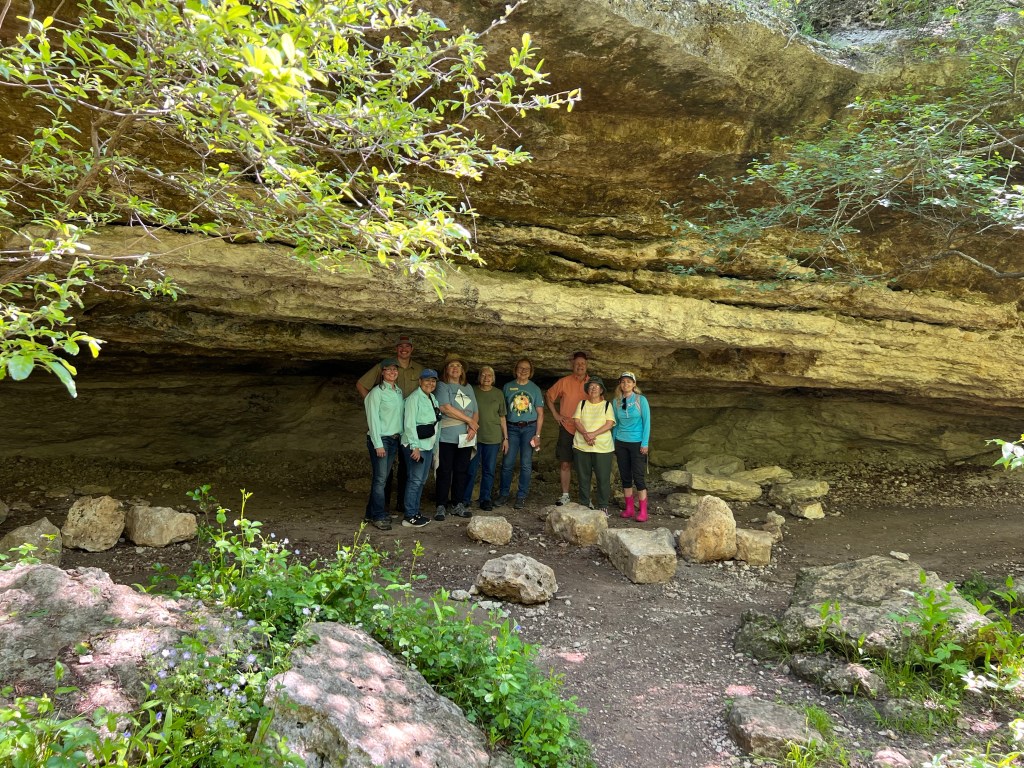
Some of our group at the park headquarters.
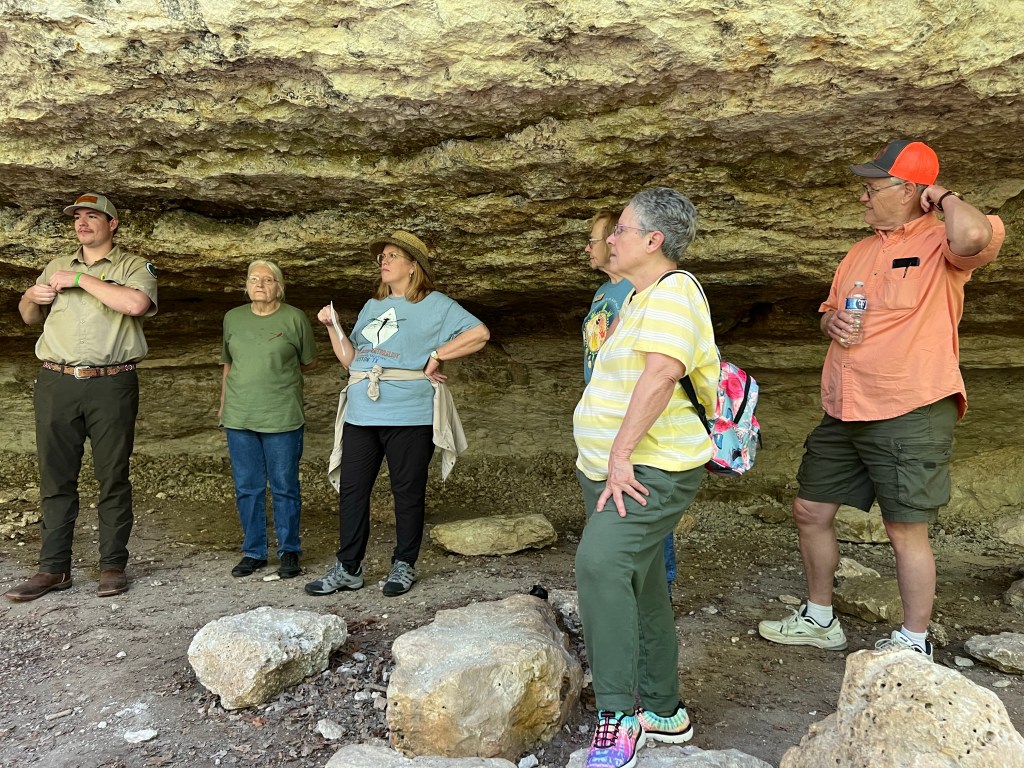
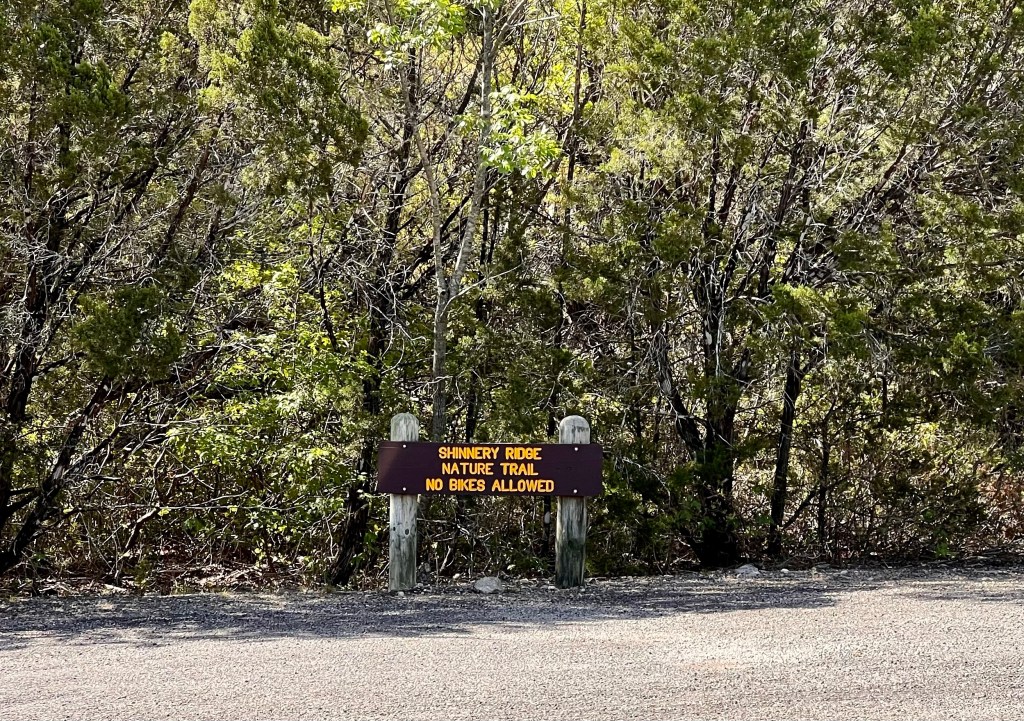
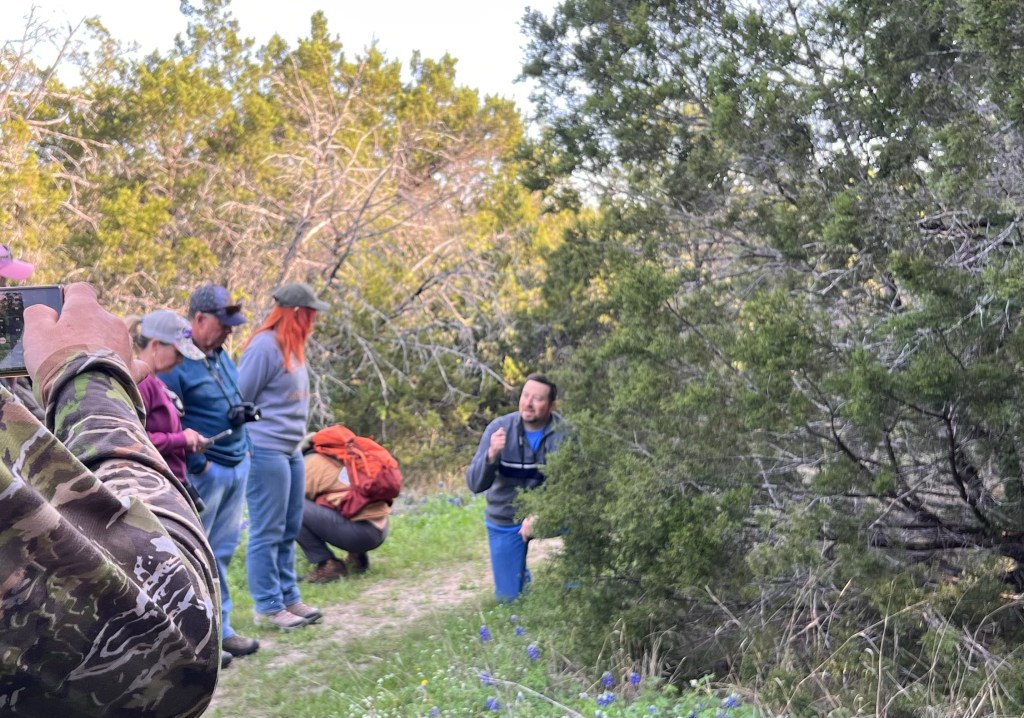
We carpooled, and I was impressed to fit five people in my new car successfully. It’s hard to feel down with my Master Naturalist lady friends. I just love all the stories about Cameron, Rockdale, and people I never heard of before but wish I could have known. We ended up with a good sized group for a walk on the trails with a nice young intern.
We are like herding cats
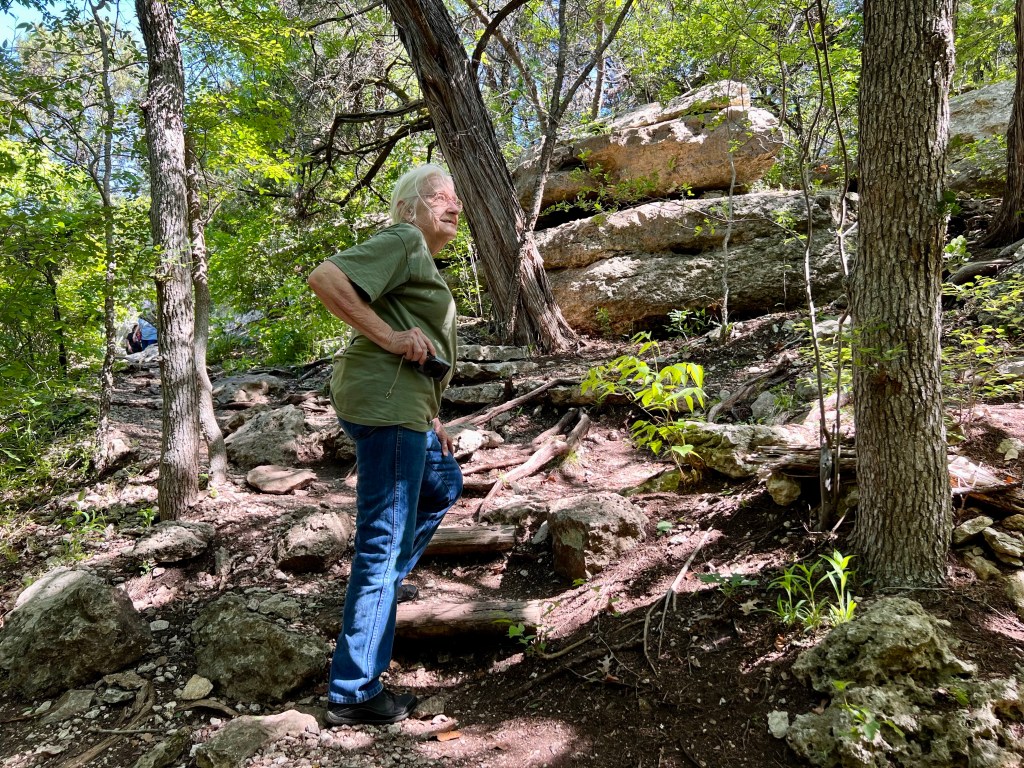
I have to admit that I was not a very good participant in the guided walk. My partner in crime, Linda Jo, and I could not keep ourselves from stopping every few steps to look at plants or insects. That was way more interesting to us than the history of the Civilian Conservation Corps, or whatever. When you are with the iNaturalist Queen, you make observations, so I did!
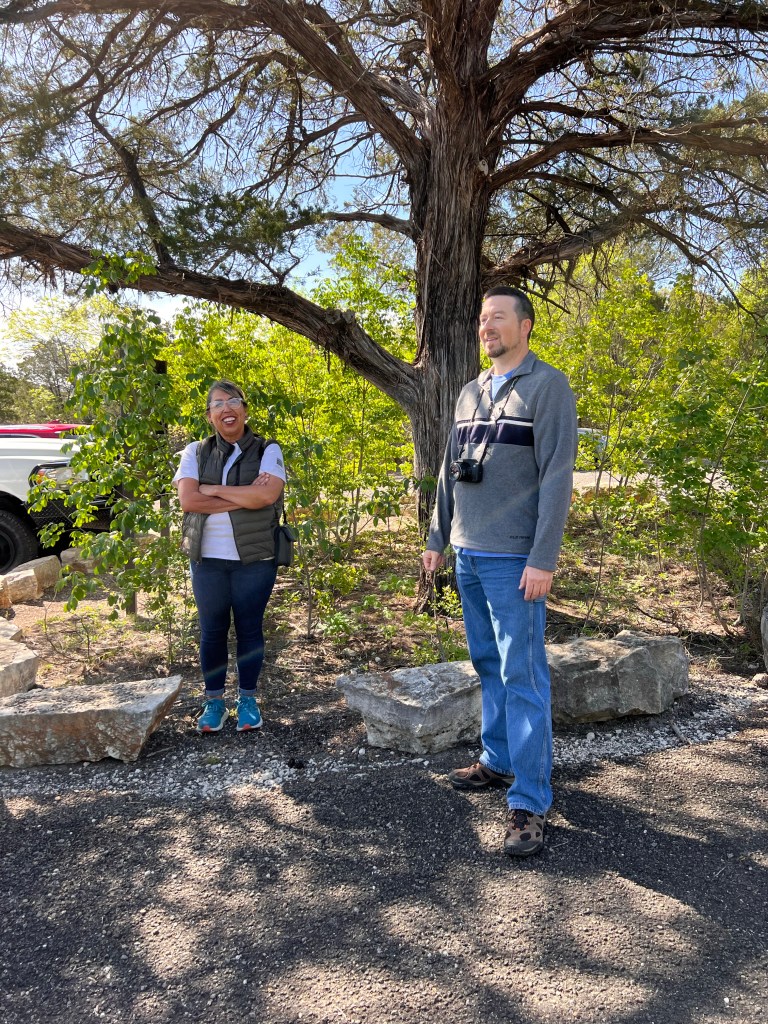
The Botany TeamOur iNaturalist cheerleader
Linda Jo and I had an absolute BLAST looking at all the plants we found. Between the two of us, we found interesting new-to-us plants and some rare things. It’s so much better doing this stuff with others, as I learned on that warbler walk a couple of weeks ago. Linda Jo said I made a great spotter.
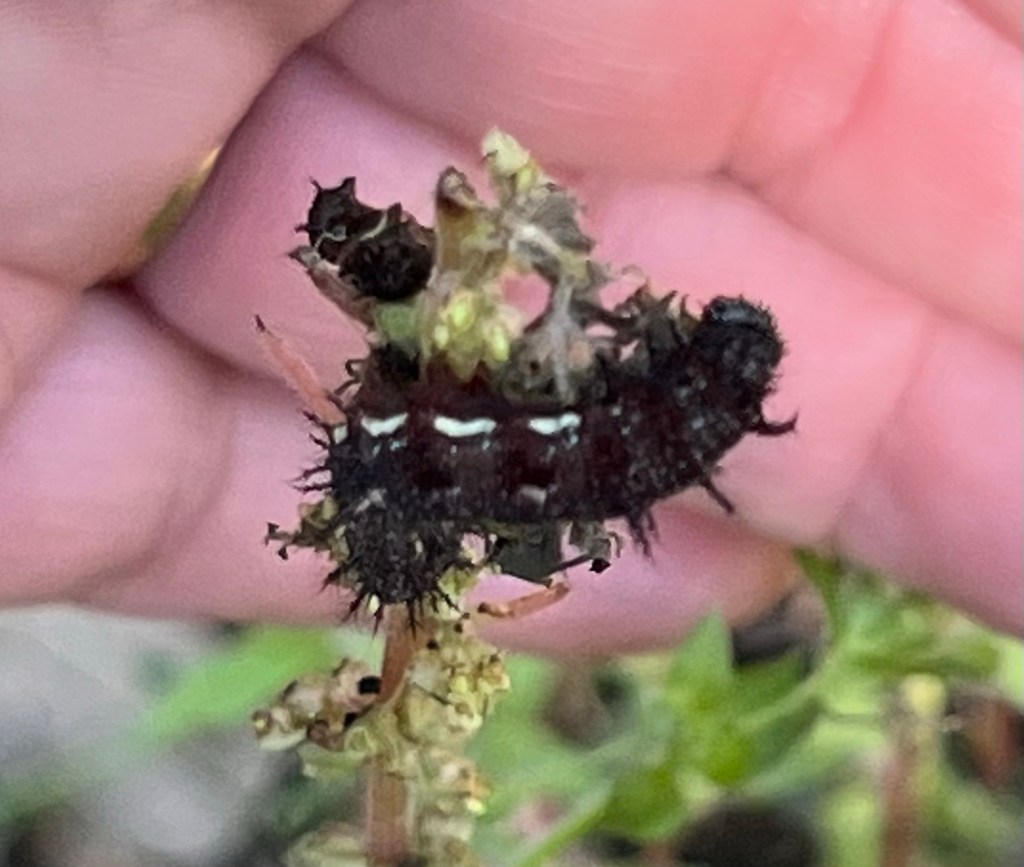
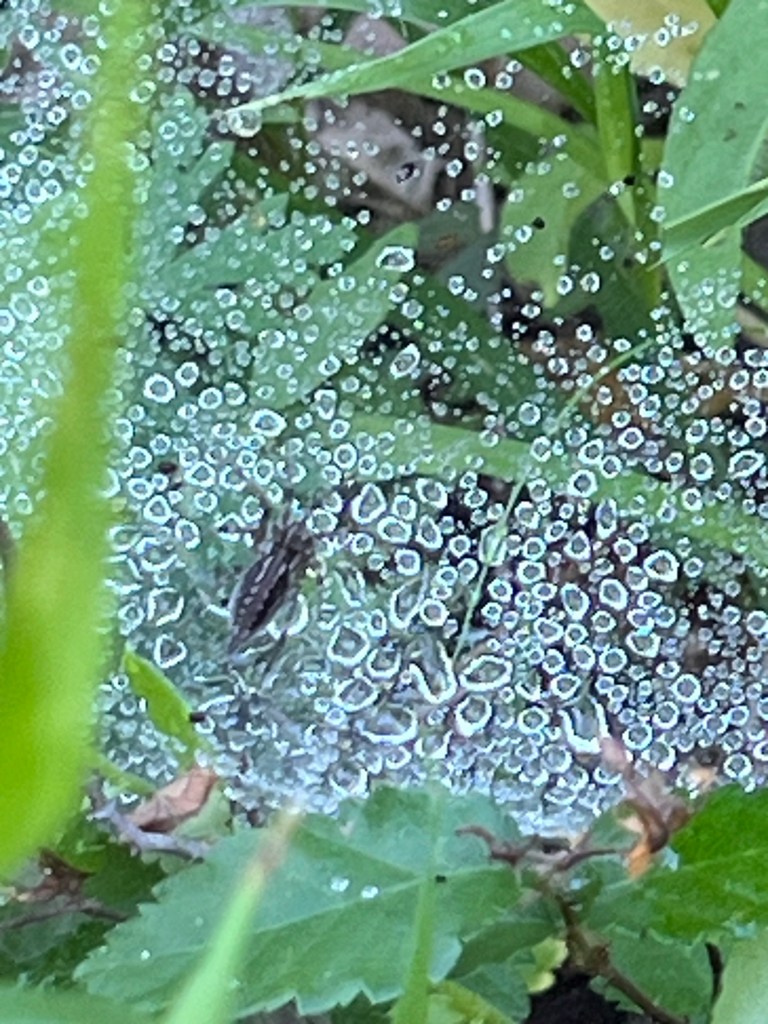
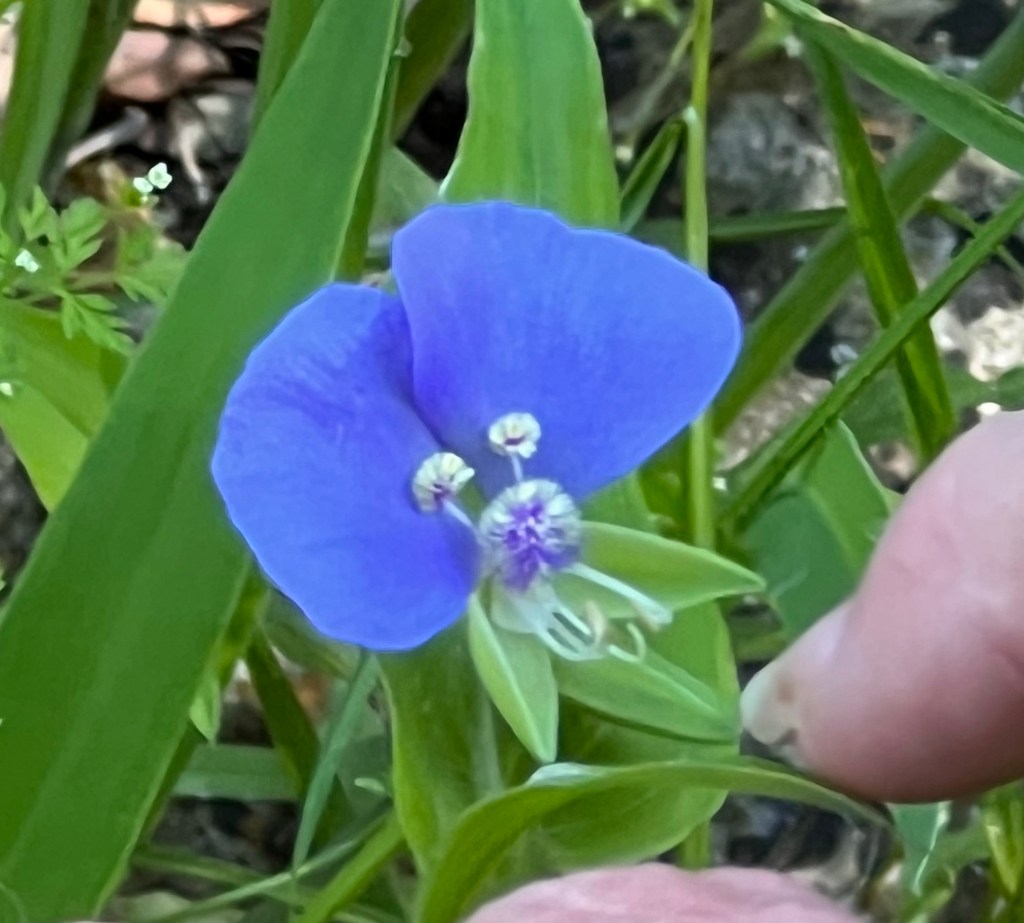
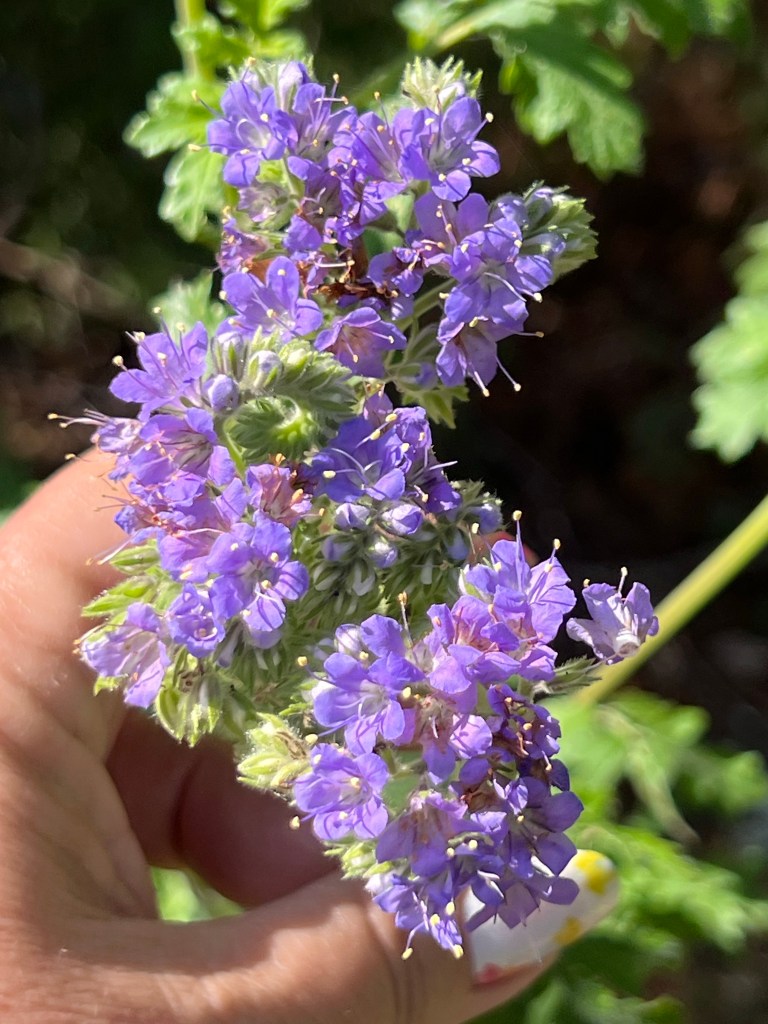
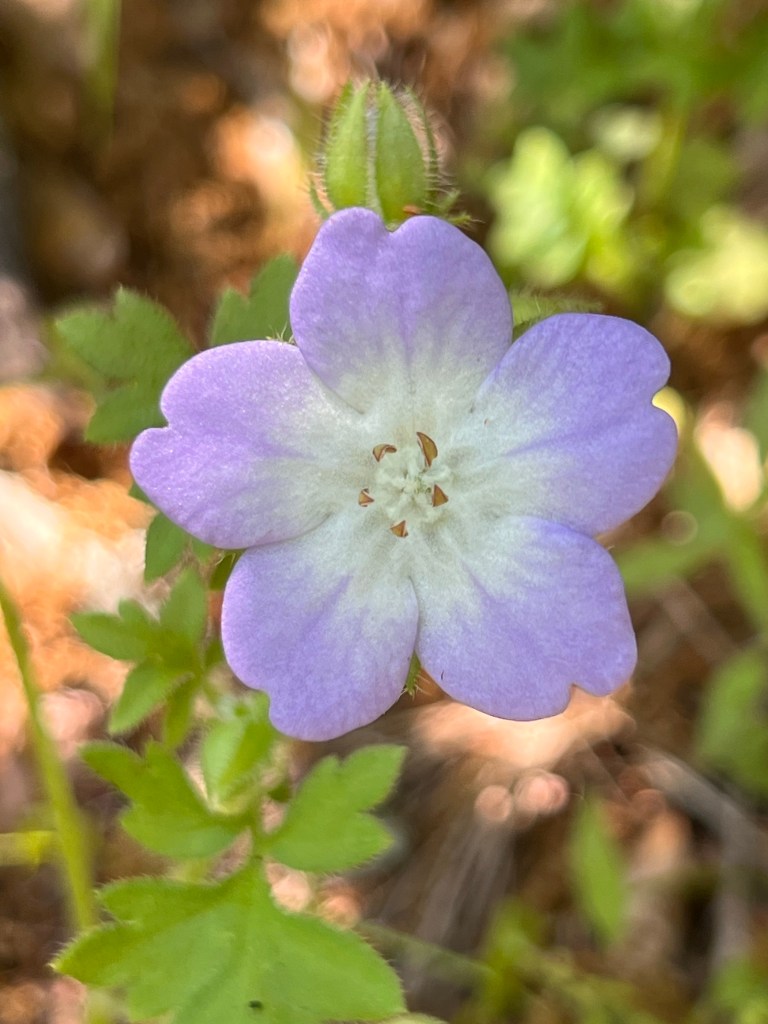
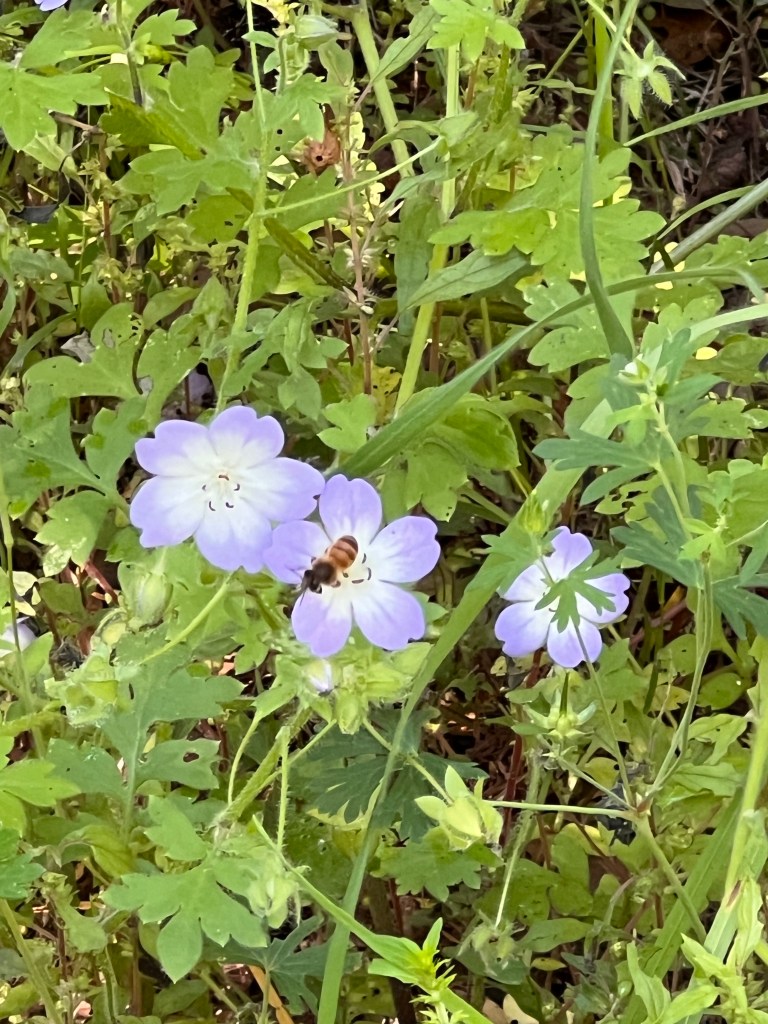
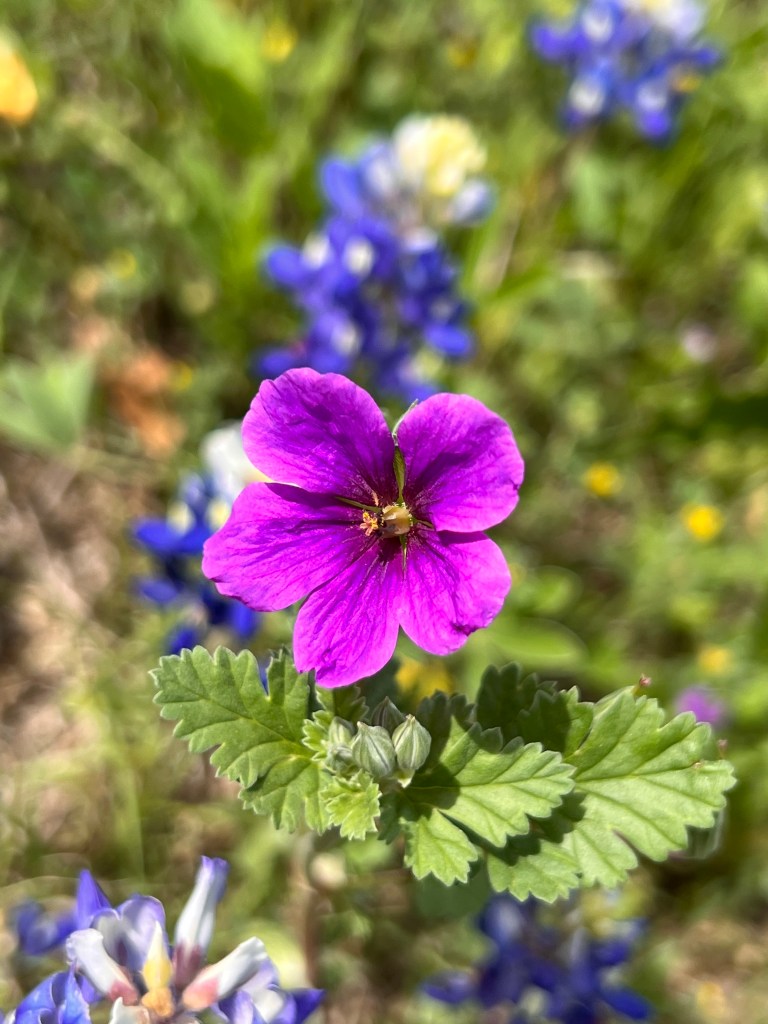
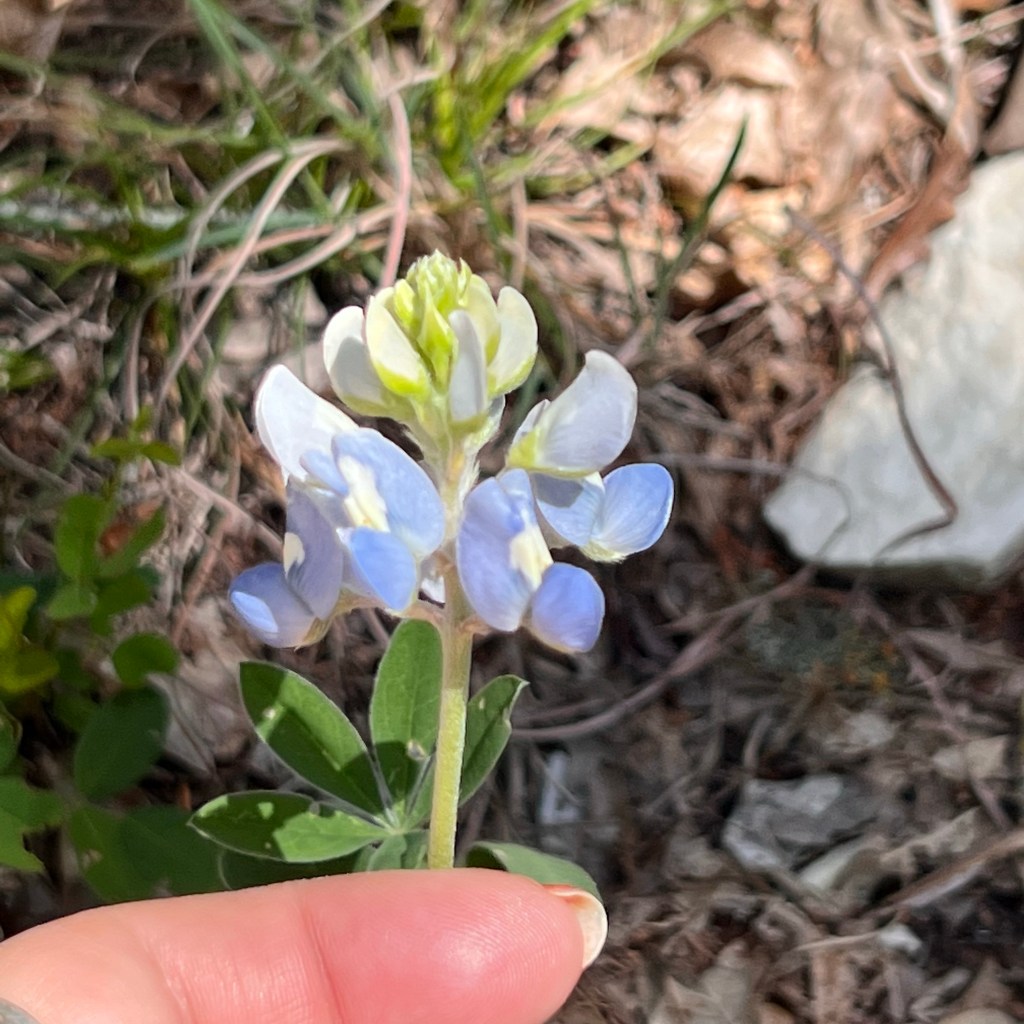
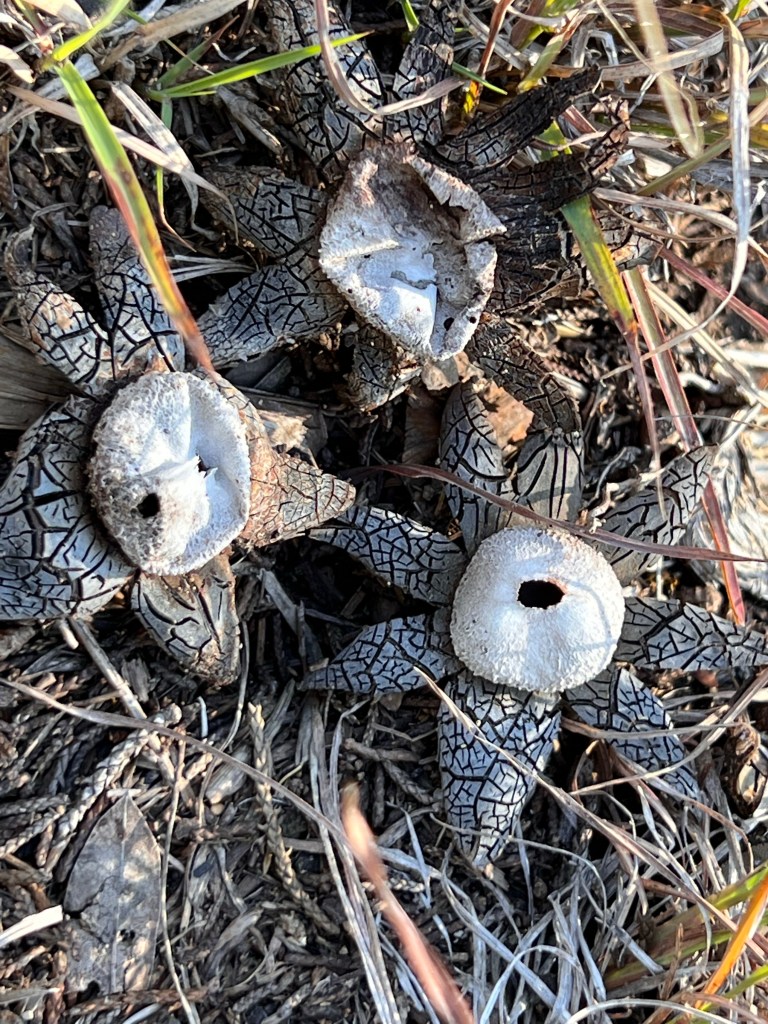
Drummond’s skullcapAmerican lady caterpillar Spider and dewFalse dayflowerBlue curls Texas baby blue eyes!RuelliaSpongy oak gallClowdywing
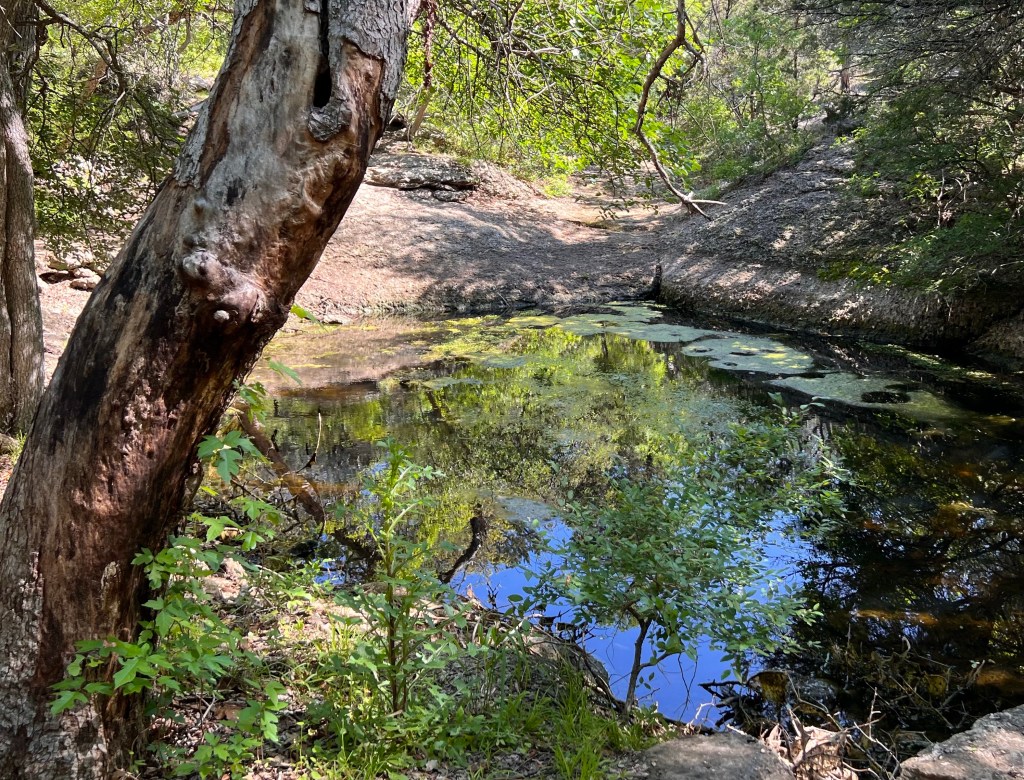
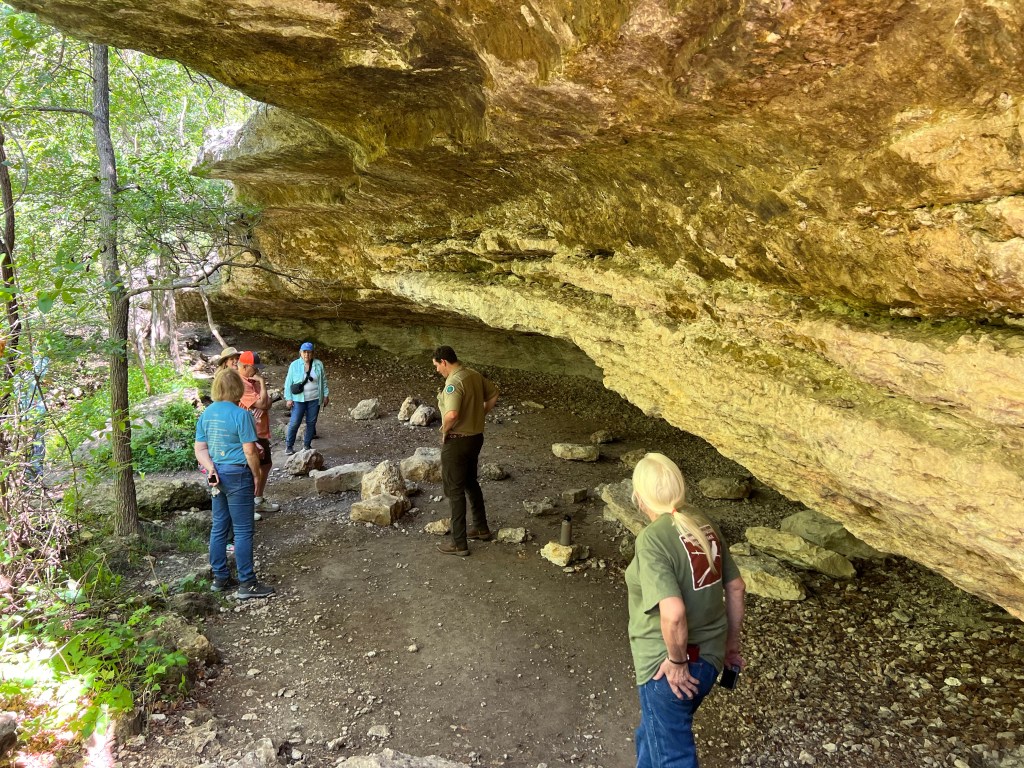
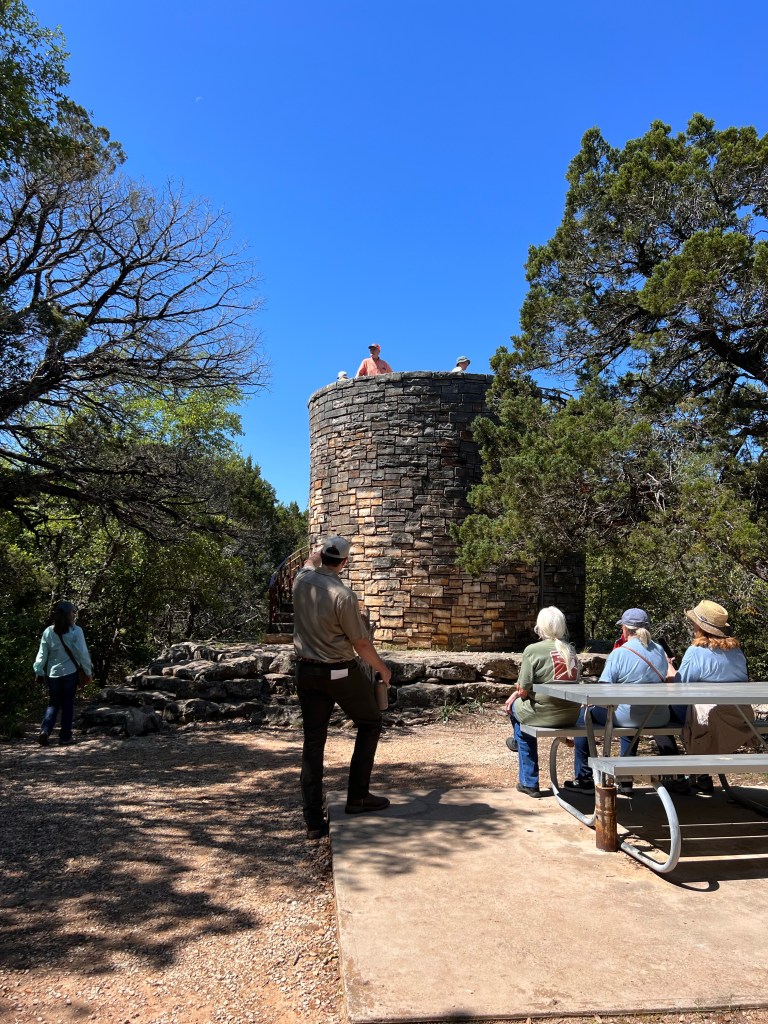
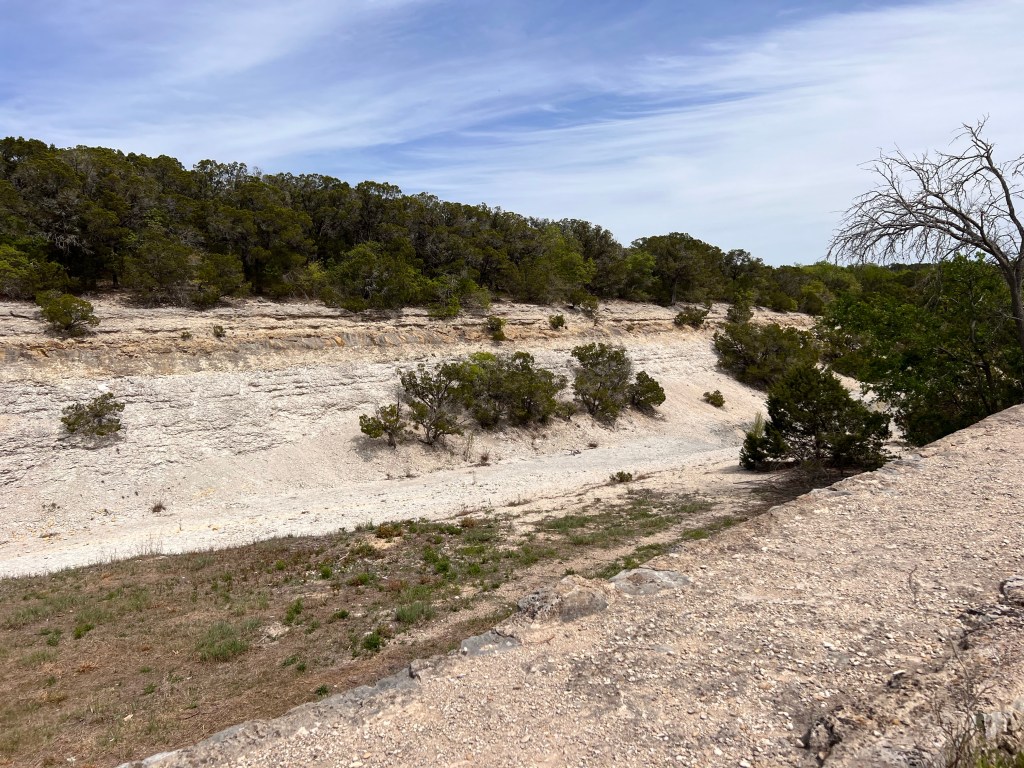
We did enjoy some of the interesting spots along the trail, of course. There was a lovely pond, a big cave, and a tower built by the CCC. A lot of climbing up and down was involved, so we got tired, but it was “a good kind of tired.” I’m glad to have gone, since we missed all this part of the park when Lee and I were there before.
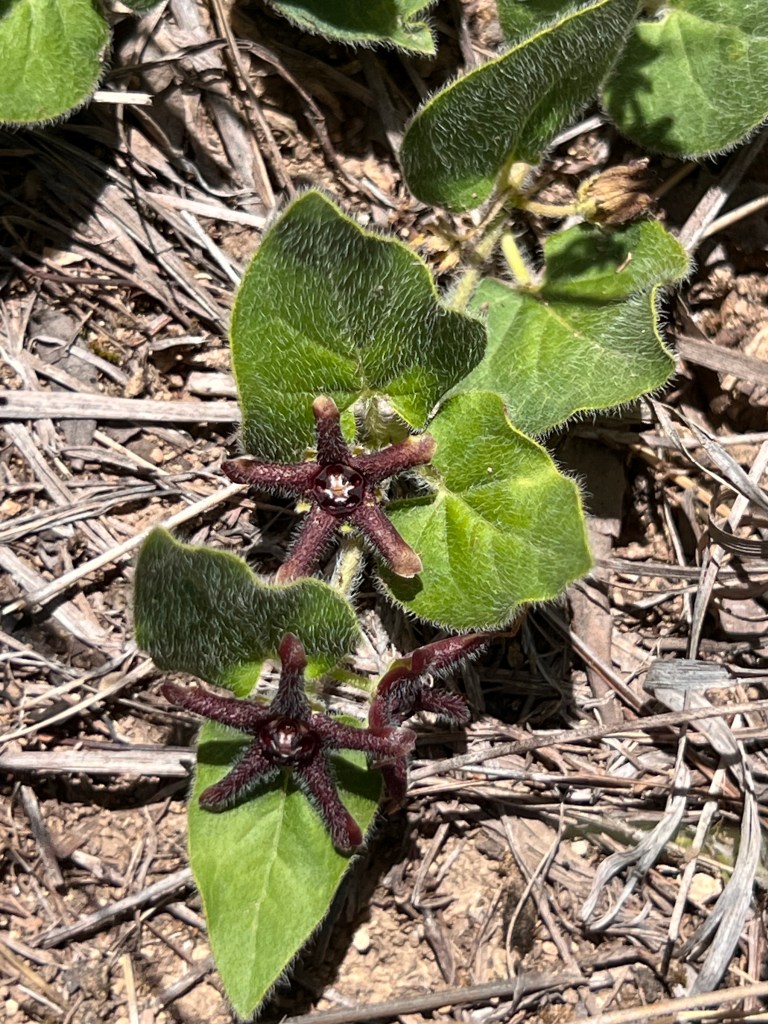
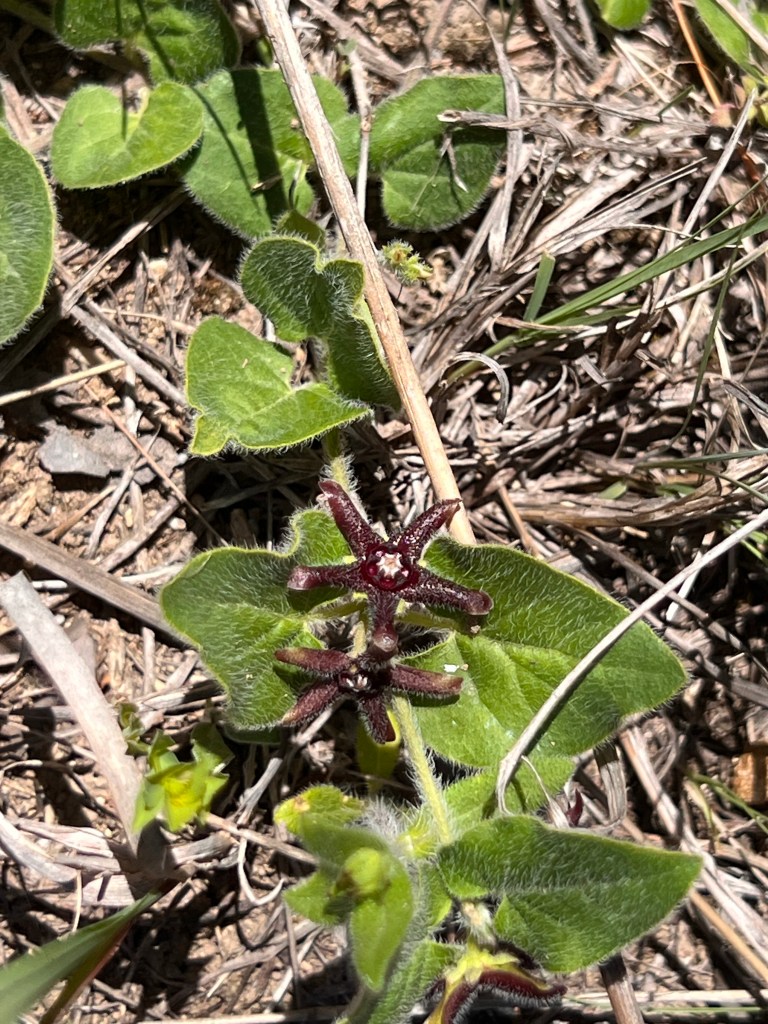
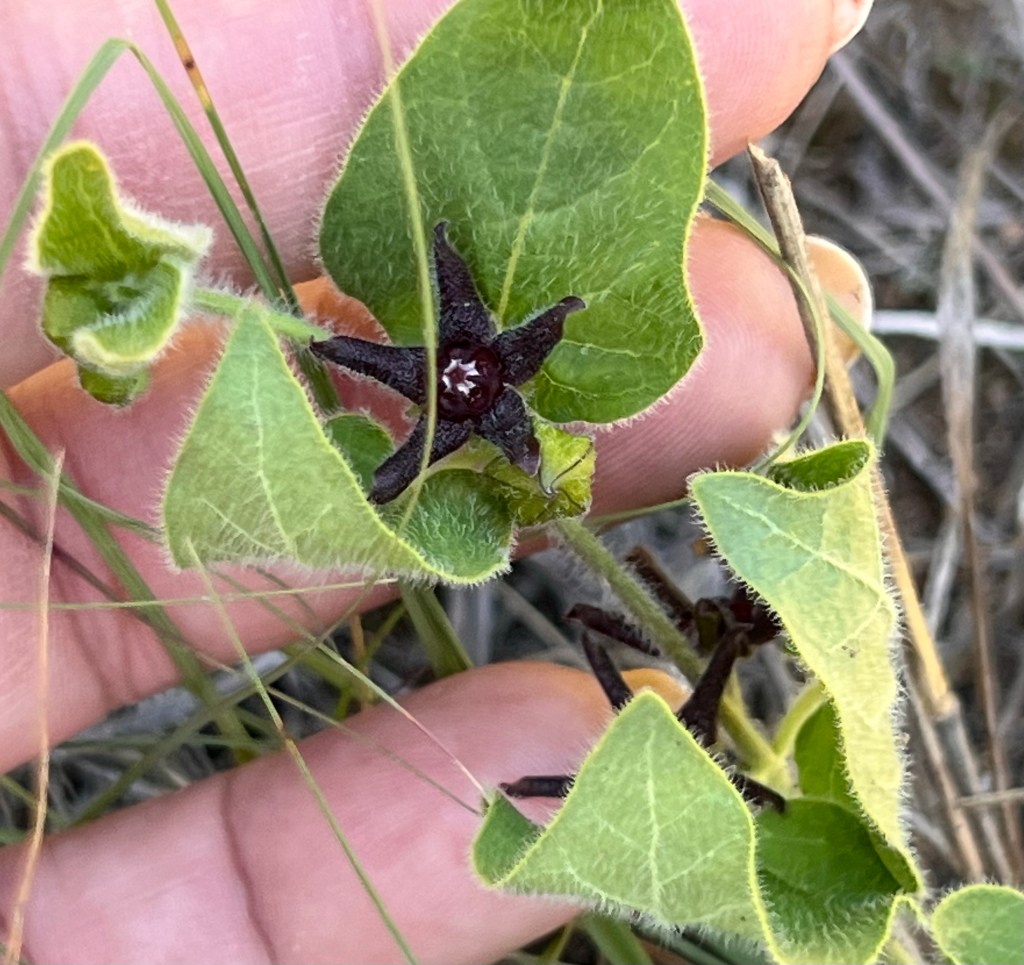
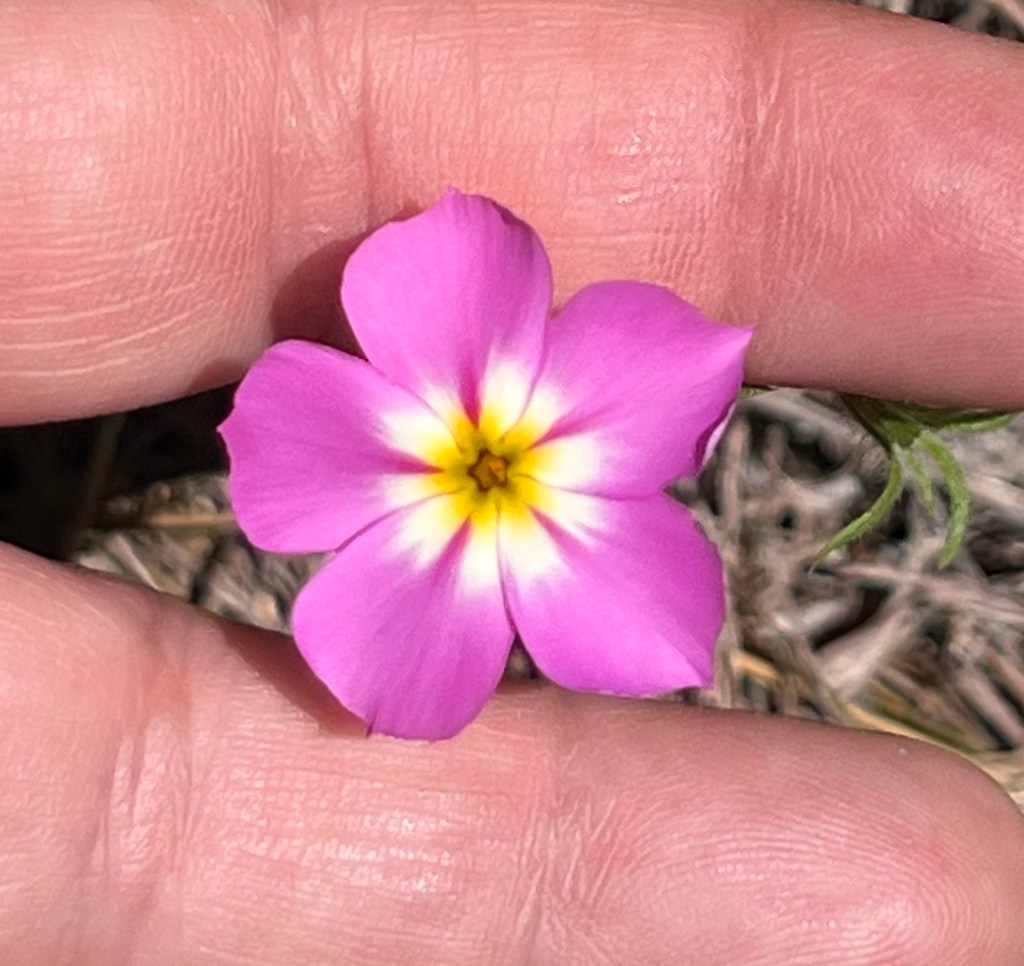
I did want to see the trail we walked last time, around Christmas, but everyone was tired. So, Linda Jo and I just walked a little bit of it. We didn’t need to go far to find all sorts of interesting plants. We were like little kids at Christmas, just about giddy with all our findings. I found a most gorgeous milkweed that neither of us had ever seen before, star milkweed. Then we found some phlox I’d never seen before, golden-eyed phlox. and there was yet another kind of paintbrush!
Star milkvineGolden-eye phloxLindheimer paintbrush
And there was more. The other folks said they could hear us calling out to each other when we found something. I can’t imagine having a better time doing something I love!
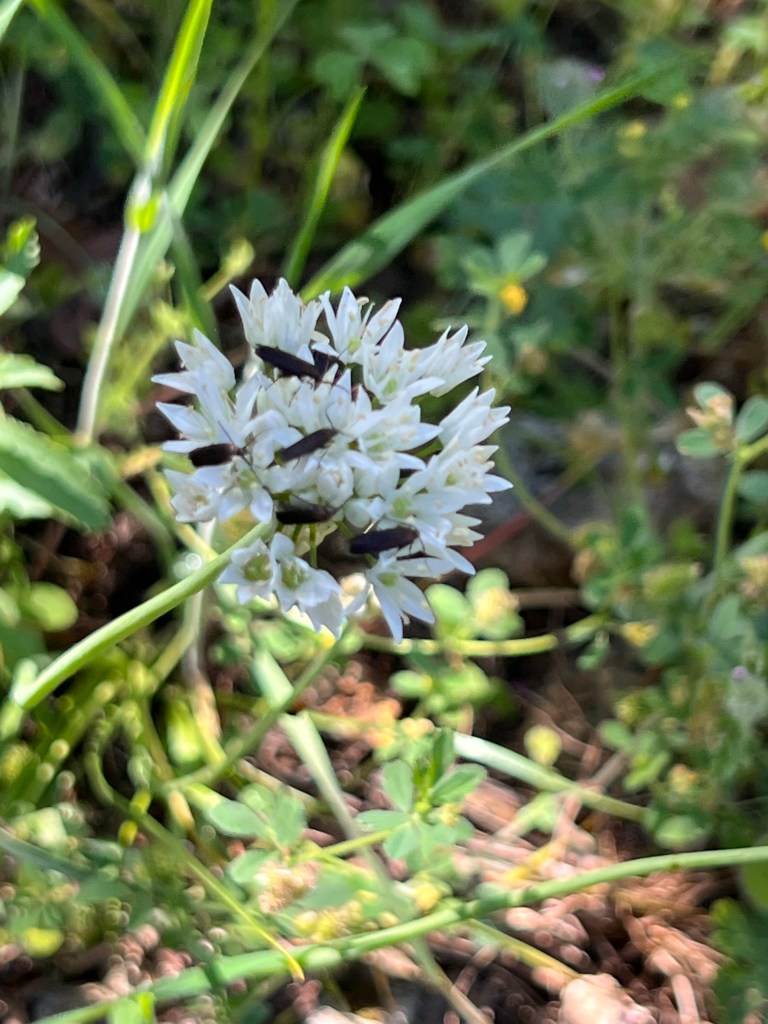
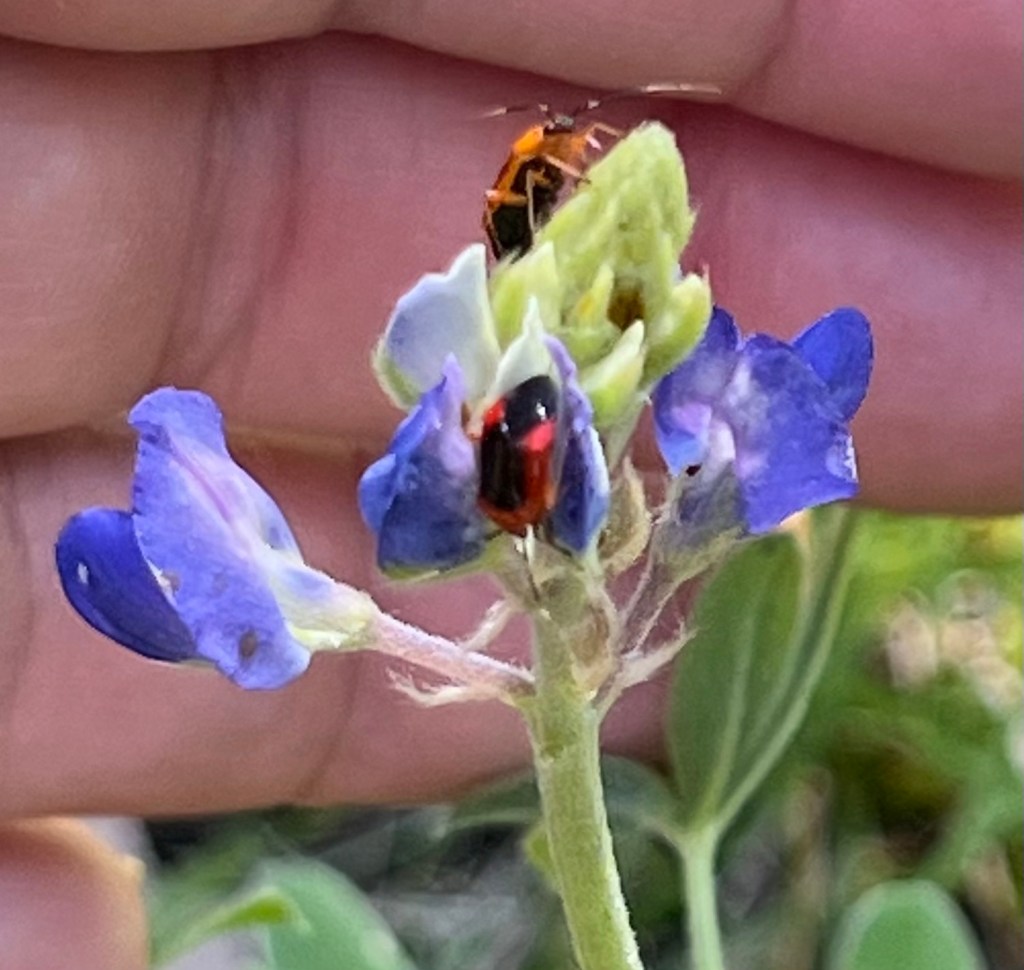
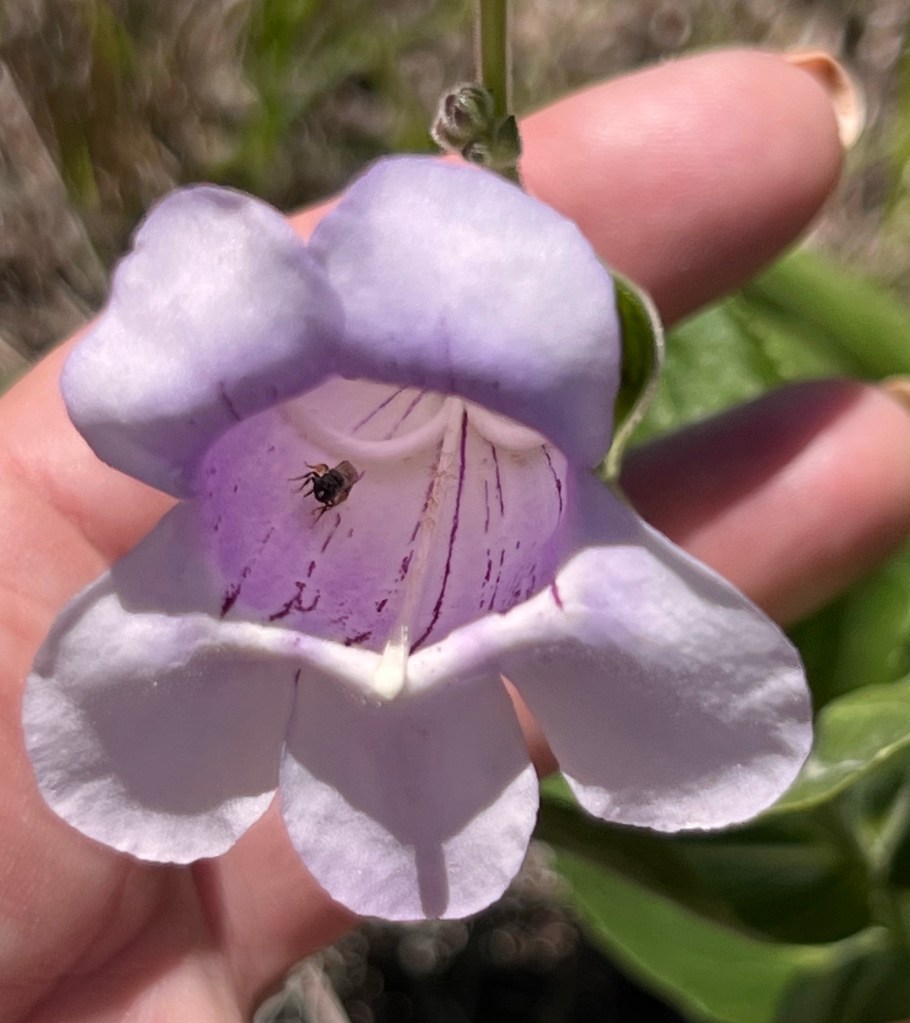
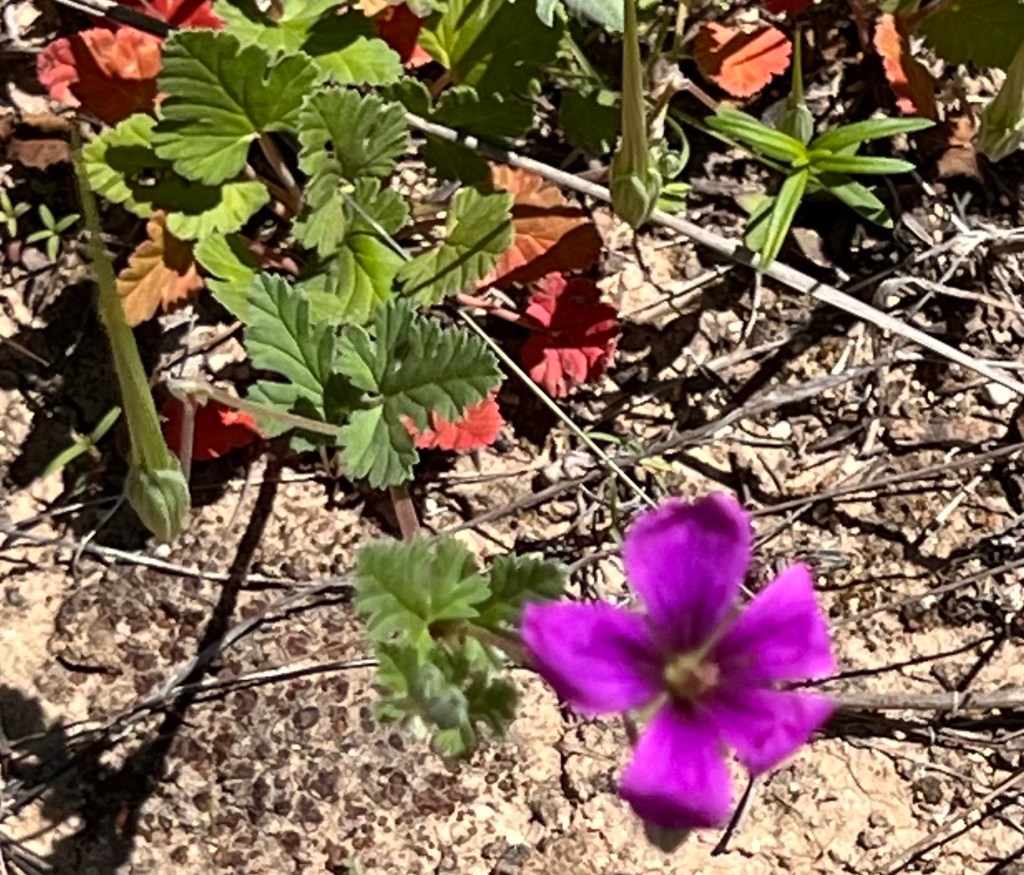
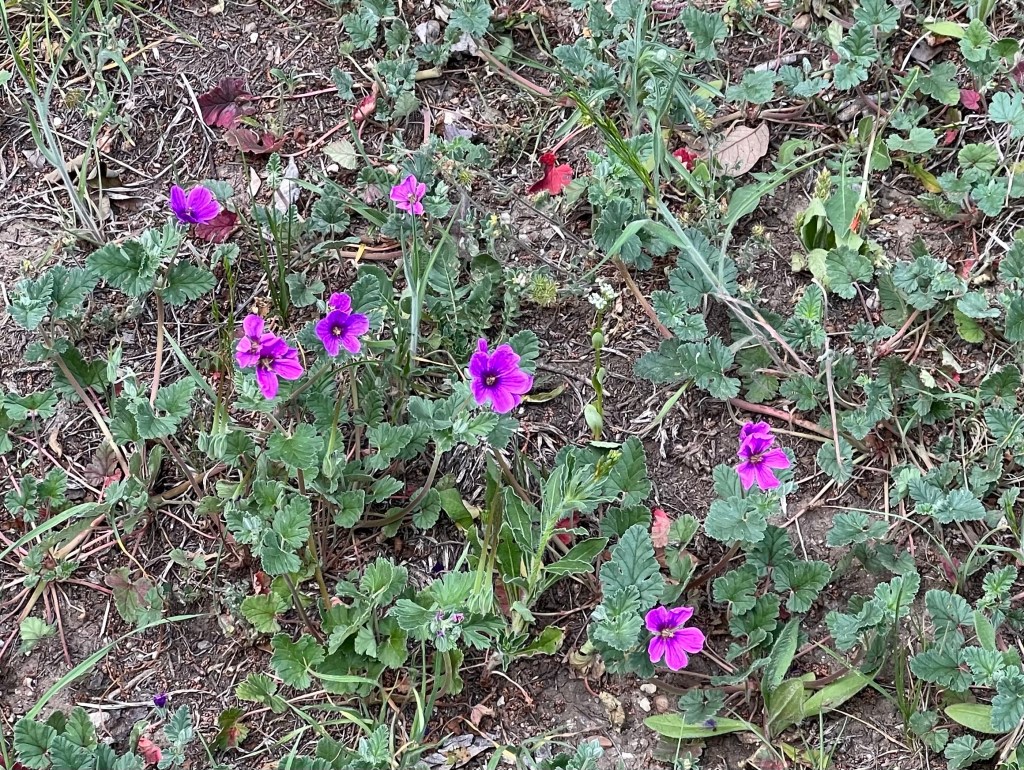
Beard tongue A bug in thereNot sureCranesbillRabbit tovaccoScarlet peaAntelope horn milkweed
After I reluctantly let the others leave, we had even more fun at lunch, when we went to a very good restaurant on Lake Belton (Dead Fish Grill?). It was quite big, and we were able to eat outside but under cover. All the food looked good, as was my rainbow trout.
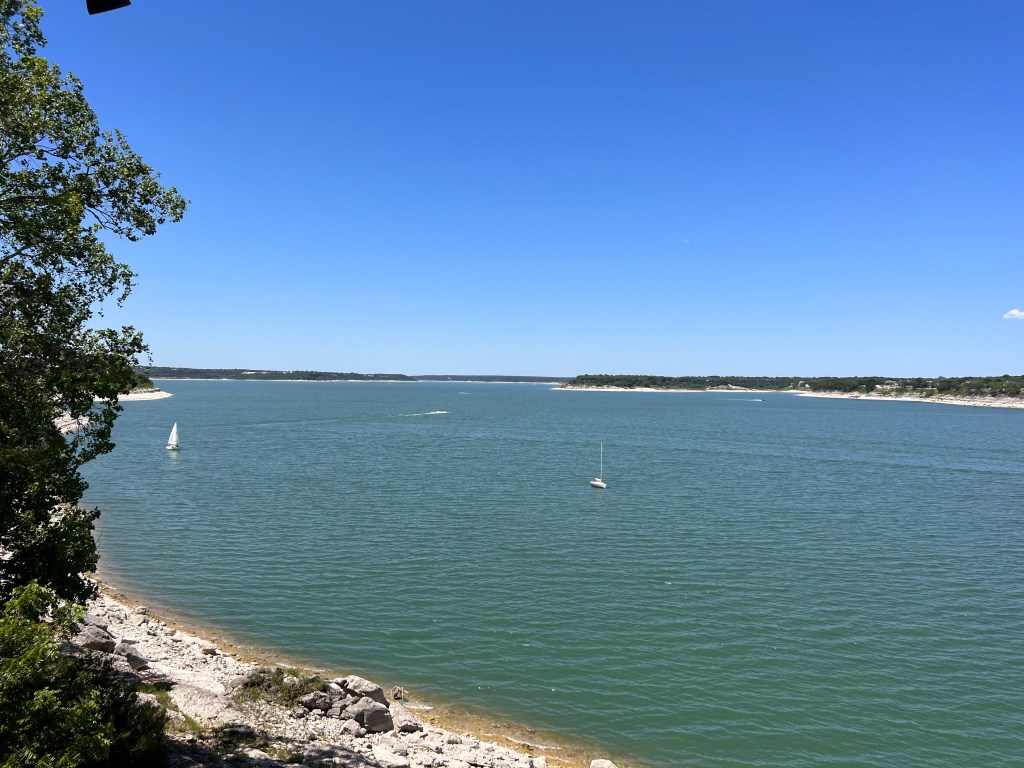
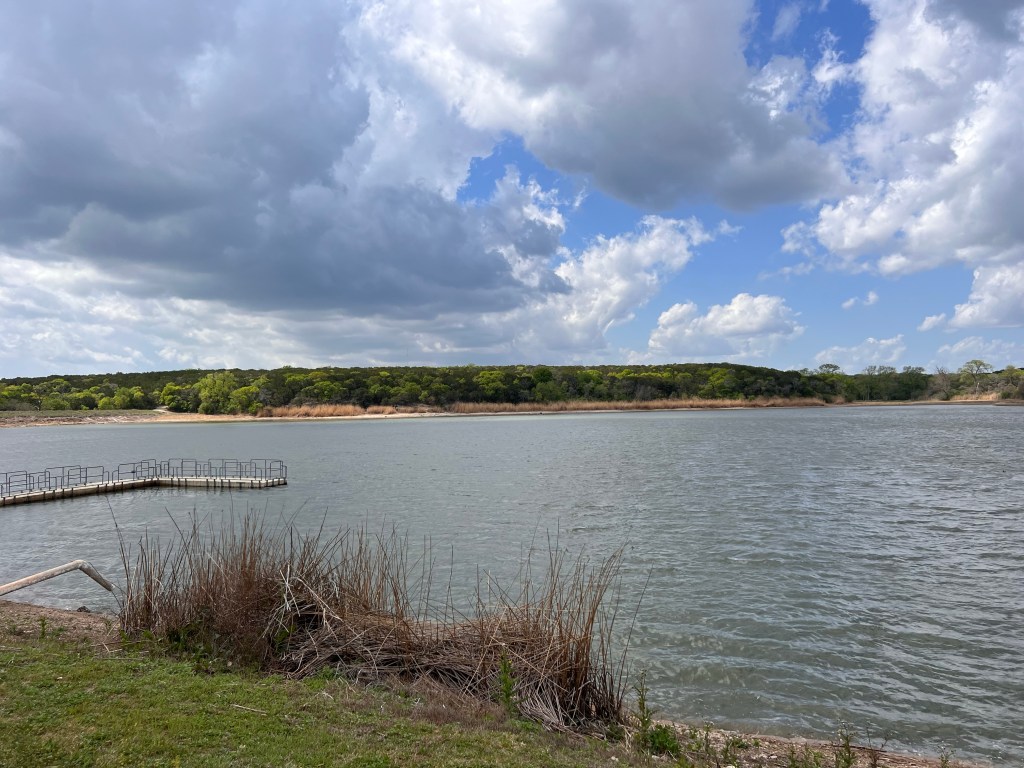
Lake view.
There were a few little incidents, but for the most part, everyone had a blast and learned a great deal. My only complaint is I got home too late to ride horses. That’s really not the end of the world, because tomorrow will be another beautiful day, just like today was.
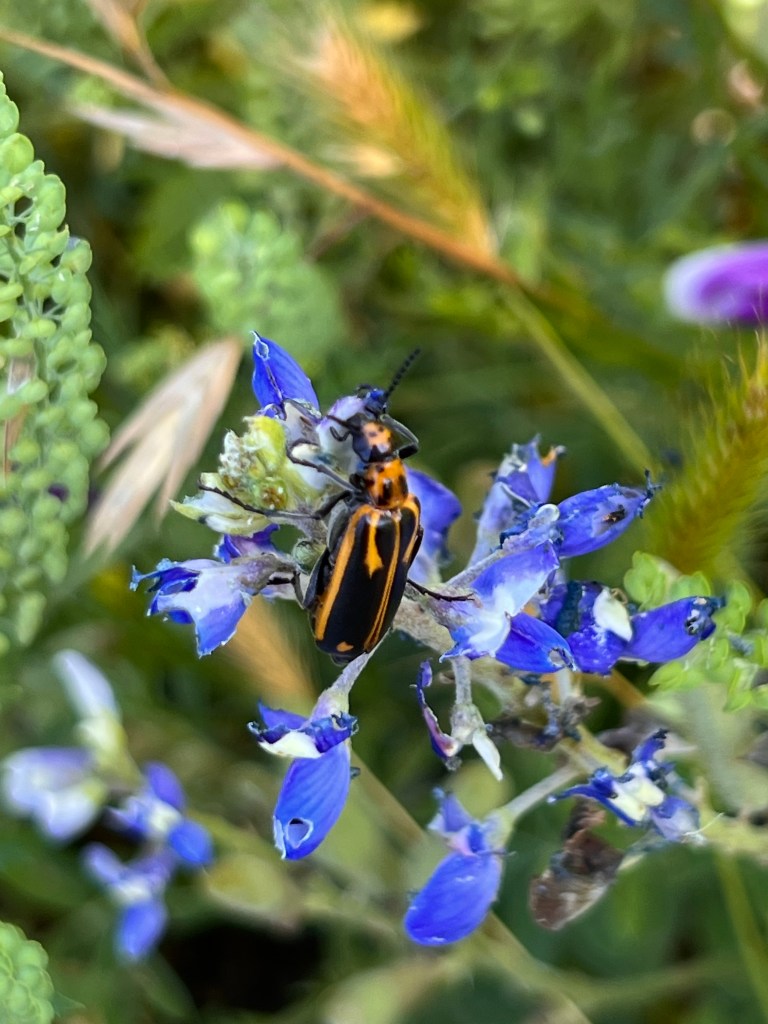
That’s a yellow crescent blister beetle.
I’m so glad to have a community of like-minded folks to hang out with on occasion!
If you could have something named after you, what would it be?
The blog prompt for today got me thinking about how much I enjoy Texas State Parks and how many opportunities there are for volunteers like me and my Master Naturalist friends to help out and educate the public at them.
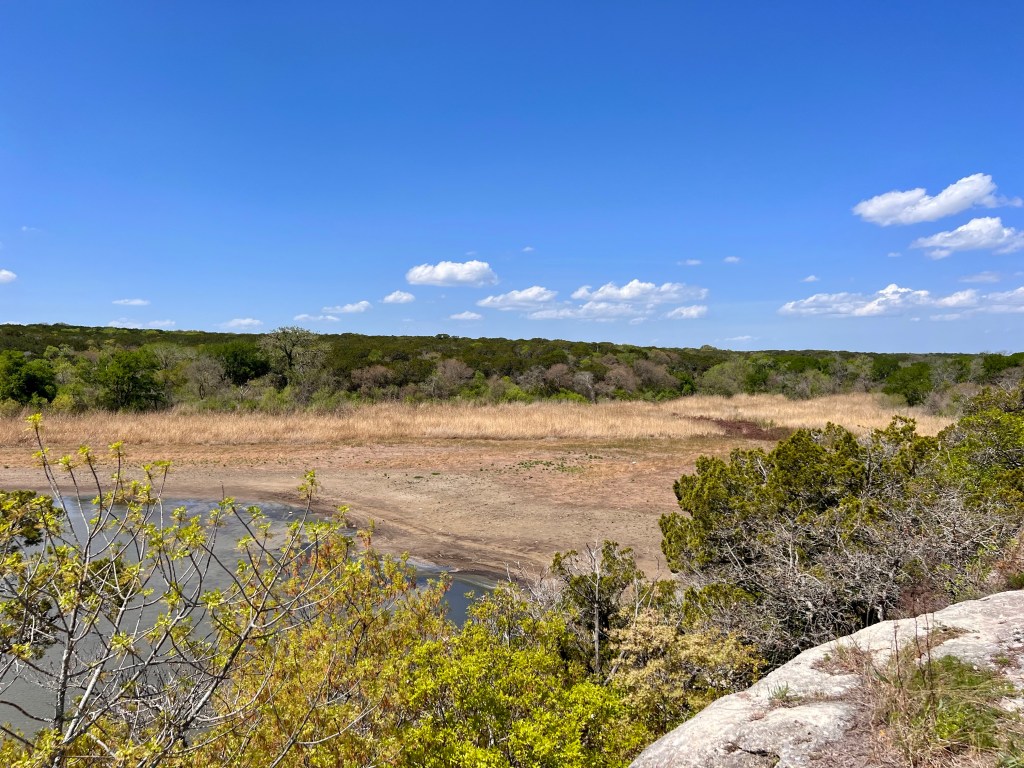
View across the dam at Meridian State Park
Sadly, there’s no State Park in Milam County, so our El Camino Real Master Naturalist Chapter have had to make our own opportunities, like our Wildscape that Catherine Johnson spearheaded. Another group is working on a project at Sugarloaf Mountain, a cool site in the county.
We don’t have much public land, if any in Milam County. Thank goodness someone donated land for this park!
So, if I had anything named after me, I’d love it to be a State Park in Milam County. Of course, our ranch isn’t big enough to be one. And we don’t own it all ourselves. So I’d have to get really wealthy and buy up some scenic land. It’s just a dream, but I’ll help out anyone else who wants to create one!
I hope my park would have cool beehives like the one I found yesterday on the dam! Watch this video!
Until the Suna State Park is developed, I’ll just keep visiting others and documenting the biodiversity at each one.
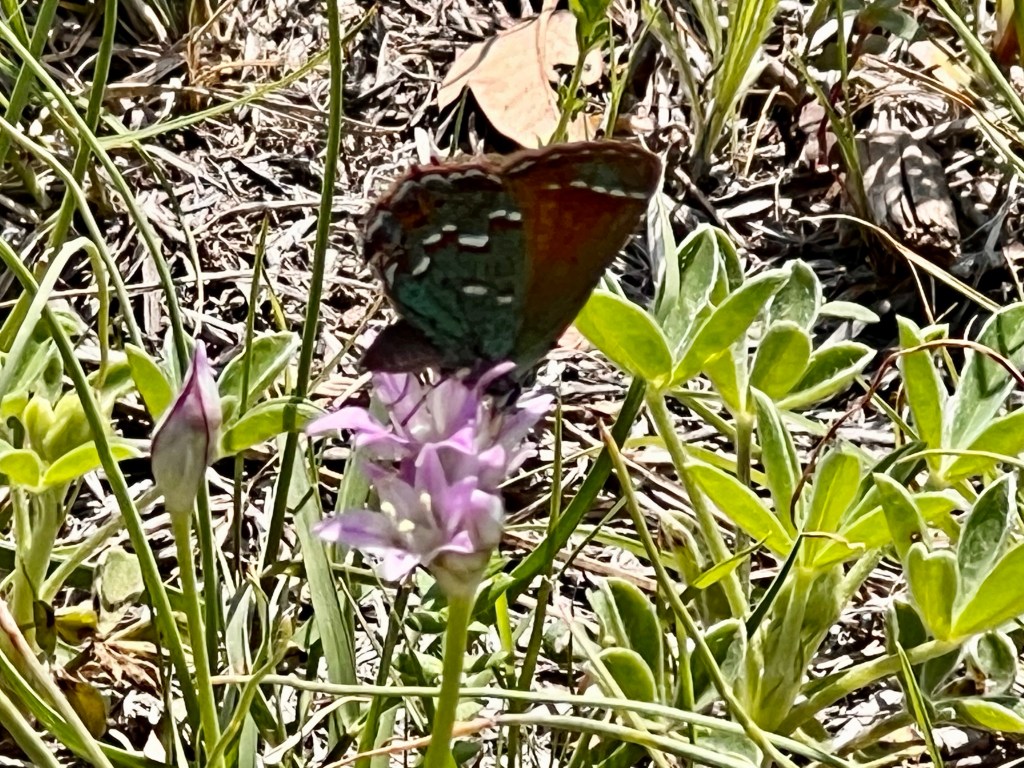
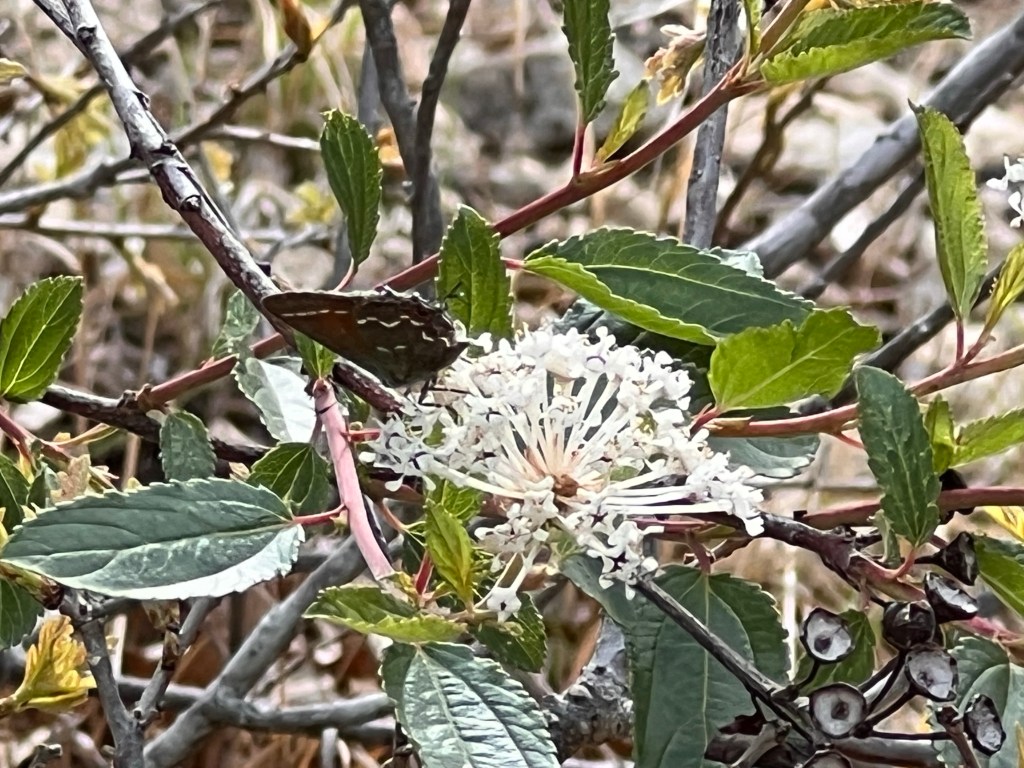
Lee and I talked about printing some of our best photos to decorate Seneca the motor home. This is a juniper hairstreak on antelope horn milkweed.
The next trip will be to a Corps of Engineers park with people from our former church. That will be more social camping! Enjoy more photos from yesterday. Which do you think would make good wall decor?
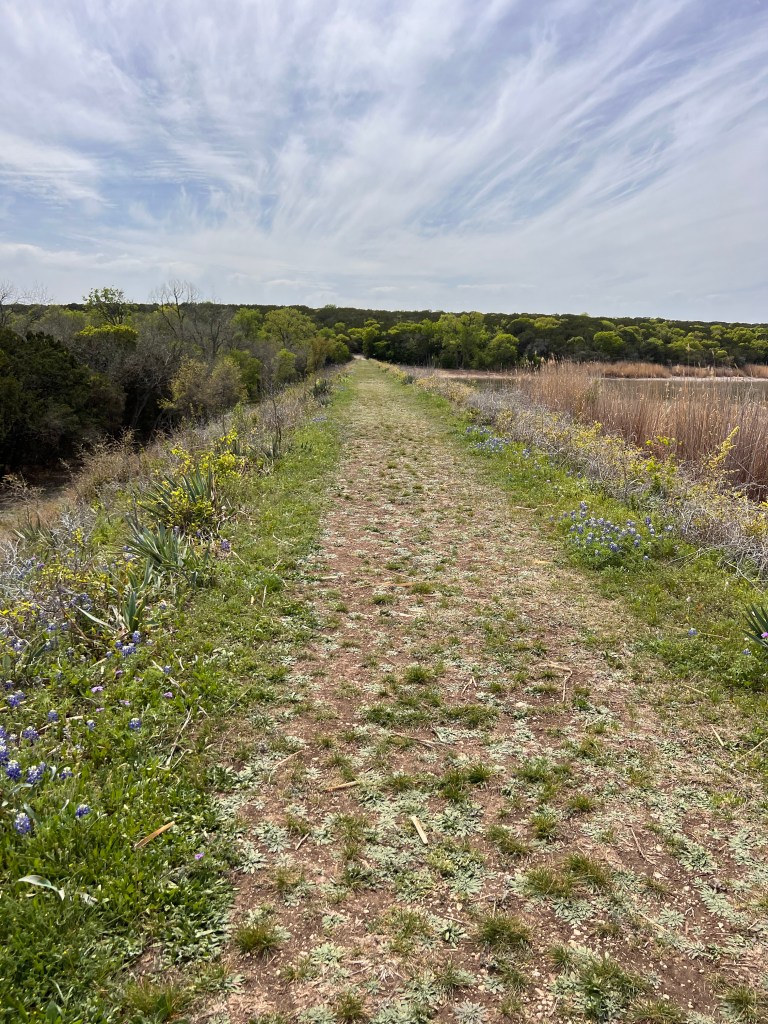
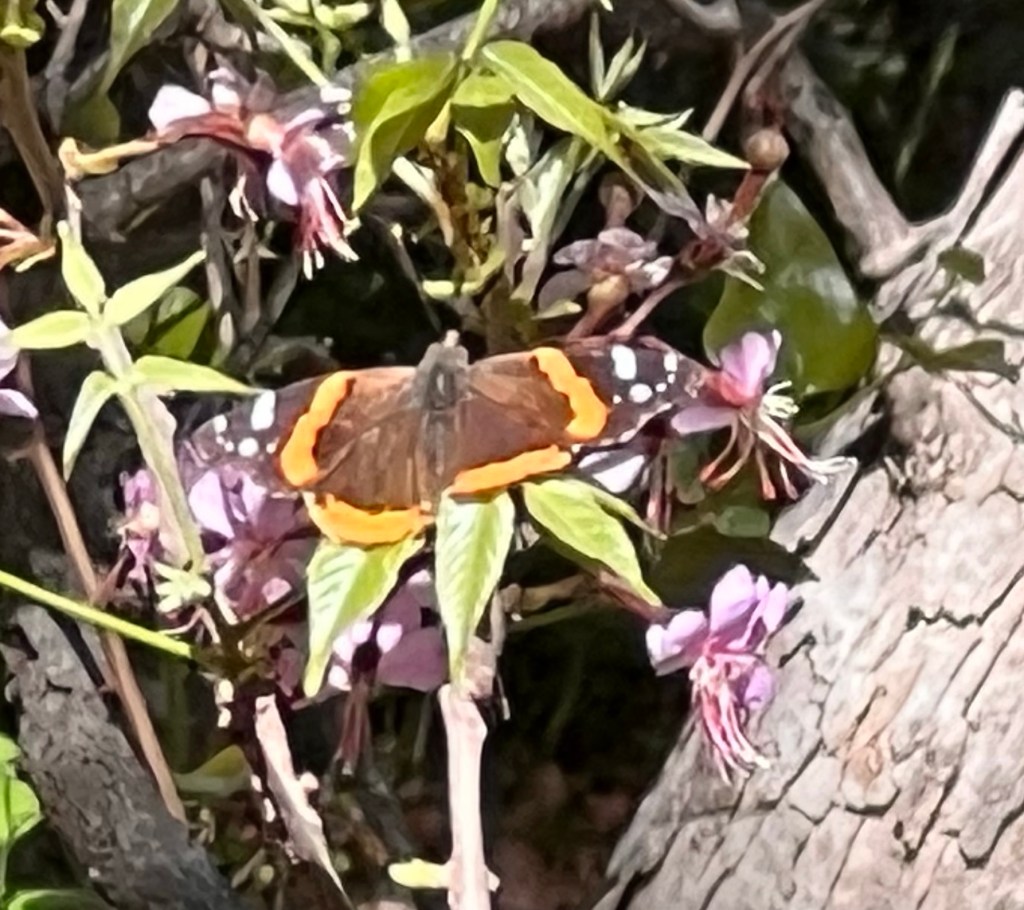
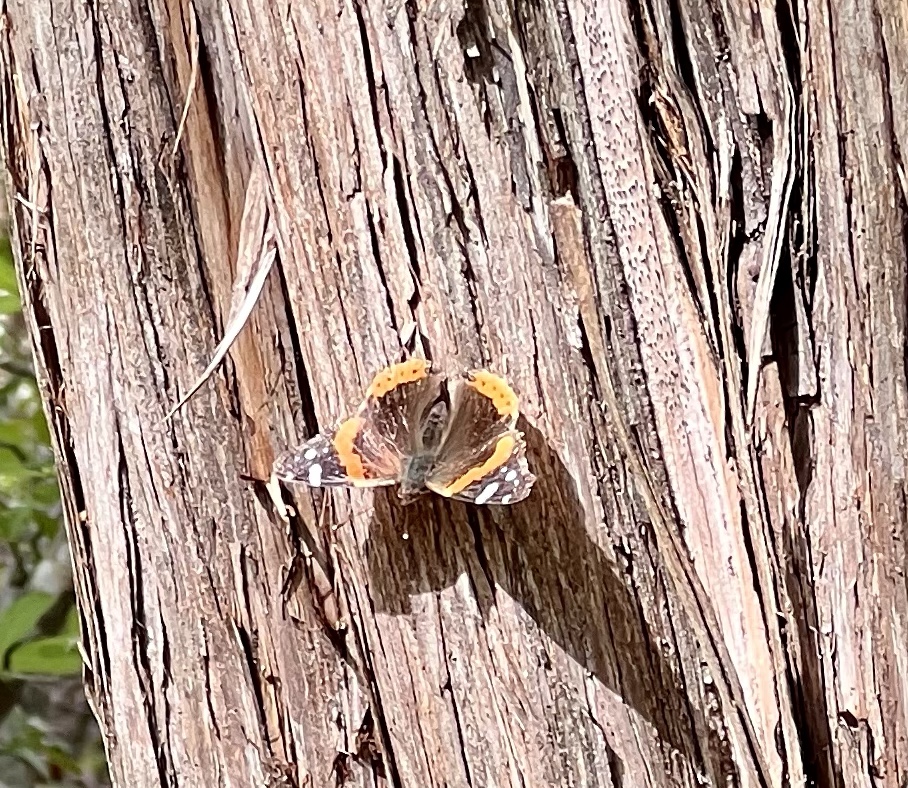
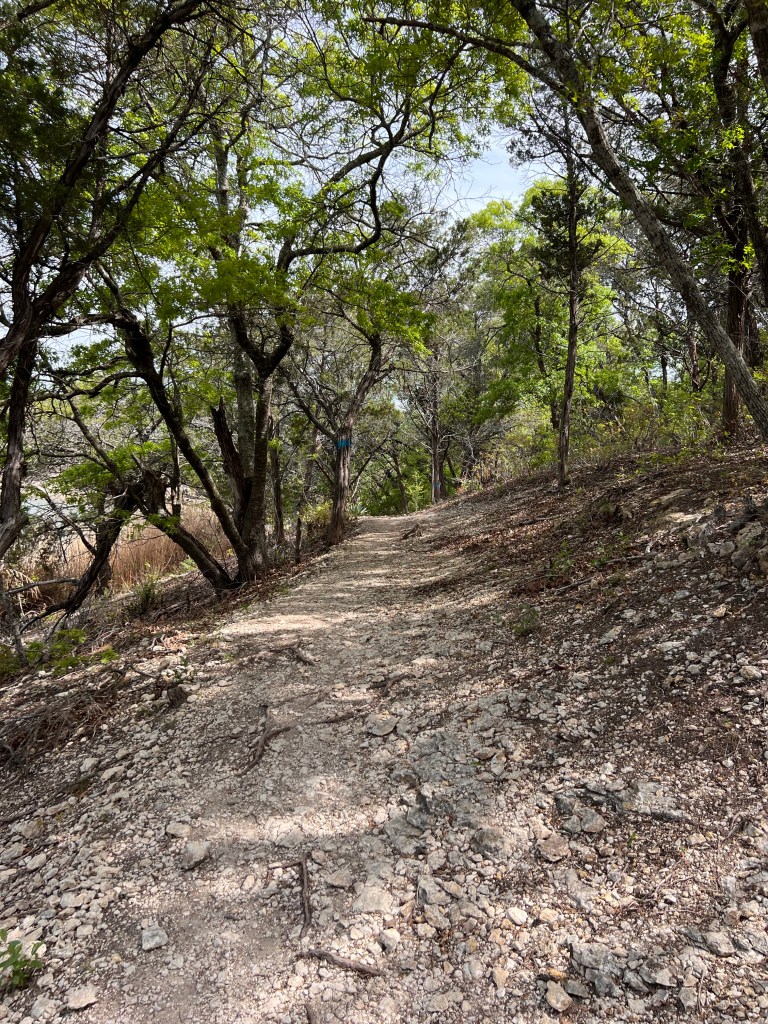
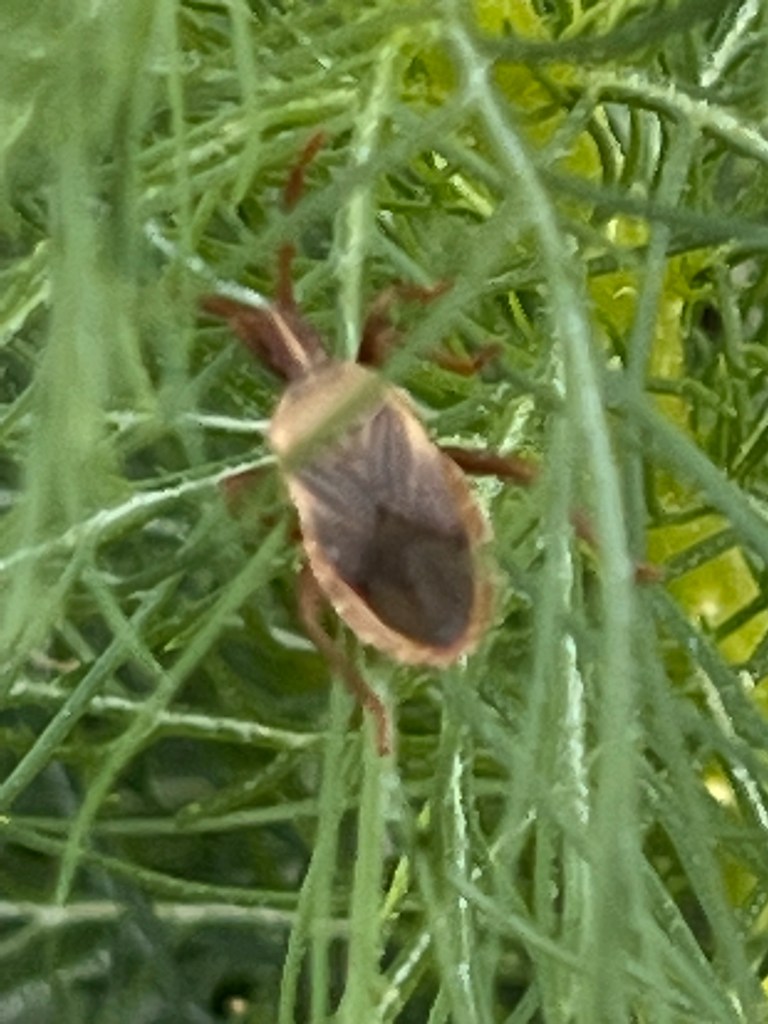
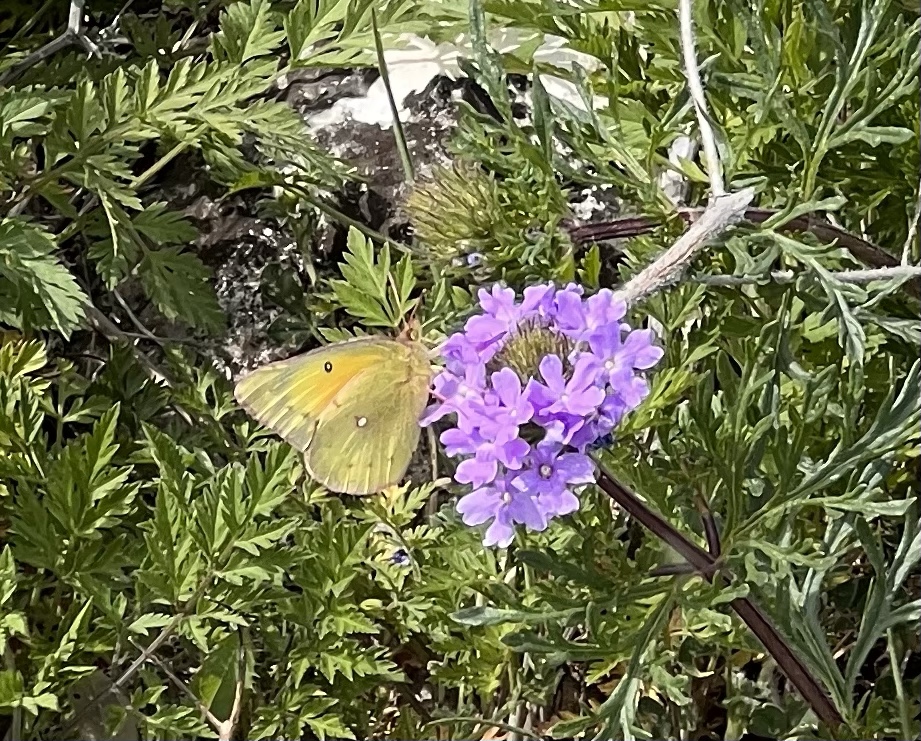
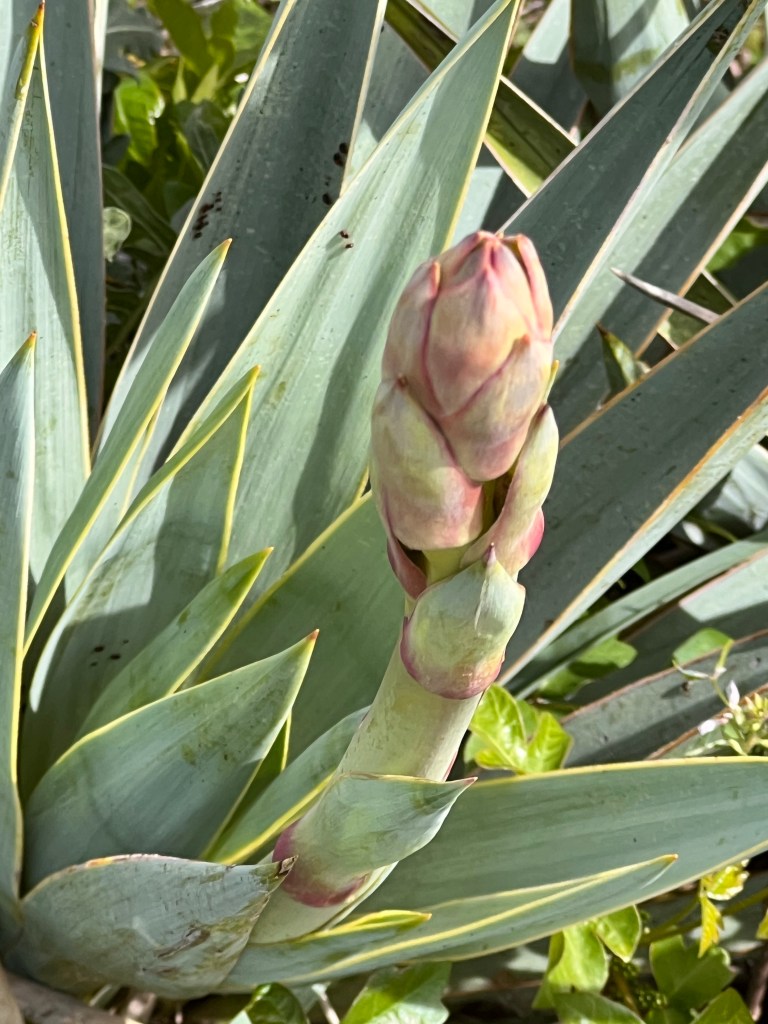
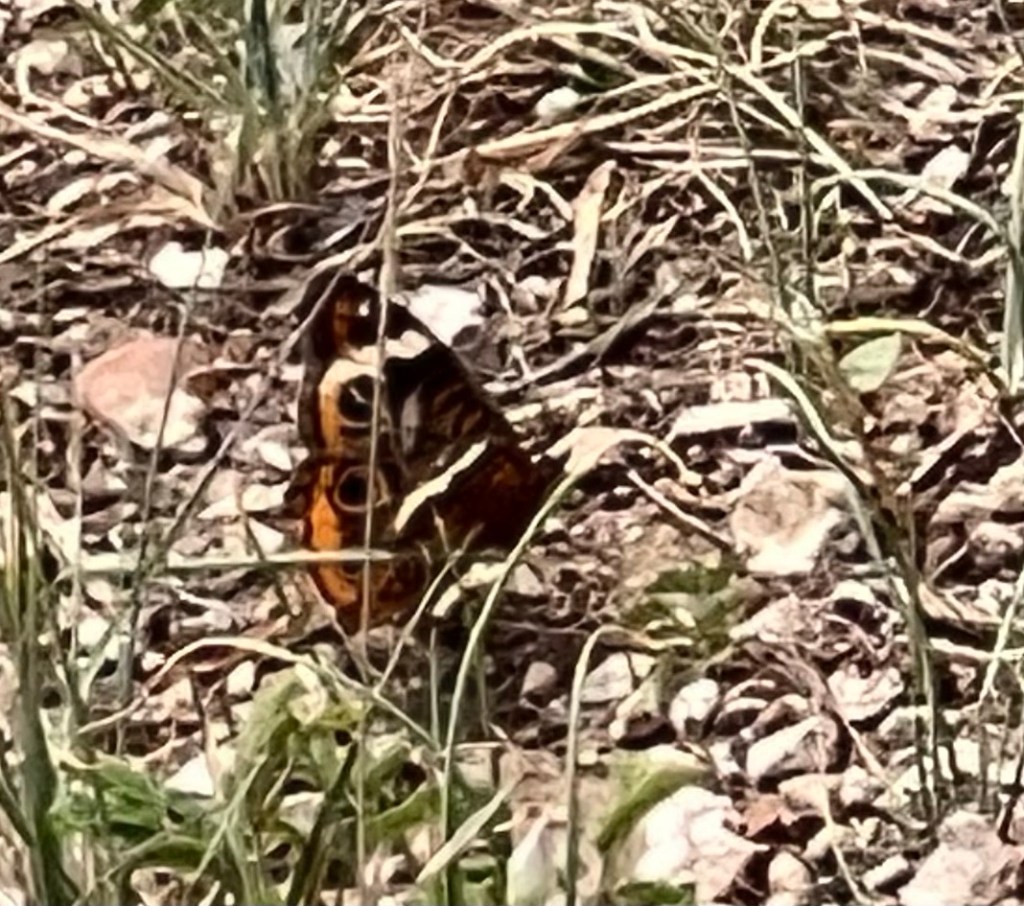
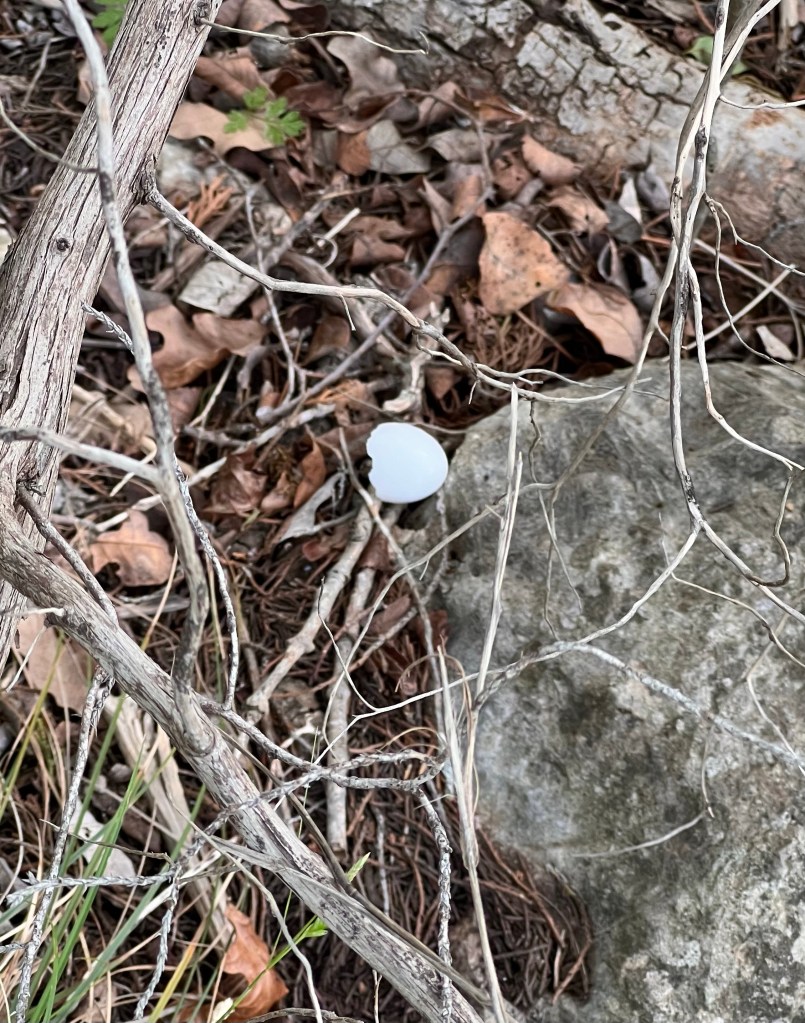
Red admiralTexas beautiesNarrow leaf poccoon whatever that isMore purple paintbrush LakesideSpillwayVerbenaEngelmann daisyTexas yellow star, I thinkPossumhaw Red admiral on juniperTrailCactus coreid bug, maybeBack of damOrange sulphur YuccaBuckeye Little egg
If you’re a bird watcher in central Texas, one of your goals is to see an endangered golden-cheeked warbler in its native habitat. Up to now, I’d never seen one, even though I’ve been places where they are found. No wonder I vowed to attend the golden-cheeked warbler walk sponsored by the State Park where I’m staying!
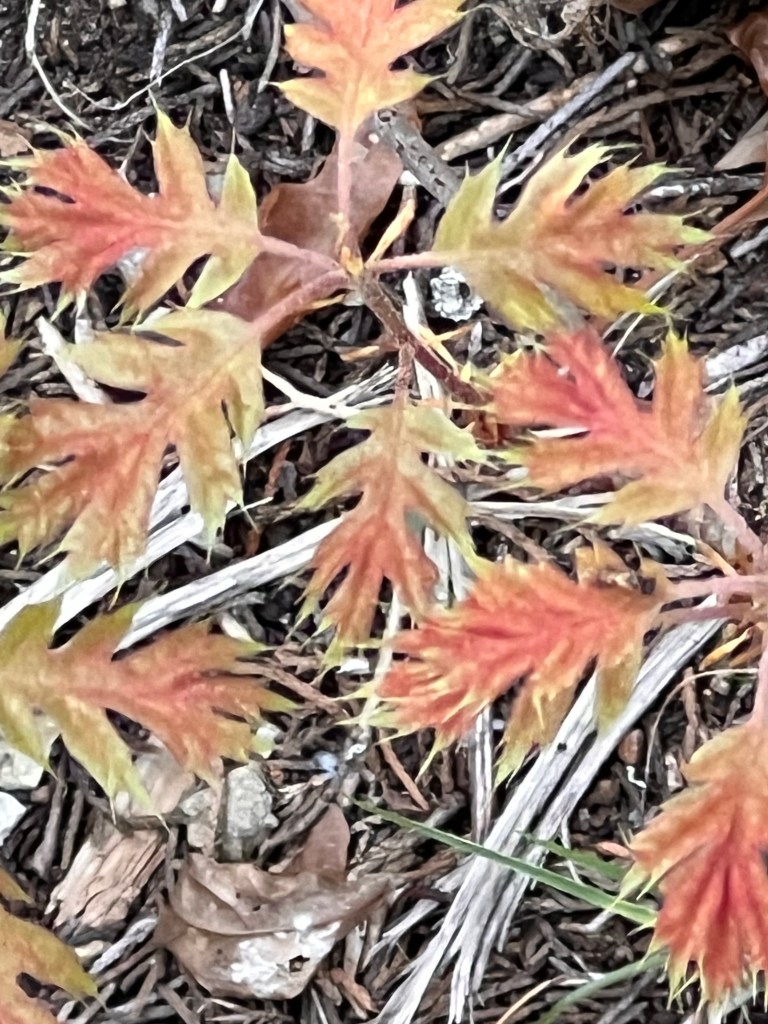
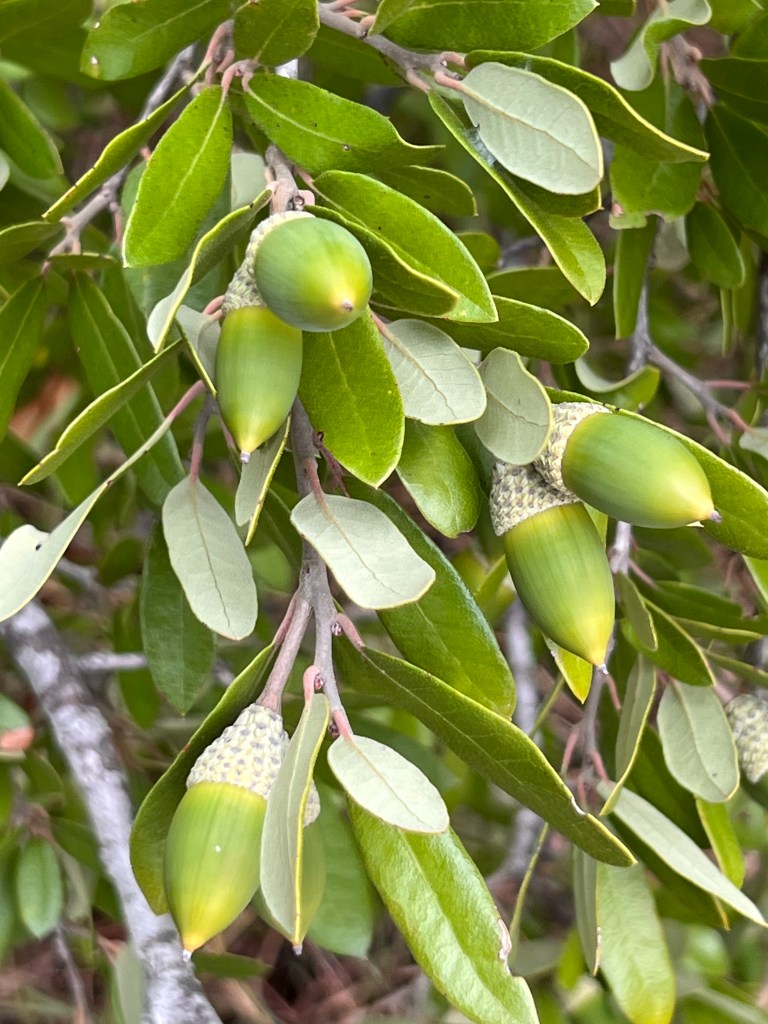
I was also hoping to see some new plants. This is Buckley’s oak, new leaves.
I almost missed the hike, because I didn’t realize it was on a trail we can’t get to in the motor home. Luckily, Mike and Kim, in the site next to us, also were going and gave me a ride.
The trail goes through the highest part of Meridian State Park, so there are different plants.
The hike was led by Aaron, a fellow Master Naturalist and expert on the flora and fauna of this park. It made the experience much better, because he had so much knowledge of what interesting plants, insects, and geological formations we’d see. Oh, and he knew what the warbler’s call sounds like.
Aaron shows us a plant.
There were around 15 people in the group, ranging from kids to elders. Most knew something about birds, and a couple were experts. Even the woman who runs the Waco Wetlands (where we went on a field trip once), was there. Everyone shared their knowledge, helped each other out, and was respectful.
Our fellow Master Naturalists.
Thanks to the expert guidance, I learned so much about new plants. There was native yellow clematis, bedstraw that isn’t sticky, and many varieties of galls on plants (with baby wasps or beetles in them). It was a truly beautiful mixed oak and juniper forest to explore.
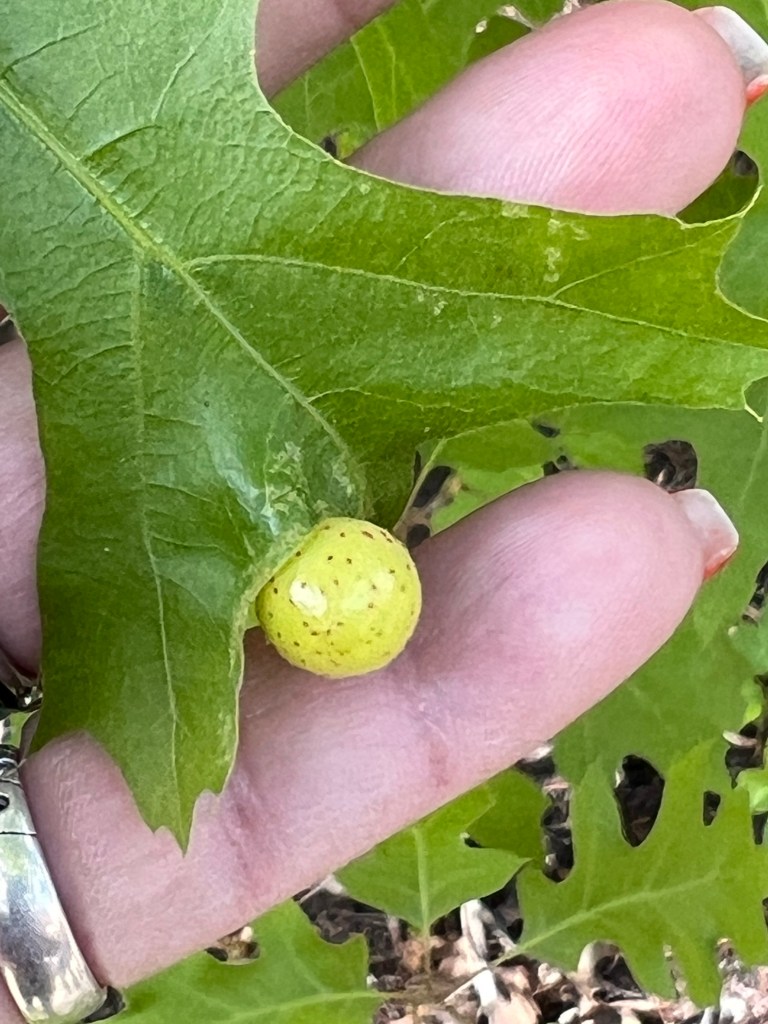
A rare gall. I think.
All the while we walked and stopped to investigate things, in typical naturalist fashion Aaron was listening for the warblers. About halfway through the trail, we heard one. It sang and sang, so we all got quite familiar with its very interesting sound.
It was there somewhere.
We found the area where it was, thanks to its helpful tweeting. Imagine my surprise when I was the first one to spot it! It looked just like a photo of a golden-cheeked warbler! Glad I had the good binoculars.
A photo of a golden-cheeked warbler by the great Greg Lasley, from iNaturalist.
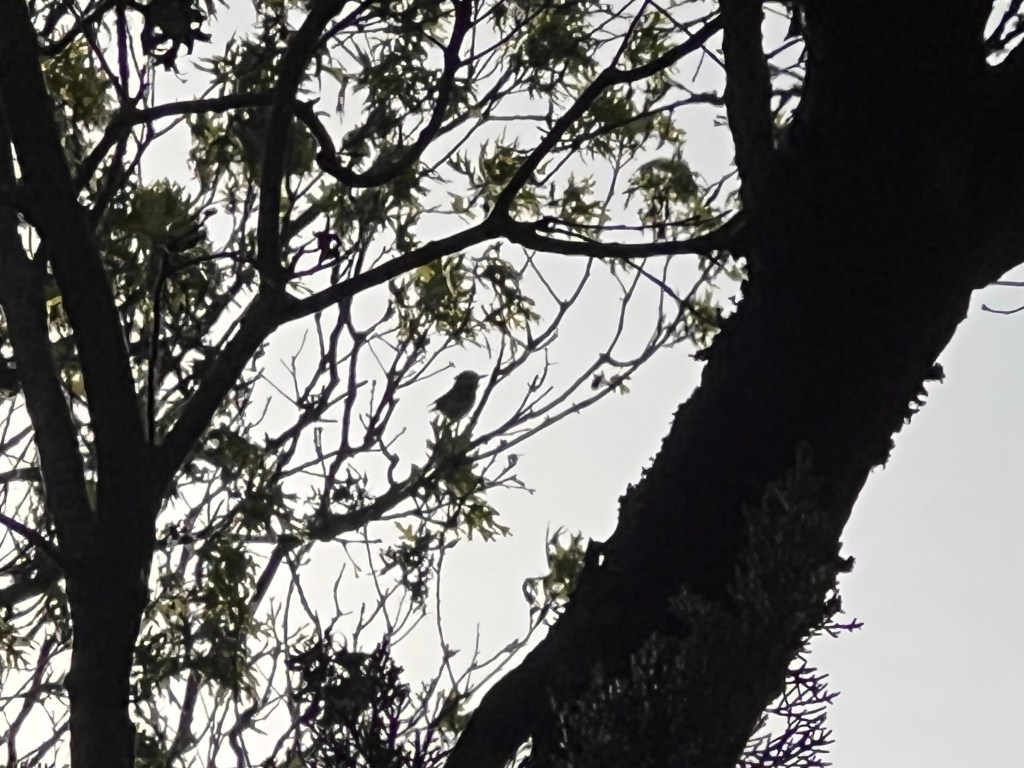
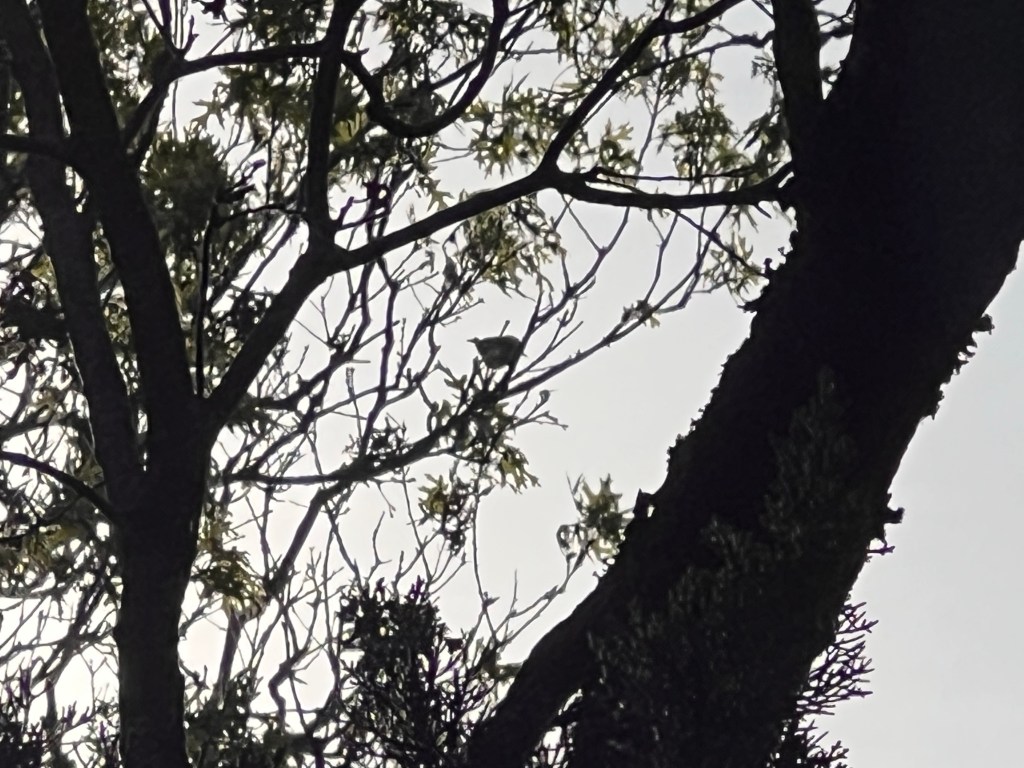
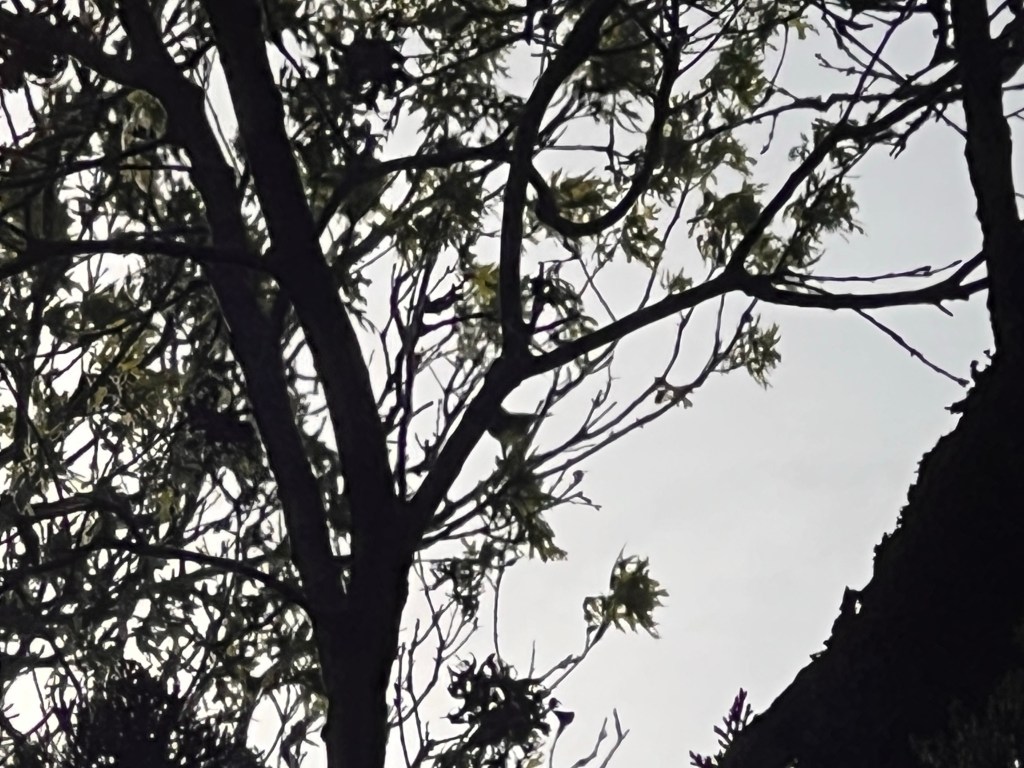
I would love to share my glorious photos, but all I got was these. I uploaded a sound file to ID it.
Those bird-like shapes are my exciting
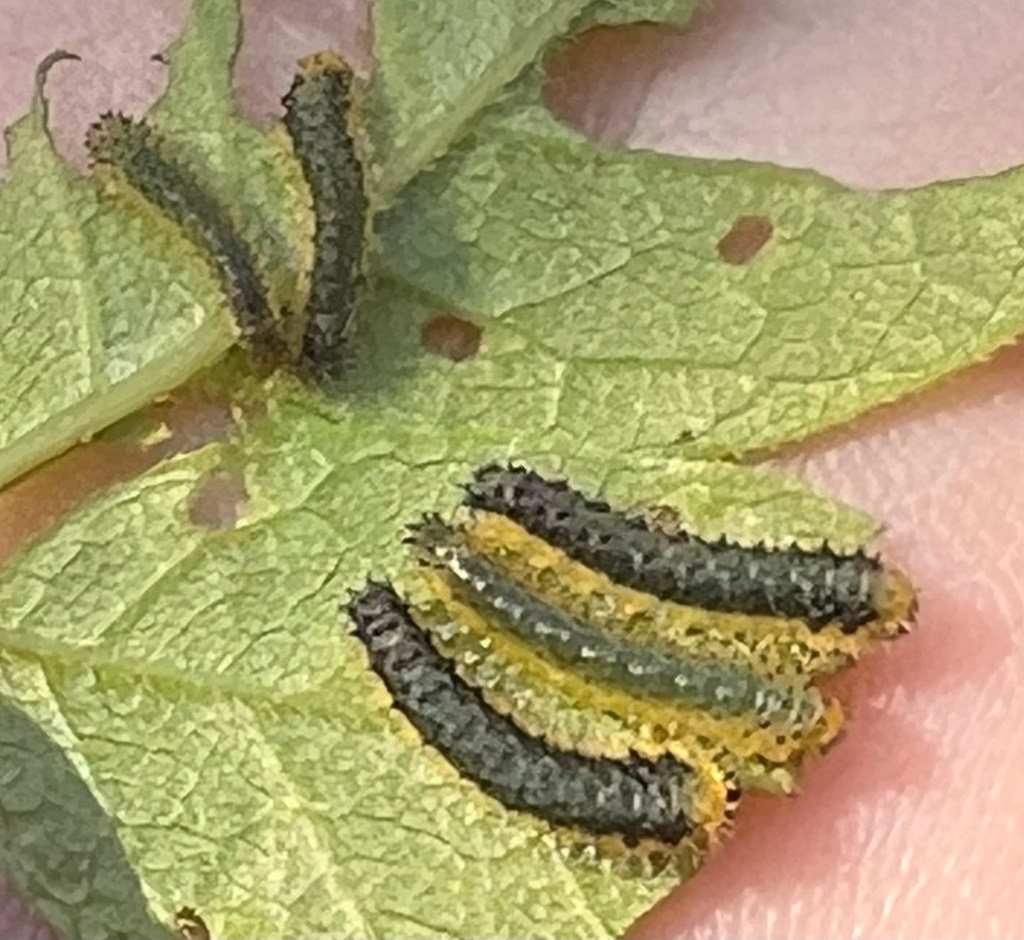
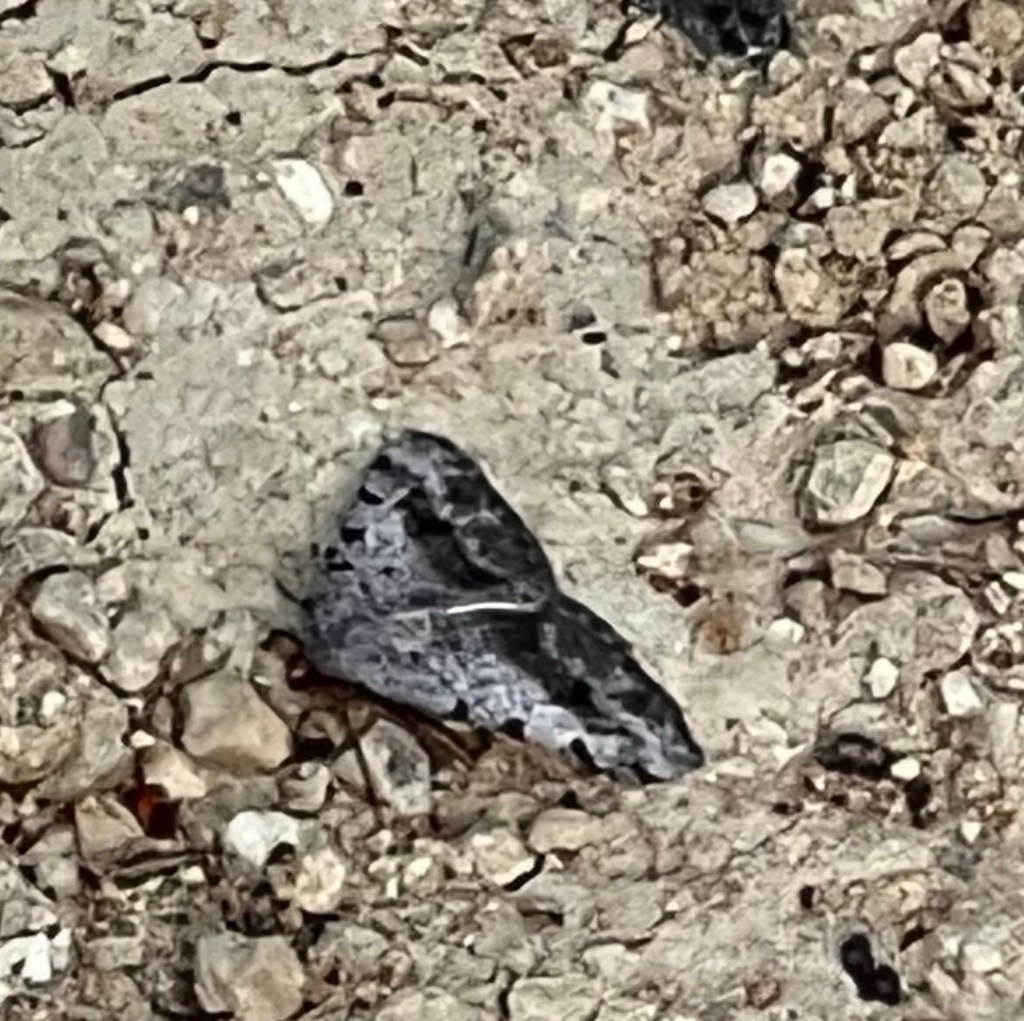
It was fun to watch it in person. The little fellow sang and sang for us, so everyone got a good view. We heard another one later, too. Eventually we moved on to looking at more interesting plants and insects. My new friend Mike found the shiny caterpillars, while a younger guy with a great camera found the ones on the leaves. I found the red bug and exciting moths.
Insect sights
Apparently I found a rare plant for this area, a Western Rick jasmine. It was one of many that I’d never seen before.
It’s tiny.
I was sad to see the hike ending. I learned so much about the ecosystem here at the place where east meets west in the US. Aaron was a great exemplar of what a Master Naturalist should do as they help interpret the land they’re sharing with others.
Happy hikers
Here are some more things I observed today. This was a most interesting place!
I sure feel great today. Even with a broken toe, I managed to hike two trails and really, really get away. Meridian State Park has an impressive number of places where you can be entirely alone, surrounded by nature, with only the wind and birds making sound.
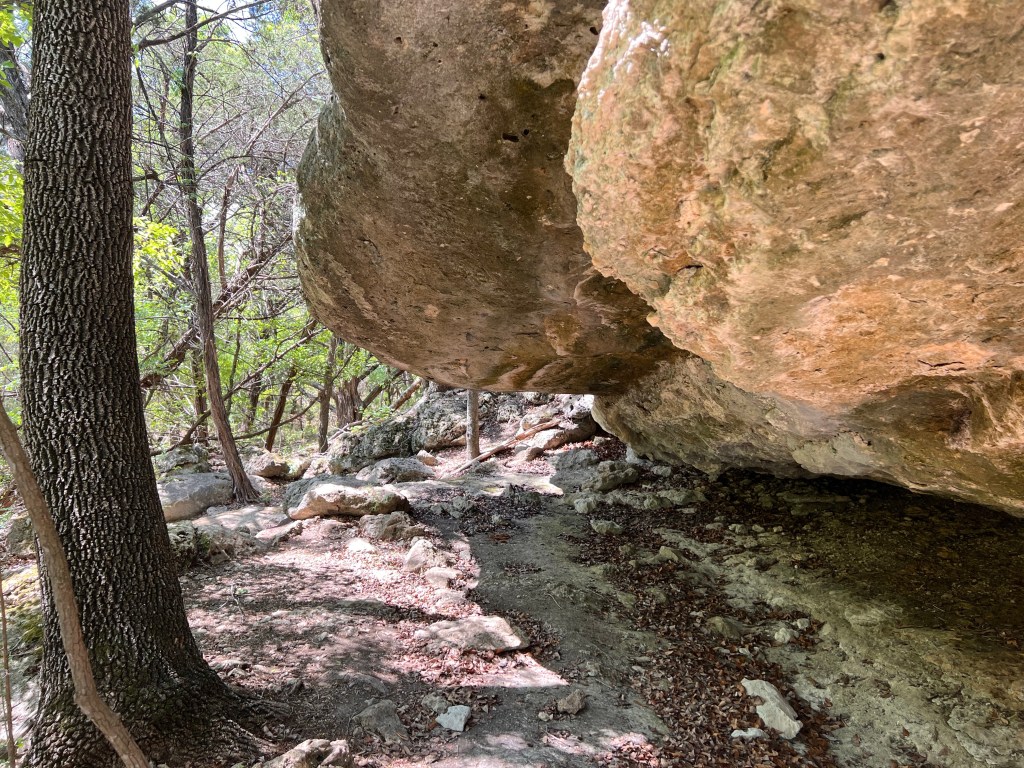
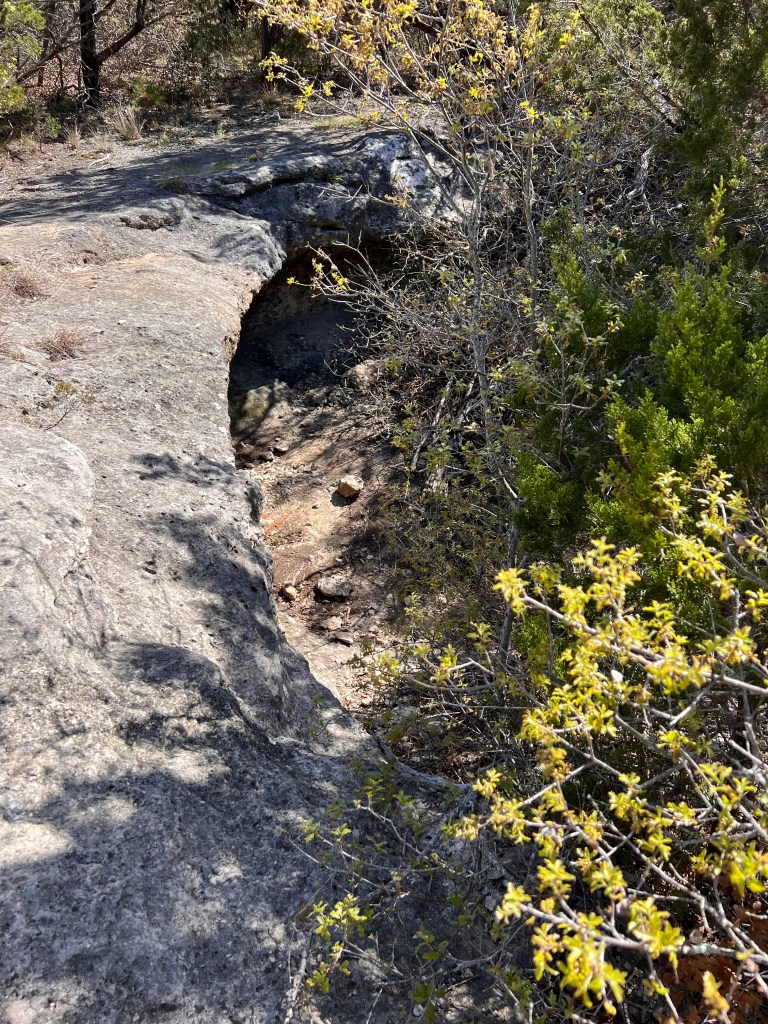
Look, a cave for us hermits!
I just had a blast wandering through woodlands and meadows, climbing up limestone ledges, and carefully heading back down. I didn’t see any yellow-cheeked warblers, though I certainly was in their natural habitat.
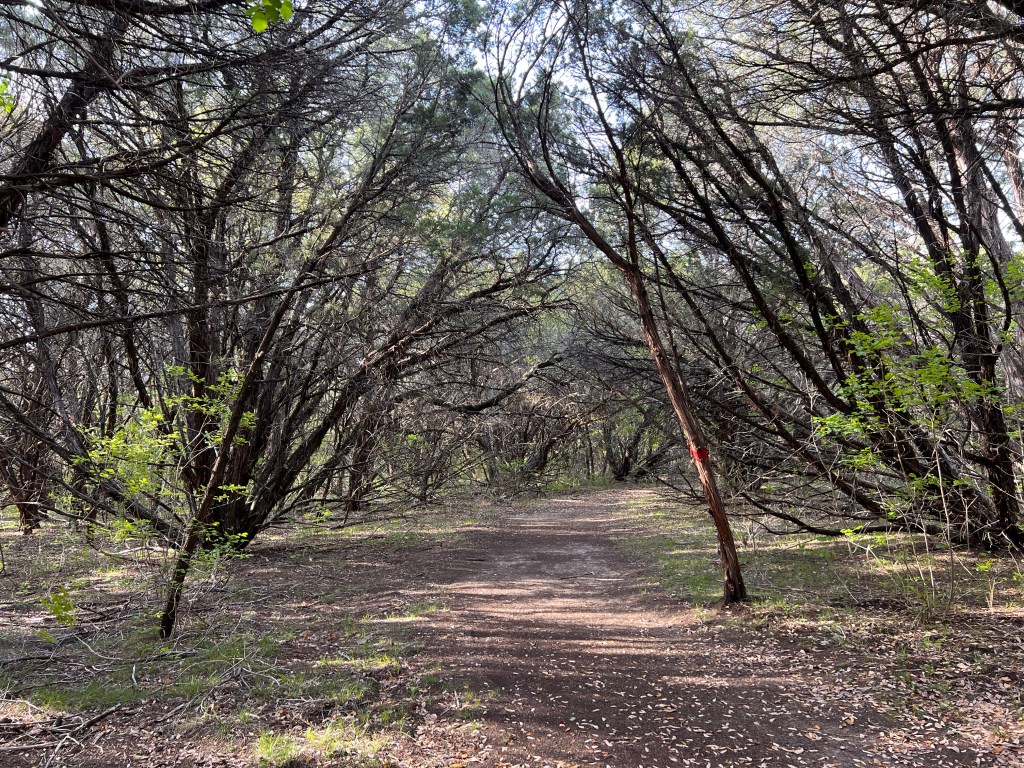
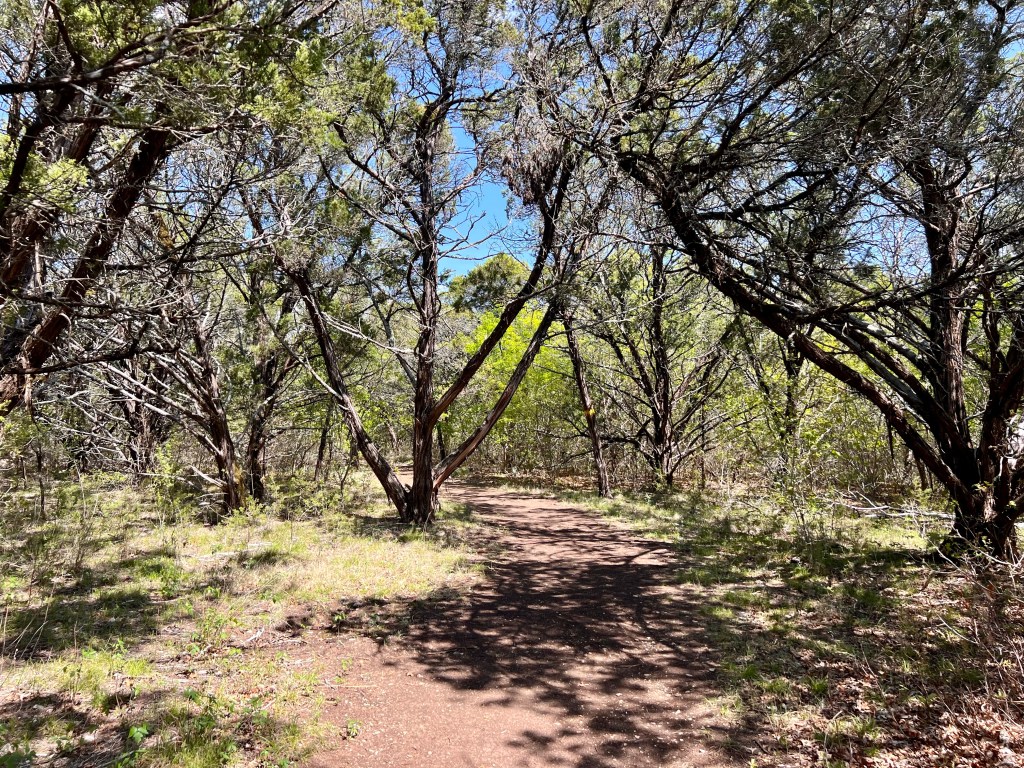
An Ashe juniper forest
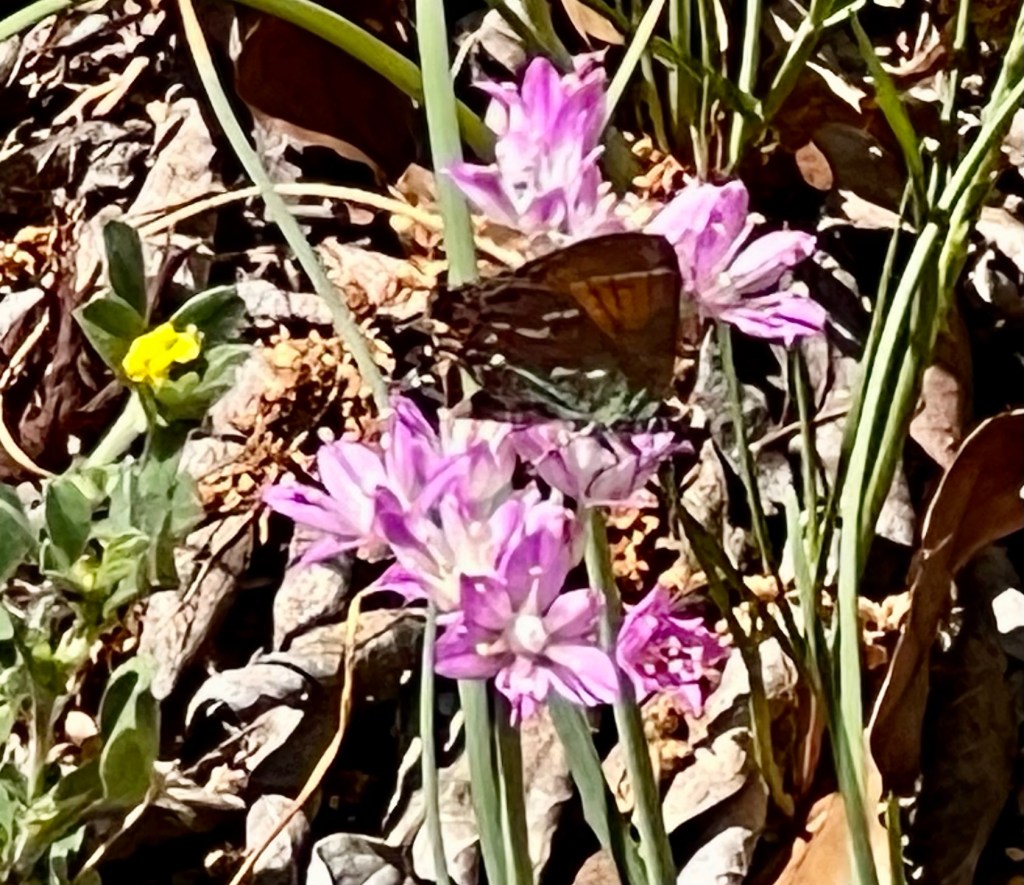
What I did see were dozens and dozens of butterflies and moths. Some didn’t pose for me, like the tiger swallowtails, something very orange, and an actual monarch. However, the juniper hairstreaks made up for it. They’re posers, and quite beautiful. I also got photos of excellent moths that either blended in with the forest litter or the limestone formations. They could only be noticed when they flew.
Invisible mothLimestone colored mothMany juniper hair streaks One blurry sulphur
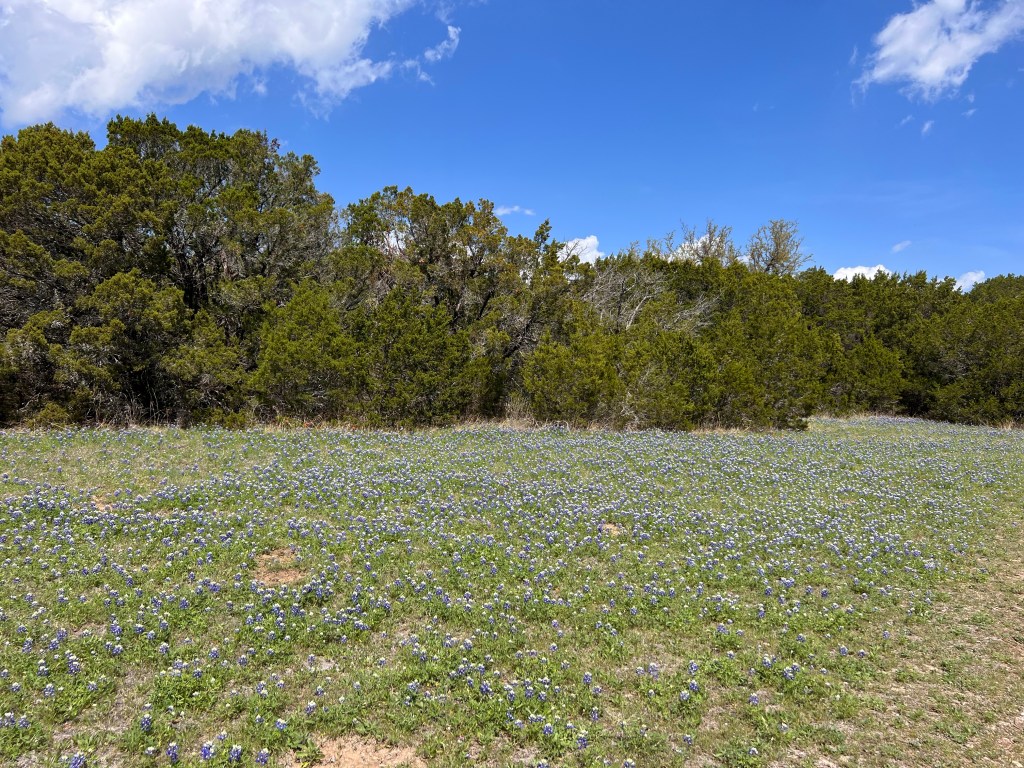
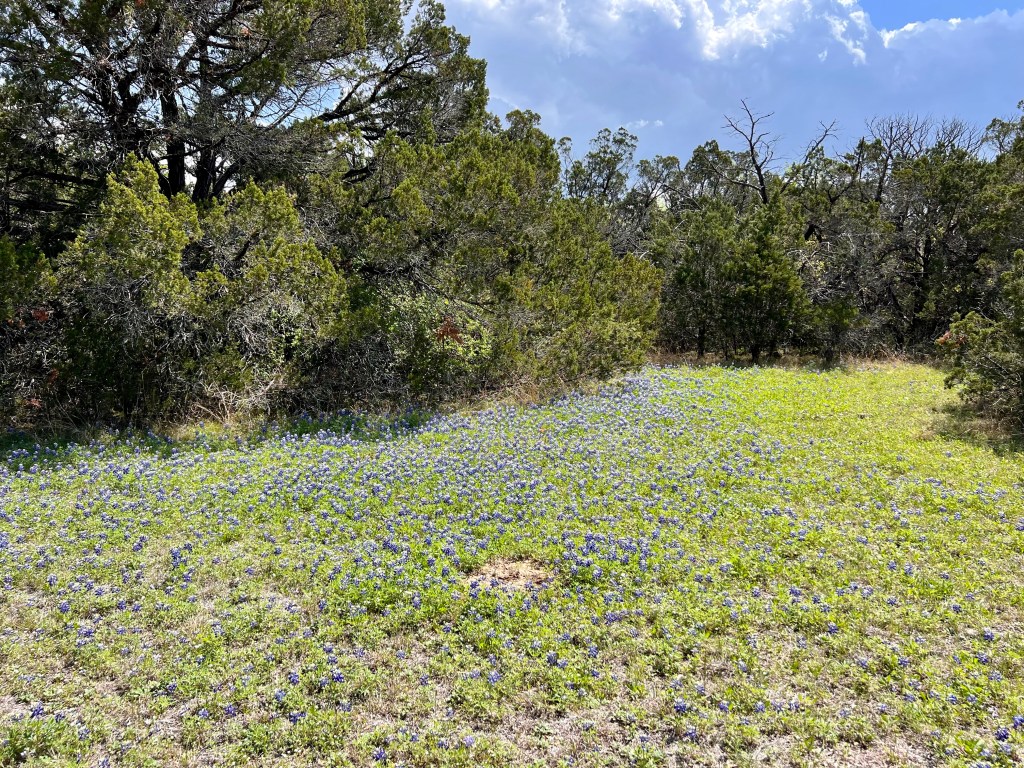
The highlight of my hike was the wildflower meadow on the Bosque hiking trail and Little Forest Junior Trail. It had so many bluebonnets that they perfumed the air enough to feel intoxicating. Wow. It was also so nice to see so many flowers in a mostly natural-looking setting. I just stopped and breathed it all in. So cleansing!
Bluebonnets and More Bluebonnets
There was also lots of water to look at. I hiked along the lake quite a bit and in the Little Spring trail, I actually found the little spring. It reminded me of our little spring at home. It just trickled away.
The spring!
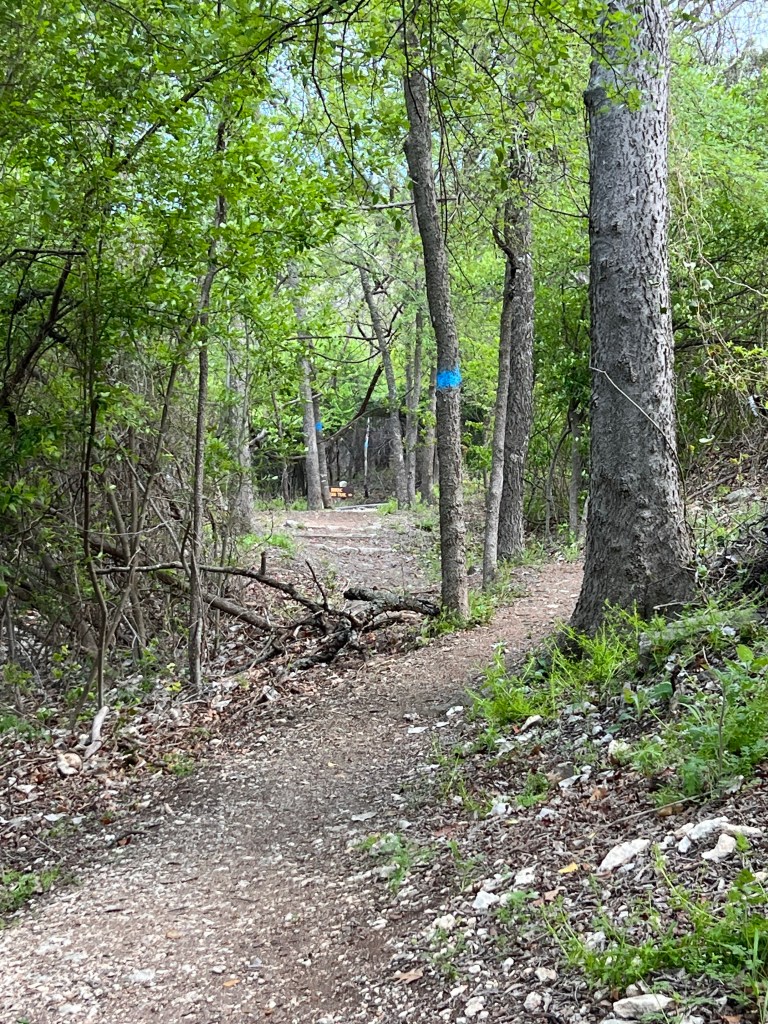
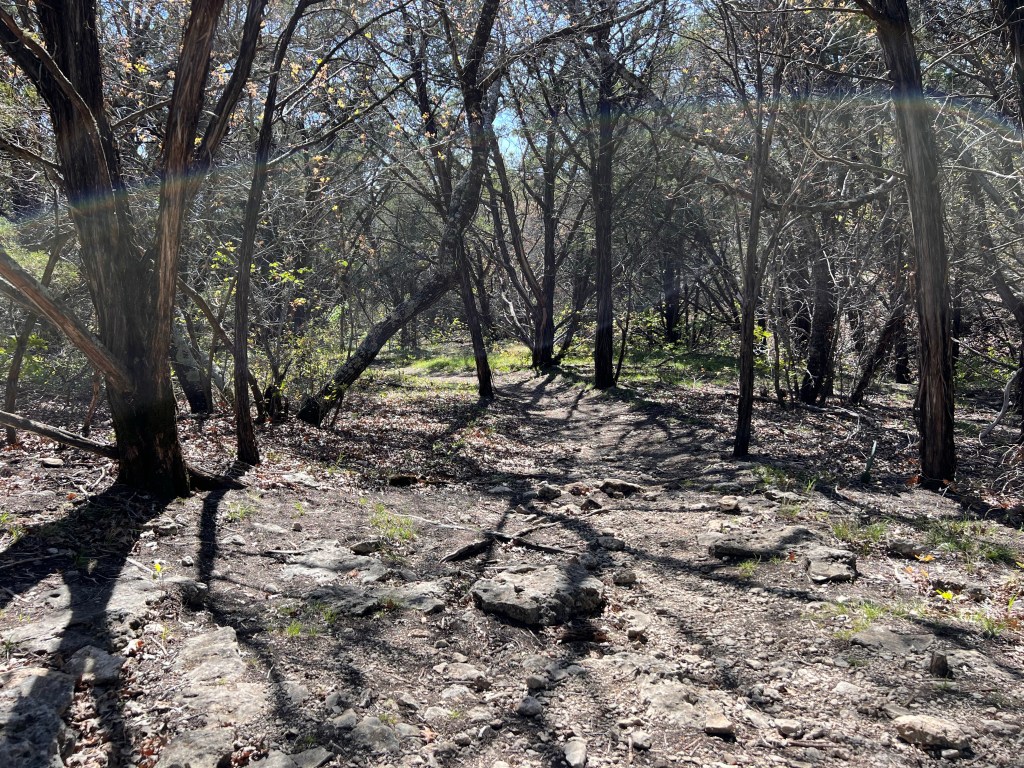
All the trails were beautiful, with lots of limestone outcroppings, caves, various oak trees, and bright green spring understory plants. What a nice time of year to hike.
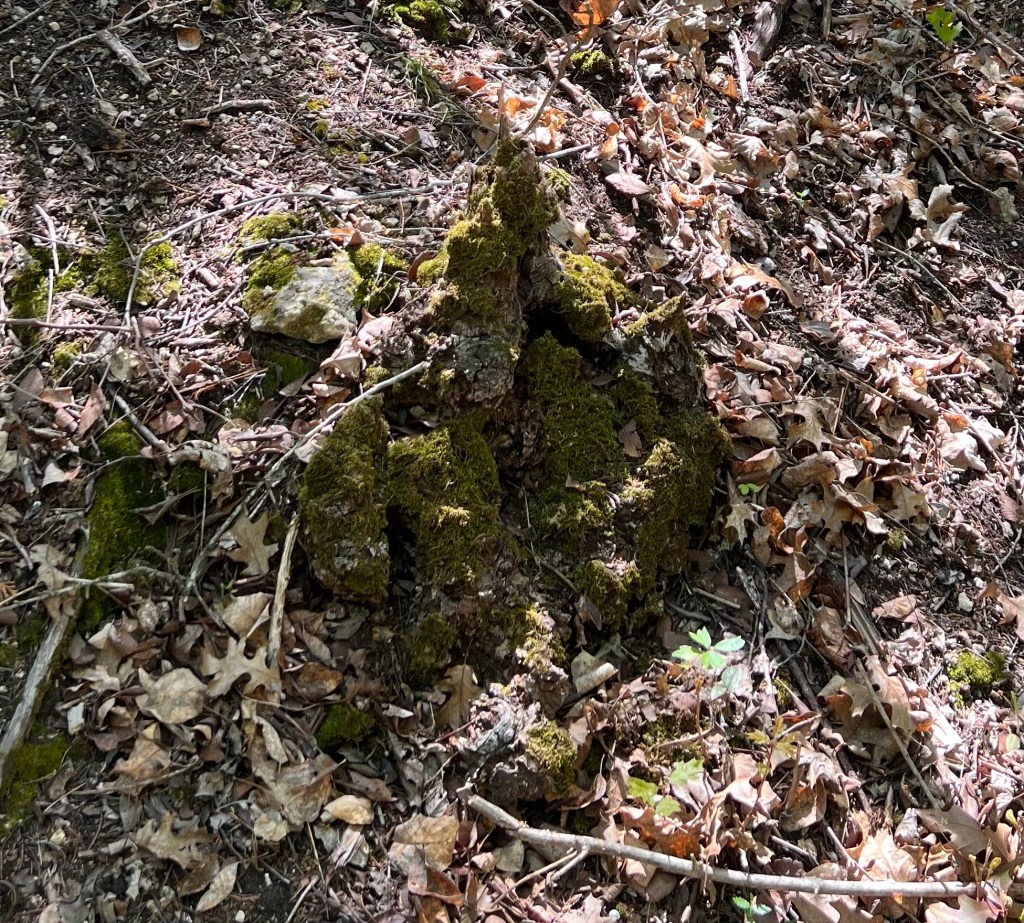
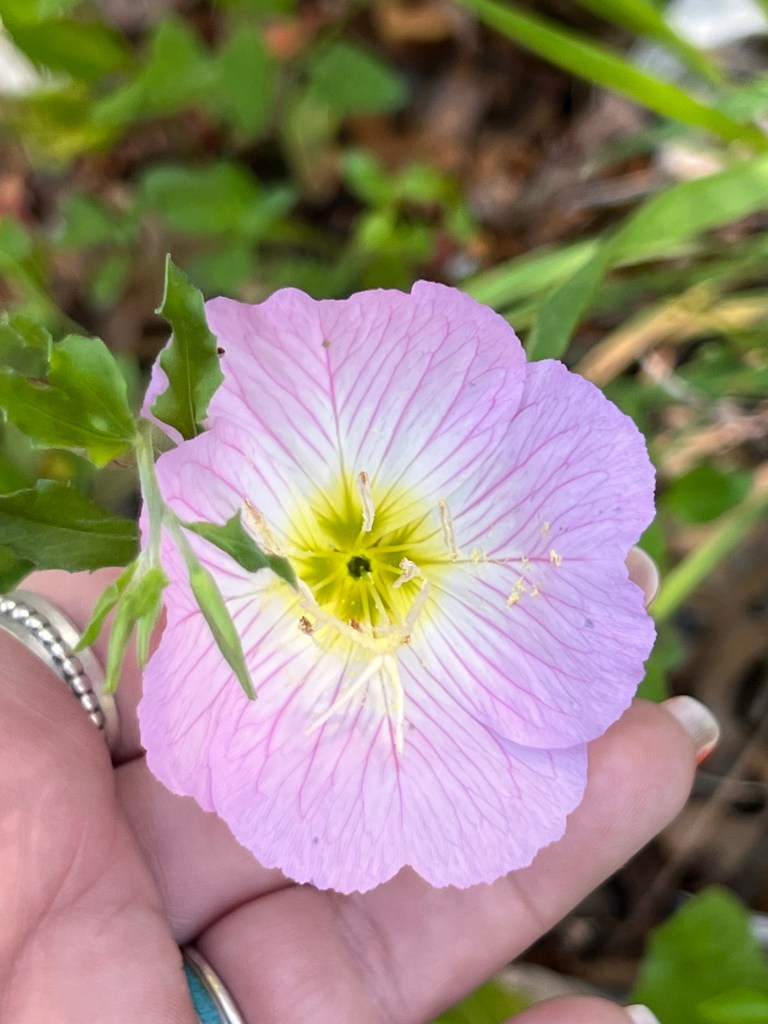
More Texas stork’s billMore pink paintbrush Mexican buckeyeYuccaParking lot beautyMixed wildflowers Blooming treeBlue means Bisque TrailTrail steps TrailLimestone UnderstoryTrailAshe juniperOak motteCave againLichenBird blindA stump I liked There weren’t many of these hereTrailMore trailMilkwortMoss!A limestone ledgePrickly pear
In other news, we met a nice couple who go to lots of Texas parks, and showed them our RV, since they want to upgrade. We’re going together tomorrow on a nature walk led by a fellow Master Naturalist. I hope he shows us where the warblers are.
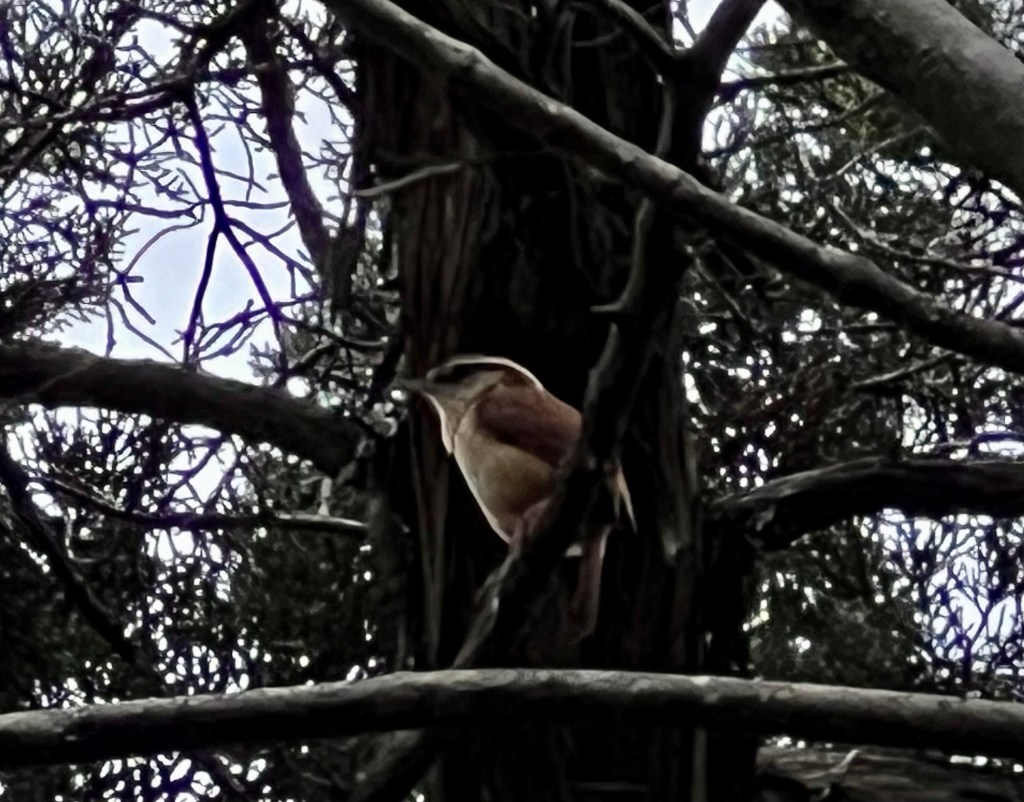
I did see this wren, a cheerful chickadee, a titmouse, many cardinals and a crow.
Thank goodness for the privilege of getting away from things on a regular basis. Also thank goodness that the cell service lasted long enough to get my work uploaded and questions answered! Whew!
Maybe residents of our small town are sick of hearing about it, but I’m gonna say it again: Cameron is like a new town this season. I’m so grateful to all the folks who have worked so hard to turn the town around over the past year, especially everyone on the Chamber of Commerce Board. Just wow.
Honest, the square is gorgeous when not captured through car windows
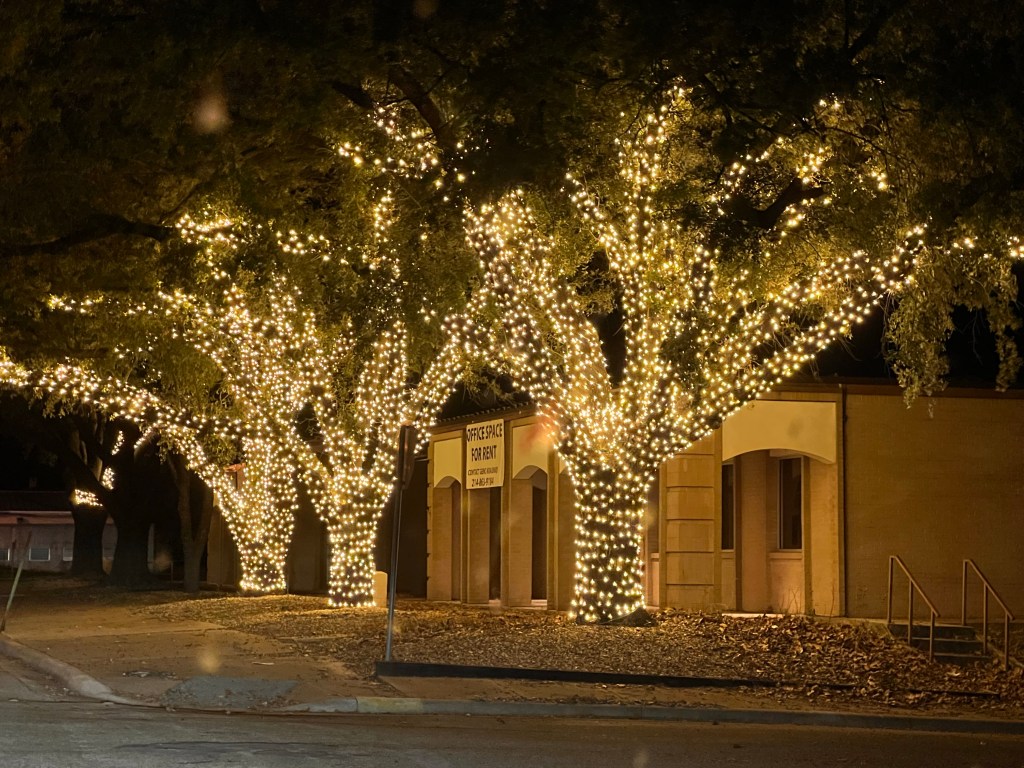
There are lights everywhere this year, unlike before, when it was a few sparse displays on some of the more chipper businesses. This year, wow!
Even this building looks good!
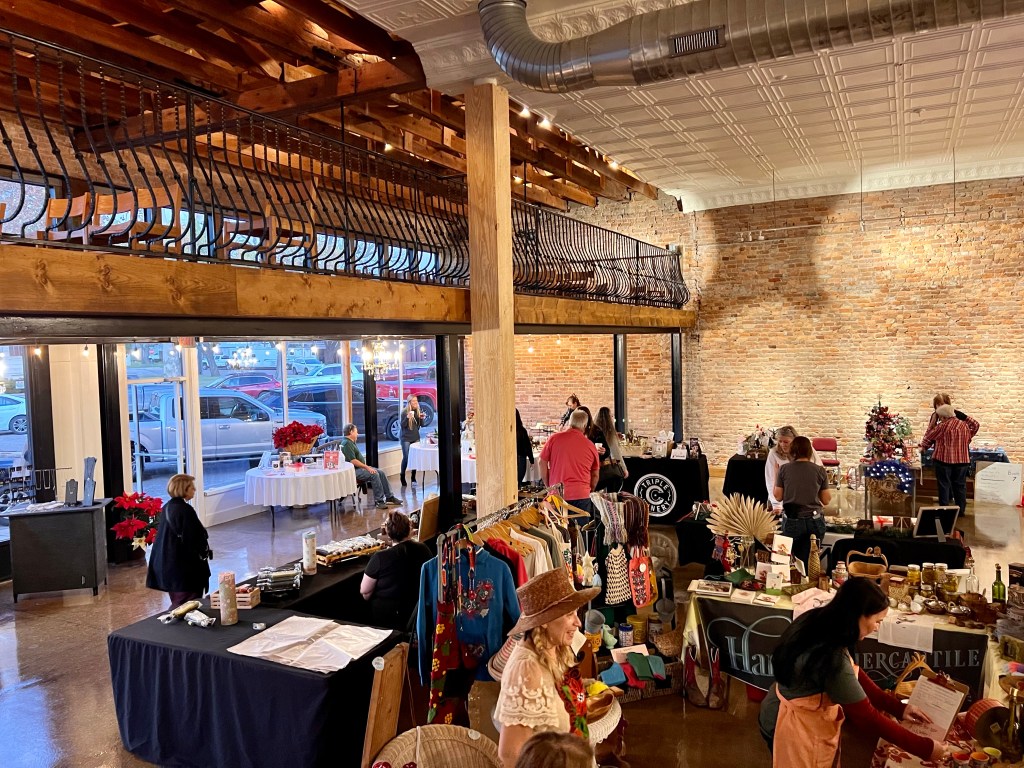
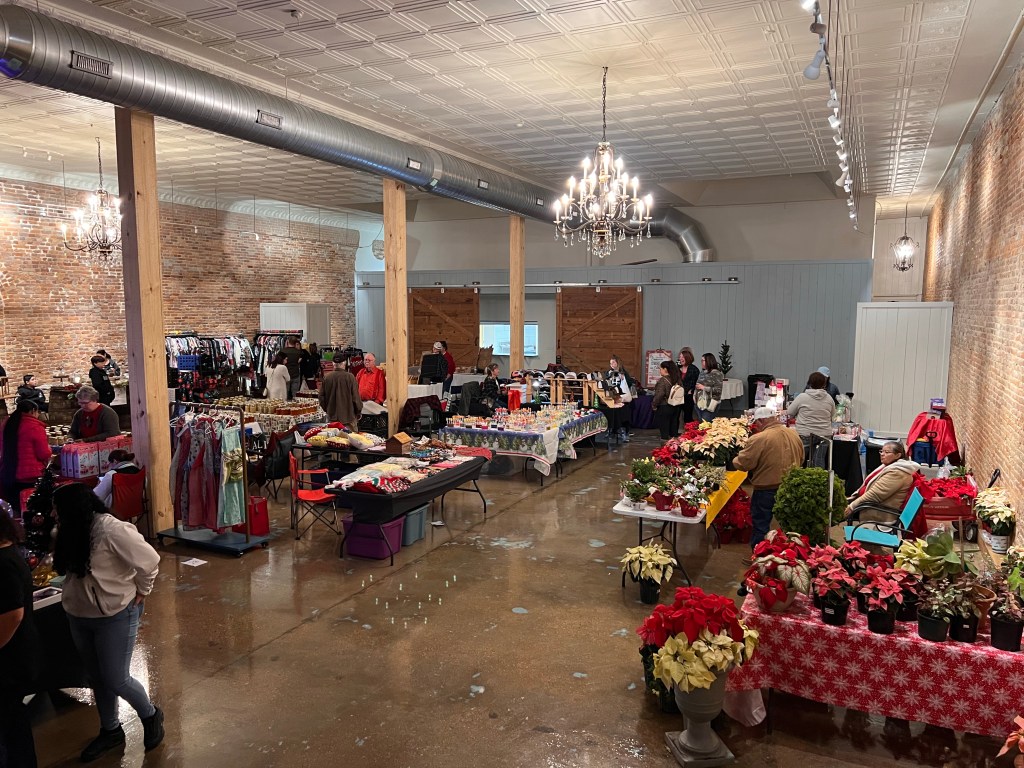
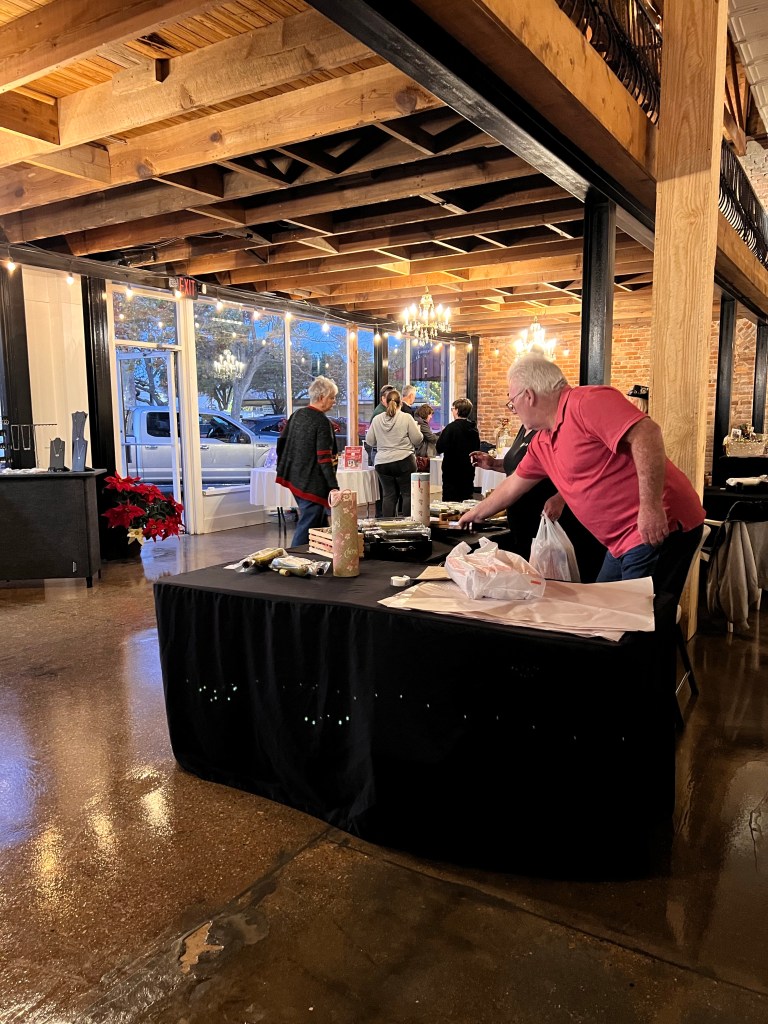
And check out tonight’s fun event at the new Venue, the Sip and Shop.
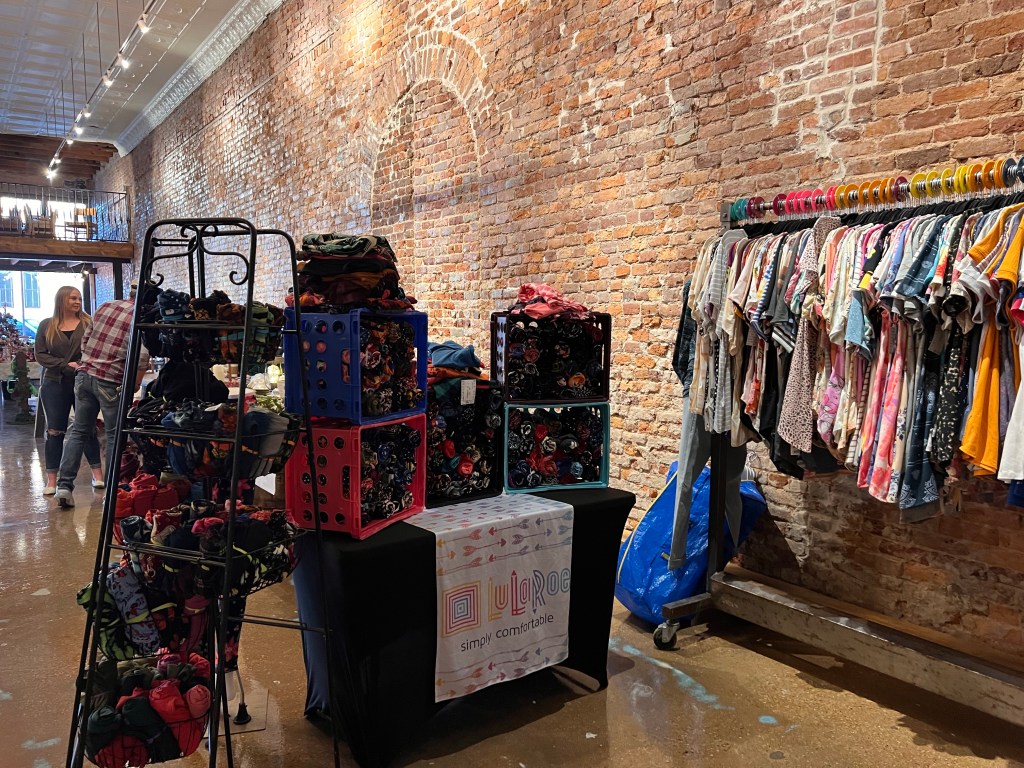
Look at this beautiful building and the beautiful vendors!
I had so much fun hanging out here with my friends and seeing what the vendors (some of whom also are friends) had to offer.
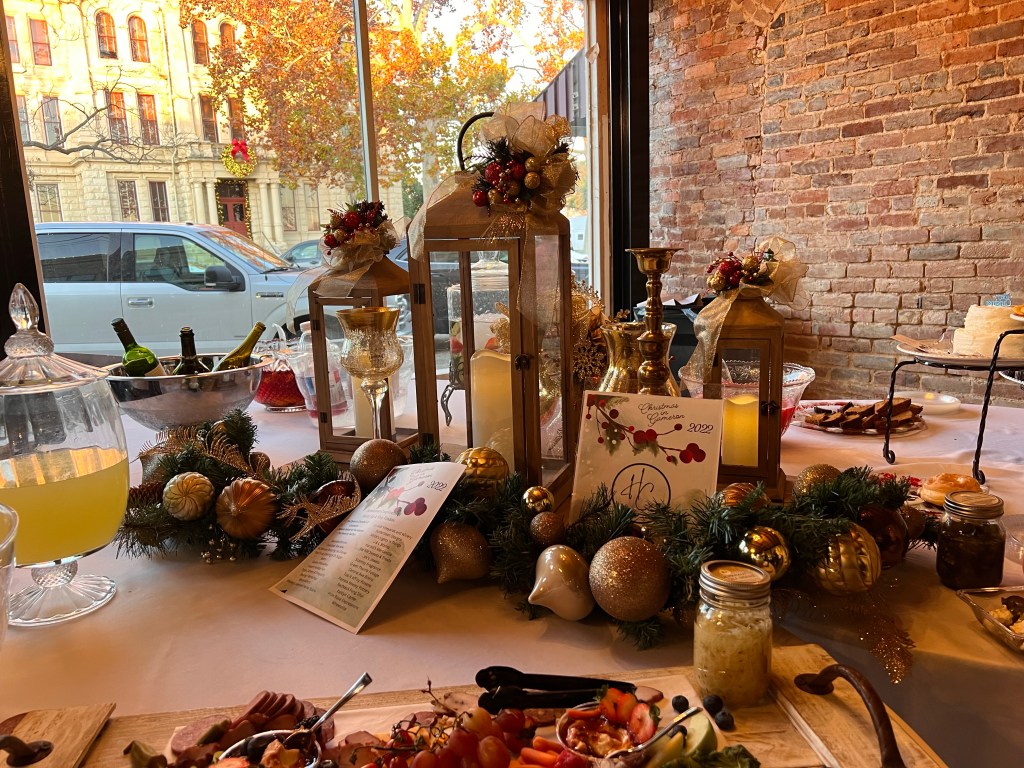
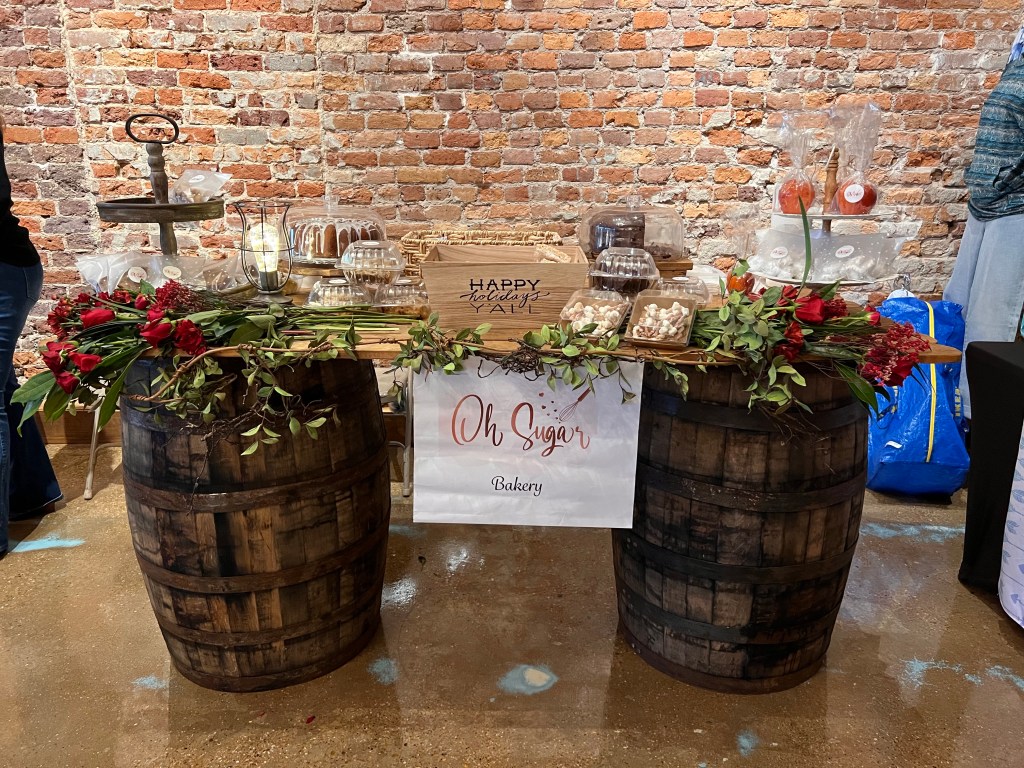
Beautiful decorations and snacks
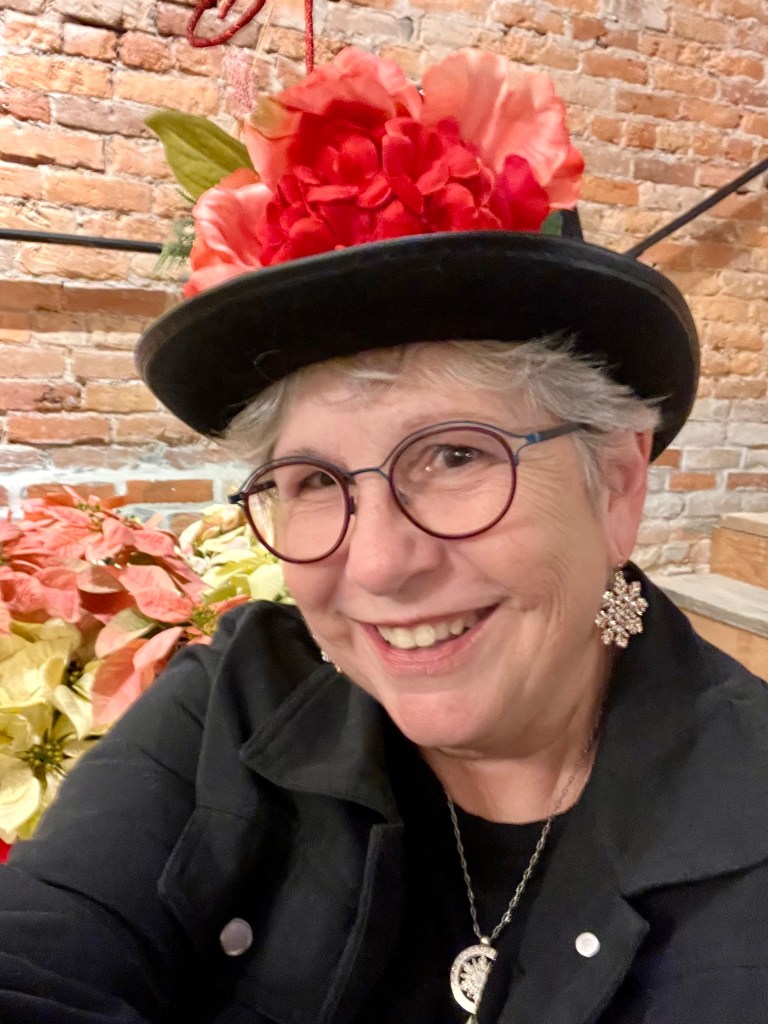
I got some wonderful things, you know, to support local artists and bakers. Or for fun. My favorite thing is my hat. It has a bird on it. Pamela had a hat, too.
Hat ladies
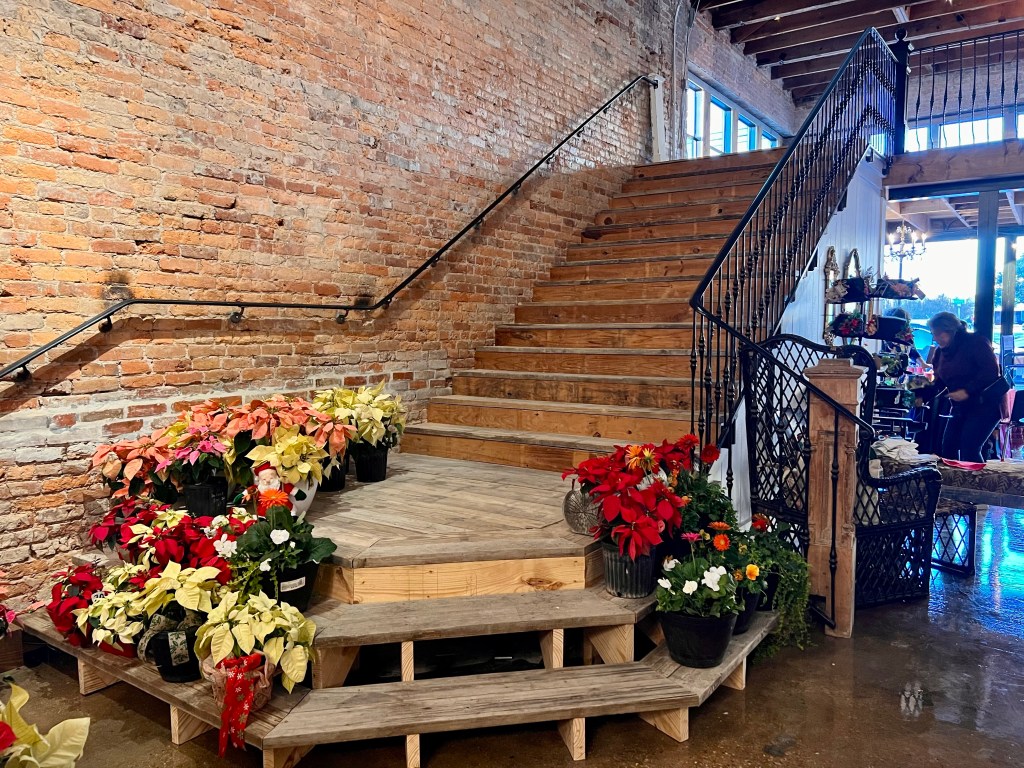
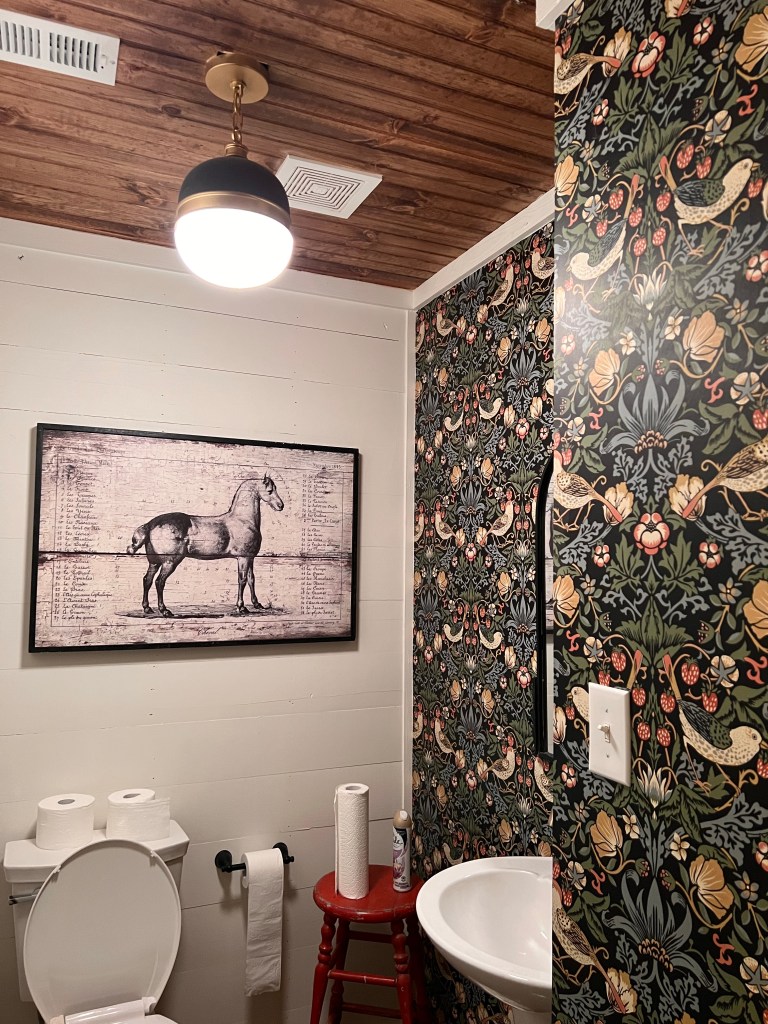
It was just a beautiful night, and the Venue looks so beautiful! I’m so proud of the work everyone has done on this project. I admit one team member is my kid. The new staircase is awesome and the new bathroom wallpaper made me so happy. What a great project the team has completed!
Just so good I got a poinsettia, too. Bathroom beautySuch a shiny old floor
Sometimes I feel alone and like an actual hermit. But events like this, where everyone is so kind and welcoming, make me feel a part of something. We even tried to recruit our jeweler friend, Mary, to be a Master Naturalist. Community peer pressure! That’s holiday magic, right there.
I got this gorgeous piece of labradorite made into a pendant by Mary. The copper backing is stamped with an “om” stamp. It’s very special.
When we get down on our fellow humans, we need to remember how communities can come together and support each other. I saw so much networking, generosity, and fellowship tonight that I couldn’t stop smiling.
So much smiling! And sweets!
That, too, was a holiday miracle. Now enjoy some friends and vendors who made Cameron, Texas magical tonight.
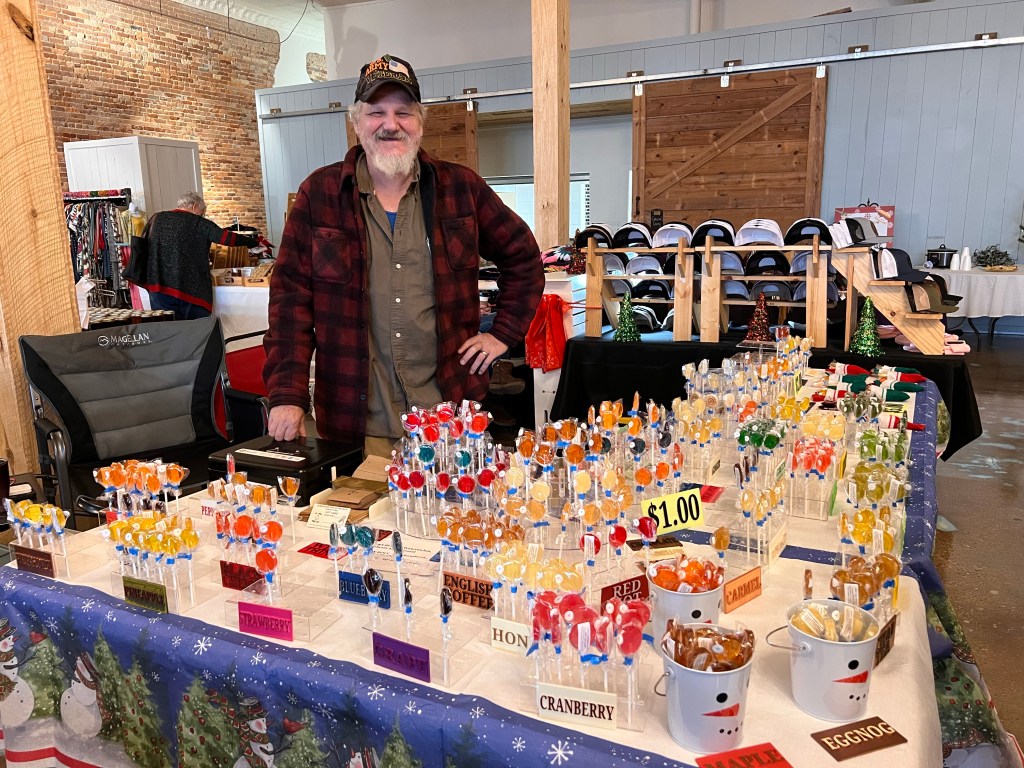
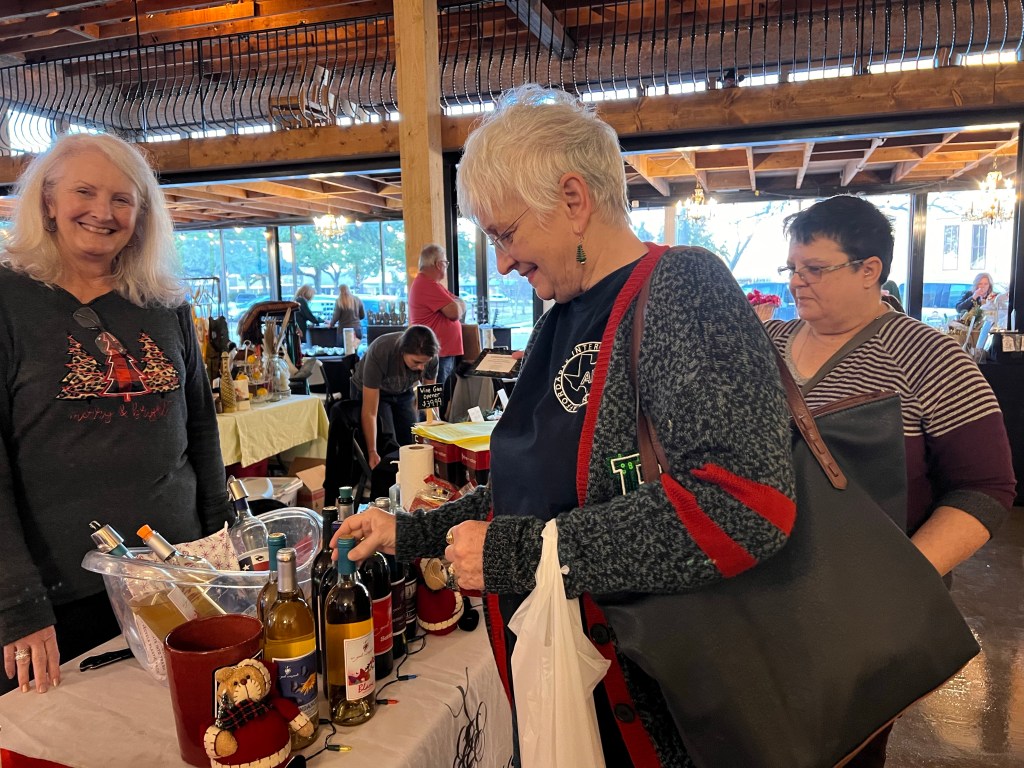
I own many of Wolf’s lollipop. Everything looks prettier in this setting!Love the rosesManley’s canned goodsSo cutePhyllis tried the wine while Lori passed out cards from her designated driver serviceCool stuff made from wine bottles I want this in front of the tack room.
It feels weird to do normal fun stuff like go to a Christmas party (that’s what they call them here, since it’s pretty mono-cultural).
It appears I remember fun
I’m tired, though. I now have energy again, so I want do DO things, but I still don’t have stamina. Just running Drew through a couple of practice obstacles and setting up the trailer for a horse show tomorrow had my heart pounding. Oops.
I may have to walk all my events tomorrow. But I’ll give it a try. I’ll think positive.
Or I could just crawl into my hole and rest, like Goldie.
Today was crazy at work because so many people asked me questions. They keep finding me on the intranet and contacting me. I even answered a question from a woman on another part of Dell on software I had never seen. Dang I’m a good trainer!
But it makes me want to hide, like Carlton.
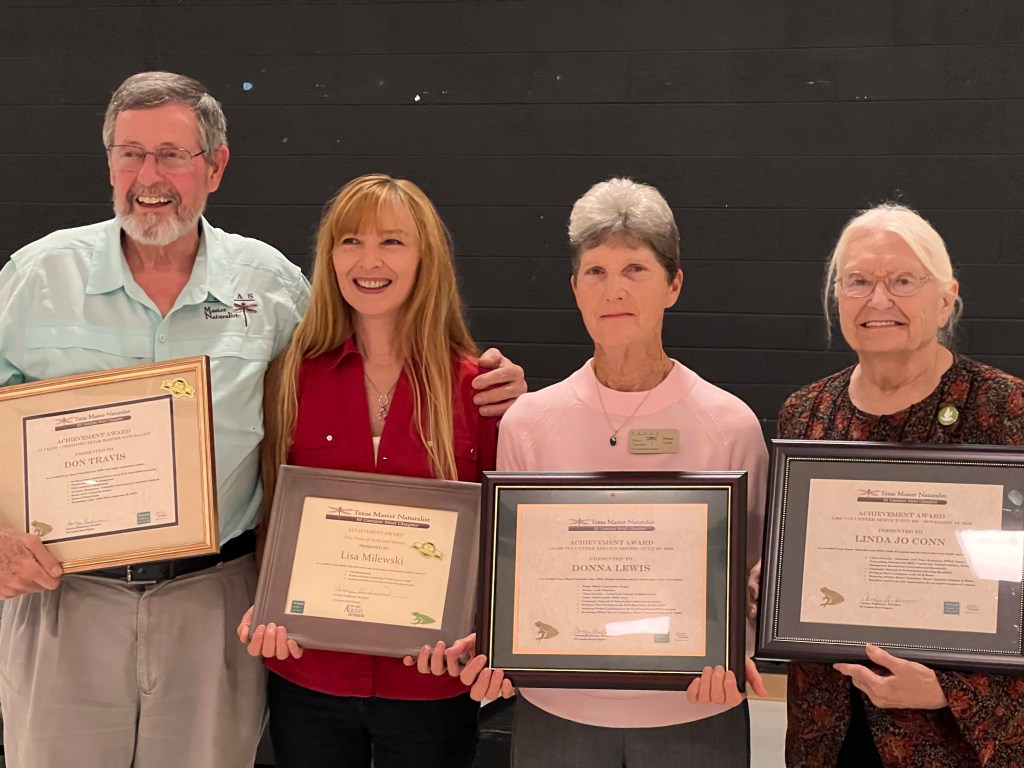
The evening was nice, and it featured our Master Naturalist party, as mentioned above. It warmed my heart to see two women I admire get volunteer hour achievement awards, and some other hard-working volunteers receive recognition from the group. Our chapter president has had some great ideas, including these recognitions.
My friends Don, Lisa, Donna, and Linda Jo. Super volunteers.
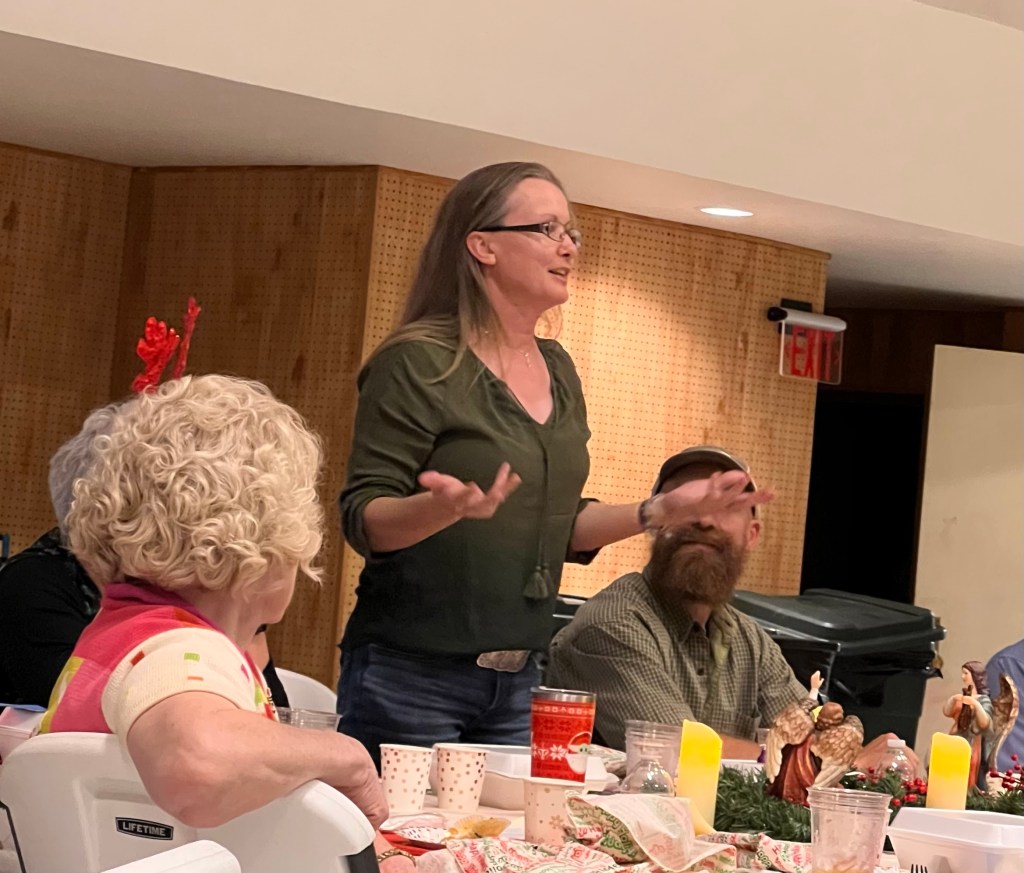
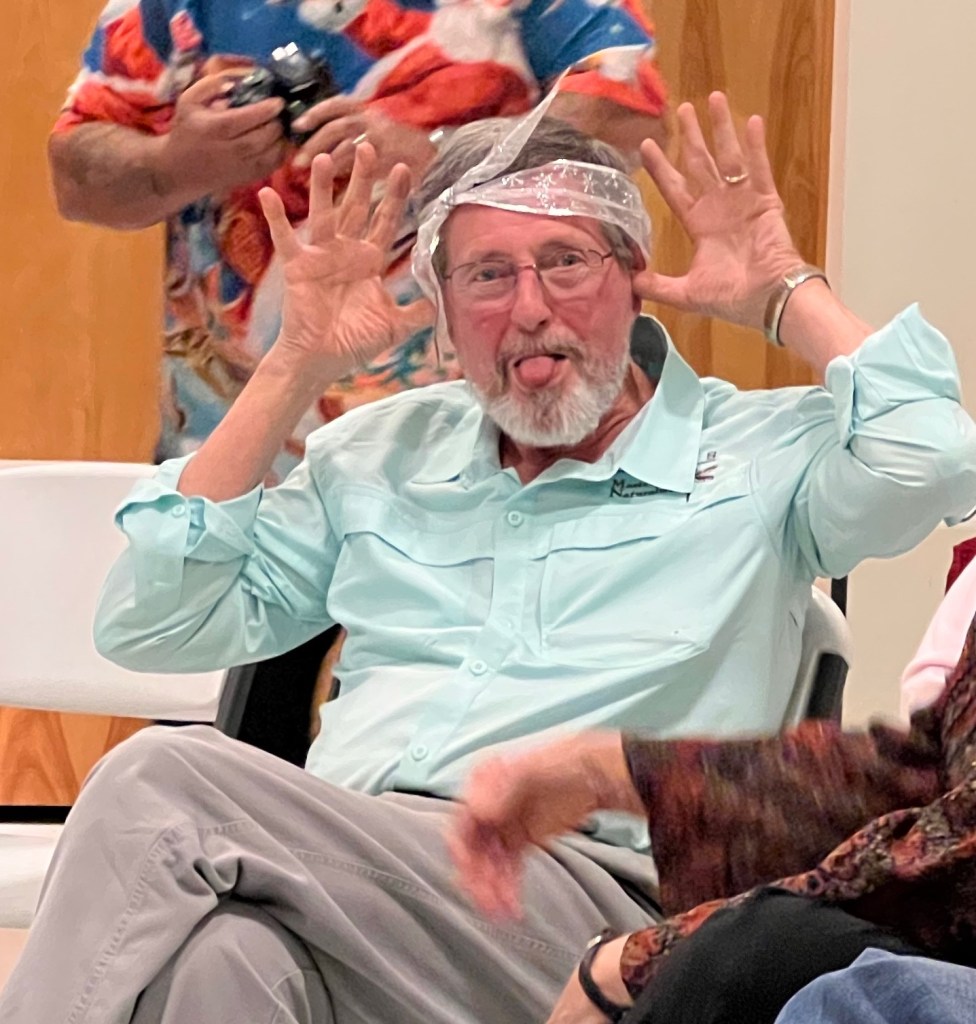
I’m a bit of an outsider, but that did not stop me from enjoying the warm community of these nature lovers. Watching them interact was so much fun. I’m glad I have this connection to my rural county and that I’ve made kind friends there. Here are many of them making gestures.
Jackie and Pamela hiding in the kitchenDonna telling a storyCindy had on special horse earrings Linda Jo gesticulating Marian telling a snake storyCathy thanking people Cathy’s wonderful sister has been helping us and got an awardThe gift exchange got wild
And yeah. I enjoyed wearing clothing that wasn’t horse stuff. I’ll put those on tomorrow!
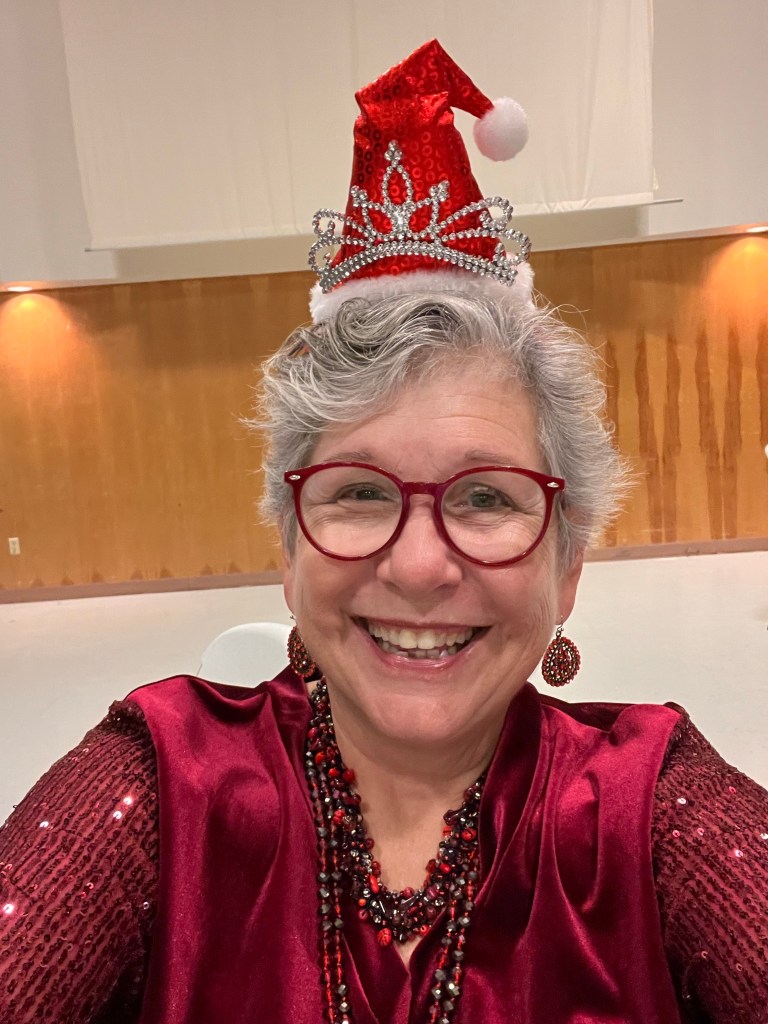
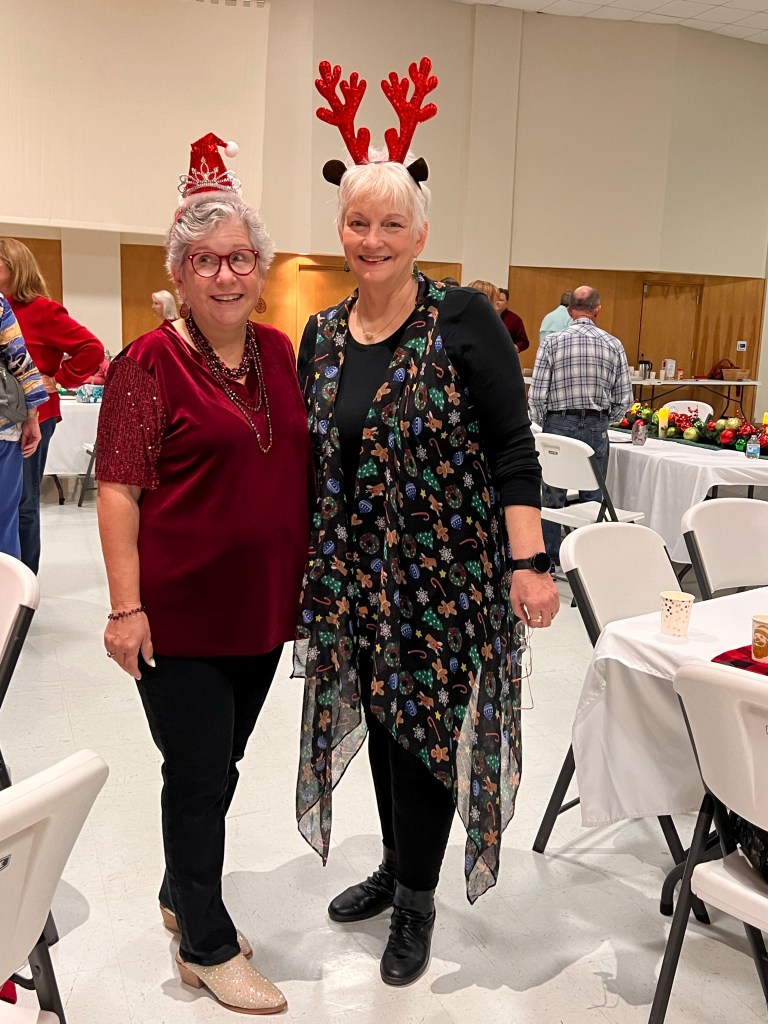
Phyllis and I put on headgear to complement our ensembles
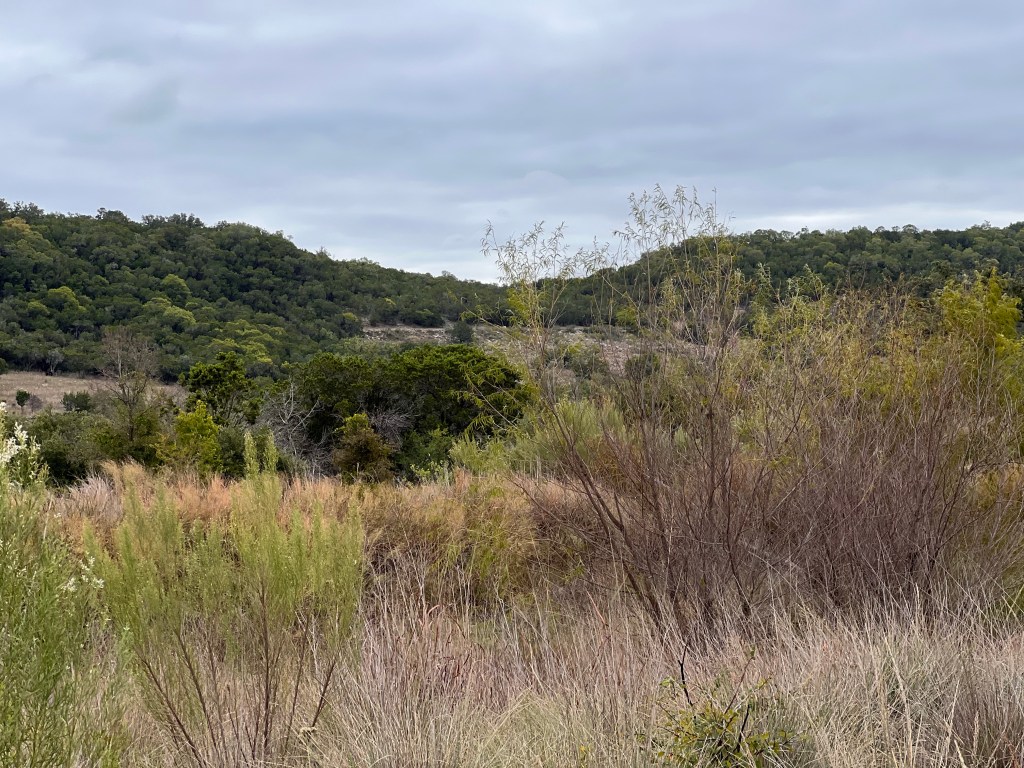
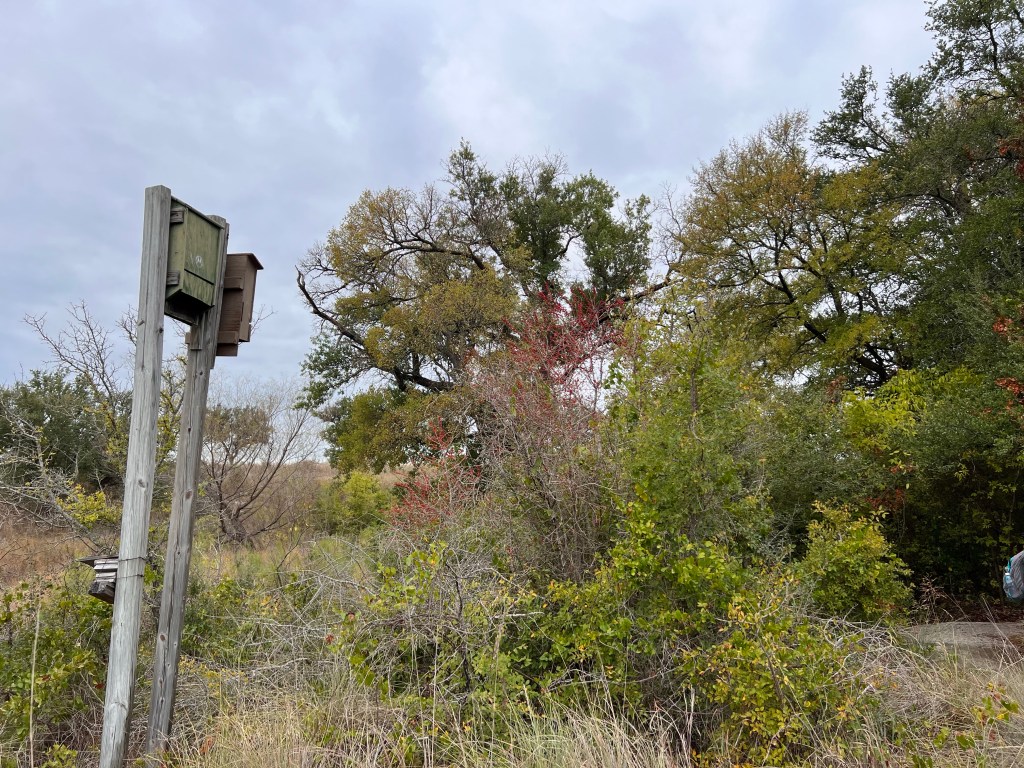
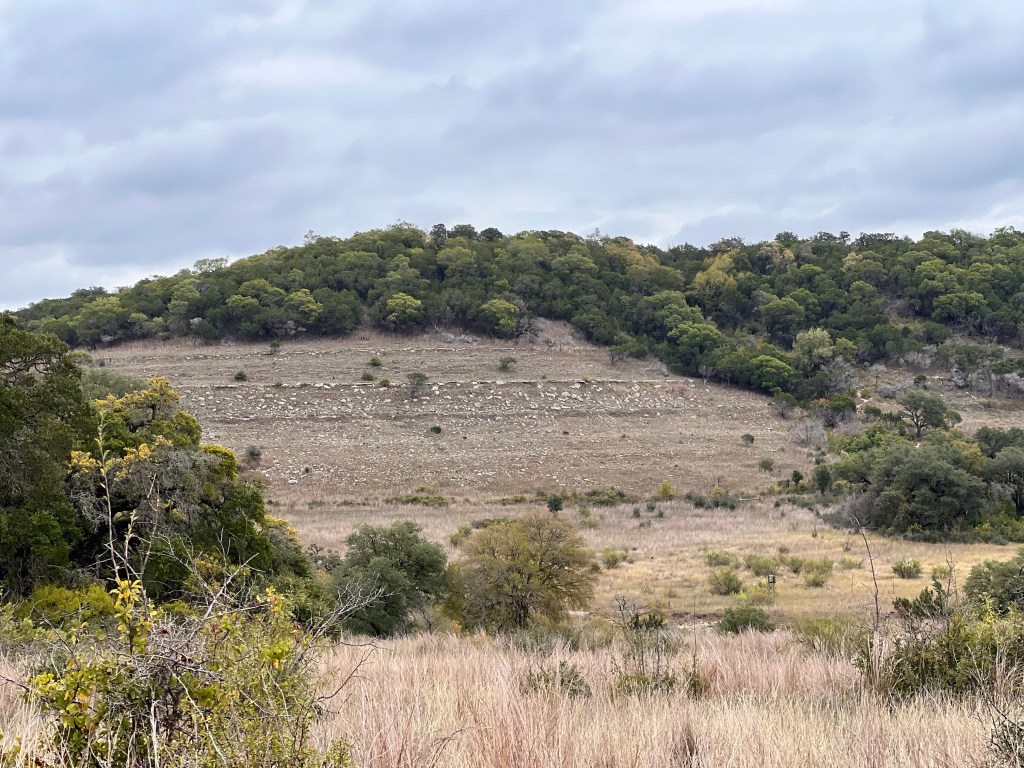
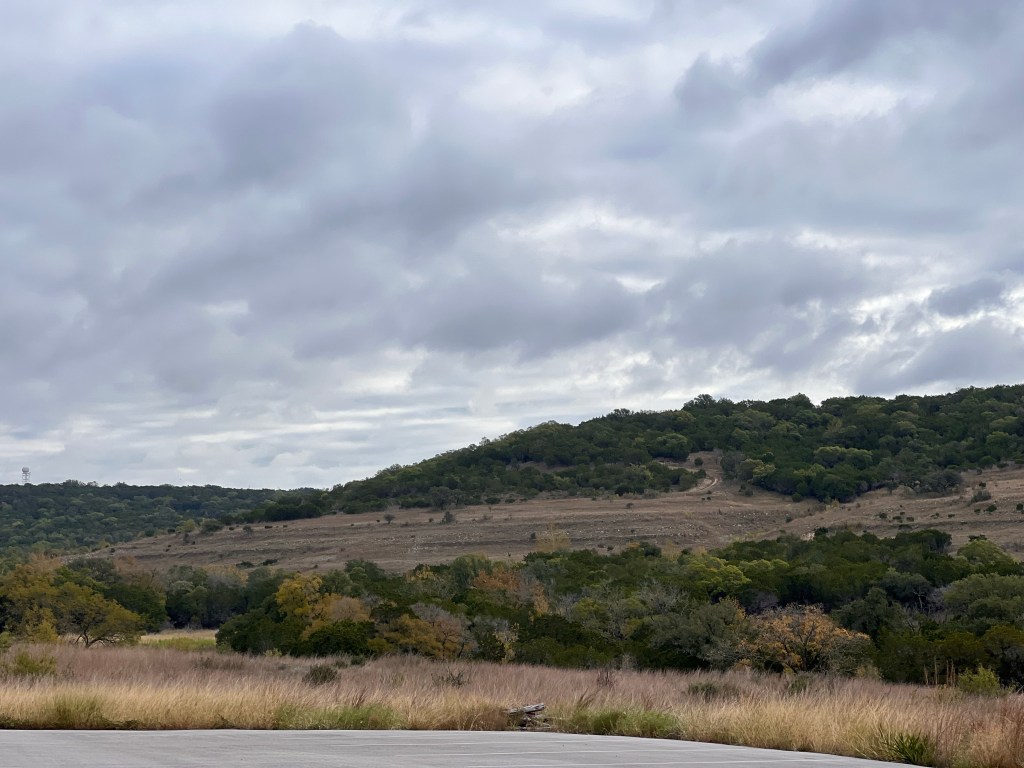
Today I got up early. I’m getting good at early weekend mornings. I met some of the Master Naturalist chapter in downtown Cameron and we carpooled off to a genuine field trip, like in the old days! We went to the Balcones Canyonland National Wildlife refuge. It’s a place I’ve driven by many times but never stopped at before. So glad we went there!
It’s there to protect the endangered golden cheeked warbler (who is out of town right now). It’s huge, which is good because suburbs are creeping toward it rapidly. There’s not gonna be much nature within a big radius of Austin soon.
Nature
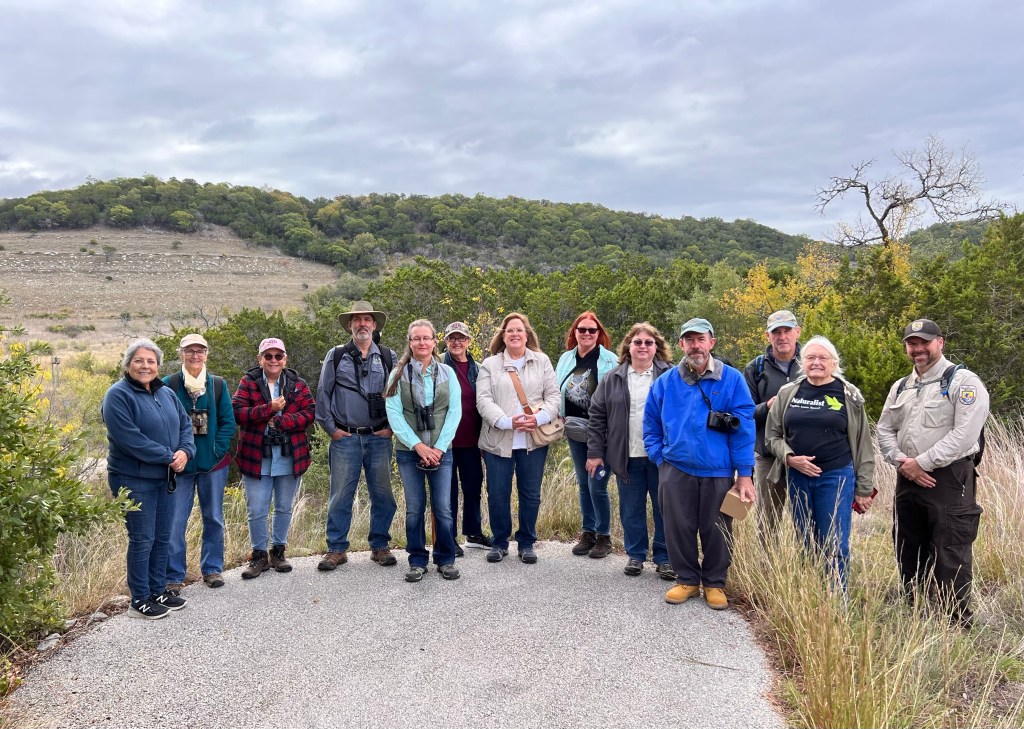
We had lots of fun on a good walk with Chris Harper, an old friend of our chapter, who now works at the refuge. We learned lots about the flora and fauna of the area, which is like where I used to live in Brushy Creek.
Our intrepid group
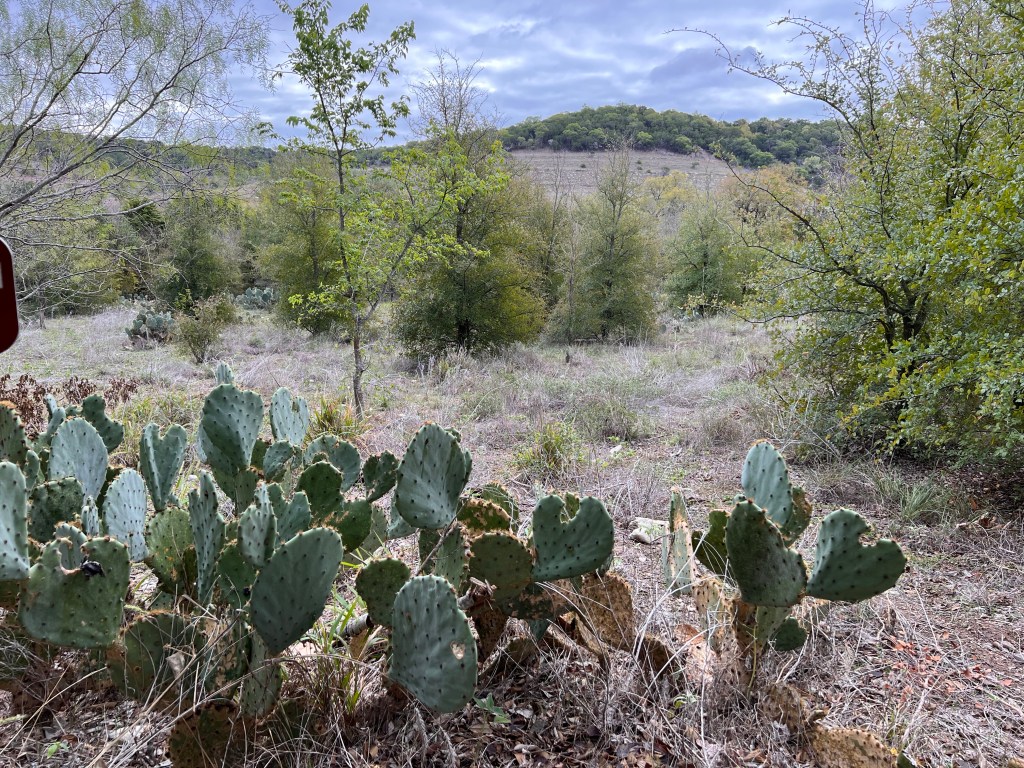
I enjoyed finding new plants, even though most were past their prime. Still, there’s much beauty in a Hill Country autumn. Here is just a sampling of what we saw. It’s such a beautiful place, with a creek, meadows, and limestone hills.
Creek
I also took a lot of pictures of plants of course. I just love the unusual plants that grow in this area. The karst and limestone make for interesting flowers, not just Ashe juniper that you usually see.
It’s what the golden cheeked warbler nests in. It’s not totally bad! They make nests from the “cedar” bark.
Anyway, it was fun guessing what the dried up flowers were when in full bloom. The liatris, a vivid purple in bloom, is now pale and whiteish. It’s still pretty.
I found one still blooming Most looked like this
You don’t need to reading me analyzing each plant. But here are some.
See. I didn’t even label them all! But I enjoyed it. If you want to know you can always go to iNaturalist and search for sunasak.
To be honest, I’m in pain. From somehow wrenching my diaphragm muscle yesterday slipping on horse poop while running after the doofuses yesterday. So. Time to rest.
Although I’m quite excited about migrating snout butterflies (hundreds) and sandhill cranes (dozens), I’ll share more that I learned last Saturday for now.
Insect Photography, by Mary Ann Melton
Insects are what I take photos of most, after plants. I enjoyed getting ideas from Mary Ann, who happened to be the speaker at our last Chapter Meeting. I was very happy that she gave tips for phone photos as well as camera ones.
Handy hints
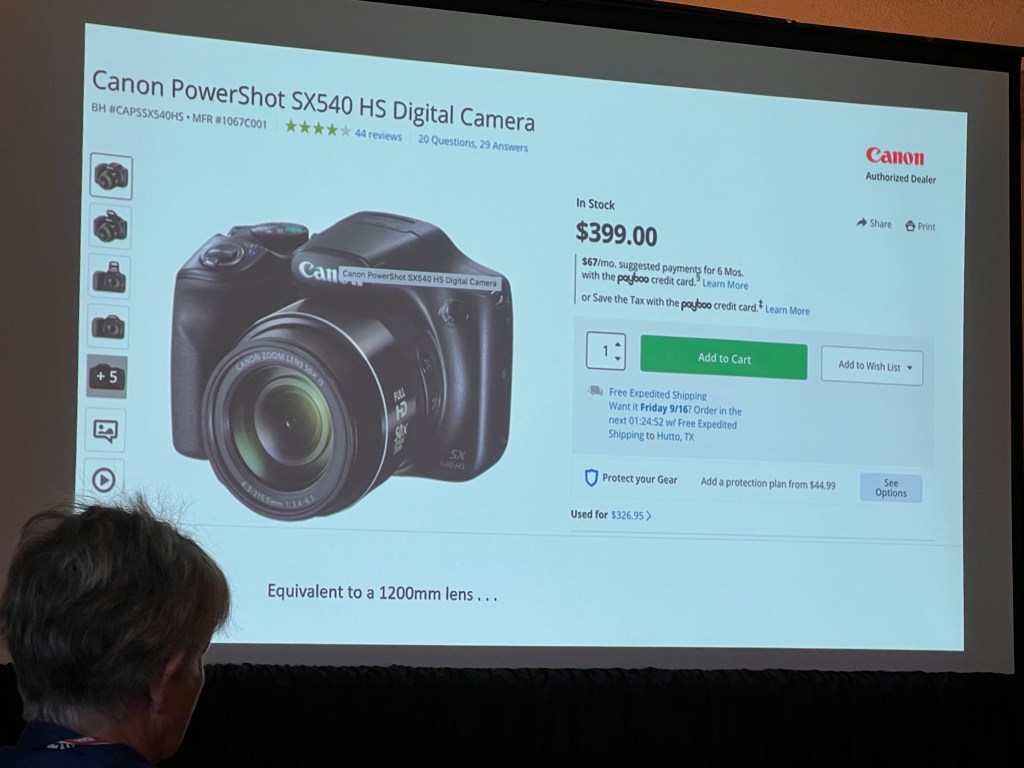
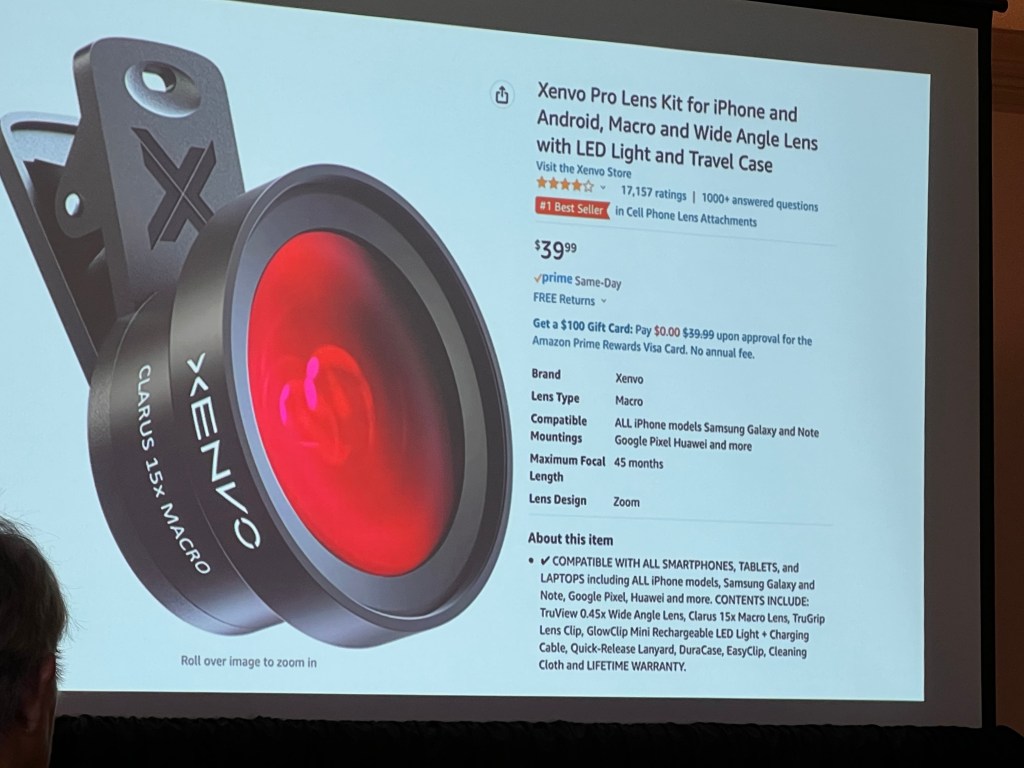
I took photos of some of the ideas she shared, especially for digital cameras, in case I can ever get one. There was also a cool attachment that lets you take better close ups on the phone. Attaching that to the 3x camera on my phone should be fun to try.
This is the closeup attachment
I also just enjoyed her beautiful photos with nice blurry backgrounds so the subjects look better. This was fun.
Here Be Dragons! Odonata 101, by Brent Franklin
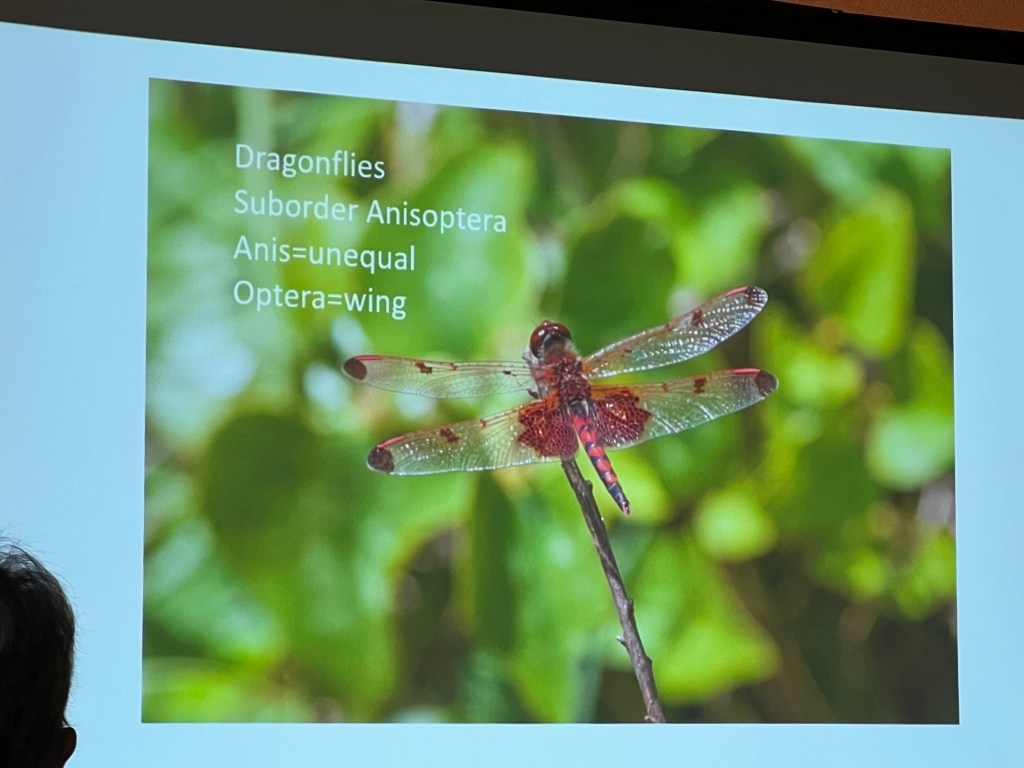
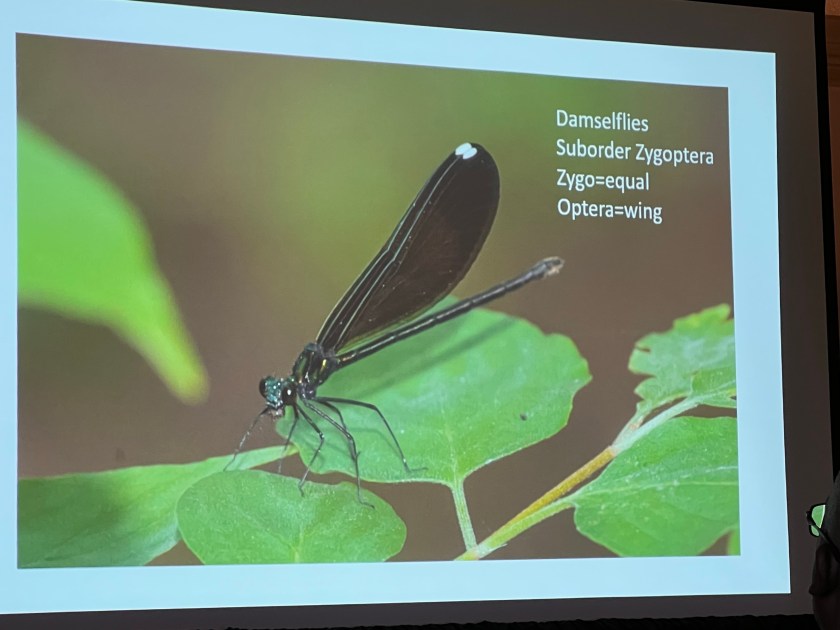
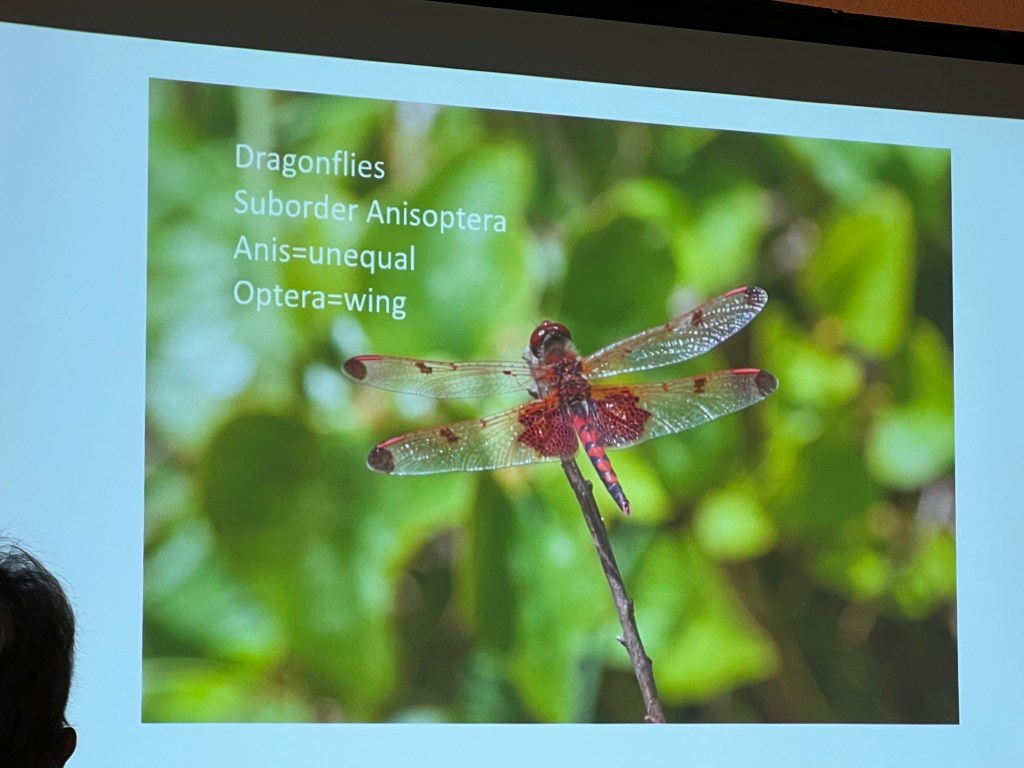
This was probably Brent’s first presentation, since he apologized a lot for its length and content. But it was just fine, and I learned a lot about dragonflies and damselflies, even though I thought I knew a lot. This guy has really seen a LOT of the Texas Odonata and has lots of insights on finding them and observing them.
He had some fantastic photos of various dragonflies, too. I learned more about their mating behavior (the male clamps on to the female behind her head and flies her around until they find a good egg-laying place) and life when young. I don’t think I’d realized how long they can live in the water before emerging into the air. It can be years!
There’s just so much going on with these guys. Did you know dragonfly eyes take up almost their whole head, while damselfly eyes are on stalks on the sides of their heads? Yep.
Sticking their back ends straight up is called obelisking. That’s a new word for me.
iNaturalist 301: Advanced Applications and Exploring Data in iNaturalist, by Tania Homayoun
I always feel like it’s not a good conference if I don’t go to a session by Tania. I think I’ve gone on a field trip with her or heard her speak at every conference I attended. I’m such a rogue iNat user that I don’t think she’s too impressed by me, but I’m impressed by her! This session didn’t disappoint, as I learned some new features in iNaturalist and that some features have gone away. I’m glad I was able to draw an area for our ranch before that was removed as an option because people were misusing it or something.
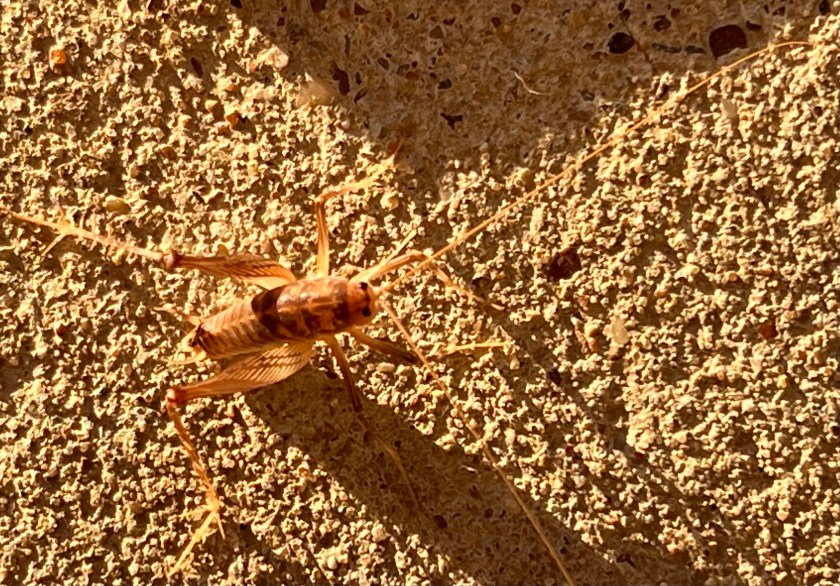
My latest iNat entry taken in glary sunlight. I think it’s a camelback cricket.
Since I’d spent all week uploading things for that Pollinator BioBlitz, it was good to just talk about it and to learn more about the computer application, which really lets you do useful things. I plan to download my ranch observation data soon and do some analysis in Excel.
I was sad to find out that Tania is leaving her position with Texas Nature Trackers, but very happy to discover it’s because she is going to be the State Ornithologist! WOW!
Wrens: Little Birds with Lots of Energy, by Scott Kiester
It turns out that the speaker for this session, the last one I attended, is the guy who drove us to the field trip on Thursday. He had lots and lots and lots of information on wrens, including fun recordings of the songs and “scolding calls” of each type.
This was all news to me. Cool.
Wren fact that blew my mind: there is only ONE kind of wren in the Old World, and they are pretty sure it crossed the Bering Strait and populated that part of the world from North America. There are many kinds of wrens here, though. We went through most of them in two hours, it seemed.
We also learned folk tales. The wren won kingship by hitchhiking on an eagle and jumping off it to become the highest flyer. Tricky bird.
I have a much better clue about wren identification now, and can easily tell you which one is a Bewick’s. By the way, their numbers are diminishing as some other wren takes over, and it’s pronounced like the Buick car. Huh.
The rest of the sessions on Saturday were about who won awards and honoring people with lots of volunteer hours. I sure wish Donna Lewis had been able to come so she could have received her 10,000 hour pin. That is a huge milestone. To compare, I have about 800 hours.
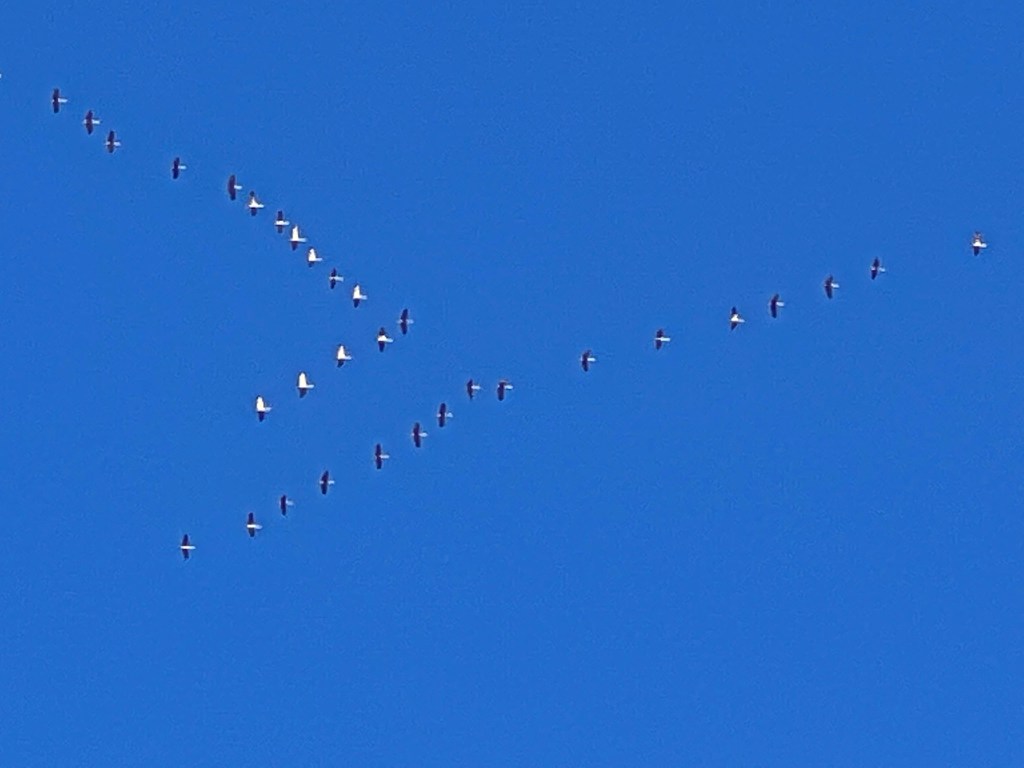
I’m sticking my crane photos and video from yesterday in here, in case you’re interested. Seeing them flying over is always a highlight of the autumn for me. I love the sounds they make.
I promised to write up notes from the sessions I took at the 2022 Annual Meeting of Texas Master Naturalist, but there was a lot of stuff going on the last couple of days. Now I have a moment! First, I will say that this was the best conference I attended so far in terms of the quality of the sessions I attended. They were chock-full of interesting tidbits. It also helped that the Omni Houston has comfortable chairs. I wasn’t squirming the whole time, except in the one session where I had to sit on the floor. Anyway, here are some notes!
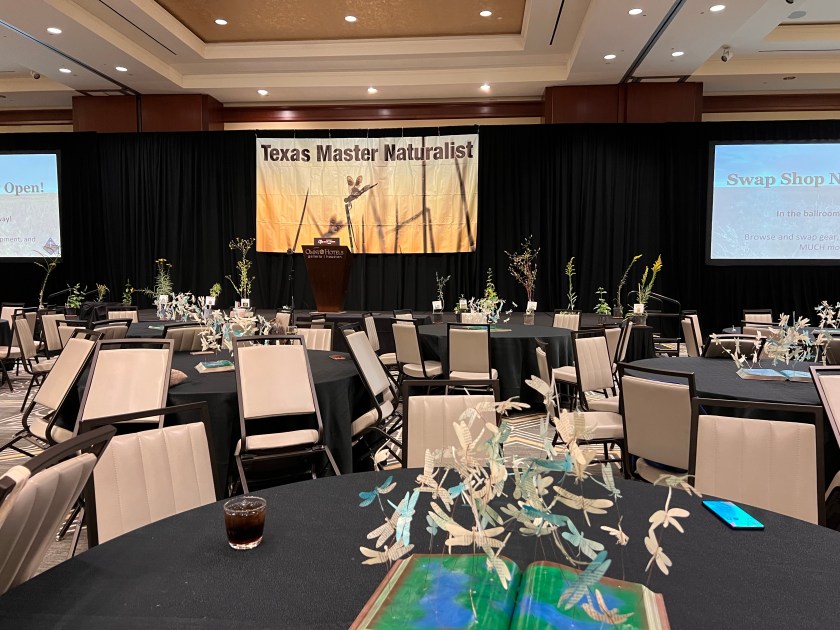
The main meeting room with interesting centerpieces made out of books
Becoming a Land Doctor: Evaluating Land Health, by Megan Clayton
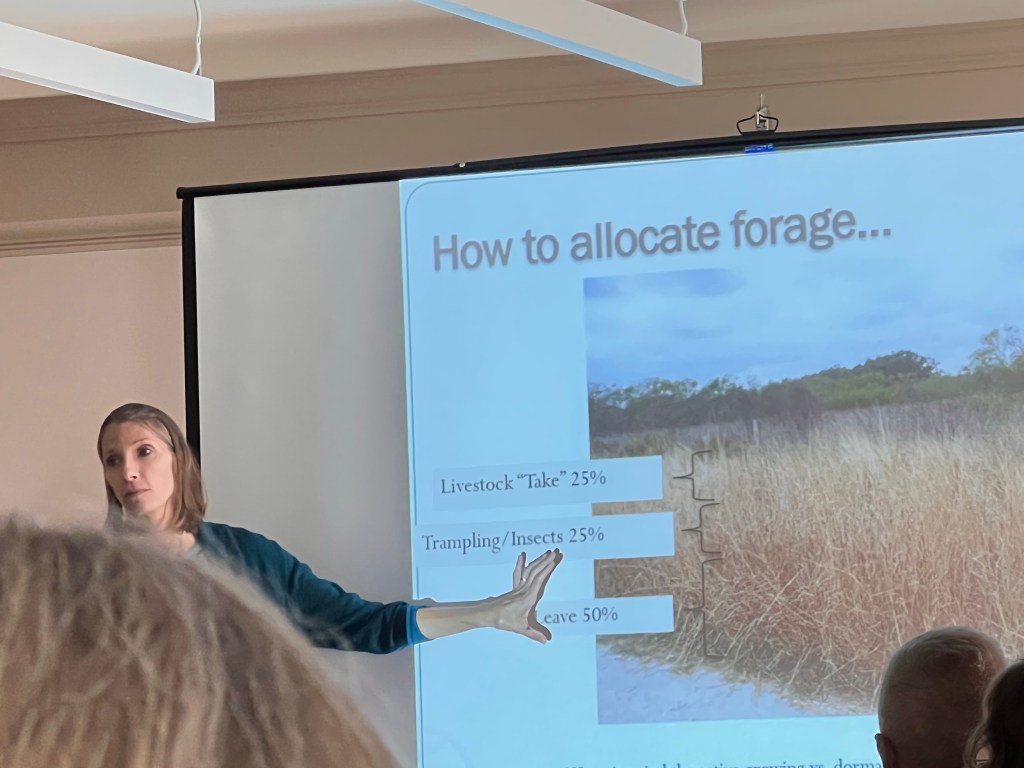
The speaker here had also spoken at the Bennett Trust conference, so it was good to hear her information again. She talked about how to tell if your land was over-grazed, whether it had lost its topsoil, etc. It takes thousands of years to rebuild topsoil if it’s removed.
Grass is your friend if you want healthy land! But you need to let it grow back before grazing again. The ideal would be to imitate bison, who showed up, ate, pooped, and trampled once a year, then moved on.
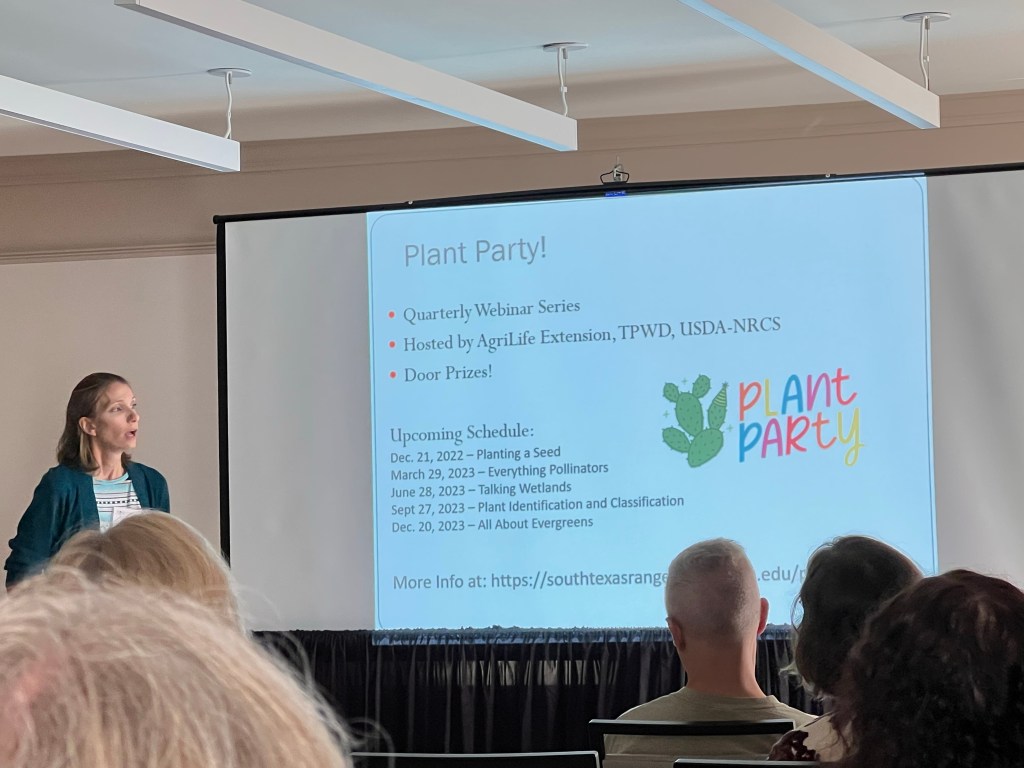
I found out the speaker does these fun webinars that I will try to attend
Fire and Goats: Vegetation Management Using Traditional Techniques in a Novel Setting, by Stephen Benigno
This one was a lot of fun. The speaker is from the Houston Arboretum, and he shared how they used a flock of goats from “Rent a Ruminant” — what a great name. The goats really took care of the underbrush. They just took a week and we’re great at gnawing down dewberries.
This gave me many ideas, so I had questions about fencing and such. Having just a few goats and rotating them sounds good!
He also talked about doing a controlled burn at the arboretum. That required lots of permission and publicity to keep people calm about the smoke. It worked out well but didn’t quite burn as much of the meadow as they wanted. All learning experiences in an urban woods and prairie!
No photos from this session, so here’s a beautiful Polyphemous moth that was on a window at the hotel.
Birding with Today’s Technology: Utilizing eBird, Merlin, and Other Online Resources, by Kelsey Biles
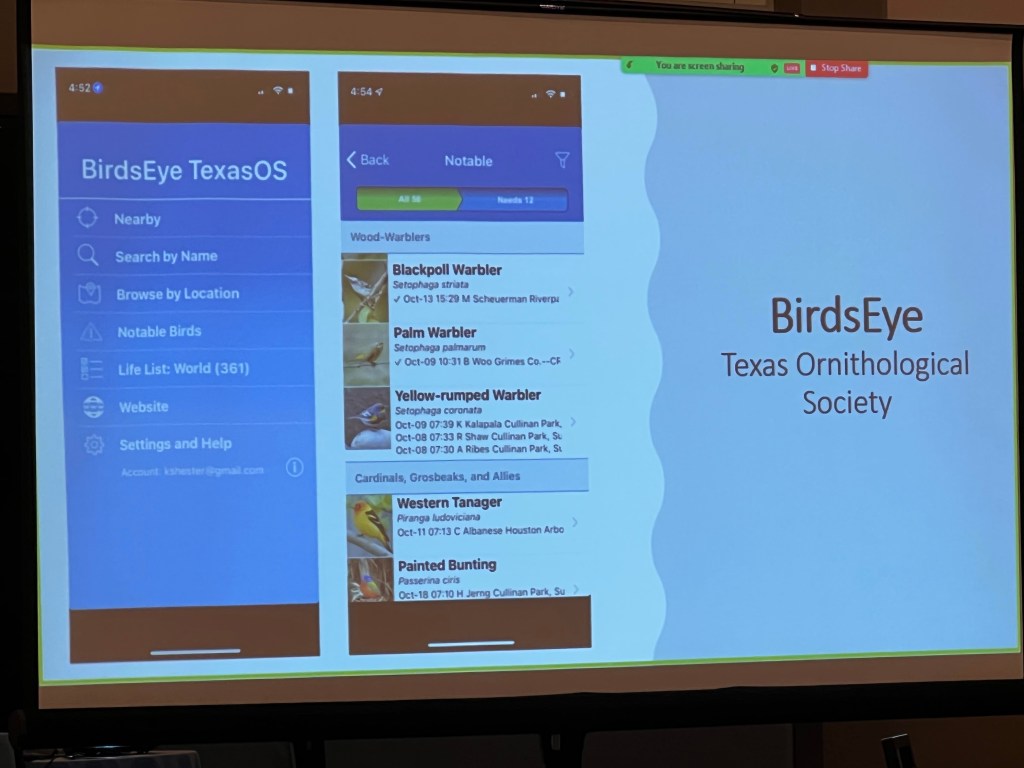
I took this one to learn more about eBird. It was worth it just to learn about how you can ID birds just by sound using it. So, if you don’t know, this is software that lets you identify birds and save your sightings online, all going to science. You don’t need photos, and it’s easier for folks who aren’t great with online image stuff. Many people I know contribute to it daily by just watching their feeders.
One of the resources I learned about
There was a lot to learn, though, so I was glad to be there. Plus the speaker had a very cute bird skirt on.
Conservation of the Night, by Cindy Luongo-Cassidy of the Dark Sky Network
This was the lunch speaker. She got us all fired up about eliminating light pollution and keeping the dark sky available for people, animals, and plant life. We all need it. I learned how to modify light fixtures to direct light downward rather than outward from simple things you might have on your property.
I feel pretty good about our place. We have a couple of rogue lights, but most of them stay off unless needed, which is a good practice. I don’t want to confuse moths and migrating birds, after all!
Speaking of the dark, we sure enjoyed the darkness of the whiskey bar at the hotel later in the evening.
Feral Hog Biology and Impacts: What We Know and What We Hope to Learn, by Mikayla Killam
This one was pretty depressing to me. It sure is hard to get rid of feral hogs. I did learn a few trapping techniques that aim to get as many hogs as possible into traps, like using funnel feeders and trip wires at the furthest end of the traps.
Of course, hogs are very smart and figure many kinds of traps out, as we know. The speaker recommended that the best way to remove the greatest numbers of these invasive animals all at once is to hire professionals in helicopters to get as many as possible, and to go in with as many neighbors as possible, since hogs don’t know land boundaries. Once that is all done, you can then more easily pick off individuals by trapping or shooting.
I discovered this lovely nest for the hotel’s black swan pair. Cygnet making is preferable to piglet making.
I learned that if you just get some of them, they go into piglet-making overdrive to get their numbers up. There’s a scientific word for it that I forgot.
Living in Harmony with America’s Song Dog, by Karin and Roberto Saucedo
My last educational session for the day was very popular. The presenters are a couple who really love coyotes and have studied them extensively in urban environments. I had to sit on the floor for this one, but it was kinda fun.
We learned how the coyotes interact with human habitation, which is often caused by houses being built around their traditional territories. We saw how they helped some of the coyotes get over mange by putting out medication for them. They knew not to get too friendly with them and showed a sad video they made about a coyote that people kept feeding even when asked not to (and even when they knew game cams were set up that would catch them). Sure enough, being tame was its downfall.
A lot of the coyote stories were sad. But an interesting thing I was reminded of in this talk was that in parts of Texas there is a lot of red wolf blood in them, which makes them a bit larger. I think that is true here, as ours are often quite large and healthy (I don’t see ones with mange out here, but they also are wilder and avoid people and our dogs).
Keynote: Kjell Lindgren, Astronaut
The last talk of the day was the dinner speaker. It started out with some Texas Parks and Wildlife or AgriLife official talking about how cool it was that a Master Naturalist spent time on the space station recently. They showed some photos and a nice message he’d recorded for us about how being a Master Naturalist had helped him in his work. We were all happy with that, but then they surprised us with Kjell, the astronaut, coming onstage and talking to us in person.
Kjell Lindgren
This is one impressive fellow with an MD, a PhD, and a degree from the Air Force Institute or whatever that is in Colorado Springs. And of course, he’s a Boy Scout leader and such. He seems genuinely nice, kind, and humble, too. My favorite part of his talk was all the photos he shared of the earth as seen from the space station. The auroras, the volcanoes, the rivers, etc., were fascinating to look at.
Rivers and farms
I have to say, though, that Friday’s sessions were a LOT of learning all in one day. I’m glad we got to go relax afterward in the lovely bar. The hotel had great restaurants and bars. No complaints about that!
I didn’t get a chance to blog yesterday and I’m pretty wiped out tonight. It’s been a great Master Naturalist conference and I’ve also enjoyed hanging out with friends.
Also the Omni Houston is an extra nice hotel. Best hotel bathrooms ever, plus views from meeting rooms (shown).
I plan to share some of my learning later. Tonight I’ll hit the highlights. Like yesterday, during dinner, when they surprised us with a great talk from the first Master Naturalist in space, Kjell Lindgren. Wow, he’s a real renaissance man and nice, too!
He also shared amazing images from space.
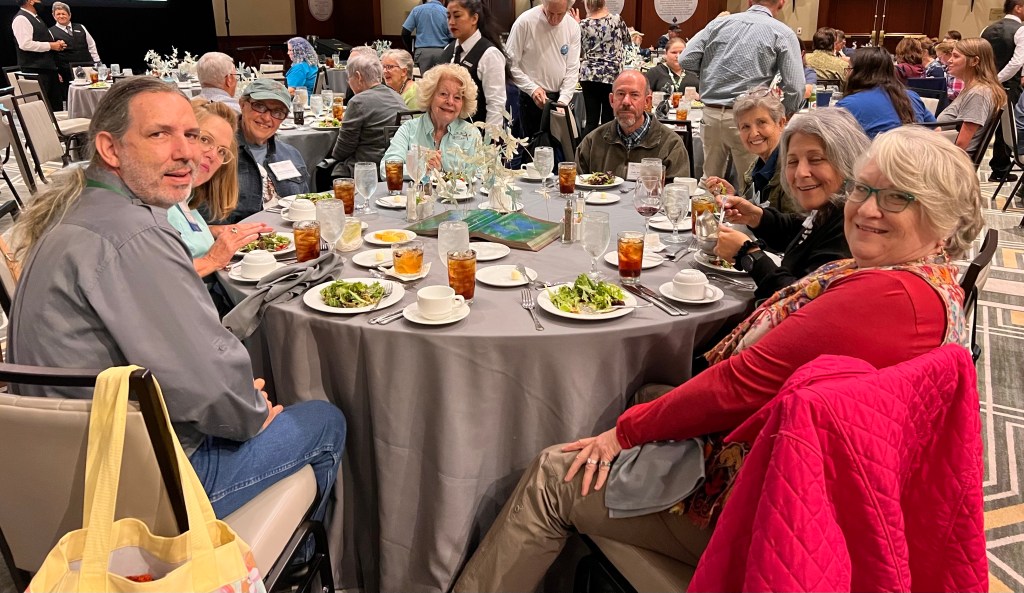
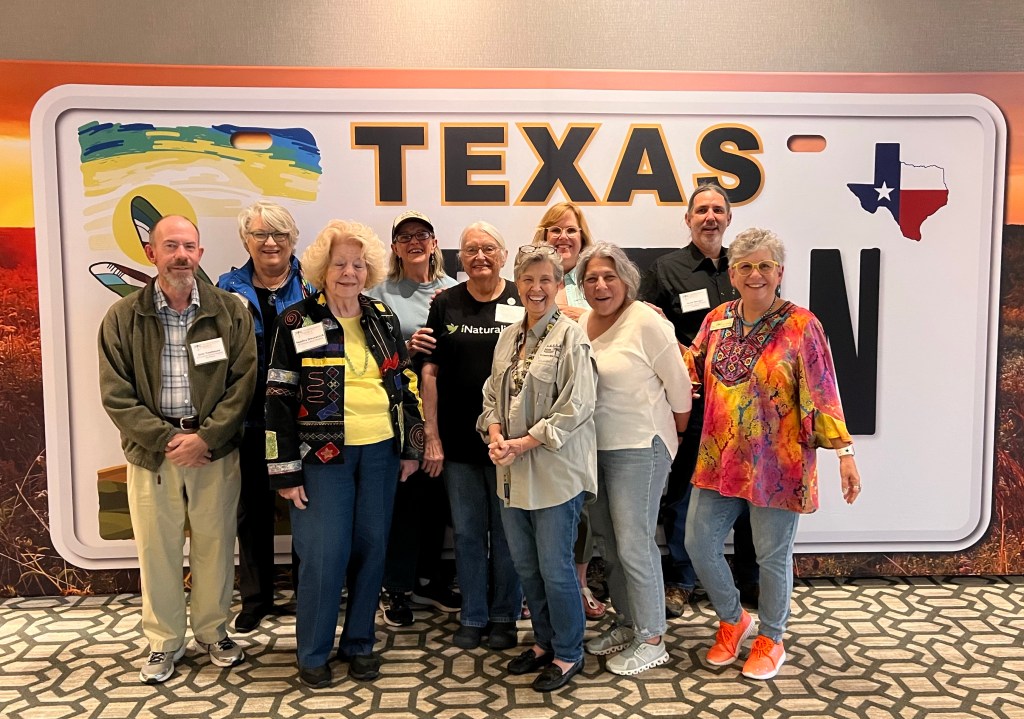
The food has been great, too. And conversation with nine fellow Milam County folks and new friends has been so great. I even got a COVID test, and it was negative! Fun times.
Meal time!
We got goofy a lot, which kept me laughing and nicely broke up intense learning about feral hogs, coyotes, wrens, dragonflies, insect photography and much more.
There, now you learned something. And we settled down long enough to take a picture.
I get renewed by taking a break like this, even when I get worn out. I’m inspired to do more at the ranch and more outreach as well. I learned so many ways to help the planet.
I learned ranch stuff, too.
But mostly. I’ve had fun. And I’m proud of our little chapter.
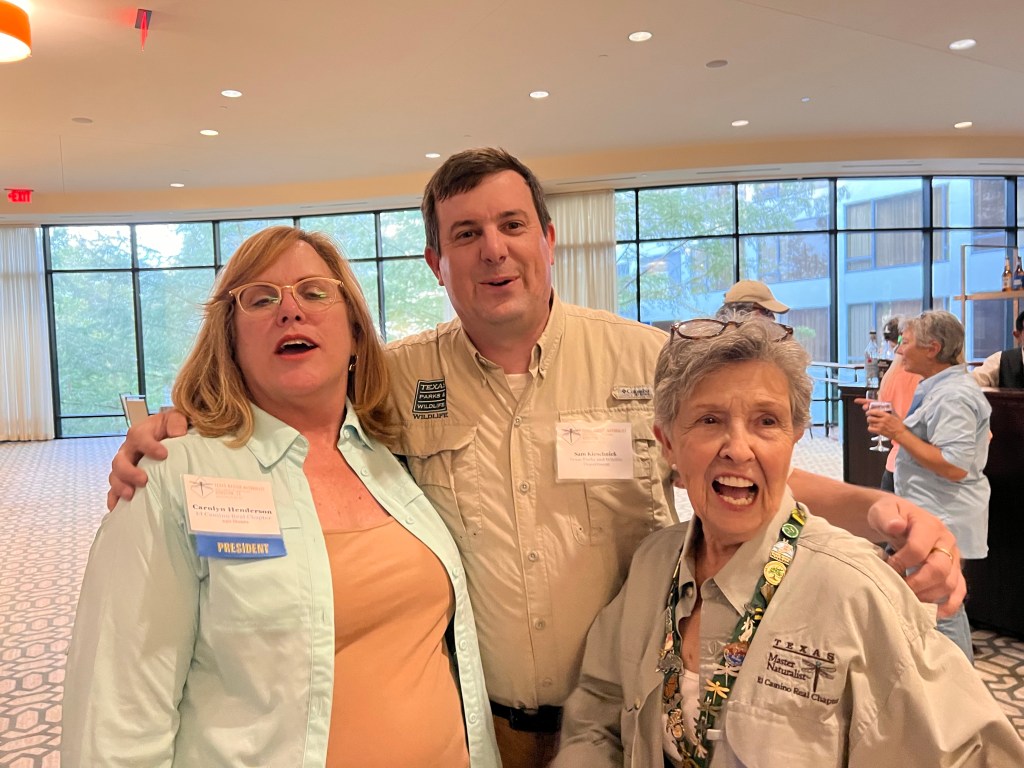
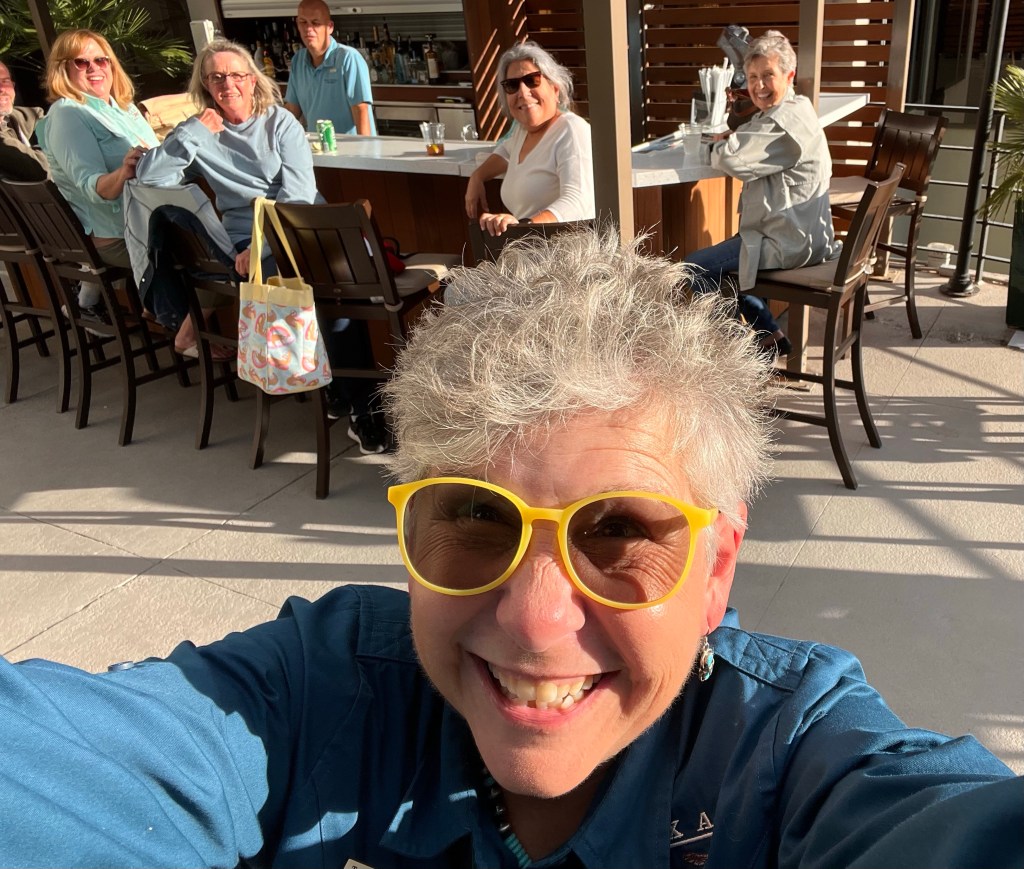
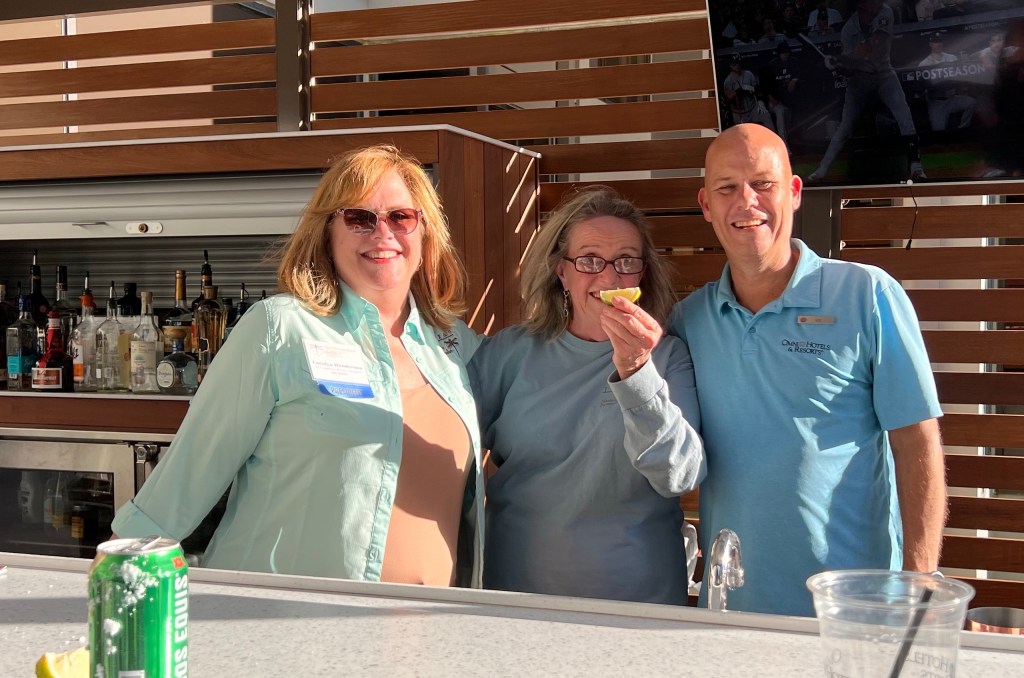
Three of us were honored for 250 hours volunteering Eric got honored for 500 hours (Linda Jo has over 4,000)Sam here was honored, tooHe’s an inspiration to usWe escaped to the pool bar. I love a pool bar. Lo, the bartender, has 5 horses and a mule. We bonded over plump limes.
Yep, we had fun. I’ve missed fun with the Master Naturalist folks.




























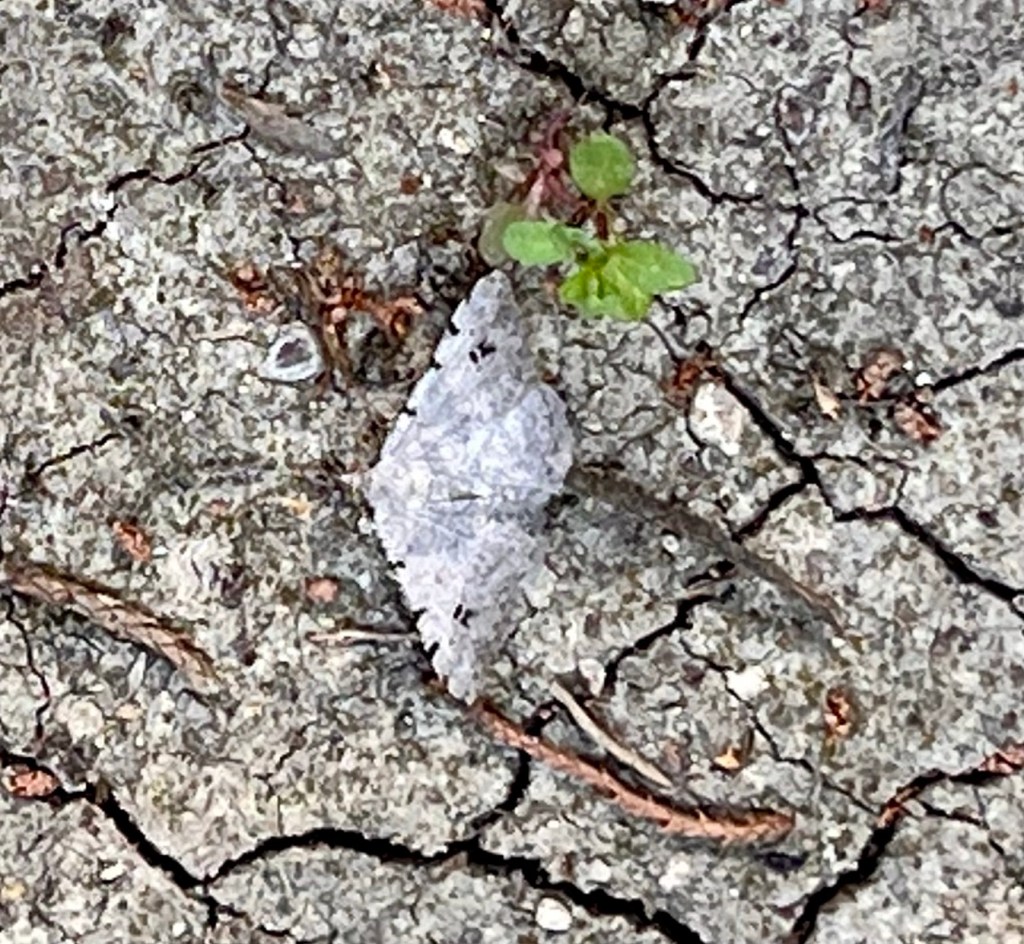
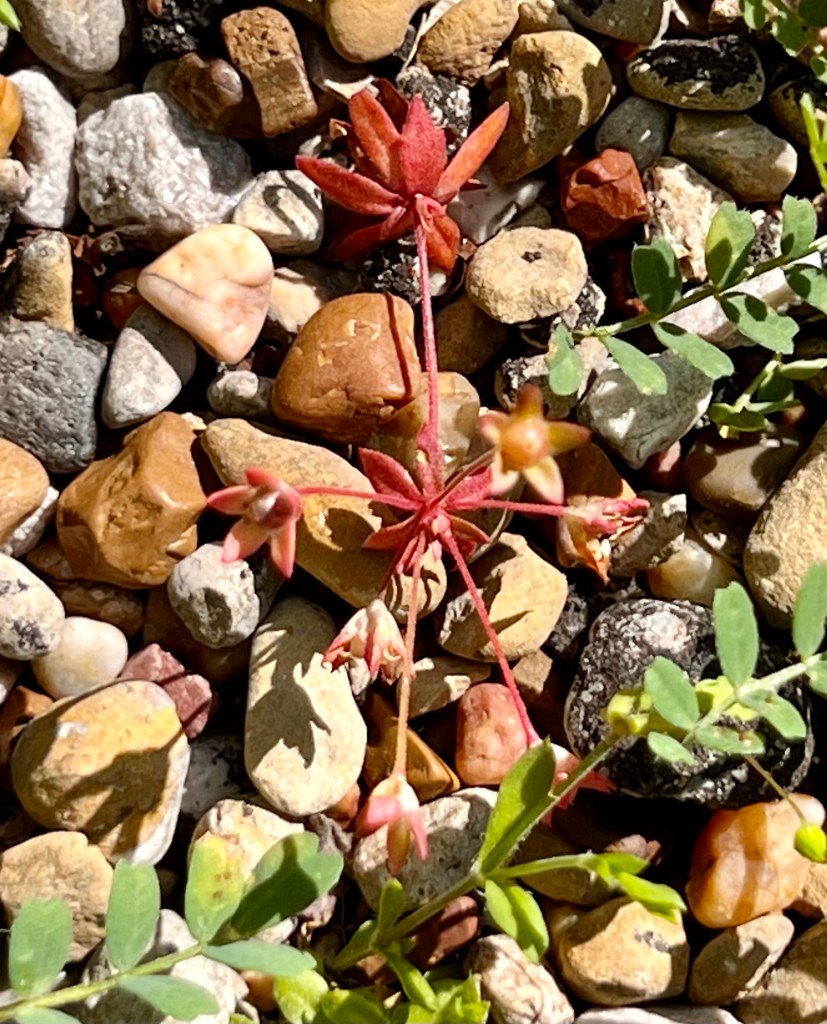


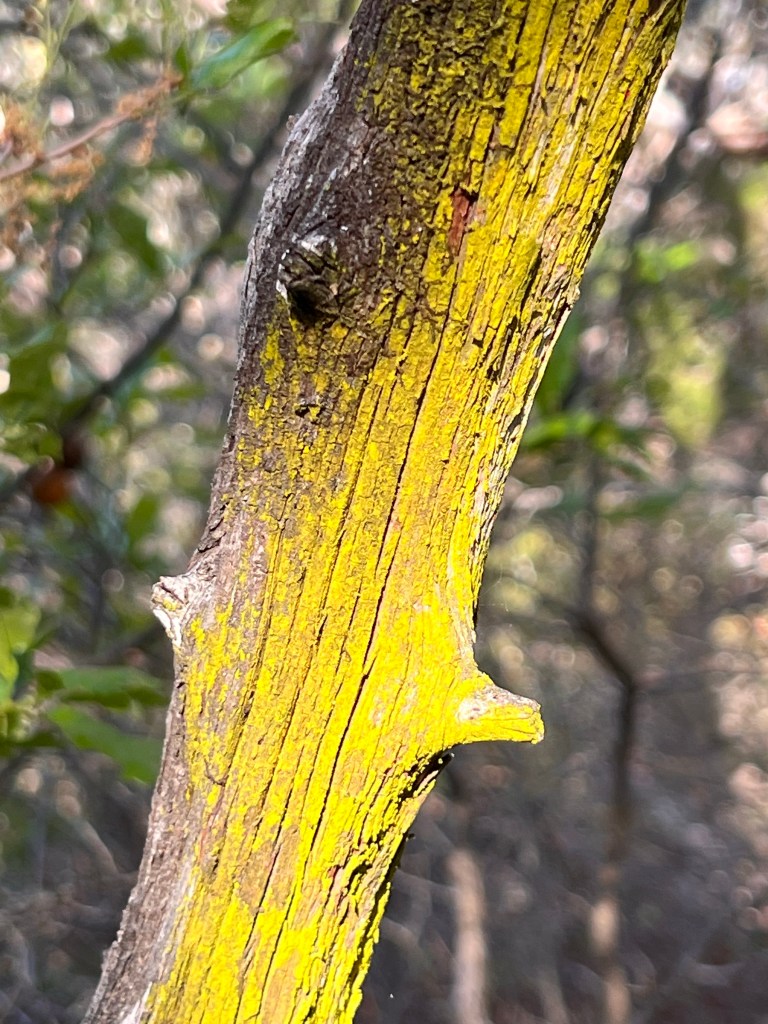


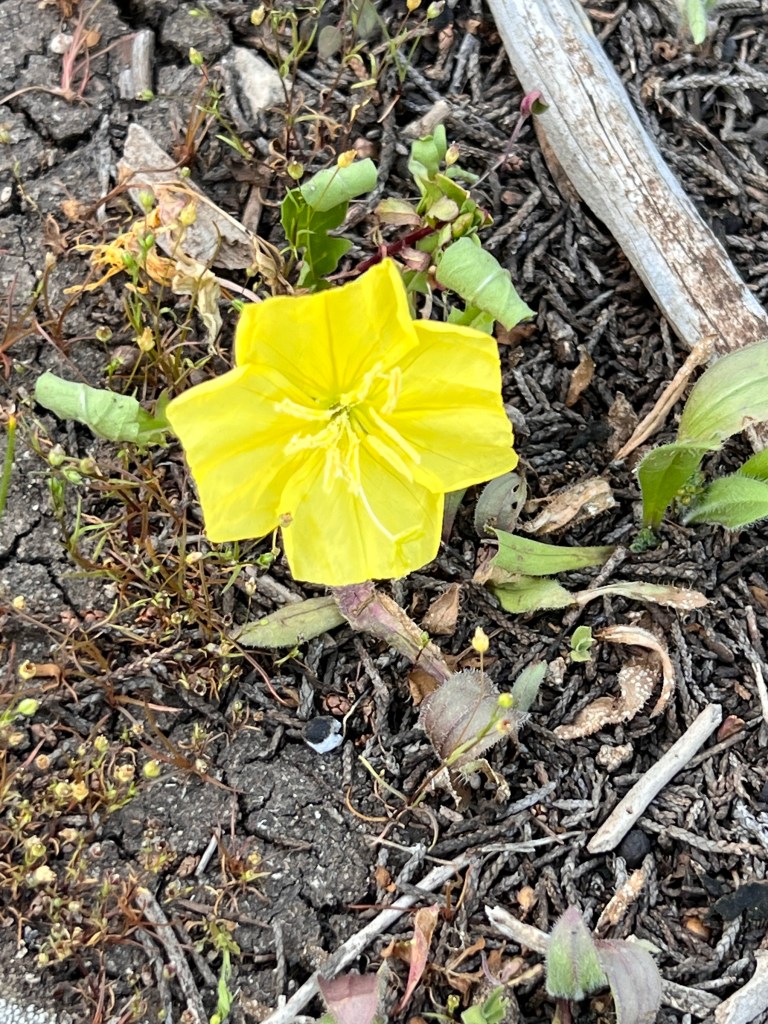








































































 The Hermits' Rest