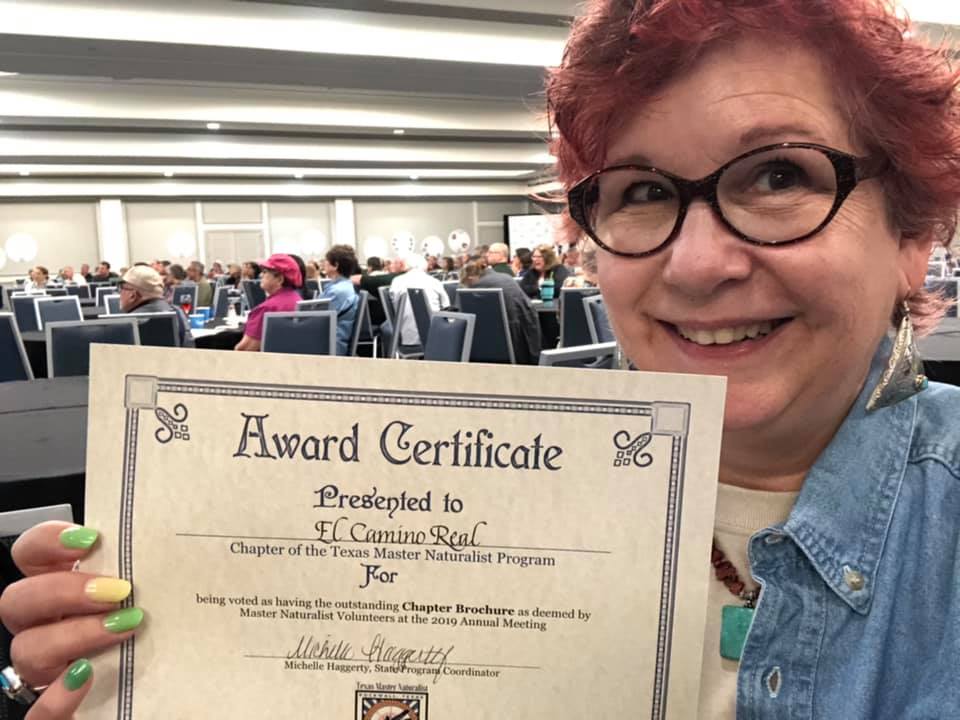
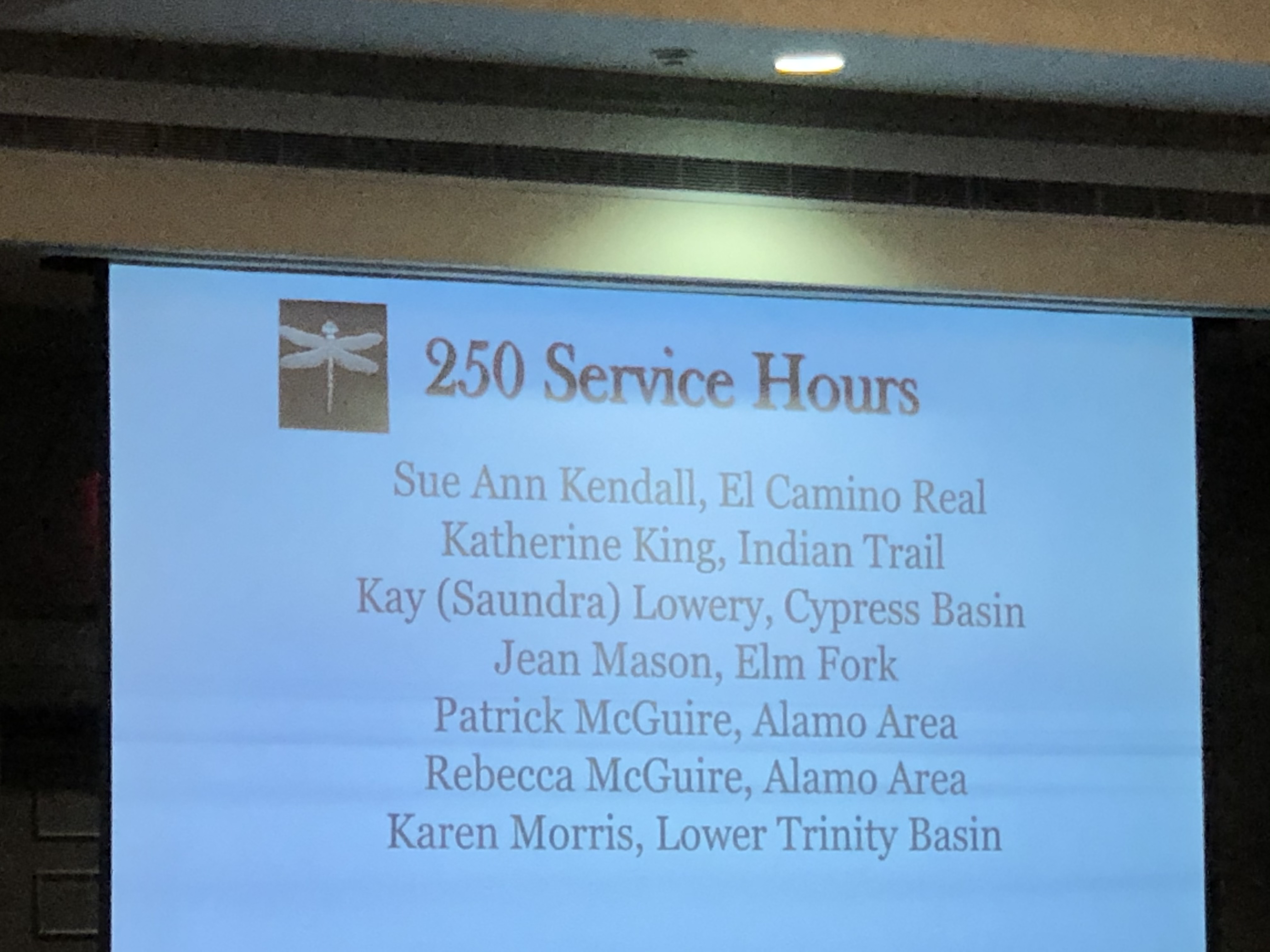
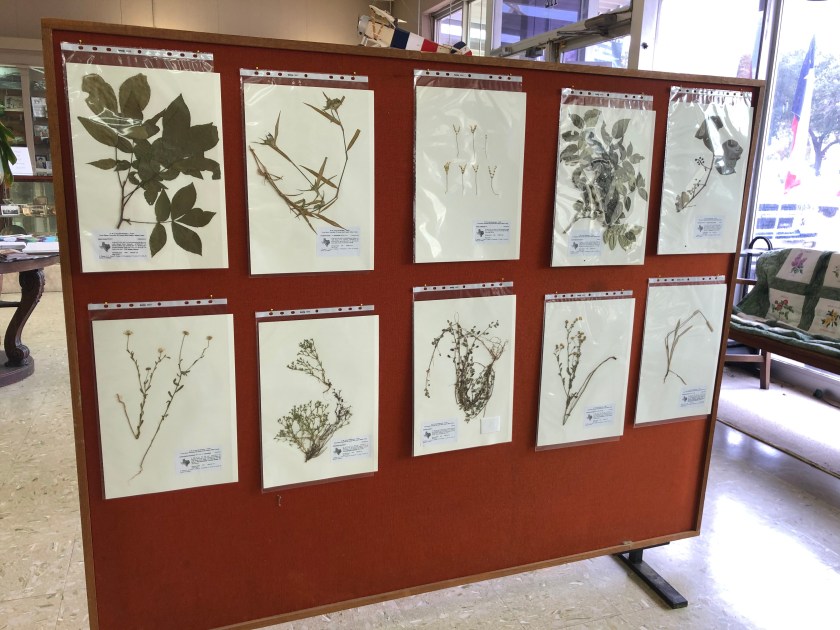
I’m happy to announce that my wallet is smaller, but I have successfully registered for the 2019 Texas Master Naturalist Conference! It’s in mid-October in Rockwall, Texas. I hear it’s a nice setting away from Big City stuff. Or it’s in a resort area. We’ll see.
Why do I say I learned a lesson? Well, last year, when I was a newby at the Master Naturalist conference game, I waited a few days after registration opened to go fill out my forms. I quickly learned that most of the sessions I was excited about attending were full already. I wasn’t about to make that mistake again, so at 10 am on the day registration opened (today) I was in there filling out screen after screen of information just so I could get to the session choices.
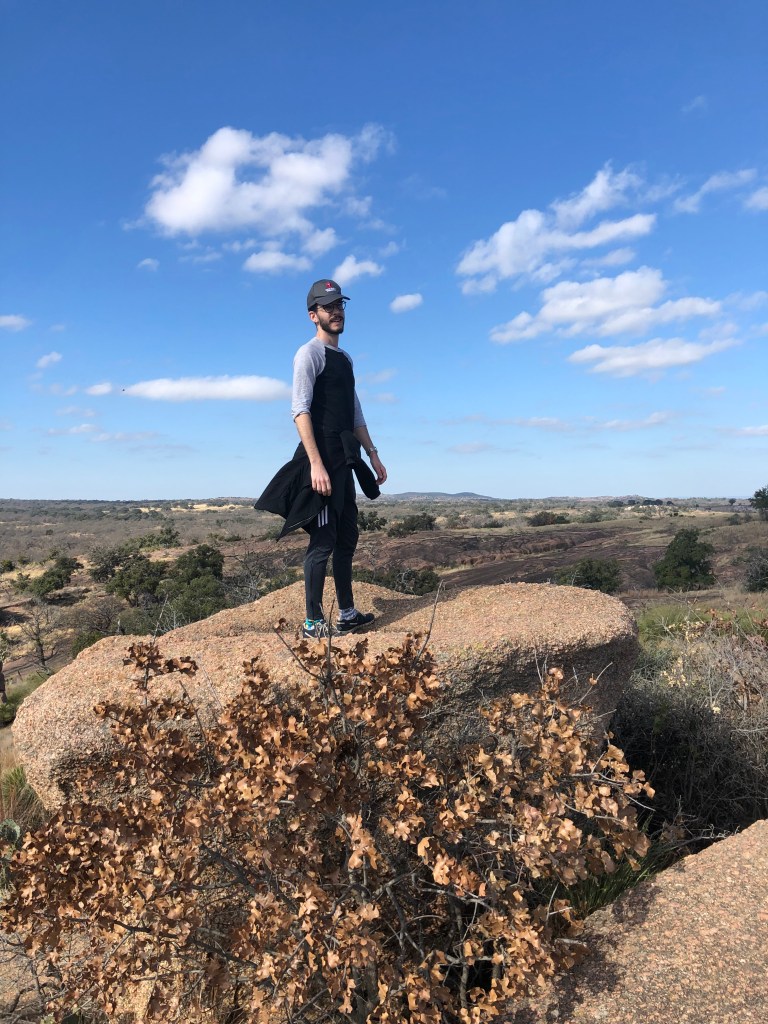
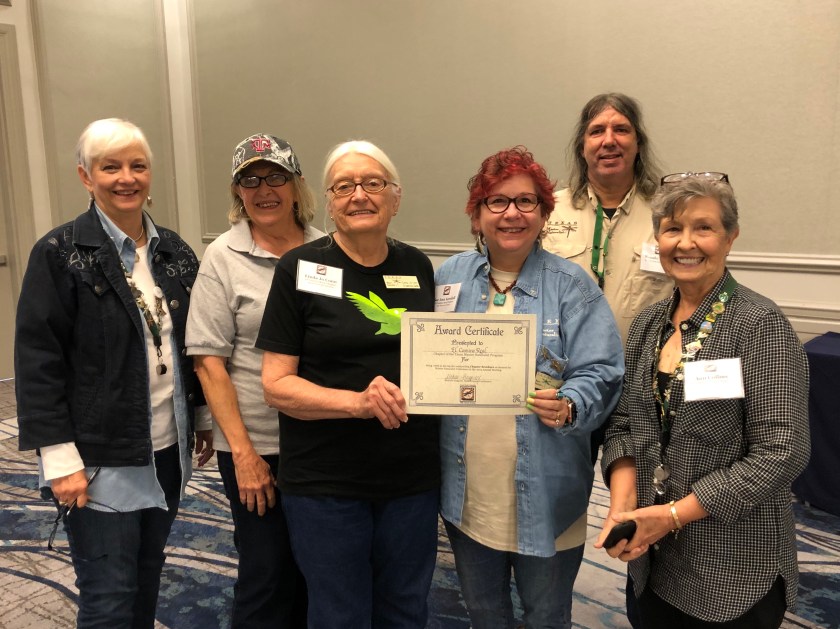
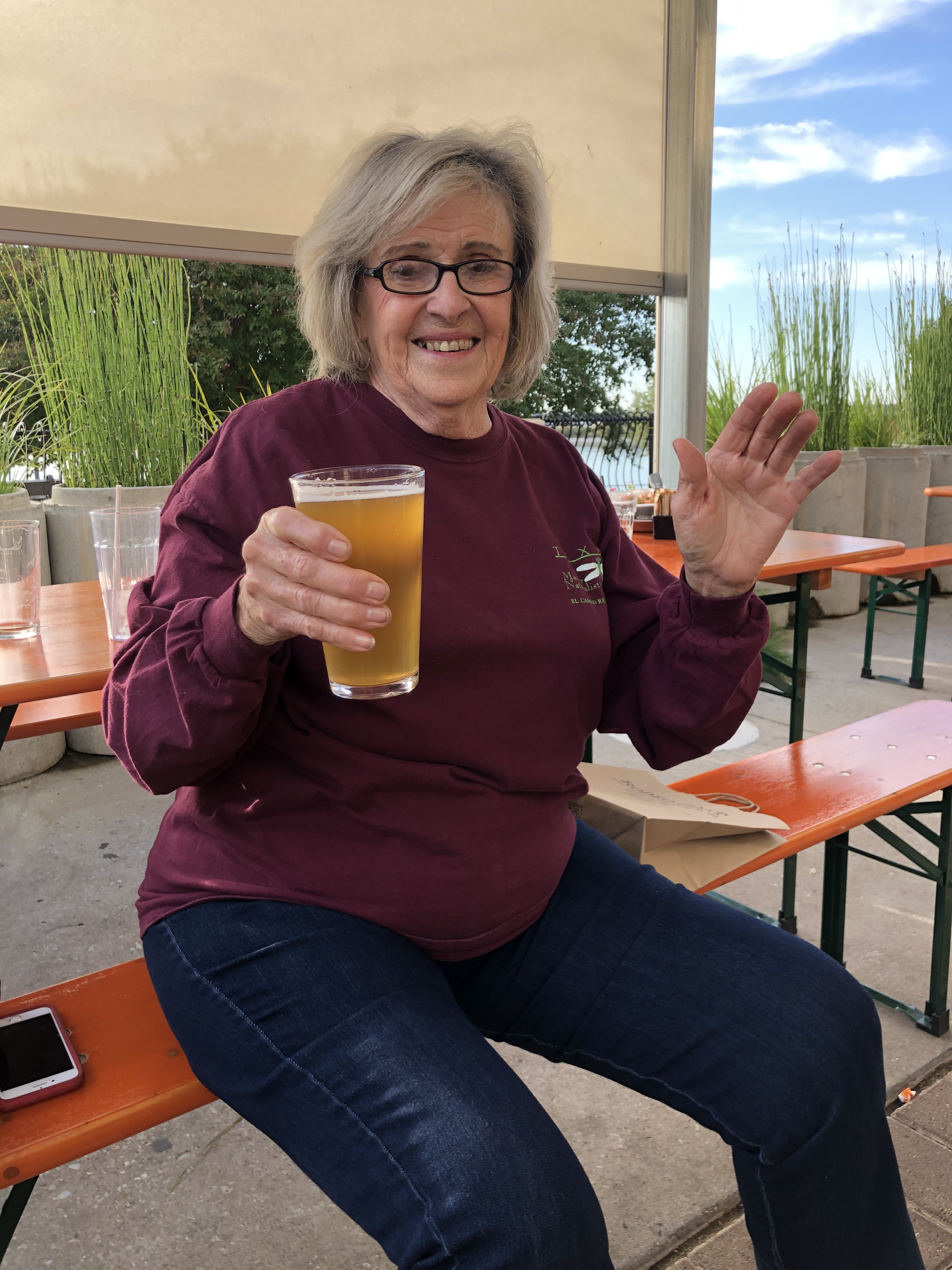
Here’s our group from last year.
As an aside, I am extra glad my job isn’t Conference Registration Form Maker. The small amount of experience I’ve had with the Cvent software when my team at work uses it makes me gasp. And a conference as complex as one of these is mind boggling. It has pre-sessions and post-sessions. And during the conference, you can take half day, all day, two-hour, or one-hour sessions, but once you register for a half-day session, you don’t want to pay any attention to the others in that time frame or you registration will be coughed back out for you to figure out the problem. I am sure it is quite a programming effort to set all this up.
And then there are the session descriptions! Kudos to the whole team that worked on that. Whew!
It’s been quite a week with so much work and such that it’s been hard to find time to write. I may perhaps have too many jobs and volunteer positions, but I love them all!
I especially enjoy my Master Naturalist group and its members. I get a lot out of observing their personalities and learning their interests. Sometimes they are a bit quiet, but always in an endearing way.
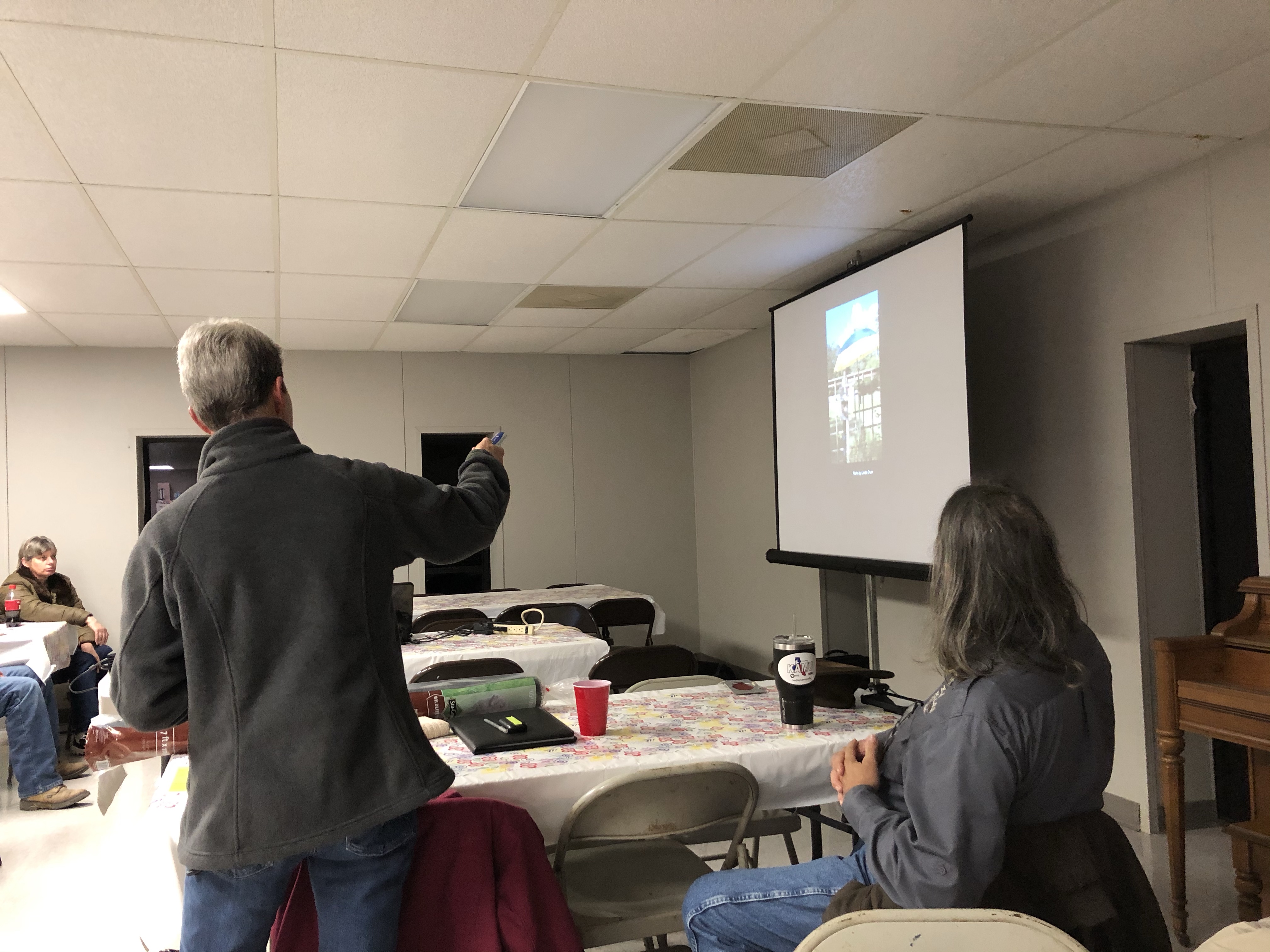
Last night’s chapter meeting dealt with bats, a topic our speaker, Cindy, is very attached to. I wrote a lot about her talk in the Master Naturalist blog, so here I’ll just say I learned a few bits of information I didn’t know before, and they will stick with me.
You’ve heard all about our snake and chicken issues. Today I was happy to see the hens in the chicken yard, so I could give them some new food. But as I walked toward the yard with the food, I saw a funny-looking garden hose. That was yet another snake. It was heading under Tyler’s bedroom, where I’m thinking the eggs now are. Sigh.
I’m pretty sure this is a garden hose, says Rosie.
The chickens didn’t care. They just wandered by it and went out to eat bugs. Sigh again.
The 2019 Earth Day Celebration is in the books! It was a great success, too! At least 100 people and two dogs visited the Community Room on Main Street in Rockdale to see the El Camino Real Master Naturalists and their exhibits. We were joined by local Girl Scouts of Central Texas troops and the Little River Basin Master Gardeners, too. (It helps that many of our members are also Master Gardeners.)
Rosie Johnson did a great job decorating the outside of the Community Room in Rockdale.
Many thanks go out to Donna Lewis and the rest of the Earth Day Committee, who put in a lot of effort and planning to make this event successful. There were so many details, but they were all handled very well!
Donna Lewis takes a break to talk to Catherine Johnson during setup.
There’s not much to share today, because I’ve been mainly preparing for things.
Last night I spent most of the night at a neighbor’s house participating in the HOA landscaping committee, which I and the other member not on the board were repeatedly reminded has NO power and makes NO decisions. I’m pretty sure the other woman and I were put on the committee to placate us after running for the board and losing or something.
This is the view of Cat Creek from the landscaping committee chair’s house.
It’s okay, though, because these folks had great wine and really nice Italian furniture. We actually did come up with a list of plants to humbly suggest that the board adopt as options for landscaping. They need to be drought tolerant and things deer don’t love.
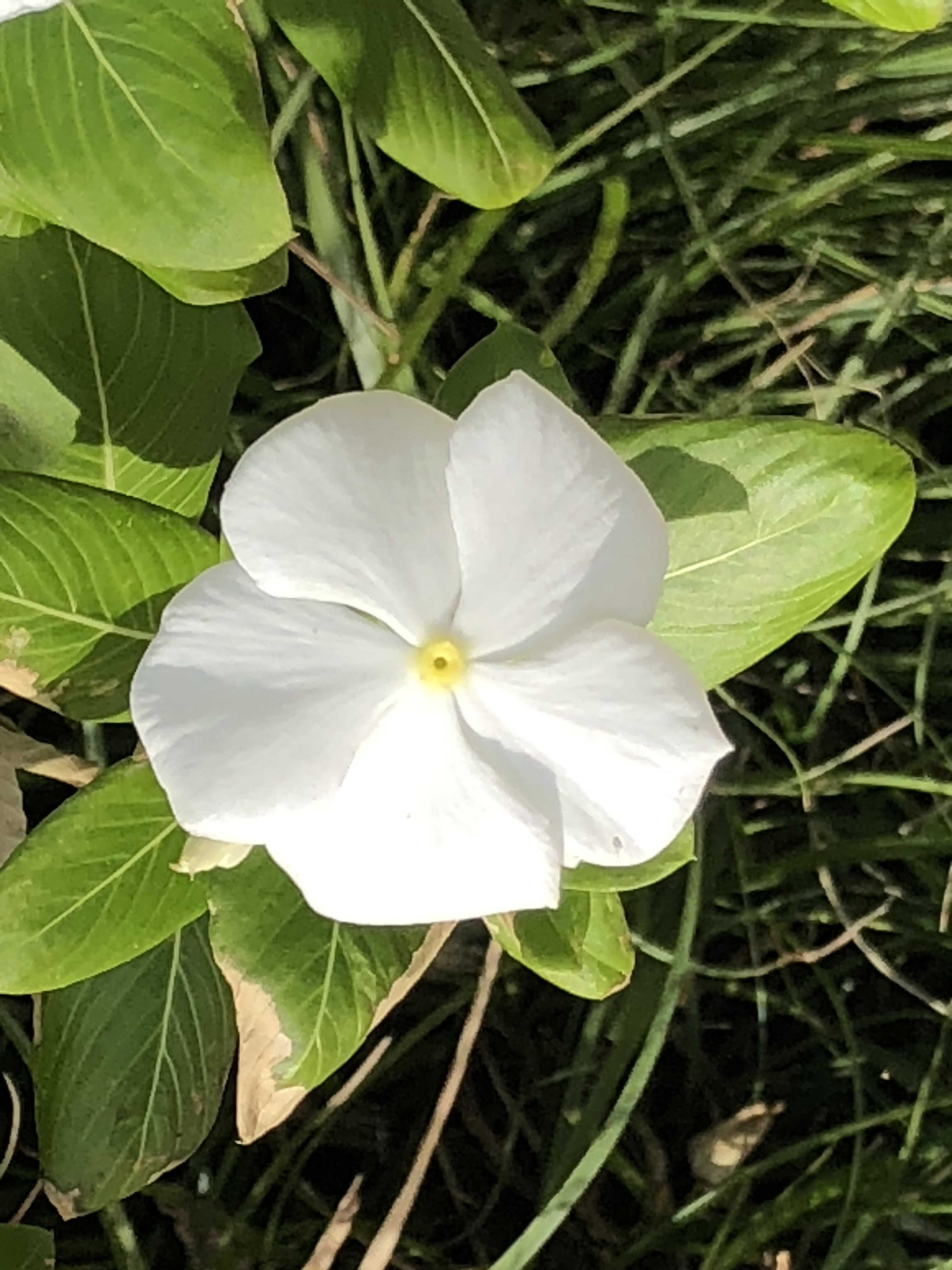
One of the plants the chair of the committee just loved was one I wasn’t familiar with, though I’d heard of it. When I saw this lovely flowering tree at work, I thought it might be that, but no, it’s an orchid tree native to just this area. Very pretty, and it’s leaves are cool.
I like these leaves.
Another Project
Next Saturday is the Master Naturalist chapter’s big event of the year, our Earth Day event. They said they wanted exhibits, so I volunteered to do one on the dangers of balloons and plastic bags to livestock and wild animals.
I’ve ended up doing a lot of research and learning interesting things, so I also developed a presentation on the topic, with a pretty good slideshow, I think. I used it as the basis for my poster display.
I’d say it’s at least up to middle school standards.
Making the display was fun, because I got to use my collage supplies. Yay.
I’d hoped to present my information to a chapter meeting, but though I thought they said they were looking for speakers, when I wrote to volunteer, I was told they’re all full. Oh well. Maybe someone else would enjoy it.
Or maybe I’ll write it up here. That will wait until I have more energy.
Yesterday I was thinking about how many observations of plants and birds and such I make around the office park where I work in Austin. I said to myself, “Suna, that would make an interesting iNaturalist collection, and then you could also see observations other people make around there.
This pecan tree was here long before the fake pond and office complex.
Since I’d just taken a nice, long walk where I took many photos of plants, trees, birds, and such, it seemed like good timing.
Of course, nothing is simple, so it took me a long time to find the hidden option for making a project a “collection” with a defined set of boundaries. The nice thing about these is that any observations you make in that area automatically get added to the project, so you don’t forget to add them. I remembered that Linda Jo Conn (the great iNaturalist guru) had showed me how to do it when I made the Hermits’ Rest collection, but I had to re-remember.
Heron on fake pond, which is surrounded by cypress trees and has lots of nice riparian plants
I’m really happy with how it turned out in the end, though, and especially pleased that three other people had made observations there in the past. So, I’m not alone. I’m just the more obsessd person with it.
Why it’s interesting
The area where our relatively new office complex is located interests me, since I’ve actually been observing it since 1997. When we were building our house in Brushy Creek, we’d drive through the complex as a shortcut between Jollyville and Round Rock. Now, of course, there are large zoomy highways to get there. Back then, there were only a few companies with large buildings there, and we enjoyed seeing many deer in the wide expanses of grass and groupings of trees.
Now, many more buildings are present, but there are still a few relatively natural areas, along with some places that were once landscaped but gone wild. There is an interesting mix of native and introduced plants.
Native plant!
Plus, our office has the courtyard where the hawks live, and it is full of mostly native plants, just groomed to death by landscapers.
I’ve written about this site before, especially one article last June when I did another major sweep of the area. That’s when I first started on iNaturalist and was practicing my identification skills.
I hope any of you on iNaturalist will enjoy what I share there. Of course, I’ll share a lot of the photos here, too!
Last night I went to the El Camino Real Master Naturalist meeting, as I do most every month. I wrote up a post for their blog with lots of details about what I learned, so here I want to share my deep enjoyment from listening to women who are passionate about birds and birding as they share their passions with others.
Three women from our group spoke about how they engage in bird watching, each with a different perspective and knowledge base. I sat there like a little kid, all enthralled at the details they shared. It was thought-provoking to look at how each of them engaged in their hobby. Here’s what I saw (just using first names here).
Ann tells us you really, really need a good bird book.
Ann has been birding for many years, and she does it for the same reasons I do: basically, she likes birds a lot. Her passion and enthusiasm for identifying new and unusual birds was very obvious, but she reminded me of my methods for birding. She said if she didn’t know what a bird was from quickly observing it, she’d often just move onto the next, in contrast to her birding friend who just HAD to identify every single bird she saw, in a scientific way. Of course, Ann knows pretty much all the birds you can see around here; she just doesn’t stress over what she doesn’t know.
Joyce shares the various ways we can upload our observations to help researchers.
Joyce also loves birds, and watches them in a very accurate and detailed way. She keeps good records of her feeder, counting them carefully, and only identifying the ones that come into her feeder watch zone. There is a great deal of discipline to her approach to observing birds, which goes along with her amazing attention to detail in other parts of her life. We need birders like Joyce, too, to provide accurate data for researchers. (Of course, she’s also having fun.)
Here, Ann is listening to Cindy tell us her suet recipe. Some samples are on the table.
Then, there’s Cindy, whose approach to birding is to figure out how she can practically help the most birds. She shared with us her recipe for making lots and lots of suet for little money, so that the woodpeckers and other birds that like to feed on trees and eat more than just seed can be satisfied. She’s not there just to watch or count or record she’s there to help the birds thrive.
(All the women also carefully feed and water their birds; I was just contrasting their main styles.)
Another birder style was described by Ann, who talked about a very intense young man who asked to come to her house, because he was on a mission to get three more birds on his Milam County list of 100, and she had some of them in her yard. As soon as he saw one, he went on to look for the next. No lollygagging, watching behavior, or anything. And he didn’t stick around to chat; nope, he had to go to Bell County to work on his count there. These are the kind of birders people often gently poke fun at, but hey, they aren’t hurting anyone, are they?
Bonus sinset from the meeting yesterday.
Like any other hobby, there are many ways to enjoy birding (don’t get me started on process versus product knitters). Do you like to watch birds? Do you feel like you need to know what they are? Do you just enjoy their antics? Do you use them to tell what season it is? Share!
Now, that is a yellow flower!
By the way, I was almost late to the meeting, because I had to take this photo of beautiful evening primroses along County Road 140 across from the cemetery.
Now that I’ve slept, maybe I can share some of the depth and variety of the things I learned at the Bandera County Watersheds Riparian Training I attended on Wednesday, March 6. The event was held in Bandera (one of the most attractive small towns I ever saw and VERY consistent in its cowboy theme), and the weather improved enough that the outdoo parts were not unbearable. There were at least 30 participants, ranging from fellow Master Naturalists to water management professionals to interested landowners.
This young man was full of information. I’d love to hear him again.
Much of the day was spent indoors, however, as a team of water management experts from many different agencies shared their knowledge of managing the areas alongside rivers, creeks, and streams. These are called riparian areas, and they are a very important part of water management, but one that has been misunderstood a lot in the past.
Our scenic location.
Sadly, the beautifully manicured lawns and parkscapes we often see, where people walk up and down to admire the view, are not actually what our waterways need. The need a riparian buffer of plants that love water or theive near it and trees that are of various ages, so that when they die or fall into the water, there are future trees to replace them.
Happy Sunday! Yesterday I attended a committee meeting with our Master Naturalist group. Rather than write it up twice, I’m sharing my post on their blog.
I’d like to add that I saw a huge dead feral hog on the way in, and found some Indian paintbrush flowers on the roadside between Cameron and rural Rockdale!
Yesterday, the Environment and Recycling Ad-hoc Committee’s Earth Day subcommittee met to continue to work out plans. I was glad I could finally attend a meeting, because it was fun to see the team at work. I was joined by Ann Collins, Linda Jo Conn, Joyce Conner, Catherine Johnson, Rosie Johnson (guest and helper), Larry Kocian, Kathy Lester, and Donna Lewis (the leader of the bunch).
Nandina and Texas mountain laurel added beauty and scent too the meetiing.
What’s going on with Earth Day?
The El Camino Real Master Naturalist Chapter’s biggest outreach project each year is to host an Earth Day event, to share ways to protect the planet with the community. This year it will be at:
Rockdale Community Center, 109 N. Main, on Saturday, April 20, 10 am – 2 pm.
We were excited to learn about all the planned activities and tables. Our team leader, Donna…
It just popped into my head at our last meeting that we had no way to share and archive our nature stories, reports on training, etc. It’s a lot of work to make a paper newsletter, so we haven’t had one in a while, and though we do have a Facebook page, it’s more about news, since member posts don’t show up on the main page. A blog is a great way to share.
Also, blogging is a great way to get volunteer hours. Master Naturalists like those.
How did I do it?
I always forget what goes into setting up a new WordPress blog, customizing its look and feel, and making it do what I want it to do. I like the theme I chose for this one, especially since the top menus stay at the top of the screen as you scroll down. I also think it looks pretty elegant and simple.
Here’s a blog page. It has a right column with archives, sign-up informatio,n and stats.
What I didn’t like about the theme was that there was no way to put a blog archive on the home page. The home page has no right column, and you can’t easily modify the top. I did put the archives at the bottom of the page, but, who’s going to go all the way down there?
This shows the small top menu that stays when you scroll down. Also, note that archives menu.
So, I made an archive top-level page. Problem solved, I hope.
Off we go
Feedback I got from the small group I ran it by was that it was hard to subscribe to the blog (I made sure to put both the email follow link and the WordPress follow link). And some typos got spotted, which I always appreciate.
I was happy to receive two items to post as soon as the group voted to start a blog. That way not all the articles will be by me! I plan to continue to re-blog my more naturalist-oriented posts here, but am looking forward to seeing lots more from my fellow Master Naturalists.