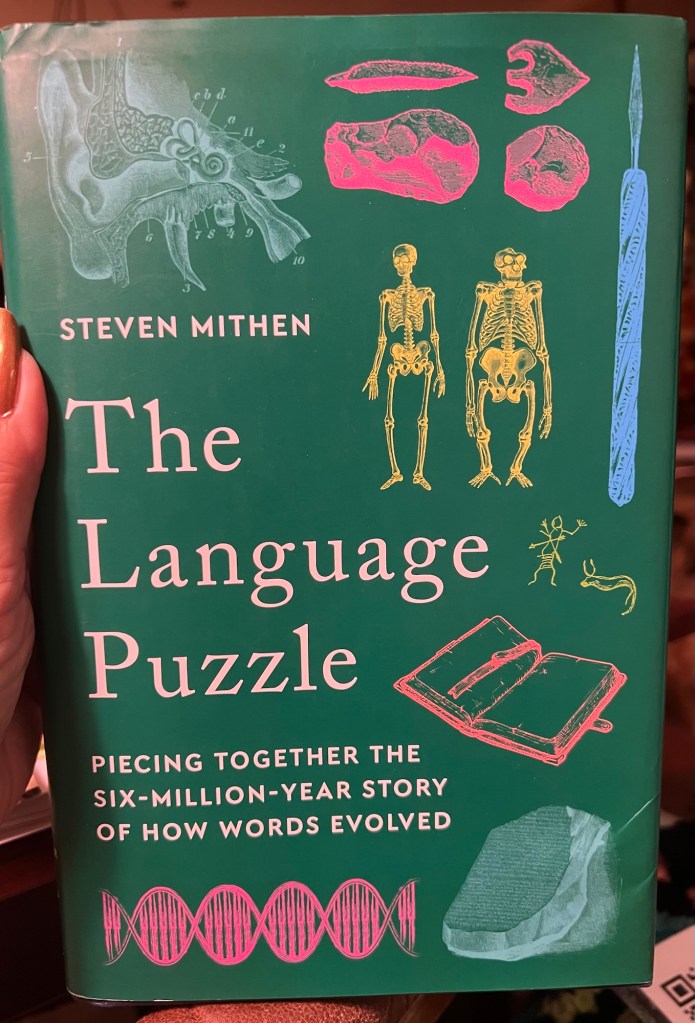
Reacquainting with Music of My Past

In the last few months, Lee and I have been watching documentaries on musicians from our formative years. We have similar musical tastes, so it’s easy to choose. We’ve seen some “biopix” as well, like Freddy Mercury and Elton John. Of course we saw the Bob Dylan movie, which I e mentioned that I enjoyed. I prefer actual documentaries, though, with historical footage, music by the performers them, and insights from other musicians/friends/scholars.

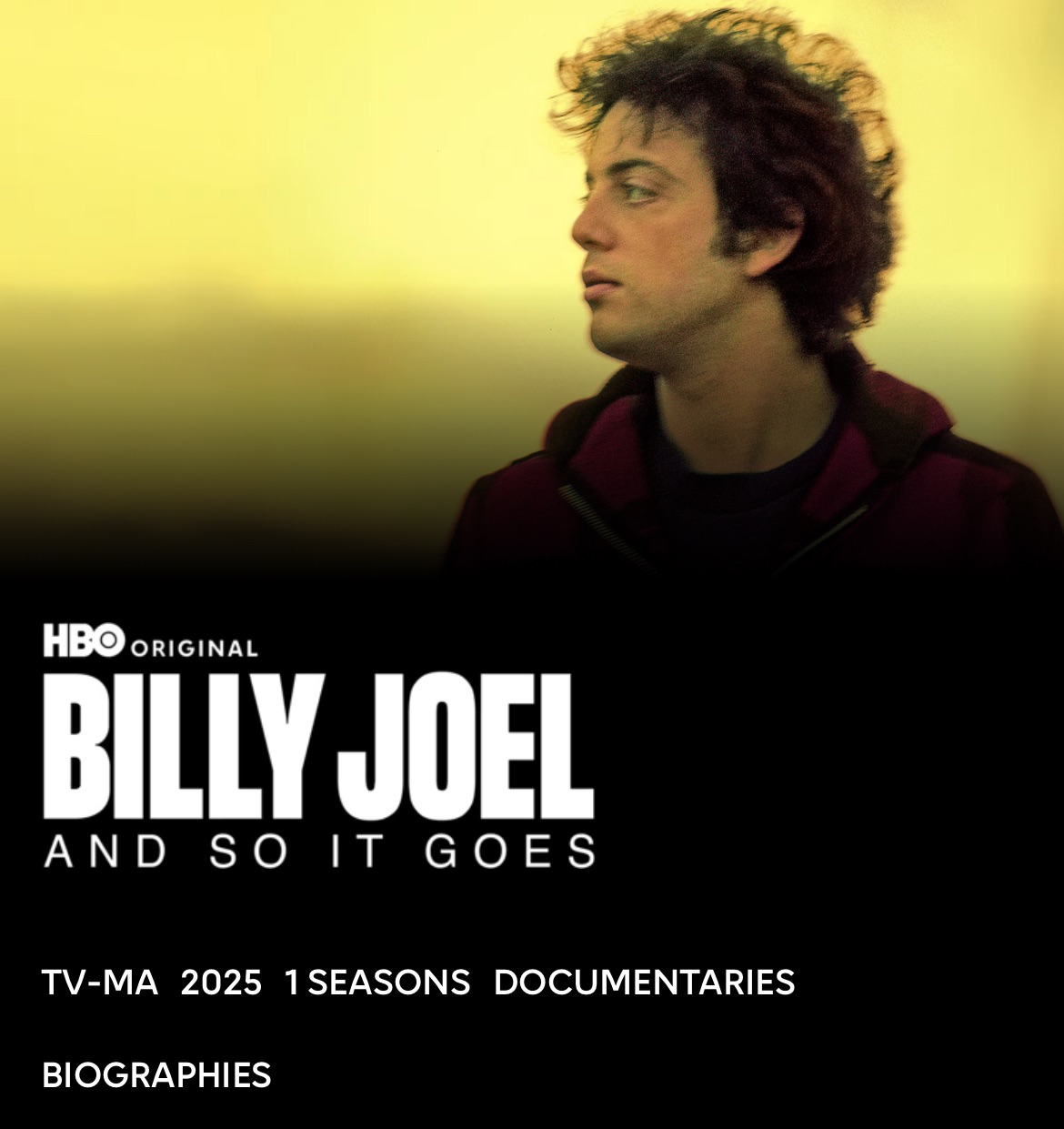
The 2025 HBO two-part documentary on Billy Joel was meaningful to me in that it confirmed why I always liked him and his music. I like musicians who are willing to grow and change and who are true to themselves. I remember saying, “See, see, he really WAS funny, talented, and energetic!” when they played footage of when I saw him in my undergrad years. I remember we were pretty flabbergasted by his talent before he was super famous.

Find someone with HBO and watch this.

His honesty about himself as well as his admission of his mistakes made me unsurprised at how kindly his ex-wives and former associates talked about him.

He’s not someone you can put in a particular musical “box,” and is a real person, which the documentary makes clear. Listening to his music as an older person also let me see more nuances. I’m glad to have re-experienced it from a new perspective, both musically and emotionally.

Today we watched the 2020 HBO documentary on The Bee Gees. I was surprised at what I did not know about the Gibbs family and how hard the brothers worked on their songwriting and musicianship. I admit to having liked their early music but not paying all that much attention to it, because it seemed too “pop” to rock-n-roll Suna.

I also confess to actually liking the Saturday Night Fever music. It was good. I was simply tired of the thumpa-thumpa disco beats emanating from our gay roommate’s headphones 24/7 (it seemed, though Bobby really liked all music).

What impressed me most about the Gibbs brothers was that they were driven to write music even more than to perform it. There were songs I didn’t realize they’d written for others! Honestly, you can just watch this film for the soundtrack.

In the end, though, Barry Gibbs said he’d trade all the hits to have his brothers back. Yes, their close family (parents, wives, etc.) were also a hint about their character.

Both Joel and the Gibbs brothers come through as flawed, talented, and smart people. They are famous due to hard work. I like that.

Now I need to go find some more good music documentaries about artists who started when I was young. Some would be sooo long, if they hit all the highs and lows (the Who?). I will go look for more. I encourage you to find documentaries on musicians you enjoy. I guess you will end up depressed or impressed, considering the subject. But at least you’ll get to hear the music from a new perspective, which I do not get when I read biographies and just play music in my head as I remember it.

Anyway, tarot card of the day was 6 of wands. Ooh, fire. It means, in the Gaian deck, that I’m contributing to communal efforts with energy.

Welp, I sure hope to do this next week when I fly to Oregon to meet with coworkers in person. I have an early flight, so I’ll type to you later!

Book Report: Forest Euphoria

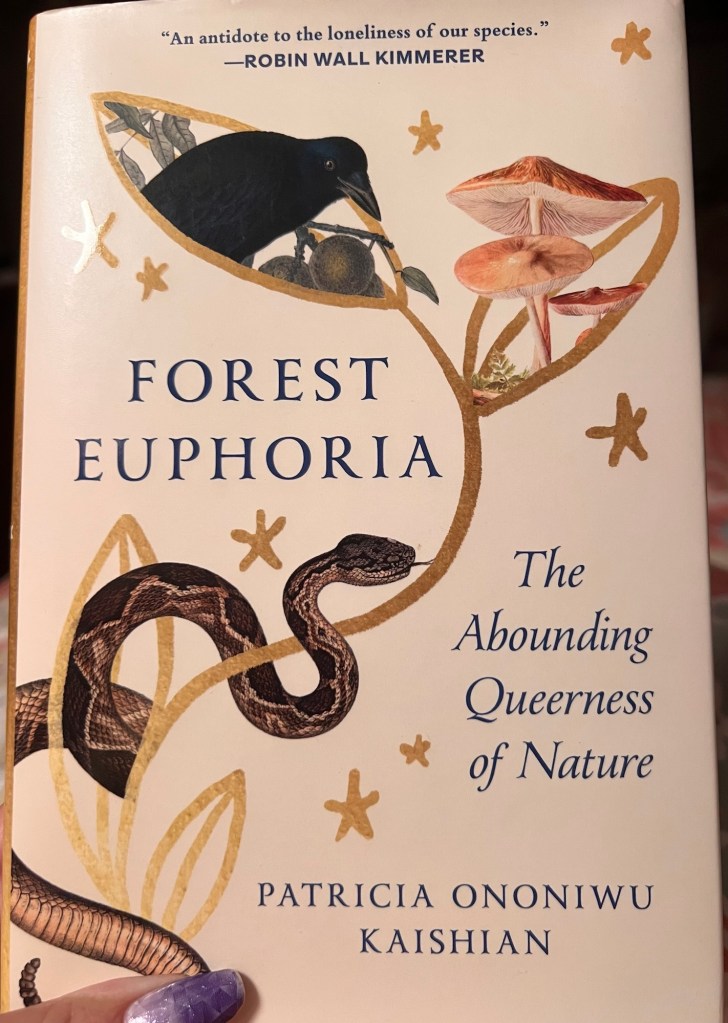
Have you ever read a book and loved it so much that you just want to carry it around and share with others like yourself? I have, and it’s Forest Euphoria: The Abounding Queerness of Nature (2025), by Patricia Ononiwu Kaishian. It’s like someone wrote a book just for me about who I could have become if I were of my children’s generation.

The dust jacket is wonderful textured paper, and the vivid images are smooth and shiny. A quality book.

Kaishian (obviously of Armenian descent!) has created a jewel of a book that’s partly memoir, partly philosophy, and partly science. That’s just how I like my book jewels by people who are more comfortable in nature than with people and who see the world as consisting of networks and gradients, not disconnected dichotomies.

The memoirs about her embrace of her uniqueness and “other”-ness as she grew up are fascinating and so liberating. She figured out (after trial and error) who she was and got to be that person! Life goals! She accepts her queerness and fluid gender identity and loves it. Oh how I wish we’d had opportunities to explore options when I was younger. We got to be girls and boys, and a bit later could be gay or straight, but not anything in between. I’m happy for Kaishian!

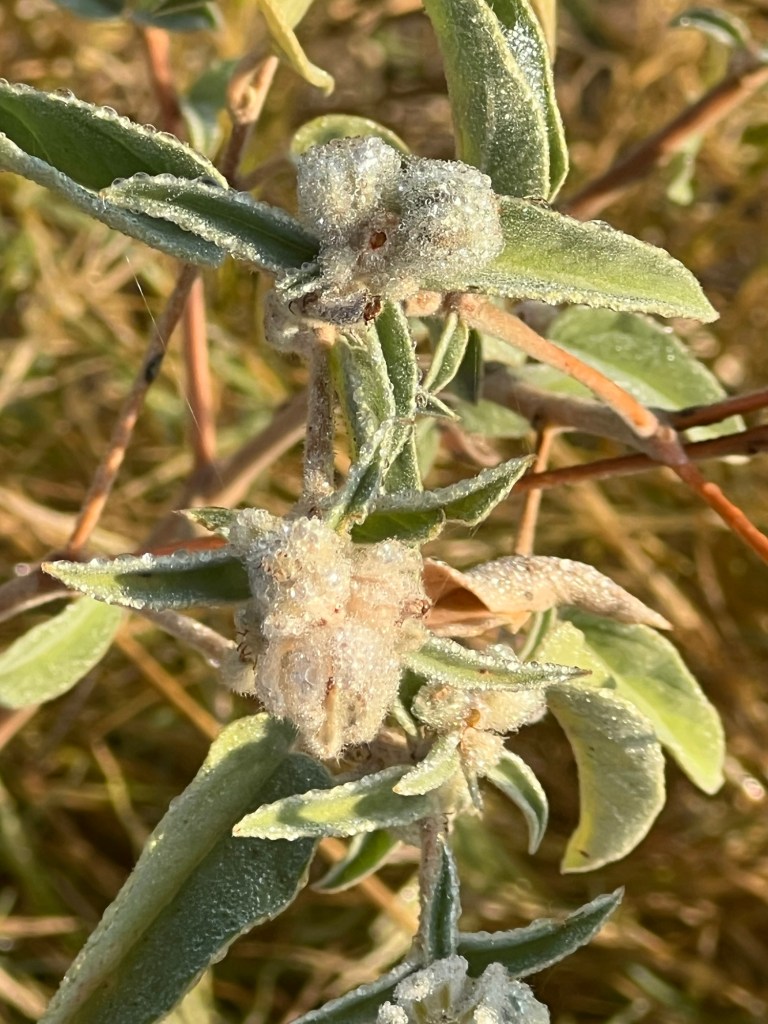
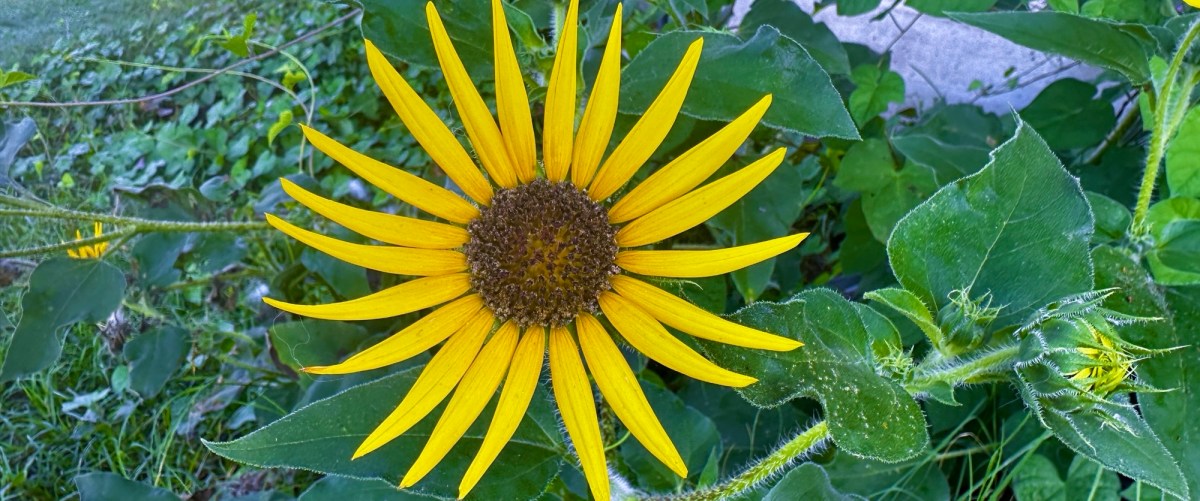
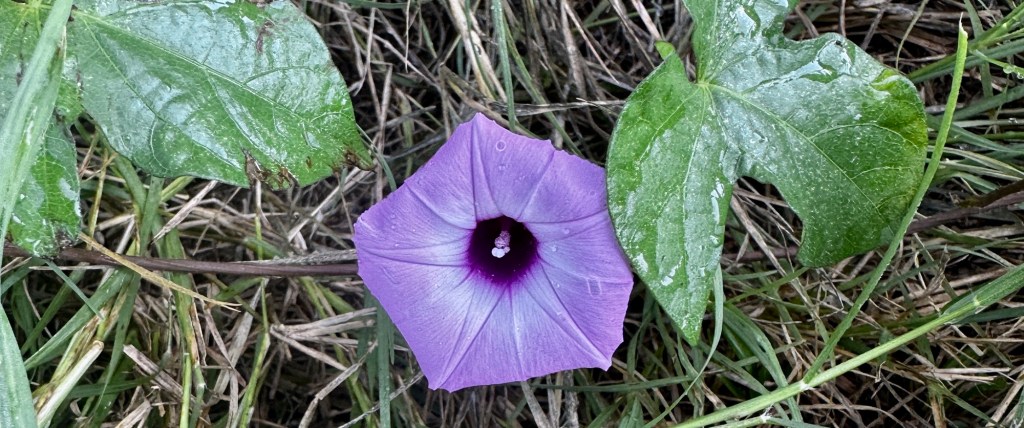
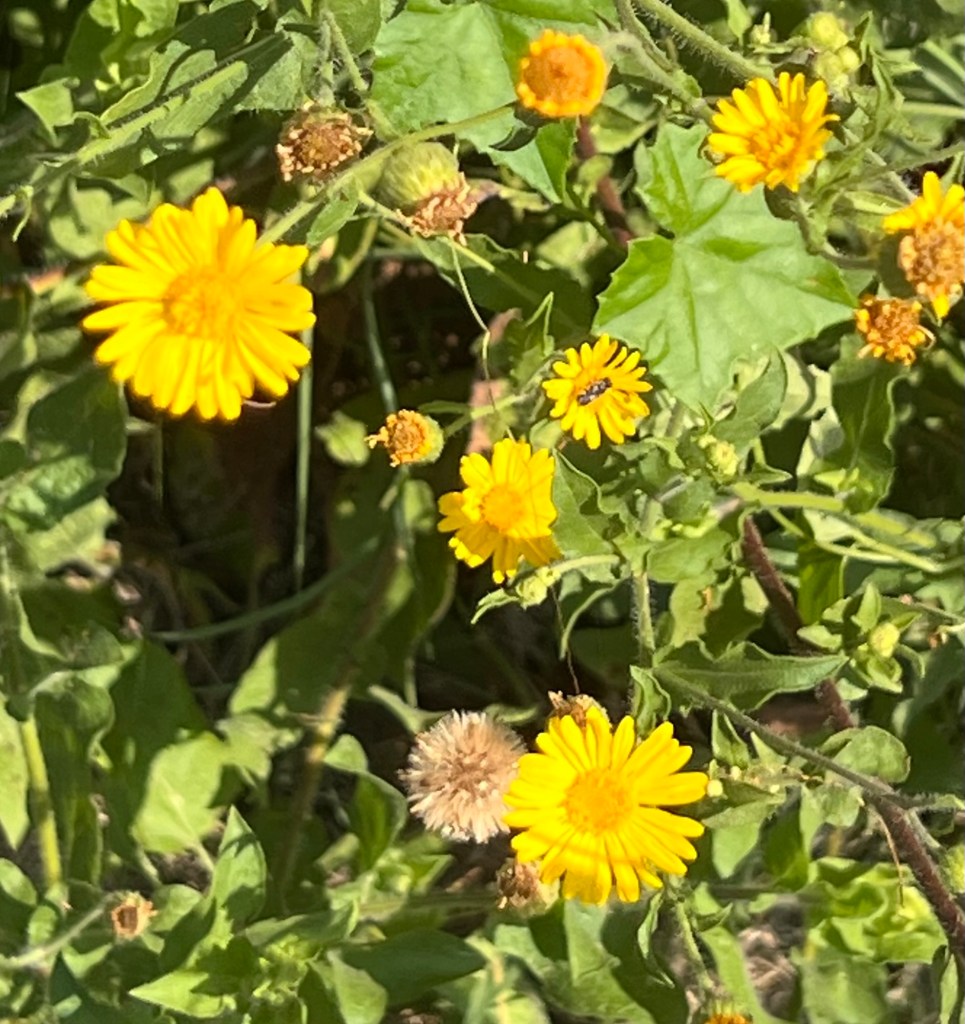
She knows her Hudson Valley flowers as well as I’m getting to know Texas ones. This is camphor weed.

I’m also happy that she got to become a mycologist and share how fungi are connected and reproduce, because I think there’s so much more to learn. In the book, she also explains how many life forms on earth have options other than heterosexual relationships. I knew a lot, but it was fun learning how many options there are in the world! Really interesting stuff with excellent end notes, too.

Tonight’s moon. Just because it’s pretty.

A word of warning. I know people who will find the vocabulary and style of this book a little too woke. She does refer to North America as Turtle Island and prefers to use Native American names for bodies of water. I enjoy it, as do I enjoy the narrative about how awful European settlers were to the land and people here. But I know some readers would be put off by her choices.

You can’t help but feel a kinship with Kaishian if you were ever a wild child of the woods and fields or, perhaps, have your own woodland “sit spot” to return to regularly for grounding and peace. You know, if you’re me.

Finishing this book today soothed my soul, helped me feel less alone, and reminded me, as I often need to be reminded, that we’re each a little weird, a bit different, and our own kind of person. I’m so glad.

Today’s tarot card is a familiar face.

Nine of Pentacles

It’s a good reminder that I have all I need in life. I think it’s time to share.

Book Report: Gaian Tarot

I haven’t been buying many tarot decks in the past few years. I’ve been happy with my favorite old friends, mostly Robin Wood. But last month I was intrigued by a deck my tarot friend Cat Dancing was using. I liked the nature images on the cards and the artistry of Joanna Powell Colbert, the author of The Gaian Tarot: Healing the Earth, Healing Ourselves (2nd edition, 2025).

Interesting image, huh?

I’d heard of Colbert before, as she’s well known in the community, and I knew she was well respected, but I never got around to getting the earlier edition of this deck and book. I’m glad I was encouraged to do so!

Back of the book

I always like it when the book accompanying a deck has original insights and explanations of why each card depicts its components, and Colbert doesn’t disappoint. She weaves her nature themes skillfully through the traditional Fool’s Journey, court, and pip cards, creating a deck you can easily read from but gain new insights as well. I’m not finished reading all the text for each card, but appreciate that she gives a description, a positive and negative interpretation, and helpful keywords for each card. Her perspective is wise and novel enough to make me think differently about familiar archetypes.

This archetype of transformation showed up today, a roseate skimmer

I admit that any deck with salmon of knowledge and holy wells in it makes me happy. That’s my little Cups suit bias. I realize this makes no sense to most readers. Indulge me.

So this evening I spent some time breaking in the cards, which have lovely gold edges. They are somewhat less stiff now. Then, because I’m having some difficulty dealing with some interpersonal challenges, I did a simple three-card reading.

The past was 5 of Air (swords). Here eagles are squabbling, birds and sky representing air. There is some squabbling going on around me, and it feels like some parties have their talons out. I was glad to see this in the past—maybe it will settle down soon.

The present was the 4 of Earth (pentacles) with squirrels gathering up nuts for the winter. I like Colbert’s interpretation of this card as meaning to gather resources for the future, rather than the greed and miserliness Robin Wood depicts, which I always thought was more the dark side of the card. Anyway, right now I am actually saving up for the future with this short-term job. I’m reminded not to let myself get drawn into work drama. I’m there to help out and give myself a nest egg. But I’ll remember to share!

The future card is the 10 of Water (cups). Here we have the salmon! The Gaian card depicts their lifecycle, ending with their return home to die. Here I prefer Wood’s happy family gathered together. But both are about gathering at home, a completion of a cycle, and a happy one at that. I’m not sure what this portends for my future, though I have been thinking about how I have all I need now, and that I’m happy with those close to me—nice to think it will continue after the squabbling and saving.

Wake up or the archetypal vultures of decay will get you! No snoozing at my tarot babble!

Ha. I used to blog my tarot readings all the time. It’s been so long most readers are probably shaking their heads. Maybe I’ll do a card of the day again for a while, as I get used to this deck.

Or I’ll just gaze at clouds and see what I can gather from them.

Remember, you all, I use tarot to help me see things in a different light, to reach into areas I might be inattentive to, and to keep me centered. It’s a tool. Use the tools that work for you as we navigate these unprecedented times.

Book Report: How to Lose Your Mother

Resilience. That’s the first concept that comes to my mind when I think about Molly Jong-Fast, the author of How to Lose Your Mother: A Daughter’s Memoir (2025). To have made it to adulthood as a functioning human being after experiencing her childhood defines resilience. Some people wouldn’t have made it. Sure, Jong-Fast is a bit messed up, but by gosh, she’s here analyzing the heck out of politics with her inimitable New York accent (Lee loves her podcast).

This memoir covers a pretty crappy year in her life, during which she spent any time not dealing with sickness or death of those around her mulling over the truly baffling history of her relationship with her mother, Erica Jong, author of semi-autobiographical books that were shocking in their time (Fear of Flying, etc.). Jong-Fast spends many pages going over how famous, talented, and interesting her mother was or wasn’t. Mostly, Jong-Fast believes she wasn’t any of those things.

What I found most interesting about this book was that although we have much in common mother-wise, I really had a hard time emphasizing with Jong-Fast. I think I like her, but her negative attitude towards herself got under my skin. I can’t tell you how many times she says she’s a bad daughter or how insistent she is that Jong is a bad mother. She is unable to give either her mother or herself the benefit of the doubt other than a few token attempts.

I guess I’d hoped that all the AA meetings she’s been at would have helped Jong-Fast be kinder to herself, but here she is, still berating herself for not making her mother happy. Sigh.

Yes, Jong was not your average mother. I don’t think she could have been, because other than her final husband, she really only liked or was interested in herself. I honestly can see how her daughter would end up unable to love her like other daughters love their mothers. They both have tried their best, for who they are.

Boundaries. Yeah. They both have problems with boundaries. Jong can’t separate her consciousness from her unconscious self, and Jong-Fast can’t let herself stop trying to get in there with her mom.

Who am I, a therapist? No. So I will stop. Everyone in the book has a therapist of their own anyway, right down the block, like every other service they need. New York is so foreign to me!

So…how to conclude this? The people in this memoir are fascinating and (to me) not like people I know. They live in a world new to me and have experiences unlike mine. Quite educational! And you will certainly find Jong-Fast to be a fascinating human. I just can’t quite figure out the moral to the story unless it’s that you never do know your parents and you certainly can’t fix that when they have dementia.

Cheerful stuff it is not. Well written, though!

Book Report: This Dog Will Change Your Life

I was looking forward to This Dog Will Change Your Life, by The Dogist, Elias Weiss Friedman (2025), because I was in the mood for something light-hearted and perhaps funny, to take my mind off current events. Plus, as you may be aware, I’m fond of dogs.

Well, the book does have dogs, many dogs, even. And they’re good dogs, yes they are. But, not being familiar with the media influencer known as The Dogist (Elias made that name up himself), I didn’t know what to expect. I’m going to be charitable and say that his little quotes from dog owners must be more interesting accompanied by their supposedly very cute photos. Unfortunately, there are no photos in the book, just quotes from his Instagram:

Mister, German Shepherd (6 years old), Washington Square Park, New York, NY •

“He’s new to the city from Portland, Oregon. He’s a softie-he craves attention in a very un-Germanic way.”

Ok. Great. This was one of the better ones.

The book rambles around while Elias tells us about places he went to take photos of dogs and how interesting he finds it. He’s very happy that people recognize him and that he gets to go fun places to look at dogs. The dog parts of the book are okay, but there’s an awful lot about Elias and his life, which is nice but not very interesting.

I couldn’t really figure out the structure or where the book was going. Each chapter is a story about a dog that makes someone happy. I didn’t find much humor in the writing, though. Bland but well meaning is the best way I can describe it. And all that required a co-writer, Ben Greenman, who has ghost written for others.

Harvey says I should just pet him if I need dog content.

I think media influencers may not be very experienced in writing more than a few sentences and linking them together. That makes sense, because they aren’t required to do it to gain their fame. My guess is that The Dogist is a really good photographer who puts his notes by photos of cute dogs, very well. I hope he sticks with it in the future.

Sorry to give a negative review. But this book was just not for this dog lover.

Book Report: Demon Copperhead

Rating: 5 out of 5.

I’ve been trying to escape by reading novels. The joke’s on me, because Demon Copperhead, by Barbara Kingsolver (2022) is not an escape. It’s more of a descent into hell with a really nice guy. Many of you have already read this book, but I’d been holding onto it for a while, thinking it would be a hard one to get through. I was correct about that, but it doesn’t mean the book wasn’t worth reading. Not when one of our greatest living novelists wrote it and it’s about a topic that has touched so many families, even those of us on the outside of the opioid epidemic.

I loved realizing that the book was based on the story of David Copperfield (get it, Demon Copperhead…), which was another book that was so depressing I had a hard time dragging my hyper-sensitive empath eyes over its words. Dickens really knew is sad-but-true sh**. Knowing that ahead of time, I knew where the arc of the story of the main character, who goes by Demon Copperhead, was heading. I just didn’t want to go there with him for a while, so I had to set the book aside as soon as the Big Bad Drugs came out.

A lot of the book was like visiting a new world (at least a respite from White Evangelical Christian World), because for better or worse, I have very limited exposure to addictive substances or illegal drugs, other than alcohol. Thanks to growing up with my mom (who was addicted to legal substances of tobacco, alcohol, and prescription drugs), I didn’t want to have anything to do with anything that might possibly mess with my brain. So, I partook of no weed, no shrooms, no LSD, and none of the other stuff.

It’s not that I didn’t know any people who enjoyed their substances of choice. I mean, I was a teen in the 70s, for goodness sake. I just wasn’t immersed in the culture that went with it. Yes, I managed to have fun anyway.

The world of foster care is another one I don’t have direct experience with, but I gained a lot of sympathy for friends and family who lived through some of the unpleasant aspects of the system. And I’m so grateful for the good foster parents and successful people who made it through.

Thankfully, Kingsolver has a knack for describing how things feel from the point of view of the person experiencing them, which means I learned about drugs from the user’s point of view, where things that might have scared me were just part of Demon’s daily life. Kingsolver also makes most characters in the book sympathetic – you can see how they got to be in the mess they were in. I liked her description of having sex from the man’s point of view, too, since it’s obviously not something I’m familiar with.

One thing that got me through the hard parts of Demon Copperhead was that sometimes I could just read the words and enjoy how well crafted they were, especially when Demon is observing the world around him. That boy had the artist’s eye, thanks to Kingsolver!

In summary, you probably should read this book. It will be eye-opening to those of you who’ve never lived in rural America or spent time in the poor parts of Appalachia. For me, the overwhelming feeling I got was how grateful I am so have only lived on the edges of the world in this book, and how much more empathy I have for those thrown into it by no fault of their own.

Three Significant Books

List three books that have had an impact on you. Why?

I have chosen three books (I actually discuss five, but one is a runner-up and two are related) that shaped me in that magical period when I was transitioning into an adult and my capacity for intellectual growth was at its peak. Each book was written when I was testing limits, making poor decisions I search of good decisions, and preparing to emerge a more rational and stable human. I’m grateful to have learned from these authors.

Metaphors We Live By

This book is by George Lakoff and Mark Johnson, two important scholars in pragmatics, the field I studied in graduate school. The thesis of the book is this:

The book suggests metaphor is a tool that enables people to use what they know about their direct physical and social experiences to understand more abstract things like work, time, mental activity and feelings. Wikipedia

My thinking about how society works, how media persuades audiences to, and how politicians manipulate the public have all been deeply affected by the ideas in this book.

My favorite example is the pervasiveness of the war metaphor. It’s one reason I can’t stand the phrase, “shoot me an email.” Business communication is just crawling with war terminology. Business is war. Politics is war. Love is a battlefield. This book was the impetus for me being me.

I recommend George Lakoff’s other works, as well. Once you start to see metaphors embedded in the language around you, you can’t forget it.

The Color Purple

I’m guessing most of you have been exposed to this work, originally a 1982 book by Alice Walker, in one form or another. I read it when it first came out, having read no reviews and knowing nothing about the author. This means my experience of The Color Purple wasn’t influenced by any preconceptions.

I was 24 when I read it. I’d never read an epistolary novel before, so I was charmed by the letter-writing format and how clearly the writer’s voice came through in each letter. I was also still fairly naive about how horrible humans can be to each other. The resilience and bravery the characters in the book affected me deeply.

The Color Purple told me that I, too, could survive and thrive in a world that threw many challenges at me. The characters have never left me and I’m not sure why.

I did love the film with Oprah Winfree in it. I just experienced it differently and got additional insights into the strength it takes to be your authentic self. I haven’t seen any other version and I’m okay with that. This is my favorite novel.

Runner Up: The Handmaid’s Tale, by Margaret Atwood (1985). I can’t bring myself to watch the television series. This book was too prescient.

The Woman’s Encyclopedia of Myths and Secrets and The Skeptical Feminist

These are two books by Barbara G. Walker, also a prominent knitting writer of this time period. Both came out in the mid-1980s. These books introduced me to the idea of the maiden, mother, and crone archetypes.

The encyclopedia was my first introduction to feminist theology, and though it suffered from the same issues as many early neopagan writing (interpreting historical references and artifacts to support a mythical matriarchal past world, etc.), it still taught me enough to get me started on a lifetime of spiritual exploration. I can still remember sitting in my bedroom in Urbana, Illinois devouring this book when I should have been dissertating.

Bad image, sorry

The Skeptical Feminist may not be in print anymore, but it reassured me that my weird philosophical leanings since childhood weren’t signs of insanity—I just didn’t have the words and concepts to explain my vague yearnings to be one with nature. It also reassured me that I don’t have to “believe in” some deity to apply archetypes and metaphors (them again) as I forge my own beliefs. Whew.

I use this information today as I draw from the wisdom of Jesus without identifying as Christian and take comfort in Buddhist ideas without adhering strictly to any form. It’s so helpful in these times.

Book Report: Matriarch

I had to read it! It’s in Oprah’s book club! Oh, just kidding. I actually read a review of Matriarch: A Memoir, by Tina Knowles that made me want to check it out. Also it’s shiny and pretty. The picture frame effect is very nice

This book was a gift from my spouse. I’m trying to shop local, if I shop.

Truthfully, I was very pleased to have the chance to read this book. I learned a great deal about the early years of my life from a Black perspective. Knowles did a fantastic job of painting a rich and realistic picture of Galveston, Texas in the late 1950s and early 1960s. I also learned so much about the role of Galveston in the history of Black Texans. That was worth reading the book right there. 

The end papers for the book come from the cover painting. Very pretty.

I was surprised but pleased to learn how much I have in common with this woman who pulled herself up from poverty to create thriving businesses and became a renowned fashion designer, thanks to her mother’s teachings. Yeah, on the surface we’re quite different. None of my children are rich and famous, for one thing!

But underneath, Knowles had an upbringing that led her to have a similar fear of abandonment and drive to mother every needy soul who showed up in her life. She succeeded at being a great (though flawed and human) mother figure, and ended up having relationships that reminded me way too much of my past messes.

Knowles is brutally honest with herself, but does an incredible job of being gracious to others. There’s no long litany of blaming and accusations against others in this memoir. I’ve read so many where the author never acknowledges their own failures and mistakes, but Tina Knowles accepts her responsibilities and does her best to forgive or understand those who hurt her. Well, except she didn’t forgive those nuns in her first school…once again I thank my dad for not sending us to the Catholic school right down the road from us.

The parts of the book where she’s struggling to work and raise her girls and when Destiny’s Child is starting were interesting, mainly because I’m not familiar with the world they were living in. But by the end, when they’re all floating around on yachts with helicopter pads and renting out entire islands for parties, I didn’t have much to relate to. Good ole Jay Z can sure spend money.

Now, lest you think Knowles has ended up all jaded and materialistic, I note that she has started many philanthropic organizations and works hard to help young people living in poverty or other bad situations. Honestly, who knows what I’d do if I ended up mega-wealthy? And I can’t begrudge any of her family the rewards from their hard work, because not one of them just stood around and became famous.

Yes, that’s probably the best lesson I learned in this book, that my prejudices against ultra-rich people need to be tempered. Everyone in the Knowles family, from her ex-husband to her famous daughters to the people in their larger circles worked very hard to become great at what they do. That’s important to remember.

Oh, another thing I learned from Matriarch is that I am completely ignorant of every bit of Beyoncé’s music. That entire genre is a mystery to me, though I certainly know what the musicians look like and what interesting clothing they wear. Sigh. At some point popular music and I parted ways.

Book Report: The Raven Scholar

Lee likes to go to the bookstore/coffee shop in Rockdale, so I went with him one day to order a book. The shop doesn’t have a big variety, mostly historical romances and fantasy. I did need something to read, so I looked at all the covers and titles of the fantasy novels, and chose this one, The Raven Scholar, by Antonia Hodgson. It had an interesting cover, was purple, and featured ravens. All good if a random way to pick a book.

I also checked to be sure it wasn’t part 2 or 3 of a trilogy. Nope, part 1.

I actually enjoyed the book a lot! It was quite fun to jump into a new world and figure out how it worked. As you might guess, the heroine is a member of the Raven group in her society, which has all kind of animal totems, bears, hounds, tigers, etc.

I’ll share some masses of flowers to entertain you during the review. Here’s arrowhead clover.

The story in the book is complex and convoluted, but I could keep track of the characters better than I could The Lord of the Rings, so Hodgson has that going for her. All the characters are well developed, with good features and flaws that make them interesting.

Black-eyed Susans

I had a good time figuring out what was going on with the Emperor, who was supposed to be supervising a competition to determine who would succeed him. That’s one of the many interesting aspects of the culture created in this book, which is very well developed and internally consistent. That’s what I think is one of the hardest parts of writing fantasies, creating plausible worlds and cultures. This one is interesting and multi-faceted.

Mexican hats, or clasping coneflowers

I think anyone who enjoys fantasy will enjoy meeting Neema, the title’s Raven scholar. She’s smart, vulnerable, and creative. And her Fox friend Cain, who happens to remind me of my son, is a great counterbalance.

Gaillardia

And of course there is the great bonus that a good fantasy novel is a wonderful way to escape from your own comfortable world and exchange it for an immersion in another strange and fascinating one. For me, that’s a real blessing these days.

Lemon Beenalm and Curly Dock

So, go ahead and check The Raven Scholar out, if you like to disappear into an engrossing alternate universe, and look forward with me to the next 600-page installment.

Texas Indian Mallow

Book Report: Spare

I’ve read a few books lately. This was the first. I picked it up at the airport on my way to Hilton Head and finished it when I got home. Honestly, I’m not a huge fan of the British Royal family, nor do I dislike them, but I read so many conflicting reviews of this book by England’s Prince Harry, so I decided to read it.

Spare was a pretty interesting book, really. It showed how human and fallible Harry was, for sure, and how utterly strange the world the Royal Family exists in. I don’t know how anyone could survive in that setting without some big time PTSD and anxiety.

I mostly ended up feeling sad for these folks and blaming their blind adherence to outdated traditions for how things have ended up today.

Prince Harry came across as very honest about his own failings and his sincere desire to do something that mattered. Wow, that young man could use drugs with the best (or worst) of them. He really seemed to crave numbing and distraction. His love of flying helicopters and of ascetic African pilgrimages both seemed to be ways of keeping his brain occupied with something other than Princess Diana and all those Royal protocols.

The writing is surprisingly good and Harry’s voice is clear. I do hope that he’s able to keep helping others and gets some peace after being chased by paparazzi for so long. That has to be difficult even for people with strong boundaries and good mental health. For sensitive people like Harry, well, I can see how he got so messed up.

After reading this, I feel empathy, which I guess was the goal of the book. I’m aware, though, that there are other sides of this story. I wonder if any other aspects will clarify Harry’s story someday? At least he’s no longer needed as a “spare” anymore.