I got this book, with the complete title of Navigating Rocky Terrain: Caves, Karsts, and the Soul of Unseen Spaces, at the Texas Master Naturalist Annual Meeting last week. It’s a 2024 book by Laurie Roath Frazier, a fellow Master Naturalist in the chapter that hosted the meeting. She wrote the essay collection while dealing with a series of the holes her losses caused in her life by finding healing in the cracks and crevices of the Texas Hill Country, a landscape very familiar to me, where I also found comfort in hard times.
Since I’m also a huge fan of the unique features of the karst formations I lived in for 25 years, I figured I’d enjoy reading about Roath’s quests and observations. I didn’t expect to be so moved by her work with her inner rocky terrain. It reminded me so much of when my life was fractured by divorce, mental health challenges (mine and a child’s), and fear for the future.
She’s a good writer, though I wish there was more of an arc connecting the essays and that there was some resolution to pieces of her life—like, what happened with her birth family? But I enjoyed both the personal parts and the more scientific information about caves, limestone, bats, lakes, and crevices. And of course, it was nice to read about the Sacred Springs in San Marcos, where I’d just had such a moving experience.
If you’re a fan of nature, geology, or personal growth, you’ll enjoy this little book and support a Master Naturalist!
I hope to share it with friends!
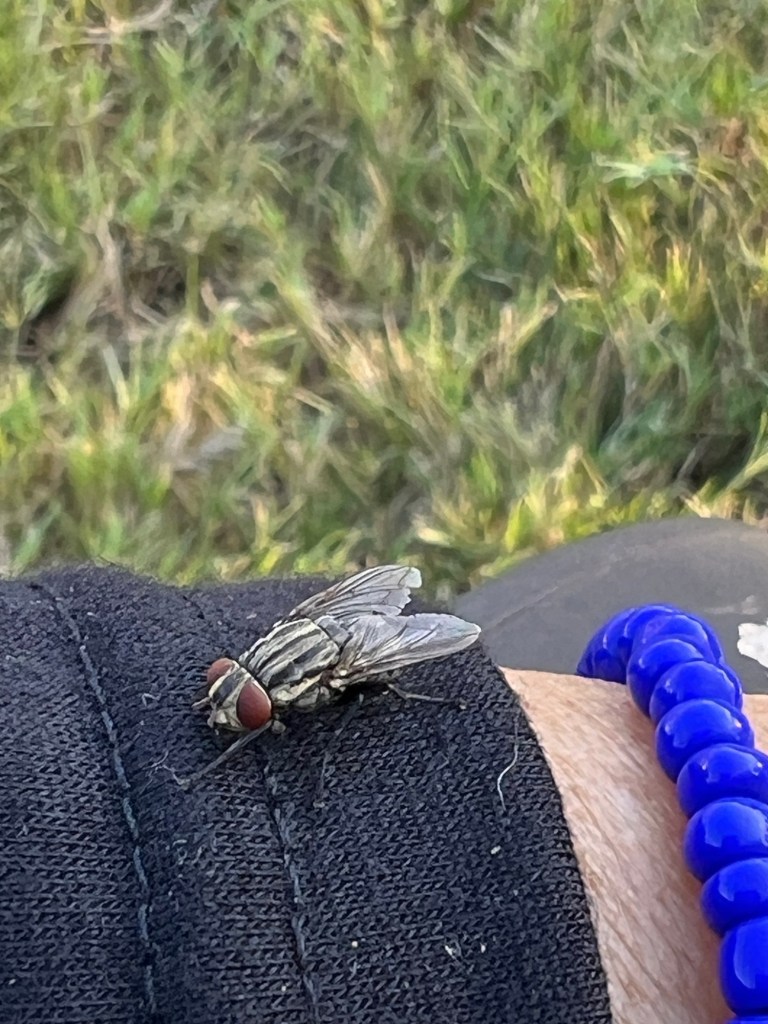
Something else I’ll treasure from the meeting last week: I now can tell you that this is a female house fly. Yep. Males’ eyes look like one big eye.
I’m way behind on book reports, and I want to catch up before I flee Texas for a couple of weeks again. So let me share this delightful volume that Lee got at the bookstore/coffee shop in Rockdale (one of the few reasons I would volunteer to go there).
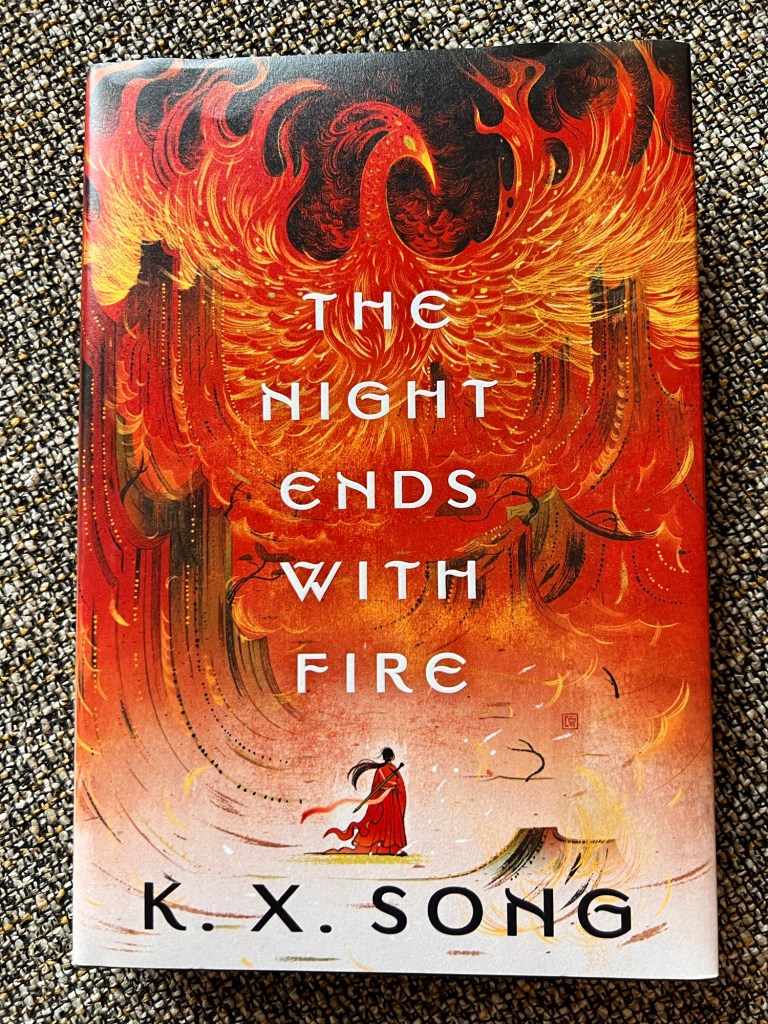
Great cover!
Holy Shit: A Brief History of Swearing (2013) is worth looking for in your local used book store. Melissa Mohr has a fine way of blending academically rigorous prose with sneaky bits of humor. For little linguist Suna, this was a delightful and engaging combination.
I’m sure my friends are glad I finished reading it, because I was compelled to regale my family and friends (and complete strangers who were willing to listen) with tidbits about the origins of curses and swear words. I feel quite educated in how the English language developed its words not fit for polite company.
I was extra glad that Mohr started out with how the Romans used swearing in Latin. I learned some good Latin and laughed a lot at their creative bathroom scrawls. Actually, they scrawled on all the exterior walls, too. I also learned more about their sexual practices than I did before. I’m not putting that stuff in the blog, though.
The main point of Mohr’s research was that what US and British society found to be the most offensive type of words has changed over time. early on you could babble on and on about shitting and fucking, but you’d better watch your tongue when uttering oaths or insulting God. The worst was to swear by God’s body, like God’s blood! They felt that you truly hurt God when you did that.
As time passed, oaths and swearing became less of a touchy subject. Nowadays we swear to God or whatever, and most sects don’t get up in arms. It’s the bodily functions that are taboo. Now we pass gas, have a bowel movement, urinate, and copulate. That’s all thanks to our Victorian ancestors.
The history of what was allowed under what circumstances is fascinating, though. You have to get used to reading all those “naughty” words, of course. It’s worth it. I haven’t laughed and learned at the same time to this extent in a long time.
I’ve been meaning to write about the latest Elizabeth Strout novel, and since I was wrong about going camping this afternoon, I suddenly have time. I guess I should have asked someone if we were leaving the day we originally planned. That’s what you get for making assumptions. I make an a** out of me. And, sigh, we have to leave a day early because I have jury duty Monday, I’m a bit pouty. I really want to go camping. We haven’t been in so long.
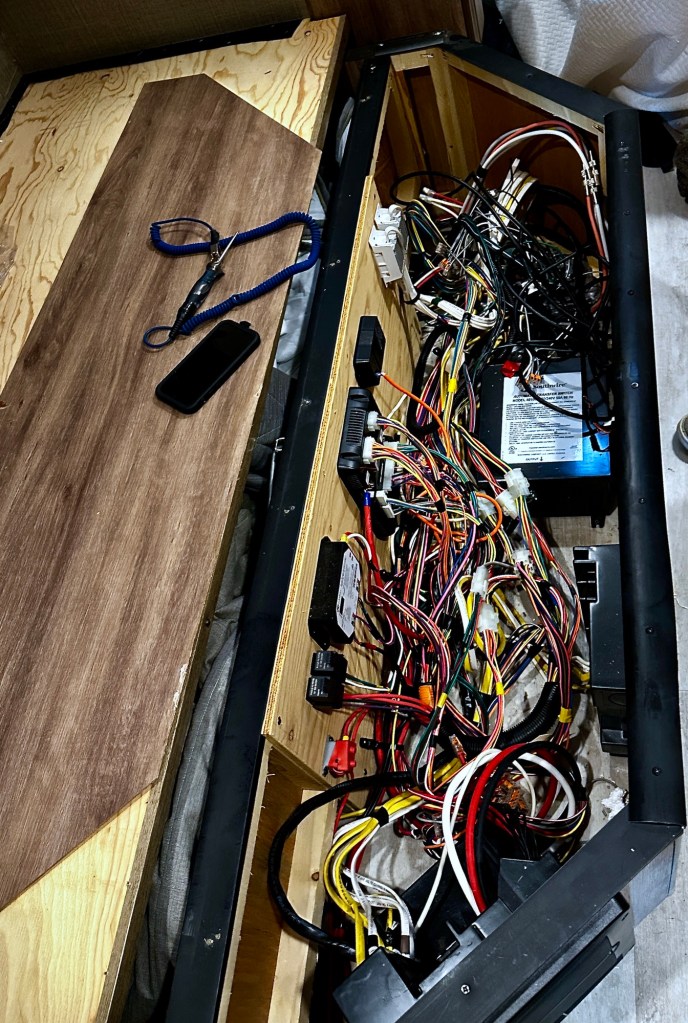
Must deal with these results of the investigation into why the bedroom slide won’t move. It needs professional help.
However, I did read this book, so let’s talk about Tell Me Anything (2024). As soon as I realized there was a new book in this series (I’ve reviewed them all on this blog, so you can search for Strout and find them), I ordered it. I was very interested to find out what was going on with the characters in Crosby, Maine, since the pandemic, so I dove right in. I was happy to see that this installment concentrated on good old Lucy Barton and her friend Bob Burgess, as they cope with a local murder.
As with most of Strout’s books, the plot is secondary for me. I just enjoy how she tells stories. Her style is so spare, and her use of repetition and the narrator jumping in with bits of information, just enough information. And as always, you get insights into how people think, act, and work from points of view you’d never considered before. I just love the pithy parts.
An imaginary Maine coastline.
I underlined and marked many passages that I can no longer see, but my favorite one was this part of a conversation about the meaning of one of the stories two characters shared with each other:
That was about the same thing that every story Lucy and I have shared is about. People suffer. They live, they have hope, they even have love, and they still suffer. Everyone does. Those who think they have not suffered are lying to themselves.” p. 315.
Actual small town in Maine. Photo by Leah Newhouse on Pexels.com
The people in the book are also fun for me. They are all so fully formed, with wonderful features and fatal flaws. They are real in the best way. I love how married couples are treated here. They have days where their spouses get on their nerves, then days where they don’t know what they’d do without them. And there are divorced people who don’t hate each other, but are glad to no longer be married. It’s refreshing to be able to feel empathetic with human beings who can be inconsistent, think judgmental things about others, but still be doing their best. I feel less alone.
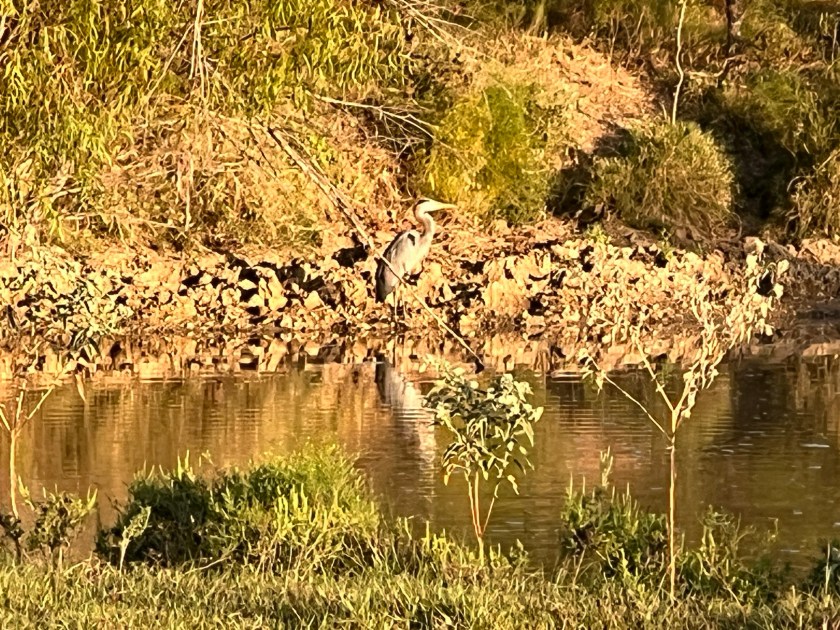
There’s always time for reflection, like the heron is doing. These books inspire you to reflect on universal truths and intimate insights.
One more thing is that I was glad to see that Strout introduced a few new characters, since the “old” ones are mostly getting old. Olive Kitteridge is now 93! I can’t wait to see how she weaves them into the continuing saga as she follows them on through the scary 2020s.
Once again, my friend Ann thrusted a book at me and said she knew I’d like it. She’s very good at selecting reading material for me. Ann said there was a part in it about Burning Man, did I know anything about it?
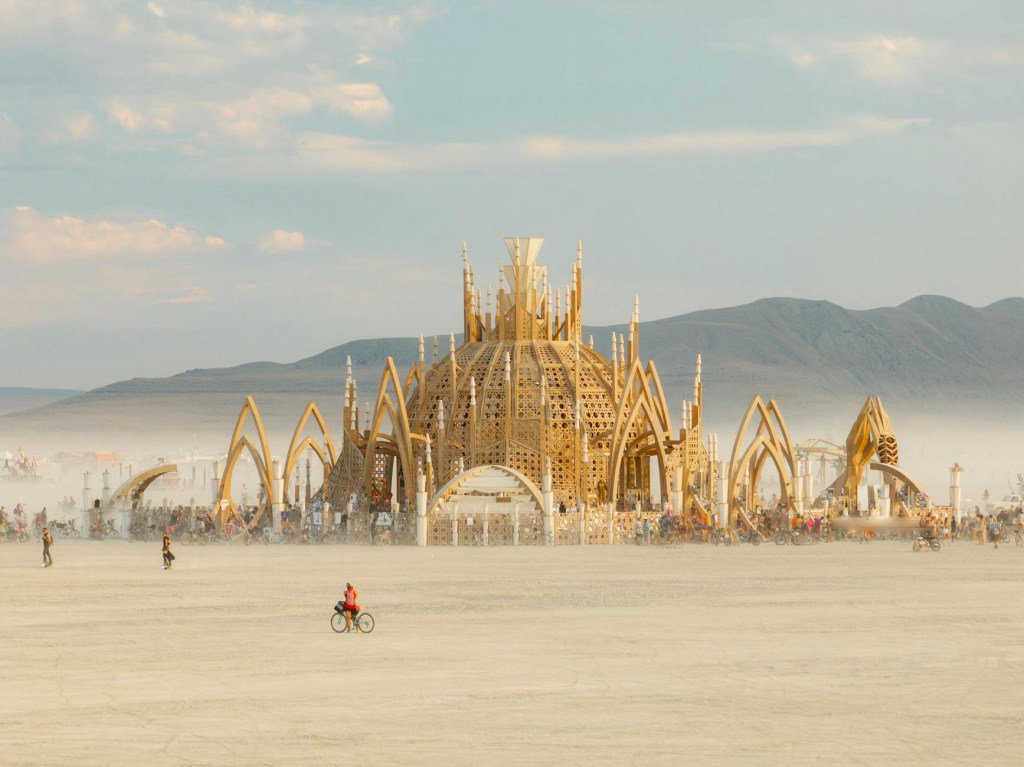
It was hard to find a usable photo of burning man. This is a temple. From Pexels
Well, yes, I know people whose adult children go, and my jewelry friend got married there. And I get the concept, but never had an urge to go. Too much sand and too many drugs for me. I really hate sand and wind combined. It gets everywhere. And most of my life I avoided psychedelic drugs. I was afraid of messing up the only brain I had.
It gets everywhere. From Pexels.
But, that’s neither here nor there. The book Ann gave me was Wild Old Woman, by Joan Maloof, a great writer about trees and nature. This memoir, more about love, sex, spirituality, and adventure, was self published this past summer.
And yes, indeed, this was a memoir that resonated with this weird old Suna woman as I’m sure it did with Ann. Bonus: I learned a lot about Burning Man, among other places. I don’t plan to go, but Maloof sure learned a lot there.
Sometimes memoirs are interesting because the writer does fascinating things or meets famous people. This one intrigued me because Maloof experienced many life changes and spiritual insights, and she reacted just like I would, for better or worse. That felt a little weird. I appreciated her honesty and openness. She’s a real, fallible human with many strengths, but who likes to examine her failings as endlessly as I do.
One of the best parts of the wild old woman’s tale (she is a couple of years older than me) comes after the narrative ends and Maloof finishes her dream journey to Bhutan. She provides two “meta” chapters that outline how the book took shape, was reviewed, and was published. I just loved how this section provides insight, especially into what’s not in the book and why.
I learned something in this section that gave me a useful new understanding about a certain kind of very frustrating relationship, one I have experienced as well. This relationship is with a man who keeps pushing her away and pulling her back, while her brain recognizes the pattern but her heart understands why he acts the way he does. It’s called a trauma bond. Here’s what she discovered:
I learned that it was more of a one-way thing. Someone alternates being kind with being unkind, and the bondee sticks around waiting for the next dose of kindness-sugar. P. 199
That explains an extremely embarrassing relationship I was enmeshed in when I was much younger. I knew the guy had issues and was toying with me, but I kept coming back, hoping for more kindness.
Maloof pointed out that her research said that the only way to get out of a trauma bond relationship is to completely cut it off. And I did that. I was in contact once more when I was older, and the person started right back in with the poor me, everyone is out to get me stories. I didn’t reply.
I’m just happy to know there’s a better word for what I went through for a few years than pathological obsession. I feel closer to closure over this regrettable and embarrassing period of my life. It’s hard to admit I could be so gullible, but I was young and inexperienced. I have worked years to forgive myself. I mostly have done so.
These guys help.
Sadly (in my mind) Maloof is still going through the push and pull, though distanced. Maybe it’s okay. On the other hand, she’s still living alone and free, running her wonderful nonprofit to save trees. We all have things to work on, even us chronic meditators.
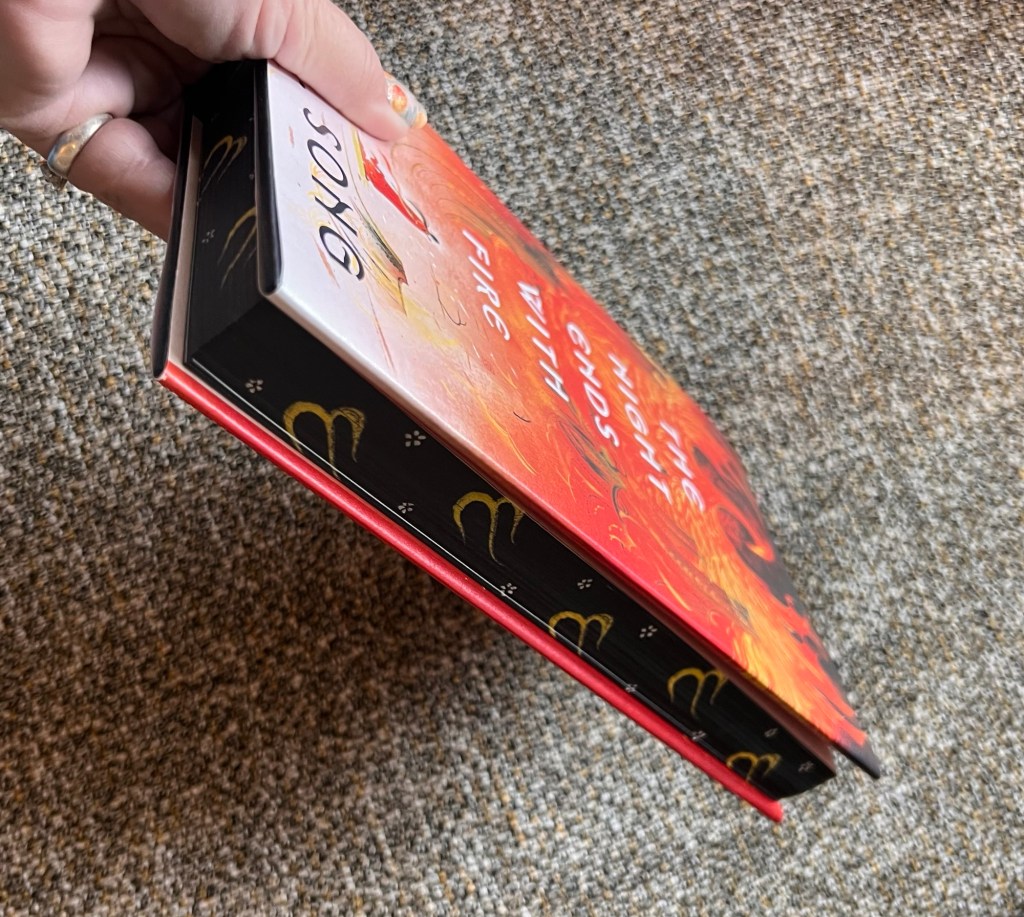
I wanted something to read at the airport last Saturday, since I’d packed all my other reading material. I went to the Book People shop at the Austin Airport and was intrigued by a couple of novels that had nice images on the edges of the pages. They both looked fine, so I picked one.
Isn’t it pretty?
The book I chose is called The Night Ends with Fire, by K. X. Song. I didn’t even realize it was a retelling of the legend of Mulan in a non-Disney interpretation until I was halfway finished with it. Song does a fine job of making this book fascinating, even if you don’t know the legend/history behind it.
Note that the fire is a phoenix. Foreshadowing.
This is a perfect book for the airport or a vacation, because it’s easy to get engrossed in the story and lose yourself. That’s a lot of fun sometimes! Song weaves a fascinating world of mythical “China” with warring clans, intrigue, and magic all combined to create a great read.
I liked that none of the characters were pure and perfect, including the protagonist, Meilin, a woman who goes to war as a man and is a full-fledged human with ambitions, weaknesses, as well as great strength. The “villains” are also real, human, and have strengths and weaknesses. That’s my favorite thing about the book, that all the characters are both extraordinary and ordinary at the same time.
The storyline is a lot of fun, with surprises, twists, and turns. The only thing I didn’t like was when I realized it’s part one of a series. Bummer. Now I have to wait for the sequel! If you like historical fiction and especially Chinese culture, go out and get this one! You’ll enjoy it.
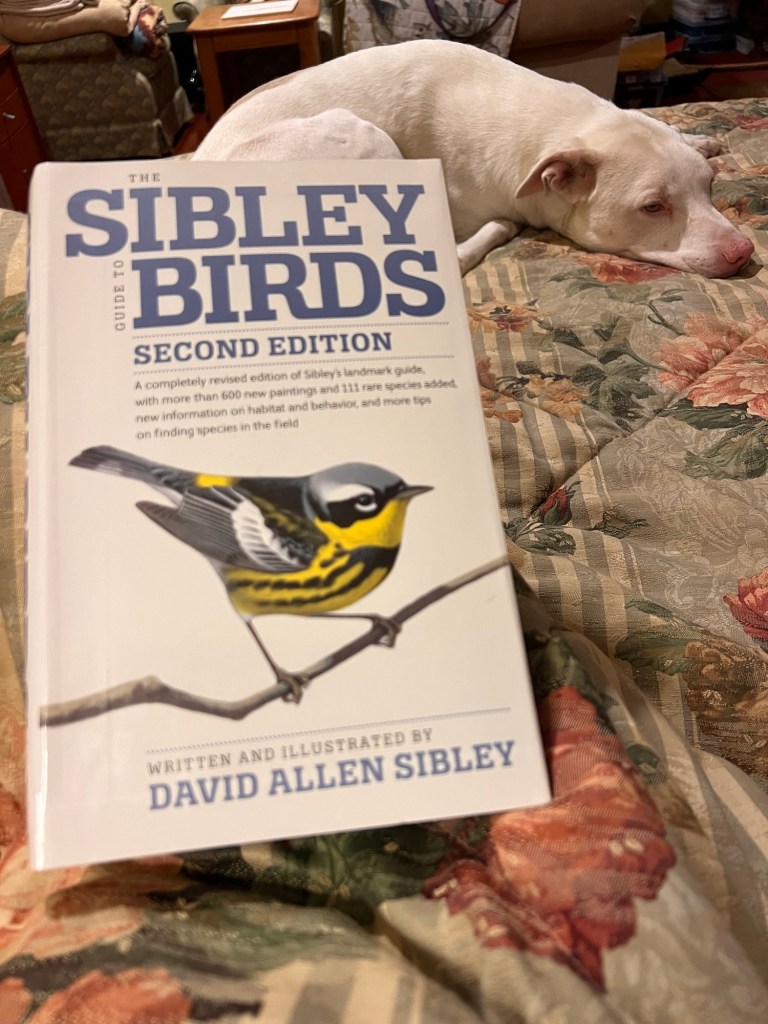
If so, I recommend The Sibley Guide to Birds, Second Edition. It’s by David Allen Sibley. Not a surprise. I mentioned earlier this week that I read it from cover to cover (literally, since the covers and end pages are also interesting).
Repeat image. It’s allowed.
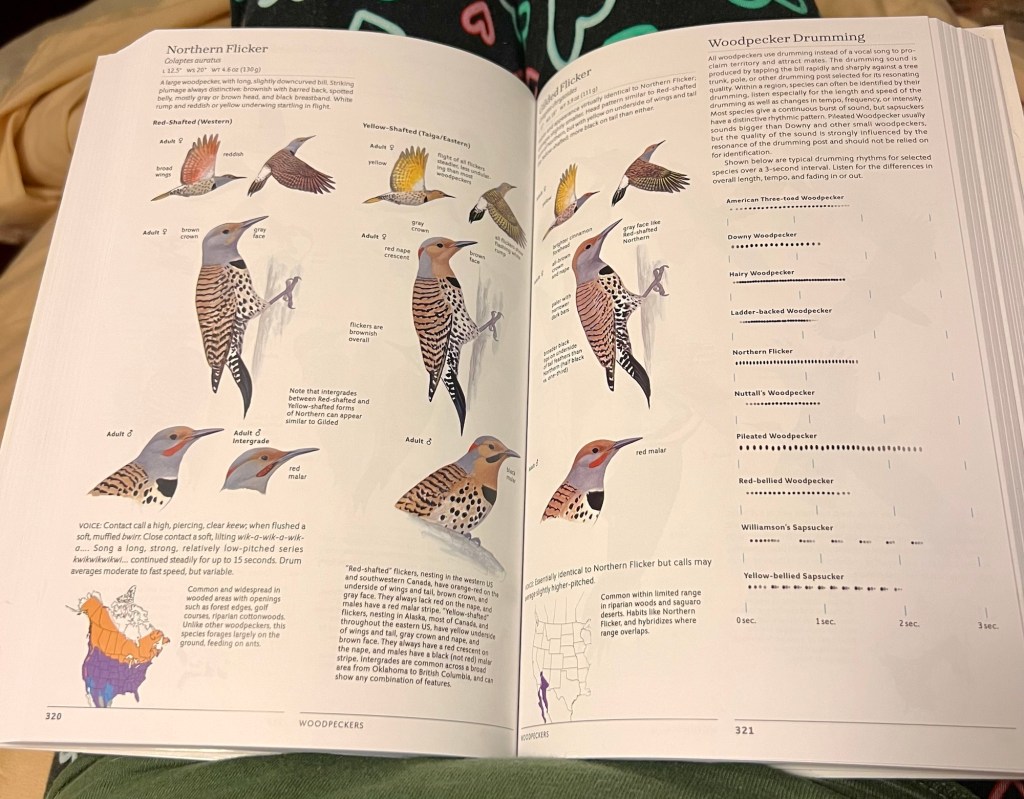
Sibley is an incredibly talented illustrator and I have found his detailed photos of similar birds like sparrows and warblers very helpful. His descriptions of birds and their calls are quite accurate but also funny at times. I love how he tries to write out what a bird song sounds like, then calls them dull or wheezing or whatever.
Orioles
The maps are also helpful in trying to see if a bird is likely to be seen or heard where you are. I found a few to look out for here!
It’s a bigger book than many bird guides, so it would be hard to carry around in the field, but I like to really be able to see the images. I carry Merlin Bird ID with me when I’m out. This book is for more detail.
Look! Flickers! They are woodpeckers, you know.
I loved this book while reading it and will refer to it often. It’s a great addition to any nature library.
By the way, we got some reasonable rain. I love how this Eastern Pondhawk glistens against the wet leaves.
Next up? Animal tracks! I do already know dig, horse, chicken, and deer.
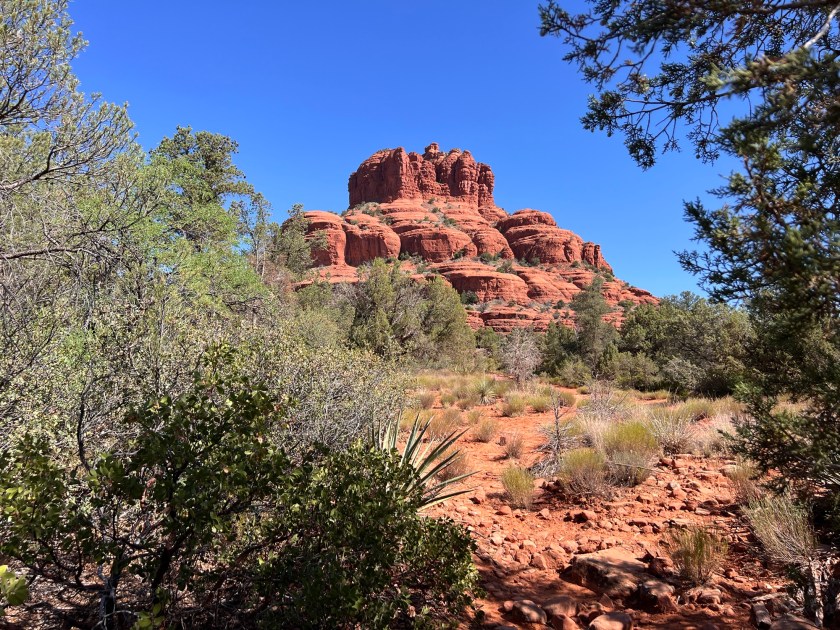
Today was our day of rest, so there was no big excitement in Arizona other than a pleasant walk around Bell Rock, where I got to see and hear the beautiful desert-dwelling Scott’s Oriole. So, I’ll finally write about the most recent book I’ve read, Prodigal Summer, by Barbara Kingsolver (2000).
Nice spot for a morning walk – only minutes from our condo
The reason I read this book was that Jay, one of my old online/IRL friends noticed what genre of books I’d been reading and felt strongly that if I hadn’t read it, I should. So she ordered me a copy and had it mailed to me.
I think this copy has been resold many times, judging from its stickers and velvety-soft pages.
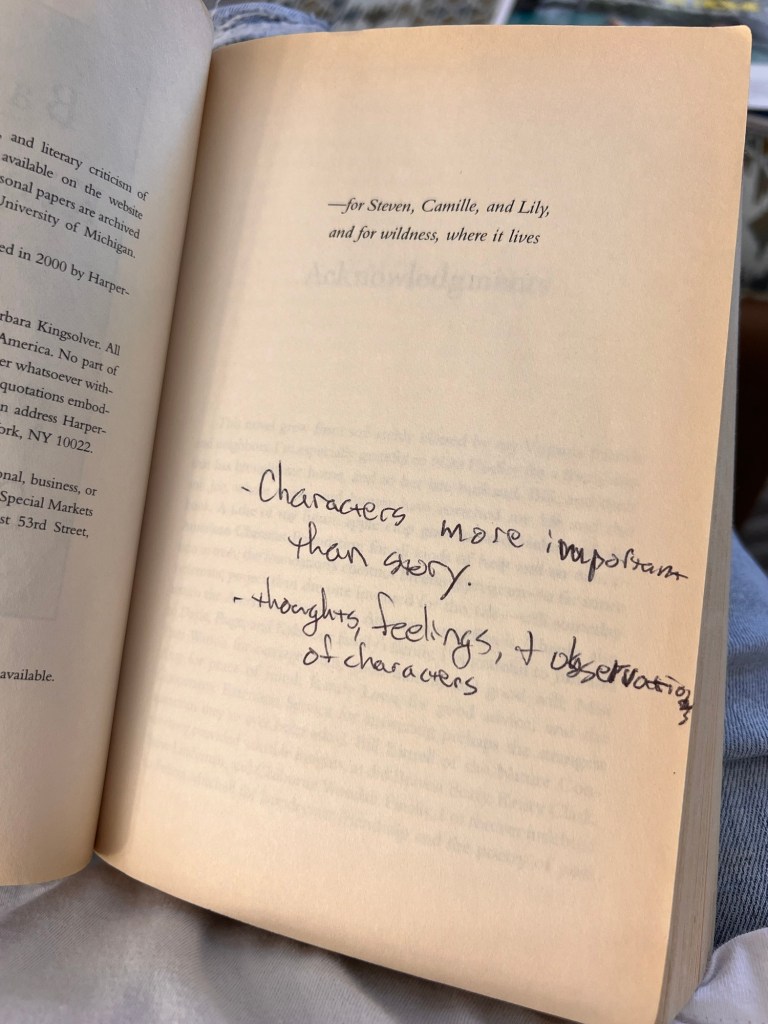
I particularly enjoyed reading this pre-loved copy, because I felt like I wasn’t alone reading it. Some college or high-school student must have been writing a book report themselves, because there are many notations and bits of “analysis” written on the pages. It was fun to see what they were getting out of the prodigal summer.
Ah yes, that sums it up, my friend.
As for my analysis, of course I enjoyed Kingsolver’s writing – she’s as great as everyone says she is – I just hadn’t gotten around to reading anything by her yet. And as my reading buddy noted, her characters are just great. I like them as much as I like Maeve Binchy, the Irish novelist. Each one of them is fully developed, and I especially like that they grow and change and admit their mistakes. I like a realistic protagonist instead of an all-knowing one.
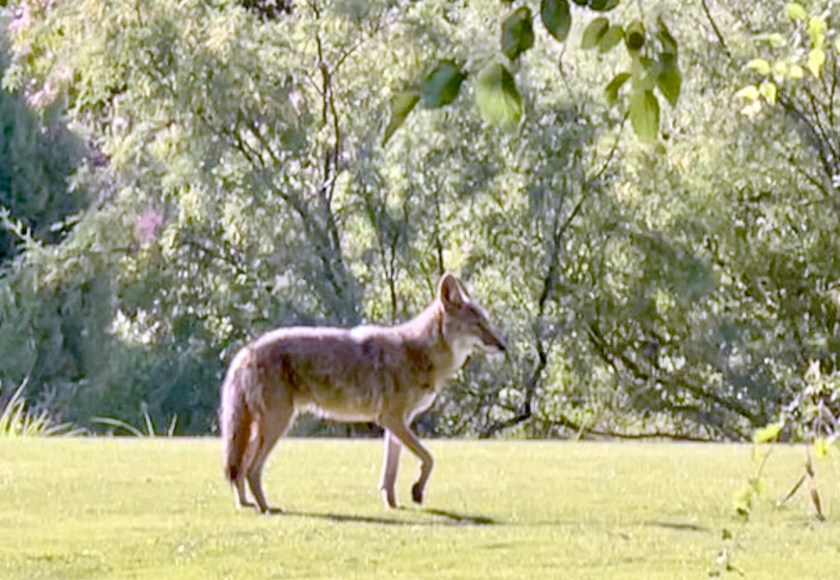
One reason Jay wanted me to read the book is that one of the lead characters is a naturalist who likes to be by herself with nature. Who does that sound like? This woman is very protective of a family of coyotes in the mountains in Eastern US, where she lives, since they had been pretty much extirpated in modern times. When I saw my healthy suburban coyote yesterday, I recalled this book, and had to smile knowing how well coyotes are doing in Texas and Arizona today. What an adaptive animal!
I love my golf course
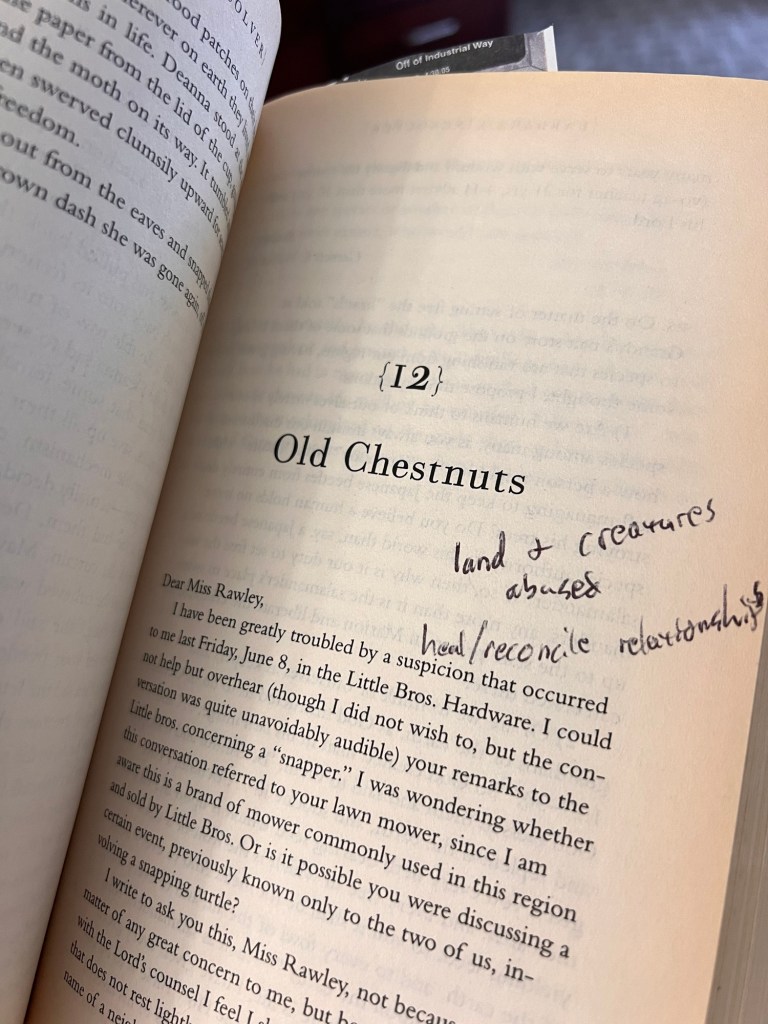
However, my favorite character is an older gentleman who is really fond of his traditional farming methods as he tries to resurrect the American chestnut tree. He gets himself all worked up about tree-huggers who don’t mow or use pesticides, and is particularly suspicious of Unitarian women from the next down over. I enjoyed his internal monologues so much I kept reading them aloud to Lee.
Writing in the copy of book I read aand a tiny sample of the thought process of Garnett, my favorite character.
Prodigal Summer is worth reading just for this one character’s story, but hey, there are other main characters to enjoy, including a woman who takes over a farm and does a lot of canning while experiencing personal growth.Of course there’s an old hippie woman, as well. And you get the bonus of learning a lot about Appalachian plants and animals along with the humans.
I’m really glad I had the chance to read this book, though I must be getting old or embracing my inner Ace, because I could have done with less extra graphic sex. Still, I might even have to read it again, just to enjoy the old dude. Thanks, Jay!
Do you remember your favorite book from childhood?
Surprise! As a child I was very fond of, you guessed it, horse books. I read every horse book in the Sidney Lanier Elementary School library by third grade. The last book the librarian found was Steinbeck’s The Red Pony. She soon learned that sensitive young girls should not be given that book, even if they have advanced reading skills. I cried a lot and had nightmares.
I didn’t like the thought of horses dying gruesome deaths.
I’m glad they now have books for young people with high reading levels that are still children.
My favorite childhood book, Black Beauty, by Anna Sewell, also depicted bad things that happen to a horse, but after I’d read it once, I knew there would be a happy ending, so I let all Sewell’s animal rights propaganda seep into my future Master Naturalist brain by reading my poor copy dozens of times.
This was the 1955 edition I owned. Goodness, that horse has small eyes.
I can tell you what the cover looked like, and how I regretted that I let the plastic coating on the cover peel away. I can smell the book, even. It was the most beloved of a set of beloved horse books, a few of which I still have.
My second favorite. I still have this.
No wonder it was so important to me to find a trainer who was kind to horses and understood them. It’s probably a good thing I waited until I was getting on in years to start formal lessons, so that natural horsemanship could become a “thing.” I wouldn’t have been good at the showing the horse who’s boss by beating them school of training nor the cruel bits/painful sours tack they’d use. Black Beauty didn’t like that either!
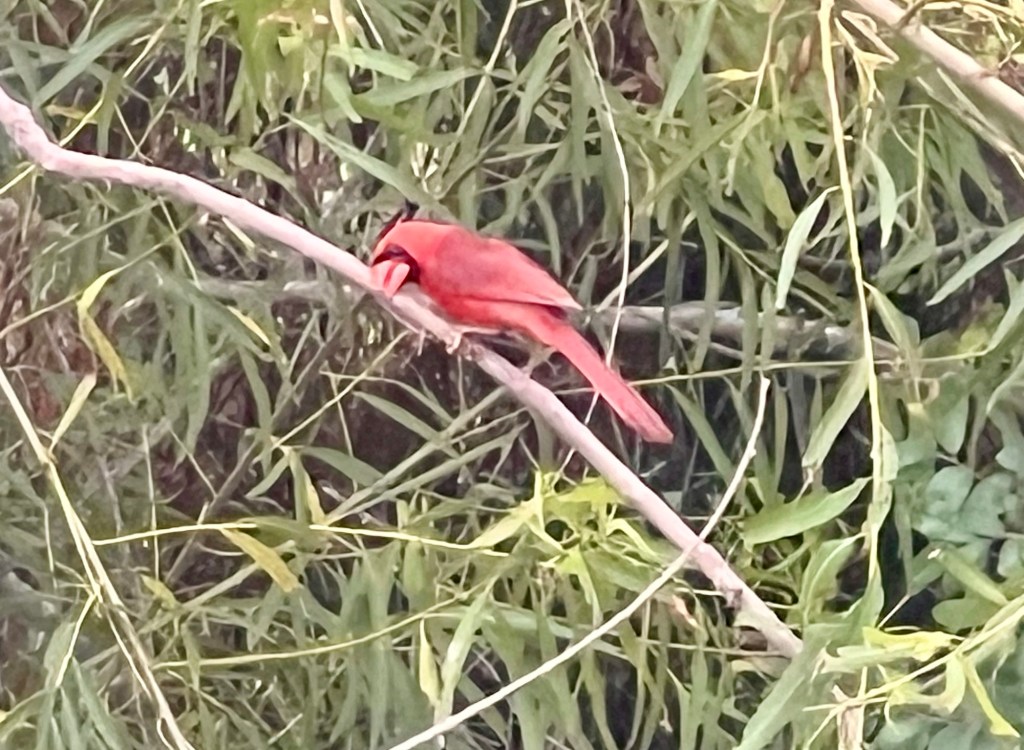
That stuff’s for the birds, says Mr Cardinal.
Today was a great example of how Tarrin Warren, my horsemanship coach and horse trainer, works with each horse and rider pair differently, according to the needs and skills of both the horse and the human.
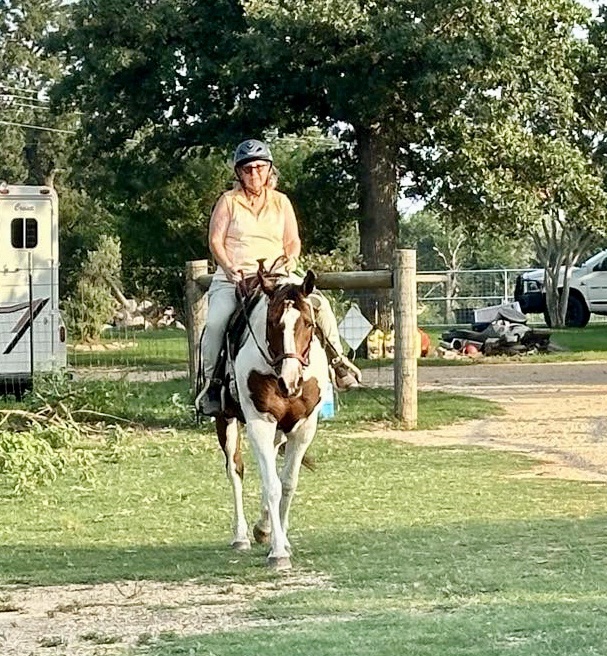
Check this out! Me and Drew happily riding outside of the arena! Happy faces.
I had lessons on both horses, and doing the same exercise I used different techniques to bring out Drew and Apache’s talents and help with their issues, all the while building my skills. This helps me with my confidence in other areas, too.
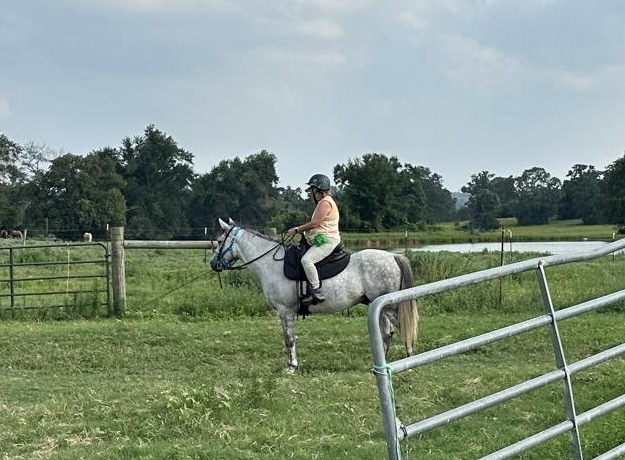
This horse right here calmly walked by neighing horses, a loud RV, and the previously hated trailer.
Horses are good for people. And looking at Apache’s shining eyes and willing body makes me think maybe they get something from us, too.
I love you, Suna, in my horsey way.
Drew is completely back to his normal self, too. It’s like the past few months never happened. We have fun and I feel perfectly safe with him, even when his leg collapses under him. Heck, today I gave him his shot like a pro, and had ZERO issues bridling him. Those are two things I’d never have believed I could do before.
Calm and happy horse and rider.
So yeah, as much as I loved learning about horses in books as a child, I’m loving it even more with actual horses. Yup, even with all the ups and downs.
Here we are, looking forward to the future. Or looking at Tarrin’s new house.
Tomorrow I promise to write about something other than horses! Or birds. I’m getting rather stuck on topics, but it helps me avoid controversy.
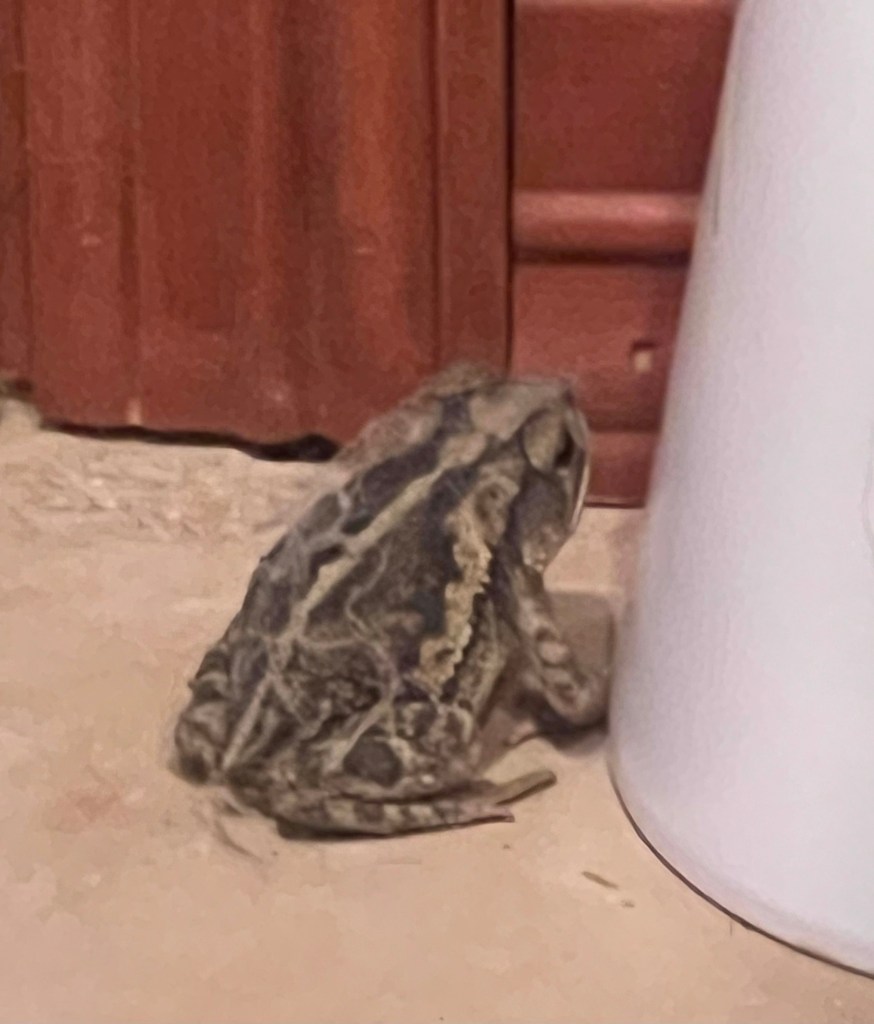
But we birds are fascinating, says the Red-Bellied Woodpecker. I’m also interesting! (Giant Walking Stick)What about me? I came in Suna’s house and she rescued me before dogs found me. That’s interesting. (Gulf Coast Toad)
I wanted to finish this book before I went on vacation next week, so I indulged myself and spent much of the day today finishing Weyward, the debut novel by Emilia Hart (2023). My local friends who are in a book club together kept talking about “the book” and how they knew I would like it, so eventually it got passed on to me.
Of course I liked it! If a book had “Suna Shoukd Read Me” on its cover, it would be this one. It’s even set in the area from whence my ancestors came (Cumbria). And there’s a Viscount of Kendall hereditary title in the novel, which is totally made up.
But it’s the women who are linked by strong blood ties as well as ties to nature that draw you into the story. Like many novels, there are parallel plots in different timelines that eventually come together. And there’s a thread of the supernatural that’s not over the top.
Basically, I enjoyed Weyward because it felt like it could depict a distant branch of my own family. I just have to root for a bunch of dark-haired, dark-eyed, weird women who understand nature better than those around them. They are just like me, only more so.
I recommend this book to anyone who likes strong female characters, fantasy novels that aren’t over the top, and clean, consistent writing. Of course, I think a large percent of my friends have already read it!
Now I can give the book back to Ann, who can return it to her son, who kindly embossed his name on page 100, like I used to do.
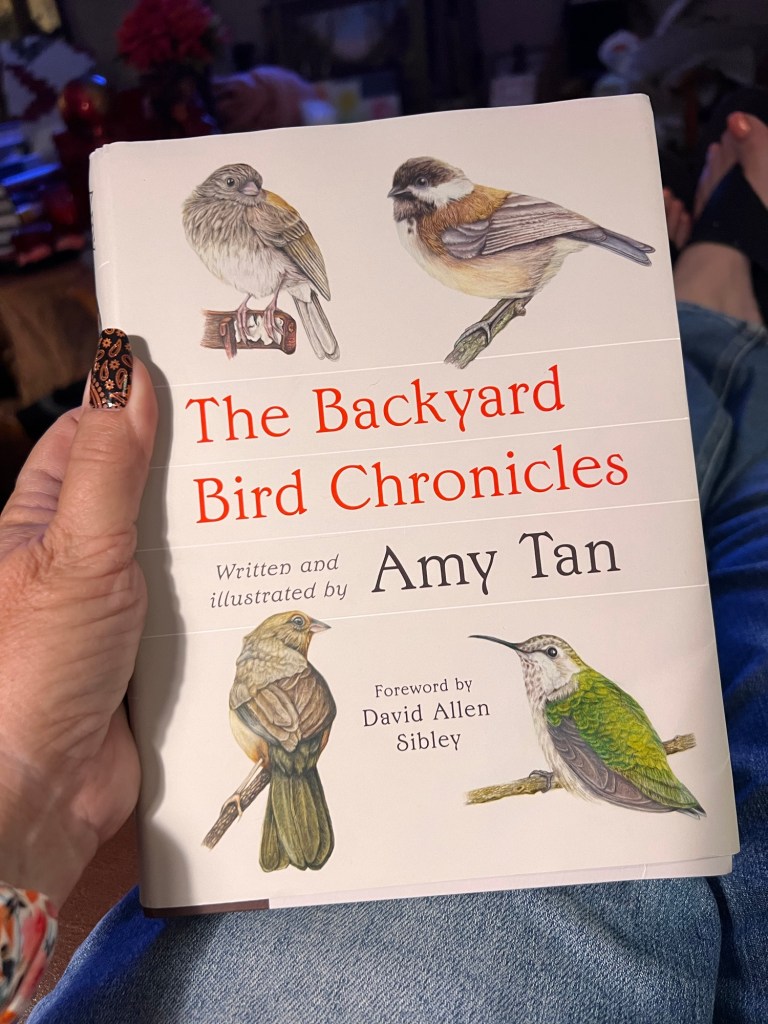
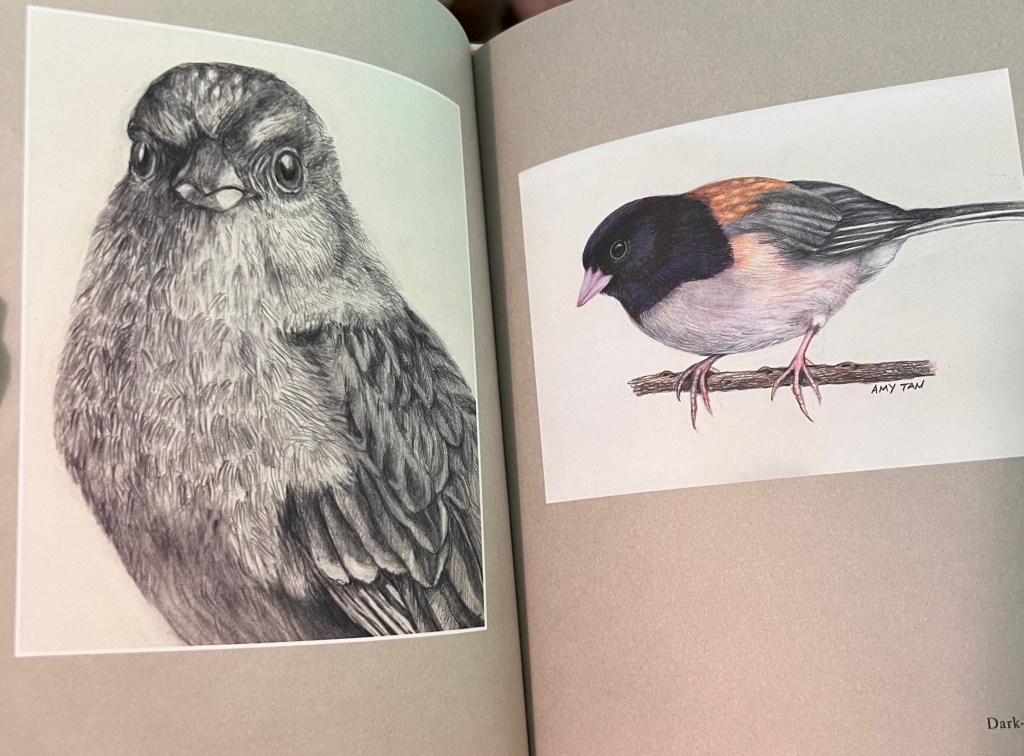
Yes, I read another bird book. The Backyard Bird Chronicles (2024), by Amy Tan (yes, THAT Amy Tan), is very enjoyable for any bird watcher or wannabe bird watcher. It’s absolutely beautiful, too, with many detailed illustrations by Tan, who didn’t start taking art lessons until she was getting on in years. You’d never guess it. She’s a keen observer of our avian buddies.
Yes, the foreword is by THAT David Allen Sibley.
Tan based the book on her bird journal for a few years, including through COVID. She is a dedicated suburban bird feeder with the funds to give them the best a bird could want. I enjoyed reading about how hard she had to work to thwart squirrels and rats from getting all this fine food.
I learned a lot about songbirds of northern California, of which I wasn’t very familiar before. There are lots of similarities to the birds here, just Western versions. Tan’s charming and sometimes a bit naive observations are quite fun to read, even when you know some of her ideas aren’t entirely accurate. But she has so much fun thinking about what birds are thinking, that you just want to roll along with her.
Even though I observe birds differently (no way I’d feed them and encourage even more mice, rats, raccoons, etc.), I got a lot out of her close observations, which I rarely get out in the woods or pasture.
Most of you would probably enjoy this book, both for the writing and the art. And you get insights into Amy Tan’s life. I have loved her memoirs before, and this was sharing her memories on a topic we both love.
Honestly, even non-bird folks will be charmed by this book. Maybe it will inspire others to look closely at the nature around them.

















 The Hermits' Rest