
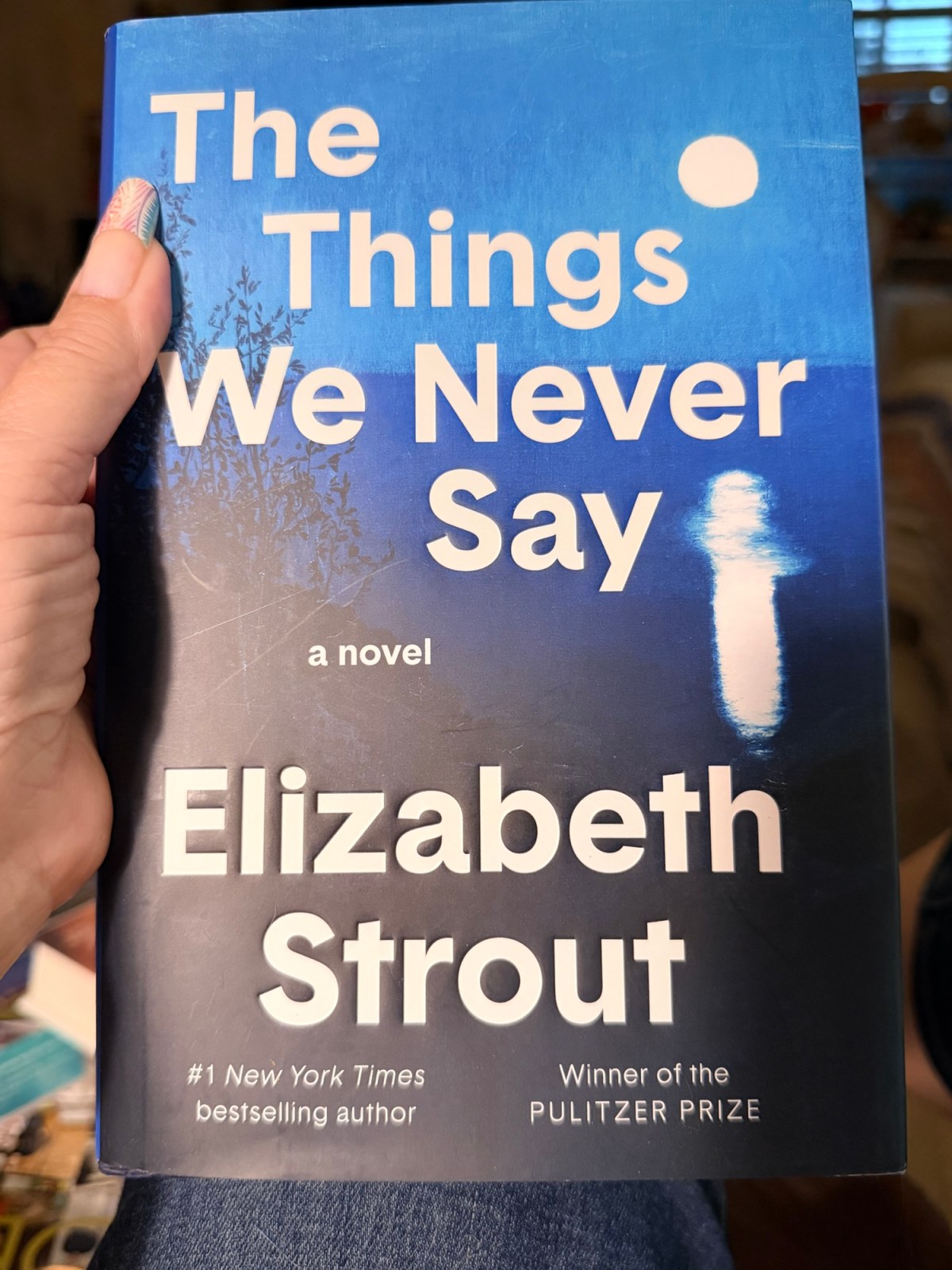
Oh, Elizabeth Strout, sometimes I wish you weren’t so gifted at spare prose, because I want to read your words every day. I do always read her books slowly, though, because she packs so much into every sentence. I’ve written about nearly every novel Strout has written, but I have no doubt that The Things We Never Say (2026) is my favorite.
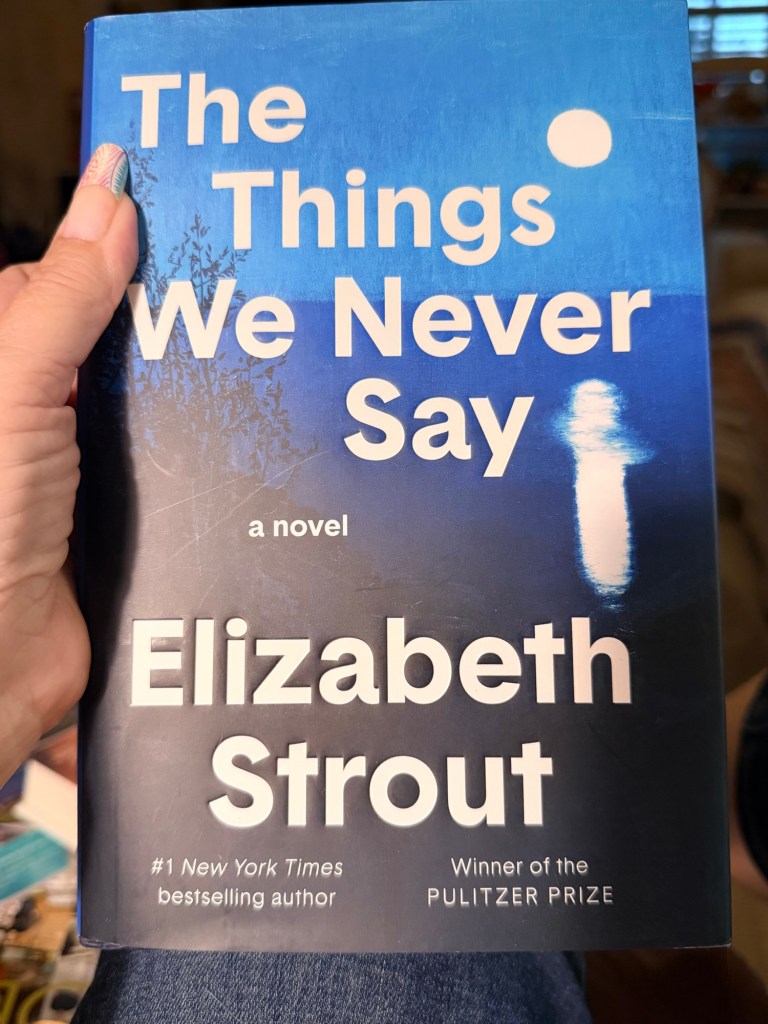
I finished reading it yesterday and had to sit in silence and think about the depth of emotion I experienced while reading it. The degree with which I empathized with the protagonist, Artie Dam, a high school teacher in a town near where her other books are set in the northeastern US, is very deep. The simple events he experiences and his reactions are both his alone and universal—I literally feel his pain.
The book is set is contemporary times, and the characters deal with the most recent presidential election much like everyone I know did, down to realizing some very good people you can trust with your life can support the “other” candidate. Most universal, though, is how Artie deals with finding out about a secret his wife has kept from him for over 30 years.
Artie is around my age, and he goes through some stages of coping with age and growing understanding that how we once saw the world is no longer true. And it’s as hard on him as it’s been on me. Wow. This book exquisitely sums up how I think many of us feel at this time in history.
I took some notes about what struck me most about The Things We Never Say:
- We all keep secrets, including some we aren’t consciously aware of
- Sometimes, after decades of caring so much about others, you just get tired and can’t anymore
- I’m not the only one who fears not living long enough to outlive the current US President’s destructive impulses
- Many long marriages work because people just get used to each other and go through the motions, not even caring about what’s going on in the other’s minds and not trying to share their innermost thoughts
- You have no idea about other people’s real thoughts, feelings, desires, past actions—no one ever will
- At some point, after trying to be a good person, to learn, to grow, to be kind, you’re just done. You’re ready to go
This all sounds depressing, but in many ways it’s comforting to realize the things you go through are not isolated. We’re all in the same boat (literally, Artie sails), and even if we don’t know everything about each other, there are connections.
As the book jacket says, “ Strout’s simple declarative sentences contain continents.”
This goes into my top favorite book list!

