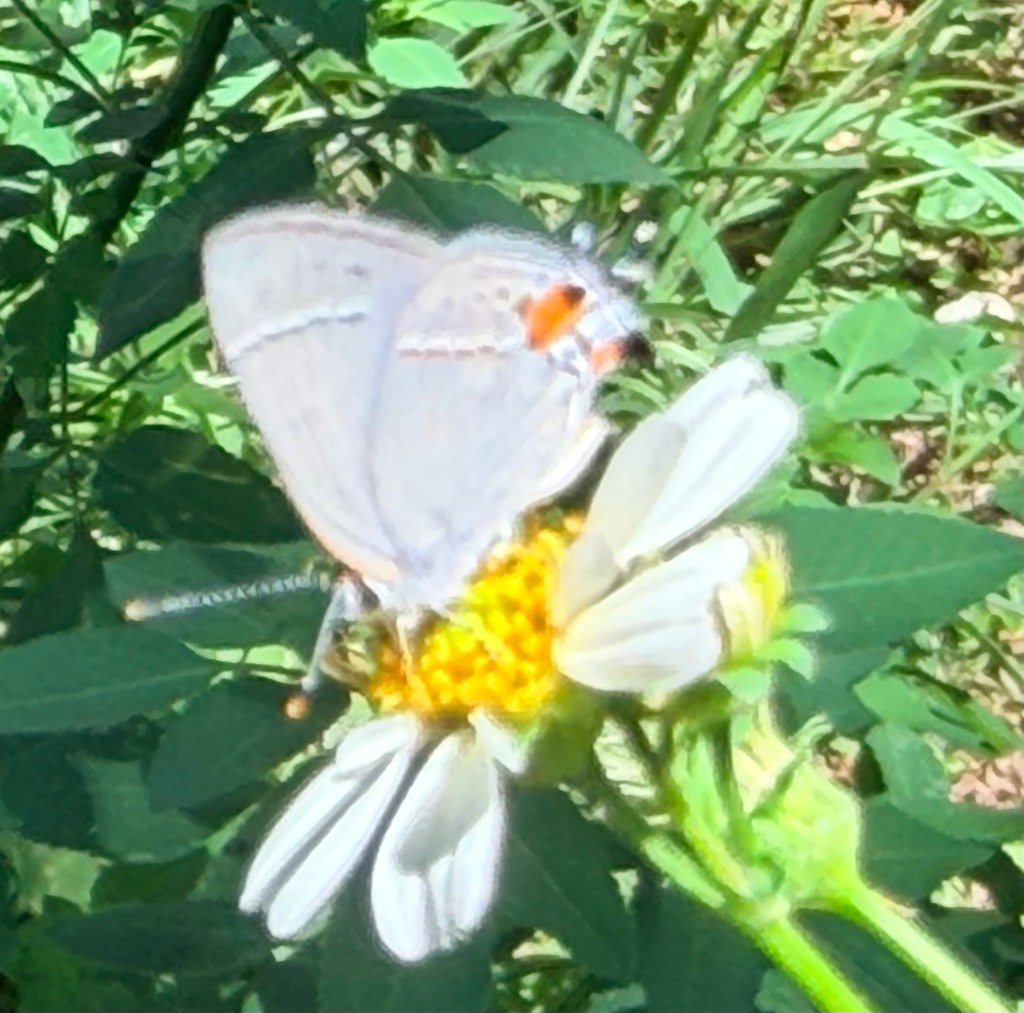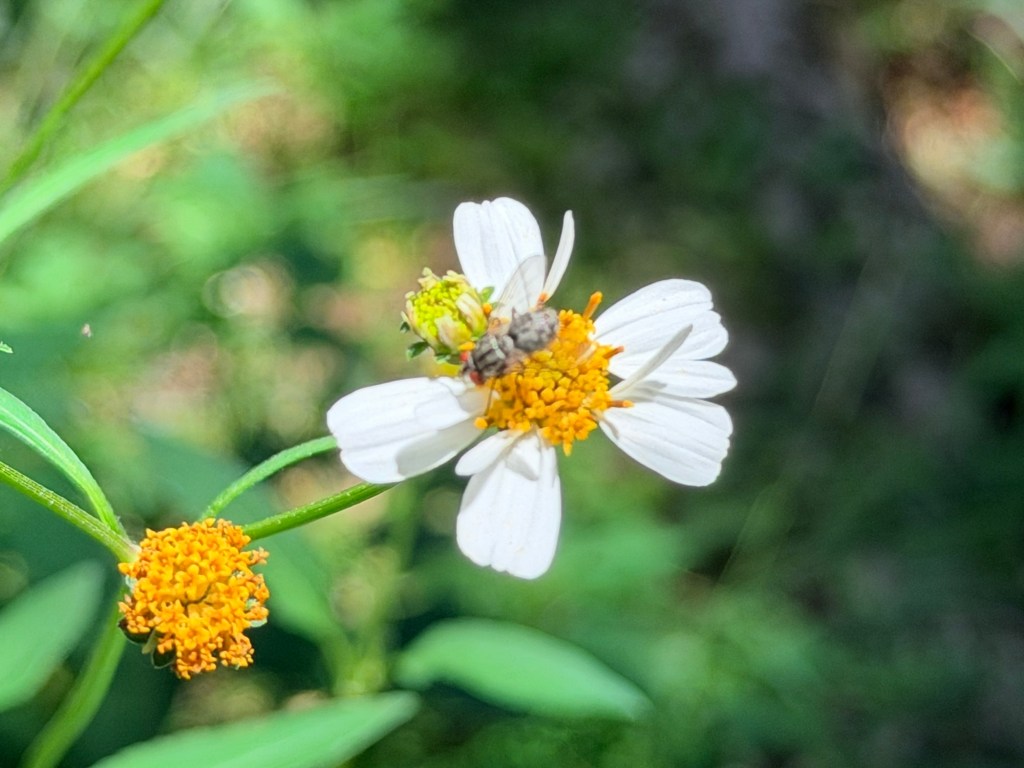
Twelve thousand steps later

Today was my only Saturday in Ormond Beach. So by gosh, I was going to make the most of it! While I’m still not back to the strength and stamina I had when I was working with horses and camping so much, I still managed 4.5 miles of walking at three different parks. I got my nature walking in!
It was worth it!

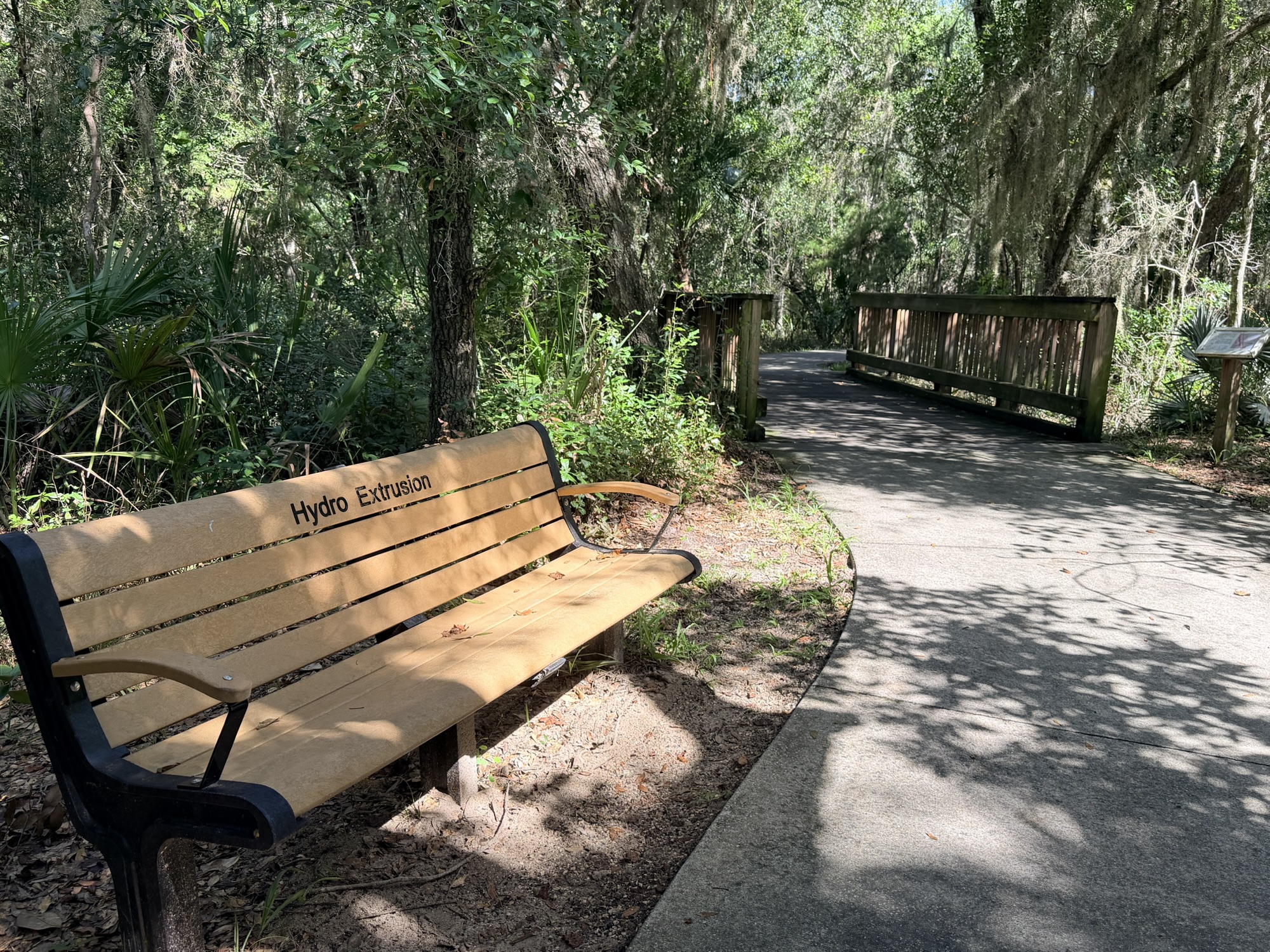
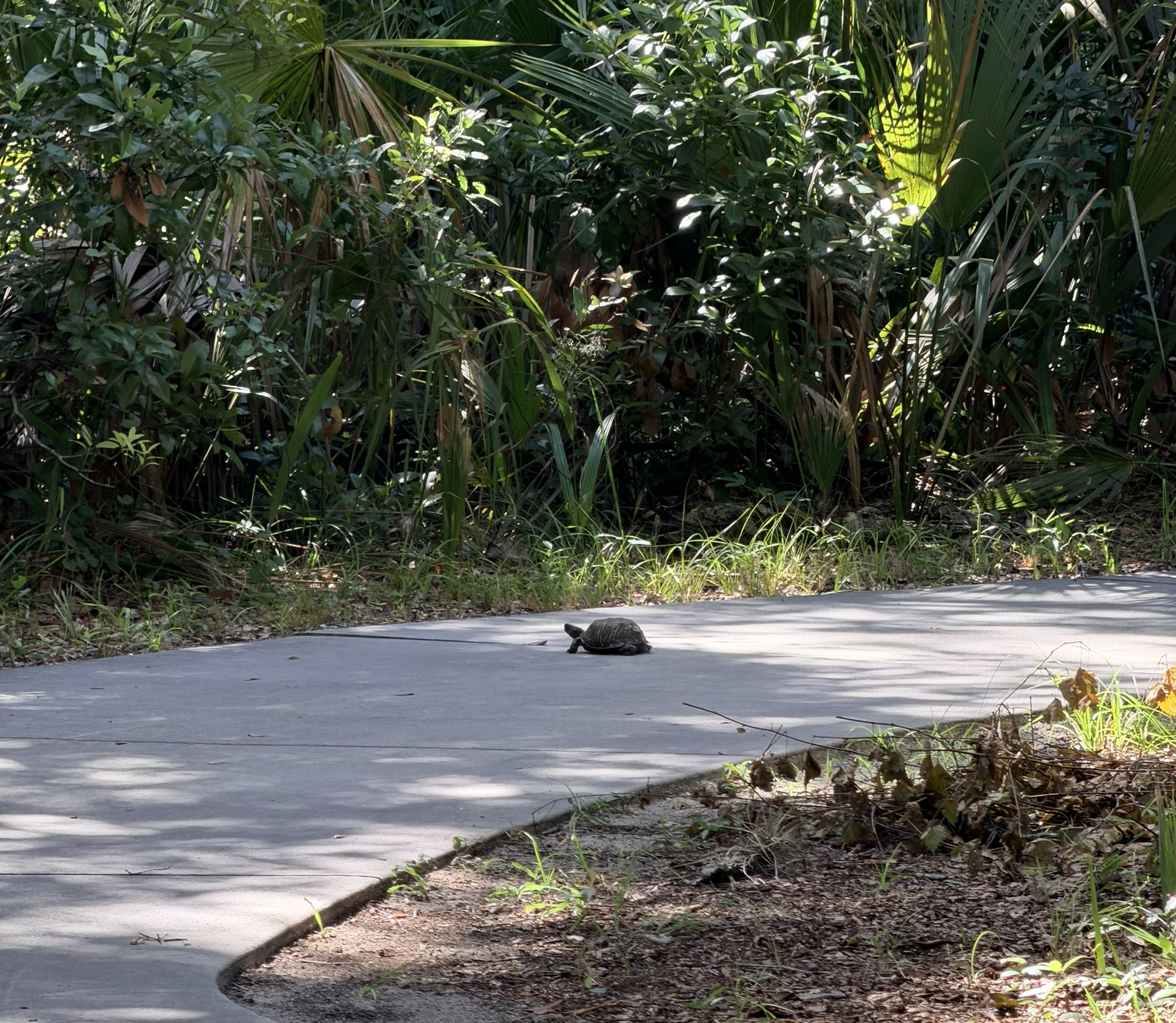
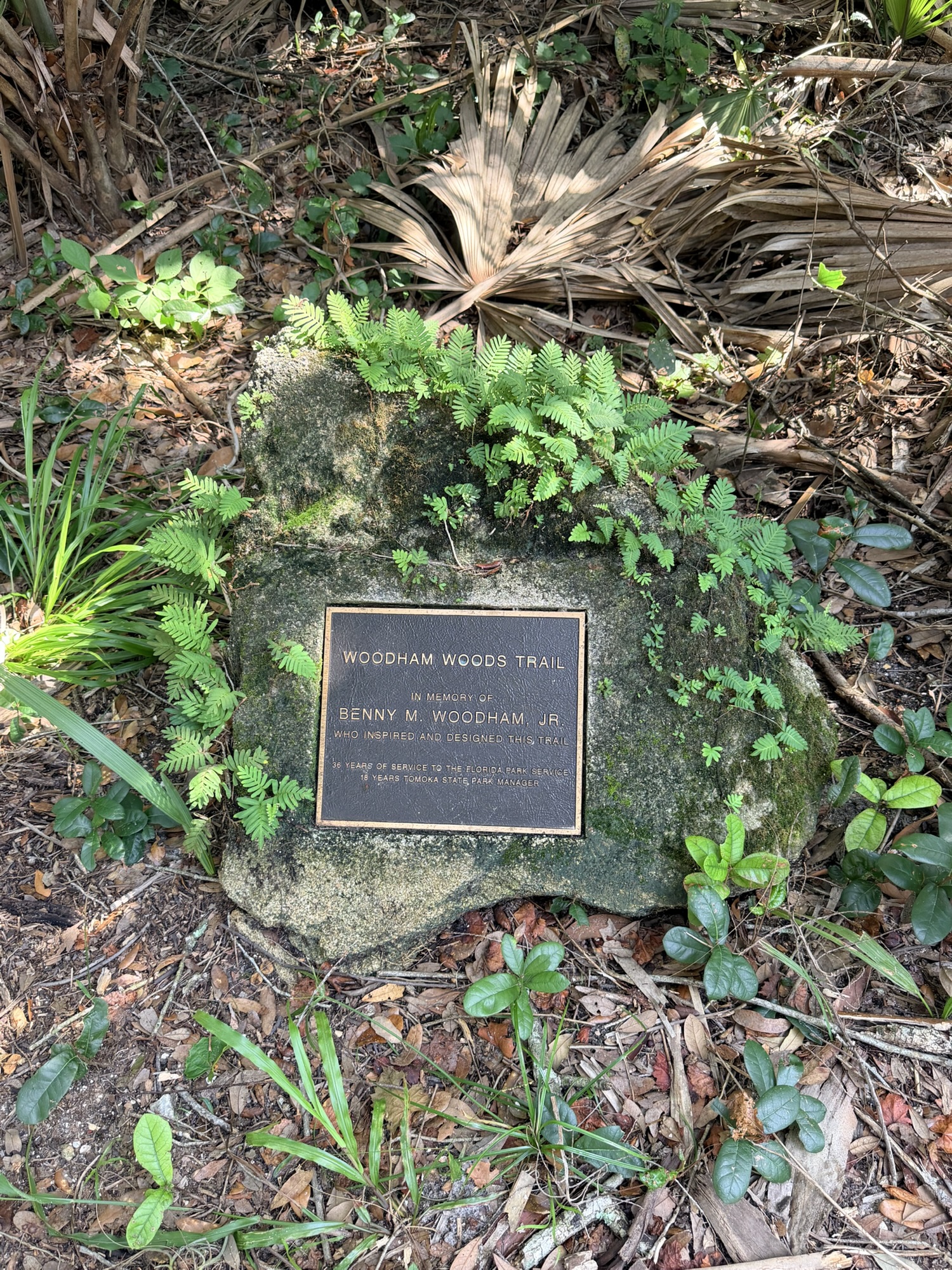
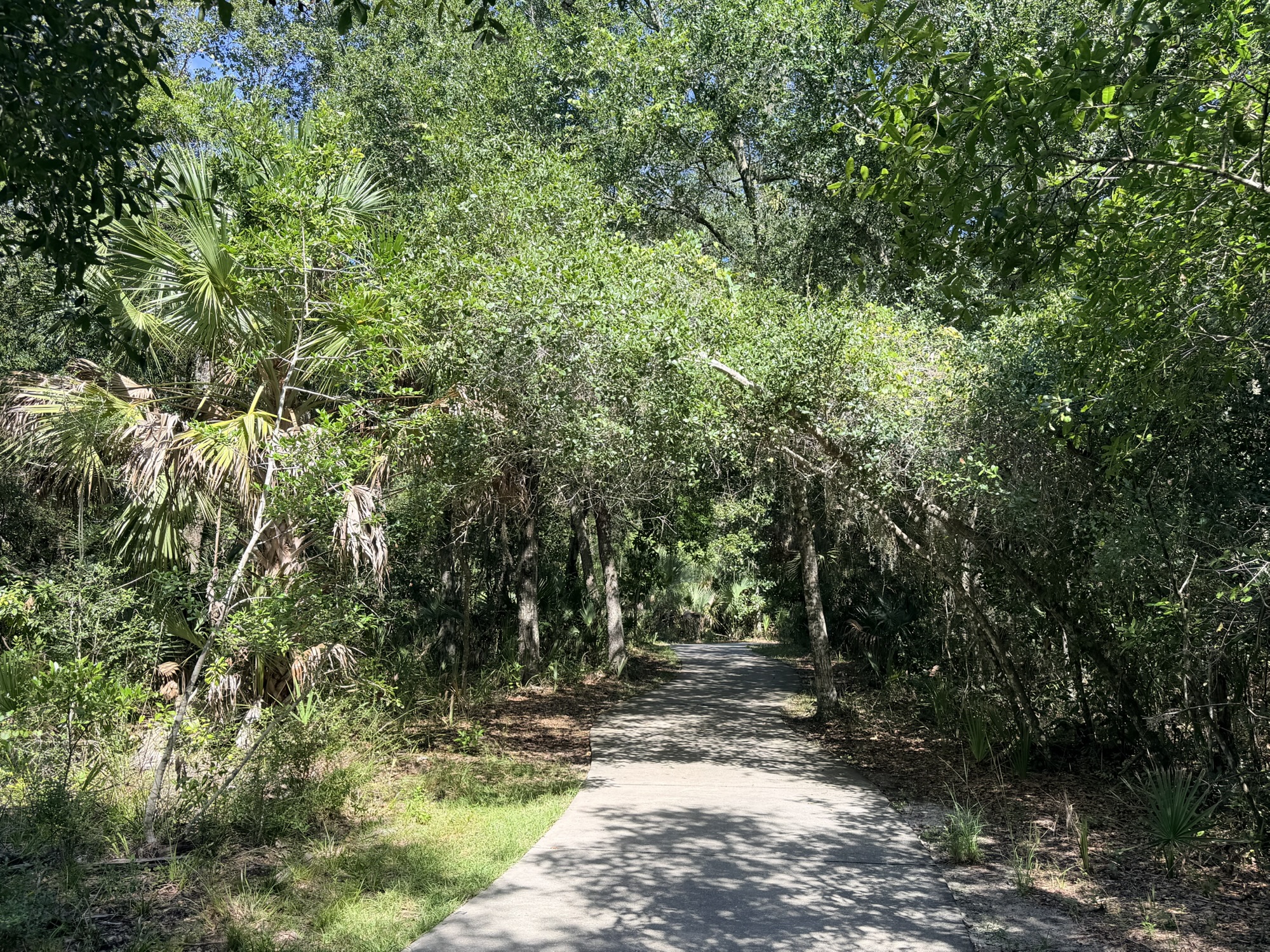
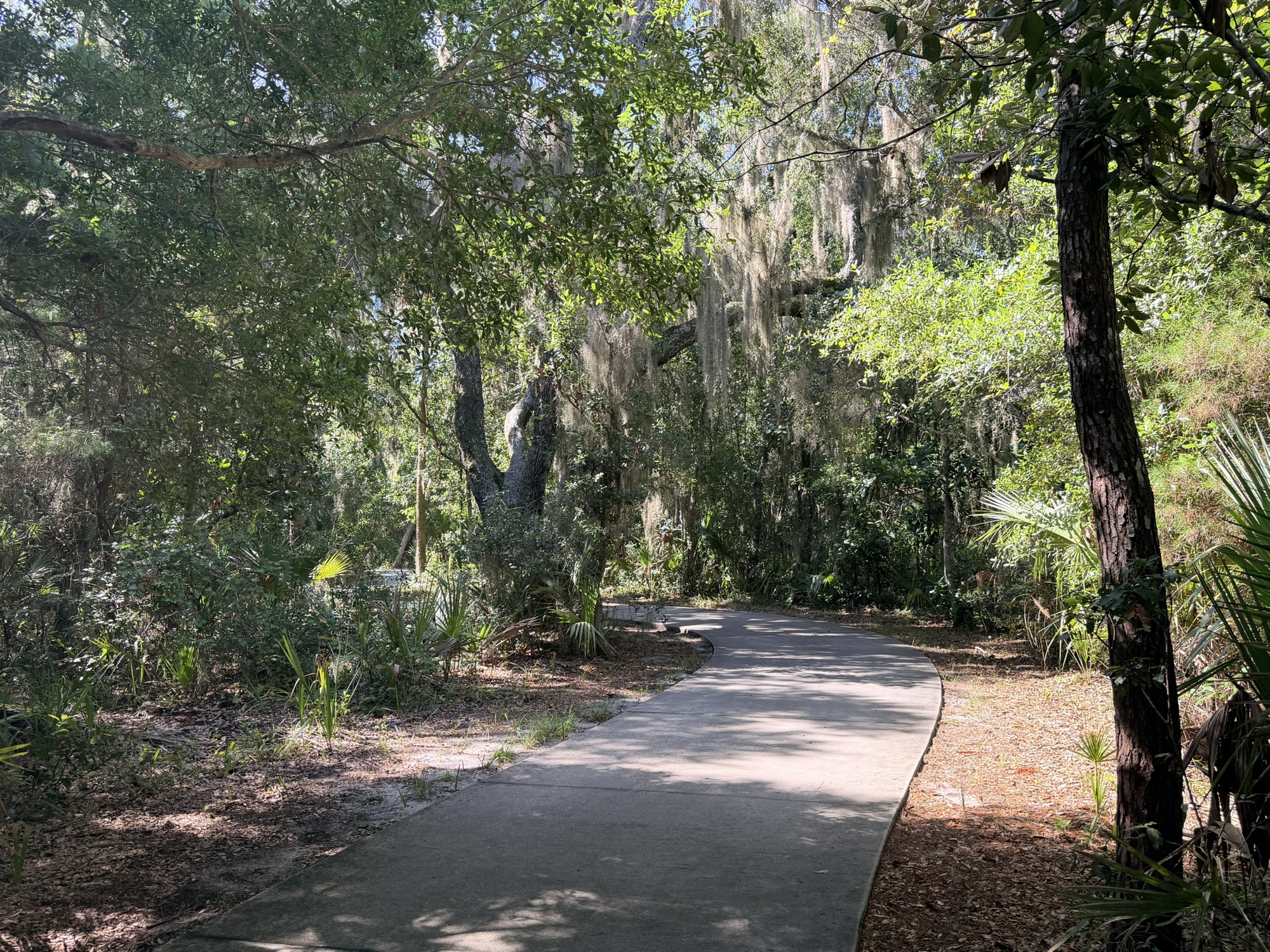
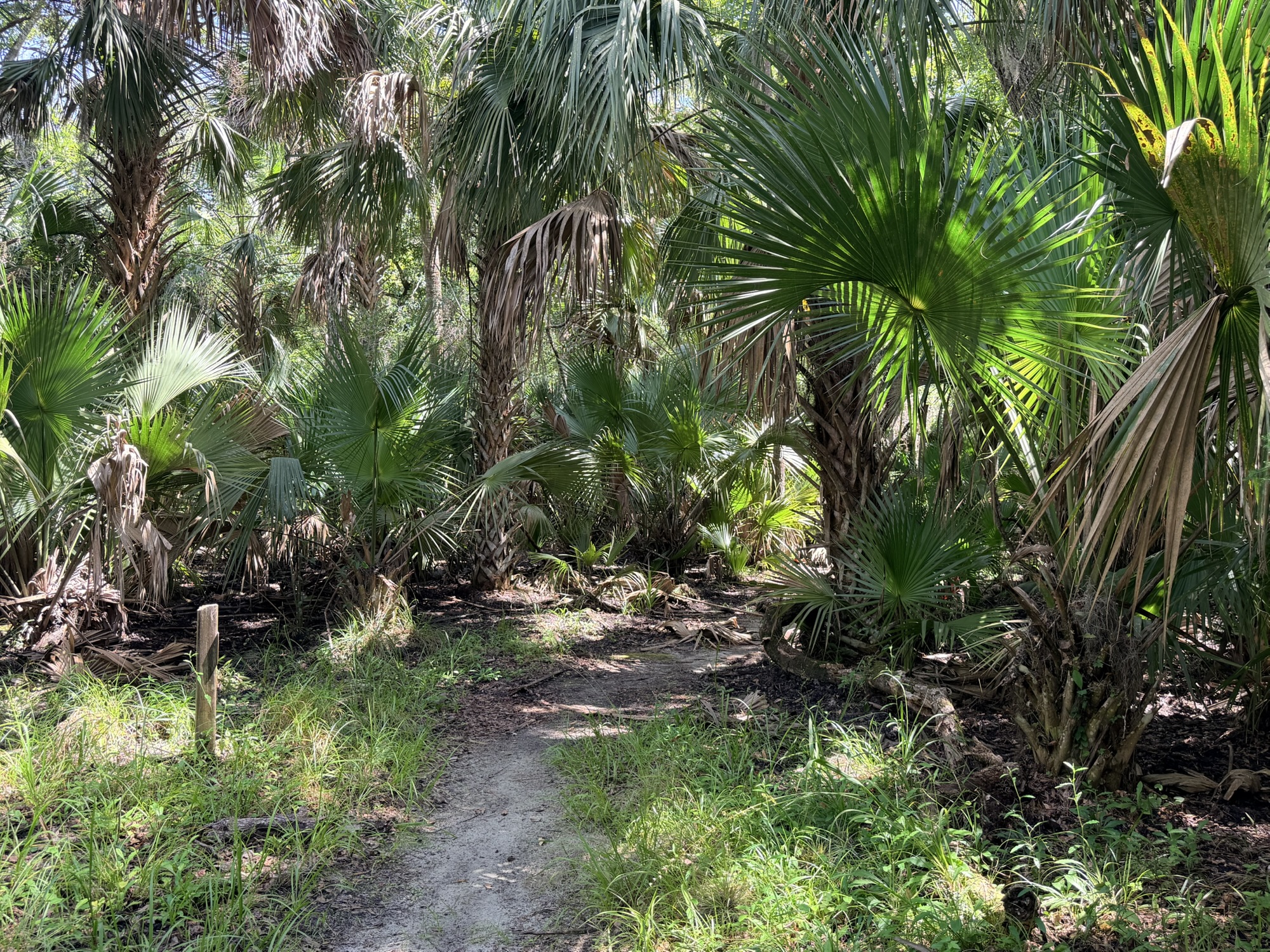
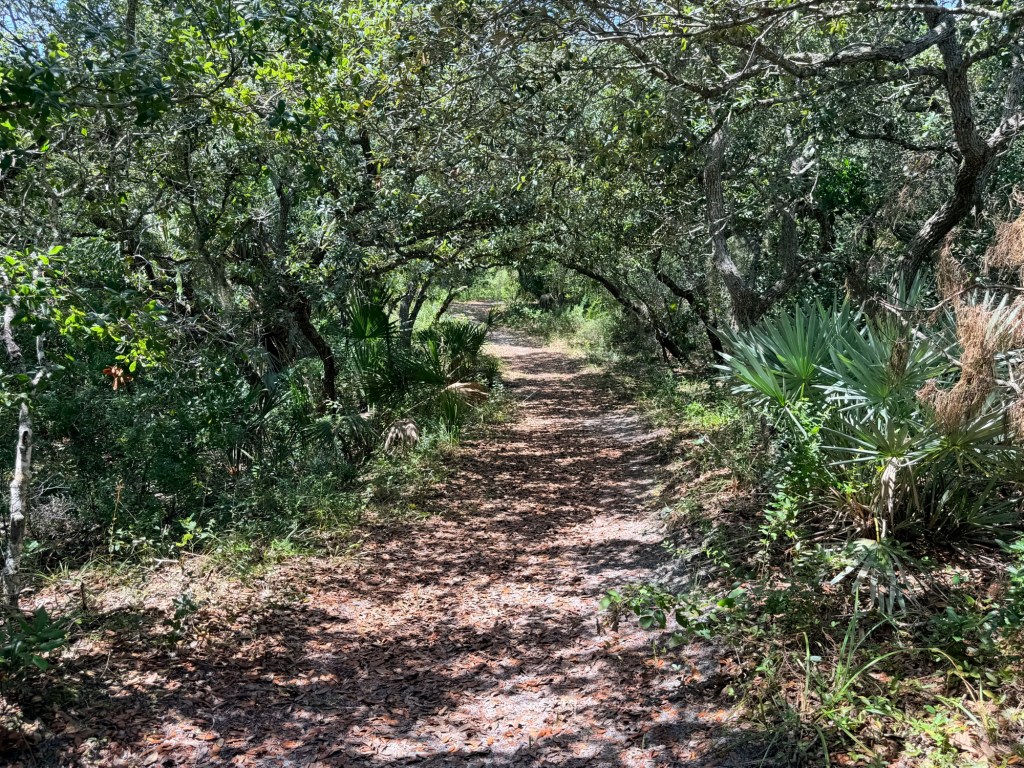
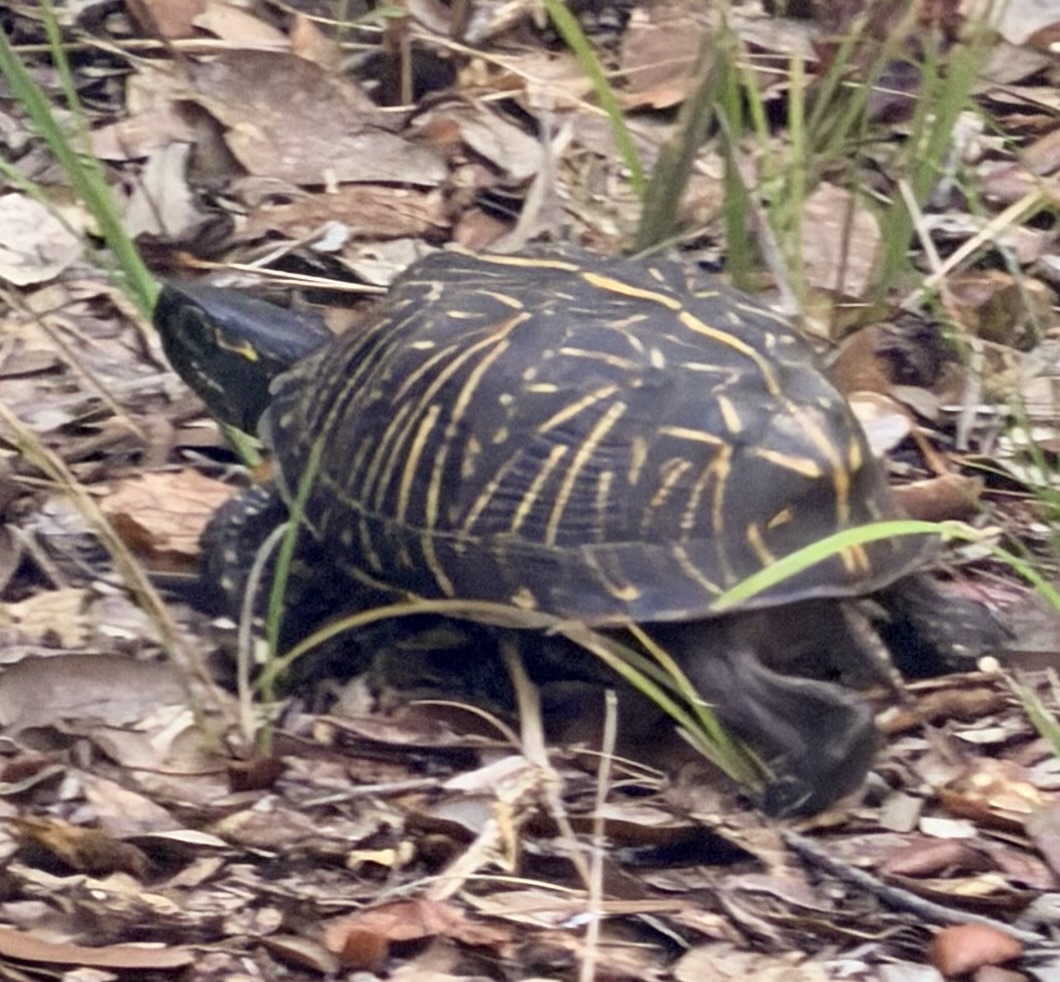
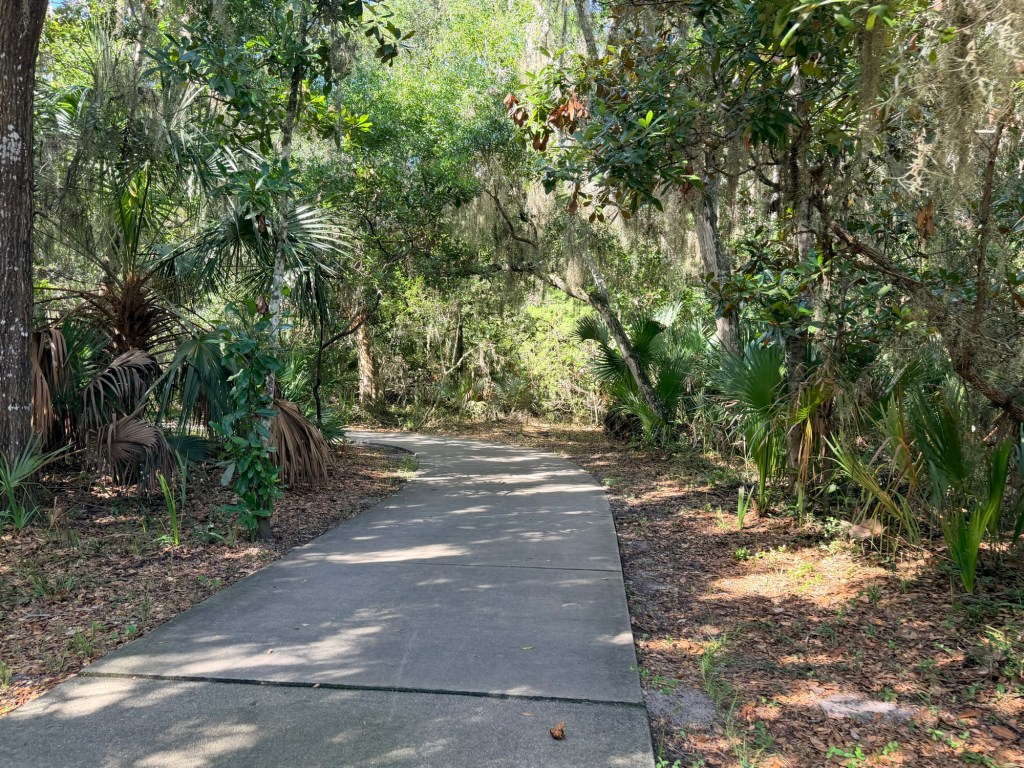
I started off back at Tomoka State Park, where I walked the mile-long paved path on the other side of the road from the main park. It’s very smooth, and can be enjoyed by people with many disabilities in addition to walkers and cyclists. I’d have enjoyed it much more if there were fewer motorcycles on the road (it must have been a special touring day). There was a never-ending parade of buzzy small planes, too. But it was shady, and I saw a beautiful box turtle. Not many birds.
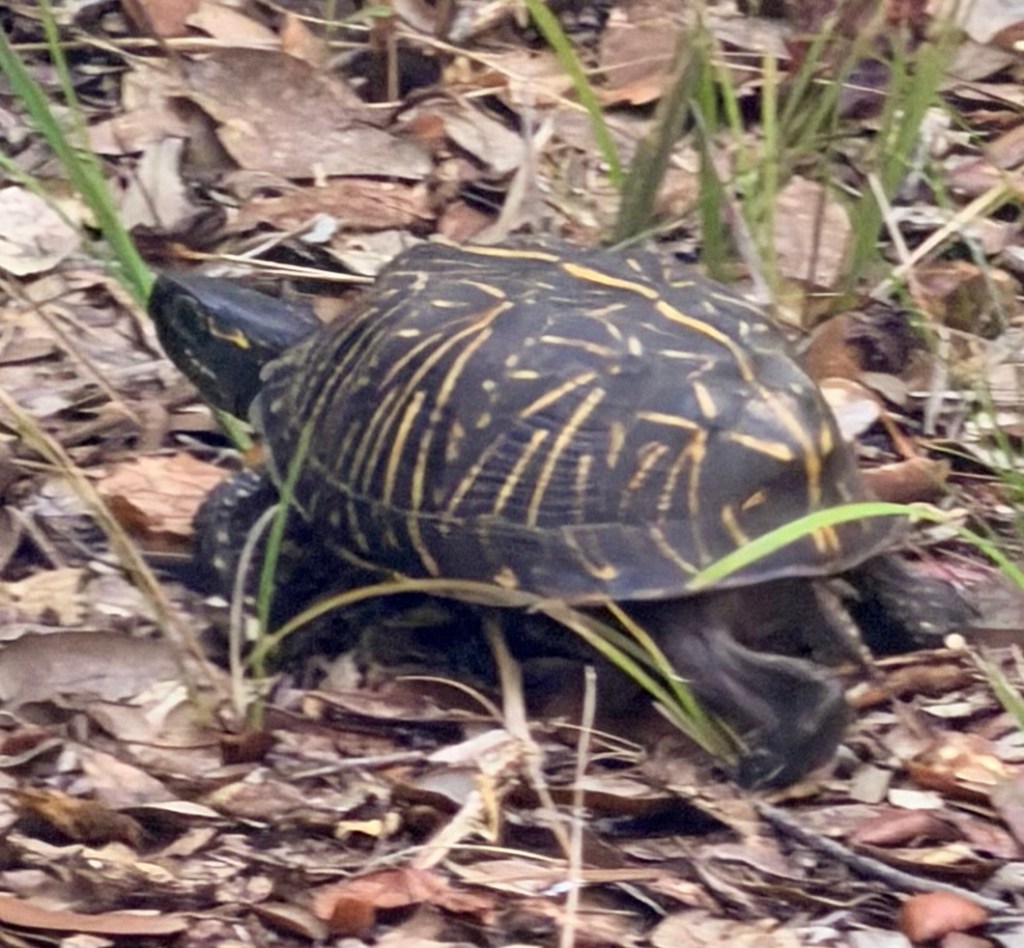
Box turtle!

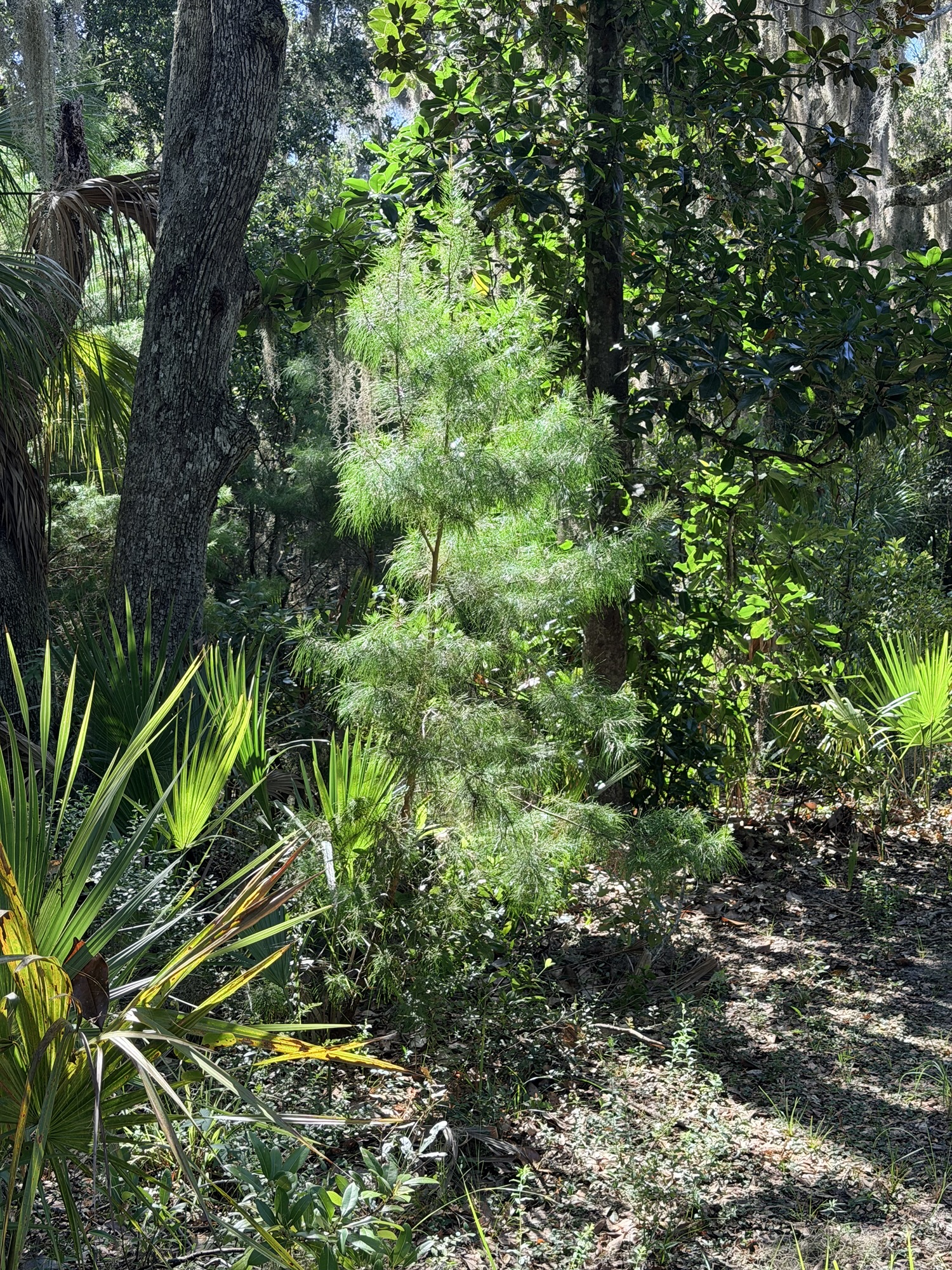
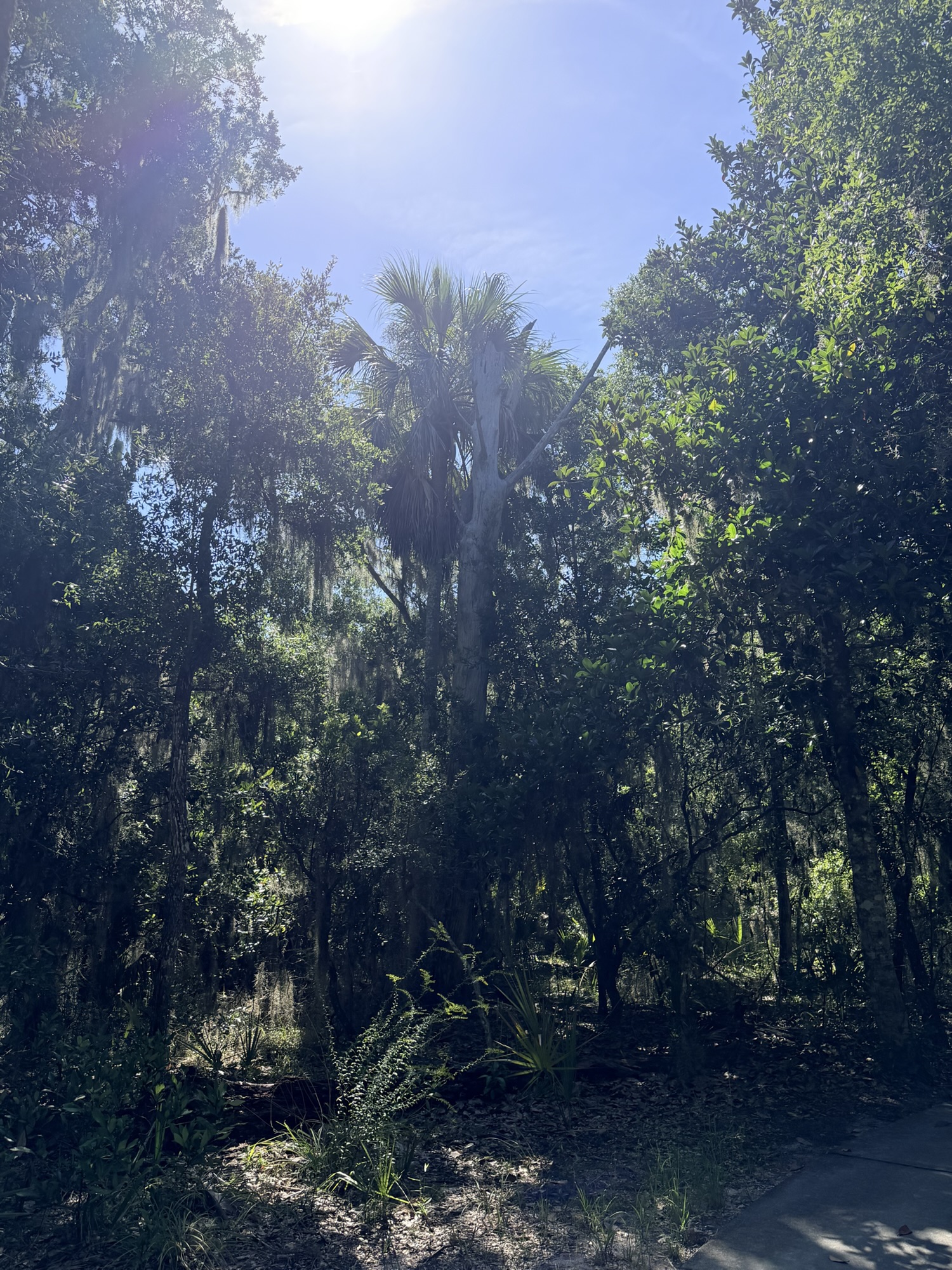
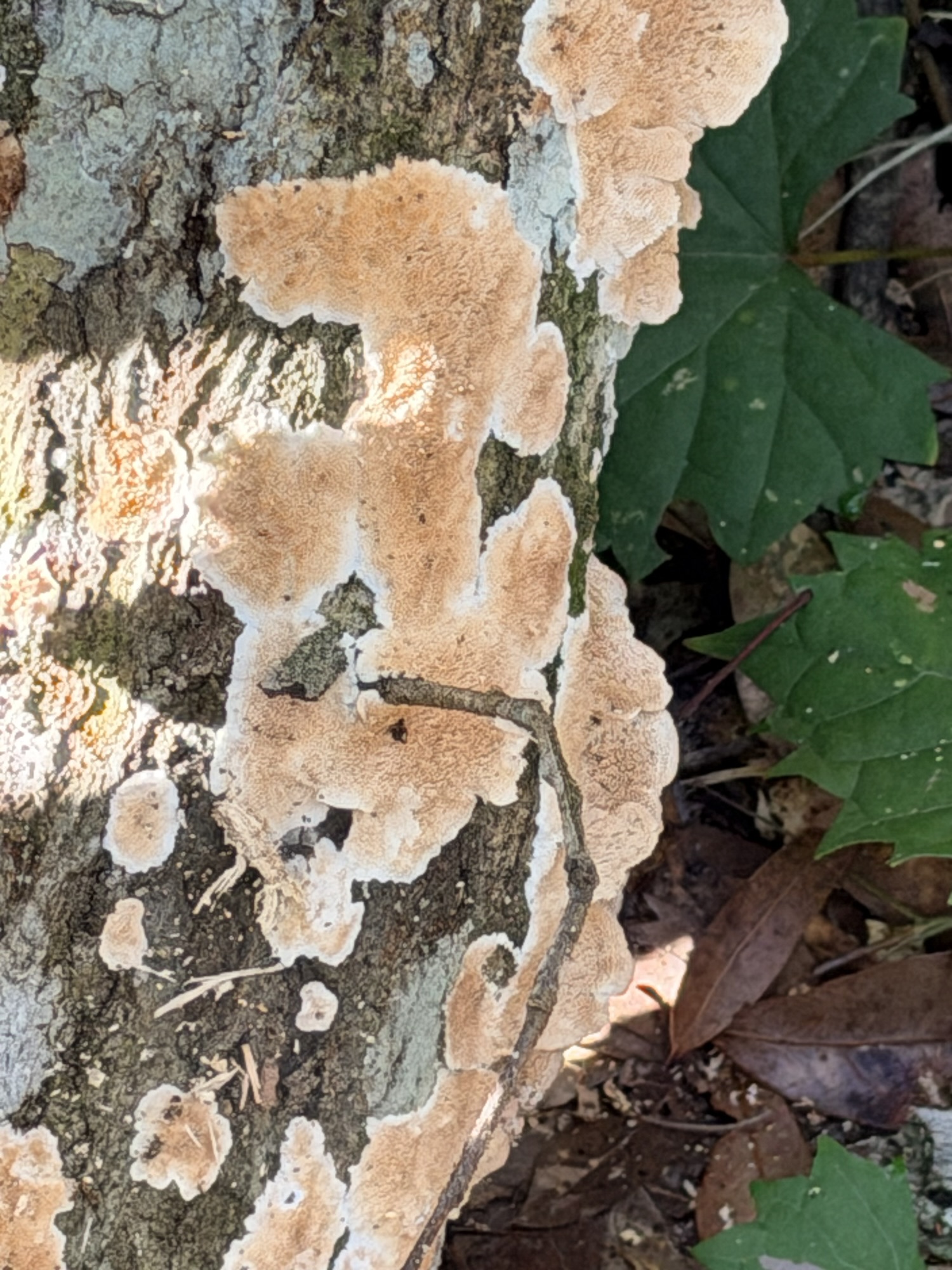
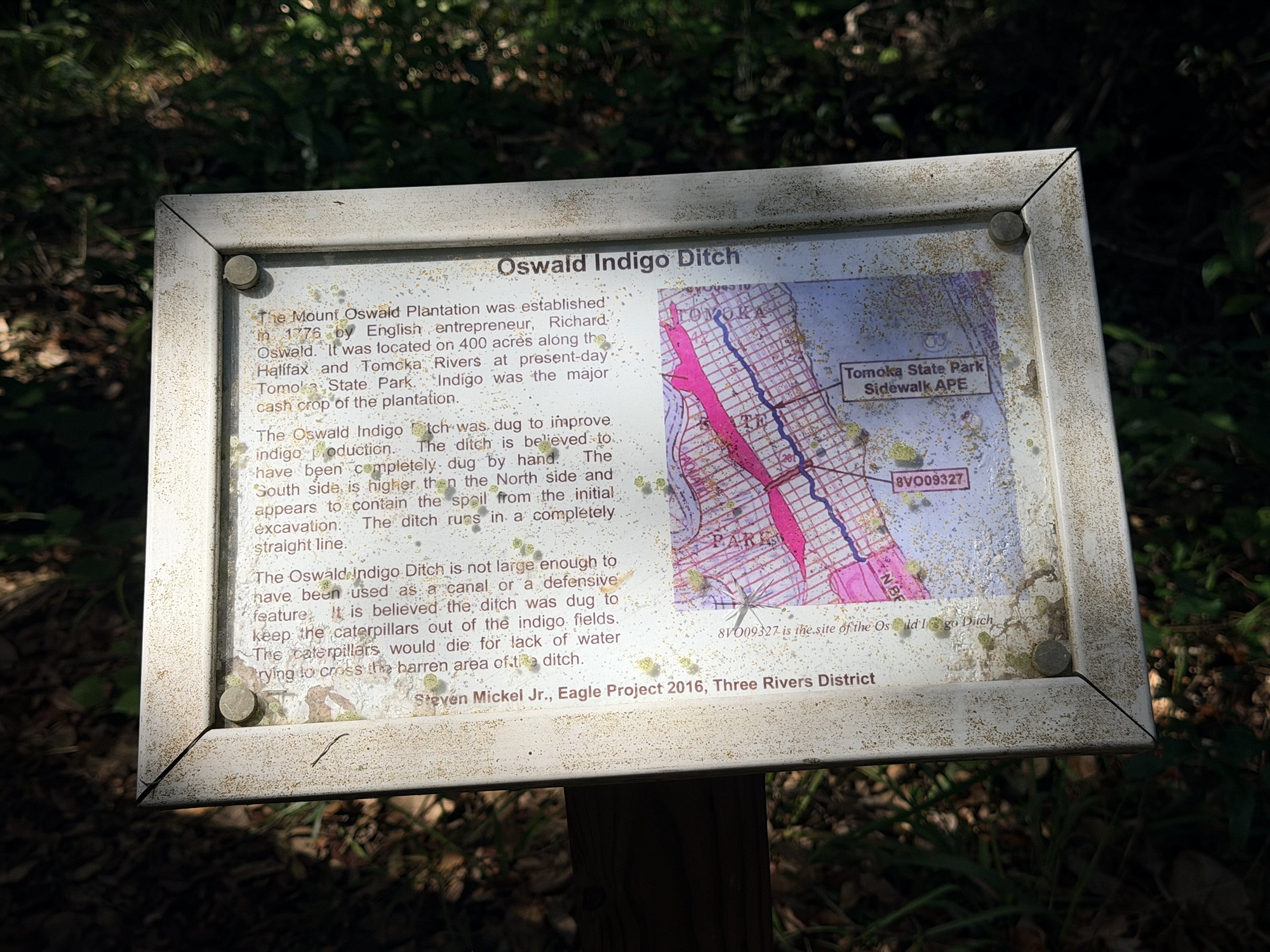
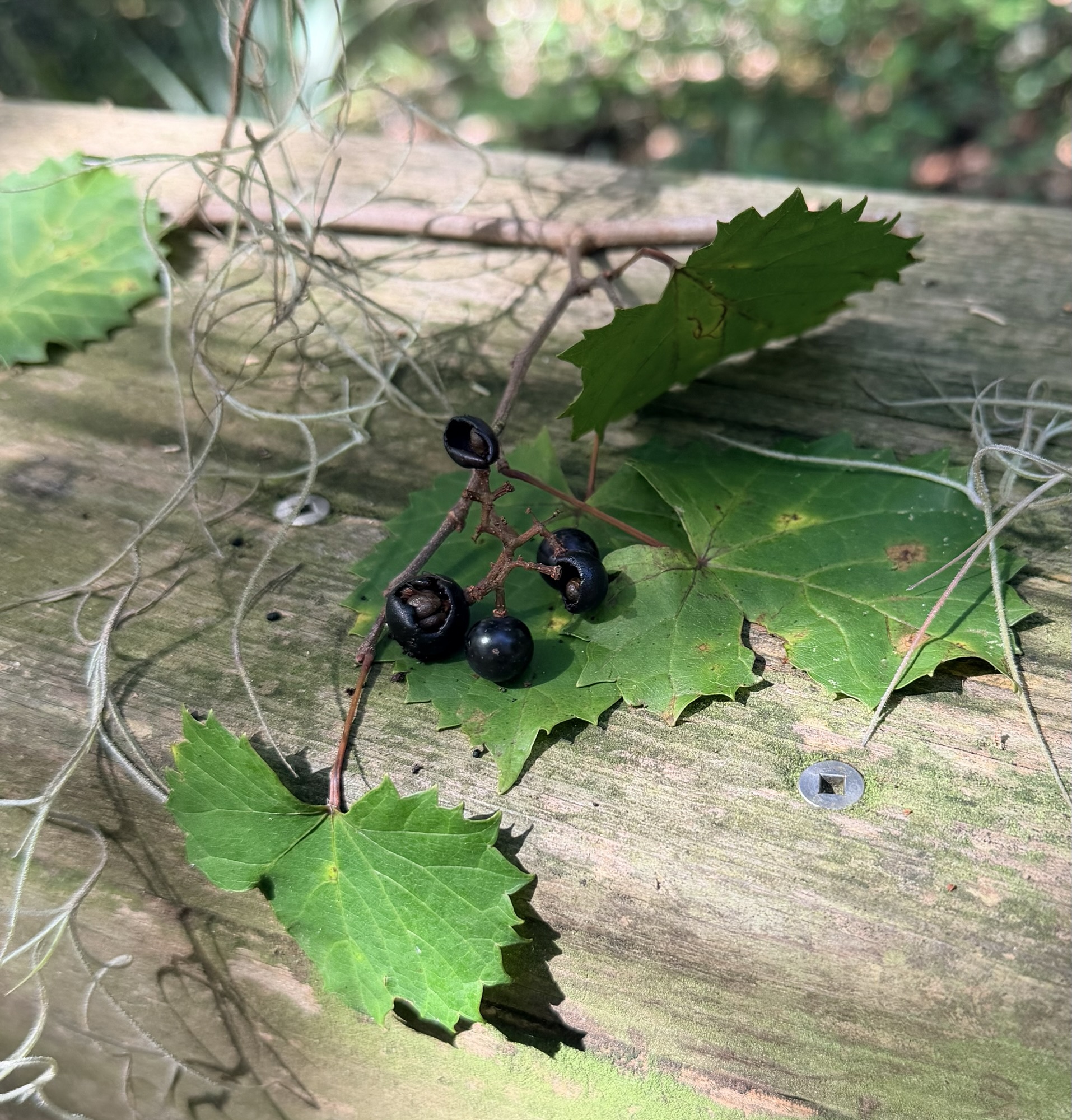
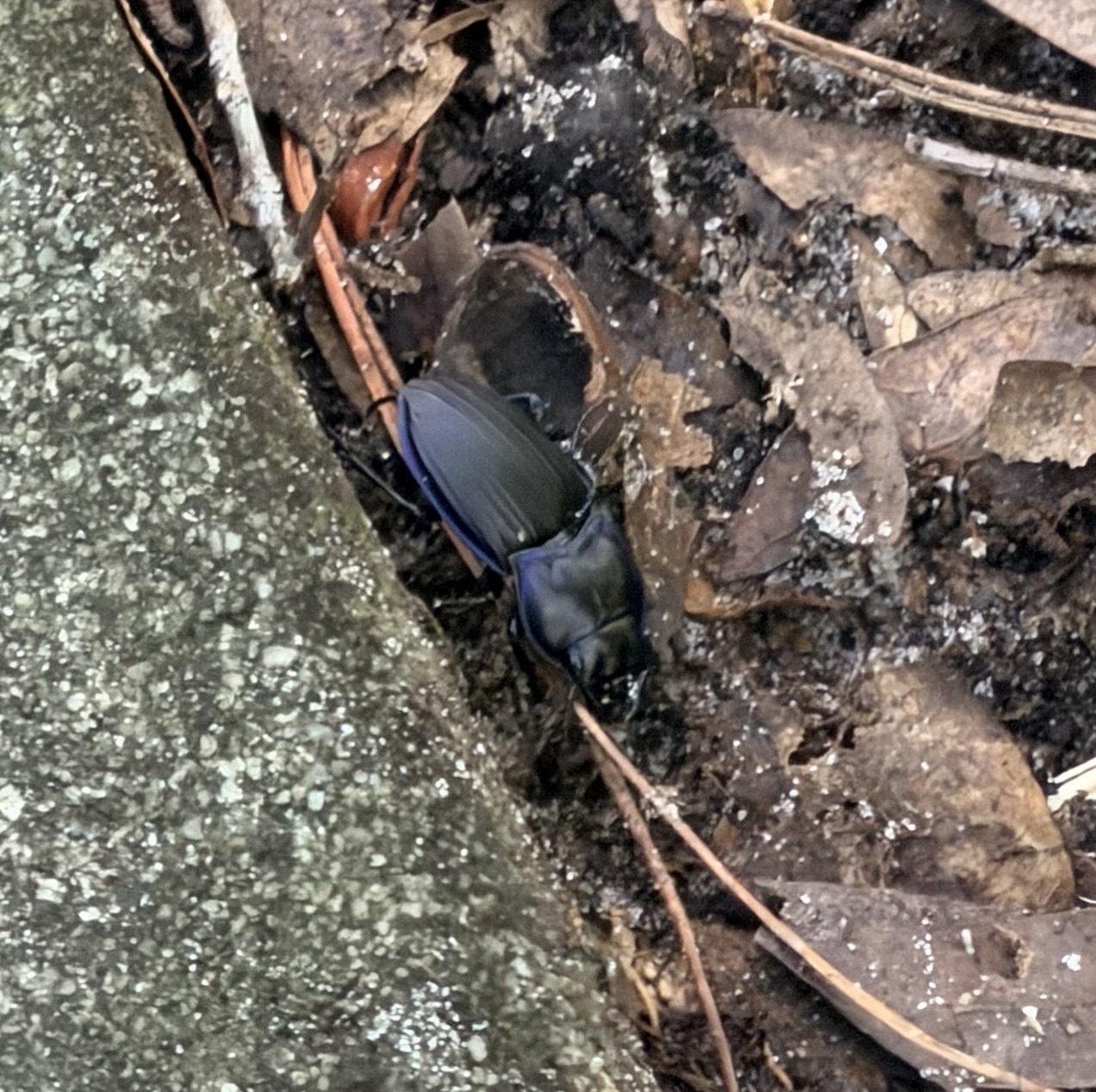
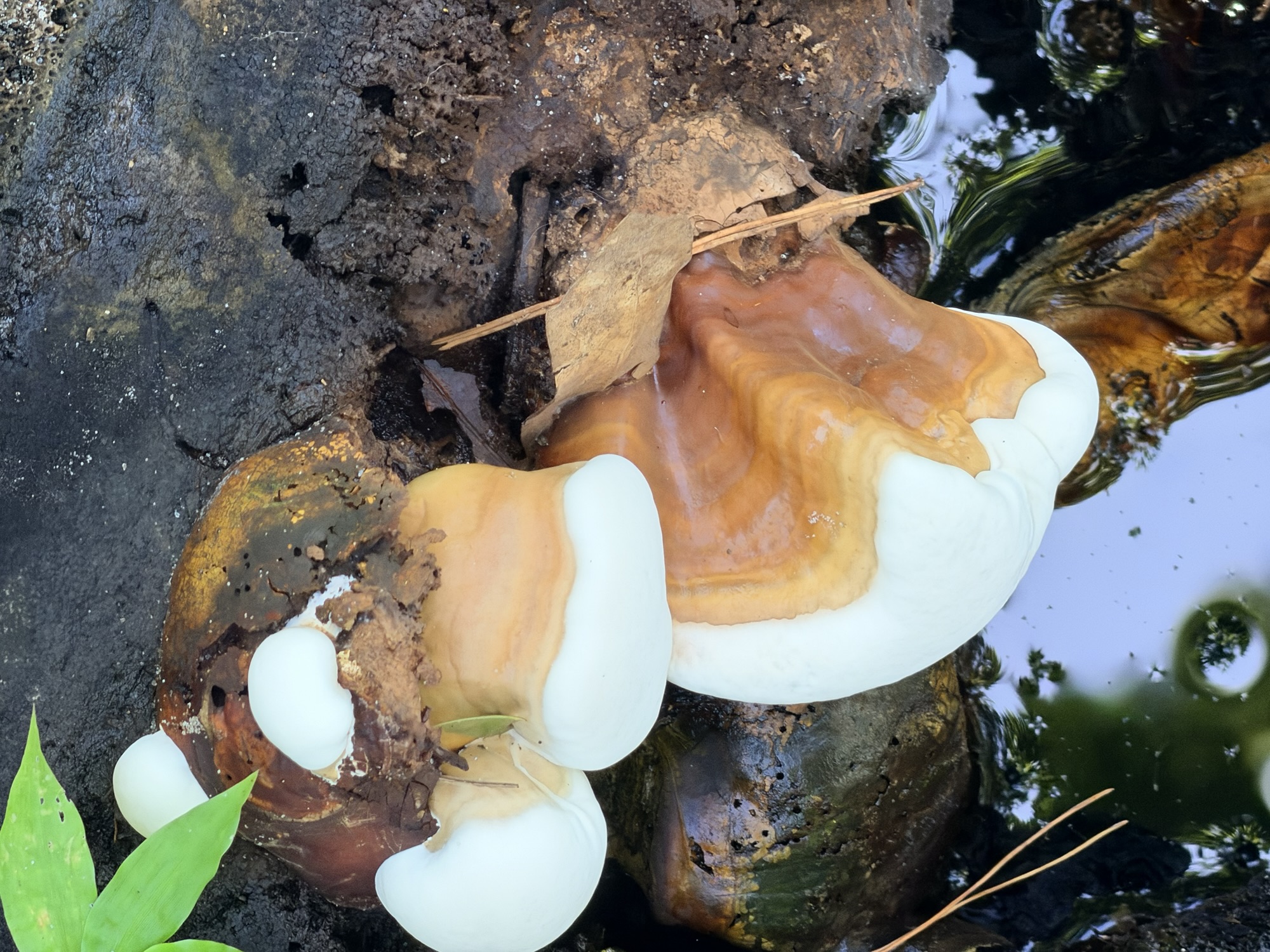
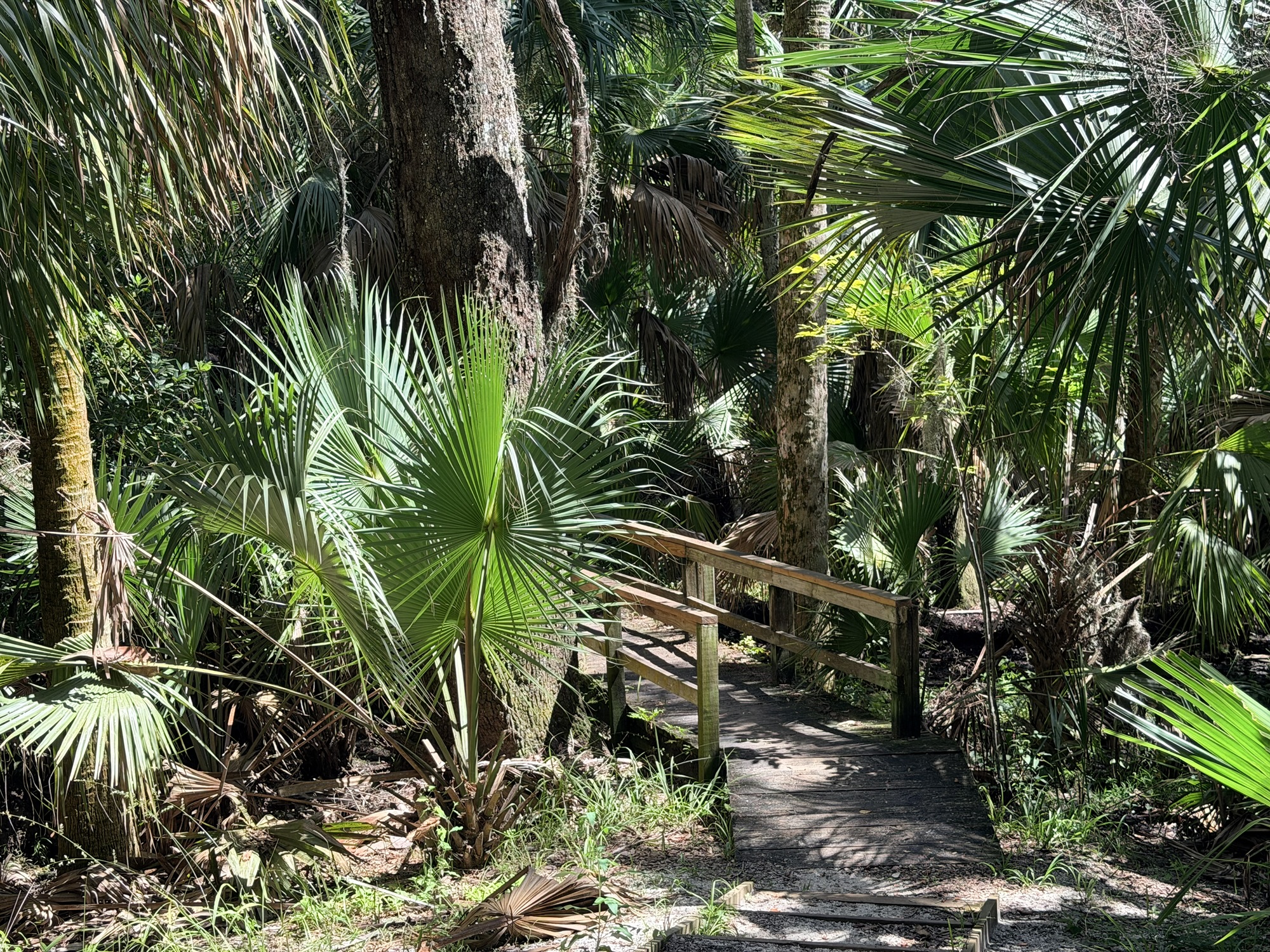
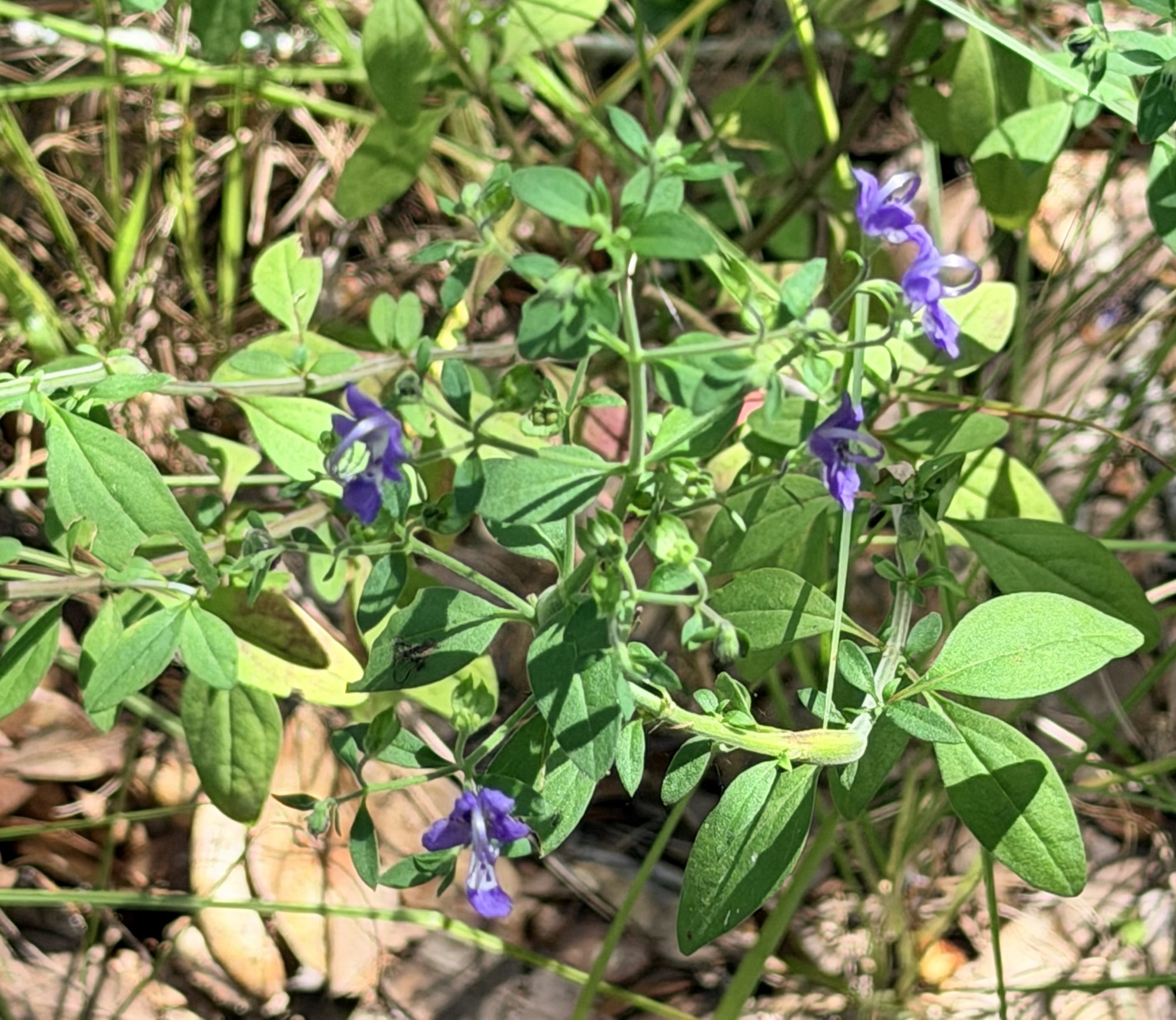
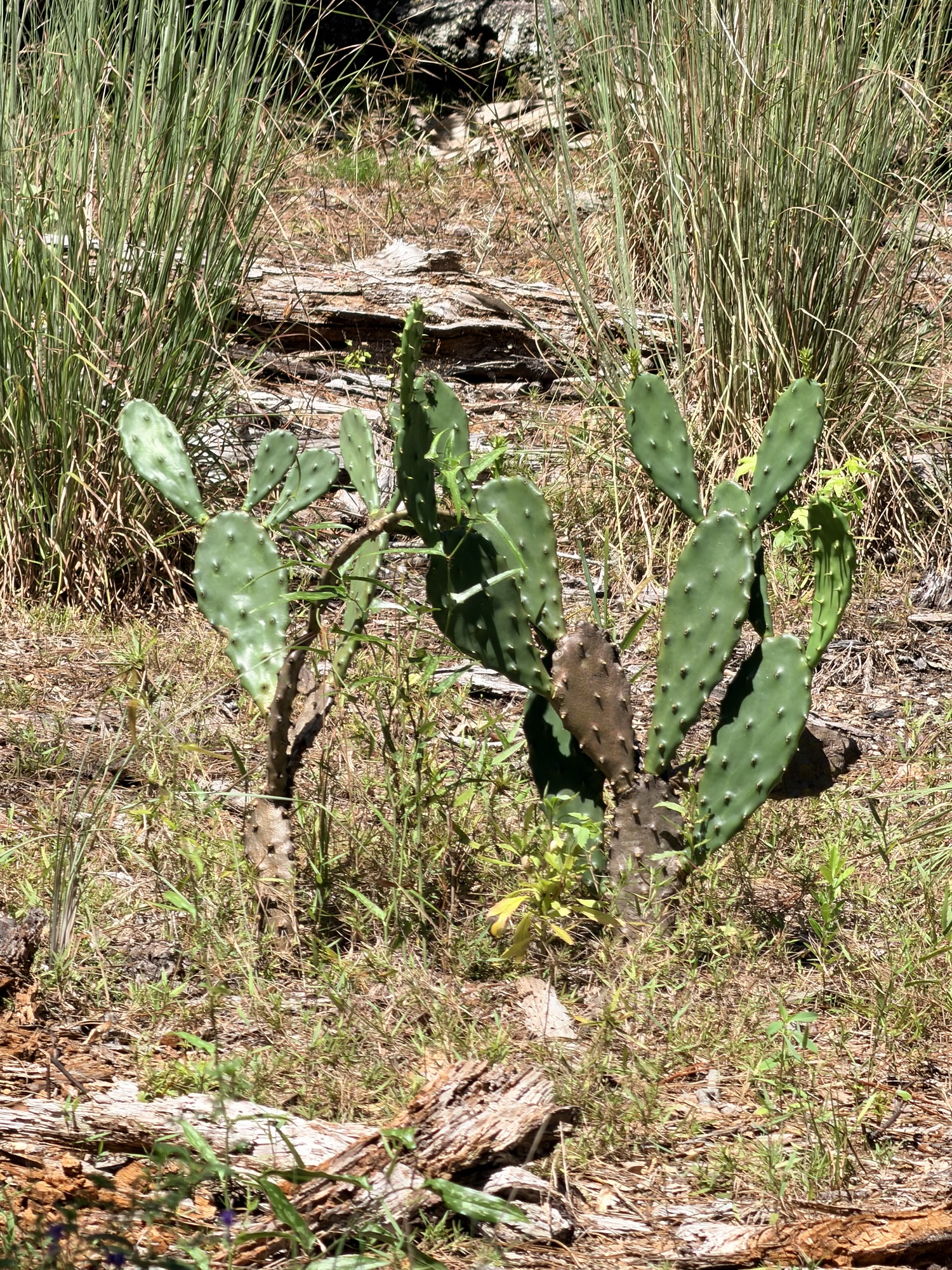
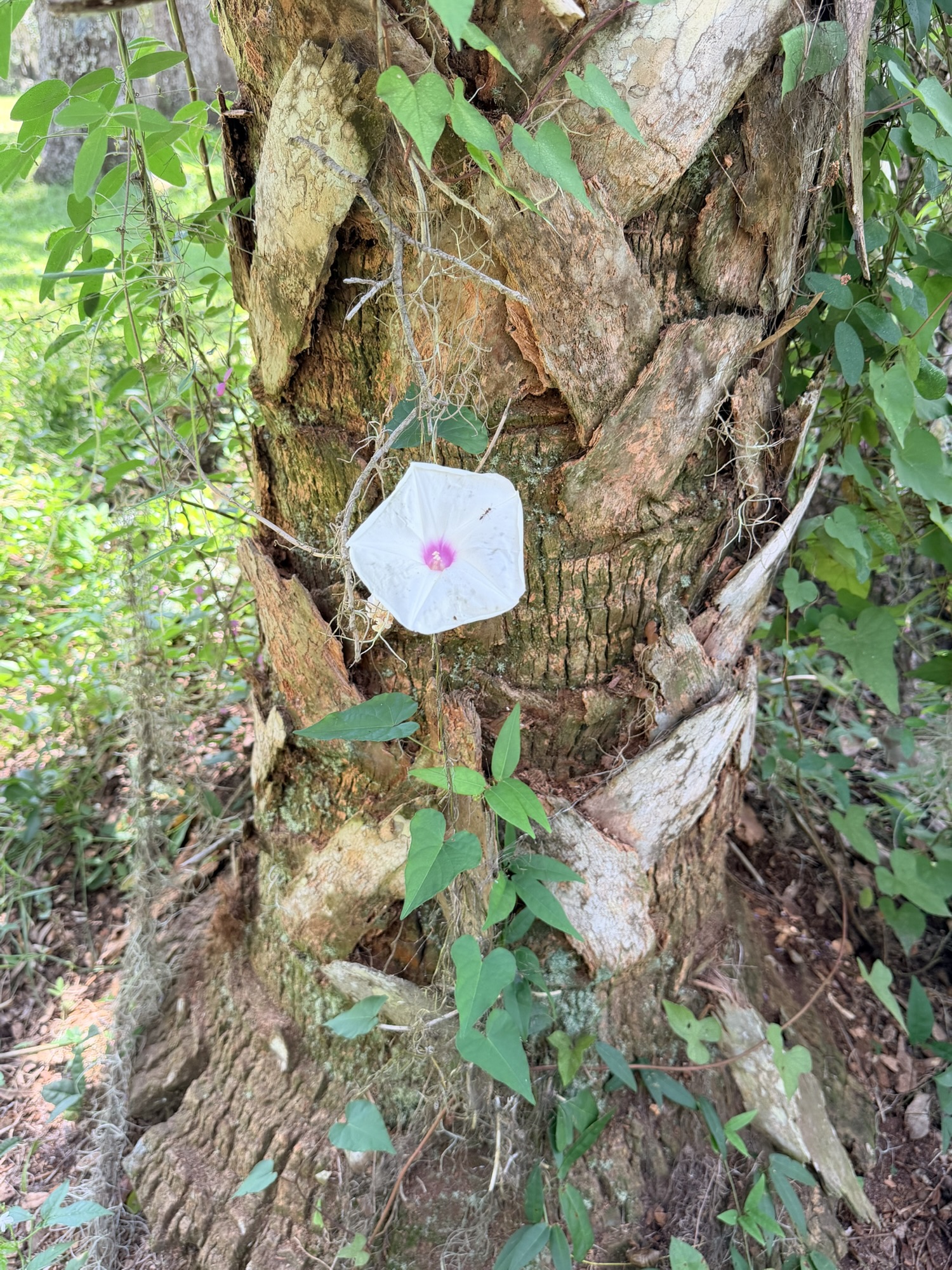
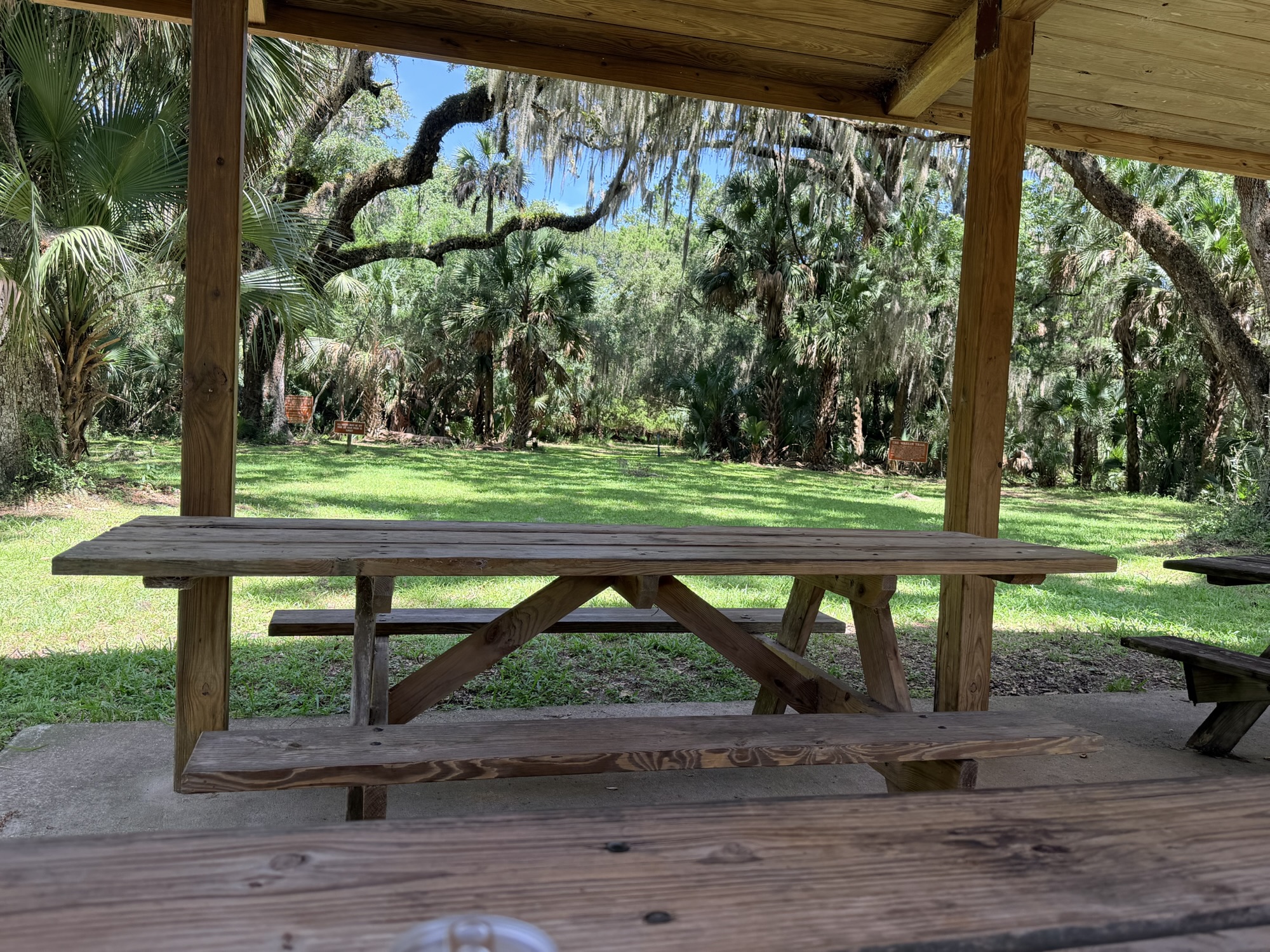
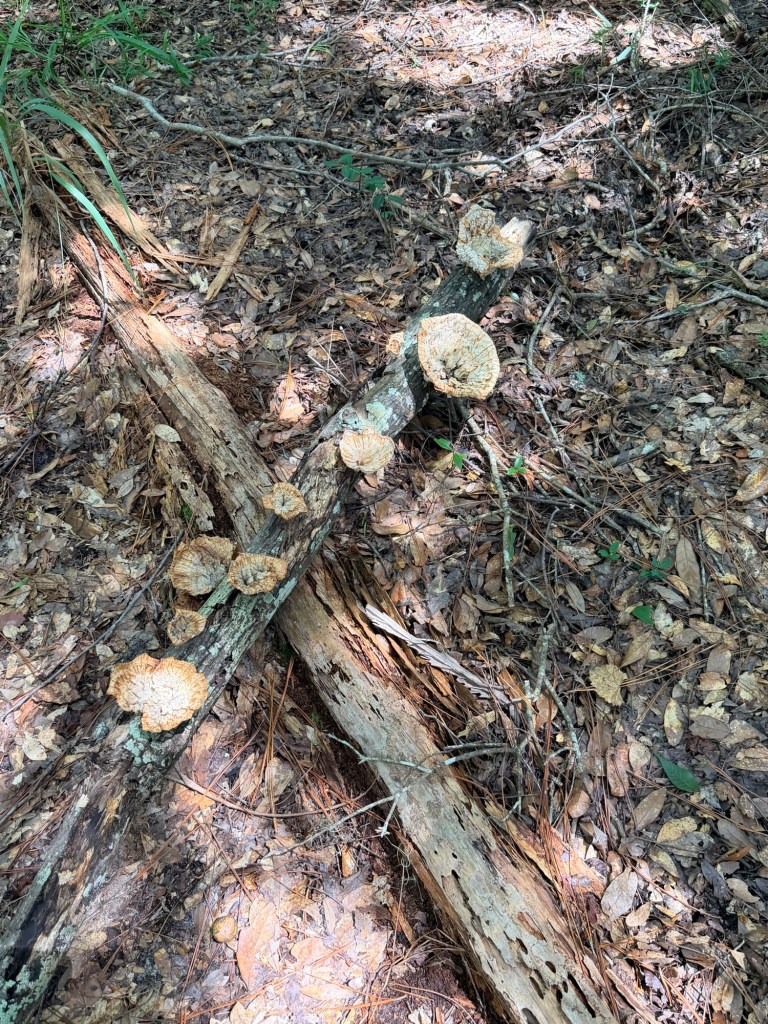
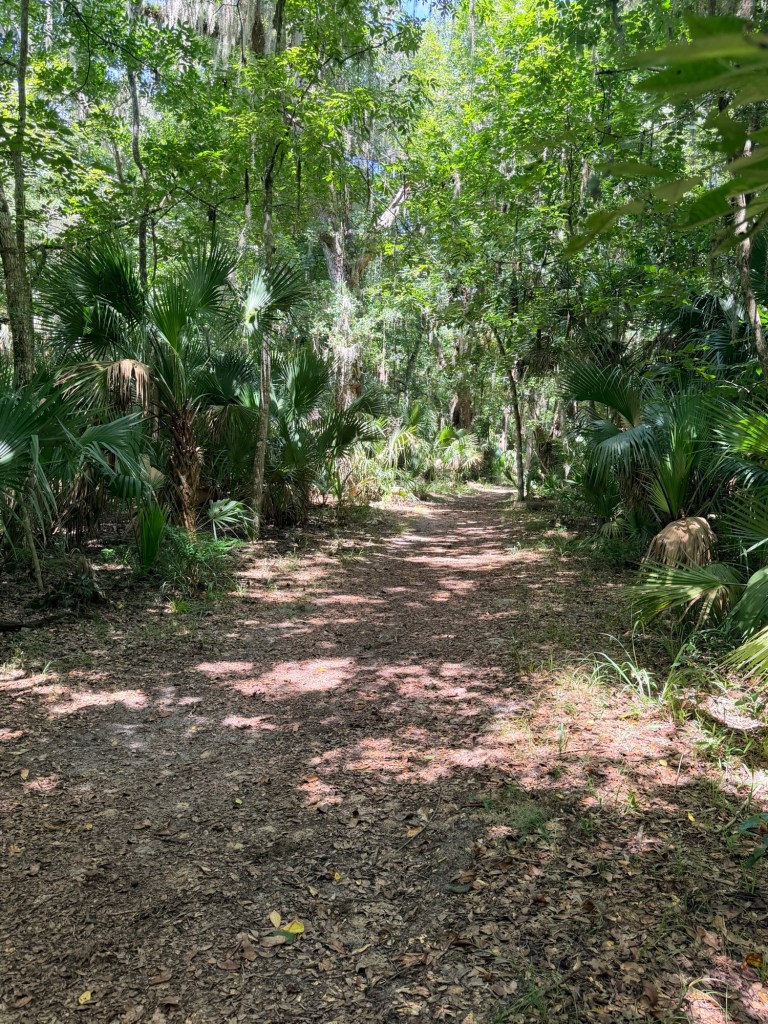
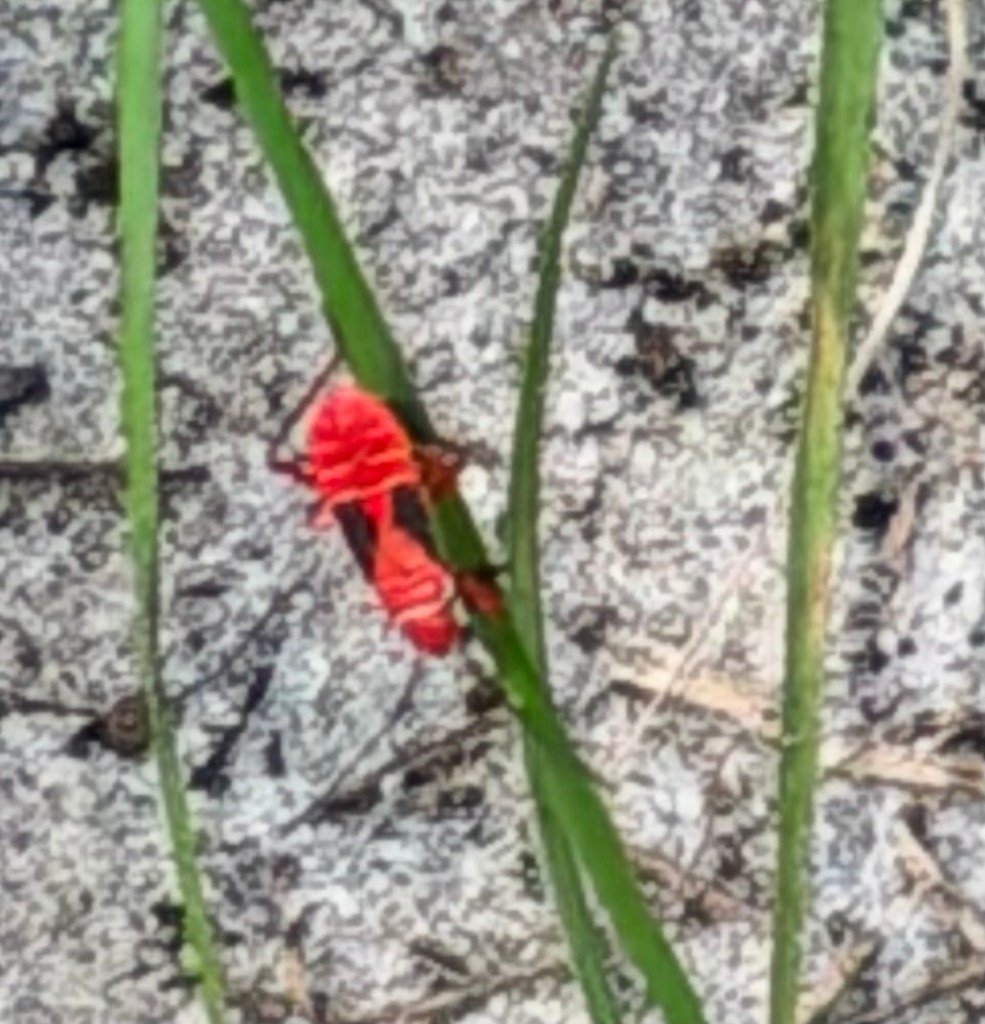
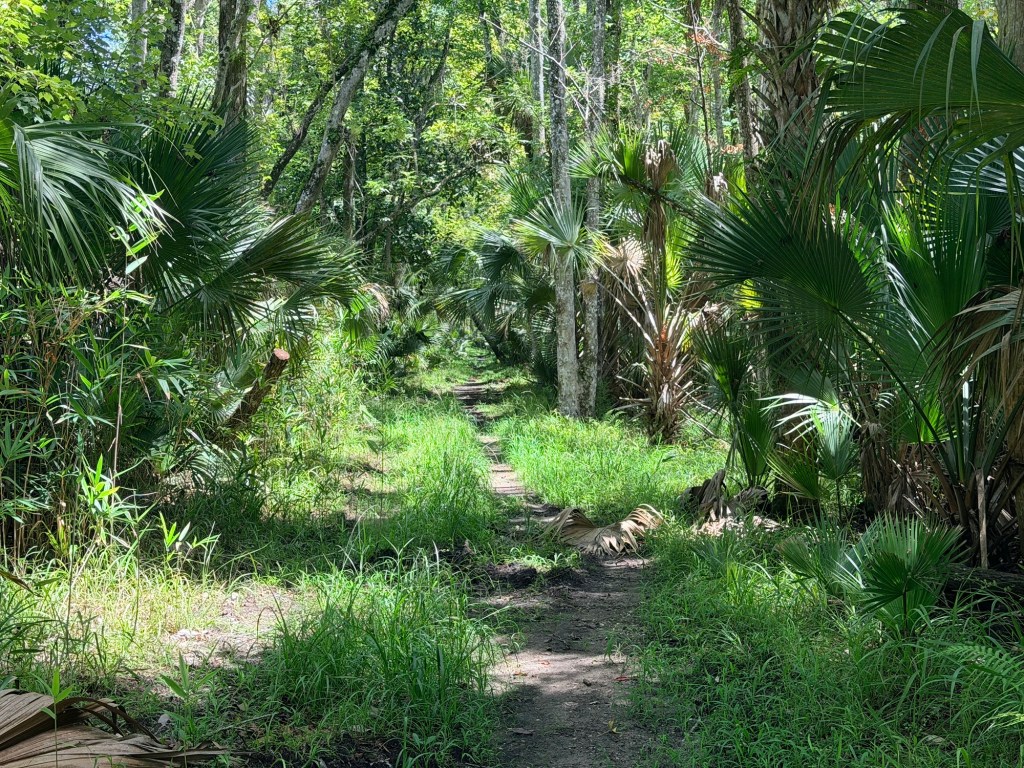
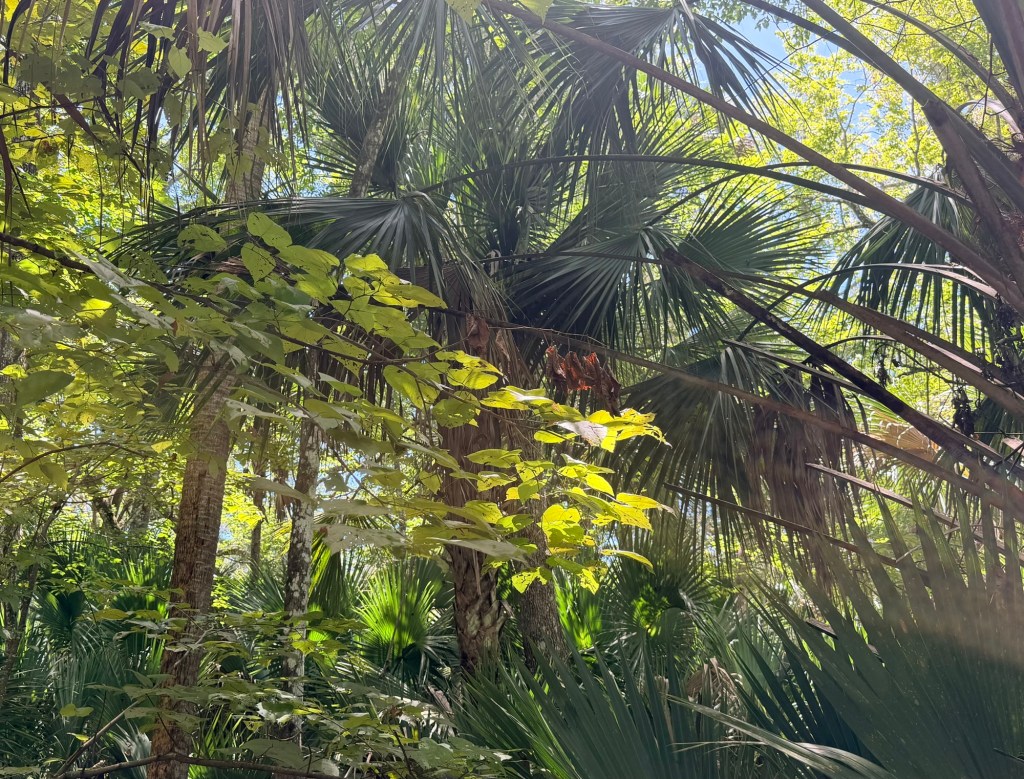
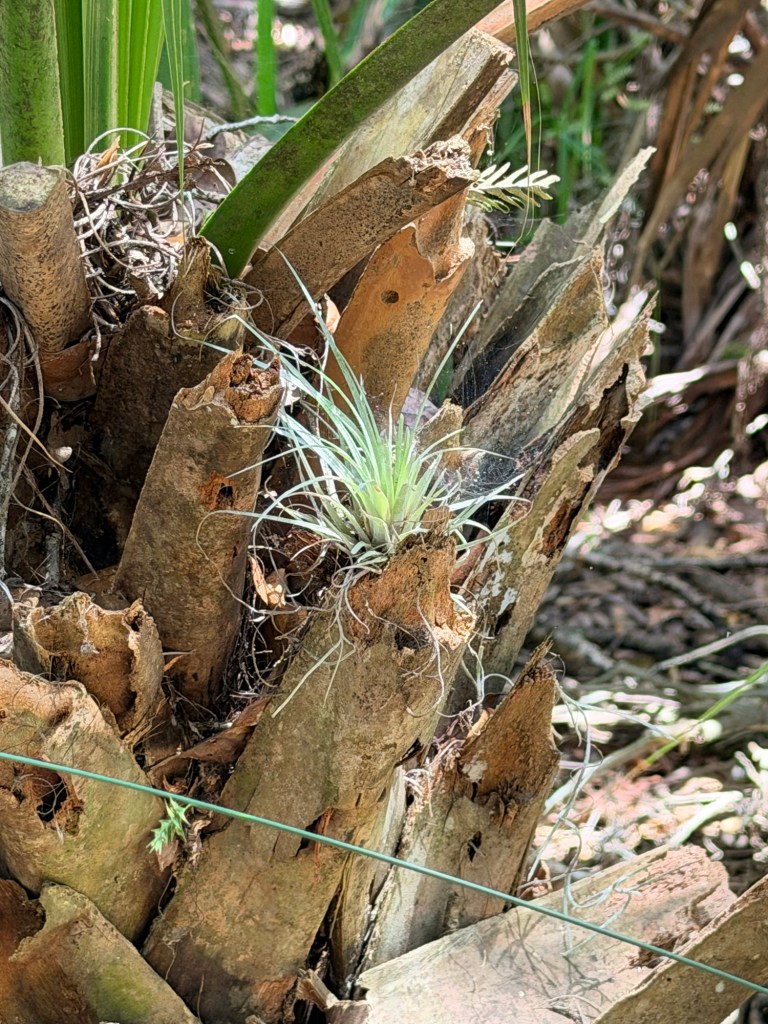
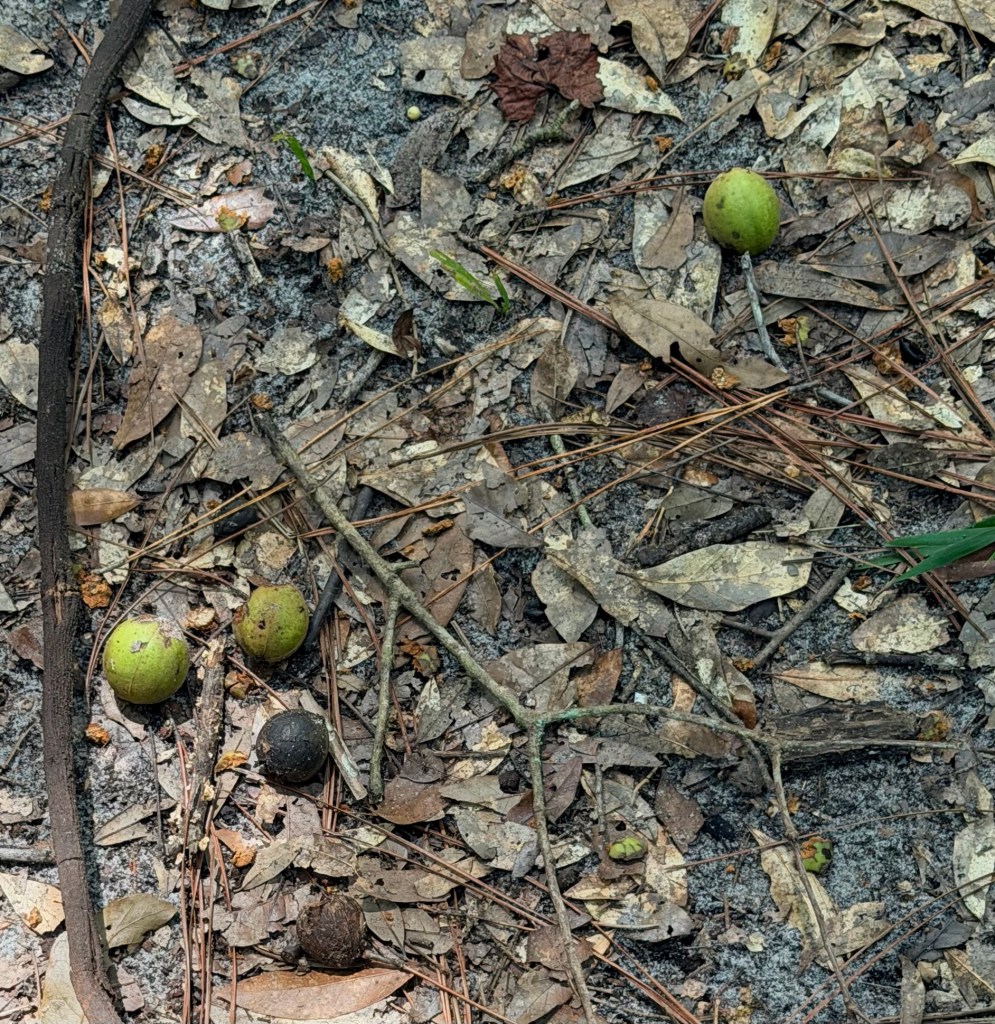
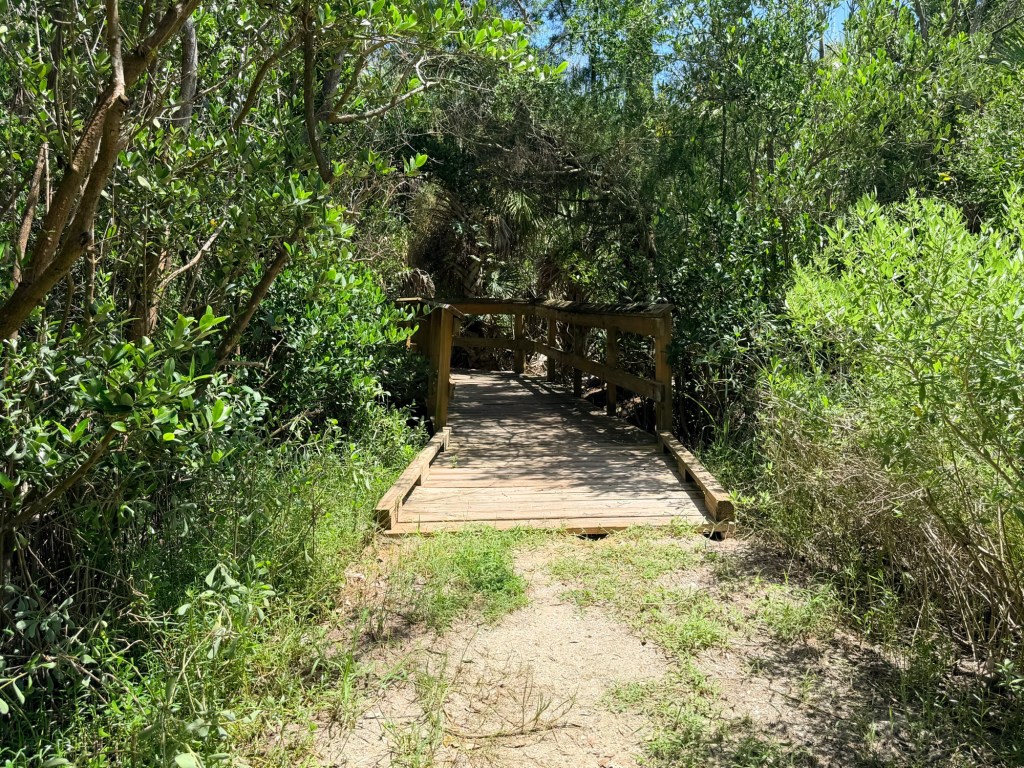
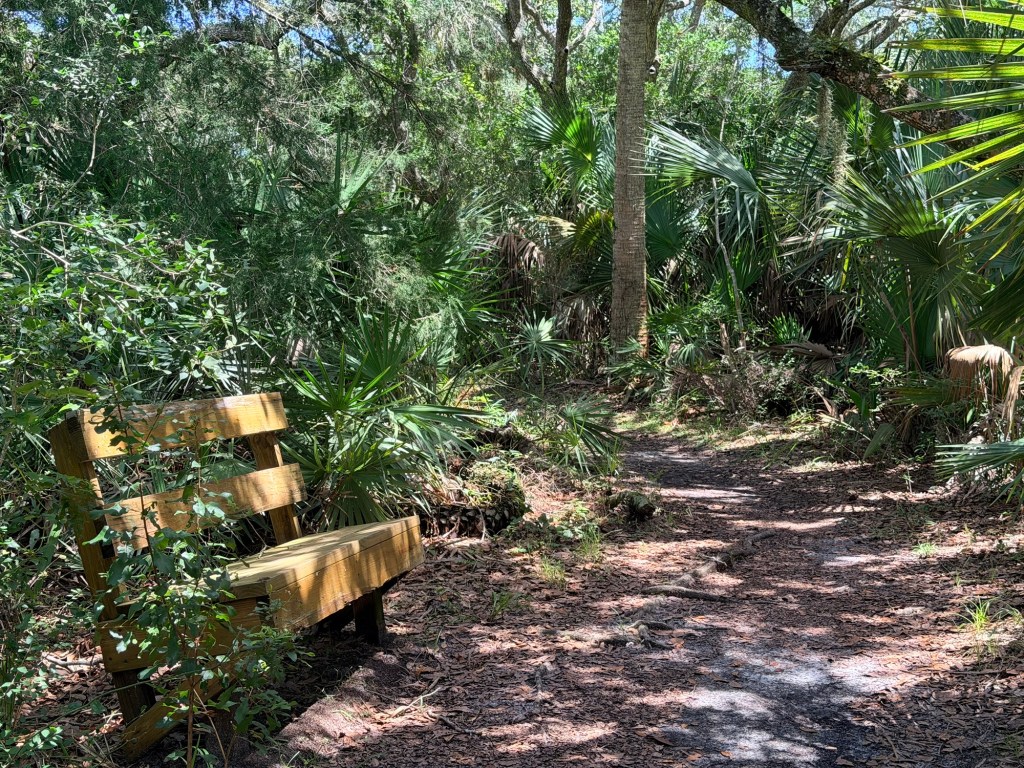
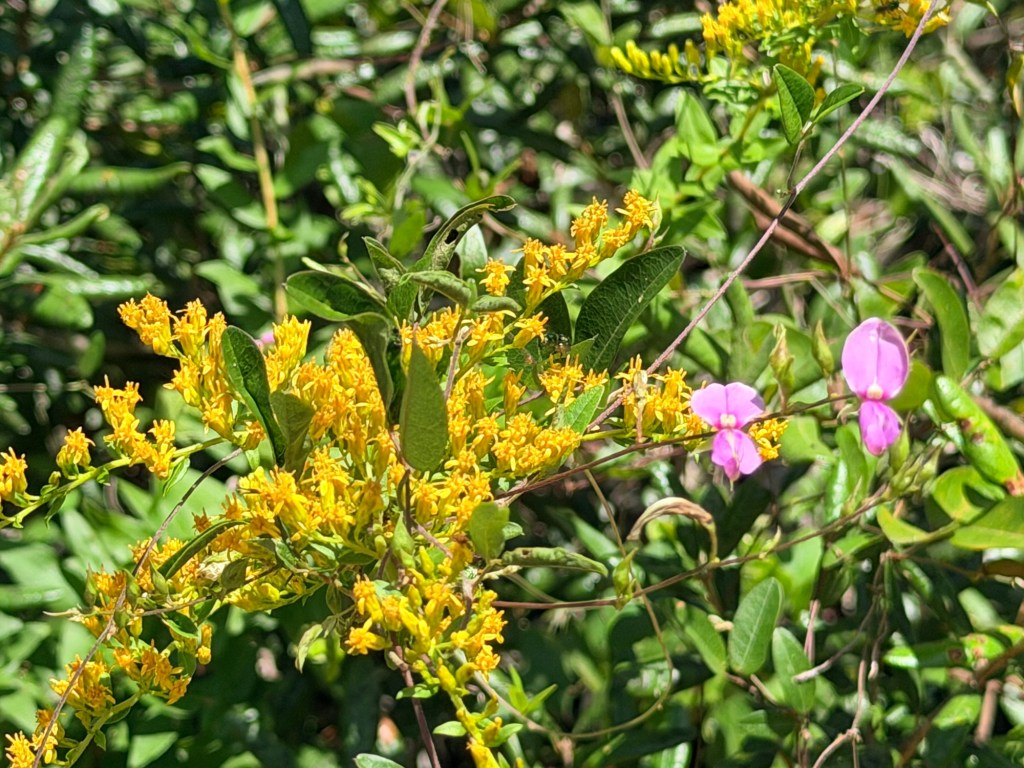
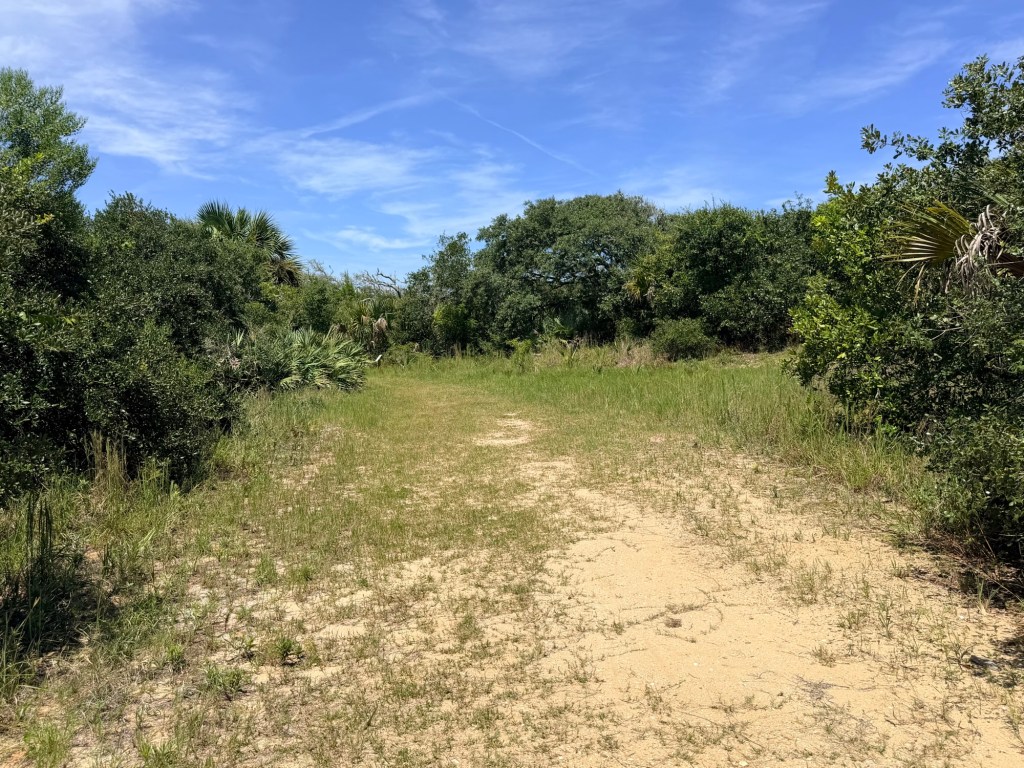
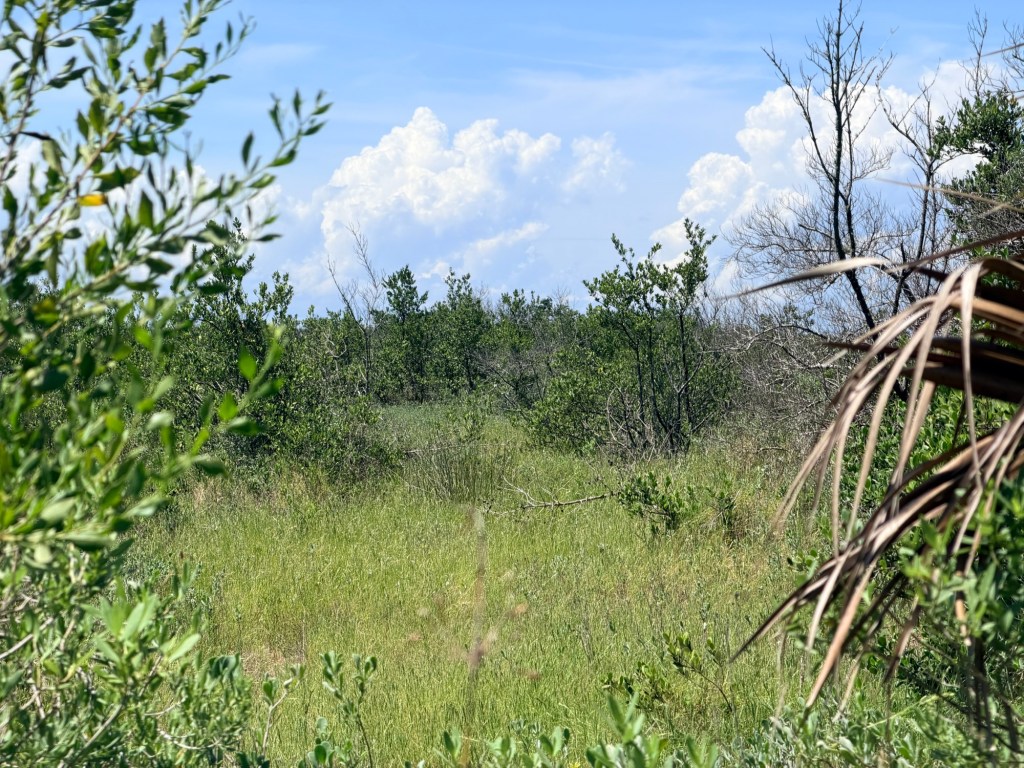
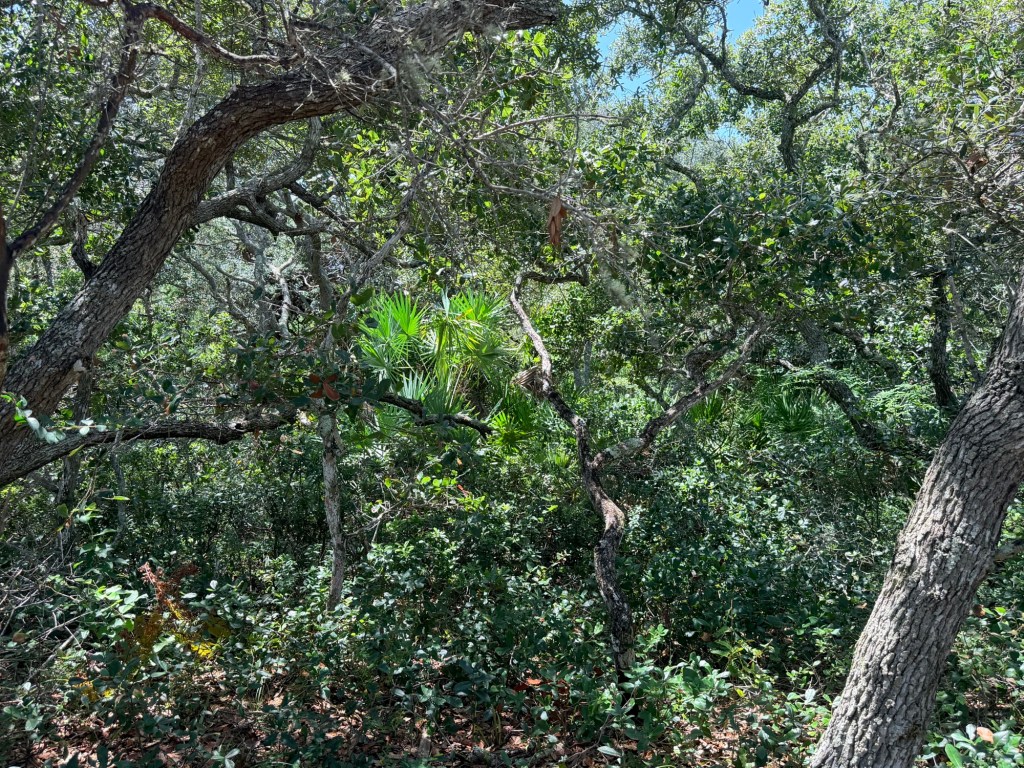
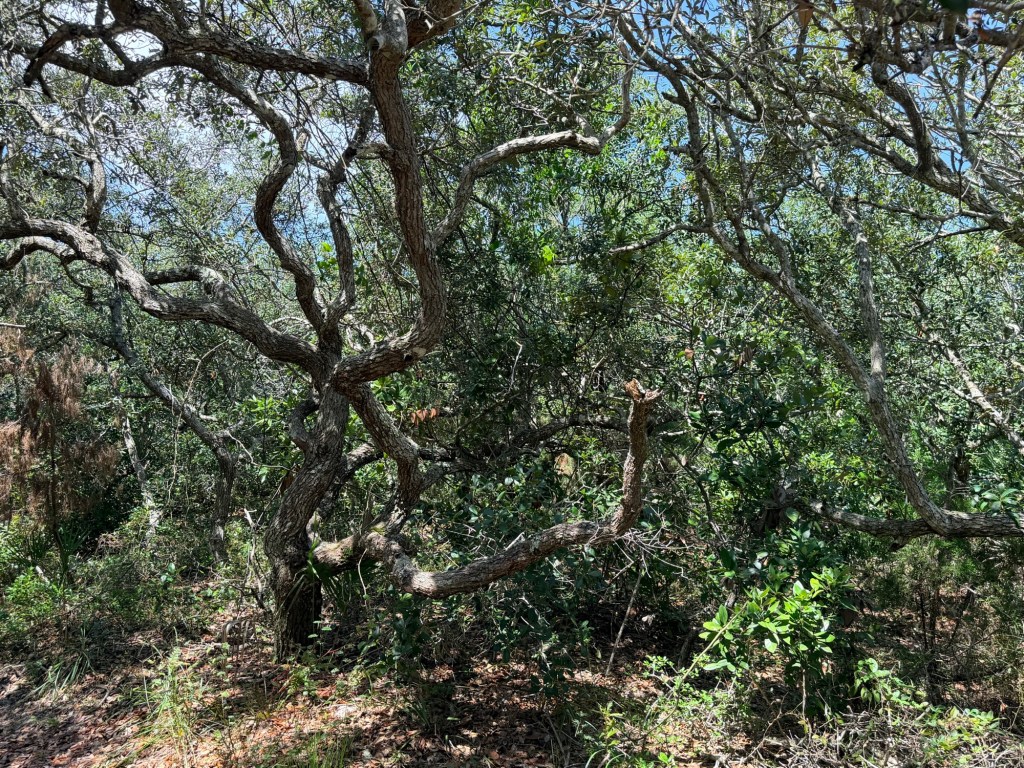
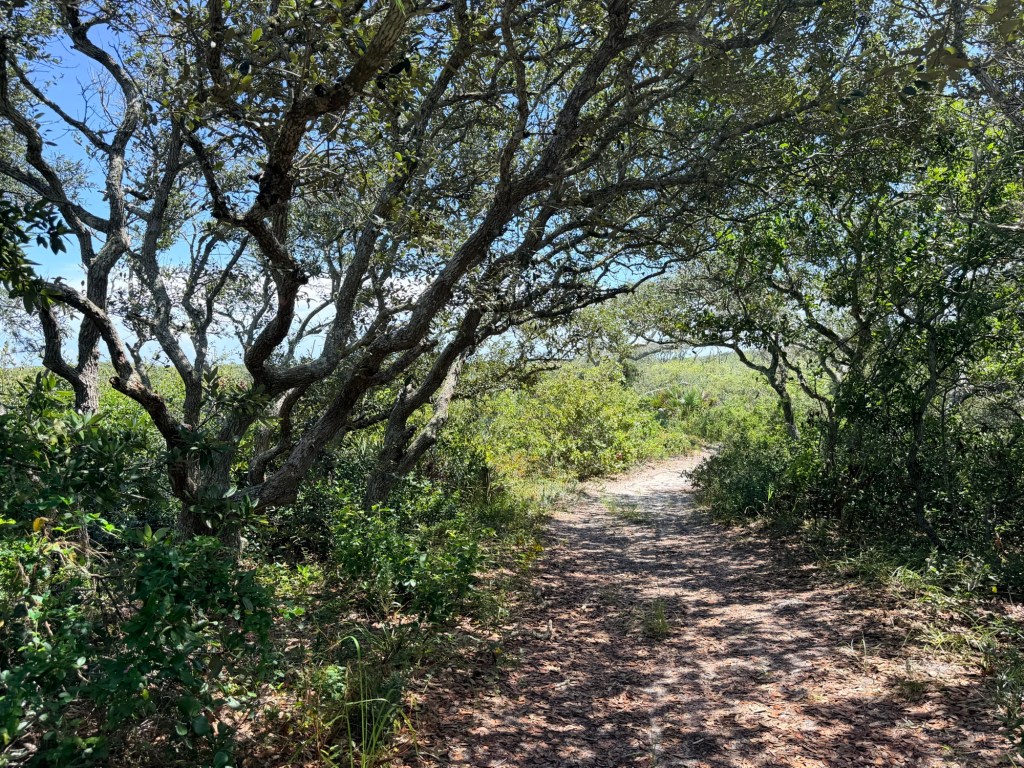
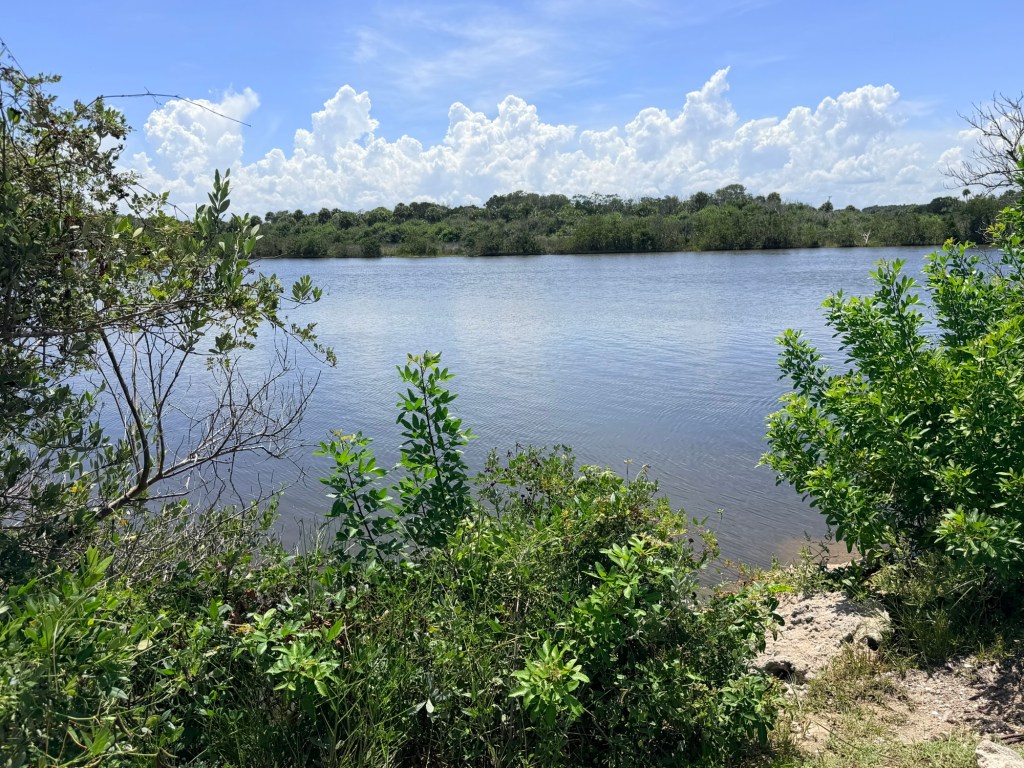
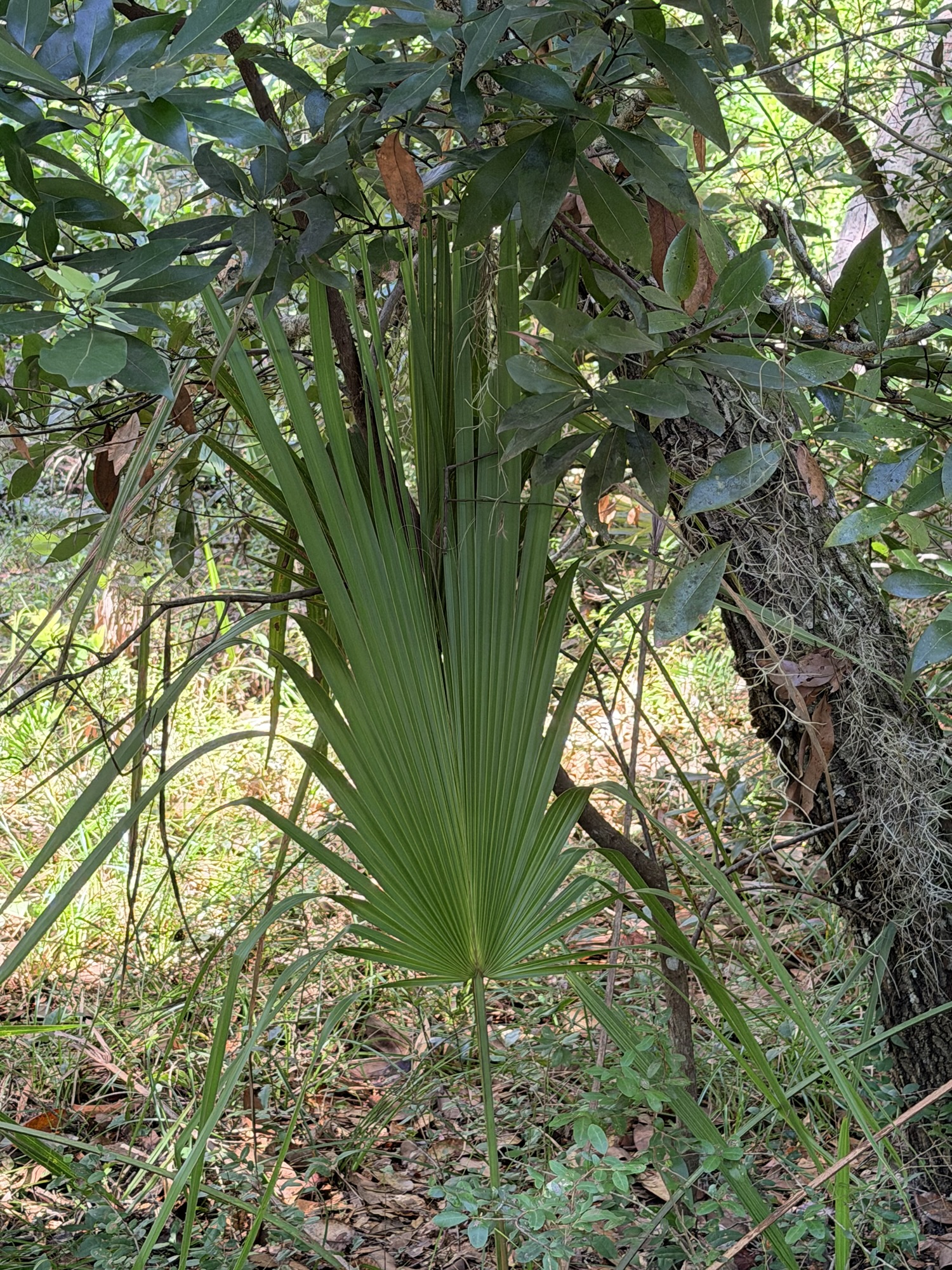
The woods is very uniform, with the same mix of plants throughout. I wonder how long it’s been recovering from being an indigo plantation? Here are some sights.
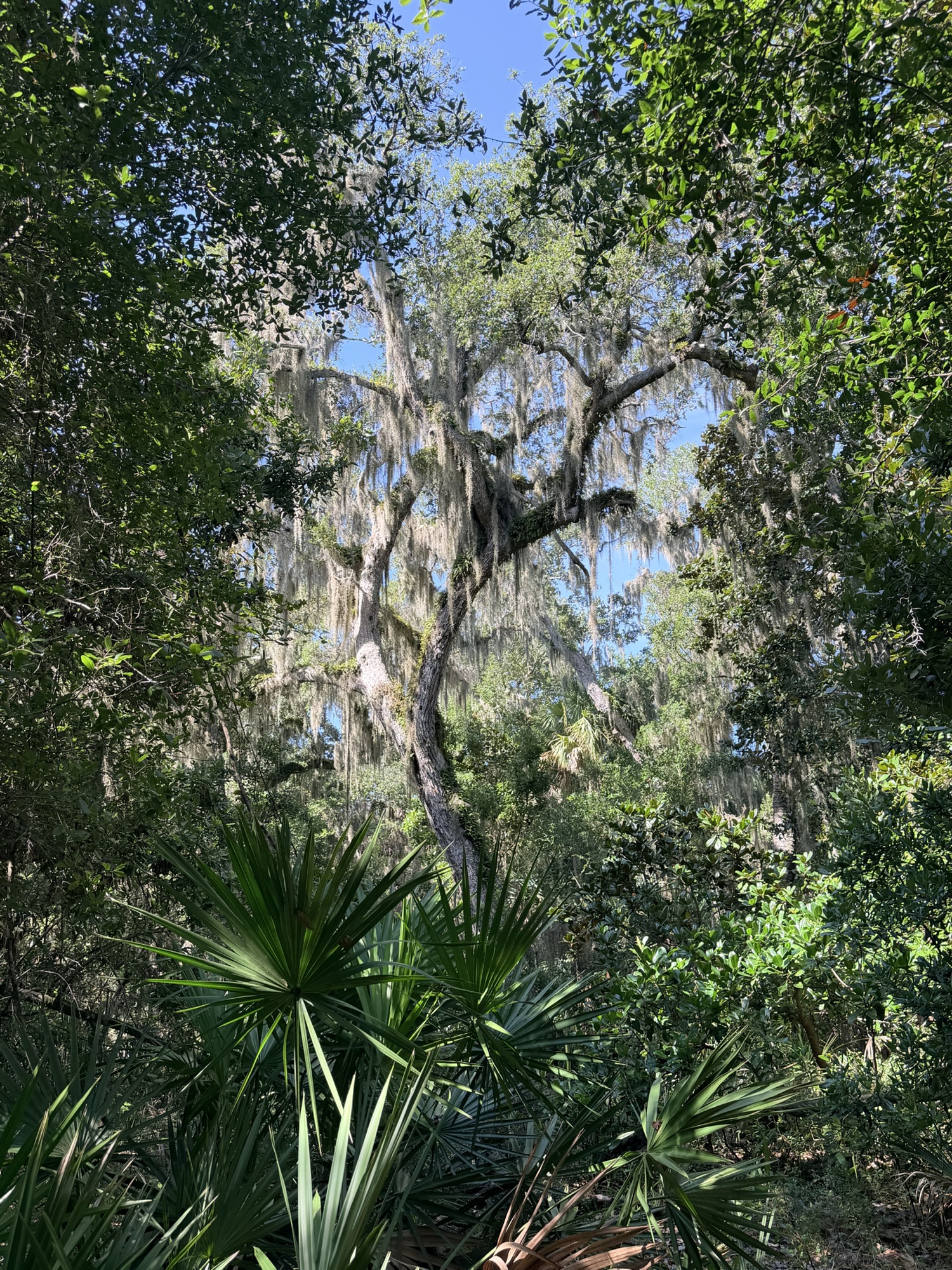
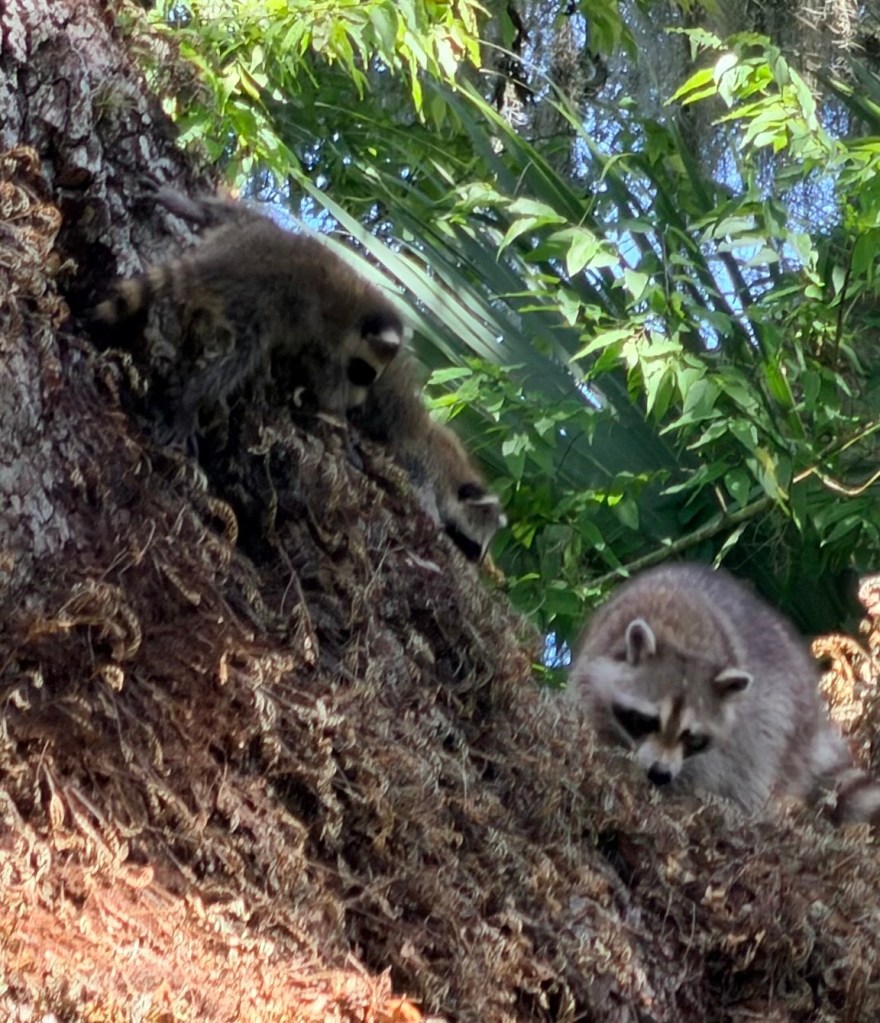
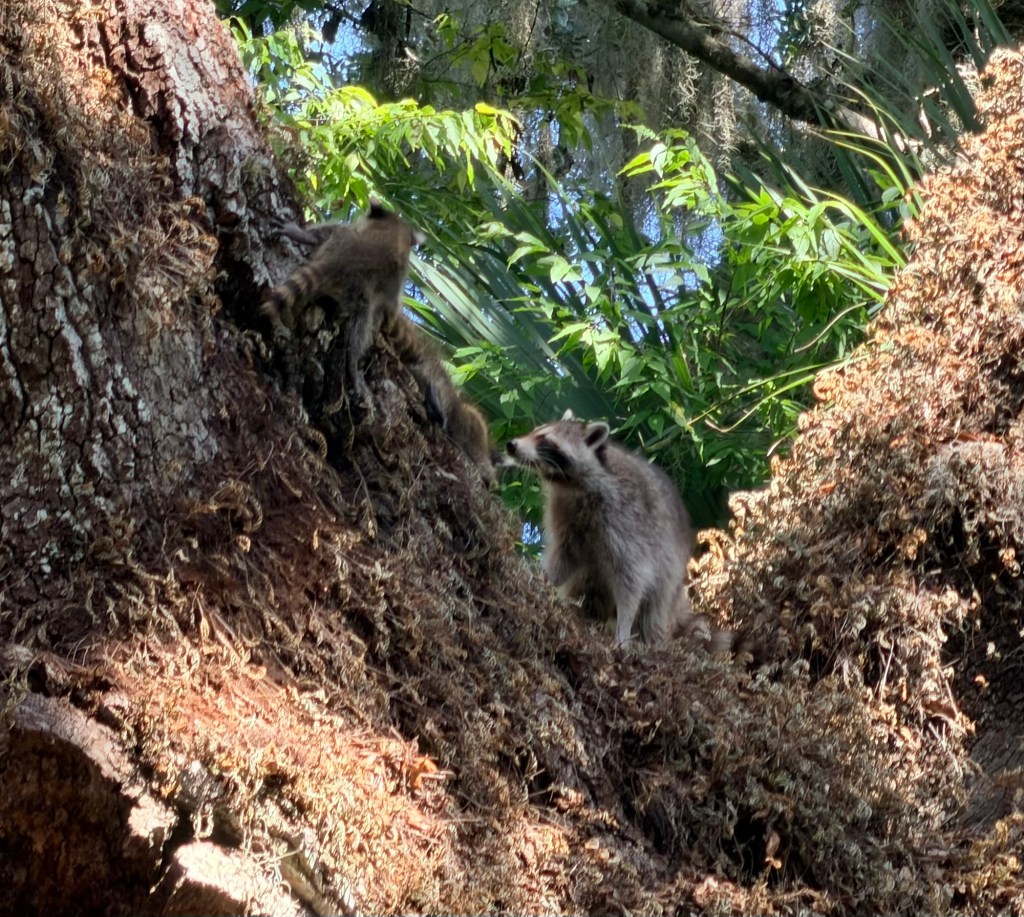
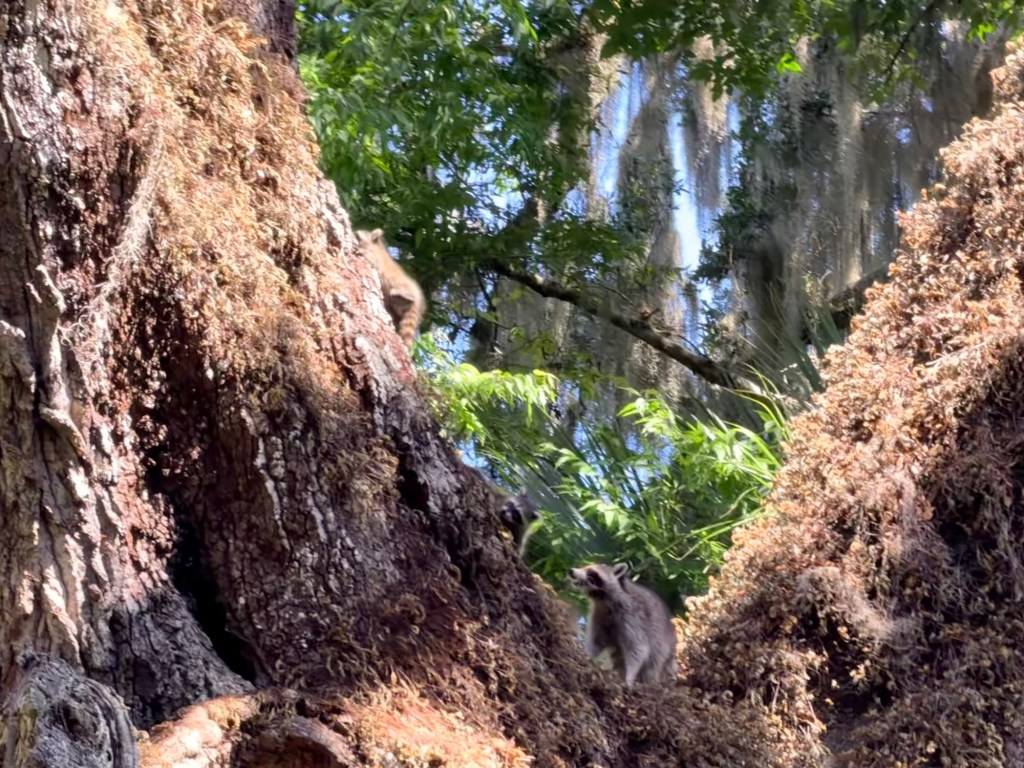
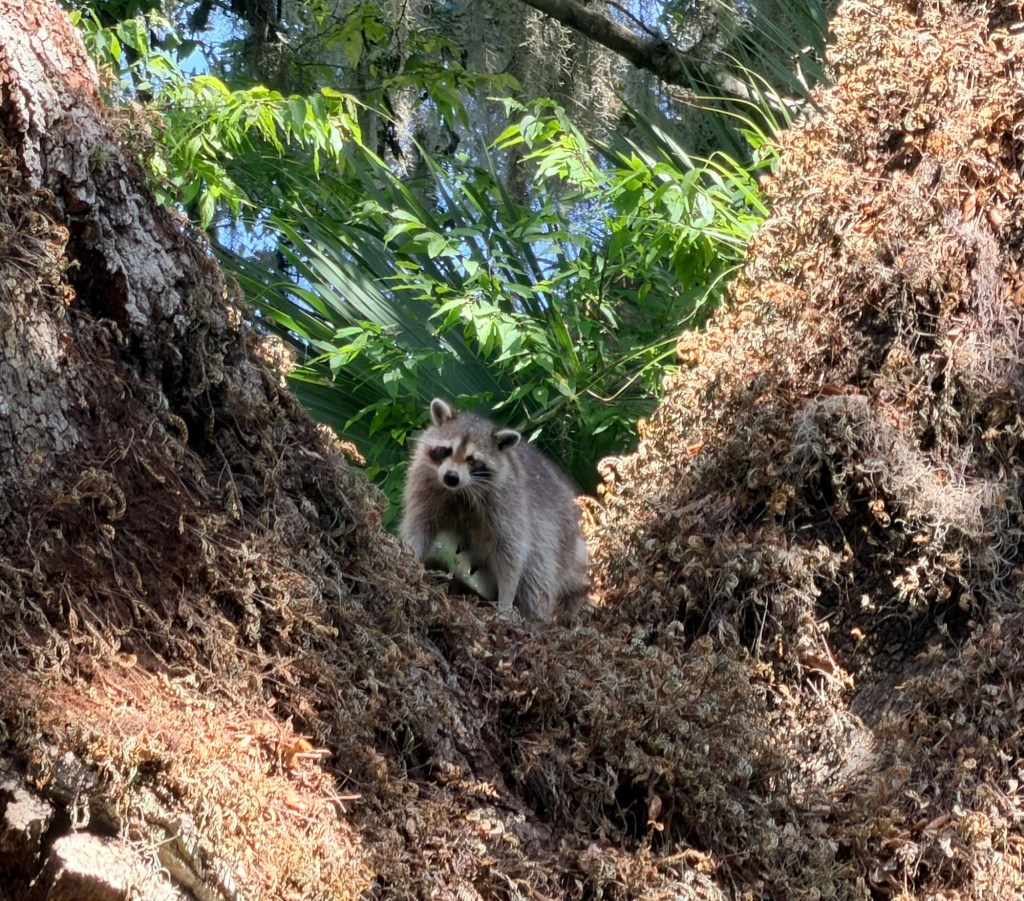
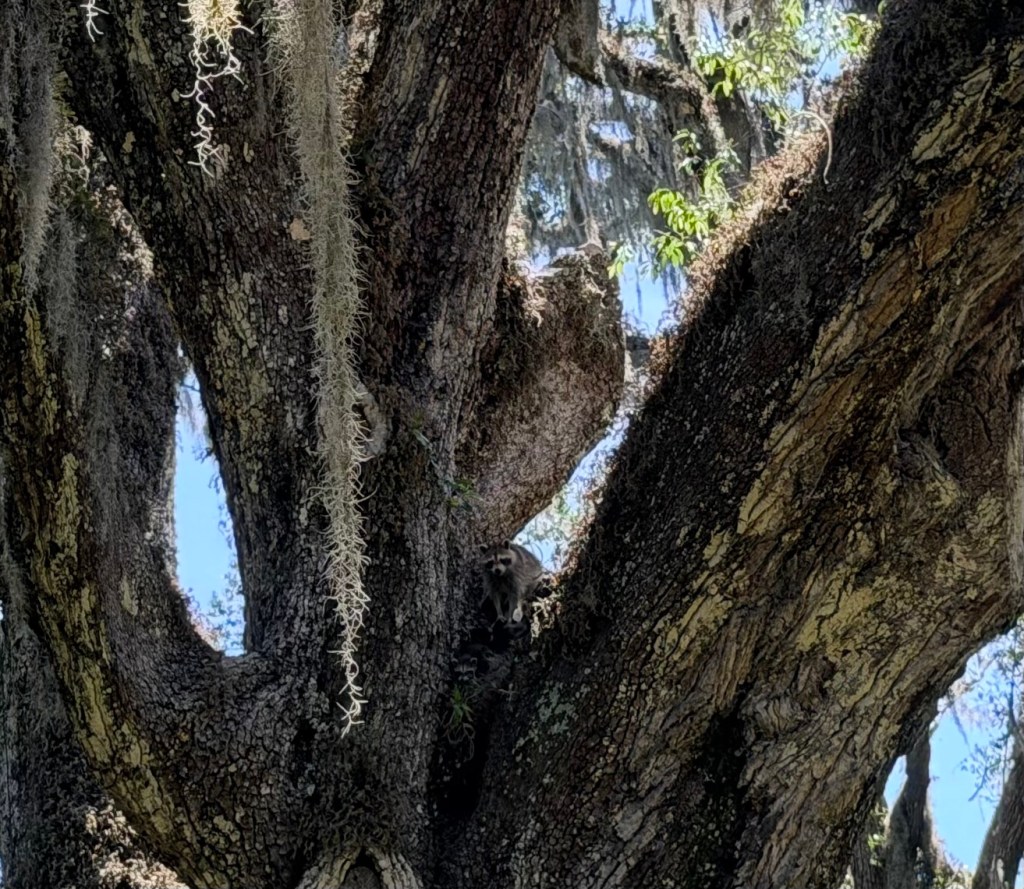
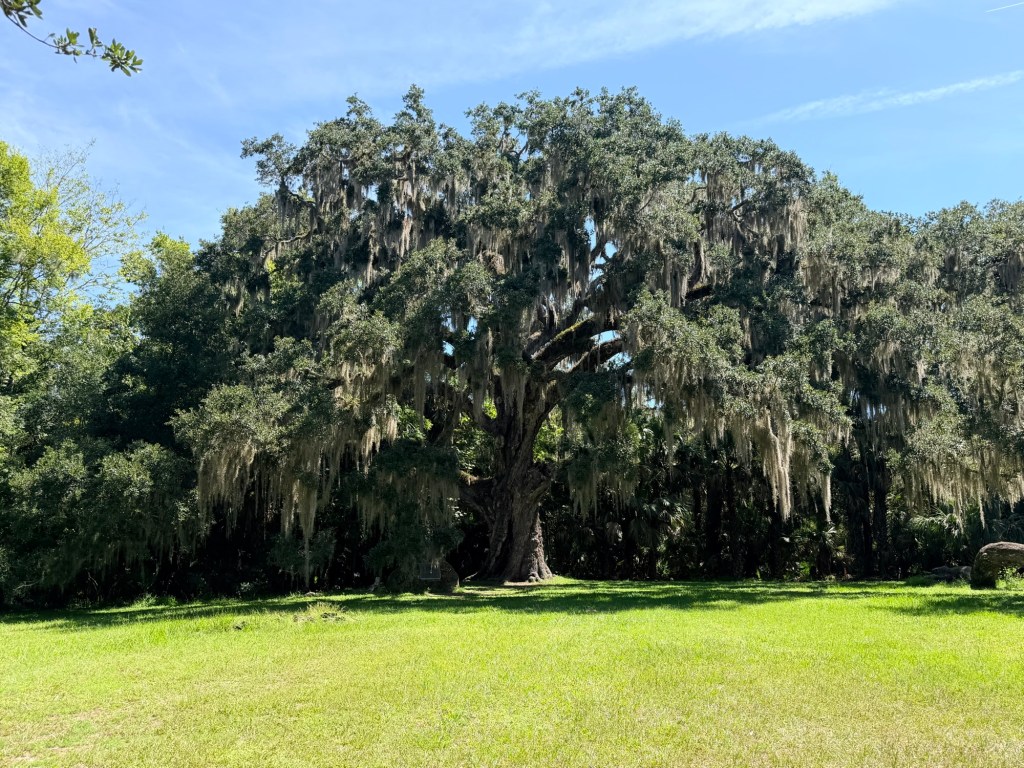
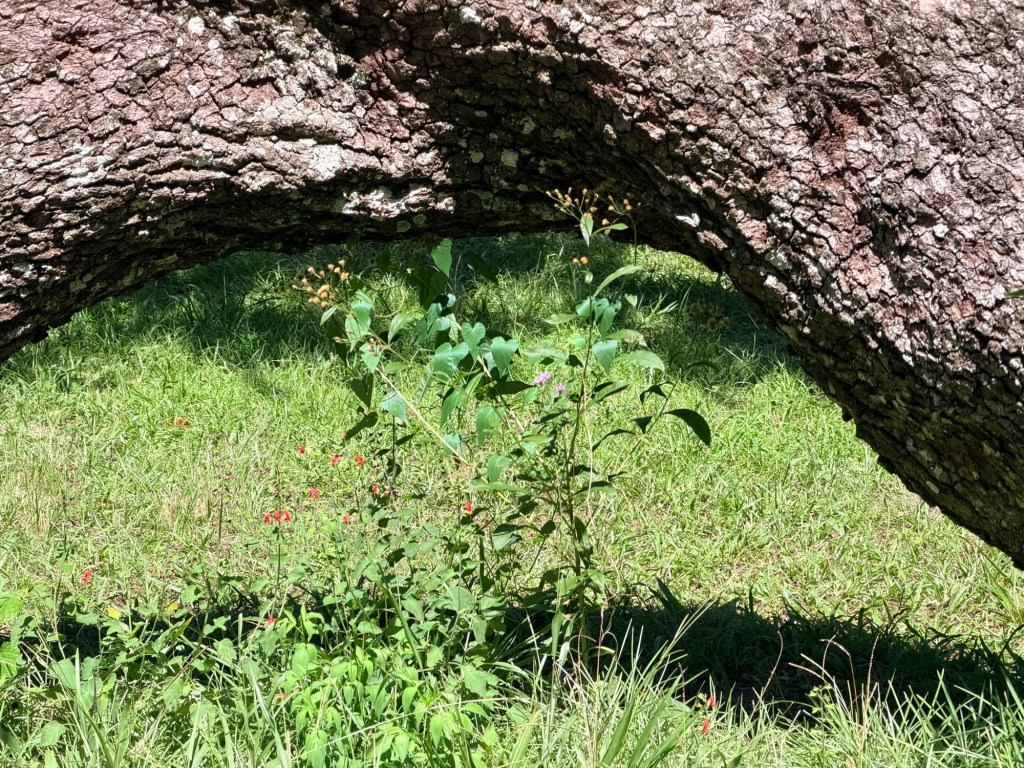
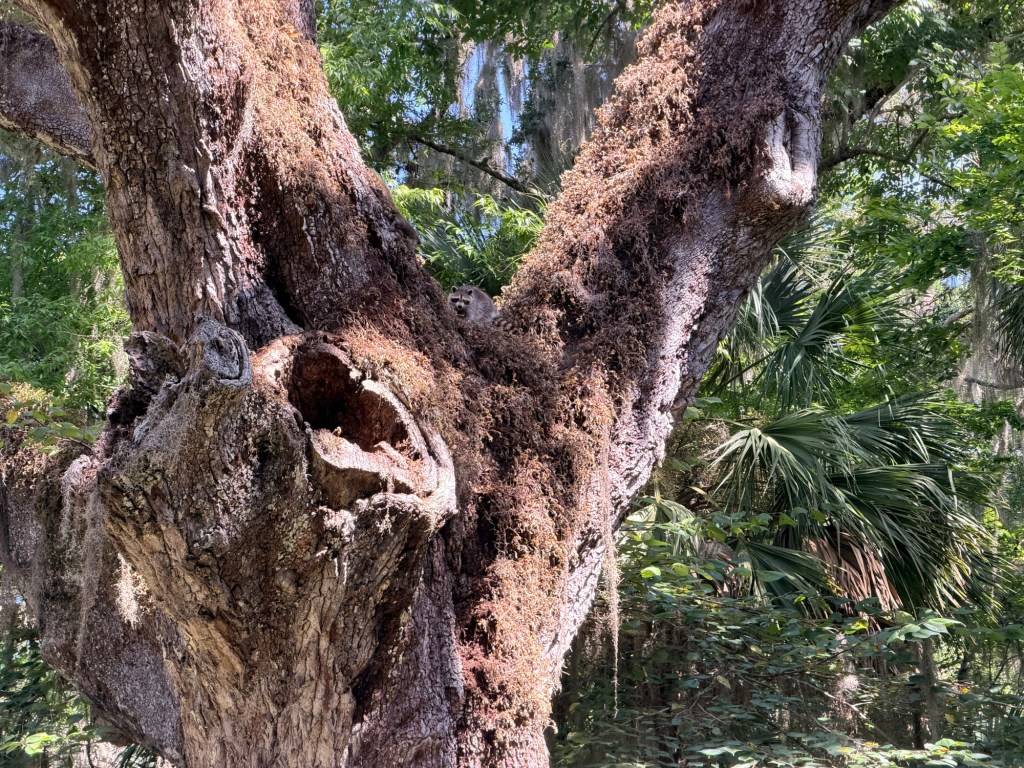
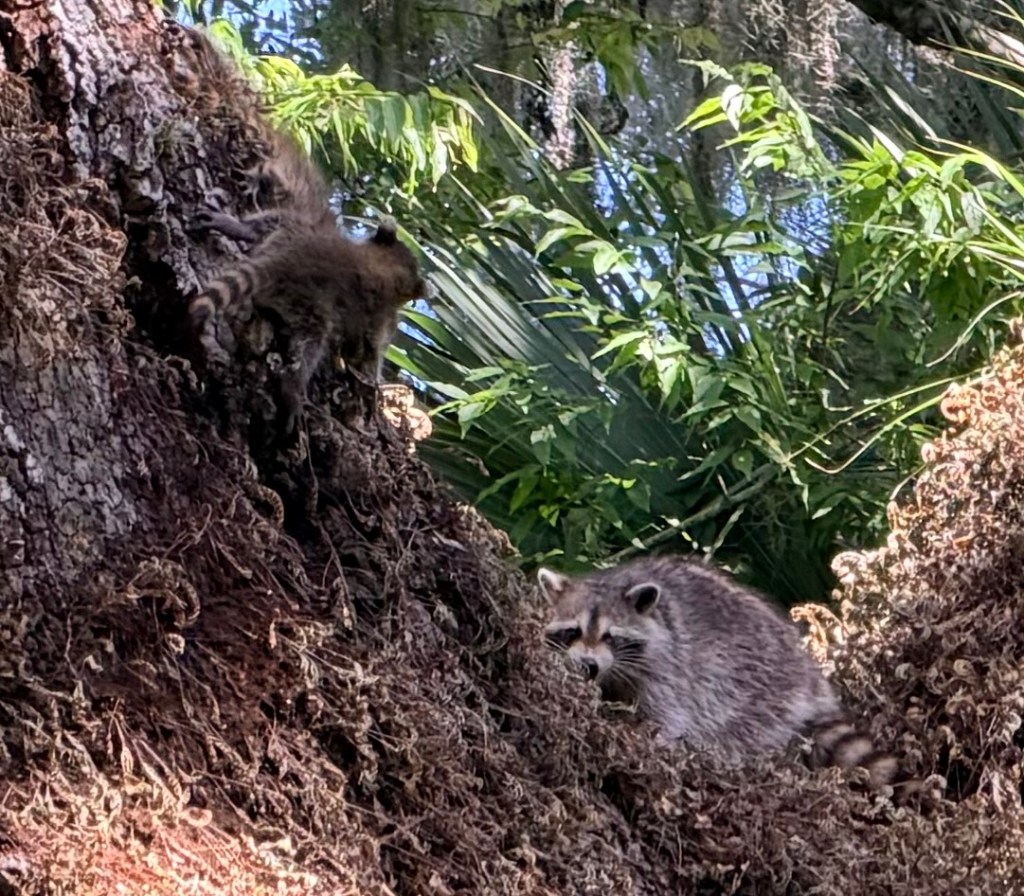
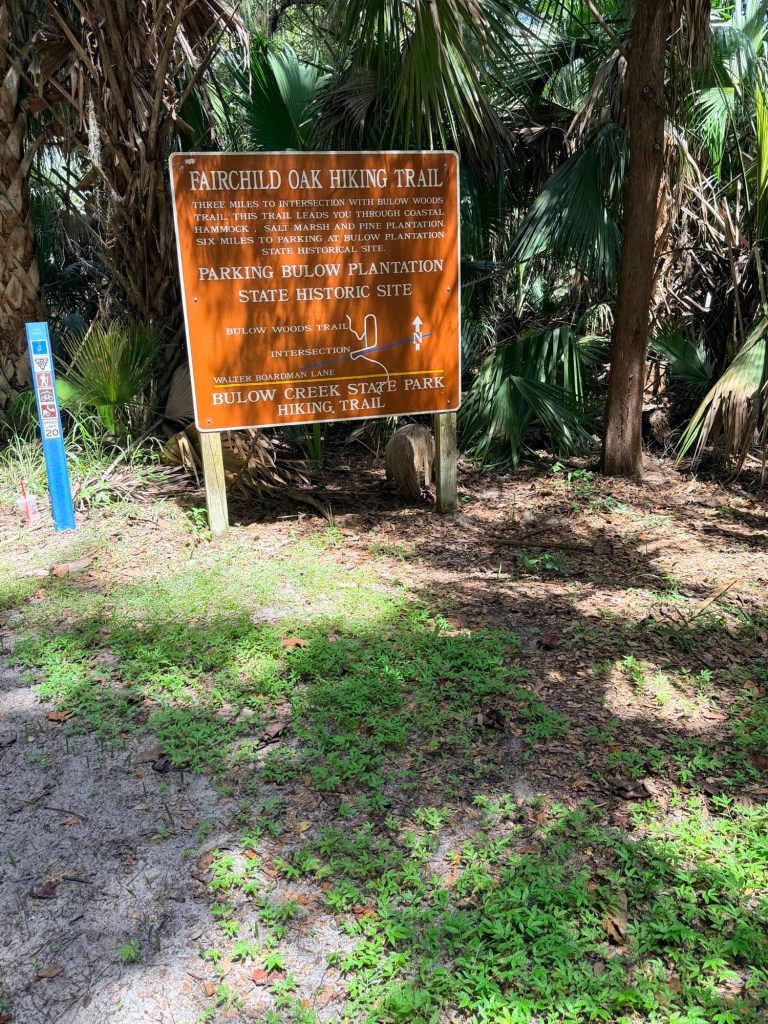
I left there and proceeded a few beautiful miles down the road to a truly special place, Bulow Creek State Park. Lots to see here! First I enjoyed the area around some huge, old live oaks, including the Fairchild Oak. All the trees are beautiful. My big surprise was spotting a raccoon family in the big old tree. Mom was trying to keep up with four very busy young ones. I enjoyed them a while, then showed them to a couple of other visitors.
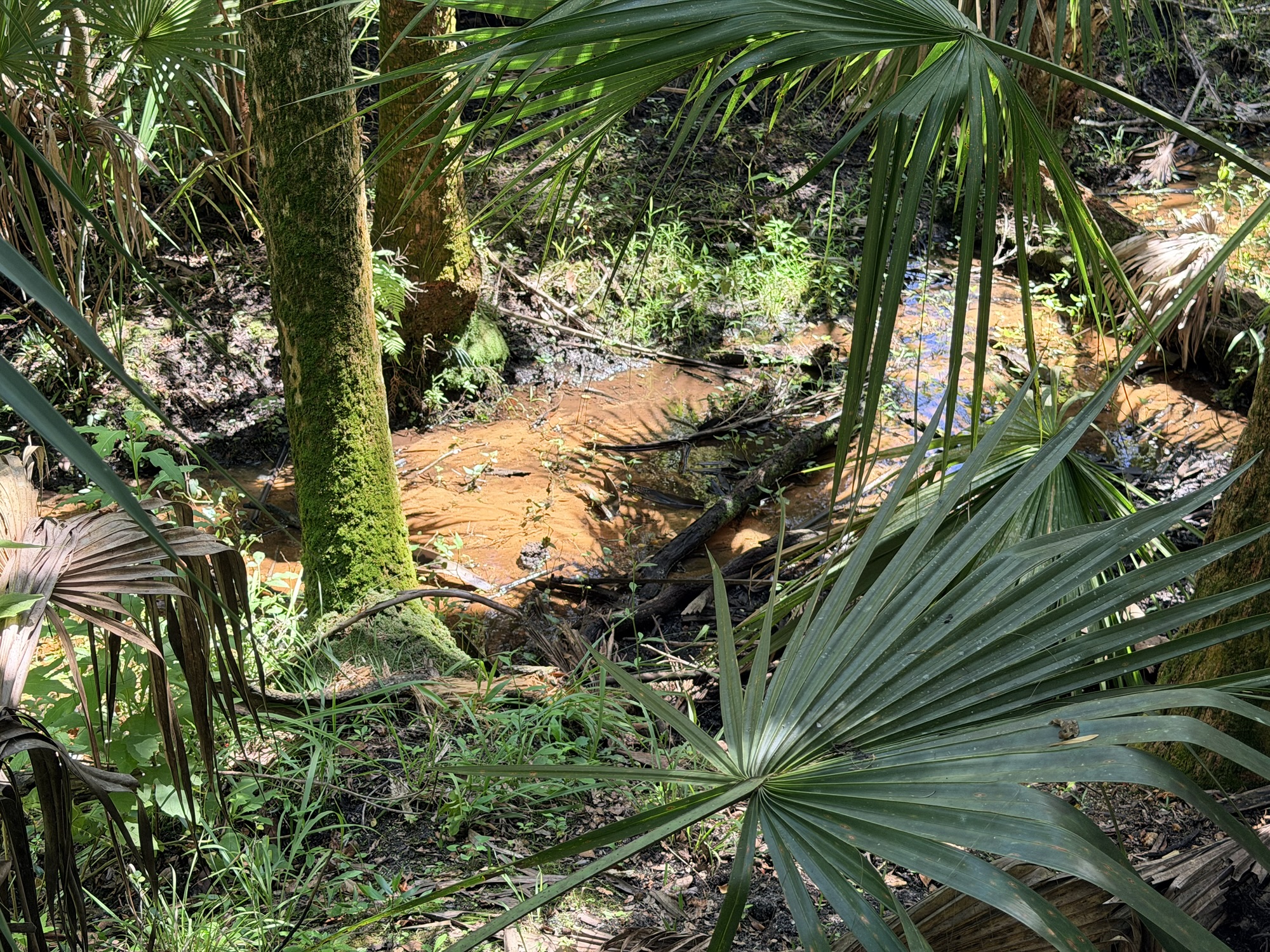
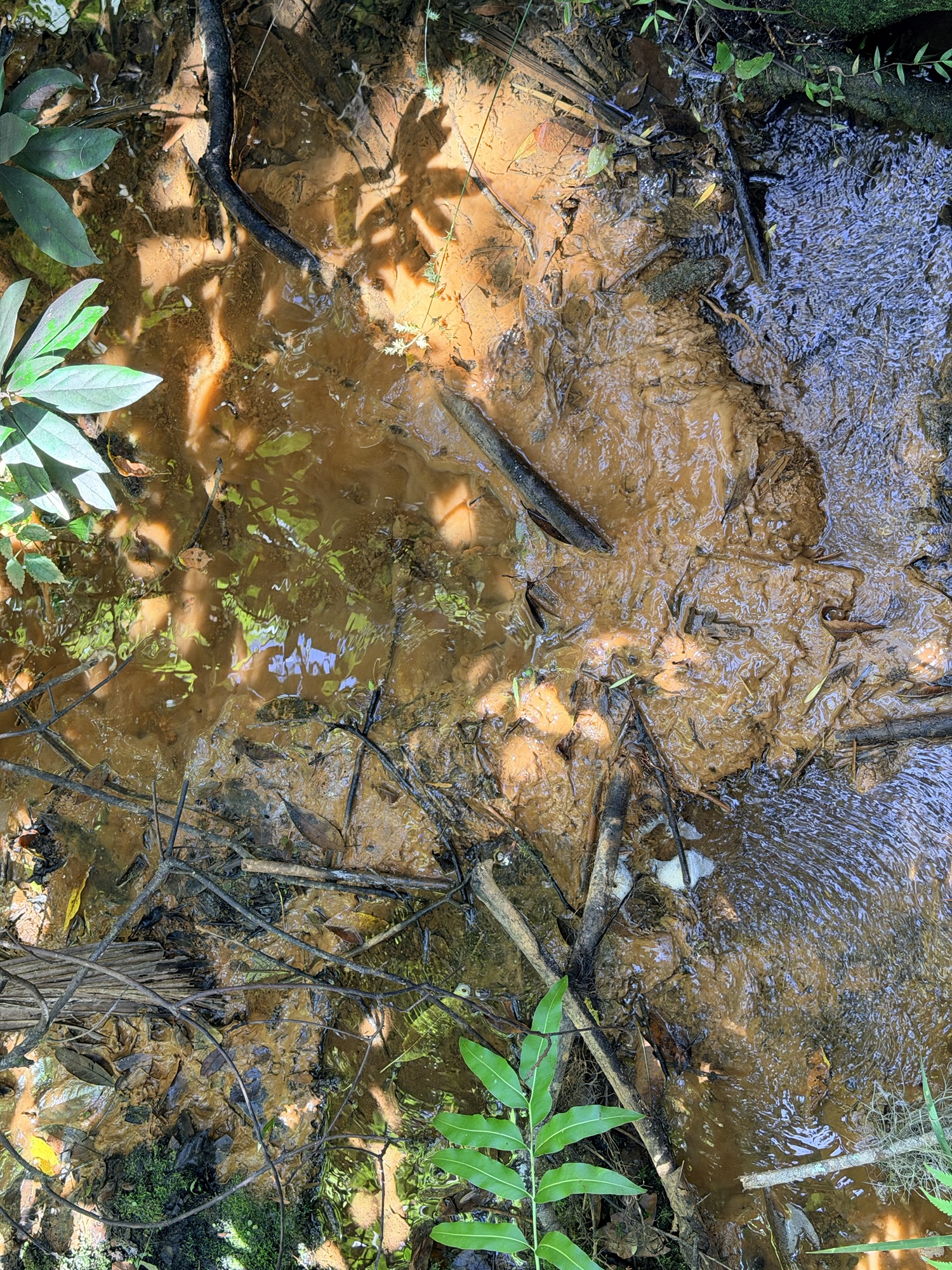
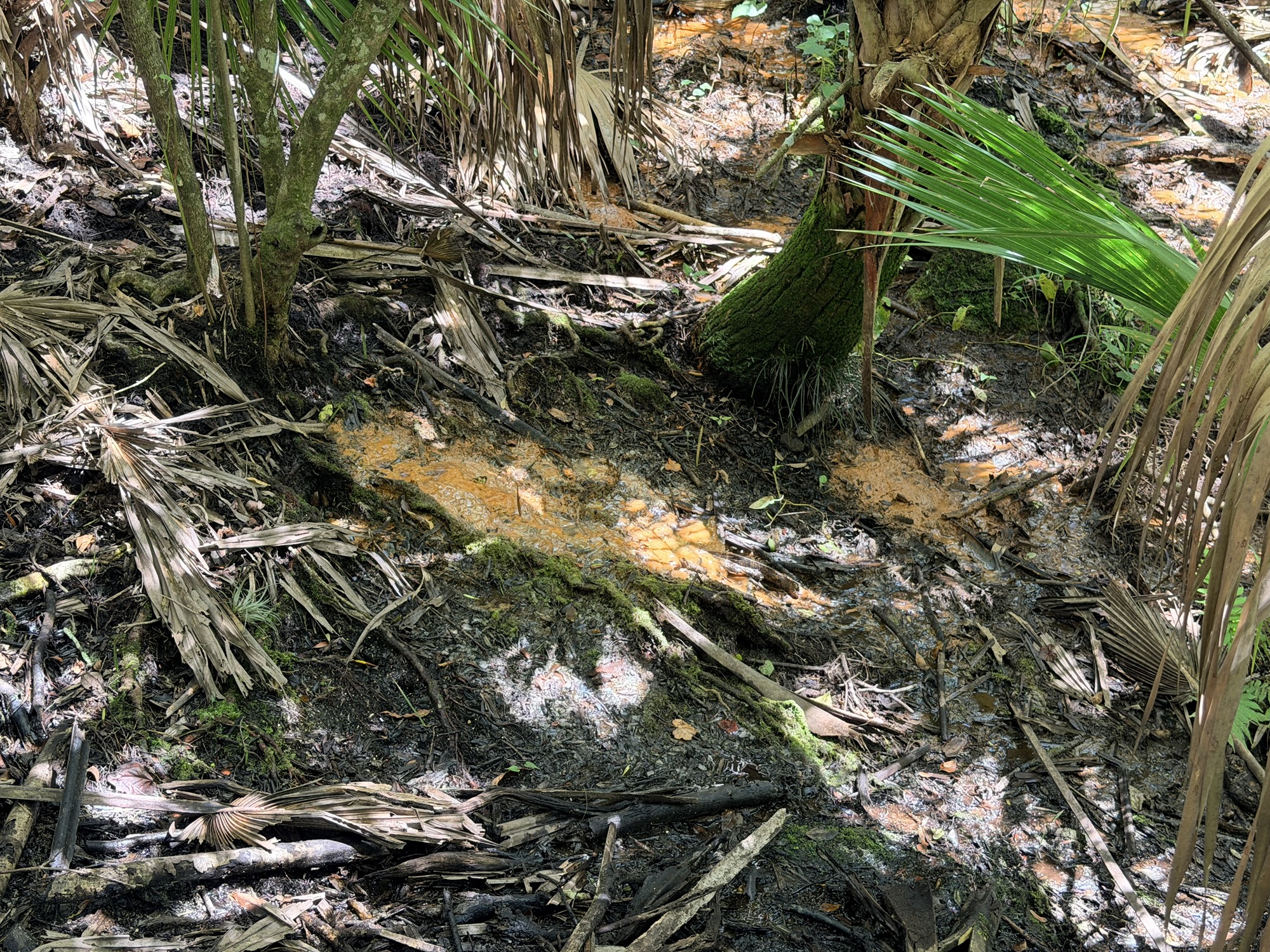
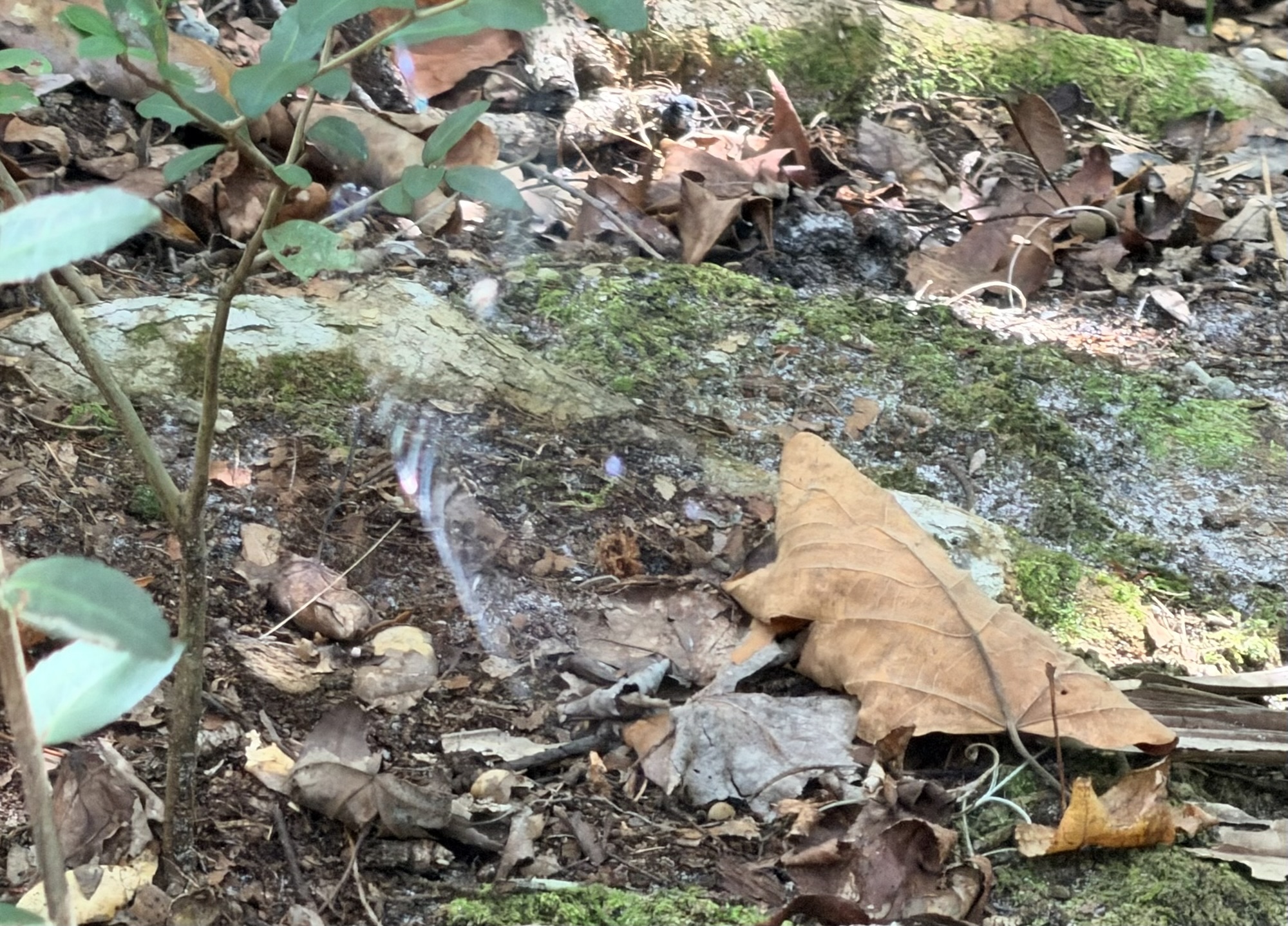
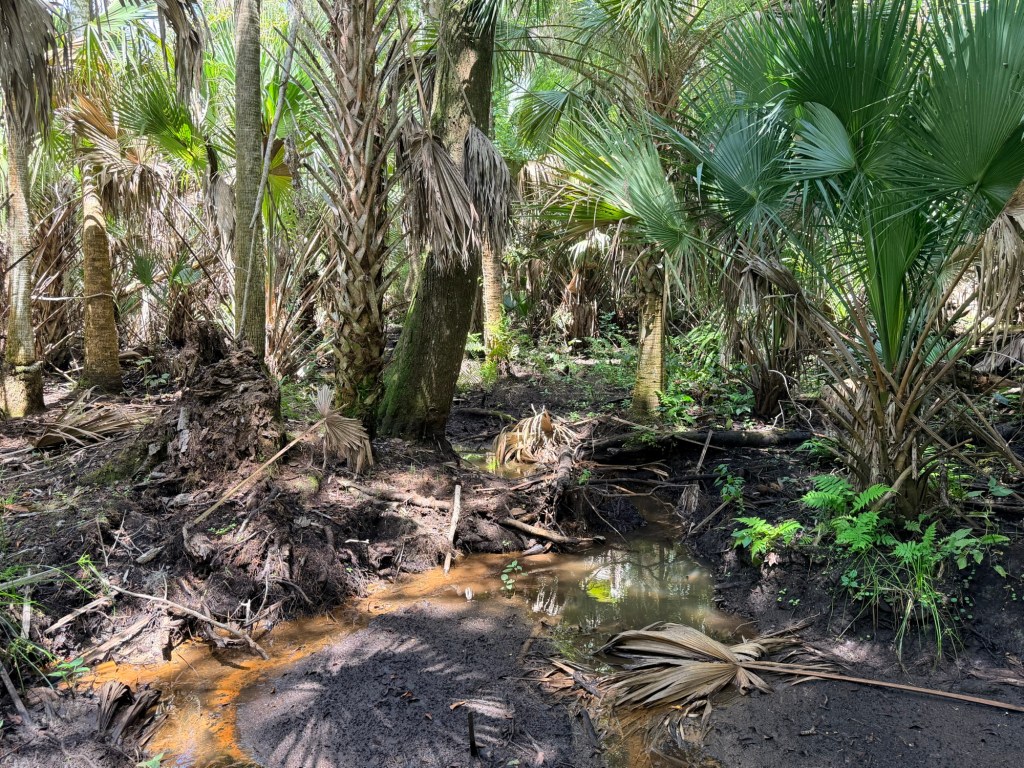
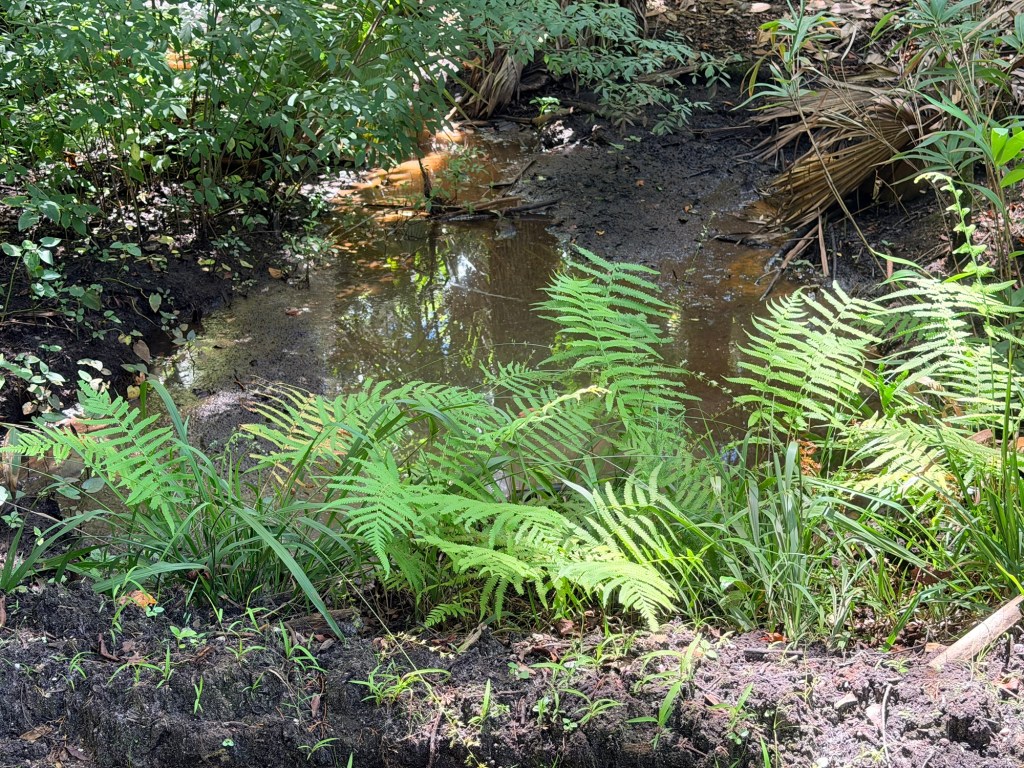
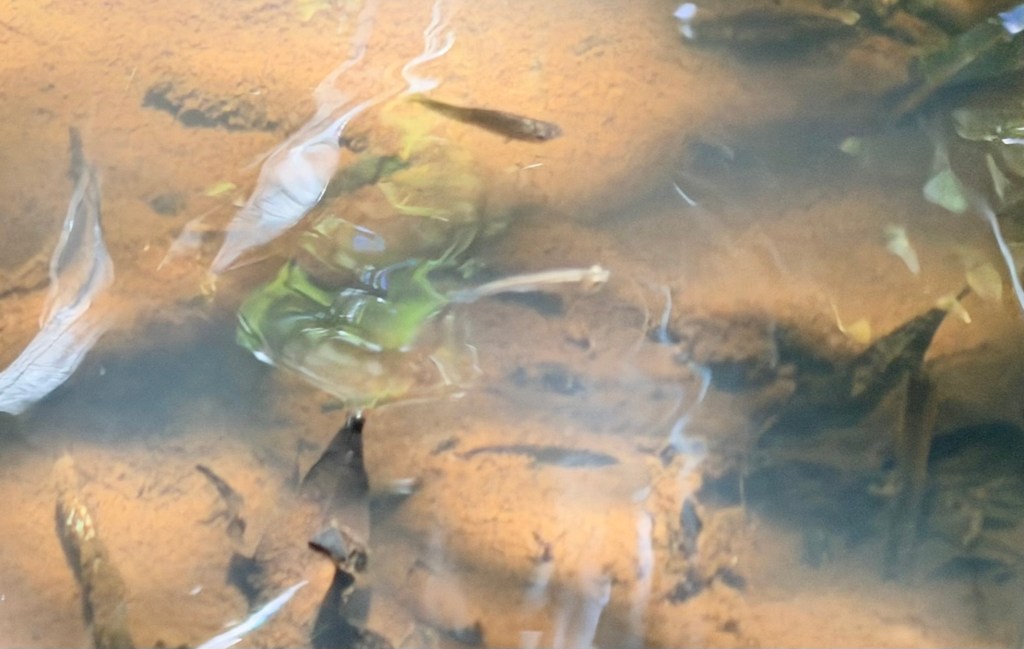
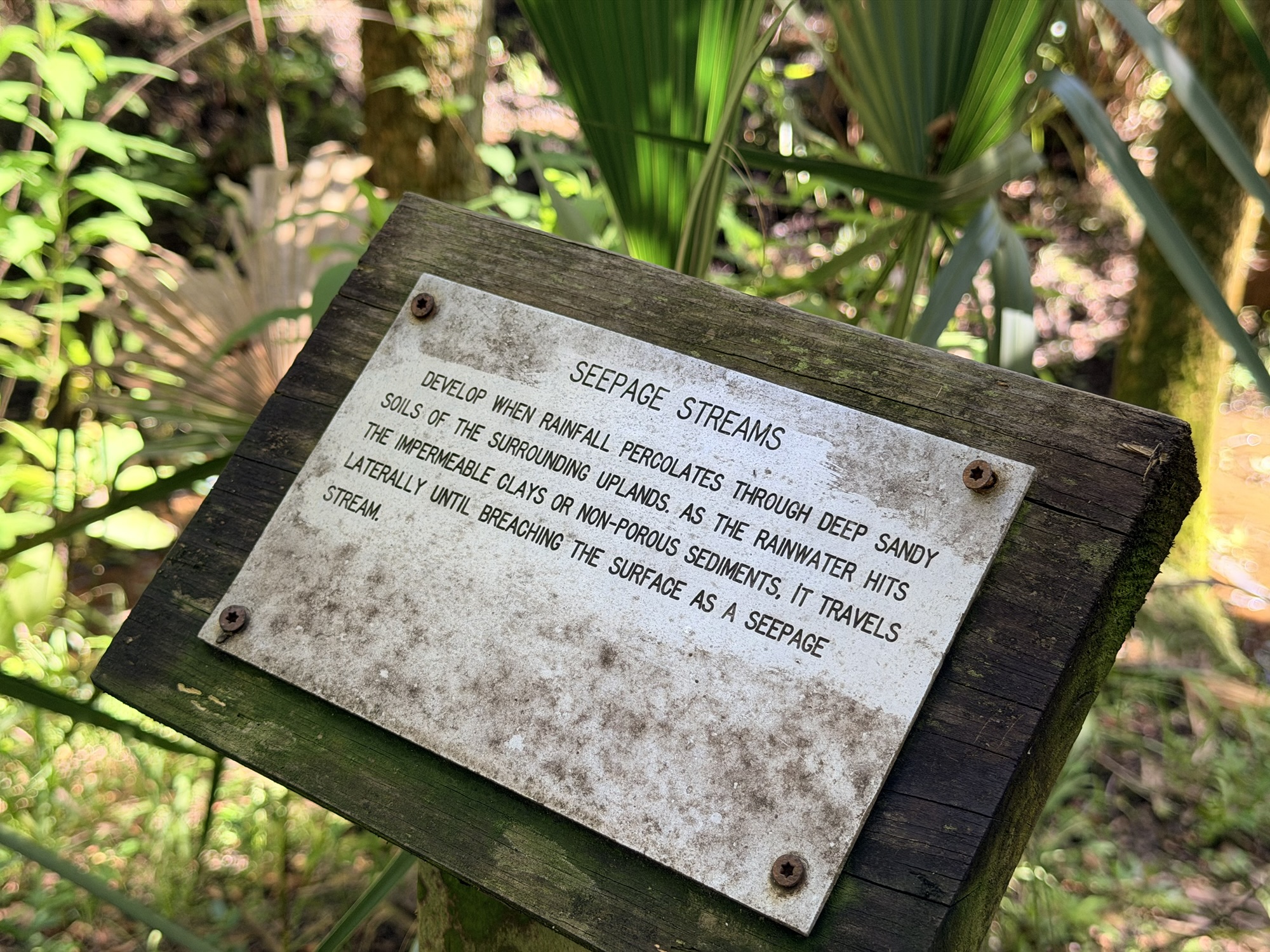
Next I took the shorter trail that goes through a wet area. It has a collection of fascinating seeps that flow across the clay substrate to form the larger creek. Since it’s rained recently, they were flowing nicely. They are very similar to the seeps on our property, and now I understand them more. It made my day (that and the raccoons).
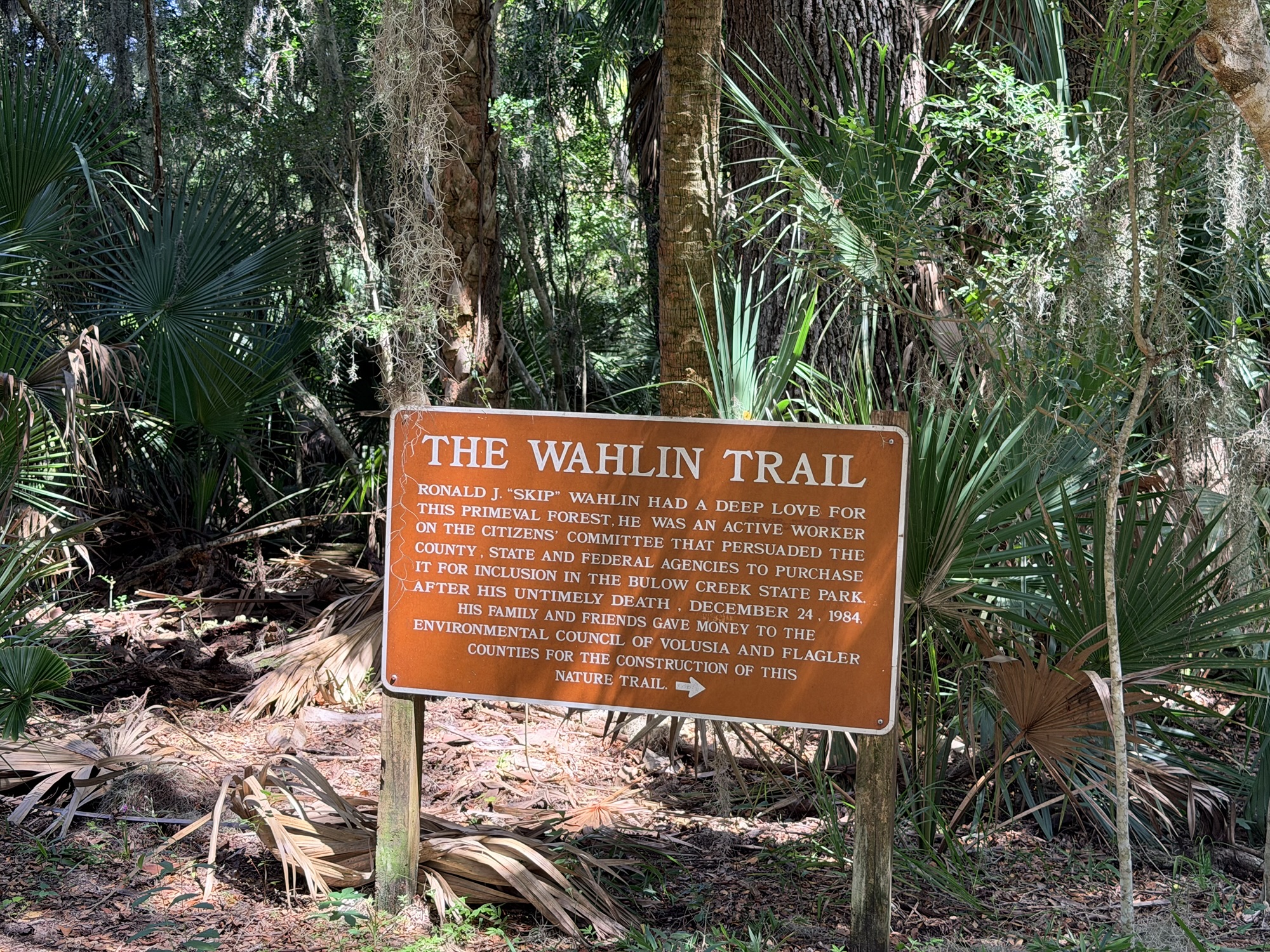
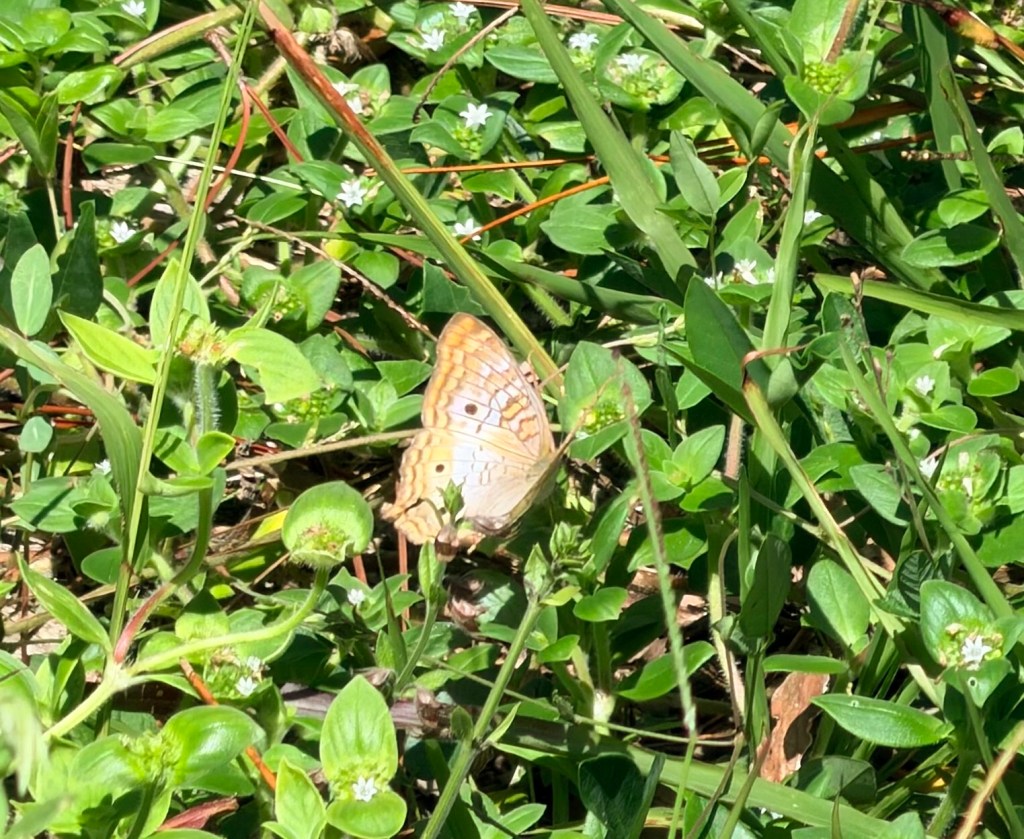
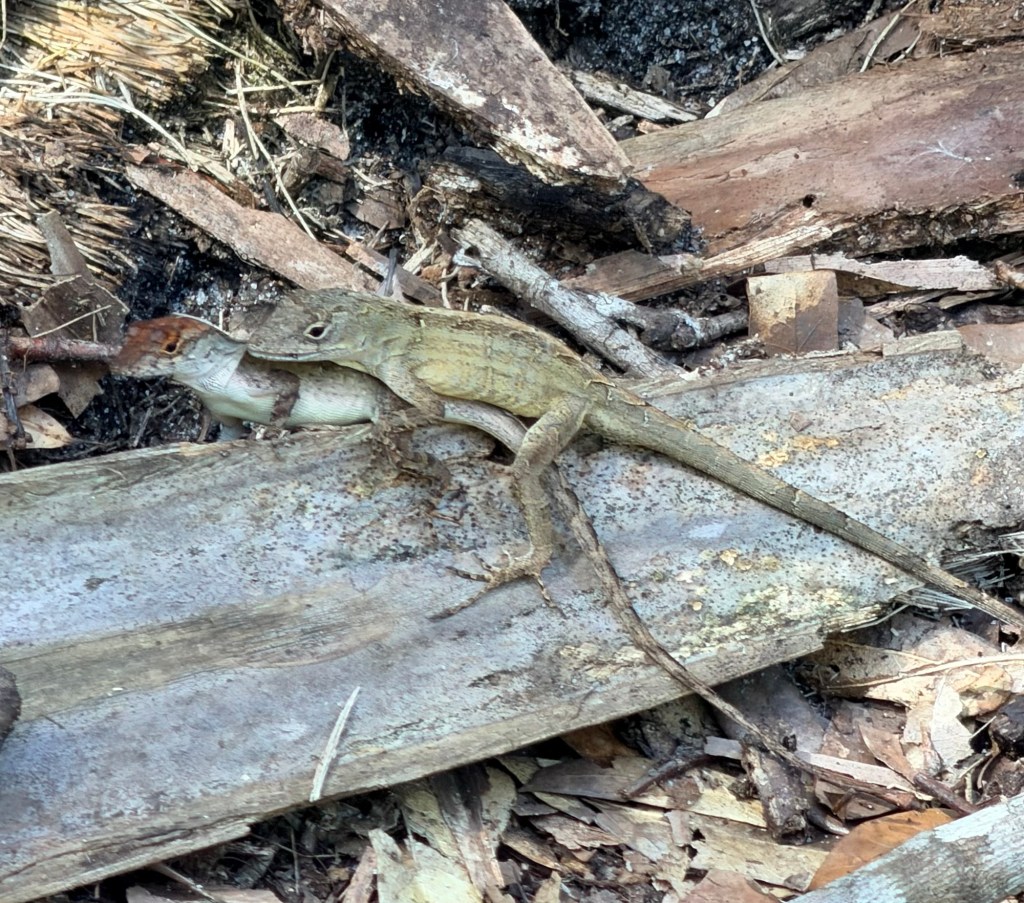
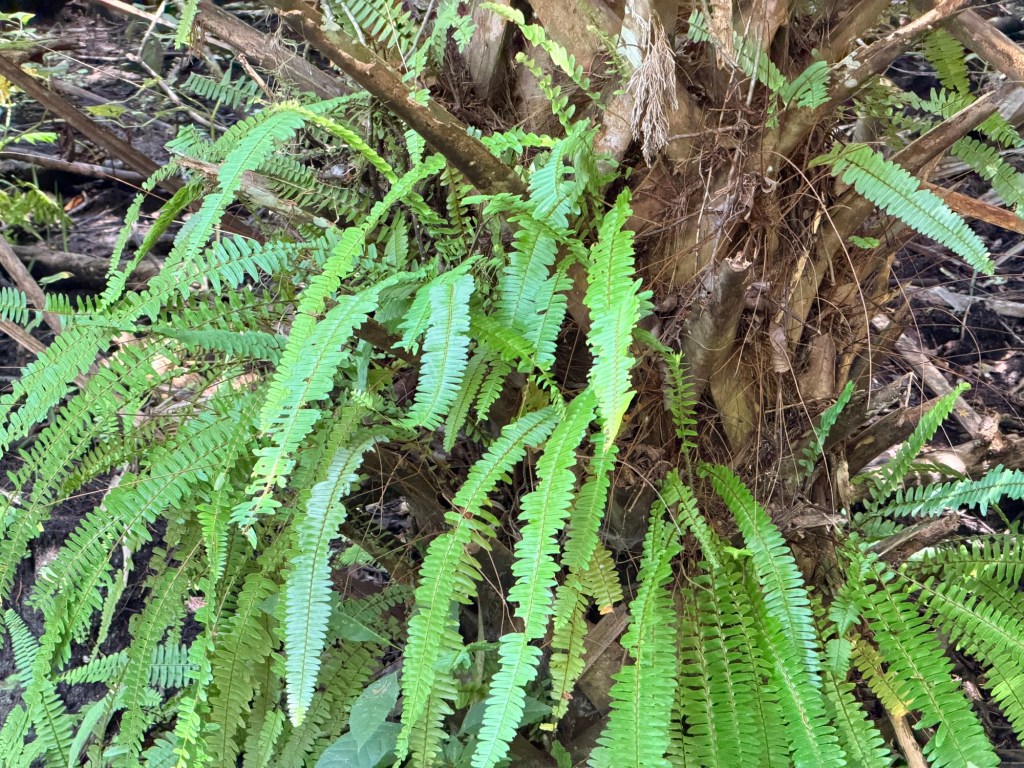
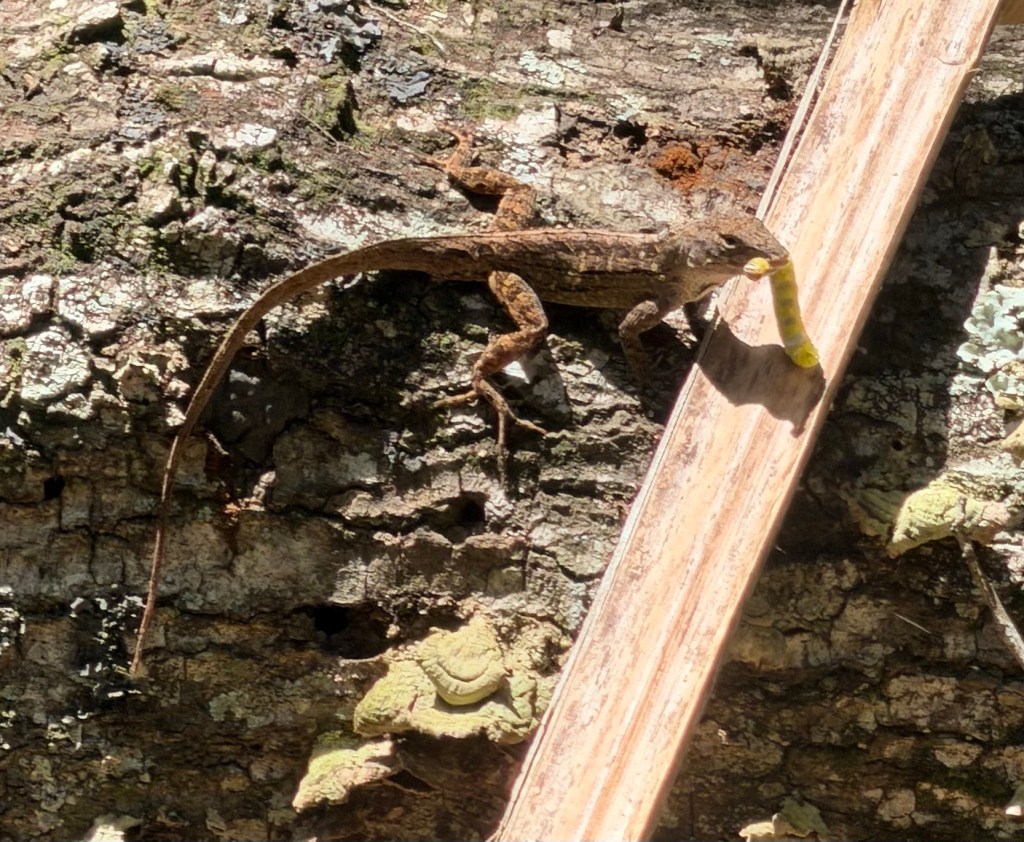
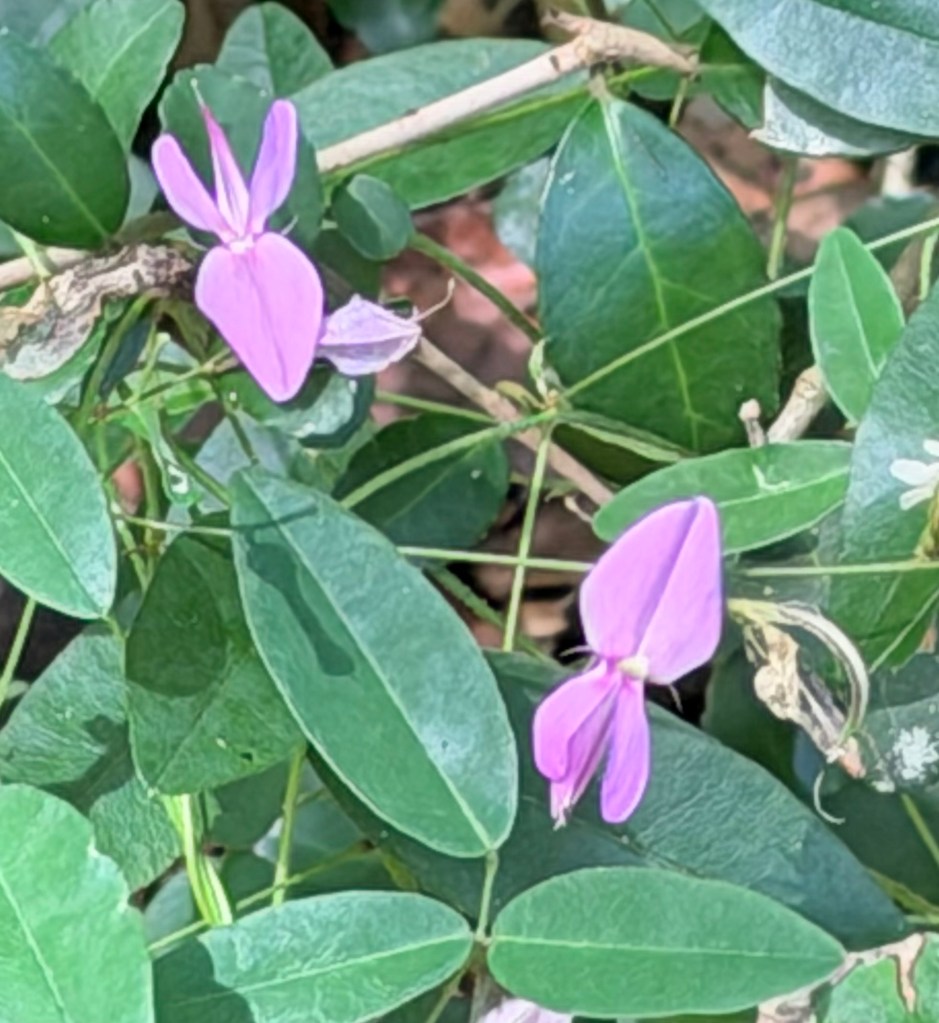
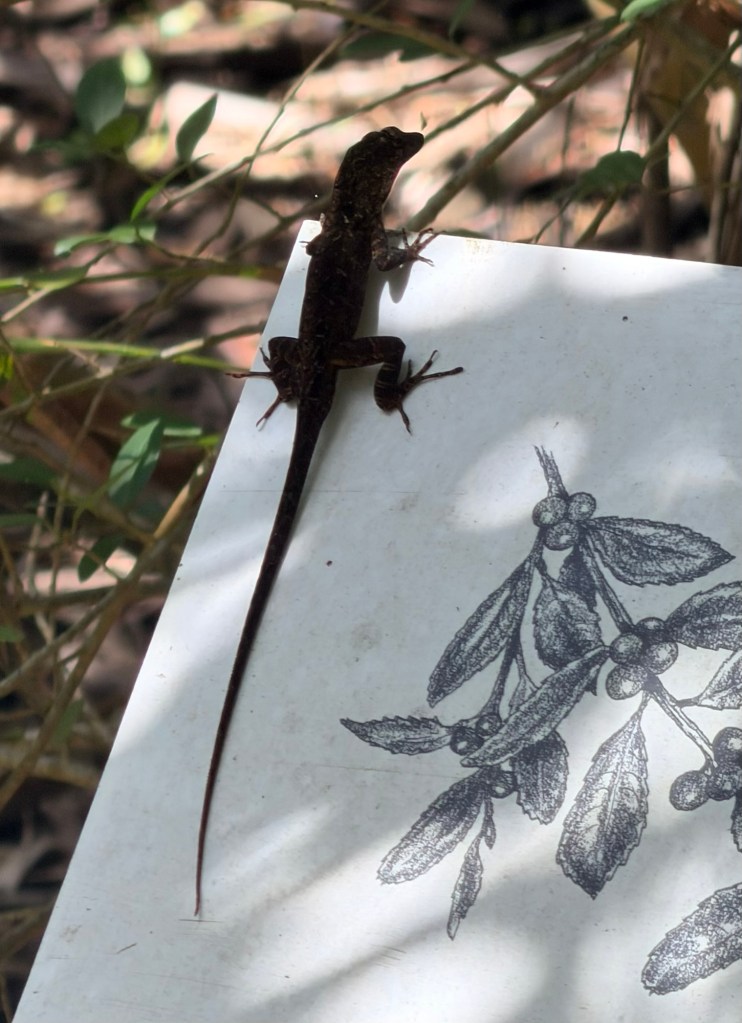
I endeavored to go on as much as possible of the next trail, which is a six-mile loop. I did not go that far. I did make it to where the trail turns and follows Bulow Creek before turning back. This was a lovely trail that even had some birds! I saw a Pileated Woodpecker fly by. There was also ample evidence of wild hogs. And since there was NO evidence of bears, I concluded that the large black animal that snorted at me was a hog. Yow. But the ferns, flowers, and trees were great. I also enjoyed many brown anole activities.
I had one more stop on my route, which made a nice circle. I wish I could have taken photos as I drove, because the drive between Bulow and North Peninsula State Park is through some of the prettiest wild east coast scenery I’ve ever seen. Woods making tunnels over the road lead to stunning swamps and to wide-open marshlands. I may take Lee there just to see it again. I also enjoyed going over a small drawbridge.
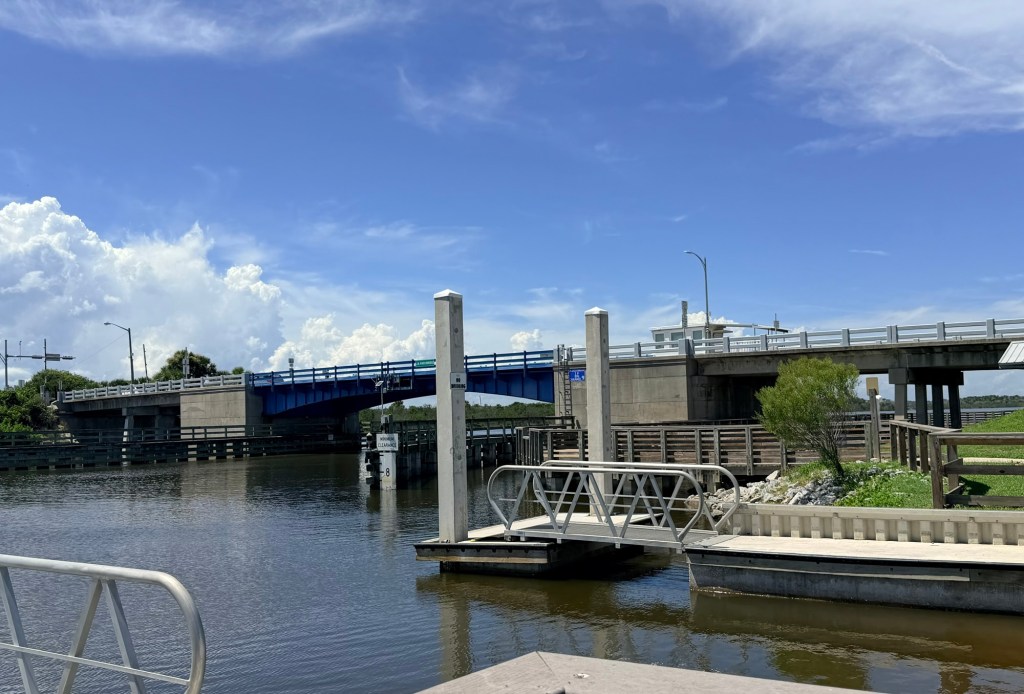
I didn’t get to see it go up.

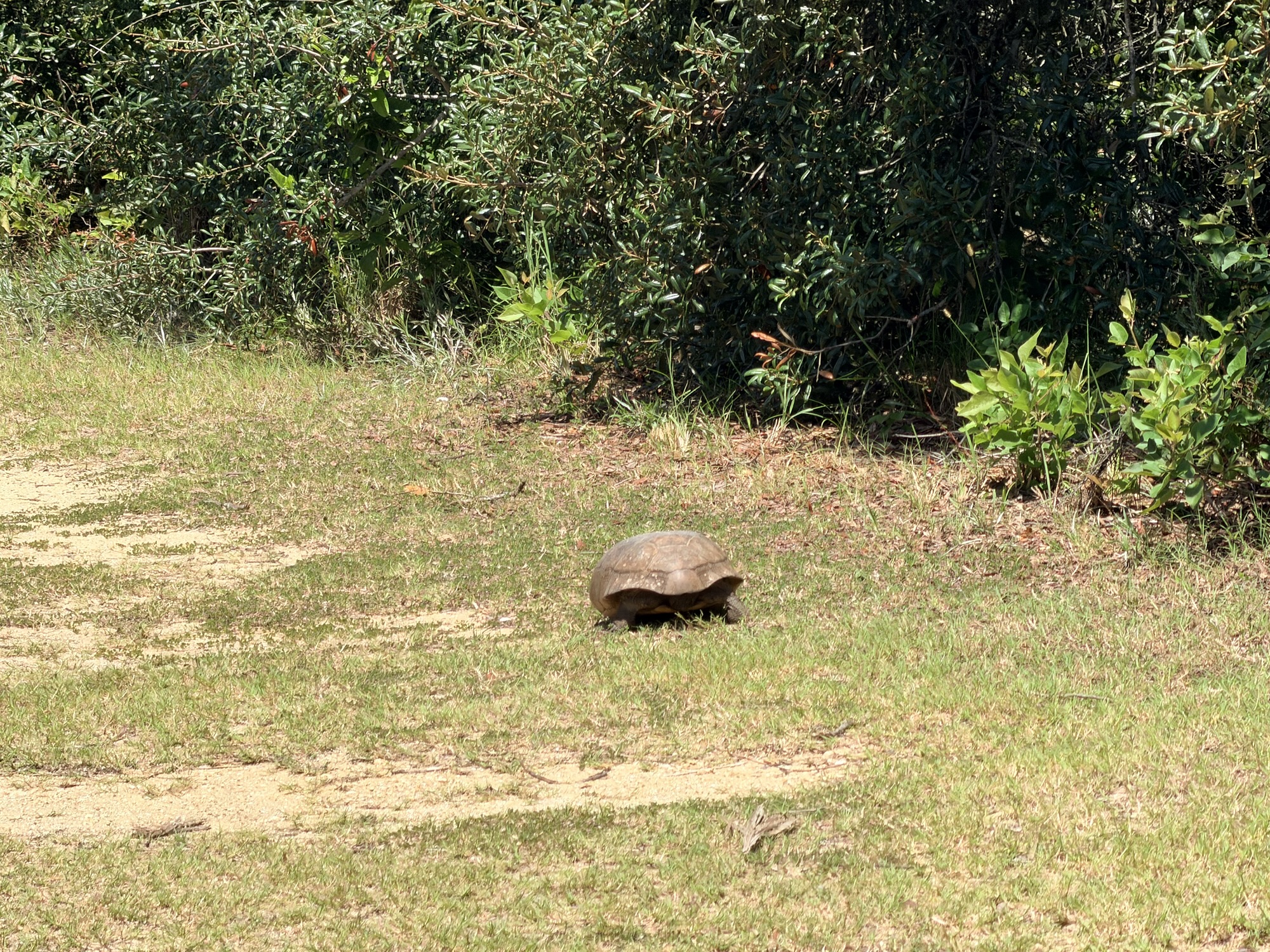
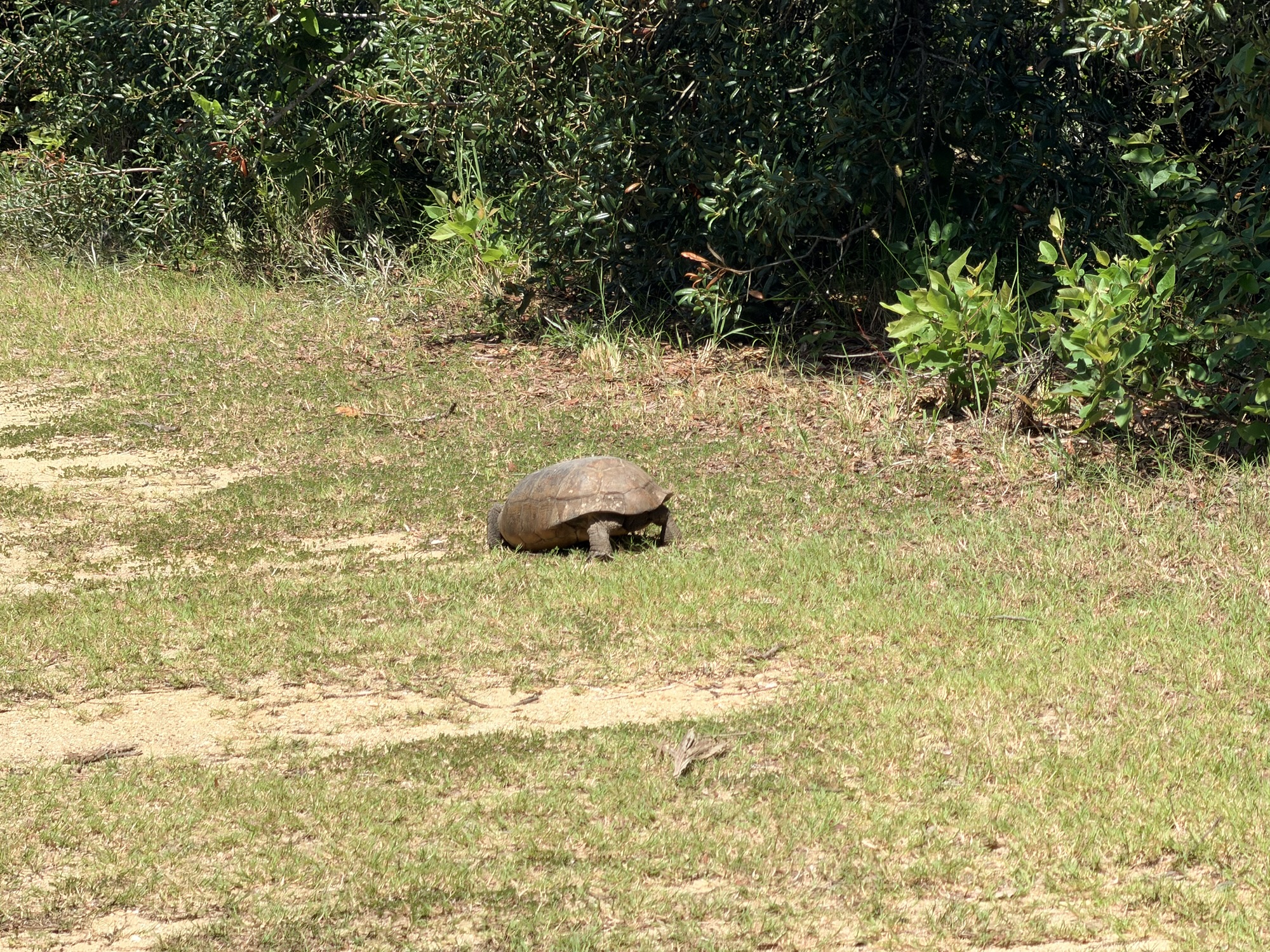
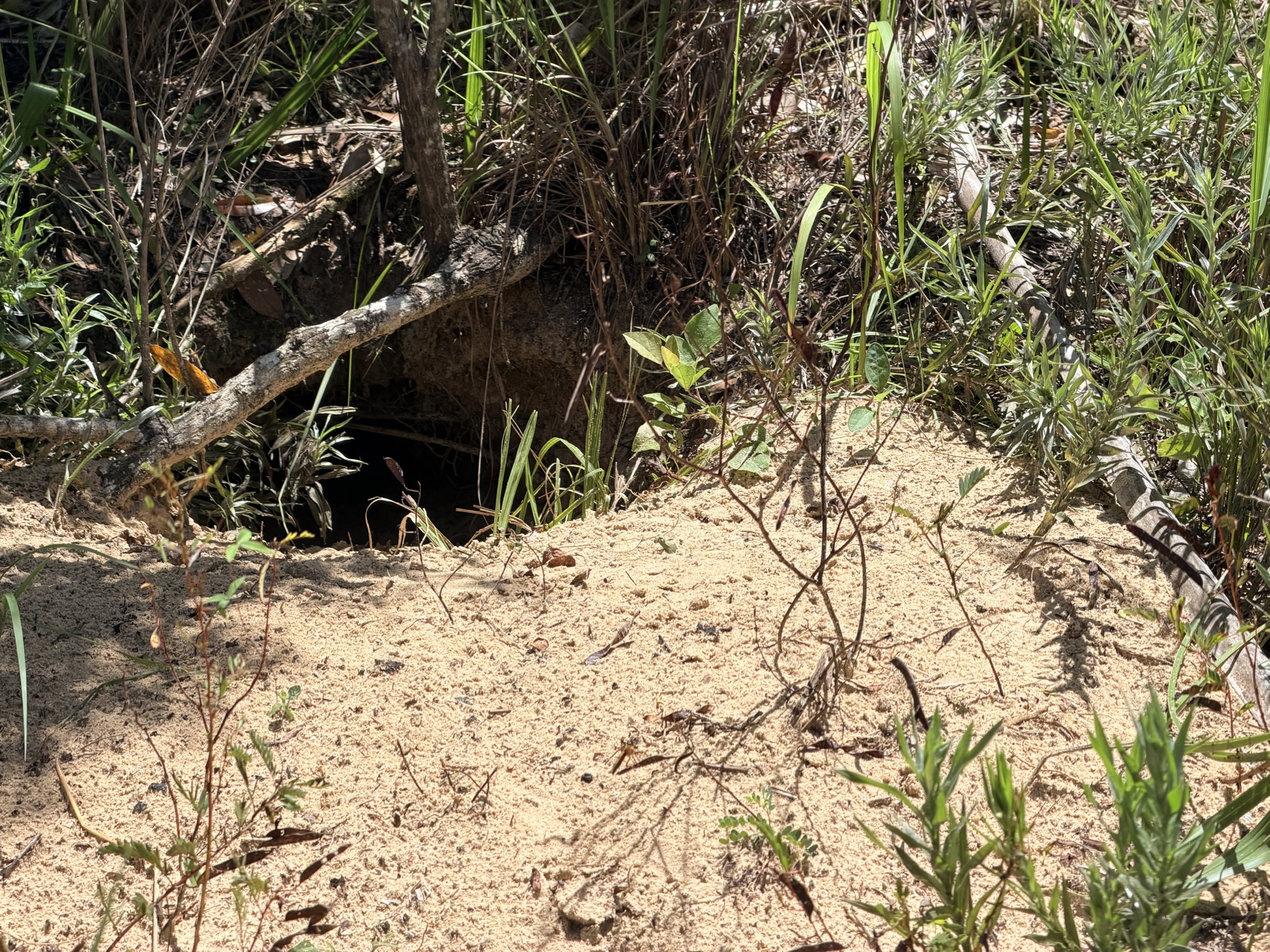
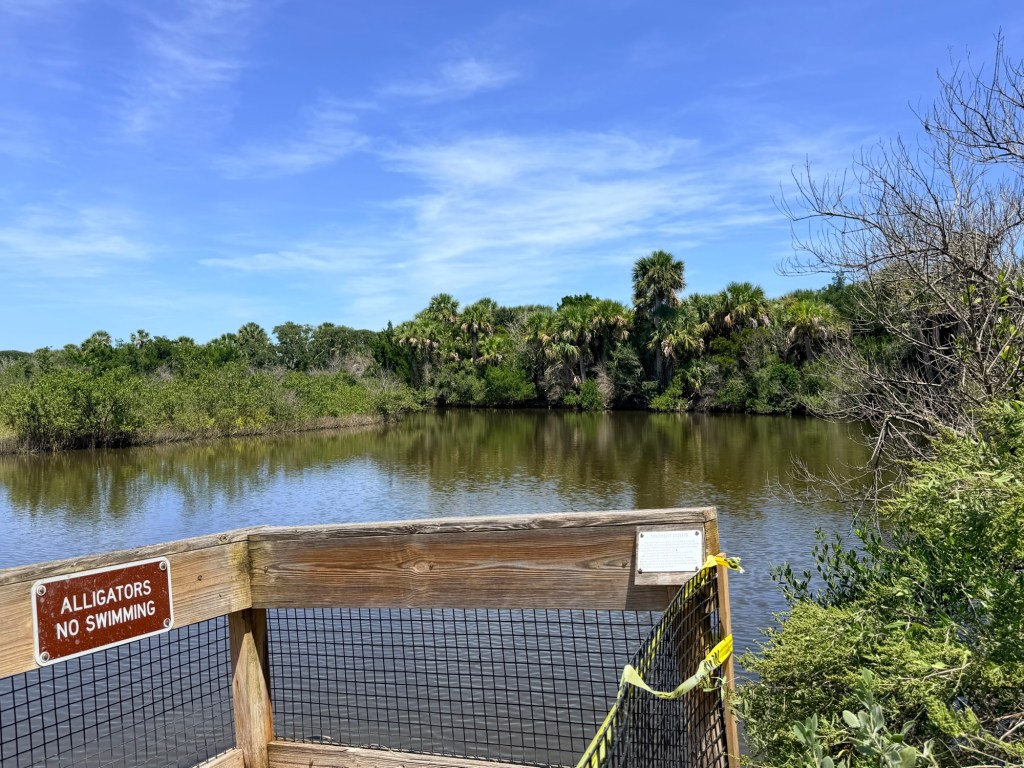
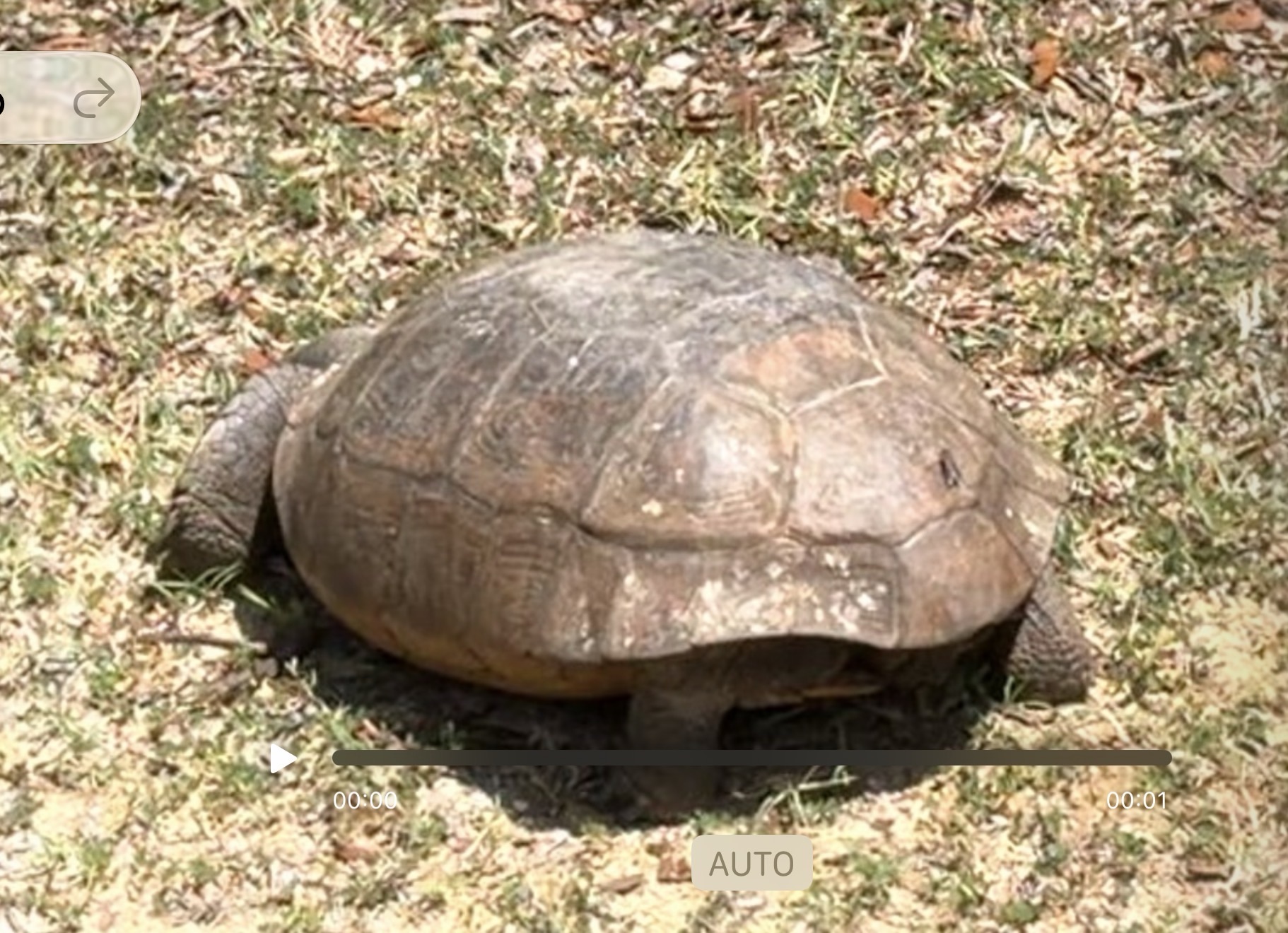
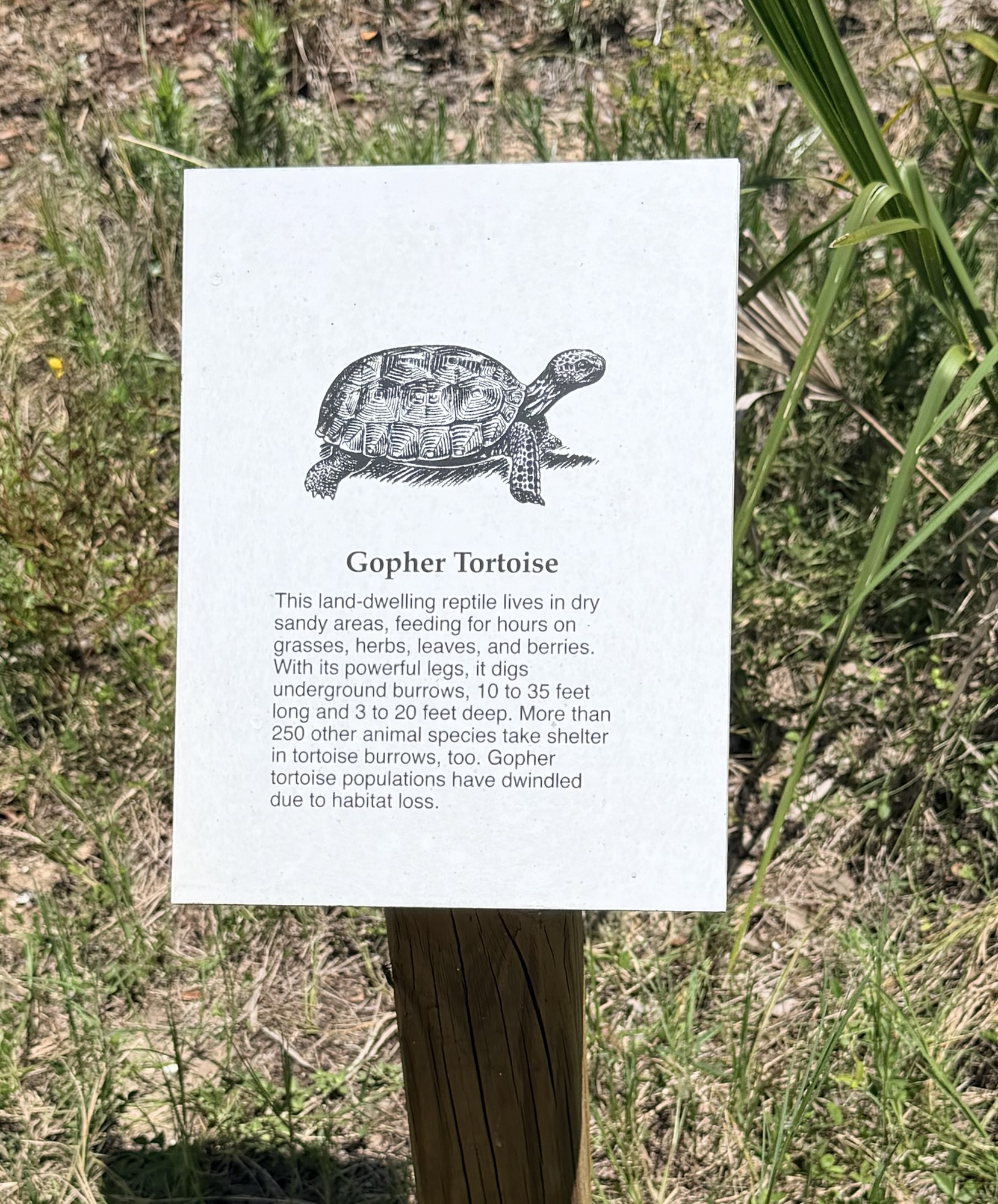
At this park I went on a trail that’s supposed to be a birding trail. I didn’t see any, nor any alligators. I did see a very large gopher tortoise. It made a noise at me for interrupting snack time. I also found what had to be its hole (huge) nearby.
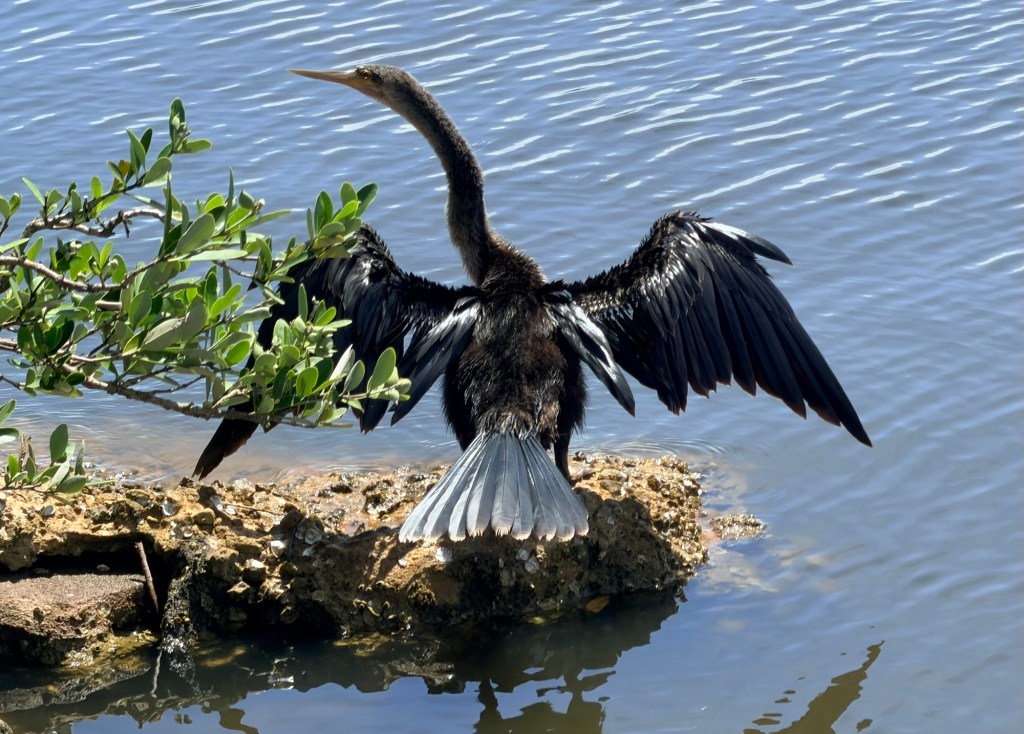
If it wasn’t so hot, I’d have enjoyed more of this trail, which crossed hammocks and scrub. But I got too red and knew I needed to get a drink and rest. That led me to a shiny Anhinga. A bird!
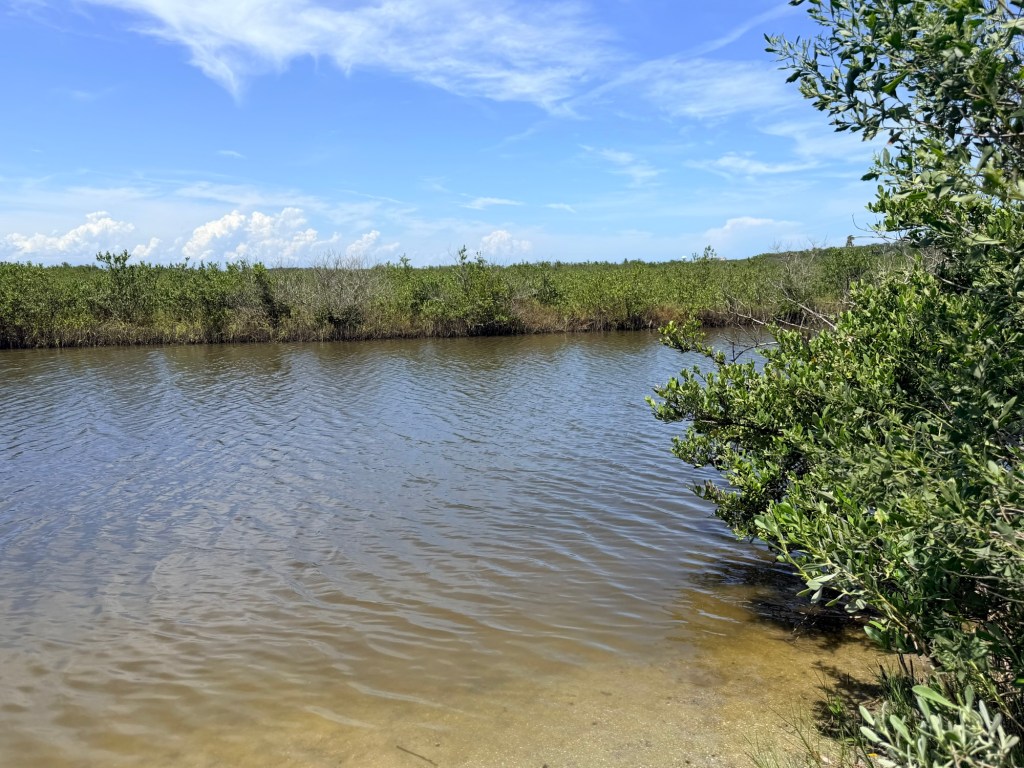
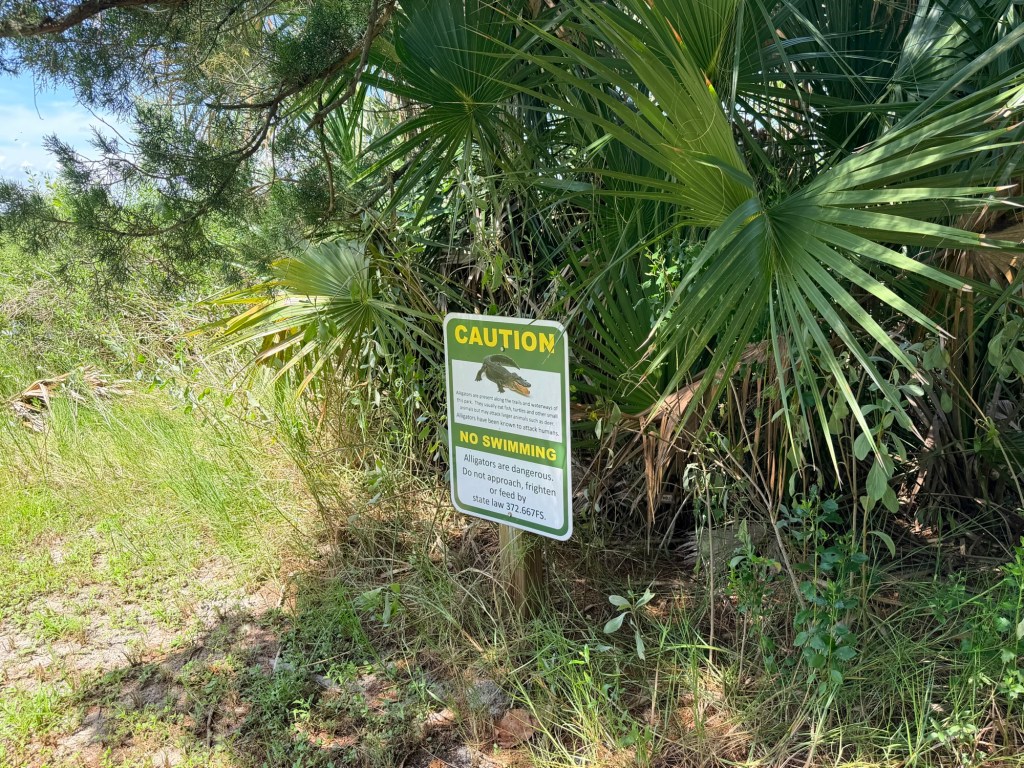
I came back to the condo and enjoyed putting my observations in iNaturalist and rehydrated. After cleaning up, I got Vicki and we had a fancy steak dinner at the fancy restaurant I ate at last week. Other than very happy and loud revelers next to us, we had fun.
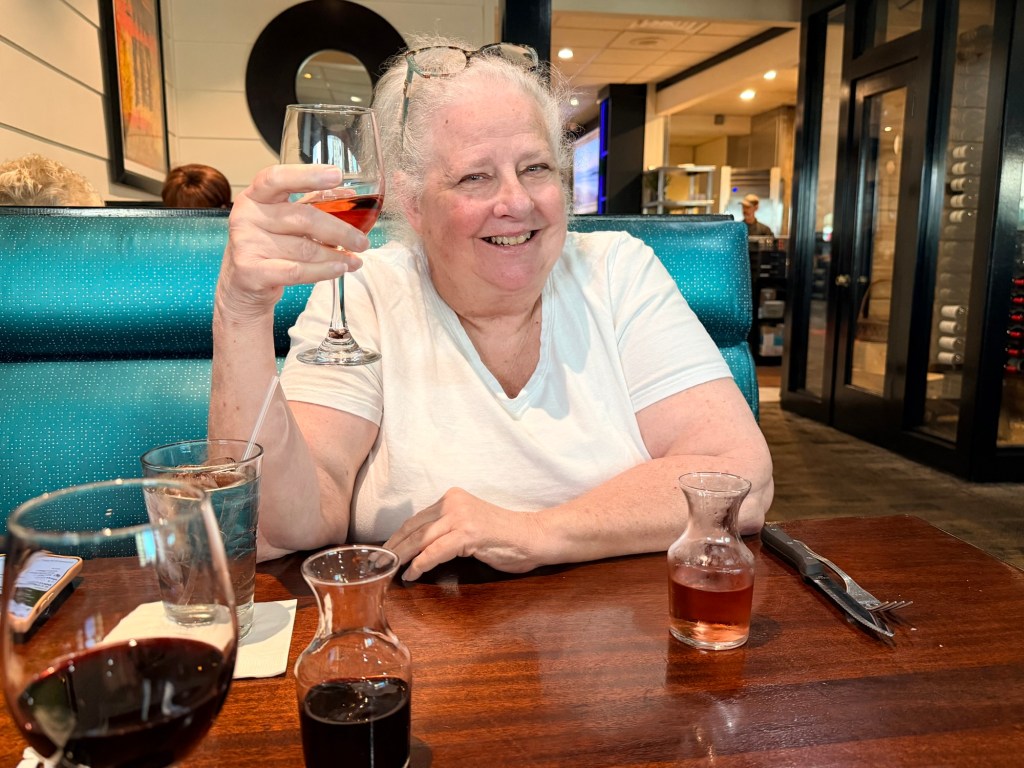
Ready to enjoy her pink wine.

Lee is halfway here, after dealing with bad traffic and wonky GPS. Tomorrow I won’t be alone in the condo!

Hope you enjoyed the photos. I sure enjoyed my day. All positive.

Book Report: The Nature of Oaks

Rating: 4 out of 5.

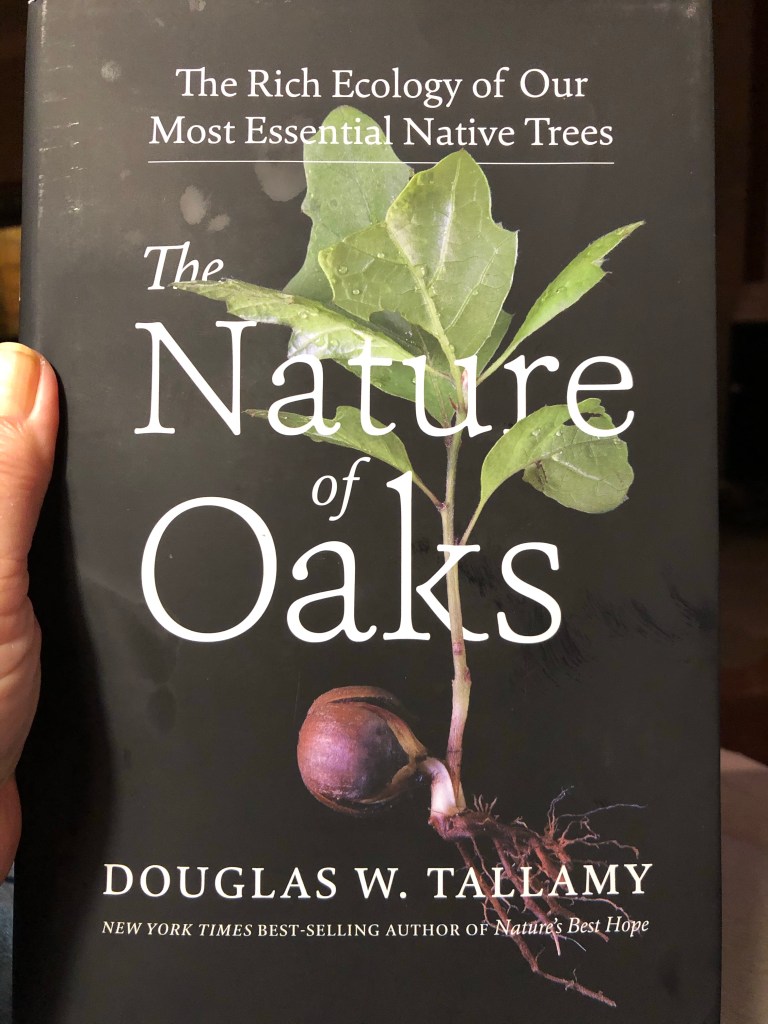
Admission: I only gave this book 4 stars because I wanted it to be longer. I dwell on every word Doug Tallamy writes, so I selfishly want more of them. The Nature of Oaks: The Rich Ecology of Our Most Essential Native Trees is his latest book, and it was only published two days ago. I snatched it out of the packaging and started reading it immediately! I’m really glad Tallamy mentioned this when I heard him speak in February, so I knew to pre-order.

Now, not only is Doug (I’ll call him Doug, because I consider him a friend, though I’ve never really talked to him) my favorite current naturalist writer, but oaks are my favorite trees. How much better can it get?

Oak trees and I go way back. One of my mom’s favorite stories about toddler Suna is that she used to go outside and find me talking to the trees in my yard. I thought there was someone in there, you see. I spent my childhood in something like a paradise for plant lovers, a small cement-block house on two lots, covered with large live oaks, along with a few other lovely native Florida trees. I was, however, not at all fond of pine trees (ironic, since my grandfather worked for a company that planted pines for paper-making). I liked oaks. They always had something going on, with all that Spanish moss dripping off them, possums and squirrels running around, and of course an endless parade of songbirds.

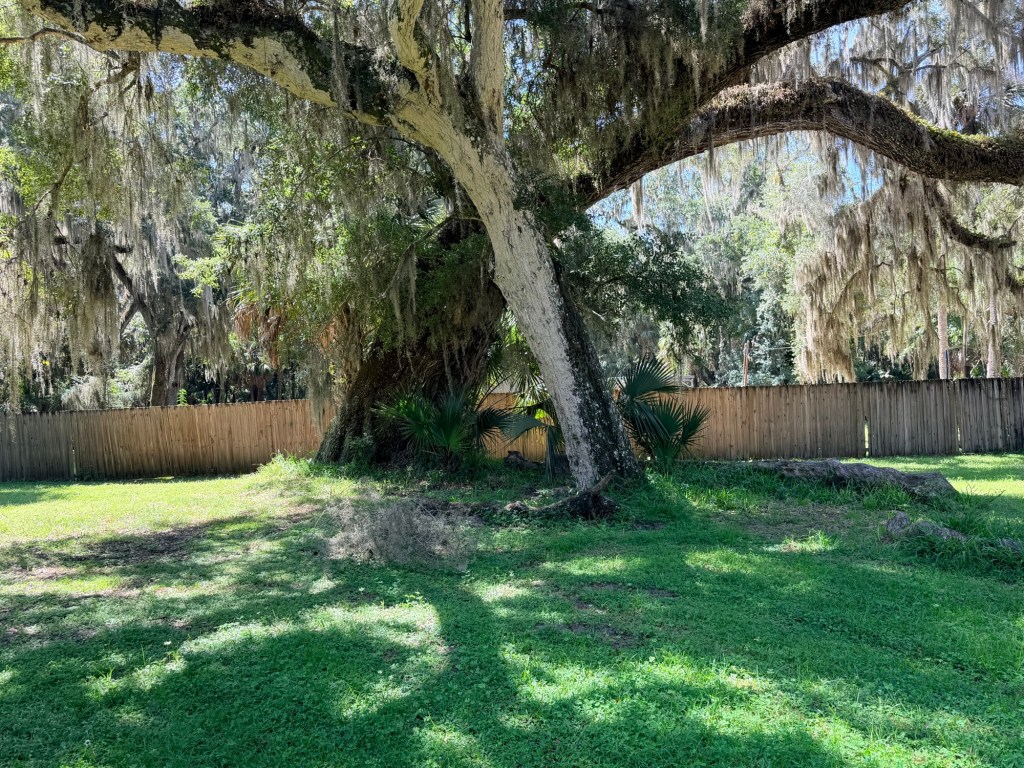
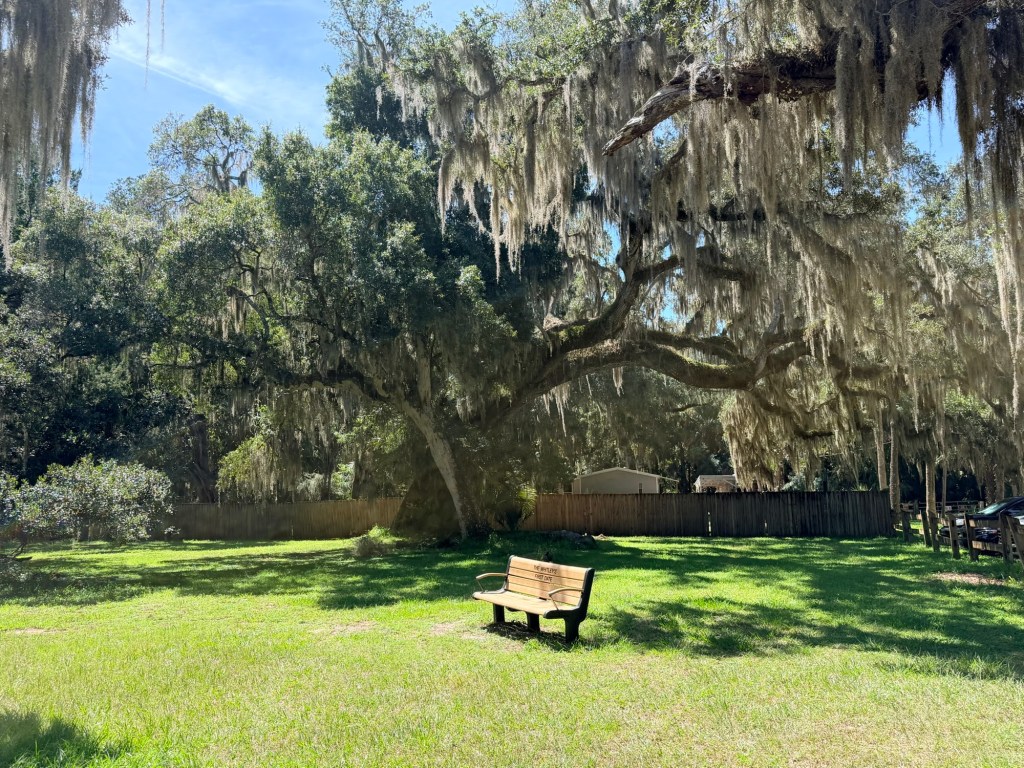
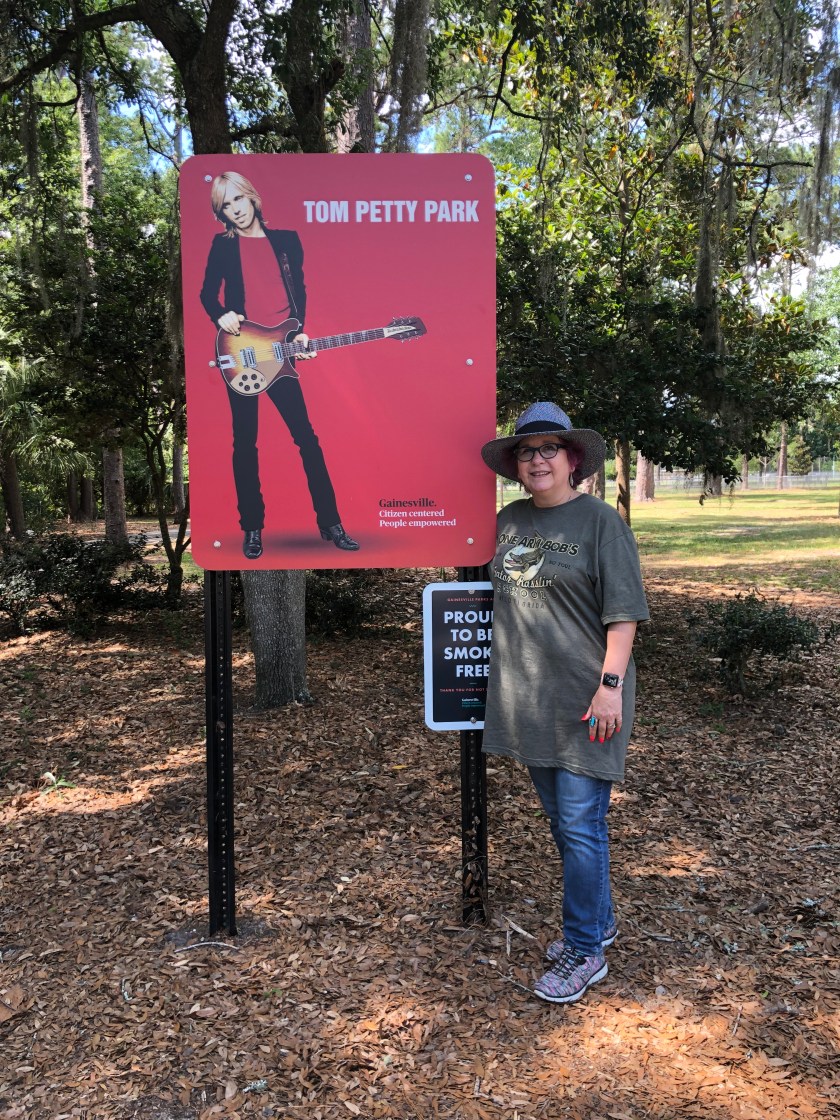
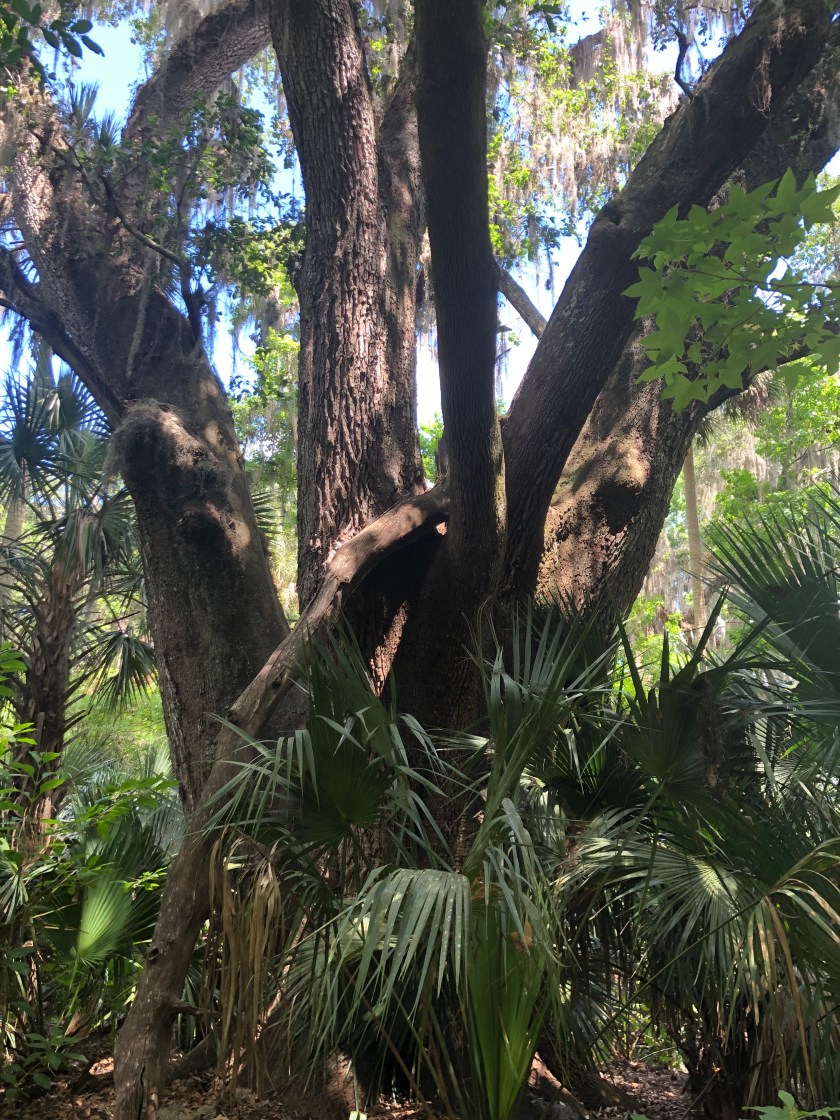
My most recent visit to some of my favorite trees, at the park I played in a child (as did Tom).

I loved those trees like family members, as I followed my dad around helping him landscape the yard and make lovely flower beds around the oaks, all mulched with their leaves. Little did I know he was doing the exact right thing by planting the dogwoods, redbuds, azaleas, and such under the larger trees to mimic a natural understory. Most important, the leaf mulch supported all sorts of wonderful insects that contributed to the ecology of my little world. Thanks, Doug, for confirming my dad’s innate wisdom!

The oaks and I continued our love affair, and I continued to visit ones I particularly cared about as long as I lived in Gainesville, and I still check to see if certain trees are still there (most are, 50+ years lager). And when I moved to Illinois and then to Texas, I learned about more and more types of oaks, which shed their leaves in the fall like normal trees (not like live oaks, who shed in the spring). My favorite tree in my first yard in Texas was a bur oak we planted, of course with an understory of Texas mountain laurel and native plants. It’s a gorgeous specimen now.

All this background is to explain why I was so happy this book was written. It turns out, I was right, there was “someone” in my oaks! They support more moths and other insects than any other type of tree. They teem with life! I enjoyed learning a lot about the various caterpillars and moths Doug finds in his Pennsylvania trees (he also talks about other areas, too, though).

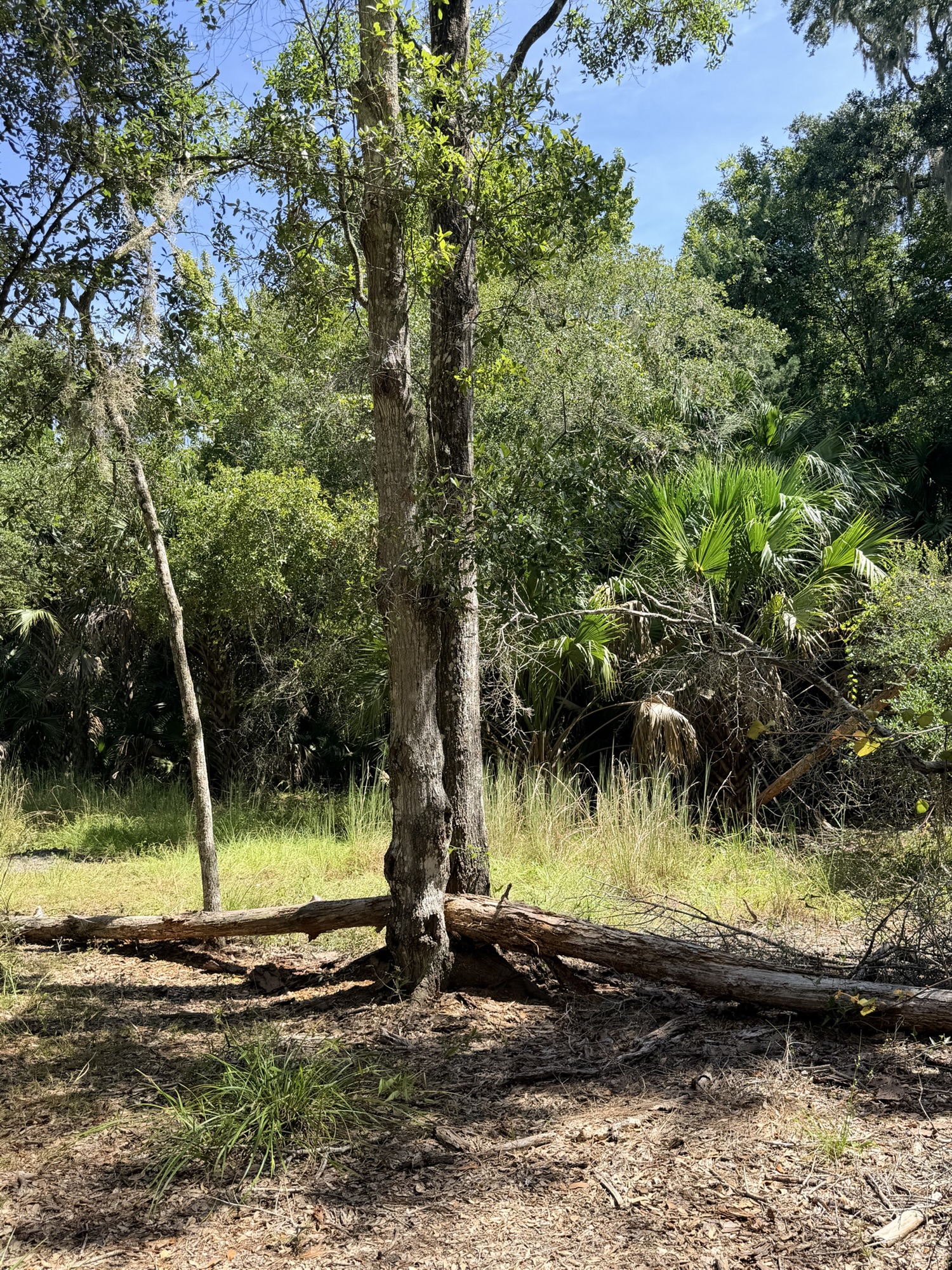
An oak out in nature in Florida

He also satisfied my curiosity as to what the heck oak galls are, what they’re made of, and who lives there. Well, little larvae live in there, but the galls are somehow inspired to grow from actual oak material by the wasp who lays her eggs on the leaf buds. All sorts of insects want to eat the larvae, but galls protect them well. Then, when they leave, they make a nice hole, which then can be used by certain ants as little homes. I never knew that!

So, there’s just one example of the kinds of things you learn about amazing oak trees in this book. It’s enough to make you want to run out and plant some. That’s exactly what Doug wants you to do. Like to many trees, their numbers have diminished. We need them to store carbon, to support life, and to clean the atmosphere. You’ll find fun information on starting oak trees from acorns, as well as comprehensive lists of the best oak varieties for different parts of the US (by size, too).

You’ll also be sure to enjoy the color photos of trees, insects, and all the denizens of the oak world. I guess Doug’s now famous enough that he gets to have color photographs in all his books. We win!

This little book is a treasure, and I’m so glad it confirmed my bias toward the gentle old trees I’ve loved my whole life. I plan to take the book off its shelf and hug it occasionally. It’s my friend, I guess.

Want to read more by Doug Tallamy? I have a review of his previous wonderful and inspirational book, Nature’s Best Hope that you might enjoy.