Judging is something humans do. People unlike themselves get judged. Much judging is unfair and undertaken without the necessary information to make a fair judgement. If you think you’re not judgmental, examine your thoughts. It creeps in, even when you dearly hope to avoid it.
Easier said than done
I’m improving in this area, after too many people have accused me of it. I’m always truly surprised, but eventually learn to see how they might interpret things I say or do as judgmental. Or sometimes they’re judging me. Ha! What a web of judgments!
It took me longer to create this image than to write the post.
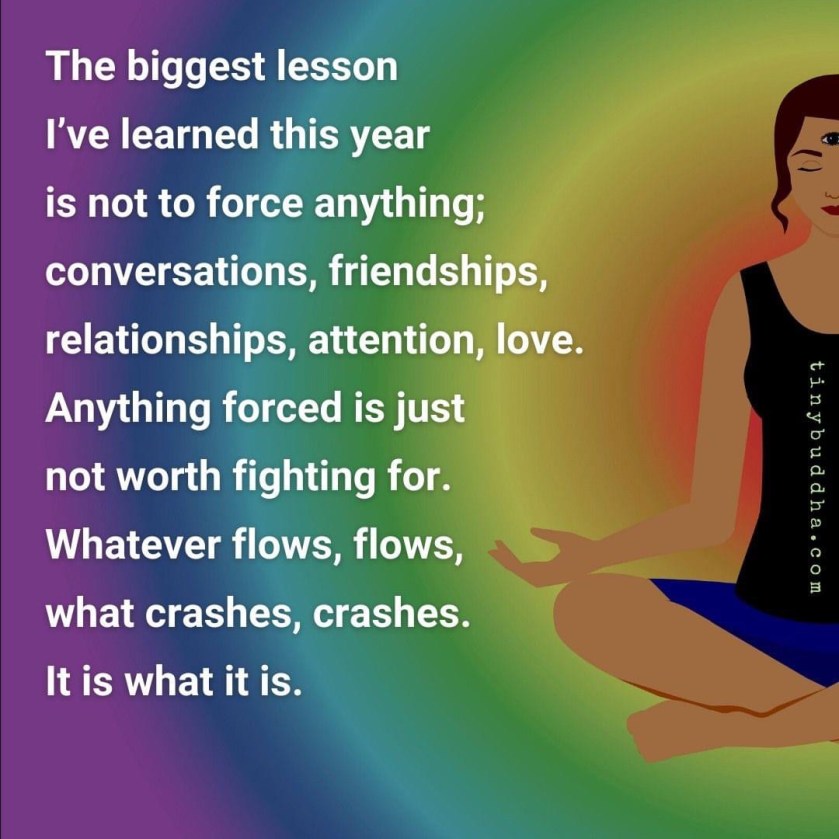
I started thinking of this when a family member posted this on Facebook:
I have never been hated or judged by someone I want to become! Think about that for a while
It made me think not of other people, but of ourselves. The person I’ve judged and felt negatively toward the most is ME! Much therapy and practice of self love has gone into getting me where I am today, which is in a space where I’m comfortable with myself just as I am, mistakes and all.
And wrinkles, I love them, too.
I don’t want to become like anyone else anymore, nor do I want to bend over backwards to please others so much that I’m no longer me, but some miserable fake. So if someone hates or judges me, I’m much better at noticing it and letting it go. It’s their problem.
Have you read this before? Probably. Periodically I’m compelled to write some version of this “new and improved me” statement. My guess is that it happens for one of three reasons:
I’ve found myself judging someone or a group of people and need to remind myself that I’m trying not to do this. It’s hard at times, though.
I’ve realized someone has been judging me and it stings a bit. That’s okay; I just need to let the moment pass and not ruminate on it.
I’m reminded of some things I did in the 1980s that make me cringe now. That happened today. Then I remembered this person was also going through a series of very public poor decisions at the time. We both need to forgive ourselves and each other.
So yeah. I think most of us want to become our best possible selves, and a good start would be to love and have compassion for ourselves rather than hatred and judgment.
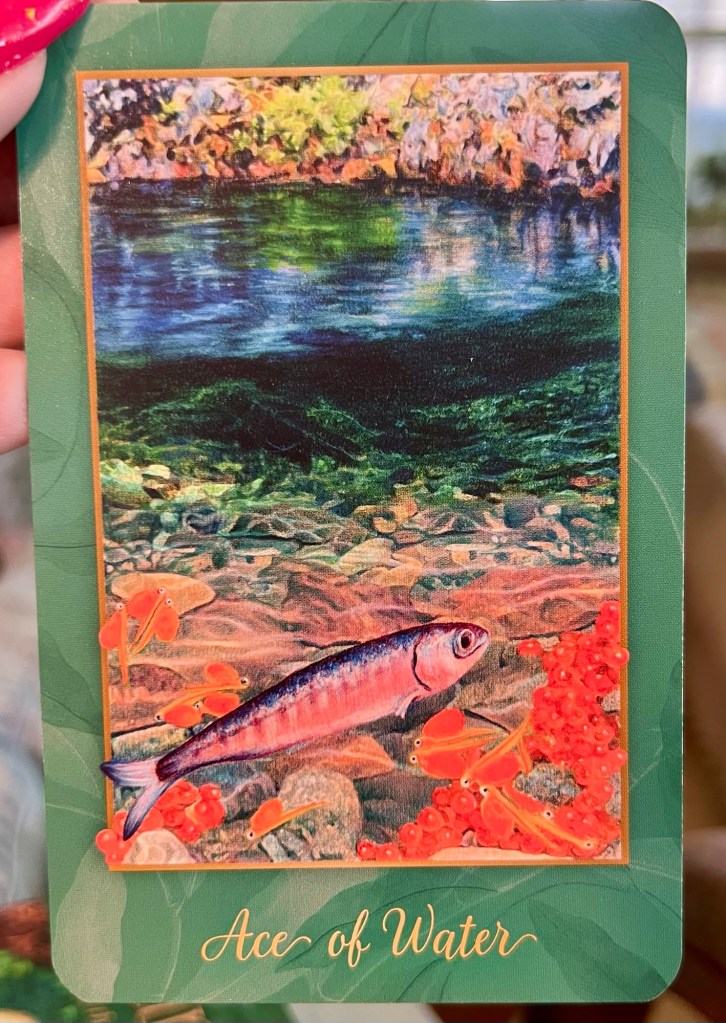
Tarot card of the day
It was another repeat, but another good one, the Ace of Cups, reminding me that I’ve been on a long journey and am tired of struggling, but I e made it to where I want to be and ready to start afresh with love in my heard.
For the first time in a few years, I didn’t blog for a while. I’m not back because people were clamoring for me to write (in fact, no one said anything at all about it, which is perfectly fine). I’m back because I figured out some stuff about my mental challenges that I thought might be helpful for others. What prompted it was a lot of introspection I did after seeing some of these motivational posts in social media.
Oh yeah, Nikki? Really?
My mental issues tell me that no one wants to see the unmuted version of me. It’s been backed up all my life by folks telling me I’m too sensitive, too judgmental, too negative, too…blah blah blah. And thanks to having this extra-unpleasant “rejection sensitivity dysphoria” (RSD) deal, when I hear something that sounds to my extra-sensitive ears like a criticism or put-down, my limbic system kicks in and goes into defensive mode. That guarantees I’m going to overreact and piss someone off. Nope, no one really does want to see the unmuted version of me! Consequently, I do try to make myself smaller, to avoid subjecting other people to my unregulated self.
Break!
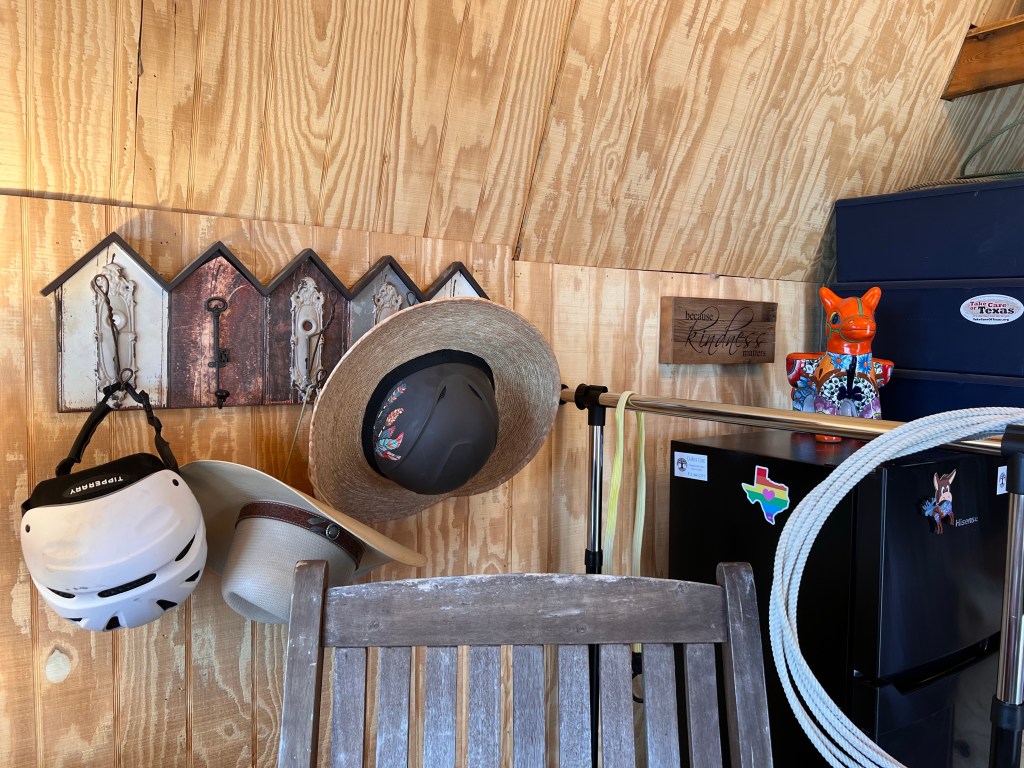
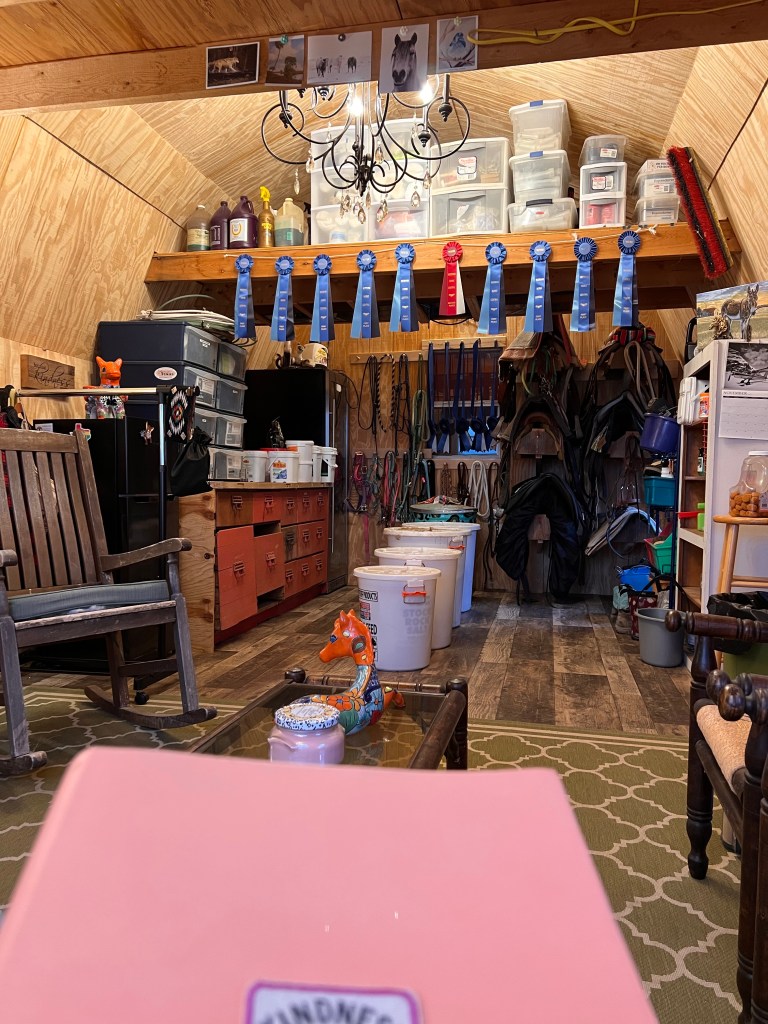
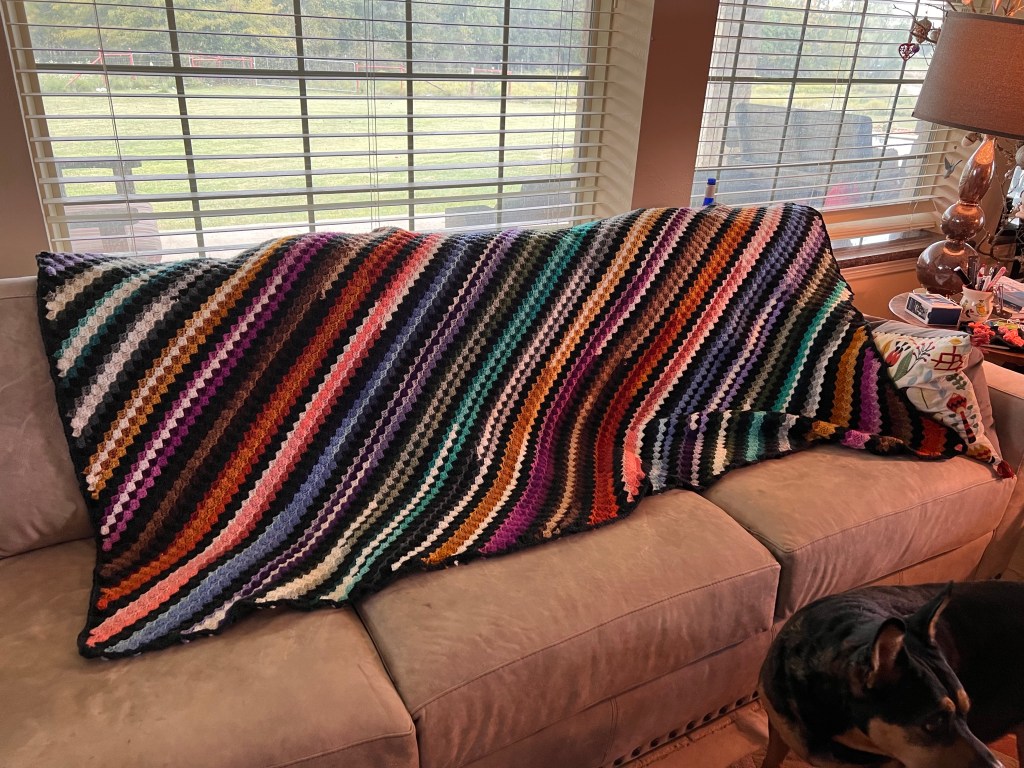
My precious chandelier……is in the tack room now!And my son rearranged stuff for meI can now hang my helmets againI have my cushion, tooThe new lighting really makes the tack room cheeryThe front of the tack room is also cleaned upFinal afghan all laid outPositive stuff! Things that please people like me!
And this week, after being told how negative I was, I fell into a deep well of self-criticism. And when I asked for help and support, I felt criticized for not asking for it appropriately, and was informed that when people tried to help me, it made it worse. You can see how a downward spiral might ensue, even when I knew in my head that I was being criticized for basically being who I am, which I can’t change as much as I’d like to. Being told not to react to things that trigger me the way I do is like telling a tree not to have bark. Well, yuck to all that, right? (Note that I know the person I was talking to was not intending to be mean. This is just an example.)
So, I was wondering how I could have the reactions in my head that my mental challenge makes me have but mitigate it somehow. One thing I thought of was for people who are forced to talk to me when I have an RSD episode to not add criticism about my reaction on top of my reaction. For example, if I react to something by hearing in my mind that I’ve been told I’m the most negative person in the world, an unhelpful response would be, “No, I just said you were ONE OF the most negative people I know.” Yep, my mind heard an exaggerated view all right, but pointing out that I heard it wrong just makes me feel worse.
I wonder what would happen if the response was empathy rather than added criticism? What if my reaction was acknowledged, but not critiqued? I was thinking something like, “I know what I just said was hard for you to hear. Just remember I care about you, warts and all. Let’s look at what I was trying to tell you, not how it came across.” I feel like that would give me a chance to get past that initial reaction and be more realistic. Who knows?
Break
Need another break? Here’s Drew’s new and interesting hybrid saddle. It has pretty flowers on it and is comfortable to both humans and horses.
I have to acknowledge, though, that just like I have no control over reactions that aren’t conscious, other people can’t, either. That’s how people end up where they each build on each other’s issues until there’s some bad result. Talking to each other and trying to understand each other’s struggles is a good way to start, though.
I’ll keep working at it, but no, I don’t think I’ll be subjecting my unmuted self to many of the people in my life. It’s just too much for them, and I honestly don’t blame them one bit. Some people are hard to deal with, and I am one of those. That’s something I have to deal with!
(By the way, in my mind, I’m a cheerful person who laughs and jokes around a lot and has a lot of fun – I wish I could expose THAT version of me!)
It’s not necessary to try to make people you are fond of like you back!
In my heart, I know that the work I’ve done here at the ranch has been good for me. I’ve felt much better about myself as I’ve been finding the beauty in my surroundings, treasuring kindnesses I experience, and working to be as kind and caring as someone like me can be. And of course, hanging around with animals who help me so much has made life much better.
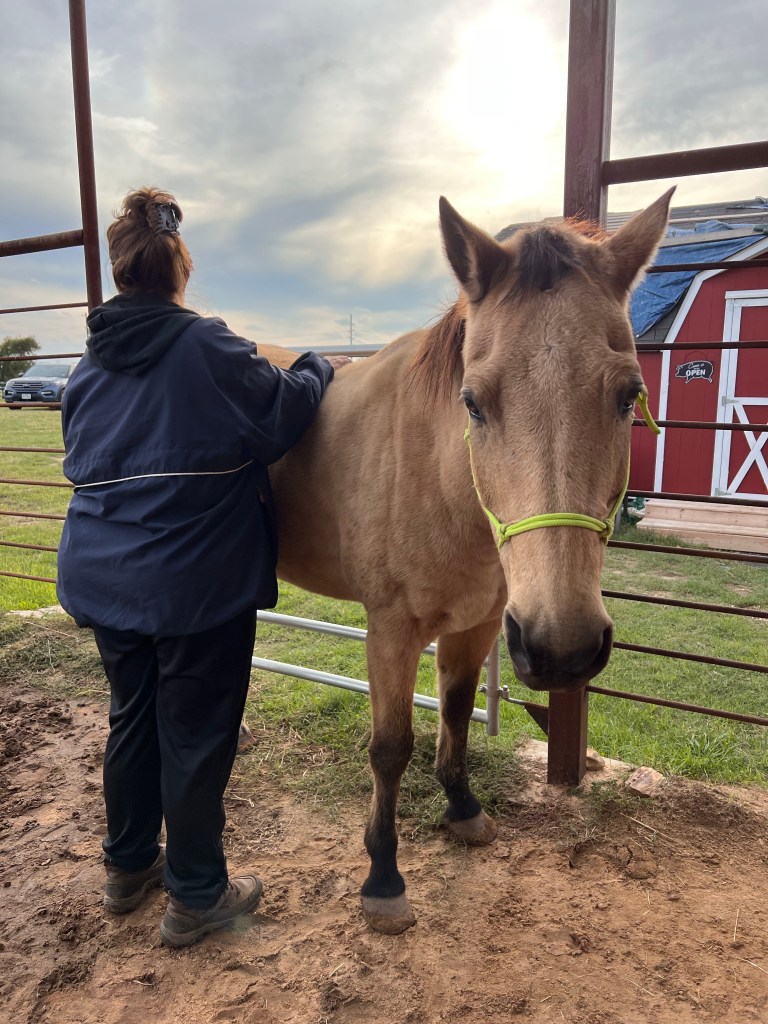
A dog this happy has to cheer you up (one of Tarrin’s many sweet canines)Fiona thought pawing at the hay would get it out faster.Beautiful dreamerDusty enduring his bodywork sessionTake a breath and enjoy these fine animals (and Jackie the bodyworker)
The main reason I write this blog is to have a record of the good things that come through my life, like the nature, the travel, the uplifting people, and the things I learn. It may just be me talking to myself and trying to convince myself that there’s good in this messy world, but it helps. So, I’ll still be here blogging about horses, dogs, birds, and flowers.
Here I am, looking happy because I’m able to ride Drew and he likes his new saddle and pad.
You get to react to what I write however you choose to. I’m fine with that. I’m prickly, so I’m going to rub folks the wrong way, make poor word choices, and look at things from my RSD perspective sometimes. Oh well, it’s me. Who among us isn’t prickly in some way?
As always, things are changing in my life. One of the changes anticipated for this year is that Anita and I will need to move out of the Bobcat Lair house in Austin. That’s sad, because we really love the setting, the house, and most of all, the neighbors. But, the cost of just paying the City of Austin property taxes is more than the mortgage to our old house, and now that we are getting closer to me retiring from paid employment, we’ll need the money from that house as part of our income stream. Things are winding down, and it’s time for investments to pay off.
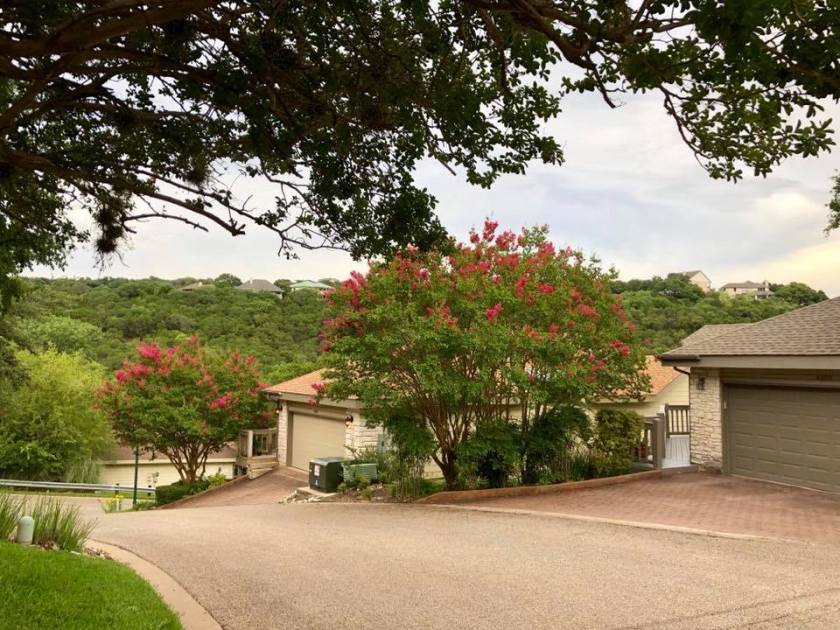
It’s the Austin house (Bobcat Lair) showing lovely dark rain clouds. Ah.
Yes, that’s all logical and good. Anita has her own little house in Cameron that we hope to get renovated as soon as her contractor is available and her tenant, who’s already month to month, knowing Anita is going to need to live in the house herself, finds another place to live. This is all quite reasonable, right?
But, when Anita started talking to me yesterday about how much she’s packed up already (she does all her moves all by herself, because she would rather invest her time than her money), and that she gave her tenant notice that she needs to be out, I found myself going back into one of my old, unproductive ways of reacting. I am not good with moving, AT ALL, and the thought of having to leave my beloved sanctuary sent me into a panic. It just seemed like a HUGE amount of work, change, and uproar was impending, and I kind of shut down.
A little wine on the deck helped me feel better, too.
Anita (bless her) kept talking me through it, and I began to realize that I can do things in stages, that I actually don’t have all THAT much furniture in the Bobcat Lair, and that I even have a place to store things like my books and such. And all the boxes I still haven’t unpacked (though there aren’t all that many now!!).
Plus, I plan to rent an apartment near my work, so I can easily figure out what things go where, move them, then get the rest moved to Cameron (except for what’s needed to stage the house). I’m just trying to breathe as I think of more things that need to be done, like electrical work to fix outlets that stopped working…but it’s not too much.
I just have to face it; I’m who I am, and I’m going to have trouble with changing things when it comes to my home, because having my own place grounds me. I’m still a fine person!
Ernesto apparently agreed with my coping strategy. Photo by @juleslang via Twenty20.
I’m Not Alone
Speaking of my issues, which I am, I had an odd experience last night watching the PBS show on Ernest Hemingway. Now, he’s not someone I ever would have thought I had anything in common with, other than being fond of short sentences (he was way better at actually writing them, though). As I learned how he grew up, the experiences he had with his family, and how he coped later, I was really surprised to see how we have a LOT in common when it comes to our inner demons and how we deal with them.
One part of the show, in particular, hit me hard. He was talking about how happy he was when he had both his wife and another woman he was also in love with. He said it made him inexplicably content, even if he knew it was hurtful. And then he talked about how, in his relationships, he always made sure to have another love interest all lined up before he left someone. Ouch. Those were my destructive patterns in my younger days.
Hemingway statue in Cuba that apparently chokes people up. @prezioso02 via Twenty20.
I’m really glad I didn’t live such a public life as Hemingway did, because reading all the criticism of my life, like he had to, would have been really uncomfortable. I’m glad I just got to judge myself harshly without too much help from others (except former partners).
I don’t think Hemingway was able to get much control over his demons, much like his father, who committed suicide when he couldn’t get a handle on his mental struggles. He knew perfectly well what his problems were, which is clear from his books, but knowing what his challenges were didn’t mean he could fix them, any more than I can help my issues with moving.
I’m glad I had help, good reading, and inner work that has gotten me out of destructive patterns, at least with romantic and friendship relationships. I’ll be interested in watching the rest of this series and getting more insight into this fascinating writer and historical figure.
What a good thing that we happened to watch this interesting Ken Burns documentary right after I was beating myself up for repeating patterns from my youth (I know perfectly well that I hate to move house because leaving my beloved home as a teenager was so hard on me). It gives me perspective to cut myself some slack and bear in mind that some of our personality “features” are deeply ingrained, just like those unconscious biases.
We can only do the best we can and keep making an effort to improve. Thank goodness I’m a lifelong learner and never plan to stop enjoying the challenges of living up to my best intentions. Let’s all keep open to ways to learn more about ourselves and others, and be patient with ourselves.
That’s my lecture for today. Take what works for you and leave the rest!
A Note from a Friend
After reading my blog (with all the typos I just fixed), my friend Kelli Martin Brew responded to echo my thoughts. I really got a lot from what she said, so I’m happy she allowed me to share her thoughts with you:
I love this. The longer I live, the more it seems clear that a lot of who we are and what we do is hardwired. But how I have wanted to believe that knowing something was the same as changing it! At this stage in life, I think we can use this hard-won knowledge to be more merciful – and to be honest about our own struggles and behavior. I grew up with a huge mandate to “be a good example.” At this point in life, I have contented myself with being just an honest “example” of… something. Whether it is deemed “good” or not will be decided sometime in the future, if at all.
Kelli, Facebook, April 6, 2121
I really treasure connections that allow us to share our inner thoughts, struggles, and learnings. I plan to be an example, too!
Did you think I was finished with unconscious bias books? You’d be almost right. I just have this one more book to talk about before I move on to books about diversity and inclusion. Totally different, yep. This one’s really good, though, even though it talks about many of the same topics as the previous books did. Everyday Bias: Identifying and Navigating Unconscious Judgments in our Daily Lives (updated edition), by Howard J. Ross (2020) is guaranteed to get you thinking, challenge you, and to my immense relief, offer some hope for humanity.
I really like the “voice” of Ross, which shines through all the book’s content. You feel like you’re right there with him figuring out that we’re all acting on our biases 24/7 and that’s just the way we are built. He shares lots of data about our friend, the amygdala, and how it’s apt to put us on autopilot any time something stressful or scary happens. And he notes that we can’t make that thing stop!
Somewhat garish cover, but great book!
Ross also reminds us that we can’t exactly help where we were born, in what community, and to which parents. All of these things get us wired in certain ways that we can’t control. I like that he declares it a waste of time to constantly apologize for being biased or to poke at people for having them. His best point in the whole book is that by constantly reminding people of the harm their biases causes others (like women telling men how they’ve been harmed, black people saying the many ways white culture has affected them) we aren’t going to make things better. The reverse is often the case, and can perhaps explain all the racist and sexist groups we are hearing from more and more these days.
I think it’s true that some folks are just going to continue on their merry ways with their biases against certain other people and groups, and there’s not much we can do about it. No one’s immune, so we are just gonna have Jews who are biased against blacks, gays who dislike Muslims, or so on and so on. No group of humans is without us versus them ingrained in us, because it’s normal.
Luckily, Ross reminds us of neuroplasticity, which is the ability of our brains to change. He then spends the last part of the book providing clear, helpful ideas for working to mitigate the effects of our bias in the workplace and in our personal lives. He gives great information on six things to work on in Chapter 7:
Recognize that bias is a normal part of human existence. (Stop judging others so much and work on your own self. I have a few super-judgy trolls in groups I maintain that need this.)
Develop a capacity for self-observation. (It turns out that relaxing, meditation, etc., can calm that amygdala right down and let you think about your thinking.)
Practice constructive uncertainty. (Stop to figure out WHY you have a strong reaction to something.)
Explore awkwardness and discomfort. (Figure out your triggers.)
Engage with people in groups you may not know very well, or about whom you may harbor biases. (Get to know an Other!)
Get feedback and data. (Facts!)
In the next chapter, he lists eight ways to work on eliminating bias in hiring, promotions, and that sort of thing in businesses. It’s quite helpful.
And finally, what warmed my heart is that Ross truly feels that if we pay attention to our biases, we can create a better world. He talks about how what appear to be groves of individual trees are in reality one big, connected organism (as I’ve read before), and uses it as a metaphor for people:
We look at the “other” as if he or she is separate from us. We see the other group as a threat. And yet, we are all deeply connected. We share a common destiny on this planet. We all seek pleasure and do our best to avoid pain. We all want what is best for our children and grandchildren. All of us are the products of that which we have seen before. And we are all (for the most part), unconscious about the “programming” that runs our thoughts and our lives.
We can transcend. We can, through discipline, practice, and awareness, find a new way to relate that honors our differences yet also builds upon our similarities.
Howard J Ross, p. 148
I think he finally put into words all the reasons why I have been so doggedly introspective for the past few years. I want to GET THERE NOW and do my part to fix some of my ingrained biases. It’s not possible to know all that’s going on in our busy brains, but with at least some of us trying to raise awareness of some of our areas of bias, it’s a start.



















 The Hermits' Rest