So Many Dead Things

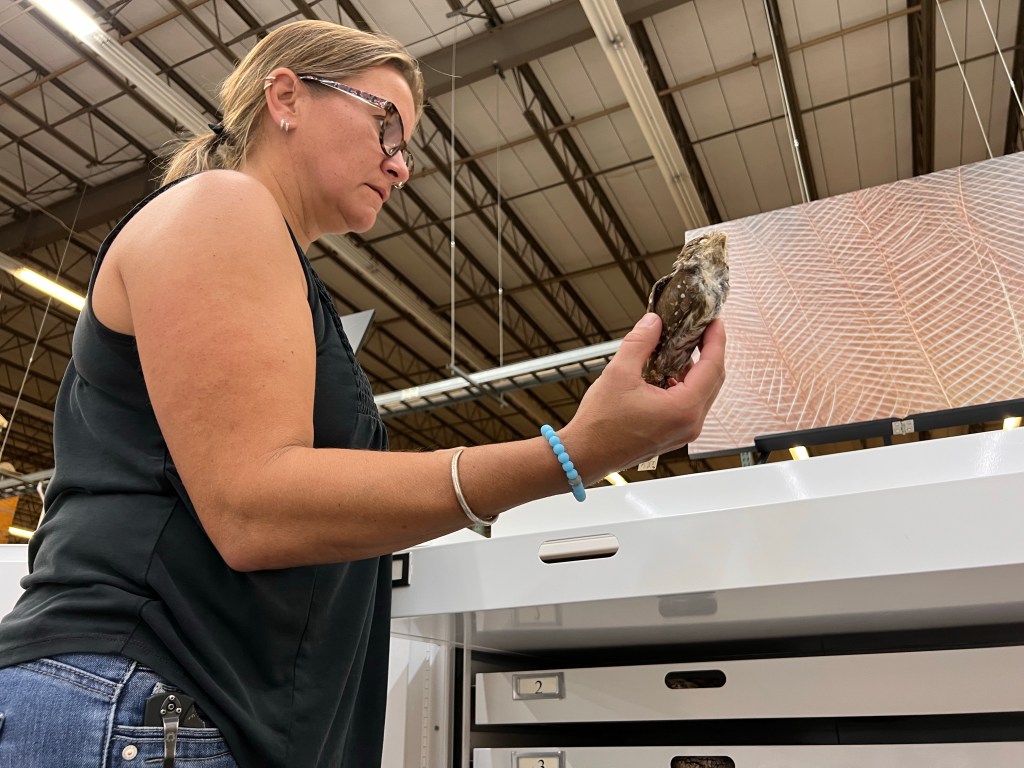
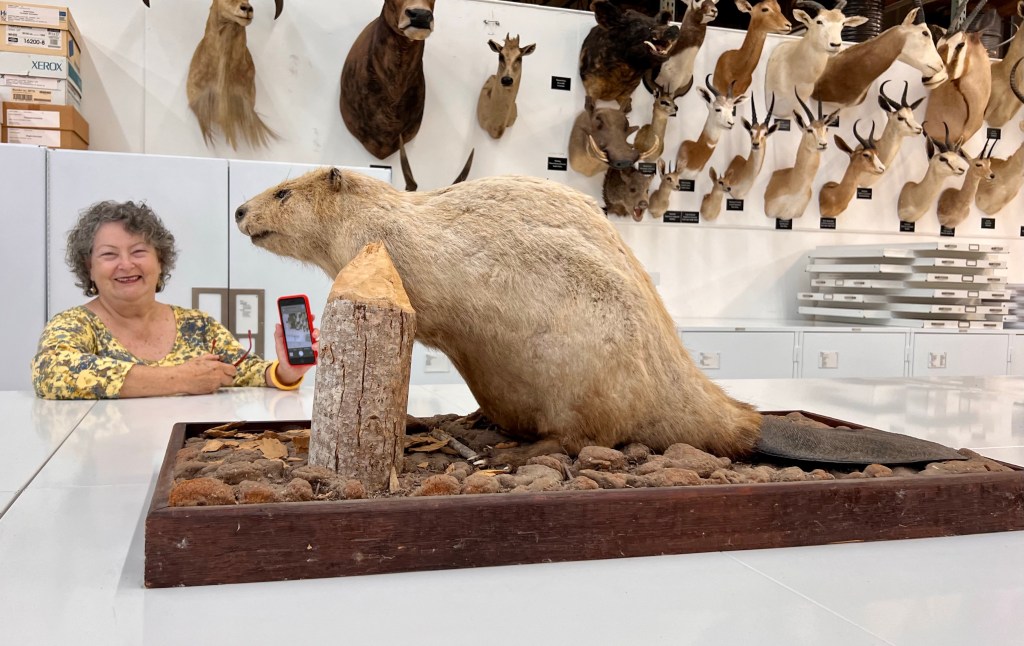
I’ll write more in the Master Naturalist blog about this (update, I forgot to do so), but I did enjoy a visit to the Texas A&M Biodiversity Research and Teaching Collections this morning. My friend Pamela and I drove over and met up with another Master Naturalist and her granddaughter, who’s high school age, and enjoyed it as much as we did, I think. We were sad that more of our group couldn’t join us.

Art is from 3D images of animals.

Our guides were curators Heather Prestridge, an ichthyologist, and Gary Voelker, an ornithologist. They were informal with our small group, informative, and entertaining as well. I had a blast learning about how many specimens they have, how long the collection has been growing (since the 1930s), and how they preserve the animals for research.
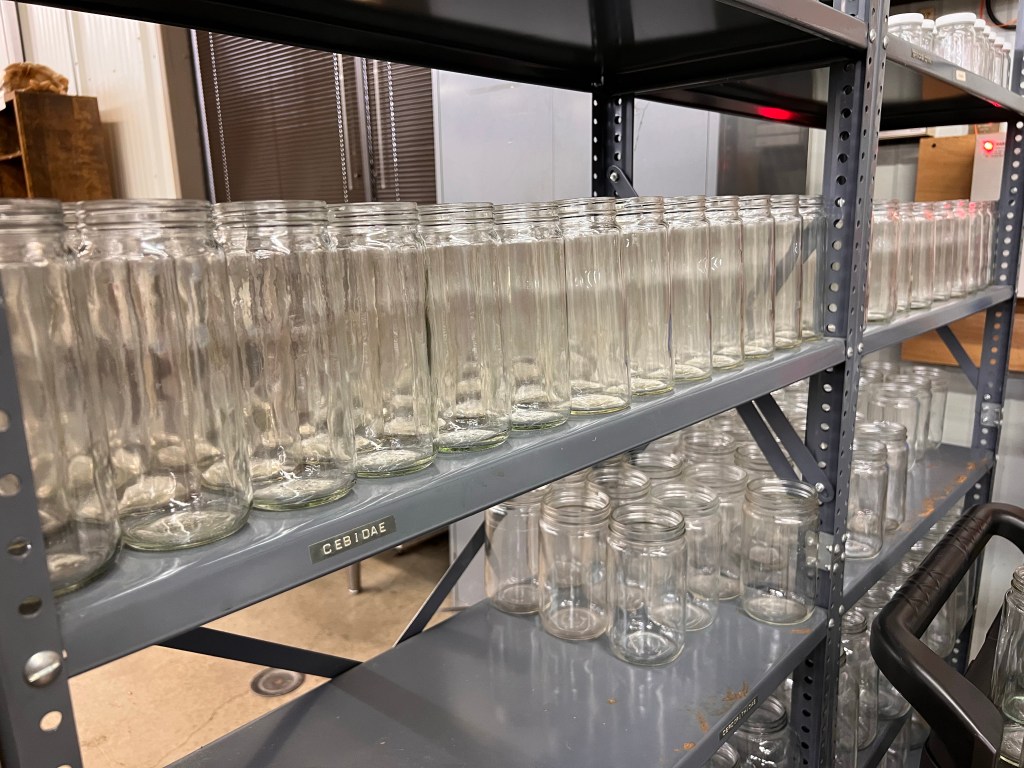
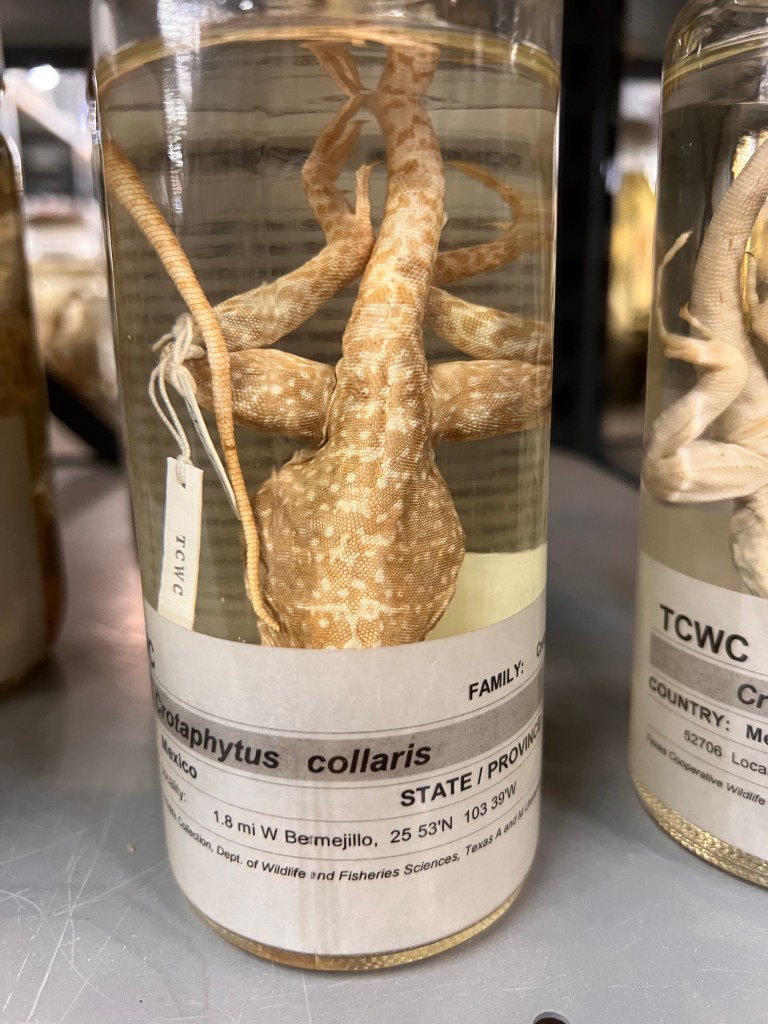
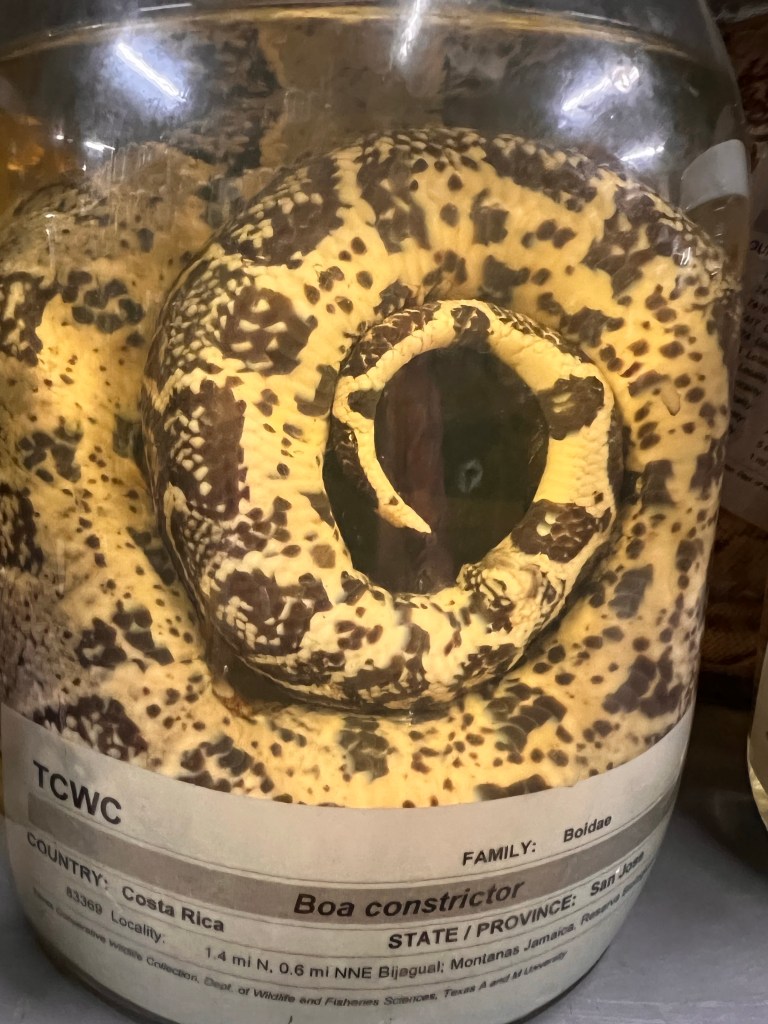
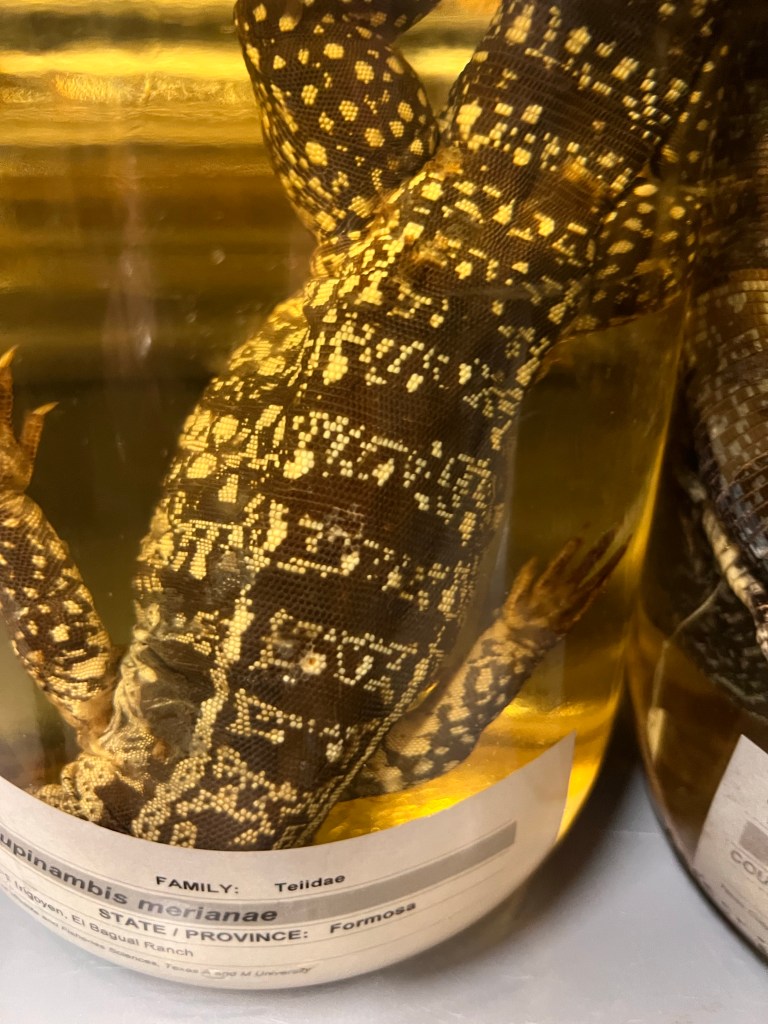
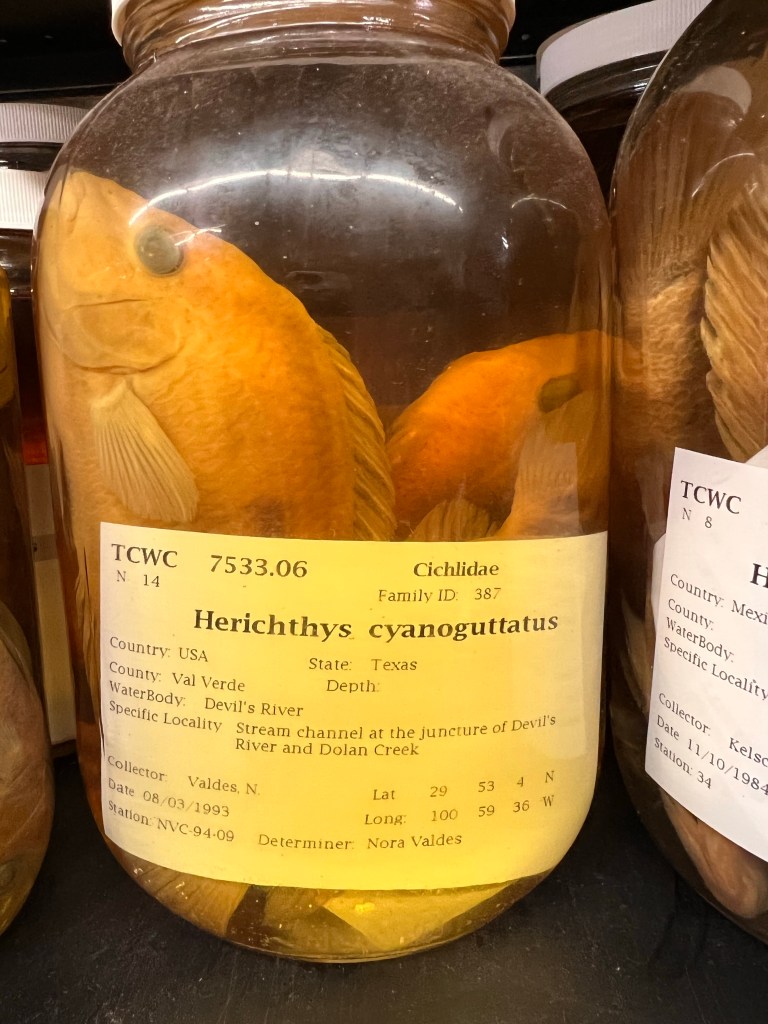
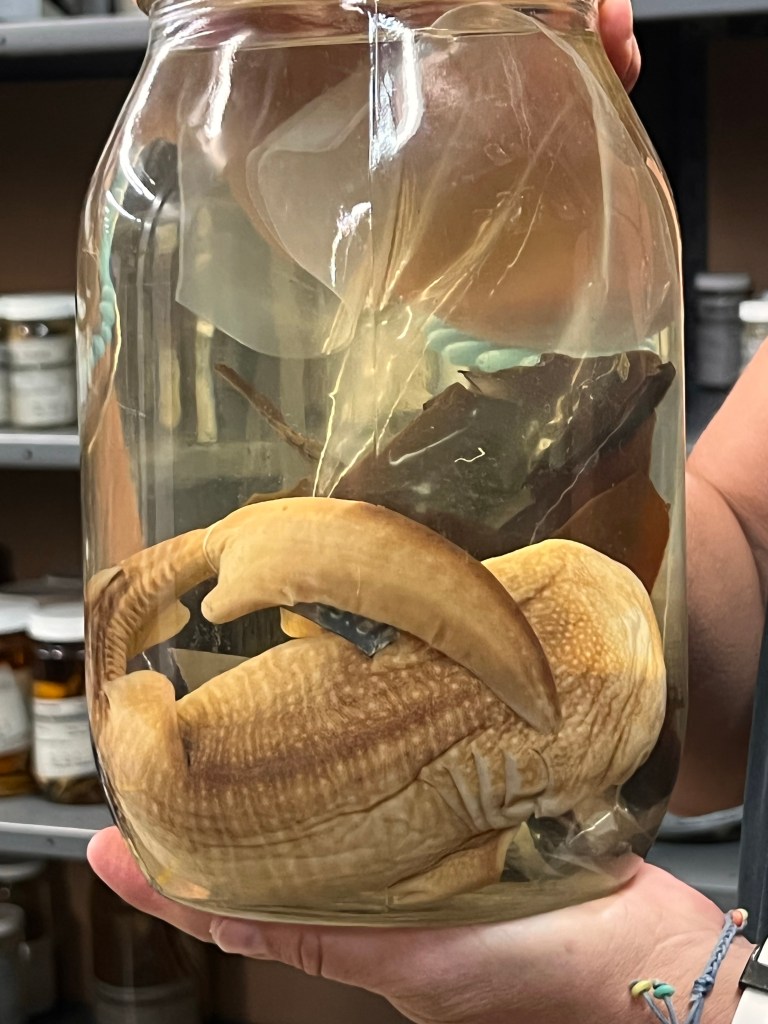
Specimen jars. Stop here if you don’t want to see preserved animals and such.

The collections of herps (snakes, lizards, frogs, etc.) are immense. It’s cool to see where they all come from. There is much from Texas but also around the world. They are preserved in formaldehyde.
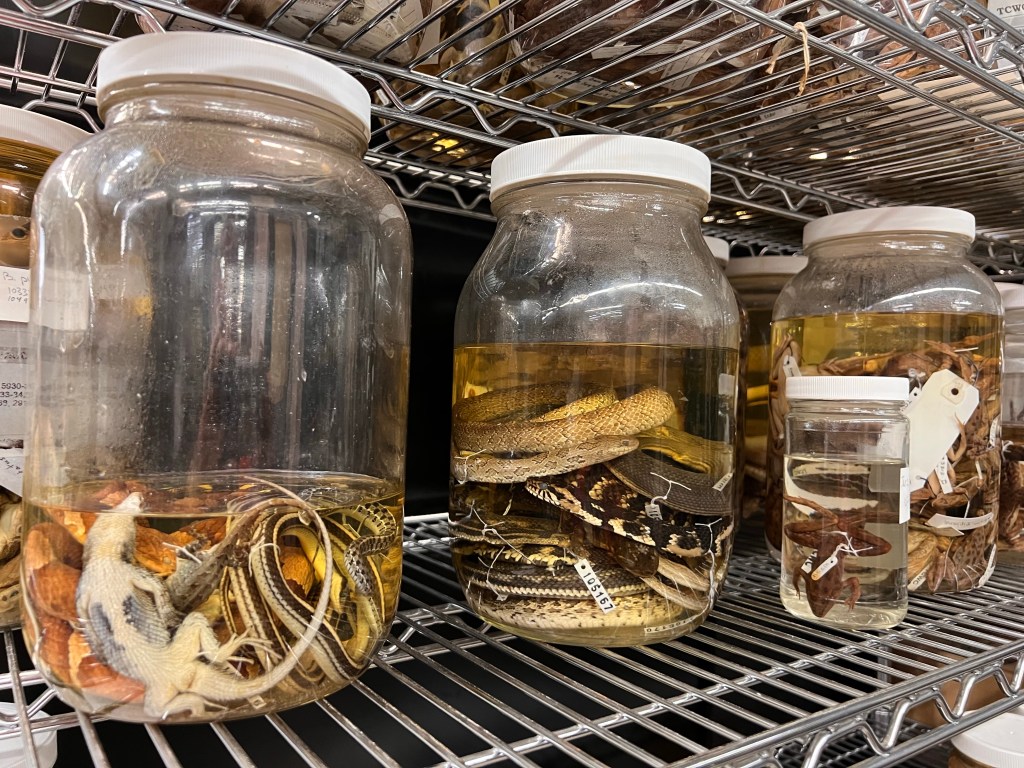
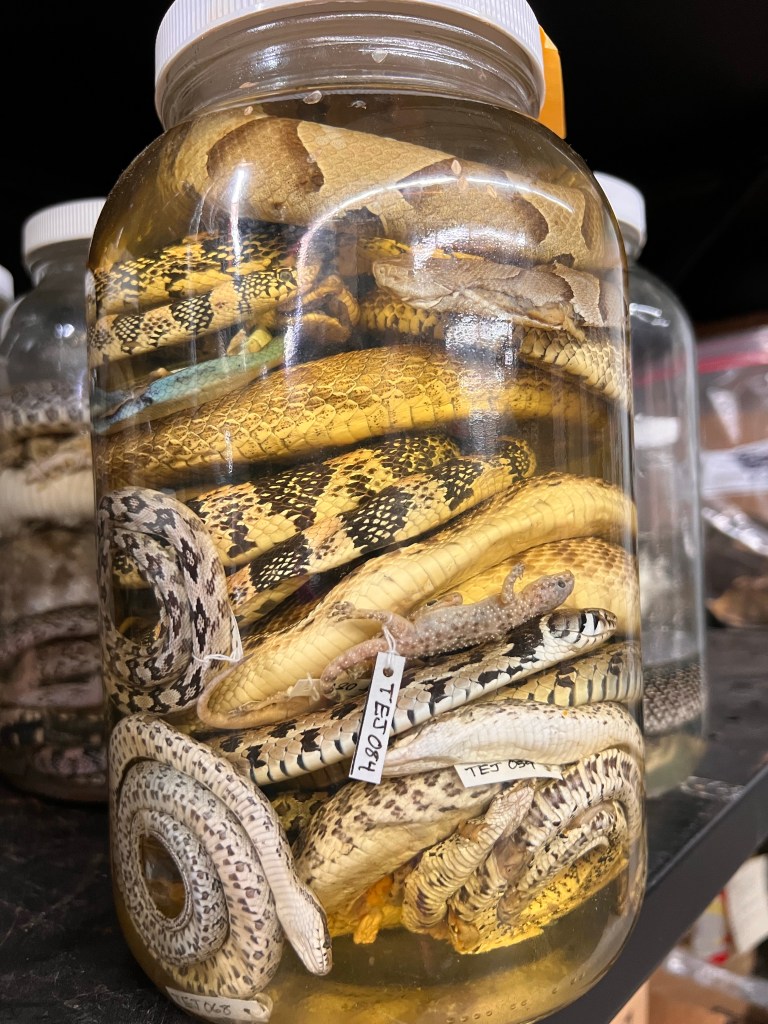
The fish were fascinating as well. My favorite was the box fish. There were just so many to categorize. Wow. There’s a lot of work for their grad students and volunteers! The other thing they do with the specimens is take tissue samples and freeze them (really cold) for future research on DNA and the like. What a resource this is!

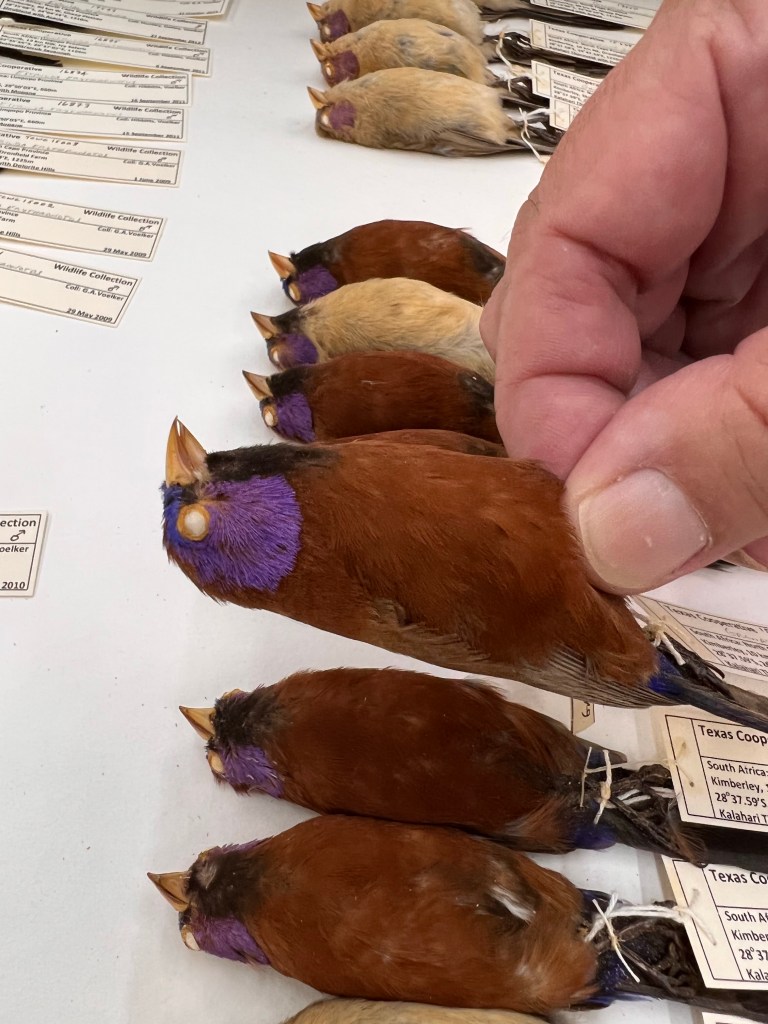
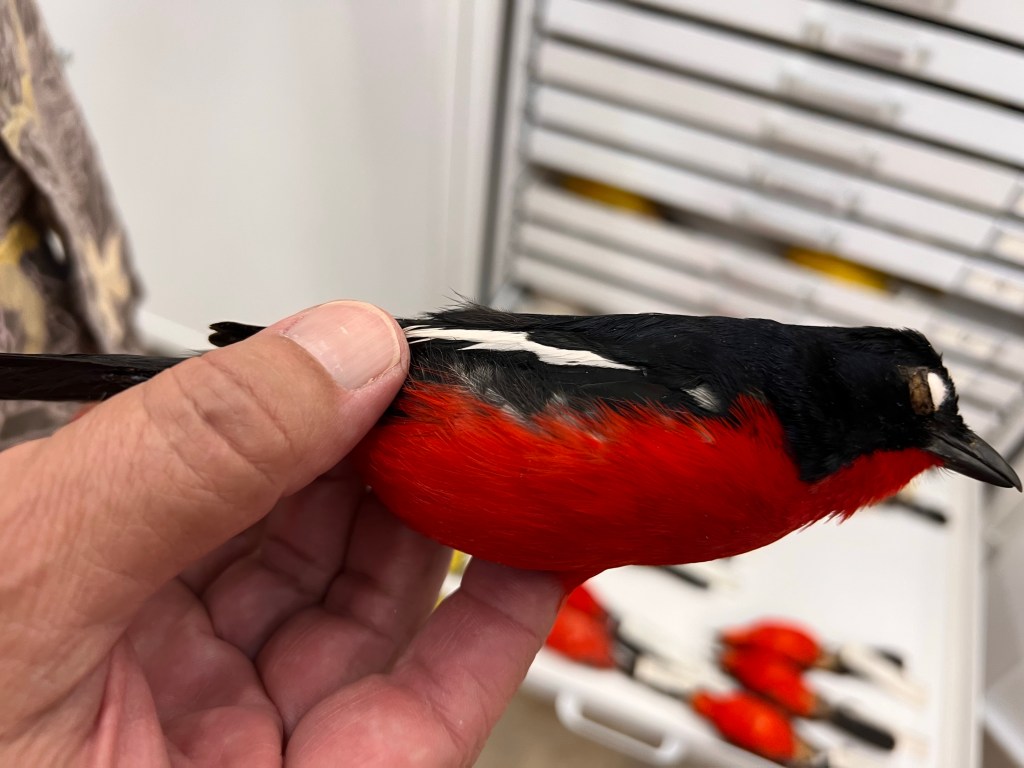
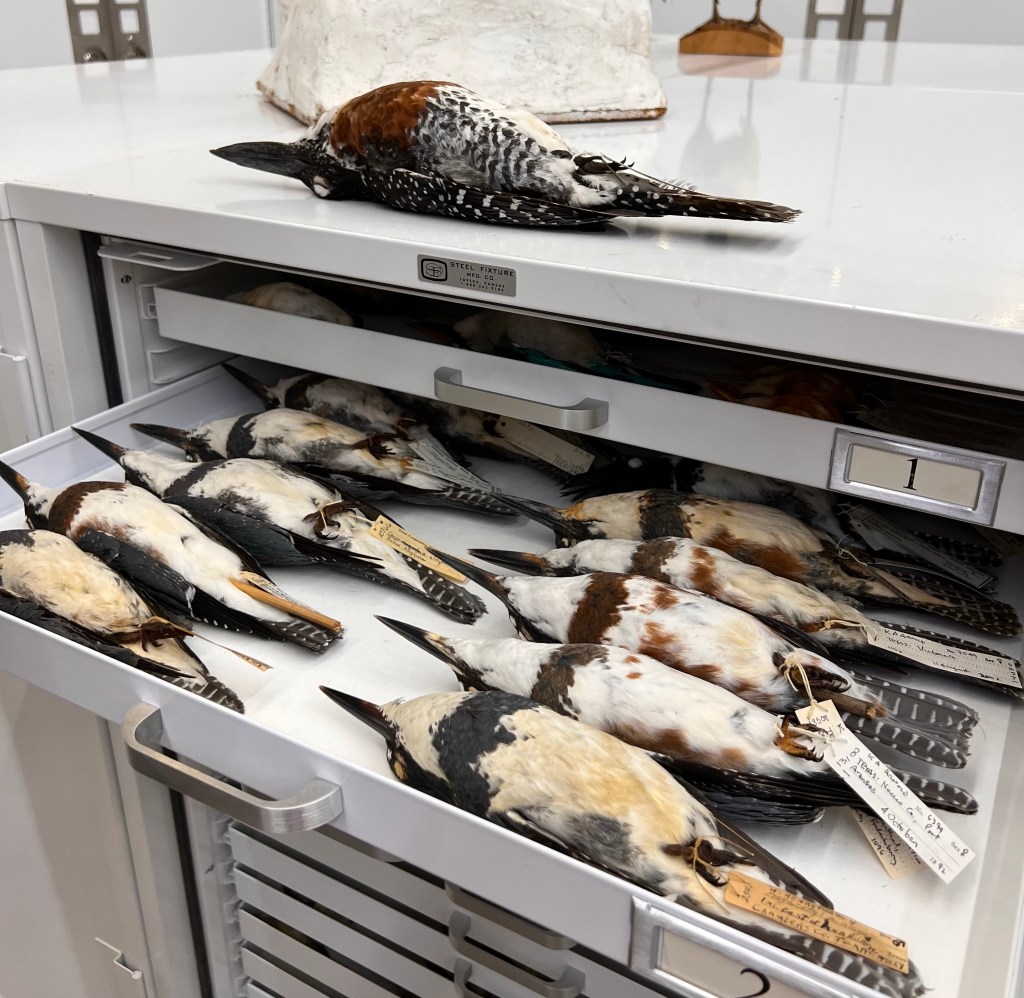
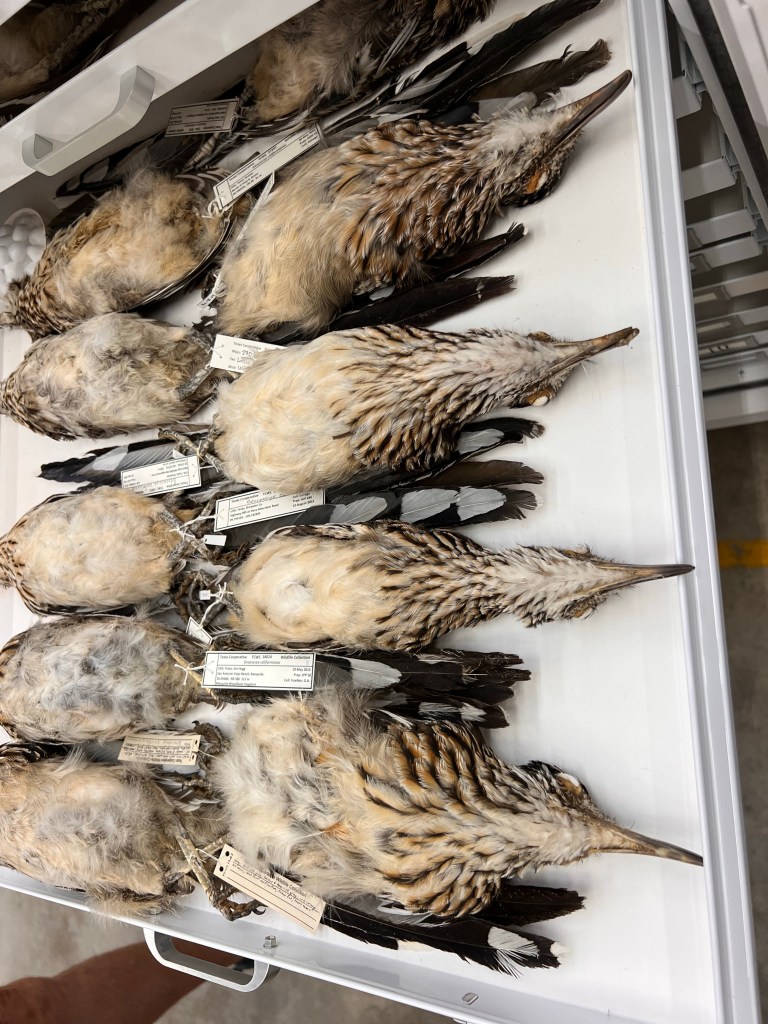
Of course the birds fascinated me. I was probably really annoying with all my questions but wow, there were things here I’d never seen before, like the Hoatzin. What the heck. This bird’s young have claws on their wings!! It’s also called a stink bird, because it digests food in its crop, which is smelly. It’s a really different bird!
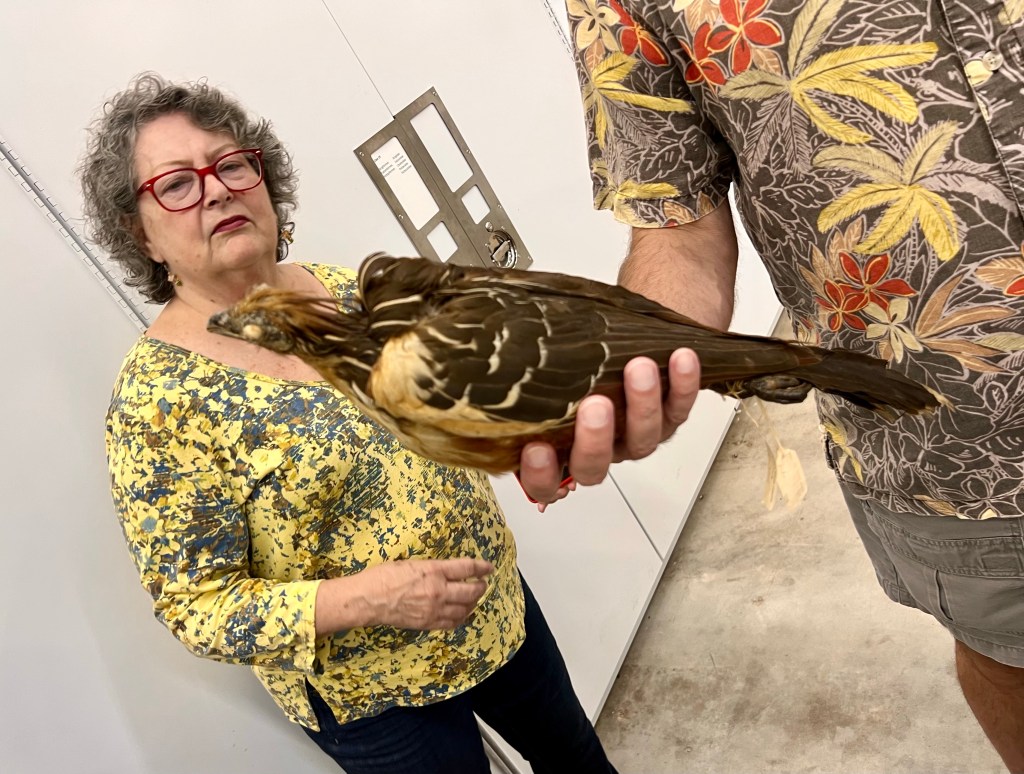
Pamela is amazed at the hoatzin bird

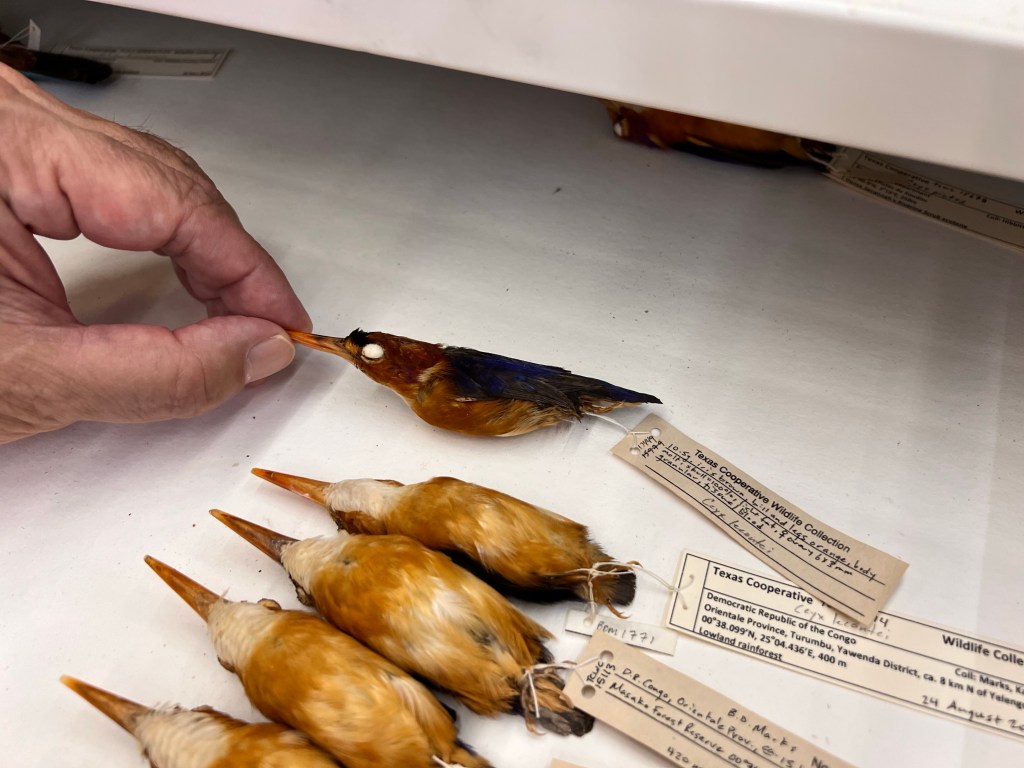
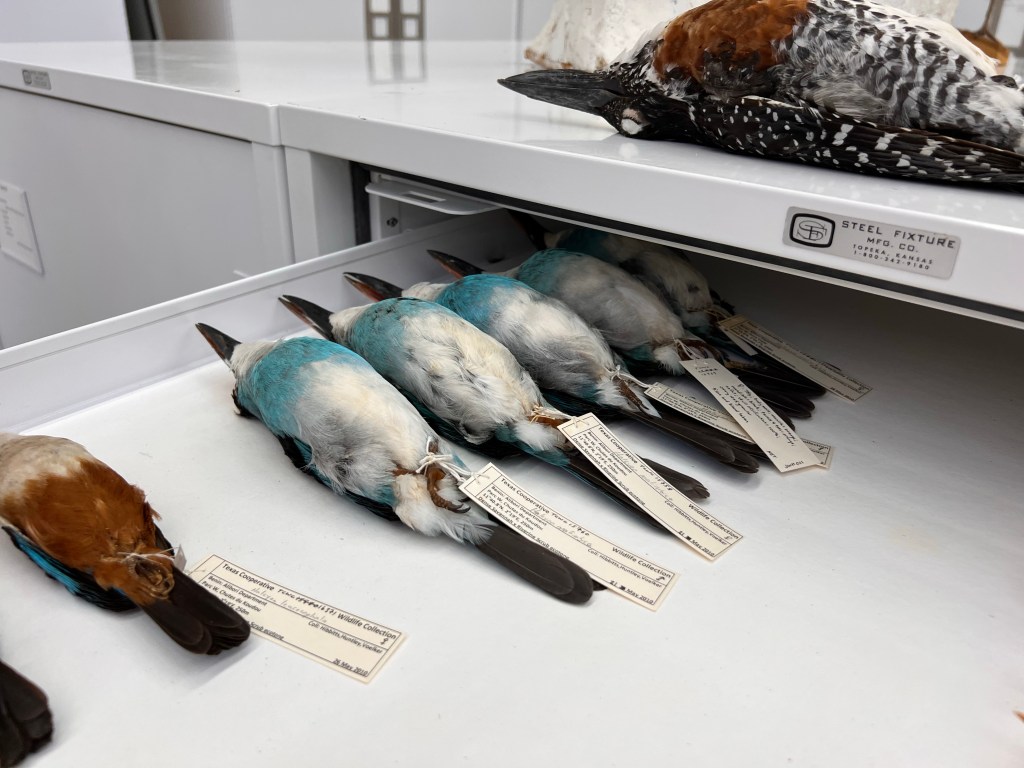
Dr. Voelker was great at sharing information about the birds. We saw the largest and smallest owls and an awesome variety of kingfishers, some that were an indescribable blue. Africa has some darn colorful birds.
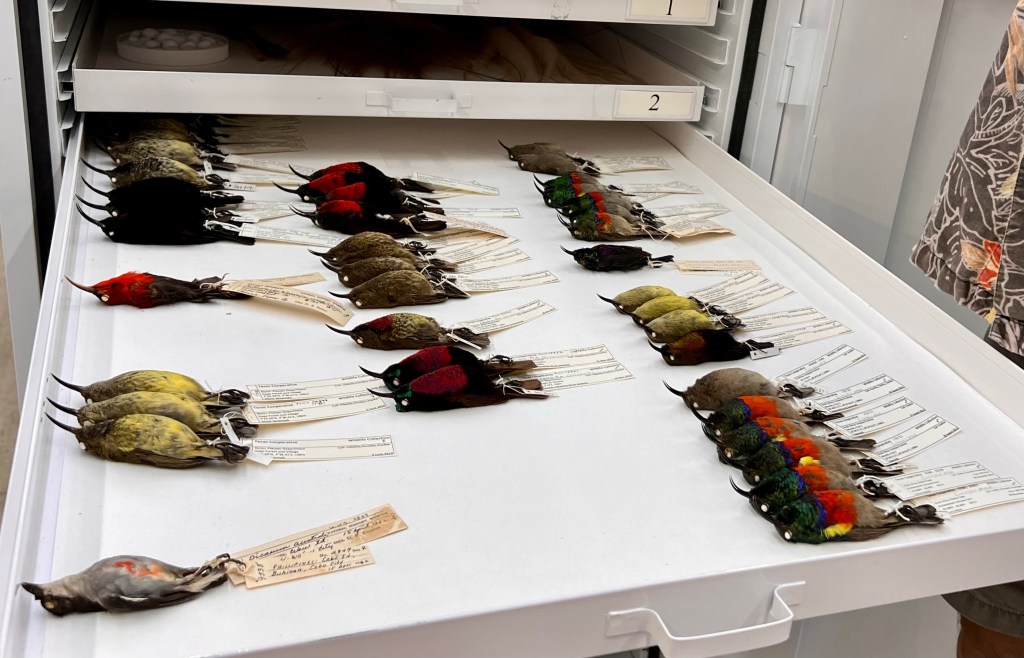
Look at these roseate spoonbills. They are so many shades of pink. and I was fascinated to see the bill up close. Such specialization!

There was a lovely domed collection of hummingbirds that had been donated to Heather. Someone had it in their family for years!
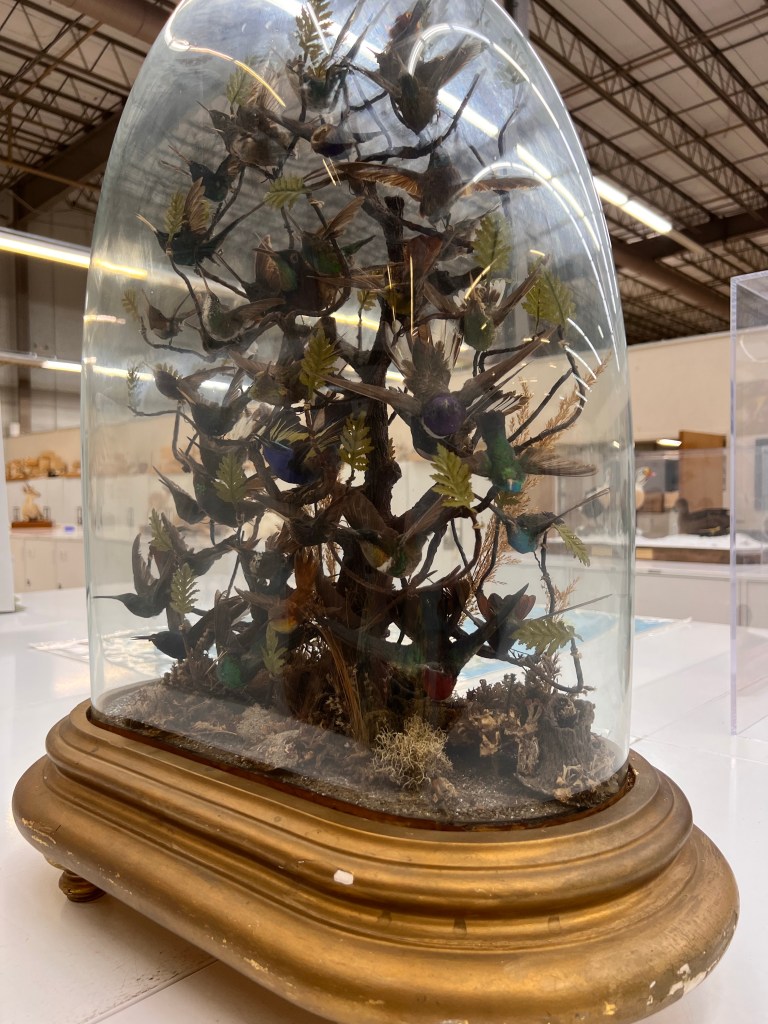
That’s something else!

I’ll spare you the details but we learned about 3D imaging and printing of specimens. They find what’s in the animals’ stomachs and can ID them. Huh.

And look! A giraffe skull! Look at the horns!

They didn’t talk much about boring old mammals but I checked them out.

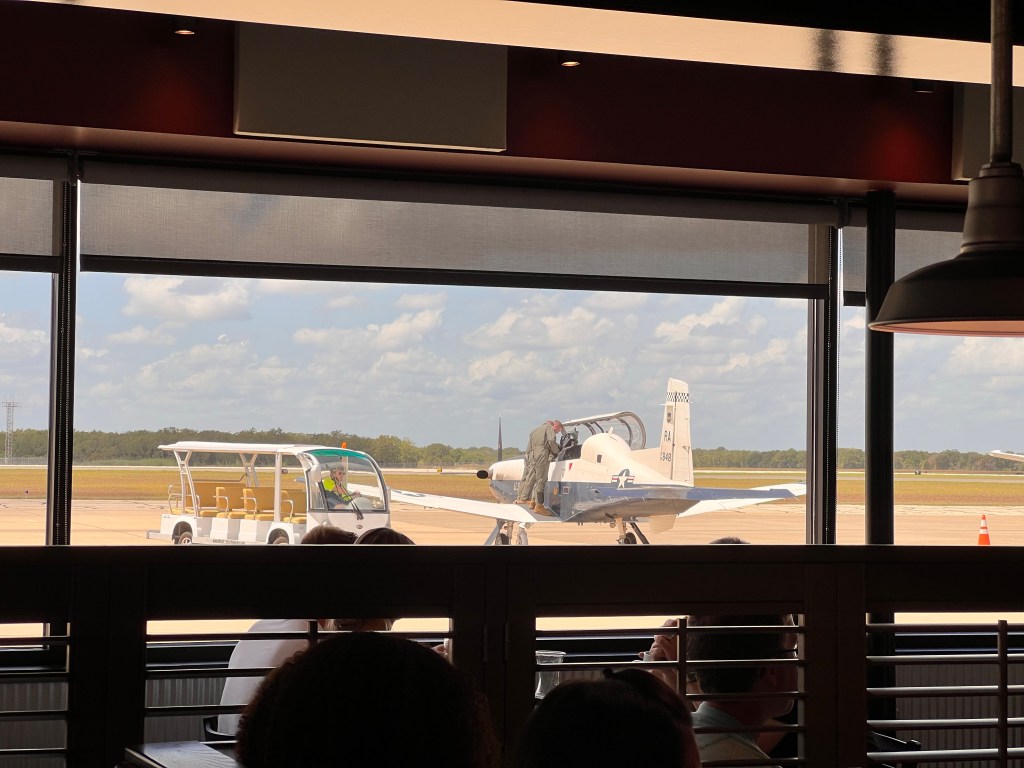
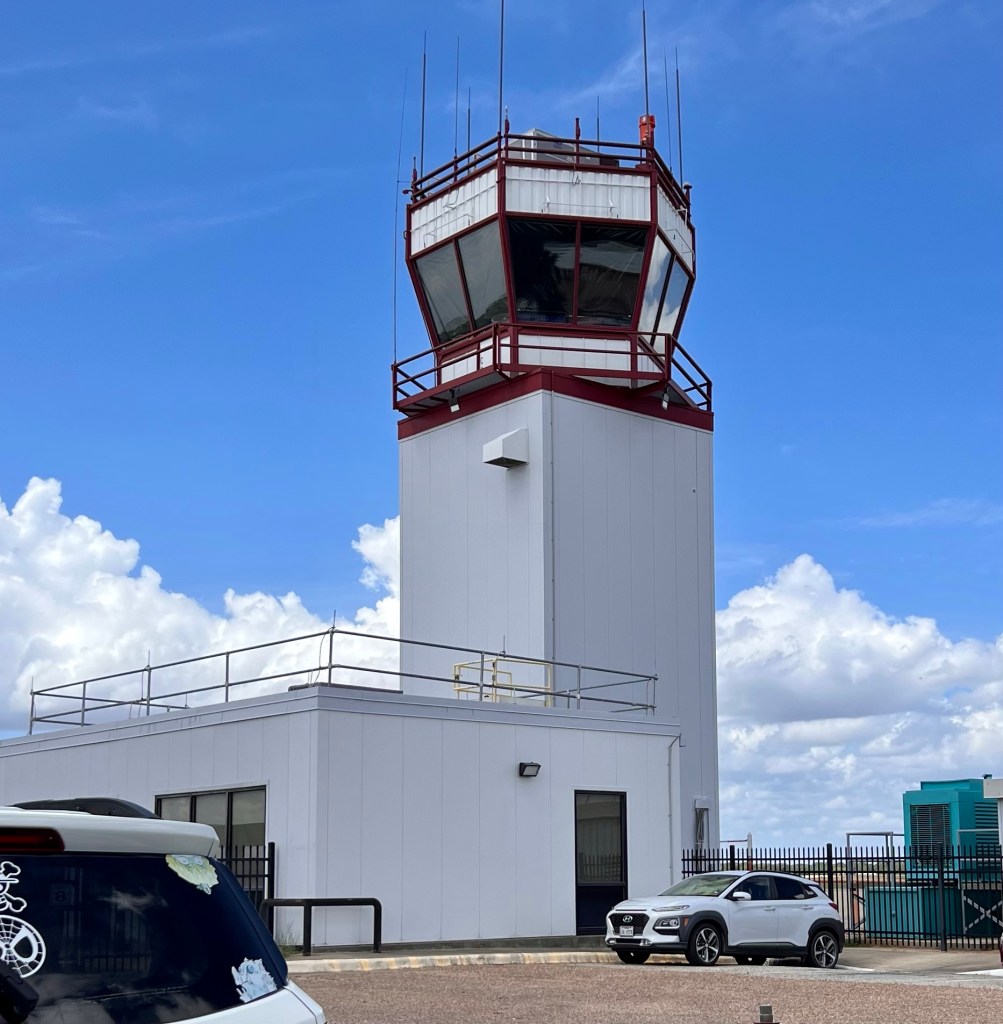
Believe it or not, I managed to get hungry after all those dead things. Good thing we’d arranged to meet our friend, Lynn at a restaurant at the old airport terminal. Ah. A nice restaurant. And airplanes! What a good time.

Doug Tallamy: Incredibly Inspiring

Wow. Just wow. My life is now so much better, having heard the amazing Doug Tallamy speak at the Texas Master Naturalist meeting. He’s just about as inspirational as a speaker gets, and I now have my answer when people ask what famous person I’d most like to have dinner with. I could talk to him for hours, or more likely, listen.

I recently read and reviewed his book, Nature’s Best Hope, and once again I must encourage everyone to read it. It’s one of the few books I’ve read lately that made me feel empowered to go out and actually make the world a better place, right on my own property.

Listening to him speak to us, sounding just like some nice guy you’d talk to at your meeting, but with an amazing wealthy of information, was a mind-blowing experience. And the information he shared about how he and his wife turned their property into a place that is both beautiful AND attractive for natives was nothing short of inspirational.

Tallamy reminded me WHY I don’t want all the land around the ranch scalped into a beautiful monoculture lawn and why I ask that the wildflowers be allowed to grow, bloom, and seed each spring. They support so much of the diversity of animals and insects that we are rapidly losing.

When he shared how many different moths grow on the goldenrod on his Pennsylvania property, my heart swelled, since you may recall just yesterday I wrote about how much I saw growing on goldenrod plants (and I skipped a wasp that I couldn’t get a clear photo of). I feel like at least some parts of our ranch are helping the earth heal itself, while still providing food for people. I think it’s a win-win.

He provided lots of useful links, but I was too enthralled to take many screenshots. But here’s something you might be interested in, which is the keystone species that support the most insects, birds, etc.

The Hermits’ Rest has lots of these! Just not many maples.

I’m not going to write down everything Tallamy said, but I hope you will go to his website to learn more. There’s TONS of fascinating stuff there. This one point he makes sums it up for me:

From the Bringing Nature Home website

We ARE part of nature and need to live with it, wherever we are. I’m going to hold that in my heart and work as hard as I can to help Professor Tallamy achieve his goals.

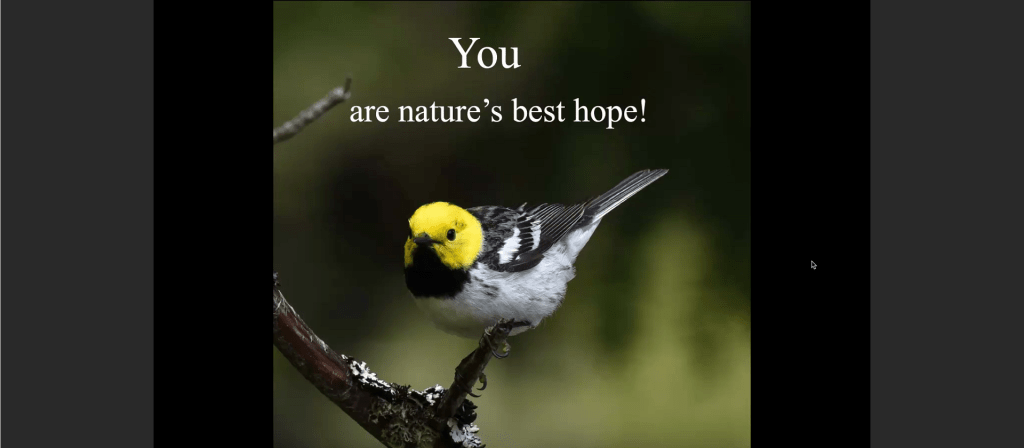
His final slide.

I encourage those of you who want a better world for the children who are around today to read his books and take action. It’s awfully easy to plant some native plants. Many of them just show up, after all (“weeds”). And as soon as you have them, insects will follow.

Even if all you have is a balcony or some space outside your office, you can make the world a better place. Now, that’s awesome.