It’s Very Smooth around Here…the Bur Saga Continues

You may remember that for the past couple of years we’ve had a problem with cockleburs in the horse pasture. I spent hours and hours removing them from manes and tails, and had a horrible time with Drew, given his dislike of being touched on his head.

Drew last winter with his bur-head

This year we Hermits’ Resters have decided to do our utmost to rid the pasture of these plants, which weren’t here before. Step One was me going around with loppers and getting rid of most of the plants around the horse pens. More came up, but I’ll get them this week.
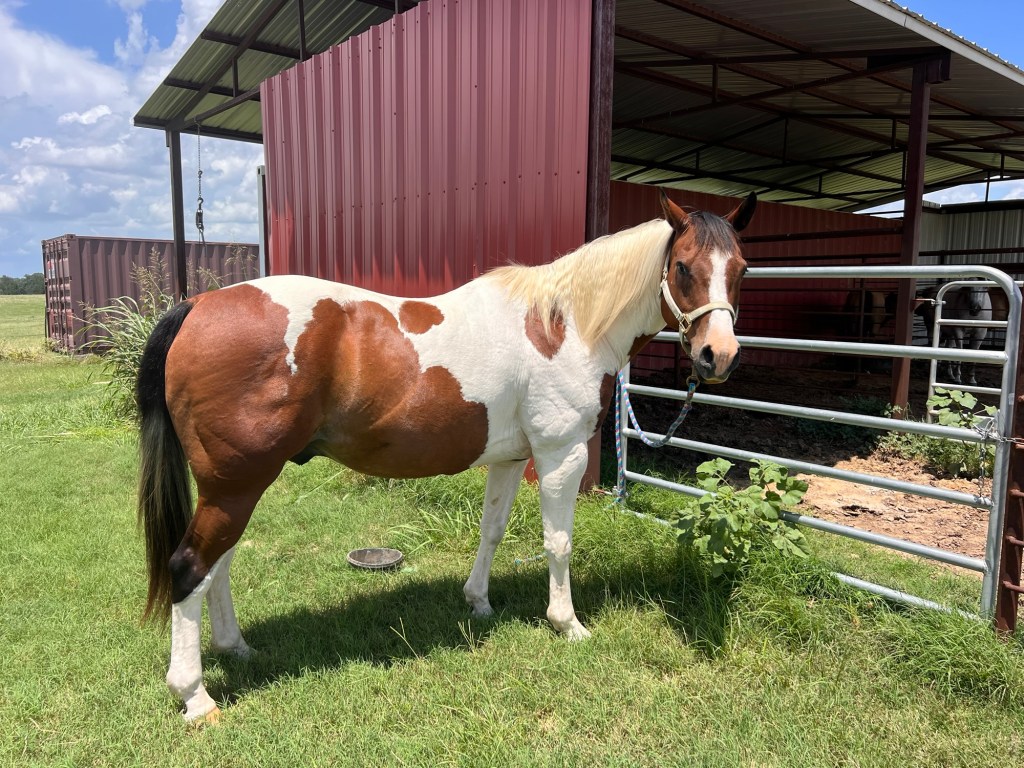
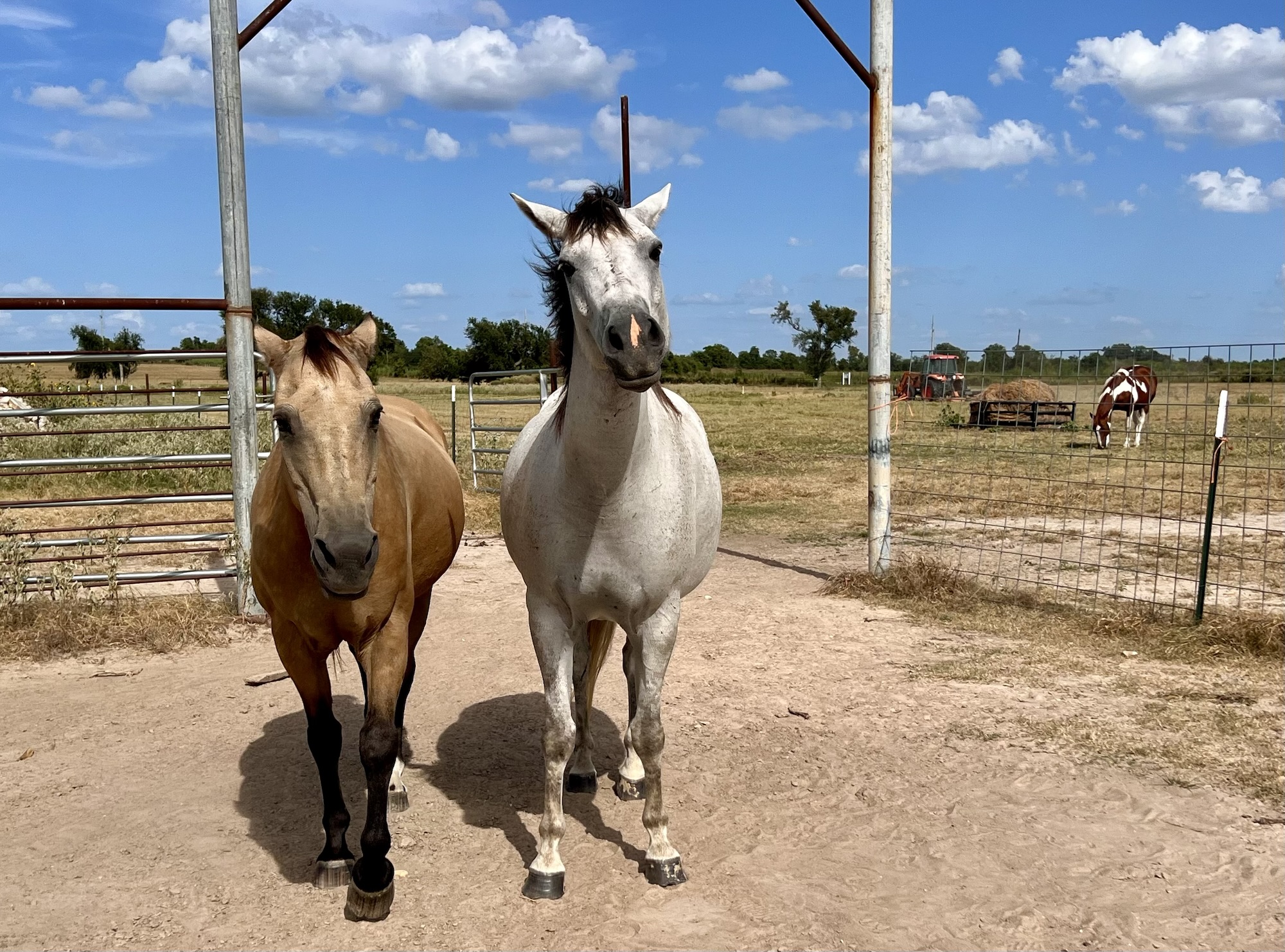
You can see them by the gates. Made it hard to open gates.

Step Two got interrupted when a piece broke on our shredder (a mowing apparatus pulled behind a tractor—you may see them on roadsides and median strips. Part of the hill created when the pond got cleaned out hadn’t been de-burred when that happened.
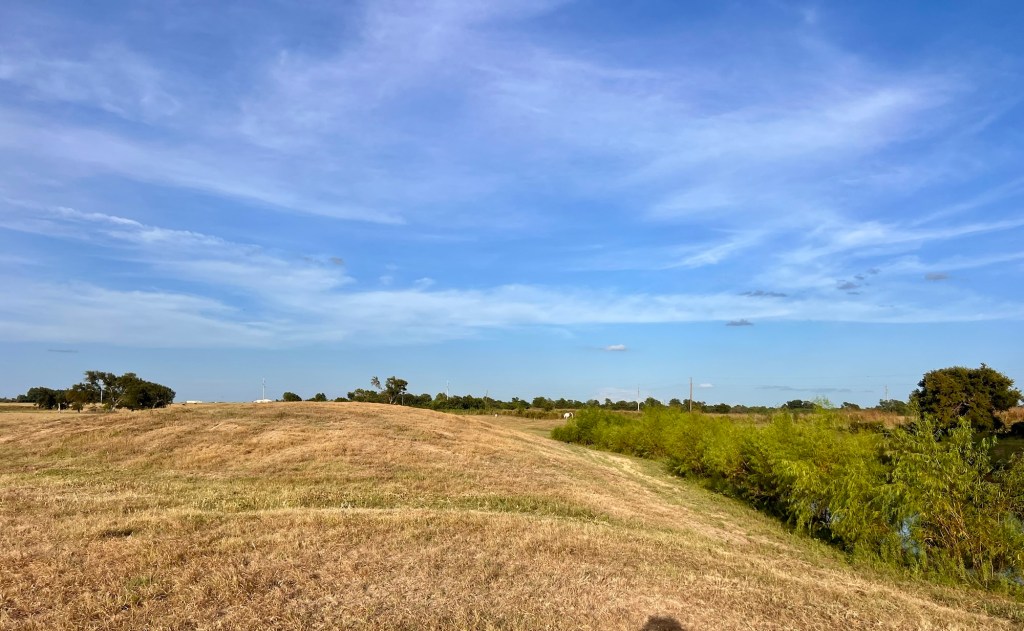
Now it’s more of a scorched-earth look.

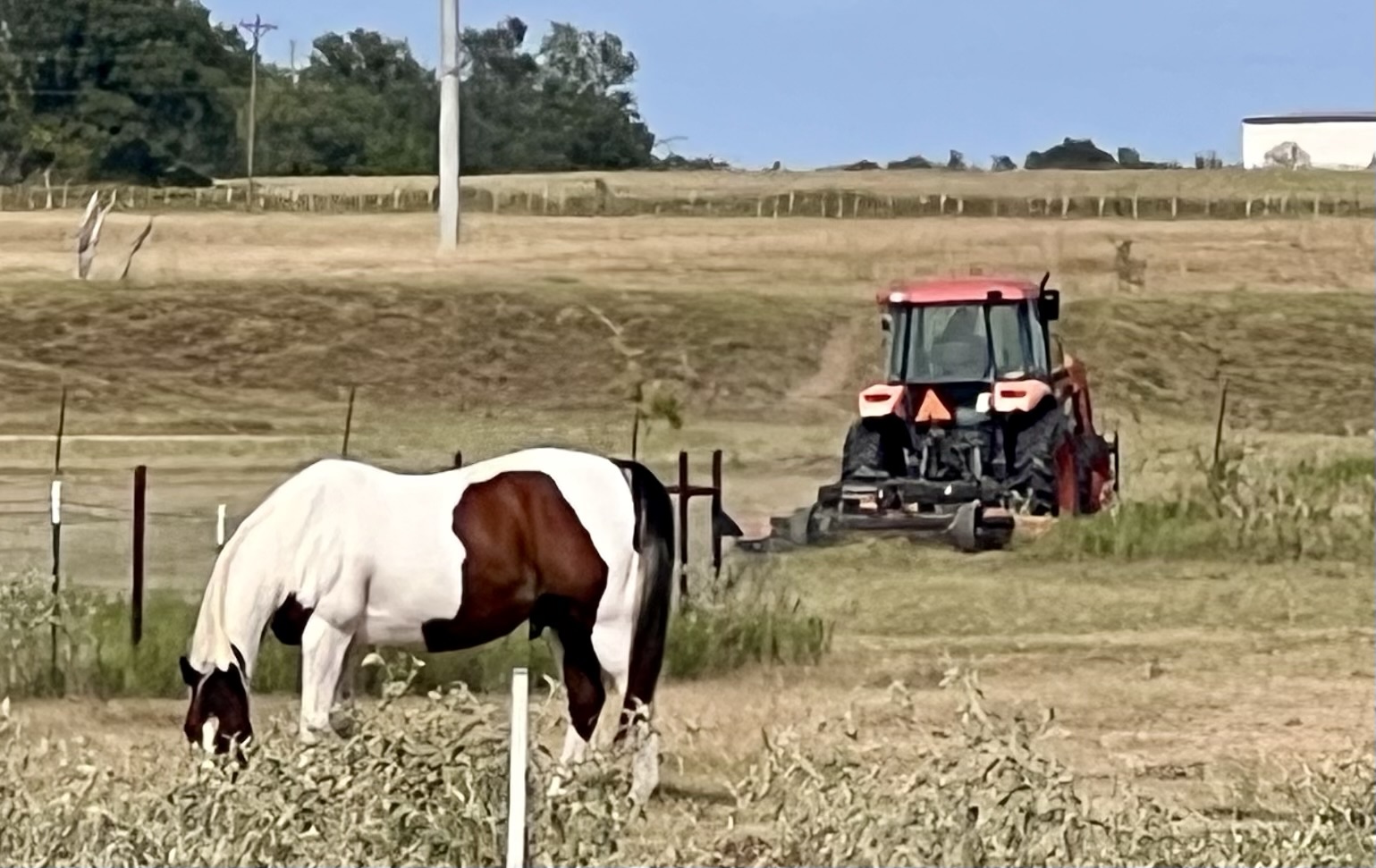
However, yesterday Chris braved the heat and made the repair (welding in a Texas summer is brutal) and he was able to finish shredding as much of the “tricky” parts of the pasture.
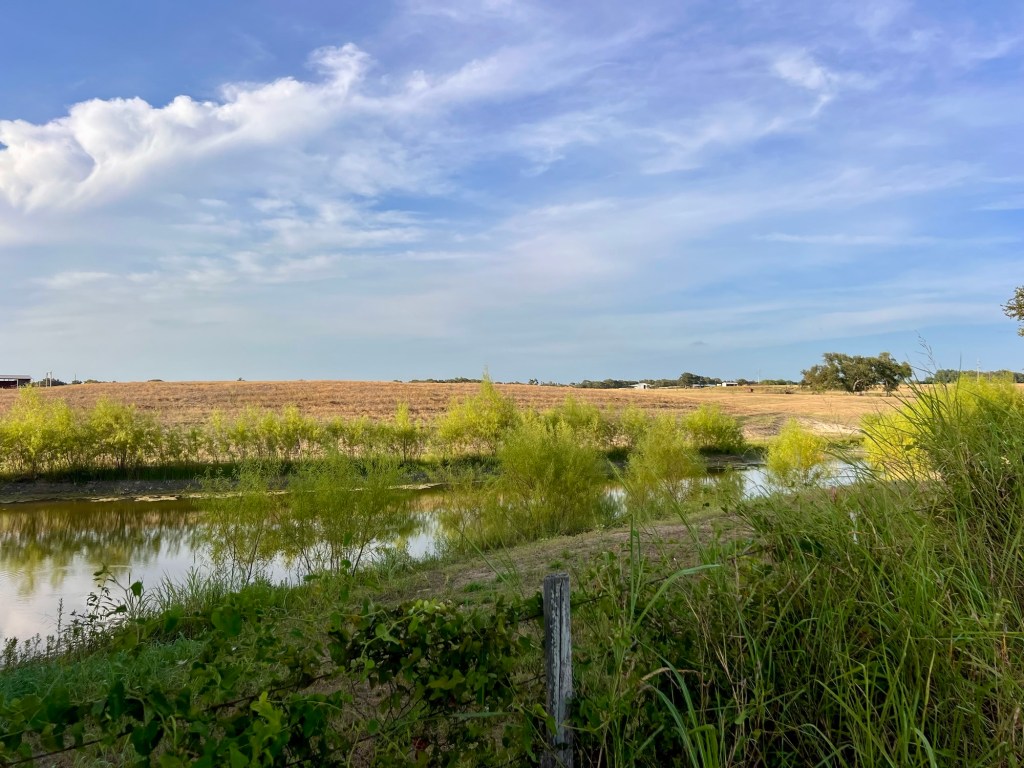
Looking much better

That left Lee with the job of finishing the job and shredding the rest of the pasture. Goodbye to burs, dove weed and ragweed. The horses eat giant ragweed, but not the small kind.
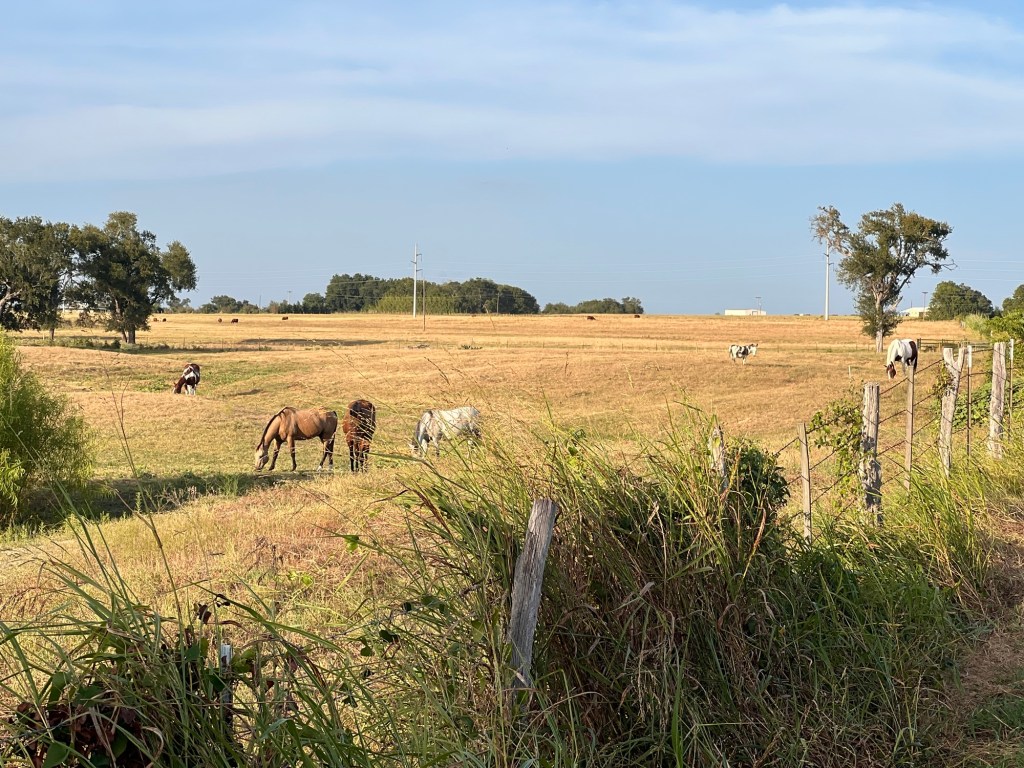
Horses still have stuff to eat.

This project takes a ranch family village to accomplish! The next step will come next month when broadleaf killer is applied. Carefully. I don’t want it on my wildflower areas.
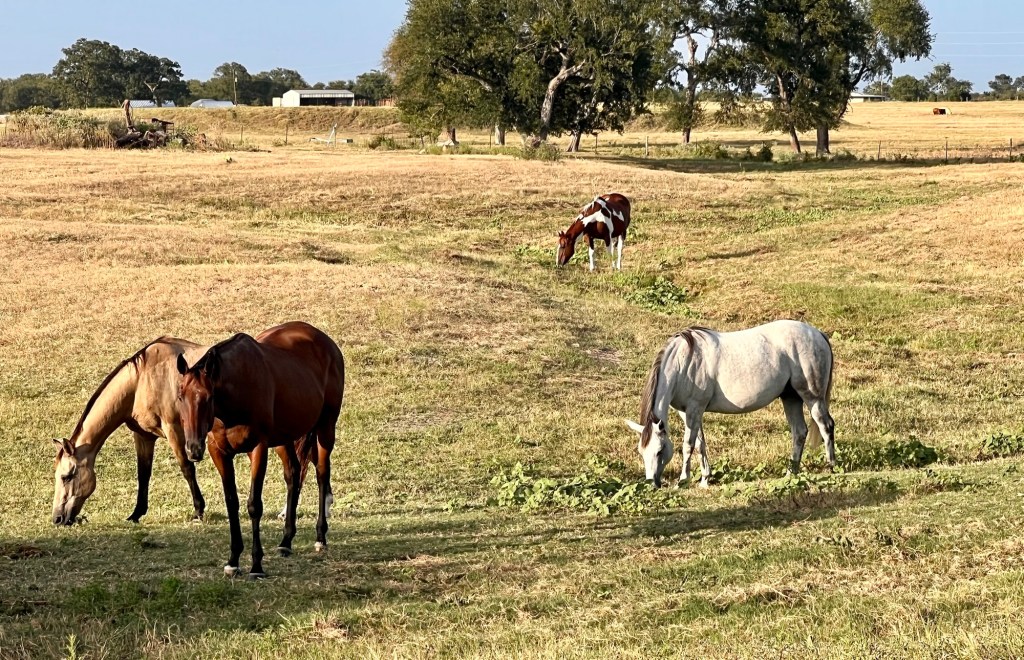
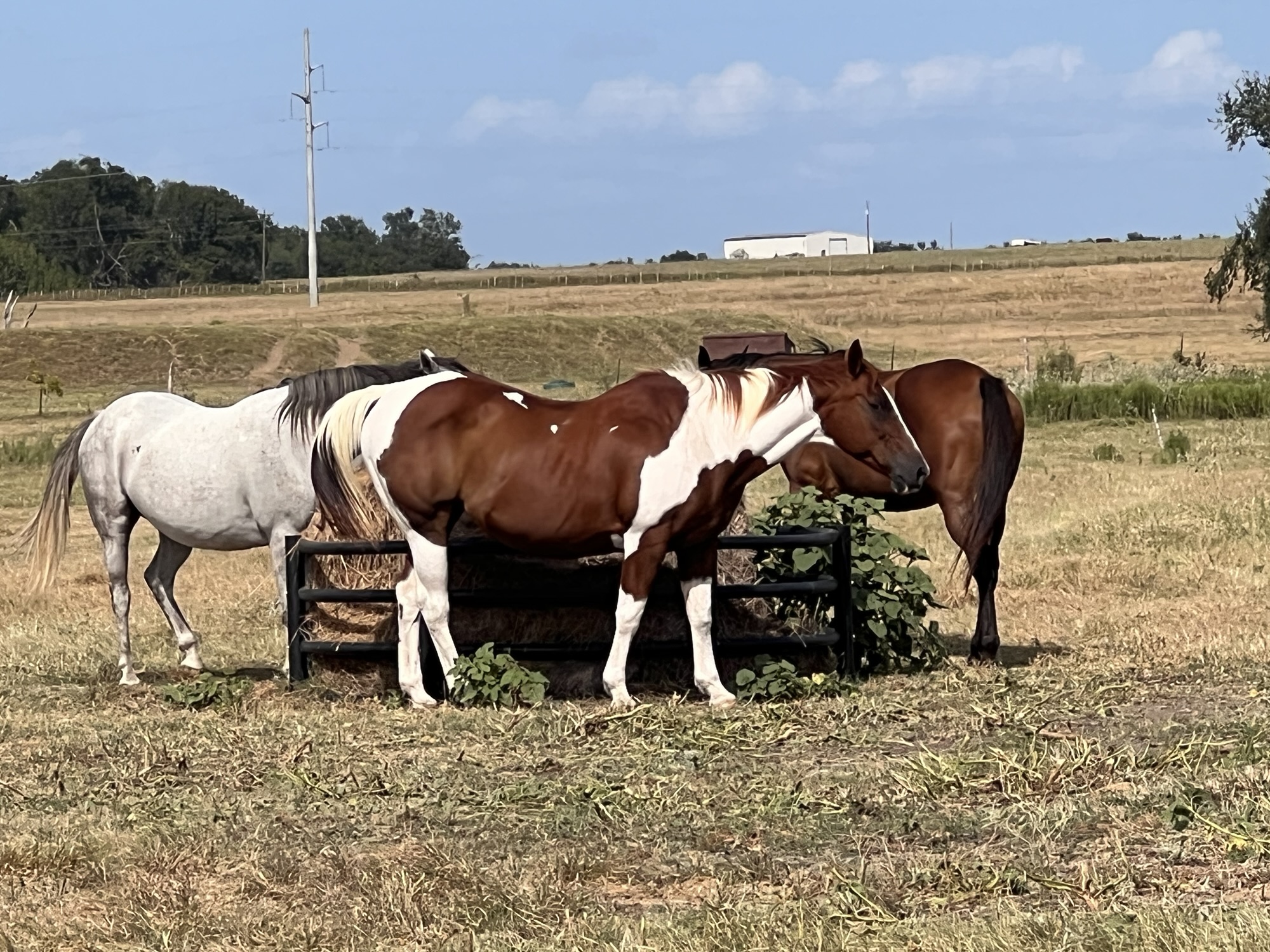
What are they doing here? Grazing in the few areas the tractor couldn’t get to. Burs are still there. This calls for loppers.

Then a few weeks after that, seed and fertilizer will be applied to get the pasture back in shape. I’m hoping to get grasses that are more native, but the horses’ need to eat may mean some sacrifices. Luckily we still have all the yard and field in front of the house that still has good natives.
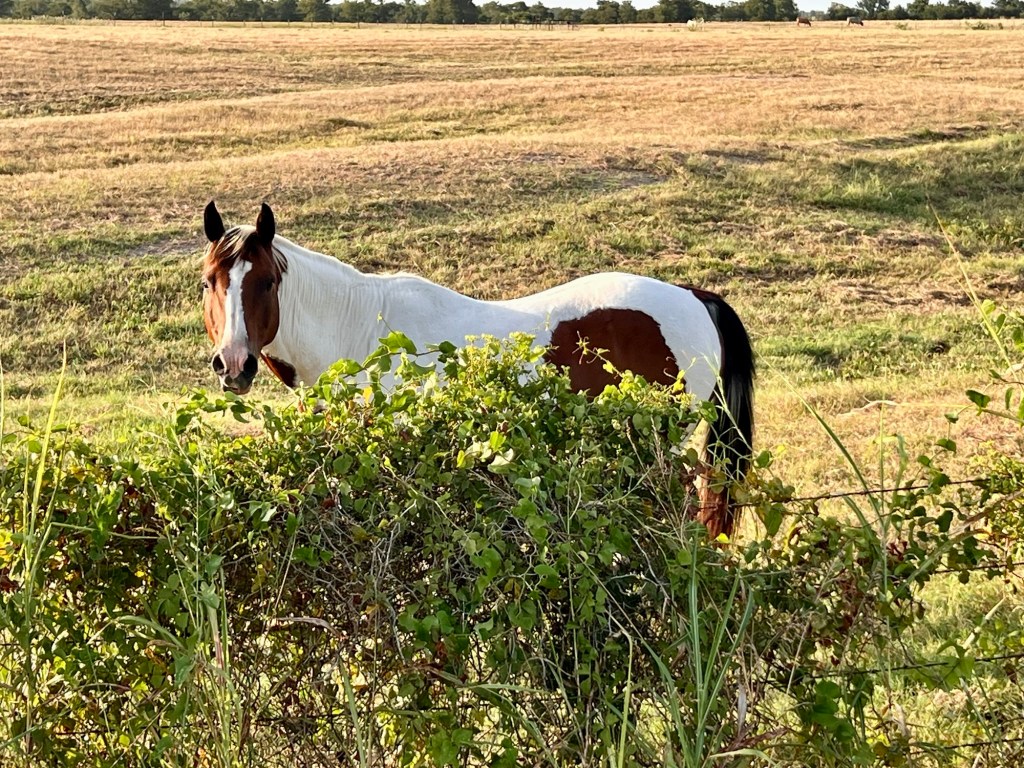
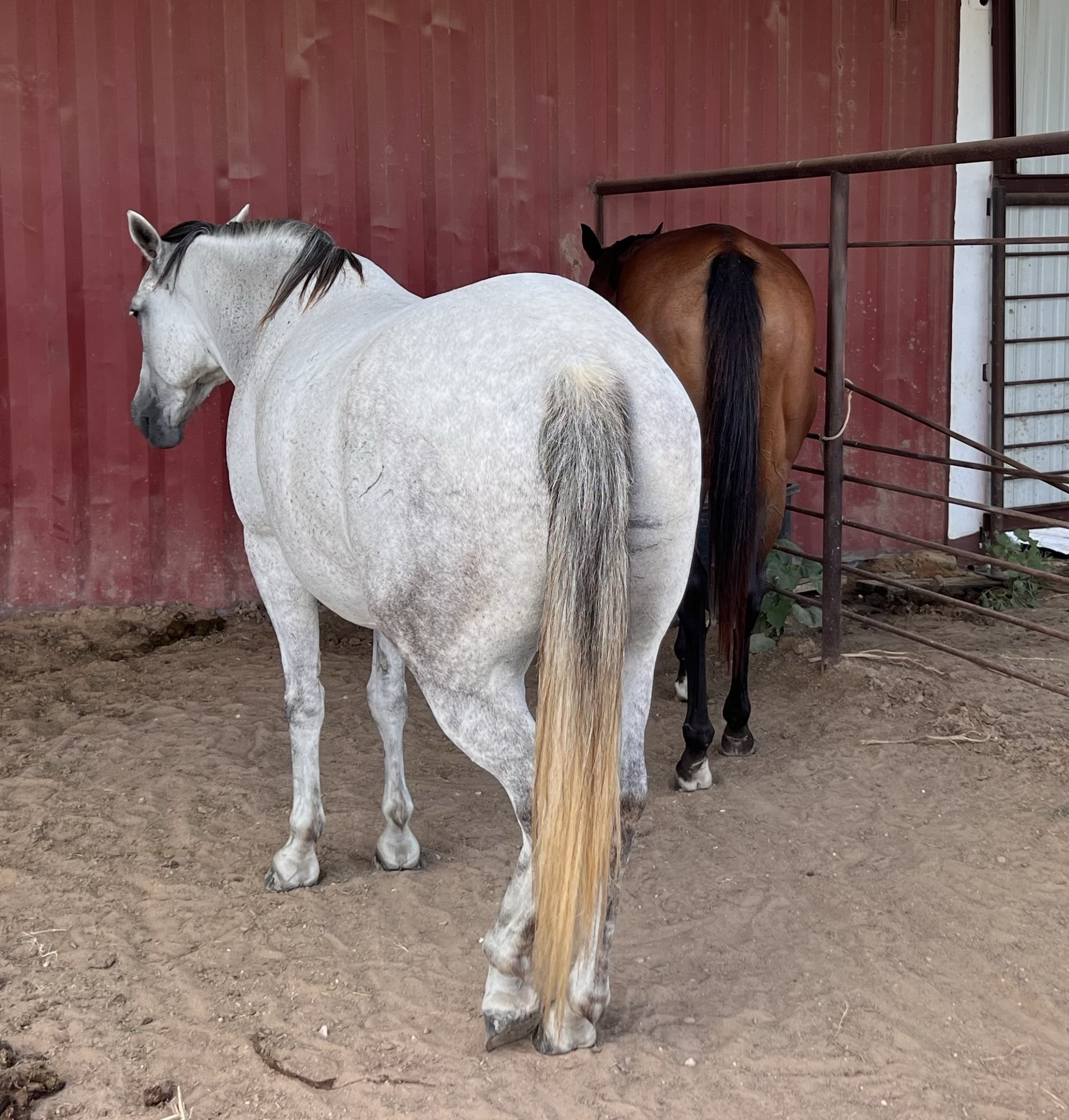
I assure you, I NEED to eat.

I’ve also been asked to do some horse moving, which will happen next week. Some lucky horses will have new grazing areas. Poor Apache and Fiona will stay in the area with worse grass, due to their metabolisms.
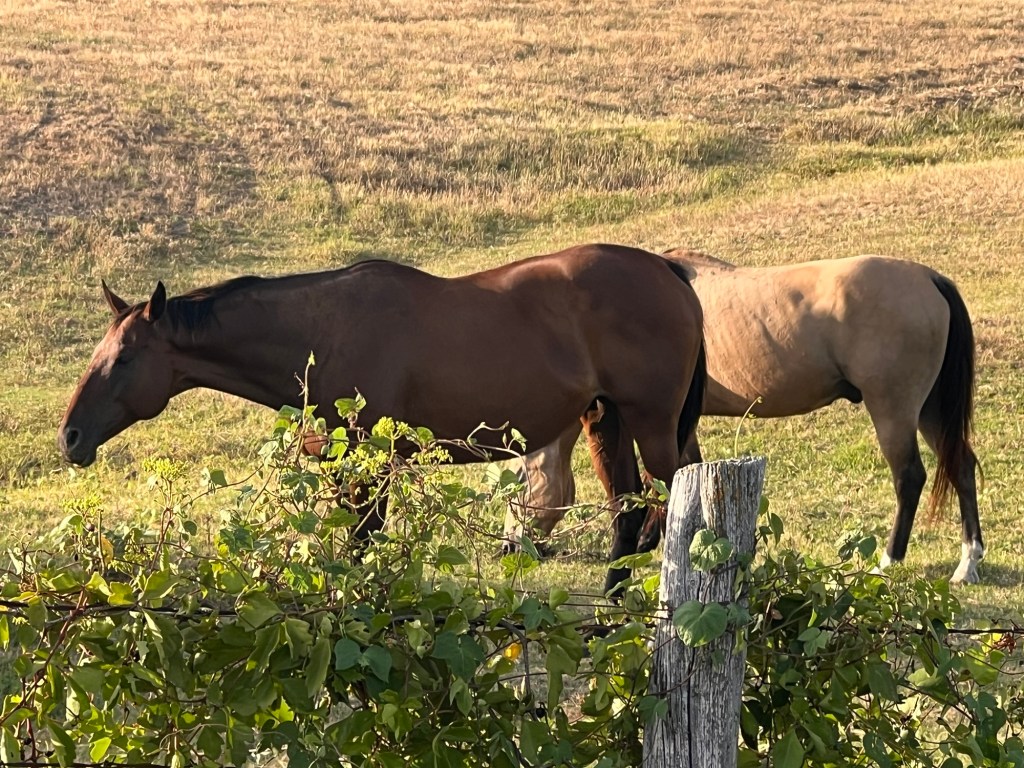
We get new grass?

That’s good with me, since I like going over and hanging out with Apache multiple times a day. I think we both enjoy each other’s company. Today we hung out a lot, because I was so happy with how well he’s doing with his ground work and trail walks. It’s so much fun.
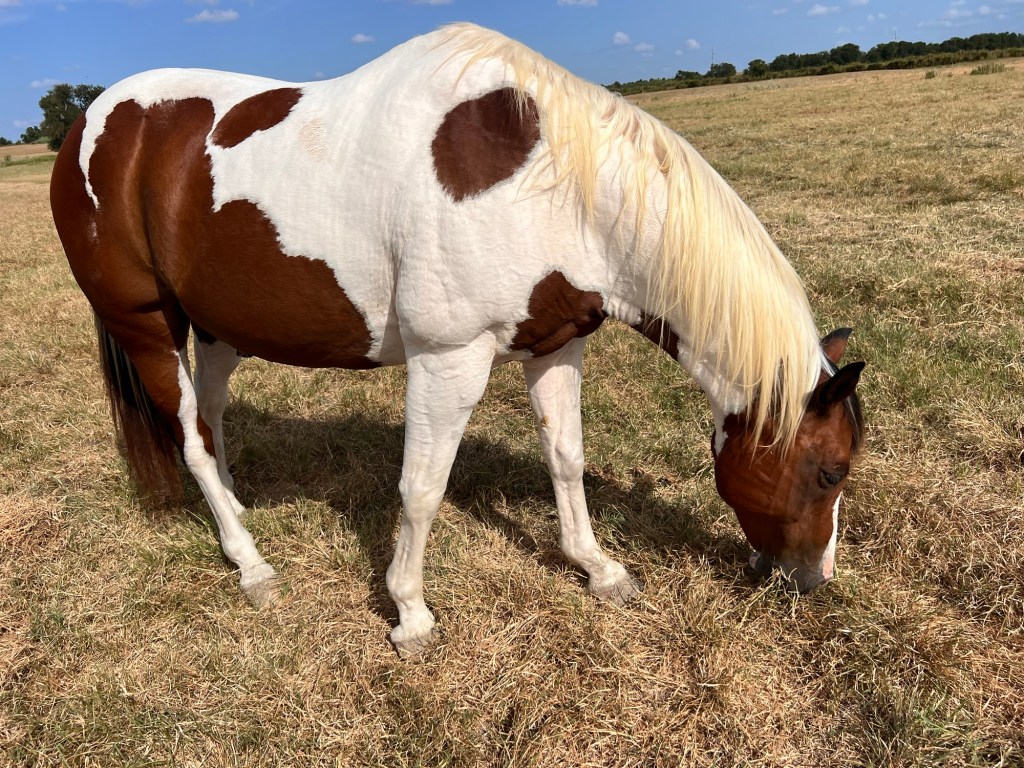
I know I post lots of pictures of him, but he’s such a fine equine friend.

I repaired his new breast collar (Vicki helped) so tomorrow I may try to put it on with his saddle to see how it looks.
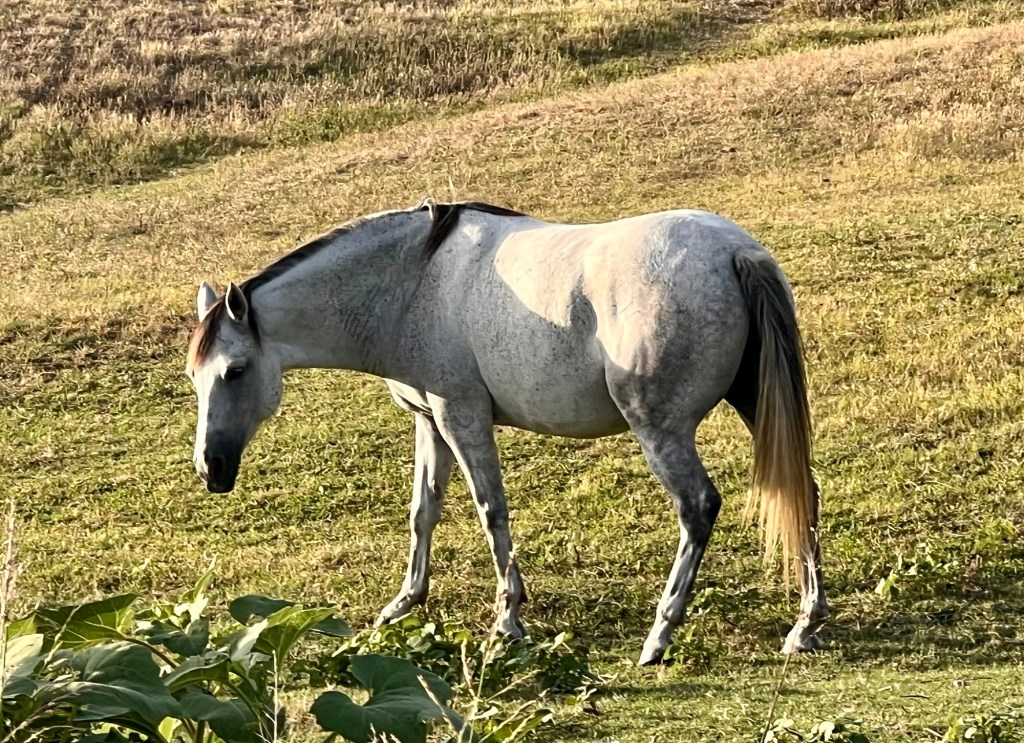
I’ll take a normal saddle, please.

Hmm, this was not my planned topic. Oh well, I hope you enjoy my horse pictures as much as I enjoy the idea of a bur-free winter.
A Pleasant Walk around the Ranch

There was frost last night! It’s amazing how quickly it goes from boiling hot to frost around here. Luckily none of my plants were damaged, since I thought they’d still be ok outside. I look forward to putting them in the greenhouse, though!

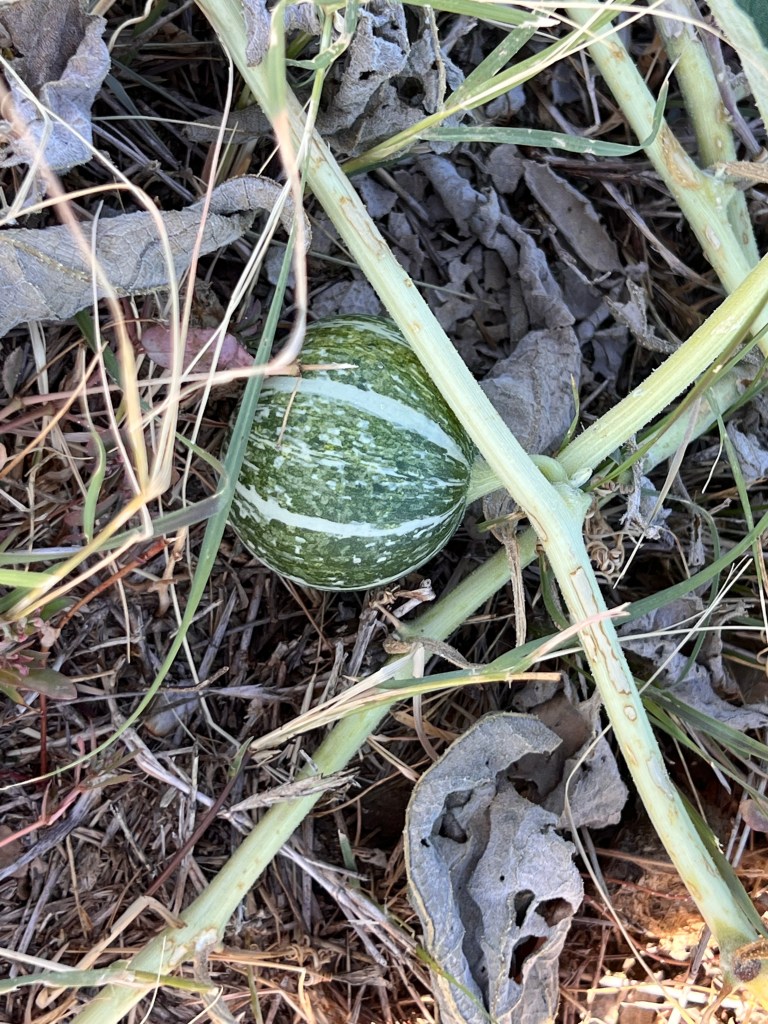
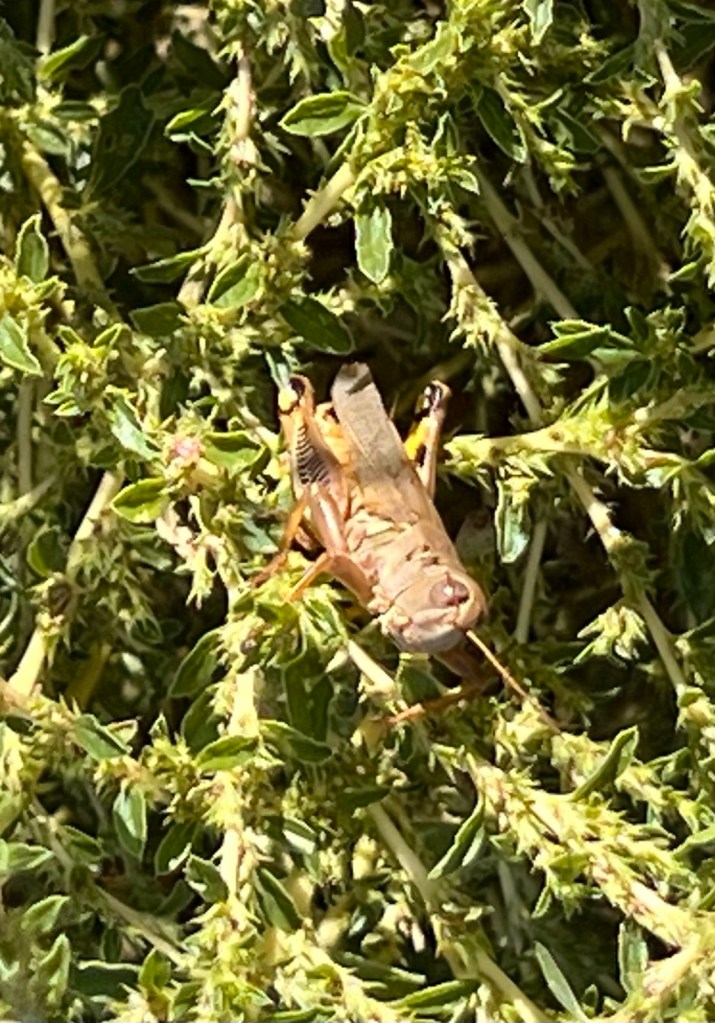
I decided to take one more sweep of the ranch for the pollinator BioBlitz, just to see if I would find anything different, and I’m glad I did, because I did stumble upon a few things. I’d say the most interesting one is the buffalo gourd.

Cucurbita foetidissima (means stinky)

Here’s some info on these plants, which Lee’s dad called “smell apples.” I’m always amused by giant squash in the middle of the pasture.

Cucurbita foetidissima is a tuberous xerophytic plant found in the central and southwestern United States and northern Mexico. It has numerous common names, including: buffalo gourd, calabazilla, chilicote, coyote gourd, fetid gourd, fetid wild pumpkin, Missouri gourd, prairie gourd, stinking gourd, wild gourd, and wild pumpkin. The type specimen was collected from Mexico by Alexander von Humboldt and Aimé Bonpland sometime before 1817. In Latin, foetidissima means ill smelling.

The feral perennial buffalo gourd has evolved in the semiarid regions and is well-adapted to desert environments. It contains high amounts of protein and carbohydrates and yields abundant oil. The carbohydrates that are formed in the tap root have led to the idea of growing the plant for biofuel.

The fruit is consumed by both humans and animals. When mature, a stage marked by increasing desiccation of vine, leaves, fruit-stem, and fruit, the fruit begins its final gourd stage. (from iNaturalist/Wikipedia)

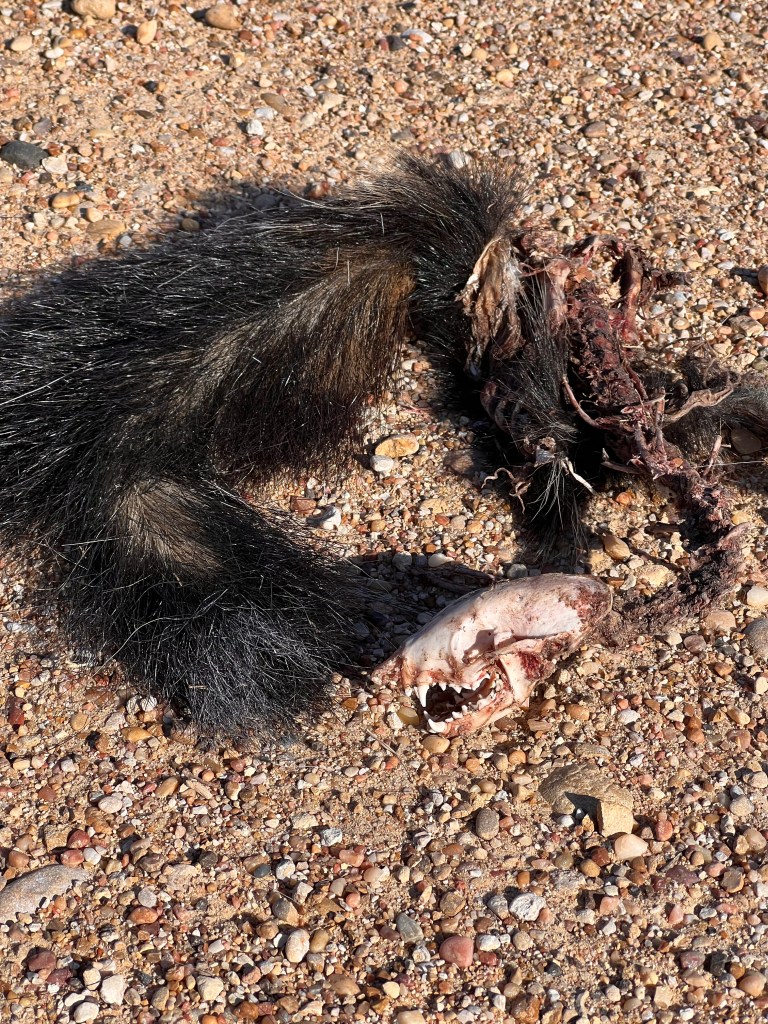
I enjoyed seeing things other than the plants, too. There was a kettle of black vultures circling around. And I identified what they were all gathered around recently on my son’s driveway/access road. It was a skunk. What a cool skeleton! And I got greeted by the current “bull in residence” in the pasture next to ours. He is really friendly and beautiful. I look forward to his babies.

It’s pretty this time of year, and the grass has greened up a little. Finding plants is hard, so I’ve resorted to looking for spring plants that are coming up already and some pretty sad drought-damaged dock. But they all count, and I’m still ranked in the 30s in the BioBlitz. Wait until tomorrow. My camera will be snapping like crazy on the field trip I’m attending in Houston.

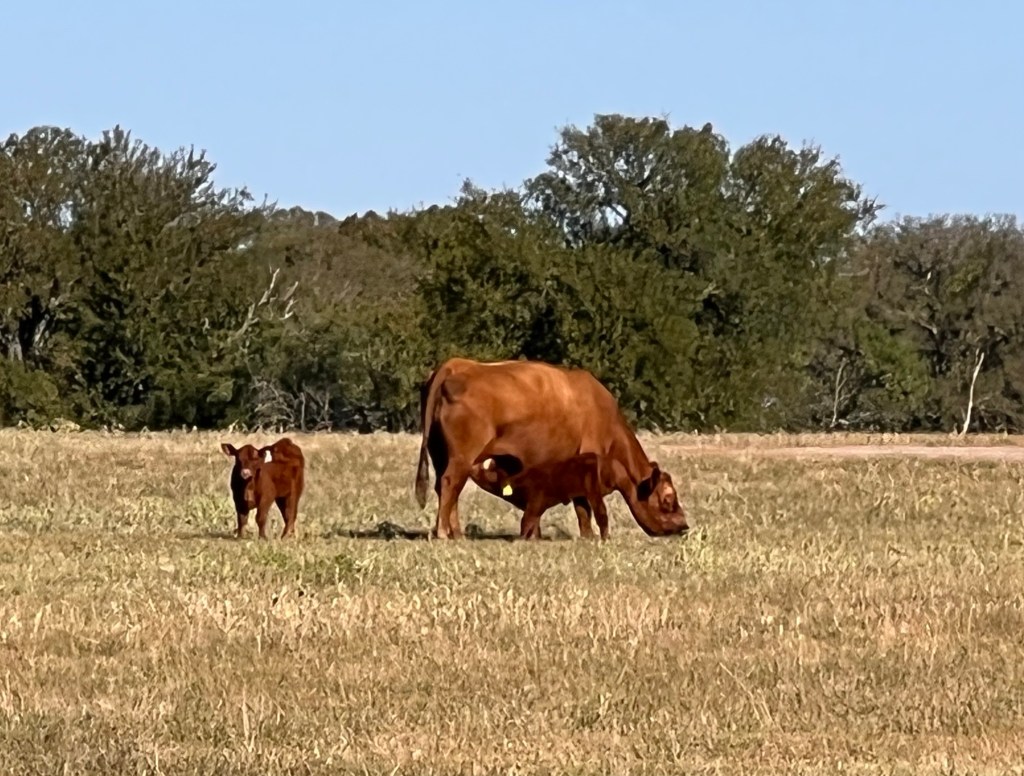
I was happy to see all the twin calves having a good time in the pasture behind us. The cow who was hugely pregnant did indeed have twins. I’m sure she’s really glad to get them OUT of her. The little one’s a hoot. He got hungry and started bellowing for her. She came through!

It’s simply restorative to just take in all that you see around here. Then I feel good heading in for more technical writing and helping lovely people with their software dilemmas. I even enjoyed the sparrows that eat all my chicken food. And of course, my horsies!