Still I’m a little surprised that I managed to get in so many interesting observations when camping under an official “heat dome” phenomenon. I think what helped was that some of the interesting things showed up right next to me.
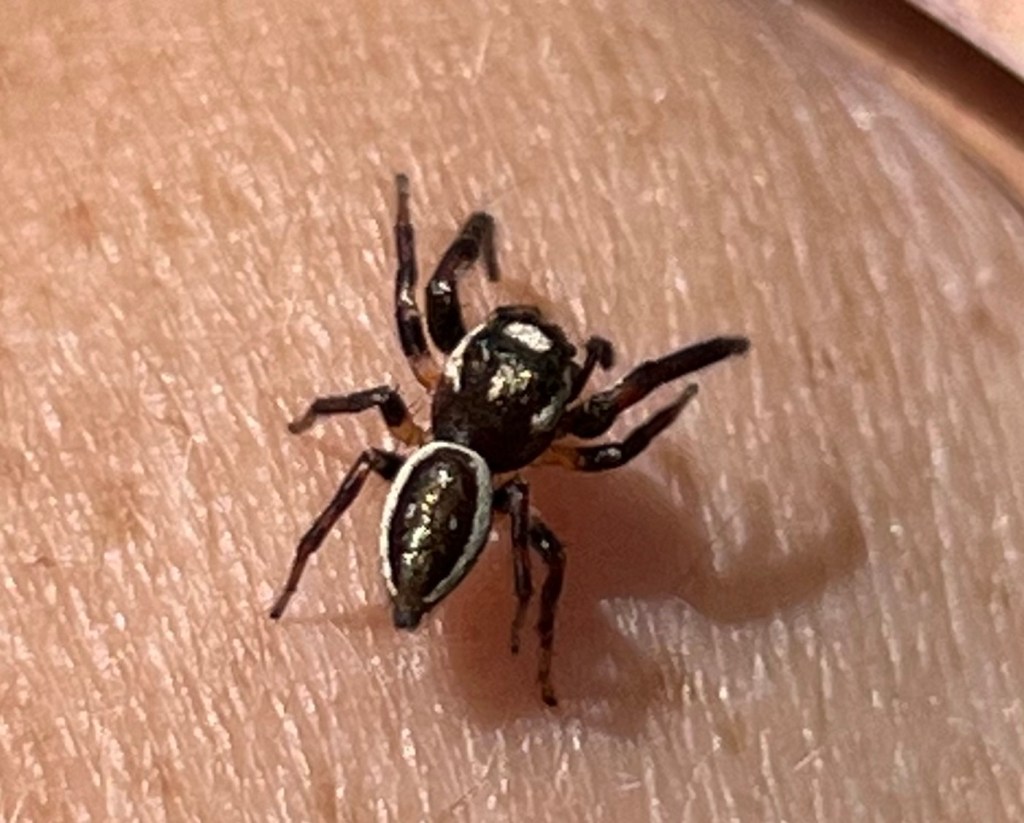
This little feller was conveniently on my hand this morning. It’s a bronze jumping spider.
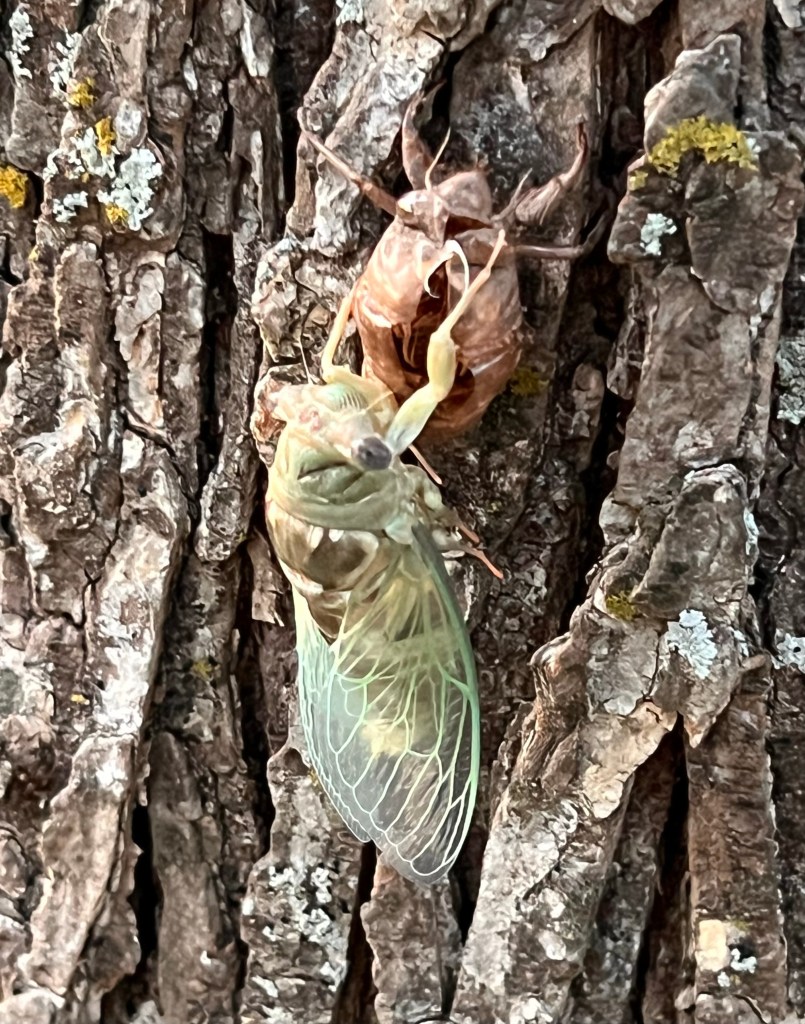
It also helps to be around people who are as excited about nature as you are. Our camping neighbors were very excited that one of them had found a live cicada. Then, when he went to show us, it had just emerged from its old exoskeleton. He kept saying, “THAT WAS IN THERE??” It did appear much larger.
Resting up before starting to screech endlessly.
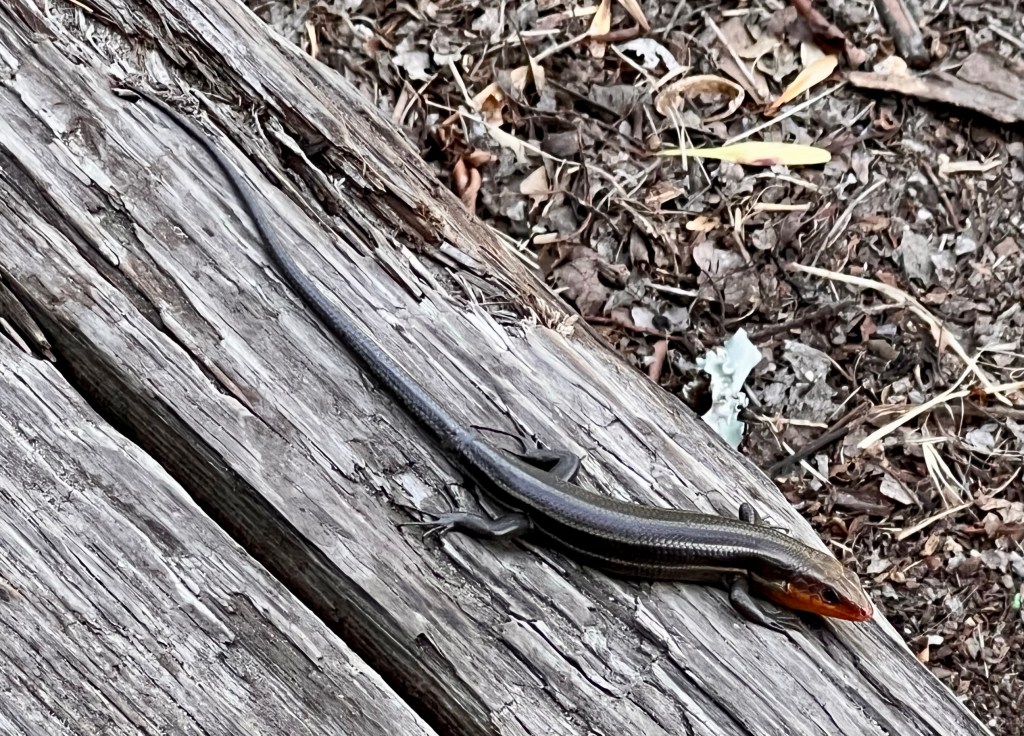
And here’s another beautiful sight to wonder over. This guy, a skink, was two feet from the RV steps. I really appreciate all that nature coming over to show itself to me.
Just dropped by to say hi.
And finally, I didn’t have to go far to see woodpeckers, either. A downy showed up. I like these little birds almost as much as the incredibly entertaining yellow-bellied sapsuckers (they are the smallest woodpecker). My photos weren’t great but I got to see it well through binoculars. The red-bellied male came over so often that I got the feeling he was used to us.
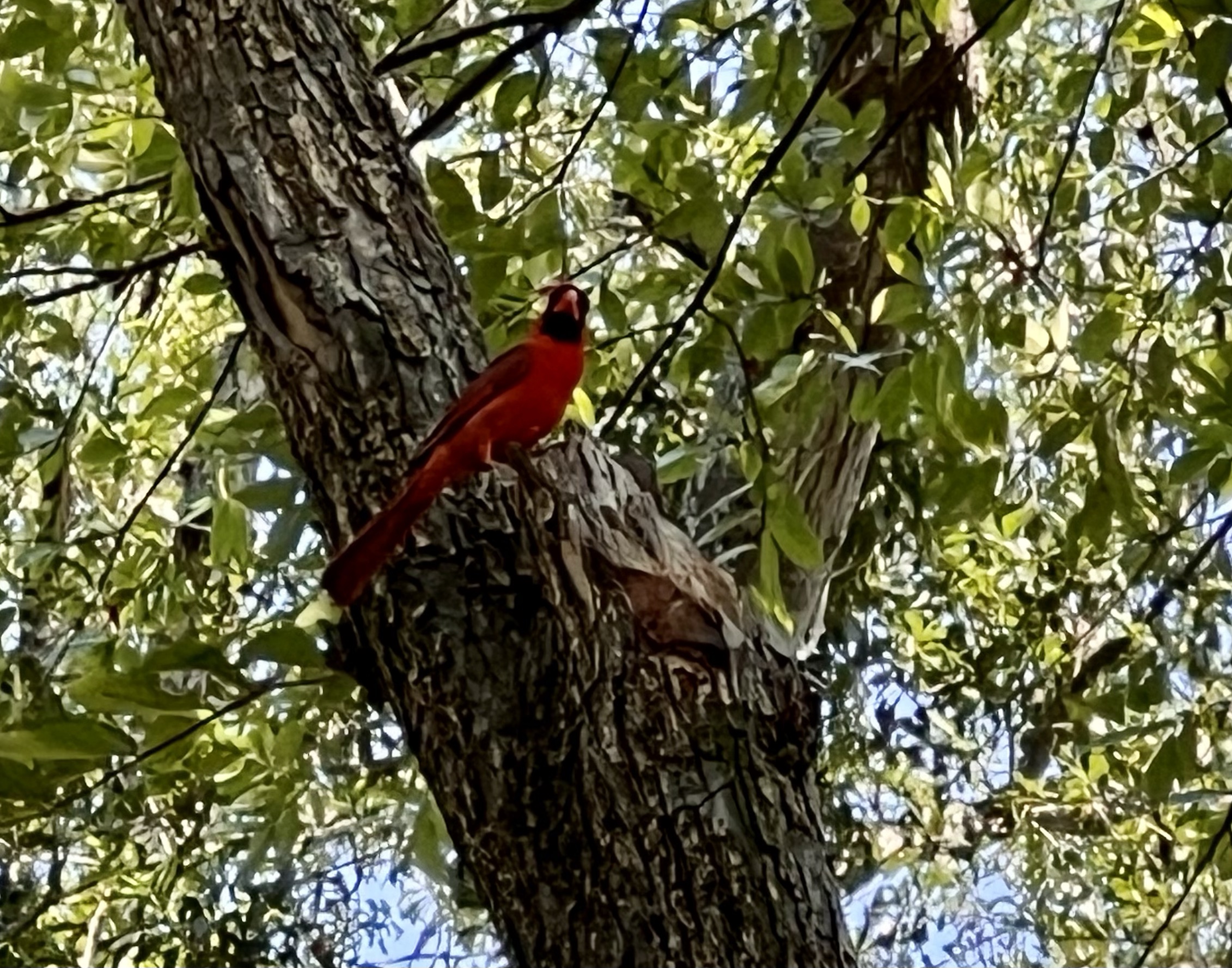
Male red-bellied woodpecker. I got too many photos Blurry downy woodpecker Even blurrier. Bonus crowBonus cardinal All these I saw from the lounge chair.
I had to go a little further to get butterfly photos, but there were lots at the campsite, too. I just got all lost enjoying the giant swallowtails meandering around. Here are a few others I saw.
I can’t help it. Buckeyes are too pretty to omit. This red admiral would NOT open his wings. Another confused Cloudywing. What a name. Giant swallowtailIt rested quite a while. I enjoyed that.
I am excited enough just to see new or unusual plants, but some of the other things I ran into filled me with awe. There’s just a lot of STUFF to see if you look around, and you don’t have to be at a park or zoo to see things that bring wonder.
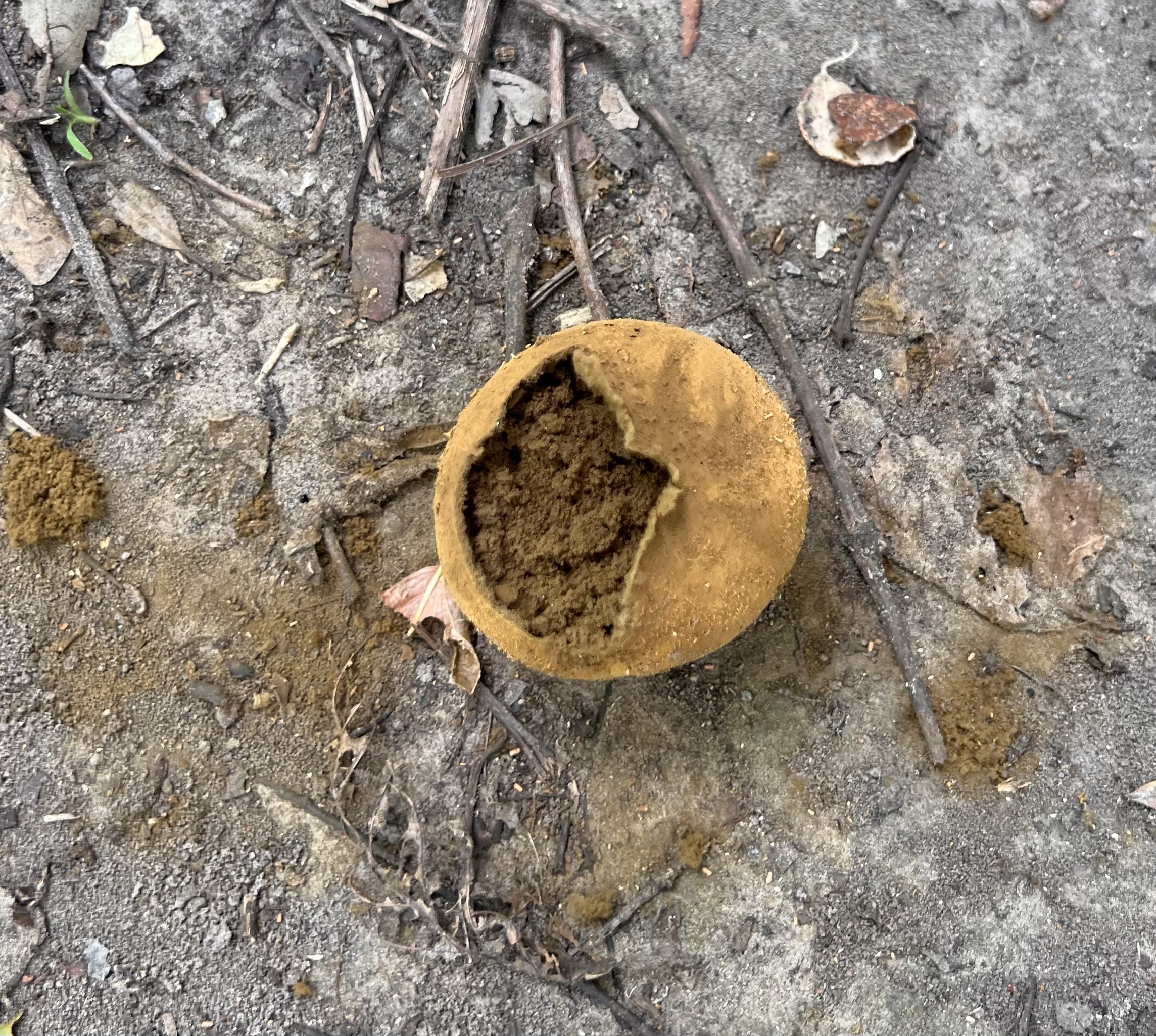
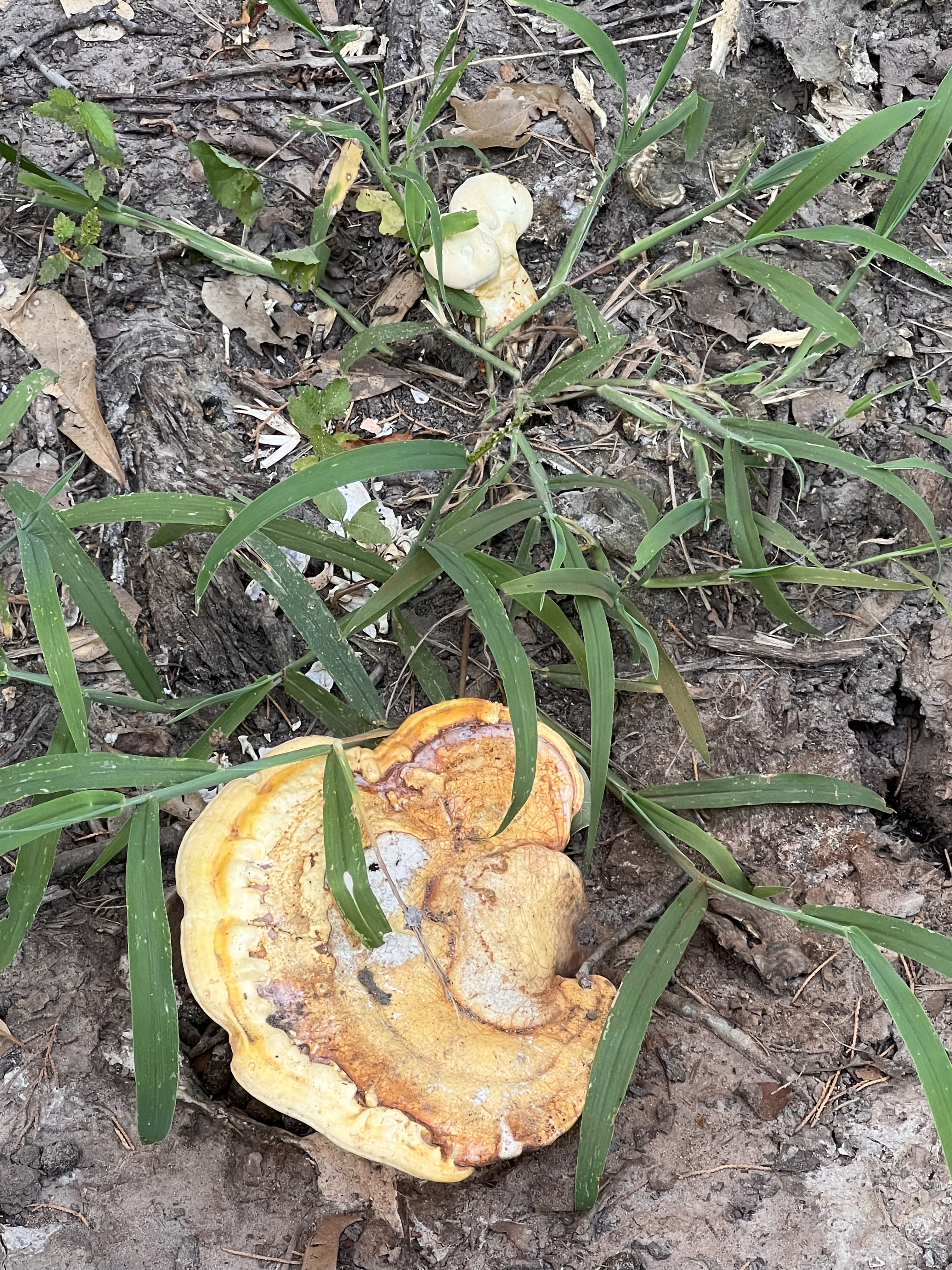
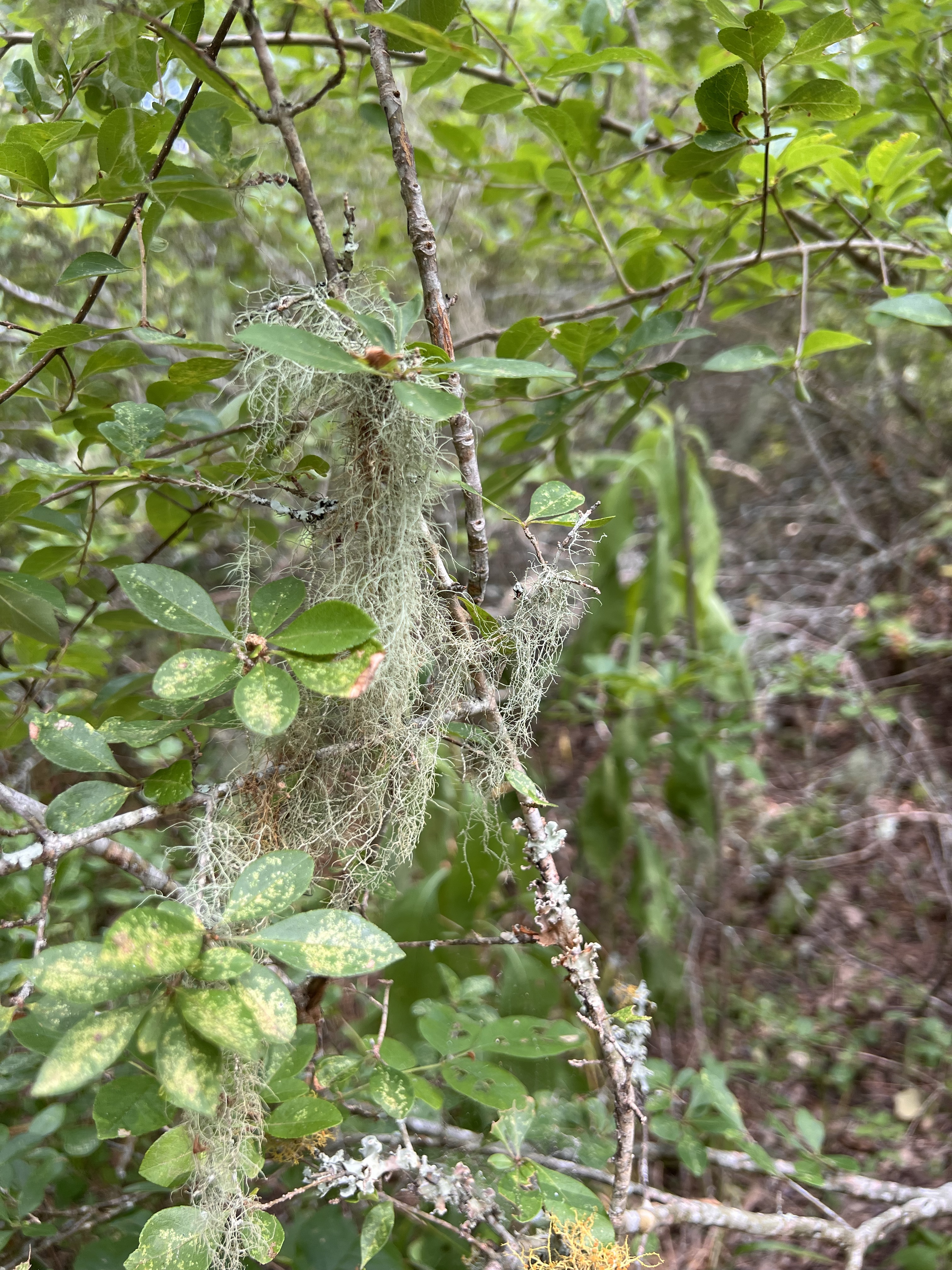
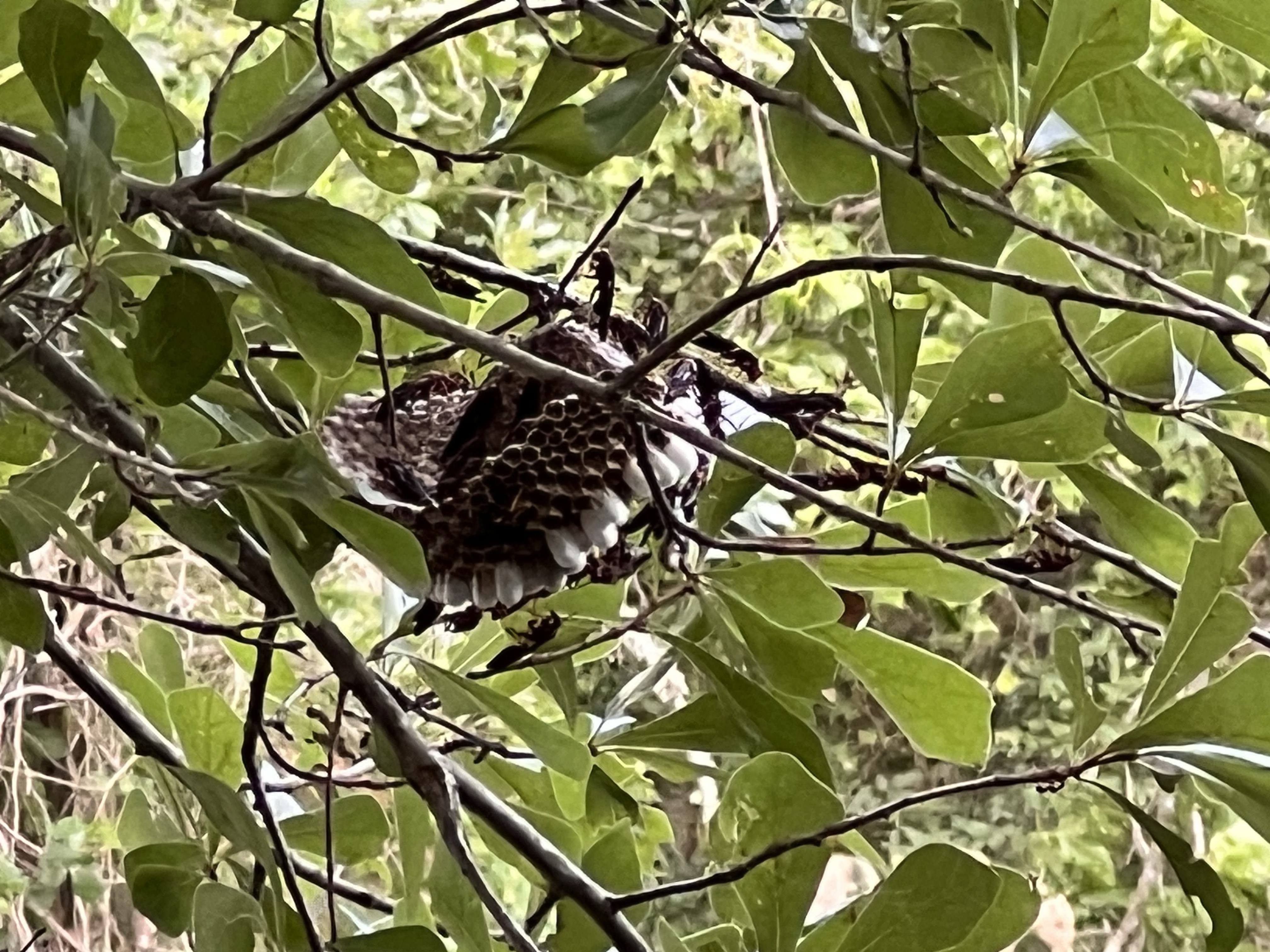
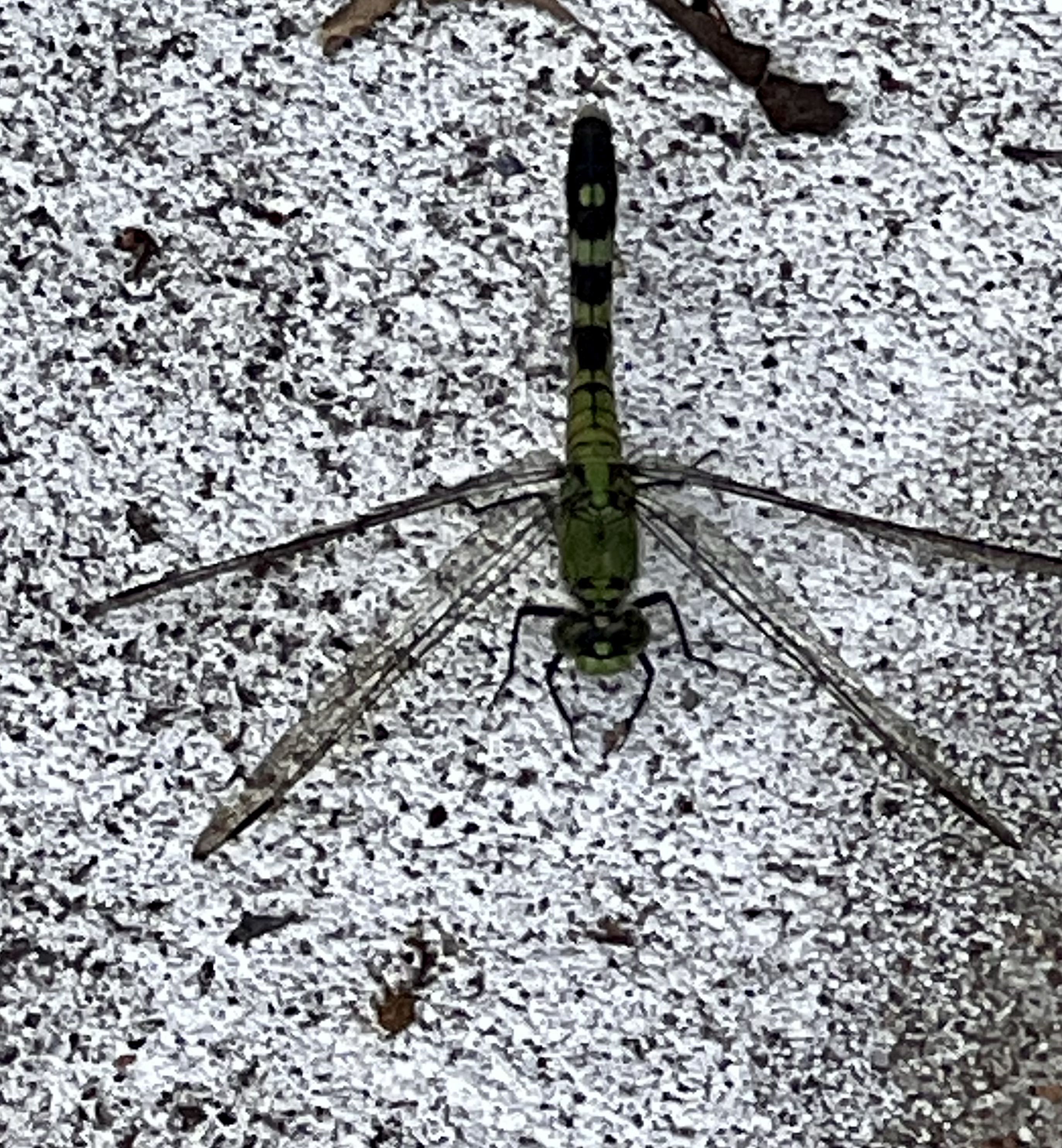
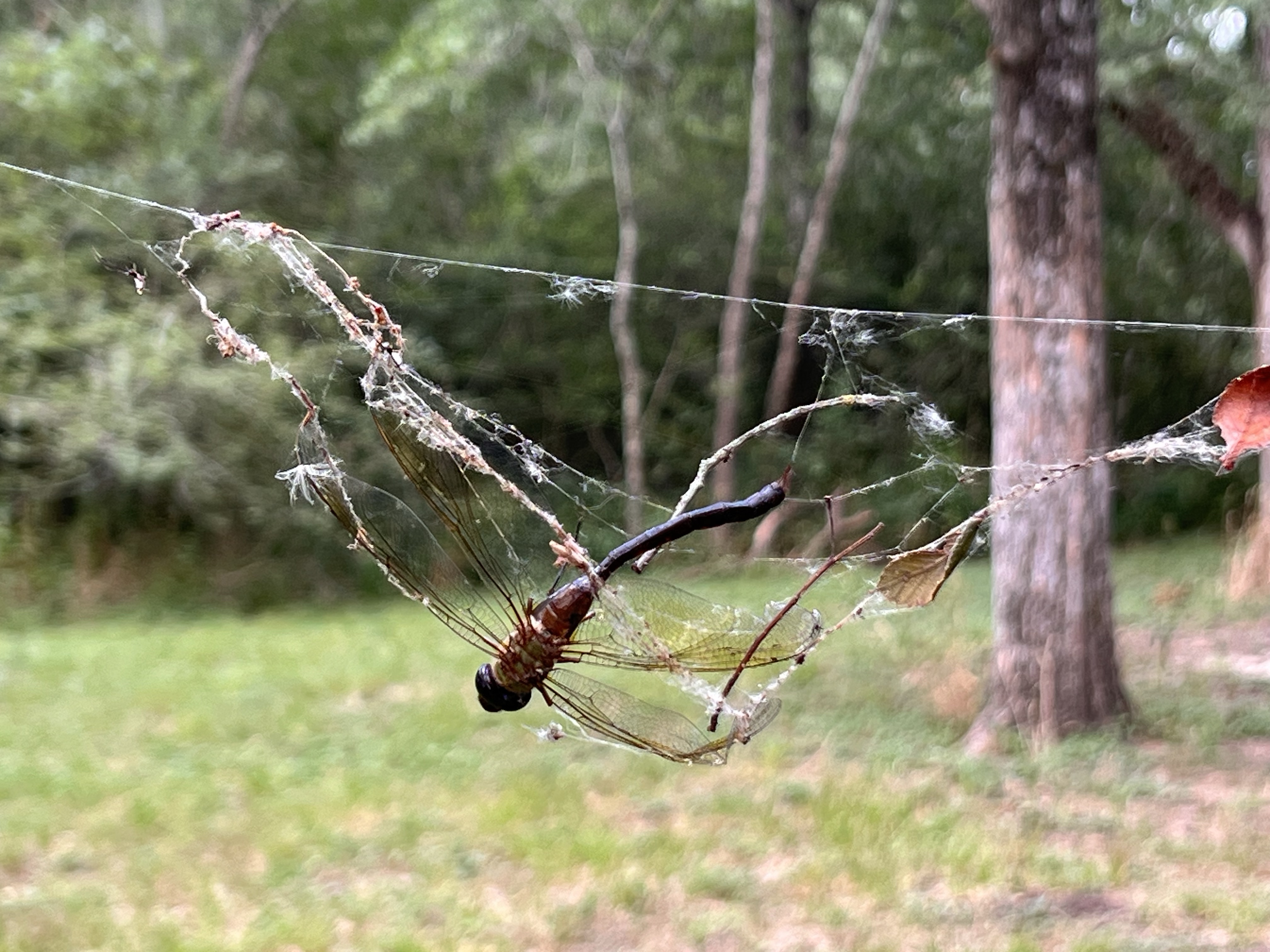
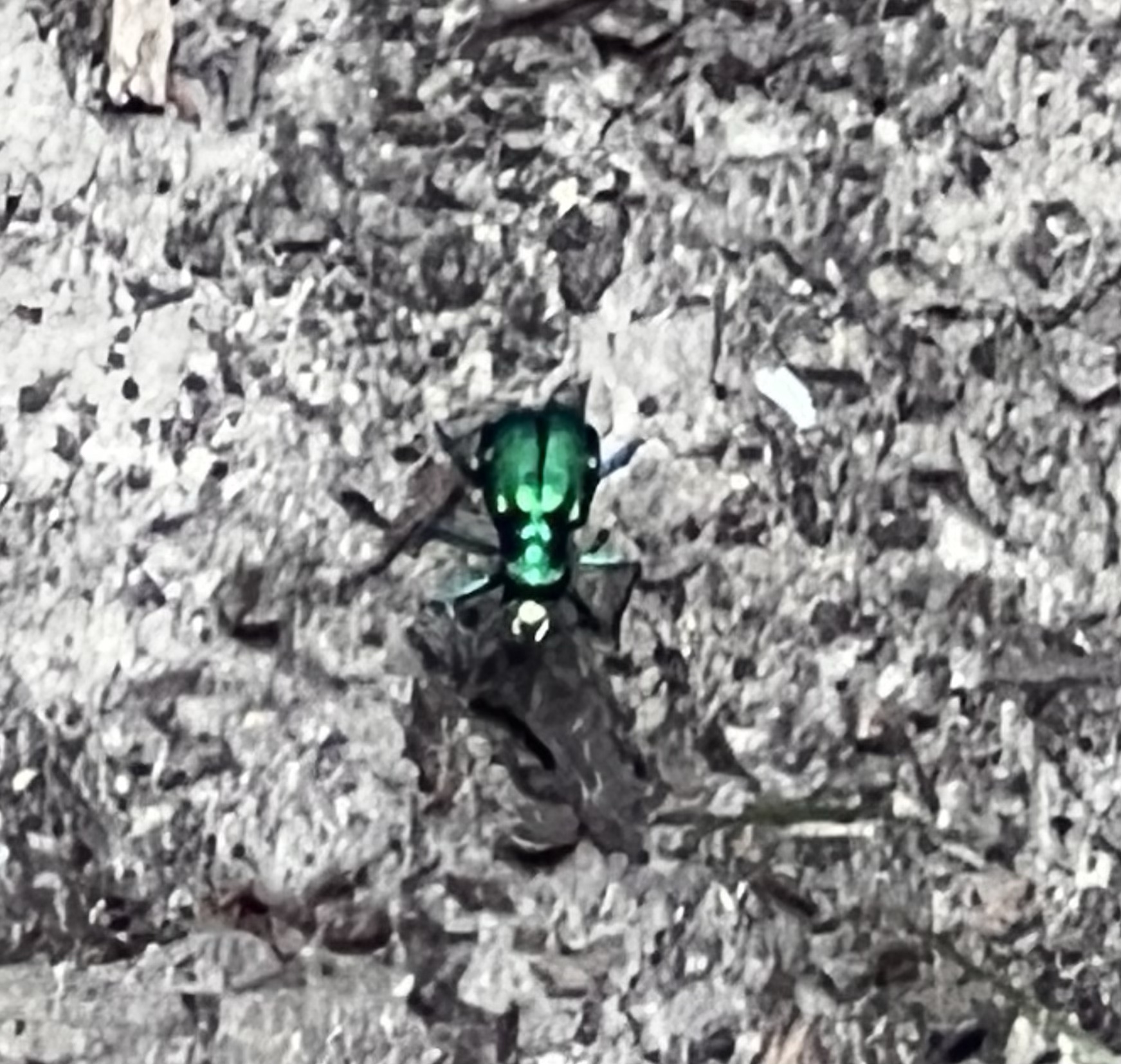
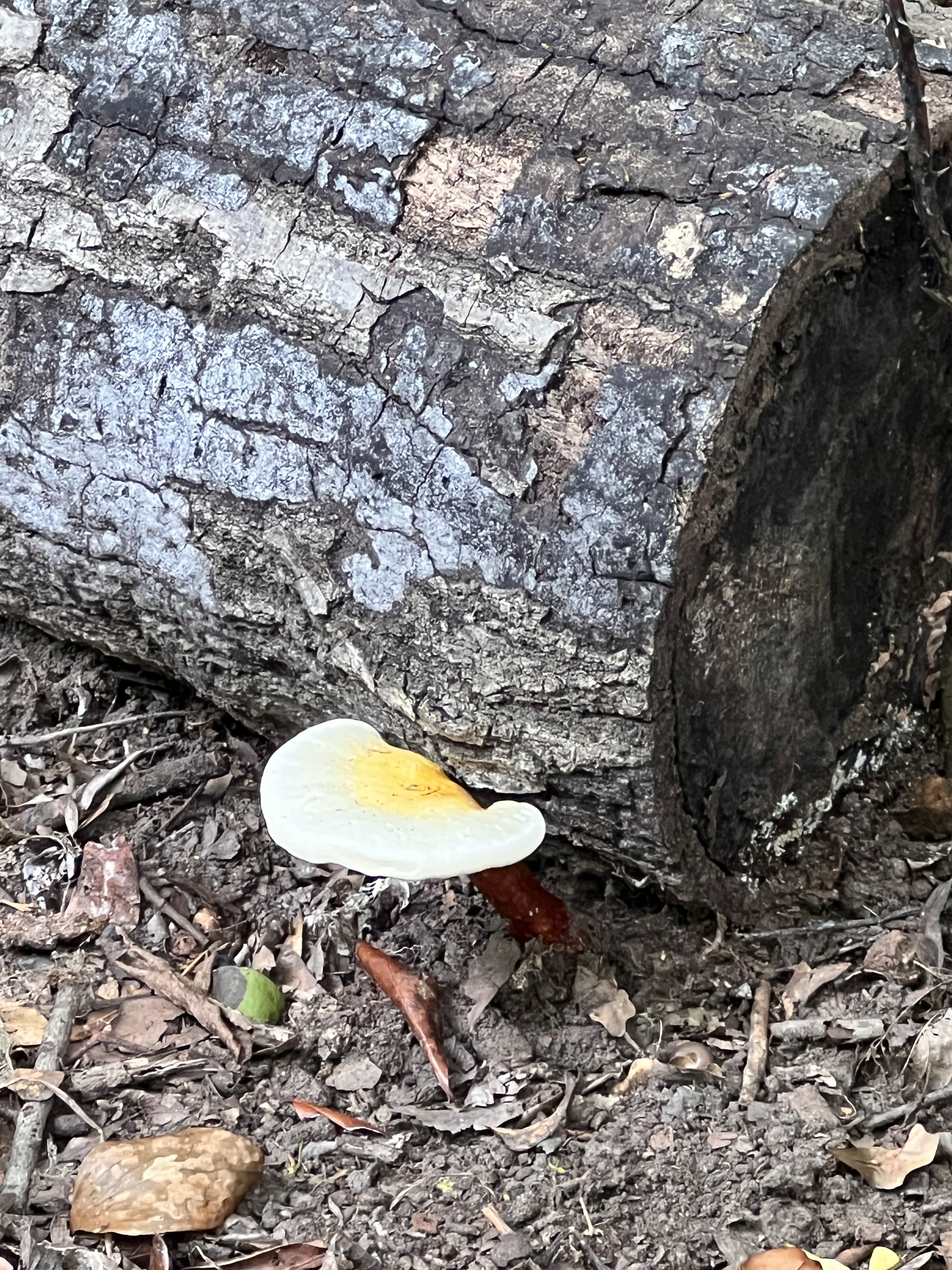
Robber fly. Scary. Amber wing. Love the shadow. Puff ball — it’s inedible. Beautiful golden reishi mushrooms Gilled polypore fungus Bushy beard lichenGrape shells Wasp nestFemale eastern pond hawkMake eastern pond hawkPardosa mercurialis (practically invisible!)That’s a powerful spiderwebSo green! Six-spotted tiger beetle. Looks like an egg!
There are wonders right at home, too. This evening, we were watching fledgling barn swallows trying out their swooping and diving techniques. They were small but agile. At some point, we couldn’t believe our eyes. One of those little birds was a large butterfly! It flew with the birds, swirling around like it was one of them. I think Kathleen and I were both dazzled. Did we really see that?
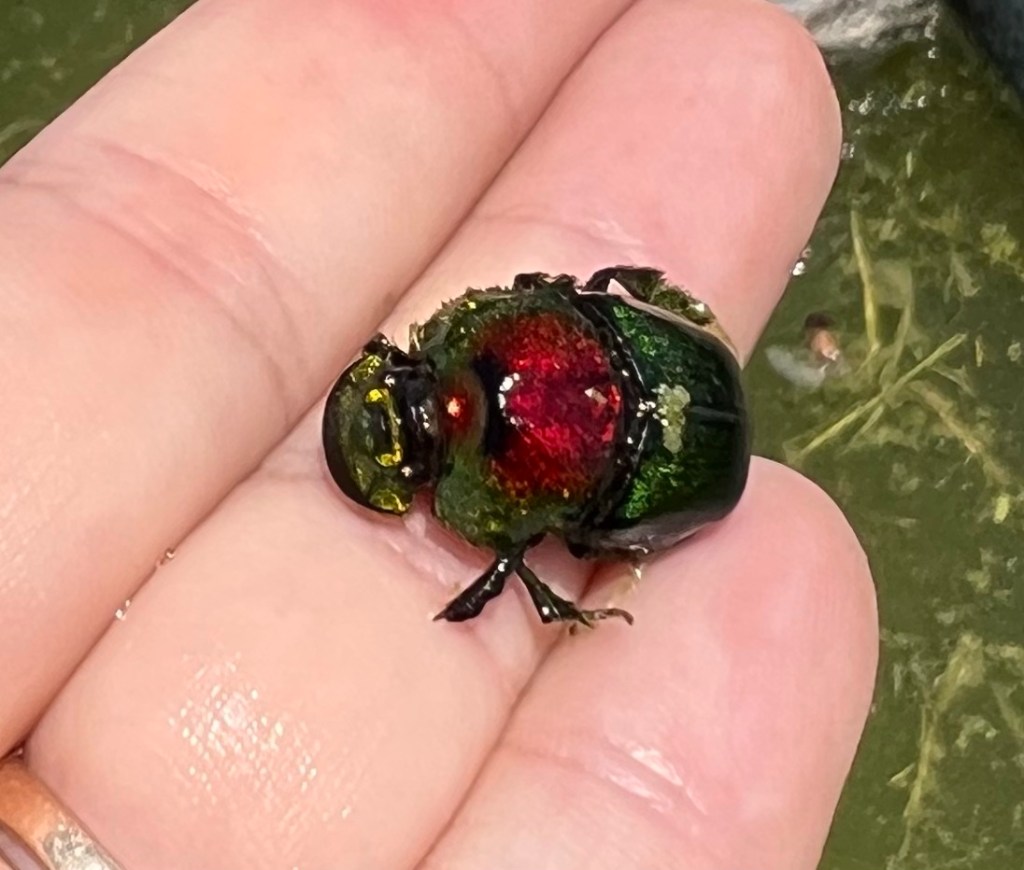
No photos of the flying display, so enjoy this rainbow scarab beetle.
Yep, it pays to be observant, even when you’re just relaxing behind the house. It pays to look around in the water trough, too. That’s where I found the beetle.
Someone told me last week that they just couldn’t understand how I’m able to observe so many things around me and have time to document it. I’d never thought about it being a challenge. It’s just what I do. And I find it so rewarding and fun to keep learning about life around me.
There’s always something to see!
So, in true formulaic blogger fashion, I’m going to list ways that you, too, can become a nature blogger (or at least a nature noticer).
1. Look where you’re going, up and down. When I lived in suburban Brushy Creek, near Round Rock, I always took long walks through my neighborhood, long before there were the great trails they have now. I tried to get my housemate, Jeff, to come along. He said it was boring, just going by those same houses every day. That flummoxed me. For me, I saw something different every day. The seasons changed, different flowers bloomed, birds flew by…but you had to look. Literally, there’s always something interesting to look at if you make an effort.
Today I looked up and saw a vulture stretching his wings.
2. Record what you see. I never go outside without my phone, because invariably there will be something I want to remember, even if I’m just checking the mail or gathering eggs. It takes a little practice to get good phone photos, and if you read this blog, you’ll know some of my images aren’t great, but they document what I’ve seen and let me look up more information.
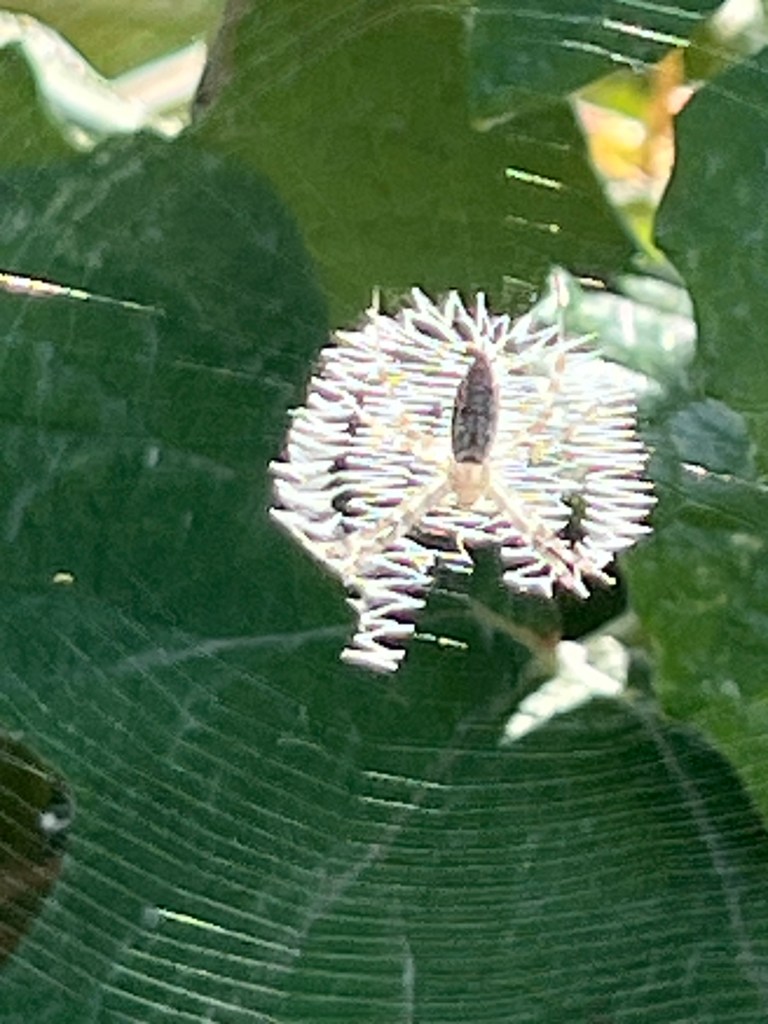
I wanted to know more about this guy. It’s apparently a young garden spider. I’m not sure.
3. Educate yourself. The reason I took the Master Naturalist class in 2018 was that I wanted to know more about where I live. This way I know what’s normal for this area and what’s unique. I learned how to use iNaturalist to narrow down what I see and to get more from Wikipedia and other sources. Just using the ID function on your phone or a simple identification app will quickly teach you what you’re likely to see and what to look out for.
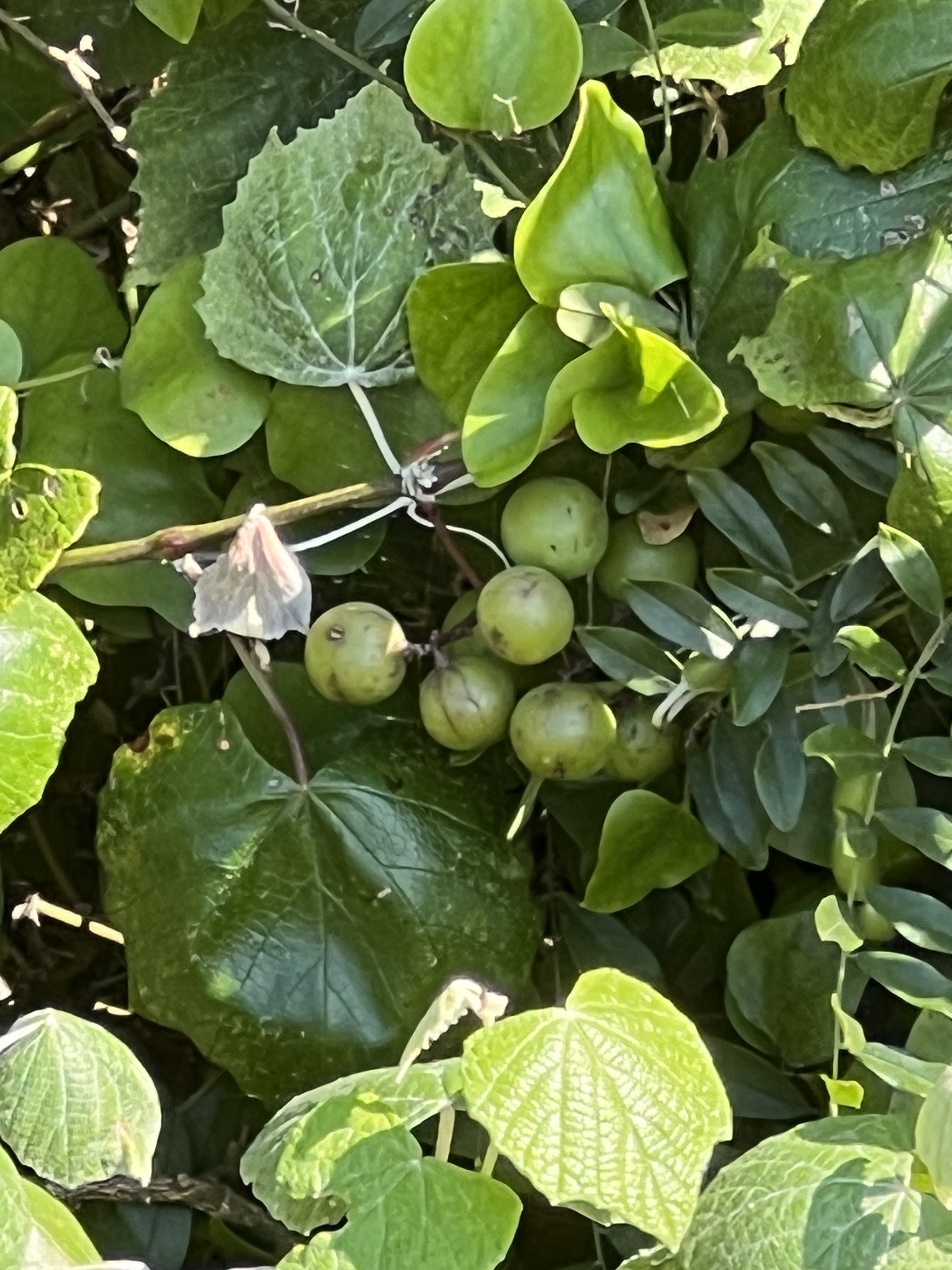
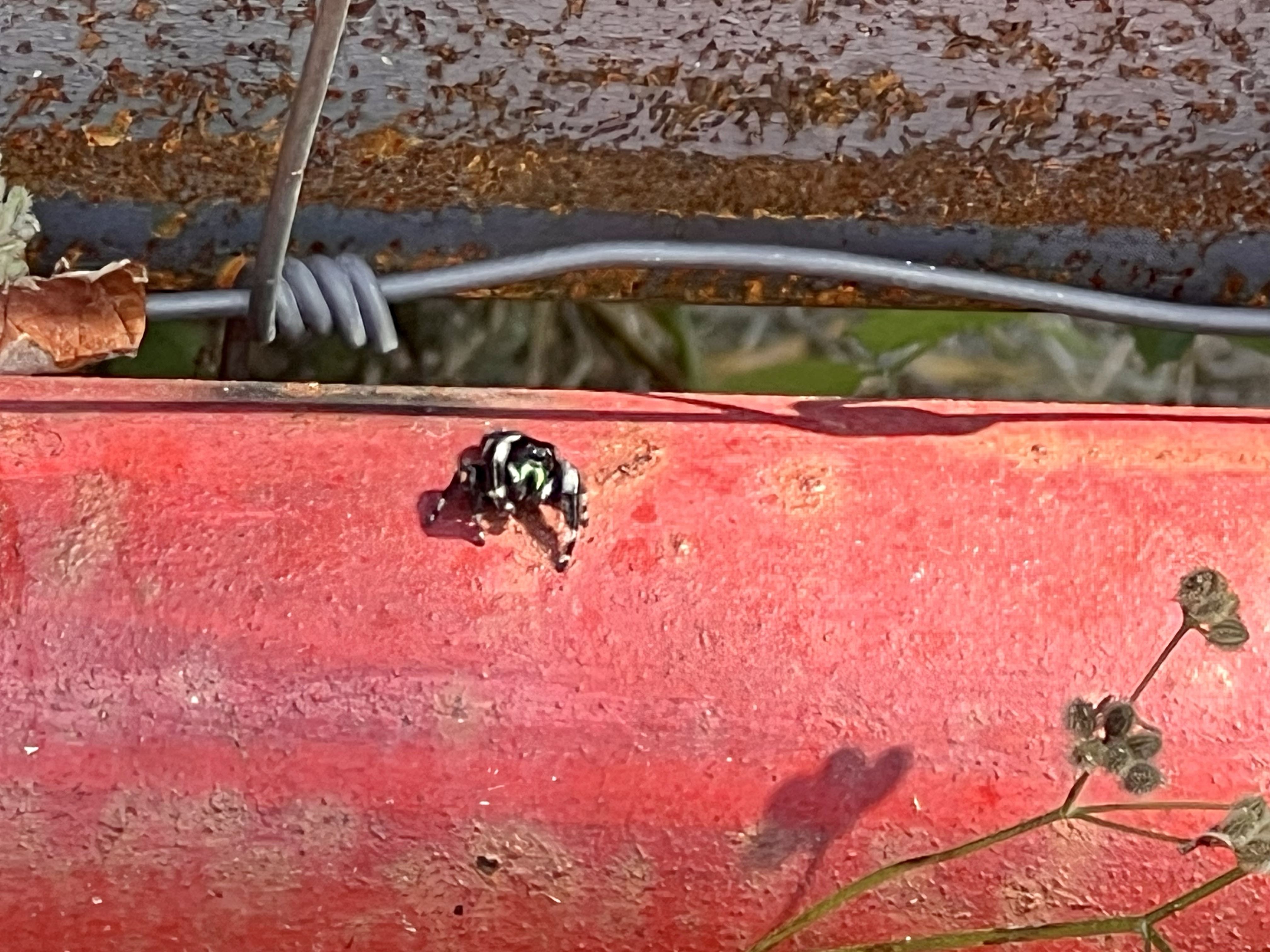
I knew it was time for the mustang grapes to start ripening. I did find a few!This is also prime time for spotting bold jumping spiders, our green-eyed friends.
4. Use all your senses. Listening for birds, butterflies, grasshoppers, and frogs helps a lot in knowing what’s around you. I wish there was a Merlin Frog ID app and a similar one for crickets and other insects. I hear them but only can ID a few frogs. And don’t forget the sense of smell! I know when rain lilies are out before I see them, and I’ve mentioned how lovely the aroma of bluebonnets and white clover can be!
The bluebonnets are just about done. This genista broom moth caterpillar found one.
5. Write it down or log it somehow. You’ll never remember all the things you see. That’s why I upload my photos to iNaturalist and add notes. It’s also really why I blog. I want to remember the stories behind where I’ve been, what I’ve seen, and how it affects me. I have a record of how the weather changes and what new things pop up. A notebook or journal is another great option. You can log the temperature and make art, like the afghan I’m making, or keep records of rainfall through the years like my husband does. It’s fascinating to analyze.
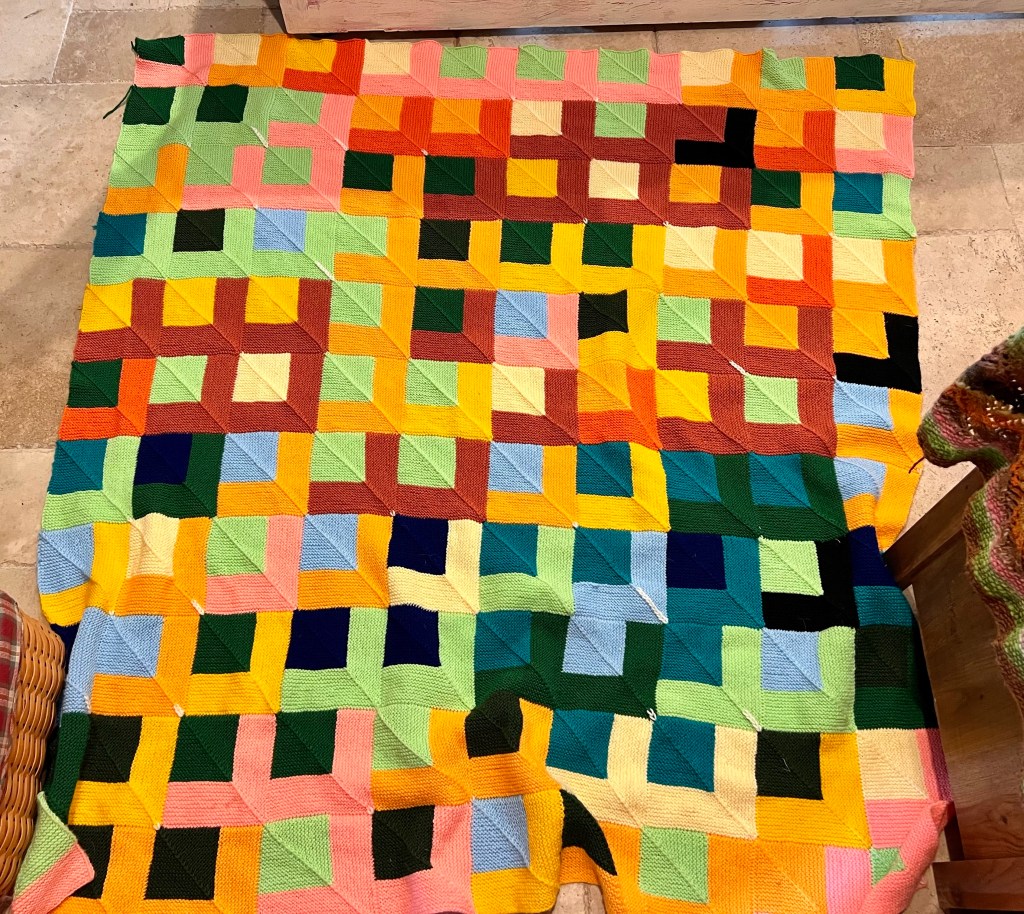
This temperature blanket has turned into a monster. I’ve decided I’m making it in 3 parts and sewing it together later.
6. Keep at it. That’s the key. The longer you make the effort to observe the world around you, make a record of what you’ve seen, and written up notes, the more you’ll have to compare, the easier it will be to identify who shares this world with you, and the more likely you are to want to care for the planet that cares for you.
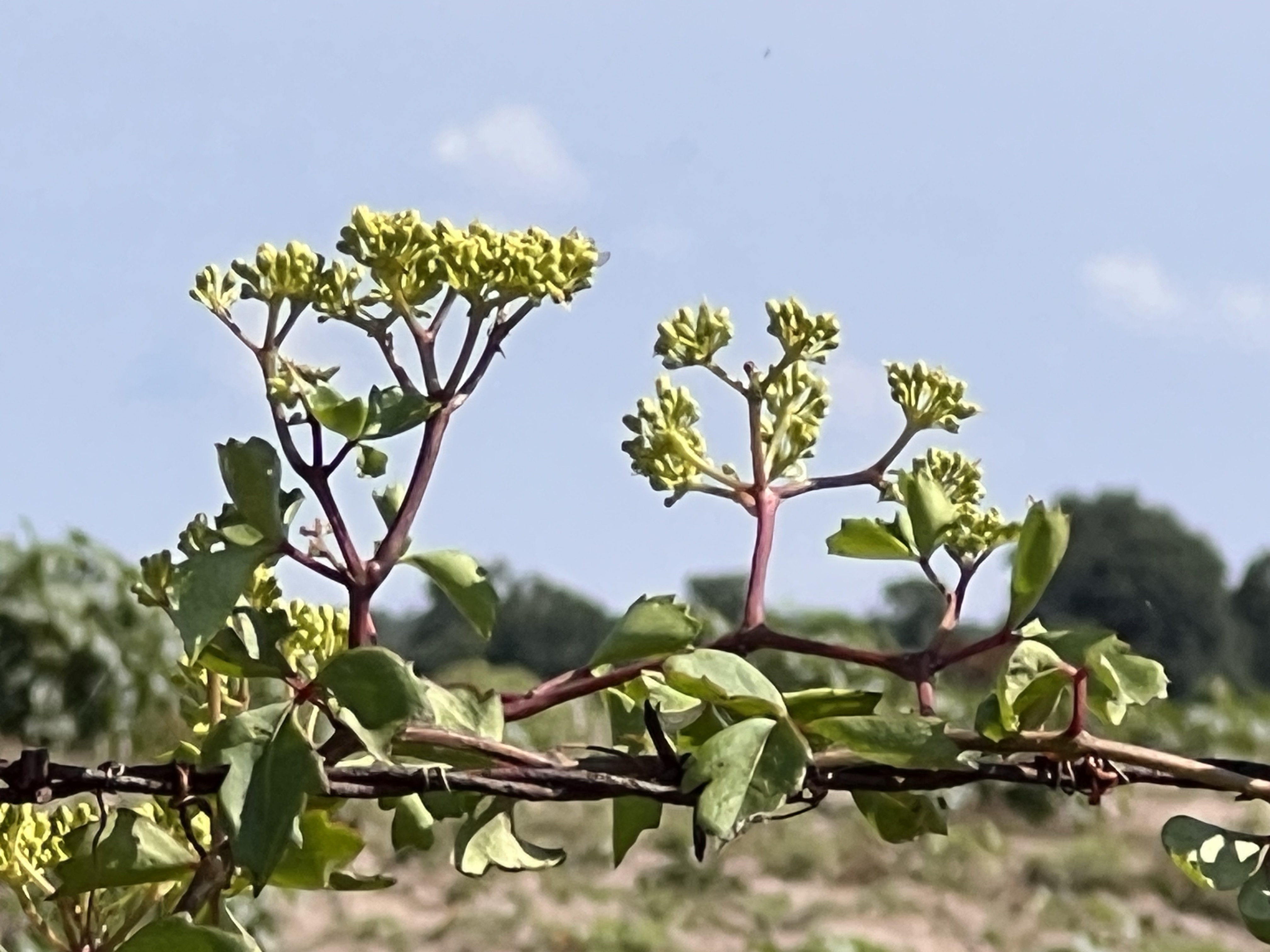
Sorelvine in bloom.
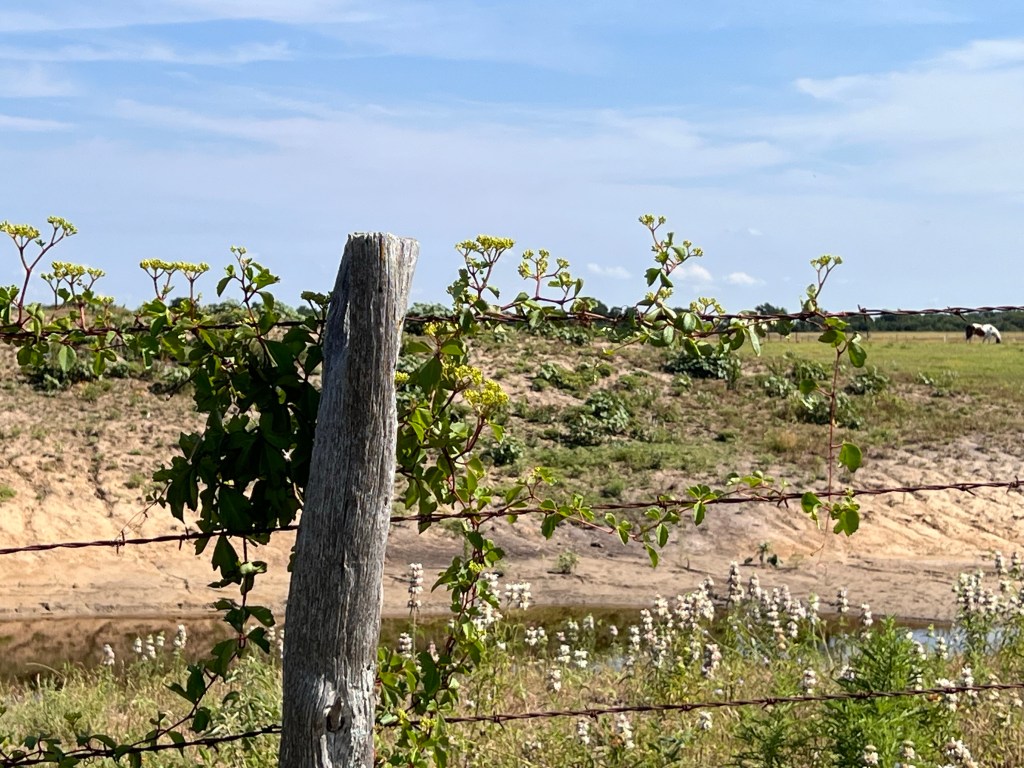
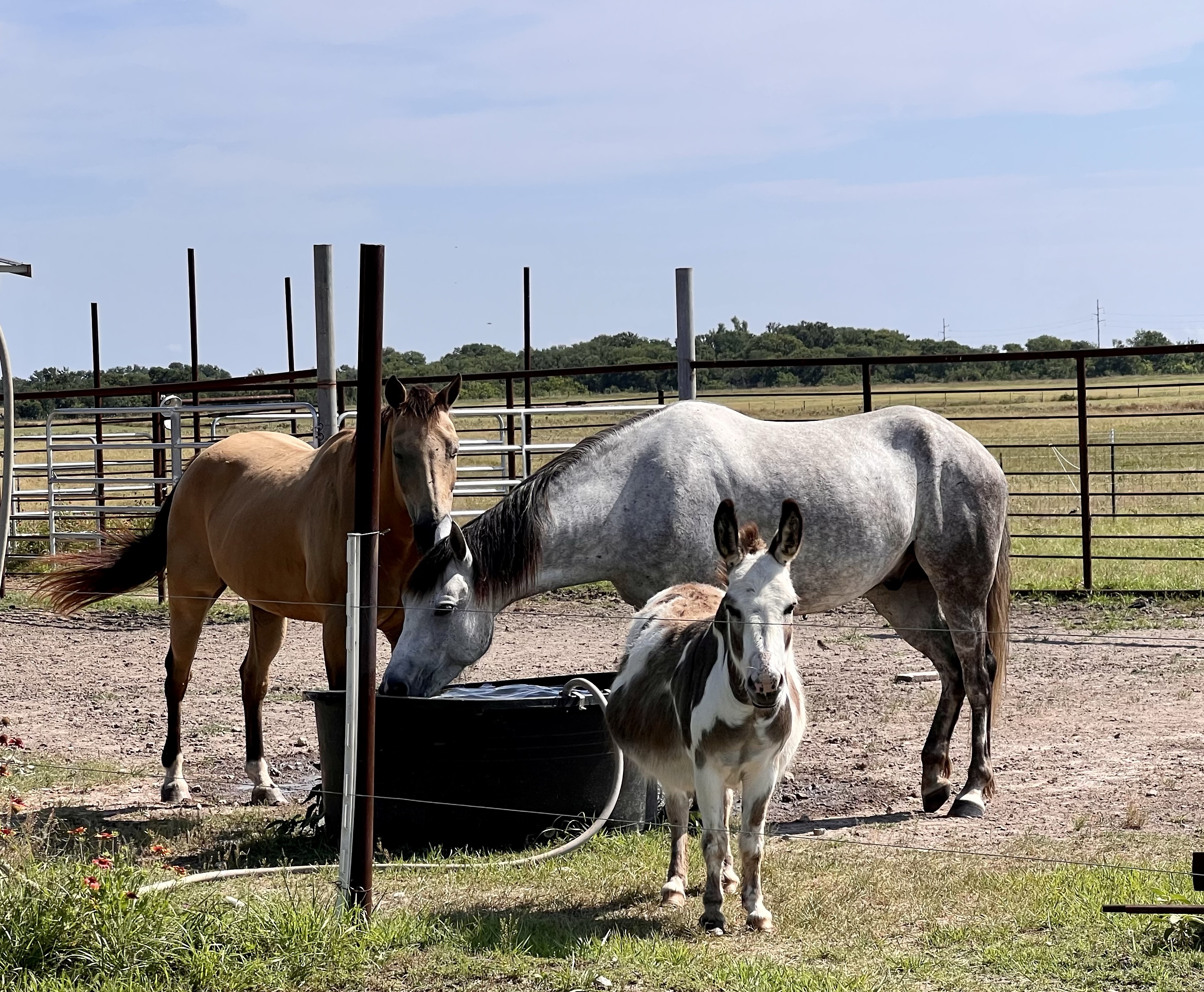
Well, that’s what I think. I’m glad I got to get out a little today and look around. I’ve not been feeling well for a few days, so I’ve been taking it easy. I’ve got plans to help me handle the heat better than I did over the weekend! Now enjoy the outcome of my observations today, of the ranch in late spring.
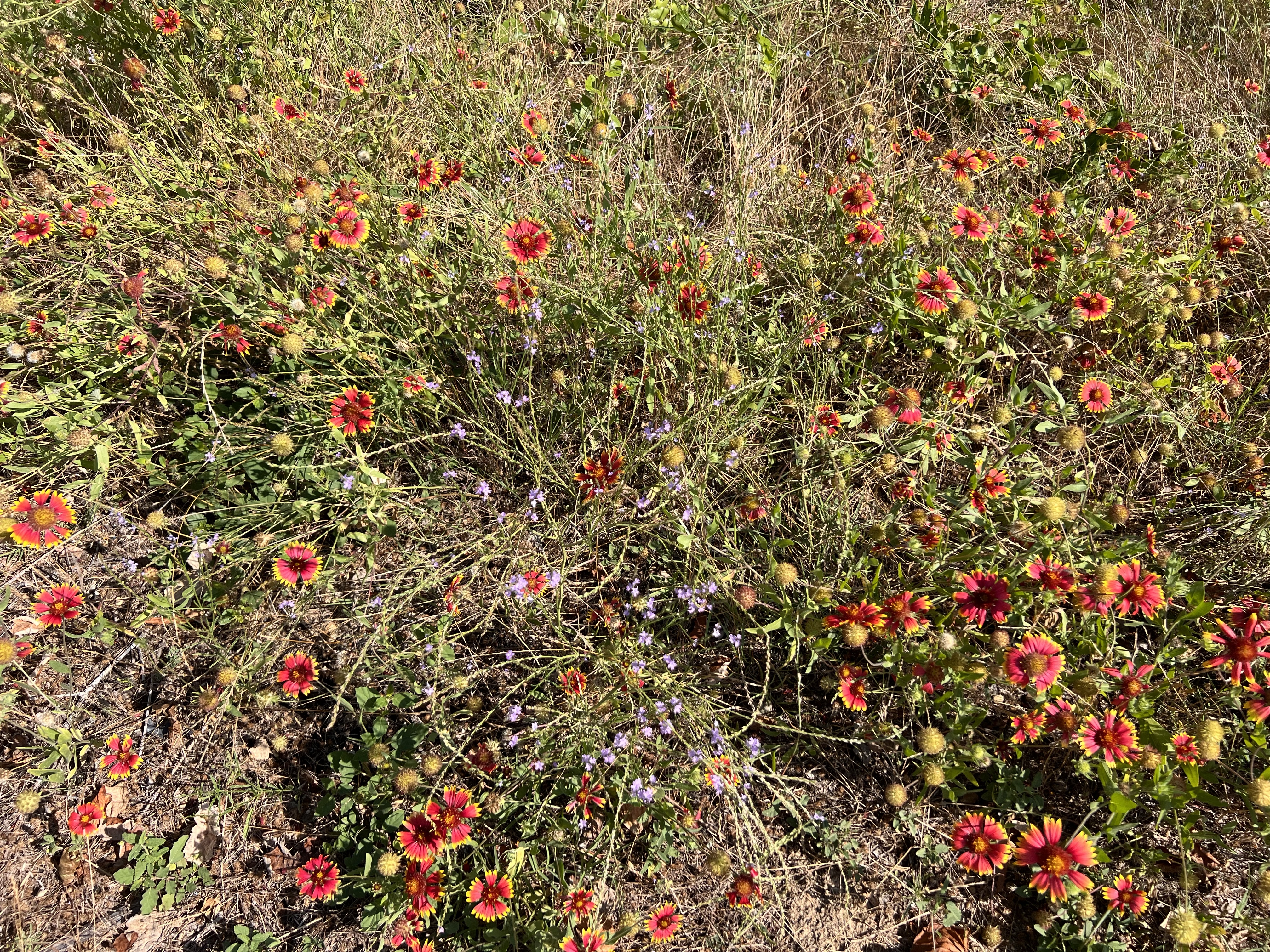
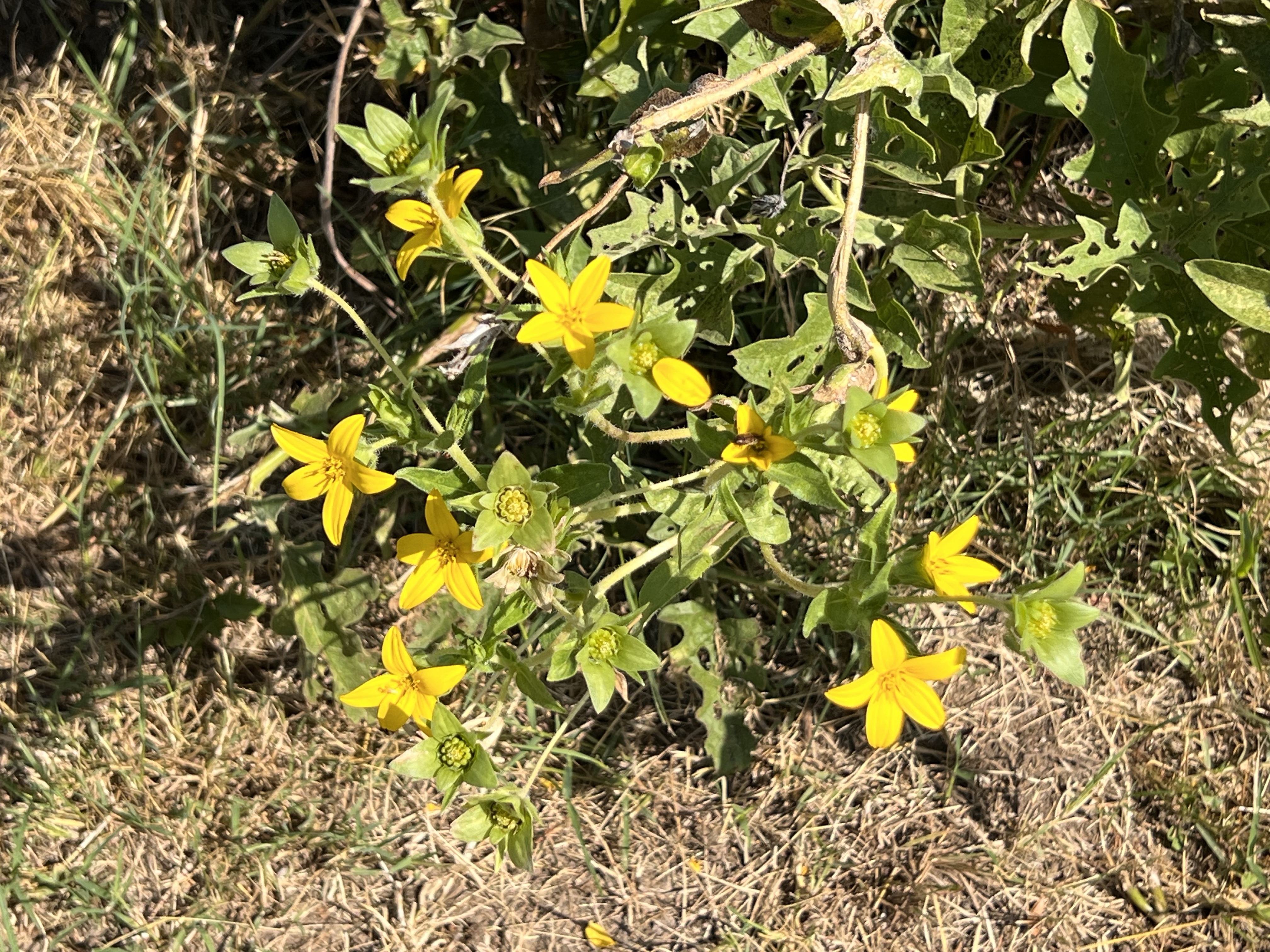
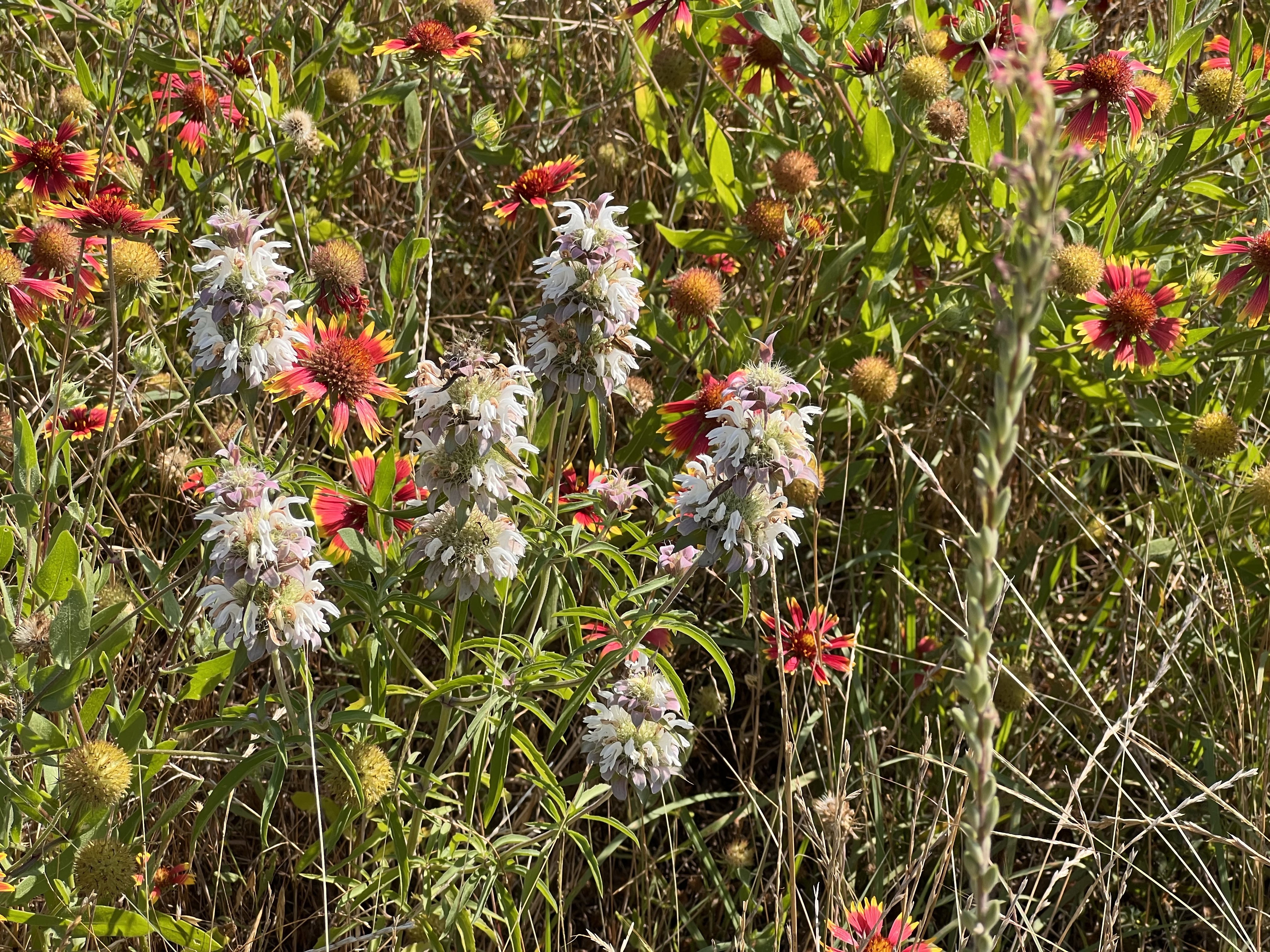
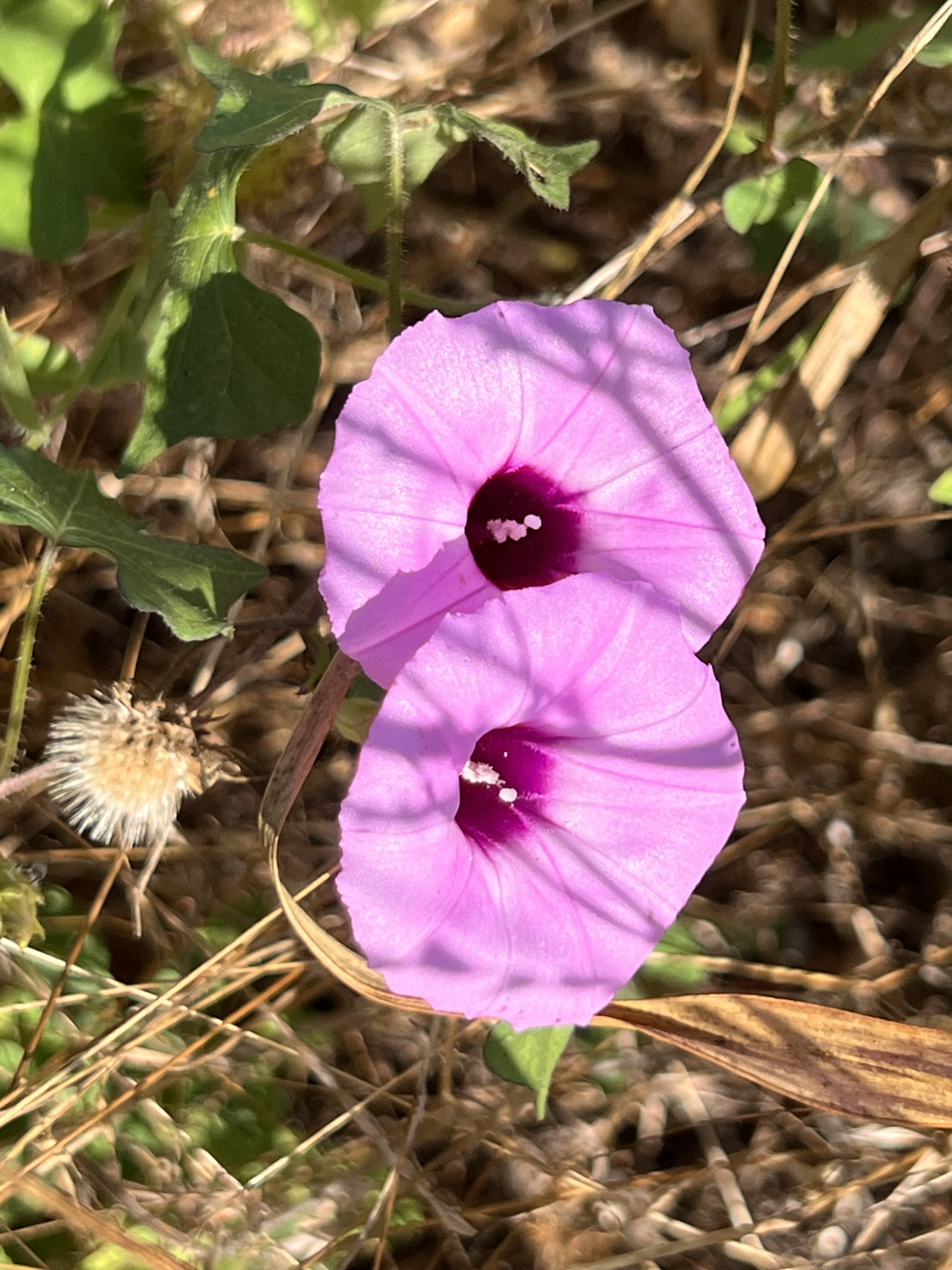
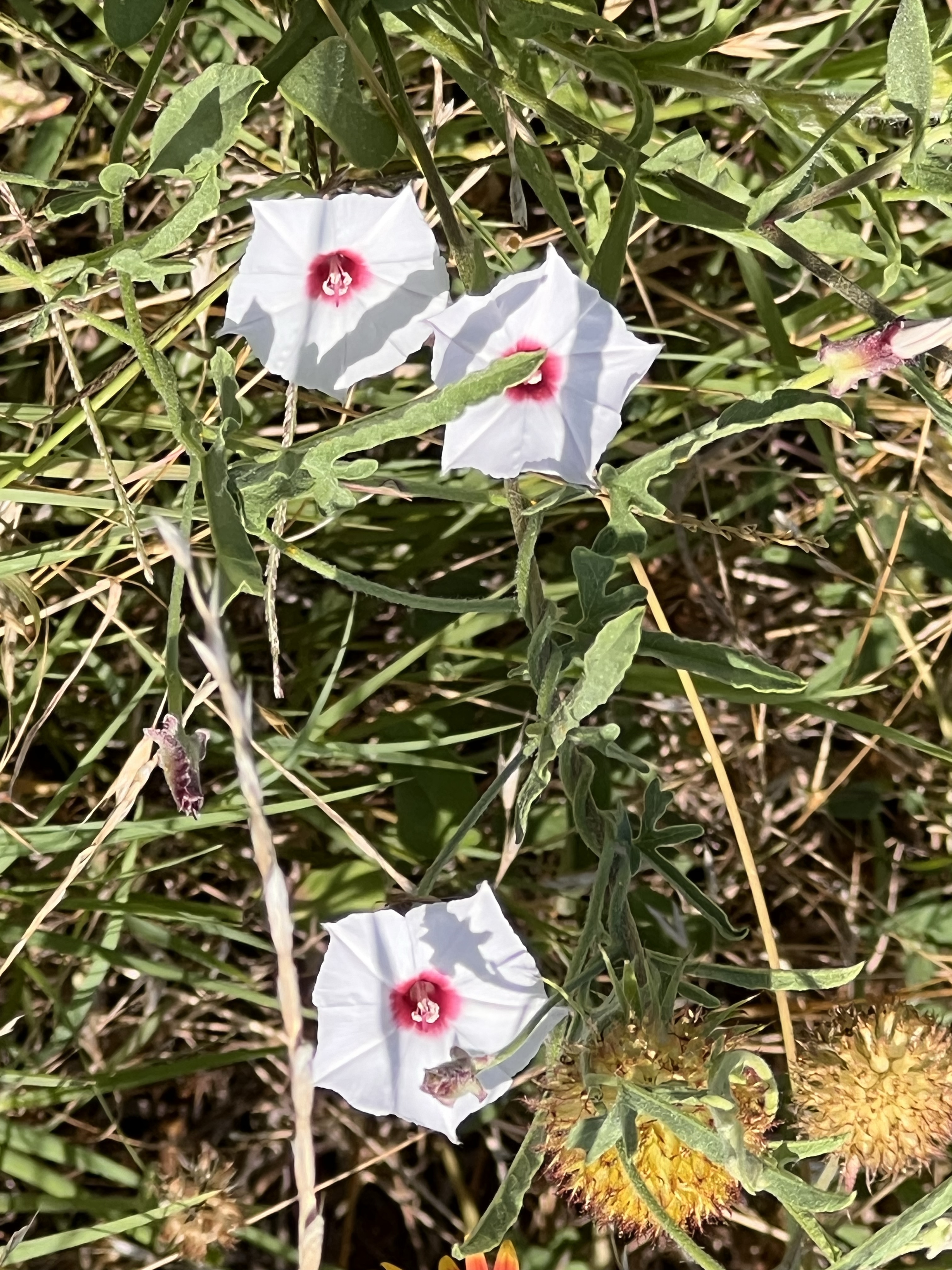
Just some of the remaining wildflowers Pretty Texas Star A perfect Engelmann daisyBeautiful Dakota mock vervain Indian blanket flowers and seed heads are attractive. Lemon bee balm smells incredible Tievine or wild morning glory. Prettier when not by my pool. Dainty tievine Bindweed, another pretty vine when not binding things. The sorrelvine is just a nice plant. Good ole sunflowers, not popular with Farmer’sMy homeMy beautiful flowers that certain people would like to mow. Splashing around the trough.


















 The Hermits' Rest