Working for a Good Cause and Making New Friends

Whew. I’m a tired gal. But it was fun getting that way and I was rewarded with a pleasant evening.

Seeing a Common Mestra made my day.

It’s time for the Texas Master Naturalist Annual Meeting. So I drove to the Shield Ranch somewhere in Southwest Travis County or Hays County to start my activities. I didn’t really know what I was getting into, but it looked like an interesting spot in the field session description.
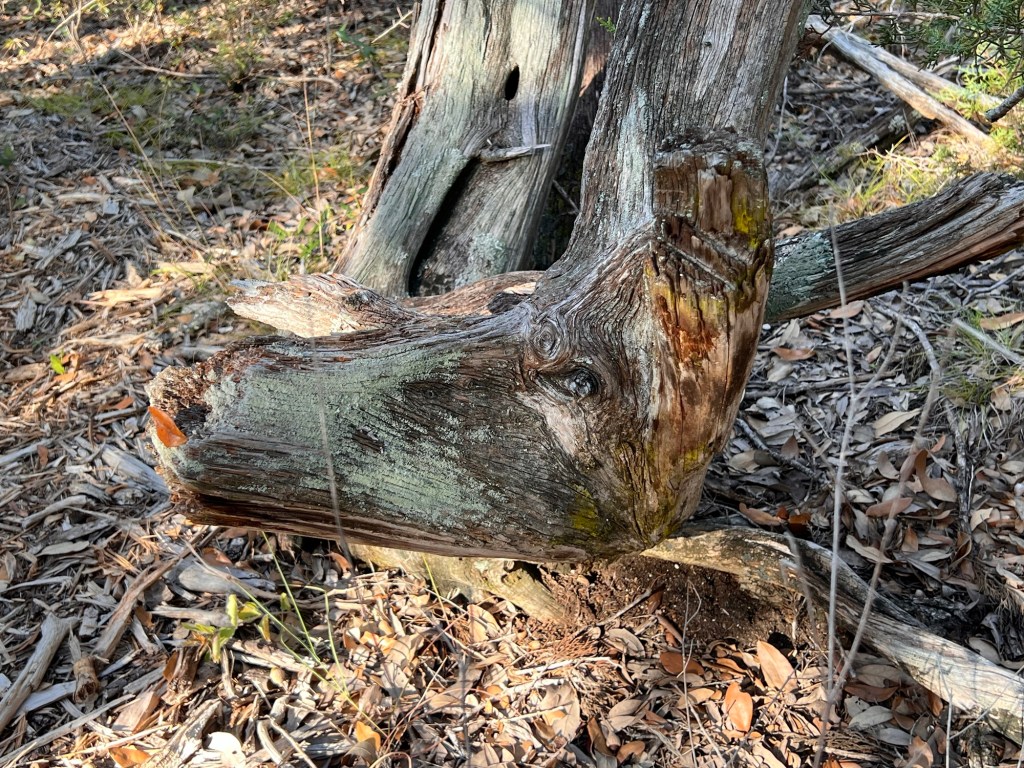
It had an interesting stump that looks like an animal head.

When I got there (after having to go through rush hour in west Austin) I found that the session included doing some dirty work. And there I was in my white shirt. Silly me.

That’s me in the white shirt holding the seed sack.

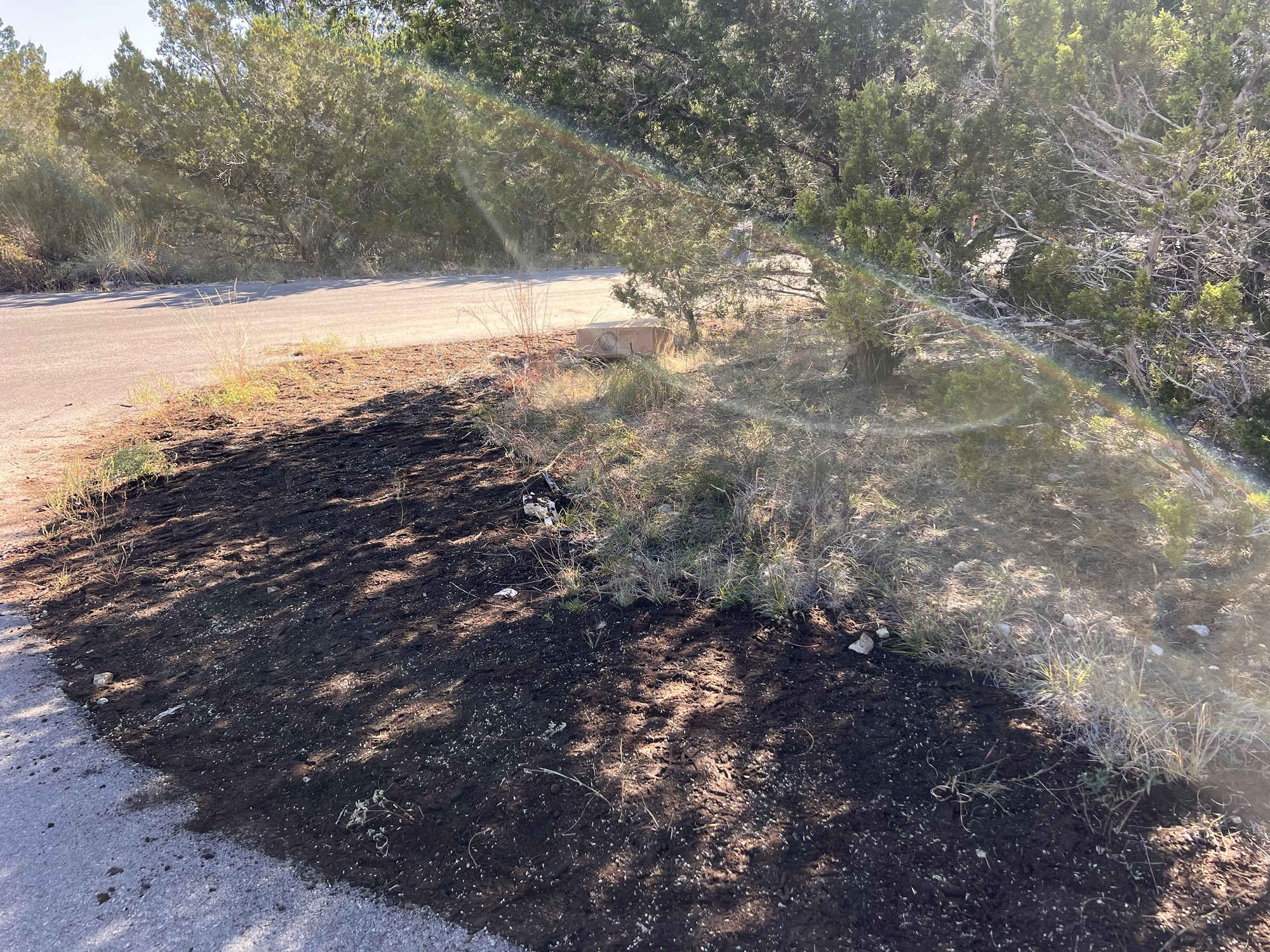
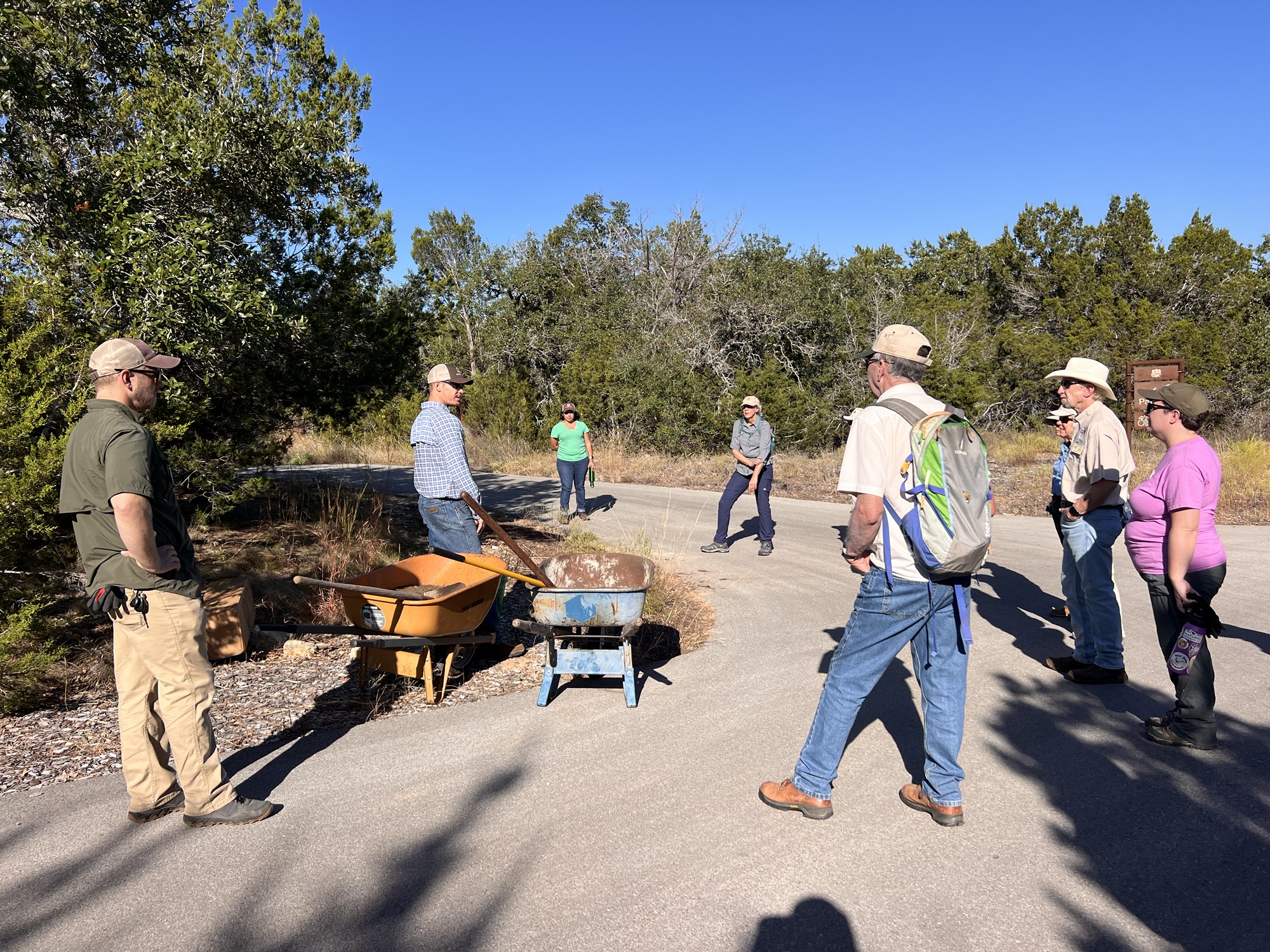
But we intrepid volunteers all had a good time, I think. We prepared ground with topsoil and composted horse manure (much lifting, wheelbarrow wrangling, raking and mixing). I mostly threw native plant seeds appropriate to the part of the world where the ranch is on top of that mix. It sounds easy but that seed bucket was heavy. My left arm is telling me that, right now.
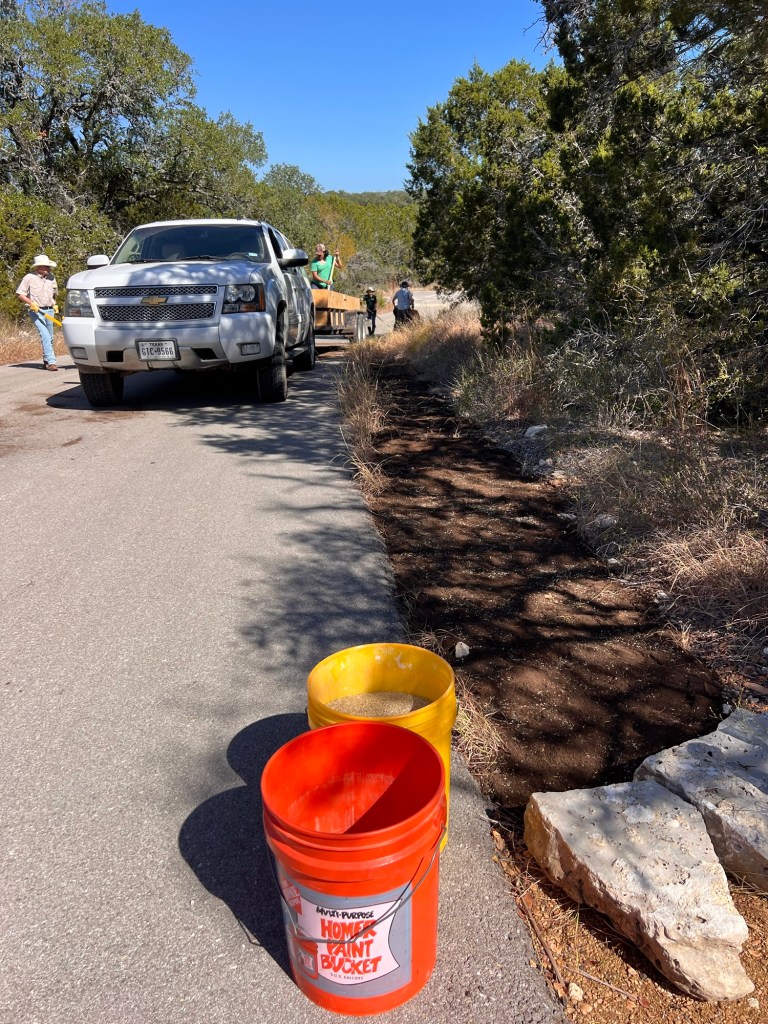
Seed buckets. There was also rye grass seed.

Once that was done, mulch was used to hide the seeds from birds. This was on the roadside, where plants have not been growing. It should be really nice if it ever rains the seeds in. We did well!

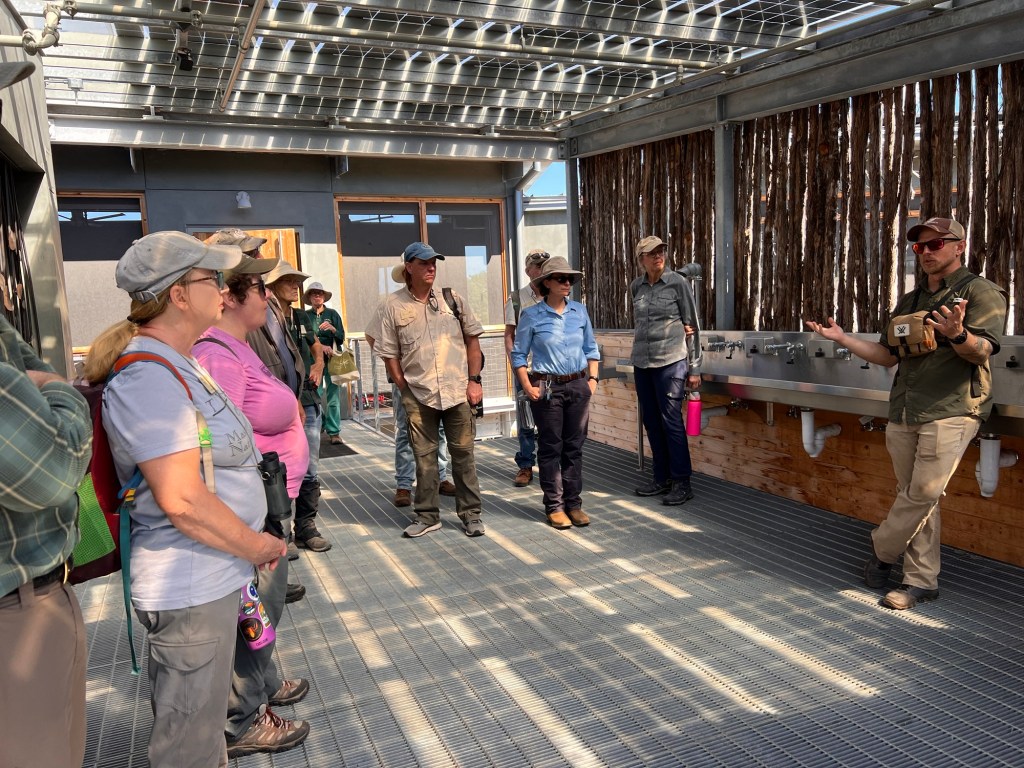
After the work, we ate our sack lunches in the impressive dining pavilion. It’s all solar powered and all the water is harvested rainwater. There’s no air conditioning, but it was perfectly pleasant inside. And at one end was a garage door of windows that could be cranked open, to be replaced by screens. Very clever.
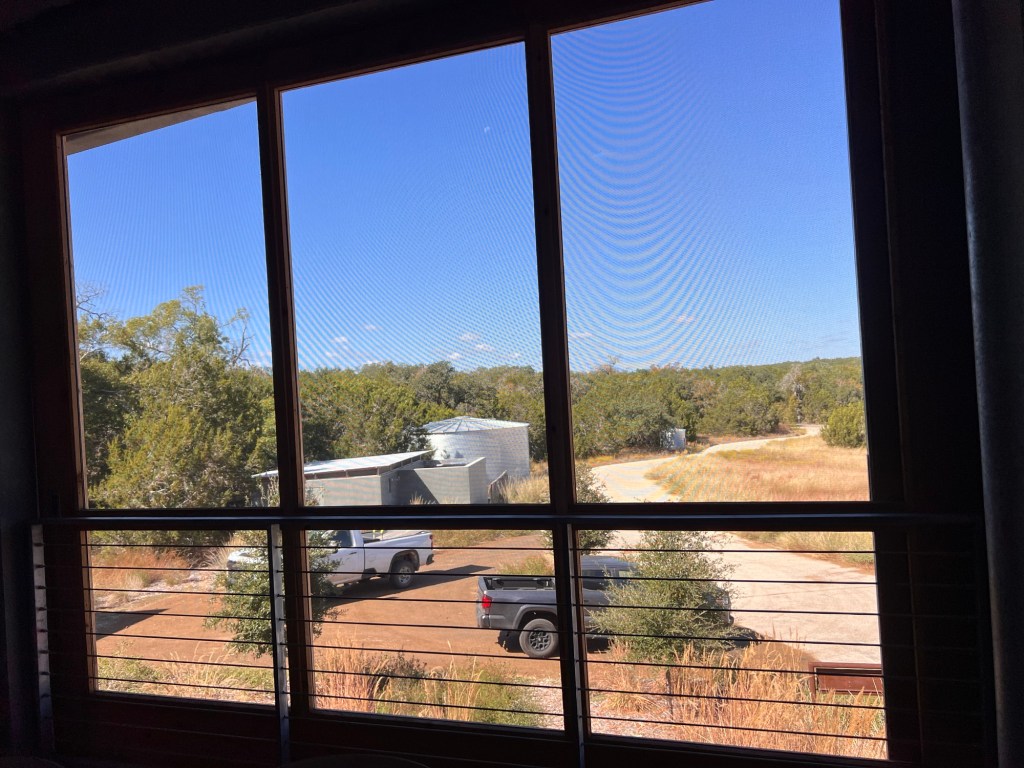
View from side window

I ate with a very nice older woman named Annie who was Texan in the best way, full of stories of her farm upbringing and funny relatives. I just had the nicest time talking to her.
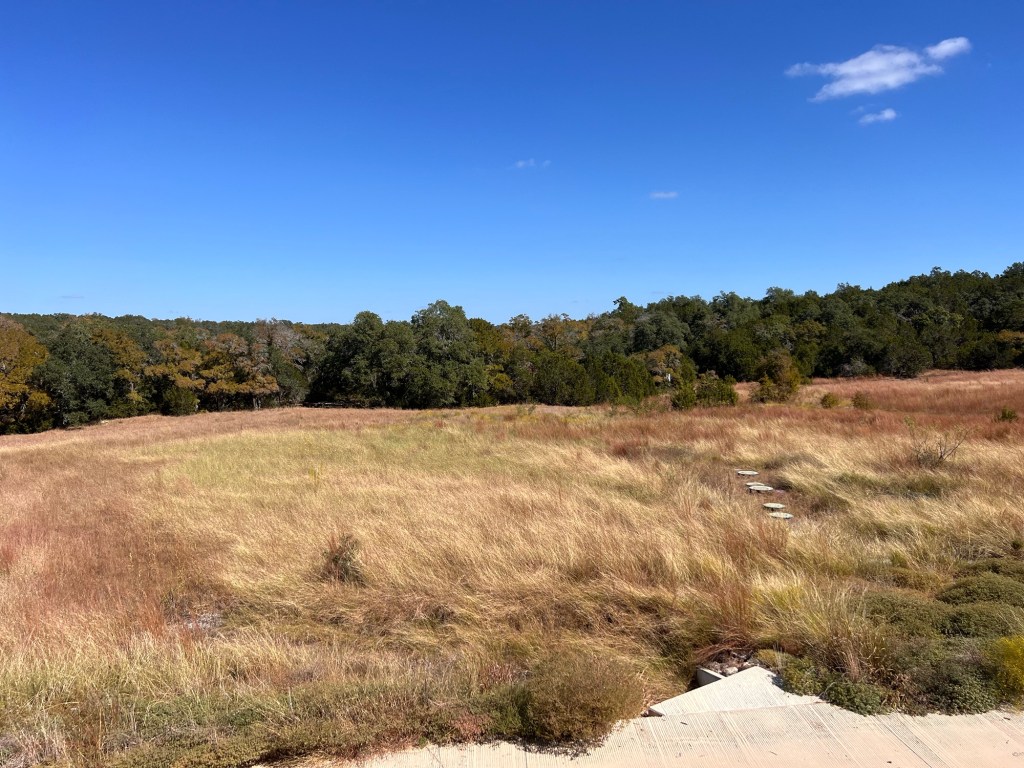
Beautiful little bluestem prairie area as seen from the garage doors.

After we ate we went on tour of the site, which hosts camps for underprivileged young people, we took a hike along the creek then up the escarpment to see the meadows. There were many interesting plants, though they were pretty shriveled from the drought.
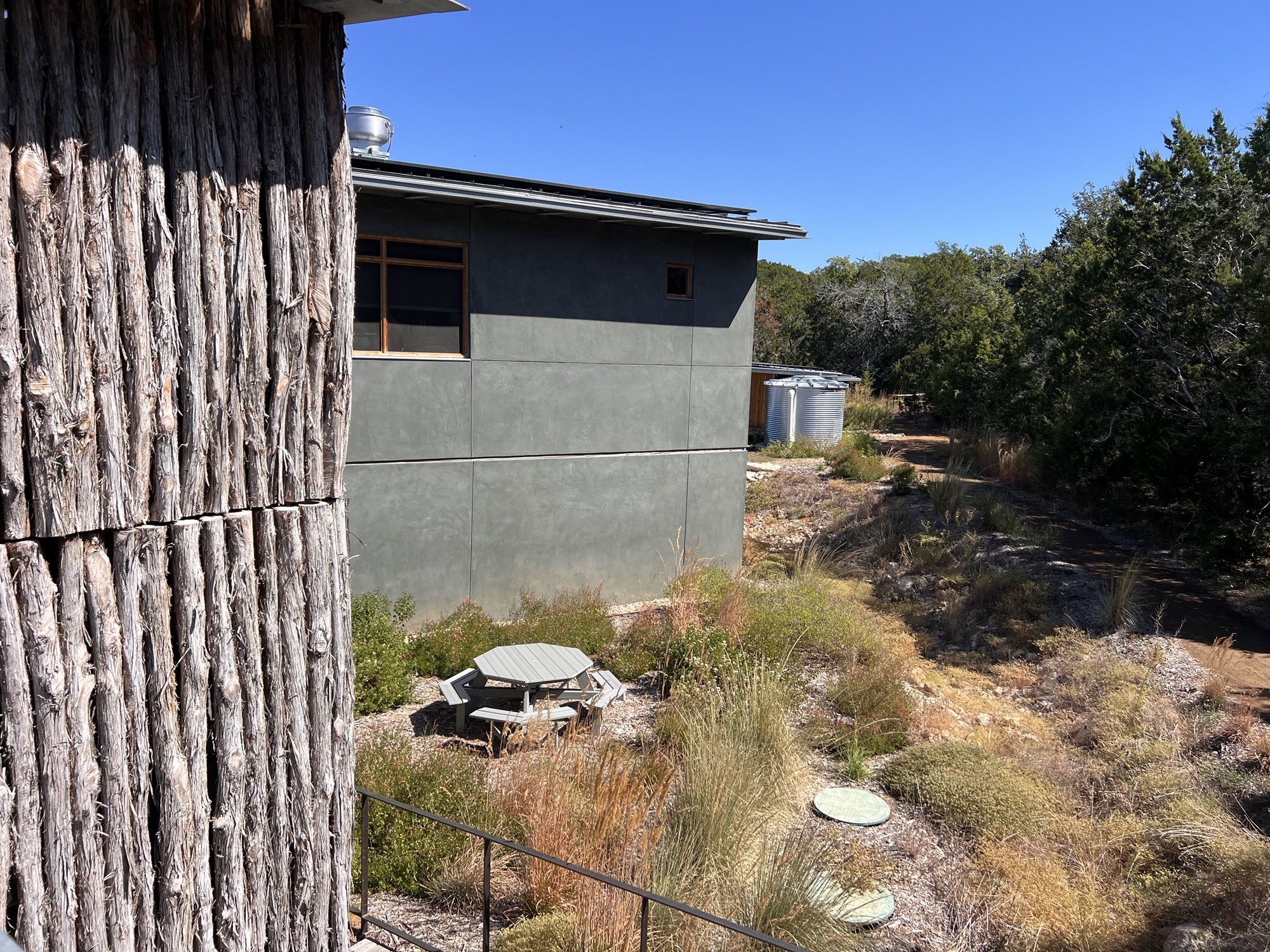
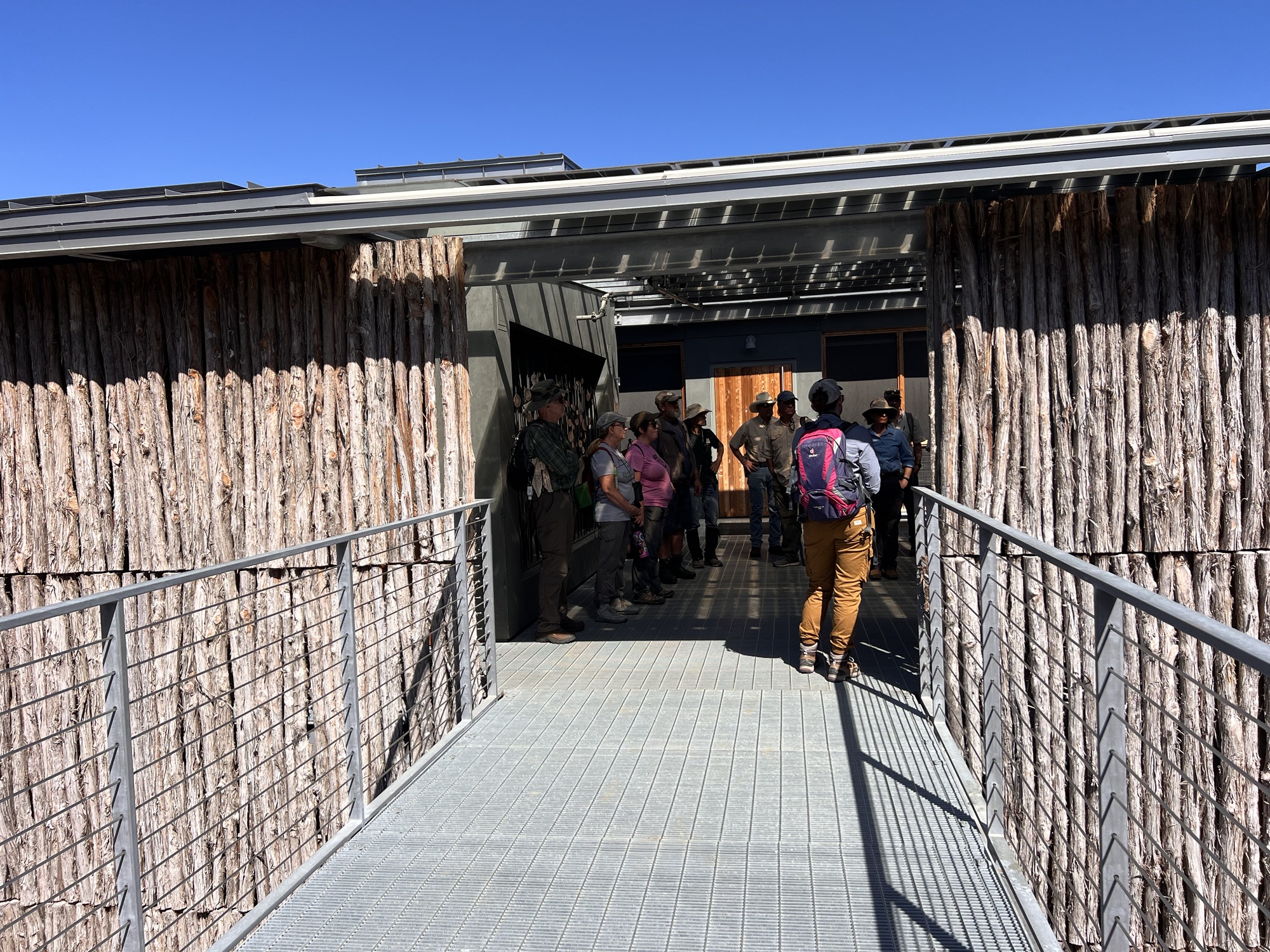
Oh, I meant to mention that a Master Naturalist chapter did the welcoming and very decorative plantings around the facility. It’s all native plants, teeming with life, but as attractive as a traditional landscape. They did great work. photos are above.

The drive to San Marcos, where the meeting is being held, was quite enjoyable, mostly on back roads. There were many huge ranches with ornate fencing and gates. Combined with their concrete driveways, you knew lots of money was being used for these spreads. Also there were numerous neighborhoods of very large homes. Land must be less expensive in the Buda area.

When the hour-long drive ended, I collapsed in my very comfy room. It’s a corner suite, which matters because I’m at one of those atrium hotels with all the echoes. Most suites have windows facing the hallway, which is loud. Mine looks out in the back (quiet) side of the hotel, where I can see how much the area has grown since I came here 15 years or so ago for a UU women’s conference. I feel old!

That used to be corn

I did venture back out, because we get two free drinks per night! I’m so glad I did, because I ended up talking to the woman in front of me in the drinks line for a long time. We ended up having a great conversation about all sorts of things, even horses! She’s learning dressage. I couldn’t have had a nicer time.

Happy couch time

Now I hope I can sleep. I didn’t last night! That was inconvenient insomnia. Tomorrow’s field session involves mindfulness and wetlands. Hmm. And later, glass-bottom boats at the beautiful former Aquarena Springs.

Book Report: Nature’s Best Hope

Do you care about our planet and the life it supports? Then, stop reading this blog post and go order this book: Nature at Its Best: A New Approach to Conservation That Starts in Your Yard, by Douglas W. Tallamy. Consider it an early Earth Day present to yourself and the Earth. Get ready for some gushing now.

Why encourage caterpillars? Birds need them to make more birds!

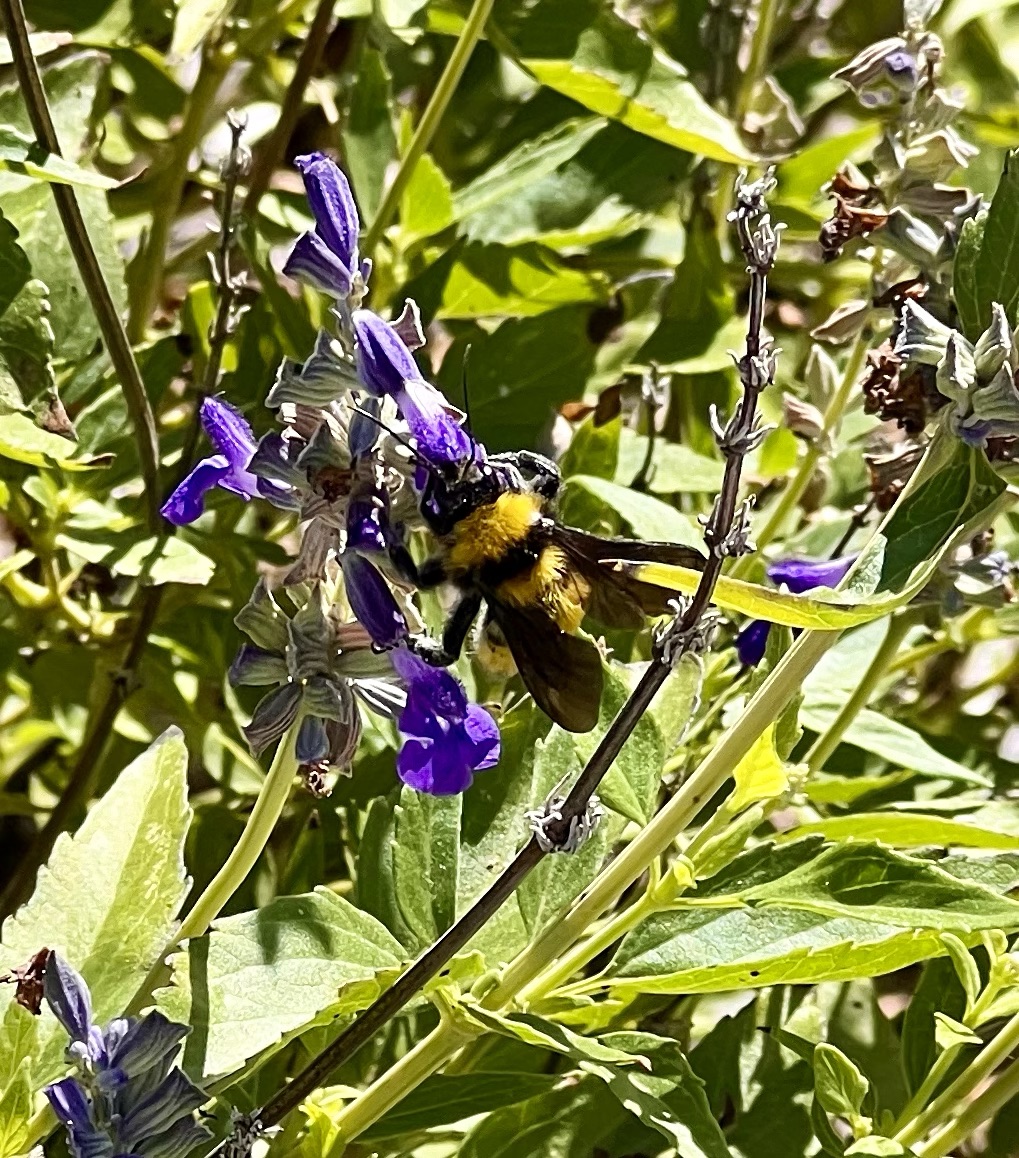
Wow, this is a great book, which you might guess, given that I devoured it in a weekend. It’s got proper footnotes and references and such, but is written more for a lay audience than Behave! was. (Since I really don’t want to take pictures of the pictures in the book, I’ll share my own happy nature pictures from the weekend to encourage readers to make environments where they can see these for themselves, like the book describes!)

This is the book you want to give people who are not naturalists or environmental activists to explain to them that a) all those horrid weeds and bugs are what’s keeping the world alive and b) you can make a beautiful planting area on your property that encourages birds and other wildlife without going to a lot of trouble and effort.

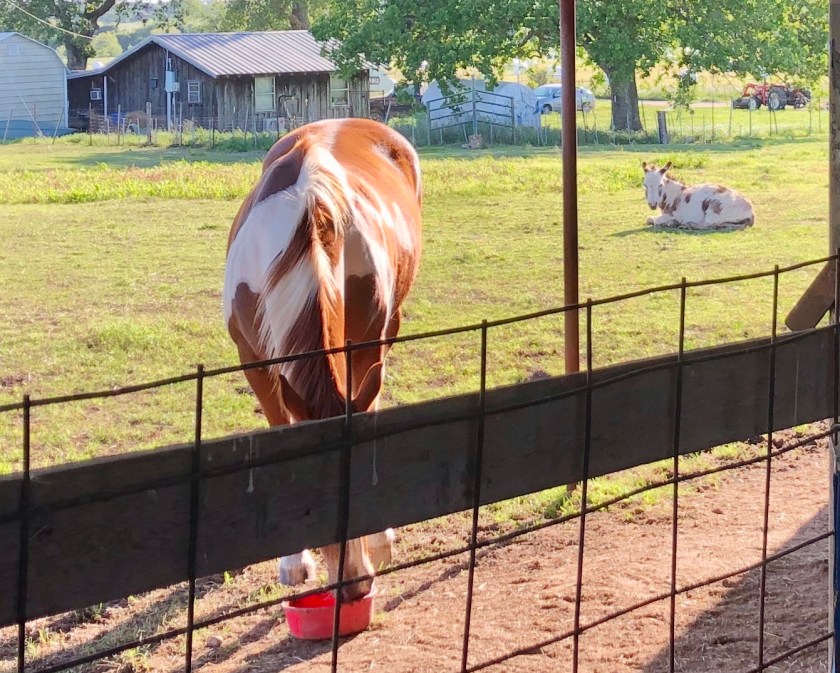
While not part of creating a landscape of natives, donkeys and horses have a place, at least in my heart. (Spice and Fiona)

Tallamy makes so much sense in this book! Wow! He calls using native plants in naturalistic, yet attractive, settings creating Homegrown National Park. The main point of the book is that if people did this instead of planting endless swaths of turfgrass and non-native plants, we would be well on our way to saving the beauty all around us, benefiting us (we get to watch birds, butterflies, and animals) and the planet (diversity will be maintained, etc.). And Tallamy points out that turfgrass does have its place, for making nice paths.

Urban wildlife! Duck party at the Pope Residence.

I especially enjoyed all the beautiful photos he includes in Nature at Its Best, to show the kinds of sights you can see if you just make an appropriate setting. And that’s important, because exposing kids (and adults) to the natural world right where they live will make such a huge impact (as opposed to visiting nature in very carefully structured short trips). I say yes to all this, as do my fellow Master Naturalists.

You just can’t help but get all fired up and ready to drag in some native trees and shrubs and stick a rotting log or two around the place for moths to pupate in. And, conveniently, Tallamy provides links to two excellent websites to help you select what you should plant where YOU live:

  • Native Plant Finder: uses your postal code to help you find trees and herbaceous plants for hosting caterpillars. This is EXTREMELY cool.
  • Plants for Birds: same deal, but for hosting birds. I’ve already looked up both my houses.
Don’t worry, we are just using up the last of the red hummingbird food. We’ll make more of the correct kind!

I’m impressed that the work of one person, Kimberly Shropshire, created the original database for these, working with Tallamy. She must be an amazing person!

Honest, this book encourages citizen science at its BEST. I’d really like to spread the word about this resource. If you know people who enjoy nature and gardening, please share this post or the name of the book. And order it, even if just for the pretty pictures!

Those of you who prefer novels to nonfiction, rest easy. My next book is a fun historical novel.